Your Trusted Labels & Stickers Manufacturer from China!

White Ink on Clear Labels

Control opacity without losing the clean no-label-look effect.

Philiton builds clear label structures around the final container, artwork and viewing background – not around a generic white-ink setting.


  • Clear BOPP and clear PET options
  • Selective, full-underbase and white-only printing
  • Around 500 pcs for many standard projects
  • 12,000+ m² manufacturing footprint; 200+ employees; 91 technical, skilled production and quality personnel
White Ink on Clear Labels

White Ink Changes More Than the White Areas

On transparent film, white ink becomes a functional print layer. It controls what stays clear, what becomes opaque, and how strongly color survives the bottle or product behind it.
Color Needs a Base

Color Needs a Base

CMYK printed directly on clear film remains partly transparent. A dark bottle, amber glass, colored liquid or printed carton can shift the visible color. A controlled white underbase reduces background influence and gives selected color areas a more stable visual foundation. For critical brand colors, Philiton treats the applied package rather than the PDF preview as the final visual reference.
Opacity Is Selective

Opacity Is Selective

A clear label does not need to become a white label. Philiton can keep windows transparent while placing white only under logos, type, illustrations, barcodes or other critical areas. The white plate is treated as part of the artwork and production specification, not as an afterthought at press setup. This approach also helps preserve clear edges around the label so the package keeps its intended transparent character.
White Can Be the Design

White Can Be the Design

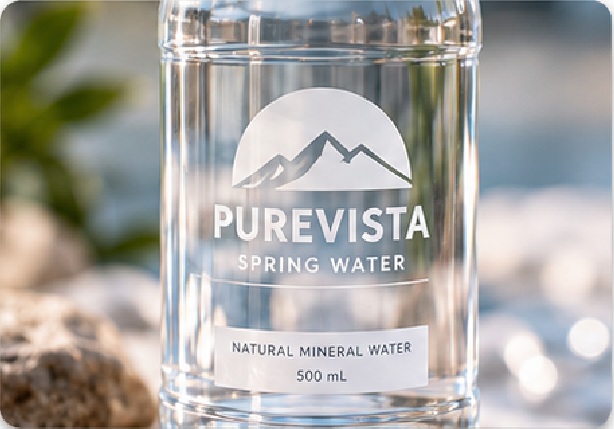
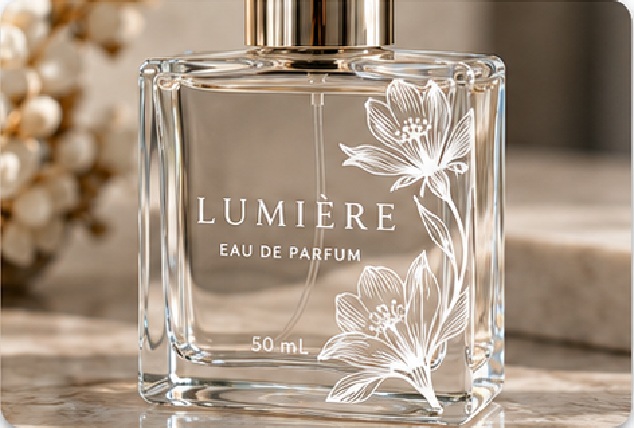
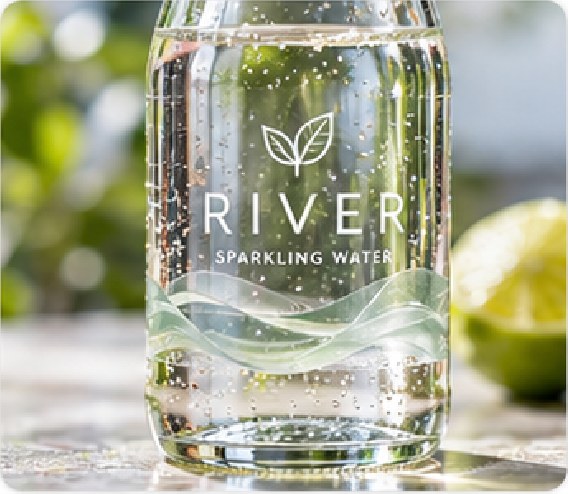
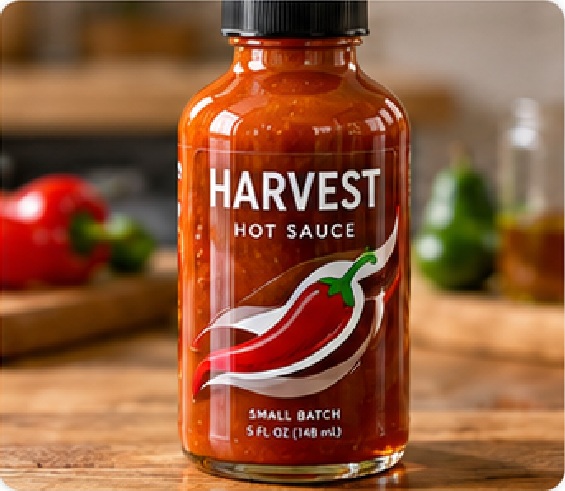
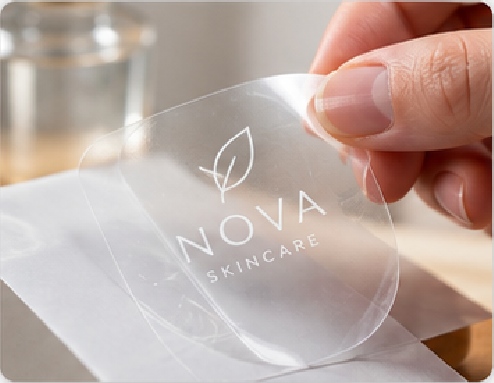
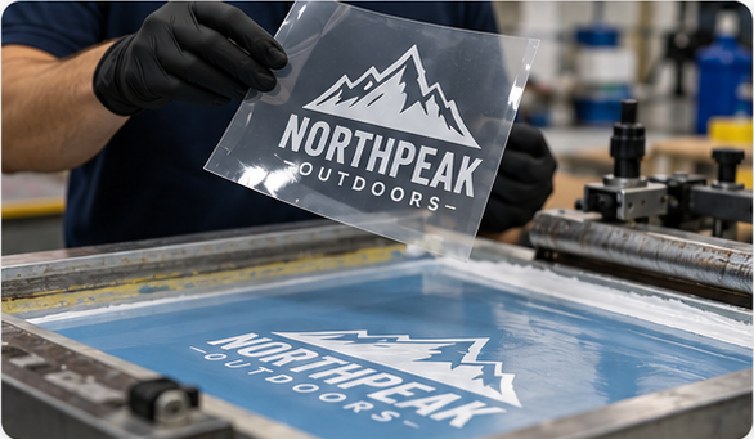
White ink can also print as the visible graphic itself. Fine white typography, icons or decorative elements on a transparent film can create a restrained premium look. Required opacity, line detail, material surface and registration must be reviewed together because a screen preview cannot predict the final effect on every container.

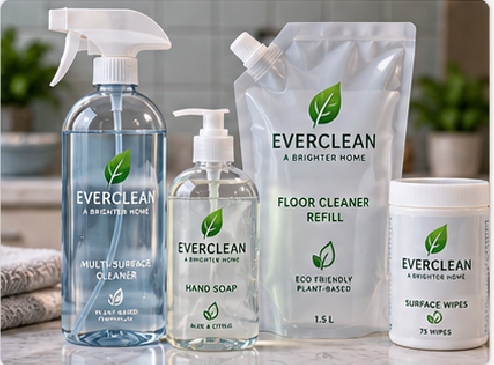
Clear Label Projects Philiton Is Built to Support

White ink matters most when appearance, readability and repeatability must survive real packaging conditions rather than only look correct on a monitor.

Established Consumer Brands

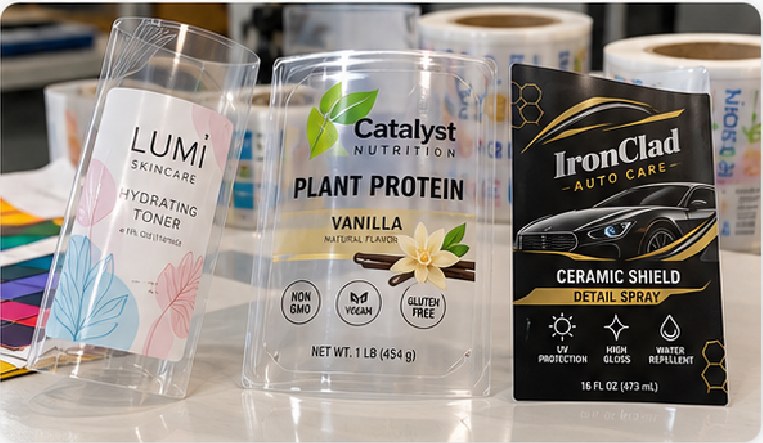
For skincare, beauty, beverage and household programs, clear labels often carry brand colors across many SKUs. Philiton can control artwork versions, white-ink zones, material, finish and approved color references as one specification. The goal is repeatable packaging appearance when seasonal versions, line extensions or repeat orders move from short runs into larger production quantities.

Packaging and Brand Teams

Creative teams usually care about negative space, transparency, color density and whether a label visually disappears on the container. Philiton reviews the bottle or pack background before locking white coverage. Transparent windows, white elements, underprinted color areas and finishing can be separated deliberately so design intent remains visible after the label is applied.

Manufacturers Using Applicators

A clear label still has to run through a machine. Roll direction, core size, maximum roll diameter, gap, pitch, liner width, sensor needs and labels per roll matter alongside white ink. Philiton can combine the visual specification with converting requirements so approved artwork does not become a production-line problem. The label can also be supplied with sensor features when clear gaps are difficult for the intended applicator to detect.

Multi-SKU Growth Programs

Digital production can suit smaller launches, multiple artworks and changing SKUs, while flexographic and other roll-production routes can support larger repeat volumes. Philiton evaluates whether several SKUs can share material, adhesive and finishing while keeping each artwork and white plate controlled as a separate approved version. Shared constructions can reduce unnecessary setup variation while revision control keeps each SKU traceable through sampling, production and packing.

Four White-Ink Structures for Clear Label Artwork

The best result starts by deciding where transparency should remain. Philiton can engineer four common structures according to the bottle, graphic and required color behavior.
No White Ink

No White Ink

Color prints directly on clear film and the container becomes part of the visual result. This can work for intentionally transparent graphics, tinted effects or areas where background show-through is desirable. It is a poor choice when small text, barcodes or brand colors need strong contrast against changing product or container colors.
Selective White Underbase

Selective White Underbase

White is placed only beneath chosen graphics. Logos, product names, regulatory text or color blocks gain opacity while surrounding film stays transparent. Selective white is often the most useful route for no-label-look packaging because it protects important elements without turning the full label area into an opaque patch. It is especially useful when a design combines transparent windows with dense brand colors or small copy that cannot tolerate background interference.
Full White Underbase

Full White Underbase

A larger printed area receives white beneath the color layer, producing a result closer to printing on white film while retaining a transparent facestock and clear edges. Full underbase can stabilize color across tinted containers, but it reduces the amount of visible transparency and should be approved on the actual package.
White Ink Only

White Ink Only

White graphics print directly on transparent film without CMYK above them. The look can be clean and understated on glass, clear PET and colored containers. Philiton checks fine details, opacity expectations, line weight and print route because large solid areas and very fine white elements may need different production settings.

Choose Clear Film Before Finalizing White Coverage

White ink cannot compensate for the wrong label construction. Film stiffness, clarity, adhesive haze, container curve and service environment should be settled before the white plate is frozen.
Clear BOPP / PP

Clear BOPP / PP

Clear BOPP is a common route for bottles, jars and consumer packaging requiring moisture resistance and a no-label-look appearance. Typical clear BOPP constructions in Philiton’s fact base are around 45-60 μm, with final thickness selected by application. Digital, flexographic and screen routes can be evaluated with white ink, CMYK or spot colors.
Clear PET

Clear PET

Clear PET offers higher dimensional stability for durable, premium or more demanding identification applications. It can be useful where crisp print, stable film behavior or stronger resistance is needed. The final adhesive, thickness and finishing are selected around the substrate, environment and converting route rather than the word PET alone.
Clear Flexible Films

Clear Flexible Films

Some curved or flexible packs need a softer film response than a rigid clear construction provides. PE and other compatible transparent film structures can be evaluated when package squeeze, curvature or movement matters. White ink, adhesive and film flexibility must be tested together because a beautiful flat proof can behave differently after application.
Adhesive and Liner Pairing

Adhesive and Liner Pairing

High clarity depends on more than the face film. Adhesive haze, trapped air, contamination, liner quality and application pressure can make a clear label look cloudy. Philiton can source transparent permanent or other suitable adhesive systems and select liner/roll configurations around hand application or automated dispensing. Applied samples on the real surface are the best way to judge whether clarity and bonding remain acceptable after dwell time. 
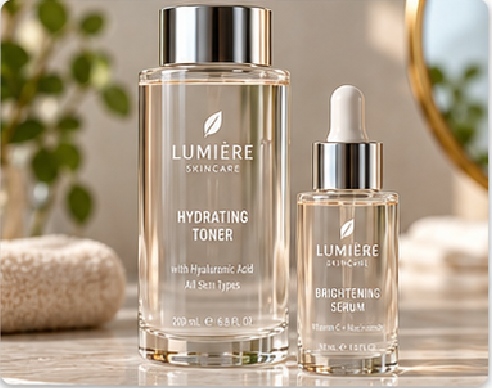
Where White Ink on Clear Labels Works Best

Clear-film packaging becomes more predictable when the label structure is matched to the container, exposure conditions and required visual contrast from the start.
Skincare Bottles

Skincare Bottles

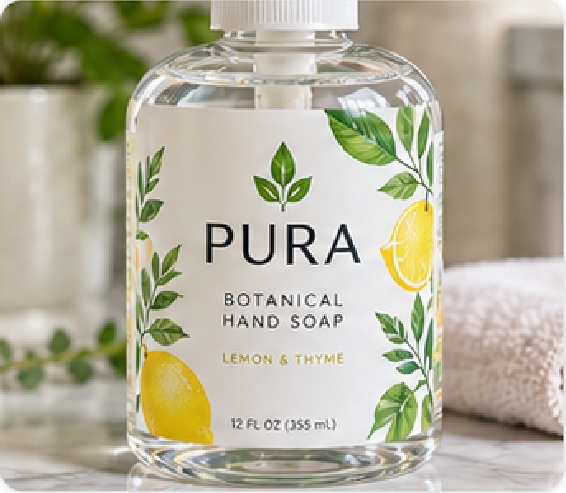
Serums, toners, cleansers and creams often combine clear or frosted containers with small typography and premium graphics. Selective white can keep INCI text, logo details and color blocks readable while leaving open transparent areas around the design. Oil, water and repeated bathroom handling should also be considered when choosing film, adhesive and protective finish for the approved structure.
Cosmetics and Fragrance

Cosmetics and Fragrance

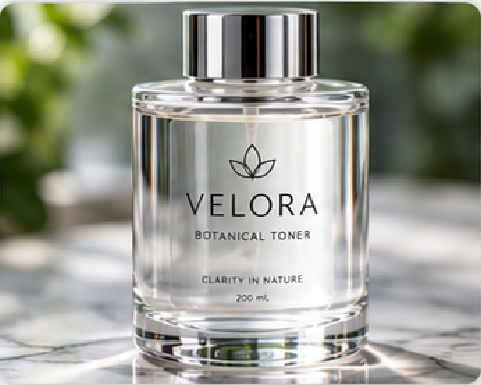
Beauty packaging frequently uses glass, PET and high-gloss surfaces where dust, scratches and bubbles are visible. Clear film, high-clarity adhesive, controlled white coverage and careful packing help protect the intended no-label-look presentation. White ink can isolate fine brand elements from perfume color, decorative glass or a dark cap area without covering the entire transparent label.
Beverage Packaging

Beverage Packaging

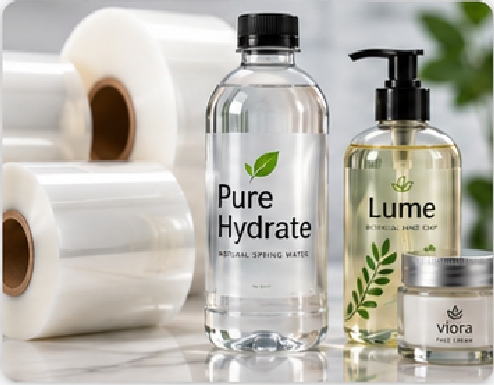
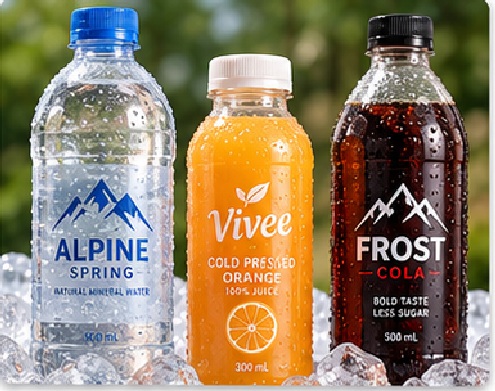
Water, juices, functional drinks and cold beverages can expose labels to condensation, cold storage and frequent handling. White underprint supports legibility and color, while film and adhesive selection must also address moisture, bottle material and application temperature. For automatic filling lines, roll direction, core size, gap and winding condition should be approved alongside the visual sample.
Food Jars and Bottles

Food Jars and Bottles

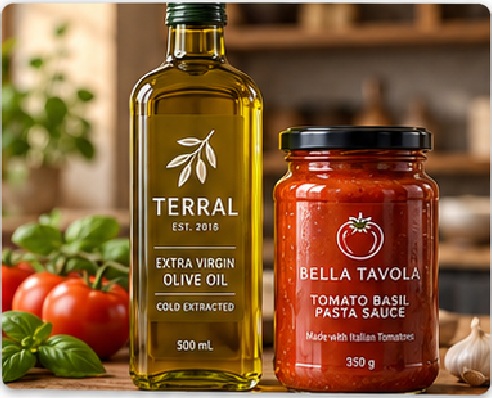
Sauces, oils, condiments and jarred products may need transparent windows without sacrificing product names, ingredients or barcodes. White ink can separate critical information from variable food colors behind the label, while oil and moisture exposure influence the protective finish. Where labels may contact oily residue or frequent refrigeration, Philiton reviews the film, adhesive and surface protection as part of the same specification.
Household and Personal Care

Household and Personal Care

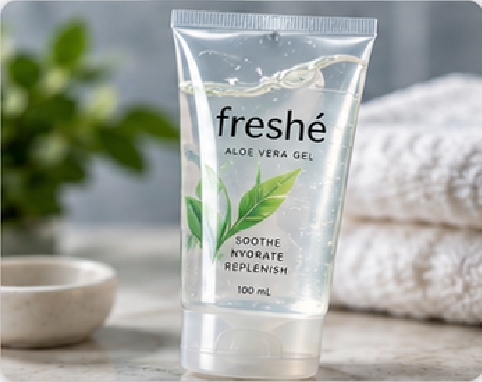
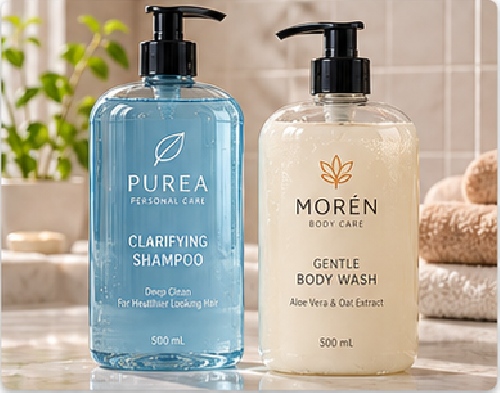
Shampoo, body wash and household liquids often use curved PET, PP or HDPE containers. Low-surface-energy plastics, bathroom moisture and handling require adhesive review. White ink solves visibility; it does not solve poor adhesion, so the full construction must be tested. Container squeeze, label stiffness and product leakage around the pack are additional factors that may affect long-term appearance and adhesion.
Industrial Identification

Industrial Identification

Clear PET or other transparent films can be used where visibility of the underlying product is desirable but selected warnings, symbols, QR codes or identification zones need contrast. Durability, chemical exposure and scan performance become part of the same engineering review. Where codes or warnings must remain functional, white ink is treated as a contrast layer and checked together with durability and scanning requirements.

Select White Ink by the Final Viewing Condition

Final ConditionRecommended White ApproachMain ReasonApproval Focus
Clear glass / clear liquidSelective white or white-onlyPreserve no-label-look areasWhite opacity, registration, visible adhesive haze
Clear bottle / colored liquidSelective or fuller underbaseReduce color contamination from productApplied sample on filled or representative container
Amber or dark bottleStrong selective or full underbaseMaintain text and brand-color contrastDensity, small text, edge registration
White containerWhite may be reduced or removedContainer already provides a light backgroundTransparent zones and color appearance
Metallic / reflective substrateSelective white maskSeparate normal color from metallic show-throughWhite mask alignment and finish
Barcode / QR on clear filmWhite contrast panel often preferredProtect scanner contrast from changing backgroundCode size, quiet zone, print quality, scan check

Use the background behind the label as the starting point. The same artwork can look materially different when moved from a white proof sheet to glass, amber, black plastic or a colored liquid

Build the White Layer Correctly in Artwork

White ink should be visible as its own production object before printing starts. Philiton can review vector files, spot layers, dielines and proofs to remove ambiguity before sampling.

Separate the White Plate

White areas should be created as an independent vector layer or spot color and clearly named White or White Ink. Keeping white separate from CMYK allows prepress and production teams to see exactly which areas are opaque, which remain transparent and which require a white underbase beneath color. The plate name, knockout behavior and relationship to CMYK or spot colors should remain unchanged from approved proof through production release.

Define Transparency Intentionally

A blank area in the file can mean two different things: intentionally transparent or accidentally missing white. Philiton reviews transparent windows, white-only elements and underprinted color blocks against the intended container so the production file reflects a conscious design decision rather than an assumption made at press setup. Philiton can also request a bottle photo or physical container when the artwork alone does not show what color will sit behind the clear film.

Review Trapping and Registration

White lying beneath CMYK may require controlled inset, spread or trapping depending on artwork and print route. Small white text, fine borders and tight color edges deserve special attention. The final Production Artwork should state how the white plate aligns with the color layer and die line. The required treatment is documented in production artwork so later revisions do not unknowingly change the visible white edge around color.

Approve the White Plate View

For clearer approval, Philiton can show the white plate separately from the composite artwork in the proof workflow. The team approving the job should be able to identify white-only areas, underbase areas and clear windows before material is printed. Changes after approval may require renewed prepress or sampling. For multi-SKU programs, keeping the white plate visible during approval also makes version comparison faster and reduces the risk of carrying an old mask into a new artwork. 
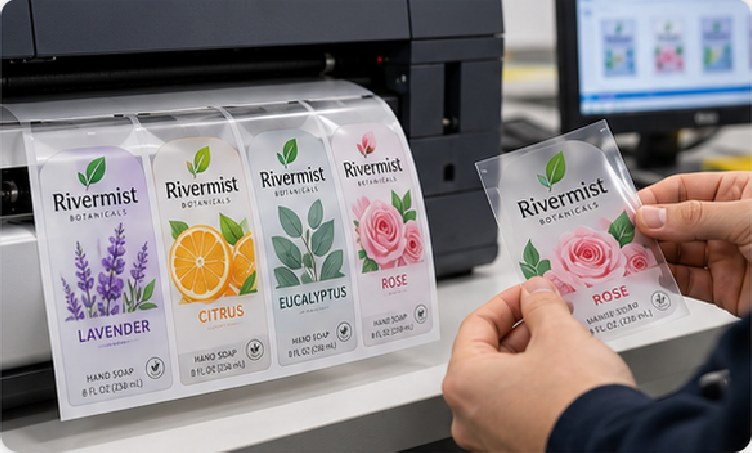
Printing Routes for White Ink on Clear Film

Philiton selects the print route around quantity, SKU count, opacity, artwork detail and repeatability. No single process is the automatic answer for every clear-label program.
Digital Printing

Digital Printing

Digital production is useful for shorter runs, multi-SKU launches, frequent artwork changes and variable content. It reduces dependence on traditional plate preparation and can move efficiently from approved file to printed roll. White capability, exact opacity and material compatibility are confirmed around the selected digital route and final sample. It is also a useful route for approval quantities when the team wants to verify several white-coverage concepts before committing to a larger repeat program.
Flexographic Printing

Flexographic Printing

Flexographic production becomes attractive when specifications are stable and volume grows. It supports roll-to-roll production, repeat programs and broader packaging-label quantities. Clear-film work requires controlled color, white layer, registration, web handling and material consistency, especially when multiple SKUs share a common construction. Press setup and color standards become particularly important when the same construction is repeated over long runs or across scheduled releases.
Screen Printing

Screen Printing

Philiton uses screen printing where stronger opaque white, thicker ink deposits or specialty effects are valuable. The internal fact base lists paper, PET, PVC, vinyl and BOPP among compatible categories. Screen printing offers strong white coverage but usually carries more setup and lower speed than high-throughput flexographic work. For clear-film projects, Philiton may use it when opacity is a stronger requirement than the fastest possible throughput or the lowest setup complexity.
Combined Process Routes

Combined Process Routes

Some projects need more than one printing or finishing step. White ink may be paired with CMYK, Pantone colors, foil, lamination, varnish or other finishes. Philiton reviews sequence, registration and economic fit before quoting because every added layer affects setup, risk, lead time and the final approval standard. The production sequence is written into the released specification so a later reorder does not depend on verbal memory of how the effect was built.

Sample on the Real Container Before Production Release

A monitor cannot show bottle color, adhesive haze, white opacity and final gloss at the same time. Physical approval is the safest reference for a clear-label program.

Artwork Proof

Prepress first checks size, bleed, dieline, fonts, image resolution, color mode, spot colors and white layers. A production proof confirms the intended structure before material is consumed. Vector PDF, AI and EPS are preferred when the design contains white plates, special finishes or tight die-cut relationships. The proof should make the white plate visible as a separate production layer, not hide it inside a composite preview that can be misread.

Material and White Test

A material sample verifies clarity, film behavior and adhesive appearance, while a printed sample shows the real interaction between white and color. Standard printed samples commonly take about 3-5 business days; complex white-ink, special-material or finishing projects are confirmed individually before scheduling. Philiton confirms the sample route and any sample cost or special material requirement before the work is released.

Applied Container Test

For transparent, dark or colored containers, the sample should be applied to the actual bottle or a representative surface. Review opacity, transparency, bubbles, edge lift, visible adhesive, color shift, curvature and small-text readability after application – not only while the label is held in the hand. If the product color changes between variants, several representative filled containers may be worth reviewing before one white density is locked across the range.

Golden Sample Approval

Once appearance and function are accepted, the approved material, artwork revision, white plate, color target, finish, adhesive, die, roll configuration and packing requirements should be locked. The approved physical sample can then become the strongest reference for production and repeat orders. Repeat production is still reviewed for material availability, artwork revision and changed application requirements before release.

Color Control Must Include White Ink and Background

Print StructureExpected Visual BehaviorStrongest Approval Reference
Clear film + no whiteColor stays translucent and changes with backgroundApplied sample on intended container
Clear film + white underbaseColor becomes more stable and opaqueApproved sample using final film and white coverage
Clear film + white + matte finishWhite stabilizes color; matte changes gloss and perceived depthFinished laminated/varnished sample
Clear film + spot/Pantone + whiteBrand color can be controlled more tightlyApproved material sample plus defined color target
Metallic film + no whiteMetallic background shows through colorFinal sample on selected metallic material
Metallic film + selective whiteNormal color and metallic effects can coexistApproved sample showing both zones

From Approved File to Finished Clear Label Rolls

Production control begins before the press. Each step protects the white layer, transparent areas and approved appearance from being changed by later operations.

Requirement Review

Philiton records container or substrate, environment, size, quantity, SKU count, artwork status, white-ink intent, finishing, roll format and application method. Missing fields are resolved before production assumptions become embedded in the job. The review also identifies whether a physical bottle, prior roll sample or applicator specification is needed before engineering can close the open items.

Material and Adhesive Confirmation

Clear BOPP, clear PET or another approved film is paired with a suitable adhesive and liner. Surface energy, curvature, moisture, temperature and required clarity are reviewed before material is released for the run. Incoming material identity and condition are checked before production so a visually clear structure is not built on an unapproved substitute.

Prepress and White Separation

Artwork is checked for dieline, bleed, fonts, image resolution, spot colors and white layers. White-only elements, underbase areas, transparent windows and required trapping are converted into a controlled production file and proof. A released revision number links the production file to the approved sample and helps keep multi-SKU changes from crossing between jobs.

Printing and Finishing

The selected digital, flexographic, screen or combined route prints white and color in the approved sequence. Lamination, varnish, foil or other finishing follows the approved construction without silently changing the appearance standard. First-article checks confirm that white density, color and finish are moving toward the approved reference before the full run proceeds.

Die Cutting and Rewinding

Labels are die cut, waste is removed, then rolls are slit and rewound to the specified width, core, roll direction, maximum diameter and labels-per-roll requirement. Tension and handling are controlled to protect clear film from telescoping, scratches and deformation. For automatic application, consistent gap, pitch and winding direction are treated as functional dimensions rather than packing preferences.

Final Inspection and Packing

QC checks print, white layer, registration, die cut, surface, quantity and roll specification before release. Approved lots are protected against moisture, crushing, unwinding and surface damage, with SKU and batch identification applied according to the packing plan. Nonconforming rolls are segregated and reviewed against the released specification before approved material enters shipment preparation.

QC Points Unique to Clear Labels and White Ink

Clear film exposes defects that opaque material can hide. Philiton adds visual and dimensional checks around transparency, white coverage, registration and roll handling.

White Opacity

The printed white area is compared with the approved target for visible coverage and consistency. A white layer that is too weak can let bottle color contaminate graphics; excessive white can change the intended transparent balance or alter color appearance. Philiton also checks whether white density is consistent enough across the run to avoid visible color shifts when labels are applied side by side.

White-to-Color Registration

Edges where CMYK or spot color sits over white are checked for visible halos, exposed white or color falling outside the mask. Tight details and small reverse areas receive more attention because small shifts are easier to see on clear film. The approved trapping strategy is used as the comparison point so inspection does not rely on an operator guessing what edge relationship was intended.

Transparency and Surface

Clear areas are reviewed for haze, dirt, scratches, unwanted ink, coating defects and visible contamination. The label should remain visually clean before application because high-gloss bottles and transparent containers amplify small defects. Roll handling and packing cleanliness matter because a scratch or particle can remain obvious even when the printed color itself is correct.

Die Cut and Edge Quality

Die-cut position, cut depth and edge condition are checked against the artwork and liner. Inconsistent cutting can create lifting edges, dispensing problems or visible shape errors, especially on clear materials where the boundary is meant to disappear. The liner must release cleanly without cutting through too deeply or leaving unstable edges that can catch during dispensing or hand application.

Adhesion and Application

Where application risk is important, samples can be checked on the intended glass, PET, PP, PE or HDPE surface. Curvature, contamination, application temperature and surface energy can affect performance even when white ink and print quality are correct. The applied sample is reviewed after suitable dwell time because immediate tack and longer-term bond can behave differently on challenging plastics.

Roll and Quantity Control

Roll direction, core size, maximum OD, labels per roll, winding condition and SKU identification are checked against the released specification. Automated applications may also require defined gap, pitch, black marks or other sensor features. Carton identification links finished rolls to SKU and batch so receiving teams can trace the material without opening and re-counting every package.

Lock Size and Roll Data Before the Press Starts

Visual approval does not replace mechanical specification. Philiton records dimensions and roll data so the same label can print, dispense and re-order consistently.
SpecificationWhat Philiton NeedsWhy It Matters
Finished sizeWidth × height, shape, corner radiusControls artwork, die line and fit on container
Film constructionClear BOPP, clear PET or approved alternativeAffects clarity, stiffness, printing and application
White layerNone, selective, full underbase, white-onlyControls opacity and final color behavior
Label gap / pitchApplicator or converting requirementAffects sensor detection and indexing
Core sizeApplicator spindle requirementPrevents roll incompatibility
Roll directionLeading edge and print orientationAligns artwork with machine feed
Maximum roll ODApplicator or warehouse limitControls labels per roll and handling
Labels per rollRequired quantity toleranceSupports line planning and receiving
Liner widthLabel width plus approved marginsAffects dispensing and web stability
Sensor markBlack mark or other registration feature if neededSupports machines that cannot read clear gaps reliably


Pack Clear Labels Without Adding New Defects

Clean printing can still be damaged after conversion. Philiton designs roll and carton protection around transparent surfaces, winding stability, SKU control and the receiving method.

Protected Roll Packing

Finished rolls are protected against crushing, moisture, telescoping and unintended unwinding. Clear labels may also need clean inner wrapping to reduce dust, abrasion and surface contact before the rolls reach filling or labeling operations. The protective method is selected so packaging pressure does not create edge impressions, surface rub or distorted winding before the rolls reach production.

SKU and Batch Identification

Cartons and roll packs can be identified by SKU, quantity and batch according to the project specification. Multi-SKU programs should avoid mixed identification that forces warehouse or production teams to open cartons simply to confirm contents. Where several versions share one shipment, separate identification supports receiving, line staging and later complaint traceability without depending on artwork appearance alone.

Warehouse-Ready Delivery

Direct shipment to a warehouse or fulfillment center can be arranged when receiving rules, carton or pallet labels, appointment requirements and destination details are provided. Packing specifications should be confirmed before final production rather than added after rolls are finished. Pallet pattern, outer-carton marks and mixed-SKU rules can be documented when the receiving site has a defined inbound standard.

Courier, Air or Sea

Samples and urgent smaller shipments can move by international courier, while larger programs may use air or sea freight depending on size, urgency and destination. Transit time is quoted separately from production time, and customs responsibility follows the agreed commercial term. Philiton can also work with project-specific delivery instructions, while final freight cost and estimated transit are confirmed from shipment data and destination.

Compliance Follows the Finished Label Construction

Philiton can support material, document and manufacturing requirements defined for a project, but compliance claims must match the exact label structure and the target market.
Packaging Labels

Packaging Labels

A label placed on the outside of a bottle or carton has a different risk profile from a label or adhesive with direct food contact. Material declarations and test reports should correspond to the real construction, intended use and market rather than being treated as universal certificates for every label.
Cosmetic and Personal Care

Cosmetic and Personal Care

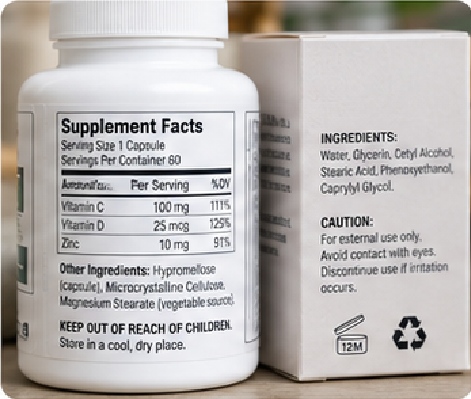
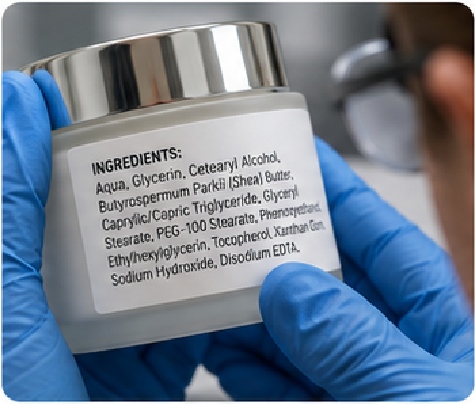
Philiton can reproduce approved INCI text, warnings, batch information and other regulated copy with controlled legibility. The brand or its regulatory adviser remains responsible for confirming legally required content, claims and market-specific obligations before artwork approval. Philiton can also preserve approved small-copy legibility through prepress and QC, while formulation claims and regulatory wording remain outside the printer’s legal decision role.
Material and Chemical Evidence

Material and Chemical Evidence

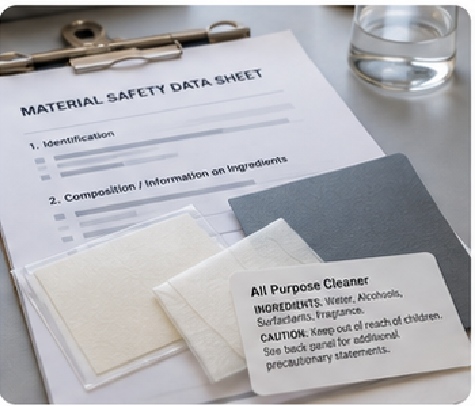
Where a project requires information on film, adhesive, ink, recycled content, restricted substances or another material attribute, the relevant supplier or third-party evidence should be linked to the approved construction. Substituting materials can trigger a need for renewed review. Evidence should be reviewed again when the facestock, adhesive, ink, laminate or supplier changes because one document may not cover the revised finished structure.
Change and Approval Control

Change and Approval Control

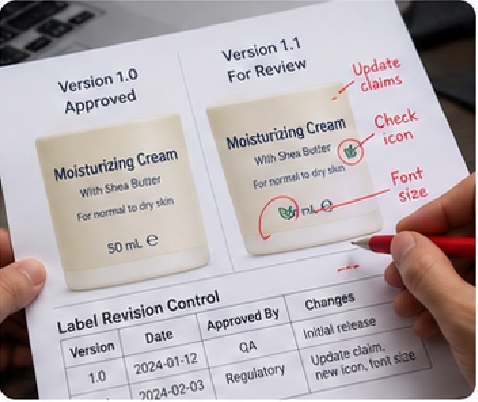
Artwork, material, adhesive, white coverage, finish and manufacturing changes should be documented through revision control. For large programs, the approved specification and sample create a traceable baseline so future orders do not rely on memory or screenshots from earlier conversations. The revision history should show what changed, who approved the new version and whether the change requires new sampling, testing or material documentation. 
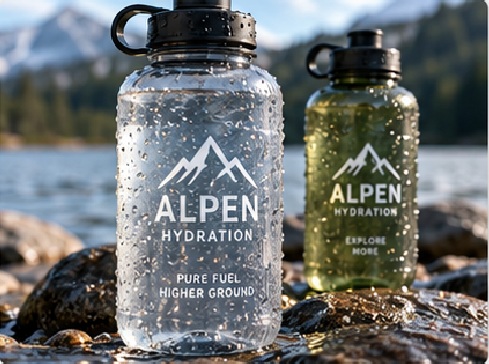
Representative Philiton Project Records for Clear Labels

Philiton’s internal fact library uses anonymized representative project records to document engineering logic. Client names, testimonials and branded photos are not published without authorization.
United States - Waterproof Bottle Labels

United States - Waterproof Bottle Labels

A cosmetics and personal-care brand profile uses 10,000-50,000 labels across 3-8 SKUs, with white or clear BOPP selected by pack design. Clear-film versions use CMYK plus white ink and permanent acrylic adhesive matched to PET, HDPE or glass. The main challenge is maintaining opacity, registration, adhesion and print protection around water, hand contact and bathroom humidity. Philiton’s route includes actual-container sampling, edge-lift and water/rub checks, white-layer inspection, roll-direction control and protected roll packing before release. The released specification also links SKU identification, core size and labels per roll to the approved production record.
France - No-Label-Look Beauty Labels

France - No-Label-Look Beauty Labels

A fragrance and beauty packaging profile covers 10,000-80,000 labels across 2-10 SKUs using clear BOPP or clear PET, high-clarity permanent adhesive, CMYK plus white ink and gloss lamination or clear varnish. The risk is not only print quality: dust, bubbles, adhesive haze, scratches, white opacity and tight registration remain visible on high-gloss containers. Philiton’s development route uses a dedicated white underbase, actual clear-bottle sampling, clean handling through production and protected roll packing, with QC focused on transparency, registration, surface condition, size, roll direction and adhesion.
Reference Program - Multi-SKU Clear-Film Launch

Reference Program - Multi-SKU Clear-Film Launch

A representative development profile for a North American DTC product line can start above 1,000 labels per SKU and expand across multiple variants when size, material and finishing remain compatible. The engineering objective is to keep a shared clear-film construction while controlling each SKU’s artwork and white plate separately. Philiton would centralize prepress review, confirm selective-white areas against the final container, run an approval sample, then release digital or other suitable production according to quantity. This profile illustrates a workflow, not a published client testimonial or named order record.

MOQ, Sampling and Lead Time Depend on the Structure

Clear labels with white ink can start flexibly, but material, opacity, process route, SKU count and finishing determine where the most efficient production point sits.

Starting Quantity

Many standard Philiton custom label and sticker projects can begin around 500 pcs. Clear-film work using stock-compatible materials and digital production may suit smaller validation runs. Dedicated screen setups, special materials, unusual adhesives or complex finishing can move the efficient starting quantity higher, often making 1,000 pcs or more more sensible.

Sample Timing

Standard printed samples commonly take about 3-5 business days once usable artwork and materials are available. White-ink coverage, special films, custom adhesives, foil or other finishing can extend development. Sampling remains a separate approval stage; bulk scheduling begins after the approved specification is locked. Color-sensitive clear labels may also require time for applied-container review and internal approval after the printed sample is physically delivered.

Production Timing

For standard large orders, the internal fact base uses about 7-15 business days as a common production range after specification, material plan and scheduling are confirmed. Repeat orders with unchanged files and available materials may run faster. Multi-SKU, special processes and extensive QC can extend the schedule. The range begins after artwork/specification approval and material readiness; waiting for revisions or special stock is not counted as active printing time.

Material Procurement

Special materials can add about 5-15 business days to procurement, while imported or uncommon constructions may require 2-4 weeks or longer. Philiton therefore separates production time from material lead time and transit time so launch schedules are built around the real critical path. Confirming material early is therefore important for launch planning, especially when a clear adhesive or specific film construction is not held as standard stock.

White Ink on Clear Labels Frequently Asked Questions

No. White ink is used when selected areas need opacity, stronger color, white graphics or controlled contrast. Areas intended to remain transparent can be left without white. The correct structure depends on the container and design.

Clear film does not provide a white reflective base. Process and spot colors transmit more light and visually mix with the bottle, liquid or surface behind them. A white underbase can reduce that background influence.

Yes, white-only structures can be evaluated for suitable clear materials and artwork. Fine detail, solid coverage, opacity and the selected print route should be confirmed through prepress review and a physical sample.

Vector PDF, AI or EPS is preferred for designs containing white layers, dielines or special finishes. Fonts should be outlined or supplied, linked images embedded, and the white area ideally separated as a named spot layer.

Philiton can review dimensions, dielines, fonts, resolution, barcode or QR placement, white-ink layers and other prepress issues, then return production artwork or proof for approval before printing.

Clear BOPP/PP is widely used for consumer packaging and no-label-look bottle applications. Clear PET is another option where dimensional stability or durability is important. Final material selection depends on surface, environment, flexibility and finish.

No. Pantone is a color target, while final appearance also depends on transparent material, white density, ink system, finish and viewing background. A physical approved sample on the intended material is the strongest reference.

Yes, but PP, PE and HDPE are lower-surface-energy plastics and may require a higher-tack or specially selected adhesive. Surface treatment, texture, contamination, curvature and application temperature also affect adhesion.

Yes. Philiton can configure roll direction, core, gap, pitch, maximum roll diameter, labels per roll and other converting details around the applicator specification. Clear labels may also need sensor marks on some machines.

Rolls are protected against crushing, moisture, telescoping and unwinding. Clear-label projects can use clean inner wrapping to reduce dust and abrasion. Cartons can identify SKU, quantity and batch according to the released packing plan.

Send Project Details

Philiton can review a clear-label project from the final package backward: what should remain transparent, what must be opaque, how the container changes color, how the label will be applied, and what must stay consistent in repeat production. The first engineering review does not require a perfect specification. A bottle photo, existing label, artwork file or reference pack can often reveal the main decisions that must be closed before sampling. Philiton can then organize the open points around clear film, adhesive, white coverage, color target, finish, die line, roll configuration and use environment. If a strict brand color is required, send the Pantone target or an approved physical reference. If the label will run on an applicator, include the core, roll direction, gap, pitch and maximum roll diameter requirements or send a current roll sample. For a useful first review, send the information already available; unknown fields can be marked for recommendation rather than guessed.

  • Label size or container dimensions
  • Artwork or reference image
  • Clear BOPP, PET or material preference if known
  • Container material, color and surface photo
  • Quantity per SKU and number of SKUs
  • White ink preference: none, selective, full underbase or white-only
  • CMYK/Pantone requirements and finishing
  • Hand application or applicator specifications
  • Use environment: water, oil, cold, chemicals or abrasion
  • Delivery country and required timeline

Get In Touch

  • Our team will answer your inquiries within 12 hours.

  • Your information will be kept strictly confidential.

Get a Fast Quote for Custom Labels & Stickers

We will contact you within 24 Hours, please pay attention to the email with the suffix“@philiton.com”. 

For all inquiries, please feel free to reach out at:

Ask For A Quick Quote

We will contact you within 24 Hours, please pay attention to the email with the suffix“@philiton.com”. 

For all inquiries, please feel free to reach out at:

Get a Quote Today!

We will contact you within 24 Hours, please pay attention to the email with the suffix“@philiton.com”.