Philiton combines flexible project entry with a broad manufacturing chain for labels, stickers, tags and specialty printed products.
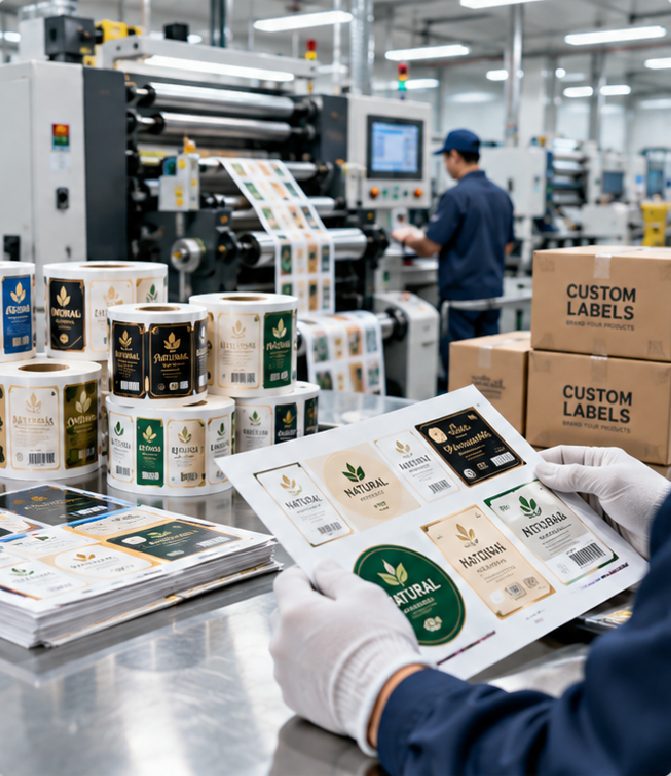
The combined manufacturing footprint is approximately 12,000+ ㎡. The space supports label production activities across artwork and prepress, printing, finishing, converting, inspection, testing, packing and shipment preparation. Floor area is useful only when connected to actual production work, so Philiton does not convert the number into unverified monthly output claims. For a sourcing team, the more relevant question is whether the factory has enough process depth to move a project from material selection and proofing into controlled repeat production.
Philiton’s production system covers artwork and prepress support, digital and conventional printing, flexographic printing, screen and UV processes, variable data, foil, embossing and debossing, holographic effects, lamination, die cutting, slitting and rewinding, automatic inspection, laboratory testing, packing and shipment preparation. Base raw materials are sourced from external suppliers. Philiton’s manufacturing value lies in selecting, converting, printing, finishing, inspecting and managing those materials according to the approved project specification.
| Qualification Area | What To Verify | Philiton Manufacturing Basis | Project-Level Confirmation |
|---|---|---|---|
| Manufacturer Identity | Real production responsibility, not only sales or outsourcing | Manufacturing operations in Shenzhen and Dongguan | Factory visit or audit scope when required |
| Manufacturing Chain | Printing, finishing, converting, inspection and packing depth | Artwork/prepress through printing, converting, QC and shipment preparation | Exact process route for the selected label |
| Material Control | Face stock, adhesive, liner and special material sourcing | External qualified material sourcing plus incoming and production control | Material brand, certification or special performance when needed |
| Artwork Control | Dieline, version, white ink, foil, variable data and barcode handling | Artwork and prepress support before production | Final approved file and revision |
| Print Technology | Ability to match quantity, material and visual target | Digital, flexographic, screen, UV and other production routes | Selected press route after specification review |
| Finishing | Decorative and functional post-print capability | Foil, emboss/deboss, holographic effects, lamination, die cutting and more | Tooling, material and effect approval |
| Automatic Application | Roll direction, core, gap and roll diameter compatibility | Slitting, rewinding and roll configuration support | Applicator specification and line trial if needed |
| Inspection | Print, die cut, code and roll defect control | Automatic vision inspection capability plus quality checks | Inspection level agreed for the project |
| Testing | Adhesion, color, durability, barcode or application checks | In-house testing capability for relevant project verification | Exact method, acceptance criteria and report scope |
| Security / Smart Labels | Variable data, tamper evidence, RFID or NFC manufacturing support | Security processing, encoding and functional verification capabilities | Chip, inlay, data, read range and security requirements |
| Scale-Up | Ability to move from pilot to repeat production | Flexible entry quantities plus digital and volume manufacturing routes | Forecast, repeat volume and changeover strategy |
| Confidentiality | Control of artwork, brands, samples and project data | NDA and project-based access/control procedures | Contract scope and data handling requirements |

Pressure-sensitive labels cover a broad range of paper and film constructions for bottles, jars, cartons, pouches, equipment and retail packaging. A workable construction depends on more than the face material: adhesive, liner, print process, coating or laminate, die cut and application method all affect performance. Philiton reviews the container or substrate, labeling temperature, service environment and required appearance before the production structure is finalized. Labels can be supplied in rolls, sheets or individual formats according to the application process.
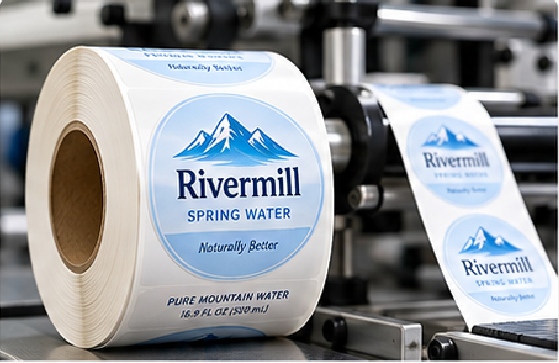
Roll labels are designed around both the printed label and the downstream labeling process. Important inputs include web width, roll direction, core size, gap, maximum roll diameter, liner, rewind direction and whether the label will be hand applied or machine applied. Philiton can print, die cut, inspect, slit and rewind roll labels to an agreed configuration. Automatic applicator projects should include machine requirements early, because a visually correct label can still create production problems if the roll specification is wrong.

Die-cut stickers use a custom or standard contour to follow the artwork rather than a simple rectangular format. Vinyl, PP/BOPP, PET, paper and specialty materials can be selected depending on intended use. Production decisions include kiss cut versus through cut, liner margin, corner detail, small internal shapes, print bleed, laminate or varnish, and packing format. For brand programs, consistent contour and edge quality matter because the shape itself often becomes part of the visual identity.

Cosmetic and skincare labels frequently combine strong visual requirements with moisture, oil, curved containers, transparent packaging or small-diameter surfaces. Clear films, white films, metallic structures, textured papers, white ink, foil, embossing, spot effects and protective laminates can be evaluated according to the package. Multi-SKU programs also need disciplined artwork control so ingredient panels, shades, sizes or language versions do not become mixed. Sampling on the real bottle or a representative surface is useful when clarity, adhesion or wrap performance is critical.

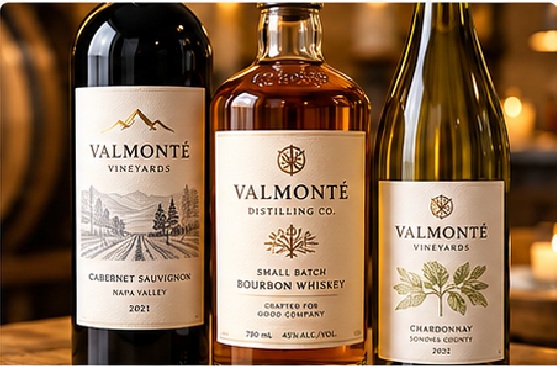
Wine and spirits labels often depend on tactile and decorative choices as much as print color. Textured papers, metallic films, foil stamping, embossing, debossing, spot UV and complex die cutting can create premium effects, but every added process changes tooling, registration, cost and production control. Bottle surface, condensation, ice-bucket exposure and application conditions should be reviewed before material approval. A production-intent sample is especially useful when several decorative processes must register precisely on the same design.
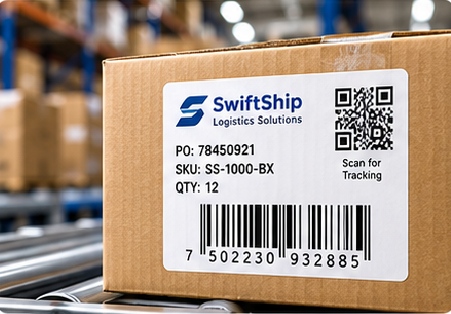

After final QC and packing, shipment information is checked against quantity, carton count, destination, trade term and logistics route. Commercial invoices and packing lists can be prepared for export shipments. Repeat orders are reviewed rather than automatically released: artwork, material, adhesive, tooling, quantity and delivery conditions should be checked for changes. When the approved specification remains stable and materials are available, repeat manufacturing can usually be prepared more efficiently than a first-time development program.
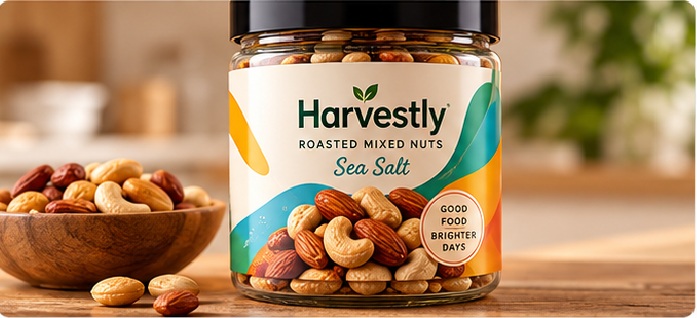
Coated paper is widely used for dry packaging, retail products, cartons, jars and general product identification where a clean printed surface and controlled cost are important. It can support conventional color printing and many decorative finishes. Paper is not automatically the right choice for heavy moisture, oil or repeated abrasion. Adhesive, coating or laminate may improve performance, but the complete construction should be evaluated against the application rather than treating “paper label” as a single fixed specification.

Uncoated and textured papers are selected when touch, natural appearance or premium presentation matters. They are common directions for wine, spirits, candles, specialty food, gifts and boutique packaging. Surface texture can influence ink laydown, fine text, foil registration and barcode readability, so artwork and finishing should be reviewed with the material. Exposure to water, oil or condensation also needs attention because a premium texture does not automatically provide high environmental resistance.
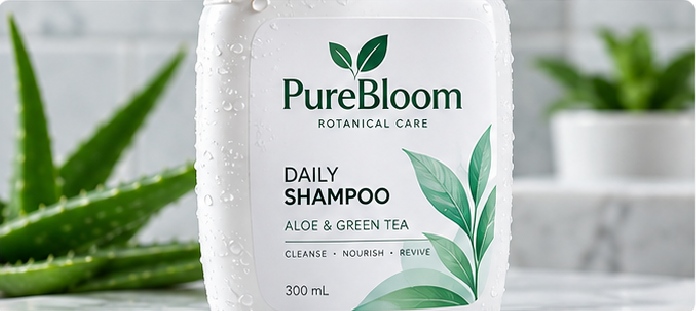
White BOPP or PP film is a common route for moisture-resistant product labels and packaging that needs a clean opaque white surface. It can work well on bottles, jars, personal-care products, food packaging and many consumer goods. Adhesive choice remains separate from the face film, especially on PE, PP, HDPE or curved containers. A laminate or varnish can be added for surface protection depending on abrasion, moisture and desired finish.

Clear BOPP or PET structures are used for transparent packaging and “no-label look” effects. Final clarity depends on more than the film itself: adhesive clarity, container surface, white-ink strategy, print coverage, application quality and trapped air can all affect appearance. Clear labels benefit from testing on the actual bottle or a representative surface. White ink can be used behind selected graphics where opacity is needed while preserving transparent areas elsewhere.
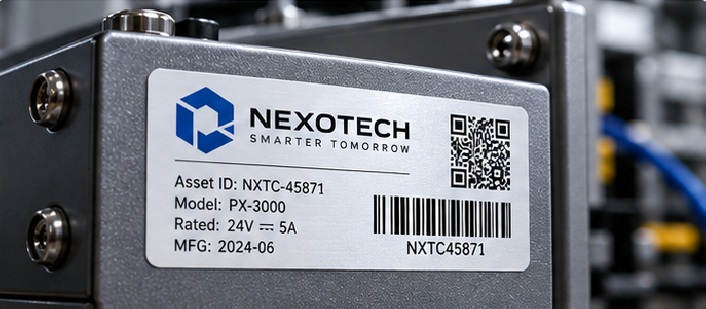
PET is commonly considered for durable labels where dimensional stability, heat resistance, abrasion resistance or industrial service is more demanding than ordinary packaging. It can be used for electronics, automotive, equipment, asset identification and durable product labels depending on the adhesive and protective structure. PET should not be marketed as automatically suitable for every high-temperature or chemical application. Exact resistance remains a property of the complete construction and the test conditions.
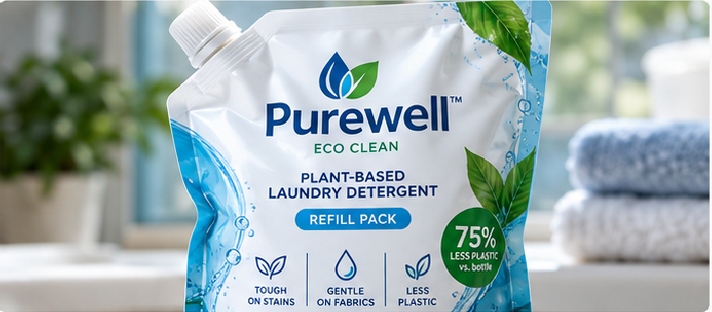
PE film offers flexibility for squeezable or deformable containers where a more rigid label may lift or crease as the package moves. It can be considered for personal care, household products and selected flexible packaging applications. Print, adhesive, die cutting and liner behavior must still be matched to the structure. PE is a material family rather than one universal product, so thickness, surface treatment and final performance are confirmed through the selected supplier construction.

Metallic and holographic materials provide built-in reflective or diffraction effects before additional printing and finishing are added. They can support premium packaging, promotional labels, security features and high-impact brand decoration. White ink is often used to control where the metallic or holographic background remains visible. The visual effect can change with viewing angle, ink coverage, laminate and lighting, so samples are useful when a brand has a specific appearance target.
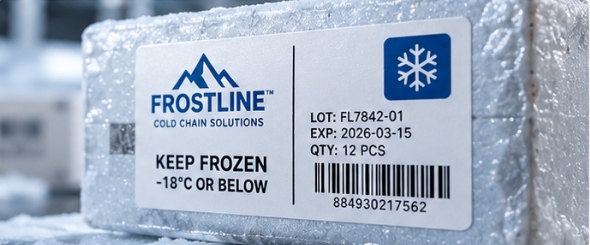
Thermal materials, durable films, low-temperature structures, removable constructions, high-tack options and other specialty stocks are selected according to the project. Special materials may have supplier minimums, longer procurement paths or document requirements that differ from standard paper and film. Philiton keeps common material families within its sourcing and converting system while confirming special performance, certification or brand-specific requirements against the actual material record before they become part of a commercial commitment.
Core size, roll diameter, winding direction, splice rules, SKU labels, protective bags, cartons and pallet arrangements affect how labels arrive and run at the destination. A roll label program should specify these details early, especially when labels feed directly into an automatic applicator. Packing components are chosen to protect finished rolls from edge damage, dust, moisture and mix-ups while keeping each SKU identifiable through receiving, storage and production-line use.
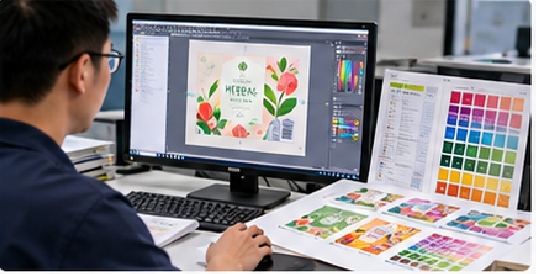
Version control becomes critical when a program has many SKUs, languages, market versions, regulatory statements, serial-number ranges or seasonal graphics. Philiton treats each artwork as a controlled production input even when several SKUs share the same size, material and finish. Shared setup can improve efficiency, but it does not remove the need for separate quantity, artwork approval and QC identification for each design. Before sampling, the file version should be clear enough to avoid testing an outdated design. Before bulk production, approval should lock the artwork revision along with size, material, adhesive, color target, finishing, die cut and relevant roll configuration. Changes after approval can affect prepress, material preparation, tooling or schedule. A change that appears small from a marketing perspective – such as a new foil area, barcode size or container material – can require a technical review because it changes how the job is manufactured or inspected. Repeat orders are also reviewed rather than released blindly. If artwork, material, supplier batch, quantity, finishing, application conditions or compliance requirements have changed, the previous approval may not be sufficient. Keeping the revision and specification connected protects both packaging consistency and production accountability over the life of the program.
| Printing Route | Best Fit | Main Manufacturing Strength | Main Limitation / Review Point | Typical Philiton Use |
| Digital Printing | Samples, short runs, multi-SKU, launch programs, variable artwork | Fast version changes and lower setup burden than plate-based methods | Unit economics change as volume grows; special colors and finishing still require review | Launch labels, short-run packaging, multiple versions |
| Flexographic Printing | Repeat roll labels and medium-to-high volume programs | Efficient roll production with strong converting integration | Plates/setup and process planning matter more at lower quantity | Packaging labels, logistics labels, repeat production |
| Screen Printing | Selected functional inks, high ink deposit and specialty effects | Strong coverage and distinctive functional or decorative layers | Not suitable for every artwork, material or speed target | Specialty coatings, opaque or functional elements |
| UV / UV-Related Processes | Premium graphics and selected specialty applications | Fast curing and compatibility with decorative process combinations | Material surface and final effect require process review | Premium labels, specialty print and decoration |
| Variable Data Printing | Serial numbers, QR, barcode and unique identifiers | Each label can carry controlled unique information | Data integrity, sequence control and verification must be defined | Traceability, security, logistics and promotional programs |
| Thermal / Thermal Transfer | Logistics, warehouse, inventory and secondary printing systems | Supports later on-demand information printing | Ribbon/material compatibility and service environment affect durability | Shipping, barcode, warehouse and industrial identification |

Hot foil uses heat and pressure to transfer metallic or specialty foil onto selected artwork. It is widely used for wine, spirits, cosmetics, gifts and premium packaging. Fine lines, large solids, small reverse areas and registration with embossing all affect tooling and production stability. Philiton reviews foil artwork before tooling so the decorative target is matched to a manufacturable foil area rather than approved only from a screen rendering.
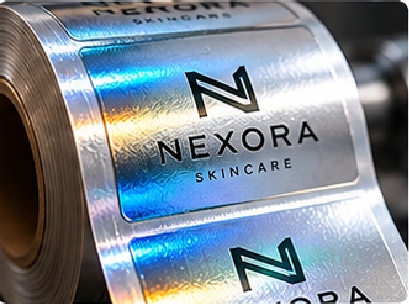
Cold foil is integrated differently from traditional hot stamping and can be suitable for broader metallic graphics or roll-production workflows depending on the design and material. The effect can be combined with printed color to create metallic tones beyond standard gold or silver. Choice between hot and cold foil depends on artwork, substrate, run size, equipment route and appearance target. A physical sample is preferable when metallic density or fine registration is important.

Embossing raises selected areas while debossing presses them inward, adding tactile structure to paper or compatible label materials. Effects are strongest when artwork, substrate thickness, tooling depth and printed registration are planned together. Very small details or heavy textured materials can change how the relief appears. Premium brand programs often combine embossing with foil, but the process stack should be sampled because each extra registration step increases manufacturing sensitivity.

Spot UV creates selective gloss or contrast, while raised UV adds a more pronounced tactile layer. These effects can highlight logos, typography or product details without covering the entire label surface. Coating height, edge definition, material compatibility and later die cutting need consideration. The best result comes from planning the effect as a manufacturing layer in the artwork rather than adding it after all other design decisions are already fixed.

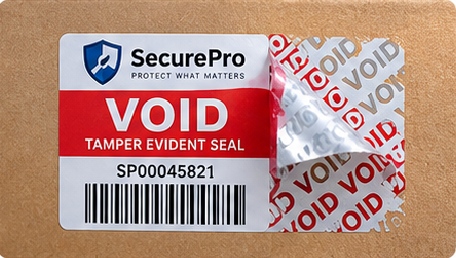
Holographic effects can come from a holographic face stock, transferred element or dedicated security construction. Decorative holography is different from an authentication system, even when both create a similar visual impression. Philiton can combine holographic materials with print, white ink, variable data or tamper-evident structures. Brand-protection projects should define what the feature is expected to prove and how it will be verified before selecting the production route.
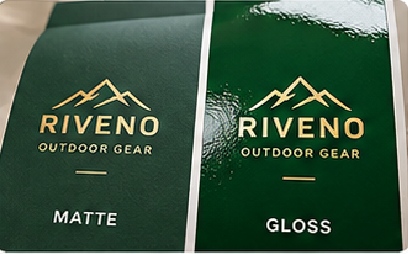
Lamination or protective coating can improve surface resistance, change gloss level, add soft-touch character or protect variable information. The choice needs to remain compatible with bending, dispensing, scanning, recycling goals and other finishing. A matte laminate, for example, may create a premium appearance but should still be checked around barcode or QR areas if low contrast or glare could affect scanning under real lighting.
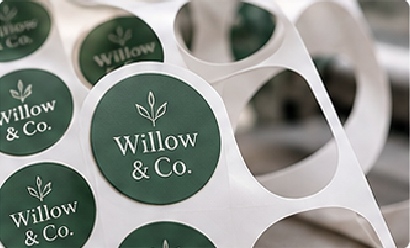
Die cutting creates the final label shape and release edge. Standard rectangles, circles, rounded corners and custom contours all need sufficient liner support and stable waste removal. Tight corners, tiny notches and narrow bridges can slow converting or increase waste risk. Philiton reviews shape, size, gap and bleed before tooling so the approved contour can be converted consistently rather than judged only as a digital outline.
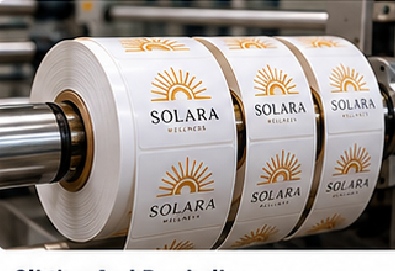
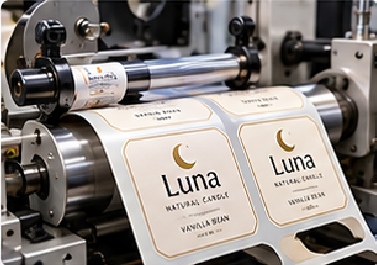
Slitting and rewinding turn the printed web into the final roll configuration required by warehousing, hand application or automated equipment. Web width, core, winding direction, roll diameter, splice policy and SKU separation are controlled at this stage. For automatic application, the final roll specification is part of product functionality. Inspection can be integrated with rewinding so defects are identified or removed before finished rolls are packed.

Digital and printed proofs are useful when artwork, layout, color direction or SKU versions need review before a more complex production sample. They can reduce the cost of discovering file mistakes late in the process. A proof does not automatically reproduce every production effect, especially when bulk manufacture requires dedicated plates, dies, foil tooling, embossing tools or special materials. Known differences should be identified during approval so the proof is used for the correct decision.

Material sampling is important when clarity, texture, stiffness, adhesion or environmental behavior affects the project. Philiton can prepare or source representative material options for review. Actual containers or substrate samples are especially useful for low-surface-energy plastics, small diameters, freezer, oil, moisture and automatic application conditions. A sample should answer a defined question – for example adhesion to HDPE or appearance of clear film on a transparent bottle – rather than simply provide a generic swatch.
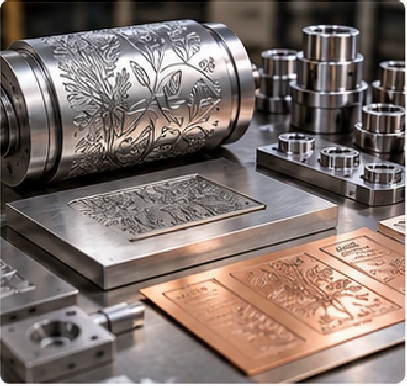
Some printing and finishing routes require dedicated plates, cutting dies, foil tooling, embossing tools or other setup. Tooling is project-specific, and whether it can be reused depends on process, design stability, condition and storage arrangement. Digital printing may avoid traditional print plates, but die cutting or special finishing can still require tooling. Philiton reviews which setup items are actually needed after size, shape, artwork and finishing are clear, avoiding unnecessary tooling assumptions at the early inquiry stage.

A production-intent sample is used when the final appearance, structure or function needs to be validated close to the planned manufacturing route. Approval should cover the dimensions that matter: artwork revision, size, material, adhesive, color target, white ink, finishing, die cut, roll configuration, barcode/QR or functional requirement where relevant. Sample timing is confirmed by the chosen material and process; complex tooling, special materials, RFID/NFC components or multiple finishing steps can extend preparation compared with a straightforward printed proof.
The biggest production risk is often not a press problem but an uncontrolled change. A revised artwork, different bottle, new adhesive, replacement material, updated barcode, changed roll direction or additional finishing step can alter the manufacturing route after a previous version has already been approved. Philiton therefore reviews repeat and revised jobs against the existing specification rather than assuming the previous setup can always be copied without evaluation. Change control matters more as programs become larger. A small launch run may have one designer and one SKU; a mature program can include regional artwork, seasonal versions, contract packers, multiple warehouses and automatic application equipment. The project record should make it clear which artwork is current, what the approved material and finish are, what changed, and whether a new sample or test is needed. This discipline also protects commercial planning. Material procurement, tooling and production scheduling can begin with greater confidence when the specification is stable. If a late change resets prepress or material preparation, the schedule should be re-evaluated openly rather than hidden inside a fixed lead-time promise.
Repeat orders can be more efficient when artwork, material, adhesive, tooling and production parameters remain unchanged and materials are available. They still require order review and QC. Philiton checks whether artwork, quantity, finish, delivery or application conditions have changed before release. This protects the approved standard while allowing stable programs to move through manufacturing with less redevelopment than a first-time job.
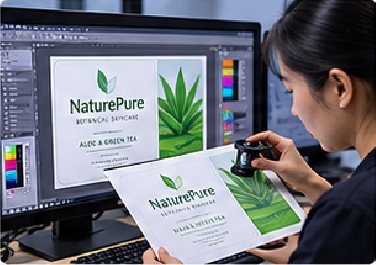
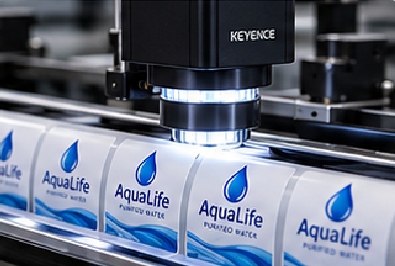

Machine-readable information needs a defined verification scope. Barcode or QR checks can review print clarity and readability, while variable-data projects may also require sequence or database matching. A scanner passing one sample does not prove the full data set is correct, so the project should state what needs to be verified and at what stage. RFID/NFC work adds encoding and functional read checks according to the selected inlay and data requirements.
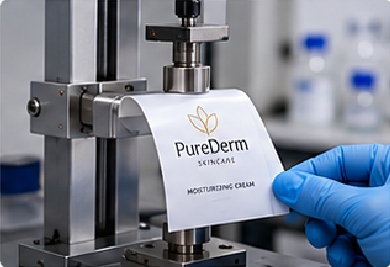
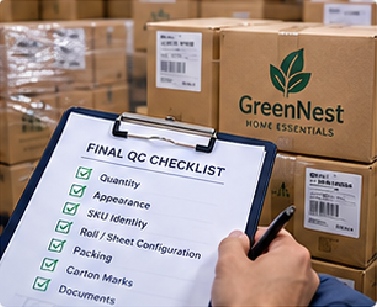
Final release checks connect the manufactured product back to the order specification. Quantity, appearance, SKU identity, roll or sheet configuration, packing, carton marks and required records are reviewed before shipment. Where inspection reports, packing lists or other agreed documents are required, they should correspond to the released batch. The purpose is a traceable handover from manufacturing to logistics rather than a final visual glance after production has already been packed.
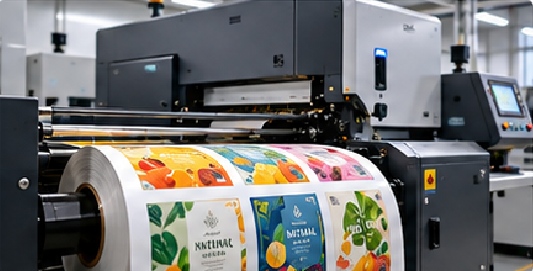
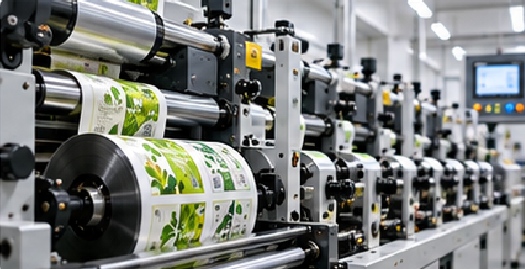
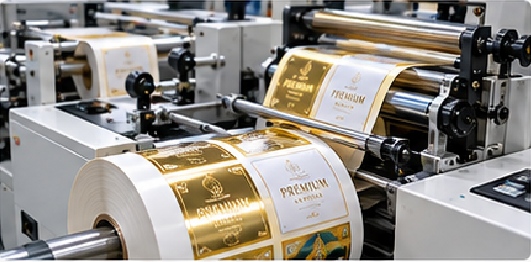

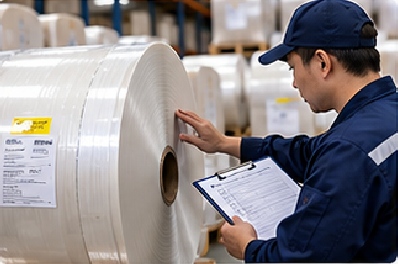
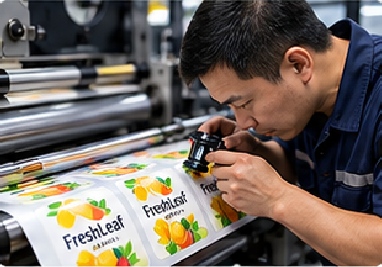
Automatic vision-inspection equipment and in-house testing capability support print, die-cut, code and application verification. Quality work is connected to the job specification: not every label needs the same test, and destructive testing is handled by agreed sampling rather than by unrealistic claims of testing every unit. Inspection records, sample references and project criteria give quality teams a more useful basis for approval than general “high quality” language.
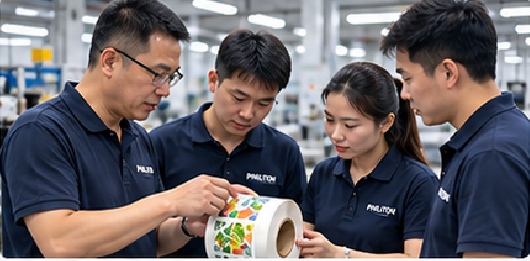
Philiton has more than 200 employees, including 91 technical, skilled production and quality personnel combined. These people support process execution, equipment operation, finishing, inspection, testing and quality release. The combined figure is used because separate headcounts by function have not been formalized for public claims. For sourcing teams, the relevant evidence is how those roles participate in engineering review, controlled production and problem resolution through the life of a program.
| Delivery / Packing Format | Best Fit | Key Specifications To Confirm | Philiton Manufacturing Consideration |
| Roll Labels | Hand or automatic application | Roll direction, core, gap, web width, maximum roll diameter, labels per roll | Slitting, rewinding, inspection and SKU identification are controlled to the approved configuration |
| Sheet Labels | Manual application, kits, retail packs, small batches | Sheet size, labels per sheet, kiss cut, margins and packing quantity | Die cutting and sheet handling are planned to prevent edge damage or mixed designs |
| Individual Stickers | Promotions, inserts, giveaways, retail distribution | Die cut / kiss cut style, liner size, count per bag or carton | Packing method is selected for easy counting and distribution |
| Fan-Fold Labels | Thermal and logistics workflows | Fold pitch, stack size, material and printer compatibility | Production route is matched to later thermal or transfer printing requirements |
| Multi-SKU Packing | Programs with many variants | SKU code, quantity, carton separation, labels per roll/sheet | Each approved artwork remains separately identified through QC and packing |
| Neutral / Blind-Shipment Packing | Distributors, brokers and channel programs | Branding on cartons/documents, consignee, return information | Commercial terms and confidentiality requirements are confirmed per project |
| Export Cartons / Pallets | International bulk shipment | Carton count, gross/net weight, dimensions, palletization where required | Packing list and shipment records correspond to released finished goods |
| Courier / Air / Sea Shipping | Samples through bulk production | Destination, postal code/port, urgency, volume, Incoterm | Transit time and freight are quoted by current route; no single fixed global delivery time is applied |

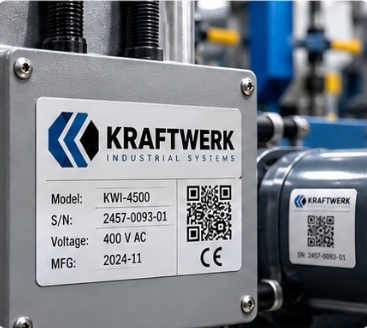
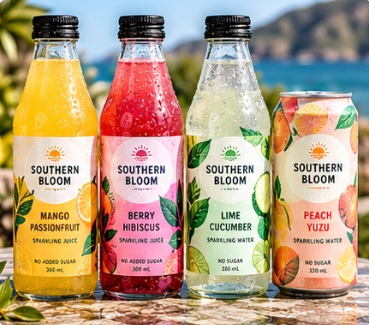
A useful quotation starts with enough information to choose the right material, print route, finishing and delivery format. Send the project as it exists today; Philiton can identify which details still need to be confirmed before sampling or production.
Please include:
Philiton will review the manufacturing route, material and adhesive considerations, sampling needs, tooling requirements and the information required for a formal quotation. Projects using special materials, compliance documents or functional testing will be identified early so the approval path is clear before bulk production begins.
Our team will answer your inquiries within 12 hours.
Your information will be kept strictly confidential.
We will contact you within 24 Hours, please pay attention to the email with the suffix“@philiton.com”.
For all inquiries, please feel free to reach out at:
We will contact you within 24 Hours, please pay attention to the email with the suffix“@philiton.com”.
For all inquiries, please feel free to reach out at:
We will contact you within 24 Hours, please pay attention to the email with the suffix“@philiton.com”.