Your Trusted Labels & Stickers Manufacturer from China!

Custom Security Seal Labels Manufacturer

Custom tamper-evident labels engineered around the evidence you need after opening, removal, transfer, or unauthorized access.
Philiton combines security materials, adhesive selection, printing, die cutting, variable data, inspection, and application testing for packaging, electronics, equipment, and brand-protection programs.
  • Founded in 2016 with Shenzhen and Dongguan manufacturing operations
  • 12,000+ ㎡ manufacturing footprint and 200+ employees
  • 91 technical, skilled production, and quality personnel
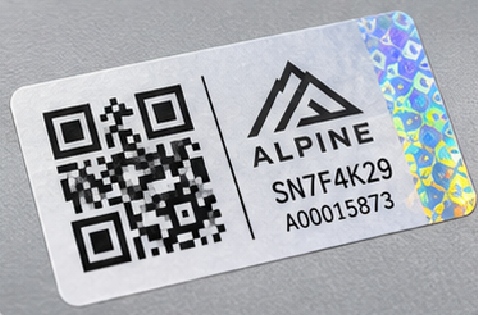
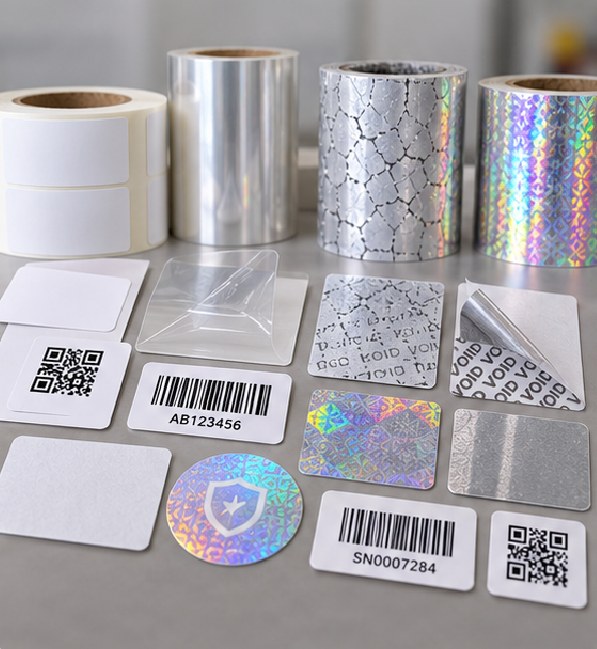
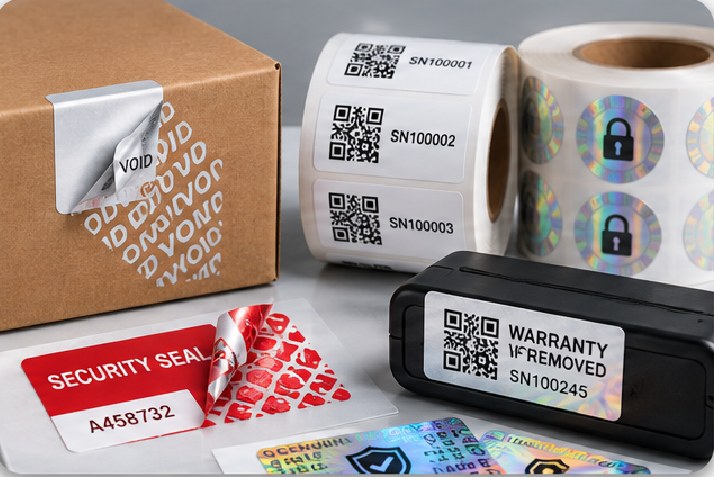
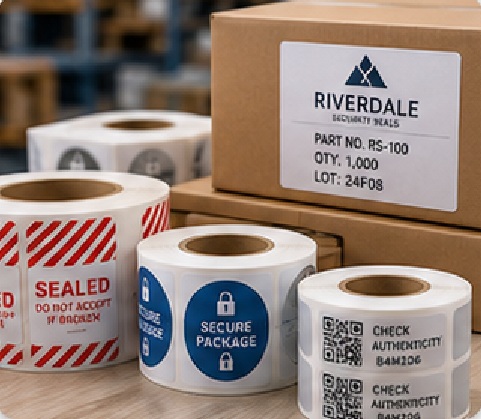
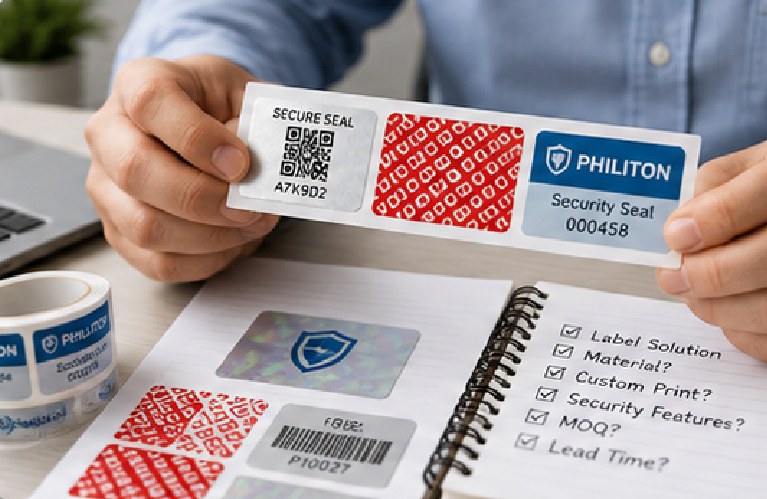
  • VOID, destructible, holographic, serial, QR, and smart-label options
Custom Security Seal Labels Manufacturer

Choose Security Seals by the Evidence Required

A security seal works only when its removal behavior matches the risk. Philiton starts with the required evidence, then selects the label construction, adhesive, print, and verification method.

Visible Transfer Evidence

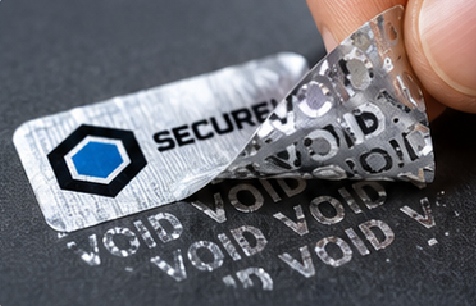
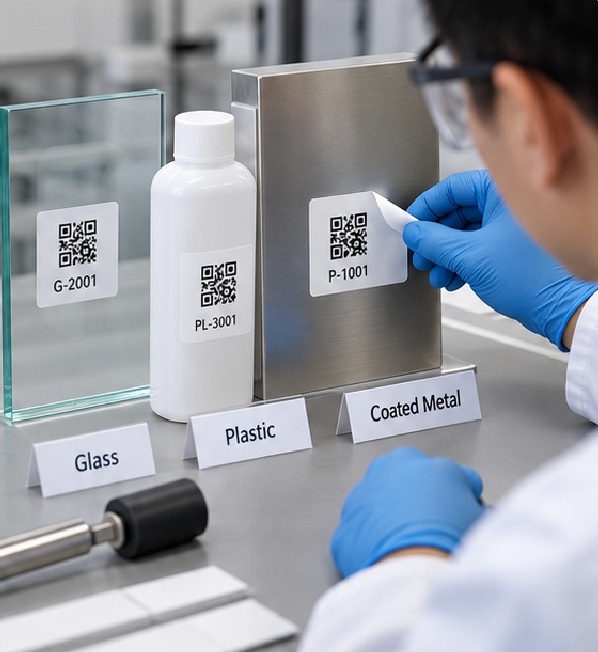
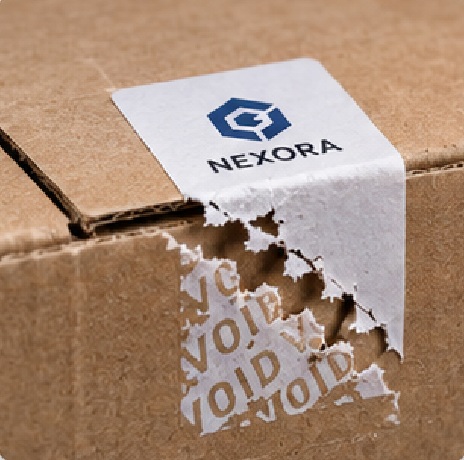
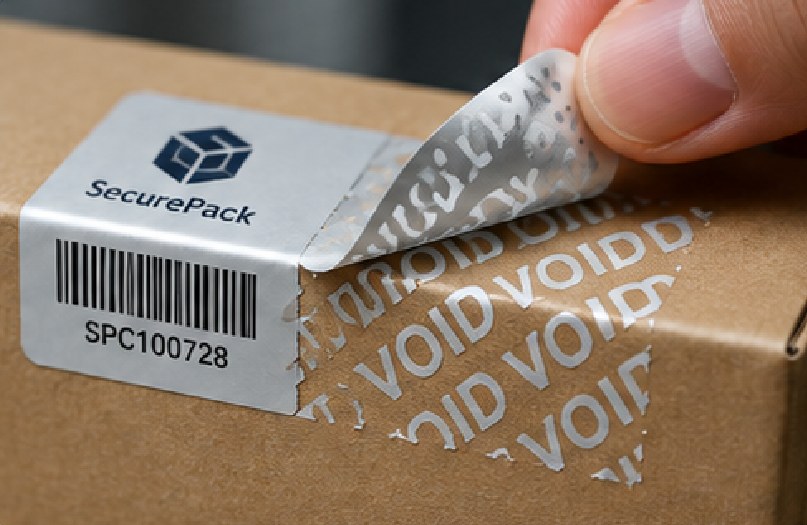
VOID and transfer films create a readable change when the label is lifted. Depending on the construction, the message can appear on the applied surface, inside the label, or across both. Philiton evaluates total-transfer, partial-transfer, and non-transfer options according to residue limits, surface type, visual requirements, and whether a removed seal must be clearly recognizable.

Physical Destruction Evidence

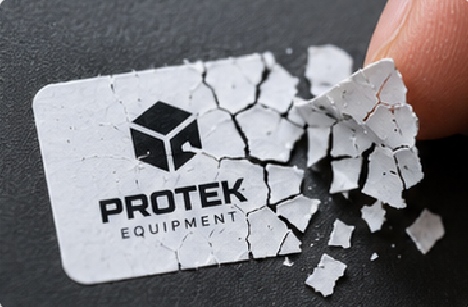
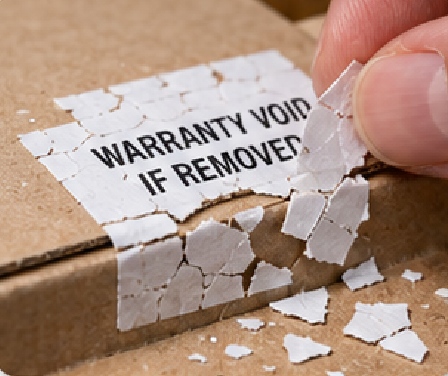
Destructible films, eggshell materials, security cuts, and breakable closure designs make intact removal difficult. The goal is not an absolute claim of being impossible to remove; the goal is a controlled failure mode that produces obvious physical evidence. Philiton reviews label size, material brittleness, die-cut geometry, adhesive strength, curvature, and application method before production.

Identity and Verification

A physical seal can also carry a unique identity. Philiton can combine sequential numbers, barcodes, unique QR codes, holographic effects, or RFID/NFC components where a project requires tracking, warranty control, product authentication, or channel management. Printed or encoded data is treated as a separate controlled layer and verified according to the agreed data and inspection workflow.

Who Uses Security Seal Labels

Security seal requirements change by operating role. Philiton structures specifications around the decisions each team must make before approving a seal for launch, production, service, or resale.
Brand and Packaging Teams

Brand and Packaging Teams

Brand and packaging teams usually need a seal that protects opening integrity without weakening shelf presentation. Philiton helps define seal position, size, printed warning, color, custom VOID wording, holographic effect, and consumer-facing evidence. Packaging samples should use the actual box, bottle, cap, pouch, or carton so appearance and tamper behavior can be approved together.
Electronics, tools, instruments, and equipment programs often focus on access control, warranty evidence, service history, or asset identity. Philiton reviews housing material, screw or seam location, available bonding area, heat exposure, oils, surface texture, and label geometry. Serialized

Electronics and Equipment Makers

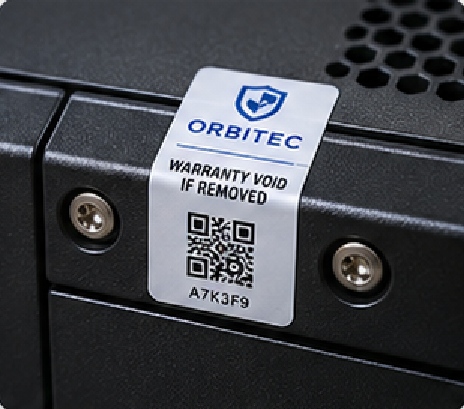
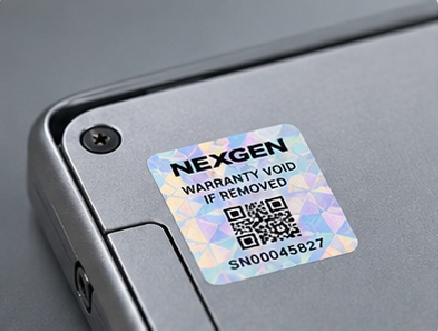
Electronics, tools, instruments, and equipment programs often focus on access control, warranty evidence, service history, or asset identity. Philiton reviews housing material, screw or seam location, available bonding area, heat exposure, oils, surface texture, and label geometry. Serialized information or QR codes can be added when service teams need traceable unit-level identification.
Procurement and quality teams need more than a visual sample. They need a controlled specification that can be repeated.

Procurement and Quality Teams

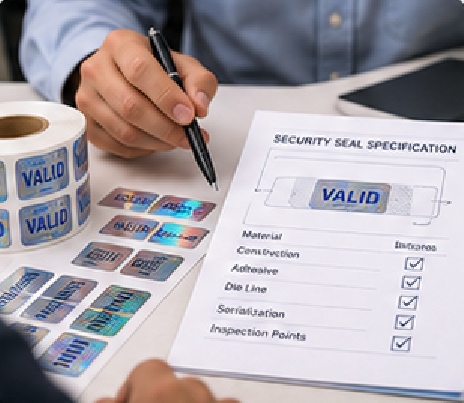
Procurement and quality teams need more than a visual sample. They need a controlled specification that can be repeated. Philiton can lock material construction, adhesive route, approved artwork, die line, roll specification, variable-data rules, inspection points, packing method, and approval records. Repeat orders are reviewed against the released specification rather than treated as an unverified reprint.
Distributors and Print Partners

Distributors and Print Partners

Distributors and print partners often manage multiple end users, confidential artwork, changing quantities, and mixed SKUs. Philiton can support neutral project handling, separate artwork control, roll or sheet delivery, serialized ranges, and project-specific packing. Technical questions can be handled behind the commercial relationship while brand-sensitive files, samples, and security artwork remain restricted to the agreed project team.

Start With the Tampering Risk, Not the Material

Start with the action that must become visible after tampering. Philiton uses the risk definition to narrow the material, adhesive, seal geometry, and verification route.
Unauthorized Opening

Unauthorized Opening

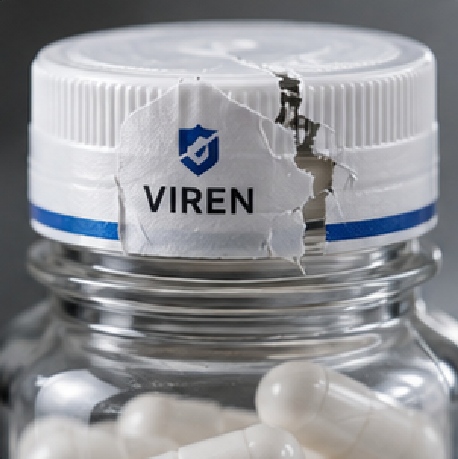
For boxes, bottles, jars, pouches, lids, and closures, the seal must show that an opening action occurred. Philiton reviews where the seal crosses the opening line, how much movement occurs during opening, whether residue is acceptable, and whether the seal should split, transfer a message, or visibly deform before the package can be accessed.
Removal and Reapplication

Removal and Reapplication

A label that can be lifted intact and moved to another item may not provide enough protection for warranty, asset, or authentication programs. Philiton compares VOID transfer, destructible films, security cuts, and high-tack structures according to the target surface. Sample testing checks whether removal creates clear evidence and whether a lifted label can be reapplied convincingly.
Device or Service Access

Device or Service Access

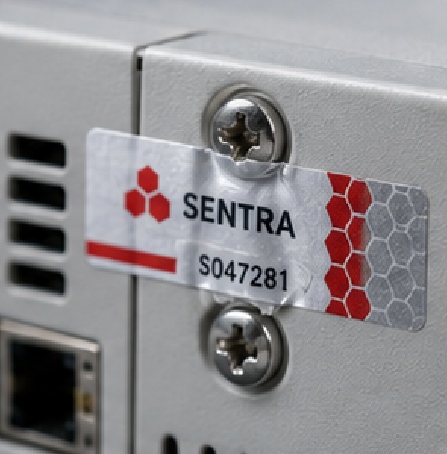
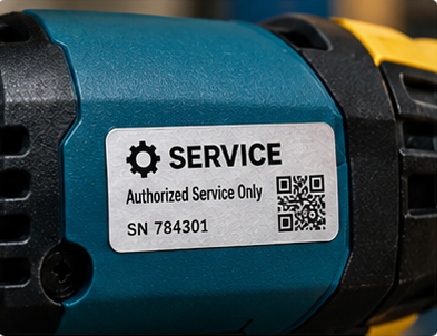
Warranty and service seals are often placed across screws, housing seams, access panels, connectors, or service points. Small bonding areas and textured plastic can make selection difficult. Philiton evaluates label dimensions, stiffness, adhesive wet-out, removal path, print legibility, serial information, and service handling so the seal supports access evidence without creating avoidable application problems.
Resealing or Substitution

Resealing or Substitution

A package may be opened, contents changed, and the closure restored. A security seal should make that sequence easier to detect. Philiton can combine closure geometry with destructible material, VOID transfer, holographic effects, or unique codes. The construction is selected around the actual opening method rather than relying on a generic tamper label placed away from the access point.

Security Seal Constructions Philiton Can Build

Philiton can build several security-seal constructions from qualified labelstocks and specialty materials. Selection depends on the tamper evidence, substrate, application environment, automation method, and desired authentication level.
VOID Transfer Seals

VOID Transfer Seals

VOID films create a visible message or transfer pattern after removal. Options can include total transfer, partial transfer, non-transfer display, or custom text and patterns where available. Philiton matches the construction to glass, coated metal, plastics, cartons, or other surfaces, then confirms transfer behavior after suitable dwell time on the actual or representative substrate.
Destructible Security Labels

Destructible Security Labels

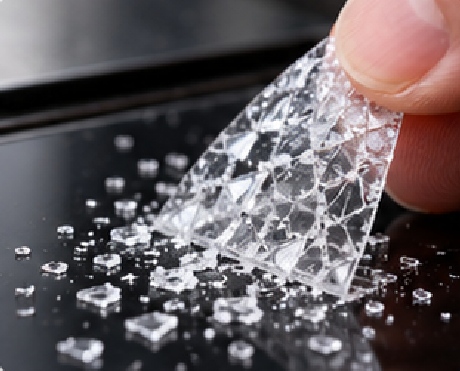
Destructible films are designed to fracture rather than peel away in one piece. They are useful for electronics, warranty control, equipment, assets, and other applications where intact transfer should be difficult. Philiton evaluates brittleness, label size, die-cut shape, adhesive strength, liner release, curvature, and dispensing method because very small or highly automated formats may require extra testing.
Security Cut Seals

Security Cut Seals

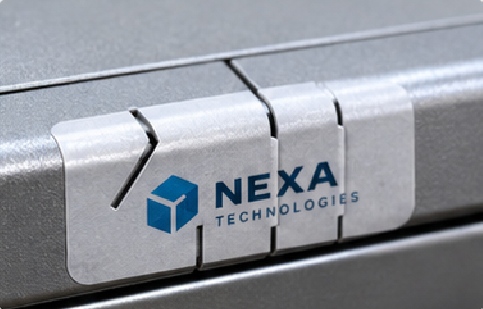
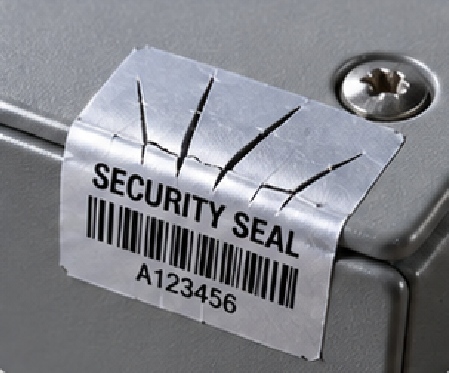
Security cuts or slits create controlled weak points within the label. When someone tries to lift the seal, the cut pattern encourages tearing instead of intact removal. Philiton adjusts cut position and geometry to the label shape, printed information, material strength, and placement area. The design must preserve normal handling while still supporting the intended tamper evidence.
Packaging Closure Seals

Packaging Closure Seals

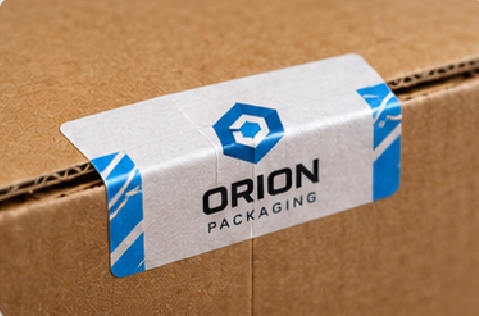
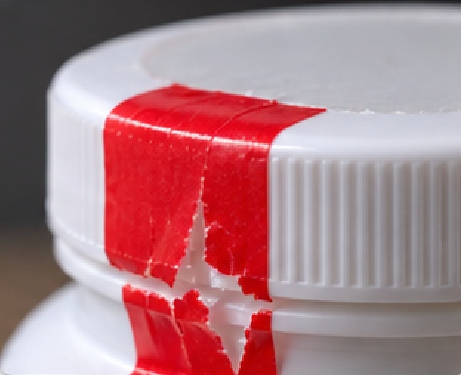
Closure seals bridge an opening line on boxes, bottles, jars, caps, pouches, cases, or retail packs. Material choice is only part of the solution; the seal location must also force an opening action through the protected area. Philiton reviews opening direction, surface changes across the closure, curvature, contamination risk, and whether a clean or residue-leaving result is preferred.
Holographic Tamper Seals

Holographic Tamper Seals

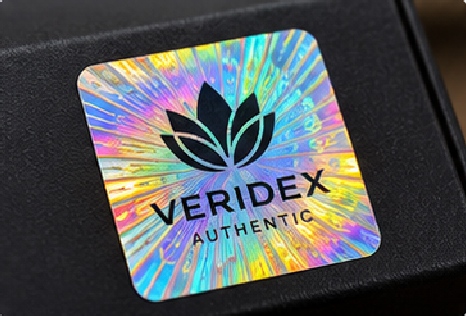
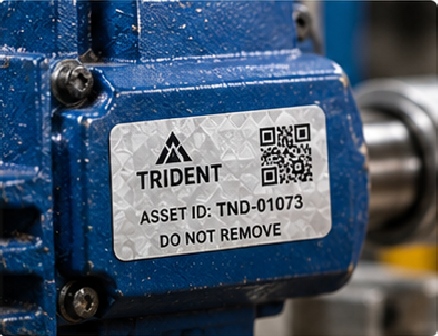
Holographic materials add visible optical differentiation and can be combined with VOID, security cuts, serial numbers, QR codes, or printed brand elements. Stock holographic films support flexible development, while custom optical masters require separate tooling and higher project quantities. Philiton treats holography as an authentication layer rather than a substitute for properly engineered tamper evidence.
Serialized Security Seals

Serialized Security Seals

Sequential numbers, barcodes, Data Matrix, or unique QR codes can give each seal an individual identity. Philiton manages variable-data files, print batches, scrap, reprints, and final verification according to the agreed workflow. Serialized seals are useful where physical opening evidence must connect with warranty records, asset control, inspection logs, distribution channels, or unit-level traceability.

Compare Security Seal Structures Before Sampling

Security structureEvidence after tamperingResidue / surface effectStrong fitKey validation pointVariable data
Total-transfer VOIDMessage or pattern remains on the applied surfaceVisible residue is expectedElectronics housings, coated metal, glass, warranty sealsTransfer clarity on the actual substrateSerial, barcode, QR
Partial-transfer VOIDPart of the message transfers while part remains in the labelControlled visible changeBrand seals, equipment, boxes, device accessConsistent split between layersSerial, barcode, QR
Non-transfer VOIDThe label reveals VOID or OPENED without a full transfer layerLower residue can be possibleSurfaces where cleanup or residue control mattersMessage visibility after liftingSerial, barcode, QR
Destructible filmLabel fractures into piecesAdhesive may remain while facestock breaksWarranty, assets, tools, electronicsFragmentation versus dispensing strengthSerial, barcode, QR
Security-cut sealLabel tears along designed weak pointsDepends on facestock and adhesiveClosures, equipment, access pointsCut geometry and tear initiationSerial, barcode, QR
Holographic tamper sealOptical feature plus transfer, breakage, or cut evidenceConstruction dependentPremium goods, cosmetics, spirits, electronicsOptical appearance and tamper mechanismSerial, QR, optional smart layer

How VOID Security Seals Create Visible Evidence

VOID performance is a layer-separation behavior, not a decorative material name. Philiton verifies where the message appears, how clearly it transfers, and what remains after removal.

What Happens Before, During, and After Removal

  • A VOID seal has to be evaluated as a complete construction. Before application, Philiton confirms the facestock, release or transfer layer, adhesive, print, liner, die-cut shape, and any serial or QR content. The target surface matters immediately. Smooth glass or coated metal behaves differently from PP, PE, textured ABS, powder-coated metal, or fiber-based cartons.
  • During application, pressure and wet-out affect the bond. Dwell time also matters because a seal tested minutes after application may behave differently after 24 or 48 hours. For programs with a critical security function, Philiton recommends evaluating the intended removal result after the agreed dwell period rather than judging only initial tack.
  • During removal, the internal construction separates in a controlled way. A total-transfer material leaves the security message mainly on the applied surface. A partial-transfer construction splits the evidence between label and substrate. A non-transfer design reveals a message within the label with less transfer to the surface. Custom VOID wording or patterns may require dedicated material preparation and project-specific minimums.
  • After removal, inspection focuses on four questions: Is the evidence easy to recognize? Can the label be placed back without the opening attempt remaining obvious? Does the transfer pattern remain consistent across the actual surface? Does any printed serial number or QR code still match the intended security workflow?

Philiton does not treat one VOID film as universal. The release pattern, adhesive, surface energy, texture, curvature, contamination, temperature, and seal dimensions are reviewed together. A security sample on the actual product surface is the preferred route before mass production.
Destruction-Based Seal Structures for Intact-Removal Control

When visible transfer is not the preferred evidence, Philiton can engineer controlled tearing, fragmentation, or break points. Material behavior must remain compatible with printing, dispensing, and final application.
Ultra-Destructible Film

Ultra-Destructible Film

Ultra-destructible materials break rapidly when lifted, making intact removal difficult. The trade-off is handling sensitivity. Philiton reviews die cutting, waste stripping, liner release, print coverage, label size, and automatic dispensing before approval. A material that produces excellent destruction by hand may still need adjustment if the label is very small or applied by high-speed equipment.
Eggshell Construction

Eggshell Construction

Eggshell-style security stock is selected when a brittle paper-like break is preferred. It can suit inspection seals, electronics, equipment, and warranty applications. Philiton checks printing definition, edge strength, adhesive bond, residue expectations, and the number of fragments produced during removal. Fine text, QR codes, or small serial numbers must remain readable before tampering despite the fragile facestock.
Security Cuts and Slits

Security Cuts and Slits

Cuts and slits create designed failure paths within a stronger facestock. Philiton can position them around logos, warning text, screws, closure lines, or label edges. Cut depth, spacing, orientation, and the material’s tear strength have to work together. Over-aggressive cuts can cause handling failure; cuts that are too weak may not create enough evidence during removal.
One-Time Closure Geometry

One-Time Closure Geometry

A seal can also fail because of its placement and shape. Narrow bridges, tabs, neck seals, cap seals, and cross-seam labels can be designed so normal opening tears or distorts the protected area. Philiton reviews the package opening motion, available bonding width, curvature, label stiffness, and operator handling before finalizing the die line and approved sampling method.

Materials and Adhesives Engineered Around the Actual Surface

Security performance comes from the full label construction. Philiton matches the facestock, tamper layer, adhesive, liner, print system, and protective finishing to the application.
Facestock and Security Layer Selection

Facestock and Security Layer Selection

Philiton sources qualified paper, PET, PP/BOPP, PE, vinyl, holographic films, tamper-evident films, destructible stocks, and other specialty label materials according to project requirements. The base material is selected for more than appearance. Stiffness, tear behavior, dimensional stability, print compatibility, moisture exposure, abrasion, curvature, and the required failure mode all influence the choice. For VOID programs, the security layer controls how the message or pattern appears after removal. For destructible programs, the facestock has to be fragile enough to break but stable enough to survive printing, die cutting, rewinding, shipping, and normal application. Holographic options add an optical layer and can also be combined with tamper-evident constructions. Where a dedicated custom hologram or special security pattern is required, separate origination, tooling, or upstream minimums may apply. Philiton does not claim to manufacture the raw labelstock, adhesive chemistry, RFID chip, or holographic master in-house. Raw materials are sourced through qualified supply channels; Philiton’s manufacturing value is created through material selection, artwork and prepress, printing, security-feature integration, converting, die cutting, inspection, testing, packing, and project control. Material samples or security samples can be used before a full production sample when several constructions need to be compared. The goal is to eliminate unsuitable options early, then lock the selected material into the approved production specification.
Adhesive, Surface, and Environment Matching

Adhesive, Surface, and Environment Matching

A security facestock cannot compensate for the wrong adhesive. Philiton defines the bonding requirement from the target surface, surface energy, texture, cleanliness, curvature, application temperature, service temperature, moisture, oil, chemicals, expected service life, and residue requirements. Smooth glass and coated metal often provide a different bonding interface from PP, PE, HDPE, textured ABS, powder-coated metal, corrugated board, or varnished cartons. Low-surface-energy plastics may require higher-tack or specially formulated adhesive constructions. Rough surfaces can reduce contact area. Curved housings can create continuous edge-lifting stress. Oils, release agents, dust, condensation, or low application temperatures can prevent proper wet-out even when the adhesive is suitable on paper. Philiton therefore asks for an actual product, substrate coupon, container, housing sample, or a clearly identified representative surface whenever security performance is important. Testing can include initial application, dwell-time observation, removal behavior, edge lift, peel or tack checks, print rub, water or environmental exposure, and tamper-effect inspection according to the project. The correct goal is not “the strongest glue.” Excessive bond strength can leave unwanted residue, damage a premium surface, or make automated dispensing difficult. Philiton selects a construction around the required evidence and operating conditions, then confirms the result through sampling before the specification is released for mass production. 

Match Security Seals to the Applied Surface

Target surfaceCommon security challengeEngineering directionSample focus
GlassSmooth surface can show transfer clearly, but cleaners or condensation may affect bondingMatch adhesive and residue target; review bottle or jar curvatureTransfer clarity, edge lift, clean application
Stainless steel / coated metalOils, coatings, powder finish, or roughness can reduce contactConfirm surface preparation and adhesive wet-outBond strength, tamper message, residue
ABS / PC housingsTexture, molding agents, small screw areas, and curved featuresUse a construction suited to the plastic and available label areaDwell time, fragmentation or VOID result
PP / PE / HDPELow surface energy can reduce adhesion and transfer consistencyEvaluate high-tack or specially formulated adhesive constructionsInitial tack, 24/48-hour bond, removal evidence
Paperboard / cartonsFibers or coatings may tear before a transfer layer behaves as expectedDecide whether fiber tear, security cut, or closure break is preferableCarton damage, opening path, print legibility
Varnished / laminated packagingCoating chemistry may alter adhesionTest the exact coating, not only the base paperEdge lift, residue, visual damage
Curved bottles / small diametersFacestock stiffness can create spring-back and flaggingReduce stiffness, adjust dimensions, adhesive, and seal geometryMandrel hold, edge lift, closure break

Security Seal Applications Across Products and Industries

Security seals are engineered around the protected access point, not added as decoration. Philiton adapts the construction, print, code, and delivery format to each operating environment.
Packaging and Closures

Packaging and Closures

Boxes, jars, bottles, pouches, cartons, and retail packs often need visible proof of first opening. Philiton maps the opening line and places the seal where normal access must disturb it. VOID, destructible film, security cuts, holographic materials, or closure geometry can be combined with printed warnings, brand graphics, and serialized information when required.
Electronics and Devices

Electronics and Devices

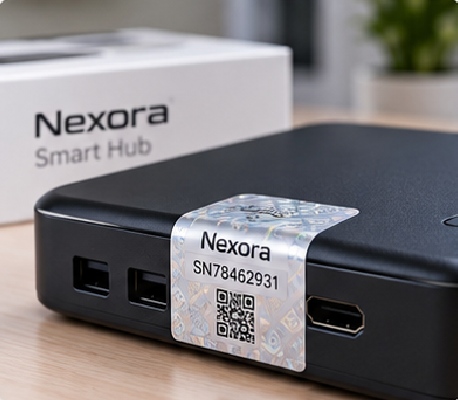
Device housings, screws, battery covers, connectors, and service panels usually have small bonding areas and mixed plastics or coatings. Philiton evaluates tamper behavior alongside print durability and unit identification. Warranty wording, serial numbers, QR codes, and asset references can be integrated while the label geometry is adjusted around screws, seams, vents, and curved surfaces.
Warranty and Service

Warranty and Service

Warranty seals help record whether a protected service point has been opened or a label has been moved. Philiton can combine VOID transfer, destructible facestock, security cuts, and variable identification. The released specification records the seal position, substrate, tamper result, artwork, code rules, and packing method so service programs can receive repeat batches with controlled consistency.
Industrial Assets

Industrial Assets

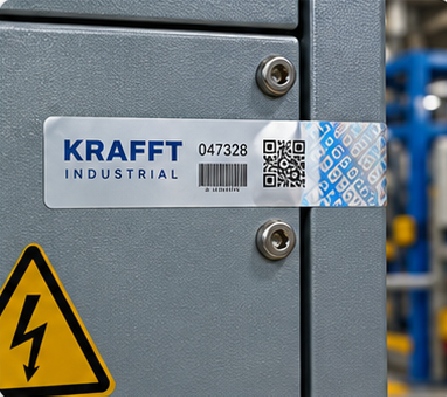
Tools, instruments, machinery, calibration points, inspection areas, and rental assets may require both durable identification and evidence of unauthorized access. Philiton reviews oils, abrasion, cleaning, temperature, surface texture, and expected service life before selecting the construction. Barcodes, Data Matrix, QR codes, or serial numbers can be printed when asset records need to connect with the physical seal.
Automotive Components

Automotive Components

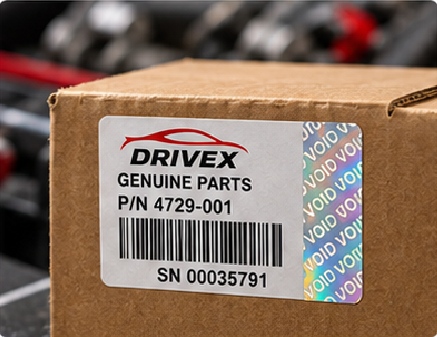
Automotive and aftermarket parts can involve coated metal, engineering plastics, oils, heat, service access, and channel-control requirements. Philiton can evaluate tamper-evident labels for packaging, component access, warranty control, or serialized identification. Materials and adhesives are selected around the actual component environment, while durability and removal behavior are confirmed through project-level testing rather than broad universal claims.
Premium Brand Protection

Premium Brand Protection

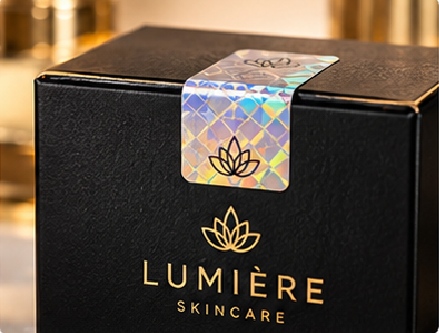
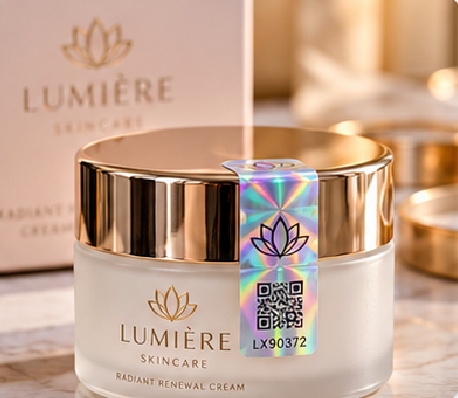
Cosmetics, spirits, luxury accessories, supplements, and high-value retail goods may need visible opening evidence plus an authentication layer. Philiton can combine tamper-evident construction with holographic effects, serial numbers, unique QR codes, or selected smart-label options. The physical seal, brand presentation, unit identity, and verification workflow are planned as separate layers so each function can be tested and controlled.

Customize Security Seals Beyond Logo and Color

Philiton customizes both the visible design and the functional specification. Security artwork is tied to the approved construction so branding, identification, and tamper behavior remain aligned.

Size and Die Line

Security seals can be produced in custom dimensions and shapes, including rectangles, circles, rounded rectangles, tabs, neck seals, narrow strips, cross-seam formats, and irregular contours. Philiton reviews available bonding area, opening movement, security cuts, code placement, liner waste, and applicator requirements before releasing the die line. Extremely small details or narrow bridges require manufacturing review.

Custom VOID Message

Where supported by the selected security material, VOID wording or transfer patterns can be customized with text, symbols, repeated logos, or project-specific warning messages. Dedicated transfer designs may require separate material preparation, tooling, or supplier minimums. Philiton confirms whether the required message should remain on the surface, appear in the lifted label, or split across both.

Brand Graphics and Color

Logos, warning text, brand colors, icons, legal text, and product identifiers can be printed over suitable security materials using digital, flexographic, screen, UV, or other matched processes. Opaque white, spot colors, holographic backgrounds, and protective finishing can be added where technically appropriate. Color and print adhesion are reviewed together with the security function.

Serialization and Codes

Each seal can carry changing information such as sequential numbers, batch references, barcodes, Data Matrix, or unique QR codes. Philiton controls data import or generation, print order, stoppage and restart points, scrap, reprints, and verification according to the approved data workflow. Code size, quiet zones, contrast, and final scanability are checked before mass production.

Holographic Enhancement

Stock holographic films offer reflective optical effects with relatively flexible development quantities. Dedicated security holograms with custom optical artwork require a different commercial route because master origination, specialty tooling, and upstream production minimums may apply. Philiton can combine holographic materials with VOID, security cuts, serial numbers, QR codes, or brand printing after project review.

Roll or Sheet Format

Security seals can be supplied on rolls, sheets, or as individual pieces according to the application process. Roll projects require confirmation of unwind direction, inside or outside wound orientation, core, maximum roll diameter, gap, pitch, liner width, labels per roll, and sensor marks when needed. Packing can also separate SKUs or serial ranges to support controlled distribution.

Add Authentication and Traceability Where the Program Needs It

Physical tamper evidence can be strengthened with identification or authentication layers. Philiton keeps each layer separate so production control and verification remain clear.

Sequential Serial Numbers

Sequential numbering gives each seal a controlled reference that can connect with warranty, inspection, service, asset, or distribution records. Philiton can print changing numeric or alphanumeric sequences and verify the output against the released data file. Number ranges can also be reflected in roll labels or carton identification when distribution teams need controlled handover between batches.

Unique QR Codes

Unique QR codes can connect a physical seal with a digital record, landing destination, product database, or authentication workflow supplied by the project owner or integration partner. Philiton manages code printing and verification within the manufacturing scope. A printed QR image alone is not treated as secure authentication; the backend logic and lifecycle rules must also be defined.

Holographic Features

Holographic materials create an overt visual feature that is easy to inspect and harder to reproduce with ordinary printing. Philiton can combine stock or project-specific holographic effects with printed branding, tamper structures, serial numbers, and QR codes. Dedicated optical masters require separate confirmation of tooling, security artwork, supply route, minimum quantity, and confidentiality controls.

RFID or NFC Layer

RFID or NFC can be added when a security program requires contactless identification, batch reading, mobile interaction, or selected authentication functions. Frequency, chip or inlay, encoding, read range, placement, surrounding metal or liquid, and backend use all affect performance. Philiton confirms the project configuration and read/write verification route before production rather than treating smart labels as a generic add-on.

Develop and Validate Security Seals Before Mass Production

Sampling is part of security engineering, not a cosmetic approval step. Philiton uses the sample route to confirm tamper behavior, adhesion, print, codes, and production specifications.

From Application Brief to Security Sample

Philiton begins with the protected product or package: substrate material, surface finish, opening method, seal location, expected service environment, label dimensions, quantity, artwork, and the evidence required after tampering. The technical review then narrows the security structure and adhesive route before artwork is released. Several sample levels are available. A material swatch can compare facestock, transparency, adhesive, or holographic appearance. Digital samples are commonly produced in about 10-50 pieces per design for artwork, color, and dimensions. Printed or finished samples commonly use about 10-100 pieces to check printing, die cutting, and conventional finishing. A security sample is configured by project for VOID, destructible, holographic, scratch-off, serialized, QR, RFID, or other functional structures. For higher-risk or repeat programs, a pre-production sample is commonly about 10-50 pieces or another agreed quantity using production-like materials and parameters. Philiton’s fact base uses the following standard timing ranges after artwork, material, and process requirements are confirmed: blank material swatches commonly require 1-2 working days; digital samples 1-3 working days; printed or finished samples 3-5 working days; complex finishing samples 5-7 working days; RFID or security samples commonly require about 5-10 working days. International courier time is separate. For security seals, Philiton prefers to test against an actual product, package, housing, closure, or representative substrate. The sample is not complete until the intended tamper evidence can be judged under the agreed application conditions.

Approval Before Mass Production

A sample can look correct while the security function remains unverified. Philiton therefore records approval around the attributes that affect production and field use: material construction, adhesive, label size, die line, printed content, color, security cuts, VOID behavior, destructible behavior, serial or QR rules, roll direction, core, gap, pitch, labels per roll, and packing. Removal testing should reflect a defined dwell period when bond development affects the result. Depending on the project, inspection can include initial adhesion, 24/48-hour observation, visible transfer, fragmentation, residue, edge lift, print rub, water or environmental exposure, barcode or QR scanning, and RFID read/write verification. A failed functional result sends the project back to material, adhesive, geometry, or artwork review instead of being accepted only because the print looks good. Approval can be recorded through a signed physical sample, approved artwork or PDF, written email or messaging confirmation, or a project-specific approval form. For stable repeat programs, Philiton can retain a Golden Sample so later batches have a physical reference for material, appearance, and workmanship. Mass production scheduling begins after the commercial order is confirmed, the released artwork and specification are approved, and required materials or tooling are available. Security materials, dedicated holographic structures, unusual adhesives, variable-data preparation, or smart-label components can extend the preparation period, so the production schedule is confirmed against the final specification rather than presented as one fixed number for every security seal. 

Controlled Security Printing, Converting, and Repeat Production

After approval, Philiton converts the released security specification into controlled manufacturing instructions covering material, print, variable data, die cutting, rewinding, inspection, and packing.

Printing, Security Features, and Converting

Production route depends on quantity, artwork, material, security construction, and finishing. Philiton has digital, flexographic, screen, UV, variable-data, holographic/security-related processing, die-cutting, slitting, rewinding, and inspection capabilities within its manufacturing system. Raw labelstocks, adhesives, holographic films, specialty tamper materials, and smart components are sourced according to the released project specification. Digital printing supports short runs, multiple SKUs, changing artwork, and variable information without conventional print plates. Flexographic production becomes attractive for repeat and larger-volume programs when the approved construction is stable. Screen printing can support opaque white, selected specialty inks, or heavier ink deposits where required. Security projects can also combine holographic material, UV or specialty ink, sequential numbers, unique QR codes, scratch-off layers, or smart-label components after technical review. Converting is as important as printing. Die-cut tolerances, security slit placement, liner release, waste stripping, roll tension, web direction, and finished roll format can affect whether a fragile or tamper-evident construction survives production and dispensing. Variable-data jobs also require controlled restart and reprint logic so rejected seals are not reintroduced into an accepted number sequence. Production instructions are released from the approved artwork and specification rather than recreated from memory. Changes to material, adhesive, code rules, die line, or finishing after approval are reviewed before the job returns to production.

Batch Control, Repeat Orders, and Scale

Security seals often become repeat-use consumables, so repeatability matters more than a one-time attractive sample. Philiton links material selection, approved artwork, process parameters, roll specification, packing instructions, and inspection requirements to the production job. Incoming materials are controlled through supplier and batch records; in-process checks confirm print, converting, and variable information; final inspection verifies the released attributes before shipment. For many standard custom label and sticker programs, quantities can begin around 500 pieces, but security constructions are not governed by one universal MOQ. Simple VOID or destructible programs may be evaluated at flexible quantities. Security printing generally becomes more economical around 1,000 pieces and above. Dedicated holographic masters, specialty upstream material preparation, RFID/NFC structures, or unusual adhesives can require higher project minimums. Philiton’s manufacturing model supports launch, growth, and repeat programs within the same production organization. A project can begin with a security sample or pilot quantity, move to thousands or tens of thousands of seals, and later shift production routing as volume increases. Stable repeat orders can benefit from approved tooling, released artwork, known material constructions, Golden Samples, and forecast-based material planning where commercially agreed. Production timing is confirmed for each order because material availability, tooling, security features, variable data, quantity, finishing, QC, and packing can change the schedule. Urgent production can be evaluated when material and machine capacity permit, but security verification is not removed simply to shorten lead time. 

Quality Control Covers Tamper Function and Printed Data

Control stageWhat Philiton checksSecurity-specific focusTypical record / action
IQCMaterial identity, supplier batch, appearance, liner, adhesive construction, specialty componentsCorrect VOID, destructible, holographic, or smart-label materialAccept, quarantine, or investigate incoming material
First articleArtwork, size, die line, print, color, code position, roll setupSecurity cuts, transfer orientation, variable-data layoutRelease first article before continued production
IPQCPrint consistency, registration, die cutting, waste stripping, roll tension, code sequenceFragile material handling, security slit consistency, missing or duplicated dataCorrect process before more output is produced
Functional verificationAdhesion, tamper effect, removal behavior, scan or read function where requiredVOID visibility, fragmentation, residue, QR/barcode readability, RFID read/writeCompare with approved sample and agreed test method
FQCFinished size, print, die cut, surface, quantity, roll or sheet conditionApproved security construction and variable-data completenessSegregate nonconforming product
OQC / packingSKU, serial range, labels per roll, roll direction, carton marks, packing integrityPrevent mixed ranges, mixed SKUs, or uncontrolled security inventoryRelease shipment against packing and order records

Roll, Sheet, Packing, and Delivery Options

Finished security seals are packed around the dispensing method, SKU control, and traceability requirement. Philiton confirms roll specifications and outer packing before bulk release.

Roll Specifications

For automatic or semi-automatic application, Philiton confirms unwind direction, inside or outside wound orientation, core diameter, maximum roll diameter, liner width, gap, pitch, number across, labels per roll, perforation, and black or registration marks where required. Roll parameters are taken from the applicator or released specification rather than chosen only from the label dimensions.

Sheet and Individual Packs

Manual application programs can use sheeted or individually cut security seals when rolls are unnecessary. Philiton reviews sheet layout, backing margin, peel access, fragile-material handling, SKU separation, and counted pack quantities. Destructible or highly brittle materials need packing that avoids crushing, excessive bending, or premature edge damage before the seal reaches the application workstation.

Serial Range Control

Serialized programs can be packed by defined number ranges, SKU, batch, roll, or carton. Philiton can place range references or project identifiers on outer packing when required by the approved workflow. The purpose is to reduce mixing during receiving and distribution and to give operations teams a clearer link between delivered physical seals and the production data used to create them.

Export and Transit

Samples are commonly shipped by trackable courier, while short runs and bulk orders can move by courier, air, sea, or another agreed freight route. Philiton prepares packing lists and commercial shipping documents as required. Transit time is quoted against destination, shipment size, route, customs conditions, and requested service level rather than presented as one fixed global delivery time.

Representative Security Seal Program Examples

The profiles below are representative program models built from Philiton’s established security-label capabilities and common production variables; brand names and commercial details are not published client claims.
US Electronics Warranty Program

US Electronics Warranty Program

Region: United States. Background: a consumer-electronics brand needs warranty evidence across a small ABS housing seam while service teams also need unit-level identification. Program quantity: 25,000 seals across 2 SKUs. Philiton’s proposed route uses partial-transfer VOID PET with a permanent adhesive selected after ABS surface review, printed warning text, and a sequential serial number. Development starts with substrate samples and 5-10 working-day security sampling. Removal is checked after dwell time for transfer clarity and reapplication evidence. Bulk control covers serial sequence, print, die cut, tamper effect, roll direction, labels per roll, and range-marked cartons.
German Equipment Service Program

German Equipment Service Program

Region: Germany. Background: an industrial equipment manufacturer needs visible evidence when a service cover is opened outside an authorized maintenance process. Program quantity: 12,000 seals across 3 equipment models. Philiton’s proposed route compares destructible film and security-cut PET because the powder-coated metal surface and narrow bonding area may behave differently. Sample testing focuses on initial bond, 24/48-hour dwell, fragmentation, edge lift, abrasion, and printed code readability. The released specification defines seal dimensions, cut position, adhesive route, equipment model text, QR placement, roll format, and QC checkpoints. Separate SKU packing reduces mixing at the service center.
UAE Premium Cosmetics Program

UAE Premium Cosmetics Program

Region: United Arab Emirates. Background: a premium cosmetics brand wants first-opening evidence on boxed skincare products while preserving a high-value retail presentation and adding unit-level verification. Program quantity: 50,000 seals across 4 SKUs. Philiton’s proposed route combines a holographic tamper-evident film with a narrow closure shape, brand print, and unique QR codes. Development checks carton coating, closure movement, residue preference, holographic appearance, code contrast, and scanability. Sample approval locks material, die line, artwork, code rules, and packing. Bulk production then controls holographic surface quality, tamper behavior, variable-data uniqueness, die cutting, SKU separation, roll quantities, and outer-carton identification.

Compliance and Documentation Without Blanket Claims

Security functionality does not create automatic regulatory approval. Philiton separates manufacturing evidence, material documentation, destination-market requirements, and brand responsibility before making any compliance claim.

Market and Product Scope

Philiton first confirms where the finished product will be sold and how the seal is used. A label applied to external retail packaging has a different risk profile from a label used on medical, food-contact, chemical, automotive, or regulated equipment applications. Material declarations, testing, warnings, and documentation are therefore reviewed against the actual construction and intended use. No blanket statement is used to claim one security seal automatically satisfies every market or product category.

Material and Test Evidence

Where a project requires supporting documents, Philiton can coordinate available material information, supplier declarations, production specifications, inspection records, and project-level testing according to the agreed requirement. Performance statements for adhesion, temperature, chemicals, durability, RFID, or tamper behavior must relate to the selected construction and test conditions. A report for one material or configuration is not treated as proof for a different adhesive, substrate, finishing combination, or end-use environment. Results remain tied to the documented sample or production configuration.

Responsibility and Change Control

Philiton controls manufacturing against the approved artwork, material route, process specification, variable-data rules, inspection plan, and packing instructions. The product owner or its regulatory adviser remains responsible for confirming legally required content, market-specific obligations, and any regulated claims. Material, substrate, application, environment, or compliance changes after approval should be reviewed before repeat production. Major programs can also use Golden Samples, batch records, revision control, and retained documentation to support supplier qualification and repeat-order consistency.

Why Philiton Can Support Long-Term Security Seal Programs

Philiton supports security-seal programs through an integrated manufacturing and quality organization, with specialty materials sourced externally and converted under controlled project specifications.

Manufacturing Footprint

Philiton was founded in 2016 and operates manufacturing facilities in Shenzhen and Dongguan, China, with a combined manufacturing footprint of more than 12,000 square meters. The production organization supports short-run development, multi-SKU programs, repeat manufacturing, and larger-volume orders. Security projects use the same controlled artwork, converting, inspection, packing, and project-management framework applied across Philiton’s custom label operations.

Technical and Quality Team

More than 200 people work across Philiton’s manufacturing and support organization, including 91 technical professionals, skilled machine operators, and quality personnel. Security-seal projects can involve artwork, prepress, material selection, printing, die cutting, variable data, RFID/NFC, inspection, laboratory testing, and quality review. Complex issues are handled across engineering, production, and QA rather than left only with a sales contact.

Integrated Production Chain

Philiton’s internal capabilities cover artwork and prepress, digital and flexographic printing, screen and UV printing, variable data, selected security and holographic processing, specialty finishing, lamination, die cutting, slitting, rewinding, automated inspection, laboratory testing, packing, and shipment preparation. Raw papers, films, adhesives, holographic materials, and smart components are sourced from qualified external supply channels according to the released project specification.

Flexible Scale and Reorders

Many standard custom label programs can begin around 500 pieces, while security structures are evaluated by material, tooling, feature set, and upstream minimums. Simple VOID or destructible programs can be comparatively flexible; dedicated holographic masters and smart-label structures may require higher quantities. Philiton supports sampling, pilot runs, thousands of pieces, and repeat high-volume programs without requiring a change of manufacturing partner as the program grows.

Security Seal Labels Frequently Asked Questions

Philiton prefers tamper-evident or tamper-resistant wording. A seal can create visible evidence after opening, lifting, transfer, breakage, or access, but no ordinary label should be presented as absolutely impossible to defeat. The right structure depends on the threat, surface, application method, and evidence required after tampering.
Neither is universally better. VOID is useful when a readable transfer or revealed message is important. Destructible stock is useful when intact removal should cause fragmentation. Philiton compares the expected evidence, residue, target surface, label size, dispensing method, and service conditions before recommending a sampling route.
Yes, but low-surface-energy plastics can require a higher-tack or specially formulated adhesive. Mold-release residue, texture, curvature, temperature, and dwell time also affect performance. Philiton prefers testing the selected construction on the actual plastic part, package, or a representative substrate before bulk production.
Custom transfer wording or patterns can be evaluated where the chosen tamper material and supply route support it. Dedicated security patterns may require separate preparation, tooling, or higher material minimums. Philiton confirms the message location, transfer type, color, artwork, substrate, and quantity before quotation and sampling.
Philiton’s standard internal range for RFID or security samples is commonly about 5-10 working days after artwork, material, and process requirements are confirmed. Simpler printed samples may be faster, while custom holographic, unusual materials, dedicated tooling, or complex smart-label structures can require more preparation. International courier transit is separate.
Many standard custom label programs start around 500 pieces. Security printing often becomes more economical at about 1,000 pieces and above, while simple VOID or destructible jobs can be evaluated more flexibly. Custom holographic masters, specialized materials, dedicated adhesive structures, RFID/NFC components, or complex variable-data requirements can increase the project minimum.
Yes. Philiton supports sequential numbers, barcodes, Data Matrix, and unique QR codes. Variable-data production includes source-data control, print batches, restart points, scrap, reprints, and final verification. Where codes connect to an external authentication platform or database, the backend ownership and data workflow must be defined separately.
Yes, subject to project review. Holographic films can be combined with tamper structures, print, serial numbers, or QR codes. RFID/NFC projects require confirmation of frequency, chip or inlay, encoding, read conditions, surrounding material, and verification method. Dedicated holographic masters or special smart-label configurations can change MOQ, tooling, and lead time.
Philiton can evaluate the selected seal on an actual or representative substrate. Checks may include initial bonding, defined dwell time, removal behavior, VOID transfer, fragmentation, residue, edge lift, print rub, barcode or QR scanning, and RFID read/write verification where applicable. The approved result is recorded in the released specification or sample approval.
Send the target product or package, surface material, seal position, required tamper evidence, size, quantity, SKU count, artwork, application method, environment, residue preference, and any serial, QR, holographic, or RFID requirement. Photos or physical substrate samples help Philiton narrow the construction before quoting complex security programs.

Send Your Security Seal Requirements for Engineering Review

Send Philiton the protected product, package, housing, or closure information before requesting a security-seal quotation. A clear application brief lets the engineering team compare the right tamper construction instead of pricing a generic material that may fail on the actual surface. For complex programs, photos, drawings, existing labels, packaging samples, or substrate coupons are useful. Philiton can then review the security objective, material and adhesive route, print and variable-data requirements, sample plan, roll or sheet format, quality checkpoints, packing, and production path. Complex security projects can normally be technically reviewed for quotation within 24-48 hours once the specification inputs are complete.

  • Target product, package, housing, or closure
  • Surface material, texture, curvature, and application area
  • Required evidence after opening, lifting, or transfer
  • Residue preference and acceptable surface marking
  • Finished size, shape, quantity, and number of SKUs
  • Logo, warning text, custom VOID, serial, barcode, or QR requirements
  • Holographic, RFID/NFC, or other authentication requirements
  • Application method, service environment, target market, and required delivery format

Get In Touch

  • Our team will answer your inquiries within 12 hours.

  • Your information will be kept strictly confidential.

Get a Fast Quote for Custom Labels & Stickers

We will contact you within 24 Hours, please pay attention to the email with the suffix“@philiton.com”. 
For all inquiries, please feel free to reach out at:

Ask For A Quick Quote

We will contact you within 24 Hours, please pay attention to the email with the suffix“@philiton.com”. 
For all inquiries, please feel free to reach out at:

Get a Quote Today!

We will contact you within 24 Hours, please pay attention to the email with the suffix“@philiton.com”.