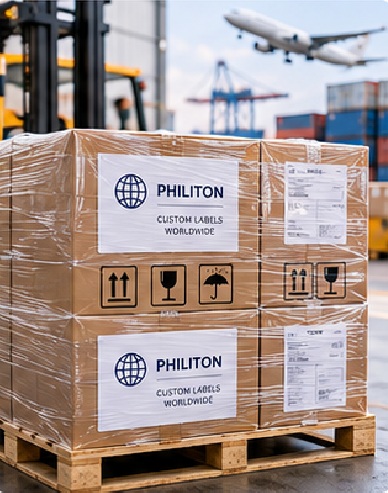
Your Trusted Labels & Stickers Manufacturer from China!

Philiton Capabilities and Services

Custom Labels, Stickers, Tags and Specialty Printing Manufactured in Shenzhen and Dongguan

Shenzhen Philiton Technology Co., Ltd. has manufactured custom labels, stickers, tags and specialty printed products since 2016. Our manufacturing system supports development, printing, converting, finishing, inspection and repeat production for international brands and manufacturers.

  • 12,000+ m² combined manufacturing and operating footprint
  • 200+ employees, including 91 technical, skilled production and quality professionals
  • Many standard label and sticker projects can start from around 500 pcs
about philiton

Philiton at a Glance for Supplier Evaluation

Key facts are kept consistent across our company, factory, quality and production information so procurement teams can evaluate Philiton without sorting through vague marketing claims.

Founded in 2016

Philiton has focused on custom labels, stickers, tags and related specialty printing since 2016. The company developed from conventional custom printing into a broader manufacturing platform covering branded packaging, product identification, industrial labeling, security applications, variable data and smart-label projects. The operating model remains project-based: define the application, control the specification, approve the sample and reproduce the approved standard in production.

Shenzhen + Dongguan

Manufacturing operations are based in Shenzhen and Dongguan, China. The combined manufacturing and operating footprint exceeds 12,000 m2 and includes production, engineering, storage, quality control, laboratory testing, sampling, packing and supporting areas. The two-location manufacturing structure gives Philiton room to run different print and converting routes while supporting short runs, multi-SKU programs and larger repeat orders.

200+ Employees

Philiton employs more than 200 people across engineering, prepress, printing, converting, quality, warehousing, project support and management. The company does not present headcount as a generic scale claim. Staff are connected to defined manufacturing steps, from artwork review and machine setup through die cutting, slitting, inspection, packing and shipment preparation.

91 Core Professionals

Technical personnel, experienced machine operators and quality-related staff total 91 people. The group supports color control, process engineering, digital and flexographic production, screen printing, finishing, die cutting, slitting, RFID work, incoming inspection, in-process checks, final inspection and laboratory work. The published figure is a combined professional headcount, not an invented split between unverified departments.

Flexible Starting Quantities

For many standard custom label and sticker projects, quantities can begin from around 500 pieces. The workable quantity still depends on size, material, adhesive, number of SKUs, printing route, finishing, tooling and delivery format. Standard digital work can usually start lower than projects using custom materials, dedicated foils, security structures or RFID inlays.

Short Run to Repeat Volume

Philiton is set up to support product launches and continuing production under one manufacturing system. Digital printing suits many lower-volume and multi-SKU programs; flexographic and other production routes become more economical as stable volume increases. Approved artwork, material, adhesive, tooling and QC references can then carry forward into repeat production, reducing redevelopment work on unchanged specifications.

Who Philiton Is Built to Support

Philiton works best when labels are part of a repeatable product, packaging or manufacturing process rather than a one-off consumer sticker purchase.

Growing Brands

New and growing brands often need several SKUs, controlled cash exposure and room to change artwork after market feedback. Philiton can start many standard projects around 500 pcs, use digital production for shorter runs, review multiple artworks under one material family and retain approved specifications for later reorders. As volumes rise, the production route can be reassessed instead of forcing a brand to change suppliers.

Established Brands

Established brands usually place greater weight on color repeatability, approved finishes, version control, packaging compatibility and stable replenishment. Philiton supports structured sample approval, multi-SKU file control, specialty finishing, roll specifications and batch QC. Larger programs can move toward flexographic or hybrid production where economics and repeatability justify the change, while low-volume or seasonal SKUs can remain on a more flexible digital route.

Manufacturers and OEMs

Manufacturing operations need labels to work with products, surfaces and labeling equipment. Philiton supports product identification, barcode and QR projects, durable films, serial data, roll direction, core size, gap and pitch requirements, tamper-evident structures and RFID/NFC-related work. Engineering discussion begins with the substrate, service environment and application method instead of selecting a label only from appearance.

Packaging and Print Partners

Packaging companies, contract manufacturers, print brokers and distributors can use Philiton as a production partner for recurring label programs. Projects can include neutral packing, agreed branding, blind-shipping arrangements, multi-SKU production and confidentiality controls where required. Technical communication can cover artwork, material, adhesive, printing, finishing, roll format and QC so the partner can manage the commercial relationship without losing manufacturing detail.

Custom Label and Sticker Products We Manufacture

Product format follows the package, surface, environment, decoration target and labeling method. Philiton can combine standard pressure-sensitive formats with specialty and smart-label processes.
Product and Packaging Labels

Product and Packaging Labels

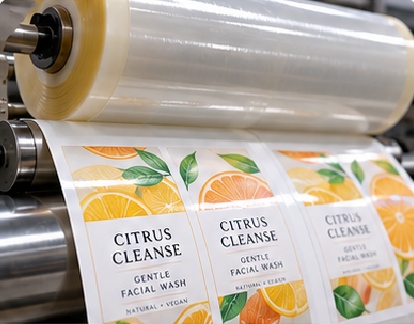
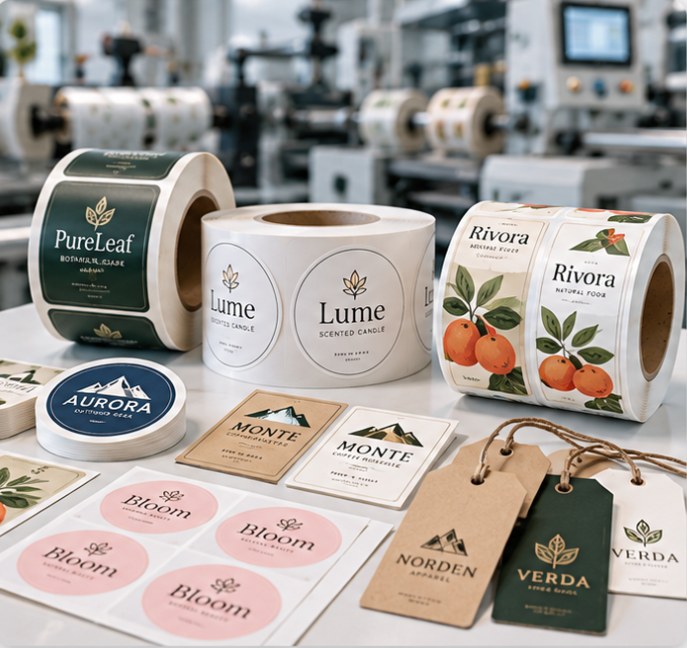
Pressure-sensitive product labels can be made for bottles, jars, boxes, pouches, containers and retail packaging. Common constructions include coated or uncoated paper, white or clear BOPP, PET and other suitable stocks. Projects can combine CMYK, white ink, spot colors, lamination, varnish, foil or embossing according to brand appearance and handling requirements.
Custom Stickers and Decals

Custom Stickers and Decals

Philiton manufactures logo stickers, promotional stickers, sheet stickers, roll stickers, individual die-cut stickers, window decals, wall stickers, static-cling products and related formats. Shape, liner, adhesive and finish are selected for the actual use. A decorative giveaway sticker, a retail seal and a durable equipment decal should not be built with the same construction simply because the artwork looks similar.
Industrial and Durable Labels

Industrial and Durable Labels

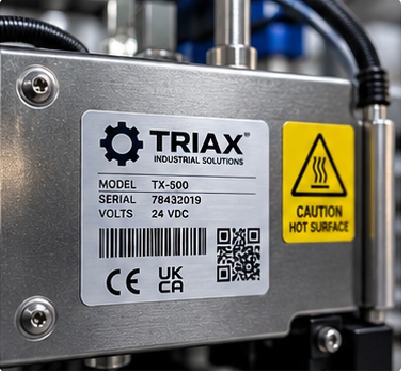
Industrial labels can use PET, PP/BOPP, synthetic materials and higher-performance adhesive systems for equipment, components, assets, automotive products and other demanding surfaces. The specification may include barcode or serial data, abrasion protection, oil resistance, heat exposure or chemical contact. Performance is defined against the intended surface and environment rather than described as universally durable.
Security and Tamper Labels

Security and Tamper Labels

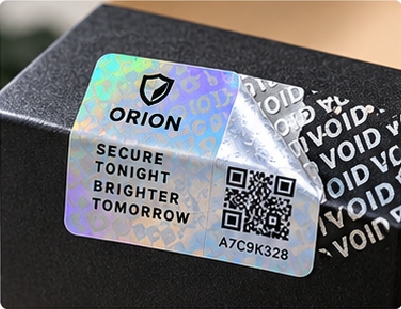
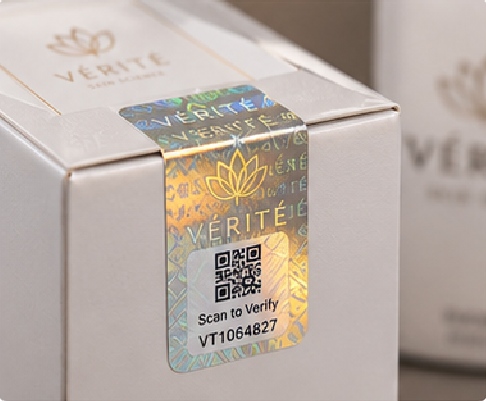
Security projects can include tamper-evident structures, destructible materials, VOID effects, holographic components, serialization, unique QR codes and other anti-counterfeit features. Structure, tooling, variable data and verification requirements are confirmed per project. Security performance is treated as a controlled construction and process, not a decorative effect added at the end of printing.
RFID and NFC Labels

RFID and NFC Labels

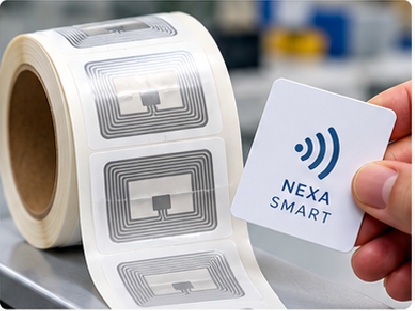
RFID and NFC projects can combine printed graphics, variable visible data, inlay conversion, encoding and read/write verification. Frequency, chip or inlay, construction, read range, surrounding metal or liquid, application position and data rules all affect performance. Philiton confirms the required workflow before production instead of treating every RFID label as the same off-the-shelf item.
Tags and Specialty Printing

Tags and Specialty Printing

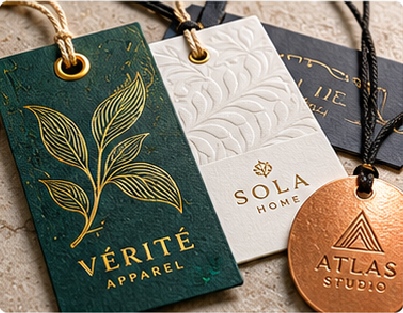
Philiton also supports tags and specialty printed products that share the same artwork, printing, converting and finishing infrastructure. Paper or synthetic tags may use offset, digital or other suitable routes with foil, embossing, variable data, die cutting or special surface effects. The final route depends on material thickness, hole or shape requirements, finishing sequence, quantity and packing format.

Material and Adhesive Selection Starts With the Surface

Philiton selects face stock and adhesive together. Surface energy, temperature, moisture, oil, curvature, removability and service life can matter more than appearance alone.

Paper Label Stocks

Coated and uncoated papers suit many dry packaging, retail and cost-sensitive applications. Textured or high-white papers can support premium beverage, candle or specialty packaging, while synthetic paper adds more moisture resistance. Paper choice also affects ink holdout, foil detail, emboss depth and color appearance. If the pack may face condensation, oil or repeated abrasion, protective finishing or a film construction may be more reliable.

BOPP and PP Films

White and clear BOPP are common for bottles, personal care, beverages and other packaging where moisture resistance, flexibility and a clean surface are important. Clear BOPP can create a no-label look when white ink and registration are controlled. PP containers are lower-surface-energy substrates, so the film alone does not solve adhesion; adhesive chemistry, surface texture, curvature and application temperature still require review.

PET Film

PET offers dimensional stability, stiffness, temperature capability and good resistance to abrasion and chemicals compared with softer packaging films. It is often considered for electronics, industrial identification, assets, durable labels and premium clear applications. PET can also be useful where print protection and long-term shape stability matter. Adhesive selection remains surface-specific, especially on plastics with low surface energy or contaminated industrial surfaces.

PE and Conformable Films

PE film is softer and more conformable than PET, making it useful on squeezable bottles, flexible PE or LDPE containers and surfaces that deform during use. Conformability can reduce edge stress on curved or compressible packs. Low-surface-energy plastics still demand suitable adhesive chemistry, and very small diameters may need thin facestock plus strong mandrel-hold performance to prevent lifting.

Permanent and High-Tack Adhesives

Permanent acrylic, rubber-based, hot-melt and higher-tack systems are selected according to the substrate and environment. Glass and PET are generally easier surfaces than PP, PE, HDPE or LDPE. Rough cardboard, oily metal, textured plastics and cold surfaces create different demands. Philiton uses the application surface, temperature, contamination risk, curvature and required lifetime to narrow the adhesive route before testing.

Removable, Freezer and Special Adhesives

Removable, repositionable, freezer, low-temperature, wash-off and other special constructions are available when the application needs them. Clean removability depends on dwell time, substrate and temperature. Freezer projects must distinguish application temperature from service temperature. Wash-off systems need stable adhesion in use but controlled release during a defined recycling or cleaning process. Samples on the actual substrate are the preferred validation method.

Label Constructions for Real Operating Environments

Philiton builds specifications around where the label will be applied, stored, handled and scanned, not only around how the artwork looks on screen.
Cosmetics and Personal Care

Cosmetics and Personal Care

Bathroom moisture, oils, alcohol-containing formulas, curved bottles and frequent handling can expose weak constructions quickly. Philiton can combine BOPP or PET films, suitable permanent adhesives, white ink for clear labels and laminate or varnish protection. Actual bottles are useful during sampling because PET, glass, PP and HDPE behave differently even when the label size and graphic design remain unchanged.
Food and Cold Chain

Food and Cold Chain

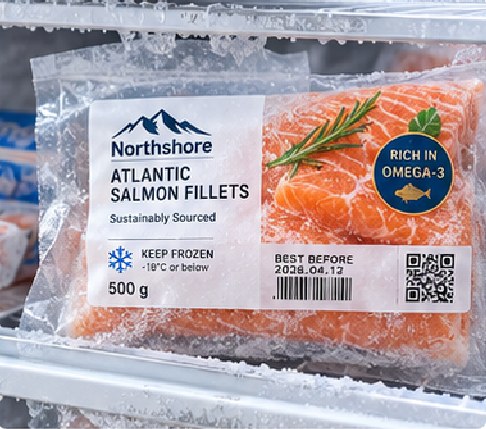
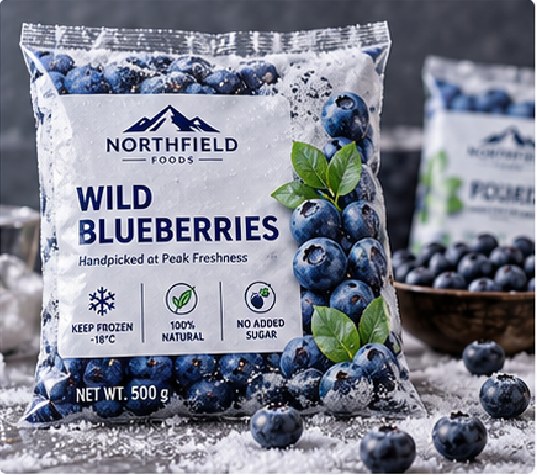
Food packs may face refrigeration, freezing, condensation, wet handling or fast packaging lines. Philiton reviews application temperature, storage temperature, package surface, moisture and the required adhesive window. Freezer labels are best validated on the real package under representative conditions. External package labels and direct-food-contact applications are treated as different risk levels and may require different documentation.
Beverage and Premium Packaging

Beverage and Premium Packaging

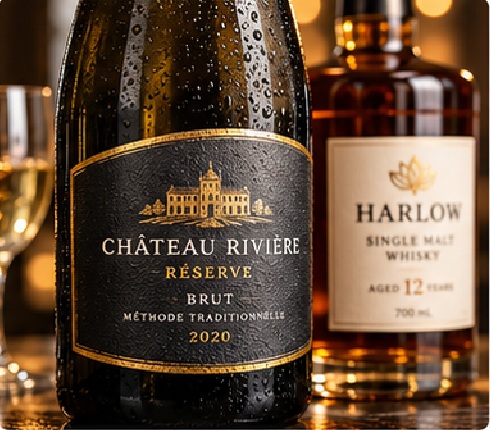
Beverage labels may need wet-strength performance, cold-bottle adhesion, clear-film registration, textured paper, foil, embossing or high visual consistency across SKUs. Philiton can review bottle curvature, condensation and decoration sequence before sampling. Premium finishes are checked for detail, registration and adhesion rather than treated as isolated visual effects, especially when foil or embossing sits close to small text or die-cut edges.
E-commerce and Logistics

E-commerce and Logistics

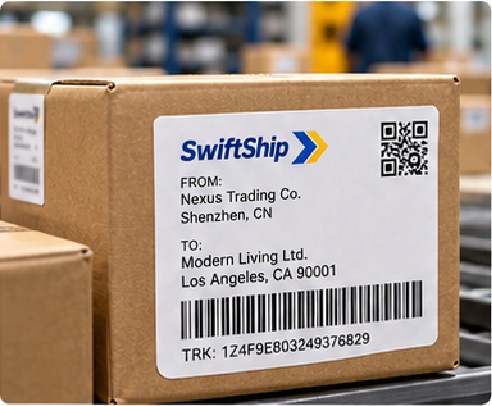
Shipping and logistics programs can require direct thermal or thermal-transfer materials, barcode quality, variable data, batch control and roll formats compatible with printers or applicators. Philiton can define label size, gap, pitch, liner width, core, roll direction, black marks or perforations where needed. Variable files are controlled as production data, with restart, scrap and reprint handling included in the workflow.
Electronics and Industrial Use

Electronics and Industrial Use

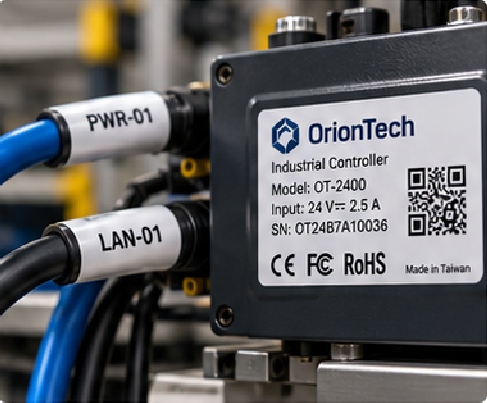
Electronics, equipment and industrial identification may require PET, durable print protection, serial data, QR or barcode control, heat exposure, chemical resistance or strong adhesion to plastics and metals. Philiton reviews surface energy, coating, oil contamination, temperature and handling before choosing a construction. Labels for PP, PE or HDPE may require higher-tack or specially formulated adhesive systems and actual-surface testing.
Security and Smart Labeling

Security and Smart Labeling

Tamper evidence, unique codes, RFID, NFC and anti-counterfeit elements require more than printing. Philiton can coordinate structure, variable data, encoding, verification, waste control and reprint rules according to the project. RFID performance also depends on inlay choice, application material, placement, reader environment and nearby metal or liquid, so project qualification is built around the intended use.

Where Philiton Adds Manufacturing Value

Base papers, films, adhesives, foils and specialty substrates are sourced from qualified suppliers. Philiton creates value through specification, processing, verification and controlled production.

AreaPhiliton ResponsibilityExternal Supply / InputApproval or Project Input
Face stock and adhesiveReview application, select candidate constructions, manage incoming material and conversionPaper, BOPP, PET, PE, adhesive labelstocks and specialty materialsSurface, temperature, environment, lifetime and removability requirements
Artwork and prepressFile review, dieline, layers, white ink, spot color, foil/emboss/VDP separation and production version controlFonts, source graphics and approved data supplied where applicableFinal artwork content and brand/legal approval
PrintingDigital, flexographic, screen, UV and other suitable production routesInk and related consumables from qualified supplyApproved color target, sample or production standard
Finishing and convertingFoil, emboss/deboss, lamination, varnish, die cutting, waste stripping, slitting and rewindingFoils, films, tooling materials as requiredApproved finish, size, shape and roll specification
Variable data / RFIDData workflow, printing, encoding or converting, uniqueness checks and agreed verificationChip/inlay or specialty components where applicableData rules, memory/lock requirements, system logic and validation criteria
Quality controlIncoming, in-process, final and outgoing checks; project testing and visual inspection where specifiedThird-party testing when requiredAgreed inspection criteria and application requirements
Compliance supportManufacture to approved artwork; support material documentation and project-specific testingSupplier declarations or third-party reports where applicableFinal legal labeling content and market responsibility
Packing and shipmentSKU separation, roll/sheet/individual packing, cartons, packing list and shipment preparationCourier, air, sea or nominated freight servicesDestination, Incoterm, timing and receiving requirements

Manufacturing in Shenzhen and Dongguan

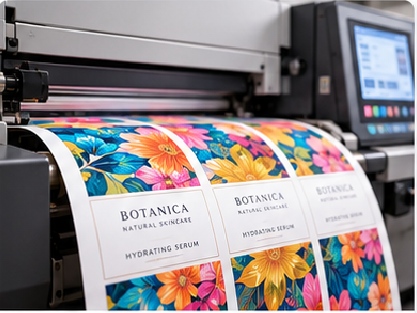
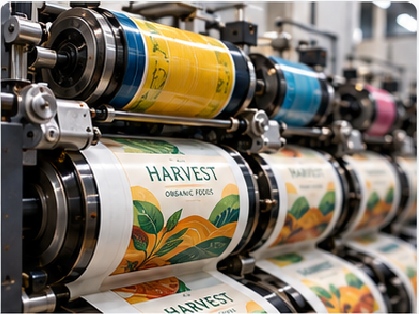
Philiton’s 12,000+ m2 manufacturing and operating footprint is organized around production flow, not a showroom claim. Work moves from specification and materials into printing, converting, inspection, packing and shipment preparation.

A Manufacturing System Built Around Controlled Handoffs

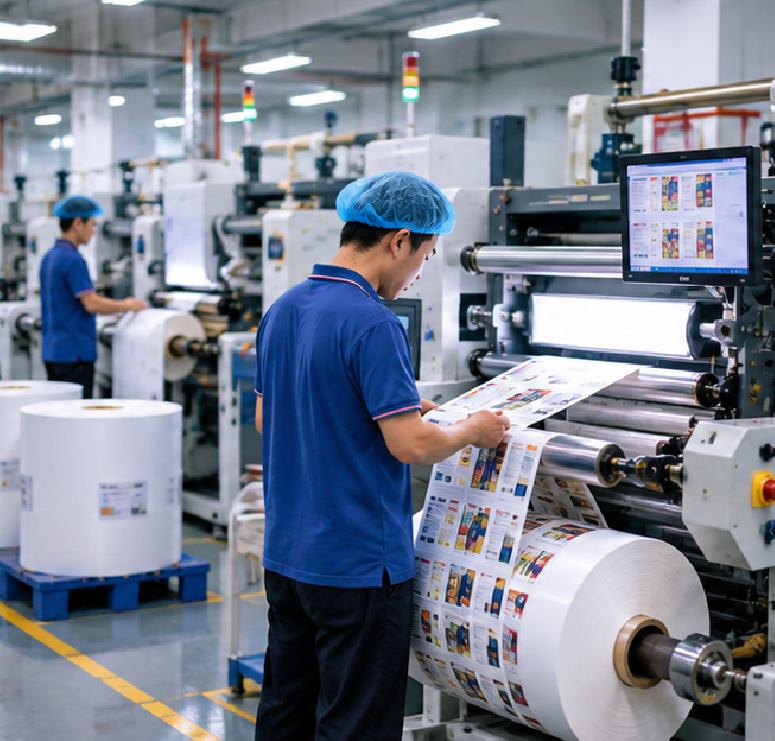
Philiton’s combined operations include approximately 7,200 m2 of production and engineering space, about 2,100 m2 of warehousing, around 450 m2 for quality control and laboratory functions, and about 350 m2 for sampling and development within the broader 12,000+ m2 footprint. Those areas support artwork and prepress, digital and flexographic printing, screen and UV work, specialty finishing, die cutting, slitting and rewinding, smart-label processing, inspection and packing.

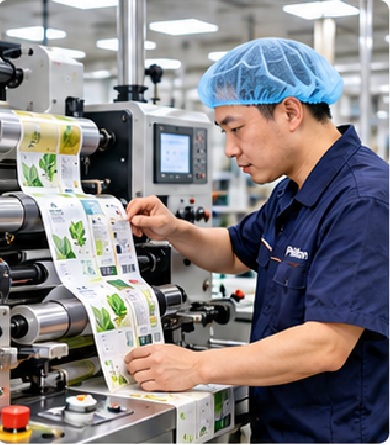
Production is organized around controlled handoffs. Artwork is reviewed before a file becomes a production version. Incoming material is identified before use. Printing and finishing follow the approved construction. Die cutting and rewinding are set to the required delivery format. Quality checks occur during production and before release. Roll-label jobs can also carry core, winding, gap, pitch, roll diameter and per-roll quantity requirements so the finished product works with the intended applicator.

The factory model does not rely on claiming every raw material is made in-house. Philiton sources base materials from qualified suppliers, then controls material choice, prepress, printing, converting, finishing, inspection, testing and project execution. For procurement teams, the distinction makes responsibility clearer: material origin can be documented, while manufacturing control remains traceable through the production route.
Printing and Finishing Routes Selected by Project Needs

Quantity, SKU count, artwork, substrate, color target and finishing determine the process. Philiton can change routes as a program grows instead of forcing one method on every job.
Digital Printing

Digital Printing

Digital printing is central to samples, lower-volume production, multi-SKU launches and frequent version changes. A typical economic range in Philiton’s internal process framework is about 500-20,000+ pcs per SKU, depending on size and construction. Files can move directly from approved digital artwork into production without conventional plate cost, making the route useful for launches, seasonal versions, complex graphics and variable-data work.
Flexographic Printing

Flexographic Printing

Flexographic printing becomes attractive when specifications are stable and volume is high enough to spread plate and setup costs. It is used for many roll-label programs across paper and film stocks and can support efficient repeat production. The exact crossover from digital is not fixed; label size, material width, number of colors, finishing, SKU mix and repeat frequency can move the economic threshold substantially.
Spot and Raised UV

Screen and UV Printing

Screen printing is useful for opaque white, thicker ink deposits, specialty inks and effects that need more film build than a conventional CMYK layer. UV printing supports fast curing on suitable papers and films and can be combined with white ink or varnish according to equipment and specification. Both routes are selected for a defined visual or functional reason, not simply added as decorative terminology.
Foil and Embossing

Foil and Embossing

Hot foil, cold foil, embossing and debossing can add metallic detail, tactile structure and premium shelf impact. Philiton checks minimum detail, registration, substrate response, die-cut proximity and curvature before mass production. Foil and embossing often require tooling and additional setup, so sampling is especially valuable when small text, fine lines, textured paper or multiple finishing layers need to register closely.
Lamination and Varnish

Lamination and Varnish

Lamination and protective varnish can improve rub resistance, moisture handling and surface consistency while also changing gloss, texture, stiffness and recyclability considerations. Philiton selects protection according to the exposure rather than automatically laminating every label. A bathroom bottle, shipping label, premium paper bottle label and industrial PET label can require very different surface protection even if the printed artwork uses similar colors.
Variable Data and Smart Processes

Variable Data and Smart Processes

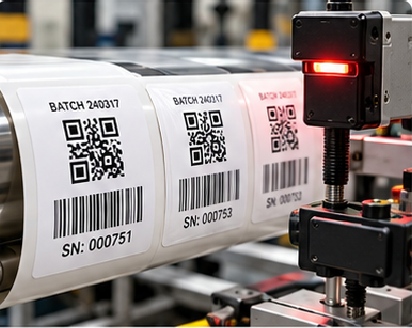
Variable-data production can include serial numbers, unique QR codes, changing text, barcode data and other record-driven elements. RFID projects can add inlay conversion, encoding and read/write verification when the specification requires it. Production controls address source data, uniqueness, stoppage and restart points, scrap, reprints and verification so variable identifiers are handled as controlled manufacturing data rather than ordinary static artwork.

Development and Sampling Before Production Is Locked

Sampling is used to resolve uncertainty before volume production. Philiton can validate material, color, finishing, adhesion, roll configuration and application details according to project risk.

Requirement Intake

Development starts with product or packaging information, label size, quantity, SKU count, surface, environment, artwork, desired finish and delivery format. Automatic labeling projects should also provide core, roll direction, maximum roll diameter, gap, pitch, liner width and sensor requirements. A complete input set reduces quotation revisions and prevents visual approval from hiding a mechanical or adhesive issue.

Artwork and Prepress Review

Philiton reviews production files for size, bleed, dieline, white ink, spot colors, foil, embossing, variable-data layers and other process separations. Version control matters on multi-SKU or regulated products because an attractive print is still wrong if an outdated text panel reaches production. The approved artwork version becomes part of the production reference together with material and finishing specifications.

Material and Adhesive Route

Material selection begins with the package or surface. Paper, BOPP, PET, PE and specialty stocks are narrowed against moisture, oil, temperature, curvature, abrasion, transparency and visual requirements. Adhesive is then matched to glass, PET, PP, PE, HDPE, metal, cardboard or other substrates. The actual package is preferred for difficult applications because surface treatment and contamination can change adhesion dramatically.

Sample Route and Timing

Sample method depends on the final construction. Digital samples can commonly be prepared in about 1-3 business days; standard printed or finished samples commonly take around 3-5 business days; complex finishing may require about 5-7 business days; RFID or security samples can take about 5-10 business days. Material availability, tooling and approval requirements can extend those ranges, so timing is confirmed per specification.

Application Verification

A sample can be used to check color, size, die cut, foil, embossing, print protection, adhesive behavior and roll configuration. Bottles, pouches, cartons or representative substrates are especially useful for curved surfaces, small diameters, freezer conditions, oil exposure and automatic application. Approval should lock the artwork, material, adhesive, print target, finishing and any machine-related roll parameters before mass production begins.

Approval to Production

Once the specification is approved, Philiton releases the controlled production version rather than relying on email memory. Changes after approval can affect material, prepress, tooling, schedule and price, so revisions are treated as new controlled inputs. The approved sample or signed specification becomes the reference for production and later repeat orders, provided no relevant surface, environment or regulatory requirement has changed. 

Production Control for Short Runs and Repeat Programs

Philiton separates artwork approval, material readiness, production scheduling, in-process control and release so a fast order does not bypass the checks needed for repeatable output.

Production Route by Volume

Digital printing is commonly used for launch quantities, multiple SKUs and changing versions. As stable per-SKU volume grows, flexographic or hybrid production can be evaluated to reduce unit cost and improve long-run efficiency. A typical internal planning path moves from around 500 pcs launch quantities to 1,000-5,000 pcs reorders, then into 5,000-50,000 pcs growth runs and higher repeat programs when demand supports the transition.

Multi-SKU Version Control

Each SKU retains its own approved artwork, quantity and QC identification even when compatible SKUs share material or production setup. File names, revisions, color targets, finishes and pack counts are controlled before release. Shared production can reduce setup waste, but Philiton does not treat similar-looking artworks as interchangeable. A wrong SKU or obsolete version is a production failure even when print quality is otherwise acceptable.

Lead Time Is Built From Real Steps

Production time starts after the commercial order, approved production specification and required material or tooling are ready. Unchanged repeat orders can often run in about 3-7 business days when materials are available. Typical larger orders may run around 7-15 business days; large multi-SKU or complex programs can require about 10-20 business days or phased delivery. Rush scheduling is reviewed against stock, machine loading and finishing rather than promised universally.

Repeat Order Control

Reorders use the prior approved artwork, specification, material, tooling and quality reference when those inputs remain valid. Philiton still reviews quantity, surface, destination, compliance needs and material availability before release. If a brand changes bottle resin, adhesive requirement, artwork, roll direction or legal text, the order is no longer treated as a simple repeat. Controlled change is preferred to silent reuse of an outdated specification.

Quality Control Follows the Risk in the Specification

Quality checks are assigned to material, printing, converting, data and application risks. Philiton separates incoming, in-process, final and outgoing control rather than relying on end-of-line appearance alone.

Incoming Material Control

Incoming inspection checks the material identity and relevant condition before the stock enters production. The required checks depend on paper, film, adhesive, foil, RFID components or other supplied materials. Special projects may also require supplier declarations or third-party documentation. A label cannot be controlled only at the printing stage if the face stock, adhesive or smart component is already incorrect before the press starts.

In-Process Control

In-process checks focus on the variables that can drift while a job is running: color, registration, white ink, foil or emboss position, print defects, die-cut alignment, liner condition, variable data, roll build and other process-specific points. Problems are easier to contain before thousands of labels move through the next finishing step, so production control is designed to find deviation before it becomes a finished batch.

Final and Outgoing Inspection

Final and outgoing checks confirm the approved product and delivery format before shipment. Depending on the job, inspection can cover dimensions, appearance, die cut, winding, per-roll quantity, SKU identity, barcode or QR readability, packaging and batch information. Automated or 100% visual inspection can be used where the project calls for it, while functional checks such as RFID read/write verification follow the agreed inspection plan.

Testing and Failure Review

Laboratory and project testing are used when performance must be verified rather than assumed. Adhesion, rub, moisture, oil, temperature, barcode or RFID issues are reviewed against the approved construction and actual application conditions. If a problem is reported after delivery, Philiton collects photos, batch information, substrate and environment details to determine whether the cause relates to printing, converting, material, adhesive, application or transport before defining corrective action.

Packing Formats Built Around Handling and Labeling Equipment

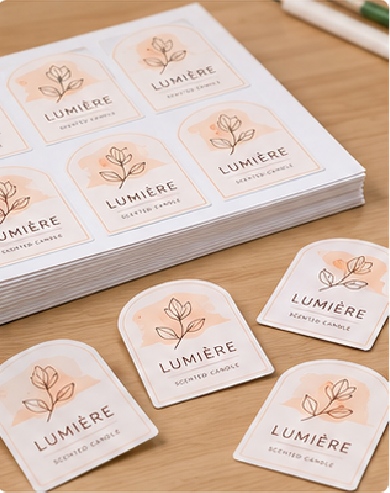
Packing protects the finished labels and keeps SKUs identifiable. Roll, sheet and individual formats are matched to the production line, manual application and shipping method. Plan Packing Format
Roll Labels

Roll Labels

Roll projects can be supplied with specified winding direction, inside or outside wound orientation, core, maximum roll diameter, gap, pitch, liner width, labels per roll and sensor marks where required. Those parameters are confirmed from the applicator or specification rather than guessed from label size. Rolls are identified by SKU and packed to protect edges, print surfaces and winding integrity during transport.
Sheets and Individual Pieces

Sheets and Individual Pieces

Sheet labels and individual die-cut stickers are used when hand application, retail packing or promotional distribution makes rolls unnecessary. Philiton can separate designs, pack by count and maintain SKU identification through final cartons. The most suitable pack method depends on label size, surface finish, static sensitivity and whether sharp corners, domed structures or delicate foil need extra protection from rubbing.
SKU Separation and Cartons

SKU Separation and Cartons

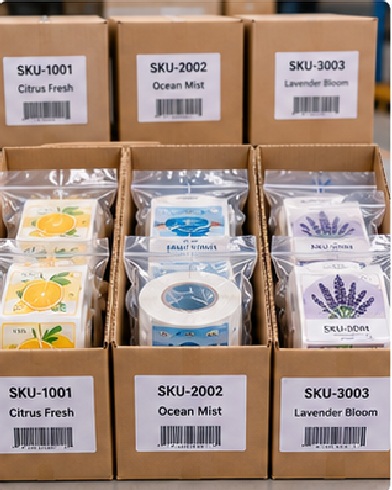
Multi-SKU orders are separated by artwork and quantity, with packing lists and carton identification used to reduce receiving mistakes. Inner bags, protective wrapping, cartons and, where necessary, pallets are selected according to product format and shipment size. Large roll-label programs may also need agreed per-roll quantities so receiving and production teams can issue rolls to the packaging line without recounting loose labels.
International Shipment

International Shipment

Samples and urgent small runs are commonly matched with international courier or air service; larger replenishment and roll programs can move by courier, air or sea according to cost and deadline. Freight quotes are based on destination, postal code or port, cartons, weight, volume and trade terms. Transit time is treated separately from production lead time because customs, peak season and final-mile delivery remain external variables.

Compliance Support Without Blanket Certification Claims

Philiton manufactures to approved specifications and supports project documentation and testing. Legal labeling responsibility, material evidence and factory certification are treated as separate subjects.
Requirement AreaPhiliton Can SupportImportant Boundary
Regulatory artworkControlled reproduction of approved warnings, ingredient text, symbols, codes and other supplied contentThe brand or legally responsible party confirms required content for the destination market
RoHS / REACHMaterial documentation or third-party testing for specified constructions where requiredNot every label can be described as universally RoHS or REACH certified
Food-contact workEvaluate contact type, material structure and destination-market requirementExternal packaging labels and direct-food-contact labels have different evidence needs
FSC paperSource FSC-certified paper options subject to project and chain-of-custody verificationDo not assume every paper label is FSC certified
UL-related durable labelsReview durable constructions and project requirements where approved materials or files are applicableNo blanket claim of UL authorization without verified scope and evidence
Social auditsSupport client audit requests and provide verified records when availableBSCI, Sedex/SMETA or other audit status must be verified before public claims
Third-party testingArrange or support defined material or performance tests when the project requires themReports apply only to the tested sample, construction, method and scope
Batch manufacturingControl approved material, artwork, print/encoding quality and repeat production recordsMarket access, product registration and legal claims remain with the responsible product entity


Confidential Projects Stay Under Defined Project Controls

Brand assets, launch files, security features and variable data need clear handling rules. Philiton can work under agreed confidentiality terms and restrict public use of project materials.

NDA and Launch Confidentiality

Philiton can work under a client NDA or a mutually agreed NDA for confidential artwork, new launches, security labels, RFID/data work and other sensitive developments. Confidentiality is tied to project handling, not treated as a slogan. Commercial files, samples and production information can be managed according to the agreed scope so early-stage launches or unreleased designs are not automatically turned into marketing material.

Artwork and Photo Authorization

Branded labels, production photos and case details are not automatically published. Public use requires authorization or sufficient anonymization. The same rule applies to website galleries, social media, sample books and case-study content. Philiton’s internal fact library intentionally separates verified project facts from unsupported testimonials, and client quotes are not created when original feedback has not been provided.

Variable Data and Code Control

Unique codes, serialized labels and RFID projects require file-version, access, batch, scrap and reprint controls. Philiton can manage source data import or generation, production batches, uniqueness checks, stoppage and restart points, inspection and approved reprints according to the project rules. The client remains responsible for the legality and business logic of supplied data, including personal information and lifecycle requirements.

Rejected and Obsolete Labels

Rejected or obsolete branded labels are separated from accepted product and handled according to project risk. Security, unique-code and anti-counterfeit work may require destructive disposal and quantity records. Handling requirements should be agreed before production when obsolete stock could create brand, fraud or traceability risk. Philiton does not describe these controls as an absolute information-security guarantee without supporting audit evidence.

Representative Philiton Project Profiles

The profiles below are anonymized representative project records from Philiton’s internal fact library. They show how application, material, process and QC decisions are structured; no unverified testimonial is added.
U.S. Cosmetics - 10,000-50,000 BOPP Labels

U.S. Cosmetics - 10,000-50,000 BOPP Labels

A U.S. cosmetics and personal-care brand profile covers 10,000-50,000 pressure-sensitive bottle labels across roughly 3-8 SKUs. White or clear BOPP is paired with a permanent acrylic adhesive selected for PET, HDPE or glass bottles. Clear constructions add controlled white ink, while matte or gloss lamination protects the print surface; foil can be added where the design requires it. Development focuses on water, bathroom humidity, hand contact, transparency and bottle curvature. Sampling uses the actual container, followed by checks for color, dimensions, die cut, adhesion, white-ink registration, winding and labels per roll before production release.
Canada Frozen Food - 20,000-100,000 Labels

Canada Frozen Food - 20,000-100,000 Labels

A Canadian frozen-food profile covers about 20,000-100,000 labels across 2-6 SKUs using BOPP or moisture-resistant paper with a low-temperature or freezer adhesive. The critical engineering question is not only freezer storage temperature; the minimum application temperature, condensation, frost and package surface also affect initial bond. The sampling route therefore uses the real package under low-temperature conditions, with checks for edge lifting, adhesion, print quality, die cut, roll direction, per-roll quantity and moisture protection. Production timing remains linked to special low-temperature material availability, and finished rolls are packed with protective inner wrapping and cartons.
U.K. Premium Beverage - 5,000-30,000 Foil Labels

U.K. Premium Beverage - 5,000-30,000 Foil Labels

A United Kingdom premium-beverage profile covers roughly 5,000-30,000 bottle labels across 2-5 SKUs. High-white paper, textured paper or BOPP can be selected according to bottle shape and moisture exposure, combined with a permanent adhesive and CMYK or spot-color printing. Hot foil or cold foil, gold or silver effects, embossing and local UV can be added after artwork review. The development challenge is controlling foil edge quality, small reversed text, registration and curved-bottle application. A physical process sample confirms foil adhesion, fine detail, registration and substrate response before the approved construction moves into volume production.

The Teams Behind Philiton Production

Equipment only becomes manufacturing capability when people control files, settings, materials and release decisions. Philiton connects technical, production, quality and project roles around one approved specification.
Technical and Prepress

Technical and Prepress

Technical roles cover artwork, prepress, color, product engineering, process engineering, flexographic, digital, screen, RFID and equipment support within the broader 91-person professional group. Their job is to convert a commercial request into manufacturable parameters: material, adhesive, print route, finishing, tooling, roll format, data rules and validation points. Engineering decisions are recorded against the project rather than passed informally between departments.
Skilled Production

Skilled Production

Experienced press, die-cutting, slitting, foiling and embossing operators execute the approved route on production equipment. Their work includes setup, registration, material handling, process adjustment, waste control and handoff to the next converting step. Production skill matters most when multiple operations must remain aligned, such as printing plus foil, embossing plus die cutting, or roll conversion with strict winding and applicator requirements.
Quality and Laboratory

Quality and Laboratory

Quality roles cover incoming, in-process, final and outgoing inspection along with laboratory support. The team verifies project-specific attributes rather than using one generic checklist for every label. Dimensions, appearance, registration, die cut, adhesion, barcode or QR readability, roll build, RFID function, rub or environmental behavior can be added according to risk. Inspection records also support root-cause review if a batch problem is reported later.
Sales and Project Coordination

Sales and Project Coordination

Sales and project coordination connect the commercial request with engineering, production, quality and logistics. More complex multi-SKU, RFID, security or larger account programs can use project coordination to track milestones, sample approval, changes, delivery planning and open risks. Clear ownership is especially important when artwork revisions, material procurement, tooling, production and shipping all have different completion dates but must converge on one launch schedule.

Philiton Supplier Qualification Snapshot

A supplier review should connect each claim to an operating fact. The summary below gives procurement and technical teams a fast route into deeper factory, quality and project discussions.

Evaluation PointPhiliton FactWhy It Matters in a Supply Program
Legal entityShenzhen Philiton Technology Co., Ltd.; founded in 2016Creates a consistent company identity for contracts, audits and repeat business
Manufacturing locationsShenzhen and Dongguan, ChinaProvides a defined manufacturing base rather than an anonymous sourcing chain
Operating footprint12,000+ m2 combined manufacturing and operationsSupports printing, converting, storage, sampling, QC, laboratory and packing functions
Employees200+Provides organizational depth beyond a small print shop
Core professional staff91 technical, skilled production and quality personnel combinedSupports engineering, process execution and inspection across complex projects
Starting quantitiesAround 500 pcs for many standard custom label and sticker projectsAllows launch or multi-SKU testing before committing to larger inventory
Printing routesDigital, flexographic, screen, UV and other suitable methodsLets process economics change as volume, material and artwork requirements change
Specialty capabilitiesFoil, emboss/deboss, holographic, lamination, die cutting, slitting/rewindingKeeps decoration and converting within a controlled manufacturing route
Smart / data workVariable data, serialization, RFID/NFC-related production and verificationSupports identification, traceability, authentication and smart-label programs
Quality systemIncoming, in-process, final/outgoing inspection; visual and laboratory capabilityConnects release decisions to defined product and application risks
International deliveryCourier, air and sea options matched to shipment and deadlineSupports samples, launch runs, replenishment and larger repeat programs
ConfidentialityNDA support, artwork authorization rules, variable-data and obsolete-label controlsProtects unreleased designs, brand assets and sensitive production information

Frequently Asked Questions About Philiton

Philiton is a custom label, sticker, tag and specialty printing manufacturer with manufacturing operations in Shenzhen and Dongguan. Base papers, films, adhesives, foils and specialty substrates are sourced from qualified suppliers. Philiton’s manufacturing value is created through material selection, artwork and prepress, printing, converting, finishing, inspection, testing, packing and project management.
Philiton operates manufacturing facilities in Shenzhen and Dongguan, China. The combined manufacturing and operating footprint exceeds 12,000 m2 and includes production, engineering, warehouse, QC, laboratory, sampling, packing and supporting functions. Detailed site information for audits or visits can be handled when a project reaches the appropriate qualification stage.
Many standard custom label and sticker projects can start from around 500 pcs. MOQ varies with size, material, adhesive, process, number of SKUs, special foil or tooling, RFID components and other setup requirements. Standard digital work generally provides the most flexibility for lower quantities and multi-SKU launches.
Yes. Samples can confirm size, material, adhesive behavior, print appearance, finishing, die cut, roll configuration and application performance. Digital samples may be faster than process-heavy samples. Standard printed or finished samples commonly take around 3-5 business days, while complex finishing, security structures or RFID work can require a longer route.
Philiton can source and convert common paper and film label stocks including coated paper, uncoated paper, BOPP/PP, PET, PE, synthetic paper and specialty materials. Adhesive systems can include permanent, removable, repositionable, low-temperature, freezer, high-tack and other application-specific options. Final selection depends on the actual surface and environment.
Yes. Roll-label specifications can include roll direction, inside or outside wound orientation, core, maximum roll diameter, gap, pitch, liner width, number across, perforation, black marks and labels per roll. Those details should come from the applicator specification or production-line requirement so the finished rolls can be matched to the machine.
Quality control can include incoming inspection, in-process checks, final and outgoing inspection, visual inspection and laboratory or functional testing where the project requires it. Typical control points include color, registration, dimensions, die cut, surface appearance, adhesive performance, barcode or QR readability, roll format, SKU identity and RFID read/write verification.
Philiton does not make blanket certification claims without verified scope and evidence. Project support can include specified material documentation, third-party testing, FSC paper sourcing subject to chain-of-custody verification, RoHS/REACH documentation, food-contact evaluation and other requirements. The exact material, market, test method and responsible legal entity must be defined first.
Yes. Philiton can work under an agreed NDA and can control access, file versions, branded samples, production photos, variable data and obsolete or rejected labels according to project needs. Branded project material is not automatically published; authorization or sufficient anonymization is required before public use.
Yes. Many programs can begin with digital short runs or multi-SKU launch quantities, then move toward flexographic, hybrid or higher-volume production as the stable per-SKU quantity grows. Approved artwork, material, adhesive, tooling and QC references can be retained for repeats, while any changed surface, artwork, legal text or application condition is reviewed before release.

Send Philiton the Information Needed to Review Your Project

A useful first review does not require a finished technical specification. Send the information already available and Philiton can identify what still needs to be confirmed before quotation, sampling or production planning. For a standard label project, the most useful starting inputs are the product or package, label size or dieline, expected quantity, number of SKUs, artwork status, preferred material or visual effect, application surface, service environment and delivery format. For roll labels, include applicator requirements when known. For durable, freezer, security, barcode, RFID or regulated applications, add the performance or documentation requirement instead of relying on a generic material description. Philiton can then separate commercial inputs from engineering inputs, identify missing specifications, recommend the next validation step and confirm whether the project should move directly to quotation, material review or physical sampling. Supplying the intended destination and in-hand timing also helps production and logistics planning start from the same schedule. Confidential files can be handled under an agreed NDA where needed.

  • Product or packaging application and surface material
  • Label size, shape, quantity and number of SKUs
  • Artwork files, color targets and required finishing
  • Temperature, moisture, oil, chemical or durability conditions
  • Roll direction, core, gap, pitch or applicator requirements if relevant
  • Compliance, testing, variable-data or RFID requirements
  • Destination country and required in-hand timing

For all inquiries, please feel free to reach out at:

Get In Touch

  • Our team will answer your inquiries within 12 hours.

  • Your information will be kept strictly confidential.

Get a Fast Quote for Custom Labels & Stickers

We will contact you within 24 Hours, please pay attention to the email with the suffix“@philiton.com”. 
For all inquiries, please feel free to reach out at:

Ask For A Quick Quote

We will contact you within 24 Hours, please pay attention to the email with the suffix“@philiton.com”. 

For all inquiries, please feel free to reach out at:

Get a Quote Today!

We will contact you within 24 Hours, please pay attention to the email with the suffix“@philiton.com”.