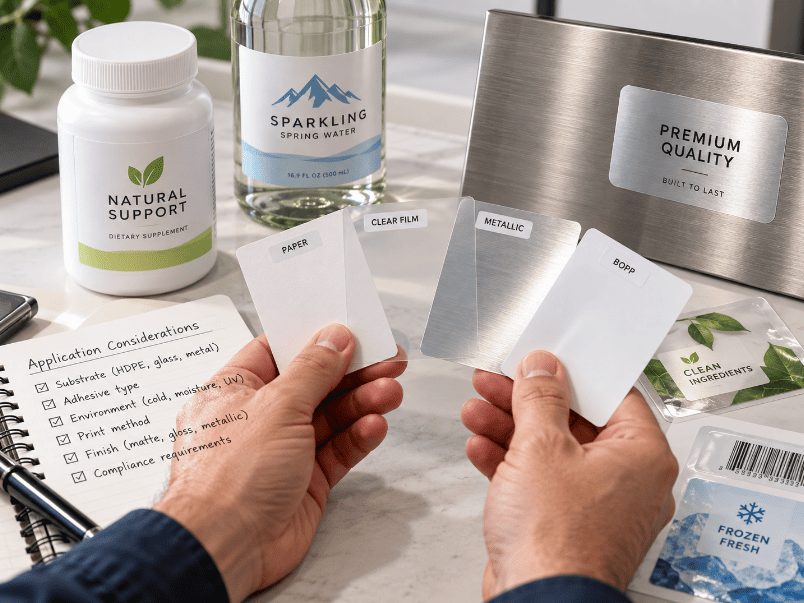
Select label materials by surface, environment, appearance, printing method, finishing, and labeling equipment – then validate the complete construction before production.
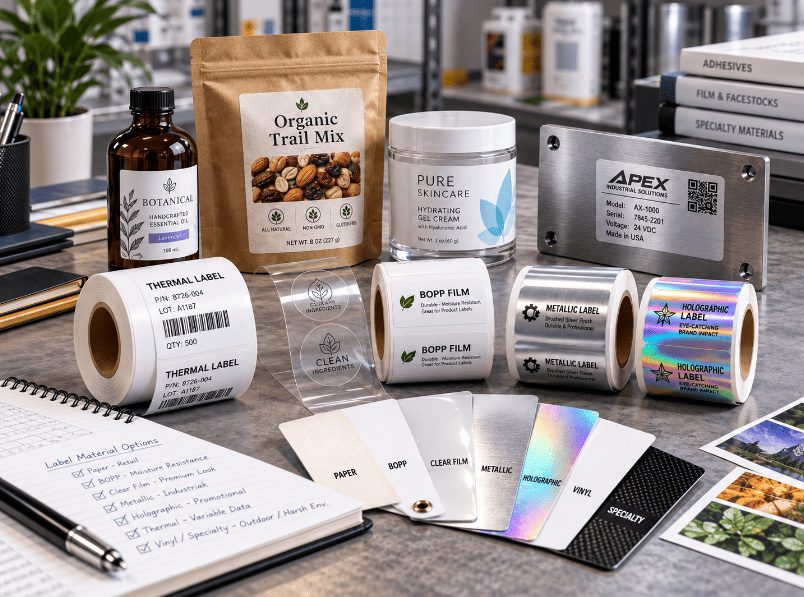
Material selection becomes easier when the project team answers five questions before asking for a specific stock. First, what is the surface: glass, PET, HDPE, PP, PE, metal, coated board, rough plastic, fabric, or another substrate? Second, what happens during application: room-temperature hand labeling, cold application, high-speed automatic labeling, wrapping, squeezing, or repeated handling? Third, what happens after application: water, condensation, freezer storage, oil, alcohol, cleaners, outdoor exposure, abrasion, heat, or chemical contact? Fourth, what visual result is required: natural paper, high-gloss film, no-label look, metallic appearance, tactile texture, opaque white, or premium foil and embossing? Fifth, how will the finished label be printed, dispensed, packed, and reordered?
Those answers narrow the route much faster than choosing “paper,” “vinyl,” or “PET” from habit. Philiton can review an existing label, bottle, pouch, component, or applicator specification and propose one primary construction plus an alternative where useful. Blank material samples can be used to check adhesion before decoration; printed samples can then confirm color, white ink, die cut, finish, and roll configuration.
Performance claims stay tied to the exact construction and conditions. “Waterproof,” “freezer grade,” “chemical resistant,” “removable,” and “outdoor” are not treated as universal promises across every supplier grade, surface, temperature, and lifetime.
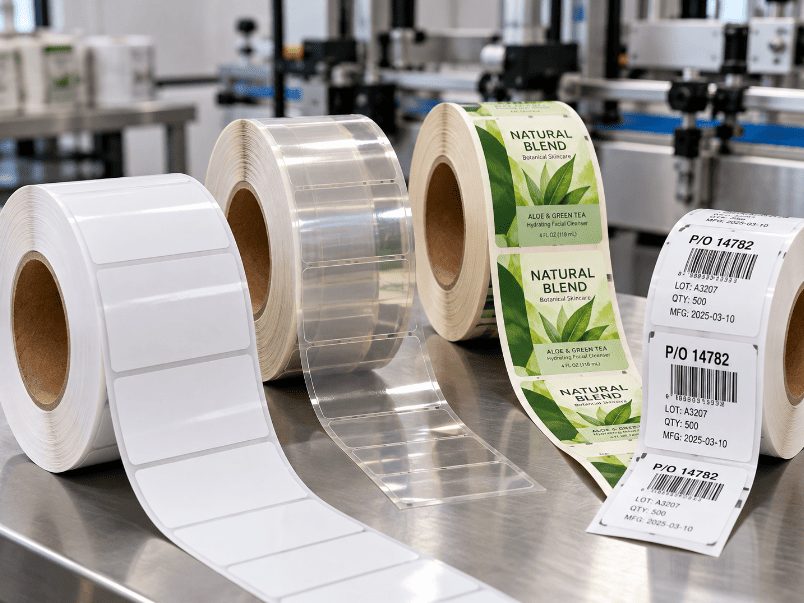

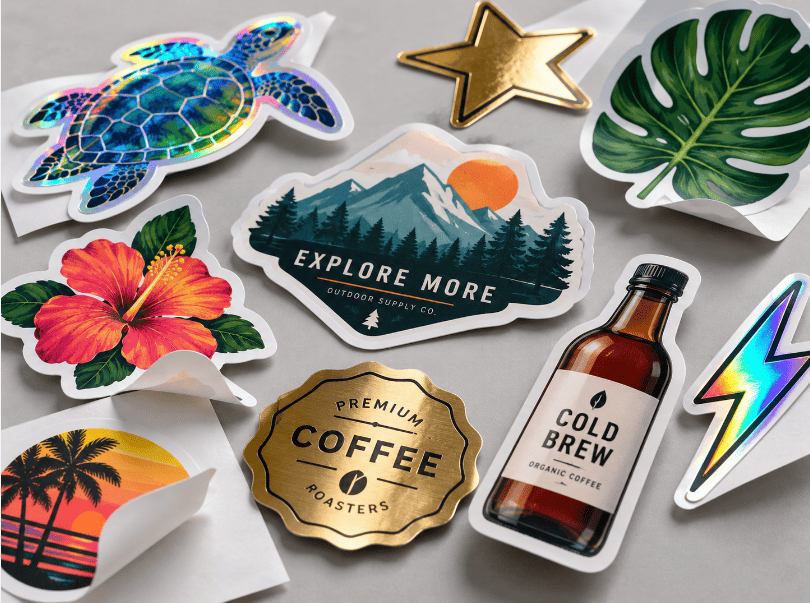
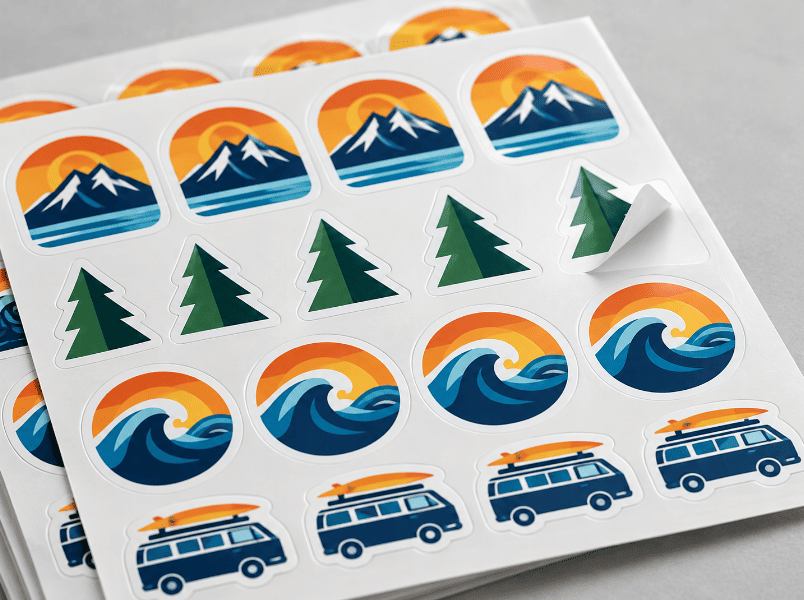

Clear labels create transparent or no-label-look packaging, but clarity depends on more than the face film. Adhesive clarity, white ink, container color, surface cleanliness, bubbles, condensation, curvature, and protective finish all affect the visual result. Philiton can sample clear BOPP or PET constructions on representative containers before bulk production, then lock white ink, die cut, adhesive, and protective finish in the approved specification.
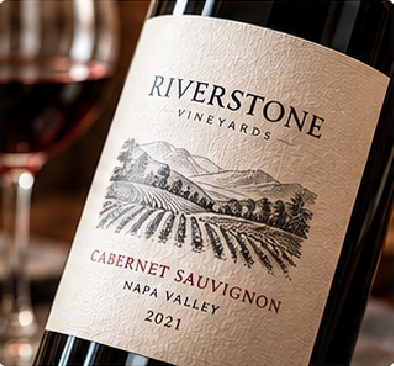
Textured, kraft, uncoated, hemp, matte, and other premium papers support natural, tactile, wine, fragrance, specialty food, and artisan branding. Paper texture changes ink laydown and perceived color, while foil or embossing needs enough detail control. Philiton recommends testing the actual stock rather than approving premium paper only from a screen image.

Metallic films and metallic-effect constructions create reflective backgrounds for premium packaging, product identification, and promotional graphics. Artwork may need opaque white or controlled transparent areas to manage the metallic base. Philiton can combine metallic materials with digital, flexographic, UV, screen, foil, varnish, lamination, and die cutting as the construction allows.

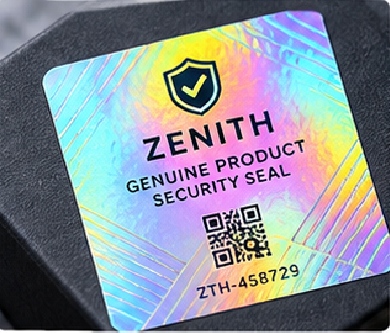
Holographic stocks can provide decorative movement, visual distinction, or part of a security structure. Standard holographic films differ from custom security holograms, which may require separate origination, supplier minimums, or tooling. Philiton confirms the material route, artwork interaction, print opacity, die cutting, and any serial, QR, or tamper feature before production.
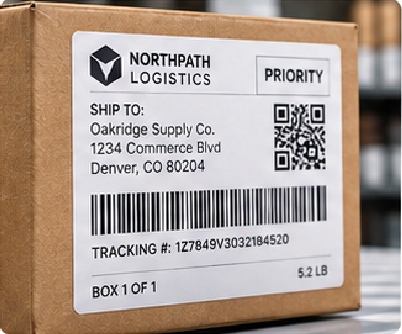
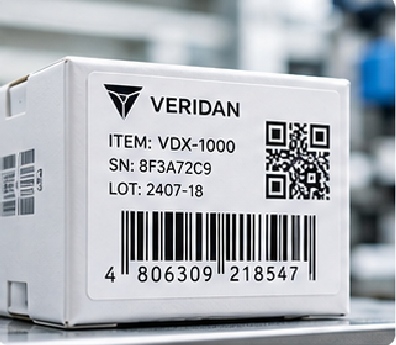
Direct thermal and thermal-transfer-compatible stocks serve logistics, warehousing, retail, barcode, and industrial identification. Direct thermal images through heat-sensitive material, while thermal transfer uses ribbon and is often chosen when longer durability or stronger resistance is needed. Philiton can supply blank or preprinted constructions and engineer roll specifications around the intended printer or applicator.
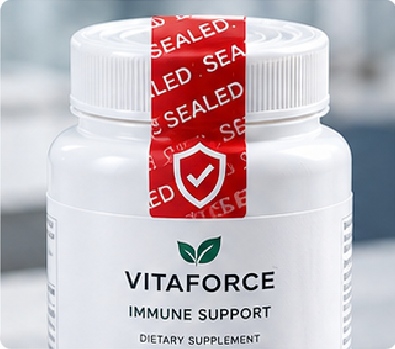
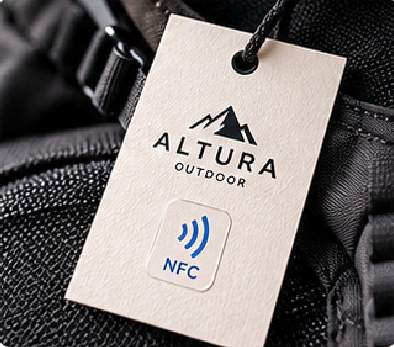
| Material Family | Typical Strengths | Typical Limitations | Common Uses | Relative Material Level |
| Semi-gloss paper | Economical, strong print quality, widely available | Limited moisture resistance unless protected | Food packs, cartons, general product labels | Low |
| Matte / gloss paper | Brand-friendly surface choices, cost efficient | Paper can absorb moisture or scuff without protection | Dry packaging, retail, promotional labels | Low-Medium |
| Kraft / uncoated paper | Natural texture and tactile appearance | Color and fine detail vary with paper texture; limited wet resistance | Artisan food, candles, natural brands | Low-Medium |
| Textured / hemp paper | Premium tactile finish, strong visual identity | Higher cost; special stocks may need sourcing time | Wine, spirits, fragrance, gifts | Medium-High |
| White BOPP / PP film | Moisture resistance, clean print surface, common packaging film | Stiffness and adhesive must match curved or LSE surfaces | Beverage, cosmetics, food, household | Medium |
| Clear BOPP / clear film | No-label-look appearance, moisture resistance | Clarity, bubbles and white ink require control | Clear bottles, cosmetics, beverage | Medium-High |
| PET film | Durable, dimensionally stable, suited to industrial identification | Often higher material cost and stiffness than flexible films | Electronics, equipment, automotive, durable labels | Medium-High |
| PE film | Flexible and conformable for squeezable packs | Print and finishing routes must suit flexible construction | Squeeze bottles, tubes, flexible containers | Medium |
| PVC / vinyl | Flexible, durable, commonly used for outdoor and decals | Project must consider durability, compliance and end-of-life goals | Outdoor stickers, equipment, decals | Medium |
| Thermal stock | Supports direct thermal or thermal-transfer workflows | Image life depends on thermal system, coating and environment | Logistics, warehouse, retail, barcode | Low-Medium |
| Metallic film | Reflective premium appearance | Artwork and opaque white strategy become more complex | Premium cosmetics, spirits, promotional labels | Medium-High |
| Holographic / security film | Decorative motion or security-related visual effect | Custom security structures may add MOQ and setup | Brand protection, seals, promotional use | Medium-High to High |
| Synthetic paper | Paper-like printability with improved durability | Specific resistance depends on grade and coating | Durable tags, industrial, wet environments | Medium-High |
| Special sustainable stocks | Recycled-content or sourcing-led options can support packaging goals | Claims require exact supplier documents and project verification | Sustainability-led packaging programs | Project-specific |
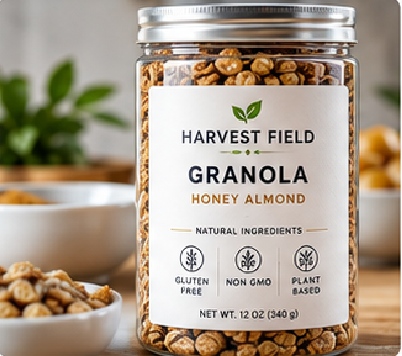

Matte paper supports a softer, less reflective appearance for beauty, food, candle, retail, and premium branding. Ink density and small text remain strong on coated matte stocks, while uncoated matte papers can absorb ink differently. Philiton reviews the exact paper finish, print method, varnish or lamination, and handling environment before approval.
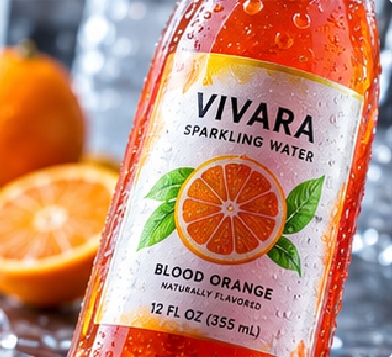
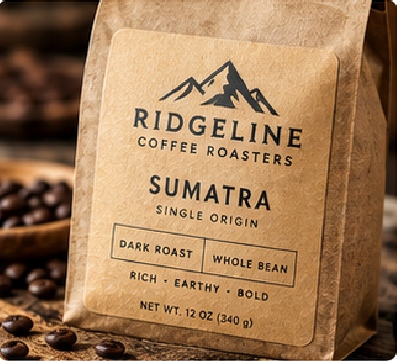
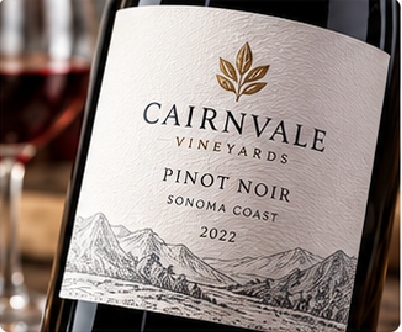
Textured papers are chosen for tactile identity on wine, spirits, fragrance, gourmet food, and gift packaging. Surface texture affects fine lines, solid ink coverage, foil edges, emboss detail, and perceived color. Philiton recommends an actual-stock sample before approval, especially when small typography, foil, debossing, or rich solid colors are important.

Hemp and other specialty natural papers can support premium, craft, and sustainability-led visual directions. Availability, shade, texture, basis weight, printing behavior, and documentation depend on the exact supplied grade. Philiton can source suitable options and test print or finishing performance, while recycled, certified, or fiber-source claims remain tied to supplier evidence for the selected stock.
Direct thermal paper contains a heat-sensitive coating and is widely used for shipping, retail, warehouse, and short-to-medium-life identification. Exposure to heat, abrasion, chemicals, light, and storage conditions affects image life. Philiton can also preprint logos, borders, or fixed information before variable thermal imaging when the stock and printing route are compatible.
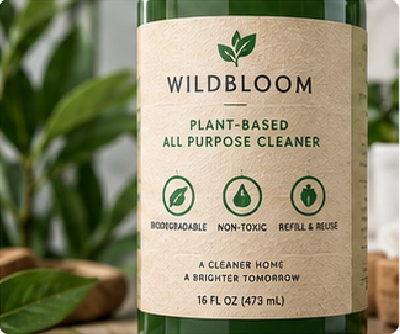
Recycled paper can support packaging programs that prioritize recycled content or a natural appearance. Surface shade, fiber consistency, print response, and finish can differ from virgin coated papers. Philiton can source project-appropriate grades, but FSC, recycled-content percentage, recyclability, or other environmental claims are only used when the exact material documentation supports them.
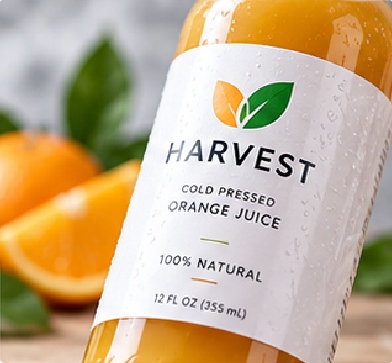
White BOPP is a common film route for food, beverage, cosmetic, household, and general packaging labels. It offers a smooth white print surface and useful moisture resistance. Adhesive selection becomes critical on PP, PE, HDPE, curved, chilled, or contaminated packages. Lamination or varnish can add protection when rubbing, oil, alcohol, or frequent handling is expected.

Clear BOPP is often selected for no-label-look packaging. Transparent appearance depends on film clarity, adhesive clarity, clean application, container surface, trapped air, white ink, and printed opacity. Philiton can build artwork with controlled white layers and test the construction on a real or representative container before large-scale production, especially for curved bottles and moisture-prone environments.
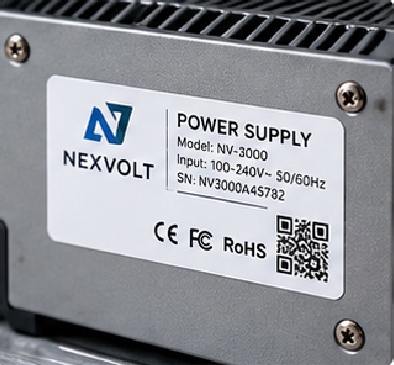
White PET provides dimensional stability and durable identification for electronics, industrial equipment, automotive components, assets, chemicals, and demanding consumer applications. PET can pair with strong adhesives and protective laminates, but chemical, outdoor, heat, or long-life claims still depend on the exact grade and test conditions. Variable data and thermal-transfer workflows can also be supported.

Clear PET can combine transparency with higher dimensional stability than many flexible films. It is useful where a clear premium surface, durable printed information, or a stiffer transparent construction is preferred. The project still needs clarity, adhesive, white-ink, curve, container surface, and finishing review. Small-radius containers may require a more conformable material route.
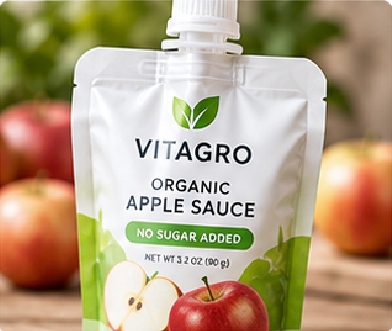
PE film is valued for flexibility and conformability, especially on squeezable or deformable packaging. A stiff label on a flexible container can wrinkle or lift as the pack is squeezed, so face-stock flexibility and adhesive movement need to work together. Philiton reviews the package wall, squeeze behavior, surface energy, decoration, and print route before selecting a PE-based construction.
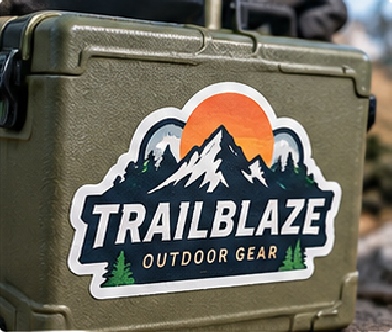
PVC or vinyl materials are commonly considered for decals, equipment labels, outdoor graphics, curved surfaces, and durable stickers. Flexibility, adhesive choice, print system, overlaminate, expected exposure, and destination-market requirements should be defined before selection. Philiton treats “vinyl” as a material family rather than a universal guarantee of outdoor life, removability, or chemical resistance.

Metallic films create silver, gold, or reflective visual bases for cosmetics, spirits, gifts, premium foods, seals, and promotional graphics. Opaque white, transparent color, varnish, foil, and embossing can interact with the reflective base. Philiton prepares artwork layers and samples the intended combination so metallic areas remain intentional rather than changing brand color unexpectedly.
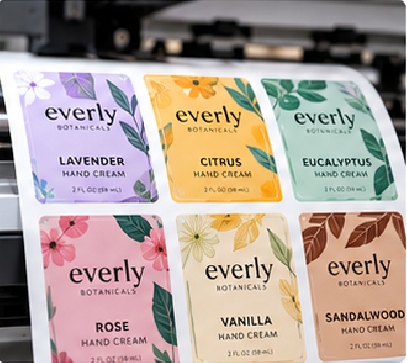
Digital printing supports short runs, multiple SKUs, variable artwork, prototypes, and rapid version changes without conventional printing plates. It is often selected for programs beginning around 500 pcs or for many designs with modest volume. Material compatibility, white ink, color target, finishing, and repeat-order economics still need review before the route is fixed.
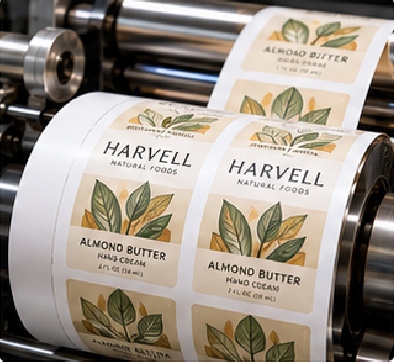
Flexographic printing is suited to stable roll-label programs and larger recurring quantities. Plate preparation and press setup add front-end work, but unit economics can improve as volume grows. Philiton uses flexographic routes for paper and film constructions when quantity, color plan, material, roll format, and repeat demand justify the setup.
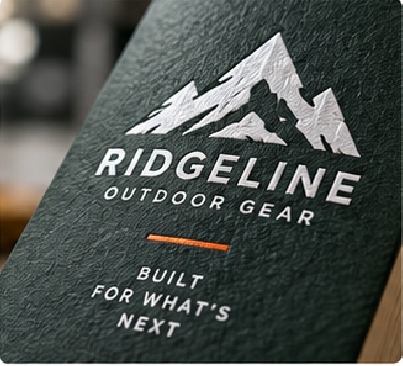
Screen printing is useful for opaque white, thicker ink deposits, specialty inks, tactile areas, and selected durable or decorative effects. It can be combined with film and specialty materials where adhesion and cure are suitable. Philiton reviews ink thickness, registration, later finishing, die cutting, and flexibility so the effect remains manufacturable.

UV printing provides fast curing and strong graphic performance on many paper and film stocks. White ink, varnish, spot effects, and specialty layers may be incorporated depending on equipment and construction. Philiton confirms ink adhesion, surface treatment, finishing sequence, print density, and later lamination or die cutting before the job enters stable production.

Opaque white can sit under CMYK or spot colors on clear, metallic, holographic, or colored materials. It can also be omitted intentionally to create transparent or reflective areas. Philiton builds the white layer separately in prepress, checks registration and density on the real substrate, and keeps the approved result as a production reference.

Hot foil transfers metallic or pigment foil through controlled heat and pressure. It can create sharp logos, text, borders, or premium accents on suitable papers and films. Artwork needs a dedicated foil layer and manufacturable detail. Philiton reviews material heat response, foil area, registration, later lamination or varnish, die cutting, and repeatability before bulk production.
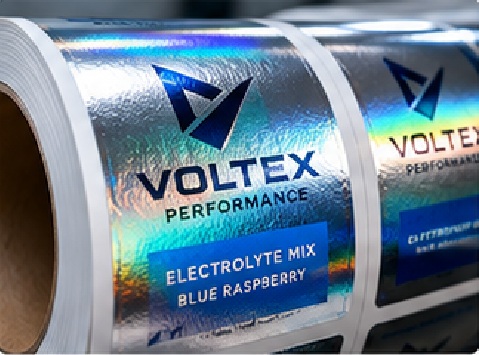
Cold foil can create metallic effects through a different transfer route from hot stamping and can suit roll-label production where material, artwork, and press economics align. It is not automatically better or cheaper. Philiton compares the visual target, quantity, substrate, coverage, fine detail, overprinting, and finishing sequence before recommending the route.

Embossing raises selected areas while debossing presses them inward, adding tactile structure to logos, typography, or decorative patterns. Results depend on paper or film structure, thickness, tool geometry, artwork detail, pressure, and registration. Philiton coordinates the emboss or deboss layer with printing, foil, die cutting, approved samples, and repeat-production controls.
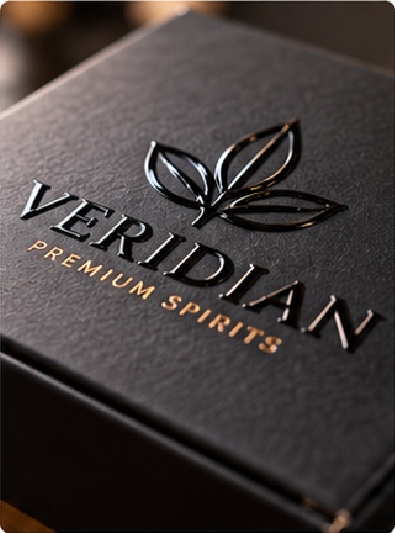
Spot UV adds localized gloss; raised UV adds more height and tactile emphasis where the selected material and process support it. Effects can highlight logos or patterns without changing the full surface. Philiton checks artwork separation, layer height, curing, registration, abrasion, folding or bending, and compatibility with foil or lamination.
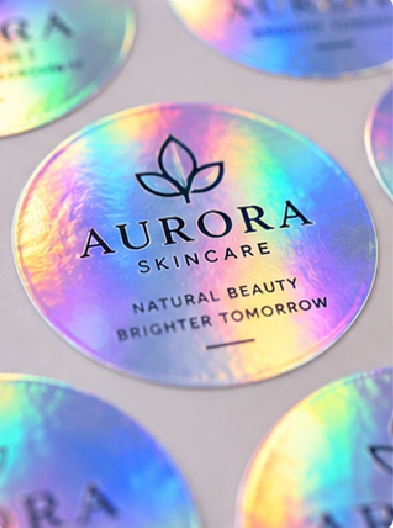
Holographic appearance can come from a holographic face stock, foil, transfer film, or security structure. The correct route depends on whether the goal is decoration, brand differentiation, tamper evidence, or authentication. Philiton separates visual effect from security claim and confirms material sourcing, artwork, opacity, registration, serial data, and project-specific evidence.
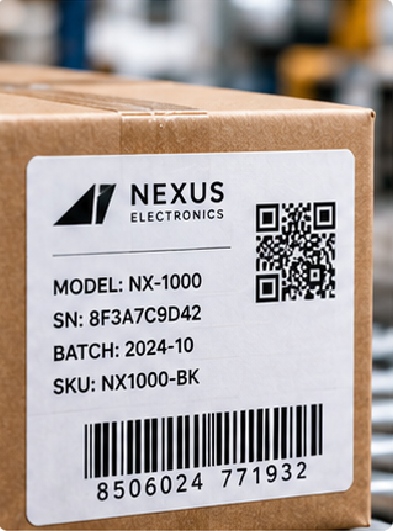
Variable printing can add serial numbers, batch codes, barcodes, QR codes, names, versions, or unique identifiers. The workflow must control source data, uniqueness, reprints, stoppage and restart points, scrap, and final verification. Philiton can combine variable data with digital or other production routes and keep SKU or batch packing aligned with the approved data plan, including controlled handling of scrap and reprints.
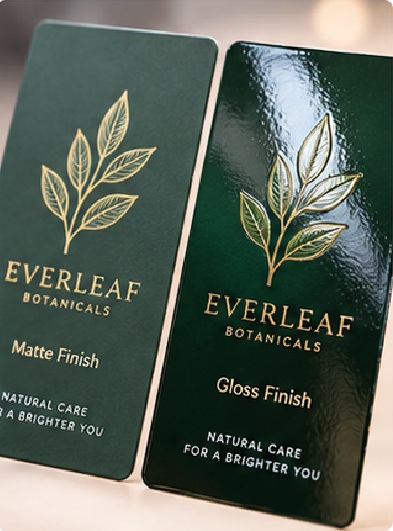
Lamination and varnish protect printed surfaces and change gloss, feel, thickness, stiffness, reflectivity, and sometimes scanning behavior. A finish should be selected with the material and end use, not after printing as an afterthought. Philiton tests the combination where abrasion, oil, cleaners, condensation, outdoor handling, or premium appearance creates additional risk.

Gloss lamination creates a bright, smooth protective surface and can increase resistance to handling and moisture. It also changes reflectivity, thickness, stiffness, and color appearance. Philiton checks whether the laminate suits curved or squeezable containers, barcode or QR scanning, foil sequence, die cutting, and the intended packaging environment before approval.

Matte lamination reduces glare and creates a softer premium feel while protecting the print. Dark colors, fine text, metallic details, and scanner contrast can appear different under matte film. Philiton evaluates the actual label construction because the laminate changes both appearance and mechanical behavior, especially on small-diameter or flexible packaging.
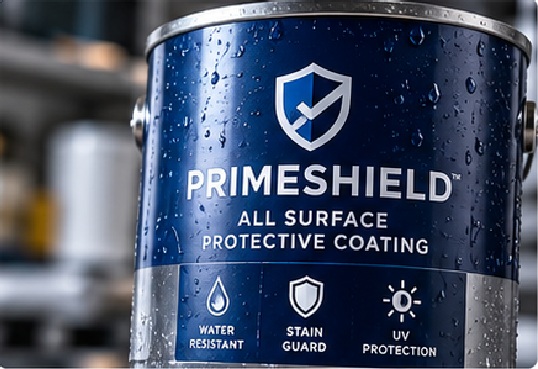
Protective varnish can add gloss, matte appearance, rub protection, or selective coating with less thickness than a film laminate. The best varnish depends on ink, substrate, cure, chemical contact, abrasion, later thermal printing, and decorative processes. Philiton uses the finish as part of the approved specification rather than a generic “protective coating” claim.

Soft-touch surfaces can add a premium tactile feel for cosmetics, fragrance, gifts, candles, and luxury packaging. The coating or laminate must remain compatible with the face stock, print, foil, embossing, die cutting, handling, and final pack. Philiton recommends sampling the actual combination because touch, scuffing, color, and foil adhesion cannot be judged from artwork alone.

Foil and embossing can be aligned to create premium logos, crests, borders, and typography. Combining effects increases registration and tooling demands, so artwork detail, material thickness, tool geometry, foil area, pressure, and die cut all need review. Philiton uses approval samples to freeze the visual and tactile reference before repeat production.
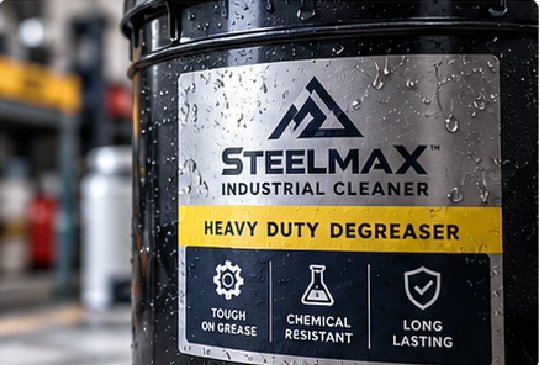
Industrial, automotive, chemical, warehouse, or frequently handled labels may need a protective film or coating selected around abrasion, oil, cleaners, moisture, UV exposure, or thermal printing. Philiton can build PET, BOPP, vinyl, or synthetic constructions with protective layers, but the resistance claim remains tied to the exact material and exposure test required by the project.
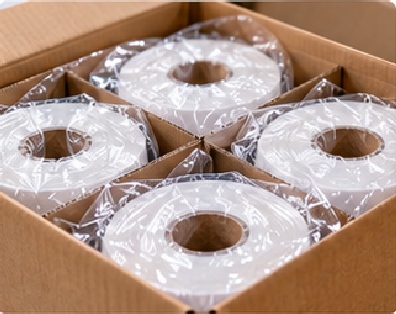
Finished rolls are packed to protect edges, winding, cores, and label faces against crushing, moisture, telescoping, dust, and unintended unwinding. Carton identification can include SKU, quantity, batch, roll count, or other agreed fields. Core, roll direction, maximum OD, and labels per roll are controlled before packing, not changed only to fit a carton, because the receiving line depends on those frozen specifications.
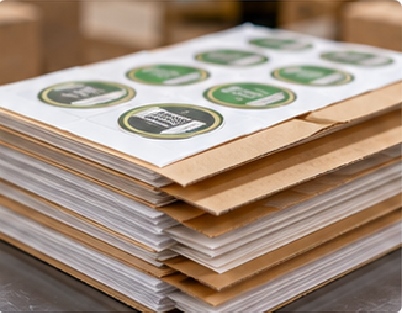
Sticker sheets and label sheets are counted, stacked, protected from bending and moisture, and packed by SKU or set configuration. Backing stiffness, sheet size, kiss-cut depth, surface finish, and decorative effects influence the protective pack. Philiton can separate designs, add internal labels, and prepare cartons around warehouse or fulfillment receiving rules, with counts and SKU identification kept clear from inner pack to outer carton.
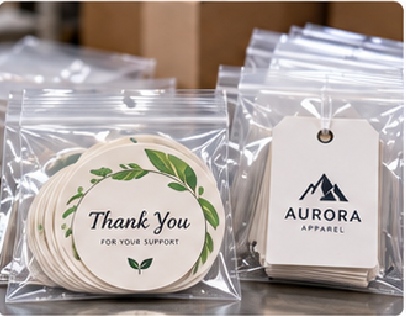
Die-cut stickers, tags, seals, or individual labels can be counted and grouped in bags, bundles, inner boxes, or other approved units. Decorative foil, embossed surfaces, holographic films, and soft-touch finishes may need added protection from scratching or pressure. Pack quantity should support receiving, inventory, distribution, and line-side use rather than only minimize carton space, especially when several designs or batch-controlled items ship together.
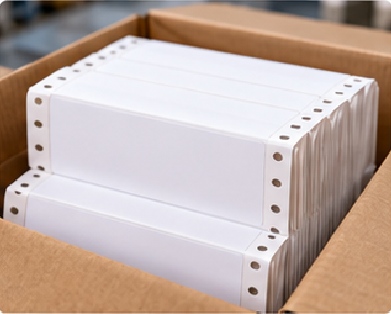
Fanfold thermal or variable-information labels are folded in controlled stacks for compatible printers and feeding systems. Fold pitch, liner, perforation, stack height, carton orientation, and humidity protection matter. Philiton confirms whether roll or fanfold delivery better fits the printer, warehouse, or workstation before finalizing the production and packing route, including stack protection and carton orientation.
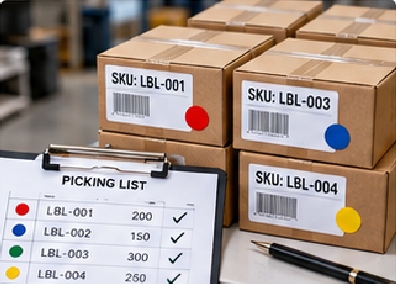
Multi-SKU shipments require more than putting different designs in one carton. Each artwork, quantity, roll, inner pack, carton, and pallet rule can be identified separately. Philiton can use SKU labels, packing lists, carton counts, and batch references to reduce mix-ups, while shared material programs remain separated by approved artwork, quantity, roll configuration, and release status.
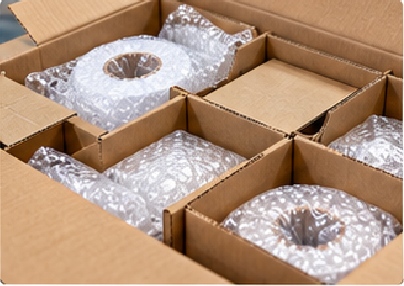
Cartons are selected around roll weight, sheet size, handling, stacking, and international transport risk. Internal supports, bags, dividers, end protection, or moisture protection can be added where the label format needs them. Heavy rolls should not be allowed to crush cores or deform lower layers, and finished labels should remain clean, stable, and identifiable until the receiving team opens them for use.
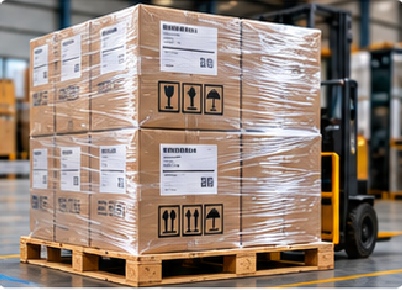
Larger programs can be palletized when shipment size, warehouse handling, or freight method requires it. Carton orientation, pallet pattern, stretch wrap, corner protection, labels, counts, and receiving requirements are confirmed before dispatch. Mixed-SKU pallet rules can be set for enterprise warehouses, provided each carton and pallet remains traceable to the agreed packing plan, batch references, quantities, and receiving instructions.

| Requirement Area | What Philiton Can Support | Important Boundary |
|---|---|---|
| FSC / paper sourcing | FSC-certified paper options can be sourced subject to project and chain-of-custody verification. | Do not assume every paper or every Philiton label is FSC certified. |
| RoHS / REACH | Supplier declarations or third-party testing can be supported for specified materials and project requirements. | These are project/material compliance topics, not blanket factory certifications. |
| Food contact | Food-contact projects are evaluated by contact type, label position, material structure, destination market, and required evidence. | External packaging labels and direct-food-contact constructions carry different risks and legal requirements. |
| UL-related durable labels | Durable constructions and UL-related projects can be reviewed against approved materials and applicable file requirements. | Do not claim UL 969 certification or Authorized Label Supplier status without verified current authorization. |
| CPSIA / heavy metals / Prop 65 | Testing or documentation can be arranged when the destination market, product category, and requirement are defined. | Testing must match the actual sample, material, method, limit, and legal responsibility. |
| GRS / recycled content | Recycled-content materials can be sourced and related documentation reviewed when available. | A recycled appearance or recycled raw material does not automatically prove a GRS or percentage claim. |
| Third-party testing | Specified samples can be prepared and sent to an agreed laboratory; Philiton can support documents, corrective action, and retesting. | A report only covers the sample, construction, method, date, and limits stated in that report. |
| Regulatory artwork | Philiton prints customer-approved legal text, warnings, claims, barcodes, and marks with controlled artwork and production quality. | The brand, importer, manufacturer, responsible person, or regulatory adviser confirms final legal content and market-access obligations. |

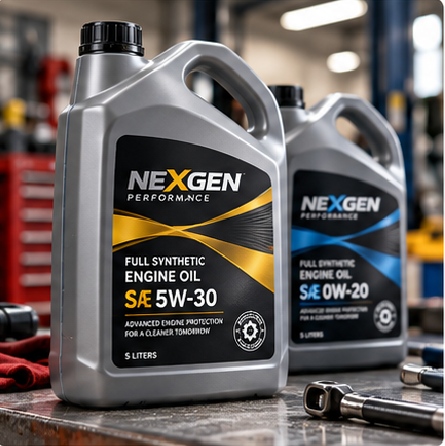
Representative project scenario – not published as a verified named-client history. A U.S. automotive and lubricant program in the 20,000-200,000-piece range with 5-20 SKUs requires labels for HDPE, metal, and plastic containers exposed to oil, handling, and warehouse temperature changes. Philiton would compare BOPP and PET constructions, select an adhesive around the actual container surface, and add a protective laminate or varnish when rub and oil exposure require it. Samples would be tested on representative containers. Bulk QC would focus on adhesion, print rub, surface protection, size, die cut, SKU control, and protected roll packing.
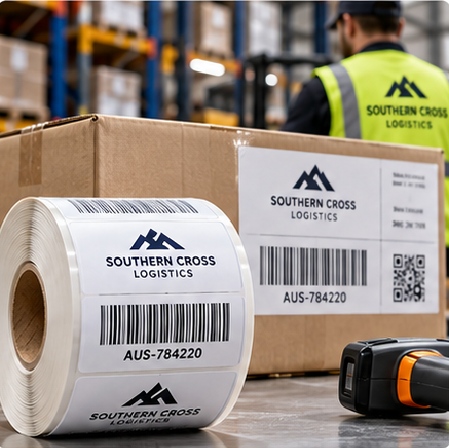
Representative project scenario – not published as a verified named-client history. An Australian logistics or warehouse operation using 50,000-500,000+ labels across 1-20 SKUs needs stable barcode printing and automatic dispensing. Philiton would first lock the printer and applicator requirements, then choose direct thermal or thermal-transfer-compatible paper or film, permanent adhesive, roll direction, core, maximum roll diameter, gap, pitch, and labels per roll. A blank or preprinted roll sample could be used for equipment testing. Production inspection would cover barcode quality, label size, die cut, liner, roll geometry, SKU carton identification, and scan performance.
The strongest material program is not the first order; it is the ability to reproduce an approved construction without rebuilding the decision every time. Philiton links repeat production back to the approved artwork, specification, material codes, tooling where relevant, color target, roll configuration, QC records, and packing requirements. Repeat orders can often move faster when artwork, material, adhesive, tooling, production parameters, and supply conditions remain unchanged, but every reorder is still reviewed for quantity, surface, market, compliance, and requested changes.
Change control matters because a label can look identical while the underlying risk changes. Switching from one BOPP grade to another, changing adhesive, replacing a laminate, sourcing a different textured paper, moving to a new RFID inlay, or changing the package from glass to HDPE can invalidate earlier assumptions. Philiton therefore treats material substitution as an engineering decision, not a purchasing shortcut.
For larger organizations, the same method supports multi-SKU and multi-market programs. Shared materials can reduce unnecessary variation where products truly use the same surface and environment, while separate structures remain justified when cold chain, oil exposure, squeezability, automatic labeling, regulatory documentation, or brand finish differs. The result is a controlled label platform that can scale from pilot quantities into recurring roll, sheet, individual, industrial, security, or smart-label production without losing the approved technical basis.
A useful material recommendation starts with the real product, not a generic stock list. Send Philiton the information already available and leave uncertain technical fields open for engineering review. A photo of the container or surface is often more useful than guessing “vinyl,” “PET,” or “permanent adhesive.” For an executable quotation, include the label dimensions or container dimensions, quantity and number of SKUs, artwork or reference image, application surface, expected water/oil/chemical exposure, application and service temperature, hand or automatic labeling method, required roll/sheet/individual format, printing and finishing targets, destination market, packing preference, and requested delivery date.
Helpful files and details include:
Philiton can review the application, propose a material and adhesive route, prepare samples, confirm the production specification, and quote the manufacturing program.
Our team will answer your inquiries within 12 hours.
Your information will be kept strictly confidential.
We will contact you within 24 Hours, please pay attention to the email with the suffix“@philiton.com”.
For all inquiries, please feel free to reach out at:
We will contact you within 24 Hours, please pay attention to the email with the suffix“@philiton.com”.
We will contact you within 24 Hours, please pay attention to the email with the suffix“@philiton.com”.
For all inquiries, please feel free to reach out at: