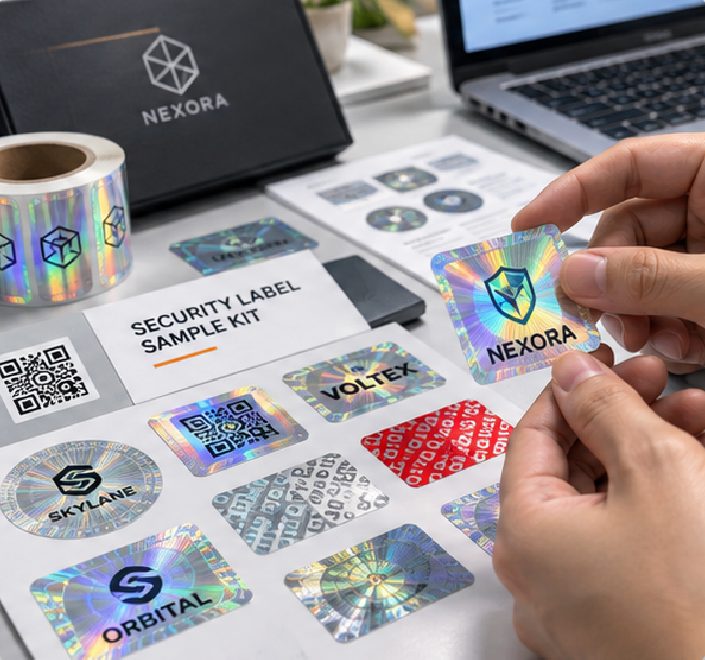
Custom anti-counterfeit labels engineered around holographic effects, tamper evidence, unique identification, and the real surface where the label must perform.
Philiton combines security-label design support, holographic processing, VOID and destructible structures, variable data, die cutting, inspection, and application testing for brand-protection programs.
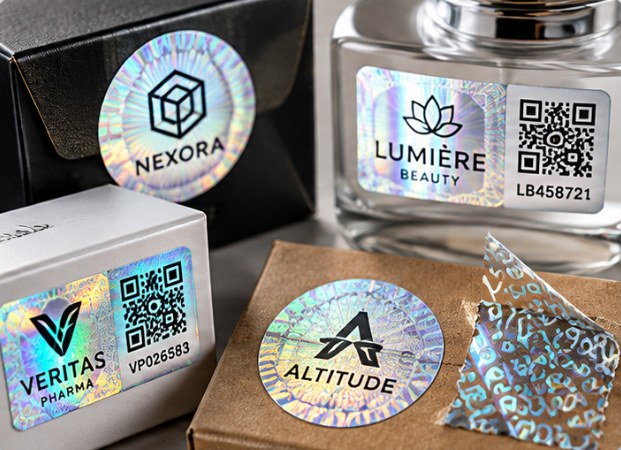
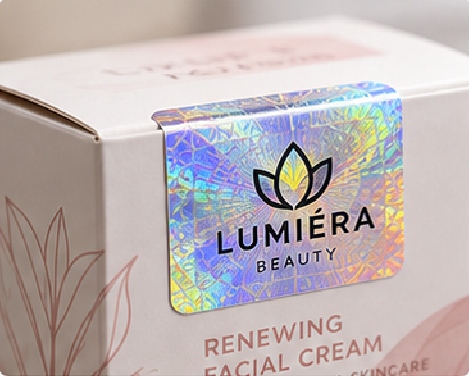
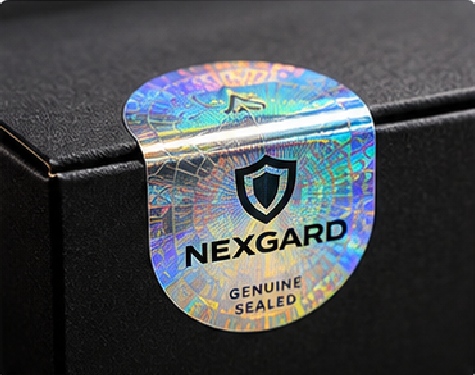
A security seal uses the holographic surface as the visible identity while the adhesive and label construction control how the seal behaves during opening. It is suitable for cartons, boxes, caps, closures, device housings, warranty areas, or document closures where a small label needs to carry both brand recognition and evidence of interference. Size, shape, placement, and adhesive are selected around the opening path rather than treated as purely graphic choices.
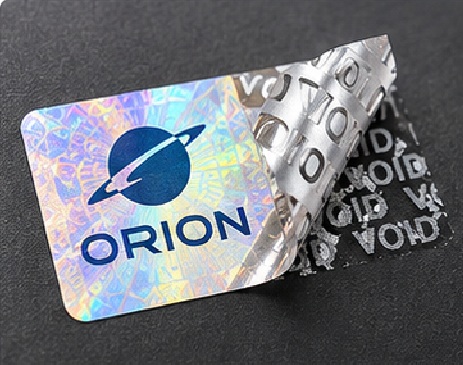
VOID constructions are used when removal should leave a readable pattern, transfer layer, or visible trace. Philiton can evaluate total-transfer, partial-transfer, and related structures according to the surface and the evidence required. A holographic face can be added for easier visual authentication. The final behavior must be checked on the actual substrate because coated carton, glass, PET, PP, PE, painted metal, and textured surfaces can produce very different transfer results.
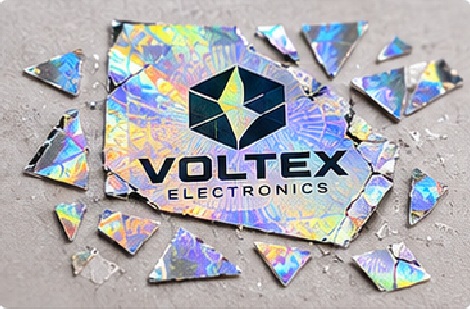
Destructible constructions are intended to break, fragment, or become difficult to remove intact. They can be useful for warranty seals, electronics, spare parts, service labels, controlled components, or applications where reuse of the original label should be difficult. Philiton matches the face material, adhesive, label size, shape, and holographic finish to the intended break pattern. Small bridges, corners, narrow areas, and application curvature are reviewed because they can change how the label tears.
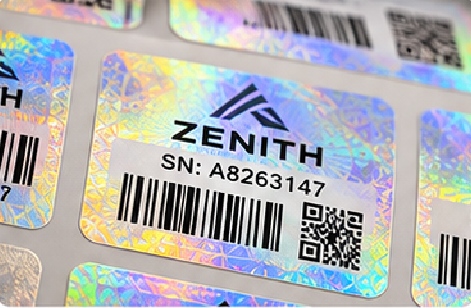
Serialized hologram labels combine an optical security layer with unique printed data such as sequential numbers, alphanumeric codes, barcodes, or internal batch references. The production route controls data import, print order, duplicate checks, rejected labels, reprints, and final verification. Serialization is useful when the brand wants each security label to carry a distinct identity for warranty, service, distribution, inventory, certificate, or product-level control without relying on the holographic effect alone.
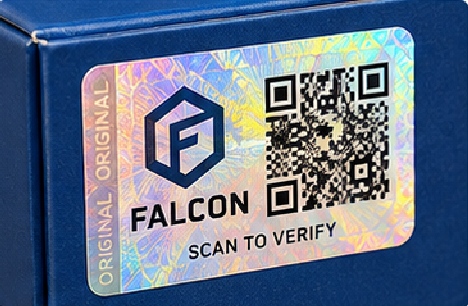
A QR authentication hologram combines visual security with a machine-readable code. The QR area must retain sufficient contrast, quiet zone, size, and print quality, especially when reflective holographic material surrounds the code. Philiton can print and verify variable QR codes and manage the code file during production. Where a web verification platform or database is involved, the required URL structure, code mapping, data exchange, and ownership are agreed separately before printing.
| Protection Objective | Core Physical Feature | Optional Data Layer | What Philiton Validates | Typical Use |
| Visual authenticity | Holographic effect or dedicated hologram | Serial or QR optional | Optical appearance, registration, print position | Premium packaging, branded components, certificates |
| Opening evidence | VOID, destructible, or tamper-evident seal | Serial optional | Removal behavior on the actual surface | Cartons, closures, warranty seals, device housings |
| Anti-counterfeit | Hologram plus security print or tamper structure | Serial / QR recommended | Layer combination, artwork control, code quality | Brand protection, electronics, premium goods |
| Item-level identity | Hologram or security face | Unique serial, barcode, QR | Uniqueness, readability, data-to-SKU control | Warranty, service, asset, certificate programs |
| Hidden-code verification | Security face plus scratch-off or concealment layer | Unique code | Opacity, code integrity, scratch behavior | Promotions, authentication, controlled verification |
| Channel traceability | Physical security layer | Variable QR / serial linked to brand system | Code production, batch separation, handoff data | Distribution, regional control, aftermarket programs |
| Route | What Is Actually Customized | Setup Level | Best Fit | Key Purchasing Point |
|---|---|---|---|---|
| Generic holographic film | Size, shape, printing, adhesive, finishing | Low | Decorative security appearance, short runs | Holographic pattern is not exclusive to one brand |
| Printed holographic label | Brand artwork printed over holographic stock | Low to medium | Branded seals, promotional security labels | Brand graphics are printed, not necessarily built into the hologram image |
| Dedicated custom hologram | Optical artwork / hologram element developed for the project | Higher | Brand protection and controlled visual authentication | Origination, master, tooling, MOQ, and ownership must be confirmed |
| Tamper-evident hologram | Holographic face combined with VOID, transfer, or destructible structure | Medium to high | Warranty, closure, anti-reuse applications | Removal behavior must be tested on the actual surface |
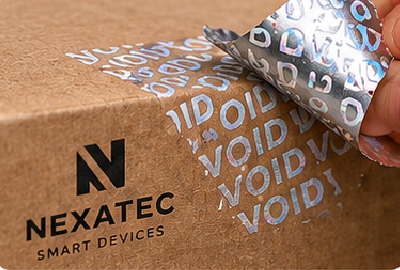
A total-transfer construction is selected when most of the release layer should remain on the application surface after removal. It creates strong visual evidence that the seal has been lifted. Philiton reviews adhesive strength, surface energy, coating, and substrate condition before approving the structure. A total-transfer VOID construction that performs well on smooth PET may behave differently on powder-coated metal, textured plastic, or coated carton, so application testing is part of the development route.
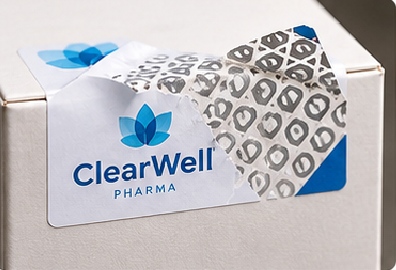
Partial-transfer VOID leaves a controlled pattern partly on the surface and partly in the removed label. It can balance visible tamper evidence with cleaner handling in some packaging or equipment applications. Philiton can combine the transfer structure with holographic visuals, printed logos, serial numbers, or QR codes. Pattern selection, removal angle, dwell time, and application pressure are reviewed during sampling because these variables can affect how clearly the tamper message appears after lifting.
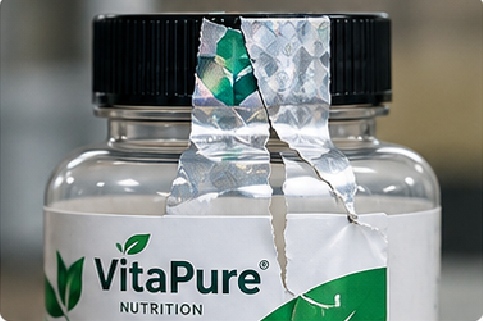
A non-transfer construction is useful when the label itself should show irreversible change without leaving the full security layer on the product. The visible damage may appear in the face film, printed layer, or holographic structure. Philiton selects the material and adhesive according to the substrate and required evidence. This route can be useful where the underlying surface should remain cleaner while still making it difficult to remove and reapply the original label without visible change.
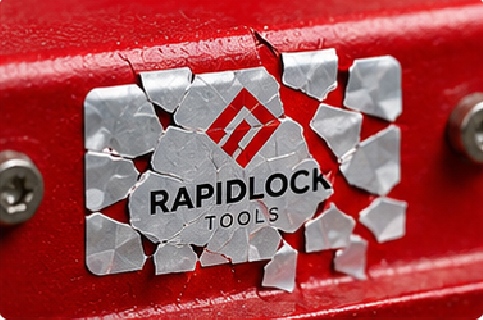
Destructible film is chosen when intact removal should be difficult. The label breaks into pieces or tears during lifting, which can discourage transfer to another product or package. Philiton evaluates film brittleness, adhesive strength, label geometry, corners, die-cut quality, and application surface together. Very small labels, sharp internal corners, curved housings, or textured surfaces can change the tear pattern, so the physical sample should be applied and removed under representative conditions before the bulk specification is frozen.
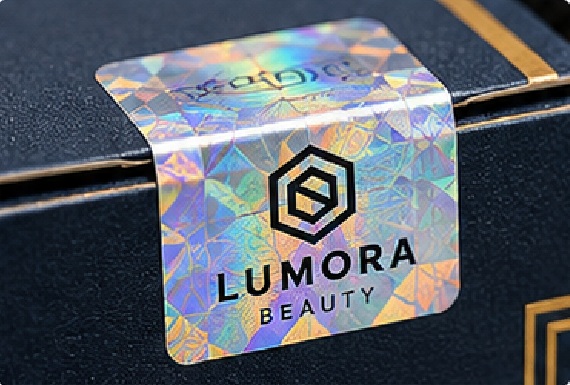
A hologram seal combines a visible optical cue with a closure or anti-removal function. It works well when staff or end users need a fast visual check before opening a box, cap, housing, envelope, certificate pack, or warranty area. Philiton can add custom printing, die-cut shapes, serial information, or a tamper-evident base. Placement matters: the strongest seal is positioned across the actual opening path rather than simply placed where the hologram looks attractive.
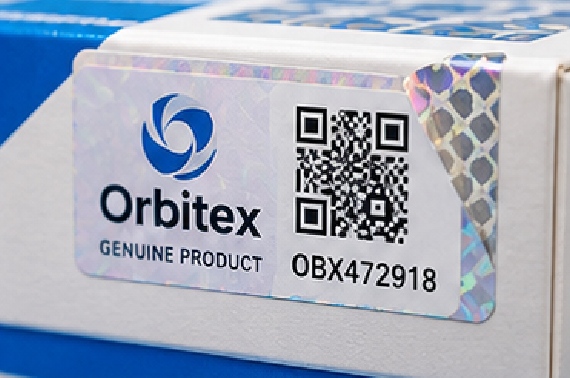
For higher-control programs, tamper evidence can be paired with a serial number or unique QR code. The physical structure shows interference while the code provides item-level identity. Philiton manages print data, code uniqueness, batch control, rejected labels, and reprint logic according to the approved workflow. The brand can then connect the unique identifier to its own warranty, authentication, service, promotion, or distribution system without making the physical label carry every layer of the program alone.
| Construction | Main Strength | Typical Surfaces | Validation Focus | Notes |
|---|---|---|---|---|
| Holographic PET / security film | Stable optical appearance and good printability | Glass, smooth plastics, coated cartons, painted metal | Adhesion, glare, print contrast, die-cut edge | Generic and dedicated holographic routes are quoted separately |
| VOID security film | Clear evidence after removal | Glass, PET, coated metal, selected plastics | Transfer pattern, dwell time, surface coating | Total, partial, and other transfer behaviors require surface testing |
| Destructible security film | Difficult intact removal | Electronics housings, components, equipment, selected packaging | Break pattern, corner strength, adhesive balance | Geometry and surface texture strongly affect destruction behavior |
| High-tack film construction | Stronger hold on harder-to-stick surfaces | PP, PE, HDPE, textured or lower-surface-energy plastics | Initial tack, edge lift, contamination, curvature | Actual substrate testing is recommended before bulk production |
| Removable / controlled-release structure | Planned removal without unnecessary residue | Glass, selected plastics, temporary programs | Dwell time, clean removal, surface sensitivity | Not suitable when permanent tamper evidence is the main objective |
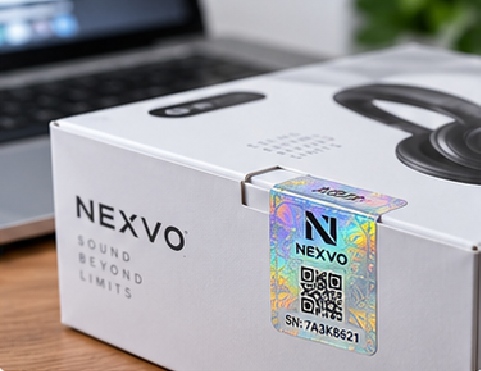
Electronics, accessories, repair parts, and equipment housings often need a compact security label that proves opening, supports warranty control, or carries a serial identity. Destructible films, VOID structures, holographic seals, and serial or QR data can be combined according to the risk. Philiton also reviews small label size, curved housings, plastic surface energy, die-cut tolerances, and code readability because a technically strong security feature can still fail if the label lifts or the code becomes too small to scan.
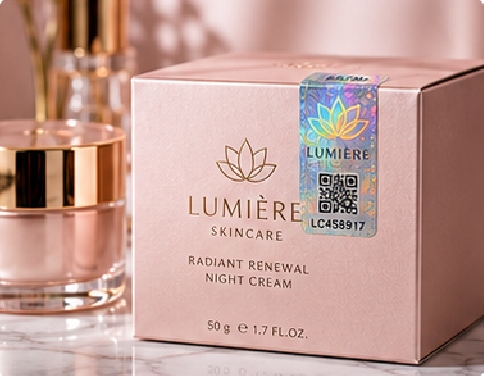
Cosmetics, fragrance, collectible goods, supplements, gift sets, and other premium packaging may need a security feature that protects the brand without looking industrial. Holographic visuals can be integrated with fine printing, custom shapes, foil effects, or a tamper-evident closure. Philiton considers carton coating, glass, PET, PP, cap geometry, box opening path, and presentation requirements together so the security label supports the package design while still showing clear evidence when removed.
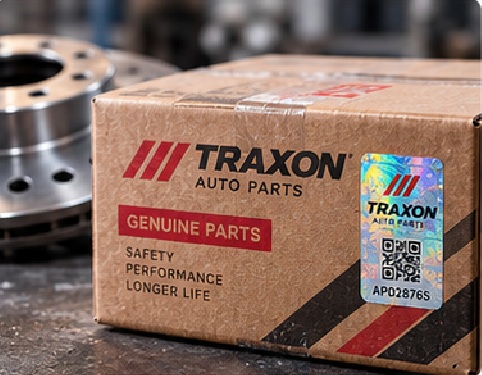
Automotive components, service parts, batteries, accessories, and aftermarket products may use security labels for identification, warranty, channel control, or anti-substitution. Philiton can combine durable film constructions, high-tack adhesive options, serial numbers, QR codes, holographic effects, or tamper-evident structures. Performance requirements such as heat, oil, chemicals, abrasion, or long service life are never treated as universal; the actual environment and material data need to be defined and validated for the specific project.
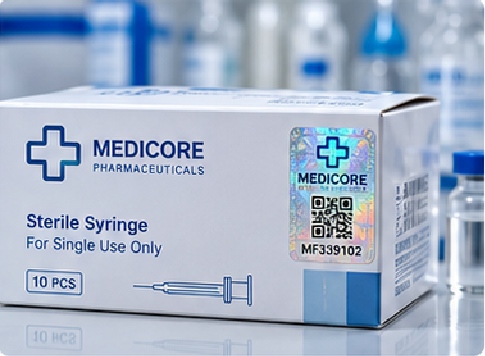
Healthcare, laboratory, supplement, and medical-related packaging can use security seals for opening evidence, authentication, controlled distribution, or product identification. Philiton can manufacture the label construction, reproduce approved regulatory artwork, and support material or test documentation according to the defined requirement. Final legal labeling, UDI rules, market authorization, medical-device classification, direct-contact requirements, and other regulated obligations remain subject to the responsible brand, manufacturer, importer, or regulatory adviser.
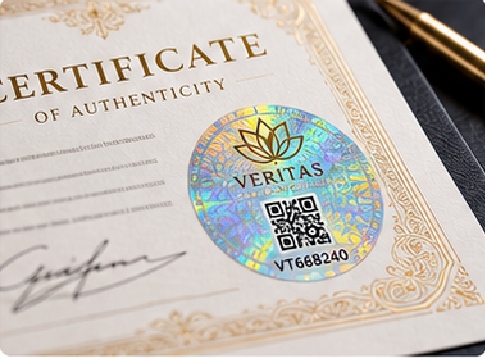
Certificates, event passes, membership materials, controlled documents, warranty cards, and authenticity cards can use holographic seals, serial numbering, QR codes, microtext-style printed features, or destructible constructions to make unauthorized replacement more difficult. Philiton can supply labels in sheets or individual pieces for manual application, or organize serialized sequences by batch. Security design should remain readable and verifiable under normal viewing conditions rather than relying on an optical effect that only appears in studio lighting.
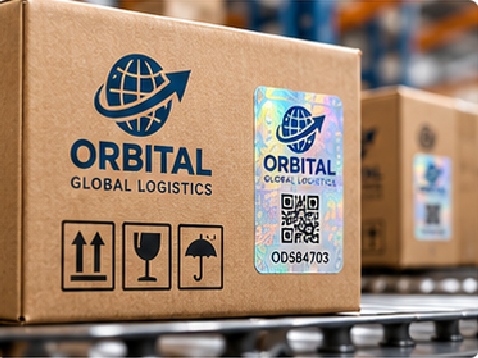
Brands managing regional distributors, authorized dealers, resellers, or service networks can use unique-code security labels to connect physical products with internal channel records. Philiton can print serial or QR data, separate code ranges by SKU or destination, and pack the labels with clear quantity and batch identification. The brand defines how the code is interpreted inside its distribution, warranty, or authentication system; Philiton controls the manufacture and verified handoff of the physical label and agreed data files.
Once the security concept is agreed, Philiton converts it into measurable production instructions. The specification can cover label width and height, corner radius, die line, face material, adhesive, liner, holographic structure, VOID or destructible behavior, print colors, white ink, laminate or varnish, variable-data format, code position, roll direction, inside or outside winding, core size, gap, pitch, labels per roll, sheet arrangement, and final packing method.
Dimensions need enough tolerance for real converting and application. Very small QR codes, narrow borders, fine holographic registration, tiny destructible bridges, or sharp internal die-cut corners can create avoidable production risk. Automatic application introduces another layer of requirements: liner width, sensor marks, gap, pitch, roll orientation, maximum roll diameter, and label orientation relative to the product must match the applicator.
Approval records are important because security projects can change during development. Philiton can use approved artwork, written confirmation, physical samples, golden samples, or pre-production samples as the reference for mass production. If the brand later changes the material, code format, security message, size, quantity, or substrate, the affected tooling and validation steps are reviewed again rather than assuming the previous approval remains valid. A locked specification gives procurement, packaging, production, and quality teams one common reference for the order.
Security-label schedules depend on how much of the construction is standard and how much must be created specifically for the project. A standard security or custom-hologram sample is commonly budgeted around 5-10 business days after artwork, material, and construction details are confirmed. Existing materials and mature structures can move faster; dedicated hologram work, special security films, new tooling, or multiple approval rounds can extend the schedule.
A fully custom hologram can require a separate origination or master route before the label converting work begins. As a planning reference, dedicated custom hologram preparation is often evaluated around 10-20 business days, while more complex exclusive patterns or master work can move toward 15-30 business days. These ranges are not a blanket production guarantee because supplier minimums, approval cycles, special materials, and tooling can change the path.
Mass production begins after the approved artwork, material, security structure, and required tooling are ready. If the project changes after approval – for example, a new VOID message, different label size, revised QR format, another adhesive, or a different hologram route – the schedule is reviewed again. Shipping time is separate from manufacturing time and is quoted by courier, air, or sea according to shipment size, destination, and urgency.
The security function must survive converting. A holographic feature can lose value if die cutting drifts into the optical area, a QR code is distorted by a cut, a destructible film is weakened in the wrong location, or a VOID structure is damaged before application. Philiton uses in-process inspection to check registration, dimensions, print appearance, special finishing, die cutting, code placement, and roll configuration while the job is still running.
Finished labels are then inspected according to the agreed quality plan. Checks can include holographic appearance, VOID transfer sample tests, destructible behavior, serial continuity, duplicate control, QR or barcode readability, label dimensions, missing print, surface defects, liner damage, winding direction, quantity, and packing identification. Laboratory support can be used for adhesive, peel, abrasion, scratch, color, thickness, environmental, QR, barcode, or RFID-related tests when those checks are relevant to the specification.
Packing is treated as part of production control. Rolls are protected against crushing, moisture, telescoping, and unwinding. Sheets and individual pieces are separated to prevent scratching or mixing. Cartons can identify SKU, quantity, and batch, and multi-SKU shipments can follow warehouse-specific carton or pallet rules. Repeat orders use the previous approved artwork, material, tooling, and process record as a reference, but every reorder is still reviewed for changed quantities, surfaces, regulations, data ranges, or security requirements.

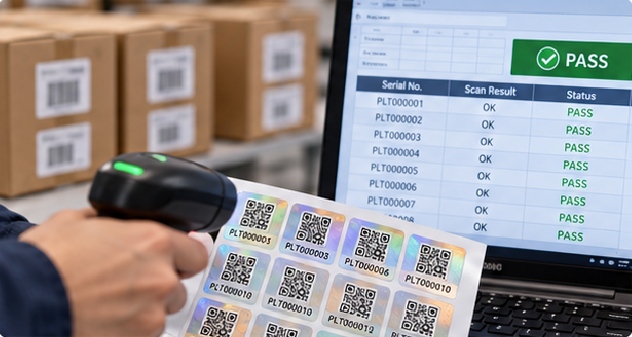
Security production creates a second quality question: what happens to labels that are printed but not accepted as good product? Philiton can manage rejected or obsolete branded labels separately from approved stock. For anti-counterfeit or unique-code programs, rejected material may require destructive disposal and quantity records according to the agreed project risk. Variable-data workflows also define how a rejected serial or QR code is treated and whether a replacement code can be reprinted. The production record can track source data, print batch, restart point, accepted quantity, scrap, reprint activity, and final packed quantity according to project requirements. This is especially important when one label equals one identity. A duplicate created during rework can be more damaging than a small cosmetic defect because it weakens the trust behind the authentication system. Before shipment, finished goods move through final and outgoing checks for the approved artwork, material, security feature, size, quantity, packing, SKU, roll direction, core, carton identification, and documentation. Security labels are released against the approved specification and sample rather than against a generic factory standard. If a quality issue is reported after delivery, photos, batch information, application conditions, and previous QC records are reviewed to distinguish printing, material, adhesive, converting, application, data, or transport causes.
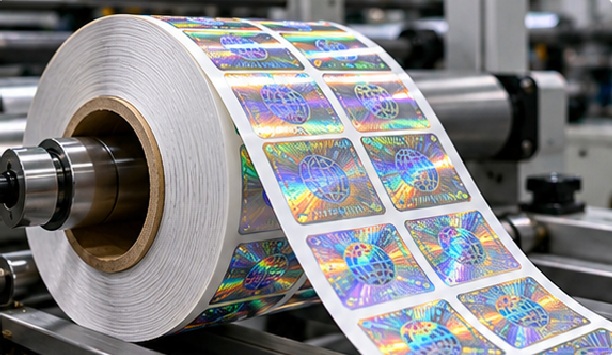
Rolls are the preferred format for automatic or semi-automatic application and many high-volume programs. Philiton confirms roll direction, inside or outside winding, core size, maximum roll diameter, liner width, gap, pitch, labels per roll, and any sensor marks before production. Finished rolls are protected against crushing, moisture, telescoping, and unwanted unwinding. Carton labels can identify SKU, quantity, batch, and other receiving information required by the warehouse.
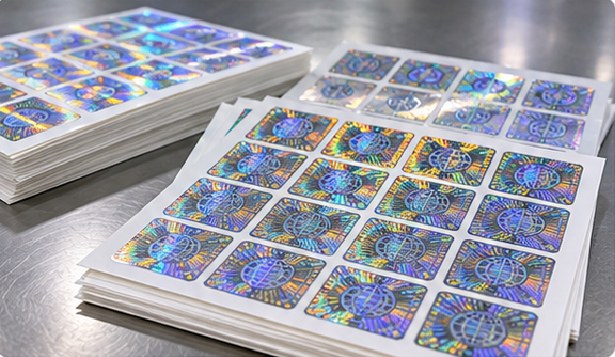
Sheets are useful for manual application, approval sets, certificates, document security, dealer kits, service centers, or lower-volume distribution. Philiton can arrange labels by sheet count, SKU, serial sequence, or project group where the artwork permits. Sheet packing reduces the need for roll-handling equipment but requires attention to surface protection, especially for holographic finishes that can show scratches or pressure marks. Protective interleaving or suitable outer packing can be selected according to the finish.
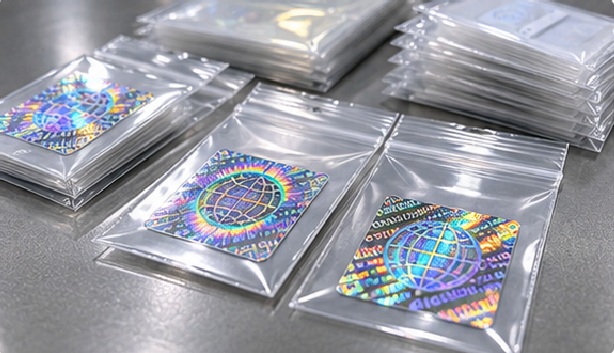
Individual pieces can be appropriate for kits, spare-parts programs, field service, replacement packs, certificates, or controlled issue to separate locations. Philiton can die cut and pack labels as individual units, subject to the construction and handling method. For serialized pieces, the packing method can be aligned with sequence or batch requirements. The key trade-off is handling cost: individual packing adds labor compared with roll or sheet delivery, so it should solve a real distribution need.
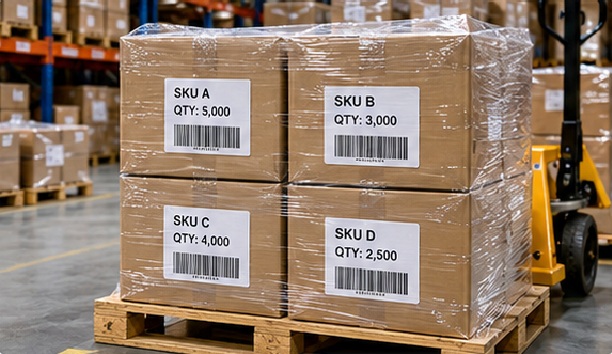
Multi-SKU orders need clear separation from production through receiving. Philiton can pack each SKU with its own quantity and batch identification, then combine several SKUs into one shipment when the receiving rules are defined. Mixed-carton or pallet requirements can be planned for warehouses, fulfillment centers, contract manufacturers, or regional distribution points. Direct delivery can also be arranged when destination information, receiving labels, appointment rules, carton or pallet marks, and customs requirements are provided in advance.
A compliance file is useful only when it corresponds to the material and construction actually supplied. Philiton can support material declarations, available supplier documentation, third-party testing coordination, and project records for specified materials. RoHS or REACH documentation and testing can be supported where relevant to the selected materials. FSC-certified paper options may be sourced subject to project availability and chain-of-custody verification. UL-related durable-label projects require the exact approved material and file status to be checked before any UL claim is made. Security labels add another documentation layer because the face material, adhesive, transfer coating, destructible film, holographic layer, ink, laminate, and variable data can all be part of the finished construction. Changing one element can affect the relevance of previous material documentation or test results. For performance requirements such as chemical resistance, high temperature, freezer use, outdoor life, peel strength, or abrasion, Philiton recommends project-specific material data and testing rather than a universal claim. For highly regulated or technically demanding applications, the most useful RFQ includes the required standard, test method, acceptance criteria, target market, actual substrate, service environment, and any existing customer specification. Philiton can then identify what can be supported internally, what needs supplier documentation, and what should be sent to a qualified third-party laboratory before the label enters controlled mass production.
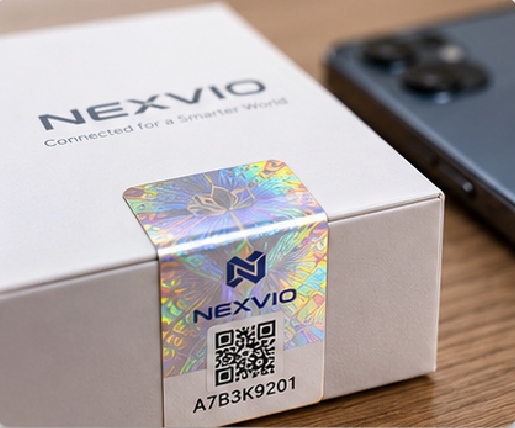
A U.S. electronics accessories brand needed 12,000 security labels for device housings and service packaging. The main requirement was visible evidence after opening, plus a serial number that service staff could record during warranty handling. Philiton would begin with housing photos and substrate samples, compare destructible film against a VOID structure, then produce security samples for removal testing. After approval, the production specification would lock label size, adhesive, holographic face, serial format, die line, and roll direction. Mass production would include serial-control checks, in-process die-cut inspection, final quantity verification, and cartons separated by SKU for the brand’s U.S. warehouse.
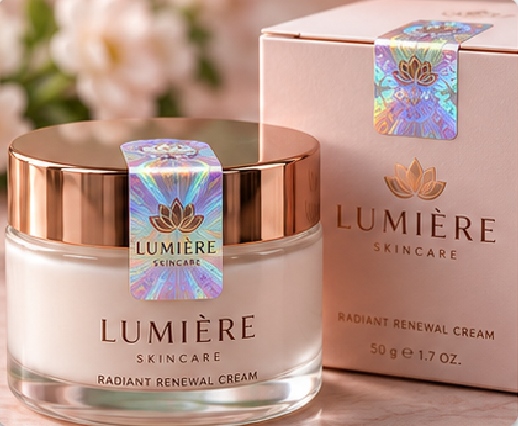
A German skincare brand preparing a premium launch required 8,000 holographic seals across four SKUs. The label needed to look refined on glass jars and coated folding cartons while also showing clear interference if a package was opened. Philiton would review two application surfaces, create a holographic visual route, evaluate a tamper-evident transfer structure, and keep the QR-free design visually clean. Samples would be applied to both glass and carton before the structure was approved. Production would then separate the four artworks, control color and holographic positioning, inspect the tamper feature, and pack each SKU independently for final assembly in Europe.
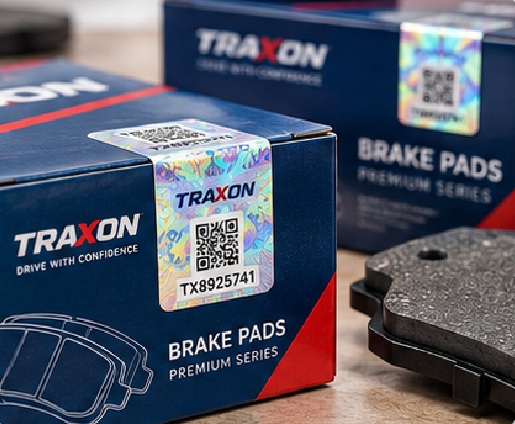
A UAE aftermarket automotive supplier required 25,000 security labels for boxed spare parts distributed through several dealers. The project needed a visible holographic feature, a unique QR code, and clear evidence if the label was removed from the coated carton. Philiton would first define the code format and data ranges by SKU, test the selected VOID construction on the actual carton coating, and position the QR away from highly reflective holographic areas. During production, code uniqueness, print readability, die cutting, tamper behavior, and packed quantities would be checked. Finished labels would be separated by part family and code range for controlled issue to regional dealers.
A useful quotation starts with the product, security objective, application surface, label format, and order scale. Send available artwork, photos, or an existing label sample even if the final construction is not decided. Philiton can review the information and identify which items must be tested or confirmed before tooling and mass production. If several SKUs use the same material or security structure, include the quantity forecast for each version so Philiton can review a more efficient shared production route.
Please include:
• Product or package and the surface material where the label will be applied
• Required label size, shape, and approximate quantity by SKU
• Security goal: visual authentication, tamper evidence, anti-reuse, warranty, unique identity, or channel control
• Preferred structure: hologram, VOID, destructible, serial, QR, scratch-off, or a combination
• Roll, sheet, or individual-piece format and any applicator specifications
• Target market, required documents or tests, and desired delivery date
• Artwork, logo, code format, product photos, or current sample if available
Our team will answer your inquiries within 12 hours.
Your information will be kept strictly confidential.
We will contact you within 24 Hours, please pay attention to the email with the suffix“@philiton.com”.
For all inquiries, please feel free to reach out at:
We will contact you within 24 Hours, please pay attention to the email with the suffix“@philiton.com”.
For all inquiries, please feel free to reach out at:
We will contact you within 24 Hours, please pay attention to the email with the suffix“@philiton.com”.