Your Trusted Labels & Stickers Manufacturer from China!

Premium Packaging Upgrade

Premium labels, specialty finishes and production engineering for brands ready to raise shelf presence without adding unnecessary packaging complexity. Upgrade existing bottles, jars, pouches, cartons and branded packs through better label materials, engineered decoration and production-ready finishing instead of rebuilding the entire pack.
  • Founded in 2016
  • Shenzhen + Dongguan manufacturing
  • 200+ employees; 91 technical, skilled production and quality staff
  • Many standard label projects start around 500 pcs
Premium Packaging Upgrade

Upgrade the Packaging People Already Recognize

Philiton starts with the existing bottle, jar, pouch, carton or shipping format and identifies which printed component can deliver the strongest premium improvement without forcing an unnecessary structural redesign.

Change What Creates the Biggest Visual Difference

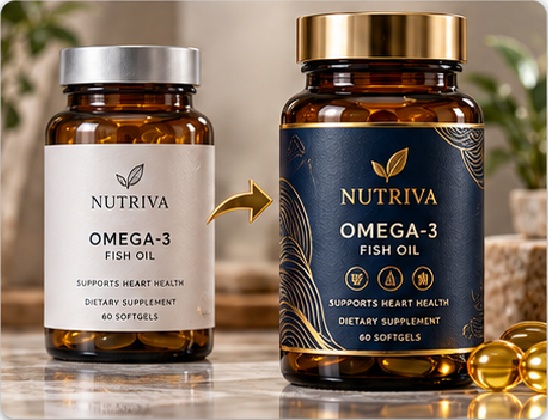
A packaging upgrade does not need five special effects. A cleaner material, stronger contrast, controlled metallic detail or a tactile focal area can change perceived quality faster than adding decoration everywhere. Philiton reviews the existing artwork, pack color, container surface, viewing distance and primary brand element before recommending a route. A plain white label on a clear cosmetic bottle may benefit more from clear film and controlled white ink than from heavy foil. A wine or candle label with strong typography may gain more from textured stock and a restrained embossed mark. For pouches or cartons already carrying strong print, a separate seal or premium product label can add hierarchy without replacing the pack. The goal is to identify one or two upgrades that remain noticeable after filling, packing, shipping and retail handling. Philiton then converts the visual direction into a manufacturable specification: face material, adhesive, print method, ink structure, finishing sequence, die line and delivery format. Projects are reviewed against the actual application rather than treated as decoration-only work. Premium appearance is useful only when the label stays flat, colors remain controlled, fine details register correctly and the approved effect can be repeated on future runs. The upgrade therefore remains a controlled manufacturing change, not a decorative experiment.
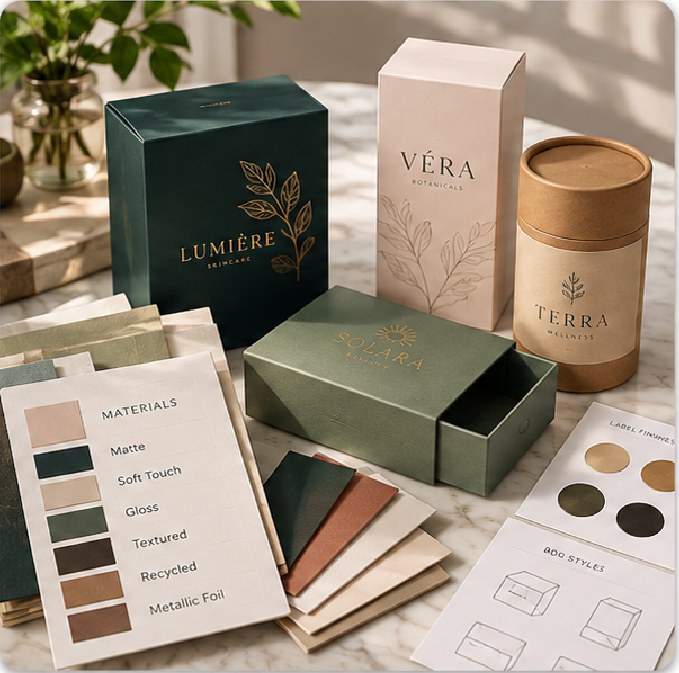
Four Elements Behind a More Premium Pack

Premium perception comes from controlled choices, not decoration overload. Philiton evaluates visual impact, touch, material behavior and production precision as one manufacturing decision.

Visual Hierarchy

Premium packaging gives the eye a clear place to land. Philiton can use contrast, transparent areas, metallic accents, white ink, controlled gloss or matte zones, fine linework and custom shapes to strengthen the main brand element. The objective is not to make every area reflective or textured; it is to make the logo, product name or key detail feel deliberate at shelf distance and close range.

Tactile Detail

Touch can separate an ordinary pack from a considered one. Embossing, debossing, raised screen or UV effects, textured paper and selected laminations can create a physical cue without changing the main container. Philiton reviews the size of the raised area, nearby text, edge distance and converting sequence so tactile decoration remains clean rather than crushing fine artwork or creating unstable die-cutting.

Material Character

Face material changes color, opacity, reflection and feel before any special finish is added. Clear film can create a no-label look, metallic film can provide built-in shine, specialty paper can add fiber and texture, and durable films can support wet or oily environments. Philiton matches material character with the container, product environment, adhesive route and decoration plan instead of selecting stock only from appearance.

Production Precision

Premium effects expose manufacturing variation quickly. Misregistration, uneven foil coverage, off-center embossing, rough die-cut edges or color drift are more visible on a high-end design than on a simple information label. Philiton therefore treats prepress, tooling relationships, finishing sequence, approved samples and inspection checkpoints as part of the upgrade, not as separate factory steps added after design approval.

Six Premium Finishing Routes Philiton Can Combine

Each finish creates a different type of value. Philiton selects combinations according to artwork, material, quantity, application conditions and the level of repeatability required.
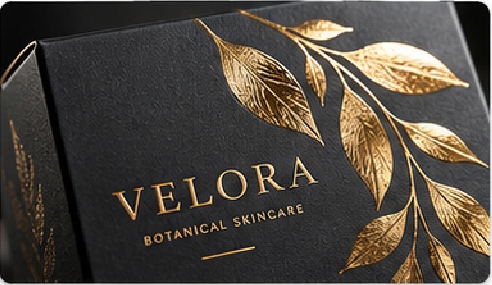
Foil is most effective when it highlights a controlled part of the design such as a logo, border, crest, product name or limited decorative line.

Foil Accents

Foil is most effective when it highlights a controlled part of the design such as a logo, border, crest, product name or limited decorative line. Philiton can review foil area, line width, registration tolerance and substrate compatibility before tooling or production. Metallic detail should be designed around the real label size and die line; oversized foil fields can add cost and increase visual noise. For repeat programs, the approved foil position and appearance become part of the production reference.
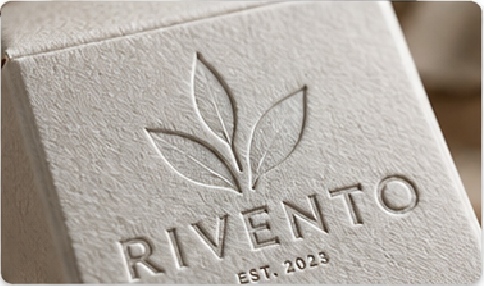
Embossing raises selected artwork while debossing presses detail into the surface. Both work best when type, logo size, material thickness and surrounding graphics leave enough room for a clean impression.

Emboss and Deboss

Embossing raises selected artwork while debossing presses detail into the surface. Both work best when type, logo size, material thickness and surrounding graphics leave enough room for a clean impression. Philiton reviews the relationship between print, foil, emboss tooling and die cutting before sampling. A small emblem can create stronger premium value than embossing a full background. Approval should consider both front appearance and the physical effect on the finished label or packaging surface.
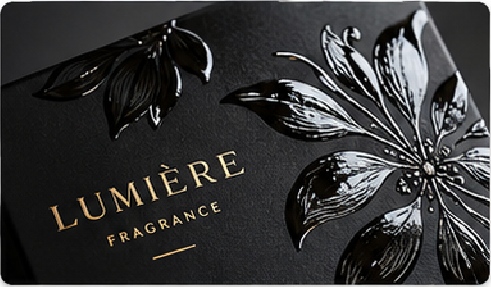
Selective UV can create gloss contrast, texture or a raised focal point over printed artwork. Philiton can use the effect to emphasize a logo, pattern, product name or small graphic without changing the entire material.

Spot and Raised UV

Selective UV can create gloss contrast, texture or a raised focal point over printed artwork. Philiton can use the effect to emphasize a logo, pattern, product name or small graphic without changing the entire material. Artwork must account for minimum line detail, registration and the behavior of the coating on the chosen face stock. For pouches, bottles and high-touch products, the finish should also be reviewed for rubbing and handling before a large repeat order is released.
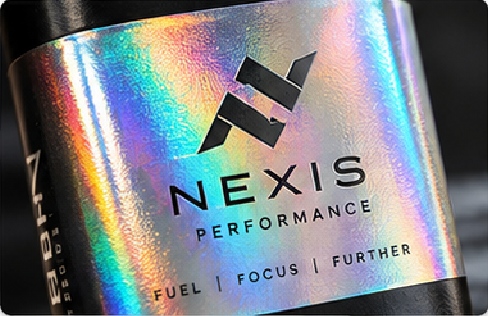
Holographic materials or effects are useful when a brand needs movement, light response, premium energy or a stronger visual security cue. Philiton can combine holographic appearance with printed color, white ink, variable data or security-related structures depending on the project.

Holographic Effects

Holographic materials or effects are useful when a brand needs movement, light response, premium energy or a stronger visual security cue. Philiton can combine holographic appearance with printed color, white ink, variable data or security-related structures depending on the project. The design should control where the effect remains visible instead of allowing the substrate to overpower the artwork. Sampling under normal store and indoor lighting is important because holographic appearance changes with angle and background.
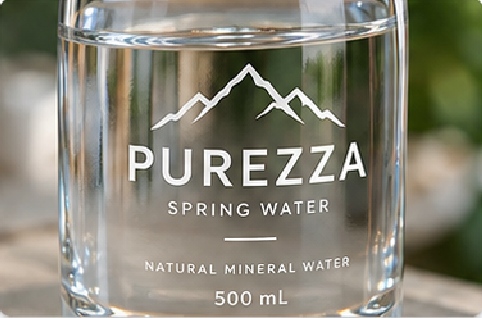
Clear film can expose the product or container and create a cleaner no-label appearance, but the result depends heavily on white ink planning

Clear and White Ink

Clear film can expose the product or container and create a cleaner no-label appearance, but the result depends heavily on white ink planning. Philiton reviews which areas need opacity, which graphics can remain transparent and how color will change over clear glass, PET or colored containers. White underprint, reverse printing and laminate structure may be selected according to the application. A clear label should be tested on the real pack because appearance on a release liner is not the final appearance. Review the sample beside the current pack so the improvement is easy to judge.
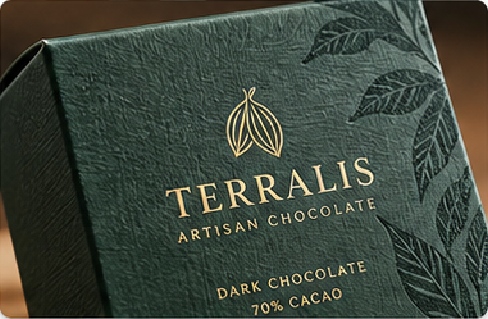
Texture and Lamination

Texture and Lamination

Premium feel can come from the face stock itself or from a controlled laminate and coating structure. Textured papers suit many dry premium applications, while film and lamination can be better for moisture, oil or frequent handling. Philiton evaluates whether the desired feel conflicts with barcode readability, small text, foil adhesion, embossing or automatic labeling. The best route keeps the tactile benefit while preserving print clarity, application reliability and repeatable converting through production.

Choose the Upgrade by the Packaging Problem

Current Packaging ProblemUpgrade Route to ReviewExpected ResultMain Validation Before Production
Pack looks genericCustom shape + stronger material contrastMore distinctive brand silhouetteDie line, corner radius, artwork clearance, application area
Logo lacks premium emphasisFoil or controlled raised effectStronger focal point without redesigning all artworkFoil/UV area, registration, rub resistance, approved sample
Label feels flat or inexpensiveTextured stock, emboss/deboss, tactile finishMore physical depth and hand feelStock behavior, tooling depth, small text, die-cut stability
Transparent product is hiddenClear film + planned white inkCleaner no-label presentationContainer color, opacity zones, bubbles, adhesive clarity
Packaging is visually busyMatte base + selective gloss/metallic detailClearer hierarchy and controlled contrastColor, coating interaction, finish position
High-end look fails in useDurable film + suitable adhesive + protective finishAppearance survives moisture, oil or handlingReal surface, temperature, product contact, rub and adhesion test

Packaging Components Philiton Can Upgrade Without Rebuilding

Philiton can improve selected printed components around the existing pack, allowing a brand to focus budget where appearance, function or interaction changes most.
Primary Product Labels

Primary Product Labels

The main product label often carries the largest opportunity because material, opacity, print depth, finish and shape can be changed without replacing the container. Philiton can review bottle, jar, pouch and carton label structures for clear film, paper, metallic stock, durable film, foil, embossing, UV and other premium effects while keeping required product information legible and production-ready.
Premium Logo Stickers

Premium Logo Stickers

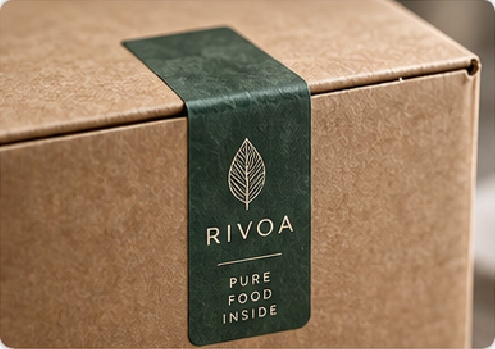
A separate logo sticker can add a premium brand moment to boxes, tissue wraps, pouches, mailers and presentation packs. Philiton can produce custom shapes and combine selected papers or films with metallic, textured or raised details. A dedicated brand sticker is useful when the outer package is intentionally simple or when the same pack needs to serve several SKUs with a consistent master-brand element.
Seals and Closure Labels

Seals and Closure Labels

Closure seals can turn an ordinary opening point into a branded detail while also showing whether a pack has been opened. Philiton reviews the seal shape, fold or edge position, adhesive demand and finishing route before sampling. The construction should open in the intended way without lifting prematurely during packing, transport or storage. Premium decoration can be added without making the seal too stiff for the application.
Variable Edition Labels

Variable Edition Labels

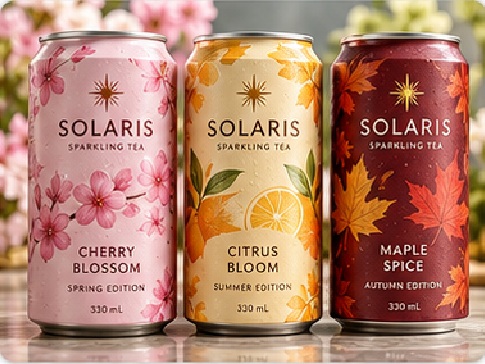
Limited editions, seasonal launches and regional programs can gain premium impact without forcing a large redesign of the base pack. Philiton supports variable data and multiple artwork versions, allowing selected colors, numbering, QR codes or edition graphics to change while core dimensions and material remain controlled. Multi-SKU planning should freeze common elements first so specialty finishing and production setup remain efficient across the group.
Security Upgrade Labels

Security Upgrade Labels

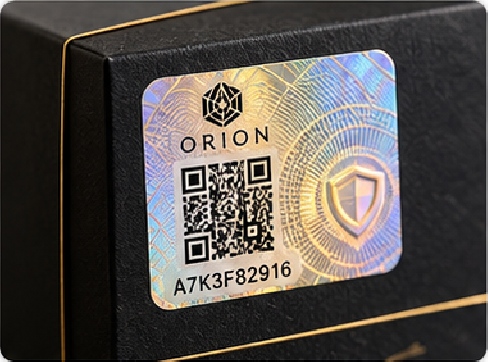
Premium packaging can also communicate authenticity. Philiton supports tamper-evident, VOID, holographic, variable serial and QR-related label routes that can be integrated with branding. Security elements should not be added only for appearance; the project needs a clear opening behavior, verification method or traceability purpose. Artwork, material, data flow and inspection requirements are therefore reviewed before the final structure is approved.
Smart Interaction Labels

Smart Interaction Labels

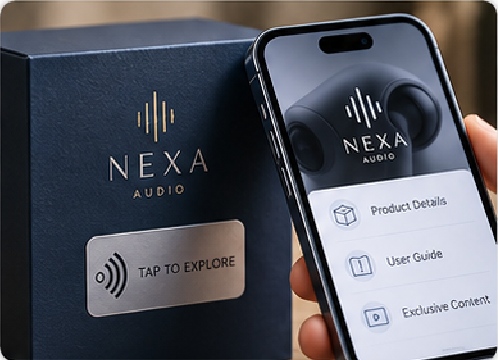
RFID and NFC-related labels can add product interaction, identification or authentication to selected premium programs. Philiton can support relevant converting, encoding, serialization or verification routes according to project requirements. Chip or inlay selection, frequency, read performance, placement and data responsibility remain project-specific. The visual label design must be engineered around the inlay area rather than treating the electronic component as an invisible afterthought.

Material Selection Changes the Premium Result

A finishing method never works in isolation. Philiton chooses the face material with the desired appearance, application surface, environment and converting route already in mind.

Select the Surface Before Adding Decoration

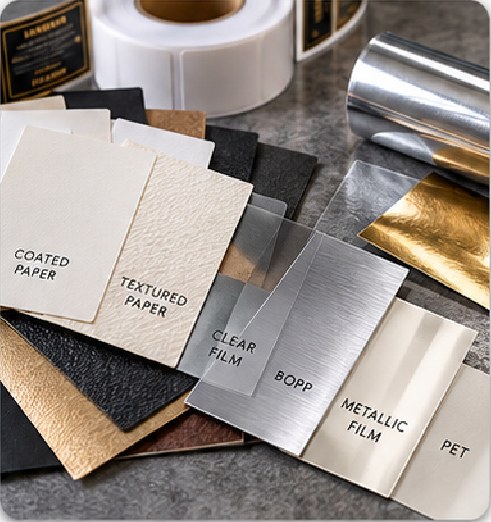
Paper, film, clear stock, metallic stock and specialty textured materials create different premium signals before foil, embossing or UV is added. Philiton evaluates the base material first because it controls print density, opacity, texture, stiffness, moisture response and the way light moves across the finished label.

  • Coated paper is suitable for many dry packaged products and can support clean color and selected embellishment.
  • Textured specialty paper adds character for wine, candles, gourmet products and presentation packaging, but exposure to moisture or oil must be considered.
  • BOPP and other film structures are often better where water resistance, flexibility or frequent handling matters.
  • PET can suit applications needing greater dimensional stability or durability.
  • Clear films create a no-label appearance but require careful white ink and adhesive planning.
  • Metallic films can provide a built-in reflective base that reduces the need to cover large areas with foil.

Philiton sources base materials from qualified external suppliers and creates manufacturing value through selection, prepress, printing, converting, finishing, inspection and project control. Material selection therefore starts with the actual product: container material, curvature, application temperature, service environment, shelf life expectation, decoration, labeling method and order quantity. A premium stock that looks impressive as a loose swatch can still be the wrong choice if it lifts on a low-surface-energy plastic or loses appearance in an ice bucket. Final approval should come from a finished sample applied to the real packaging whenever the environment is demanding.

Premium Appearance Depends on Adhesive and Surface Fit

A perfect print still fails when the label lifts, bubbles or slides. Philiton treats the container surface and service environment as part of the premium design specification.

Engineer the Label Around the Real Container

Glass, PET, HDPE, paperboard, coated cartons, flexible pouches and other packaging surfaces do not behave the same. Surface energy, curvature, texture, contamination, condensation, filling conditions and storage temperature all affect adhesion. Philiton therefore asks where the label will be applied, whether the surface is flat or curved, whether it is labeled before or after filling, and whether the pack sees water, oil, alcohol, refrigeration, freezing or repeated hand contact.

  • For curved bottles, stiffness and label size influence edge lift.
  • For clear labels, adhesive clarity and application quality affect the no-label effect.
  • For low-surface-energy plastics such as some HDPE or PP applications, the adhesive route may require specific validation.
  • For candle jars, cosmetics and food products, oil or product residue can change real-world performance even when the design itself is simple.
  • Premium finishes add another variable: a thick laminate, heavy coating or large embossed area may change flexibility and converting behavior.

Philiton can prepare material, printed, die-cut or finished samples according to the project and use the approved construction as the reference for production. High-demand conditions should be tested on the actual substrate rather than approved from a digital rendering alone. The packaging should look premium after application and handling, not only while the label is still on the release liner.

Compare Premium Finishes Before Committing to Tooling

Decoration should match the brand objective and production route. The comparison helps narrow options before artwork engineering and physical sampling begin.
Finish Best Used For Main Strength Production Consideration
Foil Logos, borders, names, controlled accents Crisp metallic contrast Foil area, line detail, registration, tooling and substrate compatibility
Emboss / Deboss Logos, crests, premium typography Physical depth without relying on color Artwork spacing, tooling depth, material thickness and die-cut relationship
Spot / Raised UV Patterns, logos, selective gloss or texture Gloss and tactile contrast Coating adhesion, small detail, registration and rub exposure
Holographic Limited editions, security cues, high-energy branding Angle-dependent movement and visual impact Lighting, artwork balance, print opacity and security purpose
Clear + White Ink Glass, PET, transparent packs No-label look with controlled opacity White ink map, container color, adhesive clarity and application
Textured Stock Wine, candle, gourmet and presentation labels Material-driven premium feel Moisture exposure, fine print, foil/emboss behavior and supply availability
Matte / Soft-Touch Route Cosmetics, wellness and restrained premium branding Low-glare controlled hand feel Rub, scratch, coating compatibility and downstream finishing

Different Teams Need Different Upgrade Decisions

A premium label program usually passes through brand, engineering, procurement and quality review. Philiton structures development so each function can approve the information relevant to its responsibility.

Brand and Marketing

Brand teams need the upgraded pack to look intentional, recognizable and suitable for the product position. Philiton helps translate visual direction into choices that can actually be manufactured: material, opacity, metallic level, tactile detail, finish placement, color route and shape. Sample approval should happen on the real container whenever possible so the team sees how reflection, transparency, curvature and surrounding packaging change the design outside a flat screen mockup. Clear internal approval criteria also help marketing avoid selecting an effect that later conflicts with production.

Packaging Engineering

Packaging engineers need construction details rather than adjectives. Philiton reviews container material, label width and height in millimeters, application panel, curvature, adhesive requirement, liner and delivery format, unwind direction where relevant, finish sequence and any automated labeling constraints. Engineering review also identifies conflicts early, such as an embossed area too close to a die line, a stiff construction on a small radius, or a clear label relying on insufficient white opacity.

Procurement and Supply

Procurement teams need a route that balances appearance with repeat cost, MOQ, tooling and continuity. Many standard Philiton label projects can start around 500 pieces, while specialty stock, complex tooling, security structures and RFID-related programs are confirmed by project. Cost discussions should separate recurring unit cost from one-time or setup-related items. Approved specifications and version control then help future reorders avoid unnecessary redevelopment when the brand scales into larger quantities.

Quality and Operations

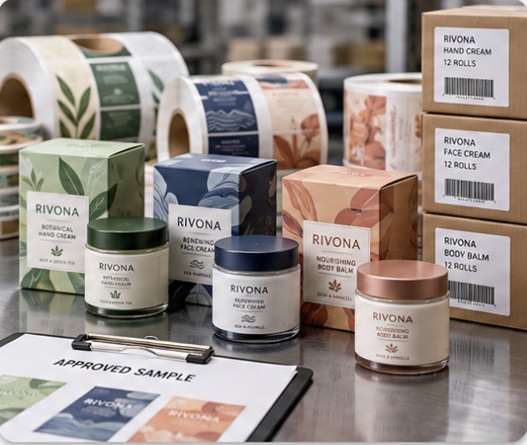
Quality and operations teams need evidence that the premium effect can be reproduced, packed and applied consistently. Philiton can define checkpoints for artwork version, color reference, material, die-cut size, foil coverage, emboss position, print registration, surface defects and finished roll or sheet configuration. Where a label runs on application equipment, roll direction, core requirement, label count per roll and outer diameter can be specified so decoration does not create downstream line problems.

Premium Upgrade Routes for Six Common Applications

Different product categories communicate premium value differently. Philiton adjusts material, decoration, durability and delivery format to the real packaging environment instead of repeating one luxury formula.
Cosmetics and Skincare

Cosmetics and Skincare

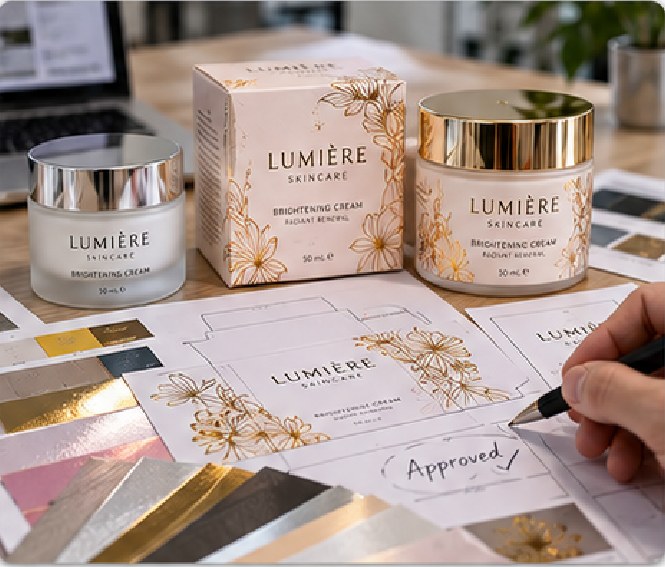
Cosmetic packaging often benefits from clear film, controlled white ink, metallic accents, tactile details and clean die-cutting. Philiton reviews glass, PET and plastic containers for curvature, oil or product exposure and hand contact. The aim is to preserve a refined appearance around ingredient text, regulatory copy and small sizes while keeping the main brand element crisp across multiple SKUs.
Wine and Spirits

Wine and Spirits

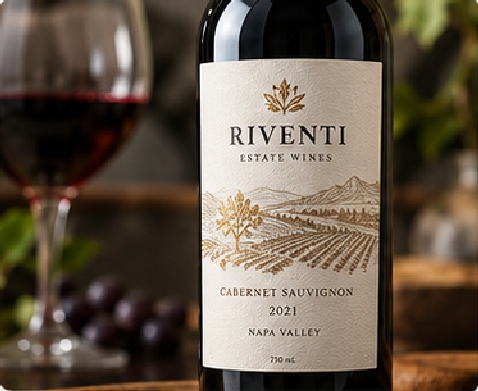
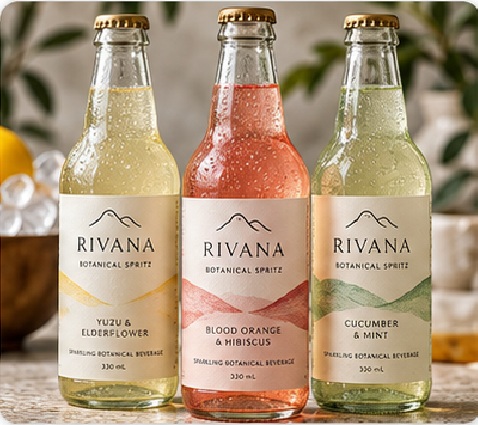
Wine and spirits labels often gain value from textured paper, foil, embossing and carefully controlled typography. Philiton can develop front, back and neck-label structures according to bottle surface, moisture exposure and presentation goals. Samples should be reviewed on the actual bottle, especially when dark glass, ice buckets, strong curvature or multiple decorative passes change the final appearance.
Food and Beverage

Food and Beverage

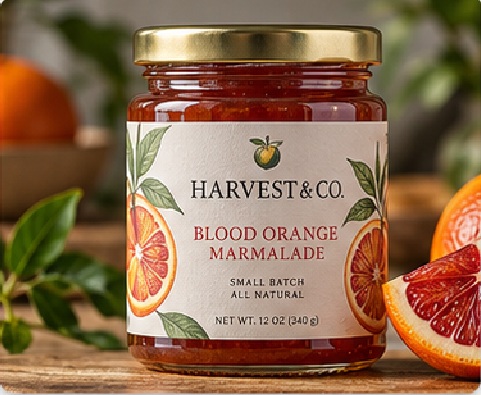
Premium food and beverage packaging needs visual appeal without sacrificing moisture, refrigeration, oil or production compatibility. Philiton can use suitable papers or films with foil, matte/gloss contrast, clear areas or shaped labels according to the product. The label structure should also consider filling and storage conditions, date or variable data needs, barcode readability and whether rolls will run through automatic labeling equipment.
Supplements and Wellness

Supplements and Wellness

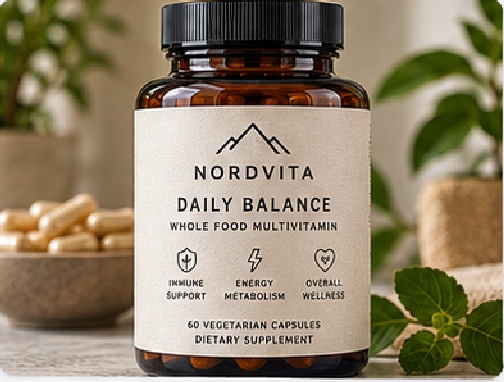
Supplement and wellness brands often need a cleaner, more clinical premium look rather than heavy decoration. Philiton can combine matte or controlled gloss surfaces, metallic accents, clear windows, fine text and multi-SKU consistency. Label size, mandatory information, barcode area and bottle curvature are reviewed together so decoration does not reduce readability or create variation across flavor, strength or product families.
Candles and Home Fragrance

Candles and Home Fragrance

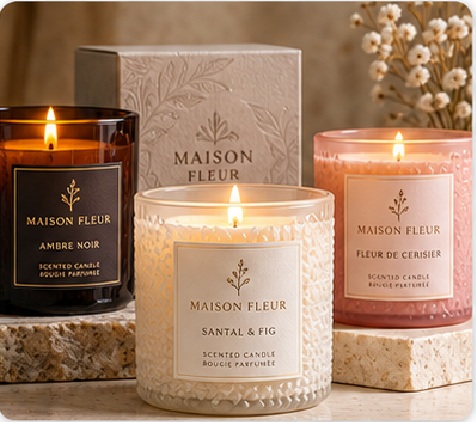
Candle and fragrance labels can use specialty paper, texture, embossing, foil and shaped presentation details to create a strong tactile identity. Philiton reviews jar material, warmth, handling, oil or fragrance exposure and packaging theme before selecting the structure. A premium paper that looks excellent on a sample card still needs to stay flat and clean on the finished vessel throughout normal use and storage.
E-commerce Packaging

E-commerce Packaging

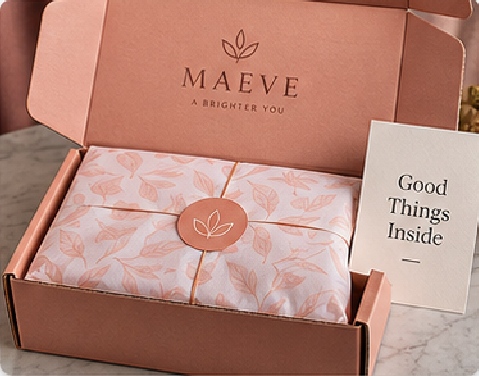
Mailers, boxes, tissue wraps and simple presentation packs can be upgraded with premium logo stickers, closure seals, variable campaign labels or security elements rather than a fully new outer package. Philiton can standardize a core sticker or seal structure across multiple box sizes and SKUs, helping brands create consistent opening moments while controlling setup and inventory complexity for seasonal or growing online programs.

From Existing Pack to an Approved Upgrade

Philiton converts a visual ambition into a manufacturable specification through a controlled review, sample and approval path rather than sending premium artwork directly into mass production.

Discuss My Application

Development starts with evidence from the existing pack. Philiton asks for clear photos, the current label or packaging sample when available, finished label width x height in millimeters, container material, application area, expected quantity, SKU count, target market and a visual reference for the desired upgrade. The first review separates appearance goals from functional constraints: what should look more premium, what must remain unchanged, where the label is applied, and which environment it must survive. Philiton then narrows the material and finishing route and checks the artwork for white ink, foil masks, emboss areas, UV layers, die lines, safe distance, small text and variable elements. A physical sample route is chosen according to the structure. Common printed or converted samples are often around 3-7 working days once material and artwork are ready; specialty adhesive, complex finishing, security or RFID-related projects are confirmed separately. The sample is reviewed on the real packaging for color, opacity, reflection, tactile detail, edge behavior and application. Feedback is converted into a controlled revision instead of changing several variables at once. After approval, the released artwork, material structure, finish sequence, die line and delivery requirements become the production reference. For standard label structures, mass production is commonly around 7-15 working days after artwork, sample and material approval, while complex finishing, special materials and high-volume programs follow project-specific scheduling.

Artwork Engineering Protects Premium Details in Production

Foil, embossing, white ink, raised coatings and precision die cutting require artwork built for production. Philiton checks the technical layers before tooling and sampling begin.

Build Separate Production Layers Before the Press Run

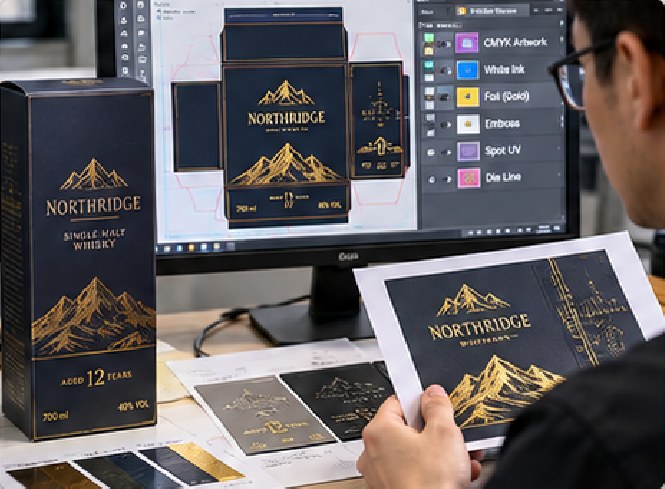
Premium artwork should show more than the visible CMYK design. Philiton reviews production layers for white ink, foil, emboss or deboss, spot UV, varnish, variable data and die cutting so every process has a clear mask and registration relationship. Fine lines and small reversed text may need adjustment when a metallic or raised effect is involved. Foil areas must leave enough tolerance around nearby print and cut edges. Embossing requires space for tooling pressure and should not trap critical text inside a crowded structure. Clear labels need an intentional white ink map because printed color changes when it sits directly over glass, PET, liquid or a colored container. Metallic substrates may need controlled white blocking to stop the reflective base from changing brand colors. Die lines should be checked against label dimensions, corner radius, bleed and safe zones, especially on small labels or complex shapes. Multi-SKU programs also need version discipline: common layers should remain standardized while variable text or color changes are isolated. Philiton can prepare artwork and prepress review before the physical sample, reducing avoidable tooling changes and helping the approved visual effect survive the move from screen design to printing, finishing, die cutting and packing. Production-ready layer naming and revision dates also make internal approval easier to trace.

Sampling Should Prove More Than the Artwork

Philiton uses samples to validate appearance, application and manufacturing risk. Common sample routes are often 3-7 working days; complex structures follow the project requirements.

Material and Color Proof

The first sample question is whether the chosen face stock and print route create the intended visual result. Philiton can prepare digital, material, die-cut or finished samples depending on the project. Review color in normal viewing conditions, not only under a desk light. Clear and metallic structures should be placed on the actual container because background color, white ink and reflection can materially change the final appearance. Compare the proof with the original pack under normal retail lighting.

Finish and Tooling Proof

Foil, embossing, debossing, spot or raised UV, holographic structures and custom die shapes need physical approval when their tactile or reflective effect drives the design. The review should check finish position, registration, edge quality, depth, coverage and interaction with nearby text. If one variable is changed after approval, Philiton can identify whether the existing sample remains a valid production reference or whether a new finished proof is needed. Keep the approved proof available for comparison during production.

Application and Handling Trial

A premium sample should be applied to the real bottle, jar, pouch, carton or other target surface. Philiton recommends reviewing edge lift, bubbles, transparency, stiffness, moisture exposure, product residue, rubbing and handling according to the intended use. Automatic labeling projects should also confirm roll format and orientation. Approval based only on a loose label can miss the exact problem most likely to appear after filling, packing, distribution or shelf display.

Know What Actually Drives Premium Upgrade Cost

Cost DriverWhy It Changes CostHow to Control It
Quantity per SKUSetup and tooling are distributed across the runKeep common dimensions and construction across related SKUs where possible
Face materialSpecialty paper, clear film, metallic stock and durable films carry different material economicsChoose material for application and visual role, not prestige alone
Foil / emboss / raised finishExtra process, tooling and registration control may be requiredUse premium effects on focal areas rather than full coverage
Custom shape / dieComplex outlines can require dedicated tooling and tighter stripping controlStandardize die line across versions when the brand system allows
Number of SKUsFrequent artwork changes can create setup and version-control costSeparate common master artwork from variable content
Roll / sheet / individual formatPacking, slitting, rewinding and handling routes differSpecify labeling method, core, unwind and roll requirements before quotation
Special testing or documentationApplication, security or market requirements can add validation stepsDefine target market and performance conditions at the start

Scale the Approved Look Without Rebuilding the Program

Philiton supports flexible launch quantities and repeat production by keeping approved materials, artwork, finishing sequence, converting details and inspection criteria under controlled project records.
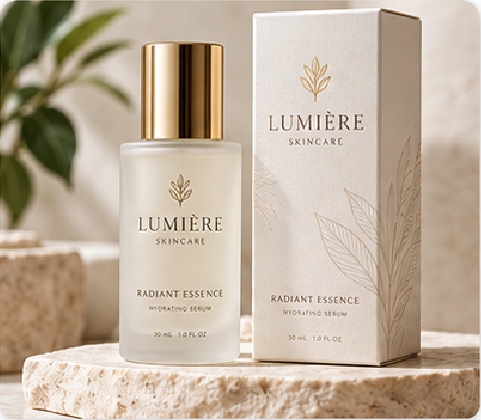
Move From Launch Quantity to Repeat Runs With Controlled References
  • Many standard Philiton custom label and sticker projects can begin around 500 pieces, while specialty materials, complex tooling, security structures and RFID/NFC programs are confirmed by project.
  • The production route changes as quantity, SKU count and repeat frequency increase. Digital printing can support sampling, short runs and multi-SKU launches without forcing a mature high-volume process too early. When volume grows, flexographic or other suitable production routes can be evaluated for repeat efficiency while keeping the approved appearance and functional requirements as the target.
  • Production control should not rely on memory. Philiton can use released artwork versions, approved sample references, material specifications, die information and finishing instructions to manage repeat orders.
  • Roll labels can be packed according to required core size, label count, roll diameter, unwind direction and outer-carton requirements; sheet, individual and stacked formats are also available according to the project.
  • Standard production for common label structures is often around 7-15 working days after artwork, sample and material approval, while complex finishing, special materials and larger scheduled programs are planned separately.
  • For established multi-SKU programs, freezing common dimensions and construction across related versions can reduce unnecessary redevelopment and make future changes easier to control. Forecast information can also help reserve suitable material and schedule repeat work with fewer last-minute substitutions.

Quality Control for Premium Labels and Finishes

Premium decoration makes small defects more visible. Philiton combines artwork control, production inspection and finished-format checks so the approved effect can be repeated across the run.

Artwork and Version Control

Production starts from the released file, not the latest file found in an email thread. Philiton checks artwork version, dimensions, die line, white ink, foil, emboss, UV and variable layers before release. Multi-SKU programs should identify common and variable content clearly so a premium finish is not applied to the wrong version or an obsolete regulatory panel is repeated in production.

Color and Print Registration

Premium designs often combine small typography, transparent zones, metallic effects and tight visual alignment. Philiton monitors color and registration according to the approved project reference and production method. White ink coverage, overprint relationships and fine detail need particular attention on clear or metallic materials because small shifts can change both readability and brand appearance more than they would on a plain opaque label.

Foil and Coating Coverage

Foil, UV and specialty coating areas are checked for incomplete transfer, pinholes, unwanted marking, edge quality and position relative to print. Large solid areas and very fine elements behave differently, so inspection criteria should reflect the artwork. Premium effects are not accepted only because they are present; the finish must appear clean, controlled and repeatable throughout the production quantity.

Emboss and Die Alignment

Embossed or debossed details need correct position, depth and relationship to the printed artwork and final cut. Philiton checks registration between tooling stages and watches for distortion around small text, borders and narrow die-cut areas. Die-cut quality also matters to the final perception: rough edges, uneven stripping or inconsistent corners can undermine a premium design even when the printing itself is correct.

Surface and Finished Appearance

Finished labels are reviewed for contamination, scratches, wrinkles, bubbles in relevant structures, coating defects and other visible issues according to the project. Transparent, dark, glossy and metallic materials can reveal defects differently, so the inspection method should match the final face stock and finish. Where appropriate, visual inspection equipment and laboratory checks can support the production control route alongside manual review.

Packing and Delivery Format

Quality does not end after die cutting. Philiton can deliver labels in rolls, sheets, individual pieces, stacks or custom packing. Roll programs can specify roll diameter, labels per roll, core size, unwind direction and carton requirements. The finished format should protect decoration during transport and remain compatible with the labeling process so premium surfaces are not damaged before they reach the packaging line.

Three Representative Premium Upgrade Project Cases

The examples below show how Philiton structures comparable projects. Brand names are omitted; quantities are representative planning figures rather than published client references.
United States Skincare Relaunch - 12,000 pcs

United States Skincare Relaunch - 12,000 pcs

A U.S. skincare brand wanted to keep its existing frosted bottle and outer carton while replacing a flat opaque label that made several SKUs look too similar. The project route used a clear film concept with controlled white ink under the logo and product name, plus a restrained metallic accent. Philiton reviewed bottle color, label dimensions, curved application area, oil exposure and six artwork versions. A finished sample was applied to the actual bottle before approval. The production plan standardized the die line and material across all SKUs while keeping variable product text separate, reducing version risk during the 12,000-piece launch program.
France Candle Collection - 8,000 pcs

France Candle Collection - 8,000 pcs

A French home-fragrance brand planned a seasonal candle collection using the same glass jar but needed a more tactile presentation for four scents. The proposed route centered on textured paper, a small embossed brand mark and a limited foil detail instead of adding decoration across the full label. Philiton reviewed jar curvature, label size, warm handling conditions, fragrance-oil exposure and artwork spacing around the embossed area. A physical finish proof was used to compare two paper textures. After approval, the four versions shared the same die and finishing layout, while scent names and colors changed by SKU across an 8,000-piece production run.
Australia Specialty Beverage Launch - 15,000 pcs

Australia Specialty Beverage Launch - 15,000 pcs

An Australian beverage brand wanted a more premium bottle presentation without changing the bottle mold or the printed shipper. The upgrade focused on a durable film label with matte overall appearance and selective gloss detail around the master brand, keeping the barcode and mandatory text free from decorative interference. Philiton reviewed condensation risk, bottle surface, application direction, roll format and five flavor versions before sampling. The trial checked edge adhesion and finish rub after cold storage. Once approved, common dimensions, material and roll specifications were locked so the 15,000-piece launch could be produced as a controlled multi-SKU program and reordered without rebuilding the specification.

Compliance and Documentation Must Match the Final Structure

Philiton reviews documentation according to the target market, application and selected materials. No single material statement should be treated as universal approval for every premium construction.

Target Market Review

The required evidence depends on where the product will be sold and what the label or printed component is used for. Philiton asks for the target country or region early so material declarations, testing expectations, language needs and any market-specific documentation can be discussed before final material release. A cosmetic bottle label, food package decoration and industrial identification label may require different evidence even when they use a similar film.

Material Documentation

Paper, film, adhesive, ink, coating, foil and specialty substrates are sourced through qualified external supply channels. Philiton can coordinate available supplier declarations, project documents or third-party testing according to the selected structure and requirement. Certifications or claims such as FSC, RoHS or other market-specific statements should only be used when the applicable material and supporting document have been confirmed for the actual project.

Performance Validation

Premium appearance does not replace application testing. Where a project involves refrigeration, freezing, water, oil, alcohol, chemicals, UV exposure, low-surface-energy plastics, rough surfaces or other demanding conditions, Philiton treats final performance as project-specific. The real substrate, labeling temperature, service temperature, contact medium, exposure time and test method should be defined. Approval should rely on the finished structure and agreed test conditions rather than a generic material description.

Approved Evidence Control

Large or repeat programs benefit from keeping the approved artwork, material structure, sample reference, die information, finish layers, packing format and relevant documents together under one project record. Philiton can use those references to support reorders and change control. When a material, supplier document or decoration route changes, the team can identify which approvals remain valid and which parts need to be rechecked before the revised version enters production.

Premium Packaging Upgrade Frequently Asked Questions

No. Many upgrades focus on the label, closure seal, brand sticker, material, shape or selected finishing. Philiton first reviews which visible component creates the largest improvement. A bottle, jar, pouch or carton can often stay unchanged while the printed component around it is upgraded.

No single finish is best for every brand. Foil creates metallic focus, embossing adds physical depth, UV creates selective gloss or texture, and specialty materials can create premium character before any decoration is added. Philiton recommends the route after reviewing the artwork, pack surface, quantity and intended visual effect.

Yes. Photos, an existing label, the real container and current artwork are useful starting inputs. Include finished size, material if known, quantity, SKU count, application environment and a reference showing the desired upgrade. Physical samples are especially useful when curvature, transparency, texture or adhesion matters.

Many standard custom label and sticker projects can start around 500 pieces. Specialty papers, complex tooling, security structures, RFID/NFC and other special constructions are confirmed separately because material supply and process setup can change the economic quantity.

Common digital, material or converted samples are often around 3-7 working days once artwork and material are ready. Complex finishing, special adhesive, security structures, RFID/NFC or custom tooling can require a different schedule. Philiton confirms the sample route before development begins.

For common label structures, production is often around 7-15 working days after artwork, sample and material approval. Special materials, complex finishing, large scheduled quantities or smart-label structures follow the confirmed production plan rather than one fixed lead time.

Yes. Multi-SKU programs are easier to control when dimensions, material, die line and finishing layout remain common while product names, colors or variable content change. Philiton reviews which layers can be standardized so version control, setup and repeat production remain manageable.

Yes, depending on the structure. Provide roll direction, required core, label count or roll diameter limits, gap and equipment information when available. Philiton can prepare roll labels to agreed converting and packing requirements so premium finishing does not create avoidable problems on the packaging line.

Philiton can coordinate available material declarations, relevant supplier documents, testing or project-specific documentation according to the selected structure and target market. The exact requirement should be confirmed before material approval because one document does not automatically cover every label construction or use condition.

Send current packaging photos, container or pack material, finished label size, artwork, quantity, SKU count, desired visual reference, application environment, target market and launch date. If possible, include a physical sample or describe where the existing packaging underperforms so Philiton can focus development on the part that needs improvement.

Send Your Packaging for an Upgrade Review

Philiton can review an existing label, sticker, seal or printed packaging component and turn the upgrade goal into a quote-ready manufacturing specification. Send the current pack first rather than guessing which premium finish should be added. Our team will look at the visible weakness, container or package surface, artwork structure, application environment, quantity and SKU plan before proposing a material and finishing route. For many standard label projects, the starting quantity can be around 500 pieces, while specialty materials, tooling, security structures and RFID/NFC are confirmed according to the project. Common samples are often around 3-7 working days after artwork and material are ready, and standard production is often around 7-15 working days after approval. Complex finishing and special materials follow a project-specific schedule. The fastest review happens when dimensions, artwork and application information arrive together. If the existing packaging already has a problem such as edge lift, low opacity, weak metallic appearance, poor texture or inconsistent color, include close-up photos so the development route addresses the actual issue rather than only changing appearance.

  • Current packaging photos or physical sample
  • Finished label size in mm and application position
  • Container or package material
  • Artwork or editable design file
  • Order quantity and number of SKUs
  • Desired premium reference or finish direction
  • Use environment and target sales market
  • Target launch or in-hand date

Get In Touch

  • Our team will answer your inquiries within 12 hours.

  • Your information will be kept strictly confidential.

Get a Fast Quote for Custom Labels & Stickers

We will contact you within 24 Hours, please pay attention to the email with the suffix“@philiton.com”. 
For all inquiries, please feel free to reach out at:

Ask For A Quick Quote

We will contact you within 24 Hours, please pay attention to the email with the suffix“@philiton.com”. 
For all inquiries, please feel free to reach out at:

Get a Quote Today!

We will contact you within 24 Hours, please pay attention to the email with the suffix“@philiton.com”.