Your Trusted Labels & Stickers Manufacturer from China!

Stop Labels from Peeling

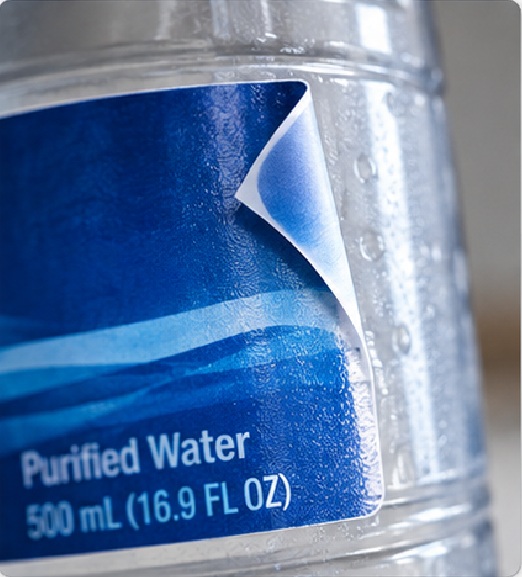
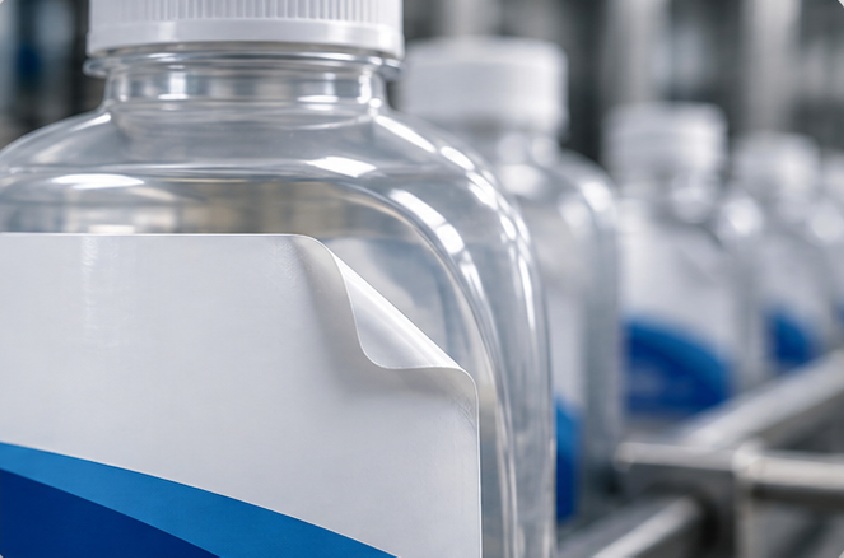
Solve edge lifting and label release by matching the surface, adhesive, facestock, geometry, application temperature and real-use conditions before production.
  • 12,000+ ㎡ manufacturing footprint across Shenzhen and Dongguan.
  • In-house adhesion screening, inspection and application verification paths.
  • Many standard custom label projects can start from around 500 pcs and scale into repeat production.
Stop Labels from Peeling

Who Needs Adhesion Failure Support?

Peeling problems cost more than a replacement label. Philiton supports teams that need a controlled route from failure evidence to tested material, approved construction and repeatable production.
Global Consumer Brands

Global Consumer Brands

High-volume brands need more than a stronger glue recommendation. Philiton reviews the package material, filling and storage environment, line conditions, label geometry, artwork, finish and repeat-order requirements before fixing a construction. Multi-SKU programs can be controlled under separate approved artworks while sharing compatible materials and production setups where appropriate. The goal is stable repeat production without treating every peeling complaint as the same adhesive problem.
Packaging Engineering Teams

Packaging Engineering Teams

Packaging teams often arrive with container drawings, resin information, line specifications, previous samples or failure photos. Philiton can convert those inputs into a working specification covering facestock, adhesive, liner, size, die line, roll direction, core, gap, pitch and protective finish. Actual-container trials are especially useful for curved bottles, low-surface-energy plastics, freezer packs and chemical-contact environments where laboratory material data alone cannot predict every production condition.
Food And Beverage Producers

Food And Beverage Producers

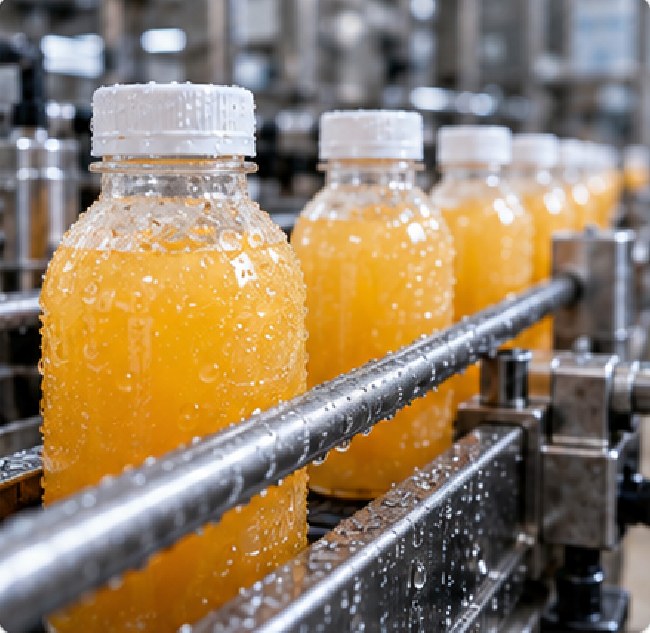
Condensation, chilled filling, freezer storage, wet bottles and rapid temperature changes can expose weak label constructions quickly. Philiton separates application temperature from service temperature, checks whether the package is dry at labeling, and selects materials and adhesives around the actual storage route. Roll configuration can also be prepared for automatic applicators, helping reduce edge lift caused by poor application pressure, wrong unwind direction or inconsistent label placement.
Cosmetics And Personal Care

Cosmetics And Personal Care

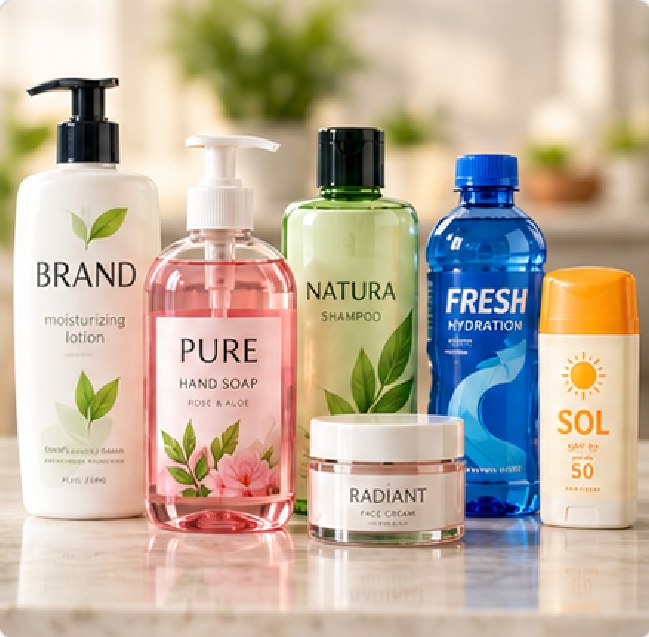
Bathroom humidity, oils, alcohols, surfactants and frequent handling can attack both adhesion and print protection. Philiton reviews bottle material, surface treatment, curvature, label size and formula exposure before recommending BOPP, PET or other constructions. Clear labels receive additional attention to adhesive clarity, white ink, dust control and application appearance. Sampling on the actual bottle helps confirm edge hold, transparency, rub resistance and finish before mass production.
Industrial And Chemical Manufacturers

Industrial And Chemical Manufacturers

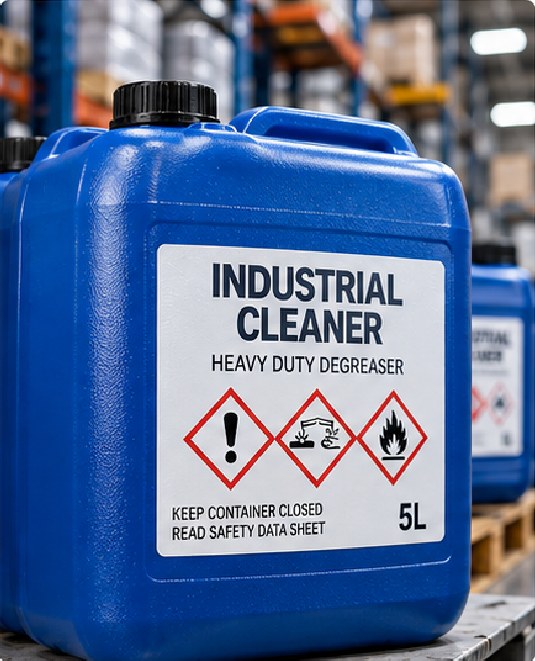
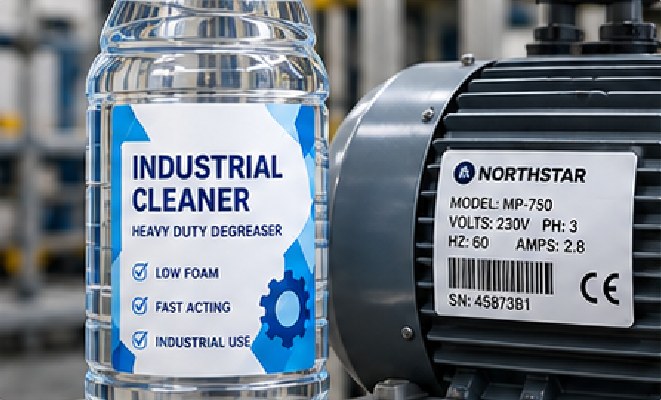
Industrial identification may face oil, cleaners, temperature changes, rough plastic, powder-coated metal or long service periods. Philiton can combine durable films, project-matched adhesives, protective laminates or varnishes, variable data and controlled die cutting. Engineering and quality teams can define the target exposure and verification method before production. Performance statements remain tied to the tested construction and conditions instead of being generalized across every chemical, substrate or environment.
OEM And Contract Packers

OEM And Contract Packers

Contract packers often manage several brands, container formats and applicators at the same time. Philiton can separate each SKU by approved artwork and quantity while controlling shared materials, roll specifications, carton identification and delivery format. When a peeling issue appears, photos, container samples, previous label rolls and line settings can be reviewed together. A structured specification reduces rework caused by wrong core size, roll direction, gap, liner width or unapproved material substitution.

Recognize the Peeling Pattern Before Changing Materials

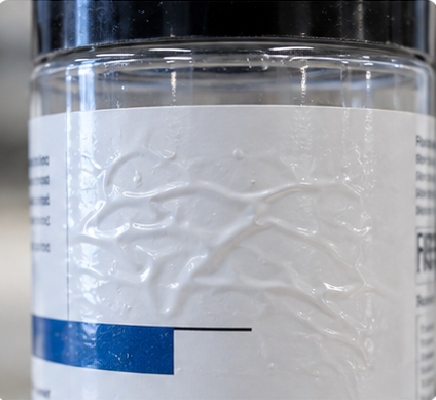
The visible failure often points to several possible causes. Start with where peeling begins, when it appears and which conditions changed before selecting a new construction.
Edge Lifting

Edge Lifting

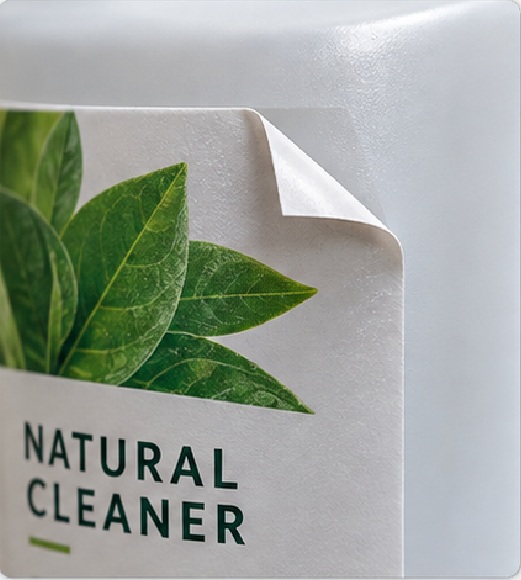
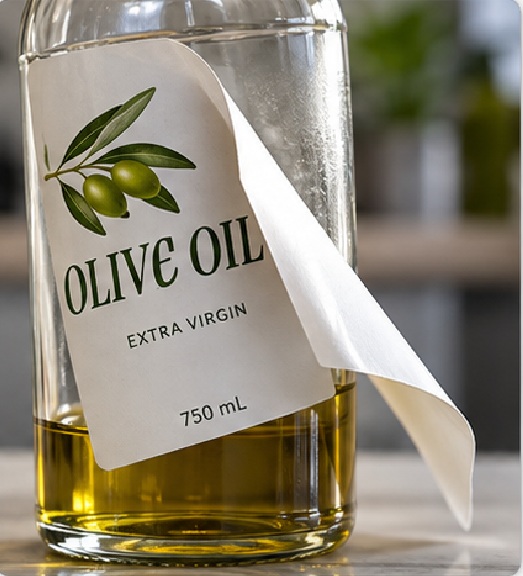
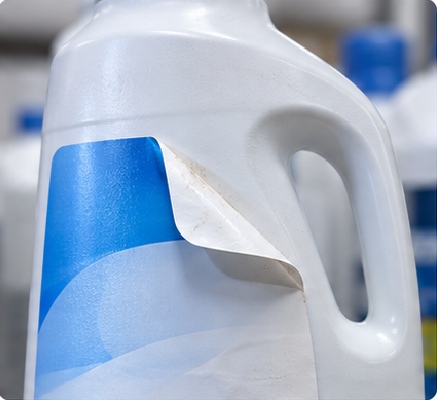
Edge lift commonly appears on small-diameter bottles, curved containers, low-surface-energy plastics or labels made with a facestock that is too stiff for the shape. Contamination, low application temperature and insufficient tack can produce a similar symptom. Philiton checks container radius, label dimensions, surface condition, facestock flexibility and adhesive route before deciding whether the correction belongs in material, geometry, application or all three.
Corner Lift

Corner Lift

A corner that lifts first may indicate local stress created by the label shape, die-cut geometry, hand placement or an irregular surface. Sharp corners can concentrate peel force, while contamination near the edge can prevent full wet-out. Philiton can review rounded-corner alternatives, size changes, flexible films and higher-tack constructions, then confirm the change on the actual package instead of assuming a stronger adhesive alone will solve the failure.
Full Label Release

Full Label Release

When the complete label releases, the first checks are substrate, cleanliness, application temperature, initial pressure and adhesive compatibility. PP, PE and HDPE may require dedicated low-surface-energy adhesive routes. Wet, oily or dusty surfaces can defeat an otherwise suitable construction. Philiton compares the failed label with the actual container and application conditions, then screens alternative materials and adhesives before committing to a production specification.
Peeling After Cold

Peeling After Cold

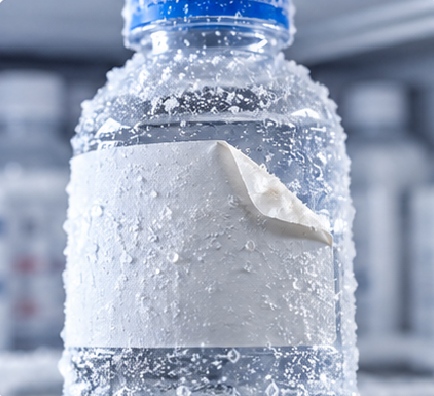
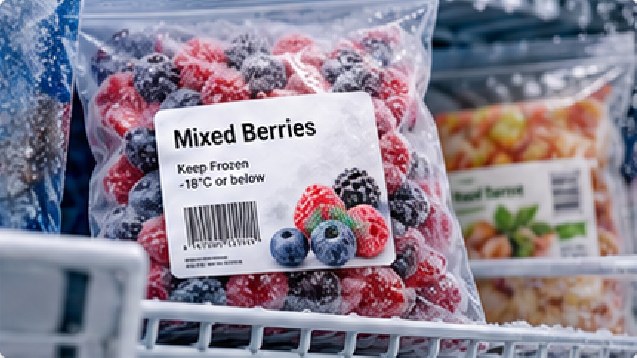
A label may look stable at room temperature and fail after refrigeration or freezing. Application temperature and service temperature are different design inputs: a label applied below the adhesive’s minimum application window may never build sufficient bond, even if the material is rated for colder service after bonding. Philiton reviews labeling temperature, condensation, package material and storage cycle, followed by representative low-temperature testing on the real package where possible.
Peeling On Plastic

Peeling On Plastic

PP, PE and HDPE are common packaging plastics with lower surface energy than glass, PET or many metals. Surface texture, molding additives, contamination and curvature add more variation. Philiton can evaluate LSE high-tack acrylic or high-initial-tack routes with suitable films such as flexible BOPP or PE. Material data narrows the options, but actual-surface trials remain the preferred basis for approving the final construction.
Bubbles And Wrinkles

Bubbles And Wrinkles

Bubbles and wrinkles are not always printing defects. Trapped air, irregular curvature, flexible packaging movement, liner release behavior, insufficient application pressure, wet surfaces or an overly stiff label can distort the bond line. Philiton reviews package geometry, liner and facestock behavior, label size and application method. When automatic labeling is involved, unwind direction, gap, liner width and sensor requirements are also checked before the production roll is released.

Labels Built For High-Risk Adhesion Applications

Philiton manufactures multiple label constructions for surfaces and environments where edge lift, moisture, oil, temperature or curvature can become a production risk.
Bottle Labels

Bottle Labels

Bottle labels can be built in paper, BOPP, PET or other suitable stocks depending on bottle resin, filling process, storage environment and desired appearance. Philiton reviews diameter, taper, label size, wet exposure and application method before selecting the construction. Curved bottles may need a more conformable facestock, adjusted dimensions or a higher-hold adhesive route to reduce continuous edge stress after application.
Freezer Labels

Freezer Labels

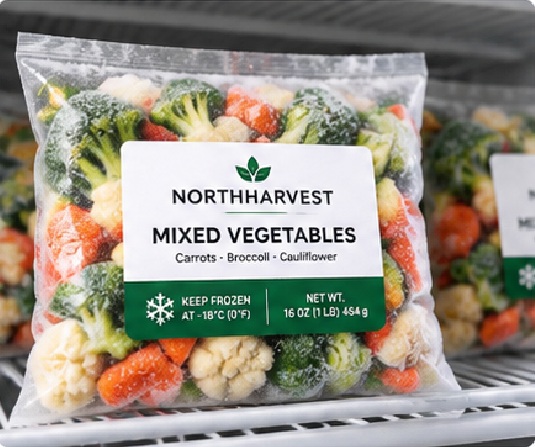
Freezer projects require a clear distinction between the temperature at which the label is applied and the temperature reached later in storage. Philiton can source low-temperature and freezer-oriented adhesive constructions for suitable packaging. The package surface, condensation, moisture and cold cycle should be defined before sampling. Representative package trials help confirm whether the bond develops before the product enters refrigerated or frozen service.
HDPE Container Labels

HDPE Container Labels

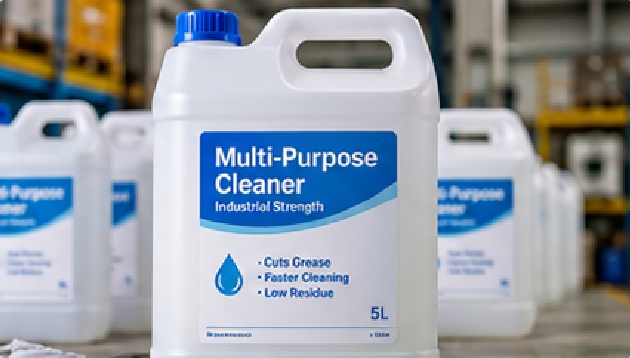
HDPE is widely used for chemical, lubricant, personal-care and household containers but can be difficult to label because of its low surface energy, molding texture and possible additive migration. Philiton typically evaluates flexible film constructions with LSE-oriented high-tack adhesives. Rough containers or demanding environments may require thicker adhesive coat weight or high-initial-tack routes, followed by application tests on the actual container.
PP Container Labels

PP Container Labels

Polypropylene containers can vary greatly between smooth injection-molded parts, blow-molded bottles and textured surfaces. Philiton does not treat every PP package as one substrate. The surface condition, curvature, required life and application environment are checked first. Flexible BOPP and dedicated LSE permanent adhesive systems are common starting routes, while rough surfaces or low-temperature labeling may require a different tack profile and sample validation.
Cosmetic Labels

Cosmetic Labels

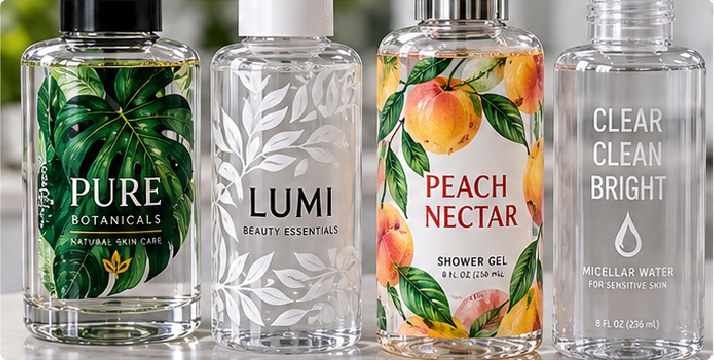
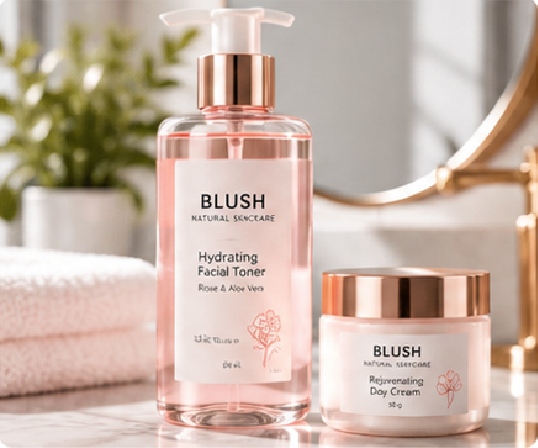
Cosmetic packaging may combine PET, HDPE, PP, glass or coated surfaces with water, oil, alcohol, surfactants and frequent handling. Philiton can pair clear or white film with suitable permanent adhesive and protective finishing. Clear-label projects also require controlled white ink, adhesive clarity and surface cleanliness. Actual-bottle testing helps confirm edge hold, appearance and resistance before the approved sample becomes the production reference.
Oil-Resistant Labels

Oil-Resistant Labels

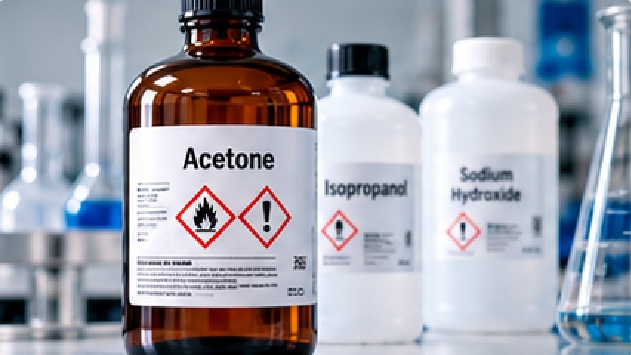
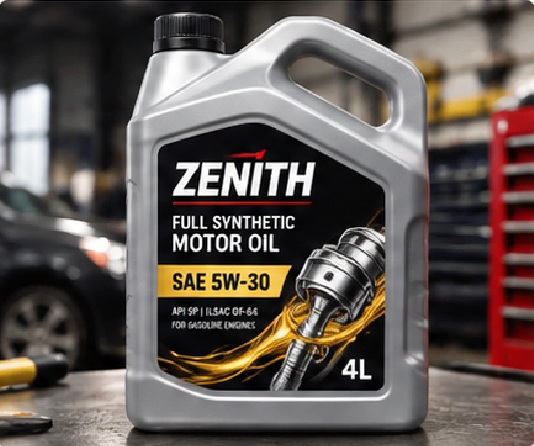
Lubricants, automotive fluids and oily formulations can attack print protection and weaken adhesion at label edges. Philiton can evaluate BOPP or PET, oil-resistant protective layers and project-matched high-tack adhesives for HDPE, metal or other containers. Validation may include container application, oil exposure, rubbing and edge-lift checks. The final structure is tied to the named fluid and exposure route instead of a broad “oil-proof” claim.
Chemical Labels

Chemical Labels

Chemical labels may need durable film, strong adhesion, resistant print protection and controlled regulatory artwork. Philiton can build PET or other suitable film constructions with permanent adhesive and protective lamination or varnish. The chemical list, concentration, contact method and duration should be defined before testing. Results apply to the tested exposure and should not be extended to unrelated solvents, acids, alkalis or cleaning agents without review.
Industrial PET Labels

Industrial PET Labels

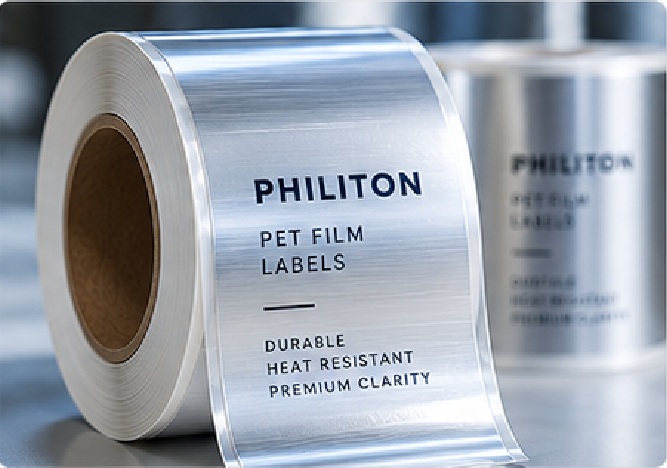
PET is useful where dimensional stability, abrasion resistance, variable data or durable identification are important. Philiton can supply white, silver or clear PET with project-matched permanent adhesive for metal, coated surfaces, plastics and equipment. Protective laminate or chemical-resistant varnish can be added where required. Adhesion, print, die cut, barcode or QR readability and application surface are controlled as separate quality attributes.
Clear Film Labels

Clear Film Labels

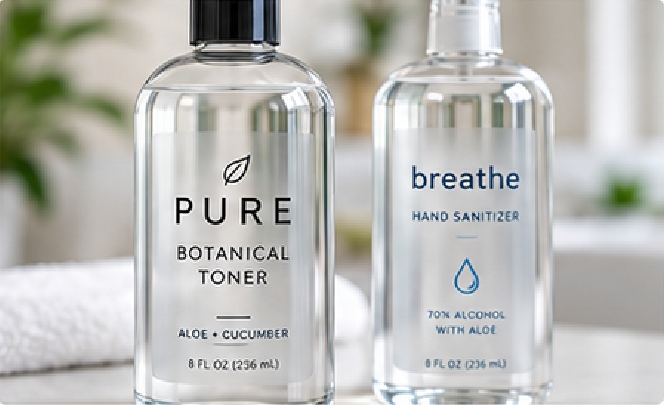
Clear BOPP and clear PET can create a no-label look, but appearance depends on more than transparent facestock. Adhesive clarity, bottle cleanliness, white ink strategy, trapped air, surface scratches and application pressure all matter. Philiton produces clear-label constructions with controlled print and finishing, then recommends approval on the intended bottle. Clean roll packing helps reduce dust and abrasion before the labels reach the filling or packing line.
Small-Diameter Labels

Small-Diameter Labels

Small-diameter containers generate continuous spring-back force at the label edges. Philiton reviews container radius, label width, label height, corner geometry and facestock stiffness before selecting an adhesive. Ultra-thin or flexible BOPP and PE routes can reduce memory stress, while mandrel-hold-oriented permanent adhesives can improve edge retention. Final dimensions are project-specific and should be checked on the actual package before die-line approval.
Squeezable Bottle Labels

Squeezable Bottle Labels

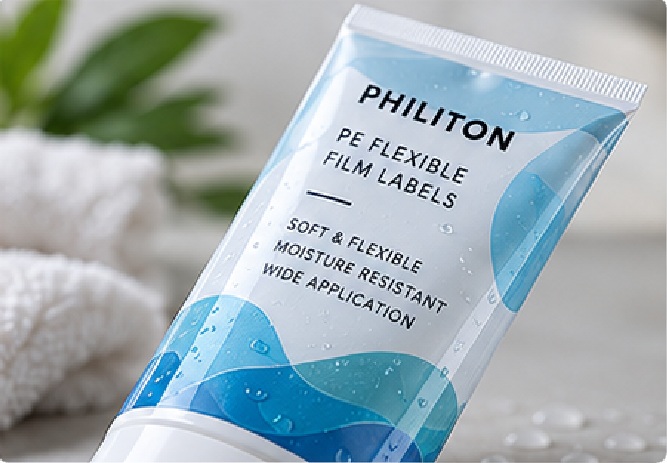
Flexible PE or LDPE bottles deform repeatedly during filling, transport and use. A rigid label may wrinkle, tunnel or pull away as the package flexes. Philiton can evaluate flexible PE or conformable film with LSE-oriented permanent adhesive, along with label geometry that avoids high-stress areas. Samples should be applied to filled or representative bottles and squeezed through the expected use cycle before bulk approval where feasible.
Automatic Roll Labels

Automatic Roll Labels

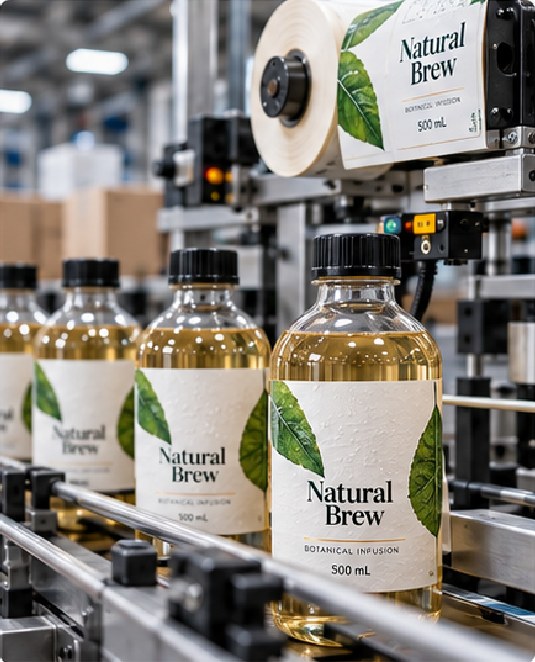
Strong adhesive cannot compensate for poor application. Philiton prepares roll labels around the applicator requirements, including unwind direction, inside or outside wound format, core, maximum roll diameter, gap, pitch, liner width, labels per roll and sensor marks when required. Correct roll engineering helps the applicator place each label with consistent pressure and position, reducing edge lift caused by skewing, misregistration or incomplete contact.

Peeling Root-Cause Matrix For Faster Diagnosis

Use the failure pattern as a starting point, not a final diagnosis. Philiton compares symptoms with the surface, label construction, environment and application before approving a correction.

Visible FailurePossible VariablesFirst CheckPossible ChangeVerification
Edge lifting on curved bottleSmall radius, stiff facestock, insufficient tack, label too wideContainer radius, label dimensions, facestock flexibilityMore conformable film, geometry adjustment, higher-hold adhesiveApply to actual bottle and monitor edge hold
Label releases from PP/HDPELow surface energy, texture, contamination, wrong adhesiveExact resin/surface, cleanliness, molding textureLSE-oriented high-tack adhesive, flexible filmActual-surface adhesion trial
Peeling after refrigerationLow application temperature, condensation, wrong cold adhesiveLabeling temperature, storage temperature, moistureLow-temperature construction, dry application processCold application and storage trial
Peeling after oil exposureOil migration, unsuitable adhesive, weak print protectionFluid type, contact route, HDPE/metal surfaceResistant film, matched adhesive, laminate/varnishOil exposure, rub and edge-lift test
Corners lift firstSharp geometry, local stress, poor pressureCorner shape, application pressure, surface contourRounded corners, size adjustment, tack reviewReapply with revised die line
Complete label releases earlyContamination, low initial tack, cold applicationSurface cleanliness, pressure, time after applicationCleaning control, higher initial tack, application changeBond development check over time
Bubbles or wrinklesTrapped air, curvature, liner release, wet surfacePackage shape, liner, pressure, application speedConstruction or application adjustmentLine trial or manual comparison
Failures only on production lineWrong roll direction, gap, core, tension, applicator setupApplicator specification and roll dataCorrect roll specification and setupMachine trial before mass release


Surface, Shape And Size Change Adhesion Behavior

Peeling is often a system problem. Philiton reviews the package surface, label geometry and application conditions together before selecting adhesive strength.

Surface Energy And Cleanliness

Glass, PET, metal, PP, PE, HDPE, PVC, cardboard, powder-coated surfaces and rough industrial parts do not present the same bonding conditions. PP, PE and HDPE are lower-surface-energy plastics, so ordinary permanent adhesive may wet the surface poorly. A smooth PET bottle can behave differently from a textured HDPE jug even when both are clean. Oils, mold-release agents, dust, moisture, fingerprints and production residue can create another failure layer. Philiton begins with the exact substrate rather than the product category alone. A “plastic bottle” specification is not sufficient when the resin can be PET, PP, HDPE or another material. Surface texture, coating, flexibility and actual filling process are also useful inputs. If the package is available, an actual container is preferred for sample validation. Cleaning can improve adhesion only when contamination is the real cause. It cannot turn an incompatible adhesive into a reliable construction. For low-surface-energy plastics, Philiton can evaluate dedicated LSE high-tack acrylic or high-initial-tack systems with suitable BOPP, PE or other films. Material selection remains conditional on the exact surface, temperature, environment and required life.

Curvature, Label Size And Stiffness

A label wrapped around a small radius is constantly trying to return to its flat state. The stiffer the facestock and the wider the label spans around the curve, the more peel force can concentrate at the edges. Small bottles, tubes, tapered containers, squeezable packs and irregular molded surfaces therefore need more than a generic “permanent adhesive” specification. Philiton reviews label width, height, corner shape, bottle diameter, taper and the area where the package changes curvature. Size remains fully custom; there is no responsible universal minimum or maximum without the container and printing requirements. A die line may need narrower coverage, rounded corners or a more conformable film. Ultra-thin BOPP, PE or other flexible films can reduce spring-back compared with a stiff paper or heavy synthetic stock. Geometry also affects automatic application. A label that is dimensionally acceptable on screen may bridge a compound curve, contact a shoulder area or reach a textured molding zone on the real package. Philiton can use actual-container samples before the die line is locked, reducing the risk of opening a full production tool around a shape that naturally promotes lifting.

Temperature, Pressure And Dwell

Application temperature describes the surface and environment when the label is first applied. Service temperature describes the temperatures reached after the adhesive has bonded. Confusing the two can create failures in chilled filling, freezer packaging and cold warehouses. An adhesive may perform at a low service temperature after proper bonding but fail when applied below its minimum application range. Pressure and dwell time also matter. Pressure-sensitive adhesive needs sufficient contact to flow into the microscopic surface profile. Hand application, automatic wipe-down systems and wrap stations can produce different contact pressure. Immediate freezing, washing or chemical exposure can interrupt bond development before the construction reaches its intended hold. Philiton therefore asks when the label is applied, how quickly the pack enters the next process, the expected storage range, whether condensation is present and whether labels are hand or machine applied. For automated lines, roll direction, core, roll diameter, gap, pitch, liner width and sensor requirements are added to the engineering review. A sample or line trial confirms more than material data alone. 

Material Choices For Better Edge Hold

Facestock affects conformability, moisture resistance, print protection and spring-back. Philiton selects the material family together with adhesive, surface and application conditions.

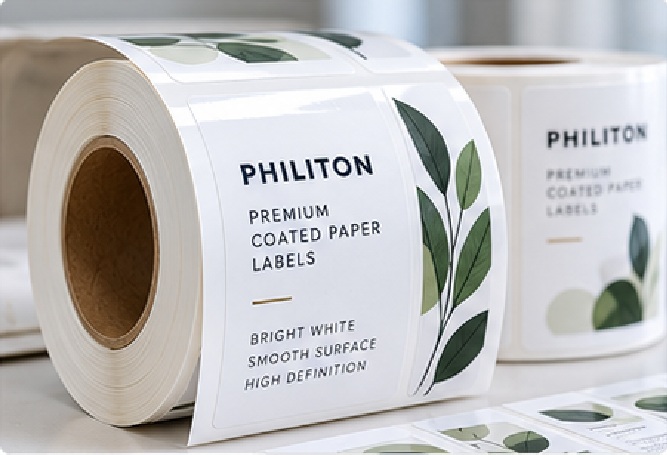
Coated Paper

Coated Paper

Coated paper is common for dry indoor packaging and cost-sensitive applications where moisture and abrasion are limited. It can print cleanly and support many decorative finishes, but paper is less forgiving around water, oil and repeated flexing unless protected. On curved containers, paper stiffness and label width require review. Philiton can pair coated paper with suitable permanent adhesive and protective varnish or laminate when the environment justifies it.

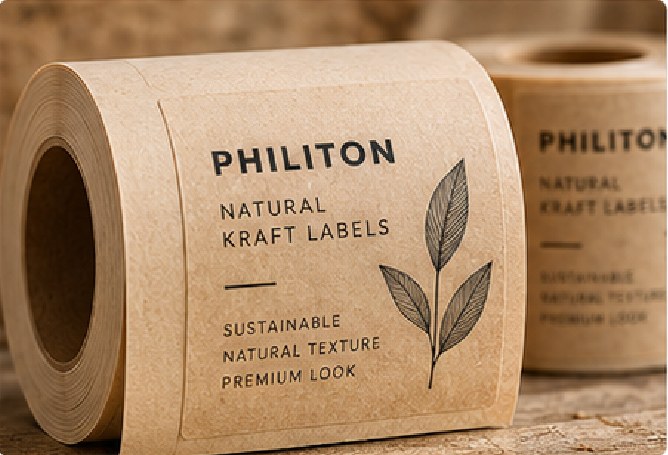
Uncoated And Kraft

Uncoated And Kraft

Uncoated, kraft and textured papers create a natural tactile appearance but absorb ink differently and can be more sensitive to moisture. Rough paper texture also changes print and finishing behavior. Philiton recommends real-stock sampling when fine text, foil, embossing or strict color appearance matters. Refrigerated, wet or oily applications need separate material and adhesive review rather than assuming a kraft appearance will also provide the required durability.

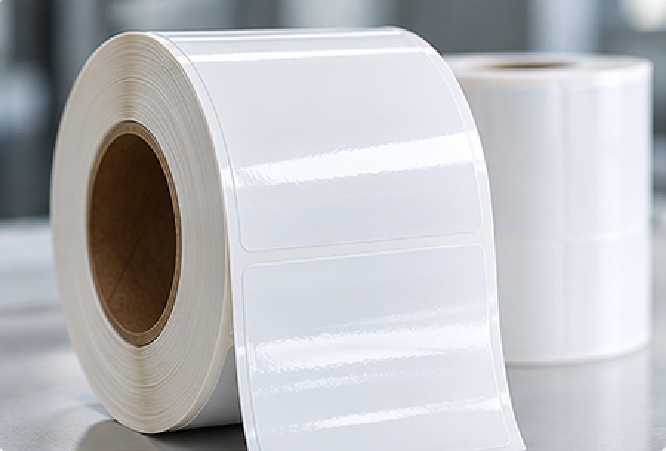
White BOPP

White BOPP

White BOPP is widely used for packaging where moisture resistance, clean graphics and a film surface are preferred. It can pair with permanent, LSE-oriented or other project-specific adhesives depending on the container. Flexible BOPP can also reduce spring-back on curved packages compared with stiffer materials. Philiton reviews bottle resin, radius, exposure, finishing and application process before approving the exact BOPP construction.

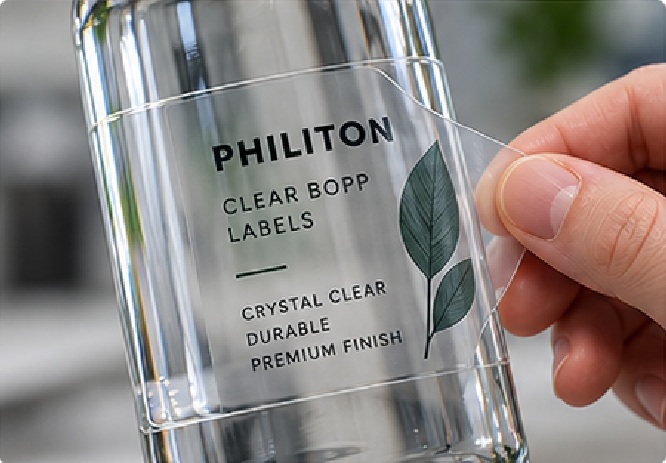
Clear BOPP

Clear BOPP

Clear BOPP supports transparent bottle graphics and no-label-look designs while providing better moisture tolerance than paper. The construction must control adhesive clarity, white ink, printing registration, dust and trapped air. Philiton can prepare clear film samples on the intended bottle and compare transparency, edge hold and print appearance. High-gloss packaging often reveals application defects more visibly, so clean packing and consistent application matter.

PET Film

PET Film

PET offers high dimensional stability and is useful for durable identification, clear labels, equipment labels, chemical applications and variable data. It is generally stiffer than very flexible PE, so small-diameter containers still need geometry review. Philiton can combine PET with permanent or high-performance adhesive and protective finishing. Final temperature, chemical and outdoor claims remain tied to the selected material code and project verification.

PE Flexible Film

PE Flexible Film

PE film is useful where the package squeezes, flexes or needs a more conformable label construction. It can move with LDPE or other flexible containers better than a rigid facestock. Philiton can evaluate flexible PE with LSE high-tack permanent adhesive for suitable plastic surfaces. Printing, die cutting, dispensing and liner behavior must also be considered because a very flexible facestock changes converting and automatic labeling performance.

Adhesive And Supporting Components Must Work Together

Adhesive performance depends on more than tack. Philiton combines adhesive chemistry, liner, protective layers and application format around the surface and environment.

Permanent Acrylic Adhesive

Permanent acrylic systems are a common route for glass, PET, metal, paperboard and many standard packaging surfaces. Their value is consistency across broad packaging uses, but permanent does not mean universal. Surface energy, texture, coating, temperature and contamination can still cause failure. Philiton selects the actual adhesive construction after the package surface and service conditions are defined, then uses samples or application testing where the risk is meaningful.

LSE High-Tack Acrylic

PP, PE and HDPE often need an adhesive designed to wet lower-surface-energy plastics more effectively. Philiton can evaluate LSE-oriented high-tack permanent acrylic systems with flexible BOPP, PE or other suitable films. Bottle texture, molding additives, curvature and cold application can change the result, so the same adhesive should not be treated as an automatic answer for every plastic container. Actual-surface trials remain the preferred approval basis.

High-Initial-Tack Hot Melt

High-initial-tack hot-melt systems can be useful for rough cardboard, corrugated surfaces, textured plastics or applications that need fast grab. They may also help where surface roughness prevents a lower-tack adhesive from building contact quickly. Philiton evaluates the complete use condition because heat resistance, removability, chemical exposure and long-term aging differ among adhesive families. Initial grab is only one part of the required performance profile.

Freezer Adhesive Systems

Low-temperature or freezer adhesive constructions are selected around both application temperature and final storage temperature. Condensation, frost and a wet package surface can still cause failure even when the adhesive family is designed for cold service. Philiton asks when labels are applied, whether packaging is dry, how soon the product enters cold storage and what substrate is used. Representative cold trials help confirm the complete construction before release.

Release Liner Control

The liner affects die cutting, dispensing, sensor detection and how smoothly the label leaves the backing at application. Glassine, paper and PET liners behave differently in tension, release and stiffness. A roll label can have the correct adhesive yet apply poorly when the liner, gap, web width or release behavior does not match the applicator. Philiton includes liner and roll data in the production specification rather than treating backing material as an invisible component.

Laminate And Varnish

Lamination and varnish protect print from water, oil, abrasion and handling, but they also change label stiffness, thickness and recyclability. A heavy laminate on a small bottle can increase edge stress even while improving surface durability. Philiton balances print protection with conformability and die-cut behavior. Oil-, alcohol- or chemical-exposure projects define the actual liquid, contact time and test method before the protective route is approved. Request Adhesive Review

Print And Logo Effects Without Sacrificing Performance

Brand graphics and premium finishes can coexist with reliable adhesion when the facestock, ink, protection, tooling and package geometry are evaluated as one construction.
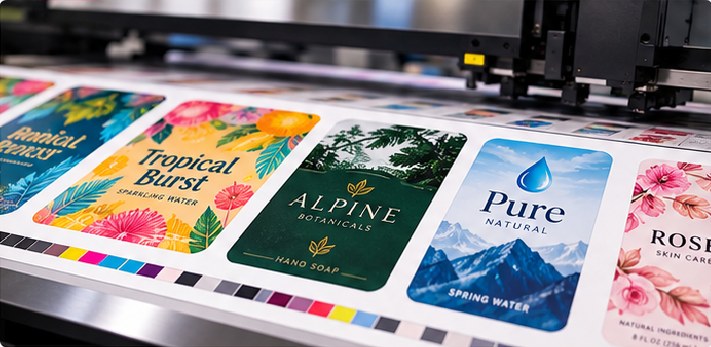
Digital CMYK Printing

Digital CMYK Printing

Digital printing is useful for short runs, multiple SKUs, launch quantities and frequent artwork changes because it avoids traditional printing plates for many projects. Philiton can use digital printing for proofing and production where the quantity and material fit. Adhesion still comes from the material and adhesive construction, not the print method. Final color, coating and label behavior should be approved on the intended stock.
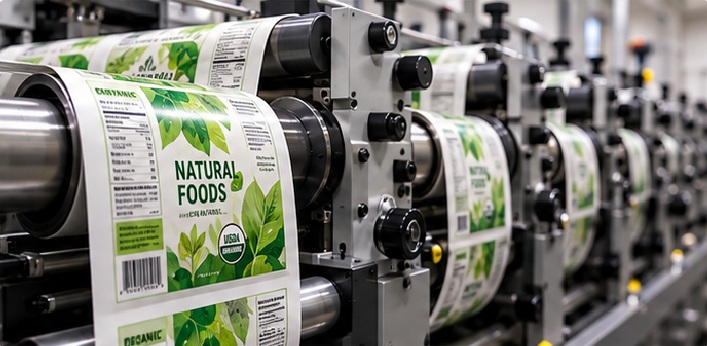
Flexographic Printing

Flexographic Printing

Flexographic printing supports efficient roll production, repeat programs and larger quantities with inline converting options. Plates, anilox, ink, substrate and registration are controlled as production variables. For adhesion-sensitive packaging, Philiton locks the approved facestock and adhesive together with the print setup so a later material change does not silently alter application performance. Roll direction, core and web specifications can be built into the same production route.
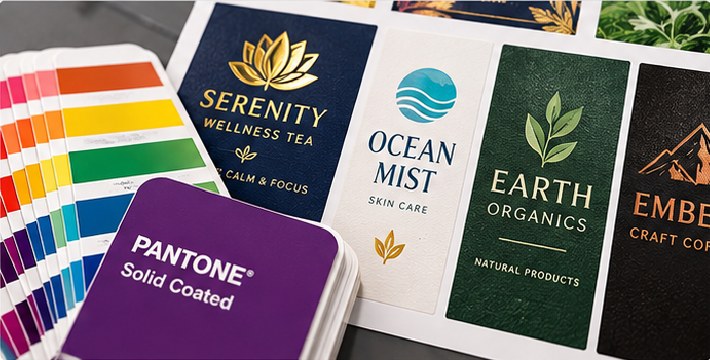
Pantone Spot Colors

Pantone Spot Colors

Pantone or spot colors can be managed as controlled color targets for brand-critical work. The visible result still changes with white, clear, kraft, metallic or textured substrates, plus laminate and varnish. Philiton therefore treats the approved physical result as the production reference where color sensitivity is high. Matching a brand color does not justify changing facestock or coating without checking whether the new construction also maintains adhesion and application behavior.
White Ink Layers

White Ink Layers

White ink is essential for many clear-film designs because CMYK alone remains transparent. Philiton can build white underprint layers to control opacity, contrast and no-label-look graphics. White ink placement, registration and curing are reviewed with the clear facestock and bottle color. The ink layer changes appearance but does not replace the need for suitable transparent adhesive, clean surfaces and controlled application on clear or high-gloss containers.
Screen And UV Printing

Screen And UV Printing

Screen and UV printing can create strong solid colors, opaque white, specialty effects and durable printed layers for suitable materials. The exact route depends on artwork, substrate and finish. Philiton coordinates curing, surface treatment and downstream converting so print performance remains compatible with lamination, die cutting and application. Heavy ink coverage or special coatings should be sampled when the label must remain flexible around small radii or squeezable packaging.
Foil Stamping

Foil Stamping

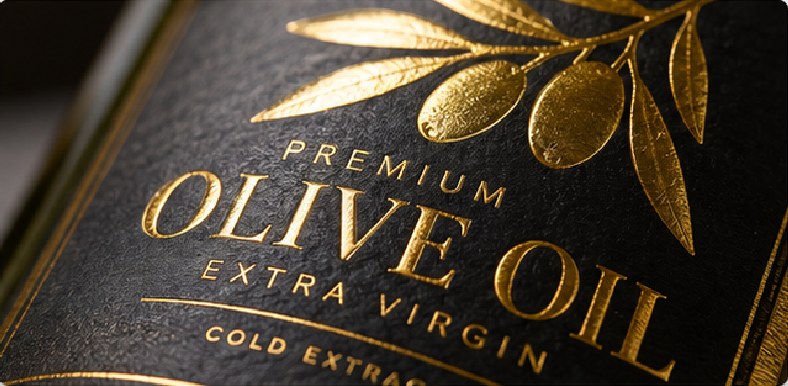
Hot foil or cold foil can add metallic logos, borders and premium accents. Foil requires suitable material, tooling, detail size and process control; complex curves and small bottle labels may also need stiffness review after finishing. Philiton recommends physical samples for fine foil, textured stocks and layered premium effects. The objective is to confirm visual detail, foil adhesion, registration and complete label behavior before production quantities are committed.
Emboss And Deboss

Emboss And Deboss

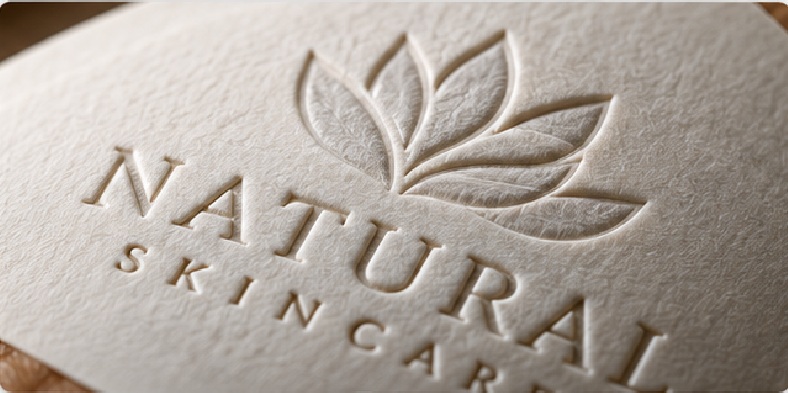
Embossing and debossing create tactile structure but can locally change stiffness, surface profile and die-line behavior. Deep relief close to an edge may be unsuitable for certain small or highly curved labels. Philiton reviews artwork location, material, embossing plate, label dimensions and package geometry before tooling. A production sample is recommended where the tactile effect could affect edge contact, automatic dispensing or the ability of the facestock to conform.
Variable Data Printing

Variable Data Printing

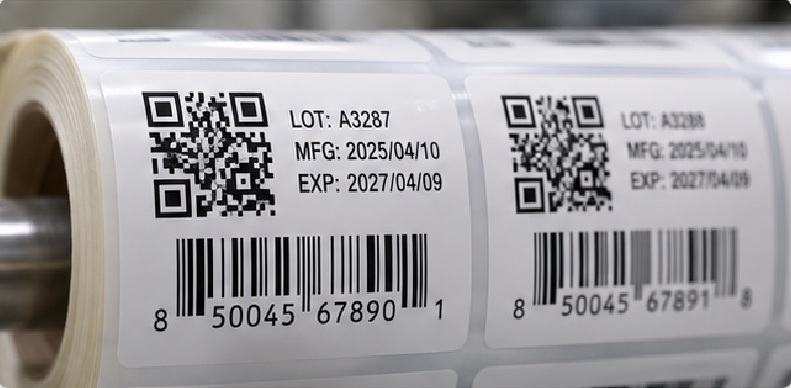
Barcodes, QR codes, serial numbers and other variable data can be combined with standard graphics for traceability and operations. Philiton controls source data, print batches, restart points, scrap, reprints and final verification according to project rules. For curved or small labels, code size and quiet zones must also be reviewed. Variable data adds information value but does not change the need for a proven adhesive and surface match.

Development, Sampling And Tooling Before Mass Production

Philiton turns a peeling problem into a controlled specification through artwork review, material trials, physical samples and approval gates before production is released.

Artwork, Dieline And DFM Review

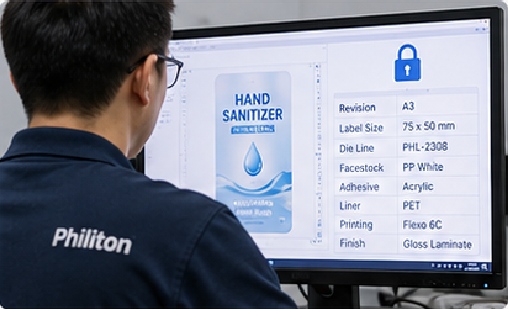
Development begins with the product, container and failure conditions, not artwork alone. Philiton reviews label dimensions, shape, bleed, safe area, white ink, barcode or QR placement, finishing zones and die line against the package geometry. For roll applications, unwind direction, inside or outside wound format, core, maximum roll diameter, gap, pitch, liner width, labels per roll and sensor marks are added when relevant.

If an existing label is peeling, photos of the failure, an unused roll, the container and any known material specification can shorten the investigation. The same graphic can behave differently when transferred from a flat carton to a small PP bottle or from a room-temperature pack to a freezer application. DFM therefore includes surface and environment inputs rather than checking only printability.

Minor artwork and layout revisions commonly remain separate from changes that require new physical tooling. A size change, die-line change, new foil plate, embossing plate, flexographic plate or special structure can add development cost and time. Philiton confirms the effect before the revised sample is produced.

Material And Adhesive Trial

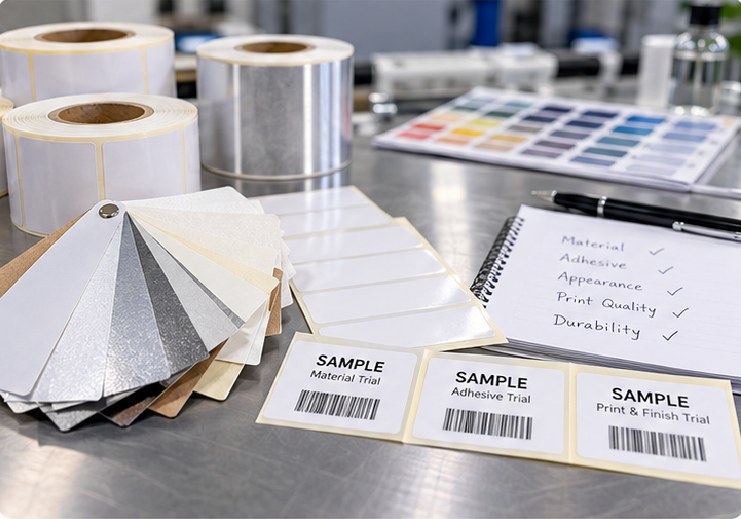
Philiton can begin with material swatches, blank adhesive trials, digitally printed samples or production-style samples depending on the risk. Standard digital printed samples are commonly supplied in small quantities, while application, line or durability testing may require more pieces. For many projects, around 10-50 pieces per design is enough for visual approval; 50-200 pieces may be more useful when several reviewers, application tests or environmental checks are involved.

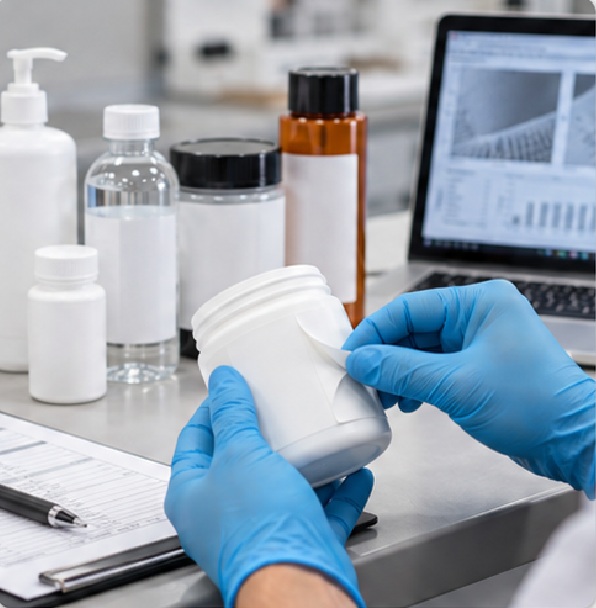
Adhesive screening should use the actual container or a representative surface whenever possible. The trial can compare one or more constructions under the same preparation and application conditions. For cold, oil, chemical or flexible-package projects, the intended exposure is added to the trial plan. A stronger adhesive is not automatically selected if geometry, contamination, facestock stiffness or application pressure is the main cause.

Sample fees depend on material, size, print method, tooling and special finishing. Blank or swatch options can be low cost; dedicated tooling, foil, embossing, security structures or RFID can increase development cost. The quotation confirms the actual route.

Approval, Tooling And Golden Sample

Mass production should not begin from a loose description such as “use waterproof film” or “make the glue stronger.” Philiton converts the approved route into a production specification covering material, adhesive, liner, artwork revision, die line, print method, finish, roll data, packing and quality points. Physical sample approval can be recorded together with PDF artwork, email or written confirmation according to the project workflow.

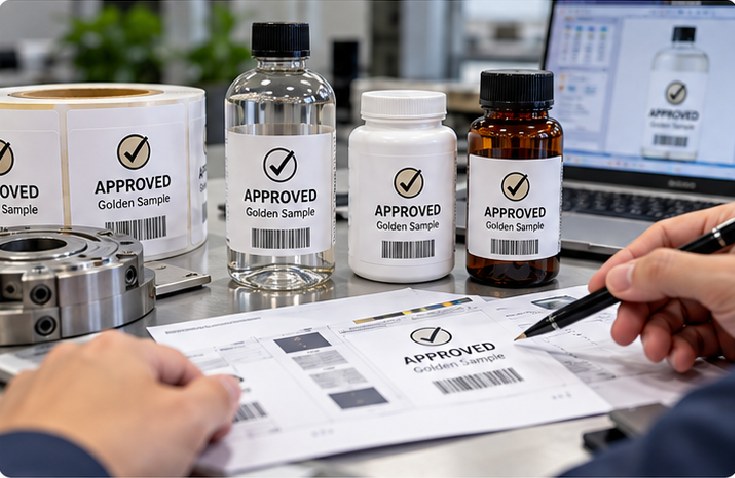
Complex finishing may require dedicated dies, flexographic plates, foil plates, embossing tools or other production tooling. Any change that affects those items is reviewed before production so cost and timing remain visible. For repeat, brand-color or technically sensitive programs, a Golden Sample can be retained as a physical reference for later batches.

Approved construction does not mean “never change again.” A new bottle resin, formula, storage route, applicator or destination-market requirement can justify revalidation. Repeat orders are reviewed against the previous specification rather than released blindly.

Start Sample Development

Sampling And Production Timing By Project Complexity

Stage Typical Timing Typical Use Important Condition
Material swatch / blank trial Project-based Surface feel or initial adhesion screening Stock availability and required material family
Digital printed sample About 1-3 business days Fast visual and short-run proofing Artwork and stock material confirmed
Standard finished sample About 3-5 business days Printed, die-cut label approval Standard material and normal finishing
Complex finish sample About 5-7 business days Foil, emboss, special die cut, screen or special stock Tooling and material availability
RFID / security / special structure sample About 5-10 business days Functional or security verification Inlay, material, encoding or tooling requirements
Standard production About 5-10 business days Many standard confirmed label projects Approved specification and required materials ready
Compatible rush production About 2-5 business days Urgent projects with available materials and mature process Capacity and specification reviewed case by case
Unchanged repeat production About 3-7 business days Reorders with stable artwork, material and tooling Materials available and no specification change

Production Controls That Protect The Approved Construction

Once the adhesion route is approved, Philiton controls material, artwork, converting and roll specifications so the production batch follows the tested reference.
Specification Lock

Specification Lock

The production file records the approved artwork revision, label size, die line, facestock, adhesive, liner, printing, finishing, roll configuration, packing and relevant test requirements. A vague sales note is not enough for technically sensitive work. Changes after approval are reviewed for their effect on tooling, material, adhesion and validation before they are released to the line.
Material Incoming Control

Material Incoming Control

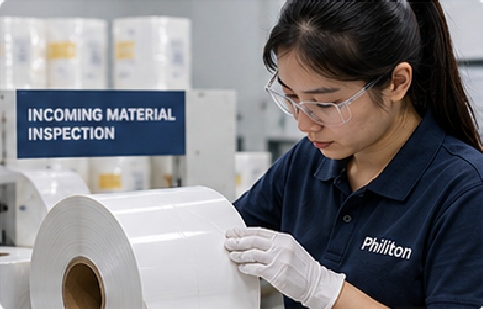
Base labelstocks, films, adhesives, foils and related materials are sourced from qualified external supply channels rather than manufactured as chemical raw materials by Philiton. Incoming control checks the project material against the approved requirement before production. Material identity, batch information and visible condition can be linked with production records where required, reducing the risk of an unapproved substitution entering an adhesion-sensitive order.
Printing Process Control

Printing Process Control

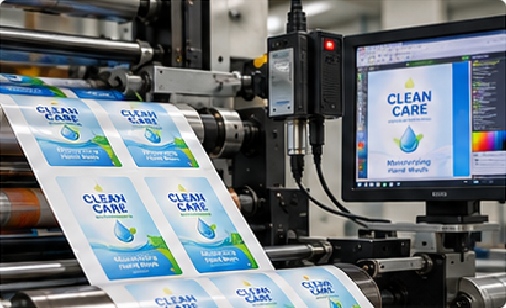
Digital, flexographic, screen, UV and other printing routes are selected around quantity, artwork, material and finish. Press settings, color targets and registration are controlled against the approved specification. Printing is separated from adhesion engineering: an attractive print result does not justify using an unsuitable facestock or adhesive. When a construction change is proposed for cost or availability reasons, application performance is reviewed before release.
Die Cutting And Waste

Die Cutting And Waste

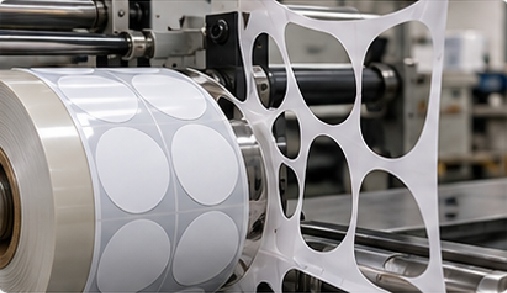
Die cutting defines the final edge condition and can influence lifting, especially on small labels, sharp corners and complex shapes. Philiton controls size, shape, cut position and waste stripping according to the die line. Rounded corners or geometry changes can be considered when edge stress is a known risk. Security, RFID and special structures also require cut paths that avoid damaging functional zones.
Slitting And Rewinding

Slitting And Rewinding

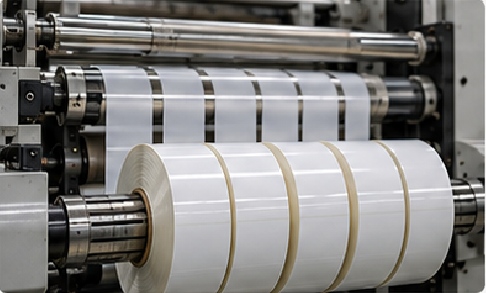
Automatic application depends on more than the label face. Philiton confirms unwind direction, inside or outside wound format, core, maximum roll diameter, gap, pitch, liner width, quantity per roll and sensor marks when required. Slitting and rewinding convert the printed web into a roll configuration compatible with the packing line, helping prevent application problems that could otherwise appear as adhesion failure.
Packing And Reorder Control

Packing And Reorder Control

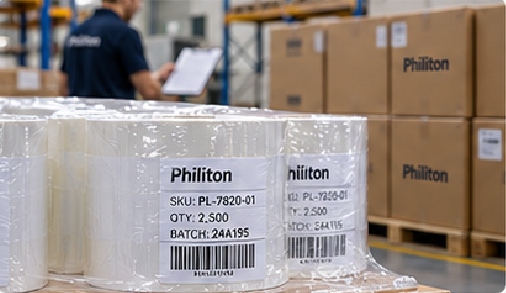
Finished labels are identified by SKU, quantity and batch as required. Rolls are protected against crushing, moisture, telescoping and unwanted unwinding. Repeat orders reference the approved artwork, material, adhesive, tooling and production parameters, then check for any changed quantity, package surface, environment or compliance requirement. Stable reorder control helps preserve the construction that was originally sampled and approved.

Test Adhesion Before Failure Reaches The Market

Philiton uses adhesion, release, visual and application checks to screen materials and verify production. Test conditions remain linked to the approved project specification.

Peel Adhesion Testing

Peel testing provides a controlled way to compare how strongly a label construction adheres to a defined surface after a specified application and dwell condition. Philiton has an internal path for peel-adhesion evaluation used in material screening, process decisions and quality work. Results should be interpreted against the actual substrate and method; one peel value cannot be treated as a universal guarantee for every bottle, temperature or surface treatment.

Loop Tack Testing

Loop tack helps compare initial grab, which can matter on rough surfaces, high-speed application or packages that move quickly into the next process. Philiton has an internal loop-tack test path for suitable projects. High initial tack is not always the only target: long-term hold, removability, temperature, chemical exposure and package recyclability may require a different balance. Material screening therefore looks at the complete use condition.

Shear And Holding Power

Shear and holding-power testing examine how the adhesive resists sustained load over time. These checks can help distinguish a construction that grabs quickly from one that also maintains cohesive hold. Philiton has internal testing paths for shear and holding power. Curved containers can create continuous peel or shear stress at the edge, so laboratory comparison is stronger when paired with an actual-container trial under the expected storage condition.

Release Force Control

Release force describes how the label separates from its liner before application. It matters for automatic dispensing, high-speed lines and thin or flexible materials. A construction can have suitable adhesive for the final package and still apply poorly when liner release is inconsistent. Philiton can evaluate release behavior together with roll direction, liner, gap, web width and applicator requirements, especially when peeling complaints appear only after a line-speed or material change.

Vision And Dimensional Inspection

Philiton’s quality route includes incoming, in-process, final and outgoing inspection. Vision inspection can be applied to continuous label production where the project setup supports machine inspection. Print, size, die cut, surface, variable data, barcode or QR, roll direction and packing can be controlled as project attributes. Adhesion-sensitive work adds the approved material and application requirement instead of relying only on visual appearance.

Environmental Application Validation

Water, oil, alcohol, chemicals, cold, heat, flexing and outdoor exposure change label behavior in different ways. Philiton can organize application validation around the named environment and actual package. UV Aging and Outdoor Weathering follow an outsourced test path in the current testing model, while multiple adhesion and production checks are available internally. Third-party or named-standard reports are confirmed according to the required method and document scope.

Packing Formats That Protect Finished Labels

Packing is part of production control. Philiton protects roll geometry, surfaces, SKU identity and shipment condition so approved labels reach the application line correctly.
Protected Roll Packing

Protected Roll Packing

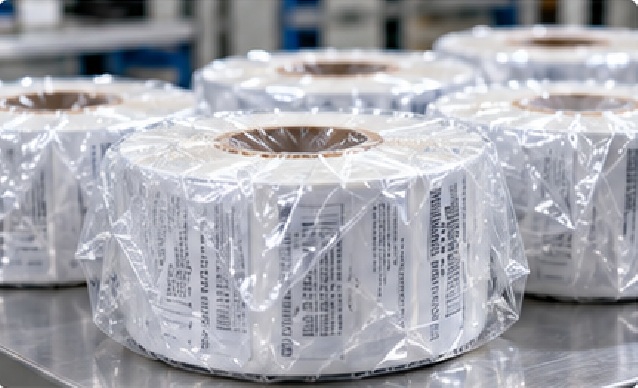
Roll labels are packed to reduce crushing, telescoping, dust, moisture and accidental unwinding. Inner bags, shrink protection or other suitable wrapping can be used according to the material and shipment route. Clear films and premium surfaces receive extra attention because scratches or contamination remain visible after application. Roll protection begins after rewinding and continues through carton loading and warehouse handling.
Core And Roll Diameter

Core And Roll Diameter

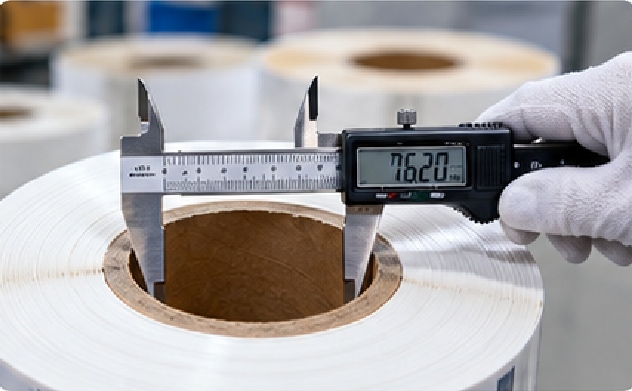
The core and finished roll diameter must match the applicator and packing requirements. Philiton can set core size, maximum roll diameter and quantity per roll according to the machine specification. Core selection is not based on label size alone. A mismatch can cause poor feeding, excessive web tension or line stoppage, so roll data is locked before mass production for automatic and semi-automatic applications.
SKU And Batch Identification

SKU And Batch Identification

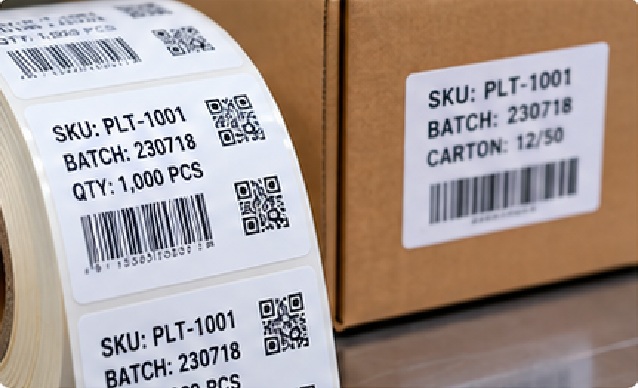
Multi-SKU programs need clear identification outside the roll, not only on the printed label. Philiton can separate artworks, quantities and packing information by SKU and batch. Carton or pallet rules can be aligned with receiving requirements when supplied in advance. Clear identification reduces the risk of the wrong label construction, artwork revision or quantity reaching a filling line, co-packer or regional warehouse.
Moisture Protection

Moisture Protection

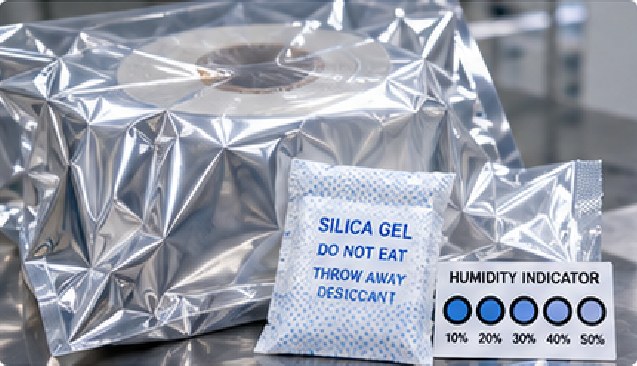
Paper, liner and finished rolls can be affected by humidity during storage or transport. Philiton uses appropriate inner protection and cartons based on the material and route. Freezer, clear-film and specialty-paper projects may have different packing priorities. Packaging cannot compensate for poor warehouse conditions, but controlled wrapping helps keep rolls clean, flat and ready for dispensing when they arrive at the application site.
Sheet And Piece Packs

Sheet And Piece Packs

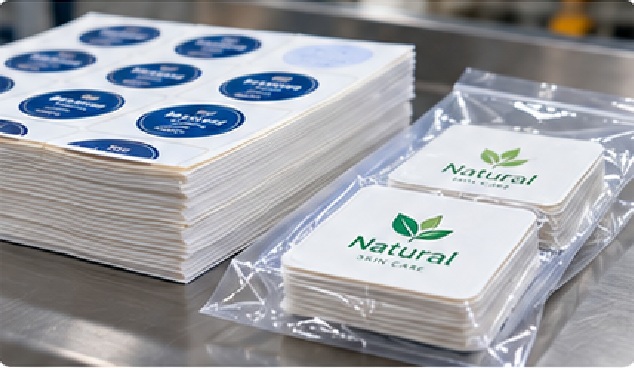
Some labels are supplied in sheets, stacks or individual die-cut pieces rather than rolls. Philiton selects the packing form around hand application, kitting, retail use or production requirements. Protective interleaving, inner bags or grouped packs can be used where surface finish is sensitive. The chosen format should avoid bending, edge damage or contamination that could interfere with later application.
Export Carton And Pallet

Export Carton And Pallet

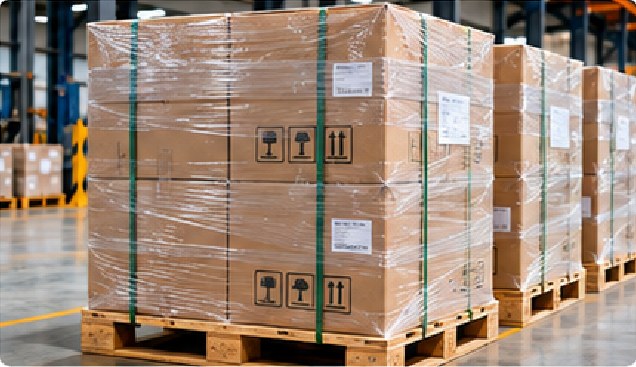
Courier, air and sea freight can be arranged according to shipment size, urgency and destination. Philiton can prepare cartons and pallets around SKU identification, receiving rules and shipment protection. Commercial terms and customs responsibilities are confirmed in the quotation. For direct warehouse or fulfillment delivery, receiving appointments, carton labels, pallet rules and other destination requirements should be supplied before packing is finalized.

Anonymized Representative Adhesion-Sensitive Project Records

The records below show how Philiton scopes comparable applications. Brand names, testimonials and unverified performance claims are not published without source evidence or authorization.
US Cosmetic Bottle Labels

US Cosmetic Bottle Labels

Region: United States. Industry: cosmetics and personal care. Project range: 10,000-50,000 pcs across roughly 3-8 SKUs. The representative construction used white or clear BOPP with permanent acrylic adhesive selected around PET, HDPE or glass bottles. Water, hand moisture and bathroom humidity created the main application risk. Philiton’s route is to confirm the bottle resin, build the white-ink layer for clear film where needed, apply physical samples to the actual bottle, and check edge lift, transparency, water exposure and rub resistance before production. Lamination can protect the printed surface, while roll direction and core are set for the applicator.
Canadian Freezer Food Labels

Canadian Freezer Food Labels

Region: Canada. Industry: frozen food. Project range: 20,000-100,000 pcs across roughly 2-6 SKUs. The representative material route uses BOPP or suitable moisture-resistant paper with low-temperature or freezer-oriented adhesive. The critical distinction is between the temperature when the label is applied and the temperature reached later in storage. Philiton’s review includes package surface, condensation, frost, labeling temperature and freezer cycle. Physical samples are applied to the intended pack and evaluated under representative cold conditions. QC covers adhesion, edge lift, dimensions, print, die cutting, roll direction, quantity per roll and moisture-protective packing.
US Lubricant Container Labels

US Lubricant Container Labels

Region: United States. Industry: automotive and lubricants. Project range: 20,000-200,000 pcs across roughly 5-20 SKUs. BOPP or PET is paired with an oil-resistant high-tack adhesive selected around HDPE, metal or other plastic containers, plus protective laminate or varnish where required. Oil, plasticizer migration, rough HDPE texture and warehouse temperature can weaken ordinary labels. Philiton’s representative route uses the actual container and named fluid conditions for application, wipe, exposure and edge-lift checks. Production QC includes oil resistance, adhesion, print rub, surface condition, die cut and size before roll packing.

Compliance And Documentation Stay Project-Specific

Philiton supports material, test and manufacturing documentation while keeping certification scope and legal labeling responsibility tied to the exact product, market and evidence.

Material And Test Documents

Material declarations, supplier documents, test reports and third-party testing can be coordinated when the project requires them. Food, cosmetics, chemicals, industrial products and other regulated applications may need different evidence. A report must correspond to the actual material, construction, test method and intended use. Philiton does not treat a document for one material or batch as automatic proof for every label product.

Certification Scope Control

Certification names such as FSC, UL, RoHS, REACH, ISO or other schemes are only used for a specific project when the relevant certificate, material, scope, issuing body and validity are confirmed. Availability of a material or process is not the same as factory-wide certification. Philiton can support project-specific sourcing and documentation review, but no blanket certification statement is applied where the evidence has not been archived and verified.

Legal Label Responsibility

Philiton can reproduce approved warnings, INCI lists, barcodes, product text, regulatory statements and other controlled artwork. The brand owner, importer, manufacturer of record or appointed regulatory adviser remains responsible for confirming the legally required content and market obligations. Philiton’s manufacturing role covers artwork control, material and process execution, inspection, testing support and traceability according to the approved project specification.

Philiton Manufacturing Facts Behind Adhesion Projects

Adhesion-sensitive work needs engineering, converting and quality resources that can continue from sample review into repeated production without changing the control logic.

Founded In 2016

Philiton has operated in custom labels, stickers, tags and specialty printing since 2016. The manufacturing model developed around customized specifications rather than stocked consumer stickers. Artwork, material choice, printing, finishing, die cutting, inspection and project management are coordinated as one production route, which is important when a peeling problem requires changes to several linked variables instead of a single off-the-shelf material swap.

Shenzhen And Dongguan

Philiton operates manufacturing facilities in Shenzhen and Dongguan with a combined manufacturing and operating footprint of more than 12,000 m2. The integrated setup includes printing, converting, finishing, sampling, QC, laboratory testing, warehousing and project support. Material base stocks are sourced from qualified external suppliers, while the manufacturing value comes from selecting, converting, printing, finishing and controlling the approved construction.

More Than 200 Employees

More than 200 employees support Philiton’s production, technical, quality, warehouse, sales and operating functions. Adhesion issues can require several disciplines at once: artwork and engineering for geometry, sourcing for material, production for process settings, QC for inspection, and laboratory staff for testing. A defined internal workflow helps keep those inputs attached to one specification rather than passing the problem between disconnected suppliers.

91 Core Professionals

Philiton’s confirmed core team includes 91 technical, skilled production and quality personnel combined. The group supports design and prepress, equipment operation, printing consistency, finishing, inspection and testing. The figure is used as a combined organizational fact, not as a claim that every project receives 91 people. Adhesion-sensitive work is routed to the relevant engineering, production and quality functions based on the required review.

Around 500 Pcs

Many standard custom label and sticker projects can begin from approximately 500 pcs, while the actual workable quantity depends on material, process, size, SKUs, finishing and tooling. The same manufacturing system can also support larger repeat programs. A manageable starting quantity is useful when a brand needs to validate a revised adhesive or label construction before committing to a much larger rollout.

Sample To Scale

Philiton supports the path from material and artwork review through sampling, approval, mass production, QC and repeat-order control. Digital printing can support short runs and multiple versions, while flexographic and other production routes can support larger recurring programs where suitable. The approved material, adhesive, die line, roll specification and quality points are retained as project controls so scale-up does not rely on memory or a generic label description.

Frequently Asked Questions About Label Peeling

HDPE and PP are lower-surface-energy plastics, so ordinary adhesives may not wet the surface sufficiently. Texture, molding additives, contamination and bottle curvature can make the problem worse. Philiton can evaluate flexible film with an LSE-oriented high-tack adhesive, then test the construction on the actual container before approval.
No. Peeling can come from surface contamination, a stiff facestock, small bottle diameter, wrong label shape, low application temperature, condensation or insufficient application pressure. Stronger adhesive may hide one symptom while creating cost, removability or recycling problems. Philiton first identifies the likely failure mechanism, then changes the construction or application variable that addresses it.
Yes. A freezer-oriented adhesive can still fail when it is applied below its minimum application temperature, placed on a wet or frosted surface, or moved into cold storage before sufficient bond develops. Philiton separates application temperature from service temperature and recommends representative package trials under the intended cold and moisture conditions.
Small diameters create continuous spring-back stress. A stiff facestock or an overly wide label can pull away even when the adhesive is suitable on a flat surface. Philiton reviews bottle radius, label dimensions, corner geometry, film flexibility and adhesive hold together. A more conformable film or revised die line can be more effective than increasing tack alone.
A clean, dry surface helps pressure-sensitive adhesive make full contact. Dust, oil, mold-release agents, moisture and fingerprints can reduce bonding. Cleaning only solves contamination; it cannot correct an incompatible adhesive or a geometry problem. Philiton asks how the container is molded, filled, stored and labeled so surface preparation becomes part of the full application review.
Yes. Actual containers or representative substrates are preferred for adhesion-sensitive projects. Philiton can use material trials, printed samples and application checks to compare candidate constructions. For freezer, oil, chemical or curved-surface work, the relevant exposure should be included where possible. Final performance claims remain tied to the tested surface, condition and approved label structure.
Visual approval may need only a small quantity. Standard printed samples are commonly supplied around 10-50 pieces per design, while application testing, multiple reviewers or environmental validation may justify 50-200 pieces. The right quantity depends on the number of SKUs, test plan, application line and approval team. Philiton confirms the sample route before production.
They can influence the complete construction. Lamination increases protection but can also add thickness and stiffness, which matters on small radii. Foil, embossing or heavy ink coverage can change local structure and converting behavior. Philiton samples layered finishes when geometry or material flexibility is critical, then checks appearance together with die cutting and edge hold.
For automatic or semi-automatic labeling, useful inputs include label size, unwind direction, inside or outside wound format, core, maximum roll diameter, gap, pitch, liner width, quantity per roll, perforation or black mark requirements and the applicator model or specification. Correct roll engineering helps the label contact the package consistently at production speed.
Send clear photos showing where the label lifts, the container material if known, label size, current facestock and adhesive if available, application method, application temperature, storage temperature, moisture or chemical exposure, time before failure, quantity per SKU and any existing label sample or roll. Philiton can then narrow the likely cause and recommend the next sample or test route.

Send Your Peeling Problem For Engineering Review

A useful adhesion review starts with evidence from the real package. Send the failed label, photos or current specification together with the conditions surrounding the failure. Philiton can compare the surface, geometry, material, adhesive, application method and environment before proposing a sample route. When a revised construction is needed, the same information can continue into artwork review, quotation, sampling, approval, production and QC without rebuilding the project from the beginning.

Please include:

  • Container or substrate material, plus photos of the application area.
  • Label size, shape and current material or adhesive if known.
  • Where peeling begins and how long after application it appears.
  • Hand or automatic application, with applicator specifications when available.
  • Application temperature, storage temperature and condensation or moisture conditions.
  • Oil, alcohol, chemical, outdoor or other exposure requirements.
  • Quantity per SKU, number of SKUs, destination and required delivery date.
  • Existing artwork, die line, failed labels or unused roll samples when available.

Get In Touch

  • Our team will answer your inquiries within 12 hours.

  • Your information will be kept strictly confidential.

Get a Fast Quote for Custom Labels & Stickers

We will contact you within 24 Hours, please pay attention to the email with the suffix“@philiton.com”. 
For all inquiries, please feel free to reach out at:

Ask For A Quick Quote

We will contact you within 24 Hours, please pay attention to the email with the suffix“@philiton.com”. 
For all inquiries, please feel free to reach out at:

Get a Quote Today!

We will contact you within 24 Hours, please pay attention to the email with the suffix“@philiton.com”.