Your Trusted Labels & Stickers Manufacturer from China!

Custom Food Labels Manufacturer for Brand Packaging

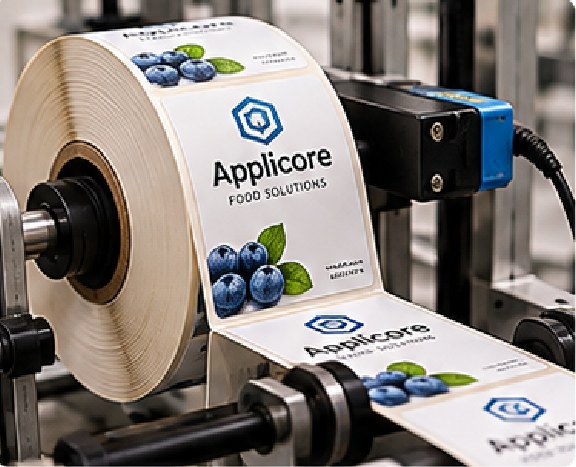
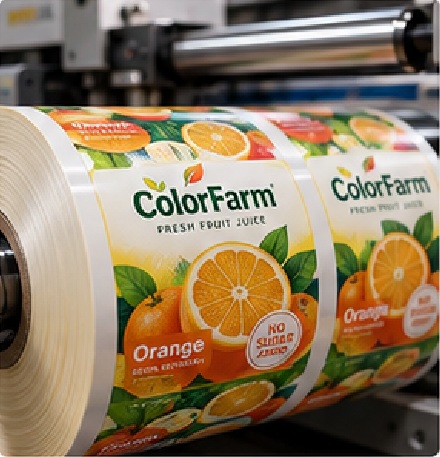
Food labels engineered around packaging surfaces, storage conditions, print requirements, application equipment, and repeat production.
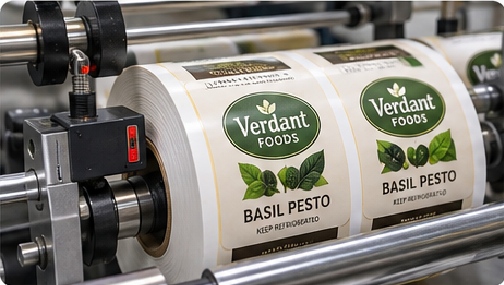
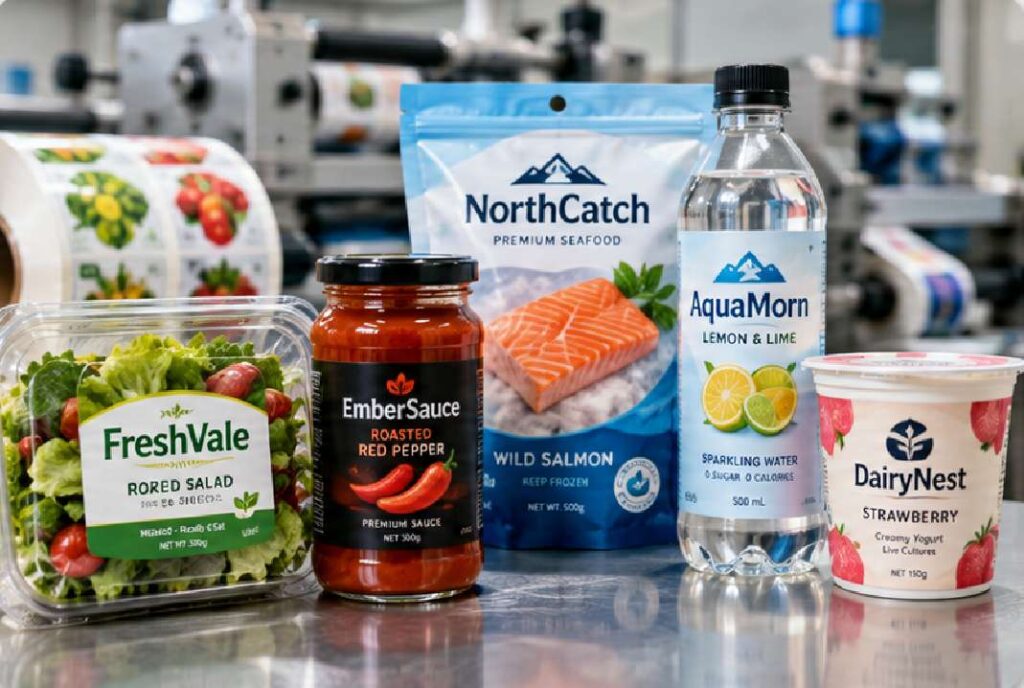
Philiton develops pressure-sensitive food labels from material and adhesive selection through artwork review, printing, finishing, converting, inspection, and shipment preparation.
  • Around 500 pcs for many standard projects
  • Digital short runs to flexographic scale production
  • 12,000+ ㎡ manufacturing footprint
  • Shenzhen + Dongguan production operations
Custom Food Labels Manufacturer for Brand Packaging

Start With Packaging Conditions, Not A Generic Label

Food labels perform reliably when the construction is chosen around the package, storage environment, production method, application equipment, information density, and required visual result rather than appearance alone.

Packaging And Use Conditions

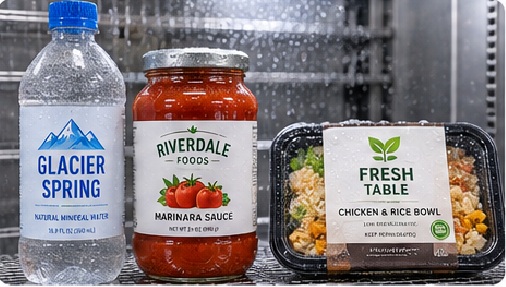
A glass jar stored at room temperature, a chilled dairy cup, an HDPE sauce bottle, and a frozen meal carton create different demands. Philiton reviews the container material, surface shape, storage condition, expected moisture or oil exposure, labeling method, and handling route before recommending a label construction. This prevents a visually attractive sample from becoming an adhesion or production problem after launch.

Material And Adhesive Route

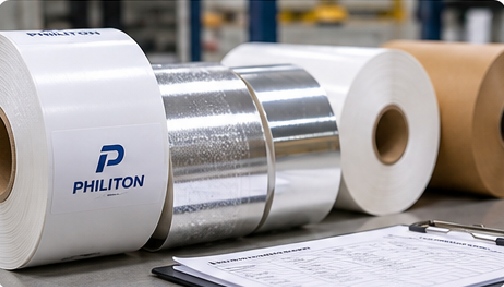
Facestock and adhesive are treated as one working structure. Paper, BOPP, PET, clear film, textured stocks, removable adhesives, permanent adhesives, and cold-service constructions each solve different problems. Philiton narrows the route according to surface energy, curvature, application temperature, service temperature, condensation, oil exposure, required lifespan, and whether hand or automatic labeling will be used.

Printing And Production Route

Order structure determines how the label should be produced. Digital printing is efficient for short runs, multi-SKU launches, frequent artwork changes, and variable data. Flexographic production becomes more attractive as repeat volume grows and artwork stabilizes. Screen, UV, foil, embossing, protective coatings, and other finishing steps are added only where they support opacity, durability, shelf impact, identification, or process control.

Food Label Programs For Different Operating Models

Philiton supports food label programs with different approval structures, SKU counts, production volumes, packaging lines, quality controls, replenishment schedules, and documentation requirements across the food packaging supply chain.
Food Brands And Retailers

Food Brands And Retailers

Established food brands need labels that protect shelf appearance while remaining stable across repeat batches, promotions, seasonal SKUs, and retail replenishment. Philiton can manage approved artwork versions, multiple materials and finishes, color targets, SKU identification, roll configuration, packing instructions, and repeat-order records. New products can begin with controlled short runs before moving to higher-volume production when demand becomes predictable. Retail-ready programs can also separate regional, language, flavor, and promotional variants while keeping one approved material and production framework where the specifications remain compatible.
Food Manufacturers And Co-Packers

Food Manufacturers And Co-Packers

Manufacturers and co-packers often focus on line compatibility as much as graphic quality. Roll direction, core size, gap, pitch, liner behavior, roll diameter, splice rules, and labels per roll can affect automatic application. Philiton can build these parameters into the approved specification, keep SKU and batch identification clear, and coordinate repeat production around packaging schedules and approved production references. For co-packing programs, carton identification, roll sequence, labels per roll, and version control can be aligned with the packing plan so similar SKUs remain clearly separated at receiving and during line changeovers.
Packaging And Procurement Teams

Packaging And Procurement Teams

Procurement teams need comparable specifications rather than vague claims. Philiton supports RFQs built around size, shape, material, adhesive, quantity, SKU count, printing method, finishing, roll or sheet format, packing, inspection, and delivery destination. Packaging teams can also provide actual containers or representative substrates for adhesion and application checks before bulk production, especially for cold, curved, oily, or low-surface-energy packages. When annual volume is known, Philiton can also compare short-run and scale-production routes so procurement can evaluate setup cost, repeat pricing structure, tooling, and replenishment lead time on one consistent specification.
Distributors And Print Partners

Distributors And Print Partners

Distributors, packaging companies, and print partners may manage many end accounts while requiring confidential production support. Philiton can work with multiple artworks, private project references, SKU-separated packing, blind or direct shipment arrangements when agreed, and NDA-based development for sensitive launches. Compatible SKUs can also be reviewed for combined production planning when they share materials, dimensions, finishing, and similar delivery timing. Confidential projects can keep end-brand details out of public references while still retaining controlled artwork, production, QC, packing, and shipment records needed for repeat ordering and internal traceability.
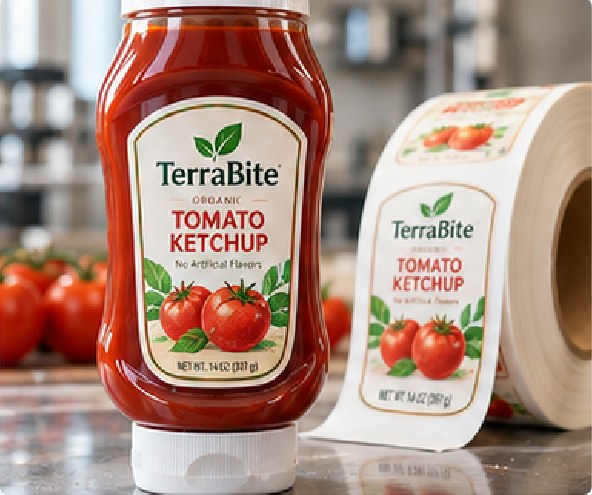
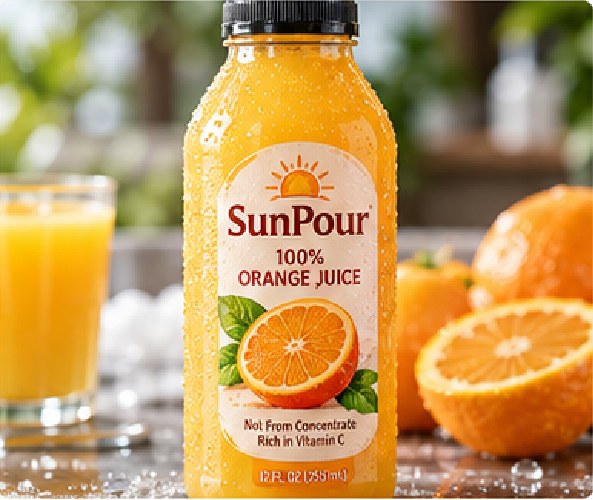
Food Label Formats For Real Packaging Applications

Choose the label format according to package shape, storage condition, application method, shelf presentation, information density, regulatory artwork, SKU structure, and replenishment model rather than category name alone.
Pressure-Sensitive Food Labels

Pressure-Sensitive Food Labels

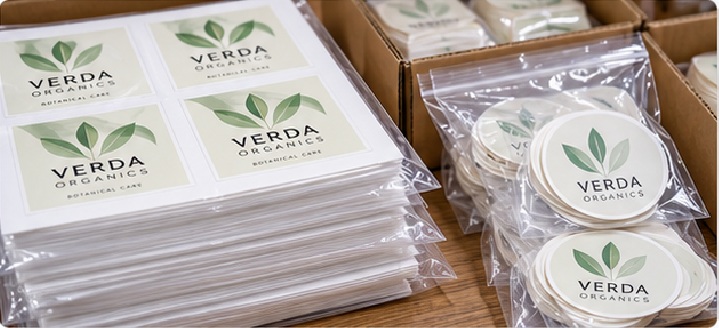
A versatile route for jars, bottles, tubs, cartons, pouches, and other food packages. Philiton can combine paper or film facestocks with an adhesive selected for the actual surface and environment. Pressure-sensitive labels can be supplied on rolls, sheets, or as individual pieces, with printing and finishing adjusted for hand application, semi-automatic use, or automatic labeling lines.
Bottle Food Labels

Bottle Food Labels

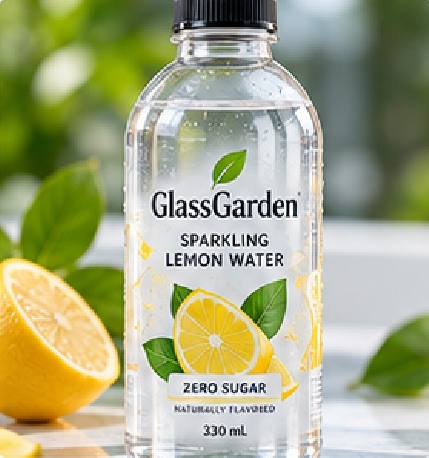
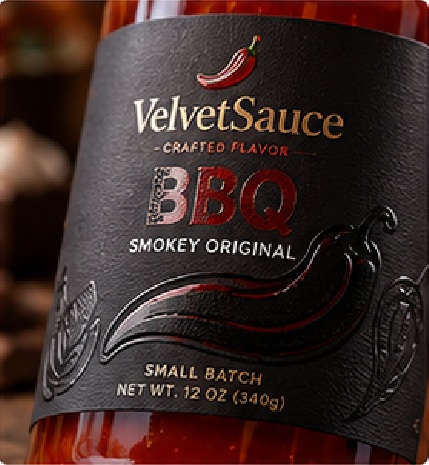
Bottle labels may need to follow small diameters, shoulder curves, condensation, repeated handling, or oily product exposure. Philiton reviews bottle material such as glass, PET, HDPE, or PP, then selects a facestock and adhesive route that balances conformability, stiffness, opacity, visual finish, and application method. Clear, white, paper, metallic, or specialty constructions can be evaluated.
Jar And Sauce Labels

Jar And Sauce Labels

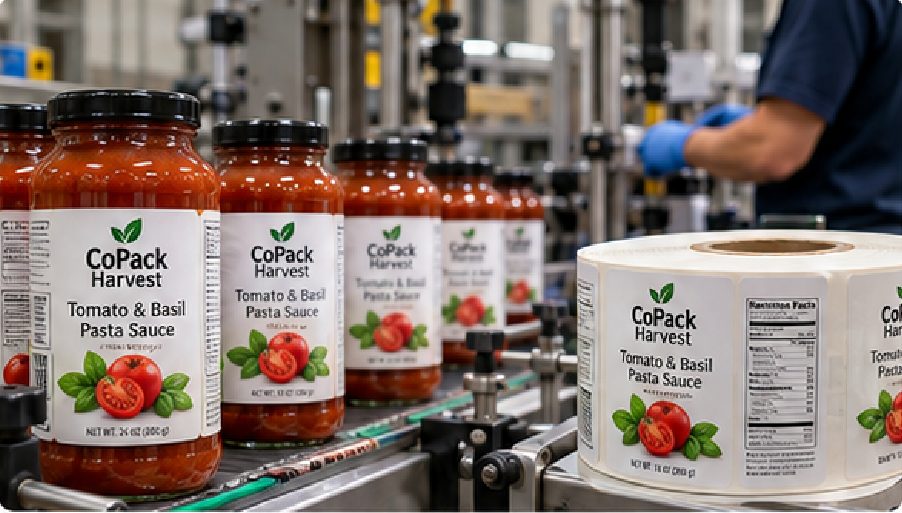
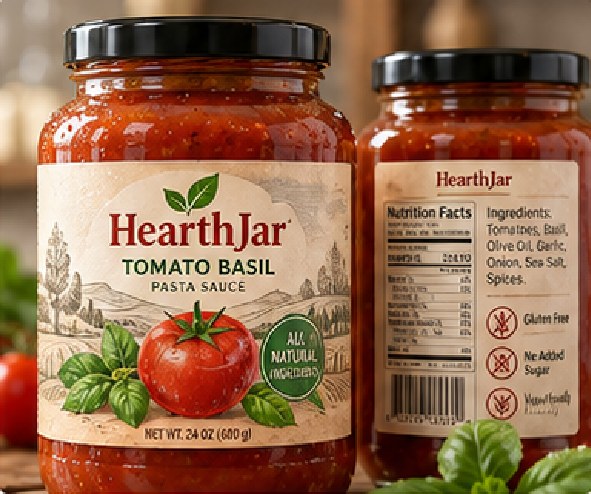
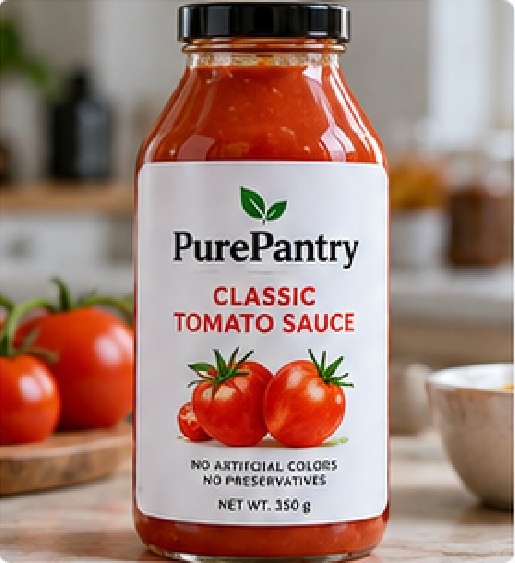
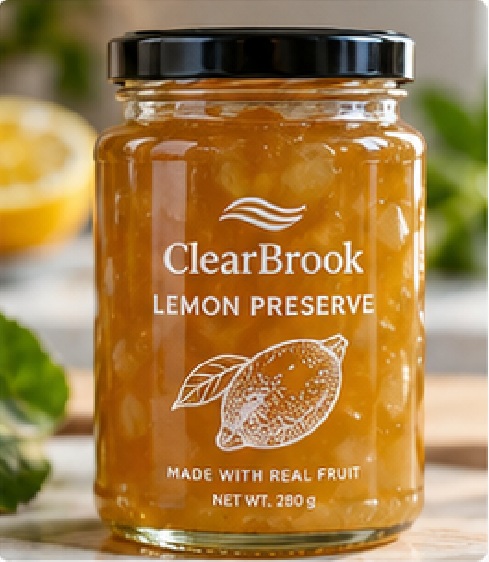
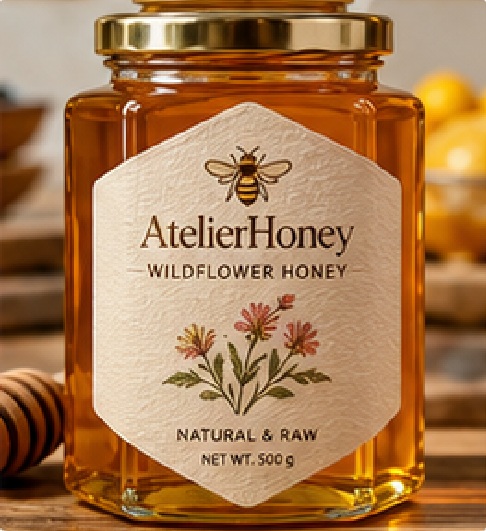
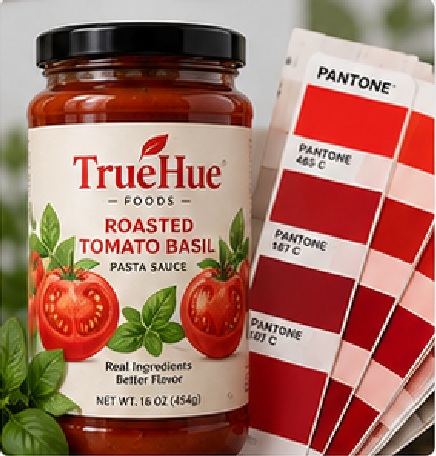
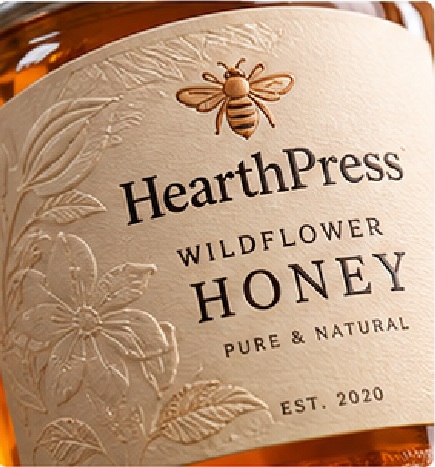
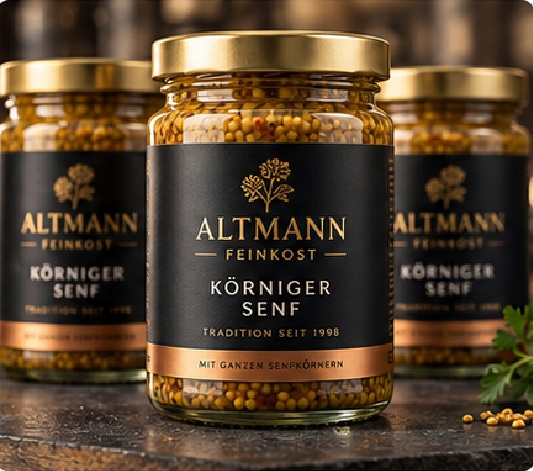
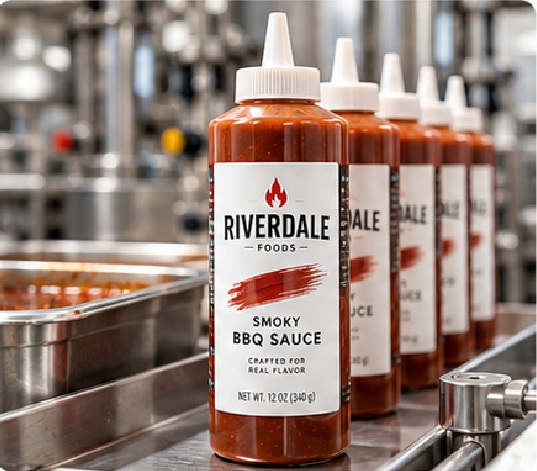
Sauce, jam, honey, condiment, and preserved-food jars often combine strong branding with frequent handling. Glass usually offers a stable surface, while curved walls, cold filling, water, oil, or product residue can change the requirement. Philiton can produce front, back, wraparound, tamper seal, barcode, and information labels with coordinated materials, finishes, and roll formats.
Frozen Food Labels

Frozen Food Labels

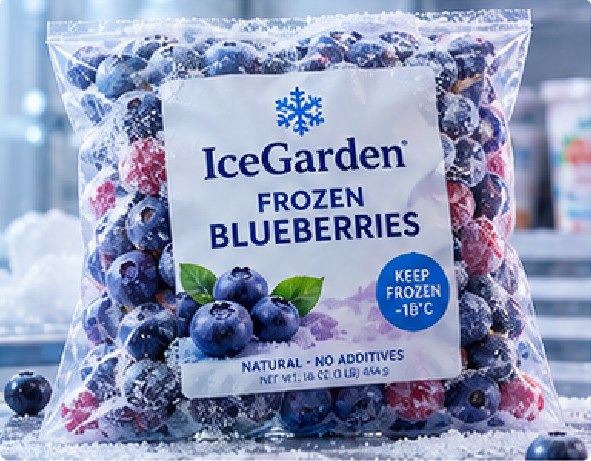
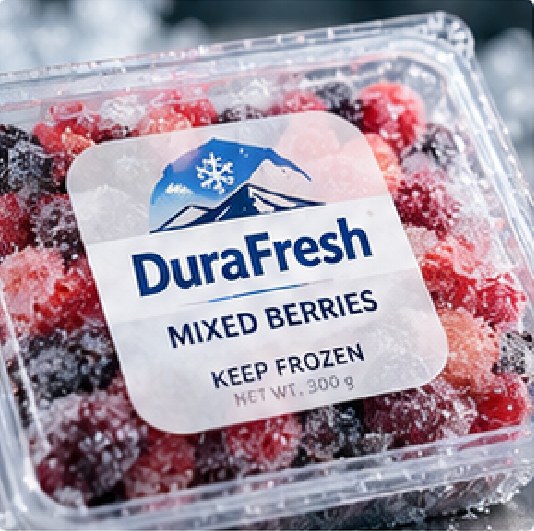
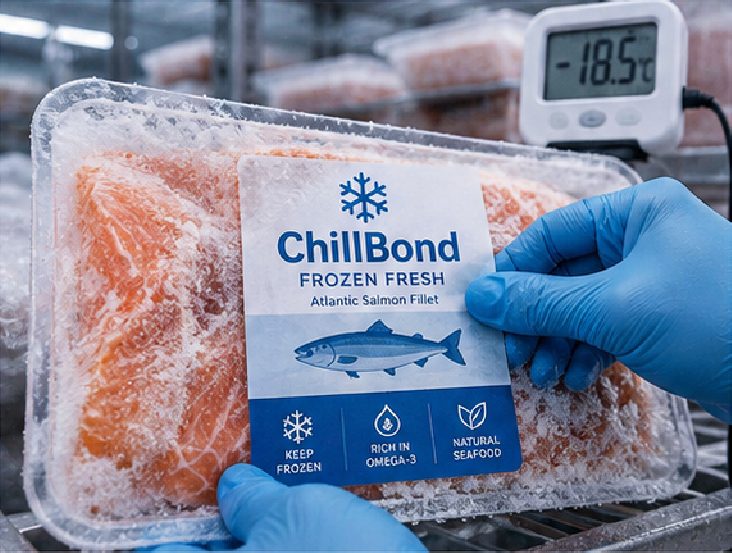
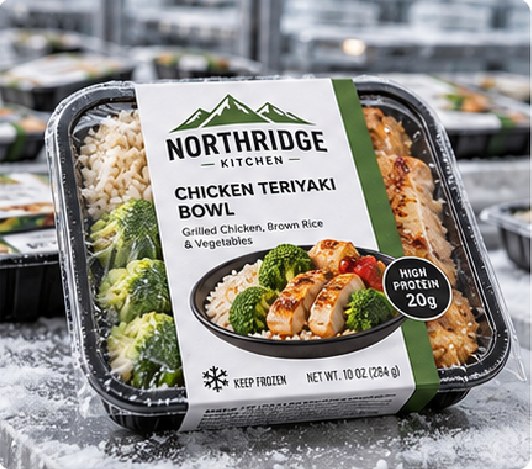
Frozen food applications require attention to when the label is applied, not only the final freezer temperature. Philiton reviews application temperature, service temperature, condensation, package surface, label stiffness, and storage handling. Film or paper constructions can be tested on representative packs before production, with adhesives selected for the defined cold-use route rather than described as universally “freezer proof.”
Refrigerated And Dairy Labels

Refrigerated And Dairy Labels

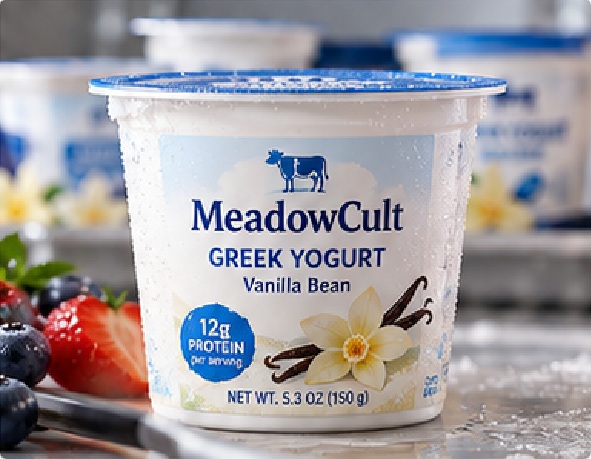
Chilled dairy cups, bottles, trays, and refrigerated foods may experience condensation, moisture, repeated refrigeration, and curved surfaces. Philiton can evaluate moisture-resistant films, protected paper structures, compatible adhesives, and laminate or varnish options. Roll specifications can also be set for filling or packing lines so visual requirements and automatic application conditions are controlled together.
Clear No-Label-Look Labels

Clear No-Label-Look Labels

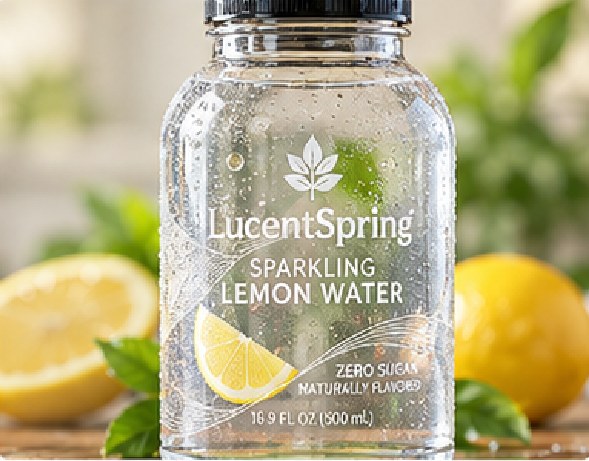
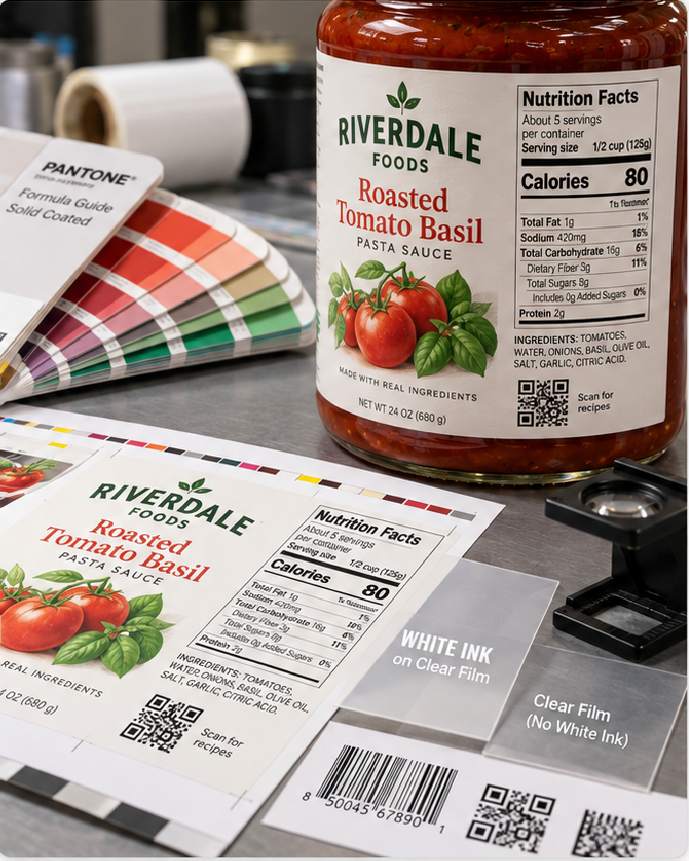
Clear films can create a direct-print appearance on transparent bottles and jars, but the effect depends on container clarity, adhesive appearance, white ink, artwork layering, and surface cleanliness. Philiton can prepare white-underprint areas, transparent graphic zones, reverse or surface printing routes where appropriate, protective finishing, and die cutting that preserves the intended no-label visual effect.
Paper Food Labels

Paper Food Labels

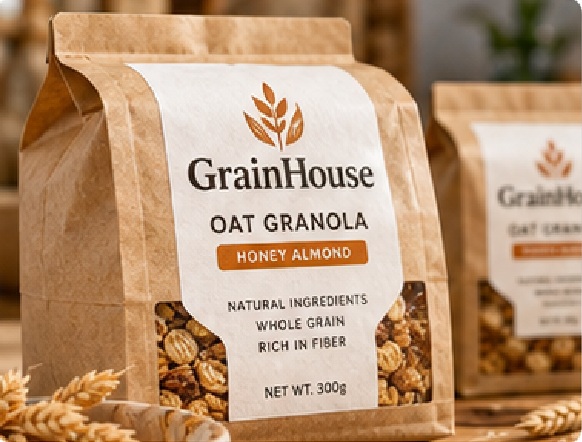
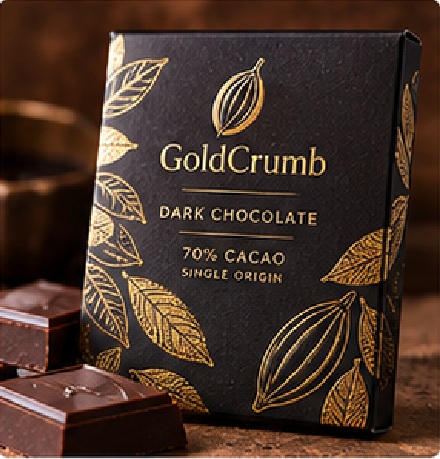
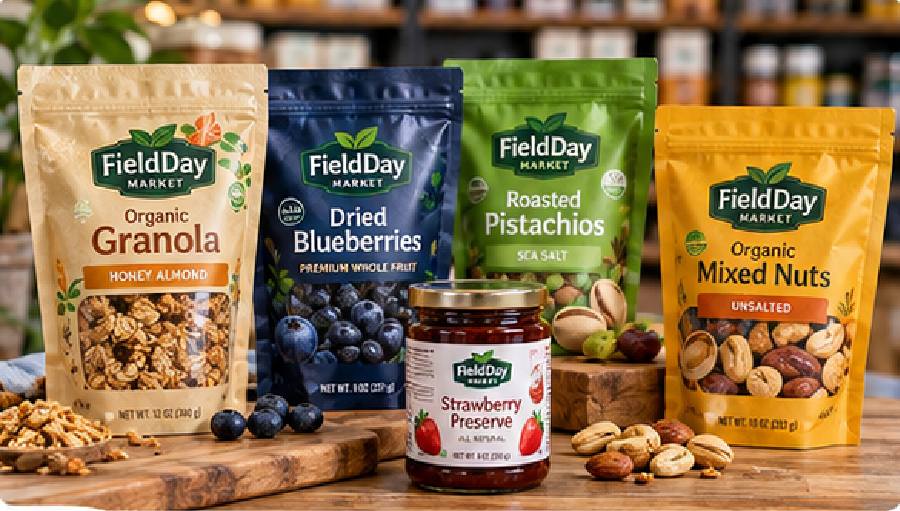
Coated, uncoated, kraft, and textured papers provide different tactile and visual results for dry foods, jars, premium pantry products, bakery packaging, and gift-oriented food ranges. Philiton matches print coverage and finishing to the paper surface, then considers moisture, oil, abrasion, and adhesive needs separately. Paper does not automatically provide water or oil resistance without an appropriate construction.
Oil-Resistant Food Labels

Oil-Resistant Food Labels

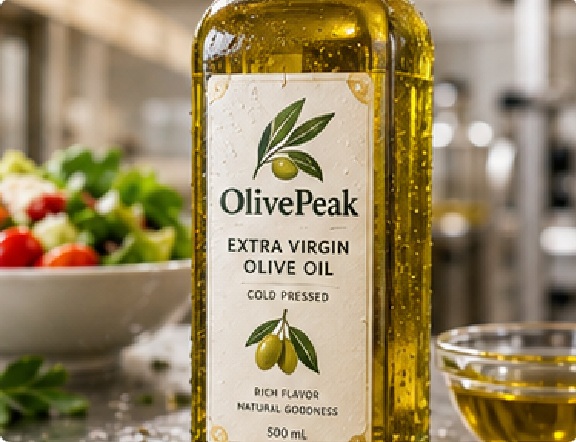
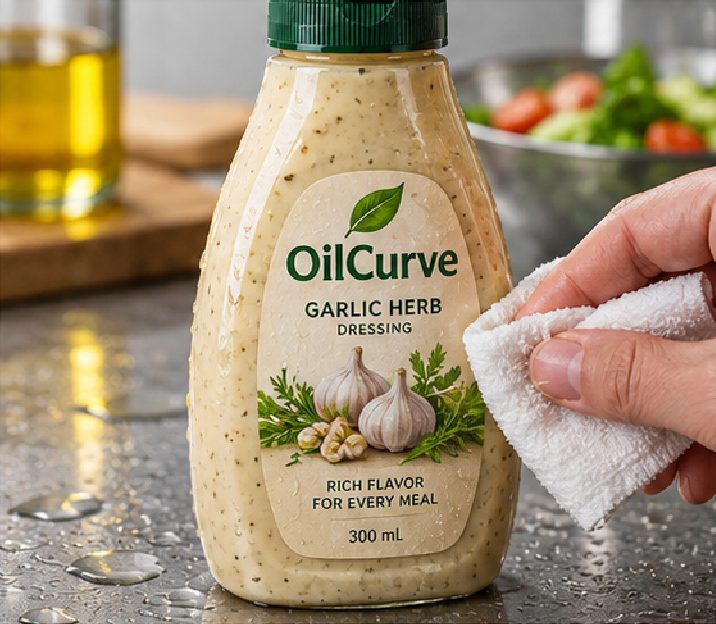
Cooking oils, sauces, dressings, nut products, and greasy food environments can challenge both print surfaces and adhesive edges. Philiton can evaluate film facestocks, selected adhesives, varnish or lamination, ink and foil adhesion, and container compatibility. Actual product or representative exposure testing is useful when oil migration, wiping, repeated handling, or HDPE surfaces are part of normal use.
Tamper-Evident Food Seals

Tamper-Evident Food Seals

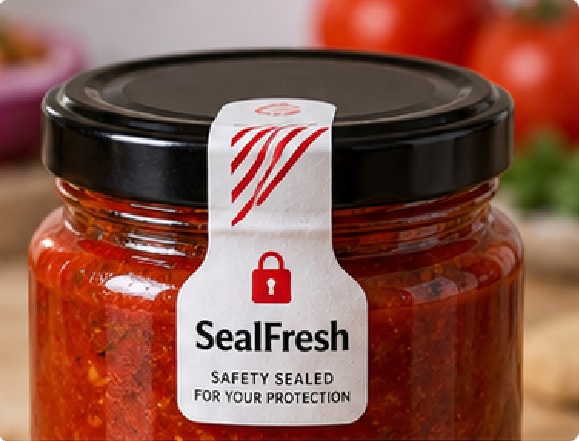
Tamper seals can be designed for lids, caps, cartons, jar closures, takeaway packaging, or promotional security. Structure may use destructible materials, VOID features, label geometry, perforation, or a simple closure seal depending on the risk and opening method. Philiton reviews where the seal must break, what evidence should remain, and how the seal will be applied during packing.
Barcode And Variable Data Labels

Barcode And Variable Data Labels

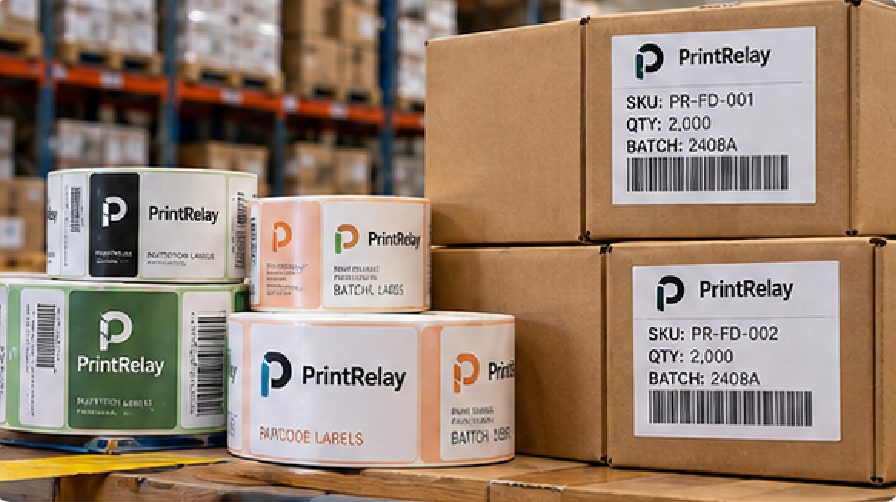
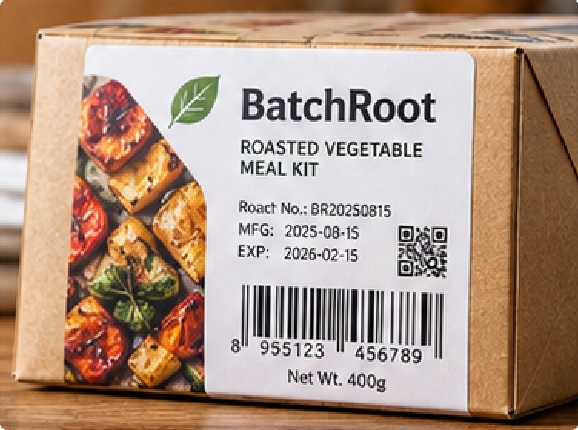
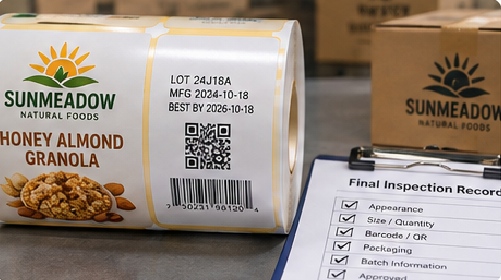
Food operations may require UPC/EAN barcodes, QR codes, lot or batch information, sequential numbers, coupons, authentication data, or unique codes. Philiton supports variable-data production and can verify readability according to the defined project method. Quiet zones, contrast, print gain, reflective finishing, curvature, code size, and artwork placement are reviewed before the data becomes a production file.
Automatic Roll Food Labels

Automatic Roll Food Labels

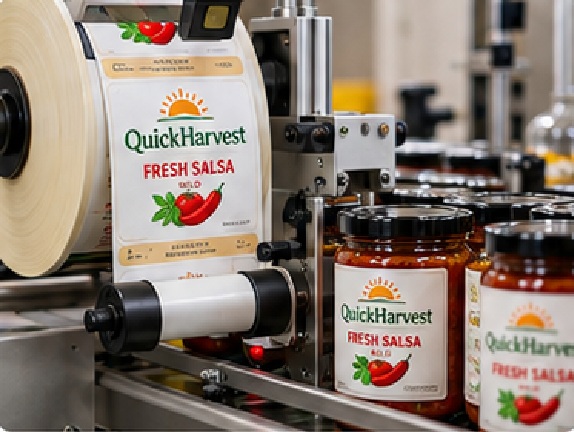
Roll labels for automatic applicators require more than artwork approval. Philiton can define unwind direction, inside or outside wound format, core, maximum roll diameter, labels per roll, gap or pitch, web width, liner, perforation, sensor marks, and splice requirements where relevant. Final settings are matched to the applicator and packing line rather than assumed from a generic roll-label standard.
Nutrition And Ingredient Labels

Nutrition And Ingredient Labels

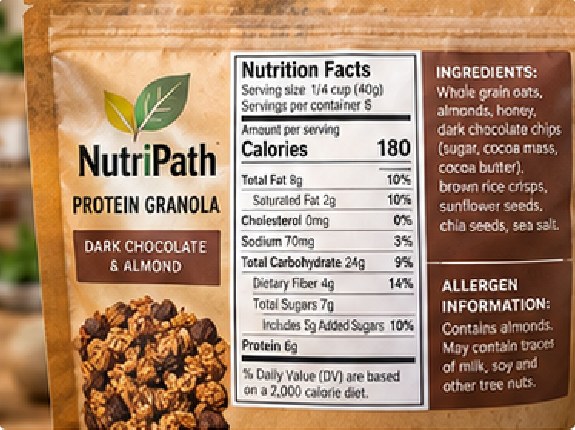
Nutrition panels, ingredient lists, allergen statements, preparation instructions, traceability data, barcodes, and legal text require controlled artwork reproduction and legibility. Philiton can review production feasibility, print contrast, small text, white ink support, dieline placement, and material behavior. The brand or legally responsible party remains responsible for confirming required content and market-specific wording before approval.

Food Label Application Matrix By Package And Environment

ApplicationSurface / ConditionMain RiskStarting StructureValidation Focus
Glass jars and pantry foodsGlass; ambient or chilledCondensation, curves, repeated handlingPaper or BOPP + suitable permanent adhesiveAdhesion, wrap, moisture, print rub
PET beverage or sauce bottlesPET; clear or colored bottleCondensation, curvature, visual clarityWhite or clear BOPP; selected adhesiveTransparency, white ink, edge lift, label stiffness
HDPE / PP condiment containersLow-surface-energy plasticPoor wet-out, oil, curvatureFilm + adhesive selected for LSE plasticActual-container adhesion and edge-lift test
Frozen meals / frozen pouchesCold storage; possible cold applicationLow application temperature, condensationFilm or protected paper + cold-service adhesive routeApplication temperature and freezer service test
Refrigerated dairy cupsChilled, humid handlingMoisture, condensation, frequent contactMoisture-resistant film or protected paperWet handling, adhesive, scuff, roll application
Oil and dressing bottlesOil exposure; HDPE, PET, glassOil migration, print rub, edge liftingBOPP/PET + selected adhesive + protective finishOil exposure, wipe test, print protection
Dry-food cartons and boxesPaperboard; ambientAbrasion, retail handling, recyclability goalsPaper or film according to finish targetRub, die cut, adhesive, visual match
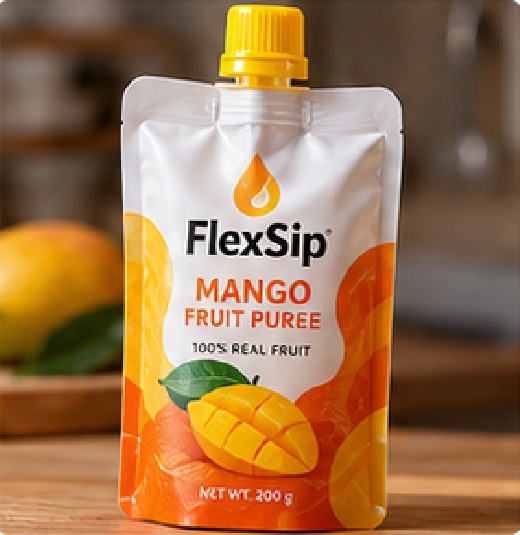
Flexible food pouchesFlexible film; hand or machine applicationWrinkling, movement, low stiffnessConformable film + compatible adhesiveFlex movement, bubble/wrinkle, adhesion

Food Label Materials Selected Around Use Conditions

Material choice controls appearance, stiffness, moisture response, print behavior, finishing compatibility, conformability, and cost, but reliable performance still depends on the adhesive, package surface, temperature, and application method.
Coated Paper

Coated Paper

Coated paper supports sharp graphics, barcodes, process color, and economical retail food labels. It fits many dry or ambient applications and can accept varnish, lamination, foil, or embossing. Moisture and oil resistance depend on the coating and protective construction, so Philiton reviews the package environment before using coated paper for chilled, greasy, or frequently wiped products.
Uncoated And Kraft Paper

Uncoated And Kraft Paper

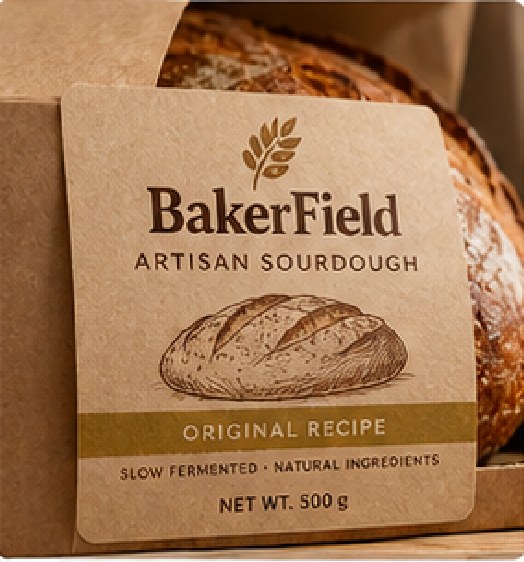
Uncoated, kraft, and natural-looking papers create a tactile appearance for bakery, artisan, organic-positioned, pantry, and gift-food packaging. Ink absorption, texture, fine lines, barcode contrast, foil coverage, and color density behave differently from coated stocks. Philiton recommends real-stock proofing when the paper itself is part of the brand look, especially with foil, embossing, or small typography.
White BOPP Film

White BOPP Film

White BOPP is widely used when moisture resistance, clean print surfaces, good conformability, and strong color are needed. It is suitable for bottles, jars, chilled foods, sauces, and many general packaging applications. Adhesive selection still depends on glass, PET, HDPE, PP, curvature, temperature, and product exposure. Lamination or varnish can be added where handling or abrasion requires protection.
Clear BOPP Film

Clear BOPP Film

Clear BOPP supports transparent graphics and no-label-look packaging on clear jars and bottles. The final appearance depends on adhesive clarity, surface cleanliness, artwork layering, white ink opacity, and the container behind the label. Philiton can separate transparent areas from white-backed graphics during prepress and review edge visibility, print density, and die-cut quality on the intended package.
PET Film

PET Film

PET offers dimensional stability and durability for applications where stiffness, abrasion resistance, higher service demands, or technical identification are important. It can support clear, white, metallic, barcode, and industrial-style food packaging labels. PET is not automatically required for every durable project; Philiton compares it with BOPP according to curvature, material thickness, cost, environmental exposure, and label size.
PE And Synthetic Films

PE And Synthetic Films

PE and other conformable synthetic materials can help when packaging flexes, squeezes, curves, or requires a softer label structure. Selection depends on printing compatibility, thickness, adhesive, and package movement. Philiton evaluates whether flexibility is more important than rigidity, especially for squeeze containers, irregular packs, or surfaces where a stiffer film could lift at the edges during use.
Metallic And Holographic Film

Metallic And Holographic Film

Metallic and holographic films can create reflective shelf impact or support security-oriented packaging, but they also affect color appearance, white ink planning, barcode placement, and readability. Philiton can combine metallic or holographic areas with opaque white, CMYK, varnish, foil, or controlled die cutting. Reflective surfaces near codes or fine legal text should be reviewed before final artwork approval.
Textured Specialty Paper

Textured Specialty Paper

Textured paper can make premium sauces, preserves, confectionery, tea, specialty foods, and gift ranges feel more distinctive. Texture influences ink laydown, fine detail, foil transfer, embossing definition, and barcode clarity. Philiton can proof the actual stock and simplify artwork details when needed. Moisture, oil, refrigeration, or repeated wiping should be addressed with the full construction rather than appearance alone.

Adhesive And Surface Engineering For Food Packaging

Adhesion problems usually come from a combination of package material, surface condition, geometry, temperature, application pressure, dwell time, moisture, oil, and storage environment rather than one strong or weak adhesive.

Start With The Actual Container Surface

Glass, PET, HDPE, PP, coated paperboard, flexible film, metal, and textured containers do not present the same bonding conditions. HDPE and PP are common examples of low-surface-energy plastics: a general-purpose adhesive may not wet the surface sufficiently, especially when the bottle is curved or the label is relatively stiff. Surface treatments, mold-release residue, oil, dust, moisture, and cleaning chemicals can change results again.

Philiton therefore asks for the actual package material and, for demanding programs, prefers an empty container or representative substrate rather than relying on a packaging photo. Label geometry is reviewed at the same time. A narrow wraparound label, a short front label, and a large label crossing a shoulder radius create different edge stress. Facestock stiffness and adhesive are selected together so one improvement does not create a new problem elsewhere.

For initial development, Philiton can compare candidate constructions on the real package and record which route provides acceptable tack, edge stability, removability or permanence, and visual appearance. The approved structure then becomes part of the project specification for repeat production. If the brand later changes the bottle resin, surface treatment, fill temperature, label dimensions, or storage route, the adhesive decision is reviewed again rather than assuming the original approval remains valid under a different application condition.

Separate Application Temperature From Service Temperature

A frequent source of freezer and refrigerated-label failure is confusing the temperature during application with the temperature during later storage. An adhesive may be suitable for cold service after full bonding but still fail when applied to a wet or very cold package below its minimum application condition. Condensation can create an additional barrier between the adhesive and container.

Philiton reviews when labeling occurs: before filling, after filling, at room temperature, in a chilled room, or directly on a cold package. The review also covers how long the label can dwell before the product reaches refrigeration or freezer storage. For frozen and chilled foods, actual or representative testing is more useful than relying on one generic “freezer adhesive” description.

Sample checks can include

  • initial tack
  • edge lift
  • wrinkling
  • moisture exposure
  • cold storage
  • recovery after temperature changes

If the packaging line uses automatic application, roll direction, liner release, label stiffness, gap, and application pressure are included because mechanical application can affect bonding as much as the adhesive grade. For programs moving between co-packers or filling sites, Philiton can record the approved application conditions so differences in line temperature, wipe-down practice, dwell time, or applicator setup are visible before a repeat order is released.

Plan For Oil, Moisture, Curves And Handling

Cooking oils, sauces, dressings, condiments, chilled beverages, dairy products, and meal kits may expose labels to oil, water, condensation, refrigeration, wiping, transport abrasion, and repeated handling. These conditions affect both sides of the construction: the adhesive must remain compatible with the container, while the printed surface may need varnish, lamination, or a more durable film.

Curved packages create another variable. A label that looks perfect while flat may develop edge lift when wrapped around a small diameter because the facestock continually tries to return to its original shape. Thicker materials, heavy foil or embossing, and large label areas can increase this stress. Philiton can reduce risk through material choice, label geometry, adhesive route, and representative application testing before production.

For oil or chemical exposure, performance should be confirmed against the actual product or a representative condition. A material described as durable in one environment should not be treated as universally resistant. The goal is a defined construction with a known package, known exposure, approved sample, and repeatable manufacturing specification. Protective finishing is reviewed separately from adhesive performance: a laminate may improve scuff resistance but also increase stiffness, while a softer film may follow a curve more easily. The final construction therefore balances surface protection, conformability, edge stress, shelf appearance, and converting efficiency as one system.
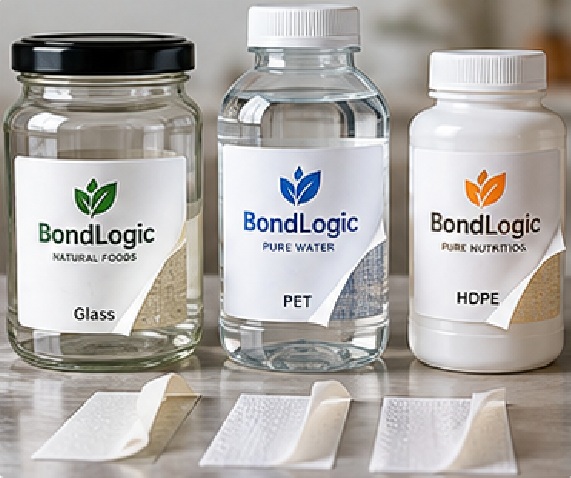
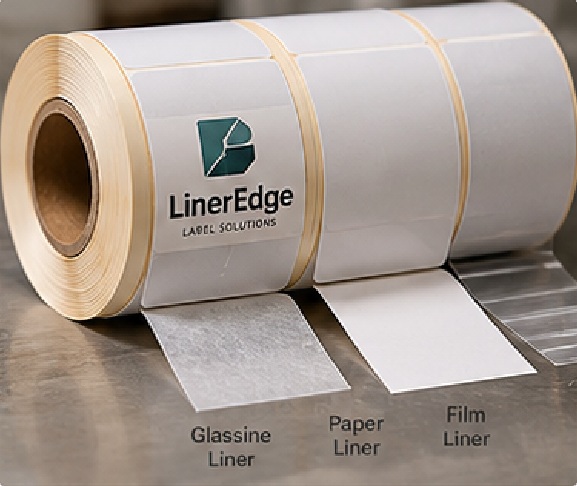
Auxiliary Materials And Converting Details That Affect Performance

Adhesive, liner, protective layers, finishing tooling, sensor features, and roll configuration often decide whether a finished food label runs smoothly in production, applies consistently, and remains stable after use begins.
Adhesive System

Adhesive System

Permanent, removable, low-surface-energy, cold-service, and other adhesive routes solve different packaging problems. Philiton does not treat adhesive as a hidden commodity. The specification records the selected structure and the application conditions used for evaluation so repeat orders can be compared against the approved route when the package, storage temperature, or supplier batch changes.
Release Liner

Release Liner

Glassine, paper, and film liners influence die cutting, dispensing, release force, web stability, and automatic application. The correct liner depends on label size, facestock, adhesive, roll speed, applicator sensor, and converting method. Philiton reviews liner choice together with gap, pitch, roll direction, core, and labels per roll instead of treating the liner as an afterthought.
Protective Lamination

Protective Lamination

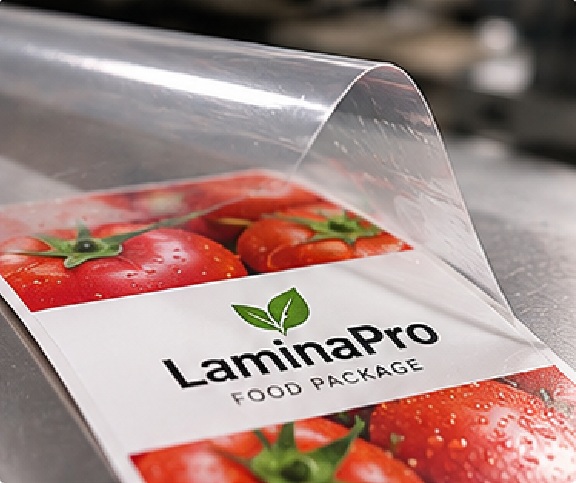
Gloss, matte, soft-touch, and other laminate structures can improve handling resistance and create a controlled surface finish. Lamination changes thickness, stiffness, reflectivity, and sometimes label conformability, so the effect must be considered on small-diameter containers or flexible packs. Philiton uses laminate when it adds useful protection or a defined visual result, not simply as a default premium upgrade.
Varnish And Coating

Varnish And Coating

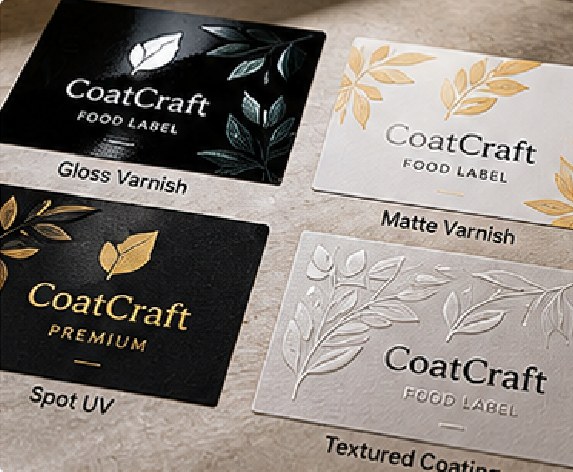
Gloss, matte, spot, protective, and specialty varnish routes can protect printed areas or create contrast without the structure of a full laminate. Varnish compatibility depends on ink, facestock, curing method, rub requirement, foil sequence, and later converting. Philiton selects the coating sequence according to the intended finish and validates critical rub, appearance, or adhesion requirements when the project needs them.
Foil And Emboss Tooling

Foil And Emboss Tooling

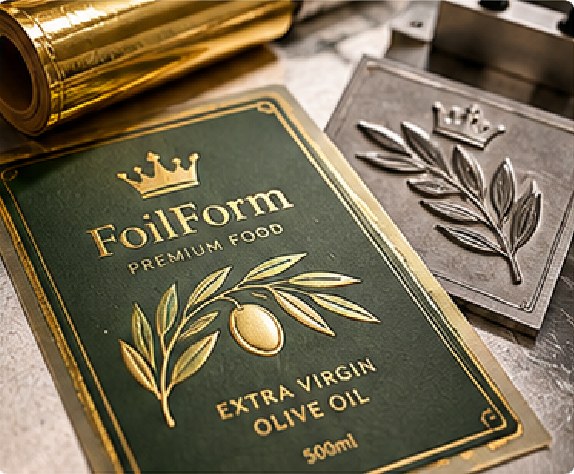
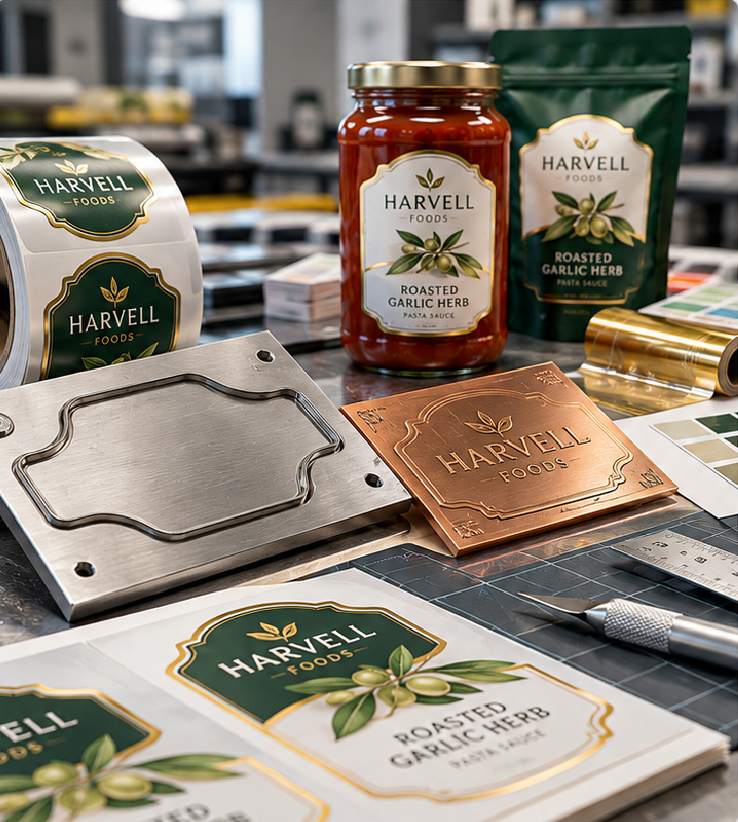
Hot foil, cold foil, embossing, debossing, and other dimensional effects may require dedicated plates, dies, or tooling. Fine lines, textured stocks, curved containers, and large solid areas can change the achievable result. Philiton reviews the artwork before tooling so metal accents and tactile features are positioned where they can be manufactured consistently and retained for repeat orders when conditions allow.
Roll And Applicator Details

Roll And Applicator Details

Core size, unwind direction, inside or outside wound format, maximum roll diameter, labels per roll, web width, gap or pitch, perforation, black mark, and splice rules can become critical “accessories” to automatic labeling. Philiton records the settings in the production specification so the finished labels arrive ready for the intended equipment rather than only looking correct on a flat inspection table.

Choose A Printing Route By Quantity And Artwork Structure

Printing RouteTypical Quantity / FitBest UseMain StrengthKey Watchpoint
DigitalAbout 500-20,000+ pcs/SKULaunches, multi-SKU, frequent artwork changesLow setup, fast changeover, complex graphics, variable dataVery large stable runs may have better economics in flexo
FlexographicAbout 10,000-1,000,000+ pcs depending on structureStable repeat volume and roll productionHigh roll productivity and lower unit cost at scalePlate, setup, color control, and changeover must be planned
ScreenAbout 500-50,000+ pcs depending on projectOpaque white, thick ink, specialty effectsStrong ink deposit and specialty coverageFine detail, drying/curing, and added process steps
UV PrintingAbout 500-100,000+ pcs depending on constructionFilm labels, white ink, varnish, high visual impactFast curing and strong print presentationMaterial surface treatment and curing compatibility
Variable DataAbout 500 to millions depending on carrier processUnique QR, serial, batch, coupon, personalizationEvery label can carry controlled unique informationDatabase accuracy, duplication, omission, and verification rules
Hybrid / Combined RouteProject specificPrograms combining digital flexibility with conventional finishing or volumeBalances artwork variety, effect, and production economicsProduction sequence and cross-process color/registration control

Brand And Logo Effects Built For Production Repeatability

Logo impact comes from controlled ink, opacity, texture, reflection, tactile depth, and registration. Philiton selects effects according to artwork, material, quantity, package shape, and repeat production needs.
CMYK Process Printing

CMYK Process Printing

CMYK supports photography, gradients, illustrated ingredients, product imagery, and complex multi-color packaging graphics. Philiton manages artwork resolution, ink coverage, material color, and proof expectations before production. The same artwork can appear different on white film, clear film, coated paper, kraft, or metallic stock, so color approval should be connected to the chosen substrate rather than judged only from a screen.
Spot And Brand Colors

Spot And Brand Colors

Stable brand colors can be managed through defined spot-color targets, process simulation, or conventional ink routes according to quantity and printing method. Philiton reviews whether exact brand matching, visual consistency, or commercial efficiency is the priority. Critical colors should be approved against the intended material and finish because lamination, varnish, metallic stock, texture, and white ink can change perceived color.
Opaque White Ink

Opaque White Ink

White ink is important on clear, metallic, and colored materials where graphics need opacity or controlled color. Philiton can build separate white layers for logos, nutrition information, ingredients, barcodes, or selected image zones. White coverage must be planned during prepress because too little changes color density, while unnecessary full coverage can remove the transparent or metallic effect the artwork was designed to show.
Hot And Cold Foil

Hot And Cold Foil

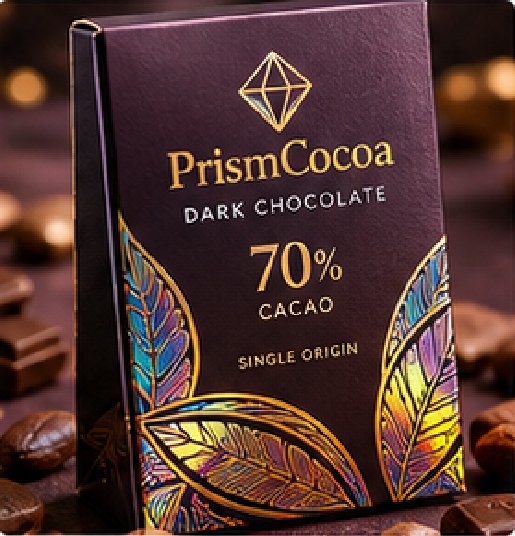
Metallic foil can create focused shelf impact on logos, borders, seals, flavor names, or premium product cues. Hot and cold foil use different production routes and can be combined with paper or film structures where suitable. Philiton reviews minimum detail, solid coverage, registration, paper texture, laminate sequence, and package curvature before tooling or proofing so the accent remains repeatable in production.
Emboss And Deboss

Emboss And Deboss

Embossing and debossing add tactile depth to logos, crests, premium marks, or selected graphic areas. The result depends on material thickness, texture, artwork size, tooling, backing, and later application. Philiton evaluates whether the label will remain flexible enough for the package after embossing and whether raised or recessed areas could interfere with small text, barcodes, foil registration, or tight curves.
Spot And Raised UV

Spot And Raised UV

Spot UV creates gloss contrast, while raised UV adds visible and tactile height to selected elements. Both can be effective for logos, patterns, product names, or premium details when the label area is suitable. Philiton plans coating thickness, registration, curing, material, and any laminate or foil sequence together so the effect supports the design without creating excessive stiffness or production complexity.
Matte And Gloss Contrast

Matte And Gloss Contrast

A matte base with gloss highlights can create strong visual hierarchy without adding metal or heavy tactile tooling. Matte laminate, matte varnish, gloss varnish, and spot gloss can be combined according to the material and print route. Philiton uses the contrast to separate logos, flavor cues, patterns, or information zones, while checking rub resistance, scuff behavior, curvature, and application requirements.
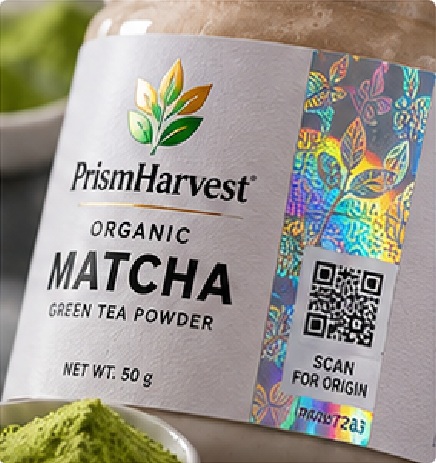
Holographic And Security Effects

Holographic And Security Effects

Holographic film, security patterns, destructible features, VOID structures, unique codes, and serialization can support premium presentation or product protection. Philiton can integrate visible effects with printing, white ink, variable data, die cutting, and verification where required. Authentication claims, RFID or security performance, and any controlled data logic are confirmed at project level rather than treated as automatic features of a decorative holographic label.

Artwork Development, Prepress, Plates And Tooling

A food label becomes production-ready only after artwork, dieline, color layers, finishing layers, codes, roll requirements, and revision status are translated into a controlled manufacturing file.

Convert Brand Artwork Into A Manufacturable Dieline

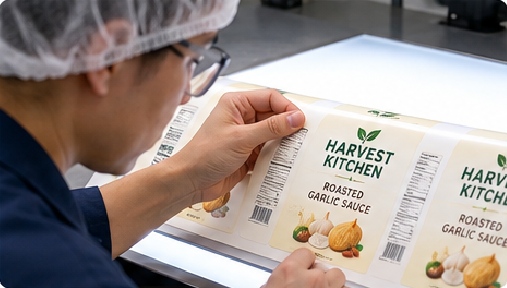
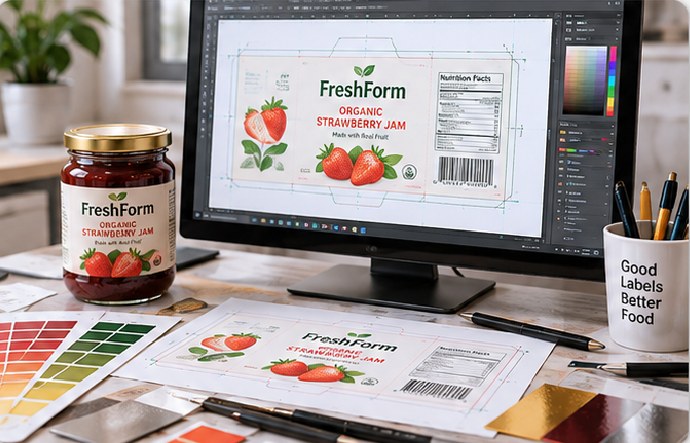
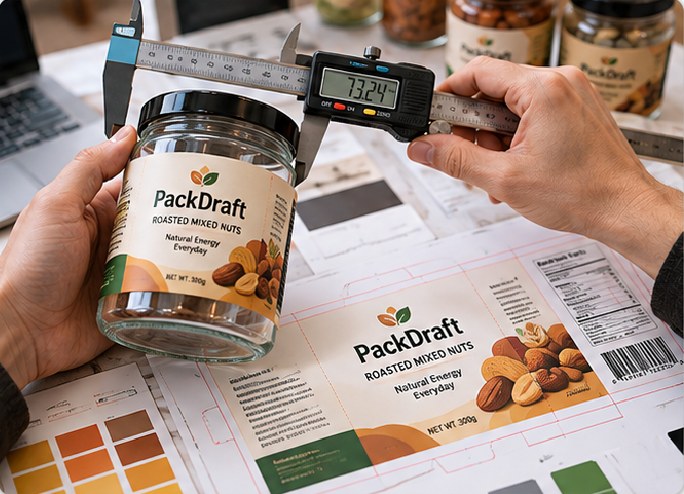
Philiton can begin from AI, PDF, EPS, high-resolution artwork, an existing label reference, or an agreed design file. Prepress checks focus on final size, bleed, safe area, die line, cut path, text and barcode position, white ink layers, foil or varnish masks, and whether the artwork matches the selected label construction. For wrap labels and small-diameter containers, the geometry is reviewed against the actual package so critical information does not fall into a seam, radius, or difficult application zone.

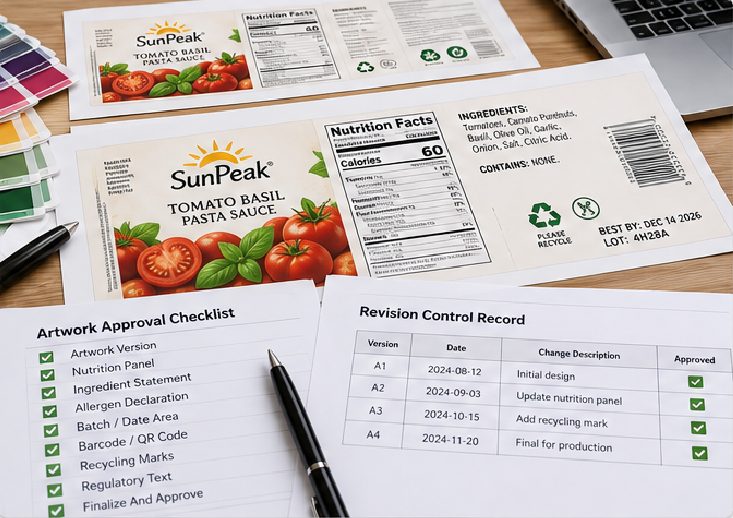
Food packaging often carries more information than a decorative sticker, so space planning matters. Nutrition panels, ingredients, allergen statements, preparation instructions, date or batch areas, barcodes, QR codes, recycling marks, and brand graphics must remain legible inside a fixed label size. Philiton checks print feasibility and positioning but does not rewrite legally required content without approval.

Once the layout is ready, a revision number and approval status should be attached to the artwork. Repeat production uses the approved version, reducing the risk of an old file being printed after a formula, flavor, barcode, or regulatory-text update. Philiton can keep separate artwork references for flavor, size, language, market, or promotional versions while preserving shared structural specifications when the same material and converting route apply across the range.

Control Color, White Ink, Small Text And Codes

Color planning starts with the facestock. A brand red on white BOPP will not look identical on kraft, clear film, metallic film, or textured paper. White ink can create an opaque base on clear or metallic materials, while transparent areas can be intentionally left open. Philiton separates process color, spot color, white, foil, varnish, emboss, and other production layers so each operation has a controlled file rather than a flattened visual mockup.

Small text and codes need another level of discipline. Nutrition information, ingredients, batch fields, and regulatory text should use sufficient contrast and printable line weight for the selected process. UPC/EAN barcodes, QR codes, Data Matrix, and variable codes require clean quiet zones, controlled size, suitable contrast, and placement that avoids reflective foil, severe curvature, folds, or heavy texture.

When readability is critical, Philiton can include barcode or QR verification in the project QC route. Phone scanning alone is not treated as the only measure for industrial or retail verification because print gain, bar width, contrast, damage, and code geometry can affect formal results. For variable-data programs, the data source, field structure, sequence, duplicate rules, missing-code handling, and verification method should also be defined before the production file is generated. This keeps graphic approval and data approval as separate controlled steps instead of combining them informally at press time.

Plan Plates, Dies And Finishing Tooling Before Sampling

Digital printing usually reduces the need for conventional printing plates and is therefore well suited to early launches, multiple SKUs, and frequent artwork changes. Flexographic production generally requires plates and setup suited to larger or repeat runs. Foil, embossing, debossing, screen effects, custom holographic structures, and special die cutting may require dedicated tools. Philiton reviews whether a tool is necessary before production so setup cost and lead time are visible rather than discovered after artwork approval.

Die cutting is also part of development. Standard shapes may use existing tools when the exact size and construction match; custom shapes or dimensions may require a dedicated die or digital cutting route depending on quantity and process. Tool reuse on repeat orders depends on design stability, tool condition, storage arrangement, and whether the material or production process has changed.

For controlled programs, the approved artwork, selected material, adhesive, color target, dieline, tooling reference, roll specification, packing method, and sample status are locked together. Any later change can then be reviewed as a real engineering change instead of an informal artwork update. This matters when a brand moves from a 1,000-piece launch into tens of thousands of labels: the production process may change, but the approved design intent, label dimensions, critical colors, barcode rules, and application requirements should remain traceable through the scale-up decision.

Sample Food Labels Before Locking Bulk Production

Sampling should close visual, material, adhesive, die-cut, roll, application, and finishing risks in stages so the approved reference can be carried into repeat manufacturing and future replenishment.

Digital Sample: 1-3 Days

Straightforward digital samples can often be produced in about 1-3 working days after artwork, material, size, and construction are confirmed. Digital sampling is useful for color direction, image quality, layout, label size, dieline, and early SKU approval. The sample method may differ from final flexographic or specialty-finishing production when bulk tooling, plates, custom materials, or high setup costs are involved; known differences are identified during review. Digital samples can also help several internal approvers review different SKUs at once before the project commits to conventional plates, foil tools, embossing tools, or bulk material purchases.

Finished Sample: 3-5 Days

Standard printed and finished samples commonly take about 3-5 working days after the production route is defined. These samples can confirm print appearance, die cut, laminate or varnish, roll format, and general application. For automatic labeling, additional sample quantity may be requested so the labels can be tested on the intended applicator rather than approved only by hand application on one package. Philiton can increase sample quantity when the brand, co-packer, quality team, and marketing team each require reference pieces or when application testing needs several rolls or repeated cold-storage checks.

Material And Adhesive Swatches

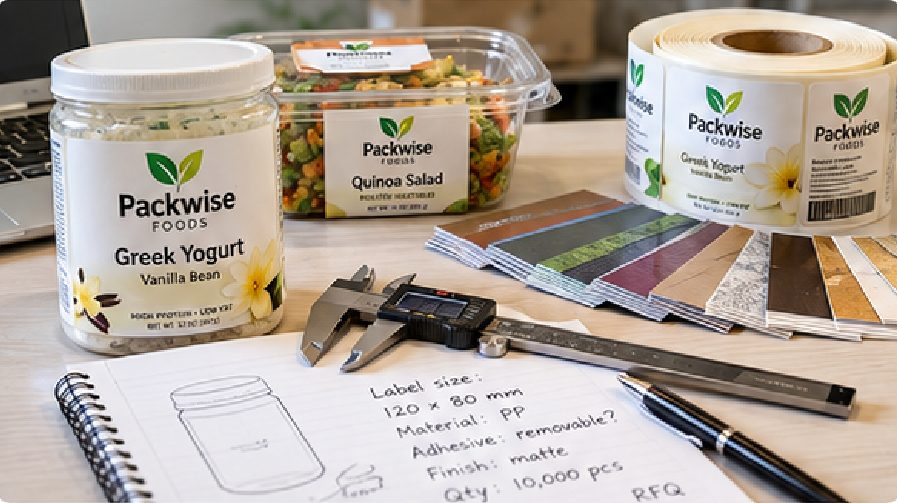
Before a full printed sample, Philiton can narrow material and adhesive options through swatches or blank application trials. This is especially useful for HDPE/PP containers, cold application, condensation, oil exposure, curved packages, or unusual substrates. Actual containers or representative surfaces allow the development team to compare tack, edge lift, conformability, appearance, and removal behavior before printing and finishing costs are added. A swatch stage is especially useful when more than one adhesive route could work but the package surface, cold application, or storage condition makes long-term behavior uncertain.

Complex Sample: 5-10 Days

Projects involving foil, embossing, special die cutting, screen printing, special materials, RFID, security structures, or custom holographic elements normally need more time. Complex finishing samples often require about 5-7 working days, while RFID, security, custom holographic, or special constructions may take about 5-10 working days. Timing starts after artwork, material, and process are confirmed; international courier transit is separate. Complex samples are scheduled after tooling and specialty-material availability are confirmed, because a fast proof is not useful if it does not represent the intended bulk construction closely enough for approval.

MOQ, Multi-SKU Planning And Quotation Inputs

FactorHow It Changes The ProjectWhat To Provide For Quotation
Quantity and SKU countHigher total volume can improve setup efficiency; many small SKUs increase artwork and changeover controlQuantity per SKU, total quantity, repeat forecast
Label size and shapeMaterial usage, die cutting, web layout, and labels per roll change with geometryFinished width x height, shape, dieline if available
Material and adhesiveStandard stock may support flexible entry quantities; special structures can carry supplier minimumsPackage surface, storage condition, material preference
Printing and colorDigital, flexo, screen, UV, white ink, spot colors, and coverage create different setup routesArtwork, color references, white-ink requirement
Finishing and toolingFoil, emboss, special die, holographic, security, or complex finishing can add dedicated setupFinish map, reference photo or physical sample
Roll specificationCore, direction, roll diameter, gap, pitch, and labels per roll can change converting and packingApplicator details or roll specification
Testing and documentationApplication tests, barcode verification, material reports, or third-party testing add defined workRequired acceptance method and target market
Delivery requirementRush production, split shipment, destination, Incoterm, carton or pallet rules affect the final quotationRequired date, destination, shipment method, receiving rules

Food Label Production From Approved File To Repeat Supply

Philiton connects artwork control, sourced materials, printing, finishing, converting, inspection, packing, and repeat-order records so scaling does not require rebuilding the label from the beginning.

Requirement And Preflight

Production begins with one controlled requirement set: approved artwork revision, size, shape, material, adhesive, printing route, finishing, quantity, SKU, roll or sheet format, packing, and delivery condition. Missing fields are resolved before scheduling. Clear preflight reduces late changes that would otherwise force new material, new tooling, reproofing, or production stoppage after the job has entered the factory.

Material Planning And IQC

Labelstock, paper, film, adhesive, foil, liner, and specialty substrates are sourced from qualified external suppliers according to the approved construction. Philiton checks incoming material against the project requirement before production. Special or imported materials can extend procurement time, so material availability is reviewed during quotation and sampling rather than treated as an invisible risk after the purchase order is released.

Printing And Color Control

The approved production route is scheduled according to quantity, SKU structure, material, color, and finishing sequence. Digital supports fast artwork changes and short runs; flexographic production supports efficient stable volume. First-article checks confirm image, text, registration, white ink, color direction, variable data, and major print defects before the full run continues. Critical color targets are tied to the approved reference and selected substrate.

Finishing And Converting

After printing, labels may receive lamination, varnish, foil, embossing, spot UV, security effects, die cutting, stripping, slitting, rewinding, perforation, or other converting steps. Each added operation changes registration, material thickness, stiffness, and production sequence. Philiton controls the route against the approved sample and specification so the label remains compatible with the intended container and applicator after decoration is complete.

Inspection And Packing Release

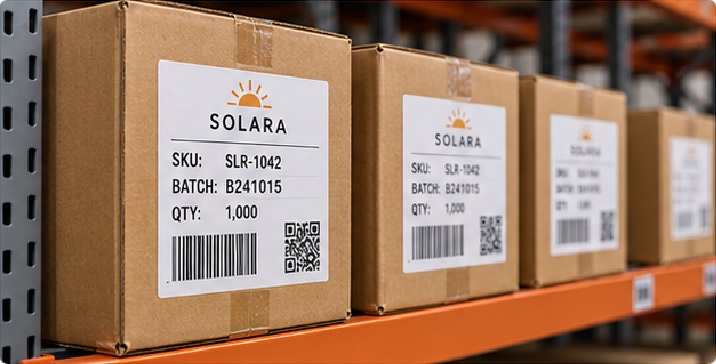
Quality control continues through die cutting, rewinding, code verification, label count, roll format, SKU separation, and final packing. Vision inspection can be used where the project calls for automated inspection, while other characteristics may use first-article, in-process, sampling, or final inspection. Finished cartons are identified according to SKU, quantity, batch, and receiving requirements before shipment preparation.

Launch To Scale Production

A typical growth path can move from a sample into about 500-5,000 pcs/SKU for launch, 5,000-50,000+ pcs/SKU as sales grow, and 50,000-500,000+ pcs or continuing batches for mature programs. Digital may remain suitable for long-tail SKUs while stable high-volume items move to flexographic or other scale routes. Approved specifications and reference samples reduce redevelopment during repeat orders.

Quality Control Focused On Food Label Failure Modes

Quality is managed at incoming, first-article, in-process, converting, functional, packing, and final-release stages so visual defects, roll problems, data errors, and application failures are addressed before shipment.
Incoming Material Control

Incoming Material Control

Food label quality begins before printing. Philiton verifies incoming paper, film, labelstock, adhesive-related construction, liner, foil, and other specified materials against the purchase and project requirement. Special materials are identified by the selected route rather than substituted informally. When a material batch, supplier, adhesive, thickness, or other critical component changes, the effect on the approved specification can be reviewed before mass production. Incoming checks can also confirm visual condition, width, thickness or supplier identification where those characteristics are part of the approved specification and available control method.
First Article Inspection

First Article Inspection

The first article is used to confirm the production setup before volume continues. Checks can include artwork version, label size, print position, registration, color direction, white ink, foil or UV alignment, die cut, text clarity, barcode or QR placement, and roll format. A controlled first article is more useful than relying on final inspection to discover a repeated setup error after thousands of labels have already been produced. For multi-SKU food programs, the first article also confirms that the correct artwork version, barcode, language, flavor, and packing identification are tied to the correct production order before the next SKU begins.
Color And Print Quality

Color And Print Quality

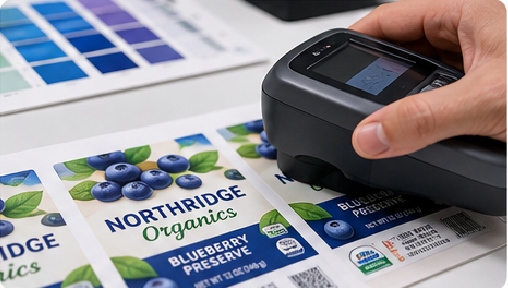
Color is controlled relative to the approved material and reference because paper tone, clear film, metallic film, laminate, varnish, and white ink change appearance. Philiton checks major color, image quality, text, pinholes, smudging, curing, foil transfer, varnish coverage, and other print characteristics according to the project. Critical brand colors can be treated as controlled targets rather than judged only by an office screen. Where a defined color instrument or approved color standard is required, the acceptance method should be agreed during development so production and inspection use the same reference rather than subjective comparisons under different lighting.
Die Cut And Roll Accuracy

Die Cut And Roll Accuracy

Finished labels must release, dispense, and apply correctly. Philiton checks die-cut position, matrix stripping, liner damage, gap or pitch, web width, unwind direction, inside/outside winding, core, roll diameter, labels per roll, and splices when the specification requires them. Roll problems can stop a packaging line even when the printing looks perfect, so converting parameters are treated as production characteristics, not packing details. When an automatic applicator is involved, Philiton can use the supplied equipment specification or sample roll requirement to reduce the risk of sensor, release, web-tension, or winding problems after delivery.
Application And Functional Tests

Application And Functional Tests

Application risks are tested according to the program: adhesion, tack, edge lift, moisture, cold service, oil exposure, rub, barcode or QR readability, tamper response, or RFID read/write verification can be added where relevant. Testing conditions must match the actual material and intended environment. Philiton avoids treating one passing test on one construction as a universal guarantee across different bottles, adhesives, temperatures, or end uses. The test plan can therefore be narrow and relevant: only the failure modes connected to the defined food package, storage route, handling condition, and quality requirement need to be verified.
Final Inspection And Traceability

Final Inspection And Traceability

Before release, final checks can cover appearance, size, quantity, SKU, roll format, packing, batch identification, and project-specific acceptance points. Automated vision inspection or 100% inspection may be used for selected characteristics when the production plan requires it; other features are controlled through first-article, process, sampling, or final inspection. Repeat orders are linked back to retained artwork, specification, tooling, material, and approved references where available. Carton and roll identification can then preserve SKU, quantity, batch, and shipment information so a later complaint or repeat order can be traced back to the approved production record rather than reconstructed from memory.

Packing Food Labels For Production Lines And Warehouses

Packing protects labels physically and preserves SKU, batch, roll, quantity, artwork version, and receiving information so finished stock can move directly into warehouse storage, co-packing, or application without unnecessary resorting.
Protected Roll Packing

Roll Packing

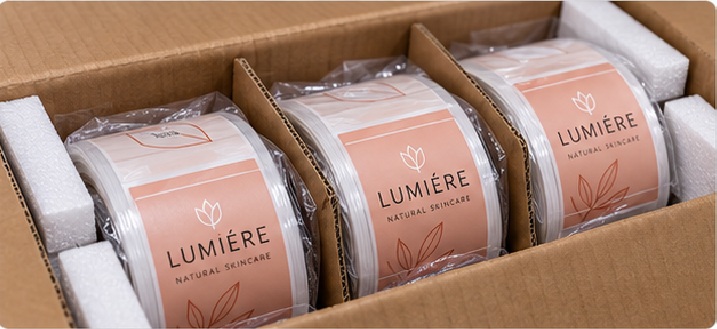
Roll labels are protected against crushing, moisture, telescoping, and uncontrolled unwinding. Philiton can identify each roll by SKU, quantity, batch, and other agreed information, then pack rolls according to core size, maximum roll diameter, labels per roll, and applicator requirements. Mixed programs can use clearly separated SKU cartons so production teams do not have to sort artwork variants during receiving.
Sheet and Individual Packing

Sheet And Individual Packing

Sheet labels and individually cut labels can be packed in counted bundles, bags, inner cartons, or other agreed units. The packing method depends on label size, finish sensitivity, manual application process, and warehouse handling. Foil, embossing, raised UV, clear films, and specialty papers may require additional surface protection so decorative areas are not scuffed or compressed during transport and storage.
SKU and Batch Identification

Multi-SKU Identification

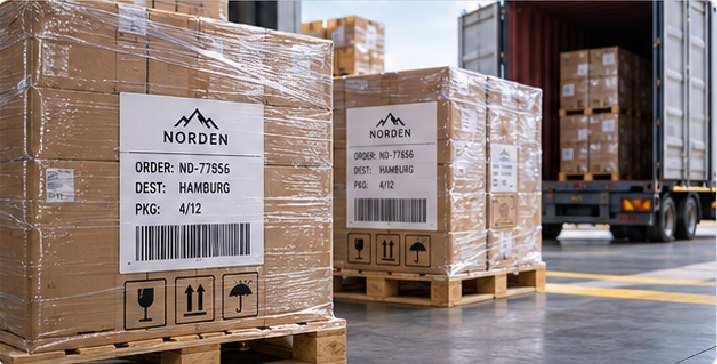
Food brands often ship many flavors, sizes, promotional editions, or market versions together. Philiton can separate SKUs by roll, bag, inner carton, master carton, or pallet according to the receiving rule. Packing lists, outer marks, batch references, and quantity control reduce the risk of mixed artwork entering a packing line, especially when similar label designs differ only in flavor, barcode, language, or legal text.
Courier, Air and Sea Preparation

International Delivery

Courier, air freight, and sea freight can be arranged according to shipment size, urgency, destination, and agreed Incoterm. Direct delivery to a warehouse or fulfillment center can be planned when receiving rules, carton or pallet labels, appointment requirements, and customs information are provided. Large urgent programs can also be discussed as staged production or split shipment instead of forcing the entire order into one freight method.

Food Label Compliance Support With Clear Responsibility Boundaries

Philiton manufactures to approved specifications and can support material documents, testing, artwork control, and traceability, while market-specific legal content remains the responsibility of the legally responsible product party.

Regulatory Artwork Must Be Supplied And Approved By The Responsible Party

Food labels may carry nutrition information, ingredients, allergen declarations, net quantity, storage instructions, origin statements, claims, preparation directions, lot or date areas, barcodes, recycling marks, and other market-specific content. Philiton can reproduce approved text, control print legibility, manage artwork versions, and check whether the content fits the dieline and printing method. Philiton does not independently determine every legal statement required for a food product in every market.

The brand, manufacturer, importer, distributor, regulatory adviser, or other legally responsible party must confirm the target country, product classification, mandatory wording, translations, claims, nutrition format, warnings, registrations, and permitted certification marks. Certification logos or regulated symbols are printed only from authorized artwork supplied or approved for the project.

This separation protects both sides. Philiton controls what the factory can control – file version, print quality, material, finishing, code quality, converting, packing, and repeat production. The product-responsible party controls the legal meaning and market eligibility of the food information. Any artwork change after approval should trigger a revision review before the next production batch. When one product range has several flavors, sizes, languages, or market versions, each approved file should keep its own revision identity even if the physical label construction is shared. This prevents a legally correct design for one SKU from being mixed with another during production or replenishment.

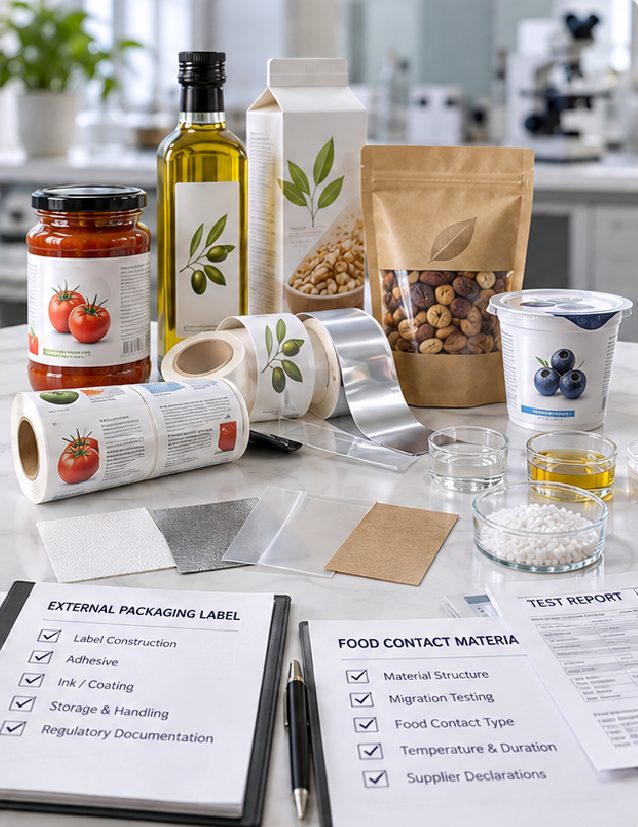
External Packaging Labels And Direct Food Contact Are Different Projects

A pressure-sensitive label applied to the outside of a bottle, jar, carton, pouch, or tray does not automatically have the same regulatory profile as a material intended to touch food directly. Food-contact requirements depend on the exact contact type, material structure, adhesive, ink or coating position, migration pathway, temperature, duration, food type, and destination market.

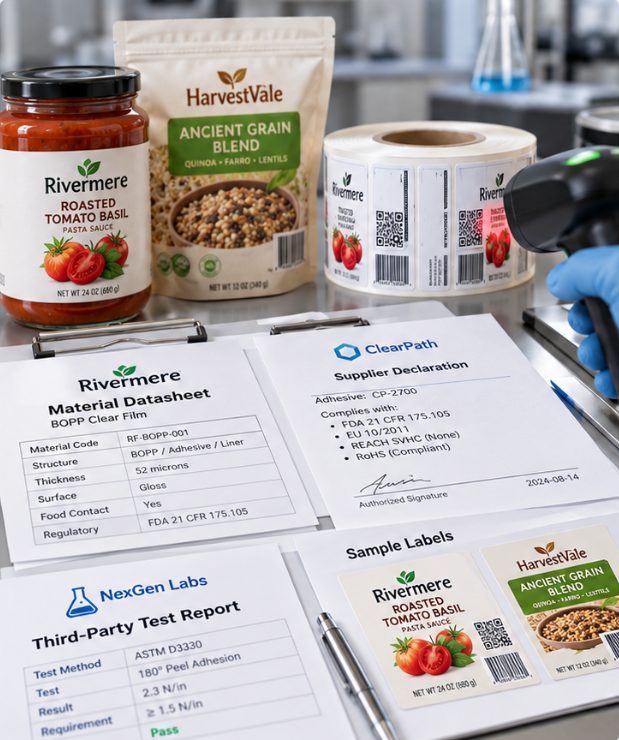
Philiton therefore does not use a blanket phrase such as “all food labels are FDA certified” or “all materials are food grade.” For external packaging labels, the construction is selected for the package surface, storage environment, handling, and any documentation requirement specified by the project. If direct or indirect food-contact performance is required, the exact construction and legal basis must be defined and supported by relevant supplier documentation or third-party testing.

The same principle applies to environmental or chemical compliance. RoHS, REACH, heavy metals, California Proposition 65, and other requirements are handled according to material, product use, destination, and requested evidence rather than treated as universal factory certificates. If a retailer, importer, or brand has its own restricted-substance list, declaration format, or food-packaging requirement, Philiton can review the requested evidence against the exact label construction. The relevant material supplier or third-party laboratory may then provide the document or test needed for the defined project instead of relying on a generic statement.

Documentation And Testing Follow The Approved Construction

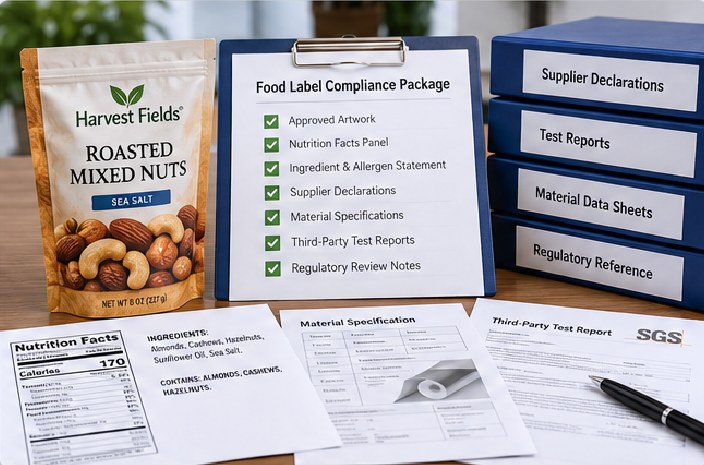
Philiton can support material data, supplier declarations, third-party testing, sample preparation, barcode or QR verification, adhesion checks, durability checks, and other project documents when specified. A report is only meaningful for the material, sample, method, and acceptance limit it actually covers. Changing paper, film, adhesive, ink, laminate, supplier, RFID inlay, or end use may require a new review instead of automatically extending an old report.

For repeat orders, keeping the approved artwork, material structure, tooling, color target, roll specification, packing method, and testing requirement under revision control helps maintain traceability. Large brands can also define their own supplier qualification or quality documents, and Philiton can review which records can be supplied for the program.

ISO, FSC, UL, IATF, BSCI/SMETA, GRS, or similar certification claims are not inserted into a food-label project unless current, applicable evidence has been verified. Accuracy is more useful than a long row of unqualified certification logos when a procurement or quality team is evaluating manufacturing risk. If a program requires a specific certificate, test report, audit record, chain-of-custody statement, or supplier declaration, Philiton reviews the exact document and applicable scope before it is referenced in artwork, quotation, or supply documentation. Records should also be tied to the approved material or supplier reference wherever possible, because changing an adhesive, facestock, laminate, or other component can change the evidence basis. For long-running food programs, a destination-market, formula, package-material, or legal change should trigger another documentation review before the next batch is treated as an unchanged repeat order.

Philiton Manufacturing Facts For Food Label Qualification

Procurement teams can evaluate Philiton using confirmed manufacturing facts, flexible entry quantities, production depth, engineering support, quality controls, and scale-up capability rather than unsupported superlatives.

12,000+ ㎡ Manufacturing

Philiton operates manufacturing in Shenzhen and Dongguan with a combined manufacturing and operating footprint exceeding 12,000 square meters. The setup supports artwork and prepress, multiple printing technologies, specialty finishing, converting, inspection, testing, packing, and shipment preparation. For food label programs, the value is not the floor area alone but the ability to connect short-run development and repeat-volume production inside one managed manufacturing system.
200+ Employees

Philiton has more than 200 employees across production, technical, quality, commercial, warehouse, and support functions. Food label projects often move through artwork, material sourcing, printing, finishing, die cutting, rewinding, QC, packing, and logistics, so coordination matters as much as printing capacity. The broader team structure supports multi-SKU programs, repeat replenishment, and project communication beyond a single machine or operator.

91 Core Professionals

The confirmed total of technical personnel, skilled machine operators, and quality-related staff is 91. The number should be understood as a combined professional group, not as 91 inspectors. It supports engineering review, equipment operation, print consistency, finishing, testing, inspection, and process execution. Food packaging programs benefit when material, adhesive, print, roll configuration, and QC questions can be discussed with relevant production functions rather than sales alone.

Around 500 pcs Entry

Many standard custom label and sticker projects can start from around 500 pieces per SKU or design, subject to material, size, printing, finishing, tooling, and SKU structure. The entry quantity supports food launches, seasonal SKUs, regional variants, and controlled tests without requiring every new design to begin at a mass-production volume. Special materials, RFID, custom holographic, or dedicated tooling can require different minimums.

Digital To Flexo Scale

Philiton can support digital short runs and multi-SKU programs, then reassess flexographic or other volume routes as quantities become stable. One food program can therefore keep limited SKUs in digital while moving high-volume repeat items into a more economical production method. The transition is managed through approved artwork, material, color, tooling, roll, and QC specifications instead of treating scale-up as a new supplier search.

Engineering Through QC

Philiton’s manufacturing value covers material and adhesive selection, artwork and prepress, digital and conventional label printing, screen and UV processes, variable data, foil, emboss/deboss, holographic effects, die cutting, slitting and rewinding, automated inspection capability, laboratory testing, packing, and shipment preparation. Each food label program calls only the processes required by the package, artwork, application, quantity, and risk level.

Representative Food Label Program Scenarios

The three examples below illustrate manufacturing routes Philiton can support. Quantities and regions are planning scenarios for specification design, not public claims about named brand orders.
United States Chilled Sauce Program

United States Chilled Sauce Program

Representative program scenario, not a named-client claim. A U.S. refrigerated sauce brand plans 18,000 labels across six SKUs for HDPE squeeze bottles. Development begins with the actual bottle, storage condition, condensation risk, artwork, and filling-line roll requirements. A white BOPP construction and an adhesive route suitable for the defined plastic surface are shortlisted, followed by printed samples and cold-application checks. Digital production supports six artworks without separate conventional plates. SKU-separated rolls, batch identification, and labels-per-roll are defined before a 5-10 working-day standard production window is scheduled after approval.
Canada Frozen Meal Program

Canada Frozen Meal Program

Representative program scenario, not a named-client claim. A Canadian frozen-meal producer plans 24,000 labels across four recipes for cartons and flexible packs moving into freezer storage. The project separates application temperature from service temperature, then compares film and protected-paper routes with a cold-service adhesive. Sample quantities are increased beyond simple visual approval so adhesion, condensation, edge lift, and package handling can be checked. Roll direction, core, gap, and labels per roll are matched to the applicator. Once the approved construction and artwork revisions are locked, flexographic or digital production can be selected according to the final SKU volume.
Germany Premium Condiment Program

Germany Premium Condiment Program

Representative program scenario, not a named-client claim. A German premium condiment line plans 12,000 labels across three glass-bottle SKUs and wants a restrained metallic logo without losing small ingredient text or barcode clarity. Philiton starts with a clear or white film comparison, then separates CMYK, opaque white, and metallic-effect layers during prepress. A foil or metallic route is tested on the selected stock, while the information panel remains high contrast and free from reflective interference. Finished samples confirm die cut, wrap, print protection, and shelf appearance before bulk production and SKU-separated roll packing are released.

Food Labels Frequently Asked Questions

Many standard custom food label projects can start from around 500 pieces per SKU or design. The workable MOQ depends on material, adhesive, size, number of SKUs, printing method, finishing, tooling, roll configuration, and whether the project uses standard or special materials. RFID, custom holographic structures, specialty adhesives, or dedicated tooling can require higher minimums.
Yes. The construction must be selected around application temperature, service temperature, condensation, moisture, package surface, curvature, and the labeling process. Philiton can review materials and adhesives on actual or representative packages before bulk production. A “freezer” description alone is not treated as proof that every label can be applied to every cold or wet package.
There is no single best material. Coated paper can be efficient for dry or ambient applications; BOPP is widely used for moisture-resistant packaging; PET can provide higher dimensional stability and durability; clear film supports no-label-look graphics; textured paper supports premium tactile presentation. Philiton selects the material together with adhesive, finish, package surface, storage condition, and required lifespan.
Yes, when the material, adhesive, finishing, technical specification, and schedule are compatible. Each SKU still needs its own approved artwork, quantity, identification, and QC control. Digital printing is especially useful for multi-SKU programs and frequent artwork changes. Similar SKUs can also be reviewed for combined production planning to reduce unnecessary changeover and material waste.
Straightforward digital samples commonly take about 1-3 working days after artwork and specifications are confirmed. Standard printed and finished samples commonly take about 3-5 working days. Complex foil, embossing, special die cutting, screen, or specialty-material samples can take about 5-7 working days, while RFID, security, custom holographic, or special structures may require about 5-10 working days.
After artwork or sample approval, materials are ready, and production conditions are confirmed, standard custom label production commonly takes about 5-10 working days. Rush production for compatible projects can sometimes be compressed to about 2-5 working days. Unchanged repeat orders commonly take about 3-7 working days. Special materials, many SKUs, complex finishing, testing, or very large quantities can extend the schedule.
Yes. A physical label and its container can be evaluated for facestock, thickness, surface finish, adhesive behavior, print appearance, color, die cut, and construction. Exact reproduction still depends on measurable specifications, material availability, authorized artwork, and the required performance. For critical programs, Philiton recommends matching against the actual package and approving a new production reference before volume manufacturing.
Philiton can print customer-approved nutrition information, ingredient lists, allergen statements, warnings, claims, barcodes, and other package text with controlled artwork and production legibility. The brand, manufacturer, importer, regulatory adviser, or legally responsible party must confirm which statements are required and legally correct for the target market. Philiton does not provide a blanket guarantee that one artwork automatically complies with every country.
Yes. Philiton can produce roll labels with controlled unwind direction, inside or outside winding, core, roll diameter, labels per roll, gap or pitch, liner, web width, perforation, black marks, and splice rules where relevant. Applicator specifications should be provided before production so the label construction and roll format are checked against the intended line rather than set by a generic default.
Provide finished label size and shape, quantity per SKU, number of SKUs, package material, storage and application conditions, artwork, preferred material if known, printing colors, white ink, finishing, roll or sheet format, applicator or roll details, testing or documentation requirements, packing method, delivery destination, and required date. If material is unknown, send the package and use conditions so Philiton can recommend a route.

Send Your Food Label Specification For Review

A useful food label quotation starts with the package and operating conditions, not only a logo file. Send Philiton enough information to define the facestock, adhesive, print route, finishing, roll format, testing needs, and production quantity without repeated guessing. If a material or adhesive has not been selected, provide the actual container or describe the surface, storage temperature, moisture or oil exposure, labeling method, and expected use. Philiton can then recommend a development route, identify which points need a sample or application test, and prepare a quotation around the approved specification. For repeat programs, include expected annual volume and SKU structure so digital short runs, flexographic scale production, and replenishment planning can be evaluated together. Include any current label sample, dieline, applicator specification, quality standard, required material declaration, barcode rule, or receiving specification that already exists. These inputs reduce development loops and make the first quotation closer to the production route that will actually be approved. For urgent launches, state which date is fixed – sample approval, packaging-line trial, warehouse receipt, or market launch – so production and transport can be planned around the real deadline rather than a vague request for the fastest delivery.

  • Finished size and shape
  • Quantity per SKU and total SKU count
  • Package material and application surface
  • Storage, temperature, moisture, oil, or chemical exposure
  • Artwork and required print / finishing effects
  • Roll direction, core, applicator, or sheet format
  • Delivery destination and required date

Get In Touch

  • Our team will answer your inquiries within 12 hours.

  • Your information will be kept strictly confidential.

Get a Fast Quote for Custom Labels & Stickers

We will contact you within 24 Hours, please pay attention to the email with the suffix“@philiton.com”. 
For all inquiries, please feel free to reach out at:

Ask For A Quick Quote

We will contact you within 24 Hours, please pay attention to the email with the suffix“@philiton.com”. 
For all inquiries, please feel free to reach out at:

Get a Quote Today!

We will contact you within 24 Hours, please pay attention to the email with the suffix“@philiton.com”.