Your Trusted Labels & Stickers Manufacturer from China!

Beer Labels Manufacturer

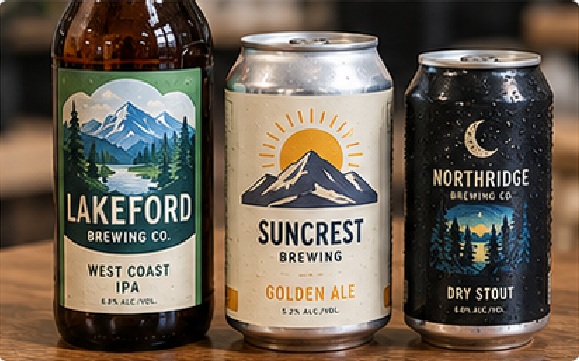
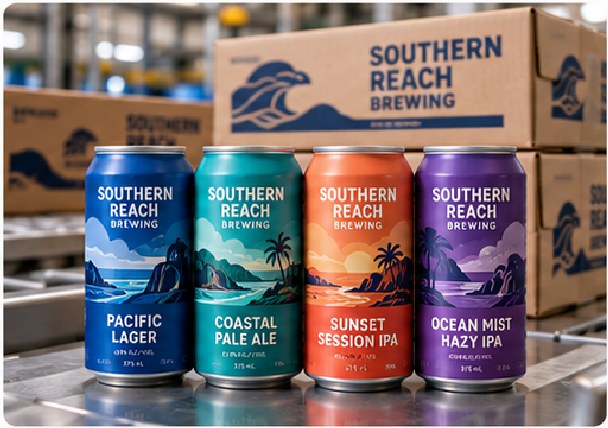
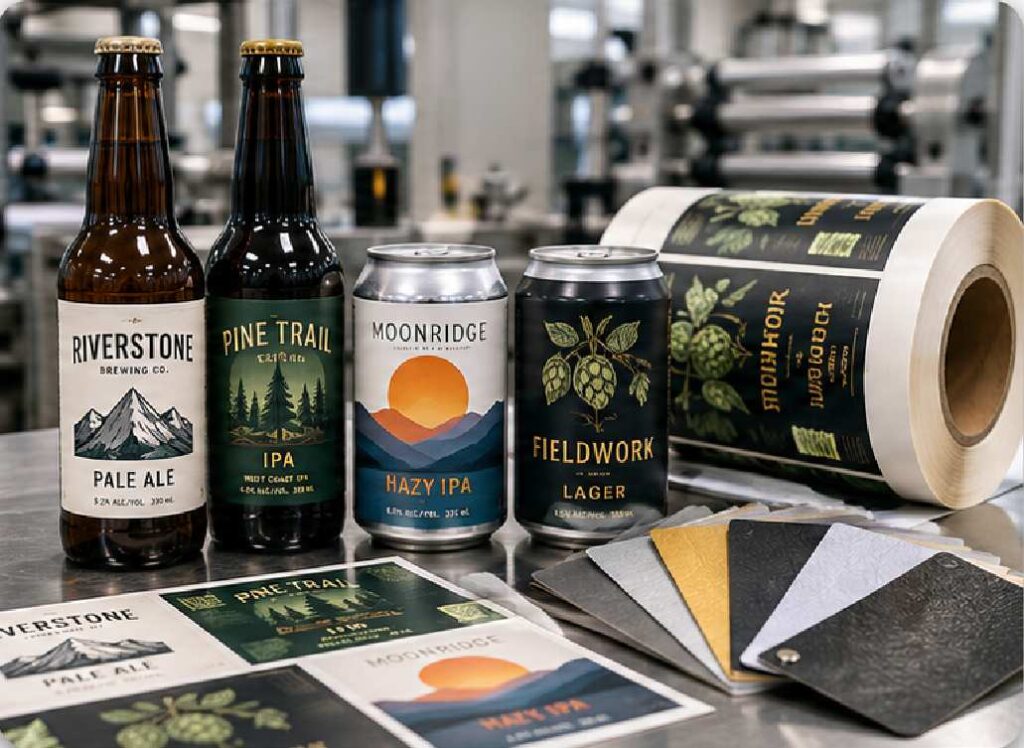
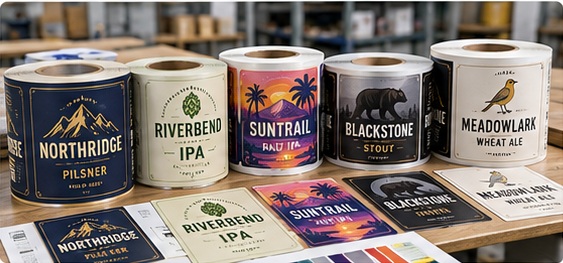
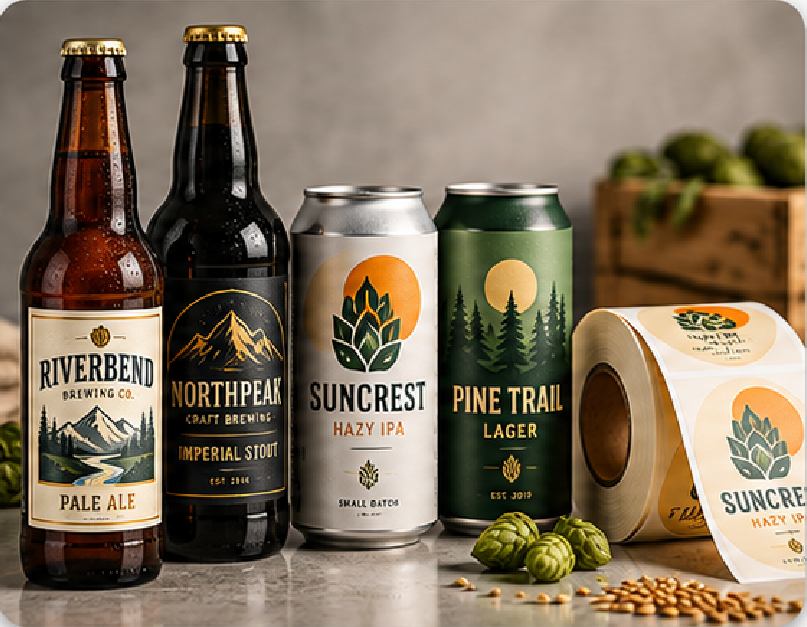
Custom beer labels engineered for bottles, cans, cold storage, multi-SKU releases, premium finishes and repeat production.
Philiton builds beer label programs around the container, labeling conditions, artwork and production volume – not a one-material-fits-all specification.
  • Founded in 2016 with manufacturing in Shenzhen and Dongguan.
  • 12,000+ m² manufacturing footprint and 200+ employees.
  • Around 500 pcs starting quantity for many standard label projects.
  • Digital, flexographic, specialty finishing, converting, inspection and testing.
Beer Labels Manufacturer

Beer Label Manufacturing Facts at a Glance

Start with the numbers and production facts that affect development, scheduling and scale before choosing materials or decorative effects for a commercial beer-label program.
Flexible Starting Quantities

Flexible Starting Quantities

Many standard custom label projects can begin from around 500 pieces, subject to material, size, finishing, tooling and SKU structure. Beer launches with several artworks can use digital production to keep initial inventory controlled, then move into larger repeat runs after demand becomes predictable. Special materials, dedicated tooling or complex decorative processes may require a different project minimum.
Fast Sampling Routes

Fast Sampling Routes

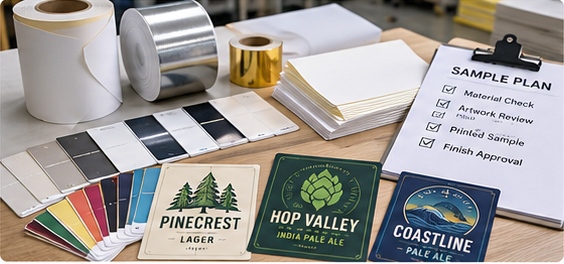
Philiton separates material checking from visual approval. Blank material or adhesive swatches commonly take 1-2 business days, digital samples 1-3 business days, standard printed or finished samples 3-5 business days, and complex foil, embossing, screen or specialty-effect samples about 5-7 business days after artwork, material and process details are confirmed.
Production Lead Time

Production Lead Time

Standard custom-label production commonly takes about 5-10 business days after approved artwork or sample, required materials and tooling are ready. Larger orders commonly require about 7-15 business days, while unchanged repeat orders may run in about 3-7 business days when material and production capacity are available. International transit is quoted separately by destination and shipping method.
Manufacturing Footprint

Manufacturing Footprint

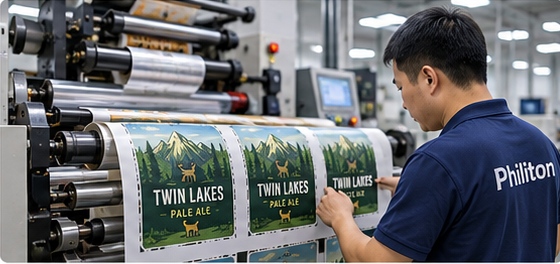
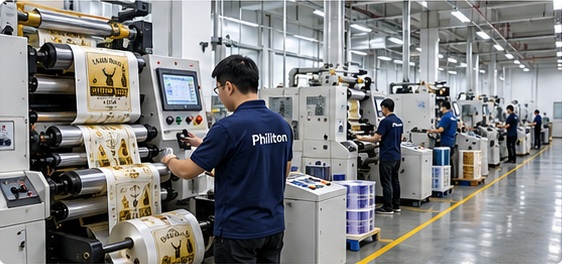
Philiton operates manufacturing facilities in Shenzhen and Dongguan with a combined manufacturing footprint exceeding 12,000 ㎡. The system covers artwork and prepress, sampling, printing, specialty finishing, die cutting, slitting and rewinding, inspection, laboratory testing, packing and shipment preparation, allowing beer-label projects to remain within one coordinated manufacturing workflow from first proof through repeat shipment.
Experienced Production Team

Experienced Production Team

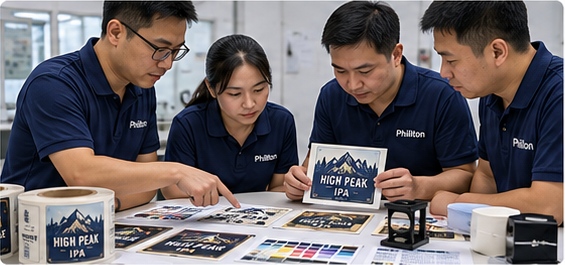
More than 200 employees support Philiton operations, including 91 technical professionals, skilled machine operators and quality personnel combined. For beer programs, the value is cross-functional control: artwork engineers, press operators, finishing teams and QC staff can work from the same approved specification rather than treating design, printing, converting and inspection as disconnected activities.
Multiple Printing Routes

Multiple Printing Routes

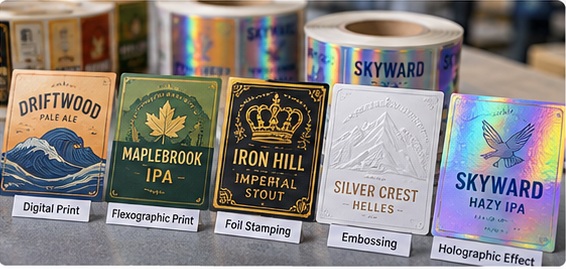
Digital printing supports short runs, multi-SKU launches, prototypes and frequent artwork changes. Flexographic production supports higher recurring volumes when specifications stabilize. Screen, UV, foil, embossing, holographic effects, lamination and other finishing routes can be integrated where the artwork and label construction justify them. Printing method is selected after quantity, material, artwork and finishing requirements are reviewed together.

Beer Label Programs for Different Brewery Operations

Philiton serves breweries and packaging teams with very different SKU counts, approval structures, labeling equipment, market schedules and repeat-order expectations across launch and growth stages.

Craft and Regional Breweries

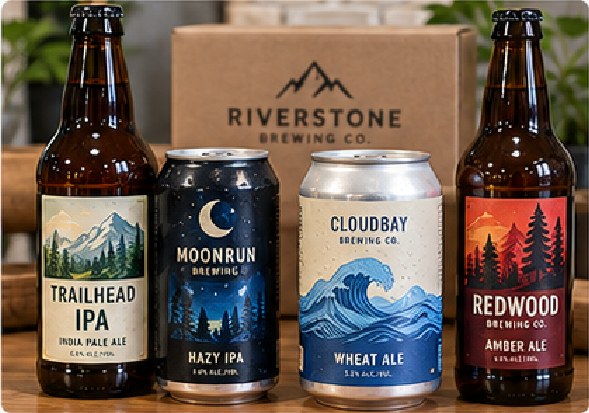
Craft breweries often manage several beers at once: core releases, seasonal styles, collaborations and limited runs. Philiton can keep each artwork controlled separately while combining compatible materials, adhesives and finishing specifications where sensible. Digital production is useful when quantities are uneven across SKUs or artwork changes frequently. As a successful SKU grows, the same project can be reviewed for a more economical flexographic route without rebuilding the whole supply relationship.

Growing Beer Brands

Growing brands need more than attractive printing. A label that worked at 2,000 pieces must still be manageable at 20,000 or 50,000 pieces, arrive in the correct roll configuration and remain consistent on repeat orders. Philiton supports specification locking, approved samples, material records, artwork version control and production-route reviews so packaging can scale without repeated redesign of the manufacturing setup every time volume increases. Reorder planning can then focus on quantity, inventory and schedule instead of rebuilding technical requirements.

Large Beverage Programs

Larger programs usually involve procurement, packaging, design, quality and production teams rather than one decision maker. Philiton can document material structure, artwork version, roll direction, core, maximum roll diameter, labels per roll, SKU packing and agreed inspection points before mass production. Higher-volume work can use flexographic production where it offers better economics, while samples and shorter regional versions can remain on a digital route when appropriate. Roll specifications and packing rules can be standardized across plants or co-packers when the downstream equipment is known.

Co-Packers and Print Partners

Contract packers, packaging companies, distributors and print partners often need labels built around downstream production rules rather than retail appearance alone. Philiton can work from machine requirements, warehouse receiving rules, private-label artwork and multiple delivery destinations. NDA arrangements can be used for confidential programs. Mixed-SKU packing, direct warehouse shipment and repeat-order specification control can be planned at quotation stage instead of being added after labels are already printed. Clear receiving instructions also reduce relabeling, repacking and roll-identification work at the destination.
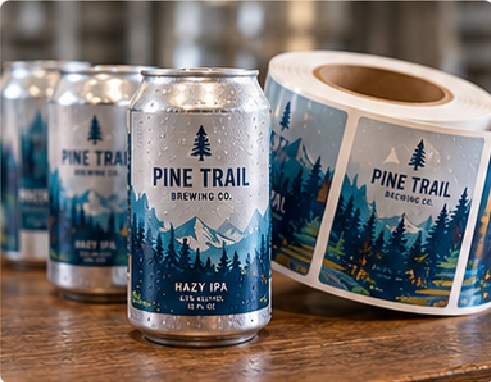
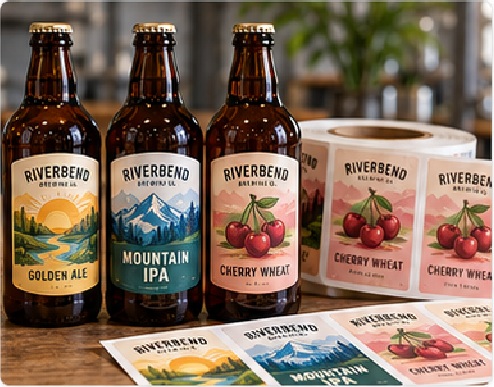
Beer Label Formats for Bottles, Cans and Brewery Use

Select the label format around the package, labeling method, information layout and downstream packing process rather than forcing every beer into the same construction.
Beer Can Roll Labels

Beer Can Roll Labels

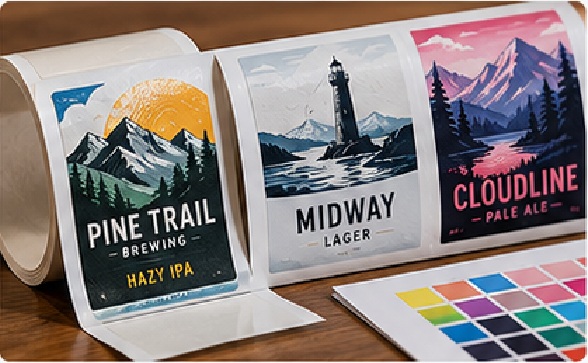
Pressure-sensitive roll labels can be produced for aluminum cans in custom sizes and shapes. White, clear or specialty film structures can be reviewed according to artwork and handling conditions. For automatic application, Philiton confirms unwind direction, core, roll diameter, gap, liner width and sensor requirements before production so printed appearance and line compatibility are controlled together.
Bottle Body Labels

Bottle Body Labels

Bottle body labels can use paper or film depending on the visual target, moisture exposure and handling. Straight-sided glass is simpler than strongly curved or tapered surfaces, so final dimensions should come from the actual labeling panel rather than a generic beer-label size. Material stiffness, adhesive, label shape and application temperature are reviewed together to reduce edge lift after filling and chilling.
Front and Back Labels

Front and Back Labels

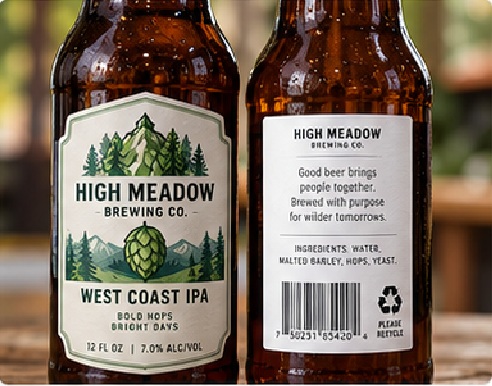
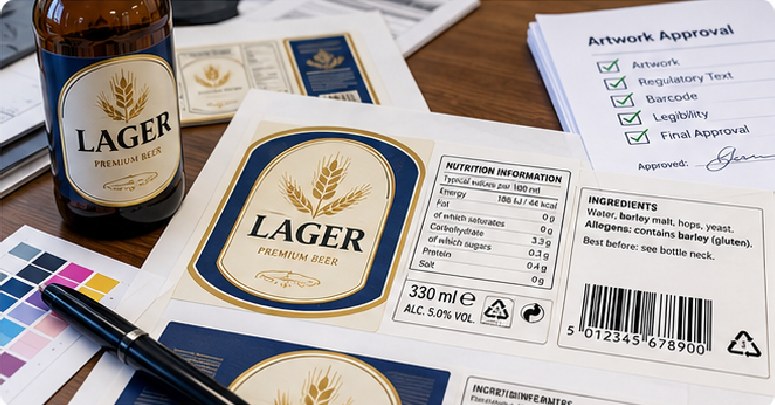
Separate front and back labels give beer brands more freedom for branding, product story, ingredients, regulatory text and barcodes. Philiton controls each artwork as an individual approved file while keeping material and finishing consistent across the set. Placement tolerance, label dimensions and roll order should be confirmed with the labeling method so front and back positions remain workable in production.
Neck and Seal Labels

Neck and Seal Labels

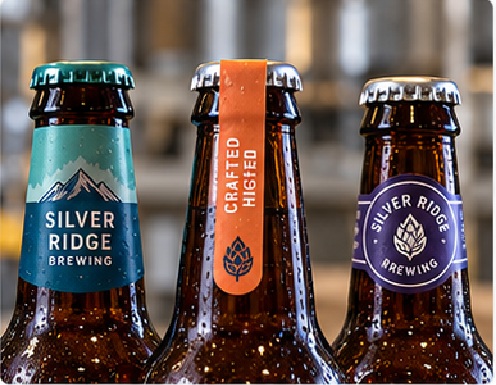
Neck labels, neck bands and small closure labels can add a secondary branding area or tamper-evident function when the construction is designed for the bottle geometry. Small diameters and compound curves create more tension than flat body panels, so shape, stiffness and adhesive need careful review. Samples should be applied to the real neck or closure before a large run is released.
Growler and Crowler Labels

Growler and Crowler Labels

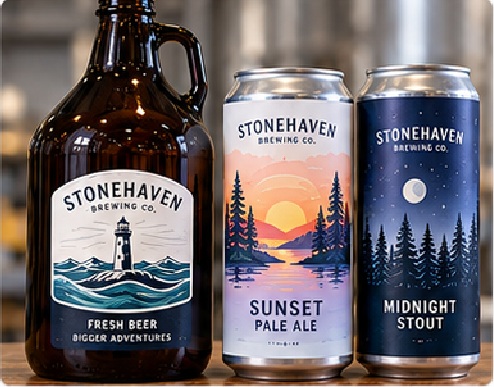
Growler and crowler programs often involve shorter runs, frequent flavor changes and local promotions. Digital printing can handle several artworks without traditional plate setup, making it suitable for small seasonal batches or event-specific labels. Philiton can supply labels in roll, sheet or agreed formats according to hand application or dispensing equipment, with material selection based on container surface and expected cold or wet exposure.
Keg and Secondary Labels

Keg and Secondary Labels

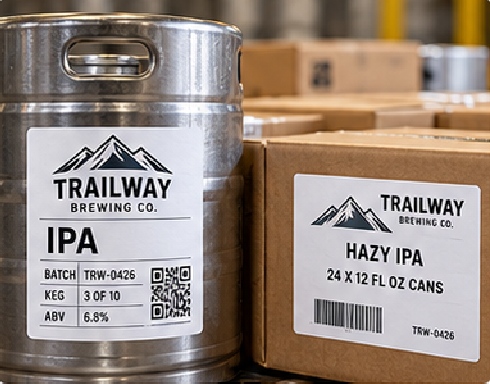
Keg identification, carton labels and brewery secondary labels can carry batch, SKU, barcode, QR or logistics information alongside brand graphics. Durability requirements differ from retail bottle and can labels, especially where labels see abrasion, condensation or warehouse handling. Philiton can combine fixed artwork with variable information when data rules, code format, verification method and label placement are clearly defined before production.

Design Beer Labels Around the Actual Container

Strong artwork cannot compensate for a poor fit between label construction, container geometry and the way labels are applied, dispensed and handled in production.

Glass Bottles Need More Than a Good Artwork

A bottle label starts with the real labeling panel. Diameter, curvature, taper, embossing on the glass, seams, contamination and the available flat area all affect how the label sits after application. Philiton therefore asks for bottle dimensions, drawings, photos or a physical container when fit is critical. The label can then be sized around the usable panel instead of relying on a generic beer-bottle template. Material choice follows the use condition. Paper can provide a natural or premium appearance for dry applications, while film structures are often preferred when moisture, abrasion or clear visual effects are important. The adhesive must also match the surface, application temperature and service environment. A label applied to a dry bottle at room temperature faces a different bonding condition from one applied to a cold surface with condensation already forming. Application method is equally important. Hand-applied labels can tolerate a different delivery format from automatic lines. Automated projects require roll direction, liner, core, maximum roll diameter, gap and sensor conditions to be confirmed before production. Front-and-back bottle sets also need placement logic. Sampling on the real bottle is the fastest way to expose excessive stiffness, edge lift, wrinkle risk or dimensional problems before thousands of labels are made.

Aluminum Cans Need Stable Roll and Application Specs

Can labels combine a highly visible branding surface with demanding production conditions. The can diameter is consistent, but a long label still needs correct dimensions, die cutting, release behavior and roll configuration to apply smoothly at speed. Philiton reviews the target can, desired coverage, label orientation and application equipment before setting the production specification. White film, clear film and specialty-effect materials can be considered according to the intended design.
For clear constructions, artwork needs a deliberate white-ink strategy. Colors printed directly on clear film can be influenced by the metal or background beneath them. Selective white can keep some areas transparent while giving logos, text or color blocks a solid visual base. Metallic or holographic materials create another variable because unblocked areas allow the reflective surface to influence printed color.
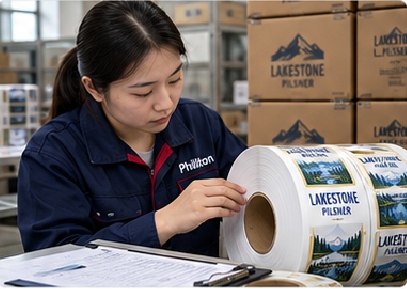
Automatic application adds mechanical requirements. Unwind direction, inside or outside winding, core, maximum outer diameter, pitch, liner width, labels across and sensor marks can affect line setup. Philiton records these requirements with the artwork and material specification so future repeat runs are not rebuilt from memory. Before mass production, a production sample or short roll can be used when line compatibility needs to be checked.

Control Cold, Condensation and Wet-Handling Risks

Beer labels often fail after chilling rather than during printing. Adhesive timing, moisture exposure, curvature, dwell time and protective finishing must be reviewed together before material approval.

Cold Application vs Service

An adhesive can perform at a low service temperature after bonding but still fail if the label is applied below its minimum application temperature. Philiton separates these two conditions during material review. Packaging teams should provide the temperature when labeling occurs, the temperature during storage and any rapid transition from warm filling areas to cold rooms. The final adhesive route is checked against the actual container whenever the temperature window is demanding.

Condensation After Chilling

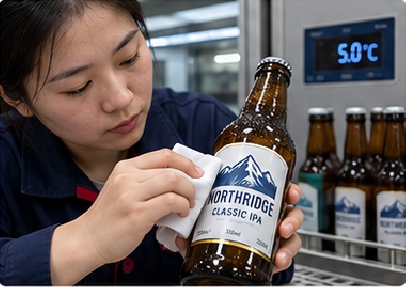
Condensation can weaken the bond, soften some paper constructions, increase edge lift and make handling more abrasive. A brewery should clarify whether moisture appears only after the label has fully bonded or whether bottles and cans are already damp during application. Film materials, moisture-tolerant paper structures, suitable adhesives and protective varnish or lamination can be evaluated according to the visual target. Samples should be chilled and inspected under a representative handling cycle.

Ice and Heavy Moisture

Occasional refrigerator condensation and prolonged ice or water exposure are not the same condition. Labels expected to enter ice buckets or heavily wet service need a construction chosen for sustained moisture exposure, print protection and adhesive stability. Philiton does not treat the word “waterproof” as a complete specification. The exposure method, duration, container surface and required appearance after wet handling should be defined before final material approval. Repeated chill-warm cycles should also be mentioned when they are part of normal distribution or service.

Edge Lift on Curves

Edge lifting can come from adhesive choice, excessive label stiffness, small bottle diameter, contamination, low application temperature, moisture or an unsuitable shape. Increasing adhesive strength alone may not solve the problem. Philiton reviews facestock stiffness, adhesive tack, label dimensions, corner radius, bottle curvature and the application process as one system. A corrected shape or more flexible construction can be more effective than simply specifying a stronger adhesive. Corner radius, label length and dwell time after application can also change the edge stress seen in service.

Choose Beer Label Materials by Use Conditions

Material selection starts with the container, moisture level, finish, labeling process, handling risk and brand appearance. Philiton sources suitable stocks and converts them to the approved construction after the use conditions are defined.

Material RouteBest FitMain StrengthsImportant Watch-Outs
Coated PaperStandard bottle labels, dry handling, cost-controlled programsGood print surface, broad finishing compatibility, familiar paper appearanceMoisture exposure and wet handling need to be reviewed; paper alone should not be assumed waterproof
Uncoated / Textured PaperPremium craft beer, natural or tactile brandingDistinct hand-feel, strong fit for foil or emboss concepts, premium shelf appearanceTexture changes ink lay and fine-detail appearance; moisture resistance depends on the exact construction
White PP / BOPP FilmCans, chilled bottles, moisture-prone applicationsMoisture resistance, smooth print surface, flexibility, durable handlingAdhesive and surface treatment must match the package and application temperature
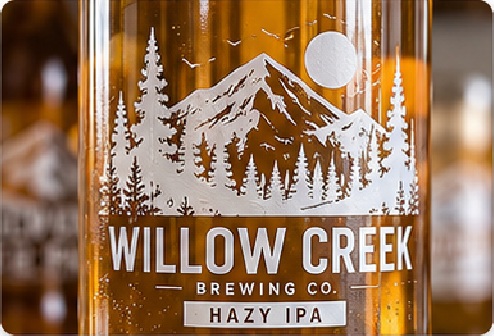
Clear PP / BOPP FilmNo-label-look bottles and cansTransparent appearance, selective white possibilities, moisture resistanceWhite-ink planning is essential; clear adhesive appearance depends on the package surface and application quality
PET FilmHigher durability or dimensional stability requirementsGood toughness, abrasion resistance and compatibility with durable constructionsMaterial cost and stiffness may be unnecessary for simple short-life packaging; adhesive still requires application review
Metallic / Holographic StockLimited releases, premium visual effects, security-style graphicsReflective base can replace large printed metallic areas and create strong shelf contrastColor changes over reflective areas; selective white, fine text and finishing need sample approval

Match Adhesive to Surface, Temperature and Labeling Conditions

Philiton treats adhesive as part of the total label construction, not as a generic “strong glue” chosen after artwork is finished or after a bottle starts failing in service.

Adhesive Starts With the Labeling Moment

Adhesive selection begins with what happens when the label first touches the container. Philiton asks whether the surface is glass, coated metal or another substrate; whether it is clean, dry, textured or contaminated; and what temperature the package has during labeling. Application temperature matters because pressure-sensitive adhesives need the correct initial tack and wet-out before the package enters storage. Service conditions come next. A chilled beer bottle may face condensation, water, repeated handling and rapid temperature changes. A can program may involve automatic application at production speed, followed by packing, transport and refrigeration. Curvature also matters because a stiff material constantly tries to recover its flat shape, increasing stress at the label edges. Permanent, higher-tack, removable or specialty low-temperature adhesive directions can be evaluated only after these conditions are understood. Philiton sources labelstocks and adhesive constructions from qualified external suppliers, then manages the artwork, printing, converting, finishing, inspection and testing within its manufacturing system. For demanding beer applications, the actual bottle or can remains the most useful test surface. Sending representative empty containers can shorten material selection and reduce assumptions before sampling.

Validate the Complete Construction Before Scale

A material name is not a finished beer-label specification. The working construction includes facestock, adhesive, release liner, printing method, white ink where required, varnish or lamination, decorative finishing, die cut and roll configuration. Changing any one layer can affect stiffness, appearance, release behavior, adhesion or automatic labeling performance. Philiton therefore locks the final construction after the relevant samples and technical details are approved. Validation can start before finished artwork exists. Blank material swatches can be used to compare transparency, texture and adhesion on the real package. Printed samples add color, white ink and die-cut verification. Complex finishing samples confirm foil, embossing or special-effect registration. For high-volume or high-risk programs, a pre-production sample can follow the planned production route more closely and become the reference for mass production. Testing should reflect the expected environment rather than a single desk inspection. Chilling, condensation, rubbing, edge lifting, barcode or QR readability, roll feeding and label application can all be checked according to project risk. Findings are used to change the structure before scale. A failed sample is useful when it exposes a weak construction early enough to correct it. 

Select Digital or Flexographic Printing by Order Structure

Philiton uses digital and flexographic production as different economic tools. Quantity, SKU count, artwork stability, material, finishing and expected reorder pattern determine the most suitable route.

Decision PointDigital PrintingFlexographic Printing
Typical FitNew launches, short runs, seasonal releases, multiple artworks, frequent version changesStable repeat programs, larger quantities, long-running SKUs, cost optimization at scale
Quantity LogicOften strongest around 500-5,000 pcs/SKU and can remain competitive into higher quantities depending on size and mixCommonly evaluated from roughly 5,000-10,000+ pcs/SKU when artwork and specifications are stable; threshold is project-specific
SetupNo traditional printing plates; lower front-end setup for short runsPlate and setup cost is spread across higher volume and repeat orders
Multi-SKUFast artwork changes make uneven SKU quantities easier to manageBest when compatible SKUs and stable specifications justify the production setup
Color & FinishingStrong for complex graphics, gradients, prototypes and variable data; specialty finishing can be addedStrong for repeat color control, high running speed and integrated high-volume label production
Scale PathUseful for concept, launch and regional versionsUseful when successful SKUs move into recurring volume production

Manage Multi-SKU Beer Programs Without Losing Control

IPA, lager, stout, seasonal releases and collaboration beers can share production logic without losing separate artwork, quantities, barcode details, batch identity and approval records for each SKU.

Shared Material Platform

Compatible SKUs can use the same facestock, adhesive, liner and finishing platform even when artwork differs. Standardizing the construction reduces unnecessary material variation and helps breweries compare labels across a family. Philiton still controls each SKU as an individual approved artwork and quantity. Shared production is only used when dimensions, material, adhesive, finishing and technical requirements are compatible enough to avoid creating hidden compromises. A common platform is useful only when every SKU can still meet its own application and appearance requirements.

Separate Artwork Control

Multi-SKU work becomes risky when similar files are identified only by informal names such as “IPA new” or “lager final.” Philiton can organize each design by SKU, artwork version, size, material and finishing specification before production. Barcodes, QR codes, legal text and variant names are checked against the released file. Packing labels can identify SKU, quantity and batch so warehouse teams do not need to open every roll to verify contents.

Seasonal and Limited Runs

Seasonal beers and collaboration releases often need smaller quantities than core products. Digital printing keeps these projects from being forced into large plate-based production purely for setup economics. A brewery can launch roughly 500-5,000 pieces per SKU on a suitable digital route, validate demand and preserve the option to change artwork. Premium foil, embossing or specialty stocks can still be sampled and added when the brand value justifies extra processing.

Reorder and Scale

When an SKU begins moving from several thousand labels into regular 5,000-50,000+ piece runs, Philiton can review whether the existing digital route or a flexographic route gives better total cost and repeatability. Approved artwork, tooling, material and roll specifications are retained where applicable. Unchanged repeat orders can often be produced faster than first orders, but every batch still goes through order review and the agreed QC process. Forecast information can also help material planning when several recurring SKUs are replenished on different schedules.

Add Finishing Where It Changes the Beer Brand

Decorative effects should create a defined visual or tactile result. Philiton samples critical combinations before locking them into repeat production, tooling records and long-term artwork specifications.
Foil Accents

Foil Accents

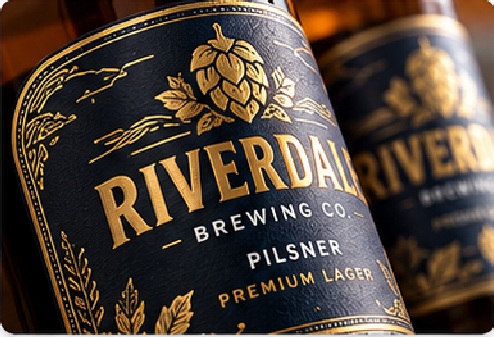
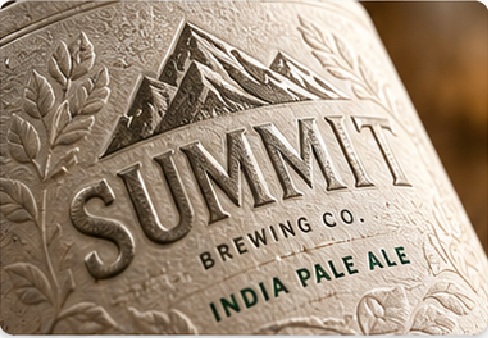
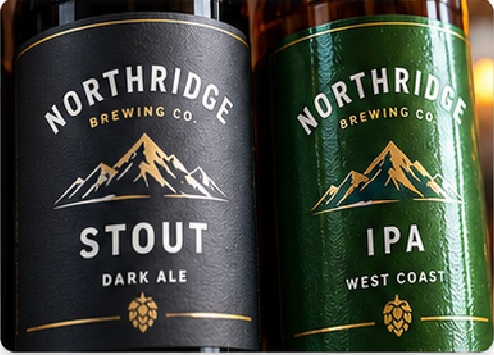
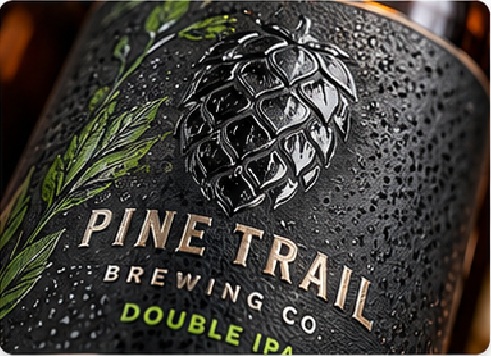
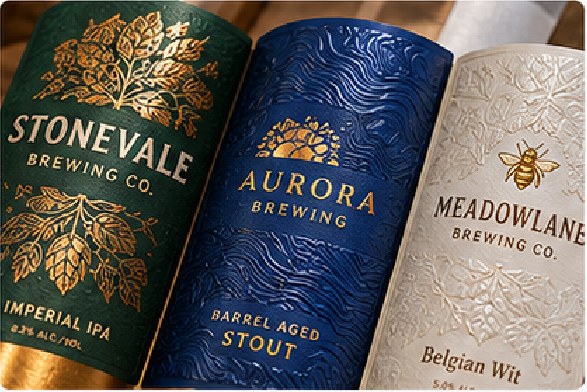
Foil can create concentrated metallic contrast on logos, borders, crests or limited-edition details without turning the entire label reflective. Fine lines, reverses and large solid areas behave differently, so the artwork should be reviewed for achievable detail and registration. Foil also adds tooling and processing steps. Philiton recommends a finished sample when placement is visually critical or when foil is combined with textured paper, embossing or small typography. The approved foil reference should identify artwork version, foil type and registration expectation for repeat runs.
Emboss and Deboss

Emboss and Deboss

Embossing and debossing add physical relief that can make a paper label feel more substantial in hand. The effect depends on stock thickness, artwork area, tooling and how closely raised or recessed features sit to printed details. Very fine elements may lose definition. Philiton can separate emboss or deboss layers in the production file and verify the relationship between print, foil and relief before the approved construction enters mass production. Tooling position and pressure are then treated as production parameters rather than styling guesses.
Selective White Ink

Selective White Ink

White ink is a functional design layer on clear, metallic and holographic materials. It can create opaque logos, protect selected colors from the background and leave other areas transparent or reflective. Philiton reviews artwork as separate print layers so designers can choose full white underbase, selective white or no white in defined zones. A printed sample is strongly recommended because screen previews cannot reproduce the influence of the real container or reflective stock.
Matte or Gloss Protection

Matte or Gloss Protection

Varnish or lamination can change gloss level while protecting printed areas from rubbing, moisture and handling. The right option depends on the required feel, material and exposure. A high-gloss surface can intensify color and reflection; matte treatment can reduce glare and support a softer craft appearance. Protection should not be chosen only by appearance when cans or bottles will see high friction, condensation or repeated packing contact. Rub tests can be added when transport abrasion is a known risk.
Metallic and Holographic

Metallic and Holographic

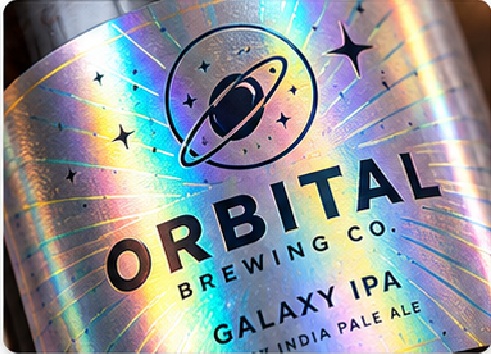
Metallic and holographic stocks use the material itself as part of the graphic. Areas without a white underbase allow reflection to show through printed colors; blocked areas can appear more conventional. Philiton can combine selective white, CMYK or spot elements and protective finishing to control the contrast. Because lighting changes the effect, approvals should include real samples rather than relying only on digital renderings or monitor color. Selective white areas should be documented so the reflective result can be repeated consistently on future batches.
Spot UV and Texture

Spot UV and Texture

Spot UV, screen-deposited layers and other localized effects can create gloss contrast, tactile marks or raised details on selected artwork areas. These processes add alignment, curing and handling requirements, so they are more suitable when the visual value supports the extra production step. Philiton reviews minimum line detail, coverage area and registration risk before tooling or screens are released, then verifies the effect on the chosen labelstock. Large coated areas, very fine type and tight registration zones are reviewed separately because they carry different process risks.

Build Beer Label Artwork for Real Production

Clean production files reduce revisions, protect small regulatory text and keep white ink, foil, embossing and other decorative layers aligned when artwork moves from proof to press.
Build Files for Production, Not Only Screens

Build Files for Production, Not Only Screens

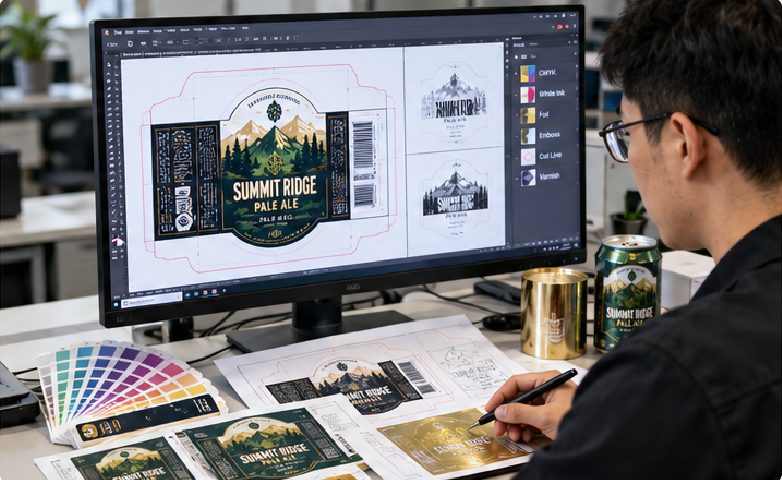
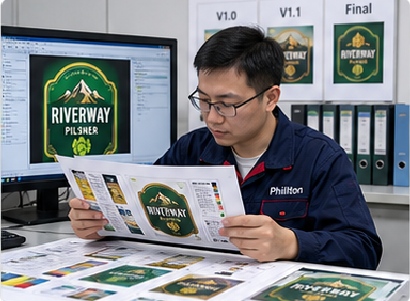
Philiton artwork review covers more than image resolution. A production file needs the correct finished size, bleed, dieline, color setup, fonts or outlined text, white-ink layers where required and separate layers for foil, embossing or other tooling. Barcodes and QR codes also need adequate size, contrast and quiet zones for the intended curved surface. Decorative metallic effects should not be allowed to interfere with scannable areas. Color references should be defined before sampling. CMYK values can reproduce many beer-brand graphics efficiently, while Pantone or other spot references may require dedicated color control or a specific printing route. A screen display is not a physical color standard, especially on uncoated, clear, metallic or textured materials. Philiton can review production feasibility and build a proofing route around the material and finishing combination. Version control is critical for beer families. Every SKU should have a released artwork name or number that connects to quantity, material, size and finishing. Changes to ABV, ingredients, warnings, barcode or market-specific text should create a new approved version rather than informal overwrite of the previous file. Mass production should start only from the released artwork and approved specification.
Use White Ink Deliberately on Clear and Metallic Stocks

Use White Ink Deliberately on Clear and Metallic Stocks

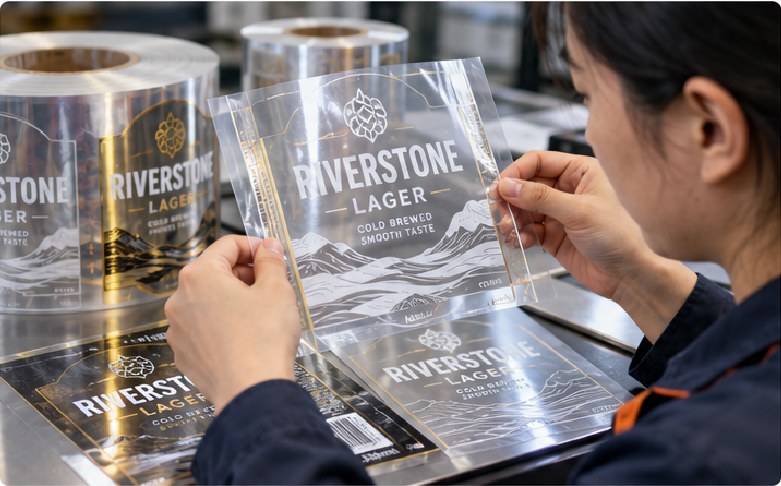
Clear and reflective labels can look completely different after application because the package becomes part of the graphic. On clear film, colors without white backing may appear darker, less saturated or influenced by the beer bottle, can or contents behind the label. On metallic or holographic stocks, unblocked areas take on reflective character. White ink lets the artwork control where that influence is allowed. Philiton can prepare a white-ink separation with three common approaches: no white in selected transparent or reflective zones, a full white underbase behind ordinary colors, or selective white behind only critical logos, text and color blocks. Designers should mark the desired transparent or metallic areas rather than assuming the prepress operator can infer them from the final image. Fine white text, small reverses and registration between white and color need realistic tolerance. A digital preview can show layer intent but cannot prove final opacity or appearance on the real stock. Printed sampling is the preferred approval method when white ink defines the brand effect. The approved white layer becomes part of the production specification for repeat orders. 
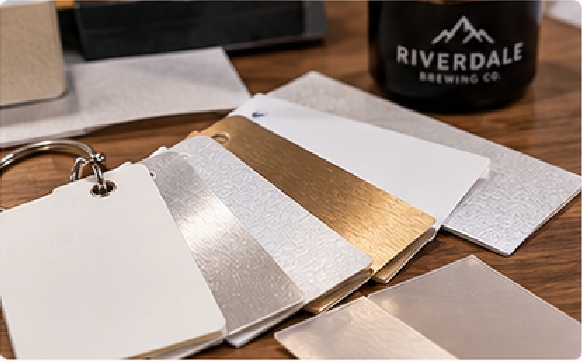
Validate Beer Labels Before Mass Production

Sampling moves from material risk to visual approval and then to production readiness. The level depends on the consequences of getting the label wrong on the real bottle, can or labeling line.
Blank Material Sample

Blank Material Sample

Use a blank swatch when the main question is material, texture, transparency or adhesion rather than artwork. Philiton can prepare representative material pieces in about 1-2 business days for common stocks after the construction direction is confirmed. Applying them to the actual bottle or can can eliminate unsuitable stiffness, transparency or adhesive choices before time is spent on complex printing and finishing. Several candidate constructions can be compared side by side when the application risk is still unclear.
Digital Sample

Digital Sample

Digital samples commonly use about 10-50 pieces per design and can be produced in roughly 1-3 business days for standard materials after artwork approval. They are useful for checking size, color direction, graphics, white ink, die-cut concept and several SKUs without traditional printing plates. Digital samples are especially useful for launch programs, but critical final color or finishing should still be reviewed against the intended production route. Application checks can be performed on several containers before the design and material are released.
Printed Finished Sample

Printed Finished Sample

Standard printed or finished samples commonly take around 3-5 business days and are suitable for confirming print, die cut and normal protective finishing. Quantities can be increased when several internal approvers need physical copies or when bottle and can application testing requires more pieces. Philiton records the approved material, artwork and visible result so the reference can be transferred into production planning rather than treated as a standalone mockup. Roll or sheet delivery format can also be confirmed during the sample stage.
Complex Finish Sample

Complex Finish Sample

Foil, embossing, screen effects, holographic structures or other tooling-dependent finishes commonly require about 5-7 business days because extra setup and processing steps are involved. The purpose is to prove registration, detail, surface interaction and final visual effect before the same combination is repeated on a large order. Material or tooling availability can change the schedule, so complex samples are confirmed after the actual construction is reviewed. Approval should cover not only appearance but also the exact stock and finishing sequence used.
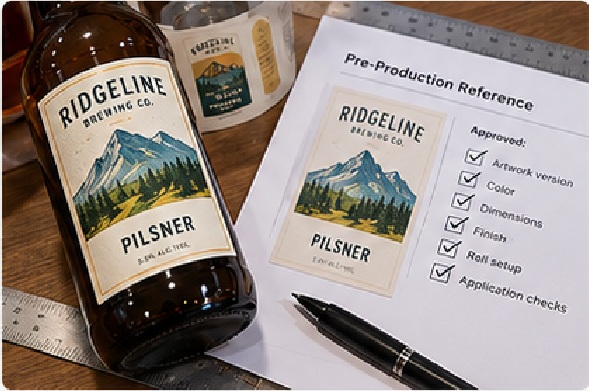
Pre-Production Reference

Pre-Production Reference

For larger brewery programs, a pre-production or golden-sample route can lock the approved specification before scale. Pre-production samples commonly take around 3-7 business days depending on the route and can follow the planned mass-production materials and process more closely. The approved reference can cover artwork version, color, dimensions, finish, roll setup and application checks, giving production and quality teams a common standard for future batches. Retained samples can support later comparison when repeat-order consistency is important.
Request Beer Labels Samples

Move From Approved Sample to Controlled Production

Each production gate removes a different risk: wrong file, wrong material, unstable print, misregistered finishing, poor converting, incorrect roll setup or unsuitable delivery configuration for the brewery.

Requirement and Spec Lock

Philiton confirms the SKU list, finished size, quantity, material, adhesive, artwork version, color reference, finishing, roll configuration, packing and delivery requirements before formal production. Any unresolved variable is treated as an open item rather than guessed on press. For repeat orders, previous specifications can be reused when unchanged, but changed artwork, material, adhesive, roll setup or destination still triggers review. Production release follows the confirmed version list, not informal verbal instructions.

Material Preparation and IQC

Base labelstocks, adhesives, liners, foils and specialty substrates are sourced from qualified external suppliers according to the approved construction. Incoming material is checked for the required type, batch, dimensions, appearance and relevant project conditions before release to production. Special or imported materials can add procurement time, so availability should be established before a launch date is committed. Material substitutions are not made silently when the approved construction depends on a specific performance or appearance.

Printing Route

Digital, flexographic, screen, UV or another suitable route is selected from quantity, SKU count, artwork, material and finishing requirements. Small multi-SKU launches often benefit from digital production; stable higher-volume programs can be reviewed for flexographic efficiency. First-piece output is checked against the approved file and color reference before the job continues through the planned run. SKU changes, spot colors and white-ink layers are verified at setup so errors are not carried into a long production batch.

Finishing and Converting

Approved varnish, lamination, foil, embossing, holographic effects or other finishing are completed before die cutting, waste stripping, slitting and rewinding. Converting controls final size, shape, gap, liner width and roll geometry, so it directly affects application. Tooling-dependent effects are checked for registration and surface quality rather than treated as purely decorative steps. Die-cut waste removal, liner condition and rewind quality are monitored because converting defects can later become application problems.

In-Process and Final QC

Quality checks follow the approved specification through printing, finishing and converting. Philiton combines operator checks, quality personnel, vision inspection where applicable and internal testing according to project requirements. Color, registration, dimensions, die cut, defects, adhesion-related checks, barcode or QR readability and roll configuration can be included according to risk. Rejected material is separated from accepted output. Inspection scope is tied to the agreed risk level, so critical appearance, code, roll or application requirements are defined before final release rather than after shipment.

Packing and Shipment Release

Finished rolls or sheets are counted, identified and packed to protect against crushing, moisture, telescoping and unwinding. SKU, quantity and batch information can be marked on roll and carton labels according to the receiving plan. Standard production commonly takes about 5-10 business days after production conditions are satisfied; freight and international transit are scheduled separately by destination and Incoterm. Packing lists and SKU markings can be aligned with the receiving warehouse before dispatch.

Quality Control Focused on Beer Label Failure Points

Quality is measured against the approved artwork, construction, roll specification and application conditions, not against vague claims such as “premium quality” or “perfect printing” without measurable acceptance points.
Artwork and Version Control

Artwork and Version Control

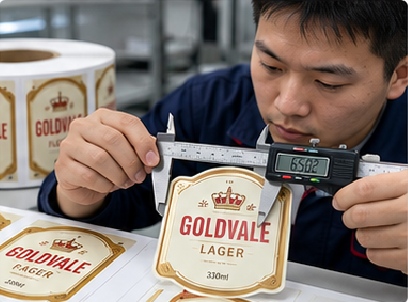
Every production run begins with the released artwork and specification. Philiton checks SKU identity, finished size, text, variable fields, barcode or QR content, white-ink layer and special-finish separations against the approved file. Version control is especially important for breweries with similar artwork across several beers. Production should never rely on an email attachment named “final-final” when a controlled release file can prevent costly mix-ups. The released version should connect directly to the SKU quantity and specification used for the job.
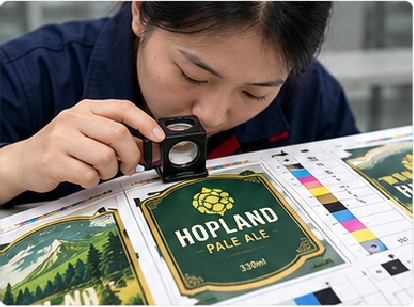
Color and Registration

Color and Registration

Color checks compare production against the agreed proof, sample or color reference. Registration is reviewed where multiple print units, white ink, foil, embossing or other effects must align. Uncoated, textured, clear and metallic stocks can influence the appearance of the same artwork, so QC uses the approved physical construction as the reference rather than assuming monitor color will match every material identically. Critical spot colors can be checked against the agreed standard at setup and during the run.
Dimensions and Die Cutting

Dimensions and Die Cutting

Finished width, height, corner radius, die-cut position, matrix removal and liner condition affect both appearance and application. A label that is visually correct but cut off-center can fail on a narrow neck or automatic line. Philiton checks converted output against the released dieline and roll specification, paying particular attention to small bottle diameters, long can labels and close tolerances around barcodes or decorative borders. Liner damage and matrix-removal defects are also monitored because they can disrupt dispensing.
Adhesion and Durability

Adhesion and Durability

Adhesion risk is reviewed according to the defined substrate and use environment. Internal testing can support peel or tack comparison, rub resistance, color and other application checks as required. For beer projects, sampling on actual containers is especially valuable for cold, condensation or high-handling conditions. Varnish or lamination performance is also checked when printed or foil areas may rub during packing, transport or wet service. Agreed environmental checks are documented with the project rather than assumed from the material name alone.
Codes and Variable Data

Codes and Variable Data

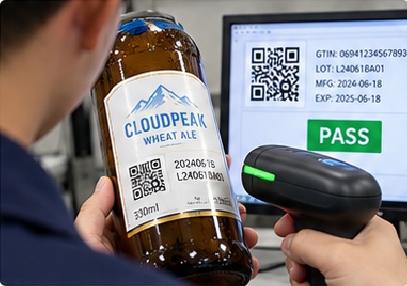
Barcodes, QR codes and variable information need more than a phone-camera check. Size, contrast, quiet zone, print gain, curved placement and reflective effects can influence readability. Philiton can verify visible codes according to the agreed inspection method and manage variable-data workflows when projects require unique information. Source data, reprints and scrap handling should be defined before production when uniqueness matters. For ordinary retail barcodes, the inspection method and acceptance criteria should still be agreed before the first commercial run.
Roll and Packing OQC

Roll and Packing OQC

Final inspection confirms roll direction, core, maximum roll diameter where specified, labels per roll, splice or perforation rules, SKU identification and packing condition. Rolls are protected against crushing, unwinding, moisture and telescoping during transport. Cartons can be marked by SKU, quantity and batch. Final release is based on the agreed acceptance standard so a warehouse receives labels that match both visual and line-use requirements. Quantity, roll count and carton identification are cross-checked before the shipment is closed.

Specify Beer Label Rolls for Automatic Application

Automatic labeling depends on roll geometry as much as print quality. Philiton confirms production-line inputs, sensor needs, winding direction and packing expectations before the first commercial run.

Roll ParameterWhat Philiton ConfirmsWhy It Matters
Unwind DirectionArtwork orientation and leading edgePrevents labels feeding upside down or reversed into the applicator
Inside / Outside WoundLabel face direction on the rollMatches dispenser or labeling-machine web path
Core SizeRequired inner diameterPrevents loading problems and unsupported cores
Maximum Roll DiameterAllowed finished roll ODKeeps rolls within machine guards, shafts and handling limits
Gap / PitchSpace and repeat between labelsAffects sensor timing, dispensing accuracy and line speed
Liner Width / Labels AcrossBacking width and lane arrangementControls tracking, sensor position and available converting layout
Perforation / Black Mark / Sensor FeatureRequired marks or perforationsSupports equipment detection or manual separation when specified
Labels per RollTarget count and acceptable toleranceSupports changeover planning, inventory control and consistent packing
SKU and Batch IdentificationRoll and carton marking rulesReduces warehouse mix-ups across similar beer artworks

Control Beer Label MOQ and Total Production Cost

Lowest unit price is not always the lowest packaging cost. Material, SKU mix, setup, finishing, roll format, line efficiency, inventory exposure, freight and repeat frequency all matter together.

MOQ and SKU Structure

For many standard label constructions, Philiton can start around 500 pieces per design or SKU, subject to material, process, size and tooling. Multiple SKUs with the same material and compatible production setup can sometimes be planned together, but each artwork still requires separate approval and quantity control. A six-SKU brewery order should therefore be quoted as a production mix, not treated as one undifferentiated label quantity. Compatible artworks may share setup advantages without losing separate approval or inventory control.

Material and Adhesive Cost

Choosing a heavier film, specialty paper or higher-performance adhesive without a defined need can raise cost without improving the real application. Choosing a cheaper construction that fails under condensation can cost far more through relabeling, wasted cans or emergency reprints. Philiton separates must-have performance from visual preference, then compares material options around the bottle or can, labeling temperature, moisture exposure and required shelf appearance. Material savings are worthwhile only when adhesion and handling requirements remain protected.

Printing and Finishing Cost

Digital production reduces plate setup for short runs and frequent artwork changes. Flexographic production can lower unit cost when stable quantities become large enough to spread setup across the run. Foil, embossing, screen effects and special materials add tooling or extra passes. Cost review therefore starts with the full SKU and finishing plan, not with a generic price per thousand labels detached from the artwork. Tooling and setup costs can then be spread intelligently across repeat volume.

Repeat Orders and Scale

A successful beer SKU can move from a 500-5,000 piece launch into 5,000-50,000+ piece growth runs and eventually higher recurring volumes. As specifications stabilize, Philiton can review print route, material purchasing, tooling reuse, roll counts and packing to reduce total production cost. Unchanged repeat orders commonly run faster than new projects, while any change to artwork, adhesive, material or line specification is reviewed before release. Forecasted recurring demand can also support better material planning and fewer emergency replenishment decisions.

Pack and Ship Beer Labels for Production Use

Packing protects roll geometry, keeps SKUs separated and makes incoming inspection easier before labels reach the filling or packing line, warehouse staging area or contract-packaging location.

Protect Roll Geometry

Beer labels supplied on rolls are packed to reduce crushing, edge damage, telescoping and unwanted unwinding. Core strength, finished roll diameter and stacking method are considered before carton packing. Protective bags or moisture barriers can be used where the transport environment warrants them. Packaging is not treated as an afterthought because a perfectly printed roll can still cause downtime if it arrives deformed or difficult to load. Finished roll weight and carton handling are also considered when large runs create heavier shipping units.

Build Cartons for Receiving & Separate Production and Transit

Carton quantities, roll counts and pallet requirements can be aligned with the brewery or co-packer receiving process. Large programs may require pallet labels, carton numbering or specific warehouse marks. Direct delivery to a warehouse or fulfillment location can be arranged when address, appointment rules, receiving labels and customs details are provided. Packing instructions should be included in the quotation instead of added after production is complete. Palletization, carton counts and split-SKU delivery rules can then be priced and planned before the labels enter final packing.

Build Cartons for Receiving

Carton quantities, roll counts and pallet requirements can be aligned with the brewery or co-packer receiving process. Large programs may require pallet labels, carton numbering or specific warehouse marks. Direct delivery to a warehouse or fulfillment location can be arranged when address, appointment rules, receiving labels and customs details are provided. Packing instructions should be included in the quotation instead of added after production is complete. Palletization, carton counts and split-SKU delivery rules can then be priced and planned before the labels enter final packing.

Separate Production and Transit

Production lead time and international transit are different parts of the schedule. Philiton can arrange courier, air freight or sea freight according to shipment size, urgency and destination. Small samples and urgent short runs are often suited to courier or air; larger repeat programs can use more economical routes. The quotation states the agreed Incoterm and shipping method so freight, customs, duties and local delivery responsibilities remain clear. Target in-hand dates should therefore include both production and transit, not production time alone.
Representative Beer Label Projects Built Around Real Constraints

The following anonymized production scenarios use realistic order structures and Philiton-supported manufacturing routes to show how beer-label projects can be organized from sample approval through production, QC and shipment.
United States Craft Brewery

United States Craft Brewery

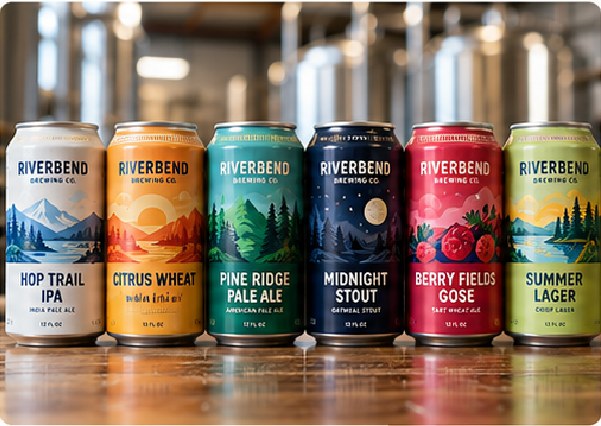
A U.S. craft brewery prepared six seasonal can SKUs with 3,000 labels per design, 18,000 labels total. The packaging team needed a moisture-resistant white film, strong color, short lead time and rolls compatible with an automatic applicator. Philiton reviewed can dimensions, artwork versions, unwind direction, core and roll diameter, then produced digital samples for all six SKUs. After application and condensation checks, the approved construction moved into digital production. Rolls were packed by SKU with quantity and batch identification, keeping the launch flexible without forcing one high MOQ across all designs.
Germany Regional Brewery

Germany Regional Brewery

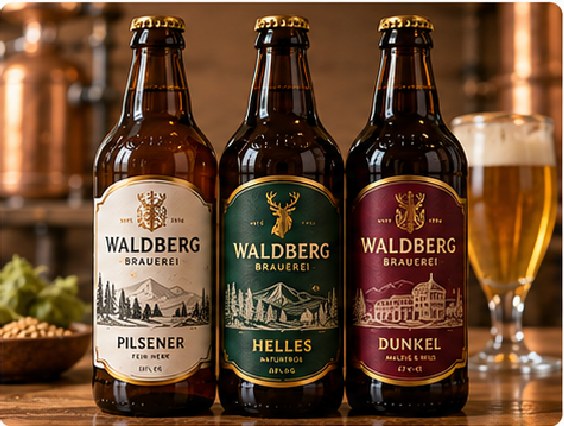
A regional brewery in Germany planned 48,000 bottle labels across three core beers, using 16,000 labels per SKU. The brand wanted a tactile paper appearance with metallic logo accents while maintaining reliable performance through refrigerated distribution. Philiton compared paper constructions, adhesive direction and foil feasibility, then produced finished samples for fit, color and foil registration. After the bottle test, artwork and finish layers were locked and the job moved into repeat-oriented production planning. Front and back labels were separated by SKU and packed to the brewery’s receiving sequence, with roll specifications recorded for future reorders.
Australia Beverage Group

Australia Beverage Group

An Australian beverage group prepared a 120,000-label can program across four beer variants, 30,000 labels per SKU. Early proofing was completed digitally so the packaging and marketing teams could approve artwork, white-ink coverage and barcode placement before scale. With designs stable and recurring demand expected, Philiton reviewed the program for flexographic production economics. The final specification included film structure, adhesive, white layer, varnish, roll direction, core, gap and labels per roll. QC focused on color consistency, registration, die cutting, code readability and roll setup, while cartons were separated by SKU and batch for warehouse receiving.

Manage Beer Label Documentation and Compliance Responsibilities

Philiton manufactures to the approved specification and supports project documentation, material records and controlled artwork release, while final legal labeling obligations remain with the brand or responsible market entity.
Approved Regulatory Artwork

Approved Regulatory Artwork

Beer labels may include alcohol content, net contents, ingredients, allergens, warnings, producer information, barcode or other market-specific text. Philiton can reproduce approved regulatory content with controlled size and legibility, but does not decide which statements are legally required in every country. The brand, importer or regulatory adviser should approve the final wording. Production then follows the released artwork version rather than informal text changes during printing. Any late regulatory revision should create a new approved file before manufacturing continues.
Material and Test Documents

Material and Test Documents

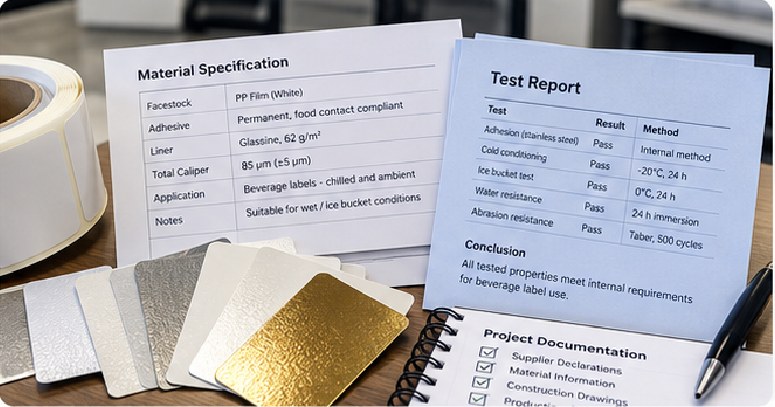
Labels applied to beverage packaging can involve different compliance questions depending on whether they only contact the external package or are intended for another contact condition. Philiton can coordinate available supplier declarations, material information and project-level testing where required. A document for one material or construction should not be treated as proof for every label. Compliance evidence must correspond to the actual stock, adhesive, ink, finish and intended use. Supplier documents and test reports are checked for relevance before they are attached to a project file.
Market-Specific Requirements

Market-Specific Requirements

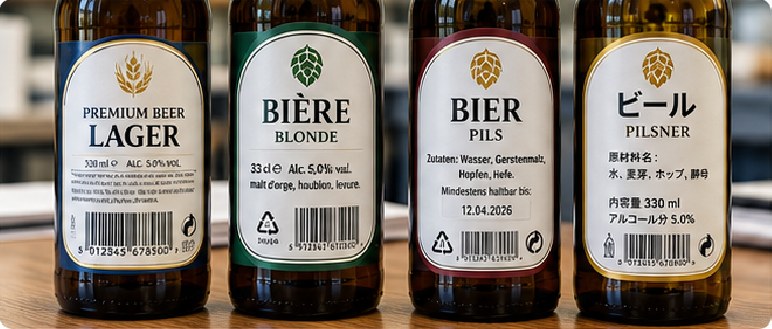
No single beer-label specification automatically covers the United States, European Union, United Kingdom, Canada, Australia and every other market. Artwork, warnings, language, recycling marks and documentation can differ. Philiton requests the destination market during RFQ review so manufacturing and document requirements can be planned early. Final market-entry responsibility stays with the brand or legally responsible entity, while Philiton is responsible for producing the approved specification correctly. Market requirements should therefore be settled before final artwork approval, not after labels have entered production.
Traceability and Confidentiality

Traceability and Confidentiality

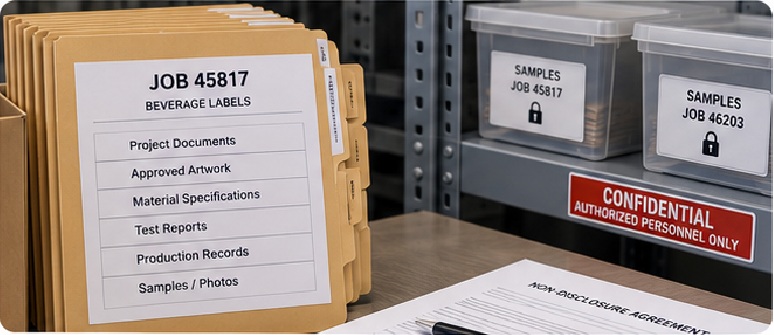
For repeat and enterprise programs, artwork, specification, material and tooling records can support batch traceability and investigation of quality issues. Philiton can work under a customer NDA or mutually agreed NDA for confidential launches and branded packaging. Branded samples, production photos and case details are not automatically published. Rejected or obsolete branded labels are segregated from accepted production and handled according to the risk and project requirements. Confidential artwork and production images are not used publicly without authorization or sufficient anonymization.

Beer Labels Frequently Asked Questions

Many standard beer-label constructions can start from around 500 pieces per design or SKU. Actual MOQ depends on material, size, adhesive, print route, finishing, tooling and whether several SKUs can share compatible production setup. Specialty stocks, custom holographic structures or dedicated tooling may require a higher minimum.
Yes. Philiton can manufacture custom pressure-sensitive labels for glass bottles, aluminum cans, growlers, crowlers and related brewery uses. Final construction depends on the package surface, label dimensions, moisture exposure, application temperature, desired appearance and whether labels are applied by hand or automatic equipment.
There is no single best material. Film constructions are often selected for moisture resistance and durable handling, while paper can be suitable where tactile appearance is important and wet exposure is controlled. Adhesive must match application temperature, service temperature, condensation, surface and curvature. Testing on the real package is preferred for demanding conditions.
Yes, when materials, adhesive, finishing and technical specifications are compatible. Each SKU still needs its own approved artwork, quantity and identification. Digital printing is useful for uneven SKU quantities and frequent version changes. Larger stable SKUs can later be reviewed for flexographic production without forcing every design onto the same print route.
Pantone references can be used as production targets when the print route and material support the required color control. Final appearance is influenced by paper texture, clear or metallic stocks, white ink and finishing. For critical brand colors, Philiton recommends approval against a physical sample or defined color standard rather than relying only on monitor appearance.
Yes. Philiton supports foil stamping, embossing and debossing, white ink, screen and UV effects, holographic materials, lamination and related finishing routes. Suitability depends on artwork detail, stock, order quantity and required registration. Complex effects are normally sampled before mass production so the physical result can be approved.
Common timing after artwork, material and process confirmation is about 1-2 business days for blank material swatches, 1-3 days for digital samples, 3-5 days for standard printed or finished samples and about 5-7 days for complex finishing samples. International courier time is separate.
Standard label production commonly takes about 5-10 business days once artwork or sample approval, material availability and tooling conditions are satisfied. Larger or multi-SKU orders can require about 7-15 business days or longer depending on finishing and packing. Repeat orders may be faster when the specification remains unchanged and materials are available.
Yes. Philiton can produce roll labels to agreed equipment requirements, including unwind direction, inside or outside winding, core, maximum roll diameter, gap, liner width, labels across, perforation or sensor marks and labels per roll. Machine details should be provided before the final roll specification is released.
No blanket worldwide guarantee is made. Philiton can manufacture approved artwork, support material and project documentation, and follow specified testing or manufacturing requirements. The brand, importer or responsible market entity confirms the legally required alcohol, warning, ingredient, language and other label content for each destination market.

Send a Beer Label RFQ Philiton Can Price Correctly

A useful quotation starts with enough information to choose the right material, adhesive, print route and roll setup. Send the artwork even if it is not production-ready; Philiton can review dieline, bleed, white ink, foil or emboss layers, barcode placement and other manufacturing details before sampling. For chilled or wet applications, include the real bottle or can type and describe when labels are applied, how cold the package becomes and whether condensation or ice exposure is expected. Standard digital samples can often be produced in 1-3 business days after specifications are confirmed, while normal bulk production commonly takes about 5-10 business days after approval and material readiness.

Please include:

  • Bottle or can type and labeling area
  • Finished label size or container dimensions
  • Artwork files and number of SKUs
  • Quantity per SKU and expected repeat volume
  • Paper, film or visual reference if already selected
  • Cold, condensation, ice or abrasion conditions
  • Hand application or automatic labeling specifications
  • Finishing requirements such as foil, embossing or white ink
  • Delivery country, postal code and target in-hand date

For all inquiries, please feel free to reach out at:

Get In Touch

  • Our team will answer your inquiries within 12 hours.

  • Your information will be kept strictly confidential.

Get a Fast Quote for Custom Labels & Stickers

We will contact you within 24 Hours, please pay attention to the email with the suffix“@philiton.com”. 
For all inquiries, please feel free to reach out at:

Ask For A Quick Quote

We will contact you within 24 Hours, please pay attention to the email with the suffix“@philiton.com”. 

For all inquiries, please feel free to reach out at:

Get a Quote Today!

We will contact you within 24 Hours, please pay attention to the email with the suffix“@philiton.com”.