Your Trusted Labels & Stickers Manufacturer from China!

Custom Hot Foil Labels Manufacturer

Precision metallic finishing for premium labels, combining controlled foil transfer, artwork engineering, specialty finishing, sampling, and repeat-production management.

Philiton manufactures custom hot foil labels for premium packaging, brand decoration, and multi-SKU programs.
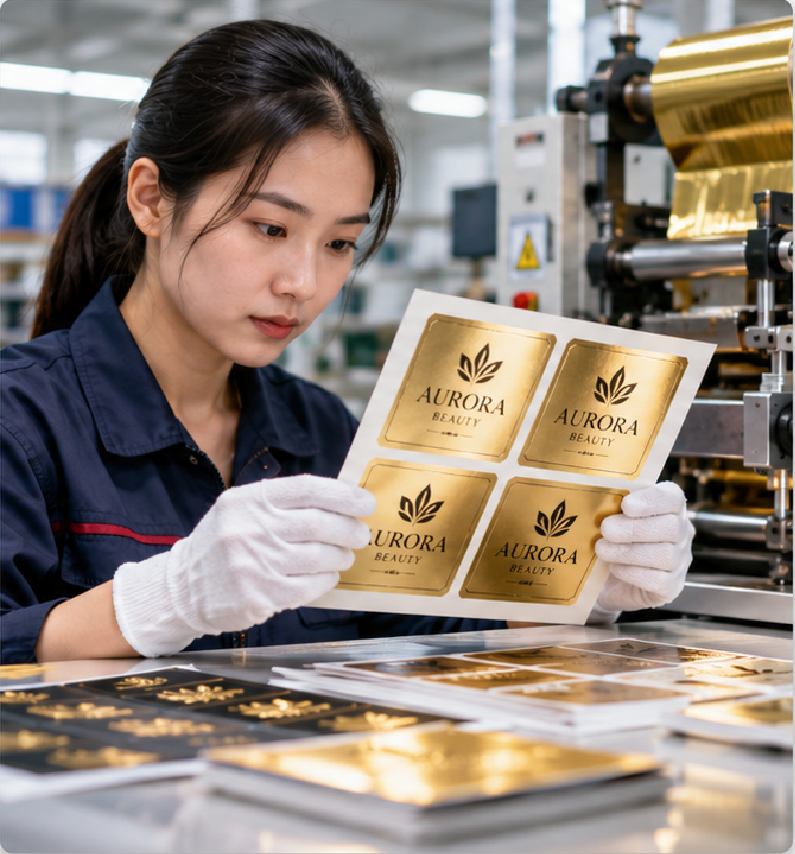

  • Founded in 2016 with manufacturing operations in Shenzhen and Dongguan
  • 12,000+ m² integrated manufacturing and operating space
  • 200+ employees, including 91 technical, skilled production, and quality professionals
  • Many standard label projects can start around 500 pcs; hot-foil tooling and special materials are confirmed per project
Custom Hot Foil Labels Manufacturer

Who Uses Philiton Hot Foil Labels Most Effectively

Hot foil is most valuable when metallic detail must support brand positioning, controlled production, and repeat consistency rather than act as a decorative afterthought.

Established Consumer Brands

Established brands usually need more than one attractive production run. They need controlled foil tone, approved artwork revisions, stable material construction, repeatable registration, and packaging that stays organized across SKUs. Philiton supports artwork review, sampling, foil stamping, embossing, converting, inspection, and repeat-order control within one manufacturing workflow, making premium metallic decoration easier to manage as product lines grow.

Wine and Spirits Teams

Wine, spirits, champagne, and premium beverage programs often combine textured papers, fine typography, metallic accents, embossing, neck labels, front labels, and multiple market versions. Philiton can review foil detail, bottle curvature, adhesive requirements, wet or chilled handling conditions, and roll or sheet delivery before production. The aim is to preserve the premium appearance without ignoring application, converting, and batch-control requirements.

Beauty and Fragrance Brands

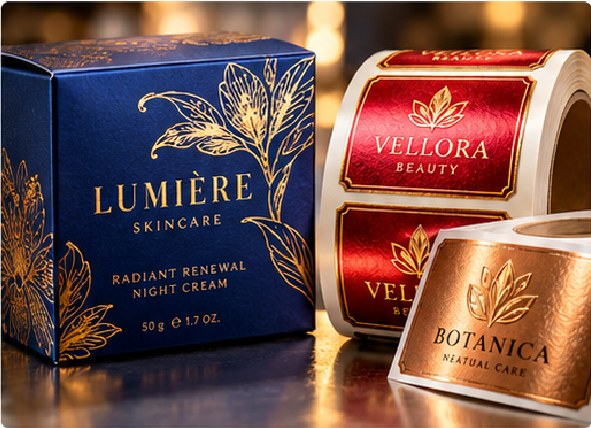
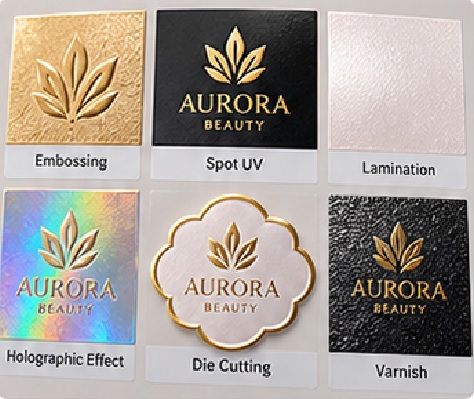
Cosmetic, skincare, perfume, and home-fragrance packaging often uses small labels, fine text, clear films, coated papers, premium texture, and closely registered decorative effects. Philiton can combine hot foil with white ink, CMYK or Pantone printing, embossing, varnish, lamination, and precision die cutting. Artwork is reviewed for foil layers, tiny reverse areas, edge spacing, and registration before a physical sample is approved.

Premium Food and Candle Brands

Artisan food, gourmet products, tea, coffee, supplements, candles, and giftable home products often use paper texture and metallic detail to create shelf presence. Philiton can help select coated, uncoated, kraft, textured, synthetic, or film materials according to moisture, oil, handling, and visual requirements. Hot foil can then be positioned where it adds contrast without overloading the label or creating avoidable production risk.

Packaging and Design Companies

Packaging companies, branding studios, and design agencies often arrive with strong visual concepts but need manufacturing feedback before finalizing artwork. Philiton can translate foil mockups into production layers, review dielines, recommend materials, separate foil and emboss elements, and identify risky fine details. Designers keep control of the visual direction while Philiton handles the production logic required for sampling, tooling, printing, finishing, and conversion.

Print Brokers and Distributors

Print brokers and distributors need a dependable backend for projects that exceed local equipment, finishing, quantity, or cost limits. Philiton supports confidential artwork handling, multi-project quotation, repeat specifications, neutral or project-specific packing, and coordinated production across printing, foil stamping, embossing, die cutting, inspection, and shipping. Clear project specifications and retained approval records help reduce rework when the same account returns with new SKUs.

Hot Foil Label Styles for Premium Packaging Programs

Metallic appearance is not one fixed finish. Foil tone, gloss, texture, substrate, print background, and secondary finishing change the final result substantially.
Bright Gold Foil

Bright Gold Foil

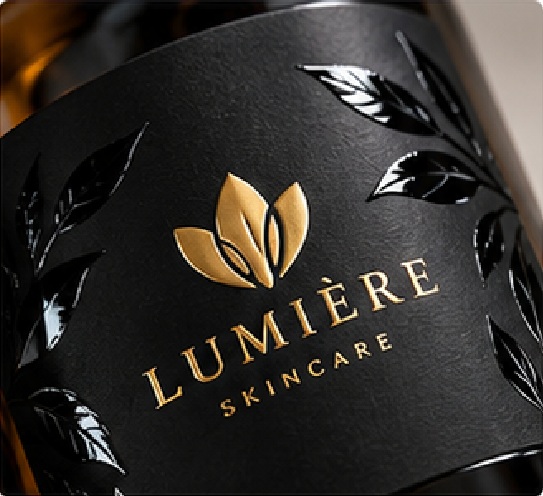
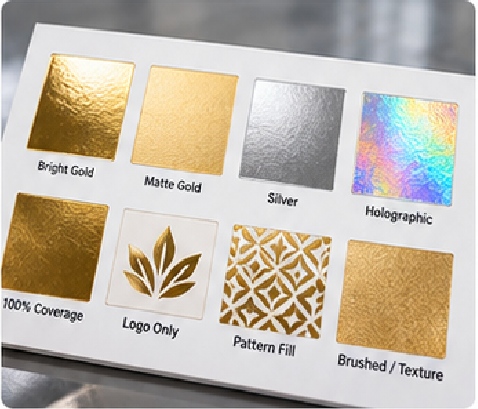
Bright gold foil creates a high-reflective metallic accent for logos, borders, crests, names, and premium callouts. It works especially well when the foil area is controlled and surrounded by matte paper, dark ink, or restrained color. Because screen previews cannot reproduce true metallic reflection, Philiton confirms the selected foil through physical samples or approved foil references before repeat production.
Matte Gold Foil

Matte Gold Foil

Matte and champagne-gold directions deliver a quieter premium effect than mirror-bright gold. They are useful for luxury skincare, wine, tea, spirits, candles, and gift packaging where subtle material contrast matters more than maximum shine. Final tone can vary with foil source, substrate color, surface texture, and lighting, so Philiton treats the physical foil reference as the approval basis rather than a monitor rendering.
Rose Gold Foil

Rose Gold Foil

Rose gold combines warm metallic reflection with a softer fashion and beauty aesthetic. It is commonly considered for cosmetics, fragrance, candles, boutique food, wellness, gifting, and seasonal packaging. Philiton reviews the artwork area, substrate, nearby printed colors, and finish combination before sampling because rose-gold appearance can shift noticeably against black, white, transparent, kraft, or strongly colored label materials.
Mirror Silver Foil

Mirror Silver Foil

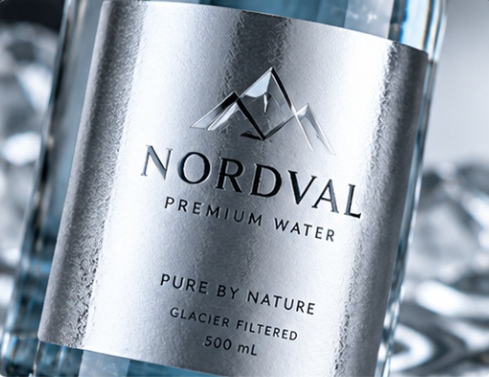
Mirror silver creates a clean, high-contrast metallic surface suited to premium beverages, beauty products, technology-inspired packaging, luxury seals, and monochrome designs. It can be used as a narrow accent or larger visual element when the material surface and artwork allow stable transfer. For highly reflective areas, Philiton checks pinholes, scratches, registration, foil transfer, and compatibility with subsequent varnish or lamination.
Colored Metallic Foil

Colored Metallic Foil

Colored metallic foil can extend the metallic palette beyond gold and silver into reds, blues, greens, copper-like tones, and other specialty directions. Availability is confirmed per project because foil ranges depend on current sourcing and production suitability. Philiton uses the requested visual reference to shortlist options, then verifies transfer quality, color appearance, surface compatibility, and final contrast on the selected label material.
Holographic Foil

Holographic Foil

Holographic foil adds angle-dependent reflection, rainbow effects, or patterned metallic detail to promotional, fashion, beauty, gift, and brand-protection-oriented labels. Generic decorative holographic foil is different from a proprietary security hologram, so the intended purpose must be clear. Philiton confirms pattern availability, transfer behavior, artwork detail, and any overprinting or lamination requirements before the design is released to production.
Textured Paper Foil

Textured Paper Foil

Textured paper paired with hot foil is a strong route for wine, spirits, tea, coffee, candles, artisan food, and premium gifting. Paper texture contributes tactile character while foil creates concentrated metallic contrast. Rougher surfaces can reduce transfer uniformity or soften fine detail, so Philiton samples the actual stock, reviews minimum detail by project, and checks whether embossing, varnish, or other finishing should be added.
Foil and Emboss Labels

Foil and Emboss Labels

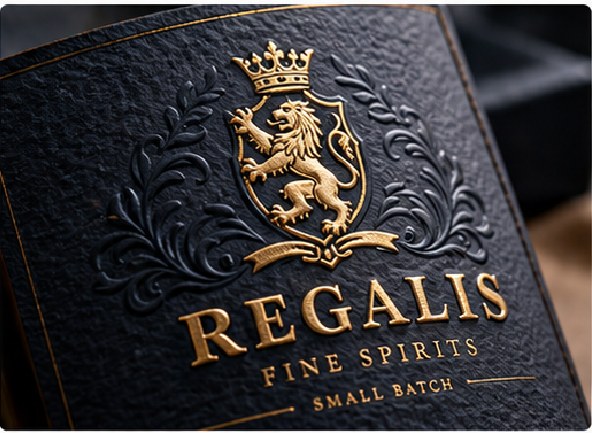
Foil plus embossing combines metallic reflection with physical relief, making logos, crests, names, seals, and selected graphics feel more dimensional. The two effects are separate operations and need separate artwork layers, tooling, and registration control. Philiton reviews the foil area, emboss geometry, substrate stiffness, surrounding print, die-cut position, and tolerance before a production sample is approved for larger-scale manufacturing.

How Hot Foil Transfers Metallic Detail onto Labels

Hot foil uses a controlled combination of foil, tooling, heat, pressure, substrate behavior, and registration. Stable results depend on the whole construction, not the foil alone.

Heat, Pressure and Foil Transfer

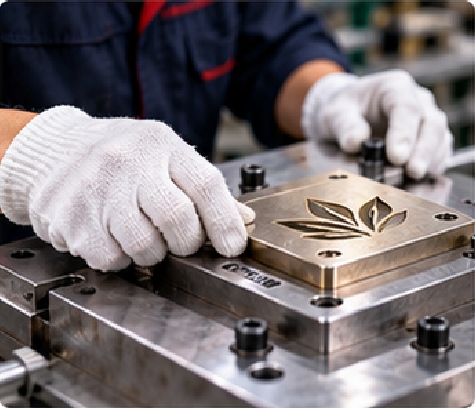
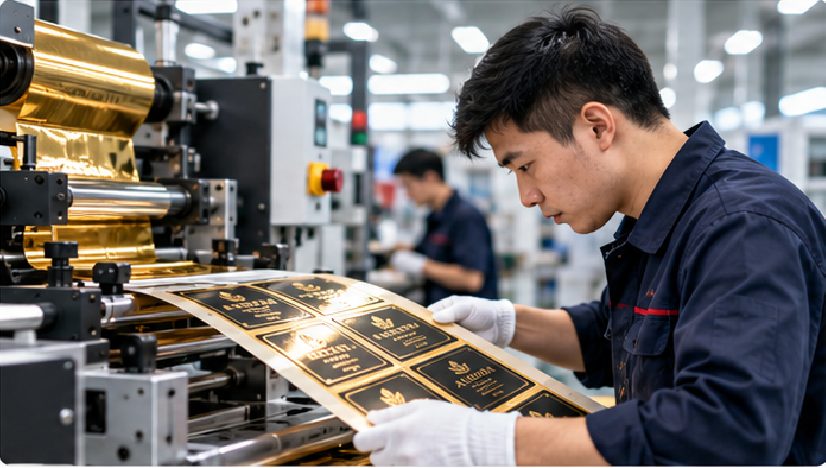
Hot foil stamping transfers a metallic, pigmented, or specialty foil onto selected areas of the label through a heated stamping die and controlled pressure. The artwork first defines exactly where the foil should appear. A physical foil roll is then matched to the substrate and desired appearance. During production, the die contacts the foil and label material under a controlled process window so the foil releases from its carrier and bonds only in the intended areas. The visual result depends on more than temperature. Pressure, dwell time, web tension, foil type, coating, paper texture, film behavior, printed ink, lamination, and artwork geometry all influence edge quality and transfer completeness. A setting that performs well on smooth coated paper may not transfer identically onto textured uncoated stock or a heat-sensitive film. Excessive heat or pressure can deform some materials or fill fine reverse areas; insufficient transfer conditions can cause missing foil, pinholes, weak edges, or poor adhesion. Philiton therefore treats hot foil as an engineered finishing step. The foil, face material, surface treatment, artwork, and preceding or following processes are reviewed together. Approval is based on the physical sample, not only a digital mockup. First-piece confirmation and retained project references also give production and quality teams a clear standard for later checks, reducing the risk that foil position or appearance drifts during a longer run.

From Artwork to Finished Roll

A production-ready hot foil label begins before the press. Philiton reviews the finished label size, shape, foil location, print colors, material, adhesive, delivery format, and application method. Foil elements are separated from CMYK, Pantone, white ink, emboss, and dieline information so every process has a controlled production layer. Tooling is prepared according to the approved foil artwork, while material and foil compatibility are checked against the intended process route.
The label may be printed before or around the foil operation depending on the construction. After foil stamping, additional finishing such as embossing, varnish, lamination, Spot UV, die cutting, waste stripping, slitting, and rewinding can follow. Each extra operation changes what must be controlled. Foil-to-print registration matters when a metallic border meets printed artwork; foil-to-emboss registration becomes critical when relief must sit inside a metallic area; die-cut position matters when foil approaches an edge or custom shape.
The finished product is then inspected for transfer completeness, edge quality, scratches, registration, foil appearance, die cut, size, and delivery specifications. Roll orders continue through slitting and rewinding to the approved core, direction, quantity per roll, and packing requirements. When automatic labeling is planned, the liner, gap, pitch, roll diameter, and winding direction are confirmed as production specifications rather than being left to packing-stage assumptions.


Hot Foil Applications Where Premium Detail Adds Value

Philiton applies hot foil where metallic detail supports packaging value, product differentiation, or controlled brand presentation across repeated commercial production.
Wine and Spirits

Wine and Spirits

Wine and spirits labels often combine textured papers, small type, crests, borders, vintage details, embossing, and multiple SKUs. Hot foil works well for concentrated metallic accents on front labels, neck labels, seals, and gift packaging. Philiton also reviews bottle curvature, wet or chilled handling, glass adhesion, roll direction, and finishing combinations so appearance and application performance are planned together.
Cosmetics and Skincare

Cosmetics and Skincare

Cosmetic and skincare packaging frequently uses foil to highlight brand names, product families, shade names, borders, and premium claims. Materials may include coated paper, clear or white BOPP, PET, synthetic paper, or metallic stocks. Philiton coordinates foil with white ink, CMYK or Pantone printing, lamination, Spot UV, embossing, and fine die cutting while checking water, oil, alcohol, curvature, and container surface conditions.
Perfume and Fragrance

Perfume and Fragrance

Perfume, diffuser, room spray, and fragrance labels can be very small, visually restrained, and technically demanding. Fine metallic names or borders must remain clean on glass bottles, gift cartons, and compact containers. Philiton reviews tiny typography, foil geometry, label size, bottle surface, alcohol exposure, artwork separation, and finishing order before sampling. Physical approval is especially important where foil, transparent material, embossing, or high-contrast black backgrounds are combined.
Candles and Home Fragrance

Candles and Home Fragrance

Candle jars, wax products, diffusers, fragrance oils, and gift sets often use textured paper, kraft-style materials, dark inks, or soft matte surfaces with metallic accents. Philiton can develop coordinated families across several scents while keeping common material, foil, and finishing specifications consistent. Application conditions, heat exposure near the package, oil contact, warning labels, and manual or automated application are reviewed separately from the decorative front label.
Premium Food and Supplements

Premium Food and Supplements

Tea, coffee, confectionery, gourmet food, supplements, and wellness products use hot foil to create premium shelf differentiation without changing the underlying package. Projects can include multiple flavors, formulas, origins, or seasonal SKUs. Philiton can combine digital or flexographic printing with foil, varnish, embossing, and die cutting, then manage SKU identification, ingredient-area legibility, roll format, and repeat-production specifications as volumes grow.
Gift, Fashion and Brand Seals

Gift, Fashion and Brand Seals

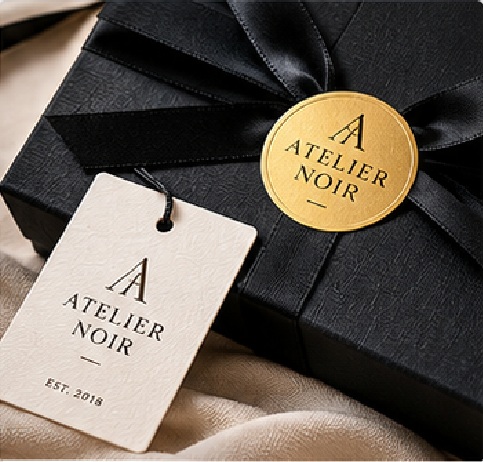
Gift seals, fashion packaging labels, boutique product stickers, certificate seals, box labels, and premium logo stickers benefit from metallic detail when the finish supports the brand instead of dominating the design. Philiton can manufacture roll, sheet, or individual formats and combine hot foil with embossing, holographic effects, specialty papers, or custom shapes. Packaging can also be organized by SKU, set, campaign, or destination warehouse.

Choose Materials That Can Support the Foil Effect

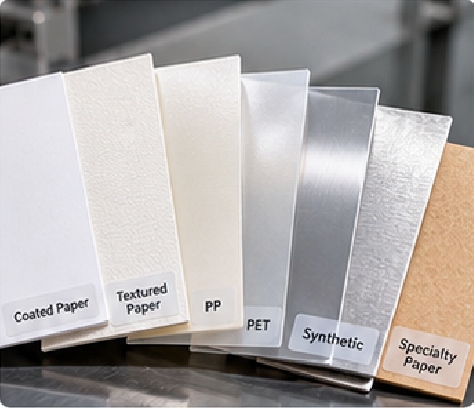
Material selection affects foil transfer, edge clarity, texture, durability, labeling performance, and the visual contrast around metallic areas. Sampling is recommended when the construction is new.

MaterialWhy It Is UsedHot Foil ConsiderationsSample Priority
Coated PaperSmooth print surface, broad packaging use, strong color reproductionUsually a favorable surface for fine foil detail; coating and ink sequence still require confirmationRecommended for new foil or finish combinations
Textured PaperPremium tactile character for wine, spirits, tea, candles, giftingTexture can reduce transfer uniformity or soften very fine detail; actual stock should be testedHigh
Uncoated / Kraft PaperNatural, artisan, organic visual directionAbsorbency and roughness can influence printing and foil edges; moisture resistance may require separate treatmentHigh
Synthetic PaperPaper-like appearance with improved durabilityHeat response, coating, print system, and foil compatibility vary by constructionHigh
PP / BOPPCommon film for bottles, cosmetics, food, beveragesSurface treatment, film stability, coating, heat, and curvature must be reviewedHigh for new constructions
PET / PolyesterDimensional stability and durable premium appearanceCoating, surface energy, foil adhesion, and heat exposure need project verificationHigh
Laminated SurfacesAdded scuff, moisture, or visual protectionNot every lamination surface accepts hot foil equally; finishing order can change adhesion and appearanceEssential before bulk production

Hot Foil or Cold Foil: Choose by Construction

Both routes can create metallic effects. The better choice depends on substrate, artwork area, visual target, overprinting, tooling, order structure, and finishing sequence.

Decision FactorHot FoilCold Foil
Transfer PrincipleHeat and pressure transfer foil through a physical stamping dieFoil transfers through a printed adhesive or curing route without the same direct hot-stamp mechanism
Strong Use CaseConcentrated logos, names, borders, crests, fine premium accentsLarger metallic areas, integrated roll production, metallic backgrounds, or foil-overprint concepts
Textured PaperOften a strong route when the stock and detail are sampledRough or absorbent surfaces can reduce smooth mirror appearance
Heat-Sensitive MaterialsRequires careful material validationCan be considered where direct hot pressure is unsuitable, subject to the full construction
Foil OverprintingMore limited depending on the route and designUseful when transparent color is intended over a metallic base
Emboss PairingStrong premium combination; separate tooling and registration requiredPossible in broader finishing workflows but planned differently
ToolingHot foil normally requires a foil stamping die or plateCost structure differs and is not identical to traditional hot-foil tooling
Large Metallic CoverageCan be produced, but large areas may increase transfer and uniformity riskOften considered for larger continuous metallic graphics
Fine DetailCan deliver sharp localized detail when artwork, material, and tooling are suitableDetail depends on adhesive, curing, substrate smoothness, and press route
Selection RuleChoose when tactile premium accents and localized metallic detail fit the designChoose when metallic area, overprint freedom, material, or production route favors cold transfer

Prepare Artwork So Foil Details Stay Manufacturable

Good foil artwork is not a metallic gradient on screen. Production files must separate decorative effects into clear, controllable layers before tooling and sampling begin.

Build a Separate Foil Layer

Every foil element should be defined independently from ordinary printing. Philiton recommends a dedicated vector layer or spot color named clearly for the foil operation, such as FOIL. Logos, lettering, borders, crests, and graphics intended for stamping should use clean vector paths. Text should be outlined when appropriate, and the foil layer should not rely on transparency, shadows, metallic gradients, or bitmap texture to describe the actual stamped area.
The production file should also separate other special processes. White ink, emboss, deboss, Spot UV, variable data, and the dieline should not be merged into one decorative layer. When foil and embossing are combined, Philiton treats them as two operations with different tooling and alignment requirements. A composite view can show the final appearance, while a foil-only view lets prepress and production verify exactly what must be stamped.
If the design agency has only a mockup, Philiton can review the intended effect and identify what needs rebuilding before production. The goal is not to redesign the brand; it is to convert visual intent into a file that can be tooled, sampled, registered, inspected, and repeated without ambiguity. Clear naming also matters for multi-SKU programs: artwork revision, foil layer, emboss layer, dieline, and SKU identity should remain traceable so a later reorder does not accidentally use an obsolete decorative file.

Protect Fine Detail and Registration

Very thin lines, tiny reverse text, dense patterns, zero-clearance borders, and large solid metallic areas can all increase hot-foil risk. Instead of publishing one universal minimum line width, Philiton reviews the actual material, foil, tooling, artwork scale, label size, and finishing sequence. A detail that works on smooth coated paper may behave differently on heavily textured stock or a film with a specific surface coating.
Registration must be designed, not assumed. Foil that touches printed artwork exactly can expose small positional differences that would be invisible on a separated design. Metallic borders placed too close to the die cut can also become visually uneven if normal converting tolerance is ignored. When embossing is added, the foil, relief, and printed image must share a realistic registration plan rather than a zero-tolerance digital mockup.
Philiton checks foil-to-print relationships, foil-to-cut spacing, nearby reverse areas, text size, material texture, and any overlapping finishing layers before tooling. Electronic proof approval confirms content and positioning, while a physical finishing sample confirms transfer quality, metallic appearance, edge definition, and the interaction between foil and the chosen substrate. For families with several SKUs, the same engineering rules can be applied across the range while each artwork remains separately approved. This keeps shared specifications efficient without hiding SKU-specific differences in foil position, copy, color, or die-cut geometry.
Combine Hot Foil with Finishes That Serve the Design

Premium labels often use more than one finish. Philiton evaluates each combination by visual purpose, material behavior, tooling, registration, production order, and repeatability.
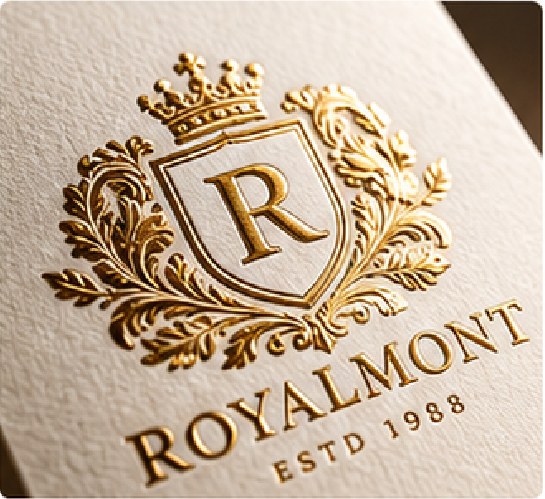
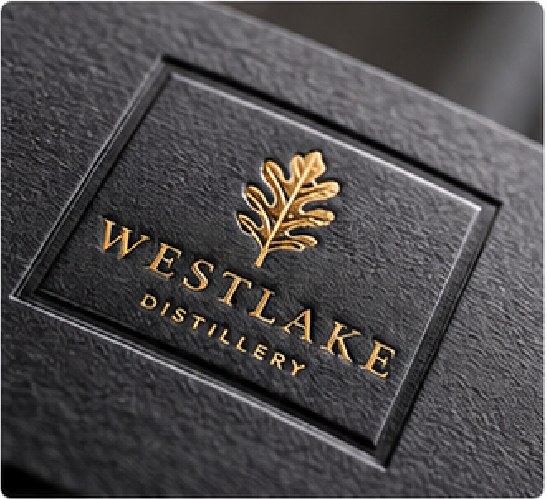
Foil Plus Emboss

Foil Plus Emboss

Foil plus embossing creates metallic reflection and raised relief in the same focal area. It works well for crests, monograms, logos, seals, and premium names. Philiton separates foil and emboss artwork, reviews material stiffness and detail depth, prepares the necessary tooling, and checks registration on the physical sample before the combined specification is released for production.
Foil Plus Deboss

Foil Plus Deboss

Debossing presses selected detail below the label surface, creating a restrained tactile effect that can work with metallic names, borders, or graphic elements. The combination is useful for premium spirits, fragrance, gifts, and specialty paper labels. Philiton reviews how the recessed structure affects printed detail, foil placement, paper stability, die cutting, and the final feel after application.
Foil Plus Spot UV

Foil Plus Spot UV

Spot UV can create a gloss contrast next to metallic foil, especially on matte papers, dark backgrounds, or laminated surfaces. The two finishes should not be treated as independent visual add-ons; order of operations, surface compatibility, edge spacing, and registration affect the result. Philiton samples the complete finish stack when the foil and UV areas sit close together or overlap visually.
Foil Plus Matte Lamination

Foil Plus Matte Lamination

Matte lamination or a matte surface can make bright foil appear more prominent by reducing surrounding glare. It is common in cosmetics, supplements, candles, gift labels, and premium beverages. Philiton checks whether the foil is applied before or after the selected protective layer, because not every laminated surface accepts stamping equally and finishing order changes both adhesion and appearance.
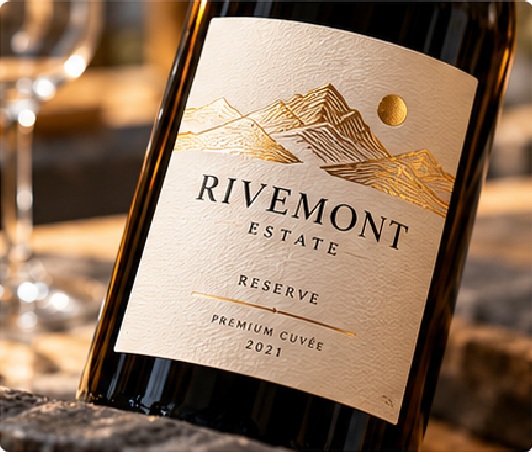
Foil Plus Textured Paper

Foil Plus Textured Paper

Textured stock provides a tactile base while foil adds concentrated metallic contrast. This combination is especially suitable for wine, spirits, tea, coffee, artisan food, and candles. Philiton reviews the actual paper rather than judging from a swatch photo alone, since grain depth and coating influence fine detail, transfer completeness, embossing behavior, print density, and final edge quality.
Foil Plus CMYK

Foil Plus CMYK

CMYK or Pantone printing provides the main brand artwork while hot foil creates a separate reflective layer for selected elements. Clear layer separation is essential when printed colors meet metallic edges. Philiton coordinates prepress, color control, foil tooling, registration, and finishing order so printed graphics and foil are judged as one package rather than as unrelated production steps.

Develop and Approve Hot Foil Before Mass Production

Sampling closes visual and manufacturing risks before bulk production. Philiton chooses the sample route according to the decision the project still needs to make.

Start with the Risk, Not the Most Expensive Sample

A hot foil project can begin with a material swatch, printed sample, finishing sample, or fuller production-style sample depending on what remains uncertain. If the main question is paper texture, foil tone, or adhesive feel, a material or finish sample may be enough. If the design combines foil, embossing, white ink, multiple print colors, custom shape, and a curved bottle, a more complete sample is usually the better approval tool. Philiton reviews the product or package, finished label size, quantity, SKU count, application surface, environment, artwork, foil area, foil reference, material preference, and delivery format before defining the sample plan. Material selection and foil compatibility are checked before tooling is finalized. The sample then becomes the basis for confirming metallic appearance, transfer completeness, fine detail, registration, die cut, substrate behavior, and any interaction with embossing, varnish, lamination, or application curvature. For new premium programs, Philiton recommends keeping the approved physical sample and the approved production specification aligned. Changes to artwork, foil, material, adhesive, tooling, or finishing after approval should trigger a review rather than being treated as an invisible production substitution. When the label will be applied to a curved bottle, coated jar, oily container, chilled package, or automated line, a representative container or application test can be more valuable than another decorative proof because it checks the finished label in its real use condition.

Typical Sampling and Production Planning Ranges

Philiton’s internal planning ranges distinguish sampling from mass production. Blank material or swatch preparation can often be handled in about 1-2 working days when stock is available. Standard printed samples commonly fall around 3-5 working days. Complex finishing samples involving hot foil, embossing, special die cutting, or specialty materials are commonly planned around 5-7 working days after artwork, material, and process confirmation. Special foil sourcing or new tooling can extend that range. Bulk production starts after the commercial order is confirmed, the approved artwork and specification are locked, and required materials and tooling are available. Many regular production orders are planned in roughly a 7-15 working day manufacturing window. Large, multi-SKU, or more complex programs can require about 10-20 working days or staged delivery. Special materials can add separate procurement time. These ranges are planning references, not unconditional promises. Quantity, SKU count, foil coverage, embossing, material sourcing, tooling, inspection, packing, approval speed, and shipping method all affect the final schedule. Philiton confirms the production plan in the project quotation and order documentation. International courier, air, or sea transit is planned separately from manufacturing time, and time waiting for artwork or sample approval is not counted as active production. This separation helps launch teams distinguish factory lead time from the full in-hand timeline. 

Control Hot Foil Through a Defined Production Workflow

A repeatable finish comes from disciplined inputs, controlled tooling, process checks, and specification-driven converting rather than relying on a press operator’s visual memory.

Requirement Review

Philiton collects the product application, label size, quantity, number of SKUs, container or surface, environment, artwork, preferred material, foil area, foil color direction, finishing combination, delivery format, and target schedule. Missing technical fields can remain open for recommendation, but the project cannot move into controlled production until the key material, artwork, tooling, and application decisions are defined.

Artwork and Prepress

Artwork engineers review bleed, dieline, text, color mode, Pantone references, white ink, foil, emboss, barcode or QR elements, and finishing separation. The hot-foil area is converted into a controlled production layer. Prepress checks registration relationships and prepares the file route needed for printing, tooling, finishing, and die cutting so each department works from the same approved revision.

Material and Tooling

Labelstock, adhesive, liner, foil, and any lamination or varnish are selected according to the application and finish. Hot foil normally requires a stamping die or plate, while embossing requires separate tooling. Philiton checks material availability, foil sourcing, artwork geometry, and tooling requirements before mass production. New size, shape, foil artwork, or relief design can trigger new tooling or requalification.

Print and Foil

Printing is assigned to the suitable production route according to material, color, quantity, SKU structure, and finishing. Hot foil is then applied under controlled heat, pressure, speed, tension, and registration conditions. Operators monitor transfer quality, edge definition, foil position, surface response, and interactions with previous print layers. First-piece approval and process inspection are used before the run continues.

Converting and Rewinding

After finishing, labels move through die cutting, waste stripping, slitting, rewinding, sheet cutting, or individual-piece conversion as required. Roll orders are built to the approved direction, core, quantity per roll, maximum roll diameter, and liner configuration. Foil quality is not judged in isolation; die-cut position, roll tension, label edges, SKU separation, and downstream application requirements remain part of the release standard.

Inspection and Release

Incoming materials, in-process output, finished labels, and outbound packing are controlled through Philiton’s quality workflow. Checks can include foil completeness, registration, color, surface appearance, die cut, size, adhesion, roll direction, labels per roll, SKU identity, and packaging. Automatic vision inspection and laboratory testing are applied where the project requires them. Final release follows the approved specification and sample reference.

Inspect the Defects That Matter in Hot Foil

Metallic finishing can look acceptable at a distance while still failing close inspection. Philiton checks transfer, registration, surface condition, converting, and batch consistency together.

Foil Defects Philiton Looks For

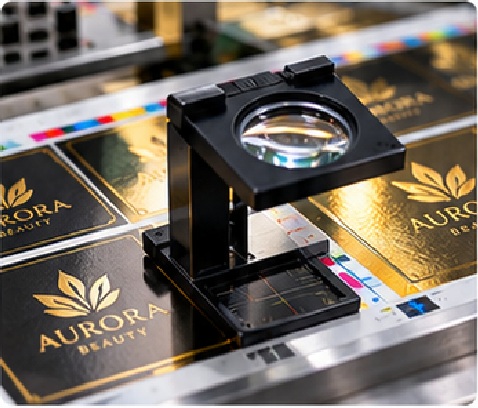
Hot foil quality is judged against the approved artwork, material, foil reference, and physical sample. Common failure modes include missing foil, pinholes, rough edges, filled reverse areas, broken fine lines, incomplete transfer, surface scratches, weak adhesion, and misregistration. Some defects come from the foil itself; others result from material texture, coating, ink, lamination, tooling, pressure, heat, speed, web tension, or a finishing sequence that was not properly validated. The first control point starts before hot stamping. Incoming face material, foil, liner, and related components are checked by batch and specification. During production, operators and in-process quality staff monitor the first approved piece, transfer quality, position, visible defects, and process stability. Where foil meets printed artwork, embossing, or the dieline, those relationships are checked as part of the finished effect rather than in separate silos. A label can have perfect foil and still fail commercially if the die cut is off, the roll direction is wrong, the adhesive does not suit the bottle, or the SKU is packed incorrectly. Philiton therefore includes foil within the wider label quality plan. Where a project has defined visual tolerances or approved defect references, those standards can be carried into first-piece review and final inspection so production decisions are based on an agreed acceptance basis rather than subjective descriptions such as ‘shiny enough’ or ‘close to gold.’

Batch Control Beyond Appearance

Repeat production needs a reference system. Philiton can retain approved artwork and specification records so later orders are reviewed against the previous construction instead of being rebuilt from memory. The production reference can include material description, foil selection, tooling, approved sample, print colors, finishing sequence, dieline, roll format, core, direction, quantity per roll, and packaging requirements. For premium metallic work, batch review should pay particular attention to foil tone, brightness, surface texture, edge definition, registration, scratches, and transfer completeness. Different foil batches, material lots, or surface treatments can alter visual appearance even when the artwork is unchanged. Significant substitutions therefore require review rather than being treated as equivalent automatically. Philiton’s quality organization covers incoming inspection, in-process control, final inspection, outbound quality checks, and in-house testing capability. Automatic vision inspection can be used where appropriate to the project. The release standard remains the approved specification and agreed acceptance criteria, not a generic statement such as “premium quality” or “zero defects.” Packing condition is also checked because telescoped rolls, crushed cores, moisture exposure, or uncontrolled abrasion can damage an otherwise acceptable metallic finish during transport. Quality therefore continues through packing and shipment preparation. For long-running programs, inspection records and approved references can also support corrective review when a later batch shows a visible change, giving the team a concrete basis for comparing material, foil, tooling, process, and handling conditions. 
Pack Hot Foil Labels for Production and Distribution

The finished format should match how labels are applied, counted, received, stored, and replenished. Philiton can configure packing around production-line and warehouse requirements.
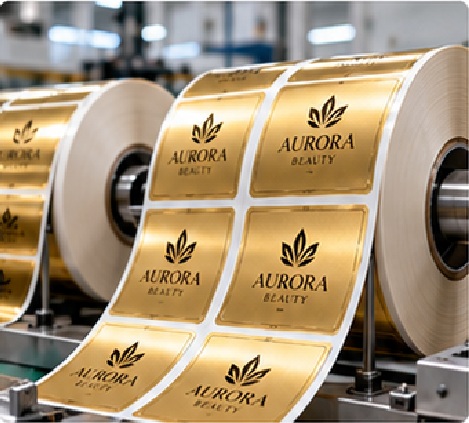
Roll Format

Roll Format

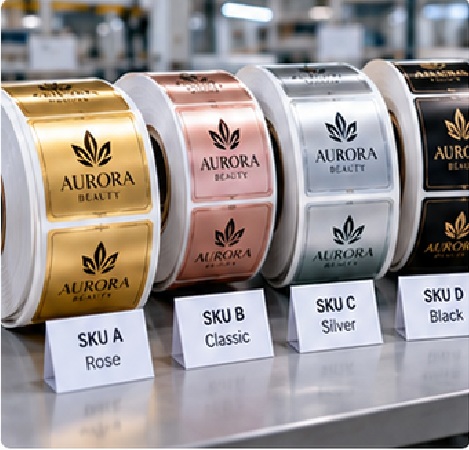
Rolls are the main option for automatic or semi-automatic labeling and many recurring packaging programs. Philiton can configure roll direction, inside or outside wound orientation, core size, maximum roll diameter, labels per roll, gap or pitch, and liner width according to the applicator. Rolls are packed to reduce crushing, moisture exposure, telescoping, and unwanted unwinding during transport.
Sheet Format

Sheet Format

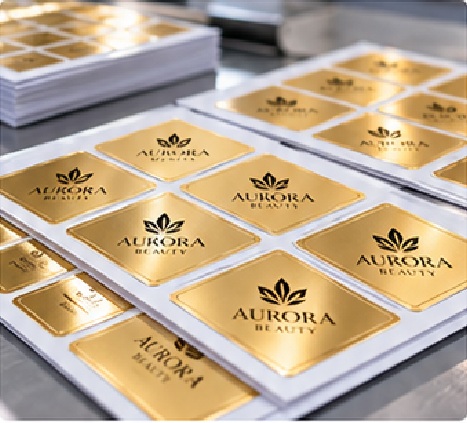
Sheet delivery works well for manual application, prototype sets, presentation samples, short campaign runs, and packaging teams that need easy visual sorting. Sheet size, label arrangement, kiss-cut format, and SKU identification are defined during conversion. Hot foil surfaces are protected from rubbing during packing so metallic areas are not unnecessarily scratched before use.
Individual Pieces

Individual Pieces

Individual die-cut labels or stickers can be supplied for hand application, premium inserts, gift sealing, events, retail kits, and promotional packaging. Custom shapes require controlled die cutting around metallic details, particularly when foil sits near the edge. Philiton can sort individual pieces by SKU, quantity, campaign, or destination and pack them to limit surface abrasion.
Multi-SKU Identification

Multi-SKU Identification

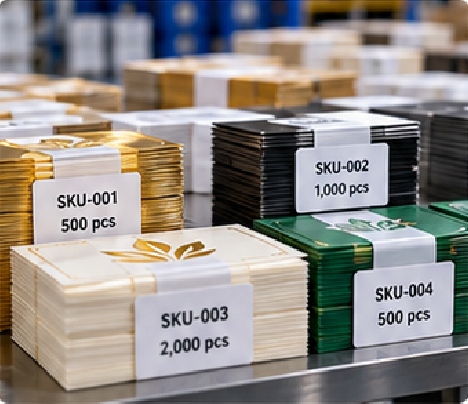
Premium launches frequently involve several scents, flavors, shades, markets, or seasonal versions. Philiton can separate rolls, sheets, bags, and cartons by SKU and identify quantity and batch information on packing labels as required. Mixed-SKU carton or pallet rules can also be defined when a warehouse has a specific receiving structure, reducing sorting errors after international delivery.
Export Cartons and Pallets

Export Cartons and Pallets

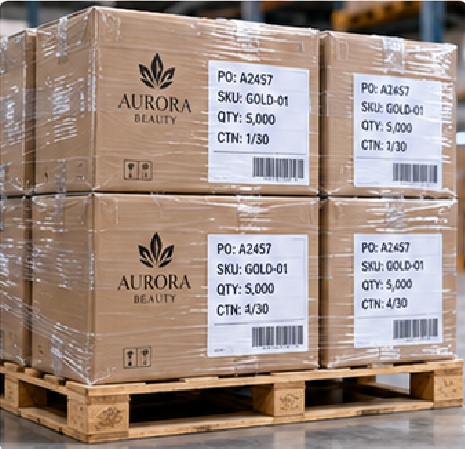
Outer packing is selected according to roll, sheet, or individual-piece format, shipment size, route, and receiving requirements. Cartons can carry SKU, quantity, and batch identification. Palletization can be arranged for larger shipments or warehouse receiving programs. The goal is to protect finished foil surfaces and roll geometry while making inventory easy to recognize and count at arrival.
Warehouse or Fulfillment Delivery

Warehouse or Fulfillment Delivery

Philiton can arrange courier, air freight, or sea freight according to shipment size, urgency, and destination. Direct delivery to a warehouse or fulfillment center can be coordinated when receiving rules, carton or pallet labels, appointment requirements, and customs information are supplied. Shipping terms and import responsibilities are confirmed in the quotation rather than assumed from the transport method alone.

Understand What Changes Hot Foil Cost and MOQ

Hot foil pricing is driven by project construction, not one universal price per label. Clear specifications make quotations more comparable and reduce later change costs.
Foil Tooling Cost

Foil Tooling Cost

Hot foil normally requires a physical stamping die or plate. The cost depends on artwork size, area, geometry, detail, tooling material, and the production method. Small quantities feel the tooling cost more strongly because the one-time setup is spread across fewer pieces. If artwork and process conditions remain unchanged, tooling may be reusable for repeat orders, subject to condition and project review.
  • New foil artwork can require new tooling.
  • Major size or position changes can trigger retooling.
  • Foil and emboss tools are separate when both effects are used.
Foil Type and Coverage

Foil Type and Coverage

Standard bright gold or silver directions usually follow a different cost structure from specialty matte, colored, brushed, holographic, or custom-effect foils. Coverage matters because larger metallic areas consume more foil and can require slower or more controlled production. Multiple separated foil colors can add setup, tooling, material handling, and extra passes. Philiton therefore prices the actual decorated area and process route rather than treating every “gold foil label” as equivalent.
  • Foil type affects material cost.
  • Coverage affects consumption and process stability.
  • Multiple foil colors can add separate operations.
Material and Surface

Material and Surface

Labelstock influences both cost and manufacturability. Coated paper, textured paper, synthetic stock, PP/BOPP, PET, specialty papers, and laminated constructions differ in sourcing, printing, foil response, and minimum purchase requirements. Some materials may be standard and readily available; others require a supplier minimum or longer procurement. The lowest-cost stock is not necessarily the lowest-cost finished solution if it creates transfer, adhesion, or application problems.
  • Standard materials normally simplify launch planning.
  • Specialty texture or finish can increase sourcing cost.
  • New material combinations should be sampled before bulk production.
Foil Passes and Registration

Foil Passes and Registration

A single foil area is simpler than several foil colors, multiple passes, or foil that must register tightly with print, embossing, and complex die cutting. Each additional process creates more setup and more relationships that must be controlled. If a design can achieve the same visual hierarchy with one well-positioned metallic accent instead of several separate effects, the production route may become more efficient without weakening the premium look.
  • One foil color is simpler than several separate foil passes.
  • Tight print-to-foil registration increases control requirements.
  • Foil plus embossing adds separate tooling and alignment work.
Quantity and SKU Structure

Quantity and SKU Structure

For many standard Philiton label and sticker projects, quantities can start around 500 pieces, but hot foil can introduce tooling, special foil, or material requirements that change the workable starting quantity. Multi-SKU orders may share material and finishing specifications while still requiring separate artwork control. Higher quantities spread setup and tooling across more pieces, while short runs place a larger share of cost on preparation and changeover.
  • Quantity is evaluated with label size and foil area.
  • SKU count affects artwork, setup, identification, and packing.
  • Special materials or tooling can raise the practical MOQ.
Combination Finishing

Combination Finishing

Embossing, Spot UV, lamination, varnish, holographic effects, complex die cutting, and multi-layer print structures can create a stronger package, but each additional operation changes cost and lead time. Philiton reviews whether every finish contributes to the design. Removing one unnecessary effect can sometimes improve clarity, reduce registration risk, and lower cost more effectively than negotiating a few cents after the specification is already overbuilt.
  • Combine finishes only when they support the visual goal.
  • Sample complex stacks before committing to volume.
  • Quote comparisons should use the same material, artwork, finish, and quantity assumptions.

Keep Repeat Hot Foil Orders Consistent Across Batches

Long-term programs require controlled references for artwork, material, tooling, foil, finishing, roll specification, and packing so every reorder begins from an approved baseline.

Approved Artwork Revision

Philiton keeps production decisions tied to the approved artwork revision rather than the latest file found in an email thread. Foil, emboss, white ink, dieline, color, and variable-data layers should remain clearly identified. A reorder is reviewed for any artwork or specification change before release. Even a small logo edit can affect foil tooling, registration, die position, or the surrounding print relationship.

  • Project and SKU identification should remain consistent.
  • Revision changes are reviewed before production.
  • Obsolete files should not be mixed with current production data

Tooling and Process History

Foil dies, emboss tools, dielines, and process history are valuable project assets. When specifications remain unchanged and tooling is still suitable, repeat production can avoid unnecessary redevelopment. Philiton reviews tooling condition, material availability, production route, and previous settings before a reorder. Historical information speeds preparation, but it does not remove the need for current order review, first-piece checks, and quality release.

  • Reuse approved tooling when suitable.
  • Confirm current material availability.
  • Retain first-piece and production-control discipline.

Foil and Material Reference

Metallic appearance can change when foil batch, supplier, substrate, coating, or background color changes. Repeat programs should therefore retain an approved physical reference and the corresponding material and foil description where possible. Philiton compares new production against the approved appearance and flags meaningful material substitutions for review instead of assuming two similar-looking foils or papers will perform identically.

  • Use approved physical references for metallic appearance.
  • Record the material and finish construction.
  • Recheck significant foil or substrate substitutions.

Batch and SKU Control

Premium programs often grow into multiple fragrances, flavors, shades, sizes, markets, and seasonal versions. Consistency requires each SKU to retain its own approved artwork, quantity, packing identity, and QC reference while common specifications are controlled across the family. Philiton can organize rolls, sheets, cartons, and shipment identification by SKU and batch, supporting repeat orders without turning a growing product range into an artwork and packing-control problem.

  • Separate SKU identity from shared material specifications.
  • Control quantity and packing by item.
  • Review new variants against the established family standard.

Representative Hot Foil Project Profiles from Philiton Programs

Brand names remain confidential. The profiles below use anonymized project structures and representative quantities within Philiton’s documented order ranges to show how foil projects are evaluated.
United Kingdom Premium Beverage

United Kingdom Premium Beverage

A premium beverage program in the United Kingdom was structured around 18,000 labels across three SKUs, using high-white or textured paper with permanent adhesive and CMYK or spot-color printing. The metallic concept required hot foil in selected logo and border areas, with embossing available for the main brand mark. Philiton first reviewed foil geometry, fine reverse detail, bottle curvature, and paper texture, then prepared a physical finishing sample. Approval focused on foil adhesion, edge definition, registration, emboss alignment, die cut, and roll direction. The production specification separated print and foil tolerances so the premium effect could be controlled instead of judged only by overall appearance.
Spain Artisan Food Range

Spain Artisan Food Range

A Spanish artisan food range was planned at 12,000 labels across six SKUs using textured or kraft-style paper. The visual direction needed a natural paper feel with selective metallic detail rather than a fully glossy luxury finish. Philiton used the actual paper stock during sampling because fiber texture, absorbency, printed color, and foil transfer interact strongly. Artwork was adjusted to avoid overly fine metallic reverses, while embossing remained an optional secondary finish for the brand seal. QC focused on paper texture consistency, print color, foil transfer, die cut, and adhesion. Roll and sheet delivery were both evaluated according to how the products would be labeled and packed.
France Beauty and Fragrance Profile

France Beauty and Fragrance Profile

A representative beauty and fragrance project profile uses 24,000 labels across four SKUs for glass and premium cosmetic packaging. The proposed construction combines clear or white film, controlled white ink where required, fine gold hot foil, and a protective varnish or laminate. Philiton would separate white, print, foil, and dieline layers, then check small typography, foil-to-print registration, surface cleanliness, bottle curvature, alcohol or oil exposure, and the interaction between foil and the selected protective finish. A physical sample would be approved before volume production, with repeat specifications covering material, foil reference, artwork revision, roll direction, labels per roll, and SKU packing identity.

Handle Compliance and Documentation Without Overstating Claims

Philiton controls manufacturing inputs and records within the agreed project scope while legal labeling, certification use, and market-entry responsibility remain tied to the appropriate legal product owner.

Regulatory Artwork Control

Philiton prints and converts from approved production artwork. Legal text, claims, warnings, translations, ingredient information, certification marks, and market-specific wording must be supplied and approved by the responsible brand, importer, manufacturer, or other legal party. Philiton can review printability, position, size, layers, and production feasibility, but it does not independently rewrite regulated content or assume that one country’s wording is valid for another market.
  • Approved artwork is controlled by revision.
  • Legal meaning is not changed without written approval.
  • Certification marks are printed only when authorized for the project.

Material Documentation

Paper, films, adhesives, foils, coatings, and specialty materials are sourced from qualified external suppliers according to project requirements. Where a market or company standard requires supporting documentation, Philiton can coordinate available supplier files and relate them to the actual material construction being used. A document for one material, adhesive, coating, or batch should not be treated as automatic evidence for a different construction after substitution.
  • Material evidence must match the actual specification.
  • Special claims depend on the purchased material and its valid documentation.
  • Material changes can require renewed review or testing.

Third-Party Testing Support

Philiton can prepare samples, support material documentation, coordinate corrective changes, and arrange third-party testing when the project requires it. Testing scope should be defined by destination market, product category, contact condition, material structure, and the relevant standard or client specification. RoHS, REACH, food-contact, heavy-metal, CPSIA, Prop 65, and similar topics are project-level requirements, not one universal “factory certification” covering every label.
  • Testing is defined by the actual label construction and use.
  • Reports apply to the sample and scope stated in the report.
  • Material, adhesive, ink, coating, or use changes may affect applicability.

Certification Claim Boundaries

Philiton does not use unverified certification claims as general marketing language. ISO, FSC, UL, IATF, BSCI, Sedex, GRS, and other schemes each have different scopes, owners, audit methods, and evidence requirements. Where certified paper, approved systems, customer audits, or other documented requirements are needed, the relevant current evidence must be checked before it is presented as a project fact.
  • No blanket “all labels are certified” claim.
  • Scheme scope and validity must match the project.
  • The quotation and approved specification record the applicable documentation requirements.
Send Compliance Requirements

Why Philiton Can Support Complex Hot Foil Programs

Philiton combines flexible order entry with a broader manufacturing chain, allowing metallic finishing to be managed together with artwork, printing, converting, quality control, and repeat production.
Integrated Manufacturing Around the Foil Process

Integrated Manufacturing Around the Foil Process

Shenzhen Philiton Technology Co., Ltd. was founded in 2016 and operates manufacturing activities in Shenzhen and Dongguan. The integrated manufacturing and operating footprint exceeds 12,000 m2. Philiton employs more than 200 people, including 91 technical, skilled production, and quality professionals who support artwork, prepress, printing, finishing, converting, inspection, testing, packing, and project coordination. Hot foil is part of a wider production system rather than an outsourced visual add-on. Philiton’s confirmed capabilities include artwork and prepress, digital and conventional label printing, flexographic printing, screen and UV printing, foil stamping, cold foil, embossing and debossing, holographic effects, lamination and varnish, die cutting, slitting and rewinding, automatic inspection, laboratory testing, and shipment preparation. The base papers, films, adhesives, foils, and specialty substrates are sourced from qualified external suppliers; Philiton’s manufacturing value is in selecting, processing, combining, verifying, and controlling those inputs. For hot foil work, the benefit is continuity. The same project can move from artwork review and material selection into sampling, printing, foil, embossing, converting, inspection, packing, and repeat-order control without treating each operation as an unrelated purchase. Dedicated finishing capability also allows the production team to coordinate the order of foil, embossing, varnish, lamination, die cutting, and rewinding around the approved construction, which is important when one decorative choice changes the requirements of the next process.
Built for Launch Quantities and Scalable Reorders

Built for Launch Quantities and Scalable Reorders

For many standard custom labels and stickers, Philiton can support starting quantities around 500 pieces, while the actual MOQ for a hot foil project depends on material availability, foil sourcing, tooling, label size, number of SKUs, and the rest of the finishing structure. Digital production routes support short runs and multi-SKU launches; flexographic and other roll-production routes become more relevant as quantities and repeat programs grow. The same manufacturing organization supports both small launch projects and ongoing commercial production. A brand can begin by approving material, foil appearance, artwork structure, adhesive, die cut, and delivery format, then retain those decisions as the project scales. Repeat orders can reference approved artwork, specifications, tooling, and physical samples while still undergoing order review and QC. For larger organizations, Philiton can also coordinate project milestones, NDA-controlled artwork, multi-SKU packing, warehouse delivery requirements, audit information, technical review, and change management. The goal is not simply to stamp foil on a label. It is to turn a premium visual requirement into a defined manufacturing specification that can be sampled, approved, produced, inspected, shipped, and repeated. International delivery can be arranged by courier, air, or sea according to volume and urgency, while carton, pallet, SKU, batch, and receiving information can be aligned with the destination warehouse before dispatch.

Hot Foil Labels Frequently Asked Questions

For many standard Philiton label projects, quantities can start around 500 pieces. Hot foil can require dedicated tooling, special foil, or specialty material, so the workable MOQ depends on label size, artwork area, foil type, material, number of SKUs, and finishing combination. Philiton confirms the starting quantity after reviewing the complete specification.
Complex finishing samples involving hot foil, embossing, special die cutting, or specialty materials are commonly planned around 5-7 working days after artwork, material, and process confirmation. Special foil sourcing, new tooling, or multiple finishing operations can extend the schedule. Courier time is separate from sample-making time.
Hot foil can be applied to many coated and uncoated papers, textured stocks, synthetic papers, and selected PP/BOPP, PET, and other film constructions. Surface coating, heat response, texture, print layer, lamination, and foil type all matter. New material combinations should be verified with a physical sample rather than assumed from material name alone.
Yes, textured paper is a strong use case for premium hot foil labels, especially in wine, spirits, tea, candles, and artisan packaging. Heavy texture can reduce mirror smoothness or affect very fine detail, so Philiton samples the actual stock and checks transfer completeness, edge quality, registration, and any embossing interaction before production.
Hot foil is often selected for localized premium accents, fine logos, borders, textured paper, and foil-plus-emboss designs. Cold foil may be considered for larger metallic areas, metallic backgrounds, foil-overprint concepts, or production routes where direct hot pressure is less suitable. Material, artwork, quantity, visual target, and production route should be reviewed together.
Yes. Foil plus embossing is widely used for premium crests, logos, seals, and names. The two effects use separate artwork information and normally separate tooling. Philiton checks foil-to-emboss registration, substrate stability, detail size, die cut, and the complete finishing sequence on a physical sample before larger production.
Hot foil normally requires a physical stamping die or plate for the foil artwork. Cost depends on size, artwork area, detail, tooling material, and the production route. If the approved artwork and process remain unchanged, suitable tooling may be reusable for repeat orders, subject to condition and project review.
A photo is useful as a direction, but it is not a reliable metallic color standard. Lighting, camera settings, screens, foil gloss, substrate color, and viewing angle all change appearance. Philiton uses physical foil samples, supplier references, or an approved production sample as the stronger basis for confirming metallic tone.
Yes. Roll labels can be configured for automatic or semi-automatic application. Philiton confirms roll direction, inside or outside wound orientation, core size, maximum roll diameter, gap or pitch, liner width, labels per roll, and any sensor or black-mark requirement before production.
Send artwork or a reference image, finished label size, quantity, number of SKUs, product or container, material preference if known, foil area and color direction, any embossing or secondary finish, roll/sheet/individual format, destination, and target date. Fields can remain “not sure” when Philiton needs to recommend the construction.

Send Your Hot Foil Label Project for Review

Send Philiton enough information to understand the label as a production item, not only as artwork. A useful quotation starts with the finished size, quantity, number of SKUs, package or application surface, material preference, metallic area, foil direction, and any secondary finish such as embossing, Spot UV, varnish, or lamination. If the material or foil route is still open, mark it as “please recommend” and include a bottle, jar, box, pouch, or product photo. Artwork can be AI, PDF, EPS, PSD, CDR, or another workable production reference. For automatic application, include roll direction, core, maximum roll diameter, or applicator information when available. Philiton can then review material, tooling, artwork, sample route, packing, and production planning before issuing the final project quotation.

  • Finished label size and shape
  • Quantity and SKU count
  • Product, container, and application environment
  • Artwork plus foil location or reference image
  • Preferred material, foil tone, and secondary finishing
  • Roll, sheet, or individual delivery format
  • Destination and required in-hand date

For all inquiries, please feel free to reach out at:

Get In Touch

  • Our team will answer your inquiries within 12 hours.

  • Your information will be kept strictly confidential.

Get a Fast Quote for Custom Labels & Stickers

We will contact you within 24 Hours, please pay attention to the email with the suffix“@philiton.com”. 

For all inquiries, please feel free to reach out at:

Ask For A Quick Quote

We will contact you within 24 Hours, please pay attention to the email with the suffix“@philiton.com”. 

For all inquiries, please feel free to reach out at:

Get a Quote Today!

We will contact you within 24 Hours, please pay attention to the email with the suffix“@philiton.com”.