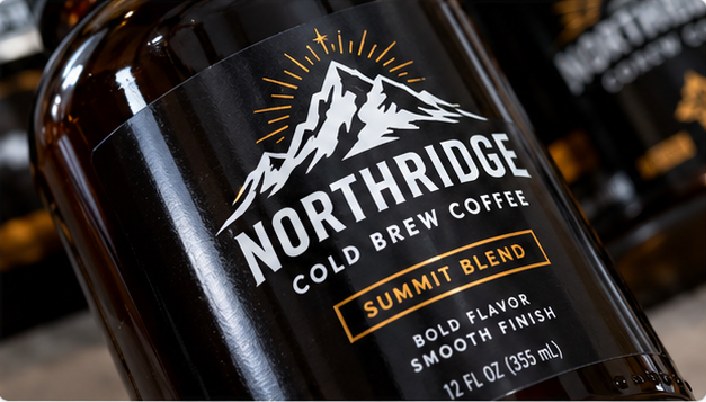
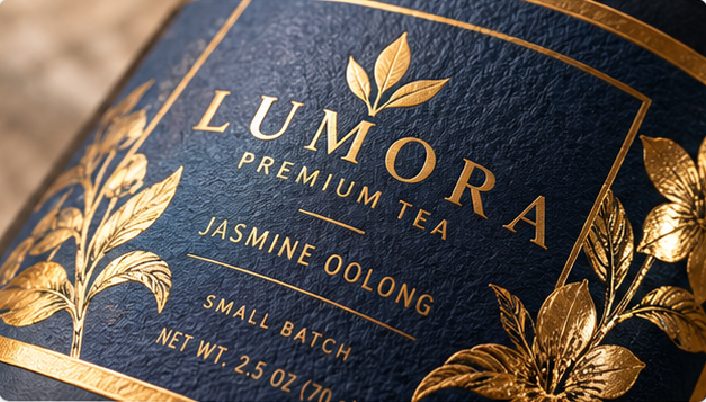
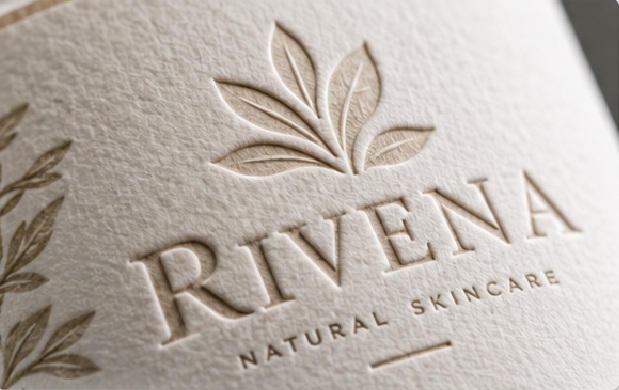
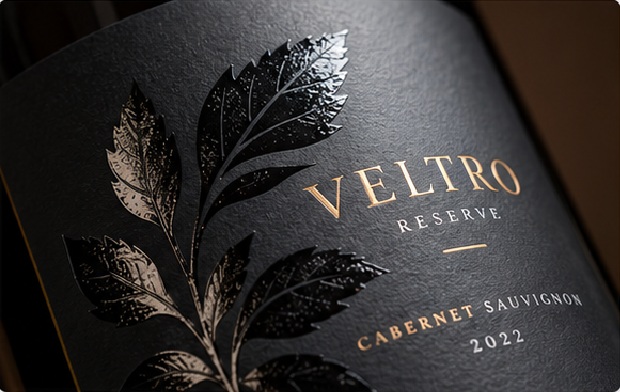
Your Trusted Labels & Stickers Manufacturer from China!

Digital Label Printing

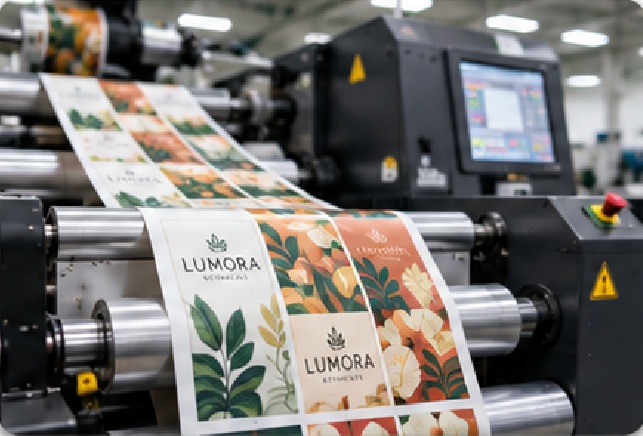
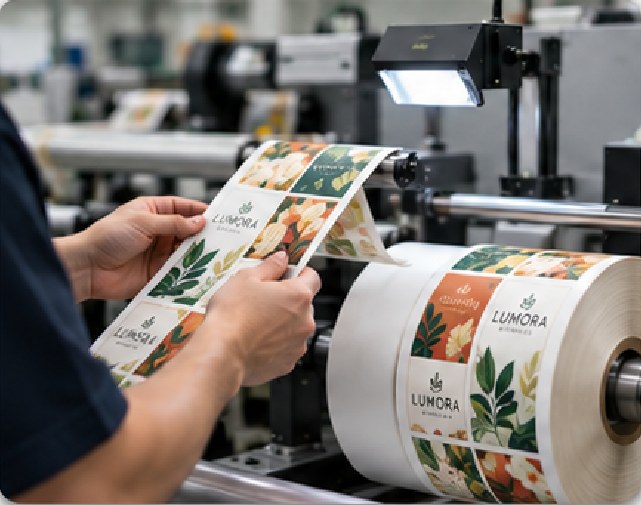
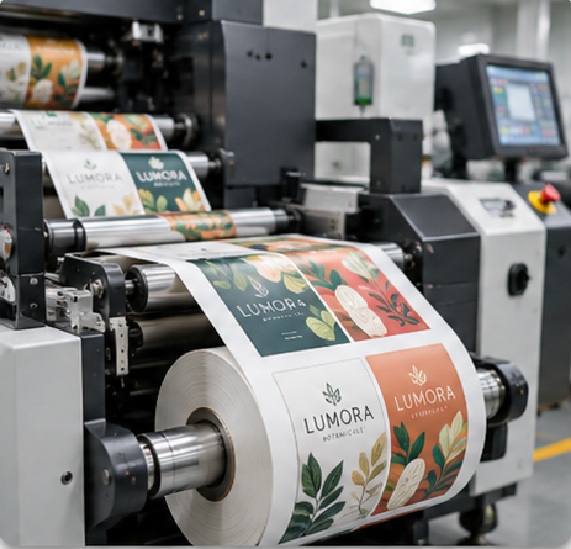
Flexible label production for short runs, multiple SKUs, frequent artwork changes and variable data without the setup burden of traditional plates.
Founded in 2016, Philiton operates 12,000+ ㎡ of manufacturing in Shenzhen and Dongguan with 200+ employees. Many standard digital label projects can start around 500 pcs per design or SKU.
  • 4 industrial digital label press lines
  • Digital samples commonly 1-3 working days
  • Digital-to-flexo scale-up available as volume grows
Digital Label Printing

Digital Label Printing For Different Brand And Production Teams

Philiton supports launch programs, established product lines, manufacturing operations and print partners that need flexible quantities, controlled versions, repeatable label production and a clear route from early runs into scale.

Growing Product Brands

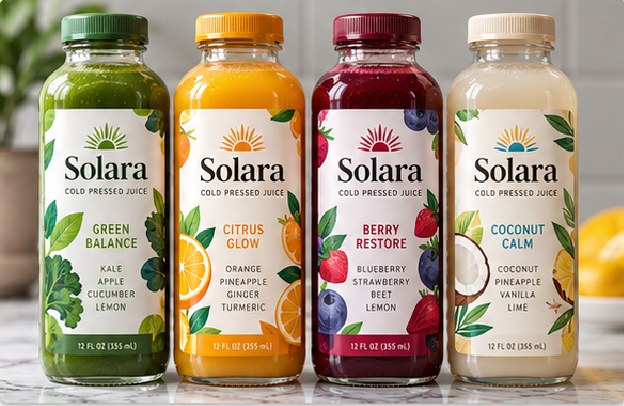
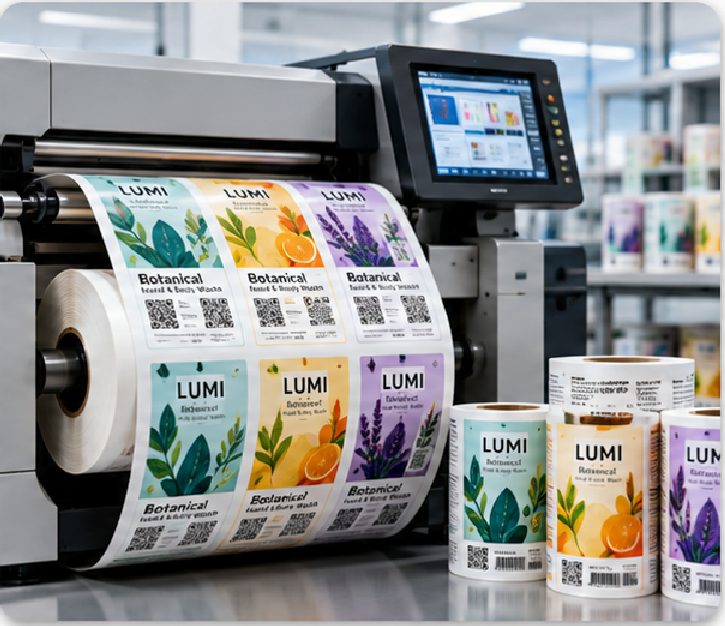
Growing brands often manage several flavors, scents, sizes or regional versions before annual demand is fully predictable. Digital printing reduces the need to invest in traditional printing plates for every early version. Philiton can group compatible SKUs around common material, size and finishing, then control each artwork, quantity and packing identity separately as the range expands.

Established Consumer Brands

Established brands usually care less about the smallest possible order and more about color consistency, revision control, launch timing and replenishment reliability. Philiton combines artwork review, digital printing, finishing, converting, approved-sample control and repeat-order records so limited editions, regional versions and shorter promotional runs can fit alongside larger recurring programs.

Manufacturers And OEMs

Manufacturers often need labels to match filling lines, assembly stations, cartons, bottles, drums or industrial components. Philiton reviews roll direction, core, roll diameter, gap, pitch, liner width, sensor marks and application surface before production. Digital printing is useful when model changes, regional language versions, serial data or frequent engineering revisions make traditional plates inefficient.

E-Commerce Product Lines

DTC and marketplace brands commonly launch many designs with uneven sales velocity. Philiton can support multiple artworks in one program while keeping quantity, barcode, version and packing records separate. Shorter digital runs help avoid carrying excessive obsolete packaging inventory when formulas, claims, sizes or branding are still being refined. A shared SKU structure can also simplify later replenishment.

Packaging And Print Partners

Packaging companies, print brokers and distributors may need overflow capacity, short-run versions, specialty materials or variable-data production without exposing end-account information publicly. Philiton can work from print-ready artwork, dielines, roll specifications and approved samples, with project confidentiality, version control and neutral project coordination agreed before production. Manufacturing and end-account details can be kept within the agreed project access scope.

Enterprise Procurement Teams

Larger procurement teams usually evaluate capacity, quality systems, backup routes and the ability to scale. Philiton supports pilot quantities, multi-SKU launches and repeat programs within the same manufacturing network, then evaluates flexographic or hybrid routes when stable SKU volumes rise enough to justify different production economics. Pilot and scale routes can therefore be reviewed under one supplier relationship.

Four Order Structures Where Digital Printing Works Best

Digital printing creates the strongest commercial value when fixed setup, version changes, SKU count or data variation matter more than maximum long-run press speed and lowest mass-production unit cost.

Short Run Launches

Digital production is well suited to launch quantities, test markets, replacement batches and regional rollouts where each design may only need hundreds or a few thousand labels. For many standard Philiton projects, approximately 500 pcs per design or SKU can be a workable starting point, subject to material, size, finishing and converting requirements.

Multiple SKU Programs

Ten designs at 1,000 labels each are not economically identical to one design at 10,000 labels. Every version carries artwork, color, barcode and packing control. Digital workflows reduce traditional plate changes, making multi-SKU programs easier to schedule when common materials, sizes and finishing can be shared across the range. The saving comes from version flexibility, not from treating all designs as one SKU.

Frequent Artwork Changes

Rebrands, language updates, ingredient changes, seasonal graphics and channel-specific packaging can make physical plate ownership a recurring cost. Digital files can move into production without the same traditional plate-making path. Philiton still freezes approved artwork, revision numbers and barcode data before printing so speed does not weaken version control. The updated file is approved before the revised version enters production.

Variable Data Runs

Unique QR codes, sequential numbers, changing barcodes, batch information and personalized graphics fit naturally with digital and variable-data workflows. Printing capability alone is not enough. Philiton controls source files, uniqueness checks, stoppage and restart points, scrap, reprints and final verification according to the agreed data plan. Verification depth is matched to code risk and downstream use.

Is Digital Label Printing Right For Your Order

Decision FactorStrong Digital FitNeeds Project ReviewConsider Flexo Or Hybrid
Quantity per SKUAround 500 to several thousand piecesMid-range repeat volumesStable high-volume recurring SKU
Number of SKUsMany versions with lower quantity per designMixed high and low runnersFew stable high-volume designs
Artwork changesFrequent revisions or seasonal updatesOccasional changesLong-term fixed artwork
Variable dataUnique QR, serial, barcode or text changesComplex data mappingStatic artwork only
GraphicsPhotos, gradients, detailed short runsStrict brand color targetsStable spot-color mass runs
White inkAvailable on compatible routesHeavy opaque coverageThick specialty white may use screen or another route
MaterialCommon paper, BOPP, PET, synthetic stocksSpecial films or surface treatmentsMaterial/process combination optimized for long runs
FinishingLamination, varnish and selected premium effectsMultiple tooling-based effectsLong repeat runs with stable tooling
Repeat frequencyIrregular or demand-drivenPredictable but still changingHigh-frequency repeat demand
Inventory strategyPrint closer to demandMixed safety-stock modelStable annual volume with long production runs

Digital Versus Flexographic Label Printing Economics

Project ConditionDigital PrintingFlexographic PrintingPhiliton Planning Logic
Initial setupLower fixed setup; no traditional plates for normal digital workPlates and press setup add front-end costDigital often suits early launch and version-heavy work
Low quantity per SKUStrong fitFixed setup can dominate unit economicsReview each SKU, not only total order quantity
Many SKUsFast version switchingMore plate and changeover managementCommon material and finishing can reduce program complexity
Stable medium volumeCan remain competitive depending on specificationEconomics begin improving as setup is spread over more unitsRequote rather than applying a fixed crossover number
High recurring volumeUnit cost may stop falling as quicklyContinuous roll production usually becomes more efficientEvaluate flexo or hybrid for mature repeat SKUs
Variable dataStrong compatibilityOften combined with a separate variable-data stepChoose data route together with verification plan
Strict spot colorsSimulated through color management on many digital jobsDedicated spot-color workflows may offer advantagesApprove color on actual material before release
Scale-upGood for launch and replenishment flexibilityStrong for established mass-production runsKeep specification, die line, color target and packing controls aligned during transition

Philiton does not force every label onto one press type. Production route changes when quantity per SKU, artwork stability, color, material, finishing and repeat frequency make another method more efficient.


Digital Label Products Philiton Produces For Commercial Programs

Digital printing supports a wide range of pressure-sensitive labels and stickers when artwork flexibility, short runs, detailed graphics, fast revisions, multi-SKU control or variable information matter to the program.
Product Labels

Product Labels

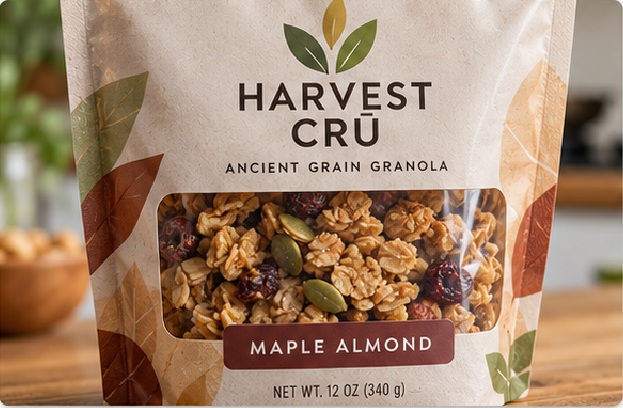
General product labels can combine brand graphics, regulatory text, barcodes, batch areas and finishing in one construction. Philiton reviews the package surface, storage environment, label size and application method before choosing paper or film. Digital printing is especially useful when several sizes or variants share the same visual system but require separate artwork control.
Bottle Labels

Bottle Labels

Bottle projects can use white or clear film, coated paper, textured paper and other compatible stocks according to moisture, oil, curvature and brand appearance. Philiton checks bottle material, diameter, application temperature and label stiffness. Clear labels may require white ink planning so graphics remain visible instead of being weakened by the container color.
Jar Labels

Jar Labels

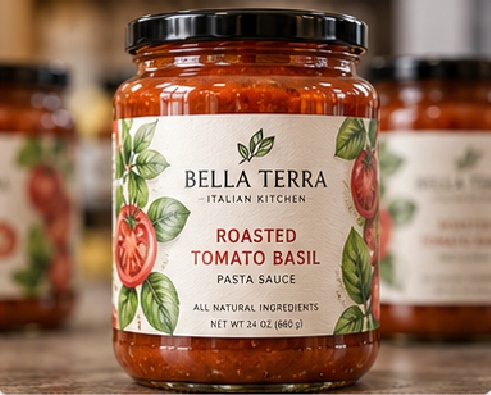
Jar labels often need strong shelf appearance while wrapping around glass, PET or plastic surfaces with different diameters. Digital production helps when a brand carries multiple flavors, scents or formulas. Philiton confirms adhesive, label width, corner radius and overlap risk, then validates the construction on an actual jar or representative substrate where possible.
Cosmetic Labels

Cosmetic Labels

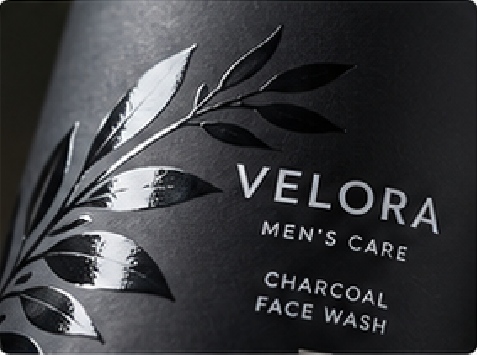
Cosmetic packaging commonly combines small text, fine graphics, transparent areas, metallic effects and exposure to water, oil or handling. Philiton can print short and multi-SKU cosmetic runs, then add compatible protective finishing. Resistance is engineered through the full material, ink, adhesive and laminate or varnish construction rather than claimed from digital printing alone.
Supplement Labels

Supplement Labels

Supplement programs frequently involve many formulas, bottle sizes and periodic regulatory artwork updates. Digital printing reduces traditional plate dependency for lower-volume versions. Philiton checks text legibility, barcode or QR placement, white ink requirements and version identity before approval, while the brand remains responsible for final legal content and claims in each destination market.
Food Labels

Food Labels

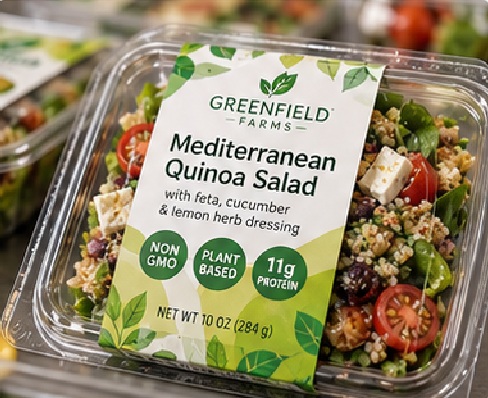
Food packaging ranges from dry jars to refrigerated and frozen packs. Philiton selects material and adhesive according to surface, moisture, condensation, application temperature and storage conditions. Digital printing fits shorter launch runs and multiple flavors, while food-contact status, migration concerns and legal requirements must be confirmed for the exact contact condition and target market.
Beverage Labels

Beverage Labels

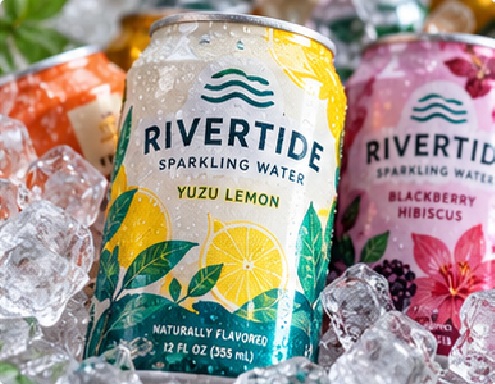
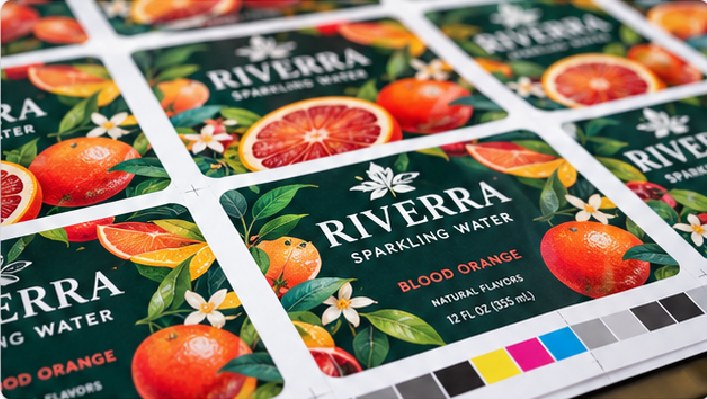
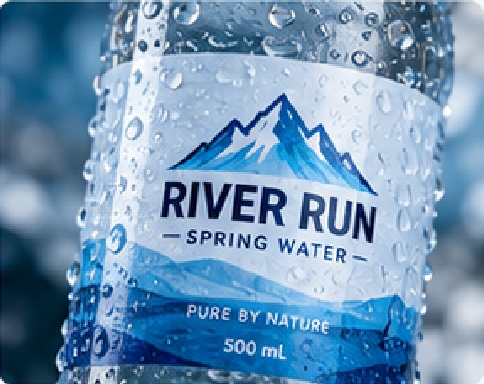
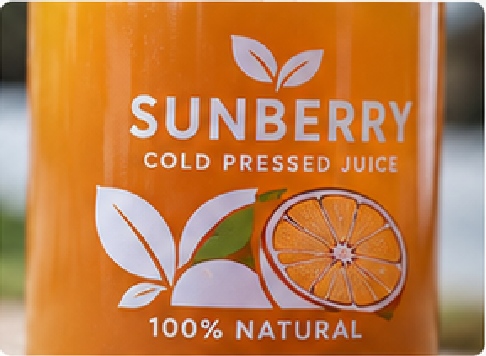
Beverage labels may face refrigeration, condensation, wet handling and strong shelf-appearance expectations. Film stocks, protective laminates or suitable varnishes can improve resistance, while textured paper may be chosen for premium dry applications. Philiton balances visual goals with bottle surface, adhesive performance, finishing compatibility and production quantity before locking the print route.
Candle Labels

Candle Labels

Candle brands often launch many fragrances with shared dimensions and changing color systems. Digital printing allows each scent to keep its own artwork without separate traditional plates. Philiton reviews jar material, surface cleanliness, label placement, heat exposure at the intended location and finish compatibility; actual application conditions should be tested before release.
Seasonal Labels

Seasonal Labels

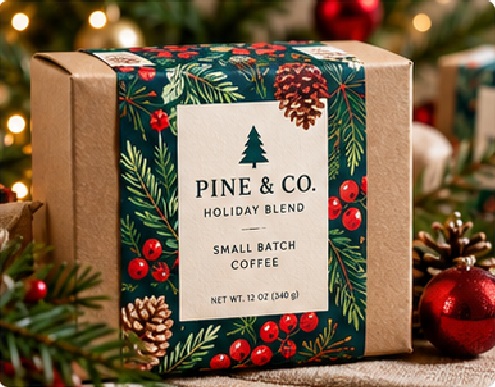
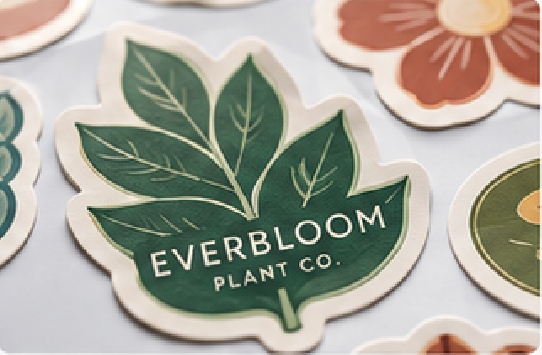
Holiday graphics, event packaging and limited campaigns often carry a short selling window. Digital production can reduce leftover inventory when the artwork expires after one season. Philiton can group compatible seasonal SKUs by common material and finishing, while keeping design, quantity, barcode and packing identification separate throughout prepress, printing and dispatch.
Limited Edition Labels

Limited Edition Labels

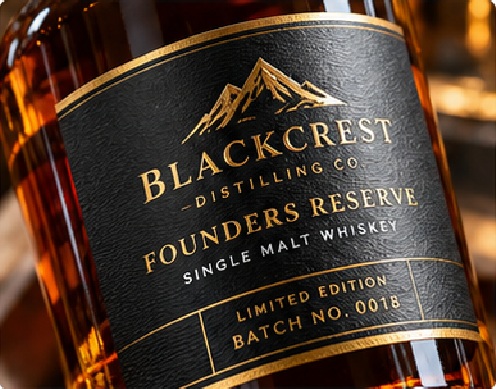
Limited editions benefit from short setup, premium graphics and controlled production quantities. Philiton can combine digital printing with selected foil, embossing, lamination, varnish or specialty converting where the construction is compatible. Sampling is recommended when metallic effects, textured stocks, transparent films or fine details materially change the approved visual appearance.
QR Code Labels

QR Code Labels

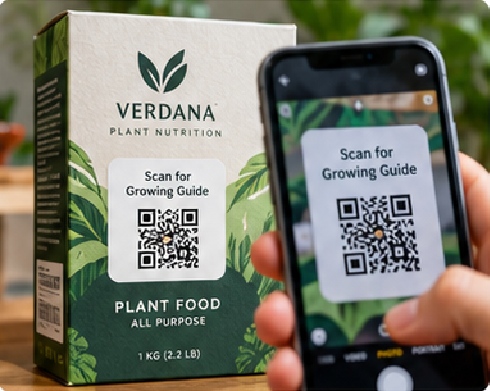
QR labels may contain a static code shared across a run or unique codes linked to individual items. Philiton checks size, contrast, quiet zone, curvature and print quality, then defines verification requirements before production. Reflective finishes, severe curvature or low contrast can reduce readability even when the code data itself is correct.
Serialized Data Labels

Serialized Data Labels

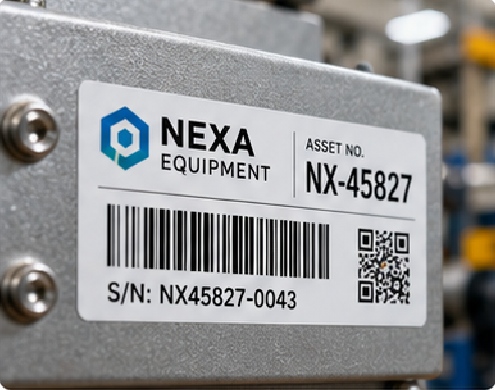
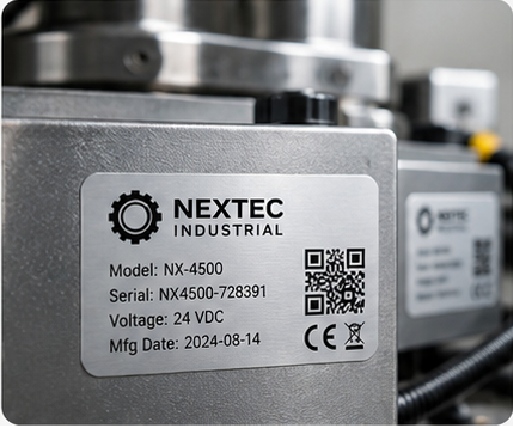
Serial-number, asset and traceability labels can combine durable films, barcodes, QR codes and changing human-readable text. Philiton manages data import, print batches, uniqueness checks, scrap and reprint logic as part of the manufacturing workflow. PET and other durable constructions can be selected when abrasion, oil or chemical exposure requires stronger protection.

Where Digital Labels Solve Day-To-Day Packaging Problems

Philiton uses digital printing where version flexibility, launch timing, data control, multi-SKU complexity or inventory risk creates a stronger reason than simply choosing a newer printing technology.

New Product Launches

A new product may need a small commercial run before demand is clear. Philiton can move from material swatch and digital sample into an initial production batch without creating a traditional plate set for every design. Brands gain a controlled route to validate packaging, fulfillment and sell-through before committing to a larger repeat volume.

Flavor And Scent Ranges

Food, beverage, candle and personal-care lines often share label size and material while changing names, colors, imagery and barcodes. Digital printing supports many versions within one program. Philiton builds an artwork and SKU matrix so each file, quantity and packed roll remains identifiable instead of relying on visual memory during production.

Regional Language Versions

Export programs may require different languages, distributors, warnings or market-specific graphics. Digital workflows reduce plate changes when each region needs a smaller allocation. Philiton requires a separate approved artwork for every version and does not alter legal meaning; final translations and regulatory content remain under the brand or legally responsible party.

Rebranding And Reformulation

Artwork can change because of new ingredients, claims, logos, color systems or package sizes. Digital production can reduce write-off risk while old inventory is being phased out. Philiton freezes a revision number before production and checks affected elements such as dieline, white layer, barcode, finishing mask and small text again after any design change.

Promotions And Events

Promotional labels may only be needed for a campaign, retail event or influencer launch. Large print inventories can become obsolete as soon as the promotion ends. Philiton can produce shorter digital batches and add compatible premium effects where required, helping the production quantity follow the campaign plan rather than a high plate-driven minimum.

Unique Code Campaigns

Loyalty programs, anti-duplication systems and trackable promotions may need a different QR code or serial number on every label. Philiton links variable-data printing with uniqueness checks and defined reprint rules. Code generation logic, consumer-data responsibility and retention periods must be agreed before production when the data has compliance or privacy implications.

Packaging Line Trials

Factories often need trial rolls before releasing a full packaging run. Digital printing can provide controlled quantities for applicator setup, bottle fit, sensor testing and label orientation. Philiton confirms core, roll direction, maximum roll diameter, gap, pitch, liner width and registration marks so trial results reflect the intended line configuration.

Urgent Replacement Batches

Damaged stock, late artwork changes or unexpected demand may create a short replenishment need. Digital routes can shorten preparation when common materials, approved artwork and compatible finishing are available. Philiton can evaluate urgent scheduling without skipping incoming inspection, first-piece approval, in-process checks, final inspection or outgoing inspection. Production feasibility is confirmed against the exact specification before a rush date is promised.

Materials Adhesives And Liners For Digital Label Production

Material Or ConstructionTypical UseDigital Printing ConsiderationsAdhesive And Liner Notes
Coated PaperDry packaging, retail products, general brandingSmooth surface supports fine graphics and colorPermanent or removable adhesive selected by package surface
Uncoated / Kraft PaperArtisan, natural and premium packagingTexture and absorbency can change color density and fine detailTest on real stock; moisture resistance needs separate protection
White BOPP / PPBottles, cosmetics, food, household productsClean graphics, moisture resistance and flexible convertingAdhesive depends on glass, PET, PP, PE or HDPE surface
Clear BOPPNo-label-look packagingWhite ink often needed beneath color or textBottle color and transparency must be considered during proofing
White / Clear PETDurable, industrial and premium labelsStrong dimensional stability and detailed graphicsHigh-tack options available for demanding surfaces after testing
Synthetic PaperDurable retail and specialty applicationsCombines paper-like print appearance with film propertiesAdhesive and liner selected around handling and converting needs
PE FilmFlexible bottles and squeezable packsFilm flexibility and ink adhesion require compatible treatmentFlexible construction should follow container movement
Metallized / Holographic FilmPremium and security-oriented graphicsBase reflectivity changes color appearance; opaque layers may be requiredFinishing and adhesive need compatibility checks before production
Freezer ConstructionRefrigerated and frozen packsPrint layer must tolerate condensation and cold handlingMinimum application temperature and service temperature are different checks
Removable / RepositionablePromotions, temporary identification, reusable surfacesPrint method is independent from clean removabilityDwell time, surface, temperature and adhesive chemistry determine removal behavior

Logo And Brand Graphics In Digital Label Printing

Philiton reproduces logos through a controlled combination of color, white ink, substrate and finishing rather than treating every brand mark as one generic print layer.
CMYK Logo Reproduction

CMYK Logo Reproduction

CMYK is the main route for full-color digital artwork, photographic branding and gradient-heavy logos. Philiton reviews vector quality, image resolution, overprint behavior and material background before release. Printed color is evaluated on the selected stock because coated paper, clear film, metallized film and textured paper do not display the same digital values identically.
Pantone Brand References

Pantone Brand References

Brand teams can provide Pantone references or approved physical standards for critical colors. Digital presses normally simulate many spot colors through color management rather than using a dedicated physical spot ink for every job. Philiton compares the printed result on the actual substrate and recommends sampling when strict color acceptance is important.
White Ink Underprint

White Ink Underprint

Clear films and dark containers often need white ink beneath selected graphics so the logo remains visible. White coverage, opacity, choke, spread and registration affect the finished appearance. Philiton creates or checks the white layer during prepress, then verifies alignment and coverage during sampling and production instead of assuming transparent stock will reproduce the screen design directly.
Foil Logo Accents

Foil Logo Accents

Gold, silver, colored and holographic foils can add metallic emphasis to a digitally printed label. Foil is a separate finishing process with its own tooling, pressure, temperature and registration limits. Philiton checks line width, gap, foil area and substrate compatibility before production; a finishing sample is recommended when small text or tight registration matters.
Embossed Logo Detail

Embossed Logo Detail

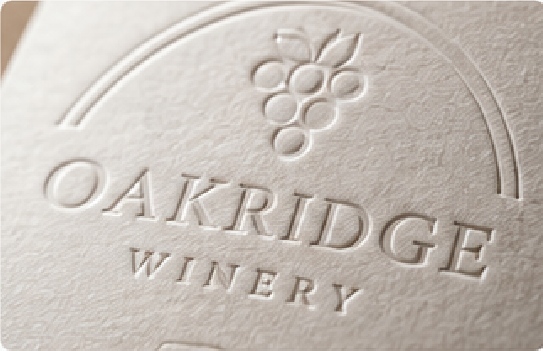
Embossing or debossing creates a raised or recessed structure rather than adding printed color. The artwork must allow enough area and spacing for the intended depth and material. Philiton reviews paper or film behavior, tool geometry and registration relative to printed elements. Fine marks may need simplification so the tactile effect remains clean after converting.
Spot Varnish Highlights

Spot Varnish Highlights

A gloss or tactile contrast can be created with selected varnish or UV effects on compatible constructions. Philiton separates the effect layer from the base artwork and checks registration, curing, surface adhesion and later die cutting. Spot effects should be judged on a physical sample because screen previews cannot accurately represent gloss, texture or reflected light.
Clear Window Branding

Clear Window Branding

Transparent film can leave selected areas unprinted to create a window around or inside the logo. White ink can be applied only beneath the areas needing opacity. Philiton checks container color, liquid or product background and label overlap so the clear space remains intentional instead of making text disappear against the package contents.
Versioned Brand Systems

Versioned Brand Systems

A master logo can remain fixed while flavor colors, language, product names, QR codes or legal text change across the range. Philiton manages each version as a separate approved artwork while common dimensions and finishing are retained where possible. Digital production reduces plate changes, but version identification and final packing remain controlled by SKU.

Artwork Development Sampling And Plate-Making Decisions Before Production

Philiton moves from file review to physical approval according to project risk. Digital printing removes traditional plates from many jobs, but tooling and finishing still require planning.

Requirement And Application Review

Production starts with more than a label size. Philiton records product surface, dimensions, quantity per SKU, number of artworks, application method, environment, finishing, variable data and target delivery. A glass bottle, HDPE drum and flexible pouch may use similar graphics but require different materials, adhesives and roll specifications before artwork is released.

Artwork And Dieline Preflight

Philiton checks production files for size, bleed, dieline, CMYK or Pantone references, white ink, foil or emboss layers, small text, barcode and QR readability, and version identity. JPG or PNG references can help development, but print-ready output is prepared and approved before production. Any design change after approval triggers another check of affected layers.

Material And Adhesive Trial

A blank material swatch can be used before printed sampling when adhesion, transparency, stiffness or surface appearance carries risk. Typical swatches can be prepared in small sets, often within 1-2 working days when suitable stock is available. Adhesive performance should be checked on the actual container or representative substrate whenever temperature, curvature, oil, moisture or low-surface-energy plastic is involved.

Digital Printed Sample

Digital samples are commonly produced in small quantities, often around 10-50 pieces per design, to review artwork, color, dimensions and general appearance. Standard digital samples can commonly take about 1-3 working days after artwork, material and specifications are confirmed. Shipping time is separate. A sample is an approval tool, not a promise that every performance property is already validated.

Finished Or Production Sample

Printed and finished samples may be prepared in quantities such as 10-100 pieces when die cutting, laminate, varnish, foil, embossing or roll construction needs approval. Standard finished samples commonly take about 3-5 working days; more complex foil, embossing, screen, special material or tooling work can require around 5-7 working days or longer when sourcing is involved.

Plate And Tooling Choice

Normal digital printing does not require the same traditional printing plates used by flexographic production. Tooling can still be required for rotary dies, hot foil, embossing or other finishing. If a stable SKU grows into a larger repeat program, Philiton can evaluate a flexographic route and prepare plates when the long-run economics justify the change.

Color White Ink And Repeat Consistency Need Physical Control

Screen color is not a production standard by itself. Philiton connects artwork references with actual stock, approved samples, measurement and controlled repeat settings.

Color Target Building Based On Actual Label Material

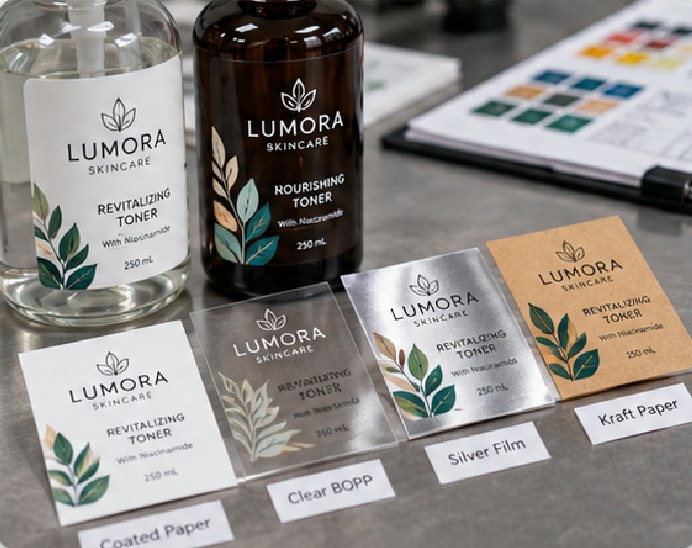
Digital color should be approved on the material that will enter production. A CMYK value printed on coated paper can look different on clear BOPP, silver film, Kraft paper or a textured uncoated stock. Container color can also influence clear labels, especially when no white underprint is present.

Philiton starts by separating artwork roles: process color, Pantone reference, opaque white, foil mask, emboss layer and variable-data fields. Critical brand colors can be checked with color-management tools and spectrophotometer support. When Pantone precision is important, a physical sample gives a far better approval basis than a monitor screenshot. Digital simulation can reproduce many brand colors, but some strict spot colors may require an alternative ink or print route after review.

White ink is treated as a structural print layer. Clear film on a dark bottle may need an opaque white base under the logo and text, while a transparent window should remain unprinted. Choke and spread around white areas help manage registration. For metallic films, white can suppress the reflective substrate where normal color is desired while uncovered zones keep the metallic effect.

Approval should define acceptable appearance before mass production begins. Philiton uses the approved artwork, physical sample or agreed color reference as the control point for the production batch.

Keep Multi-SKU And Repeat Runs Visually Aligned

Multi-SKU programs create a different color challenge from a single design. A family of 12 products may share one navy logo while each SKU uses a different accent color. File errors, material changes or different finishing can make the range look inconsistent even when each label is acceptable by itself.

Philiton groups shared visual elements during prepress and keeps separate artwork identities for every SKU. Common materials and finishing are preferred when brand consistency matters because changing the stock can change perceived color. First-piece checks confirm the correct version before a run continues. White coverage, fine text, image detail and registration are reviewed together rather than as unrelated defects.

Repeat orders are compared against retained specifications, approved artwork and reference samples when available. A repeat run is still reviewed because raw-material batches, Pantone targets, adhesives, liners or finishing may change. If the brand changes any element after approval, the job returns to a controlled review stage instead of being released automatically from an old file.

Digital-to-flexo scale-up requires the same discipline. Philiton carries forward the approved dieline, brand reference, material target, finishing specification and packing controls, then validates the new print route before the mature volume replaces the earlier digital configuration.


Variable Data And Multi-SKU Control Beyond Simple Printing

Unique information and many artwork versions create information-management risk. Philiton links digital output with version identification, source-data checks, verification, scrap control, reprint rules and separated packing by SKU.

Unique QR Codes

Each QR code can link to a unique item, campaign, authentication record or digital experience. Philiton checks data format, code size, contrast, quiet zone and print position before production. Curved surfaces, reflective effects or insufficient contrast can reduce scanning reliability, so code readability should be validated on the final construction rather than only from the source file.

Sequential Serial Numbers

Sequential numbering looks simple until a press stop, reprint or rejected label interrupts the sequence. Philiton records batch ranges and controls stoppage, restart, scrap and replacement logic so accepted codes are not accidentally reintroduced. Final verification can be defined around the risk level, code type and downstream traceability requirement of the program.

Variable Barcodes

Retail and industrial barcodes need more than phone-scanner readability. Bar width, magnification, quiet zones, contrast and print quality influence verification results. Philiton can combine variable barcode output with visual or scanning checks and keeps artwork, product code and quantity records aligned for each SKU or version. Verification requirements are agreed before production begins.

Multi-SKU Artwork Matrix

Philiton builds an artwork matrix when a program contains many versions. The matrix records SKU, file identity, revision, quantity, material, finishing, barcode or QR requirements and packing instructions. Shared dimensions or materials can improve production efficiency, but every SKU remains separately approved and identified during printing, finishing and packing. The same matrix can also guide roll and carton identification.

Data Reprint Control

Rejected variable labels cannot simply be printed again without checking whether their codes were already accepted elsewhere. Philiton controls source data, accepted output, scrap, reprint lists and final verification according to the agreed workflow. Data retention and deletion periods are defined with the project instead of assuming indefinite storage. Accepted and rejected code ranges remain separated during reconciliation.

Confidential Launch Files

Unreleased packaging, security graphics and unique-code data can be handled under a customer NDA or mutually agreed NDA. Philiton limits project information to the roles required for artwork, production, QC and logistics. No absolute data-security guarantee is claimed; additional access, retention or deletion requirements should be written into the project agreement.

Finishing Options That Extend Digital Label Appearance And Protection

Digital printing can be combined with protective and decorative finishing when material, ink, adhesive, tooling, curing and converting sequences are compatible with the selected construction and final application.
Matte Lamination

Matte Lamination

Matte laminate reduces glare and can create a smooth, premium surface while adding handling protection. Philiton checks laminate compatibility, label stiffness, die-cut behavior and bottle curvature before release. Small-diameter containers may need extra attention because a thick face-and-laminate construction can increase edge lift even when the adhesive itself is suitable.
Gloss Lamination

Gloss Lamination

Gloss laminate increases surface shine and protects printed graphics from routine scuffing and moisture exposure. It is often selected for beverage, cosmetic, food and promotional labels. Philiton treats laminate as part of the total construction, since film thickness, stiffness, adhesive and container curvature work together after application. A physical sample can confirm shine, stiffness and edge behavior.
Protective Varnish

Protective Varnish

Varnish can provide a lighter protective layer when full lamination is unnecessary or would change flexibility and cost. Gloss, matte or selected protective coatings can be evaluated according to stock and print system. Resistance claims are confirmed against the intended handling, water, oil or abrasion condition rather than assumed from the coating name.
Hot Foil Stamping

Hot Foil Stamping

Hot foil can add gold, silver, colored or holographic metallic detail after base printing. A foil die and controlled pressure and temperature are required. Philiton reviews foil area, line width, registration, material and later converting before production. Fine reverse details or tight alignment should be approved on a physical finishing sample.
Emboss And Deboss

Emboss And Deboss

Raised or recessed elements can add tactile branding to paper and suitable film constructions. Philiton evaluates tool design, material thickness, impression depth and alignment with printed graphics. Embossing can influence the flatness of the label and should be tested when automatic application, small containers or close die-cut margins are involved.
Spot UV Effects

Spot UV Effects

Spot gloss, raised UV or other localized effects can create contrast over selected logos, patterns or images when compatible with the base print and substrate. Philiton prepares a separate effect layer, checks curing and adhesion, and controls registration to the printed image. Physical sampling is recommended because gloss and texture are difficult to judge digitally.
Screen White Or Specialty Ink

Screen White Or Specialty Ink

Some projects need a thicker opaque white, strong spot color or specialty layer beyond the standard digital route. Philiton can combine screen printing or another compatible process with the main print when the effect justifies the added operation. Extra colors, coverage and curing steps increase cost and production time, so the route is confirmed during engineering review.
Custom Die Cutting

Custom Die Cutting

Digital labels can be converted into circles, ovals, rectangles, complex contours and custom shapes. New shapes may require digital sample cutting or a production die depending on quantity and run method. Philiton checks corner radius, narrow bridges, matrix stripping, liner performance and label-to-label gap so the finished roll releases cleanly during application.

Digital Printing Production Details From Press To Finished Roll

A printed web is only an intermediate product. Philiton controls converting, inspection, rewinding and roll configuration so finished labels work in packing and application operations.

From Approved File To Converted Labels

After artwork, material, adhesive and finishing are approved, Philiton releases a production file with the correct dieline, color layers, white ink or finishing masks, variable fields and SKU identity. Industrial digital label presses handle the main image production; current equipment records include four industrial digital press lines with web capability around the 330 mm class, while actual usable width depends on material, imposition and job setup.

Printing is followed by any approved lamination, varnish, foil, embossing, screen or other compatible operation. Die cutting separates the label shape while leaving the release liner intact for roll work. Matrix waste is removed, then the web is slit to the required roll width. Rewinding controls tension, roll build and labels per roll. Inspection points are placed before final packing rather than treating printing as the last quality checkpoint.

Standard custom label production commonly takes about 5-10 working days after approved artwork or sample, required material and production conditions are ready. Rush-compatible specifications can sometimes be completed in about 2-5 working days when common materials, tooling and capacity are available. Complex materials, multiple finishing steps, strict variable-data verification or large multi-SKU programs may require additional time. Production time starts from a manufacturable condition, not from the first inquiry; late artwork approval, new tooling, special-material purchasing or additional tests can move the schedule.

Roll Configuration Must Match The Labeling Equipment

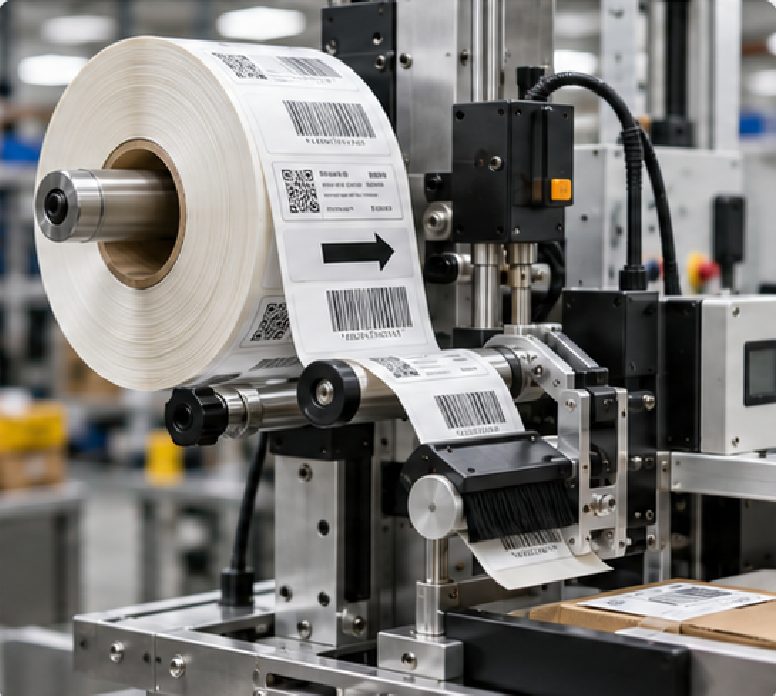
Automatic and semi-automatic application depends on more than label size. Philiton confirms roll direction, inside or outside wound orientation, core diameter, maximum roll diameter, liner width, gap, pitch and the number of labels across. Perforations or black registration marks can be added when the applicator requires them and the converting construction allows it.

Roll direction defines which edge leads as the label unwinds. Wrong orientation can force manual rewinding or stop an applicator from feeding the artwork correctly. Core size is selected from the machine requirement, not from label width alone. Maximum roll diameter affects labels per roll and may be restricted by the applicator enclosure. Gap and pitch influence sensor detection and indexing accuracy.

For multi-SKU programs, finished rolls are identified so warehouse and production teams can distinguish design, quantity and batch. Labels intended for manual application can also be supplied in sheets or individual pieces where the specification permits. Philiton reviews the final delivery format before mass production so converting and packing do not become late-stage surprises after the graphics have already been approved. For a new applicator, a controlled trial roll can be used to confirm sensing, peel behavior, orientation and roll handling before a larger run is released.

Quality Control Built Around Digital Label Failure Risks

Philiton uses incoming, in-process, final and outgoing checks to control materials, artwork, print quality, color, variable data, converting, roll configuration, packing and shipment identity before release.

Incoming Material Control

Paper, film, adhesive, liner, laminate and specialty materials are checked against the approved project specification before use. Material identity, appearance, thickness or relevant supplier information may be reviewed according to the risk. A correct digital file cannot compensate for the wrong adhesive, film or liner entering production. High-risk materials can receive additional application or laboratory checks.

Artwork Revision Control

Each SKU is released from an approved artwork rather than from an informal chat attachment. Philiton checks file identity, revision, dieline, color layers, white ink, variable fields and barcode or QR content before production. A late change returns the affected elements to review so old and new versions are not mixed in the same program.

Color And White Ink

First-piece and in-process checks compare critical colors, white coverage and visible appearance against the approved reference. Spectrophotometer and Lab/Delta E measurement can support color control where applicable. Clear and metallic materials receive extra attention because substrate appearance can influence color and opacity even when the digital artwork remains unchanged. Approval criteria are fixed before the batch is released.

Print And Registration

Philiton checks image detail, small text, registration, streaks, missing print, contamination and visible defects during production. Multi-layer jobs such as color over white or print aligned with foil and embossing require separate tolerance awareness. Inspection focuses on the finished visual relationship, not only whether every process layer exists. Visible defects are judged against the approved appearance and process tolerance.

Variable Data Verification

Unique codes, serial numbers and barcodes are controlled through data checks, batch tracking, stoppage and restart rules, scrap handling and reprint control. Scan or vision verification can be incorporated according to the agreed inspection plan. Code readability is reviewed on the printed label rather than assumed from the original database.

Die Cut And Liner

Die-cut position, edge quality, matrix stripping, liner damage and release behavior affect automatic dispensing. Philiton checks die alignment and finished shape so labels do not cut through the liner, remain connected by unremoved waste or lift unintentionally. Complex contours may require additional inspection around small radii and narrow features. Release performance is reviewed together with the intended dispensing method.

Roll Build And Quantity

Finished rolls are checked for winding direction, core, tension, roll appearance, quantity and SKU identity. Telescoping, loose winding or crushed edges can create line problems even when print quality is acceptable. Labels per roll and outer identification are controlled according to the agreed packing specification. Final roll labels identify the SKU and agreed quantity for receiving.

Final And Outgoing Check

FQC and OQC confirm the approved specification, visible quality, packing, SKU identification and shipment preparation before release. Philiton maintains dedicated QC areas and an internal laboratory for performance and print-quality verification. Any verified issue is reviewed against artwork, specification, sample and production records to determine corrective action. Shipment is released only after the required inspection stage is completed.

Packaging Options Protect Digital Labels Through Global Delivery

Philiton packs rolls, sheets and individual labels according to format, SKU structure, warehouse handling, transport risk and shipment method so finished labels arrive protected, identifiable and ready for use.

Protected Individual Rolls

Finished rolls can be wrapped or bagged to reduce moisture, dust, unwinding and surface damage during handling. Roll edges need protection because crushing can affect web tracking on an applicator. Packing is matched to roll diameter, core and weight rather than applying one carton method to every label specification. Packing method is confirmed before final production release.

SKU And Batch Identification

Multi-SKU shipments need clear outer identification. Philiton can label rolls, inner packs and cartons with SKU, quantity, batch or other agreed references so receiving teams can separate variants without opening every package. Mixed-SKU cartons or pallets can be organized when the destination warehouse provides its identification and receiving rules. The same identification can be reflected on the packing list when required.

Moisture And Crush Protection

Film and paper labels can be affected by humidity, pressure or deformation during long-distance transport. Internal bags, protective wrapping, dividers and appropriately sized cartons reduce movement and edge damage. Heavier rolls should not be packed so tightly that lower rolls deform under excessive load during stacking. Storage and transit conditions are considered when selecting inner protection.

Carton And Pallet Planning

Carton quantity, gross weight, dimensions and palletization can be planned around shipment size and warehouse requirements. Larger orders may use pallet protection for easier handling, while smaller urgent shipments can move by courier or air. Commercial terms and transport responsibilities are confirmed in the quotation. Pallet rules can follow the receiving warehouse specification when provided.

Sheet And Piece Packing

Hand-applied labels, promotional stickers and some inspection labels may ship in sheets or individual pieces instead of rolls. Philiton uses inner packs and carton identification appropriate to the format. Count method, stacking orientation and surface protection are confirmed so labels do not curl, scratch or mix across designs. Each pack remains separated and identified by design or SKU.

Direct Warehouse Delivery

Shipments can be prepared for a warehouse or fulfillment location when address, appointment, carton or pallet labels and receiving rules are supplied. Courier, air and sea freight can be arranged according to size, urgency and destination. Import duties, customs responsibility and delivery scope follow the agreed Incoterm rather than the transport mode alone.

Compliance Support Starts With The Exact Label Construction

Philiton manufactures to approved artwork and specified material requirements, while legal market-entry responsibility remains with the brand, manufacturer, importer or other responsible party for the finished product and target market.

Regulatory Artwork Control

Philiton can reproduce approved ingredient lists, warnings, instructions, symbols and regulatory text while checking print feasibility and legibility. Philiton does not independently rewrite legal meaning. The responsible party must provide and approve the required text, translation, claims and destination-market rules before the production artwork is released. Production approval therefore includes a controlled legal-text version.

Material Documents And Testing

Material declarations, supplier documents or third-party testing can be supported when a project requires evidence for a specified construction. A report only covers the sample, material, test method and conditions stated in that report. Changing face stock, adhesive, ink, laminate, supplier or end use may require the evidence to be reviewed again.

Food Packaging Applications

Food labels can be produced for external packaging, but direct food contact and indirect contact are different compliance conditions. Philiton evaluates material structure and destination-market requirements from the specification provided. A general statement such as “food label” is not enough to establish food-contact compliance for every paper, adhesive, ink and coating combination.

RoHS And REACH Projects

RoHS or REACH documentation and third-party testing can be supported for specified materials when relevant to the product and market. Philiton does not describe every label as automatically certified to these requirements. The exact construction, restricted-substance scope and supporting evidence must match the order being manufactured. Supporting files are matched to the materials actually used.

Special Market Testing

Children’s products, California chemical requirements, industrial standards or other market-specific programs may need additional material testing. Philiton can prepare samples, provide material information and cooperate with an agreed laboratory when required. Test standard, limits, sample construction and responsible legal entity should be defined before testing begins. Results are reviewed against the exact project scope rather than generalized.

Certification Marks And Claims

CE, UKCA, UL, FSC, recycling marks and other certification or conformity symbols are printed only from approved artwork and authorized use. Philiton can support projects involving FSC-certified paper options or UL-related label constructions subject to project and file verification, but unverified factory certifications are not presented as existing credentials. Authorization evidence should match the mark printed on the approved artwork.

Manufacturing Depth Beyond A Single Digital Printing Press

Philiton combines digital printing with prepress, finishing, converting, testing and scale-up routes so a growing label program does not depend on one production method forever.

Manufacturing Scale

Philiton was founded in 2016 and operates manufacturing in Shenzhen and Dongguan. The combined footprint exceeds 12,000 ㎡, including dedicated printing, converting, finishing, warehousing, QC, laboratory and sampling areas. More than 200 employees support projects ranging from samples and multi-SKU launches to established repeat programs. Capacity is organized around printing, converting, QC and project coordination rather than one isolated press.

Specialist Production Team

The confirmed core professional team includes 91 technical, skilled production and quality personnel. Roles include artwork, prepress, color, product and process engineers, digital and flexographic engineers, press operators, die-cutting, slitting, foiling, embossing, IQC, IPQC, FQC, OQC and laboratory technicians. Four digital printing engineers focus specifically on short runs, multi-SKU, white ink and variable-data work.

Digital And Data Capacity

Current equipment records include four industrial digital label press lines and four high-speed variable-data printing systems, supported by prepress workstations, finishing, die cutting, slitting, inspection and laboratory equipment. Equipment brands and exact machine-specific limits are confirmed per project; production planning is based on the actual material, width, ink and finishing requirements rather than a generic speed claim.

Launch To Scale

Many standard label and sticker programs can begin around 500 pcs per design or SKU. Digital is commonly evaluated for launch and early repeat volumes, while mature stable SKUs can move into flexographic or hybrid routes as economics improve. Philiton keeps artwork, material, finishing, roll and QC specifications aligned during the transition so scaling does not require changing manufacturing partners.

Representative Digital Label Programs Managed By Philiton

The following anonymized project profiles reflect documented Philiton application, material and production records. No unverified brand names, testimonials or performance claims are added.
labels and stickers

United States Multi-SKU DTC Labels

A United States e-commerce brand managed 10-30 SKUs with approximately 500-5,000 labels per SKU. Paper or BOPP was selected according to the product environment, with permanent or removable adhesive depending on application. Digital printing was the primary route because individual SKUs were relatively small and artwork changed across the range. Philiton focused on shared dimensions and materials where possible, centralized artwork and barcode checks, separated each SKU during production and packing, and used matte or gloss lamination where the cost structure supported it. The main goal was brand consistency without forcing high fixed setup across every version.
Spain Textured Paper Brand Labels

Spain Textured Paper Brand Labels

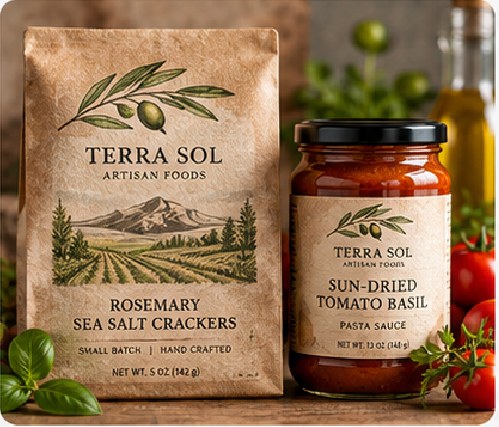
A Spain-based food and artisan brand required 1,000-20,000 labels across 3-15 SKUs using Kraft, textured or uncoated paper. Digital and flexographic routes were evaluated according to quantity and repeat pattern, while varnish, embossing and hot foil remained optional. The critical issue was not press resolution; paper absorbency and texture could change solid color, fine lines and foil detail. Philiton sampled on the real paper, reviewed minimum line detail and finishing compatibility, then controlled color, paper texture, die cut and adhesion. Roll or sheet delivery was selected according to manual or automatic application.
Germany Durable Equipment Labels

Germany Durable Equipment Labels

A German industrial and machinery program involved 5,000-50,000 durable labels across multiple equipment models. White or silver PET, high-tack permanent adhesive and a protective laminate or chemical-resistant varnish were evaluated around metal, coated and plastic surfaces. Printing options included digital, UV or flexographic routes with variable data where model, serial or QR information changed. Philiton matched the material and adhesive to the real surface, controlled variable-data mapping and scanning, and reviewed print, adhesion, size, die cut and code readability before release. Final packing could be roll, sheet or individual format according to the workstation requirement.

Digital Label Printing Frequently Asked Questions

Many standard custom label and sticker projects can start around 500 pieces per design or SKU. Actual MOQ depends on size, material availability, adhesive, finishing, die cutting, special tooling and the number of SKUs. Similar designs may share material and production setup, but every artwork still needs separate approval and quantity control.
Standard digital samples commonly take about 1-3 working days after artwork, material and specifications are confirmed. Printed or finished samples often take about 3-5 working days. Foil, embossing, screen printing, special materials or other complex sample routes can require around 5-7 working days or longer if sourcing or tooling is needed.
Normal digital label printing does not require the same traditional image plates used in flexographic printing. Other tooling may still be required. Custom rotary dies, hot-foil dies, embossing tools or specialty finishing can create separate setup costs. A later move to flexographic production can also require printing plates for stable higher-volume repeat work.
Pantone references can be used as color targets, while digital presses generally simulate many spot colors through color management. Exact appearance depends on ink system, substrate, white underprint and finishing. Philiton recommends a physical sample when strict brand color acceptance matters. Some colors may be better handled through another print or spot-color route after evaluation.
Yes, compatible digital routes can use white ink for clear films, metallic substrates and other constructions where opacity is required. White-layer design, coverage, choke, spread and registration must be prepared during prepress. Very heavy opaque coverage or specialty white effects may be better produced through screen or another combined process.
Yes, multi-SKU programs are a major use case for digital printing. Compatible SKUs can share common material, size and finishing to reduce changeovers. Every SKU still keeps its own approved artwork, quantity, barcode or variable-data requirements, production identity and packing control. A SKU matrix is recommended for complex ranges.
Yes, unique QR codes, serial numbers, changing barcodes and other variable fields can be produced when the source data and verification rules are defined. Philiton controls uniqueness checks, batch output, stoppage and restart points, scrap and reprint logic. Code size, quiet zone, contrast and final surface also affect scan performance.
There is no fixed crossover quantity for every label. Quantity per SKU, artwork stability, colors, material, size, finishing and repeat frequency all affect the decision. Philiton commonly reviews flexographic economics as stable volumes grow, especially when one SKU becomes a longer recurring run and the original digital flexibility is no longer the main cost driver.
Yes, provided the finished roll is engineered for the applicator. Philiton confirms roll direction, inside or outside wound orientation, core, maximum roll diameter, liner width, gap, pitch, perforation or black mark requirements and labels per roll before mass production. A trial roll is recommended when a new material or line setup is involved.
No. Waterproof, oil resistance, chemical durability and regulatory suitability depend on the complete construction, including face material, adhesive, ink, laminate or varnish, application surface and environment. Compliance also depends on market and product use. Philiton supports material selection, documentation and testing according to the specified project rather than making blanket claims.

Send Philiton The Details Needed For A Useful Quote

A reliable digital label quotation begins with the order structure, not only a total quantity. Send the information already available; missing material or adhesive details can be reviewed after Philiton understands the package surface and operating conditions. For multi-SKU programs, quantity per SKU is more useful than one combined total because production economics change with version count. Artwork can be uploaded as AI, PDF or another available production file, while reference images can be used during early development.

Please include:

  • Label width × height or container dimensions
  • Quantity per SKU and number of SKUs
  • Application surface: glass, PET, PP, PE, HDPE, metal or carton
  • Preferred paper or film, if already selected
  • Permanent, removable, freezer or other adhesive requirement
  • CMYK, Pantone reference, white ink or premium finishing needs
  • Static or variable QR, barcode, serial or text data
  • Roll, sheet or individual-piece delivery format
  • Core, roll direction and applicator details for automatic labeling
  • Required delivery date and destination country
  • Artwork, dieline, reference sample or photos

Philiton will review the specification, identify missing risk points and recommend a starting production route before the commercial quotation is finalized.

Get In Touch

  • Our team will answer your inquiries within 12 hours.

  • Your information will be kept strictly confidential.

Get a Fast Quote for Custom Labels & Stickers

We will contact you within 24 Hours, please pay attention to the email with the suffix“@philiton.com”. 

For all inquiries, please feel free to reach out at:

Ask For A Quick Quote

We will contact you within 24 Hours, please pay attention to the email with the suffix“@philiton.com”. 
For all inquiries, please feel free to reach out at:

Get a Quote Today!

We will contact you within 24 Hours, please pay attention to the email with the suffix“@philiton.com”.