Your Trusted Labels & Stickers Manufacturer from China!

Waterproof Labels

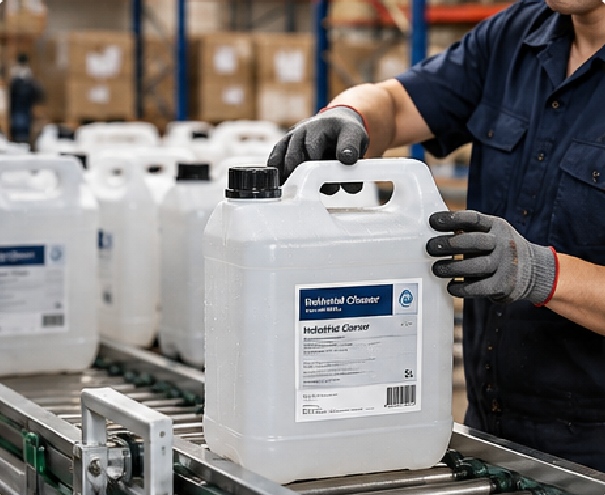
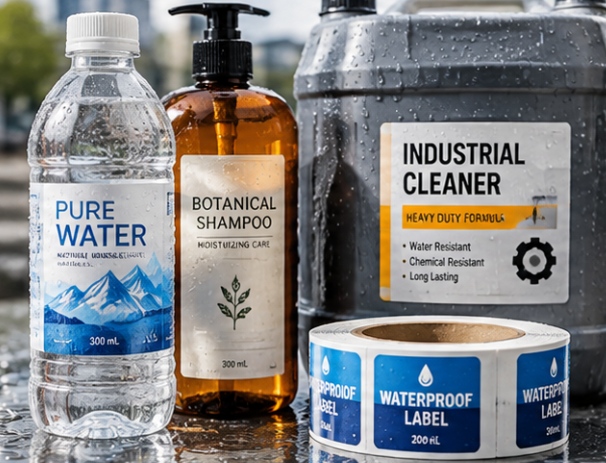
Custom waterproof label manufacturing for packaging and industrial applications where moisture, adhesion, print protection and repeat production must be controlled.
Philiton builds waterproof label structures around the actual surface, exposure and application method. Founded in 2016, our Shenzhen and Dongguan manufacturing system covers 12,000+ m2, 200+ employees and 91 technical, skilled production and quality personnel. Many standard projects can start around 500 pieces.
  • Film, adhesive, printing and protection reviewed together
  • Digital and conventional printing for multi-SKU production
  • Inspection and laboratory testing for project verification
Waterproof Labels

Waterproof Performance Starts With the Complete Label Construction

A waterproof label is not defined by film alone. Reliable performance depends on how each layer works on the actual product and through the intended exposure.

Waterproof Means a System, Not a Material Name

A film facestock can resist water while the finished label still fails. Printed graphics may scuff, a decorative foil may lose adhesion, an edge may lift from a curved bottle, or the adhesive may struggle on cold or low-surface-energy plastic. Philiton therefore reviews five connected parts before recommending a waterproof route: facestock, printed image, surface protection, adhesive and verification. The same film can perform very differently on glass, PET, PP, PE or HDPE because surface energy, curvature, contamination and application pressure change the bond. A label applied to a clean bottle at room temperature and then chilled faces a different risk from a label applied directly to a cold, damp container. Project specifications should describe the real exposure rather than use “waterproof” as the only requirement.

Waterproof, Water-Resistant and Weather-Resistant Are Different

Short contact with splashes, repeated condensation, ice-bucket exposure, washdown, temporary immersion and outdoor rain place different loads on a label. A construction suited to bathroom packaging may not be suitable for a chemical container or an outdoor equipment label. Philiton uses the exposure description to narrow the material family, adhesive behavior, ink system and protective finish, then defines what should be sampled or tested before production. Service life also cannot be separated from temperature, UV, chemicals, abrasion and the substrate itself. For projects with demanding conditions, the safest path is to evaluate the complete printed construction on the actual or representative surface and freeze the approved specification before repeat production. CTA: Define My Exposure

Waterproof Label Programs for Different Procurement Priorities

Different teams define success differently. Philiton adjusts the project route around product risk, artwork complexity, line requirements, quantities and repeat-order needs.

Established Consumer Brands

National and international brands normally need more than an attractive label. Repeat color, controlled artwork versions, stable roll specifications and documented approval matter across multiple SKUs. Philiton can review shared materials, dimensions and finishes across a range, then separate the parameters that must remain SKU-specific. For wet-use packaging, the project should lock the approved film, adhesive, protective finish, roll direction and application conditions so repeat orders do not drift when artwork or quantities change.

Packaging and Procurement Teams

Procurement teams usually compare total supply risk rather than one unit price. Relevant inputs include annual volume, quantity per SKU, delivery format, target surface, water exposure, line speed requirements, inspection expectations and destination. Philiton can structure the quote around the real specification and identify which choices affect tooling, setup, material sourcing or packing. Clear inputs reduce later price revisions and make supplier comparison more meaningful because each quotation refers to the same construction.

Packaging Engineers

Engineering teams need the label to survive the container and application process. Curvature, squeeze behavior, surface energy, application temperature, service temperature, gap, pitch, core and roll direction can be as important as graphics. Philiton can review drawings, container photos, existing samples or labeling-machine specifications before finalizing the structure. For difficult surfaces, a material or adhesive trial on the actual package is more useful than choosing a generic “strong adhesive” from a list.

Growing Multi-SKU Brands

Growing brands often manage several flavors, fragrances, sizes or seasonal versions. Digital printing can support frequent artwork changes and lower setup at early stages, while larger repeat volumes may later justify a different production route. Many standard Philiton projects can begin around 500 pieces per design or SKU, subject to material, finishing and tooling. Standardizing label size, base material and common finishes across related SKUs can simplify sampling, purchasing and repeat production without forcing every design into the same artwork.

Industrial and Equipment Programs

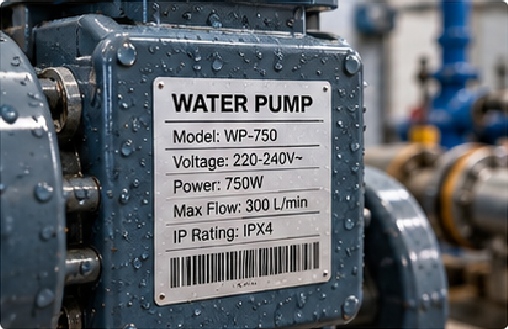
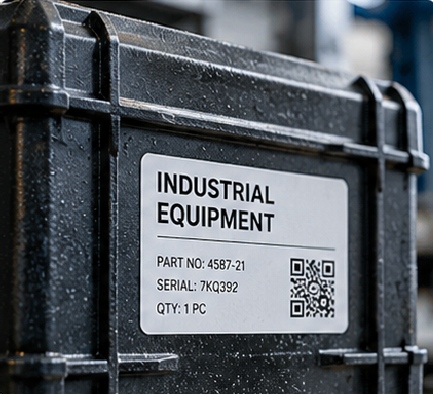
Industrial labels may face water together with abrasion, cleaners, oil, heat, outdoor exposure or long service periods. PET, synthetic materials or other durable constructions can be evaluated with stronger protection and application-specific adhesives. Philiton does not treat “waterproof” as the final specification for these projects. The project brief should state the substrate, cleaning media, temperature range, expected exposure and any barcode or serial-number requirement so durability and readability can be verified together.

Distributors and Print Partners

Trade partners need technical handoff to be efficient and confidential. Philiton can work from an existing specification, artwork package, dieline, approved sample or roll requirement instead of forcing every project through a retail-style configurator. The key is to identify what is fixed and what may be optimized: material, adhesive, print route, finish, die line, roll format, inspection and packing. Multiple artwork versions should remain independently approved and traceable even when production settings are shared.

Define Water Exposure Before Choosing the Label Structure

Exposure ConditionTypical UseMain Failure RiskEngineering FocusRecommended Validation Direction
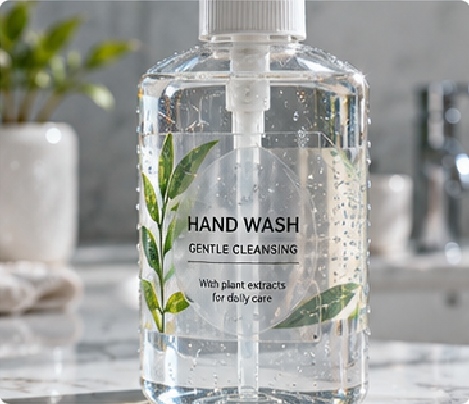
Occasional SplashSauces, hand soap, household packagingSurface staining, ink rub, edge wettingFilm or protected paper, print protection, adhesive matchWet wipe and handling check on final surface
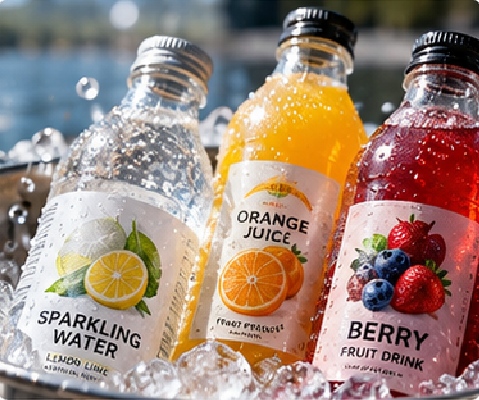
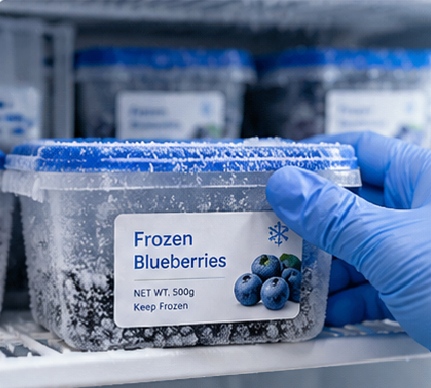
Repeated CondensationCold beverages, refrigerated jars, chilled cosmeticsEdge lift, bubbling, wrinkle, reduced bondFlexible film, adhesive, curvature, application temperatureChill-and-condensation application trial
Ice Bucket / Long Wet ContactBeer, wine, premium beveragesExtended water contact, edge entry, print or foil damageComplete facestock-ink-protection-adhesive constructionProject-specific immersion or ice-bucket trial
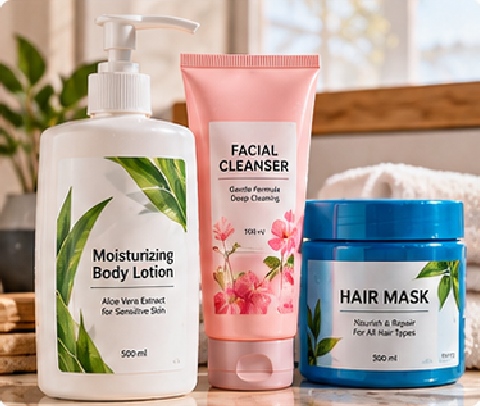
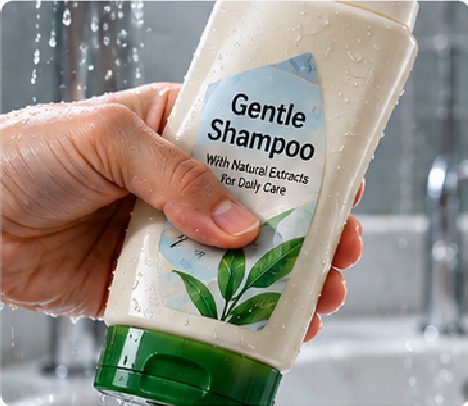
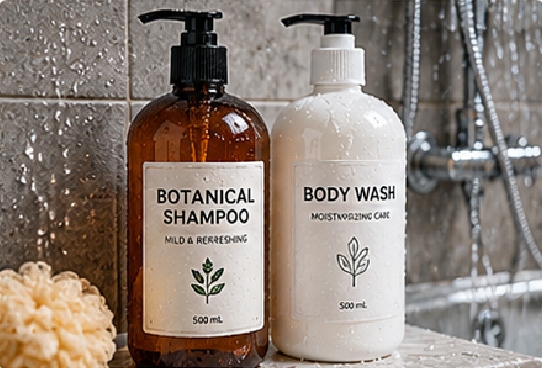
Bathroom / Shower UseShampoo, body wash, skincare, bath productsHumidity, water, oil, repeated hand contactFilm, suitable adhesive, ink protection, bottle flexibilityWet handling plus representative formula exposure
Washdown / CleaningHousehold chemicals, industrial containersWater plus cleaner, abrasion and repeated wipingDurable film, protection layer, chemical-aware adhesiveMedia exposure and rub test under defined conditions
Temporary ImmersionCoolers, buckets, wet logistics environmentsBond loss, edge lift, trapped moistureLow-water-uptake facestock and validated adhesiveTimed immersion or representative wet-use test
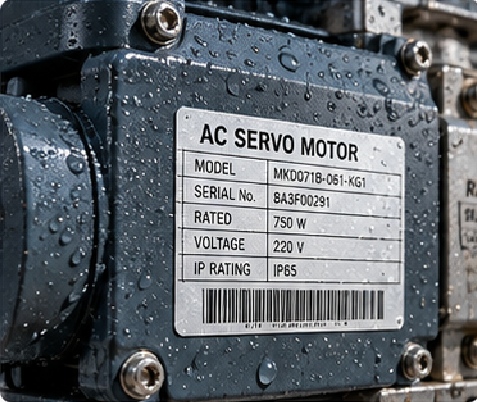
Outdoor Rain and WeatherEquipment, asset, warning and product labelsWater, UV, heat/cold cycling, abrasionDurable facestock, adhesive, print protectionExposure plan based on required service environment

Five Layers Control Waterproof Label Performance

The finished label succeeds only when the visible layer, printed image, protection, bond and verification method are matched to the same application.

Facestock

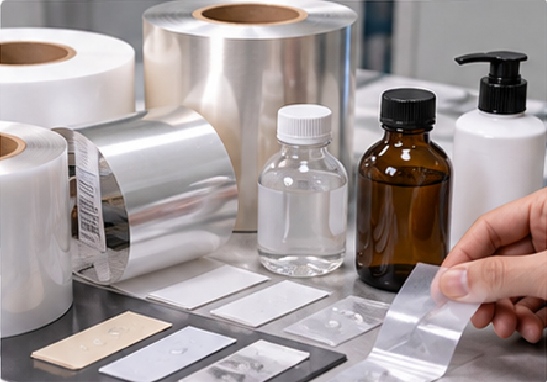
The facestock provides the visible body of the label and influences water uptake, clarity, flexibility, stiffness and dimensional stability. BOPP, PET, PE, PVC/vinyl and synthetic stocks can all serve different wet-use applications. Selection should consider the container, curvature, squeezability, desired appearance and exposure duration rather than treating one film as the universal waterproof option.

Print and Ink

Printed information still has to remain legible after wet handling. Ink choice and curing interact with film type, white-ink layers, overprint varnish, foil, barcode contrast and later finishing. A water-resistant facestock does not guarantee durable graphics. Philiton reviews the print route and protective requirement together, especially where small text, QR codes, batch marks or premium decoration must stay readable.

Surface Protection

Lamination, varnish or other protective finishes can reduce scuffing and shield printed graphics from water and handling. Protection also changes thickness, stiffness, gloss, tactile feel and sometimes labeling behavior. Heavy protection is not automatically better on every bottle. Curved or squeezable packaging may need a more balanced construction so the label follows the surface without encouraging edge lift.

Adhesive System

Adhesion depends on the surface and application conditions, not on the word permanent alone. Glass, PET, PP, PE and HDPE differ in surface energy; oils, moisture, release agents and dust can further reduce wetting. Low-temperature application and later cold service are separate requirements. Philiton selects an adhesive direction after reviewing substrate, temperature, curvature, duration and removal expectations.

Custom Waterproof Label Types for Packaging and Industrial Use

Choose the label format around the product, wet-use condition, visual requirement and application process rather than starting from a generic “waterproof sticker.”
Waterproof Bottle Labels

Waterproof Bottle Labels

Designed for bottles and jars exposed to splashes, condensation or chilled handling. Film, adhesive and label flexibility should be matched to glass, PET, PP or other container surfaces. Roll format can be prepared for hand or machine application after core, roll direction and gap requirements are confirmed. Final selection remains tied to the approved application and production specification.
Clear Waterproof Labels

Clear Waterproof Labels

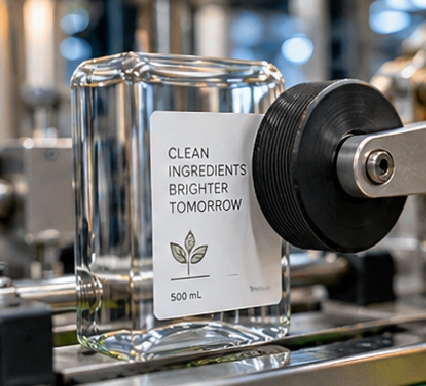
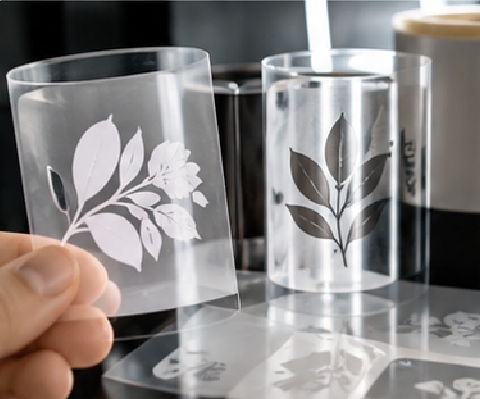
Clear BOPP or PET directions can create a no-label-look appearance on transparent or colored packaging. White ink may be needed under selected graphics for opacity. Final clarity also depends on adhesive, container finish, surface cleanliness and application quality, so clear constructions should be tested on the actual package. Final selection remains tied to the approved application and production specification.
White Film Labels

White Film Labels

White film provides a consistent printable base for strong color, fine text and variable information. BOPP is common for consumer packaging, while PET may suit more demanding durability requirements. Surface protection can be added where wet handling, rubbing or formula contact could affect printed graphics. Final selection remains tied to the approved application and production specification.
Durable PET Labels

Durable PET Labels

PET offers strong dimensional stability and can suit equipment, electronics, industrial containers and longer-life identification. Higher stiffness can be a disadvantage on small diameters or highly flexible packaging, so the label size, corner design and adhesive need to be reviewed with the real surface. Final selection remains tied to the approved application and production specification.
Flexible PE Labels

Flexible PE Labels

PE film can better follow squeezable or flexible containers where a rigid label may fight the package movement. Shampoo, personal-care and selected chemical packaging can benefit from extra conformability. Printing, adhesive and protection still need to be matched to the actual bottle and exposure. Final selection remains tied to the approved application and production specification.
Waterproof Vinyl Stickers

Waterproof Vinyl Stickers

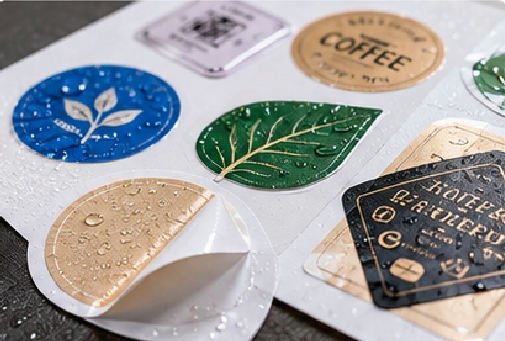
PVC/vinyl directions can support durable decals, promotional stickers and selected outdoor uses where flexibility and weather exposure matter. The final structure should be chosen around the substrate, expected duration, print protection and removal requirement. Outdoor life should never be assumed from the material name alone. Final selection remains tied to the approved application and production specification.
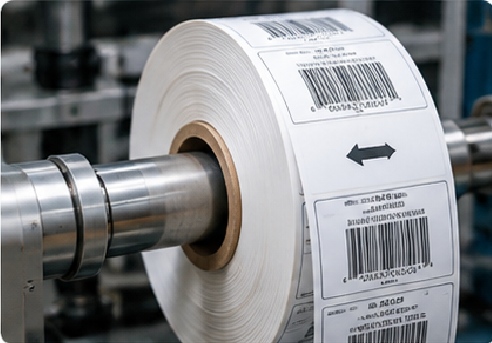
Waterproof Roll Labels

Waterproof Roll Labels

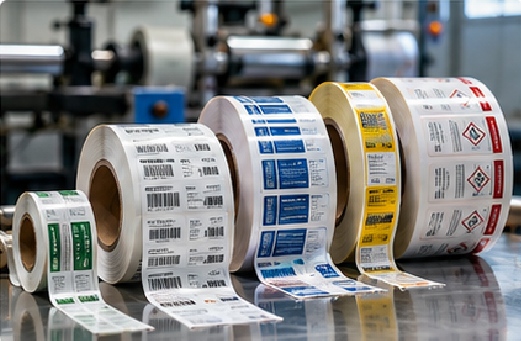
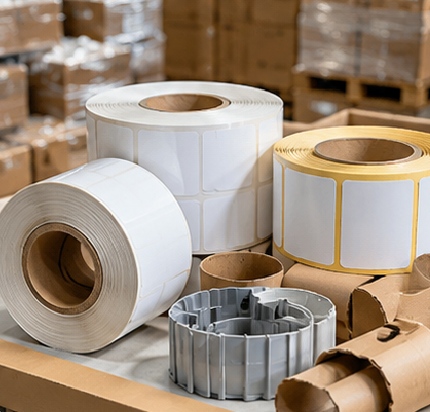
Roll supply is suitable for repeat production and automatic or semi-automatic labeling. Core size, maximum roll diameter, inside/outside wound, roll direction, labels per roll, gap/pitch and liner width can affect line performance. Philiton confirms roll parameters before production rather than treating every roll as interchangeable. Final selection remains tied to the approved application and production specification.
Die-Cut Waterproof Stickers

Die-Cut Waterproof Stickers

Custom shapes can support branding, seals and promotional graphics, but sharp corners and narrow projections may increase converting difficulty or edge-lift risk on curved surfaces. Dielines should be reviewed with label size, material stiffness, adhesive and waste-stripping requirements before mass production. Final selection remains tied to the approved application and production specification.
Waterproof Cosmetic Labels

Waterproof Cosmetic Labels

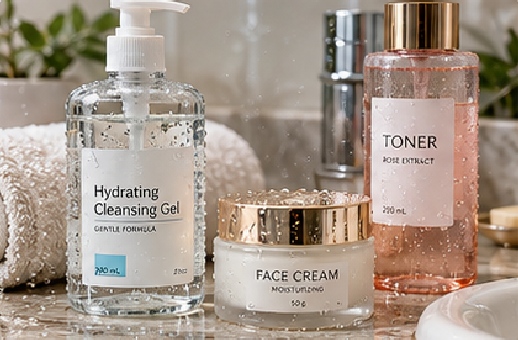
Skincare, oils, serums and bathroom products can expose labels to water, formula residue and frequent handling. Film, print protection and adhesive should be considered together. Compatibility is best checked against the actual container and representative product or cleaning exposure where the formula may contact the label. Final selection remains tied to the approved application and production specification.
Waterproof Refrigerated Labels

Waterproof Refrigerated Labels

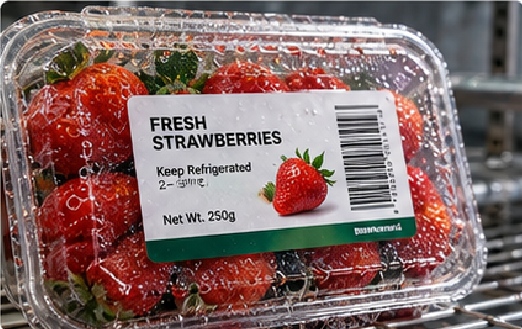
Refrigerated products require attention to both application temperature and later storage conditions. Room-temperature labeling followed by chilling is different from applying labels directly to cold or damp containers. Condensation, curved surfaces and freezer transition can change adhesion, so trial conditions should copy the real workflow. Final selection remains tied to the approved application and production specification.
Waterproof Industrial Labels

Waterproof Industrial Labels

Industrial projects can combine water with chemicals, abrasion, oil, heat or outdoor exposure. Durable film, stronger protection, controlled adhesives and legible barcodes may be required. The project specification should define the environmental media and service conditions so testing and inspection focus on the actual risk. Final selection remains tied to the approved application and production specification.
Waterproof Barcode and QR Labels

Waterproof Barcode and QR Labels

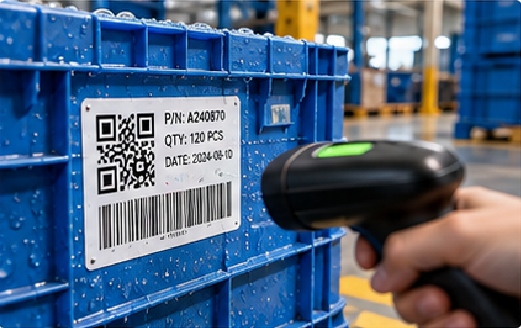
Codes must remain scannable after printing, finishing, water exposure and handling. Size, quiet zone, contrast, curvature, print gain and reflective finishes can all affect reading. For variable-data programs, Philiton can combine printing and inspection steps, while data rules and database responsibility are defined separately. Final selection remains tied to the approved application and production specification.

Compare Waterproof Label Materials by Real Application Needs

Material DirectionStrengthsCommon UsesWatch PointsWhen Philiton Would Consider It
White BOPPMoisture resistance, good print surface, balanced cost and flexibilityFood, beverage, supplements, cosmetics, household packagingNot the best choice for every high-heat or long-life industrial conditionGeneral consumer packaging with wet handling or condensation
Clear BOPPNo-label-look appearance, moisture resistance, good conformabilityClear bottles, beverages, skincare, cosmeticsTransparency depends on adhesive, surface, white ink and application qualityBrand packaging where clear appearance matters
PET / PolyesterDimensional stability, durability, good resistance potentialElectronics, assets, equipment, automotive, chemical identificationHigher stiffness can increase edge stress on small diametersLonger-life or technically demanding applications
PE FilmHigh flexibility and conformabilitySqueezable bottles, flexible packaging, personal carePrint and converting route must fit the film behaviorContainers that move or flex in use
PVC / VinylFlexible, durable direction for decals and selected outdoor usesPromotional decals, equipment, selected outdoor stickersProject-specific durability, regulatory and sustainability considerationsWhere conformability and durable decal behavior are priorities
Synthetic PaperPaper-like print character with improved moisture resistance over ordinary paperLogistics, retail, specialty packaging, identificationPerformance varies by grade and coating; not automatically equivalent to filmProjects needing a paper-like look with improved wet handling
Selected Coated / Wet-Strength PaperPremium tactile or natural appearance can be preserved in controlled wet conditionsWine, premium food, specialty beverageWater performance depends strongly on paper grade, coating, adhesive and exposureWhen a paper appearance matters more than full film behavior

Adhesives, Liners and Supporting Components Matter in Wet Use

Facestock gets attention, but adhesive, release liner, protective layer and roll construction often decide whether the label applies cleanly and stays usable.
Permanent Adhesive

Permanent Adhesive

A permanent adhesive is intended to form a lasting bond, but performance still depends on the actual surface, temperature, pressure and dwell time. Glass and high-energy plastics often behave differently from PP, PE and HDPE. Wet, oily or dusty containers can reduce initial contact even when the adhesive is suitable after bonding.
Cold and Freezer Adhesive

Cold and Freezer Adhesive

Low-temperature service and low-temperature application are separate conditions. A label may survive cold storage after bonding at room temperature yet fail when applied directly to a cold surface. Philiton therefore asks for application temperature, storage temperature, condensation risk and substrate before selecting a freezer or cold-use adhesive direction. Final selection remains tied to the approved application and production specification.
High-Tack Adhesive

High-Tack Adhesive

High tack can help on rough, low-surface-energy or difficult substrates, but it is not a universal upgrade. Faster initial grab does not automatically guarantee better heat resistance, chemical resistance or long-term shear. Label stiffness, curvature and adhesive coat behavior should be considered together, followed by an application trial where risk is high.
Release Liner

Release Liner

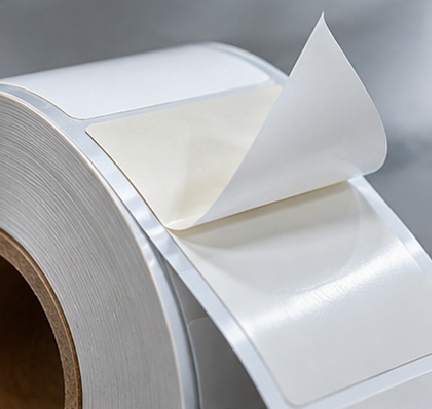
The liner supports converting, die cutting, dispensing and automatic application. Liner stiffness, release behavior, width and sensor requirements can affect how a roll runs through labeling equipment. For machine-applied waterproof labels, liner decisions should be linked with gap, pitch, roll direction, core and applicator specifications instead of being treated as packaging only.
Lamination or Varnish

Lamination or Varnish

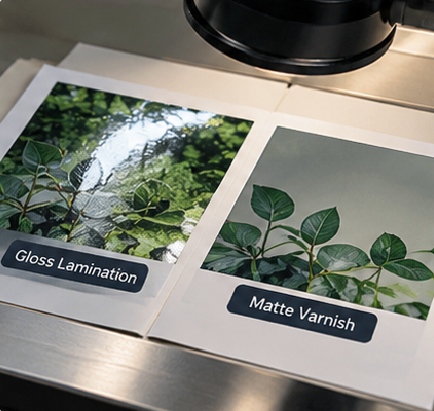
A protective film or coating can improve resistance to water, rubbing and handling while preserving print. The choice also changes gloss, tactile feel, thickness and flexibility. Philiton can evaluate gloss, matte or other protective directions against the visual target and wet-use condition, then confirm the final stack during sampling. Final selection remains tied to the approved application and production specification.
Roll Core and Packing Components

Roll Core and Packing Components

Core diameter, inside or outside winding, maximum roll OD, labels per roll, splice rules and carton protection affect production line use and shipping stability. These parameters are especially important for large repeat orders. Philiton records the approved roll and packing specification so replenishment can follow the same configuration unless the line or packaging requirement changes.

Printing and Brand Finishes Built Around Wet-Use Performance

Brand graphics still need to remain consistent, readable and manufacturable after water exposure. Philiton selects printing and finishing routes together with the label construction.
Digital CMYK Printing

Digital CMYK Printing

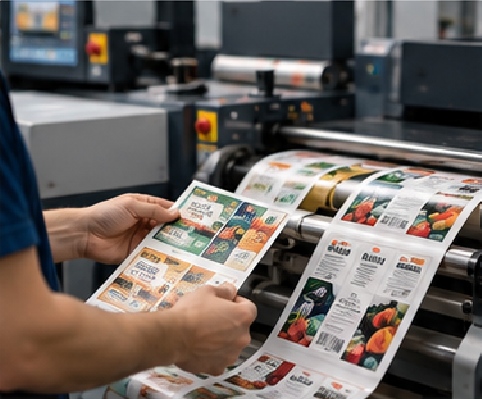
Digital printing supports lower setup, multiple artworks and frequent version changes, making it useful for launches, regional versions and multi-SKU programs. CMYK artwork can move quickly between versions without traditional plates. Material compatibility, white ink, finishing and expected repeat volume still determine whether digital remains the best production route as quantities grow.
Flexographic Printing

Flexographic Printing

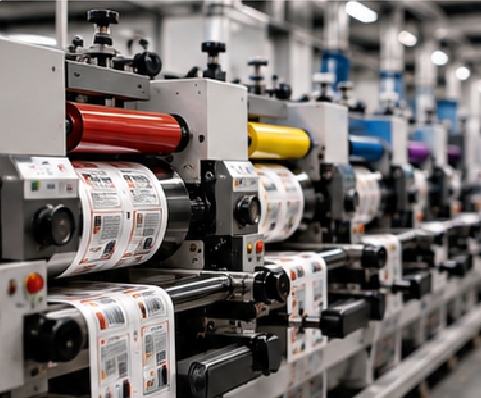
Flexographic printing is well suited to repeat roll-label production and can become more economical as volumes rise and setup is spread over longer runs. Plates and press setup add upfront work, so quantity per SKU and repeat frequency matter. Philiton can reassess the route when a program grows from launch quantities into regular scale production.
White Ink and Opaque Layers

White Ink and Opaque Layers

Clear and metallic materials often need white ink beneath selected graphics to control opacity and color appearance. Without a planned white layer, colors can change when the label is applied to different container colors. White-ink artwork should be separated and reviewed with trapping, print method and wet-use protection before approval.
Screen and UV Effects

Screen and UV Effects

Screen and UV processes can add opacity, texture or selected visual effects, but the effect must remain compatible with the material and final use. Raised or spot effects may change surface friction and handling. Complex wet-use projects should confirm adhesion, registration and durability on a physical sample instead of relying only on a digital proof.
Foil, Emboss and Premium Detail

Foil, Emboss and Premium Detail

Metallic foil, embossing and debossing can elevate wine, cosmetics and premium packaging. Water exposure adds another consideration: decorative layers must remain stable after handling, condensation or immersion. Fine details, textured stocks and stacked finishes may need physical sampling to confirm visual registration and adhesion before the production specification is locked.
Protective Lamination and Coating

Protective Lamination and Coating

Lamination or varnish can protect graphics from wet handling and abrasion while controlling gloss or matte appearance. Protection should not be added blindly. A thick or stiff laminate can alter how a label follows a curved or squeezable package. Philiton reviews protection as part of the complete structure, not as a final cosmetic add-on.

From Artwork to an Approved Waterproof Label Specification

Development should close application risks before volume production. Philiton connects artwork, materials, print route, sampling and approval instead of treating them as separate tasks.

Requirement Review

Start with width × height in mm, shape, quantity per SKU, number of artworks, container material, surface condition, water exposure, application temperature, service environment and hand or machine application. Artwork and reference samples can then be reviewed against the real manufacturing and use conditions rather than quoted as an undefined sticker.

Artwork and Prepress

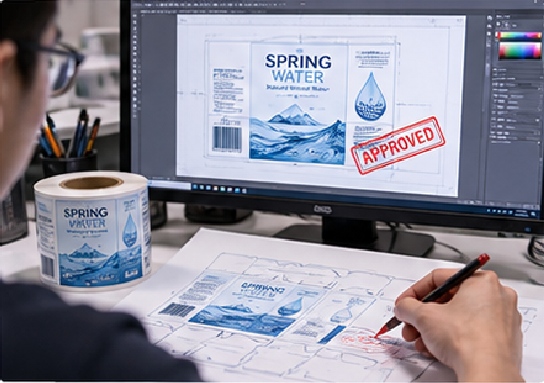
Philiton checks dieline, bleed, safe area, colors, white ink, small text, barcode or QR requirements, finish layers and version identification. The goal is not to redesign brand identity but to make the approved artwork producible on the chosen material and process. Any revision should have a controlled version before sample or production output.

Material and Adhesive Shortlist

A shortlist is created from the surface, water exposure, temperature, appearance, flexibility and durability requirement. Unknown material names are not a problem if the application is clear. For difficult plastic, cold, curved or contaminated surfaces, a blank material or adhesive trial can reduce risk before investing in complex printing or tooling.

Printing Route and Tooling

Digital routes can avoid traditional printing plates for many short-run and multi-SKU jobs, while flexographic, letterpress or other conventional routes may require plates and more setup. Custom die cutting, foil or embossing can add tooling depending on the design. Philiton confirms the required tooling after the artwork, material, size and finishing stack are reviewed.

Physical Sample and Application Trial

A physical sample can confirm color, print, finish, die cut, label flexibility and adhesion on the intended surface. Wet-use programs may also require representative condensation, immersion, rub or formula-contact checks. Sampling time is project-dependent because material availability, tooling, print route and test scope vary; the schedule is confirmed after the development route is locked.

Approval and Specification Lock

After revision and approval, the production specification should identify the artwork version, material structure, adhesive, size, die line, printing, finishing, roll direction, core, packing and agreed verification points. A golden sample or approved production sample can serve as a visual reference. Any later material, artwork, equipment or application change should trigger a review before repeat production.

Container Geometry and Labeling Equipment Change the Specification

Waterproof performance is only useful when the label also applies correctly. Container shape and roll parameters should be confirmed before production.

Curves, Small Diameters and Flexible Packaging

A label can be made from moisture-resistant film and still lift at the edge if the structure is too stiff for a small bottle diameter. Curvature, shoulder transitions, recessed panels and squeezable walls place mechanical stress on the facestock and adhesive. Sharp die-cut corners can also concentrate stress. Philiton reviews the available label zone, width × height, corner design, container movement and likely wet exposure together. For cosmetics and personal-care packaging, bottle photos with a ruler, a technical drawing, an old label or an actual empty container can all help define the area. Where geometry is demanding, a smaller label, softer material, adjusted corner radius or alternative adhesive can be more effective than simply choosing a stronger glue.

Roll Direction, Core and Automatic Labeler Compatibility

Automatic and semi-automatic lines need more than a finished label size. Roll direction, inside or outside wound, core diameter, maximum roll OD, liner width, gap, pitch, sensor method, labels per roll and splice rules can determine whether the roll feeds correctly. A perfectly printed waterproof label may still create downtime if the roll configuration is wrong. Philiton can work from the applicator manual, existing roll sample, line drawing or written roll specification. For new or technically sensitive programs, a trial roll can be used to confirm dispensing and final label orientation before the approved roll specification is repeated at scale.

Waterproof Label Solutions Across High-Exposure Product Categories

Each application exposes the label in a different way. Philiton adapts the structure to the surface, handling, environment and information that must remain visible.
Beverage Packaging

Beverage Packaging

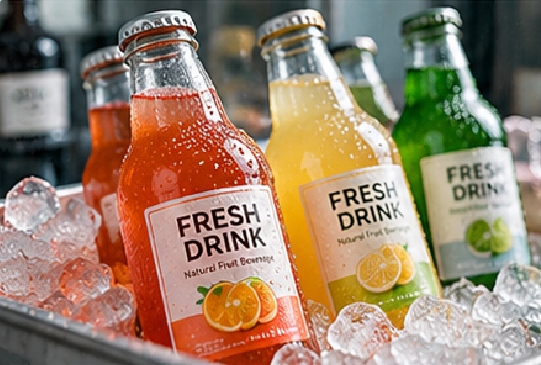
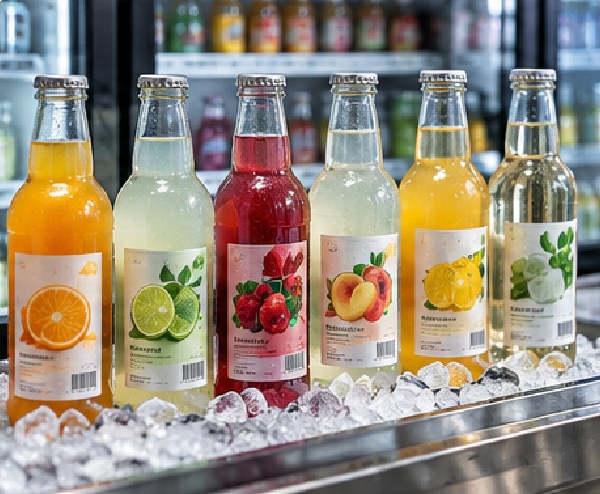
Cold bottles create condensation; beer, wine and specialty drinks may also face coolers or ice buckets. The label must stay attached while graphics, foil or barcodes remain usable. Philiton reviews container material, label zone, wet-contact duration, application temperature, print protection and roll format before recommending a construction for beverage production.
Food and Refrigerated Products

Food and Refrigerated Products

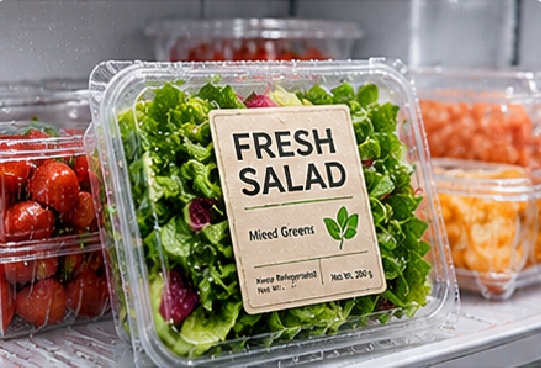
Food jars, sauces and refrigerated packaging can face splashes, cold storage, condensation and handling oils. External package labels and direct-food-contact labels have different risk profiles, so the intended contact condition must be clear. Material and adhesive selection should be verified on the actual package, while regulatory content remains based on the brand’s approved artwork.
Cosmetics and Skincare

Cosmetics and Skincare

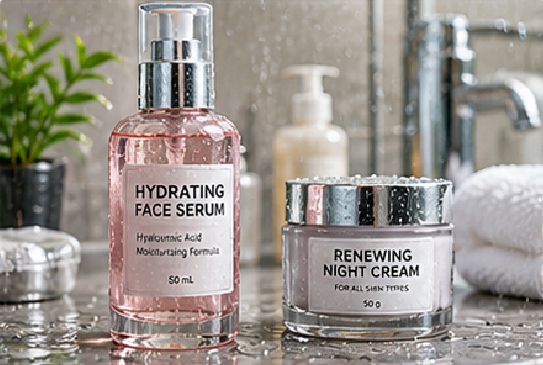
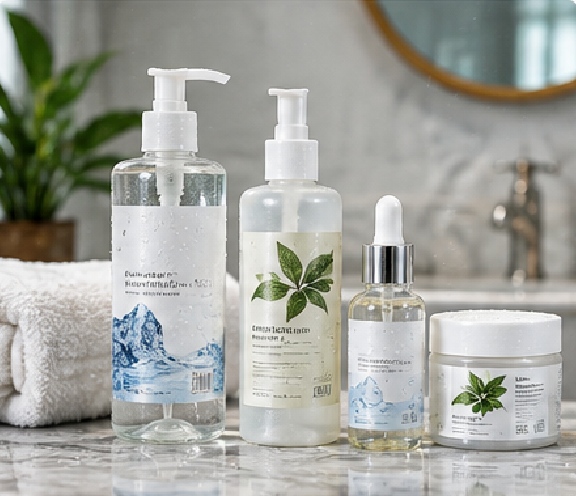
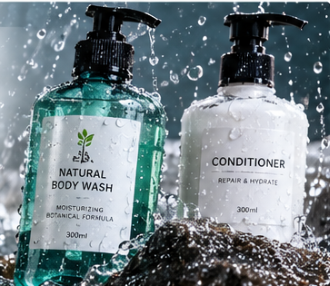
Skincare, serums, oils and bathroom products combine water exposure with formula contact and frequent hand use. Film, ink protection and adhesive should be selected together. Where oil, alcohol or product ingredients may touch the label, Philiton can evaluate the printed construction against representative exposure instead of assuming water resistance also covers every cosmetic formula.
Bath and Personal Care

Bath and Personal Care

Shampoo, body wash and soap packaging often lives in high-humidity environments and may be squeezed while wet. Flexible film and appropriate adhesive can help the label follow the container. Surface treatment, bottle material and curvature still matter. Sampling should reproduce the actual bottle and handling condition rather than evaluating only a flat label sample.
Household and Chemical Packaging

Household and Chemical Packaging

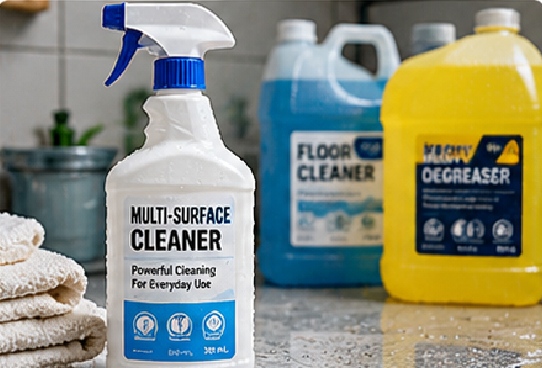
Cleaning products can expose labels to water, detergents, solvents, repeated wiping and rigid or low-surface-energy plastic. Chemical resistance is different from water resistance. Philiton asks for the relevant media, concentration or representative cleaning condition, substrate and service environment before setting the material, adhesive, print protection and test plan. Final selection remains tied to the approved application and production specification.
Industrial and Outdoor Products

Industrial and Outdoor Products

Equipment and asset labels may face rain, humidity, abrasion, cleaners, temperature changes and long service periods. PET, synthetic or vinyl directions can be considered with durable protection and project-specific adhesives. Barcode, serial-number and warning information may require additional readability checks because functional identification has to survive with the physical label.

Production Controls That Protect Repeat Waterproof Label Orders

Scale production depends on controlled inputs and repeatable specifications. Philiton connects prepress, materials, printing, converting, inspection and packing under one project record.
Approved Artwork Version

Approved Artwork Version

Every SKU should enter production from an approved artwork version with the correct dieline, white layer, color information, barcode data and finish layers. Version control matters when brands update ingredients, claims, languages or regulatory text. Old and new files should not be mixed simply because size and material remain the same.
Material and Adhesive Control

Material and Adhesive Control

The approved material and adhesive combination should be identified for production and repeat orders. Substitution can change clarity, stiffness, tack, wet-use performance or print behavior. If a supplier material, container surface or service environment changes, Philiton can review whether re-sampling or re-verification is needed before the order proceeds. Final selection remains tied to the approved application and production specification.
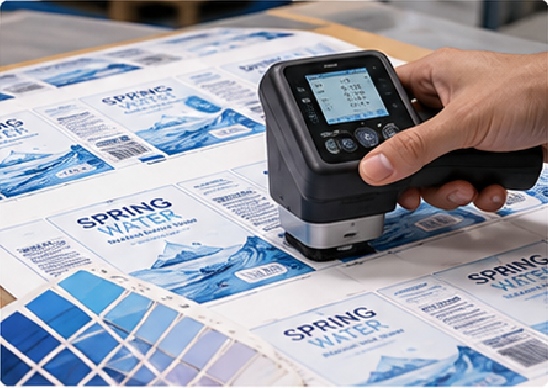
Print and Color Control

Print and Color Control

Digital, flexographic, screen, UV and other printing routes require different setup and control. The approved proof or physical sample provides a visual reference, while Pantone, CMYK, white ink and special effects need process-appropriate control. Waterproof projects also need to preserve ink and finish adhesion through handling and later exposure. Final selection remains tied to the approved application and production specification.
Die Cutting and Waste Stripping

Die Cutting and Waste Stripping

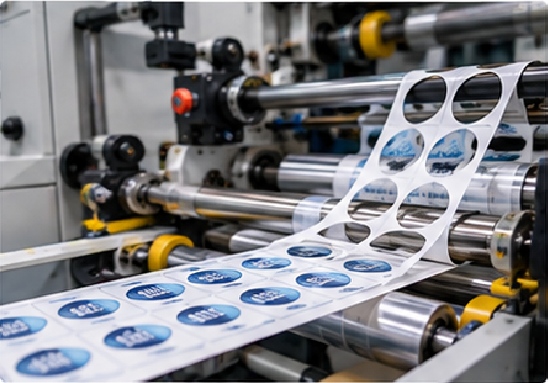
Custom shapes must cut cleanly without damaging the liner or creating unstable edges. Very sharp corners, narrow bridges and complex shapes can make stripping harder and increase risk during dispensing. Die line, material stiffness and label geometry should be reviewed before tooling, especially for automatic application or small curved containers.
Slitting and Rewinding

Slitting and Rewinding

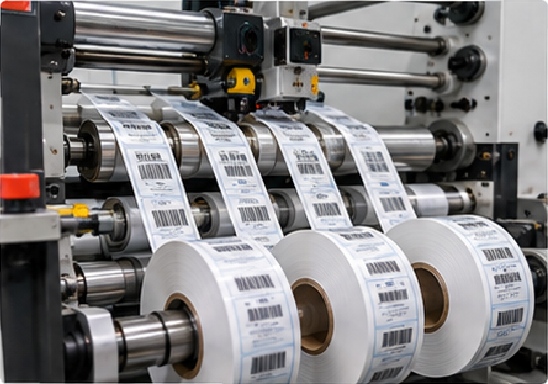
Roll labels move from print and converting into finished rolls with defined width, core, wound direction, quantity per roll and maximum OD. Stable rewinding helps automatic application and packing. Philiton records the approved roll configuration rather than allowing roll parameters to change informally between repeat orders. Final selection remains tied to the approved application and production specification.
Final Packing and Shipment Preparation

Final Packing and Shipment Preparation

Finished rolls or sheets should be protected from crushing, contamination and moisture during storage and transport. Carton quantity, inner protection, roll orientation and pallet or shipment requirements can be adapted to order size and destination. Packing labels should identify the project and SKU clearly so warehouse teams can distinguish multiple versions.

Quality Control and Testing for Waterproof Label Projects

Control / TestWhat It ChecksTypical TriggerImportant Boundary
Incoming Material CheckMaterial identity, appearance and project matchControlled or repeat productionSupplier data and project BOM define the construction
Artwork / Version CheckCorrect file, text, white layer, variable data and dielineEvery production SKULegal content remains based on approved brand artwork
Print / Color InspectionRegistration, legibility, visual consistency and selected color controlBrand packaging and repeat ordersAcceptance method depends on print route and approved reference
Die-Cut / Dimension CheckSize, cut position, liner condition and edge qualityCustom shapes and roll labelsTolerance must be set by the project specification
Adhesion TrialInitial bond and application behavior on the target surfaceDifficult plastic, curve, cold or wet-use riskResults depend on surface, pressure, dwell time and temperature
Water / Condensation CheckWet exposure, edge lift, print protection and visible changeBeverage, bath, refrigerated and immersion useMethod and duration must match the intended condition
Rub / Abrasion CheckResistance of print, foil, coating or laminate to handlingHigh-friction transport or frequent handlingMedia, force and cycles should be defined for the project
Temperature / Humidity CheckLabel response to cold, heat or humid serviceCold chain, outdoor and technical applicationsApplication temperature and service temperature are separate
Barcode / QR VerificationPrint quality and practical scanning after finishingVariable data, logistics and track-and-trace labelsCode size, quiet zone, contrast and curvature affect reading
Final Inspection and Packing CheckQuantity, SKU, roll format, packing and visible defectsBefore shipmentInspection scope follows the approved project and order requirements

Packing Options for Rolls, Sheets and Finished Waterproof Labels

Packing should protect the label while making receiving, warehousing and line feeding straightforward. Philiton can align carton and roll identification with project needs.
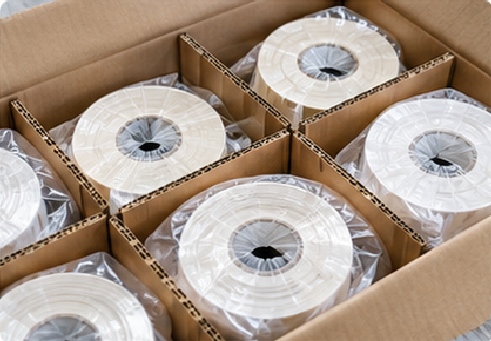
Protected Roll Packing

Protected Roll Packing

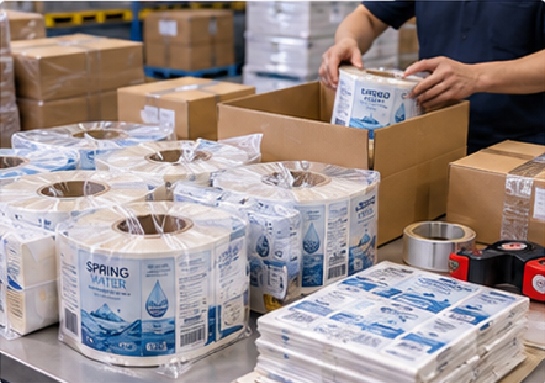
Finished rolls can be individually wrapped or grouped with protective separation according to size and transport risk. The goal is to prevent telescoping, edge damage, dust and unwanted moisture exposure. Roll labels can identify SKU, quantity and project information so incoming teams can verify the shipment before loading rolls onto the line.
Core and Roll Orientation

Core and Roll Orientation

Rolls should arrive in the approved wound direction and core size. Carton orientation can help prevent heavy rolls from deforming during transport. For machine-applied programs, packing should preserve the configuration already tested on the labeling line instead of allowing roll direction or core selection to change for shipping convenience. Final selection remains tied to the approved application and production specification.
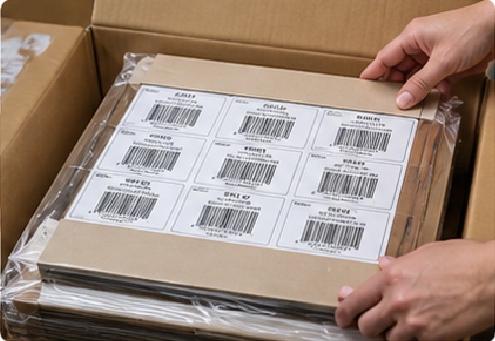
Sheet Label Packing

Sheet Label Packing

Sheet labels can be protected with flat inner boards, bags or cartons selected around sheet size and quantity. The packing objective is to prevent curling, bending and contamination. Multi-SKU sheet orders should remain clearly separated and identified so artwork versions are not mixed at receiving or during manual application. Final selection remains tied to the approved application and production specification.
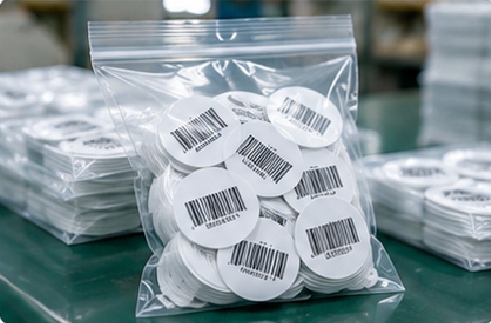
Individual Sticker Packing

Individual Sticker Packing

Die-cut stickers or individually cut labels can be packed in counted bundles, bags or cartons according to distribution needs. Individual formats are useful for kits, events, service parts or promotional distribution. If a waterproof claim depends on a protective film or coating, packing should prevent surface abrasion before use. Final selection remains tied to the approved application and production specification.
Multi-SKU Carton Identification

Multi-SKU Carton Identification

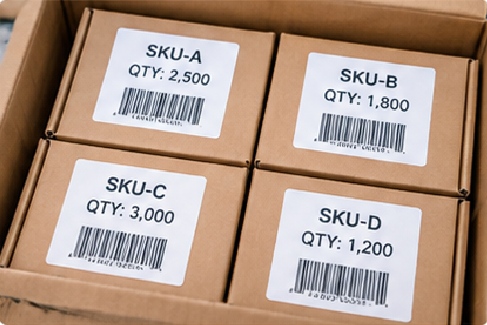
Large programs often include several artworks with shared size and material. Outer and inner carton labels should keep SKU identification clear even when rolls look similar. Quantity per SKU, artwork version and packing list references can be aligned so warehouse and fulfillment teams do not rely on visual guessing. Final selection remains tied to the approved application and production specification.
Pallet and Export Preparation

Pallet and Export Preparation

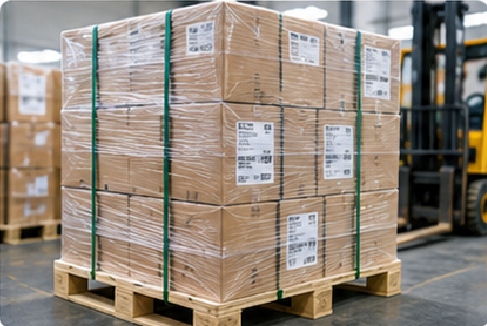
Higher-volume shipments may require palletized cartons, stretch protection and project-specific shipping marks. Export packing should match carton strength, route and destination handling. Philiton can coordinate packing after roll count, carton configuration and delivery terms are confirmed, while freight method and exact shipment timing remain order-specific. Final selection remains tied to the approved application and production specification.

Scale From Controlled Launches to Repeat Waterproof Label Production

Commercial planning should match SKU structure and production economics. Philiton can support manageable launch quantities and later re-evaluate the manufacturing route as demand grows.

Starting Quantity

Many standard custom label and sticker projects can begin from around 500 pieces per design or SKU, subject to material, adhesive, printing, finishing, tooling and packing. Special structures, dedicated materials or complex finishing may require a different economic quantity. The first useful quote should always record both total order quantity and quantity per SKU.

Multi-SKU Launches

Five artworks at 1,000 labels each create a different production plan from one artwork at 5,000 labels. Shared size, material and finishing can improve scheduling, but artwork approval, quantities and SKU identification remain separate. Philiton reviews the SKU matrix to determine what can be standardized and which elements require independent setup or quality control.

Repeat Orders

Repeat production is easier when artwork version, material, adhesive, die line, roll configuration, packing and approved sample are controlled. Reorder quantity may change, but the core specification should not drift silently. If a bottle supplier, formula, labeling machine or service environment changes, the affected parameters should be rechecked before relying on the previous result.

Scale Production

Digital printing can be efficient for lower setup and frequent artwork changes, while flexographic or other conventional routes can become attractive as volume per SKU increases. Philiton can review the crossover rather than locking a growing program to one process forever. Production timing is confirmed after artwork, materials, tooling, quantity, test scope and packing are fixed.

Philiton Manufacturing Facts Behind Waterproof Label Projects

Project engineering is backed by an established manufacturing organization rather than a retail-only print workflow.

Shenzhen and Dongguan Manufacturing

Philiton was founded in 2016 and operates manufacturing in Shenzhen and Dongguan, China. The combined manufacturing and operating footprint exceeds 12,000 m2. Core activities include artwork and prepress, multiple printing technologies, specialty finishing, converting, die cutting, slitting and rewinding, inspection, testing, packing and shipment preparation. Final selection remains tied to the approved application and production specification.

200+ Employees

Philiton employs more than 200 people across production, engineering, quality, commercial and support functions. The scale supports both technically demanding development work and repeat production programs. Capacity, machine allocation and delivery timing are still planned by individual order rather than published as an unsupported universal output number. Final selection remains tied to the approved application and production specification.

91 Technical and Quality Professionals

Technical personnel, experienced machine operators and quality-related staff total 91 people. Their work covers process execution, machine operation, print consistency, finishing quality, inspection and testing. The website should not turn this figure into invented department headcounts or experience claims; the value is the cross-functional execution behind a controlled label specification.

Integrated Manufacturing Route

Philiton sources base labelstocks, films, papers, adhesives and specialty substrates from qualified external suppliers. Value is created by selecting the appropriate material, preparing artwork, printing, finishing, converting, testing and managing production. The approach avoids pretending that film or adhesive chemistry is made in-house while still keeping the critical manufacturing and quality steps under Philiton’s production system.

Representative Waterproof Label Project Workflows

The examples below are planning scenarios for specification design. Replace them with verified, approved project records before presenting them as completed client orders.
United States Beverage Launch

United States Beverage Launch

Illustrative scenario: a US beverage brand plans 6,000 labels across three SKUs for chilled glass bottles. The main risks are condensation, curved surfaces and color consistency between flavors. Philiton would review the bottle diameter, label zone, application temperature, roll direction and labels per roll, then shortlist a moisture-resistant film and suitable adhesive. A printed trial would check graphics, wet handling and application on the actual bottle. After approval, the three artworks would retain separate revision records while sharing the approved base construction where technically appropriate.
Germany Skincare Range

Germany Skincare Range

Illustrative scenario: a German skincare company plans 8,000 labels for four serum and cleansing products using clear and white bottles. Water, cosmetic oil and repeated bathroom handling affect the specification. Philiton would compare clear and white film directions, determine where white ink is required, review permanent adhesive compatibility and select print protection based on representative formula contact. Physical samples would confirm clarity, color and adhesion before the material, artwork layers and finish are locked. SKU cartons would remain separately identified during production and export packing.
Australia Industrial Cleaner Program

Australia Industrial Cleaner Program

Illustrative scenario: an Australian industrial cleaning brand plans 12,000 roll labels for HDPE chemical containers with variable batch information. The project combines water, cleaner contact, low-surface-energy plastic and barcode readability. Philiton would request the container material, chemical exposure description, application temperature, roll specification and code requirements, then evaluate a durable film and higher-performance adhesive direction. Sample rolls would verify dispensing, adhesion and scanning after representative exposure. The approved specification would control material, roll direction, core, variable-data rules, inspection and packing for later replenishment.

Compliance and Documentation Must Match the Exact Label Project

Water resistance does not create a blanket compliance claim. Material documents, regulatory artwork and test evidence must match the intended market, construction and use.

Material and Test Documentation

Philiton can support material declarations, supplier documents or project testing when required, but documents must correspond to the actual material and intended condition. A report for one film, adhesive or construction should not be generalized to every waterproof label. Where a third-party test is required, the exact standard, sample structure, laboratory and acceptance criteria should be defined before testing.

Regulatory Artwork Responsibility

Philiton can reproduce approved ingredient lists, warnings, barcodes, market text and other label content with controlled artwork and legibility. The brand, importer or its regulatory adviser remains responsible for confirming which statements, warnings, translations and marks are legally required in the destination market. Philiton does not provide a blanket guarantee for every country’s labeling law.

Certification Claims by Project

FSC, UL, RoHS, REACH, food-contact or other certification statements require verification of the correct entity, material, product scope and valid documentation. Website or quotation language should therefore stay project-specific. Where certified or documented options are requested, Philiton can review available supplier materials and supporting records before any certification mark or compliance claim is approved for use.

Waterproof Labels Frequently Asked Questions

No universal construction is unaffected under every water, temperature, pressure and chemical condition. A moisture-resistant film can still fail if the adhesive, ink, protection layer, surface or application process is unsuitable. Philiton defines the exposure first, then selects and verifies the complete label structure for the intended use.
Water-resistant usually describes limited exposure such as splashes or condensation, while more demanding waterproof applications may involve prolonged wet contact, immersion or repeated handling. The exact requirement should describe duration, temperature, surface and other media so the label can be engineered and tested against a real condition rather than a broad marketing term.
White or clear BOPP is often a strong starting direction for consumer bottles because it balances moisture resistance, printability and flexibility. PET can suit more demanding durability, while PE can help on squeezable containers. The best choice depends on bottle material, diameter, appearance, temperature, exposure and adhesive requirements.
They can, but low-surface-energy plastics such as HDPE and PP can be more difficult to bond than glass or some other surfaces. Philiton reviews surface condition, curvature, application temperature, dwell time and adhesive direction. A trial on the actual bottle is recommended for demanding applications rather than assuming one permanent adhesive fits every plastic.
Not always. Lamination can improve print protection and abrasion resistance, but varnish or an appropriate print system may be enough for some uses. Lamination also changes stiffness, thickness and appearance. Philiton selects protection according to water exposure, handling, formula contact, bottle geometry and the visual target.
Yes, clear constructions can use white ink beneath selected graphics to improve opacity and color consistency. White layers need their own artwork and registration review. Final transparency also depends on the adhesive, container surface and application quality, so clear labels should be sampled on the actual or representative package.
Many standard custom label and sticker projects can begin from around 500 pieces per design or SKU, subject to material, adhesive, printing, finishing, tooling and packing. Special materials, complex finishes, dedicated tooling or technical testing may require a different economic quantity. Philiton confirms MOQ after reviewing the specification.
Philiton does not publish one fixed timeline for every waterproof label because material availability, tooling, printing route, number of SKUs, finishing and test scope can change the schedule significantly. A project-specific sampling and production plan is provided after the artwork, construction, quantity and required validation are reviewed.
Yes. Roll labels can be prepared for automatic or semi-automatic application after core diameter, roll direction, inside/outside wound, maximum roll OD, liner width, gap, pitch, labels per roll and sensor requirements are confirmed. For sensitive programs, a trial roll can verify machine compatibility before full production.
Send label size or container dimensions, shape, quantity per SKU, number of SKUs, artwork or reference image, application surface, water exposure, desired finish, hand or machine application, required delivery timing and destination. If material or adhesive is unknown, describe the product and environment and ask Philiton to recommend a direction.

Send Your Waterproof Label Project for Engineering Review

A useful quotation starts with the real application, not only a label size and quantity. Send Philiton the information already available and mark unknown technical fields for recommendation. For wet-use projects, container material and water exposure are especially important because they influence facestock, adhesive and protection choices. A more complete specification produces a more executable quotation, while an early-stage project can still begin with a photo, artwork and basic use conditions.

Please include:

  • Label size or container dimensions, shape and quantity per SKU
  • Number of SKUs and artwork files or reference images
  • Container or surface material: glass, PET, PP, PE, HDPE, metal or other
  • Water exposure: splash, condensation, ice bucket, washdown, immersion or outdoor use
  • Application temperature and service environment when known
  • Desired material appearance and finishing
  • Roll, sheet or individual format; labeler specifications for machine application
  • Required delivery timing and destination

Philiton will review the inputs, identify missing technical points, recommend a manufacturing route and prepare a project-based quotation or sampling path.

Get In Touch

  • Our team will answer your inquiries within 12 hours.

  • Your information will be kept strictly confidential.

Get a Fast Quote for Custom Labels & Stickers

We will contact you within 24 Hours, please pay attention to the email with the suffix“@philiton.com”. 
For all inquiries, please feel free to reach out at:

Ask For A Quick Quote

We will contact you within 24 Hours, please pay attention to the email with the suffix“@philiton.com”. 

For all inquiries, please feel free to reach out at:

Get a Quote Today!

We will contact you within 24 Hours, please pay attention to the email with the suffix“@philiton.com”.