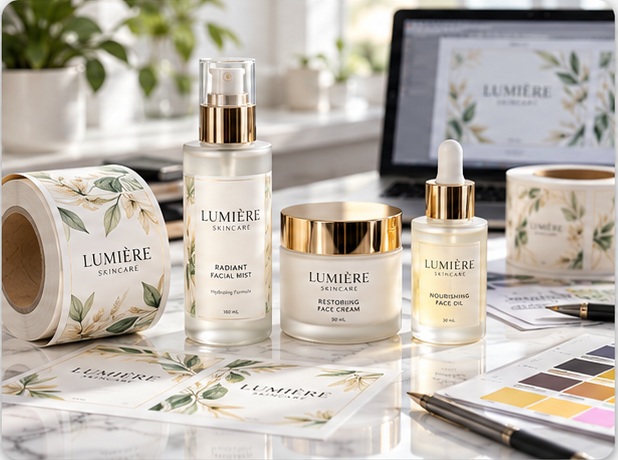
Premium custom labels engineered for skincare bottles, jars, tubes and multi-SKU product lines.
Philiton turns packaging, formula exposure, artwork and production requirements into repeatable label specifications for launch and scale.
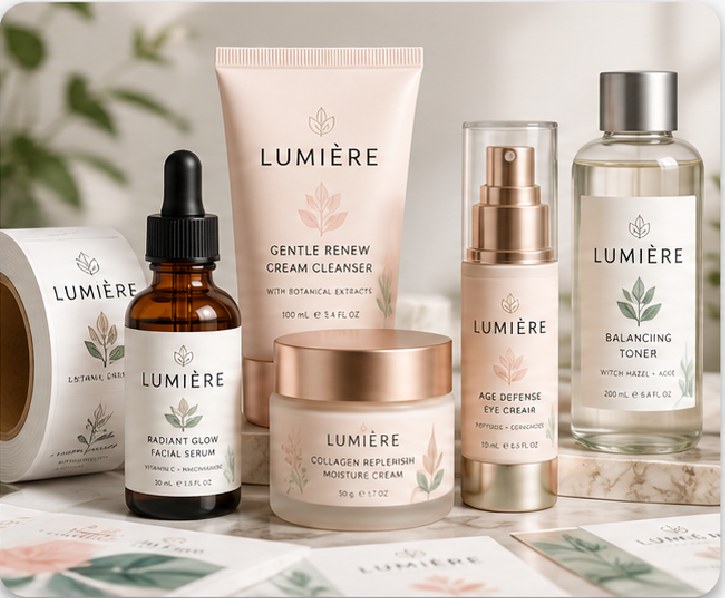
Print brokers, packaging companies and distributors often need a manufacturing back end that can support different end clients without exposing client files or branded samples. Philiton can manage multiple projects with neutral project handling, SKU identification, separate packing instructions and direct shipment arrangements when receiving rules are supplied. The manufacturing scope includes artwork/prepress, digital and flexographic printing, specialty finishing, die cutting, rewinding, inspection, testing and export packing.
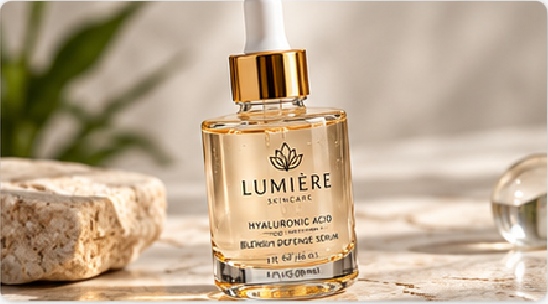
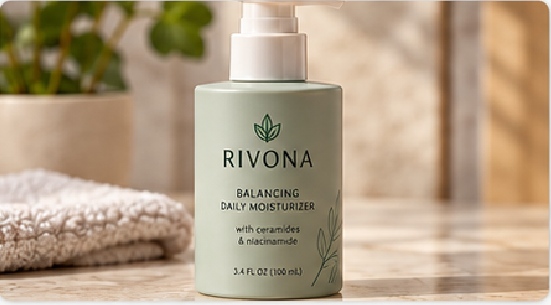
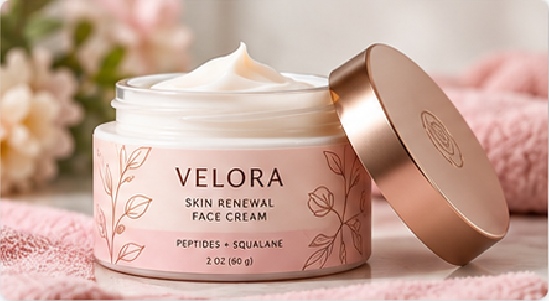

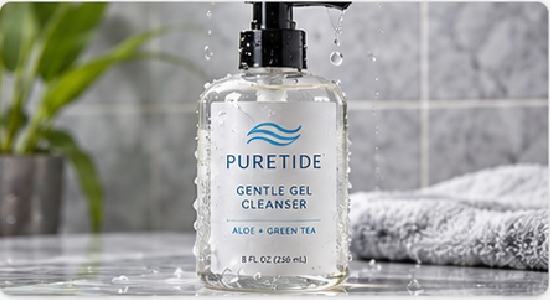
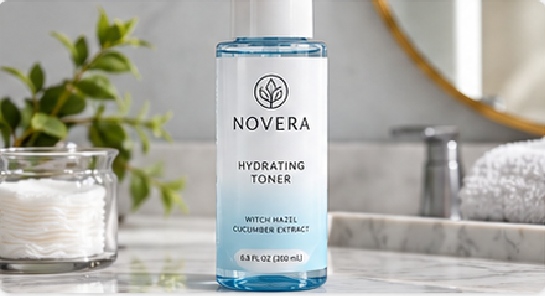
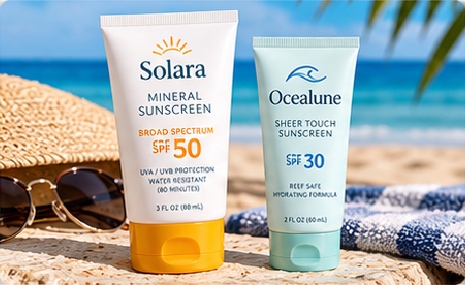
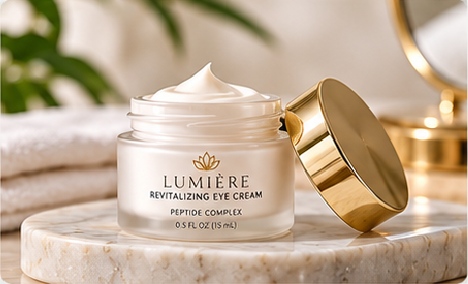
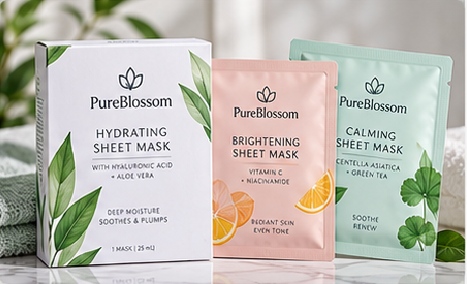

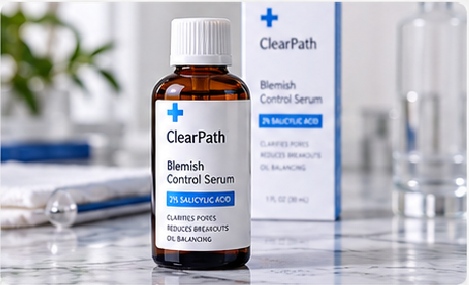
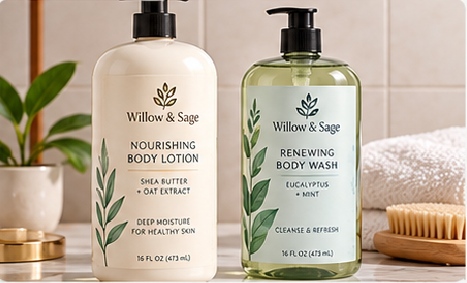
Container geometry changes adhesion, appearance and application. Philiton uses the actual package, material and usable label panel to define the construction before artwork is locked.
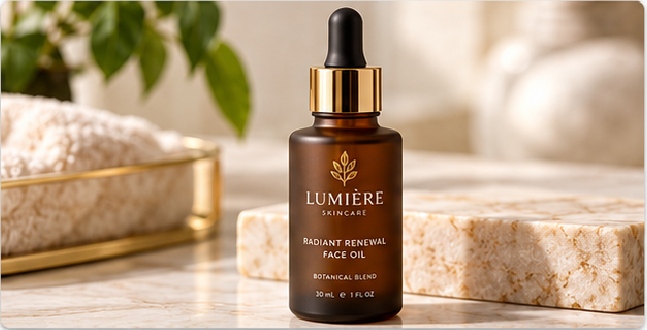
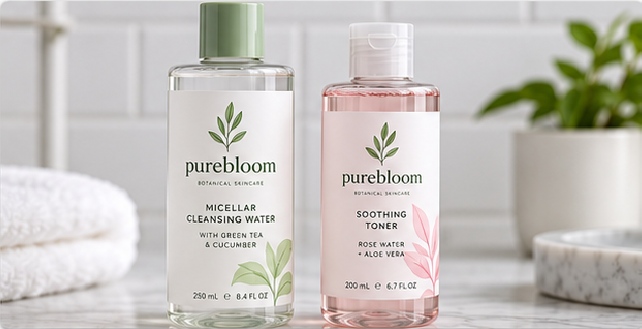
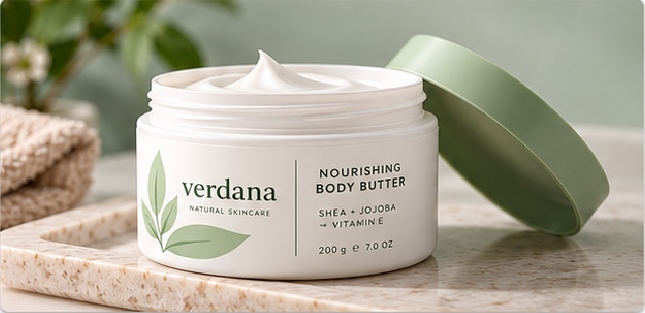
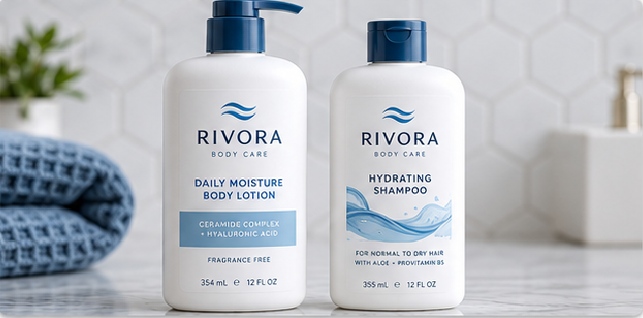
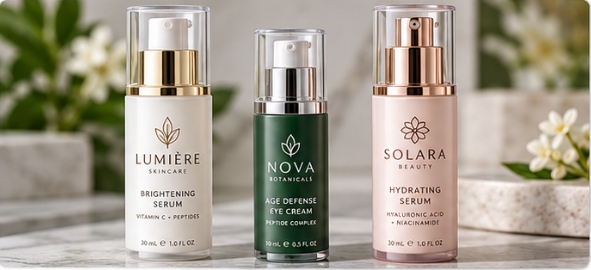
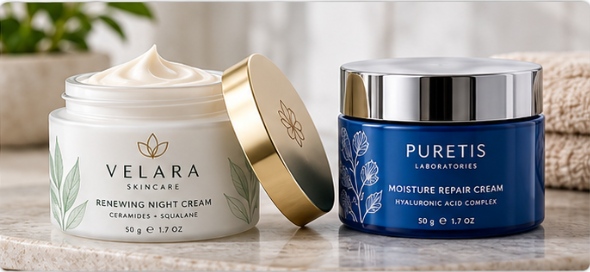
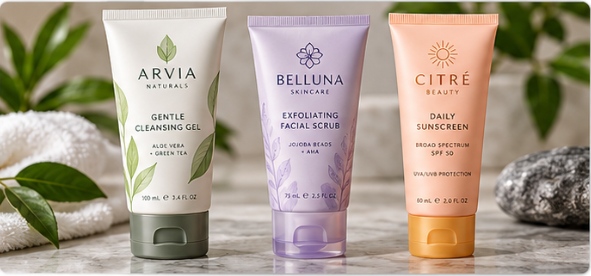
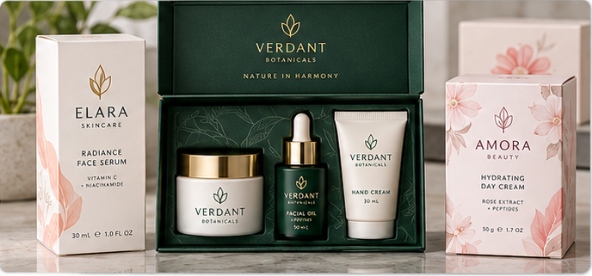
Labels that look correct can still stop a labeling line when roll direction, core, gap, pitch, liner, maximum roll diameter or sensor marks are wrong. Philiton confirms these items before rewinding and includes them in QC where automatic application is involved. Packing instructions can also fix labels per roll and SKU identification to reduce line-side mix-ups and roll changes.
Use the matrix to narrow a starting direction. Final material, adhesive and finish are confirmed against the actual container, formula exposure, artwork and application method.
| Skincare Pack | Main Exposure | Surface Risk | Candidate Facestock | Adhesive Focus | Surface Protection | Decoration Direction | Validate Before Bulk |
|---|---|---|---|---|---|---|---|
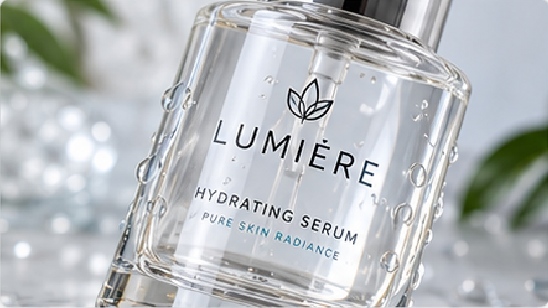
| Serum dropper | Water, handling | Curved glass/PET | Clear BOPP/PET or white film | Permanent, clarity if clear | Clear varnish or laminate | White ink, foil, fine UV | Transparency, edge lift, white-ink registration |
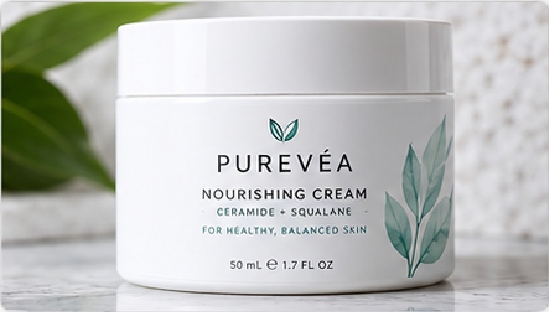
| Cream jar | Humidity, wet hands | Tapered jar/PP | White film, BOPP, selected paper | Curvature and PP compatibility | Matte/gloss laminate | Foil, emboss, soft touch | Taper, wrinkles, wet-use handling |
| Facial oil | Oil, rubbing | Glass/PET | BOPP or PET | Oil-contact edge performance | Protective laminate/varnish | Foil or clear look | Oil contact, rub, adhesion |
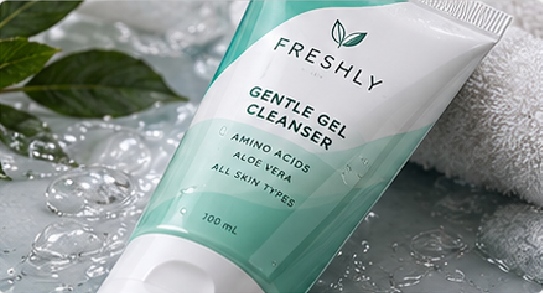
| Cleanser bottle | Water, surfactant | PET/HDPE/PP | Flexible white or clear film | LSE option for HDPE/PP | Laminate/varnish | White ink, spot UV | Adhesion after wet handling |
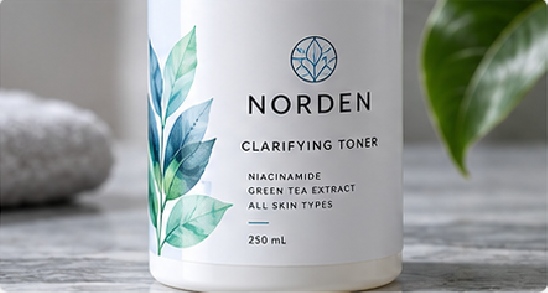
| Toner bottle | Water, handling | Cylindrical PET/glass | Clear or white film | Standard/permanent by surface | Clear or matte finish | No-label look, metallic detail | Wrap fit, transparency, color |
| Sunscreen | Oils, abrasion | Tube/bottle | Durable film | Surface and squeeze compatibility | Durable laminate | High-opacity color, foil selectively | Rub, flex, formula contact |
| Airless pump | Handling, curvature | Narrow cylinder | BOPP/PET | Permanent, low-edge stress | Matte/gloss/soft touch | Foil, raised UV, clear areas | Panel size, seam, applicator fit |
| Gift carton | Dry handling | Paperboard | Textured/coated paper, film | Standard carton adhesive | Varnish/laminate as needed | Foil, emboss, spot UV | Color, rub, die cut, finish registration |

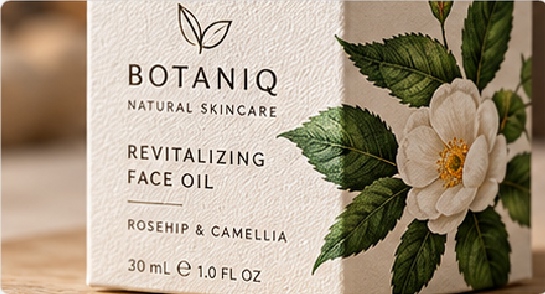
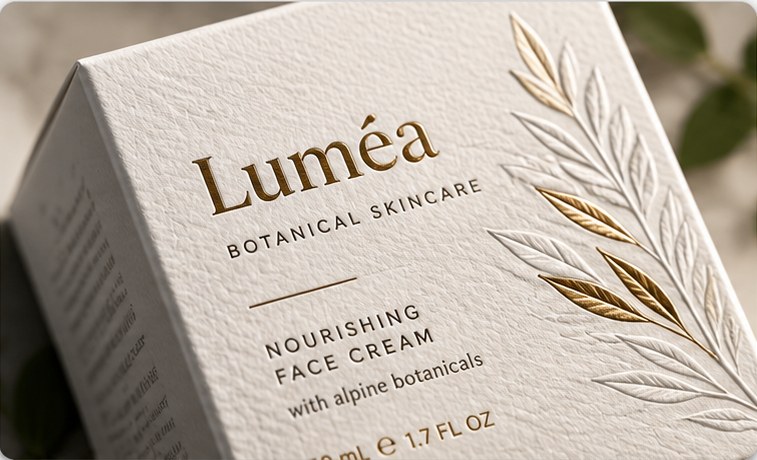

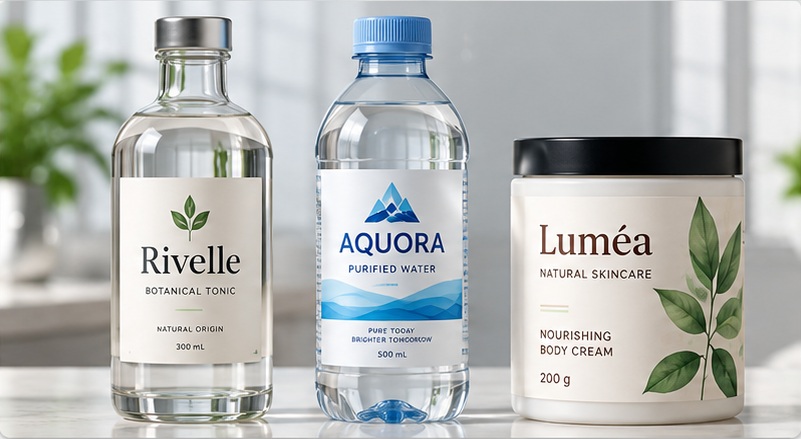
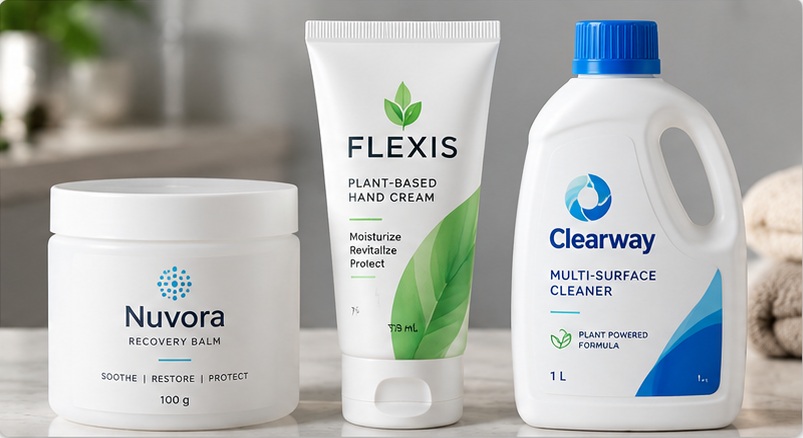
PP, PE and HDPE have lower surface energy and commonly need more careful adhesive selection. A label that bonds well to PET can lift on HDPE even when the graphics and film are unchanged. Philiton reviews whether a higher-tack or low-surface-energy adhesive family is appropriate, then checks surface texture, squeeze behavior, bottle radius and handling exposure. Label stiffness is especially important: a thick PET label on a small HDPE bottle may create more edge force than a flexible construction. Surface treatment or cleaning also changes performance, so testing should reproduce the actual filling and labeling process where possible. The goal is not to name a universal strongest adhesive, but to choose the lowest-risk construction for the package and production conditions.
Production planning should also reflect how containers are stored before labeling. Dust, silicone-like release residues, recycled-content variability, texture and temperature can all affect initial contact. When a skincare line changes bottle supplier, resin blend or decorative coating, Philiton recommends treating the package as a new adhesion condition even if the nominal plastic type remains the same.
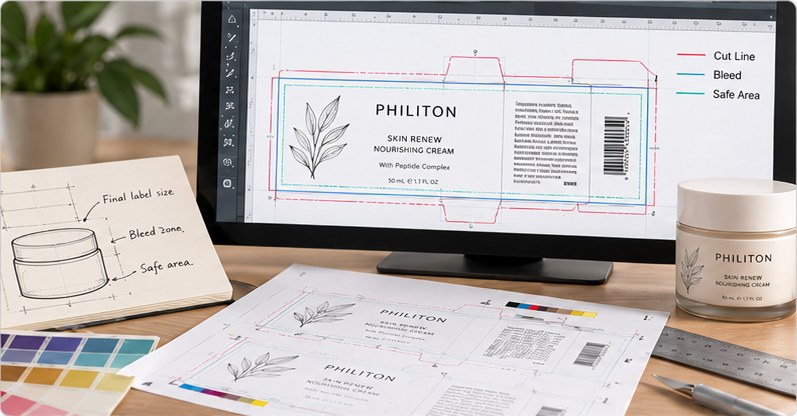
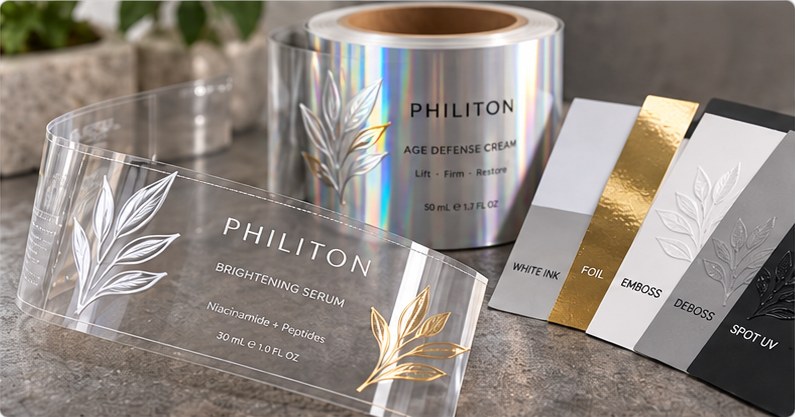
Clear and metallic materials require additional artwork logic. White ink is not simply another CMYK color; it controls opacity, contrast and where the container or metallic substrate remains visible. Foil, emboss, deboss, spot UV and raised UV also need separate production layers with clear registration relationships. Philiton checks whether tiny foil lines, knockouts, reversed text or overlapping effects are realistic before a sample is produced. Complex designs benefit from an effect hierarchy: choose one or two focal finishes, then use the base material and print color to support them. Overloading a small jar label with foil, emboss, fine reverse type and clear windows can create more registration risk than visual value.
When multiple SKUs share one visual system, Philiton recommends building a master artwork structure before the range expands. Fixed elements such as logo position, brand color, finish masks and information zones can remain consistent, while formula names, ingredients and barcodes change under controlled versions. The approach reduces accidental variation and makes later replenishment easier to compare against the approved family standard.
Philiton routes skincare work through digital, flexographic, screen, UV and related processes according to volume, SKU count, material, white ink, color requirements and finishing sequence.
| Printing Route | Best Fit | Main Strength | Watch Points | Typical Skincare Use | Scale Direction |
| Digital label printing | Short runs, many SKUs, launch programs | Fast version changes, low setup, strong artwork flexibility | Unit economics change as volume rises; material/finish compatibility still applies | Serum, cream, toner, sample-size launches | From samples and launch runs into repeat production |
| Flexographic printing | Stable repeat volume, larger runs | High throughput, repeatable roll production, inline opportunities | Plates, setup and changeovers matter; less efficient for many tiny SKUs | Lotion, cleanser, body care, mature product lines | Strong route for regular replenishment |
| Screen printing | Dense white, specialty effects, selected substrates | High ink deposit and tactile possibilities | Slower and more process-specific; fine registration needs sampling | Premium clear labels, opaque white detail, selected effects | Used where visual or functional effect justifies process |
| UV printing / coating | Film and specialty finishing combinations | Strong surface effect and controlled curing | Ink adhesion and later finishing sequence must be compatible | High-gloss details, spot effects, durable film labels | Combined with converting and finishing |
| Variable data | Serial, QR, batch or changing information | Unique or changing content without separate static plates | Data validation, duplicate control and scan verification | Traceability, authentication, campaign or batch labels | Managed as a data-controlled production workflow |

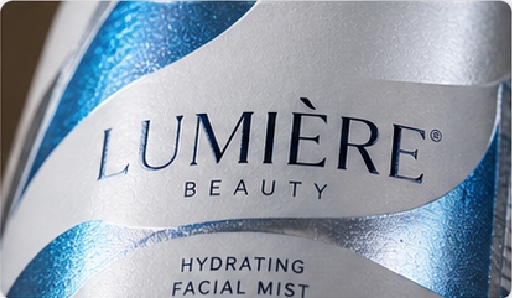


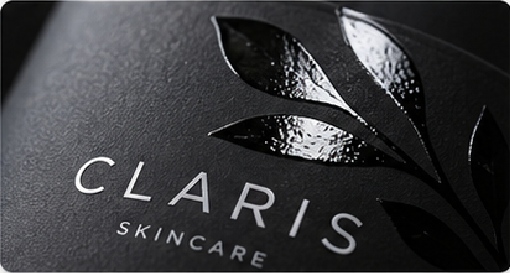
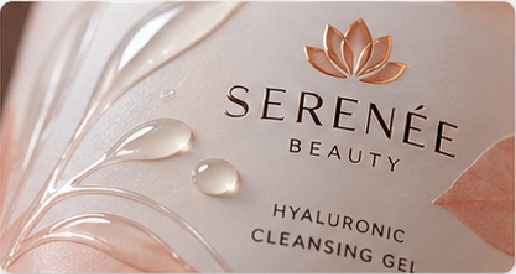
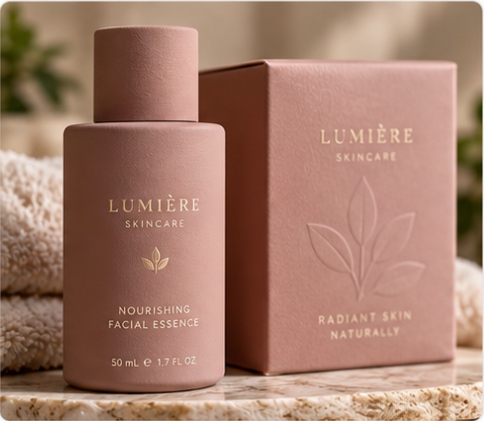
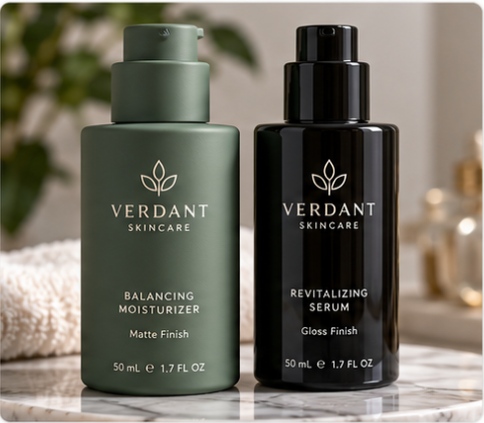
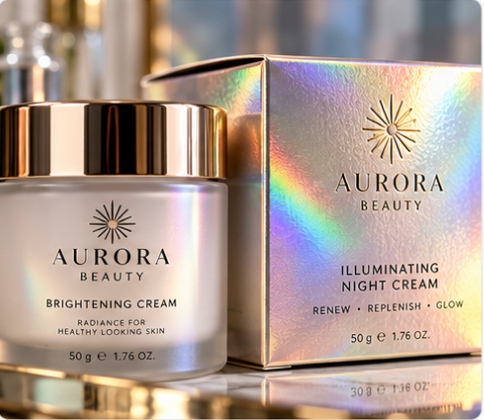
Metallic film, foil and holographic effects offer different ways to create reflective detail. Metallic film works as the base substrate and uses white ink to control reflection; foil applies a localized metallic layer; holographic effects add light-dependent patterns. Philiton helps choose the route based on coverage area, artwork detail, quantity and brand intent, then confirms the effect through a physical sample.
Bulk production should start only after the approved specification is stable. Philiton can retain the approved artwork, color target, material construction, adhesive, finish stack, dieline, roll direction, core, labels per roll and packing instructions as the working reference for production and repeat orders. Any change after approval should be treated as a controlled revision because a new bottle resin, different adhesive, updated Pantone target or modified foil area can change performance or appearance. For critical programs, a golden sample or approved physical reference gives production and QC a clearer target than email descriptions alone. The objective is to remove interpretation before the order reaches the press.
Approval records are most useful when they define what was accepted and under which conditions. A signed or digitally approved sample should be linked to the correct SKU, material, finish and revision. If a brand approves color but not adhesion, or approves artwork but not a foil effect, the remaining open items should stay visible until closed. This prevents partial approvals from being treated as full production release.
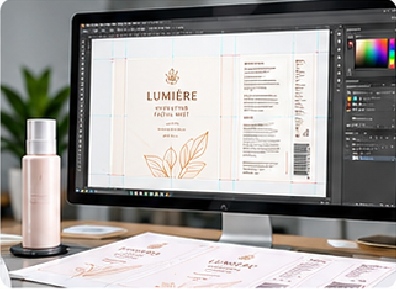

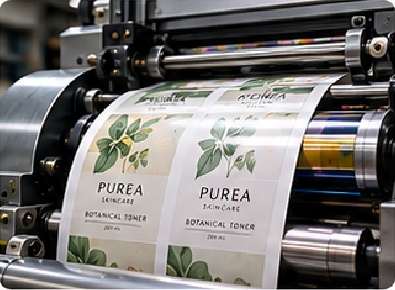
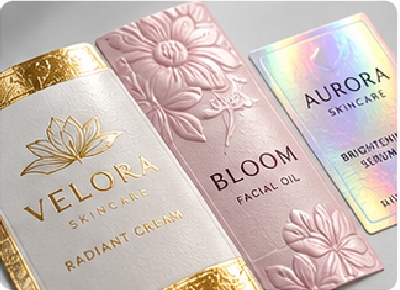
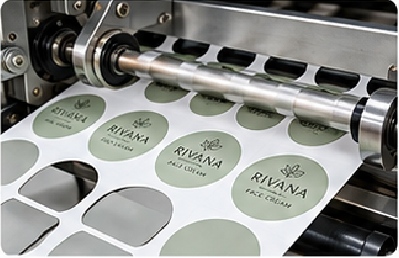
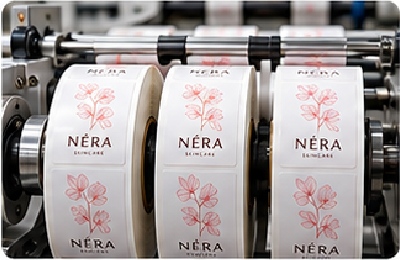
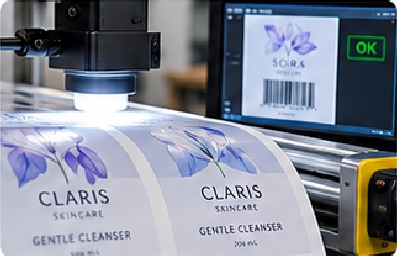
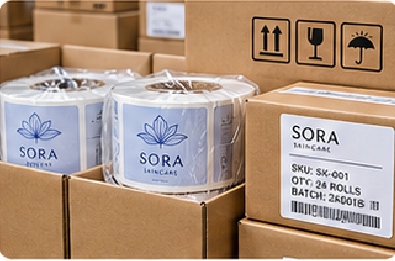
Repeatability starts with a stable reference. Philiton can use approved artwork, physical samples, color standards, material specifications, tooling information and prior production records to compare new batches. Controlled items can include color, facestock, adhesive, surface finish, print density, foil or UV effect, die-cut position, label size, roll direction, core and quantity per roll. A repeat order is reviewed again when material, container, artwork or application conditions change. If a quality issue is reported, the review uses the PO or SKU, photos, affected quantity, approved artwork, specification, retained samples and production/QC records. Engineering, production and laboratory teams can join the investigation when technical verification is needed. Root-cause methods may include 5 Why, fishbone/5M1E review, material-batch checks, retained-sample comparison and equipment-parameter review. Corrective action follows the identified cause instead of treating every complaint as a simple reprint decision. A skincare complaint can originate outside printing, so the investigation also asks how the label was stored, applied and exposed after delivery. If actual bottles, formula contact or application temperature differ from the approved test condition, engineering reviews the difference before assigning responsibility. The same finding is then used to prevent recurrence through material, process, artwork, packing or application changes where appropriate.
Samples and urgent small parcels are commonly suited to international courier. Production lead time and courier transit are treated separately so a fast carrier is not presented as a shorter manufacturing cycle. Tracking information can be supplied after dispatch, while customs inspection, remote-area service, weather and destination-country processes remain outside the factory’s direct control.
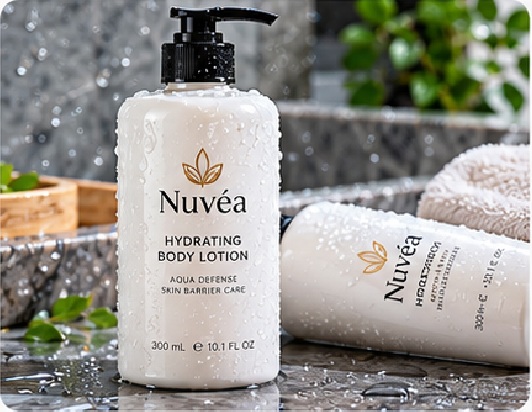
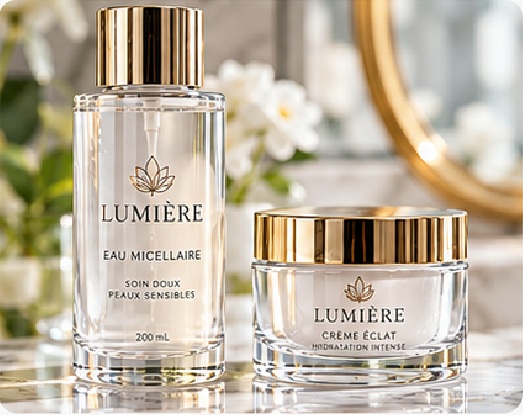

Philiton supports skincare projects for international markets and can align manufacturing with the specification supplied for the destination country. No blanket statement is made that every label automatically complies with every country’s cosmetic labeling laws. Requirements can differ by market, product category, claims, language, responsible party and packaging format. The safest workflow is to freeze approved legal copy before production, record the target market in the RFQ, and keep later regulatory revisions under controlled artwork versioning.
Send the information already available; a complete technical specification is not required to start. Philiton can review the package, artwork, exposure conditions and quantity, then identify the missing decisions before quotation or sampling. For a production-ready review, include the final label size, each SKU quantity, container material, application method, preferred finish and delivery destination. A photo of the actual bottle, jar, tube or pump is especially useful when material or adhesive has not been selected.
For all inquiries, please feel free to reach out at:
Our team will answer your inquiries within 12 hours.
Your information will be kept strictly confidential.
We will contact you within 24 Hours, please pay attention to the email with the suffix“@philiton.com”.
For all inquiries, please feel free to reach out at:
We will contact you within 24 Hours, please pay attention to the email with the suffix“@philiton.com”.
For all inquiries, please feel free to reach out at:
We will contact you within 24 Hours, please pay attention to the email with the suffix“@philiton.com”.