Your Trusted Labels & Stickers Manufacturer from China!

Labels Not Sticking to Plastic

Fix Plastic Label Adhesion Before Reprinting Another Production Run

Philiton reviews the plastic surface, adhesive, facestock, curvature, contamination, application temperature and service environment before recommending a new construction.
  • Manufacturing in Shenzhen and Dongguan since 2016
  • 12,000+ ㎡ manufacturing footprint, 200+ employees, 91 technical, skilled production and quality personnel
  • Material review, sample development, peel/tack testing, environmental validation and controlled production
Labels Not Sticking to Plastic

Who Usually Needs Plastic Adhesion Troubleshooting

Plastic adhesion failures appear in brand packaging, industrial identification and automated production. Philiton adjusts the investigation around the role, application risk and production consequence instead of treating every peeling label as the same problem.

Packaging And Brand Teams

A label can look correct on screen and still fail after application to a bottle, tube, jar, pail or molded plastic part. Philiton helps packaging and brand teams connect visual requirements with the physical construction needed on the real container. Review points include clear or opaque appearance, label size, bottle curvature, facestock stiffness, adhesive family, white ink, finishing, moisture exposure and handling. When a redesign is required, Philiton can keep the brand appearance while changing the material, adhesive or dimensions that are causing edge lift, curling or delayed peeling. Sample approval is based on the actual or representative package rather than appearance alone.

Procurement And Supply Chain Teams

An adhesion failure becomes a supply problem when finished goods cannot be packed, released or shipped. Philiton supports supplier replacement and corrective production by separating urgent recovery work from the root-cause review. Procurement can provide the current label specification, annual or immediate quantity, affected SKU list, container material, photos, existing stock condition and required delivery window. Philiton then checks whether the project can move through a digital short-run route, a repeatable flexographic route, or a revised material and adhesive structure. For many standard label and sticker projects, starting quantities are around 500 pieces, while larger programs can scale into recurring volume production.

Production And Operations Teams

A label may pass a hand test yet create repeated problems on a production line. Philiton reviews roll direction, liner behavior, gap, pitch, core size, roll diameter, label stiffness and application pressure together with adhesion. Automatic and semi-automatic labeling can expose failures that do not appear during manual application, especially on small-diameter or curved plastic containers. Production teams can send applicator information, winding requirements and line observations so the finished roll is engineered for the equipment as well as the container. Correct roll configuration prevents a solved adhesive problem from being replaced by feeding, sensing, stripping or orientation failures.

Quality And Engineering Teams

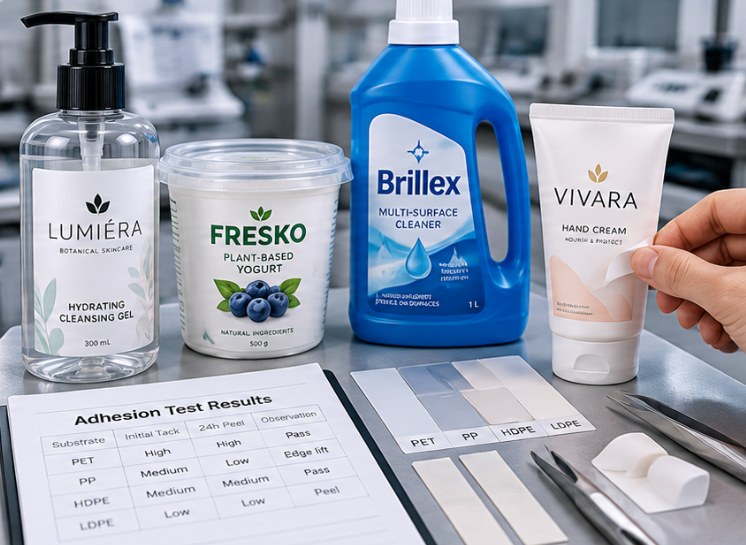
Quality and engineering teams usually need evidence that a revised label construction addresses the failure mechanism rather than simply increasing tack. Philiton can review PP, PE, HDPE, LDPE, PET and other surfaces through material selection, peel/tack testing, environmental checks and sample application. The investigation can include contamination, low surface energy, curved-surface stress, cold application, moisture, oils, chemicals and dwell time. For higher-risk applications, the final construction should be tied to the actual substrate, test conditions and approved sample. Philiton does not treat a generic adhesive name as proof of performance across every plastic grade or operating environment.

Why Labels Fail On Plastic Surfaces

Most failures come from several variables acting together. Philiton starts with the surface and application conditions before deciding whether the adhesive, facestock, dimensions or process should change.

Low Surface Energy

PP, PE, HDPE and LDPE are harder for many pressure-sensitive adhesives to wet out than higher-energy surfaces such as PET or clean glass. A standard permanent adhesive may be acceptable on one plastic and unreliable on another. Philiton treats the resin and surface condition as an engineering input, then evaluates a more suitable adhesive family or construction when low surface energy is the dominant risk.

Surface Contamination

Dust, oil, silicone, mold-release residue, water, cleaning residue and handling contamination can create a weak boundary layer between the adhesive and the plastic. A label may appear to stick to the surface while actually bonding to contamination. Philiton asks how the container is molded, stored, cleaned and handled before labeling, because changing adhesive without correcting contamination can leave the original failure mechanism untouched.

Wrong Adhesive Route

“Permanent” only describes an intended use category; it does not guarantee reliable adhesion to every plastic. A construction may need high tack, an LSE-oriented acrylic system, rubber-based adhesive, hot-melt behavior, freezer performance or another project-specific route. Philiton compares the adhesive requirement with surface energy, temperature, moisture, oil, chemical contact, removability and expected life before a production material is approved.

Facestock Too Stiff

A stiff label tries to return to its flat shape after being wrapped around a small bottle, curved pail or molded part. The resulting edge stress can exceed the adhesive’s ability to hold the label in place. Philiton reviews thickness, flexibility, label width, corner shape and container radius. Switching from a rigid construction to a more conformable film can sometimes solve edge lifting more effectively than simply increasing adhesive strength.

Temperature Mismatch

Application temperature and service temperature are different engineering conditions. A label applied too cold may never wet out correctly, even if the final storage temperature later rises. A label applied at room temperature may also need to survive refrigeration, freezing, heat or repeated temperature cycling. Philiton separates these conditions during material review so the adhesive is selected for how the label is actually applied and used.

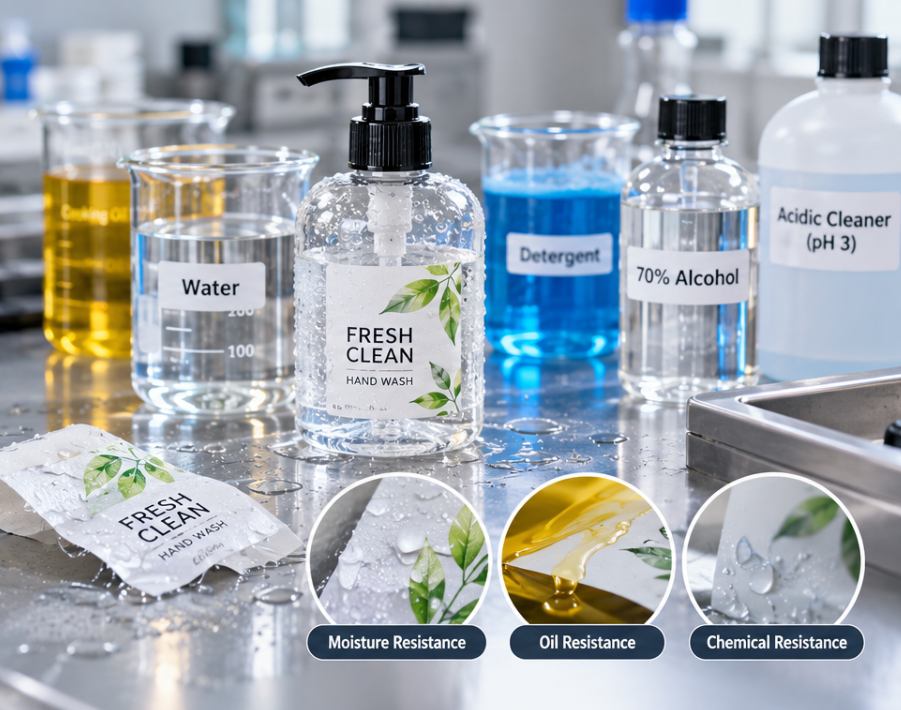
Moisture Or Chemical Exposure

Condensation, water, oils, detergents, alcohol, lubricants and industrial chemicals can attack the label surface, ink, laminate or adhesive interface in different ways. A moisture-resistant facestock alone does not guarantee long-term adhesion. Philiton reviews the full construction – facestock, adhesive, ink, coating or laminate, edge condition and exposure route – then defines what should be verified on the actual product before bulk production.

Match The Symptom To The First Check

Failure appearance provides useful clues. Philiton uses the symptom to decide what information and test should come first instead of changing several variables at once.

Falls Off Immediately

Immediate loss of adhesion usually points toward poor initial wet-out, severe contamination, low application temperature or a surface that is difficult for the existing adhesive to bond to. Philiton first checks the plastic grade, surface cleanliness and application conditions. A high-tack or LSE-oriented construction may be evaluated, but only after confirming that oil, mold release or moisture is not blocking contact.

Edges Lift First

Edge lift often combines curved-surface stress with material stiffness, label size and insufficient edge anchoring. Philiton reviews the container radius, label width, corner geometry, facestock thickness and adhesive route. On small-diameter bottles or molded parts, reducing stiffness or adjusting label dimensions can lower spring-back. The new sample should remain on the same radius long enough to reveal delayed edge failure.

Sticks Then Peels Later

A label that looks acceptable at application and peels hours or days later needs a different review from an immediate failure. Philiton checks dwell behavior, plastic additives, service temperature, moisture, chemical exposure, curvature and adhesive creep. The failure timing is important: send photos and note how long the label remained secure before peeling began. That timeline can narrow the variables more quickly.

Bubbles Or Wrinkles

Bubbles and wrinkles can come from surface texture, trapped air, application technique, container deformation, liner behavior or a facestock that cannot conform to the shape. Philiton reviews whether the label is hand applied or machine applied, whether the plastic flexes after labeling and whether the surface is smooth or textured. A softer film, revised dimensions or application-process change may be more important than adhesive strength.

Fails After Cooling

Failure after refrigeration or freezing can involve both adhesive behavior and condensation. Philiton separates the temperature during application from the later storage temperature and asks whether the surface was dry when labeled. Freezer or cold-temperature adhesive routes can be considered, but the actual container, cold cycle and moisture condition should be represented during validation before the final material is released.

Fails Around Oil Or Chemicals

Lubricants, detergents, alcohol, cleaners and other fluids may reach the adhesive through edges or attack print and surface protection. Philiton reviews where contact occurs, how long exposure lasts, whether wiping or abrasion is involved and whether the container itself carries residue. PET or other durable films, stronger protection and a different adhesive route may be shortlisted, then tested under the actual or representative condition.

Plastic Label Adhesion Diagnostic Matrix

Failure PatternLikely VariablesFirst Information To CheckTypical Philiton Review Route
Label falls off immediatelyLow surface energy, contamination, low application temperature, weak initial tackPlastic grade, cleaning method, labeling temperature, current adhesiveSurface review + adhesive shortlist + sample on actual container
Edges or corners liftCurvature, stiff facestock, oversized label, adhesive edge stressContainer diameter, label width, material thickness, corner shapeSize/conformability review + adhesive comparison
Label sticks then peels laterDwell, additive migration, service temperature, creep, moistureFailure timing, storage condition, plastic source, exposureTime-based application test + environmental review
Bubble or wrinkle appearsSurface texture, trapped air, flexible container, application methodTexture, hand/machine application, bottle deformationFacestock flexibility + application-process check
Failure begins after coolingApplication temperature, freezer performance, condensationLabeling temperature, cold storage temperature, surface drynessCold-route adhesive + representative temperature cycle
Failure near oil or chemicalsSurface contamination, edge attack, incompatible adhesive or protectionFluid type, contact point, duration, cleaning cycleDurable film + adhesive + laminate/varnish validation
Only one SKU failsDifferent resin, mold finish, curvature, supplier lot or handlingContainer supplier, resin, mold, shape, cleaning processSide-by-side substrate comparison
Automatic line fails but hand test passesRoll setup, pressure, dwell, liner, gap, speed, surface contactApplicator data, roll direction, core, speed, pressureRoll engineering + line-compatible sample

Plastic Type Changes Adhesion Behavior

Philiton does not treat “plastic” as one surface. Resin, molding method, additives, coatings, texture and recycled content can change how the same adhesive performs.
PET Bottles And Parts

PET Bottles And Parts

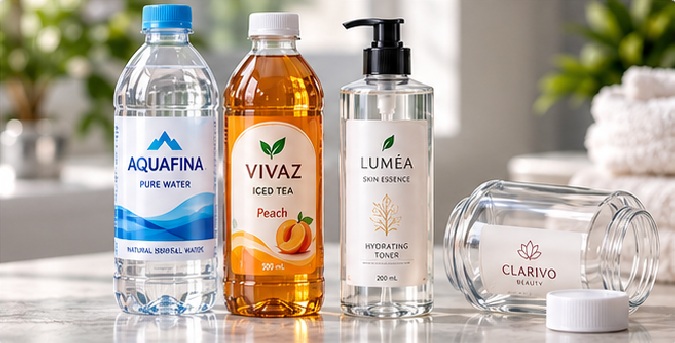
PET generally presents a more adhesive-friendly surface than PP, PE or HDPE, but real packages can still fail because of condensation, bottle coatings, recycled-content variation, surface contamination or tight curvature. Philiton commonly reviews PET for beverage, cosmetic, household and industrial applications using paper or film label constructions. When moisture, abrasion or long service life matters, BOPP or PET facestock with a matched adhesive and protective finish can provide a more stable route than untreated paper. Final performance is checked against the actual bottle and exposure condition rather than assumed from resin name alone.
PP is a common low-surface-energy plastic used for food containers, household packages, tubs, closures and molded industrial parts.

PP Containers

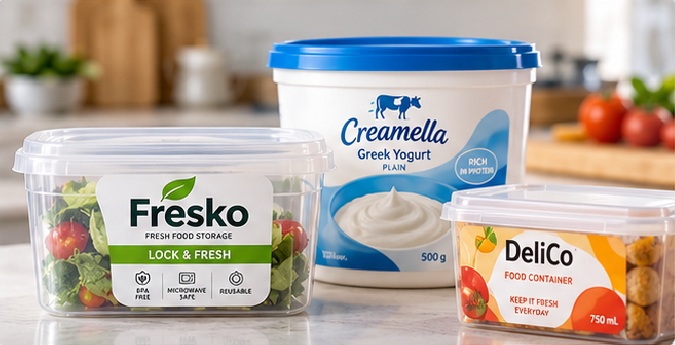
PP is a common low-surface-energy plastic used for food containers, household packages, tubs, closures and molded industrial parts. Insufficient adhesive wet-out can show up as weak initial tack, edge lift or delayed peel. Philiton reviews the specific surface, texture, curvature and application temperature before choosing a high-tack, rubber, hot-melt or LSE-oriented acrylic route. Mold-release residue and surface treatment can materially change the result, so a successful construction on one PP item should not automatically be copied to every other PP package without confirmation.
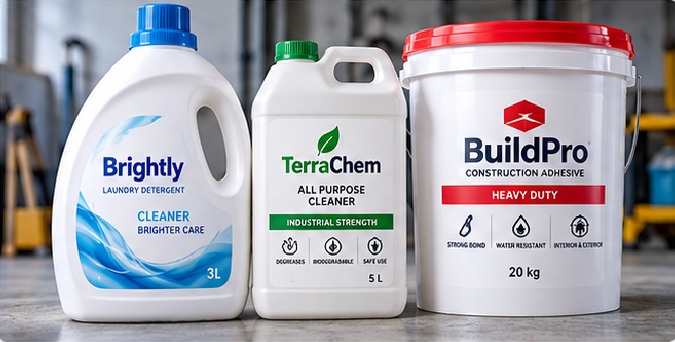
HDPE is widely used for cleaners, chemicals, food, supplements and industrial containers.

HDPE Bottles And Pails

HDPE is widely used for cleaners, chemicals, food, supplements and industrial containers. Low surface energy, blow-mold texture and curved bottle geometry can combine to make adhesion difficult. Philiton evaluates HDPE with the intended label size and actual container whenever possible. BOPP, PE or PET films may be considered depending on stiffness, moisture and durability needs. High-tack or LSE-focused adhesive systems are common candidates, but contamination, storage temperature and bottle surface remain part of the approval decision.
LDPE And Soft PE

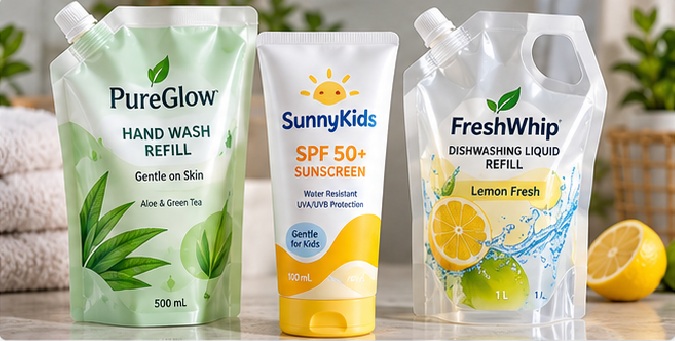
LDPE And Soft PE

LDPE and soft PE appear in squeeze bottles, flexible containers and other packages that bend during handling. Adhesion is only one part of the problem: the facestock must move with the container without wrinkling, tunneling or lifting. Philiton may favor a more conformable PE or flexible film construction when repeated squeezing is expected. Adhesive selection also needs to account for the low-energy surface and possible additive migration. Application tests should include realistic deformation rather than a flat-panel peel check alone.
PVC can range from rigid plastic to flexible, plasticized constructions.

PVC And Vinyl Surfaces

PVC can range from rigid plastic to flexible, plasticized constructions. Surface energy may be more favorable than PP or PE, but soft PVC introduces another risk: plasticizer migration can alter adhesive behavior over time. Philiton reviews whether the part is rigid, flexible, indoor, outdoor, frequently handled or exposed to heat and chemicals. PET, PVC/vinyl, BOPP and specialty constructions can be compared according to durability and conformability requirements. Long-term approval should reflect the actual PVC formulation and service condition.
ABS, polycarbonate and engineering plastics are common in electronics, equipment housings, automotive components and durable identification.

ABS And Engineering Plastics

ABS, polycarbonate and engineering plastics are common in electronics, equipment housings, automotive components and durable identification. Surface coatings, mold texture, flame-retardant additives, cleaning agents and assembly processes can influence adhesion even when the base resin appears suitable. Philiton evaluates the exact part, required life, abrasion, heat and chemical exposure before finalizing the label. Durable PET, polycarbonate-compatible adhesive systems, protective laminate and precise die cutting are typical elements considered for engineering identification projects.

Texture reduces the actual contact area available to the adhesive. A smooth-looking label may bridge over microscopic or visible peaks instead of wetting into the valleys, leading to weak holding power.

Textured Plastic Surfaces

Texture reduces the actual contact area available to the adhesive. A smooth-looking label may bridge over microscopic or visible peaks instead of wetting into the valleys, leading to weak holding power. Philiton reviews texture depth, curvature, contamination and expected handling. A higher coat-weight or high-tack adhesive route may be needed, and flexible facestock can help maintain contact. Testing should be performed on the production texture, not only on a smooth coupon made from the same resin.
Recycled content, coatings, inks, antistatic treatment and other process changes can make nominally identical plastics behave differently.

Coated Or Recycled Plastics

Recycled content, coatings, inks, antistatic treatment and other process changes can make nominally identical plastics behave differently. Philiton asks whether the package supplier, resin grade, colorant or surface treatment has changed when only one production lot or SKU fails. A previously approved adhesive can require revalidation when the substrate changes. For recurring programs, keeping an approved physical reference and documenting the material route helps reduce surprises during later reorders or supplier changes.
Facestock Materials For Plastic Label Projects

Adhesion depends on the adhesive and the material carrying it. Philiton selects facestock for conformability, moisture, durability, print quality, appearance and the shape of the plastic part.
White BOPP is a common route for beverage, food, cosmetics, supplements and household packaging where moisture resistance and clean graphics are important.

White BOPP Film

White BOPP is a common route for beverage, food, cosmetics, supplements and household packaging where moisture resistance and clean graphics are important. It is lighter and more conformable than many rigid films, making it useful on curved bottles when paired with the correct adhesive. Philiton can print BOPP through digital or flexographic routes and add varnish, lamination, foil or other finishing. PP, PE and HDPE surfaces still require adhesive matching; choosing BOPP facestock alone does not solve low-surface-energy adhesion.
Clear BOPP supports a no-label-look appearance on transparent or colored plastic containers.

Clear BOPP Film

Clear BOPP supports a no-label-look appearance on transparent or colored plastic containers. The construction usually requires careful control of white ink, transparency, adhesive clarity and print registration. Philiton reviews whether the container is PET, PP, PE or another plastic, because the same clear facestock can behave differently across surfaces. Curvature, moisture and label size also influence edge performance. Samples should be evaluated on the final package under normal lighting and handling because trapped air and edge lift are especially visible through clear film.
PET provides high dimensional stability and is widely used for durable industrial, electronic, chemical and premium product labels.

PET Film

PET provides high dimensional stability and is widely used for durable industrial, electronic, chemical and premium product labels. White, clear, silver and brushed metallic constructions are possible. The trade-off is stiffness: a PET label that performs well on a flat equipment housing may resist a tight bottle radius and lift at the edges. Philiton compares thickness, curvature and adhesive strength before approving PET for small-diameter plastic parts. Lamination or protective coating can be added when abrasion, chemicals or long-term handling require stronger surface protection.
PE film offers greater flexibility for squeeze bottles and deformable plastic containers.

PE Film

PE film offers greater flexibility for squeeze bottles and deformable plastic containers. The facestock can move with the package, reducing stress that may otherwise cause wrinkling or edge lift. Philiton uses PE where conformability is more important than the rigidity and dimensional stability offered by PET. Printing, coating and die-cut behavior must be matched to the specific film, and the adhesive still needs to bond reliably to low-energy PE or HDPE surfaces. Sampling should include actual squeezing or deformation when that occurs in service.
PVC and vinyl constructions are useful for durable decals, curved items, promotional stickers and some industrial applications.

PVC Or Vinyl Film

PVC and vinyl constructions are useful for durable decals, curved items, promotional stickers and some industrial applications. They offer good conformability and can accommodate complex shapes, but soft PVC can introduce plasticizer-migration concerns depending on both the label and the plastic surface. Philiton reviews service life, outdoor exposure, removability, temperature and chemical contact before choosing a PVC-based route. Surface protection may use lamination or varnish when abrasion or weathering is expected.
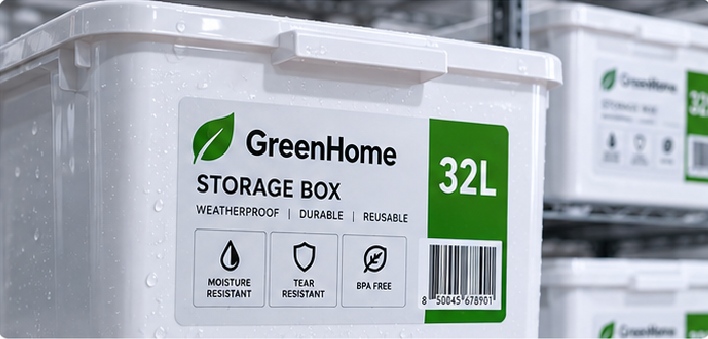
Synthetic paper combines a paper-like printable appearance with better moisture and tear resistance than ordinary paper.

Synthetic Paper

Synthetic paper combines a paper-like printable appearance with better moisture and tear resistance than ordinary paper. It can suit retail, logistics, household and industrial identification where the visual feel of paper is preferred but the environment is less forgiving. Philiton evaluates stiffness, coating, adhesive and the container curvature before using synthetic paper on plastic. It is not automatically the best choice for tight radii or repeated squeezing, where a softer film may conform better.
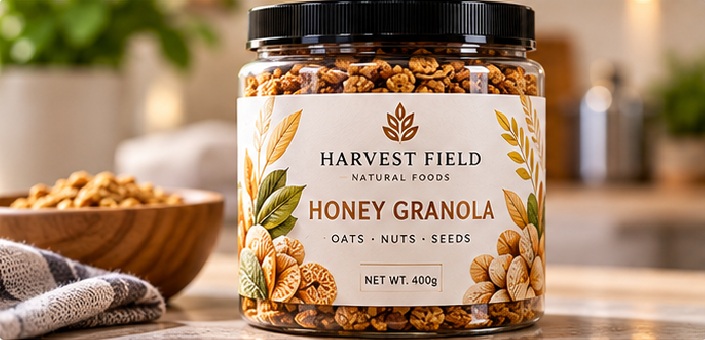
Coated paper remains suitable for many dry indoor plastic packages, especially when cost, tactile feel or premium print appearance matters more than water and chemical resistance.

Coated Paper

Coated paper remains suitable for many dry indoor plastic packages, especially when cost, tactile feel or premium print appearance matters more than water and chemical resistance. Philiton can combine coated paper with permanent, removable or other project-specific adhesives and add varnish, foil or embossing. On PP, PE or HDPE, the adhesive route must still be selected for the substrate. Paper should be avoided where condensation, repeated wetting, heavy abrasion or aggressive chemical contact would compromise the facestock.
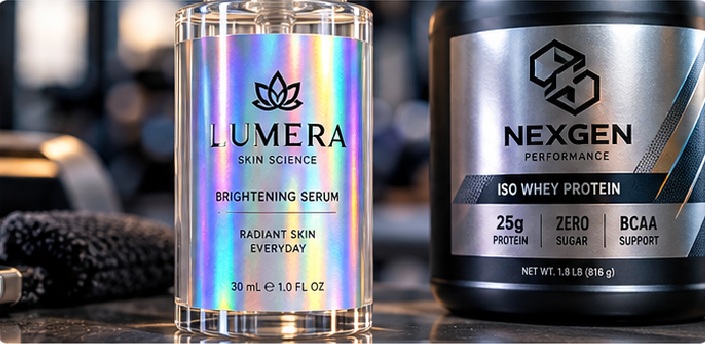
Metallic PET, holographic films and other specialty facestocks can create premium or security-focused effects on plastic packages.

Metallic And Specialty Film

Metallic PET, holographic films and other specialty facestocks can create premium or security-focused effects on plastic packages. Philiton treats appearance and adhesion as separate engineering decisions: a strong visual material still needs the right adhesive and enough flexibility for the container shape. Metallic films can be combined with white ink, transparent color, foil, embossing or security elements. For curved or low-energy plastics, sample testing is essential before a high-volume run because stiffness and specialty coatings can change edge behavior.
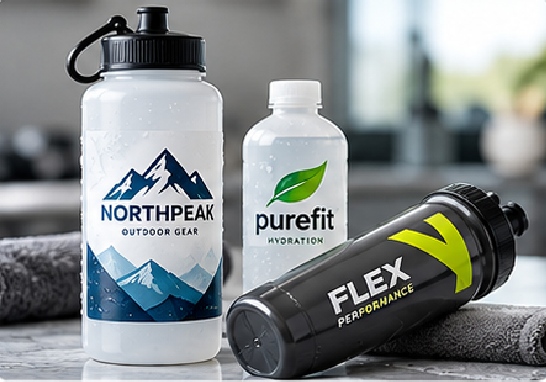
Adhesive Routes For Difficult Plastic Surfaces

Philiton selects adhesive by substrate, surface energy, temperature, moisture, curvature, removability and service life. A generic “permanent adhesive” description is not enough for difficult plastic.

Standard Permanent Adhesive

Standard permanent systems work well across many clean, relatively adhesive-friendly surfaces such as PET, glass, metal and coated packaging. On PP, PE, HDPE or LDPE, however, performance can become conditional. Philiton does not assume a standard permanent construction will work simply because it has strong final peel on another substrate. The actual plastic, surface treatment, bottle texture, application temperature and dwell time are reviewed first. Standard permanent adhesive remains useful when the surface and environment support reliable wet-out, but low-energy applications often need a more specialized route.

High Tack Adhesive

High-tack systems are common candidates for textured plastics, low-surface-energy packaging, drums, pails, rough containers and applications where strong initial grab is needed. Philiton reviews high tack together with label stiffness, die-cut quality and removability because aggressive adhesion can create new issues such as residue, edge ooze or difficult rework. High tack also does not automatically mean better heat resistance or long-term shear. The correct construction is selected around the entire service condition and then confirmed through an actual-container or representative-substrate sample.

LSE Acrylic Adhesive

LSE-oriented acrylic systems are engineered to improve wet-out on surfaces such as PP, PE and HDPE while retaining characteristics associated with acrylic chemistry. Philiton treats “LSE acrylic” as a family description, not a single universal performance guarantee. Exact temperature range, peel, tack and chemical behavior depend on the specific material supplier and grade. For brand and industrial projects, the shortlist is based on the actual plastic and environment, followed by sample application and, when needed, peel/tack or environmental verification before the production specification is frozen.

Rubber Based Adhesive

Rubber-based systems can provide strong initial tack and are often considered for difficult low-energy plastics. They can be useful on PP, PE, HDPE and textured surfaces when rapid wet-out is a priority. Philiton also checks the limitations: heat, UV, chemicals, aging and residue behavior can differ from acrylic systems. The decision therefore depends on the required lifetime and exposure rather than initial stick alone. Where a project involves outdoor, hot, chemical or long-term use, the adhesive route is compared against the real operating condition before approval.

Hot Melt Adhesive

Hot-melt pressure-sensitive systems can provide aggressive tack and are used in packaging and industrial applications, including difficult substrates. Philiton considers hot melt when fast grab, rough-surface contact or low-energy plastic performance is important, but the construction still needs to match temperature and long-term holding requirements. High initial tack is not a substitute for verifying shear, edge lift and environmental stability. Material sourcing, sample preparation and production route are confirmed according to the selected adhesive supplier and final label specification.

Freezer And Cold Adhesive

Cold and freezer applications require more than a low service-temperature claim. Philiton distinguishes the temperature at which the label is applied from the later storage temperature and also asks whether condensation, frost or wet surfaces are present. A freezer-grade adhesive may perform well when applied to a clean, dry package within its application range yet fail if the bottle is labeled below the adhesive’s effective wet-out temperature. Samples should reproduce the actual sequence: labeling, dwell, cooling, condensation and handling.

Supporting Components That Affect Label Performance

Plastic adhesion is influenced by more than facestock and adhesive. Philiton controls liners, coatings, inks, die cutting and roll configuration because each can affect application and finished performance.

Release Liner

The liner controls die-cut support, stripping behavior, dispensing and roll stability before the label reaches the plastic surface. A liner that is too weak, too stiff or poorly matched to an automatic applicator can create premature release, tearing or inconsistent dispensing. Philiton reviews liner width, release behavior, die-cut depth and machine requirements so an adhesive improvement does not create a new production-line problem.

Lamination

Lamination protects print and can improve resistance to moisture, abrasion, handling and some chemicals. It also changes total label thickness and stiffness. On tight curves, an unnecessarily rigid laminate can increase spring-back and edge stress. Philiton therefore selects gloss, matte or other protective film according to the environment and container geometry. Adhesion and flexibility are reviewed together instead of treating lamination as a purely decorative option.

Varnish And Coating

Varnish provides a lighter protective layer than full film lamination and can help control gloss, scuffing and print durability. UV, matte, gloss and other coating routes may be selected according to the printing process and end use. Philiton checks coating compatibility with inks, foil, variable data and downstream handling. On flexible or curved plastic containers, varnish can preserve more conformability than a heavy laminate when the required protection level allows it.

White Ink And Primer

Clear and metallic labels often need white ink to control opacity and color. Some materials or finishing combinations also require primer or specially prepared surfaces for reliable ink or coating adhesion. Philiton separates print-layer adhesion from label-to-container adhesion because the two failures have different causes. Artwork files can include dedicated white-ink, foil, varnish or variable-data layers so prepress and production follow the approved structure.

Die Cut And Gap

Die-cut shape can influence adhesion, especially on small radii. Sharp corners concentrate lifting stress, while suitable corner radii and optimized dimensions can reduce it. Philiton controls kiss-cut depth, outline, gap, waste stripping and liner integrity during converting. Automatic-labeling projects also require stable gap and pitch for sensing and dispensing. A correctly selected adhesive can still underperform if label geometry creates unnecessary edge stress.

Roll Core And Winding

Roll construction affects whether the label reaches the plastic surface consistently. Philiton can supply common core formats such as 1 inch, 1.5 inch and 3 inch where compatible, but final core diameter, maximum roll diameter, inside/outside winding, label orientation and quantity per roll are confirmed from the applicator or project requirement. Roll configuration is recorded as an engineering specification rather than left to a factory default.

Plastic Label Constructions Philiton Can Develop

Different applications need different combinations of facestock, adhesive, print, finishing and delivery format. Philiton develops the construction around the plastic surface and operating condition.
Designed for PP, PE, HDPE and other low-energy plastic packaging where a standard adhesive route has produced weak tack or delayed peeling.

LSE Bottle Labels

Designed for PP, PE, HDPE and other low-energy plastic packaging where a standard adhesive route has produced weak tack or delayed peeling. Philiton reviews the actual bottle, curvature, cleanliness, temperature and required life before selecting a candidate film and adhesive. White BOPP, PE, PET or other materials can be combined with high-tack or LSE-oriented adhesive systems according to the application.
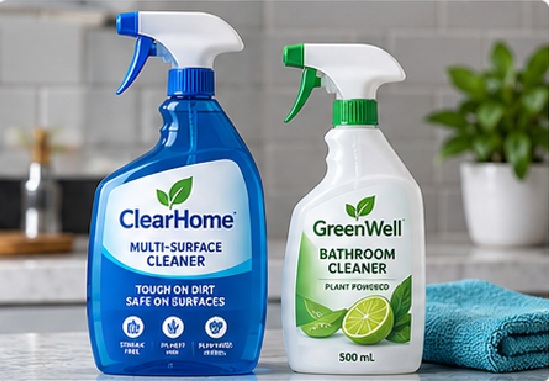
Household and chemical cleaner bottles often combine HDPE, curved geometry, moisture and chemical exposure. Philiton can develop printed film labels with matched adhesive, lamination or varnish, die cutting and roll delivery.

HDPE Cleaner Labels

Household and chemical cleaner bottles often combine HDPE, curved geometry, moisture and chemical exposure. Philiton can develop printed film labels with matched adhesive, lamination or varnish, die cutting and roll delivery. The review includes cleaner residue, wiping, storage, bottle texture and automatic labeling requirements. Chemical-resistance claims are tied to the selected construction and validation condition rather than treated as a universal material property.
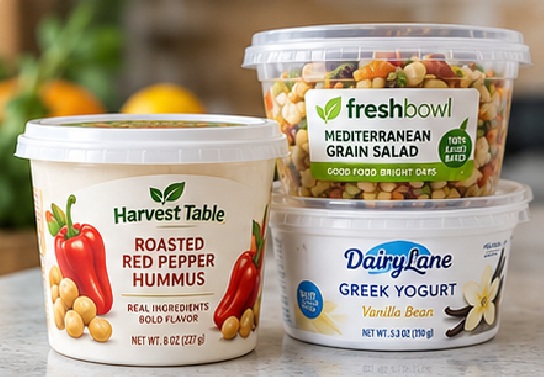
PP tubs, closures, food containers and molded parts may need a stronger wet-out route than ordinary packaging labels.

PP Container Labels

PP tubs, closures, food containers and molded parts may need a stronger wet-out route than ordinary packaging labels. Philiton can compare permanent, high-tack, LSE acrylic, rubber or other project-specific adhesives with BOPP, PET, synthetic paper or additional facestocks. Label dimensions and corner geometry are reviewed because curved PP parts can create spring-back even when the adhesive chemistry is suitable.
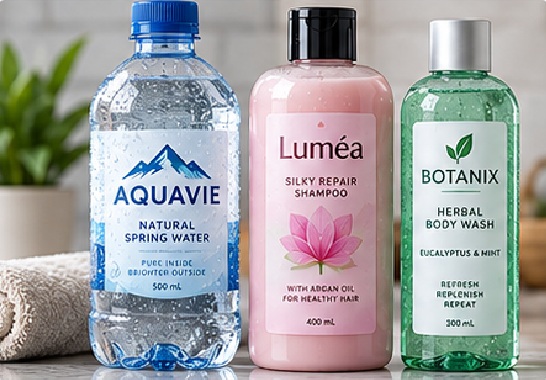
PET beverage, cosmetic, supplement and household bottles support clear, white and premium film constructions.

PET Bottle Labels

PET beverage, cosmetic, supplement and household bottles support clear, white and premium film constructions. Philiton can combine clear BOPP or PET, white ink, foil, varnish, lamination, variable data and roll delivery. Condensation, bottle coatings, recycled-content variation and curvature are checked during development. PET is often easier to bond than PP or PE, but the approved label still needs to match the actual container and service condition.
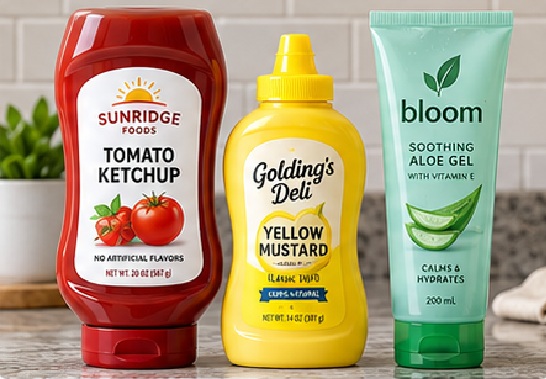
Flexible shampoo, personal-care and cleaner bottles need a label that can move with the package.

Squeeze Bottle Labels

Flexible shampoo, personal-care and cleaner bottles need a label that can move with the package. Philiton can use conformable PE or other flexible film routes, matched adhesive and protective finishes for repeated handling. The sample should be squeezed and flexed in the same way as the final package. A rigid label can wrinkle or lift even when the adhesive itself has strong peel on a flat test panel.
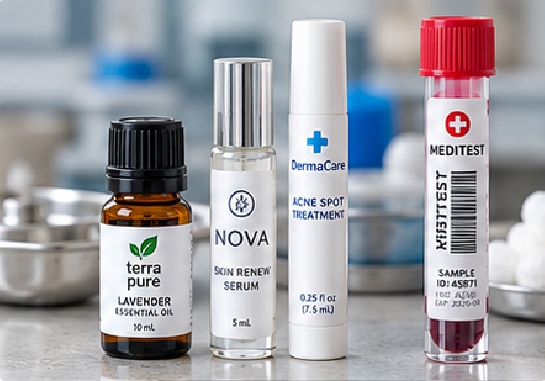
Small tubes, vials, pens, cosmetic containers and narrow cylindrical parts create continuous curvature stress.

Small Diameter Labels

Small tubes, vials, pens, cosmetic containers and narrow cylindrical parts create continuous curvature stress. Philiton reviews label width, overlap, corner shape, facestock thickness and adhesive before creating the dieline. Softer film or a shorter wrap length may improve stability. Testing should continue long enough to reveal delayed edge lift, because a label may look acceptable immediately after application yet release later.
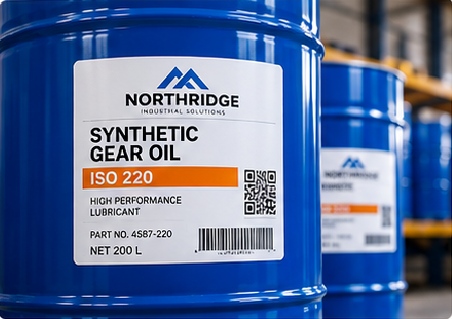
Industrial drums and pails can combine textured HDPE, oil, dust, outdoor storage and rough handling.

Drum And Pail Labels

Industrial drums and pails can combine textured HDPE, oil, dust, outdoor storage and rough handling. Philiton can build durable BOPP, PET, synthetic or other film constructions with high-tack or project-specific adhesive, variable data, barcode/QR, lamination and roll or sheet delivery. The substrate texture and contamination condition are essential inputs. Large label size and curved-wall stress are evaluated before mass production.
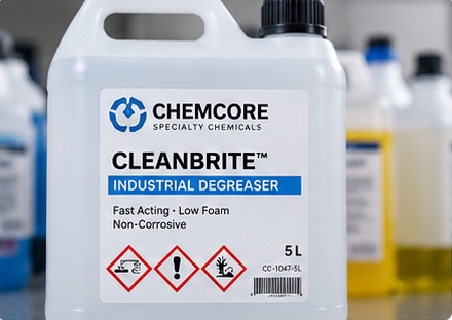
Chemical packaging may require resistance to moisture, oils, solvents, detergents or cleaning cycles in addition to reliable adhesion.

Chemical Container Labels

Chemical packaging may require resistance to moisture, oils, solvents, detergents or cleaning cycles in addition to reliable adhesion. Philiton develops the facestock, adhesive, ink and protective layer as one construction. PET and durable films are common candidates when abrasion and chemical contact are expected. Exact resistance depends on the chemical, concentration, temperature, contact time and test method, so high-risk claims are confirmed per material and project.
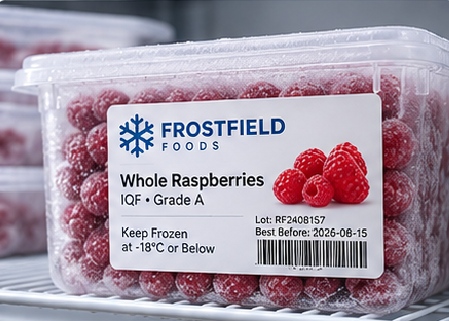
Cold-chain labels can be used on frozen food, refrigerated products, laboratory containers and cold storage packaging.

Cold Chain Plastic Labels

Cold-chain labels can be used on frozen food, refrigerated products, laboratory containers and cold storage packaging. Philiton separates dry cold application from wet or frosted surfaces and reviews both application and service temperatures. Freezer-grade adhesive, BOPP, PET, synthetic materials and protective finishes can be considered. Validation follows the actual sequence of labeling, dwell, cooling, condensation and handling instead of relying on a single temperature number.
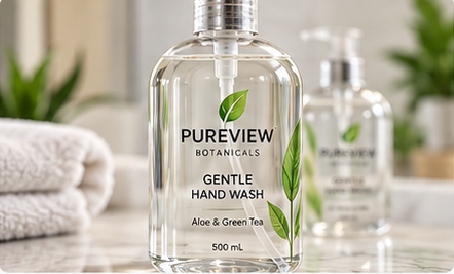
Clear labels provide a transparent appearance on PET, PP or other packaging but make air, silvering, edge lift and contamination highly visible.

Clear No Label Look

Clear labels provide a transparent appearance on PET, PP or other packaging but make air, silvering, edge lift and contamination highly visible. Philiton controls clear facestock, adhesive clarity, white ink, color build, die cutting and application geometry. Container texture and curvature should be reviewed before artwork is finalized. A clear label should be approved on the final bottle under realistic lighting rather than judged only from a flat printed sample.
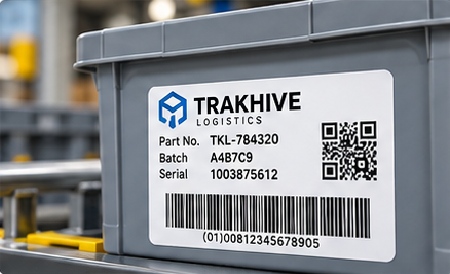
Serial numbers, barcodes and unique QR codes can be integrated into durable plastic labels for logistics, warranty, inventory and traceability.

Variable Data Plastic Labels

Serial numbers, barcodes and unique QR codes can be integrated into durable plastic labels for logistics, warranty, inventory and traceability. Philiton combines variable-data printing with the chosen facestock, adhesive and protection route. Code size, contrast, quiet zone, laminate reflection and scanner conditions are checked alongside adhesion. The label must remain physically attached and machine-readable throughout the intended handling period.
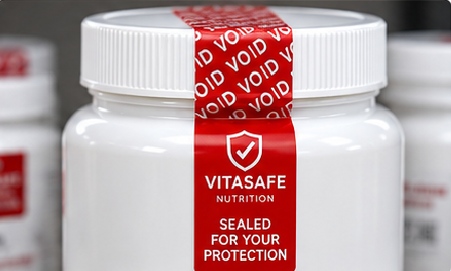
Plastic packaging can use VOID, destructible, seal, holographic or serialized security constructions where opening evidence or product identity matters.

Tamper Evident Labels

Plastic packaging can use VOID, destructible, seal, holographic or serialized security constructions where opening evidence or product identity matters. Philiton treats the substrate and tamper mechanism as one design problem because security performance depends on how the label interacts with the plastic surface. Exact film, adhesive, release pattern, security structure and data method are confirmed by project, followed by sample verification before the construction is released for production.

Printing And Brand Finish Options

Philiton combines printing and finishing after the material route is selected. Appearance should strengthen the brand without adding stiffness, registration risk or surface layers that undermine the plastic application.
Digital printing supports short runs, multiple SKUs, frequent artwork changes and sample development without the same plate setup as conventional long-run methods.

Digital Printing

Digital printing supports short runs, multiple SKUs, frequent artwork changes and sample development without the same plate setup as conventional long-run methods. Philiton uses digital routes for flexible launches, version testing and many standard label projects starting around 500 pieces. The selected material and adhesive still determine plastic adhesion. Digital printing is therefore part of the production route, not a substitute for substrate engineering.
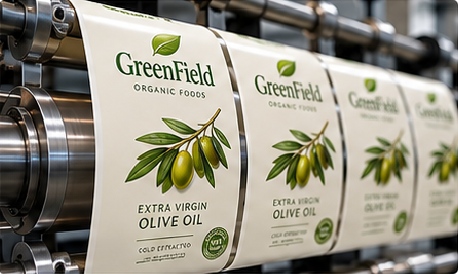
Flexographic printing is suited to repeatable roll-label production and medium-to-high volume programs.

Flexographic Printing

Flexographic printing is suited to repeatable roll-label production and medium-to-high volume programs. Philiton can combine flexo with white ink, varnish, lamination, foil, die cutting and slitting/rewinding. It becomes valuable after the material, adhesive, artwork and roll specification are stable. For a corrected adhesion project, Philiton can use sample and shorter-run validation first, then move the approved construction into a scalable flexographic production route when volume supports it.
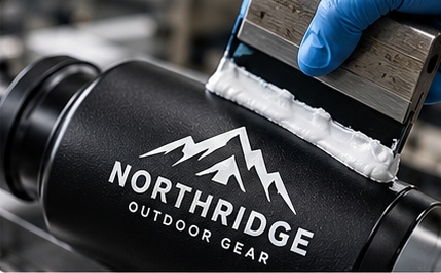
Screen printing can build heavier ink deposits, strong whites, specialty colors and functional or decorative layers.

Screen Printing

Screen printing can build heavier ink deposits, strong whites, specialty colors and functional or decorative layers. Philiton uses screen processes where opacity, tactile effect or material compatibility requires it. The extra ink or coating layer can affect flexibility and finishing sequence, so small-radius plastic labels need careful construction review. Screen printing can be combined with other methods when a project needs both fine graphics and a strong specialty layer.
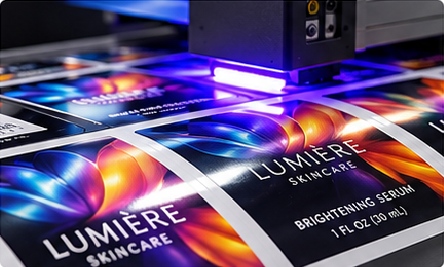
UV printing provides fast curing and strong graphic definition across many label materials.

UV Printing

UV printing provides fast curing and strong graphic definition across many label materials. Philiton uses UV processes in appropriate digital, screen or other production routes according to material and finish. Cure, ink adhesion, flexibility and downstream lamination or foil compatibility are checked before release. A plastic-label project with repeated flexing may need a different ink and coating balance from a flat, rigid industrial label.

White ink is essential for many clear and metallic labels because it controls opacity and color appearance.

White Ink Layers

White ink is essential for many clear and metallic labels because it controls opacity and color appearance. Philiton prepares white-ink layers separately in prepress and aligns them with artwork, clear windows, metallic effects or variable areas. White ink does not change the plastic adhesive interface directly, but its print build and finishing sequence influence the final label construction. Sample review should include the actual container color and transparency.

Hot or cold foil can create metallic branding on cosmetics, beverages, supplements, wine, household products and premium plastic packaging.

Foil Stamping

Hot or cold foil can create metallic branding on cosmetics, beverages, supplements, wine, household products and premium plastic packaging. Philiton reviews foil area, registration, material compatibility and label flexibility before selecting the route. Heavy decorative builds on a tight bottle radius can add stiffness, so the effect is balanced against conformability. Foil performance and adhesion are confirmed through the chosen facestock and finishing combination.
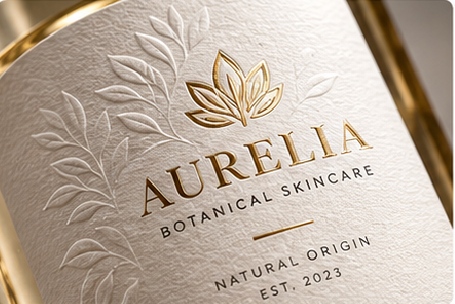
Embossing and debossing add tactile relief, especially on premium paper or film labels. Philiton can combine these effects with printing and foil where the material supports the process.

Emboss And Deboss

Embossing and debossing add tactile relief, especially on premium paper or film labels. Philiton can combine these effects with printing and foil where the material supports the process. Raised structures change local stiffness and can create stress on highly curved plastic packages, so placement and label size matter. The preferred result is approved through a production-representative sample rather than assumed from a flat artwork rendering.
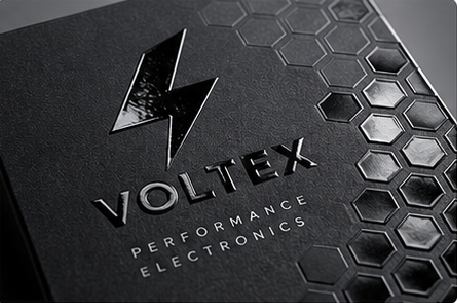
Spot and raised UV create contrast between matte and gloss areas or add tactile emphasis to logos and graphics.

Spot Or Raised UV

Spot and raised UV create contrast between matte and gloss areas or add tactile emphasis to logos and graphics. Philiton reviews coating height, registration, flexibility and compatibility with the selected film. A heavily raised surface can influence winding, stacking and small-radius behavior. The effect should be concentrated where it adds visual value without unnecessarily increasing stiffness across edges that need to remain firmly attached.
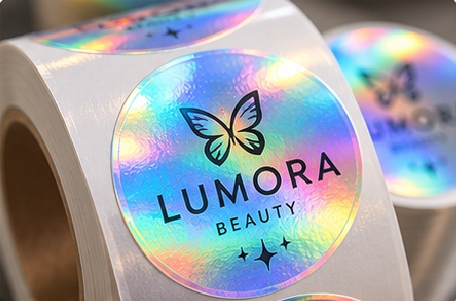
Holographic appearance can come from specialty film, foil or security elements. Philiton can integrate holographic structures into brand, authentication and tamper-evident projects.

Holographic Effects

Holographic appearance can come from specialty film, foil or security elements. Philiton can integrate holographic structures into brand, authentication and tamper-evident projects. Because the effect may involve rigid film, foil, release layers or security patterns, the plastic substrate and curvature are reviewed before finalizing the construction. Security performance and decorative appearance are sampled together when both are required.
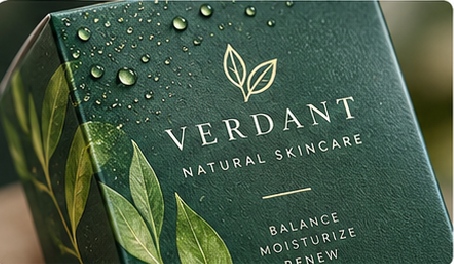
Gloss, matte and specialty laminates protect print and change surface feel. Philiton selects lamination according to abrasion, moisture, chemical contact and appearance requirements.

Lamination

Gloss, matte and specialty laminates protect print and change surface feel. Philiton selects lamination according to abrasion, moisture, chemical contact and appearance requirements. On curved plastic, total stiffness is considered before adding a heavy protective film. When a lighter barrier is sufficient, varnish can be evaluated instead. The goal is to protect the graphic without creating new edge-lift stress.
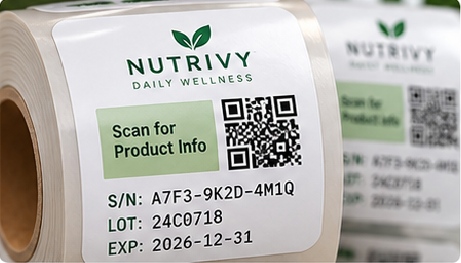
Philiton can produce serial numbers, QR codes, barcodes and changing information for tracking, promotion or identification.

Variable Data Printing

Philiton can produce serial numbers, QR codes, barcodes and changing information for tracking, promotion or identification. Variable data is integrated with the label material, print method, finishing and inspection route. A code that scans on screen may fail after printing if size, quiet zone, contrast or reflective laminate is wrong. Verification therefore belongs in both prepress and quality control, especially for high-volume multi-SKU programs.

Die cutting defines final shape, corner radius, gap and dispensing behavior. Philiton controls kiss-cut depth, outline accuracy, liner integrity and waste stripping so the label can be removed cleanly and applied consistently.

Precision Die Cutting

Die cutting defines final shape, corner radius, gap and dispensing behavior. Philiton controls kiss-cut depth, outline accuracy, liner integrity and waste stripping so the label can be removed cleanly and applied consistently. For plastic adhesion problems, dieline changes can be part of the corrective action: rounded corners, reduced width or a different wrap can lower edge stress without changing the graphic identity more than necessary.

Engineering Conditions Beyond Adhesive Strength

Plastic adhesion improves when geometry, temperature and exposure are designed into the specification. Philiton uses these conditions to decide what should be sampled and tested before production.

Curvature, Size And Spring Back

A pressure-sensitive label develops internal stress when a flat material is wrapped around a curved plastic surface. The tighter the radius and the stiffer the facestock, the stronger the tendency to return toward a flat shape. Adhesive then has to resist continuous lifting force at the leading edge, trailing edge and corners.

Philiton reviews the label and container as a geometry pair. Important inputs include the available flat area, bottle or tube diameter, compound curvature, label width, label height, overlap, corner radius and whether the container flexes during use. A large label is not automatically better because extra width can increase spring-back on a narrow bottle. A PET construction that is excellent on a flat control panel may be too rigid for a small squeeze bottle.

Corrective routes can include a more flexible PE or BOPP facestock, lower total thickness, rounded corners, a narrower wrap, different placement or a stronger adhesive system. When appearance requires a specific large format, Philiton can compare multiple constructions rather than forcing one material to handle excessive mechanical stress. The sample should remain on the actual or representative container long enough to reveal delayed lift, not only pass an immediate hand-press check. For multi-SKU programs, Philiton also checks whether bottle diameter or molded shape changes between SKUs, because one dieline can create very different spring-back forces across a family. Recording the approved container and label geometry gives later reorders a measurable reference instead of relying on visual similarity.

Application And Service Temperature

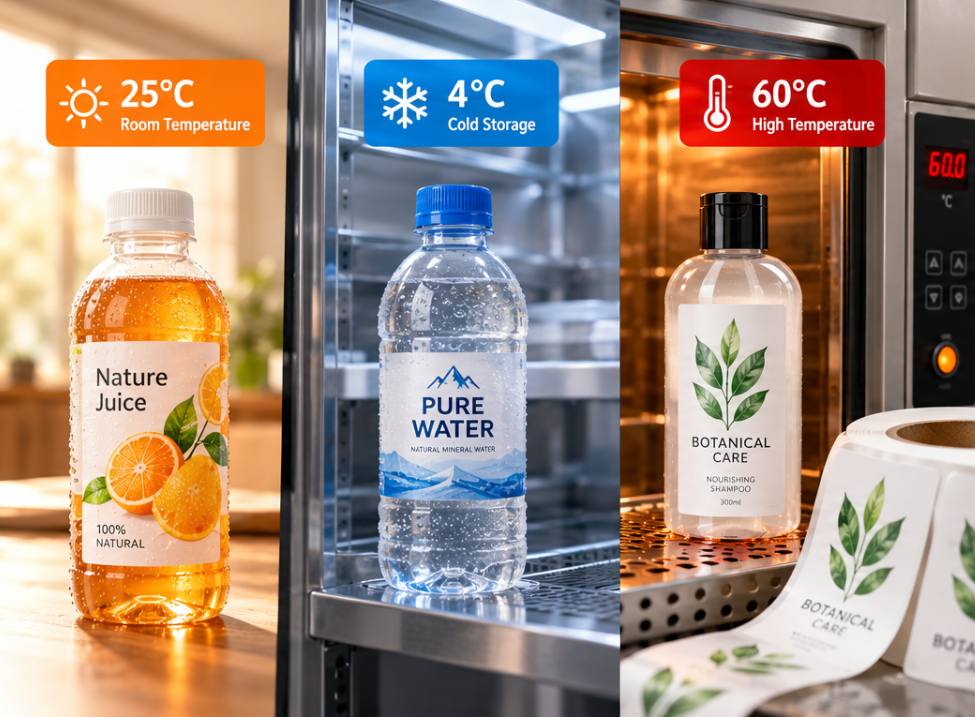
Application temperature describes the moment the adhesive first contacts the plastic. Service temperature describes the environment after the label has been applied and had time to build its bond. Mixing these two values is a common reason a “cold-resistant” label fails.

Philiton asks where labels are stored before application, the temperature of the container during labeling, how much pressure is applied, the dwell period before cooling or filling, and the lowest and highest temperatures encountered later. A bottle labeled at room temperature and then refrigerated is a different problem from a bottle labeled while already cold and wet. Freezer-grade adhesive may tolerate low service temperature yet still require a warmer, dry surface for initial wet-out.

Temperature cycling also matters. Repeated movement from cold storage to ambient conditions can create condensation and material stress. Philiton therefore ties temperature claims to the selected supplier material, TDS or project test instead of publishing one fixed number for every construction. For a critical application, the validation route should reproduce the real sequence of labeling, storage, transport and use. Philiton can also compare a room-temperature control with a cold-application sample to separate an adhesive-selection problem from a process problem. This distinction matters for production planning because changing the label material may be unnecessary when the real cause is applying an otherwise suitable adhesive outside its effective application window.

Moisture, Oil, Chemicals And Dwell

Adhesive performance develops over time, while the surrounding environment can either support or interrupt that process. Philiton asks how soon the product is filled, packed, refrigerated, wiped, squeezed or exposed to liquid after labeling. Immediate handling can challenge a bond that would become stronger after adequate dwell.

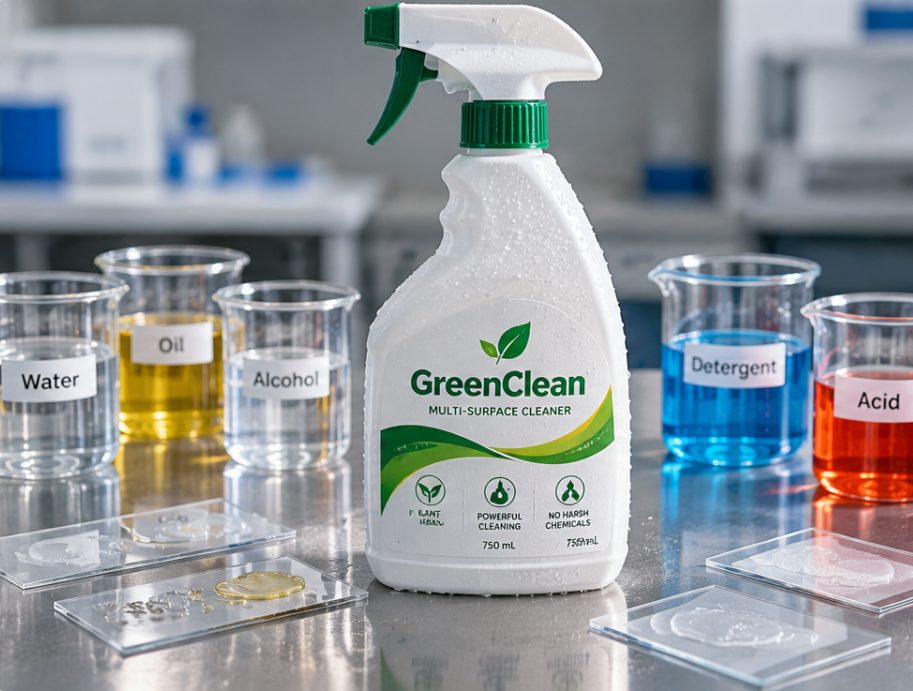
Moisture can appear as condensation, splash, wash-down or prolonged wet storage. Oil can migrate from lubricants, food, cosmetics or the container surface. Chemicals may reach the adhesive edge through cleaners, alcohol, detergents or industrial fluids. Each exposure creates different requirements for facestock, ink, laminate or varnish and adhesive.

Surface cleanliness belongs in the same review. Dust, silicone, mold-release residue, grease and fingerprints can prevent reliable contact even when the adhesive chemistry is suitable. Philiton can compare the current failure condition with a cleaned control sample to determine whether surface preparation is part of the corrective route. High-risk chemical or environmental performance is confirmed on the selected material and test condition rather than generalized across all labels. Philiton also asks whether exposure occurs before the adhesive has reached a stable bond. Filling, capping, wiping or packing immediately after labeling can create early edge stress. A controlled dwell comparison often shows whether the construction itself is inadequate or whether the process needs more time before the package enters the next operation.

From Artwork Review To Approved Plastic Label Sample

Philiton closes adhesion, visual and production risks before scale-up. Artwork, material, adhesive and actual-container testing are handled as connected development steps rather than separate approvals.

Artwork And Prepress Engineering

Artwork review starts with more than checking whether a PDF opens correctly. Philiton converts the design into a controlled production structure that includes final dimensions, dieline, bleed, safe zones, white ink, foil, varnish, emboss/deboss, variable data and barcode or QR requirements where applicable. For a plastic adhesion correction, the dieline itself may need adjustment if edge stress or container curvature contributed to the failure.
The prepress team also checks how the design interacts with the chosen facestock. Clear BOPP may need white-ink separation; metallic film may use transparent color and white blocking layers; foil or raised UV needs dedicated production layers. Small text, reverse text, thin lines and codes are reviewed against the print and finishing route rather than left as screen-only artwork.
If automatic labeling is used, engineering data extends beyond the graphic file. Roll direction, core size, maximum roll diameter, gap, pitch, liner width and label orientation can be recorded in the production specification. The goal is to freeze a file that controls both appearance and manufacturing behavior before sample approval. Version control is especially important during corrective work because the artwork file, dieline and material route may all change at the same time. Philiton records the approved revision so the sample used for adhesion evaluation corresponds to the same geometry and production layers that will later enter bulk manufacturing.

Material And Adhesive Sampling

Philiton can prepare material samples, digital samples, die-cut samples and production-representative samples depending on the risk. A plastic adhesion problem usually benefits from side-by-side construction testing instead of a single replacement label. Two or more candidates can be compared on the actual PP, PE, HDPE, LDPE, PET or other container while keeping size and application conditions controlled.
Sample review should answer specific questions: Does the adhesive wet out immediately? Do edges remain down after dwell? Does the label lift after cooling? Does squeezing deform the label? Does oil or cleaner reach the edge? Does the laminate make the construction too stiff? For automated lines, does the roll dispense correctly?
Philiton can support peel/tack testing, environmental checks and material-strength evaluation within the manufacturing system. Exact numeric acceptance criteria are defined by the material, project standard or agreed specification. The approved sample then becomes the reference for production rather than relying on a verbal description such as “strong glue.” Philiton can photograph or retain the approved construction and link the material route to the order specification where required. If the container supplier, plastic resin or application environment later changes, the retained reference makes it easier to decide whether a simple reorder is appropriate or whether the adhesion route should be rechecked.

Sample Timing And Production Release

For many common label constructions, standard samples can usually be prepared in about 3-7 business days after artwork, material and test requirements are clear. Special adhesives, security structures, RFID/NFC components, uncommon substrates or complex spot-color and finishing work are scheduled according to material availability and process complexity.
After sample, artwork and material approval, many standard orders can follow a production window of about 7-15 business days. Larger quantities, special materials, complex finishing and chip-based products are scheduled separately. Philiton avoids applying one fixed lead time to every label because sourcing, tooling, drying or curing, testing, converting and QC can change the critical path.
Production is released only after the key specification is frozen: artwork version, size, facestock, adhesive, liner, print route, finish, die cut, roll configuration, quantity and required checks. For adhesion-correction work, the approved substrate and test condition should also be documented so repeat orders do not drift back toward the original failure. Philiton can separate sample approval from bulk release when several SKUs use different plastics or diameters. A common graphic family may therefore use one artwork system but more than one material construction, avoiding the mistake of forcing a single adhesive route onto every container in the range.

How Philiton Produces Corrected Plastic Labels

Once the construction is approved, Philiton transfers the verified material, artwork and roll specification into controlled production. Each stage protects a different part of the final result.

Requirement Review

Sales, engineering, prepress and quality inputs are aligned before production starts. The project file records plastic type, label size, material, adhesive, liner, artwork version, quantity, finish, die cut, roll direction, core and required tests. For a corrected adhesion project, the original failure mode and approved sample condition are also important references. A clear requirement review prevents production from reverting to a generic material after the troubleshooting stage. The same review also identifies which variables are fixed and which may still change, helping teams avoid late substitutions after artwork, material or tooling has already been approved.

Material Sourcing And IQC

Philiton sources labelstock, paper, films, adhesives, liners, foils and specialty substrates from qualified external suppliers rather than manufacturing base raw materials in-house. Incoming materials are identified by type and batch and checked before use. For critical plastic adhesion work, the approved facestock/adhesive construction should match the sample route, and supplier documentation or project records are retained where required. Material substitution is not treated as an invisible production convenience. When an approved grade is unavailable, Philiton can return the change for engineering review and, where needed, prepare a replacement sample before the new material is used in bulk production.

Prepress And Plate Preparation

Artwork is checked against the approved dieline, color, white ink, foil, coating, variable data and finishing structure. Digital projects move through the relevant digital prepress route, while flexographic or other conventional production may require plates or additional setup. Codes and fine details are reviewed at final size. Prepress also confirms orientation so print direction and roll direction do not conflict with the application equipment. Revision codes can be carried into job records so multi-SKU or multilingual versions remain traceable through production.

Printing

Philiton selects digital, flexographic, screen, UV or another suitable route according to quantity, material, color and finish. Press setup follows the approved visual standard and material construction. First-article checks are used before the run continues. For repeat production, approved references and version control help maintain consistency. Printing is managed as one stage in a larger manufacturing chain, not as the only determinant of label quality. Operators also watch material tension and print compatibility because film stretch, curl or surface treatment can affect later die cutting and application.

Finishing

Lamination, varnish, foil, emboss/deboss, spot or raised UV, holographic or other specialty steps are added according to the approved structure. Philiton controls registration, cure, adhesion between layers and visual consistency. On plastic applications with strong curvature, finishing build is watched because extra thickness can increase stiffness. The finished label still has to remain conformable enough for the container while delivering the intended brand effect. Finishing samples can therefore be reviewed on the container, not only as flat swatches.

Die Cutting And Waste Stripping

Die cutting controls final dimensions, corner geometry and clean release from the liner. Philiton checks cut depth so the facestock is cut without unnecessarily damaging the liner. Waste stripping must remain stable around narrow gaps, small corners and complex shapes. For corrected adhesion work, a dieline change such as larger corner radii or reduced wrap width is treated as a controlled engineering adjustment, not an informal press-side change. The revised cut file is kept with the approved artwork revision for repeatability.

Slitting And Rewinding

Roll labels are slit and rewound to the specified width, winding direction, core, maximum roll diameter and quantity per roll. Philiton can configure inside or outside wound rolls according to the applicator and label orientation. Tension and roll face are controlled to avoid telescoping, loose winding or edge damage. Roll engineering is especially important when the labels will run through automatic equipment immediately after an adhesion issue has been corrected. A line-ready sample can be produced when machine compatibility needs confirmation before the full quantity is rewound.

Final Inspection And Packing

Finished labels move through final inspection, quantity checks and packing before shipment release. OQC verifies SKU, version, size, roll direction, core, roll diameter, quantity per roll, packing and carton marks against the order. Rolls can be protected with bags or shrink wrap and packed in cartons or pallets as required. The aim is to ship the approved construction in a configuration that arrives ready for use rather than requiring correction at the receiving line. Packing records also help Philiton trace a complaint back to the correct SKU, roll and production batch.

Quality Control For Plastic Adhesion Projects

Philiton organizes quality across incoming materials, production, finished inspection and shipment release. Adhesion-related checks are linked to the actual failure risk rather than added as a generic certificate statement.

Incoming Material Control

IQC checks externally sourced facestock, adhesive, liner, foil, laminate and other materials against the approved project route before they enter production. Material identification and batch control matter because a small construction change can affect adhesion, print or converting behavior. For high-risk plastic applications, the supplier grade and relevant documents can be tied to the job record. Incoming control is the first barrier against unapproved substitution. Where a supplier batch change is relevant to adhesion, the material identity can be linked to later production and test records for traceability.

First Article Approval

The first produced labels are checked before a full run continues. Philiton compares dimensions, print, color, white ink, finish, die cut and roll setup against the approved reference. Where the label was redesigned to solve lifting or peeling, the first article also needs to match the approved facestock/adhesive combination. First-article control reduces the chance that an adhesion solution is lost through a setup or material mistake at production start. The approved first article also gives operators a physical reference for the rest of the run.

Print And Color Control

Philiton checks print completeness, registration, text, images, spot colors, white ink and specialty layers according to the approved artwork and production standard. Pantone or instrument-based requirements can be recorded when the project defines them. Color control is separated from adhesion control because both can fail independently. A label that sticks perfectly but carries the wrong version or incorrect color is still unacceptable for a brand production run. Philiton therefore keeps visual, data and adhesion checks as separate release criteria.

Die Cut And Edge Control

Die-cut depth, size, shape, corner radius, liner condition and waste stripping are checked during and after converting. Edge quality matters directly to plastic adhesion because damaged corners, adhesive ooze or an incorrect outline can increase lifting. Philiton also checks whether labels peel cleanly from the liner for manual or automatic application. For tight curves, the approved dieline becomes part of the adhesion-control strategy. Edge lifting, adhesive ooze and liner damage are checked as distinct defects rather than grouped under general appearance.

Peel And Tack Evaluation

Philiton has peel/tack testing capability and can use it as part of a material/substrate comparison. Numeric criteria depend on the exact adhesive, test method, dwell, temperature and project requirement; one laboratory number is not presented as a universal pass mark. The most useful comparison keeps the substrate and application condition controlled while candidate constructions are evaluated side by side. Dwell time and test temperature should also be recorded so later comparisons use the same basis. Actual-container application remains important because geometry and contamination can affect results beyond a flat test strip.

Environmental Validation

Environmental chambers and related testing can support temperature and condition checks for selected projects. Philiton uses environmental validation when cold, heat, moisture or cycling is important to the application. The test sequence should reflect the real process: application, dwell, cooling or heating, exposure and inspection. Final limits are tied to the selected material supplier data, agreed method and approved sample rather than generalized across every label sold by Philiton. Results can be linked to the approved job specification when ongoing verification is required.

Barcode And RFID Checks

Plastic labels may also carry barcodes, QR codes or RFID/NFC structures. Philiton can integrate scan or read verification where the project requires it. Adhesion and data function must both remain stable after the label is applied. Where codes are serialized, Philiton can also align print and verification records with the relevant production batch. Reflective laminates, curvature, metal proximity or the final product can influence performance, so code and smart-label checks are planned around the actual application rather than evaluated only before application.

OQC And Shipment Release

OQC confirms that the correct SKU, version, size, roll direction, core, roll diameter, quantity and packing are being shipped. Multi-SKU programs are checked against carton marks and order records to reduce mix-ups. Shipment release occurs after final quality status and packing configuration are confirmed. This step protects production teams from receiving a technically correct label in the wrong roll orientation, core size or SKU allocation. Final shipment records provide a reference for receiving checks and later reorders.

Packing And Roll Formats For Production Use

Philiton packs corrected labels for manual, semi-automatic or automatic application. Delivery format is specified early so production, QC and the receiving line use the same parameters.

Roll Labels

Roll format is the primary choice for many automatic and semi-automatic applications. Philiton can control roll width, inside/outside winding, label orientation, gap, pitch, quantity per roll, maximum roll diameter and winding tension. Roll direction is confirmed from an applicator drawing or production requirement rather than guessed from artwork. A strong adhesive construction still needs the correct roll engineering to run reliably on the packaging line.

Sheet Labels

Sheet format can suit manual application, sampling, low-volume use and situations where roll equipment is not required. Philiton can arrange multiple labels per sheet with suitable spacing for handling and cutting. Sheet delivery can also be useful during early adhesion comparison because multiple constructions can be applied and observed without committing to a full production roll. Final bulk format can later move to roll once the material and geometry are approved.

Individual Pieces

Individual labels are useful for manual assembly, kits, special industrial parts and promotional applications. Philiton can die cut and count individual pieces, then pack them by SKU or project requirement. Protective bagging or separators can reduce dust, edge damage and blocking during transit. For high-tack labels, packing pressure and stacking are considered because aggressive adhesive or soft constructions can behave differently from standard decorative stickers.

Core And Roll Diameter

Common core formats such as 1 inch, 1.5 inch and 3 inch can be supplied where compatible, but the final core diameter is selected from the applicator or production specification. Maximum roll diameter depends on label thickness, liner, quantity and the physical space in the machine. Philiton records these parameters because “1,000 labels per roll” is not useful if the resulting roll does not fit the line.

SKU Separated Packing

Multi-SKU orders can be separated by design, size, language, variable-data batch or production requirement. Philiton can define quantity per roll, bag, carton and pallet so receiving teams can identify stock without opening or recounting every package. Carton marks can carry SKU and quantity information according to the agreed packing method. Clear separation reduces line-side mix-ups when several similar labels use the same plastic container.

Export Ready Packing

Philiton has a dedicated packing area of about 700 ㎡ and supports roll, sheet, individual, SKU-separated and export-ready packing. Finished labels can be bagged, boxed, palletized and prepared for international courier, air or sea shipment according to the order. OQC checks packing configuration before release so winding, core, carton quantity and destination marks match the approved shipping plan. 

Compliance And Documentation Without Blanket Claims

Plastic-label projects can involve material declarations, market requirements, security documents and test reports. Philiton separates company capability from material-level or project-level evidence so statements remain traceable.

Material And Project Documentation

Philiton can support documentation workflows around the selected facestock, adhesive, ink, liner, laminate, RFID/NFC component or specialty material when the project requires it. Examples may include supplier TDS, material declarations, traceability records, test reports or compliance documents tied to the actual construction. FDA, FSC, RoHS, REACH, food-contact, UL and similar terms are not treated as universal Philiton certifications across every product. The correct question is always: which material, which supplier, which market, which test or certificate, and which scope? A food label, industrial label, electronic identification label and RFID project can require very different documents. Philiton asks for the destination market and specific requirement during project review, then confirms what can be supported by current material and file records. For plastic adhesion work, performance documents and compliance documents should also be separated. A material can have a compliance declaration and still need application testing on PP, PE or HDPE. Conversely, a label can stick well in an internal trial but still require formal documentation for the intended market. Both tracks are controlled before a high-risk claim is made. Procurement and quality teams can also specify which files must accompany the shipment, which documents only need to be held on record, and which claims must appear on the finished label. Philiton keeps these responsibilities separate from artwork approval so regulatory text, supplier declarations and physical label performance are not confused with one another during production release.

Performance Claims And Responsibility Boundaries

Philiton does not publish one universal peel value, temperature limit, chemical-resistance level or outdoor life for every label construction. These values depend on the exact facestock, adhesive grade, surface, application temperature, dwell, service environment and test method. Supplier TDS, internal testing, approved samples and project-specific criteria are used when a measurable claim matters. The same boundary applies to RFID/NFC, anti-counterfeiting and regulated applications. Chip or inlay selection, read range, encoding, system integration and data responsibility are confirmed by project. Security structures such as VOID, destructible film, holograms or serialized codes are built around the application and verification method rather than sold as a universal guarantee. Clear documentation protects both production and future reorders. Philiton can keep approved artwork, construction, roll specification, quality records and packing requirements connected to the project so changes are visible. When a material or substrate changes, revalidation can be triggered instead of assuming the old result remains valid. Philiton can also define change-control points for recurring programs, such as a new adhesive grade, new liner, different bottle supplier, revised diameter or new chemical exposure. A documented change can then be reviewed before mass production rather than discovered after finished goods reach the filling line, while correction is still manageable.

Representative Plastic Adhesion Project Examples

The following project scenarios show how Philiton structures plastic-adhesion assignments. Quantities are realistic planning examples for engineering discussion rather than public claims about named brand orders.

United States Household Cleaning Brand

A U.S. household cleaning brand planning 24,000 labels across four SKUs uses blow-molded HDPE bottles. The existing film label holds after application but begins lifting around the shoulders within one to two days, with worse results after bottles move into a cooler warehouse. Philiton would collect bottle samples, current labels, application temperature, label size and failure photos, then compare the current construction with LSE/high-tack adhesive candidates and a more conformable facestock. After side-by-side dwell and temperature checks, the approved structure would move into roll production with confirmed core, winding direction and labels per roll for the filling line.

Canada Supplement Packaging Program

A Canadian supplement manufacturer planning 12,000 labels across six SKUs uses PET and HDPE bottles in the same product family. PET containers perform normally while the HDPE SKU shows corner lift, creating inconsistent shelf appearance. Philiton would avoid changing all six SKUs automatically. The review would isolate resin, curvature, bottle supplier and adhesive as variables, then compare a targeted HDPE construction against the existing PET-approved label. Artwork, color and finishing could remain aligned across the range while the adhesive and possibly facestock differ by bottle. The final specification would document which construction belongs to each substrate so repeat production does not mix materials.

Germany Industrial Lubricant Producer

A German lubricant producer planning 18,000 labels for textured HDPE pails needs strong adhesion, barcode readability and resistance to oil-contaminated handling. Philiton would review pail texture, oil contact, wiping practice, storage, label dimensions and automated or manual application before choosing the construction. A durable PET or BOPP route with high-tack or other suitable adhesive, protective laminate and variable data could be sampled on the actual pail. Die-cut geometry would be checked for edge lift, while barcode verification and roll configuration would be added to QC. Production would only proceed after the substrate and exposure route are approved together.

Manufacturing Depth Behind The Adhesion Review

Philiton connects troubleshooting with sample development, production, inspection and repeat supply. The same organization that reviews the failure can carry the approved construction into controlled manufacturing.

12,000+ ㎡ Manufacturing Footprint

Philiton operates manufacturing facilities in Shenzhen and Dongguan with a combined footprint above 12,000 ㎡. Approximately 7,200 ㎡ is dedicated to core production, converting and packing functions, supported by warehouse, QC, laboratory and sampling areas. For plastic adhesion work, the value of this footprint is not the number itself; it allows material handling, printing, finishing, die cutting, rewinding, testing and packing to be managed as connected stages instead of sending every corrective step to unrelated subcontractors.

200+ Employees And 91 Core Professionals

Philiton has more than 200 employees, including 91 technical professionals, skilled machine operators and quality personnel. Adhesion problems often cross functions: engineering reviews the surface, prepress adjusts the dieline, production controls the material route, operators manage printing and converting, and quality verifies the output. A larger internal team allows these decisions to remain connected from sample through repeat production instead of relying on a single sales description such as “use stronger glue.”

Full Converting And Testing Chain

Core capabilities cover artwork and prepress, digital and flexographic printing, screen and UV processes, variable data, foil, emboss/deboss, holographic effects, lamination, die cutting, slitting/rewinding, automatic inspection, laboratory testing, packing and shipment preparation. Philiton also has peel/tack and environmental testing capability for evaluating adhesive/substrate combinations. Base films, papers, adhesives and other raw materials come from qualified external suppliers; Philiton’s manufacturing value is selecting, converting, validating and controlling the final construction.

Flexible Start And Scalable Reorders

Many standard custom label and sticker projects can begin around 500 pieces, which allows a corrected construction to move through a manageable commercial quantity before large-scale repeat production. Philiton supports multi-SKU launches, digital short runs and recurring larger programs, with production routes changing as quantity and economics change. A plastic adhesion correction therefore does not need to end as a one-off sample exercise; the approved material, artwork, roll specification and quality route can become the controlled basis for future reorders.

Frequently Asked Questions About Plastic Label Adhesion

HDPE has relatively low surface energy and can also have blow-mold texture, contamination or tight curvature. A standard permanent adhesive may not wet out well enough. Philiton reviews the actual HDPE item, cleanliness, application temperature, facestock stiffness and service environment before selecting a higher-tack or LSE-oriented construction. Actual-container sampling is more reliable than choosing adhesive from the resin name alone.
Often, yes. PP and PE are lower-surface-energy plastics, while PET is generally easier for many pressure-sensitive adhesives to bond to. Surface treatment, coatings, additives, mold release, texture and contamination can still change the result. Philiton compares the actual substrate rather than assuming all PP, PE or PET packages behave identically.
No. Edge lifting can come from tight curvature, oversized labels, stiff facestock, sharp corners, contamination or low application temperature. Higher tack may help, but it can also create residue or converting issues. Philiton checks the mechanical stress and surface condition before increasing adhesive strength.
A clean, dry surface is important. Oil, dust, silicone, mold-release residue, water and cleaning residue can create a weak boundary layer. The correct cleaning method depends on the plastic and manufacturing process. Philiton can compare a cleaned control sample with the original condition to determine whether preparation is part of the failure.
Delayed peel can be caused by curvature stress, adhesive creep, plastic additives, temperature changes, moisture or chemical exposure. Record how long the label remains secure, where peeling begins and what happens during that period. Philiton uses the timeline to decide which variables should be tested first.
Yes. Low application temperature can reduce adhesive wet-out, while later cold storage can challenge the bond through stiffness, shrinkage or condensation. Philiton separates application temperature from service temperature and validates the label under the actual sequence whenever cold-chain performance matters.
Flexible PE or other conformable films are often better suited to bottles that bend repeatedly, while PET may be too stiff for some tight or flexible packages. The adhesive still needs to match the plastic surface. Philiton samples the material on the actual bottle and includes squeezing or deformation in the evaluation when required.
Yes. The actual container or production-representative substrate is the preferred basis for plastic adhesion review. Philiton can compare candidate constructions, evaluate peel/tack where useful and perform environmental checks according to the project. Sending the real bottle, pail, tube or molded part reduces assumptions about resin, texture and curvature.
Many common label samples can be prepared in about 3-7 business days after artwork, material and requirements are clear. Standard production often follows about 7-15 business days after sample, artwork and material approval. Special adhesives, unusual substrates, complex finishing, RFID/security structures and large volumes are scheduled according to actual sourcing and process requirements.
Send the plastic type if known, actual container or part, label size, current material, current adhesive if known, failure photos, application temperature, service temperature, water/oil/chemical exposure, hand or machine application, quantity, artwork and the timing of the failure. Applicator data is also useful for roll labels.

Send The Plastic Failure Details Before Reprinting

Philiton can review an existing peeling label, compare new material and adhesive routes, prepare samples and carry the approved construction into controlled production. The fastest review starts with the real application rather than a request for “stronger glue.” For many standard constructions, sample development is commonly about 3-7 business days after the inputs are clear; standard production is commonly about 7-15 business days after sample, artwork and material approval, with special materials and complex processes scheduled separately.

Please send:

  • Plastic type or actual bottle, pail, tube or molded part
  • Failure photos and when peeling begins
  • Current label size, material and adhesive if known
  • Application and service temperatures
  • Water, oil, chemical, refrigeration or outdoor exposure
  • Manual, semi-automatic or automatic labeling method
  • Required quantity, SKU count and artwork
  • Roll direction, core size or applicator information when relevant

Providing the actual container or a production-representative sample usually shortens the diagnosis because resin, texture and curvature can be checked directly before material is committed.

Get In Touch

  • Our team will answer your inquiries within 12 hours.

  • Your information will be kept strictly confidential.

Get a Fast Quote for Custom Labels & Stickers

We will contact you within 24 Hours, please pay attention to the email with the suffix“@philiton.com”. 
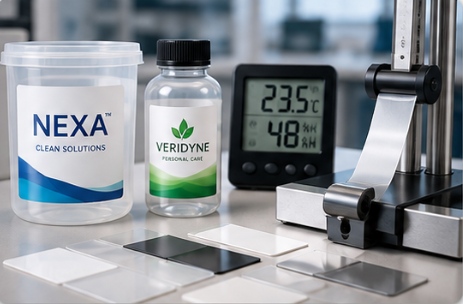
For all inquiries, please feel free to reach out at:

Ask For A Quick Quote

We will contact you within 24 Hours, please pay attention to the email with the suffix“@philiton.com”. 
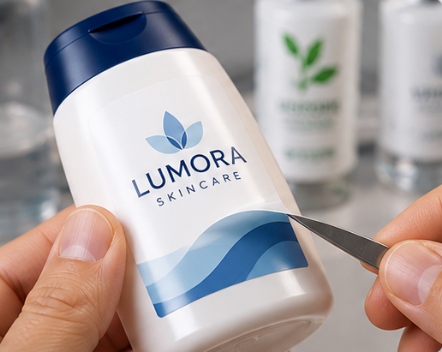
For all inquiries, please feel free to reach out at:

Get a Quote Today!

We will contact you within 24 Hours, please pay attention to the email with the suffix“@philiton.com”.