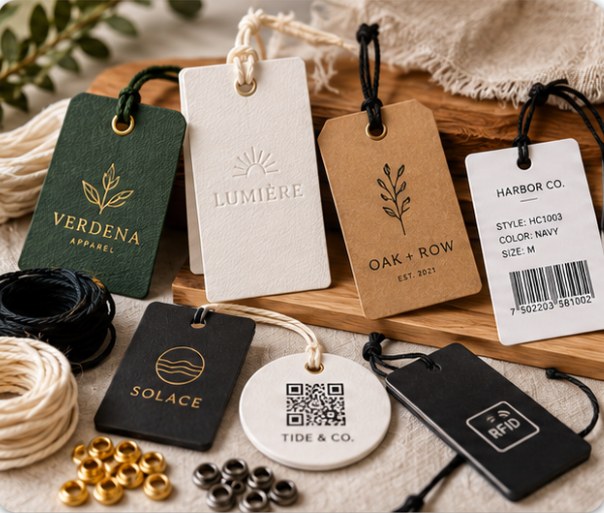
Custom hang tags, price tickets and data-enabled retail tags developed from artwork through approved mass production for global brands.
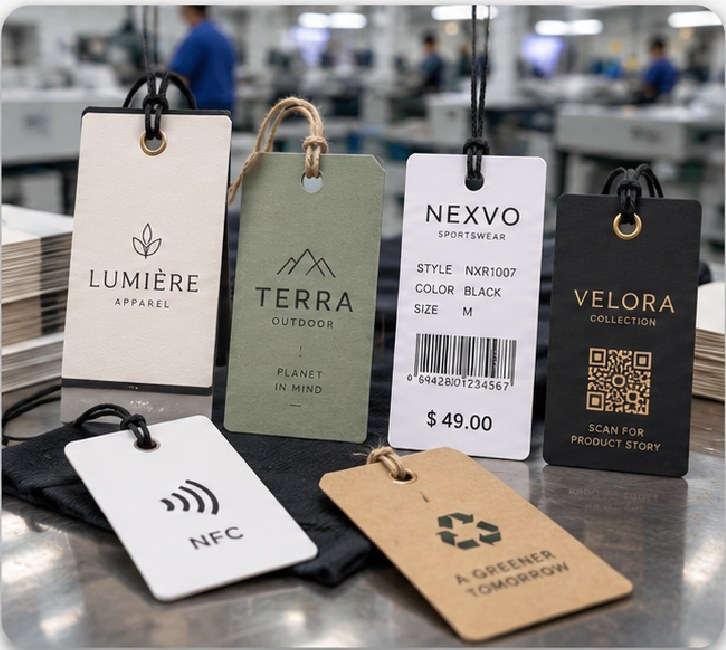
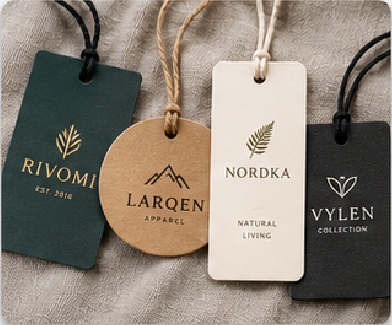
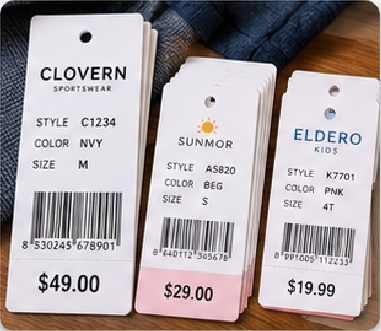
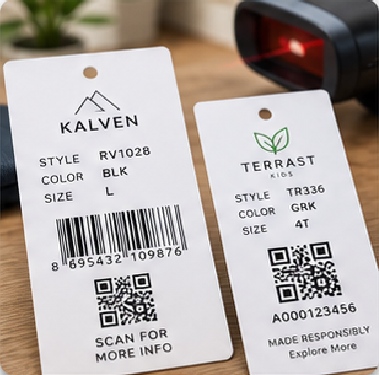


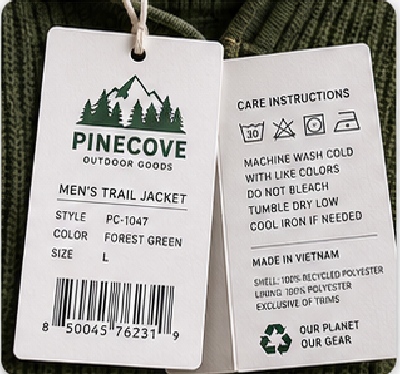

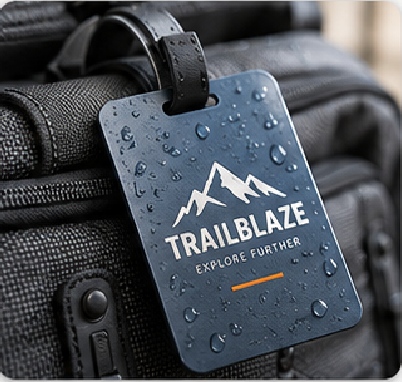
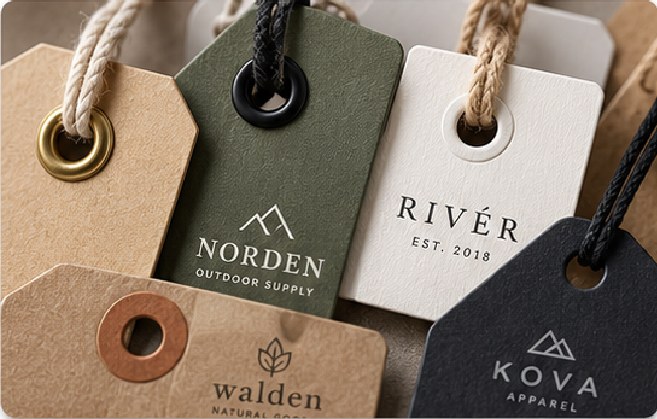
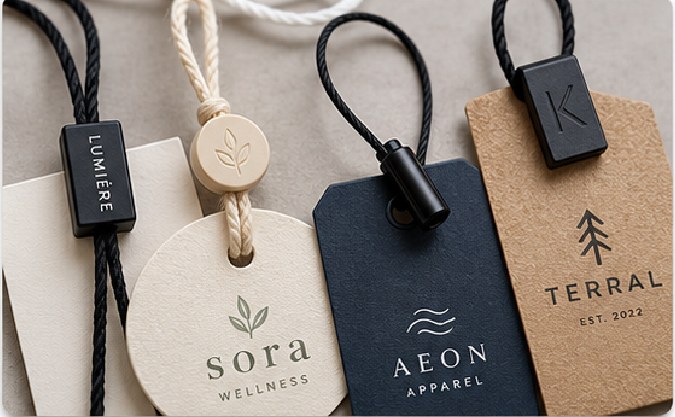
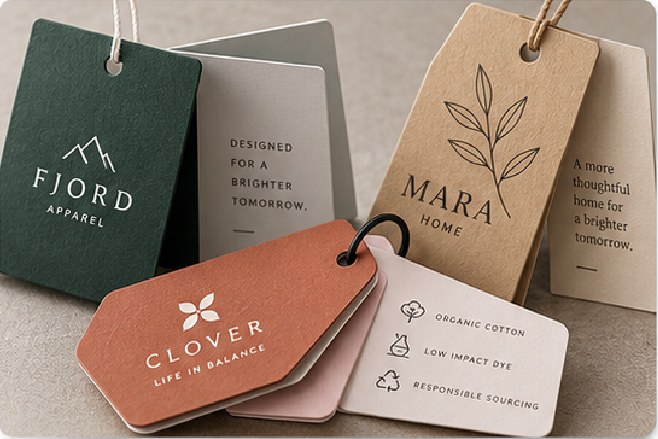
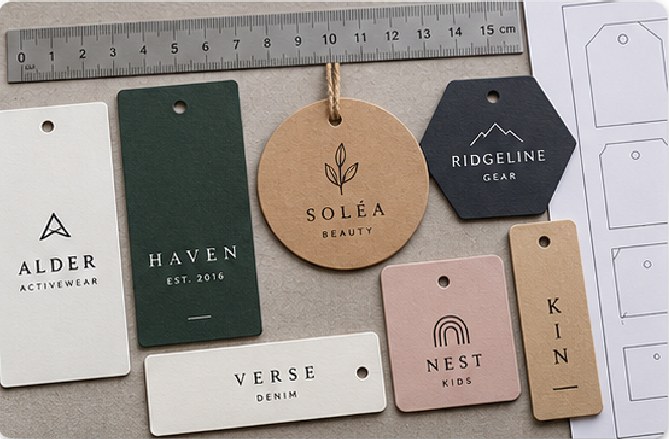
A useful specification starts with the tag’s job, not a finish list. The matrix below connects common commercial requirements with workable construction directions.
| Project Requirement | Recommended Construction Direction | Key Production Control |
|---|---|---|
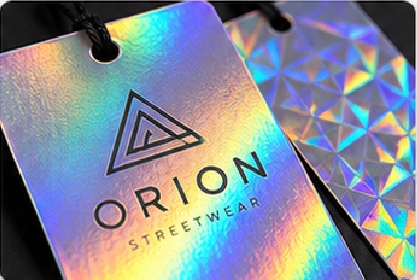
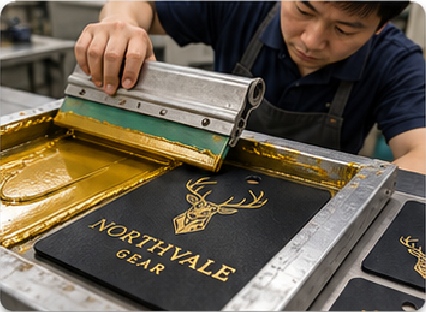
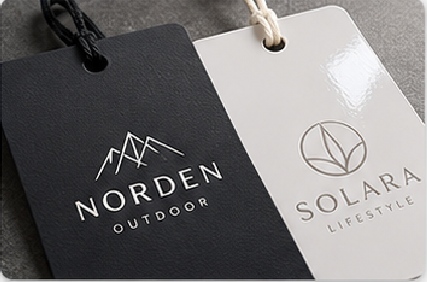
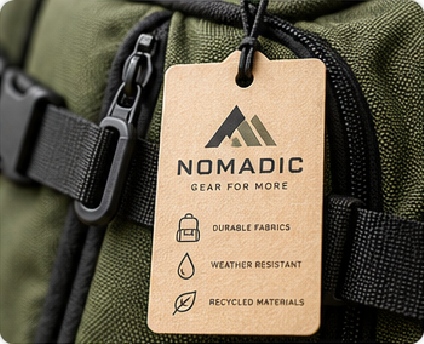
| Premium brand presentation | Textured or coated card + foil, embossing or spot varnish | Color reference, foil registration, emboss position, edge clearance |
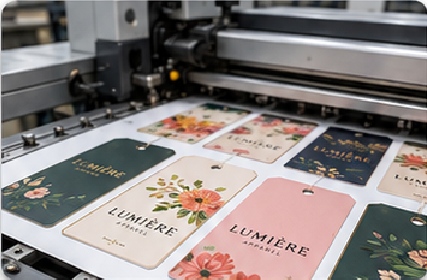
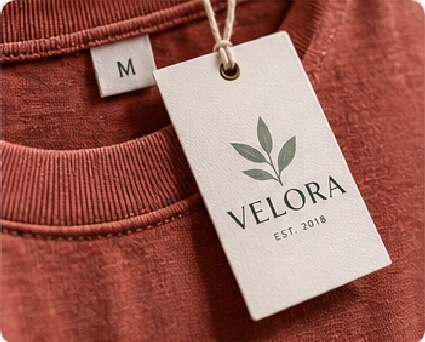
| Everyday apparel hang tag | Coated or uncoated card + offset/digital print + die cut | Stock consistency, print clarity, hole position, quantity by SKU |
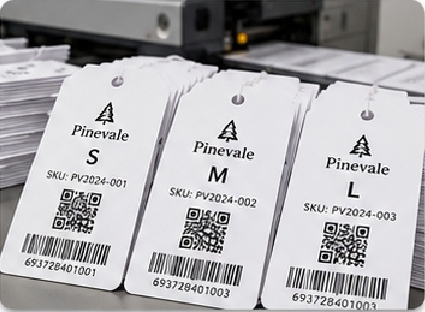
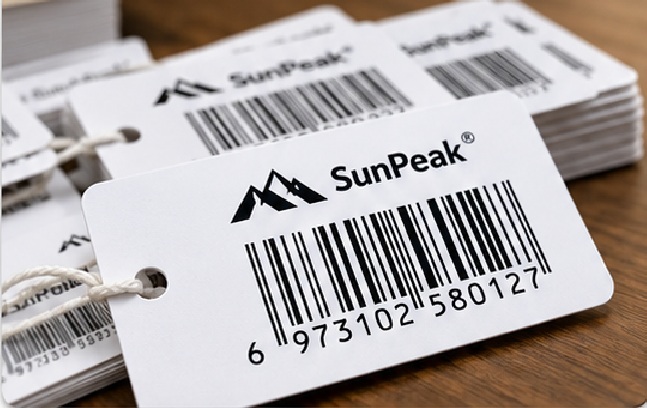
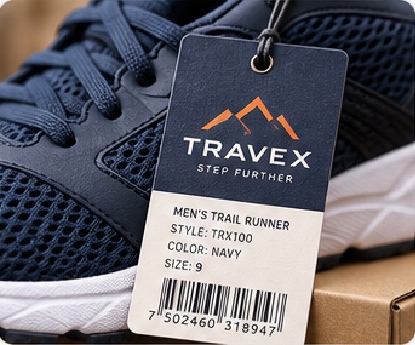
| Retail price ticket | Card stock + fixed brand art + barcode/price data | Data accuracy, code readability, SKU separation |
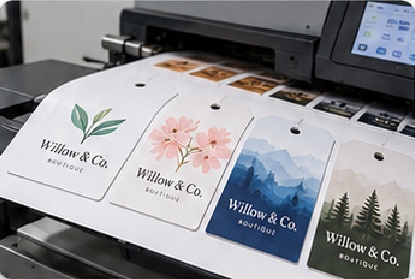
| Multi-SKU seasonal launch | Shared stock and finish + digital or mixed production route | Artwork matrix, version control, common tooling where possible |
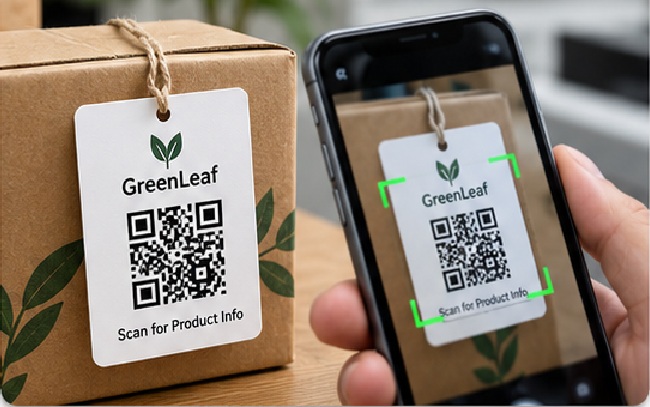
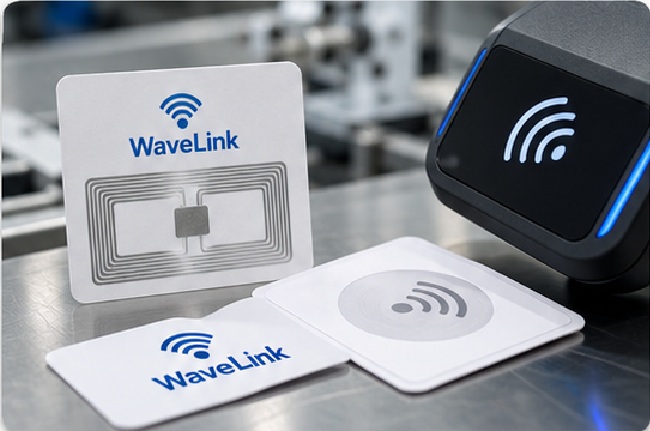
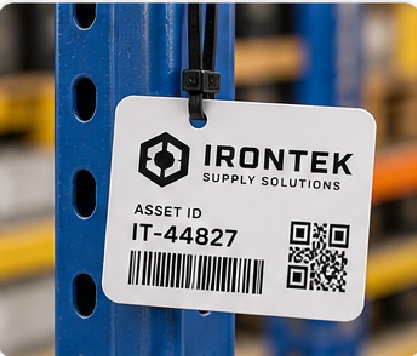
| Track-and-trace program | Printed hang tag + barcode/QR or RFID inlay | Data mapping, uniqueness control, electronic verification where required |
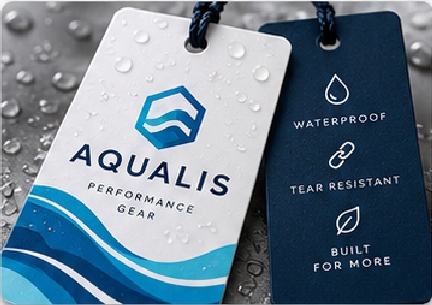
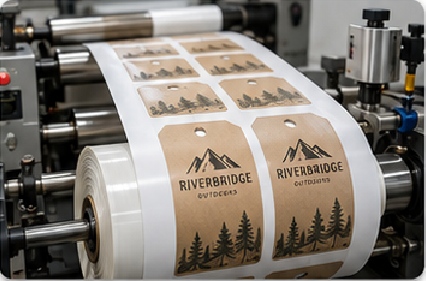
| Outdoor or moisture-exposed use | Synthetic paper or PET-based tag | Material choice, print durability, hole strength, environmental testing |
| Security or authentication | Holographic element, serialized code, QR/NFC/RFID route | Restricted artwork, data control, verification and waste handling |










A complete specification shortens quotation time and prevents hidden changes after sampling. Send as many fields as available; Philiton can help close remaining technical details.
| Specification Field | What to Provide | Why It Matters |
|---|---|---|
| Tag type | Hang tag, price ticket, barcode tag, RFID tag, folded tag, set | Defines construction and process route |
| Finished size | Width × height in mm or inches | Drives material use, tooling and layout |
| Material | Paper type, card, kraft, textured stock, synthetic or reference sample | Affects print, feel, durability and MOQ |
| Thickness / GSM | Target or reference | Controls stiffness, folding and hole strength |
| Printing | One or two sides, CMYK, Pantone, white ink | Defines press and color setup |
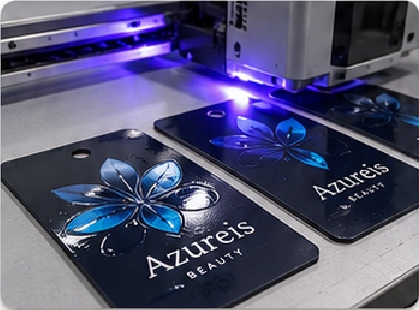
| Finishing | Foil, emboss, spot UV, varnish, lamination, holographic effect | Adds tooling, passes and registration controls |
| Shape / die line | Standard or custom outline | Determines tooling and nesting |
| Hole / attachment | Hole size, position, string, cord, seal, eyelet or loose supply | Affects tooling, assembly and packing |
| Data | Barcode, QR, serial, price, SKU, RFID/NFC encoding | Defines data workflow and verification |
| SKU count | Number of artworks and quantity per SKU | Influences setup, version control and packing |
| Order quantity | Total and per-SKU quantity | Determines economic production route |
| Delivery | Country, postal code, target date and trade term if known | Supports logistics planning and landed quotation |
Philiton checks visual appearance, dimensions, finishing, machine-readable data and packing against the released specification. Acceptance criteria are tied to the project, not generic slogans.
| Quality Checkpoint | What Philiton Controls | Typical Check Method | Risk Prevented |
|---|---|---|---|
| Color | Approved sample, Pantone or agreed target; batch consistency | Standard-light comparison; color measurement when required | Visible shade drift across a collection |
| Print quality | Text, images, registration, ink condition | First-piece and in-process visual inspection | Blurred text, missing print, registration errors |
| Size & die cut | Finished dimensions, outline, edge quality | Caliper/template and die-line comparison | Wrong fit, uneven shape, artwork cut-off |
| Foil / emboss / coating | Position, transfer, relief, surface defects | Approved-sample comparison and process checks | Misregistration, weak foil, inconsistent tactile effect |
| Hole / structure | Hole diameter, position, fold or assembly | Measurement and finished-structure inspection | Tearing, poor hanging, assembly problems |
| Barcode / QR | Content, contrast, quiet zone, scan performance | Scanner or verification equipment as specified | Checkout, inventory or traceability failure |
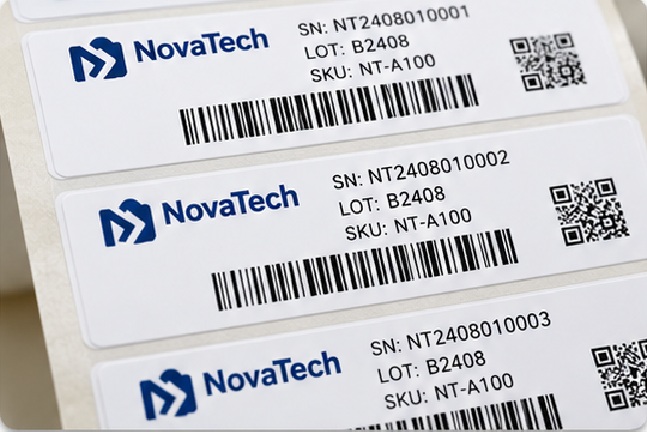
| Variable data | Correct field, uniqueness, sequence and reprint handling | Data comparison and controlled reinspection | Duplicate or missing serial information |
| RFID/NFC | Encoding result and electronic response | Read/write verification under agreed plan | Visually good tags with failed electronic function |
| Count & packing | SKU, quantity, pack identity and carton marking | Counting, sorting and outgoing inspection | Mixed SKUs, shortages, warehouse confusion |
Philiton operates more than 12,000 ㎡ of integrated manufacturing and operating space across Shenzhen and Dongguan, with more than 200 employees and 91 technical, experienced production and quality personnel. Approximately 7,200 ㎡ is dedicated to production, processing, sampling and packing. The printing workshop occupies about 2,800 ㎡ and supports digital, flexographic and related printing routes; paper tag projects can also use offset production where high-resolution sheet printing is the better fit. Around 1,300 ㎡ is dedicated to die cutting and converting, supporting full-cut shapes, sheet cutting, punching, waste removal and related finishing steps. A further approximately 1,100 ㎡ is used for finishing such as lamination, varnish, foil stamping, embossing and debossing. Tag programs therefore do not need to be treated as isolated print jobs. Artwork can move through prepress, printing, decorative finishing, shape conversion, data production and packing under one coordinated manufacturing plan. Base paper, films, foils, RFID inlays and other materials are purchased from qualified external suppliers according to project requirements; Philiton’s manufacturing value comes from selection, processing, control and integration rather than claiming every raw material is made in-house. For sourcing teams, the manufacturing layout also makes it easier to keep print, finish, die line and packing decisions connected under one job record instead of treating every process as a separate vendor handoff.
Dedicated support areas allow development and quality work to happen outside the main printing line. Philiton maintains about 350 ㎡ for sampling and prototype development, where digital proofs, material samples, process samples, color checks and pre-production references can be prepared. Approximately 300 ㎡ is assigned to independent quality inspection activities covering incoming, in-process, final and outgoing checks. A further roughly 150 ㎡ laboratory area supports internal verification such as adhesion-related tests, rub and abrasion review, color, thickness, environmental checks, barcode/QR verification and RFID-related testing. Automated vision inspection is available for suitable label and data-driven production, helping detect missing print, registration errors, data issues and die-cut defects. Vision inspection does not replace every other test: surface durability, tactile finishing, hole strength, electronic read performance and material behavior may need separate checks. The combination matters for custom tags because appearance, structure and data can fail independently. A visually attractive hang tag is not acceptable if the barcode cannot scan, the foil shifts across a logo, the hole tears during handling or the RFID inlay fails its specified read/write check. Quality planning therefore starts before press setup, with the inspection method tied to the risk of each feature and the approved production baseline kept available for comparison throughout the run.
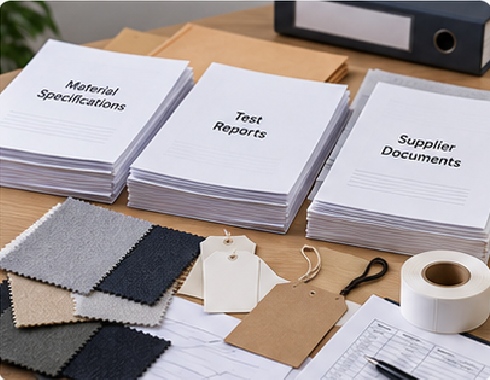
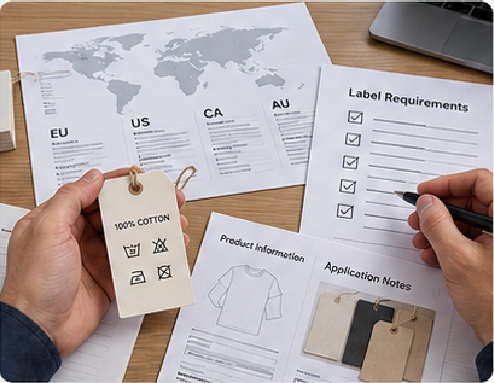
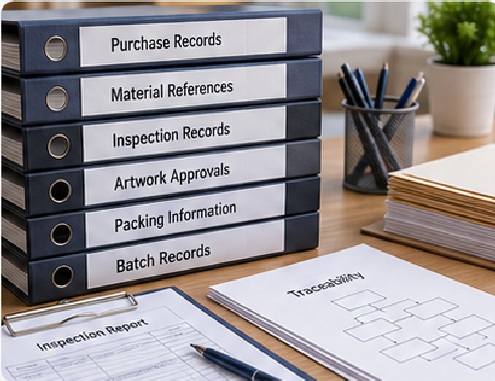

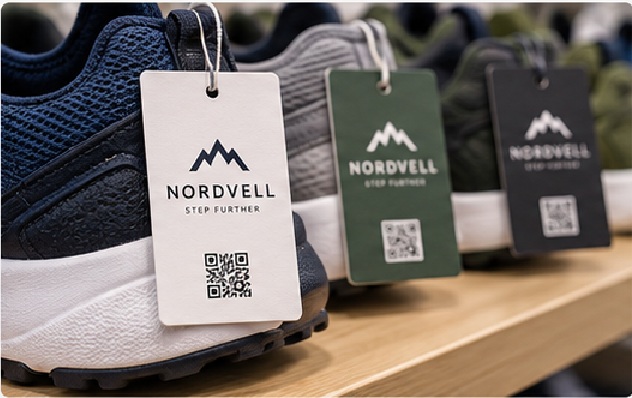

Philiton can prepare a clearer quotation when the project arrives with enough information to define material, printing, finishing, data and packing. A complete file is not required before first contact, but dimensions, quantity and intended use help the engineering and sales teams avoid generic pricing. Artwork or reference photos can be uploaded together with any existing tag sample details. For multi-SKU programs, provide total quantity and quantity per artwork rather than only one combined number. Special launch dates, retail coding rules, RFID requirements or compliance documents should be mentioned before sampling so the correct route is built from the start.
For all inquiries, please feel free to reach out at:
Our team will answer your inquiries within 12 hours.
Your information will be kept strictly confidential.
We will contact you within 24 Hours, please pay attention to the email with the suffix“@philiton.com”.
For all inquiries, please feel free to reach out at:
We will contact you within 24 Hours, please pay attention to the email with the suffix“@philiton.com”.
For all inquiries, please feel free to reach out at:
We will contact you within 24 Hours, please pay attention to the email with the suffix“@philiton.com”.