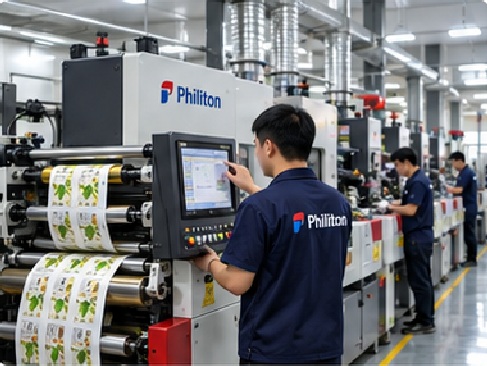
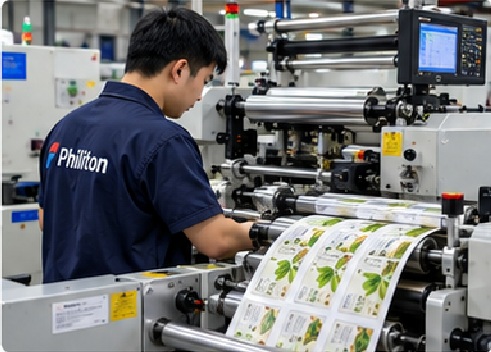
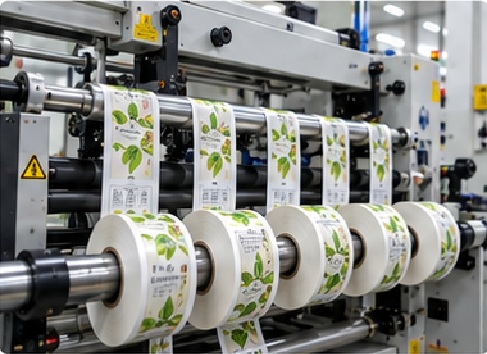
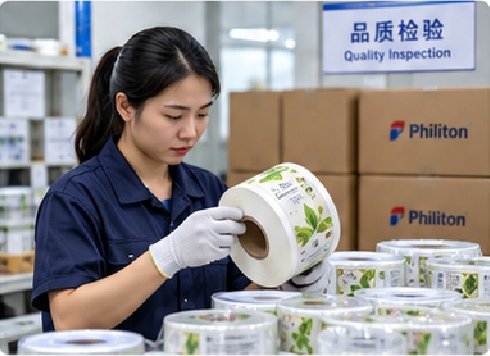
Your Trusted Labels & Stickers Manufacturer from China!

Custom Glass Bottle Labels Manufacturer

Engineered for clear, colored, chilled, premium and high-speed glass bottle packaging programs.

Philiton develops pressure-sensitive glass bottle labels around the actual bottle, environment, decoration target and application method.
  • Around 500 pcs for many standard custom label projects
  • 12,000+ m² manufacturing footprint across Shenzhen and Dongguan
  • 200+ employees, including 91 technical, skilled production and quality personnel
Custom Glass Bottle Labels Manufacturer

Glass Bottle Label Programs for Different Brand Teams

Philiton supports launch-stage work, repeat production and multi-SKU programs by matching engineering depth, approval steps and production control to the project structure.

Emerging Product Brands

Launch teams often need a controlled first run without locking excessive inventory into an untested label construction. Philiton can start many standard custom label projects from around 500 pieces, review artwork, recommend paper or film options, prepare samples and move the approved construction into production. Digital printing is useful when several early SKUs share similar materials and finishes but require separate graphics or frequent revisions.

Established Consumer Brands

Mature brands usually focus on repeatability across SKUs, production batches and seasonal changes. Philiton manages approved artwork, material structure, color targets, finishing layers, die-cut details and roll specifications as controlled production inputs. Programs can move from digital short runs into higher-volume production routes when quantities justify the change, while approved samples and project records provide a reference for repeat manufacturing and version changes.

Packaging Engineering Teams

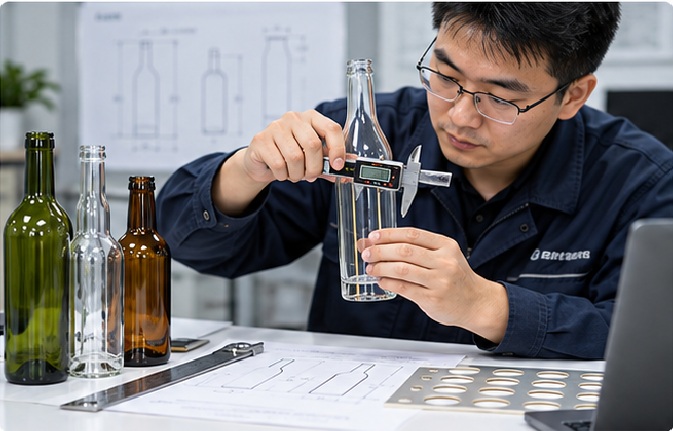
Packaging and engineering teams need more than a visual sample. Philiton reviews bottle surface, label panel, curvature, application temperature, service environment, label stiffness, adhesive direction, roll orientation, core, gap and applicator requirements. Engineering review is especially important for small-diameter bottles, chilled glass, clear no-label-look graphics and automatic labeling lines where a label can look correct but still create lifting, wrinkling or feed problems.

Contract Packers

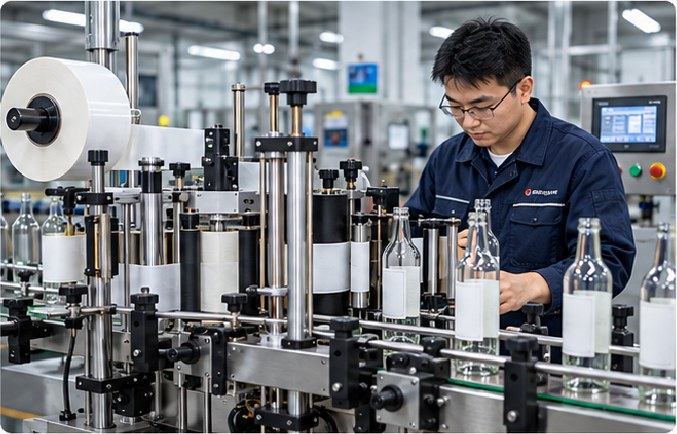
Contract packers and filling facilities need labels engineered to run reliably on the selected application equipment. Philiton can prepare roll labels around required winding direction, inside or outside wound configuration, core size, maximum roll diameter, liner width, gap, pitch and sensor requirements. SKU identification and labels-per-roll can also be controlled so filling lines receive material in a format designed to reduce manual sorting and unnecessary changeover confusion.

Procurement and Quality Teams

Procurement and quality teams usually need a clear link between specification, evidence and repeat supply. Philiton supports quotation inputs, material and process review, sampling, approved specifications, incoming inspection, in-process inspection, final inspection and packing identification. Higher-risk requirements such as low-temperature adhesion, oil exposure, specialty foil, critical brand color or automated application are handled as project conditions rather than broad promises applied to every glass bottle label.

Distributors and Print Brokers

Distributors and print brokers can use Philiton as a manufacturing partner for multi-project label programs. White-label coordination, confidential artwork handling, SKU separation, neutral packing and direct shipment can be arranged under agreed project rules. The manufacturing path covers artwork and prepress, printing, specialty finishing, die cutting, inspection, testing and shipment preparation, allowing channel partners to manage front-end relationships while Philiton manages defined production requirements.

Glass Bottle Label Applications We Manufacture

Glass packaging appears across very different products, so material, adhesive and surface protection are selected around the actual exposure rather than bottle material alone.
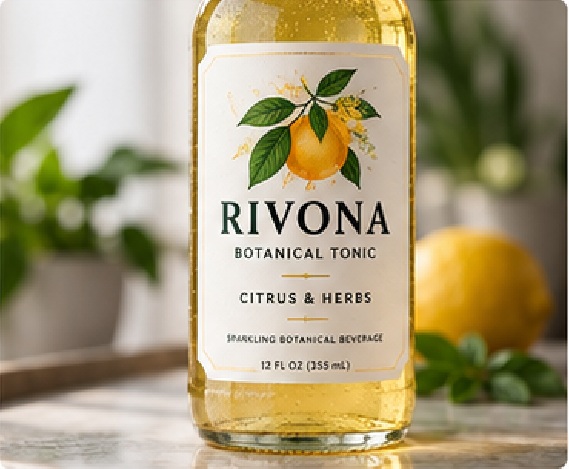
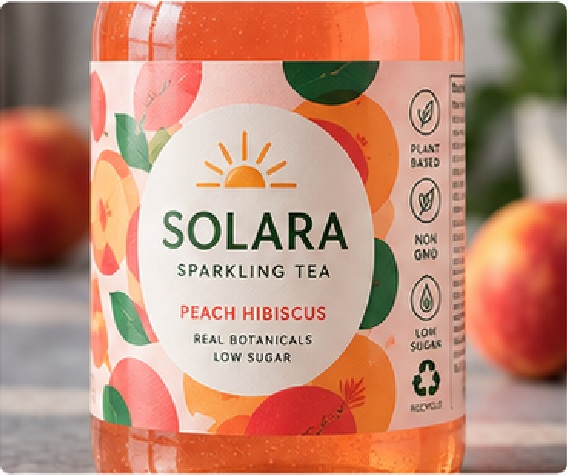
Chilled Beverages

Chilled Beverages

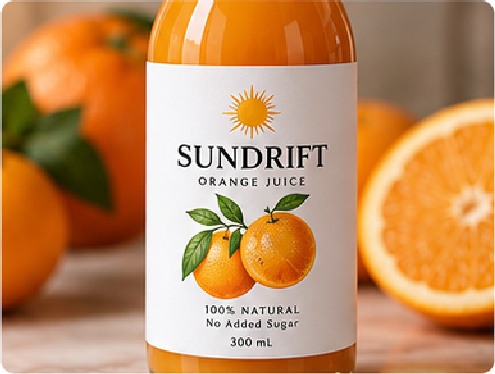
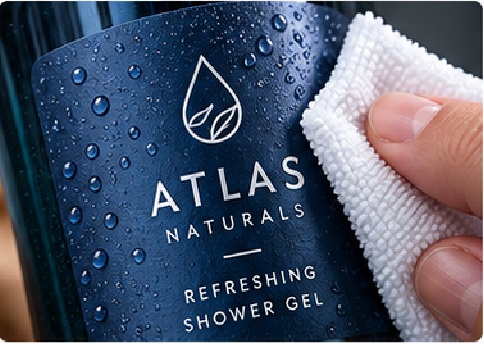
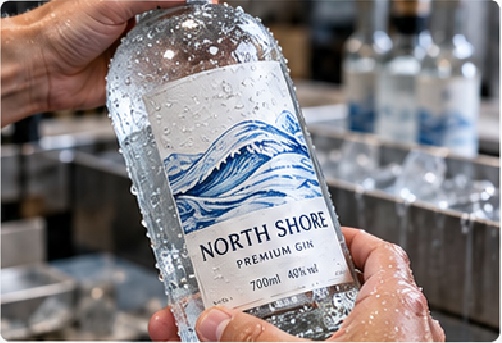
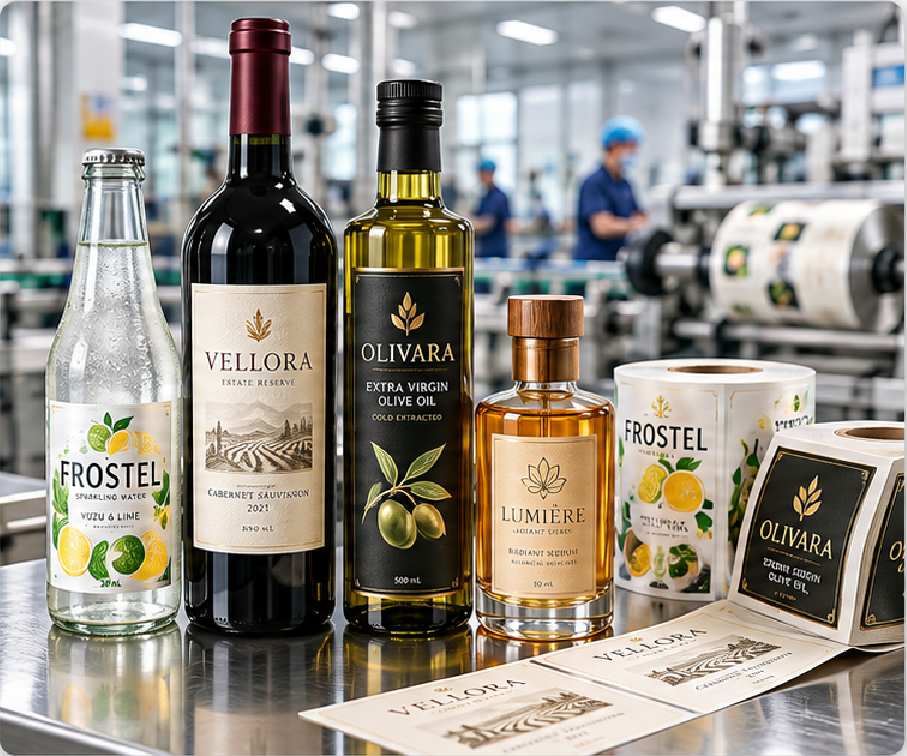
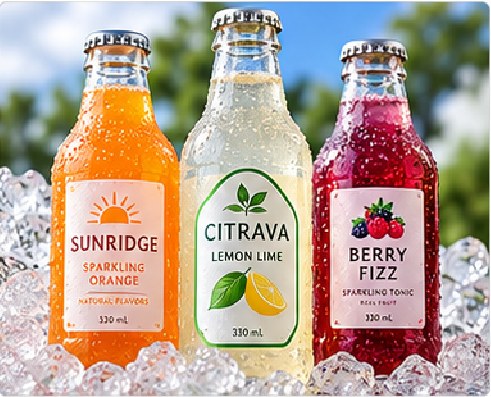
Cold beverages can expose labels to condensation, refrigeration and frequent handling. Philiton evaluates the temperature at application separately from the final storage temperature, because a label applied to cold or wet glass may behave differently from one applied dry and later refrigerated. Film materials, suitable adhesive systems and protective finishing can be combined, then checked on the actual bottle before a larger production run.
Wine and Spirits

Wine and Spirits

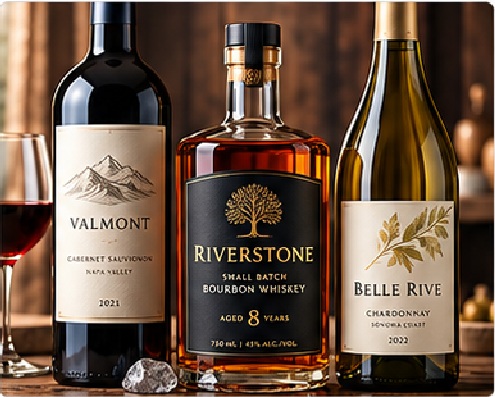
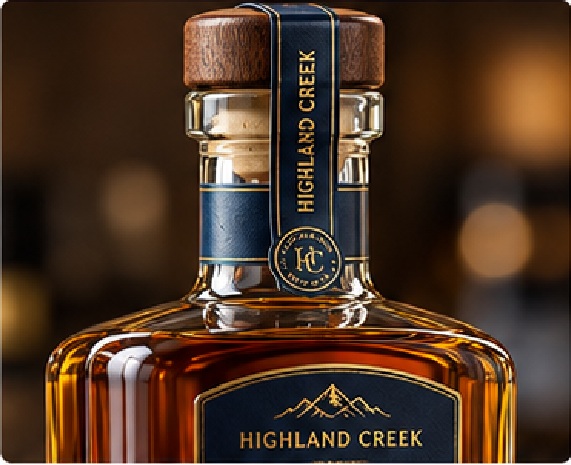
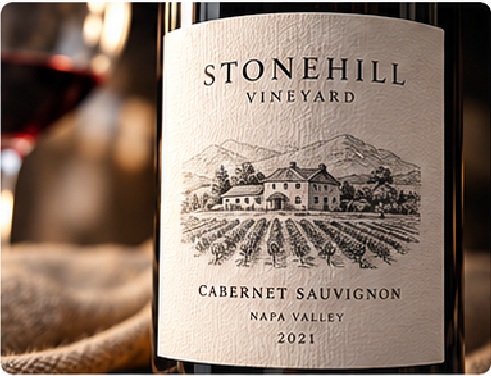
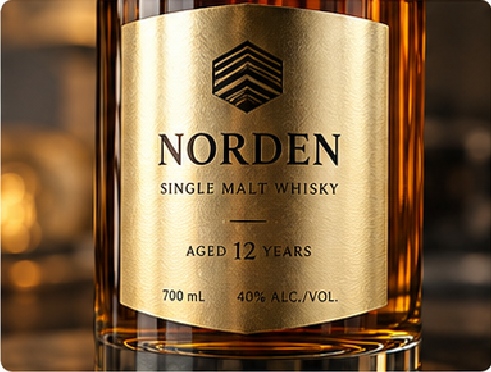
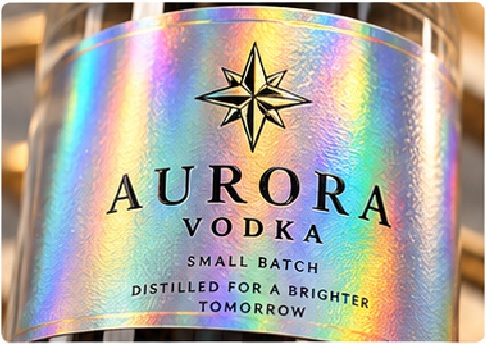
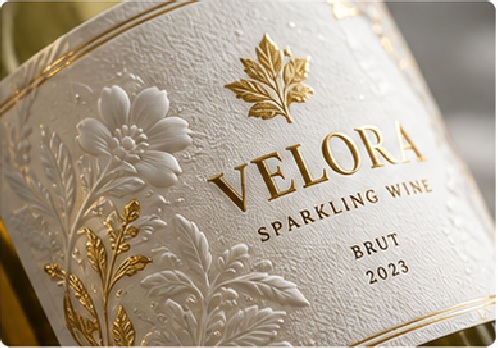
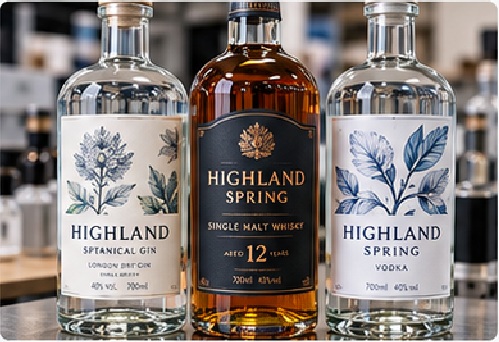
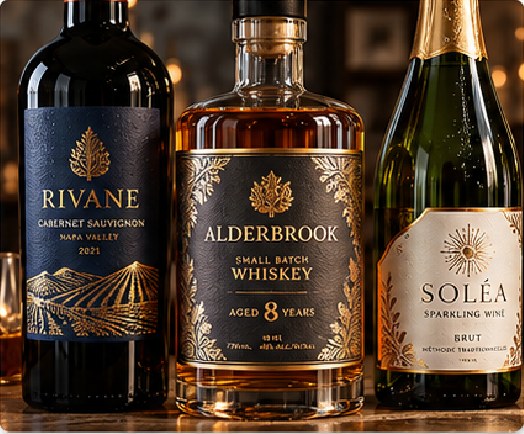
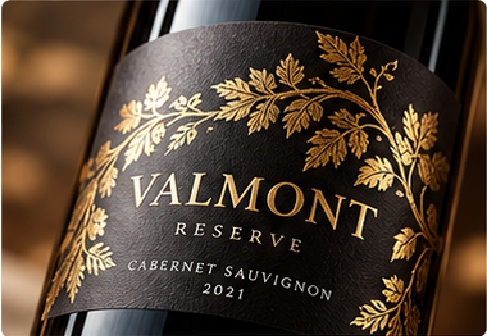
Wine, spirits and premium beverage labels often combine brand presentation with demanding decoration. Philiton can produce textured paper, coated paper, clear film, white film and metallic constructions with foil, embossing, debossing, spot UV or other finishing where suitable. Bottle curvature, moisture exposure, ice-bucket use, label panel geometry and hand or machine application should be confirmed before material and finishing are locked for production.
Sauces and Oils

Sauces and Oils

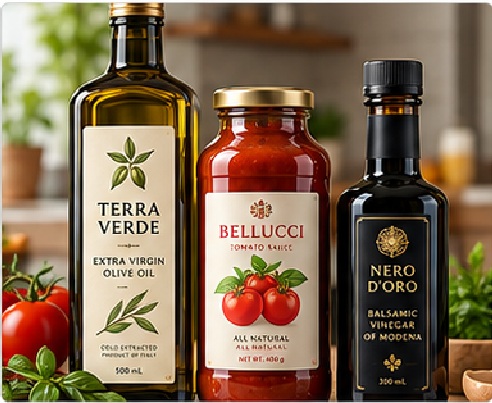
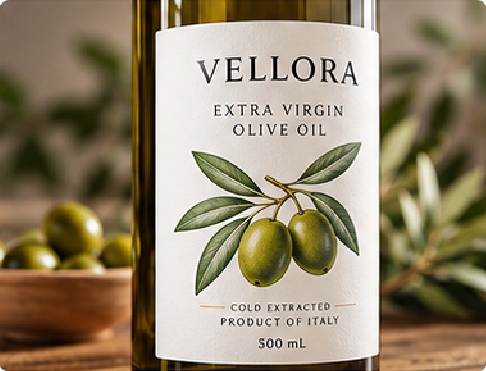
Glass bottles used for sauces, edible oils and condiments may encounter grease, product splash, kitchen moisture and repeated wiping. Philiton can pair film facestocks with compatible inks, lamination or protective varnish when greater resistance is needed. Adhesion and print protection should be assessed against the real contents or representative exposure, because oil resistance comes from the full material, print, finish and adhesive construction rather than a single component.
Skincare and Cosmetics

Skincare and Cosmetics

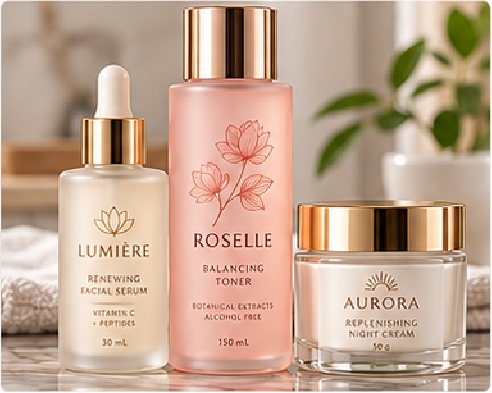
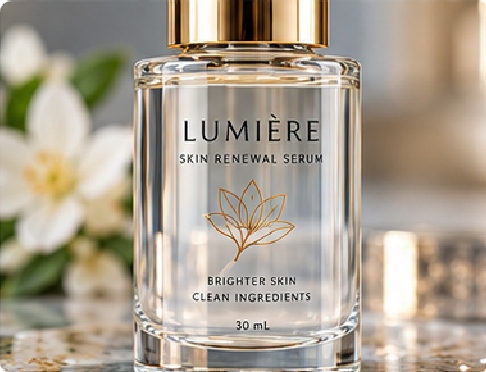
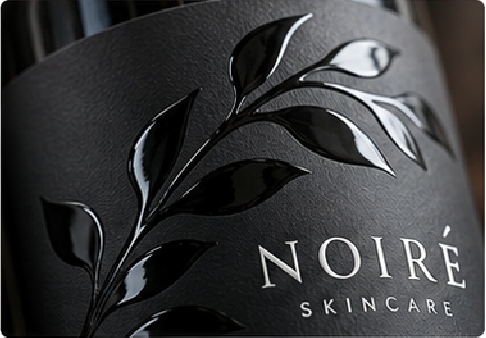
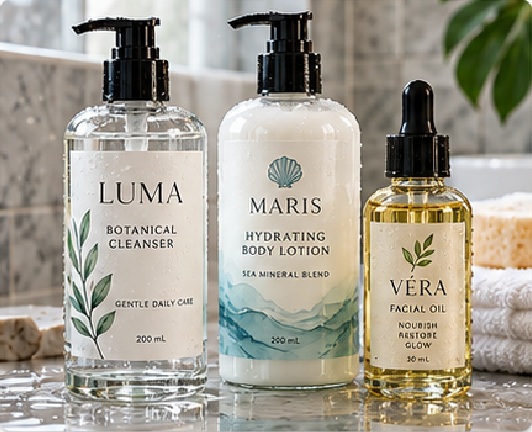
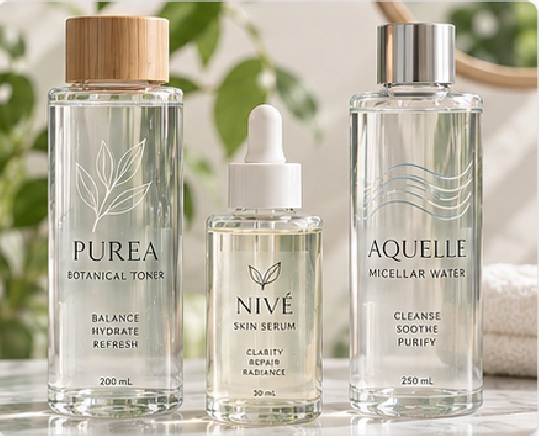
Serums, oils, toners and cosmetic formulations often use clear or colored glass and require small text, refined graphics and moisture resistance. Philiton can produce clear no-label-look constructions, white BOPP, PET and premium decorated labels with controlled white ink, foil and protective finishes. Artwork checks cover dielines, white ink layers, fine text and registration before printed samples are evaluated on the intended bottle and under expected handling conditions.
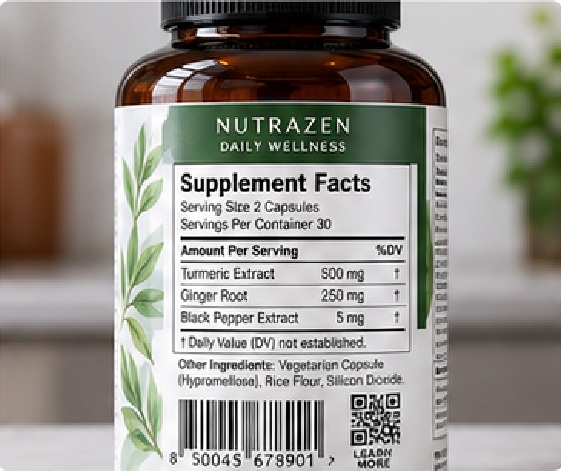
Supplements and Wellness

Supplements and Wellness

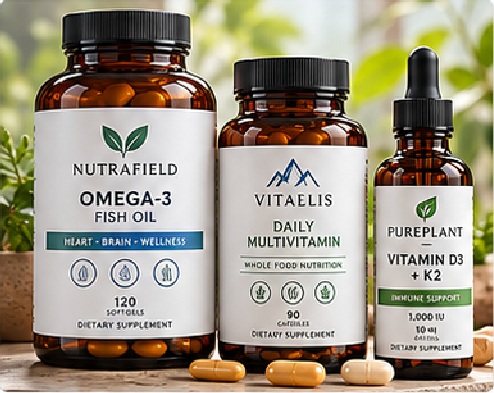
Supplement bottles can combine brand graphics, dense information, barcode or QR elements and multiple SKUs. Philiton supports roll or sheet formats, digital or flexographic printing, variable information where required and controlled SKU separation. When glass is amber, cobalt or otherwise colored, artwork and white ink strategy should be reviewed on the real bottle because label transparency and container color directly change final appearance.
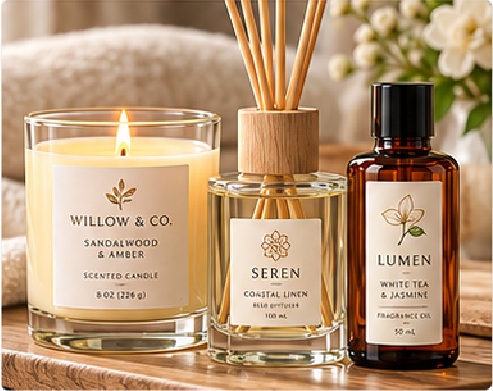
Candles and Fragrance

Candles and Fragrance

Candles, diffusers, fragrance oils and home-scent products often rely on glass packaging for premium presentation. Philiton can combine textured papers, clear films, metallic stocks, foil, embossing and tactile finishes to create a stronger shelf effect. Heat, oil, alcohol, surface coatings and hand contact can change performance, so material and decoration choices should be matched to the product environment rather than selected from appearance alone.

Glass Bottle Label Constructions Philiton Can Produce

Label architecture can be built around information density, decoration, bottle geometry, application equipment and brand positioning instead of forcing every design into one format.
Front Display Labels

Front Display Labels

Front labels concentrate brand identity, product name and primary visual elements in a defined display area. Philiton can produce paper, clear film, white film, metallic or specialty constructions with custom die cutting. Front-label size should follow the straight or stable label panel on the bottle, leaving adequate clearance from shoulders, strong tapers and other areas where material stiffness can create edge stress.
Back Information Labels

Back Information Labels

Back labels provide space for ingredients, directions, warnings, barcodes, QR codes, importer information or multi-language copy. Philiton checks fine text, image resolution, barcode placement, dielines and the relationship between front and back artwork. Paired front-and-back rolls can be organized according to the filling or packing process, and separate SKUs can be identified to reduce the chance of artwork mixing during application.
Wraparound Labels

Wraparound Labels

Wraparound pressure-sensitive labels create a large communication area on cylindrical glass bottles and can carry front branding plus extended information in one piece. Philiton reviews bottle circumference, label width, overlap or safety gap, material stiffness and adhesive performance before production. Small diameters and strong curvature need extra attention because excessive stiffness or an unsuitable adhesive can increase lifting risk at the leading and trailing edges.
Neck and Seal Labels

Neck and Seal Labels

Bottle-neck labels, cap seals and tamper-evident elements can add secondary branding or visible opening evidence. Philiton can produce pressure-sensitive neck pieces, custom die-cut seals, VOID structures, destructible constructions, holographic effects or serialized security elements where project requirements justify them. Neck geometry, cap movement, seal path and removal behavior should be tested on the actual closure rather than inferred only from a flat dieline.
Clear Film Labels

Clear Film Labels

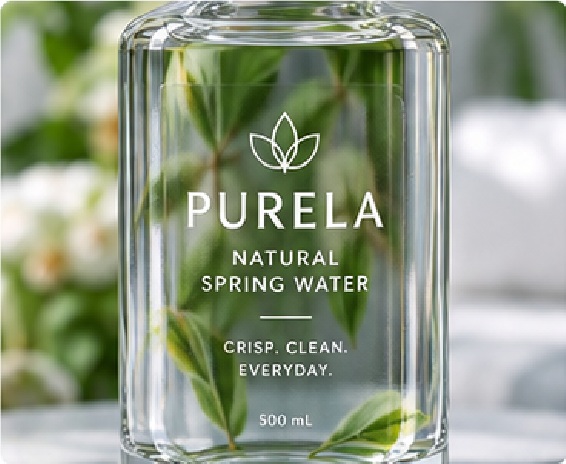
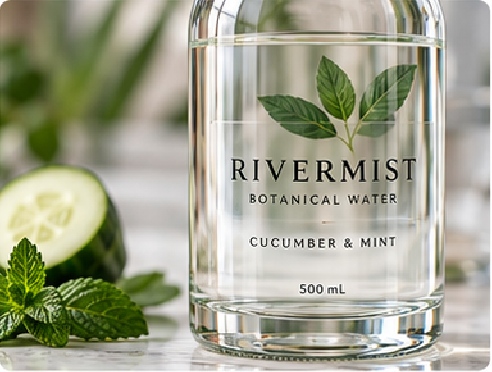
Clear BOPP and clear PET can create a no-label-look effect on transparent or colored glass. Philiton uses white ink when selected areas need opacity, while transparent graphics can allow the bottle or liquid color to remain visible. Clarity depends on film, adhesive, bottle cleanliness, label application and graphic architecture; physical samples are the correct reference before production, especially for premium packaging.
Premium Decorated Labels

Premium Decorated Labels

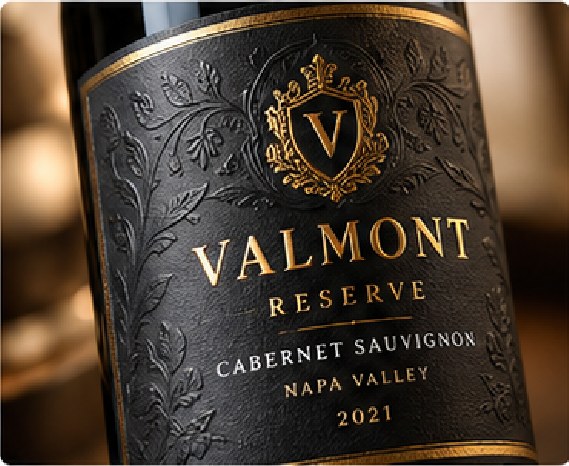
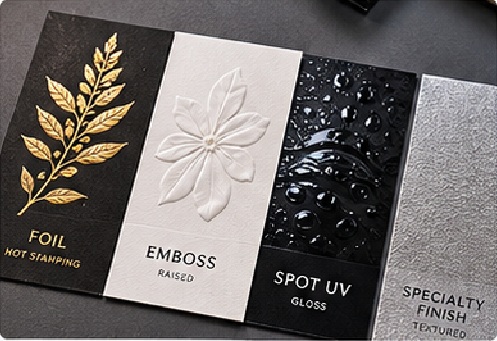
Premium programs can combine textured papers or films with hot foil, cold foil, embossing, debossing, spot UV, raised UV, soft-touch finishes, metallic effects or holographic elements. Philiton reviews compatibility between substrate, print, finishing and bottle conditions before release. Complex decorations are best confirmed through a physical finishing sample so foil edges, registration, texture, small detail and curvature can be assessed together.

Select Glass Bottle Labels by Real Use Conditions

A glass bottle is only one variable. Temperature, moisture, curvature, contents and application method determine whether an attractive label also performs reliably.

Application ConditionMain RiskPhiliton Material DirectionAdhesive / Finish FocusVerify Before Production
Dry, room-temperature glassGeneral handling, scuffingCoated paper, textured paper, BOPP or PET according to brand targetStandard permanent adhesive; varnish or lamination when neededBottle fit, color, die cut, handling
Refrigerated bottleCondensation and low-temperature bondingBOPP, PET or other moisture-tolerant constructionsAdhesive selected for application and service temperaturesApply to actual bottle under expected temperature sequence
Ice-bucket or wet useWater exposure, edge lift, rubFilm facestock preferred for stronger moisture toleranceWater-resistant print protection and suitable permanent adhesiveImmersion/splash condition, edge behavior, print rub
Oil or sauce exposureGrease migration, ink/foil wearBOPP or PET commonly evaluatedProtective lamination/varnish plus adhesive suited to the containerRepresentative oil/sauce contact and wiping
Small bottle diameterEdge lift from curvature and label stiffnessThinner or more conformable construction where suitableTack and stiffness balanced with label widthFull-size wrap or front label on real bottle
Clear no-label-lookBubbles, haze, dust, weak white opacityClear BOPP or clear PETHigh-clarity adhesive, white ink control, clean handlingBottle color, transparency, white ink, application appearance
Premium wine or spiritsMoisture plus decorative consistencyTextured paper, premium paper, film or metallic stockFoil/emboss/UV compatibility and moisture strategyPhysical finishing sample on final bottle
Automatic labelingFeeding, sensor and orientation errorsMaterial matched to applicator and end useLiner, gap, pitch, core, winding and maximum roll diameterLine test or confirmed machine specifications

Materials Selected for Glass Bottle Performance

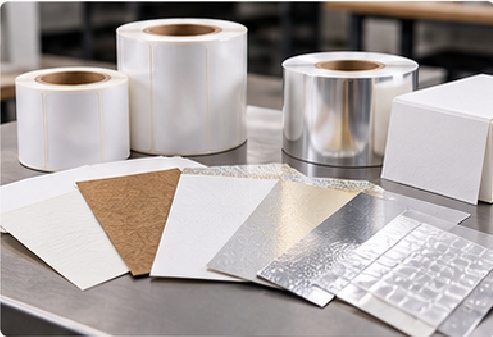
Philiton sources qualified paper, film, adhesive and specialty stocks, then converts the selected construction through printing, finishing, die cutting, inspection and packing.
Clear BOPP

Clear BOPP

Clear BOPP is widely used when the glass, liquid color or bottle finish should remain visible. It supports transparent graphics, white ink and glossy presentation, while offering better moisture tolerance than ordinary paper. Philiton evaluates film clarity together with adhesive transparency, bottle cleanliness and printing architecture. Curved bottles, condensation and small diameters still require physical application testing before the final structure is released.
White BOPP

White BOPP

White BOPP provides an opaque, consistent print background while retaining film durability. It is useful for beverages, cosmetics, sauces and other bottles exposed to moisture, oil or repeated handling. Philiton can combine CMYK, spot color, lamination, varnish and selected decorative processes on suitable constructions. Adhesive selection still follows glass condition, application temperature, curvature and expected service environment rather than facestock choice alone.
Clear PET

Clear PET

Clear PET is considered when greater dimensional stability, stiffness or specific appearance is required. It can support crisp graphics, white ink and premium transparent applications, but stiffness can become a factor on small-diameter bottles. Philiton reviews label size and curvature before recommending the structure. High-clarity projects also need clean converting, controlled roll pressure and careful application because scratches, dust and bubbles are visually noticeable on clear glass.
Textured Paper

Textured Paper

Textured paper is common for wine, spirits, artisan food and premium fragrance packaging where tactile character matters. Surface texture changes ink appearance, fine detail and foil behavior, so a physical sample is more reliable than screen artwork alone. Philiton can evaluate foil, embossing, varnish and other decorations on the selected stock. Wet, chilled or oil-exposed use requires additional material and protection planning because texture does not create moisture resistance by itself.
Metallized Film

Metallized Film

Metallized BOPP or related metallic film constructions can create silver, gold-like or colored metallic effects without covering the entire design in foil. White ink can block metallic areas selectively, while transparent inks can use the metal surface as part of the graphic. Philiton can combine printing, lamination, spot UV and selected foil details where compatible. Bottle color, reflectivity and lighting should be checked through a physical sample before release.
Coated Paper

Coated Paper

Coated paper offers a familiar print surface for dry, standard packaging and can support strong color, varnish and selected foil or embossing effects. It can be a cost-efficient option when the bottle is applied dry and does not face prolonged condensation, oil or immersion. Philiton evaluates paper weight, adhesive, finishing and bottle curvature together. Projects requiring higher moisture durability may benefit from film or a tested protective structure instead.

Adhesive Engineering for Glass, Condensation and Curved Bottles

Reliable adhesion comes from matching glass condition, temperature, curvature, facestock stiffness and service exposure before production begins.

Start With Application Conditions

Glass usually provides a higher-energy bonding surface than many plastics, but bottle preparation and operating conditions still change the result. A clean, dry bottle applied at room temperature creates a different bonding situation from a bottle leaving a cold filling line with condensation on the surface. Philiton therefore separates application temperature from service temperature during material review. Refrigerated storage alone does not prove successful label application to cold, wet glass.
Curvature matters at the same time. A wide label wrapped around a small-diameter bottle places continuous spring-back force on the adhesive. Stiffer PET, textured papers or heavily laminated constructions can create more edge stress than a thinner, more conformable film. Bottle shoulders, recessed panels, mold seams, coatings and contamination also affect contact. For oil, alcohol or cleaning exposure, the surrounding liquid and expected contact time should be identified before choosing a facestock, print protection and adhesive direction.
Philiton uses project inputs to narrow the construction: bottle material and surface finish, label-panel diameter, label dimensions, temperature during application, storage temperature, exposure to water or product contents, desired removability and expected life. An adhesive name alone is not enough; the full construction must be evaluated as a system.

Validate on the Real Bottle

Material data sheets are useful for screening, but a glass bottle program should be released only after the selected structure is checked under representative conditions. Philiton can provide blank material samples before artwork is complete, allowing a team to evaluate clarity, tactile feel, initial tack, edge behavior and removability without paying for a full decorated sample. Printed or finished samples can follow after the material direction is narrowed.
Application testing should reproduce the actual sequence as closely as possible. For chilled beverage work, the team should confirm whether labels are applied before cooling, after cooling or on a line where bottles may carry moisture. For oil or cosmetic products, representative product contact and wiping can reveal problems not visible during a dry office test. Small-diameter bottles should be observed after dwell time for edge lift, not only immediately after application.
Philiton records the approved material, adhesive direction, artwork, finishing and roll configuration as project inputs for production. Changes to bottle coating, label size, contents, application temperature or storage conditions should trigger a review because a previously successful construction may no longer behave the same way. A controlled sample is the fastest way to prevent a visually acceptable label from becoming a production-line or field-performance problem.
Build a Clean No-Label-Look on Glass

Transparent bottle labels need coordinated white ink, clear film, adhesive, bottle preparation and application control; film alone does not create a premium clear result.

White Ink Architecture

White ink determines which design areas remain opaque and which areas allow the bottle or liquid to show through. Philiton reviews white ink as a separate production layer rather than treating it as a normal CMYK element. A solid white underbase can protect color strength on dark or amber glass, while selective white can create transparent windows, floating typography or layered visual effects.
  • White ink layer must align with the approved artwork and dieline.
  • Clear, amber, cobalt and painted glass can make the same artwork appear different.
  • Fine text and metallic or reflective elements need enough contrast for reliable reading.
  • A physical sample on the real bottle is the correct approval reference.

Clarity and Application

High clarity depends on more than a transparent facestock. Adhesive haze, dust, scratches, trapped air, fingerprints, bottle coatings and application pressure can all become visible through clear film. Philiton can use clear BOPP or clear PET with compatible transparent adhesive systems, then control printing, die cutting, rewinding and packing to reduce avoidable surface damage.
  • Clean, dry glass improves visual consistency and bonding.
  • Strong curvature can increase bubble or edge-lift risk.
  • Roll pressure and packing must avoid unnecessary scratching or telescoping.
  • Automatic application settings should be confirmed when clear labels run at production speed.

Premium Finishing for Glass Bottle Brand Impact

Philiton combines print and finishing according to substrate, bottle environment and production volume so decoration survives handling as well as shelf presentation.
Hot and Cold Foil

Hot and Cold Foil

Gold, silver and colored foils can create premium contrast on wine, spirits, fragrance and beauty labels. Philiton evaluates foil method, substrate, artwork detail and registration before production. Fine lines, small reversed text and tight registration need physical review because foil behavior differs by stock and geometry. A finishing sample allows the team to judge edge definition, adhesion and appearance on the real bottle rather than a flat digital mockup.
Emboss and Deboss

Emboss and Deboss

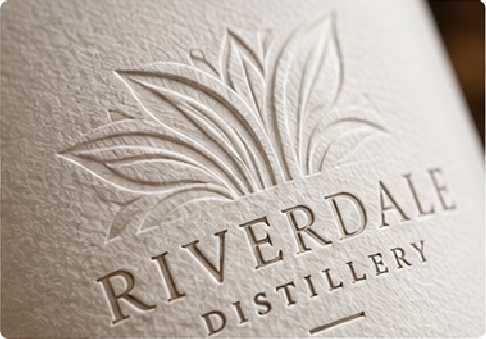
Embossing and debossing add tactile depth to logos, crests, borders and selected typography. The effect depends on paper structure, tooling, artwork size and the relationship between raised or recessed detail and other print layers. Philiton can coordinate embossing with foil where suitable, but the combined tolerances should be considered during artwork setup. Bottle handling and label application must also avoid flattening or damaging pronounced relief features.
Spot and Raised UV

Spot and Raised UV

Spot UV creates gloss contrast, while raised UV adds a more noticeable tactile and dimensional effect. Both can emphasize logos, patterns or product names on film or compatible paper structures. Philiton checks coating placement, cure, registration and interaction with lamination or other finishes. Small text, barcode zones and fold or high-curvature areas should remain free from effects capable of reducing readability or create unnecessary stiffness.
Soft Touch Finishes

Soft Touch Finishes

Soft-touch lamination or coating can give a smooth, low-gloss hand feel suitable for premium cosmetics, spirits and fragrance packaging. The finish can also create strong contrast when paired with gloss or raised UV elements. Philiton reviews compatibility with the chosen print and substrate. Oil, alcohol or frequent wet handling should be identified early because the surface protection strategy may need to prioritize durability over tactile effect alone.
Metallic and Holographic

Metallic and Holographic

Metallized films, holographic stocks and security-style optical effects can create high-impact packaging or selected authentication cues. Philiton can print over metallic surfaces with controlled white ink to separate opaque and reflective areas. Holographic structures, custom security features or special origination may carry different tooling and material requirements. Sample approval should confirm reflectivity, readability, die-cut behavior and the intended visual effect under real lighting.
Protective Surface Layers

Protective Surface Layers

Lamination and varnish are not only cosmetic choices. They can protect ink, foil or printed graphics from rubbing, moisture, oil and routine handling when the selected structure is appropriate. Philiton chooses gloss, matte or other protective approaches according to the material and use condition. High-friction, chemical or immersion exposure should be defined before production so the protection system can be tested against a representative condition rather than assumed.

Size and Curvature Engineering for Glass Bottles

Label size should follow the usable label panel, bottle geometry and application method instead of relying on nominal bottle volume or a generic template.
Measure the Label Panel, Not Only Bottle Height

Measure the Label Panel, Not Only Bottle Height

Two 250 ml glass bottles can have different diameters, shoulder transitions, recessed areas and mold features, so label dimensions cannot be selected safely from volume alone. Philiton asks for the actual bottle, technical drawing or reliable measurements before finalizing the dieline. Key inputs include the straight-wall label area, circumference or diameter at the intended position, available height, shoulder and base clearances, front/back spacing and any seam, embossing or raised glass feature capable of interrupting adhesive contact. For a front label, the artwork should stay inside a stable panel rather than creeping into a taper where the material may wrinkle or bridge. For a wraparound construction, label width should leave a deliberate overlap or safety gap according to the design and application method. Small-diameter bottles require extra attention because label stiffness and wide coverage increase spring-back force. Neck pieces and seals need their own geometry review because closure shape and tamper path are different from the main body. Philiton can work in millimeters or inches and prepare a production dieline after dimensions are confirmed. A printed paper mockup is useful for checking position, but the final material sample remains necessary when curvature, transparency, stiffness or adhesive behavior is important. For asymmetrical bottles, front, side and top photos also help define the usable label zone before dieline release.
Design for Hand or Automatic Application

Design for Hand or Automatic Application

Hand application tolerates more variation in roll format, but automatic and semi-automatic lines require controlled mechanical specifications. Philiton confirms label size, orientation, roll direction, inside or outside wound format, core size, maximum roll diameter, liner width, gap, pitch and any black mark or sensor requirement before releasing production. Those details determine whether labels feed correctly and arrive at the bottle in the expected orientation. A line-compatible label can still fail if the construction is too stiff for the bottle or if application occurs on a wet or cold surface. Packaging engineers should therefore provide both applicator data and bottle/environment information. When line trials are available, a short roll can be produced for fit and feed checks before a larger quantity is scheduled. For repeated production, approved roll parameters should remain controlled alongside artwork and material specifications. Front-and-back label systems may require coordinated orientation or separate rolls depending on the applicator. Multi-SKU programs should also define labels per roll, roll identification and carton marking so the correct artwork reaches the correct filling line. Philiton treats roll engineering as part of the product specification, not a packing detail added after printing. Machine speed, peel-plate geometry and sensor type can also be reviewed when the filling line provides those details. 

Choose Printing and Delivery Format by Program Needs

Material, size, quantity, SKU count, white ink, finishing and roll specifications influence both the print route and final quotation.

Route or FormatBest FitMain StrengthMain WatchoutInformation Philiton Needs
Digital printingShort runs, multi-SKU launches, frequent artwork changesNo traditional plate setup; efficient version changes and samplingUnit economics change as quantity grows; special finishes still need separate setupSize, SKU quantity, material, colors, white ink, finish
Flexographic printingRepeat and higher-volume roll-label programsContinuous roll production and strong scale efficiencyPlates, setup and changeovers matter; SKU structure should be plannedAnnual/lot quantity, number of SKUs, material and finishing
Screen / UV processesDense white, specialty coatings or selected high-impact effectsStrong ink deposit and specialty surface capabilityCompatibility and registration depend on constructionArtwork layers, substrate, target effect and tolerances
Roll labelsAutomatic or semi-automatic application, repeat programsControlled winding, core, gap and labels-per-rollIncorrect roll direction or core can stop a lineApplicator model/spec, core, winding, max roll diameter, gap
Sheet labelsHand application, sample sets or selected packing workflowsEasy visual handling and low equipment dependencyLess suitable for high-speed automatic applicationSheet size preference, label layout, packing quantity
Individual labelsManual use, kits, promotions or special distributionFlexible piece-level packingHigher handling and counting requirementsPiece count, bundle/bag format, SKU separation and carton rules

Artwork Prepared for Reliable Glass Bottle Production

Philiton checks the production file before printing so visual design, special layers, codes and dielines can be manufactured without avoidable rework.
Dieline and Bleed

Dieline and Bleed

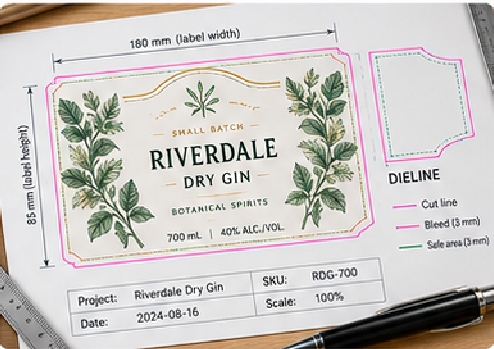
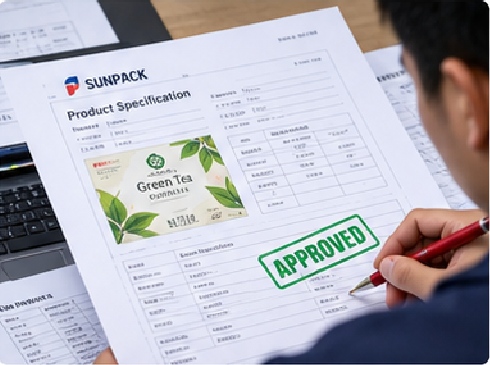
Production artwork should use the approved label size and shape rather than a screenshot or approximate bottle mockup. Philiton checks final dimensions, cut line, bleed, safe area and critical text placement, then returns a production proof for approval. Curved bottles and wraparound labels may need extra attention near leading and trailing edges, while front/back systems require clear identification of each finished label and orientation.
White Ink Layers

White Ink Layers

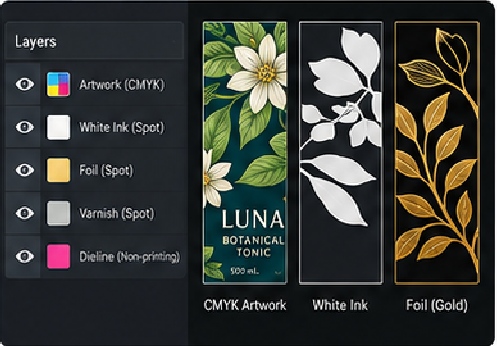
Clear and metallic materials often require a dedicated white ink layer. Philiton checks whether white is used as an underbase, selective opacity layer or design element, because each approach changes final color and transparency. White ink should be supplied as a clearly named spot layer where possible. A printed sample is recommended whenever bottle color, liquid color or substrate reflectivity materially changes the design appearance.
Foil and Emboss

Foil and Emboss

Foil, embossing, debossing and selected UV effects should be separated from normal print artwork so tooling and registration can be reviewed independently. Philiton checks small detail, proximity to die-cut edges and interaction with other layers before sample production. Very fine foil lines or complex embossed elements may need adjustment after the first physical sample to achieve stable production rather than relying on a screen rendering.
Brand Color Targets

Brand Color Targets

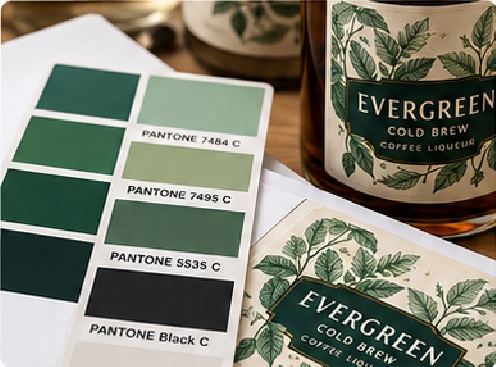
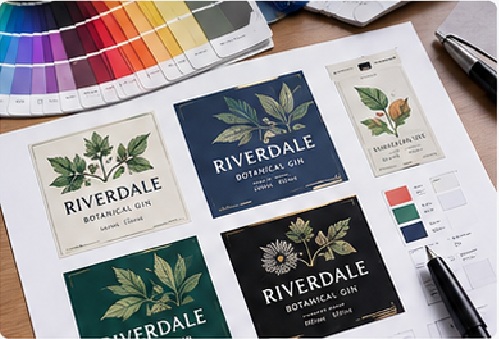
CMYK, Pantone or approved physical color references can be used according to the project. Philiton treats the final material and finish as part of color appearance, because the same ink can look different on clear film, textured paper, metallic stock or an opaque white surface. Critical colors can be controlled against an agreed target, and the approved physical result can serve as a reference for repeat production.
Barcode and QR

Barcode and QR

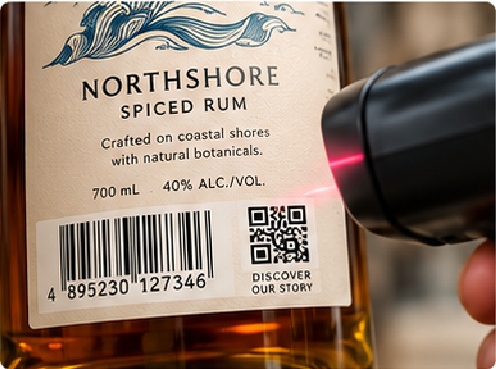
Barcodes and QR codes need enough size, contrast and quiet area to remain usable after printing and bottle application. Philiton checks placement and print quality, while curved surfaces can create distortion if codes are too wide or positioned across strong curvature. Metallic effects, transparent backgrounds and dark bottle colors should also be considered because reflection or low contrast can reduce scanning reliability even when a code looks visually attractive.
Version Control

Version Control

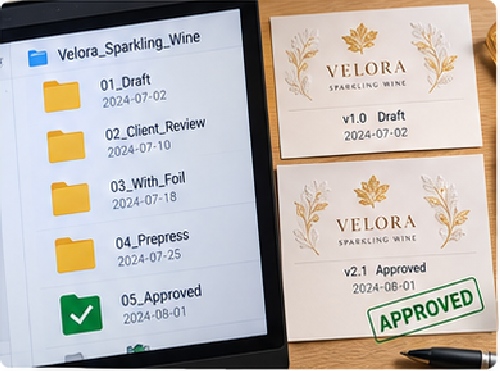
Every SKU should have one released production artwork with a clear identifier. Philiton can manage multi-SKU programs with separate approved files, quantities and packing identification so obsolete or draft designs do not enter production. Repeat orders are reviewed against the retained specification, and any change to artwork, bottle, material, adhesive, finish or roll format should be captured before a new production release is issued.

Sampling Steps Before Glass Bottle Label Production

Sampling closes material, visual, adhesion and application risks before a larger run is scheduled, with sample type chosen according to project complexity.
Blank Material Samples

Blank Material Samples

Blank facestock and adhesive samples allow early screening before final artwork is ready. Philiton can provide selected paper or film constructions so teams can check transparency, texture, stiffness, initial tack, removability and fit on the actual bottle. Blank samples are especially useful when comparing clear film, textured paper, low-temperature adhesive directions or small-diameter bottle behavior because unsuitable structures can be eliminated before decorated sampling begins.
Digital Color Samples

Digital Color Samples

Digital samples provide a fast route for checking graphics, size and general color direction on common materials. Standard digital samples are commonly produced in about 1-3 working days after artwork, material and process direction are confirmed. They are useful for multi-SKU launches and artwork review, but a digital sample should not be treated as proof of a later foil, emboss, specialty screen or high-volume flexographic effect unless the same process is used.
Printed Production Samples

Printed Production Samples

A printed sample can use the intended artwork, material, white ink and die-cut shape so visual decisions are made on the real construction. Philiton commonly prepares around 10-50 pieces per design for standard visual approval, with larger sample quantities available when several departments need sets. Standard printed or finished samples are commonly around 3-5 working days after all required inputs are confirmed, excluding international courier transit.
Finishing Samples

Finishing Samples

Foil, embossing, raised UV, specialty die cutting or other complex decoration needs a physical process sample when appearance and registration are important. Such samples commonly require around 5-7 working days once artwork, tooling direction and materials are ready. Sample cost and timing depend on whether new dies, plates, foil tools or special stocks are needed. Philiton confirms any additional setup before starting the sample rather than hiding it inside a later production change.
Bottle Application Tests

Bottle Application Tests

Application testing should use the actual glass bottle whenever adhesion, condensation, curvature or clarity matters. Philiton can increase sample quantity to support bottle testing, internal approvals or environmental checks; projects needing broader validation may use roughly 50-200 pieces rather than a small visual set. Teams should reproduce the expected application temperature, storage condition, product exposure and handling sequence so sample approval reflects real use instead of a clean desk test.
Golden Sample Approval

Golden Sample Approval

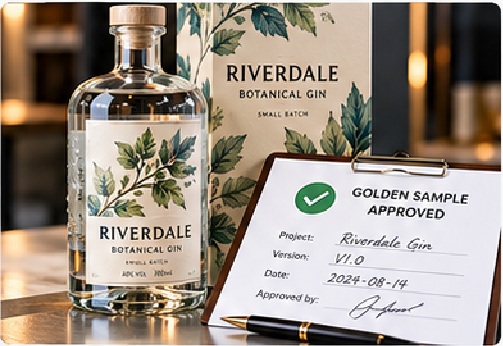
For repeat programs, strict brand colors or complex finishing, an approved physical reference can be retained as a Golden Sample. Philiton can link the reference to the approved artwork, material, adhesive, finish, die-cut and roll specification. Pre-production samples can also be used when the program requires a construction close to final manufacturing conditions. Later changes should be reviewed as a new version rather than silently replacing the approved reference.

Controlled Production From Approved Sample to Finished Rolls

Philiton connects artwork, material, printing, finishing, converting, inspection and packing in one manufacturing workflow after the approved specification is released.
Specification Release

Specification Release

Mass production begins only after commercial order details, released artwork, label dimensions, material and adhesive direction, finishing, quantity, SKU structure and packing requirements are confirmed. Philiton checks whether any approval remains open before scheduling production. For automatic application, roll direction, core, gap, pitch, maximum roll diameter and labels per roll must also be fixed. A late artwork or material change can reset preparation because the production route is tied to the approved specification rather than the first inquiry date.
Material Receiving

Material Receiving

Paper, film, adhesive stock, foil and other base materials are sourced through qualified external suppliers according to project requirements. Incoming materials are checked against the ordered specification before conversion. Special textures, specialty adhesives, imported stocks or custom optical materials can add procurement time, so availability is reviewed during quotation and sampling rather than after production is scheduled. Materials are then released to the selected print and converting route with project identification maintained through the manufacturing stages.
Printing Route

Printing Route

Digital, flexographic, screen, UV and other available print technologies are selected according to material, quantity, SKU count, color, white ink and decorative requirements. Short multi-SKU work can favor digital production, while repeat higher-volume roll programs may benefit from flexographic efficiency. Philiton controls the approved artwork and color target at press, with additional attention to transparent materials where white ink registration influences both opacity and final visual appearance on glass.
Finishing and Die Cutting

Finishing and Die Cutting

After printing, labels can move through lamination, varnish, foil, embossing, debossing, spot UV, holographic or other compatible finishing before die cutting. Each added process introduces its own registration and surface requirements, so complex work follows the approved finishing sample and production setup. Die cutting defines final shape, edge quality and liner behavior. Small-radius glass bottles, transparent labels and automated application programs receive extra attention because edge condition and dimensional consistency directly affect application performance.
Slitting and Rewinding

Slitting and Rewinding

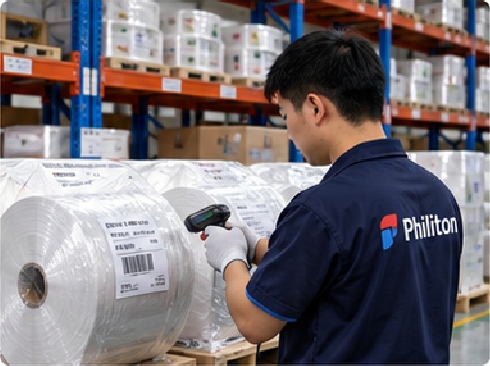
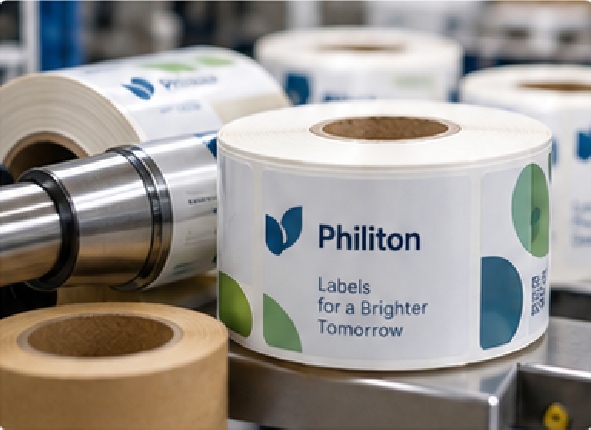
Roll-label projects are slit and rewound to the approved width, core and winding direction. Philiton can control inside or outside wound orientation, labels per roll, roll diameter, gap and related applicator specifications according to the project. Rewinding is also a key point for protecting clear film and decorated surfaces from excessive pressure, scratching or telescoping. Each roll can be identified by SKU and quantity so filling, packing or contract manufacturing lines can load the correct material.
Final Release

Final Release

Final inspection checks the defined print, finish, die cut, roll and packing requirements before shipment. Common label orders can often move through mass production in roughly 7-15 working days after specification, sample approval, material readiness and scheduling are complete; large or complex multi-SKU programs may require around 10-20 working days or staged delivery. Actual timing remains tied to material availability, tooling, quantity, finishing and agreed inspection requirements rather than a single fixed promise for every construction.

Quality Control Focus for Glass Bottle Labels

Inspection follows the released specification and approved sample, with added checks where glass, transparency, finishing, roll format or environmental exposure creates higher application risk.

QC CheckpointWhat Philiton ChecksReference or MethodWhy It MattersExtra Attention When
Incoming materialFacestock, adhesive direction, foil or specialty stock, batch identificationPurchase specification and project material recordWrong substrate or adhesive can invalidate later testingClear film, specialty paper, freezer or high-tack structures
Print and colorArtwork version, text, graphics, color target, visible defectsApproved artwork, color target or approved sampleBrand consistency and readability depend on controlled printCritical Pantone, dark glass, high coverage, multiple SKUs
White ink and registrationWhite opacity, alignment with CMYK, transparent windowsApproved clear-label sample and artwork layersMisregistration is highly visible on clear glassNo-label-look, amber/cobalt bottles, fine reverse text
Foil and decorative finishFoil edges, emboss/UV registration, surface defectsApproved finishing sampleDecoration must remain aligned and visually consistentFine foil detail, emboss + foil, reflective or tactile work
Die cut and sizeFinished dimensions, shape, edge quality, liner conditionReleased dieline and project specificationSize variation affects bottle fit and automatic applicationSmall diameter, wraparound, front/back paired systems
Adhesion/applicationTack, edge behavior, bottle fit, representative exposure when agreedActual bottle or agreed test conditionVisual quality is irrelevant if the label lifts or bubblesCondensation, oil, low temperature, coated or curved glass
Roll configurationCore, winding direction, roll diameter, gap/pitch, labels per rollApplicator specification and approved roll standardIncorrect roll geometry can stop an application lineAutomatic and semi-automatic labeling
Final packingSKU, quantity, roll protection, carton identification, batch informationPacking instruction and shipment recordCorrect labels must arrive protected and identifiableMulti-SKU, 3PL, contract packing and direct warehouse delivery

Packing and Logistics Built Around Label Format

Philiton protects finished labels from crushing, moisture, mixing and handling damage, then prepares shipment according to destination, urgency and receiving rules.
Protected Roll Packing

Protected Roll Packing

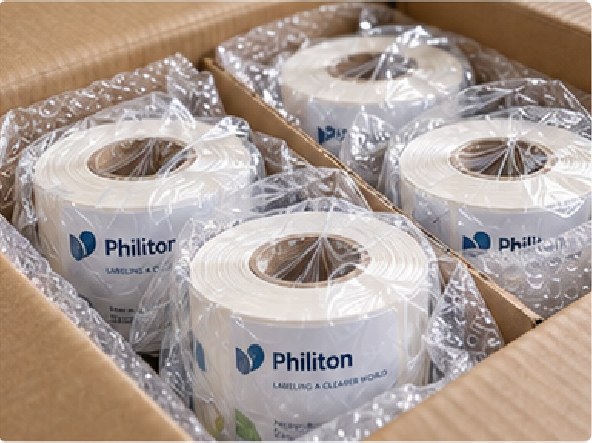
Roll labels are packed to reduce crushing, moisture exposure, telescoping and unintended unwinding. Philiton can use inner bags, protective film, end protection and cartons according to roll size and finish sensitivity. Clear, metallic or heavily decorated labels need extra care because scratches and surface pressure can become visible on the final package. Packing configuration is agreed alongside roll diameter and labels-per-roll rather than after production is finished.
Sheet and Piece Packing

Sheet and Piece Packing

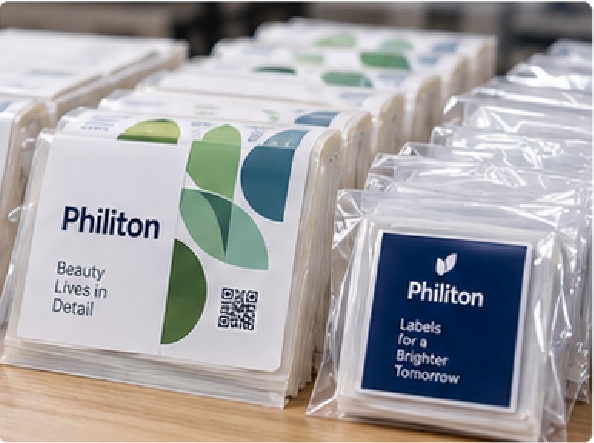
Sheet labels and individual pieces can be stacked, bagged, bundled or separated by design according to use at the receiving site. Philiton controls quantity and SKU identification so artwork versions do not mix during fulfillment or manual application. Special surface finishes may require separators or lower stack pressure. For kits or promotional work, piece-level packing requirements should be provided before production because counting and assembly can materially change handling time.
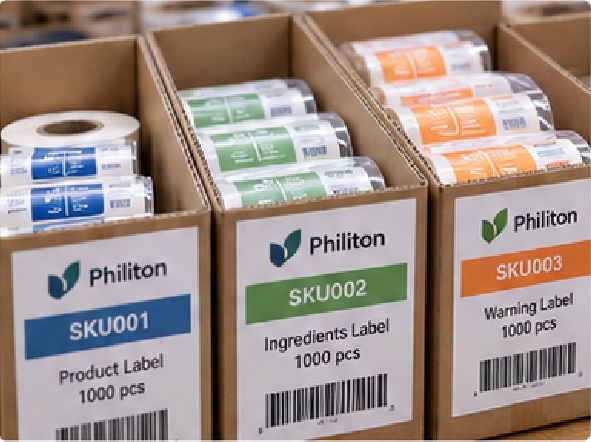
SKU Separation

SKU Separation

Multi-SKU programs can be packed by roll, bag, carton or pallet with clear identification of design, quantity and batch according to the agreed system. Similar labels should not rely on visual recognition alone when a warehouse or filling line handles many versions. Philiton can coordinate carton marks or barcode identification when receiving rules are supplied, helping procurement and operations teams trace the correct label to the correct product run.
Core and Roll Control

Core and Roll Control

Packing must preserve the approved core, winding direction and maximum roll diameter. Philiton can keep rolls separated by SKU and record labels per roll so contract packers or internal lines can plan changeovers. Heavy rolls may need stronger internal support, while sensitive clear films should avoid excessive side pressure. Roll specifications should match the applicator before production; shipping protection cannot correct an incorrect core or winding setup later.
Carton and Pallet Rules

Carton and Pallet Rules

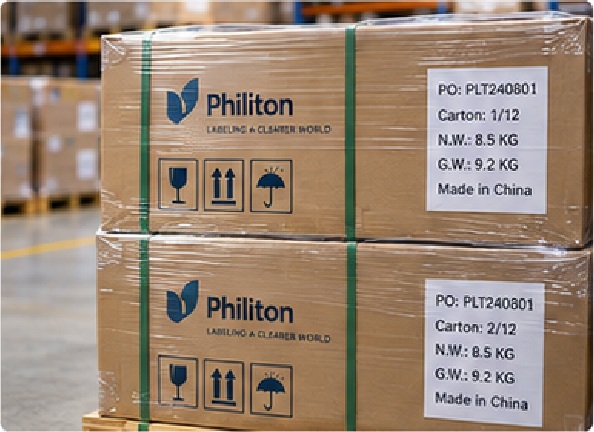
Export cartons can be prepared around roll dimensions, shipment weight and receiving requirements. Larger programs may use palletized delivery when it protects roll geometry and improves warehouse handling. Philiton can follow agreed carton labels, PO references, SKU identification and pallet marks when instructions are provided. If a warehouse requires appointment rules, pallet dimensions, carton barcodes or other receiving data, those details should be included before shipment preparation.
Global Delivery Options

Global Delivery Options

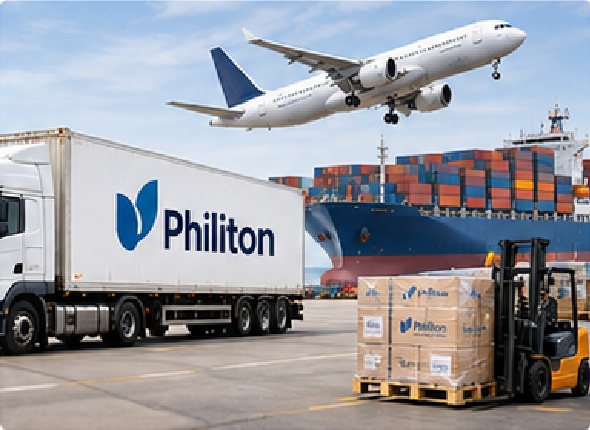
Courier, air freight and sea freight can be arranged according to shipment size, urgency and destination. Direct delivery to a warehouse, fulfillment center or contract packer can also be coordinated when receiving details are complete. EXW, FOB, DAP or DDP can be quoted according to the project, with customs, duties and local responsibility defined in the commercial term. Freight timing begins after finished goods pass release and shipment booking is confirmed.

Documentation and Compliance Support for Label Programs

Philiton links documents and test evidence to the actual material, construction and market requirement instead of applying broad certification claims to every label.

Material and Test Records

Philiton can support material declarations, supplier documents, project specifications and third-party testing when required for a defined construction. RoHS, REACH, heavy-metal, food-contact or durability evidence must relate to the actual material, ink, adhesive, finish and intended use. A report for one stock or one batch should not be presented as proof for every glass bottle label. Project files can retain approved artwork, material direction, sample records and quality information for repeat production.

Regulatory Copy Control

Philiton can reproduce brand-approved ingredient text, warnings, barcode data, importer details, multilingual information and other regulated copy with controlled artwork and print legibility. The brand owner, importer, responsible person or regulatory adviser remains responsible for deciding which legal text is required in the destination market. Artwork approval should therefore include both visual design and legal copy before production release, especially when several markets or language versions share the same bottle format.

Audit and Verification Support

Factory processes can support supplier review, project records, inspection evidence and third-party testing coordination when a program requires additional verification. Philiton does not convert an unverified certificate name into a public claim. ISO, FSC, UL, BSCI, GRS or similar statements are used only when valid documentation, scope, entity and project relevance are confirmed. Procurement teams can send required standards or audit checklists during qualification so the evidence plan is defined before sampling and production.

Anonymized Glass Bottle Label Project Examples

Philiton maintains representative project archives to document construction, risk, sampling, QC and delivery logic while protecting brand identities and unpublished commercial details.
U.S. Moisture-Resistant Beauty Labels

U.S. Moisture-Resistant Beauty Labels

A United States cosmetics and personal-care brand required waterproof-oriented pressure-sensitive bottle labels across roughly 10,000-50,000 pieces and 3-8 SKUs. The project structure used white or clear BOPP, permanent acrylic pressure-sensitive adhesive, CMYK printing and white ink for transparent constructions, with matte or gloss lamination and optional foil. The main risks were bathroom moisture, wet handling, transparency and white-ink registration. Philiton’s project method called for adhesive selection by actual container, bottle application samples, water and rub checks, color and die-cut inspection, and roll packing configured for the application equipment.
U.K. Premium Foil Bottle Labels

U.K. Premium Foil Bottle Labels

A United Kingdom premium beverage program covered roughly 5,000-30,000 labels across 2-5 SKUs. Material options included high-white paper, textured paper or BOPP depending on bottle shape and moisture exposure. The decoration path combined CMYK or spot color with hot or cold foil, with embossing or spot UV available when compatible. Philiton’s development approach focused on foil stock, substrate, minimum artwork detail, registration and bottle curvature before final release. A physical finishing sample was used to evaluate foil edges and appearance, followed by QC for color, foil, embossing where used, surface, die cut, dimensions and roll direction.
French Clear No-Label-Look Labels

French Clear No-Label-Look Labels

A France-based beauty and fragrance project used clear no-label-look labels in a roughly 10,000-80,000-piece range across 2-10 SKUs. The construction used clear BOPP or clear PET with high-clarity permanent adhesive, CMYK plus white ink and gloss lamination or clear varnish. Key risks included adhesive haze, dust, scratches, trapped air, white-ink opacity and registration on transparent bottles. Philiton’s process called for actual-bottle samples, white-layer review, cleanliness control during converting, and QC for transparency, white ink, registration, scratches, bubbles, size, winding and adhesion before roll packing in protective inner wrapping.

Manufacturing Depth Behind Philiton Glass Bottle Labels

Philiton combines flexible starting quantities with a manufacturing system built for printing, finishing, converting, inspection, testing and repeat production.

Manufacturing Scale With Flexible Entry

Philiton was founded in 2016 and operates manufacturing facilities in Shenzhen and Dongguan, China, with a combined manufacturing and operating footprint of more than 12,000 ㎡. The company has more than 200 employees, including 91 technical professionals, skilled machine operators and quality personnel. Many standard custom label and sticker projects can start from around 500 pieces, allowing a launch or regional run to use the same manufacturing organization able to support larger repeat volumes. The value of the footprint is not a claim of unlimited capacity. It provides space and personnel for artwork and prepress, multiple print routes, finishing, die cutting, slitting and rewinding, inspection, laboratory testing, packing and shipment preparation. Raw labelstocks, films, adhesives, foils and specialty substrates are sourced from qualified external suppliers rather than manufactured as base raw materials inside Philiton. Manufacturing value is created through material selection, print and converting control, process coordination and quality verification. For glass bottle programs, the same structure supports clear-film work, textured paper, foil and embossing, multi-SKU roll labels, variable information and application-specific material review. Production route and schedule are confirmed against the actual quantity, material availability, finishing and approval status rather than inferred from factory size alone. Peak-season scheduling is handled through project planning rather than a blanket capacity promise.

Engineering, Quality and Repeat Production

Glass bottle labels cross several disciplines: graphics, substrate behavior, adhesive selection, bottle geometry, application method, finishing and packing. Philiton’s 91-person combined technical, skilled production and quality group supports those links across project review and manufacturing. Artwork teams can check dielines, white ink, foil layers and codes; production teams run selected print and finishing routes; quality personnel inspect material, print, die cut, application-relevant features and final packing according to the released specification. Vision inspection and laboratory testing capabilities are available within the manufacturing system for projects needing additional verification. The exact inspection plan depends on product risk and agreed requirements. A standard decorative bottle label does not need the same evidence plan as a low-temperature label, security seal or variable-data program, so quality control is matched to the construction rather than expressed as a single universal test list. Repeat orders can use retained artwork, material, tooling and approved production parameters when no relevant change has occurred. A changed bottle, adhesive requirement, artwork version, material, finish or applicator setting is reviewed before release. The goal is not merely to reprint the graphic; the goal is to reproduce the approved label specification under controlled manufacturing conditions. Quality records and approved samples remain linked to the production version used for release. 

Glass Bottle Labels Frequently Asked Questions

Many standard custom label and sticker projects can start from around 500 pieces, but workable MOQ depends on label size, material, adhesive, printing route, finishing, SKU count and any special tooling. A digital clear or white-film label can have a different starting structure from a textured paper label with foil and embossing. Share the size, quantity and decoration requirements for a project-specific quotation.
No single material is automatically best. Film constructions such as BOPP or PET are commonly evaluated when moisture and condensation matter, but adhesive selection must also account for application temperature and service temperature. A label applied dry before cooling can behave differently from one applied to a cold, wet bottle. Philiton recommends testing the selected construction on the real bottle under the expected sequence.
Yes. Philiton can source and convert clear BOPP or clear PET constructions with compatible transparent adhesives and controlled white ink. Final clarity depends on bottle cleanliness, adhesive haze, film quality, print layers, scratches, trapped air and application conditions. A physical sample on the intended glass bottle is strongly recommended because the bottle color and liquid can change the visual result significantly.
Philiton can build water-resistant, oil-resistant or alcohol-exposure-oriented constructions using suitable film, ink, adhesive and protective finishing. Resistance is not created by one component, and no unlimited claim applies across all liquids or contact times. For demanding use, define the liquid, concentration, contact method, temperature and expected duration so a representative material and test approach can be selected.
Common digital samples are often around 1-3 working days after artwork, material and process direction are confirmed. Standard printed or finished samples are commonly around 3-5 working days. Foil, embossing, special die cutting, screen work or specialty materials can require around 5-7 working days. International courier time is separate, and any new tooling or special material procurement can extend the schedule.
Vector PDF, AI and EPS are preferred for production artwork. High-resolution raster files can be reviewed when necessary. Fonts should be outlined or supplied, and linked images should be embedded or packaged. Clear labels, foil, embossing and other special processes need clearly separated production layers. Philiton can check size, bleed, dieline, image resolution, white ink, barcode or QR placement before returning a proof for approval.
Pantone or spot-color targets can be used as controlled printing references, and a physical sample can also guide color evaluation. Material color, transparency, white ink, lamination and surface texture influence final appearance, so color should be judged on the intended construction. Critical colors can be managed against an agreed target, while an approved physical label provides a useful production reference for repeat orders.
Yes. Philiton can prepare roll labels around required roll direction, inside or outside wound orientation, core, maximum roll diameter, gap, pitch, liner width and sensor requirements. Applicator specifications should be provided before production. Automatic labeling success also depends on bottle geometry, material stiffness and application conditions, so a line trial or short roll is useful when the program has tight mechanical requirements.
Roll labels are protected against crushing, moisture, telescoping and unwinding, with SKU and quantity identification applied according to the packing instruction. Sheet and individual labels can also be bagged or bundled. Multi-SKU programs can be separated by roll, bag, carton or pallet. Direct warehouse or fulfillment-center delivery can be arranged when receiving, carton-marking, pallet and appointment requirements are provided in advance.
Send label size and shape, bottle type, quantity, number of SKUs, preferred material if known, application temperature, storage or exposure conditions, artwork, printing colors, white ink, finishing, roll or sheet format, roll direction and core when applicable, packing requirements and delivery destination. If material is not known, bottle photos, actual samples or application details allow Philiton to recommend a starting construction before final pricing.

Send Your Glass Bottle Label Project for Review

Philiton can quote and develop a glass bottle label more accurately when the project starts with the actual bottle, artwork, quantity and use conditions rather than a product name alone. Send the information already available even when material or adhesive has not been selected. Philiton can review the bottle surface, label panel, curvature, temperature, moisture or product exposure, visual target, application method and production volume, then narrow suitable material, adhesive, print and finishing directions before sampling. For automatic labeling, applicator specifications help define core, winding direction, gap, pitch and maximum roll diameter. For clear or premium decoration, bottle color and a physical container sample can improve artwork and finish decisions. A complete first submission reduces quotation revisions, prevents avoidable sampling cycles and gives production teams a clearer basis for scheduling. Shipping destination is also useful at the quotation stage because freight method, Incoterm, carton or pallet rules and warehouse receiving requirements can affect the final commercial plan.

  • Bottle material, color, diameter or label-panel dimensions
  • Label size, shape and number of SKUs
  • Order quantity per SKU and expected repeat volume
  • Artwork in AI, PDF, EPS or available source format
  • Room-temperature, refrigerated, wet, oil, alcohol or other exposure conditions
  • Clear, white, paper, metallic or textured appearance target
  • Foil, embossing, UV, lamination or other finishing requirements
  • Hand application or applicator specifications, including core and winding when known
  • Packing, destination and requested delivery schedule

For all inquiries, please feel free to reach out at:

Get In Touch

  • Our team will answer your inquiries within 12 hours.

  • Your information will be kept strictly confidential.

Get a Fast Quote for Custom Labels & Stickers

We will contact you within 24 Hours, please pay attention to the email with the suffix“@philiton.com”. 
For all inquiries, please feel free to reach out at:

Ask For A Quick Quote

We will contact you within 24 Hours, please pay attention to the email with the suffix“@philiton.com”. 

For all inquiries, please feel free to reach out at:

Get a Quote Today!

We will contact you within 24 Hours, please pay attention to the email with the suffix“@philiton.com”.