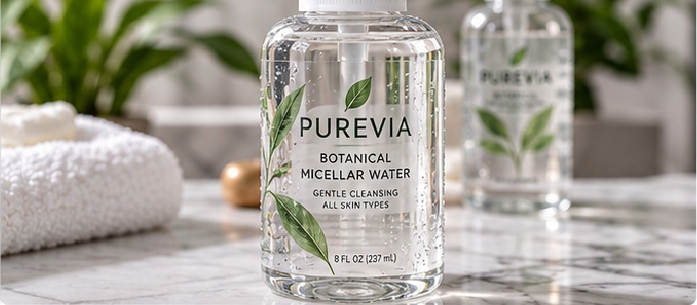
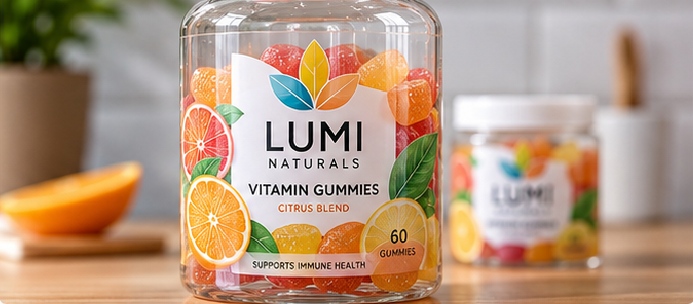
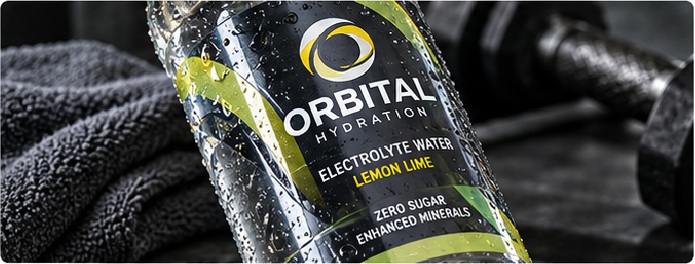
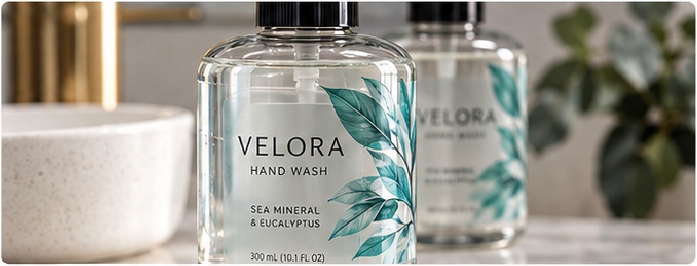
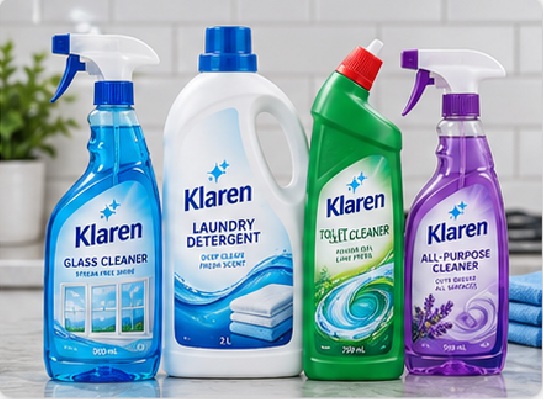
Your Trusted Labels & Stickers Manufacturer from China!

Custom Plastic Bottle Labels Built for Real Containers

Labels engineered around bottle resin, curvature, product exposure, decoration, and labeling equipment – from launch quantities to repeat production.
Philiton manufactures pressure-sensitive labels for PET, HDPE, PP and PE bottles, with material, adhesive and roll-format engineering handled before mass production.
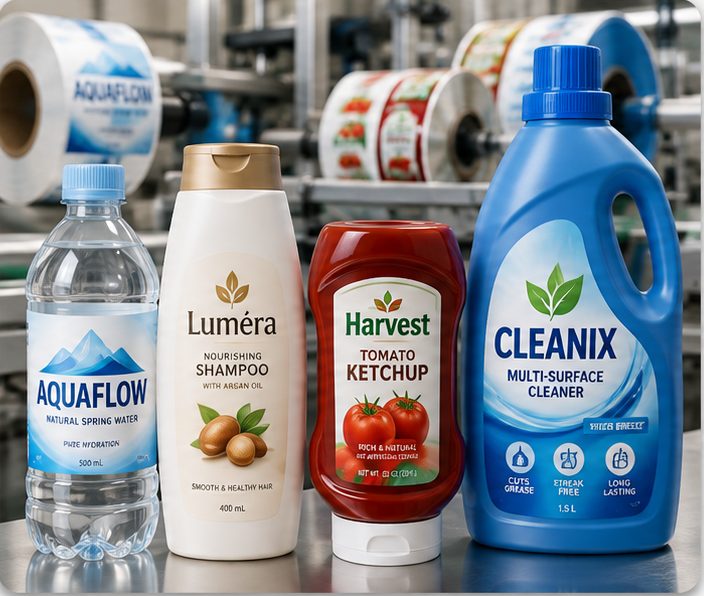
  • MOQ: around 500 pcs for many standard projects
  • Printed/finished samples: commonly 3-5 business days
  • Standard bulk production: commonly 5-10 business days after approval and material readiness
  • 12,000+ m² manufacturing footprint; 200+ employees
Custom Plastic Bottle Labels Built for Real Containers

Plastic Bottle Label Programs Built Around Your Operation

Philiton supports bottle-label projects from launch quantities to recurring production, with different controls for brand decoration, co-packing, multi-SKU programs, and technically demanding plastic surfaces.

Established Consumer Brands

Established brands usually arrive with approved artwork, brand colors, several SKUs, packaging timelines, and tighter repeat-order expectations. Philiton organizes the program around approved materials, color references, finishing, roll specification, SKU identification, and controlled reorders. Digital printing can support launch quantities and version changes, while flexographic production can take over stable higher-volume programs. The same production records can be retained for repeat orders when the artwork, material, adhesive, and converting parameters remain unchanged.

Contract Packers and OEMs

Contract packers and OEM factories often need labels to run correctly on existing filling and labeling equipment, not simply look good on a sample bottle. Philiton reviews finished label size, unwind direction, inside or outside winding, core requirements, maximum roll diameter, liner width, gap or pitch, number across, and sensor marks where required. Multi-brand or multi-SKU orders can be separated by artwork, roll, carton, and batch so receiving teams can identify each program without reopening every carton.

Growing Multi-SKU Brands

Growing brands frequently launch several fragrances, flavors, strengths, or sizes at the same time. Philiton can combine compatible SKUs around shared film, adhesive, finishing, and production setup while keeping each artwork and quantity controlled separately. Many standard projects can start around 500 pieces, while digital printing is suited to low-to-mid volume runs, artwork updates, and SKU testing. As stable items move into larger repeat quantities, production can be re-evaluated for flexographic efficiency and tighter scheduling.

Technical Packaging Programs

Household, lubricant, supplement, industrial, and other demanding bottle programs often place more weight on adhesion, abrasion, chemical exposure, barcode legibility, or traceability than on decoration alone. Philiton handles the project as a construction: bottle resin, surface condition, label film, adhesive, ink system, protective finish, label geometry, and application method are reviewed together. Physical samples and applicable tests are used to confirm project-specific performance instead of treating one adhesive or one film as universally suitable for every plastic bottle.

Match the Label Construction to the Bottle Resin

PET, HDPE, PP and PE do not behave the same under pressure-sensitive adhesives. Resin, surface texture, curvature and treatment level should be identified before the final label stock is released.

Bottle / SurfaceTypical Label DirectionAdhesive DirectionMain Risk to ReviewUseful Input for Philiton
PET bottleClear or white BOPP, PET, specialty filmPermanent acrylic commonly suitableCondensation, clear-label appearance, curvatureBottle photo, diameter, use environment
PP bottleFlexible BOPP or suitable synthetic filmHigh-tack or LSE-oriented permanent adhesiveLow surface energy, variable molding textureActual bottle strongly recommended
HDPE bottleBOPP or PE; flexible constructions for curved areasHigh-tack permanent acrylic; rough surfaces may need heavier coat directionLow surface energy, roughness, edge liftBottle resin, texture, label panel, product contents
LDPE / PE bottlePE or other conformable filmLSE-oriented permanent adhesiveFlexing, squeezing, shrink-back, label stiffnessEmpty and filled bottle where possible
Curved / small-diameter bottleThin BOPP, PE or flexible synthetic filmHigh-tack, high-cohesion permanent adhesiveMandrel hold, flagging, edge liftBottle diameter and intended label width
Squeezable bottleConformable PE or flexible filmLSE high-tack, high-cohesion directionRepeated deformation and recoverySqueeze behavior, contents, use conditions

Plastic Bottle Label Styles for Different Packaging Jobs

Philiton manufactures bottle labels in several visual and structural formats. Selection depends on branding area, bottle geometry, contents, labeling equipment, and how much information must stay readable in use.
Clear No-Label Look

Clear No-Label Look

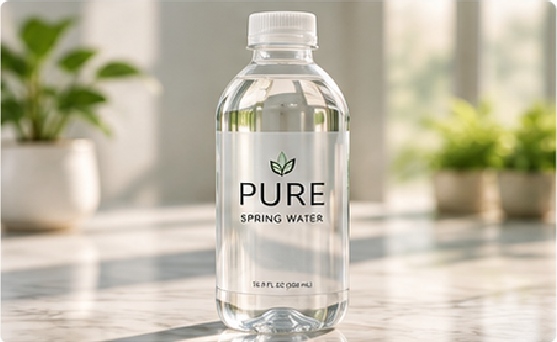
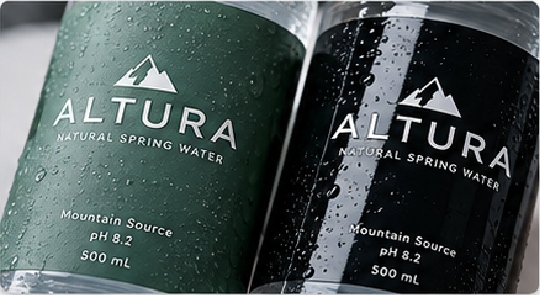
Clear film labels are used when the bottle, product color, or transparent packaging needs to remain visible. Philiton can combine clear BOPP or PET with controlled white ink under selected graphics so color remains readable without turning the entire label opaque. Adhesive clarity, bottle cleanliness, trapped air, scuff protection, and label edge visibility all matter. A physical bottle sample is useful when premium transparency is a major part of the packaging design.
White Opaque Film Labels

White Opaque Film Labels

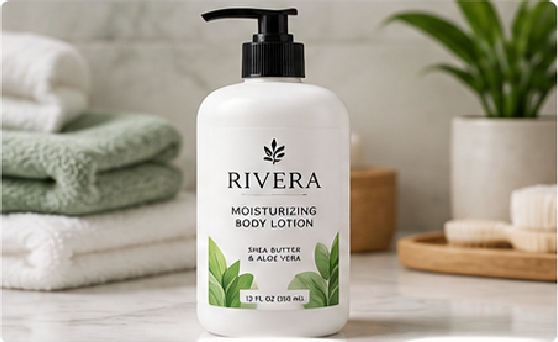
White BOPP and other white films provide a stable background for color, text, barcodes, ingredients, and brand graphics. They are widely used on shampoo, lotion, supplements, beverages, food sauces, and household products where moisture or handling makes paper less desirable. Philiton can pair white film with gloss or matte protection and select the adhesive around the actual plastic surface. Opaque film also avoids show-through from dark, colored, or variable product contents.
Front and Back Labels

Front and Back Labels

Separate front and back labels give brands more freedom to divide marketing graphics from ingredients, directions, warnings, regulatory text, or multilingual information. The front label can prioritize brand appearance while the back label carries denser content. Philiton controls both artworks as separate SKUs or components, with matched material and finish where required. For automatic application, front/back spacing, roll sequence, sensor needs, and the applicator setup must be confirmed before production.
Full or Partial Wrap Labels

Full or Partial Wrap Labels

Wrap labels use more of the bottle circumference and work well when a single label must carry branding, product information, directions, and codes. Curvature becomes more important as the label becomes wider. A rigid face film on a small bottle can generate continuous peel stress at the edges. Philiton reviews bottle diameter, label width, material stiffness, overlap or gap requirements, and adhesive direction before approving the final construction, especially on PP, PE, or HDPE bottles.
Squeeze Bottle Labels

Squeeze Bottle Labels

Lotion, personal-care, sauce, and cleaning bottles may flex repeatedly during normal use. A label can look acceptable when first applied yet wrinkle, lift, or tunnel after repeated squeezing. Philiton can move toward conformable PE or other flexible films and an adhesive construction suited to low-surface-energy plastic where needed. Evaluation should include the filled bottle when product weight and bottle deformation change the real use condition.
Functional Information Labels

Functional Information Labels

Some plastic bottles need more than a decorative brand label. Philiton can support barcode and QR labels, variable-data labels, tamper-evident seals, promotional labels, peel-and-reveal structures, warning labels, neck labels, and other functional formats where the specification is defined. Functional elements are reviewed for print contrast, legibility, die-cut accuracy, data control, and application position. Security, variable-data, or multi-layer constructions may require additional sampling, tooling, or project-specific minimums.

Choose Film by Exposure, Flexibility and Brand Appearance

Philiton sources and converts paper and film labelstocks according to bottle surface, exposure, decoration, required durability, converting method, and project-specific compliance needs.

Material DirectionVisual CharacterFlexibilityMoisture / Oil UseTypical Plastic Bottle FitKey Review Point
Clear BOPPTransparent, glossy, no-label lookGoodGood with suitable ink/protectionPET, smooth PP/HDPE after adhesive validationWhite ink, adhesive clarity, bubbles, edge visibility
White BOPPClean opaque whiteGoodGood for moisture and routine handlingBroad consumer packaging useAdhesive match to resin and texture
PE FilmSoft, conformableVery goodSuitable for wet/flexible applications with correct constructionSqueezable PE/HDPE, curved bottlesPrint/finish compatibility and dimensional movement
PET FilmCrisp, dimensionally stable, premiumLower conformability than PEStrong durability directionPET and rigid containers; industrial useSmall-radius curvature and stiffness
Specialty / Metallic FilmDecorative or technical effectVariesConstruction dependentPremium, promotional or functional bottle labelsFoil/metallic readability, scuffing, recyclability goals
Paper LabelstockNatural or textured lookLower wet durability unless protectedBest for dry, controlled conditionsSelected dry packaging applicationsMoisture, oil, bottle flexing, abrasion

Adhesive Engineering for Plastic Bottles That Keep Moving

A bottle-label adhesive must wet the surface, resist peel stress and remain compatible with the environment. Philiton evaluates the adhesive together with film stiffness, geometry and application conditions.

Low-Surface-Energy Plastics Need More Than “Permanent Adhesive”

PP, PE and HDPE can be harder to label than PET because surface energy, molding texture and contamination influence how well an adhesive wets the plastic. A label described only as “permanent” does not define whether it will hold on a molded HDPE cleaner bottle, a flexible PE lotion bottle, or a smooth PET beverage bottle. Philiton starts with the actual substrate and use condition, then narrows the construction toward a suitable permanent acrylic, high-tack, LSE-oriented or other application-specific adhesive route. Surface treatment and bottle history matter. Mold-release residue, silicone, dust, oil, condensation or product leakage can reduce adhesion even when the adhesive itself is suitable. Application temperature also matters separately from service temperature. A construction rated for cold storage can still fail if the label is applied below the adhesive’s minimum application temperature before sufficient bond develops. For important programs, Philiton prefers testing on the real bottle. Material samples can be applied to clean production containers, observed after dwell, and reviewed for peel, edge lift and handling. Oil-, alcohol- or chemical-exposure projects should define the actual liquid, concentration, contact time and desired test method rather than rely on a broad “chemical resistant” claim. The same review should record expected dwell time before packing or filling.

Curvature, Small Diameters and Squeezing Create Mechanical Stress

Round bottles continuously try to pull a flat label back toward its original shape. The smaller the diameter, the wider the label, and the stiffer the face film, the greater the peel stress concentrated at the label edges. Higher adhesive tack alone does not always solve the problem. Philiton treats curved bottle performance as a system involving facestock flexibility, adhesive cohesion, label geometry, bottle resin and the amount of deformation during use. Thin BOPP and PE are common directions for higher-curvature applications because they can conform more easily than a thick, rigid construction. Small-diameter containers may require stronger mandrel-hold behavior, while squeezable bottles add repeated deformation and recovery. PP, PE and HDPE can combine curvature stress with low-surface-energy adhesion, which raises the importance of real-bottle validation. Label shape can also reduce stress. Extremely wide panels, sharp corners placed on high-curvature areas, or labels crossing molded ribs can create avoidable lifting points. Philiton therefore asks for bottle diameter, label panel dimensions, photos, resin type and intended label position before freezing the dieline. When possible, the sample is applied to the filled bottle and checked after normal handling rather than approved only as a flat printed piece. Repeated squeeze-and-release cycles can be included when bottle movement is a known use condition.

Build the Label Around Its Real Use Environment

Water, cold, oils, cleaners and transport abrasion create different failure modes. Philiton defines the exposure before selecting film, ink, protection and adhesive.
Shower and Wet Use

Shower and Wet Use

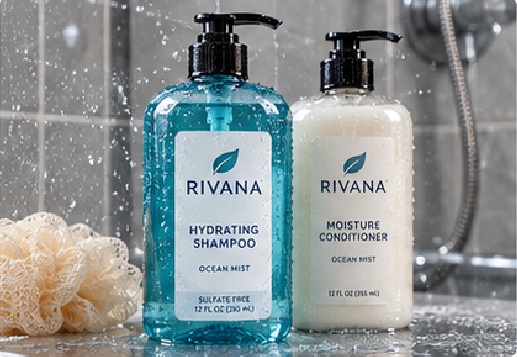
Shampoo, conditioner, body wash and similar bottles may face repeated splashing, warm water, soap residue and wet handling. Philiton normally moves toward film constructions rather than untreated paper when sustained moisture matters. Ink and finishing also need protection from rubbing. The project brief should state whether labels are applied dry and later exposed to water, or must bond to a damp surface, because those situations require different adhesive assumptions.
Refrigeration and Condensation

Refrigeration and Condensation

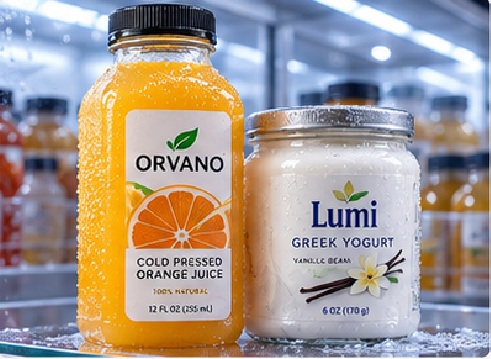
Beverage, dairy, sauce and chilled products may move from a warm filling or labeling area into refrigerated storage, creating condensation on the bottle. Philiton separates application temperature from later service temperature and considers moisture, bottle resin and storage conditions together. A freezer or cold-service adhesive is not automatically suitable for application onto a cold, wet bottle. Actual package trials are strongly preferred when condensation is part of normal distribution.
Oil and Alcohol Exposure

Oil and Alcohol Exposure

Body oils, essential oils, lubricants, sanitizer, alcohol-containing formulas and oily food products can affect both label adhesion and print protection. Resistance comes from the combined face film, adhesive, ink system, varnish or laminate, and bottle surface. Philiton asks for the liquid type and expected contact rather than treating “oil resistant” as one universal grade. Samples can be checked for staining, edge lift, softening, print rub and adhesive change.
Household Chemicals

Household Chemicals

Detergents, disinfectants, cleaners and garden chemicals may contact the label through spills, drips or repeated handling. Durable BOPP or PET constructions, compatible adhesives and protective finishing can be considered according to the chemistry and bottle resin. Philiton does not assume every chemical label has identical requirements. The formula family, concentration, contact time, storage temperature and required warning or hazard content should be defined before approving the final label structure.
Distribution Abrasion

Distribution Abrasion

Bottle labels can rub against dividers, adjacent containers, conveyors, packing materials and shipping cartons long before they reach a store shelf. Foil, dark solids, matte surfaces and unprotected inks may show abrasion differently. Philiton can use varnish, lamination or other protective finishing when the handling environment calls for it, and rub or abrasion testing can be included in the quality plan. Carton packing is also designed to prevent roll damage before the labels reach the filling line.
Dry Indoor Products

Dry Indoor Products

Not every plastic bottle needs the most complex construction. Dry indoor supplements, selected personal-care products and controlled warehouse applications may perform well with standard film and permanent adhesive when the bottle surface is clean and the temperature is stable. Philiton avoids adding unnecessary material cost when the use condition does not require it. The correct route starts with the real bottle, decoration target, order quantity and expected shelf life, then adds durability only where it protects the program.

Clear Labels Need Control Below the Visible Artwork

A premium no-label look depends on more than transparent film. Philiton controls white ink, adhesive clarity, printing sequence, protection and bottle preparation as one visual system.
Clear Film Selection

Clear Film Selection

Clear BOPP is widely used for consumer bottle labels because it combines transparency, flexibility and efficient roll converting. Clear PET can be considered where higher dimensional stability or a different technical profile is needed. Philiton compares the bottle curvature, required durability and finish before selecting the route. Premium appearance should be evaluated on the actual bottle because bottle tint, surface haze, molding lines and contents can change how the same clear label looks after application.
  • Review bottle resin and curvature
  • Confirm gloss, matte or specialty finish
  • Check whether the product color changes artwork visibility
White Ink Architecture

White Ink Architecture

CMYK printed directly on clear film can become weak or translucent when placed over colored product or dark bottles. Philiton can build controlled white ink under selected graphics, text or brand areas so color remains readable while clear areas stay transparent. White coverage, trapping, registration and small reverse text need to be reviewed during prepress. The approved sample becomes the visual reference because screen appearance cannot accurately predict how white ink, clear film and the filled bottle will interact.
  • Define opaque and transparent zones
  • Review fine text and reverse elements
  • Approve color on the intended bottle
Protective Print Structure

Protective Print Structure

Clear labels often receive frequent hand contact, moisture and abrasion, especially on cosmetics and beverages. Philiton can use lamination, varnish, suitable ink systems or reverse-print structures where the construction and equipment allow. Protection is selected according to actual exposure rather than automatically added to every order. If oil, alcohol or cleaning chemicals may contact the label, the liquid and test condition should be defined so sample evaluation reflects the intended use instead of a generic scratch test.
  • Match protection to handling risk
  • Check foil or specialty effects separately
  • Keep barcodes and small text readable
Application Appearance

Application Appearance

A visually perfect printed label can still show bubbles, silvering, edge lift or contamination after application. Clear constructions reveal dust, fingerprints and trapped air more easily than opaque labels. Philiton therefore asks for bottle samples when appearance is critical and reviews the label on the curved surface after application. For automatic lines, liner release, roll tension and dispensing behavior also matter. Final acceptance should include real-bottle appearance, not only color approval on a flat press sheet.
  • Apply to clean production containers
  • Observe edges after dwell
  • Confirm machine application where relevant

Printing and Finishing Selected for Quantity and Decoration

Philiton combines digital, flexographic, screen, UV and specialty finishing according to run size, artwork, film, color control, decoration level and repeat-production plan.
Digital Printing

Digital Printing

Digital printing is the main route for prototypes, multiple SKUs, launch programs and artwork that changes frequently. Many standard digital label projects can begin around 500 pieces, and the process avoids conventional plate setup. It works well for complex graphics, gradients and short runs on suitable BOPP, PET, paper and synthetic labelstocks. When a stable SKU grows into substantially larger volumes, Philiton can review whether flexographic production offers a better repeat-cost structure.
Flexographic Printing

Flexographic Printing

Flexographic printing is suited to established roll-label programs with stable artwork and medium-to-high recurring volumes. It supports paper and films including BOPP, PET and PE, with process colors, spot colors and white depending on the specification. Philiton uses flexo when the order structure justifies plate setup and longer production runs. Brand programs benefit from controlled material, ink targets, approved references, repeat setup records and roll converting aligned with the filling or labeling line.
Screen and Opaque White

Screen and Opaque White

Screen and UV-based processes can add heavier ink deposit, opaque white, spot effects or other specialty layers that may not be efficient through standard process printing alone. Clear bottle labels often need strong white coverage beneath color or text. Philiton checks minimum detail, registration, film compatibility and curing before approving the combination. Specialty ink layers can add cost and production steps, so they are used where the visual or functional result justifies the added process.
Foil and Raised Effects

Foil and Raised Effects

Hot foil, cold foil, embossing, debossing, spot UV and raised effects can create premium shelf impact for cosmetics, supplements and limited-edition packaging. The final effect depends on material, artwork detail, die or tooling, bottle curvature and handling environment. Philiton reviews small text, foil coverage and edge positions before production. Highly rigid decorative constructions should also be checked on small-radius bottles so the visual upgrade does not create unnecessary edge-lift risk.
Lamination and Varnish

Lamination and Varnish

Lamination and varnish protect print, change gloss level, alter surface feel and can improve resistance to abrasion or moisture. Selection depends on the exposure and desired appearance. A matte laminate may look premium but can show oils or scuffs differently from gloss; a varnish may be more economical but provide a different barrier. Philiton matches protection to the product and handling condition, then includes the approved finish in the locked production specification for repeat orders.
Variable Data and Codes

Variable Data and Codes

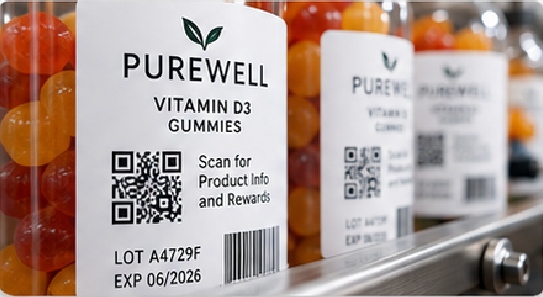
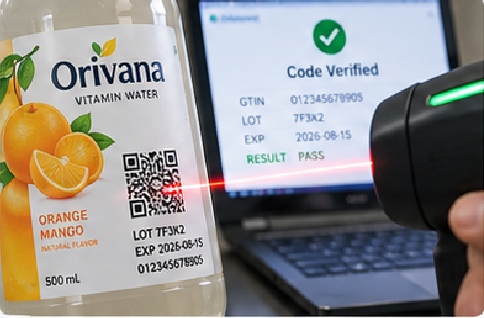
Plastic bottle labels can include changing batch information, serial numbers, QR codes, barcodes, promotional codes or other variable elements. Philiton supports variable-data production where the source data, print field, uniqueness rules and verification method are defined. Curved bottles require enough code size, contrast and quiet zone for reliable scanning. Metallic, transparent or highly reflective backgrounds can also reduce readability, so variable-code position and print construction should be confirmed during artwork review.

Sampling Turns Bottle Assumptions Into Production Decisions

Philiton uses sampling to confirm appearance, material, adhesion and converting details before a larger run. Standard printed or finished samples commonly take 3-5 business days after inputs are ready.

Start With the Bottle

A useful sample begins with enough packaging information to reproduce the real use condition. Philiton asks for bottle resin, photos, dimensions, label panel size, product type, exposure, artwork, quantity, SKU count and manual or automatic application. Sending physical bottles is strongly recommended for HDPE, PP, PE, small-diameter, squeezable, highly curved or premium clear-label programs. A bottle that looks similar in a photo can still have different surface energy, molding texture or deformation behavior.
  • Send bottle photos and resin if known
  • Mark the intended label area
  • Include filling and storage conditions

Lock the Construction Route

Engineering review narrows the face material, adhesive, printing process, protective finish and label geometry. Philiton can propose a primary route and, when risk justifies it, an alternate material or adhesive for comparison. Artwork is checked for dimensions, bleed, dielines, fonts, image resolution, barcodes, QR codes and white-ink layers. Production proof approval freezes the visual and dimensional direction before the physical sample is released.
  • Confirm material and adhesive route
  • Check white ink and finish layers
  • Freeze artwork before sampling

Produce a Physical Sample

Standard printed or finished samples commonly take 3-5 business days once artwork, material and specifications are ready. More complex finishing can commonly require around 5-7 business days, while specialized security or smart-label structures may need longer project-specific scheduling. Philiton can produce material samples, printed samples, converting samples or functional trials according to the risk. Sample timing does not include time waiting for revised artwork, special material procurement or approval feedback.
  • Printed/finished samples: commonly 3-5 business days
  • Complex finishing: commonly 5-7 business days
  • Special structures: confirmed by project

Validate on the Container

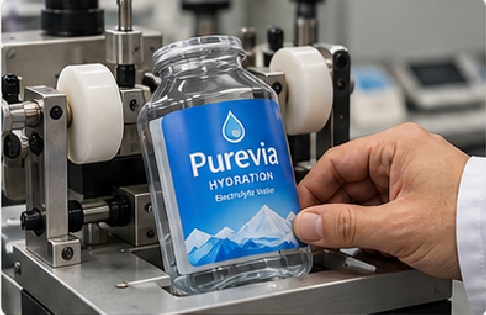
The sample should be applied to the actual bottle and observed under representative conditions. Philiton can review adhesion, edge lift, wrinkles, bottle flexing, water or oil exposure, rub resistance, print appearance, barcode readability and roll/application behavior according to the project. Approval should record the final material, adhesive, artwork, die line, finish and roll specification. A change after sample approval can reopen material, prepress or production preparation, so final sign-off needs to reflect the bottle going into commercial use.
  • Apply, dwell, handle and inspect
  • Compare appearance on filled bottles when relevant
  • Record the approved construction for mass production

Production Control From Artwork Release to Finished Rolls

After the approved specification is locked, Philiton moves through controlled prepress, printing, finishing, converting, inspection and packing. Standard bulk production is commonly around 5-10 business days under normal conditions.
Artwork and Prepress Release

Artwork and Prepress Release

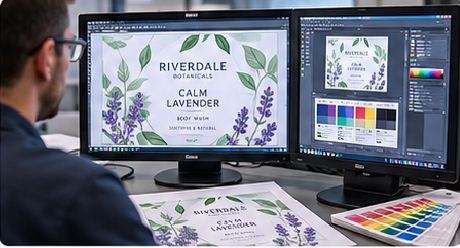
Production begins from the approved artwork and technical specification, not from an old email attachment. Philiton checks finished size, bleed, dieline, color target, white-ink layers, barcode or QR placement, variable fields and finishing separations before release. Fonts should be outlined or supplied, and linked images embedded or packaged. Revision control matters on multi-SKU programs because a visually small copy change can create a wrong regulatory line, barcode, strength, fragrance or language version.
Material and Adhesive Control

Material and Adhesive Control

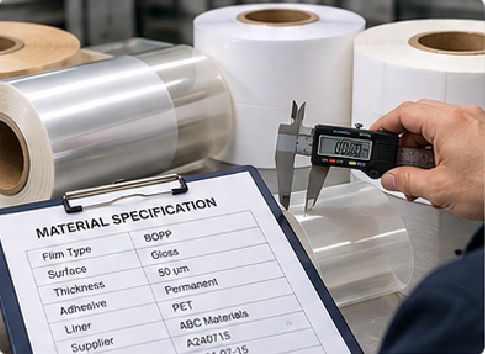
Labelstocks, films, adhesives, foils and specialty substrates are sourced according to the approved project route. Philiton verifies incoming material identity and batch suitability before production. Special materials or dedicated constructions may add procurement time, so availability is checked during scheduling rather than after the press is ready. For plastic bottles, the material record should preserve the face film and adhesive combination used during the approved sample whenever repeat performance is important.
Printing to Approved Targets

Printing to Approved Targets

Digital, flexographic, screen, UV or other printing is scheduled according to quantity, substrate, colors, SKU structure and finishing. Philiton uses the approved artwork, physical sample or agreed color target as the production reference. Critical brand colors can be managed with defined measurement or tolerance when agreed. Clear, metallic, kraft and white materials reflect or transmit light differently, so final color judgment is made on the intended label construction rather than assumed from the same CMYK values on another substrate.
Finishing and Die Cutting

Finishing and Die Cutting

Lamination, varnish, foil, embossing, spot UV and other finishing are completed before or alongside converting according to the construction. Die cutting must hold the finished shape without cutting through the liner, and waste stripping should leave labels dispensing cleanly. Small-radius bottles place extra importance on edge quality and label geometry because a rough cut, sharp corner or unnecessary width can become a starting point for lifting. Final die line is therefore part of the controlled production specification.
Slitting and Rewinding

Slitting and Rewinding

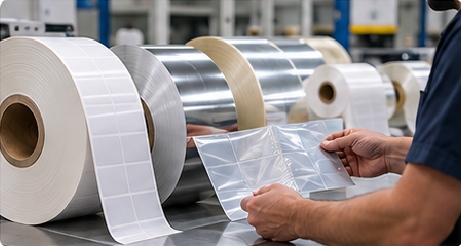
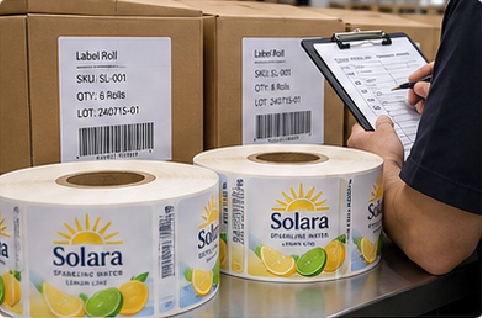
Roll labels are slit and rewound to the confirmed web width, core, unwind orientation, labels per roll and maximum roll diameter. Tension must be controlled so rolls stay flat and stable without telescoping or crushing the liner. Automatic labeling programs may also require gap, pitch, perforation, black marks or other sensor features. A roll that prints correctly but is wound in the wrong direction can stop a packaging line, so converting parameters receive the same release attention as artwork.
Final Packing and Release

Final Packing and Release

Finished rolls move through final inspection and packing before shipment. Cartons can identify SKU, quantity, roll count, batch or PO according to the receiving plan. Philiton protects rolls against moisture, crushing, telescoping and unwanted unwinding during transport. Standard bulk production is commonly around 5-10 business days after commercial confirmation, artwork/specification approval and material readiness; special materials, complex finishing, failed tests or approval changes can extend the schedule.

Roll Specifications Must Match the Labeling Equipment

Automatic and semi-automatic labeling requires more than the correct artwork. Philiton confirms the converting and roll parameters that determine whether the finished labels can feed, sense and dispense correctly.

Roll ParameterWhat Philiton ConfirmsWhy It Matters on a Bottle Line
Finished label sizeWidth × height and approved dielineMust fit the bottle panel and applicator setup
Roll directionLeading edge and artwork orientationControls how the label presents to the applicator
WindingInside wound or outside woundMust match machine threading and peel-plate direction
CoreDiameter, width and material as specifiedMust fit the unwind shaft; core is not chosen by label size alone
Maximum roll diameterTarget or equipment limitControls labels per roll and machine clearance
Total backing width and edge marginsAffects tracking through guides and sensors
Gap / pitchSpace between labels and repeat distanceInfluences indexing and sensor detection
Labels per rollStandard count and tail-roll ruleControls changeover frequency and quantity reconciliation
Sensor featuresBlack marks, perforation or registration marks if requiredMust match sensor type, position and contrast requirements

Quality Control Focused on Bottle Performance and Roll Usability

Philiton combines print inspection, converting checks and laboratory tools with application review. QC points are selected around the approved specification and the failure risks of the bottle program.
Incoming Material Checks

Incoming Material Checks

Film, paper, adhesive constructions and specialty materials are checked against the approved specification before production. The goal is to prevent a similar-looking but different substrate from entering a repeat program unnoticed. Material batch, surface appearance and relevant supplier information can be linked to production records according to project needs. For plastic bottle labels, preserving the approved face-film and adhesive route is especially important when the original sample passed low-surface-energy or curved-container evaluation.
Color and Print Inspection

Color and Print Inspection

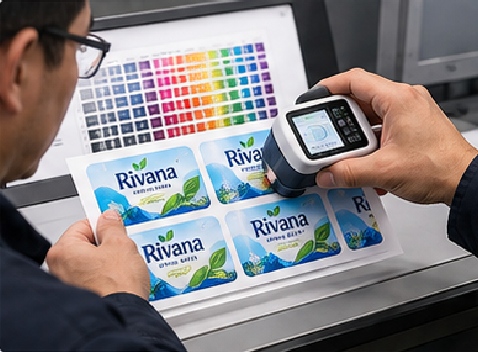
Philiton uses approved artwork, samples and color targets to control print appearance. Spectrophotometer or color-measurement systems can support CMYK, Pantone, Lab or Delta E evaluation when a project defines measurable color requirements. QC also reviews white ink, fine text, solids, registration, foil and other visible features. Color is judged on the intended material and finish because transparent film, white BOPP, metallic stock and textured paper can make the same ink formula appear different.
Die-Cut and Dimension Checks

Die-Cut and Dimension Checks

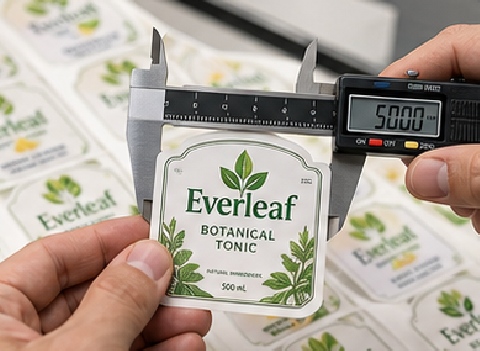
Finished label size, shape, waste stripping and liner integrity are checked during converting. Die cuts should release cleanly without cutting through the liner, leaving excessive adhesive ooze or creating damaged corners. Small-diameter and high-curvature bottles are sensitive to geometry, so edge quality matters beyond appearance. Optical and dimensional tools can support local measurements and inspection of registration, cut lines and surface defects when tighter control is required by the specification.
Adhesion and Durability Checks

Adhesion and Durability Checks

Peel-adhesion and tack test systems, rub or abrasion testers, tensile tools, temperature/humidity chambers and UV/light-aging equipment are available for applicable projects. Bottle-label validation can include adhesion, edge lift, water, oil, rub, temperature or handling checks according to the defined requirement. Test conditions must match the project; a laboratory result on a flat standard panel does not automatically prove performance on a curved HDPE bottle under product exposure.
Barcode and Variable Data

Barcode and Variable Data

Barcode and QR verification can evaluate more than whether one phone happens to scan a code. Contrast, quiet zones, print growth, edge definition and code size all influence performance. Curved bottle placement can distort a code or move it out of a reliable scanner angle. Variable-data projects also require source-data control, uniqueness checks, reprint logic and final verification. Philiton records the agreed inspection method before production rather than relying only on a visual operator check.
Final Roll and Packing QC

Final Roll and Packing QC

Final release checks roll direction, core, roll diameter, labels per roll, web width, gap or pitch, winding condition, carton identification and other agreed packing fields. A perfectly printed label with the wrong unwind direction can still be unusable on an automatic line. OQC therefore treats roll and packing specifications as functional requirements. Cartons and rolls are identified to support SKU separation, receiving, traceability and repeat-order comparison.

Packaging Designed to Protect Rolls and Simplify Receiving

Bottle labels leave the factory as production materials, not retail stationery. Philiton packs rolls, sheets or individual pieces according to format, SKU separation, shipping method and warehouse requirements.

Protected Roll Packing

Finished rolls are protected against crushing, moisture, telescoping and unwanted unwinding. Packing is selected around roll diameter, core and shipment size so side pressure does not deform the label web before the reels reach the applicator. Inner protection can be added where a material or finish is sensitive to dust, rubbing or contamination. Packing inspection checks the physical roll condition, not only the printed carton, because a clean outer box cannot compensate for loose or damaged rolls inside.

SKU and Batch Identification

Multi-SKU bottle programs need clear receiving information. Philiton can identify rolls, inner packs and cartons with SKU, artwork reference, quantity, PO, carton number, batch or other agreed fields. The goal is to prevent fragrance, strength, language or size variants from being mixed on the filling floor. Variable-data or highly controlled programs can use a more detailed roll-to-carton relationship when traceability is part of the specification.

Mixed-SKU and Direct Delivery

Several compatible SKUs can ship together when each is separately controlled and identified. Philiton can prepare mixed-SKU cartons or pallets according to the receiving warehouse rules, or keep every SKU segregated when the operation prefers one artwork per carton. Direct delivery to a warehouse or fulfillment location can be arranged when the destination, receiving labels, appointment instructions, carton or pallet marks and customs information are supplied before packing is released.

Courier, Air and Sea Options

Samples and urgent small shipments can move by international courier, while larger commercial orders can use air or sea freight according to urgency, weight, volume and destination. Philiton separates production lead time from transit time so launch planning is realistic. Incoterms such as EXW, FOB, DAP or DDP allocate freight, customs, duties and delivery responsibilities differently, so the selected commercial term and final freight quotation are confirmed for each shipment.

Plastic Bottle Labels Across Consumer and Industrial Categories

Philiton adapts the same manufacturing platform to different products by changing material, adhesive, decoration, durability and roll controls around each bottle environment.

Beauty and Personal Care

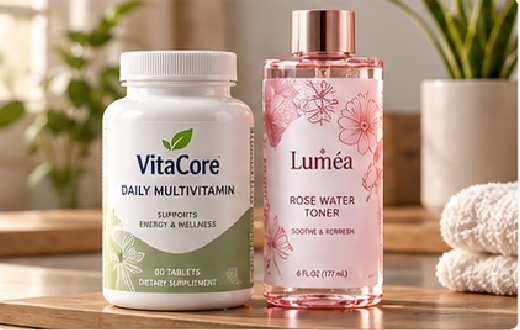
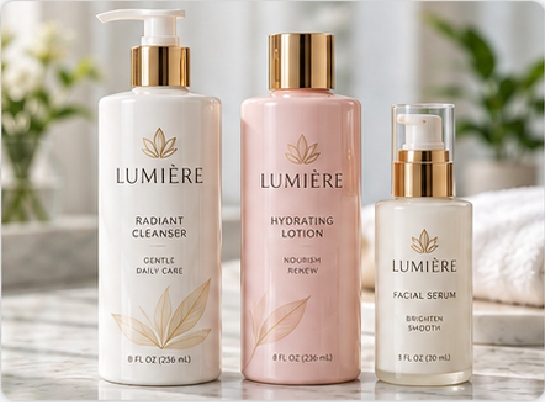
Shampoo, conditioner, body wash, lotion, hand cream and cosmetic bottles often combine moisture, oils, frequent handling, small curves and high visual expectations. Philiton supports clear and white film labels, white ink, matte or gloss protection, foil and other premium effects according to the program. Squeezable bottles receive extra attention to conformability and edge lift. INCI, warnings and other approved content can be printed with controlled legibility, while legal content remains the brand’s responsibility.

Beverage Bottles

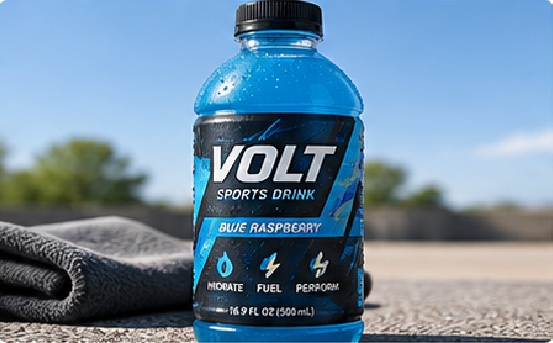
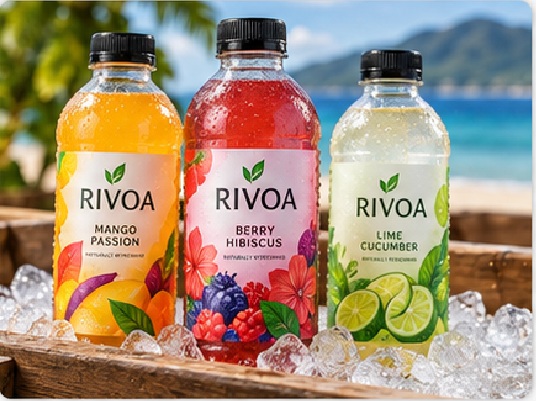
PET beverage bottles may need transparent decoration, white opaque branding, refrigeration resistance and high-speed roll application. Philiton reviews condensation, bottle temperature at labeling, final cold storage, label panel shape and applicator specification before releasing the construction. Clear BOPP can create a no-label look when white ink and bottle appearance are controlled. Roll direction, core, gap, liner and maximum diameter become as important as print quality when labels feed into an automated bottling line.

Food and Sauce Bottles

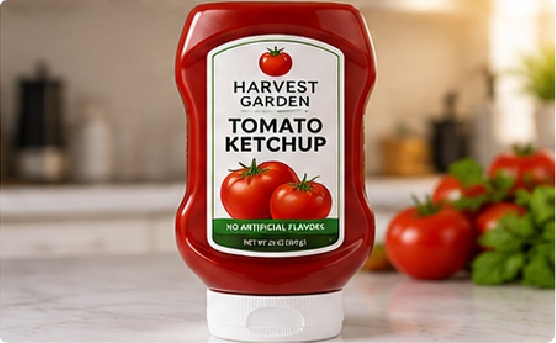
Sauces, dressings, condiments and other food bottles can expose labels to oils, moisture, refrigeration, kitchen handling and repeated squeezing. Philiton can select film and protective finishing around those conditions and differentiate external packaging labels from direct-food-contact applications. Bottle resin and closure design also matter because product can migrate onto the label during dispensing. Required food-contact or packaging documentation depends on the exact construction, intended contact condition and destination market.

Supplement Bottles

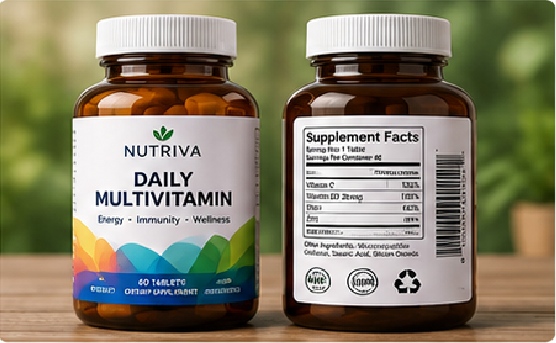
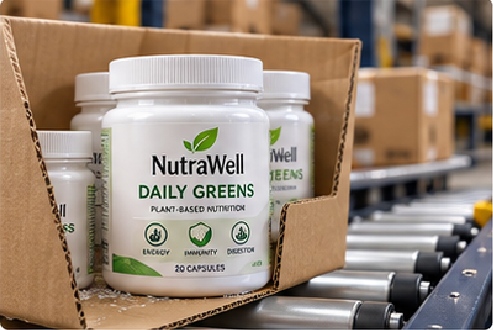
Vitamin, capsule, tablet and gummy bottles often carry dense ingredients, directions, warnings, barcodes, lot information and multiple strengths or flavors. Philiton supports short-run multi-SKU digital programs as well as larger repeat roll production. White BOPP, clear film, specialty finishes and variable data can be combined according to the design. Artwork control is important because small copy or strength changes between SKUs must remain separated through prepress, production, QC and carton identification.

Household and Cleaning

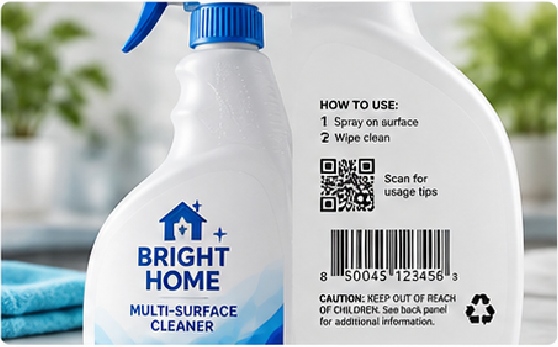
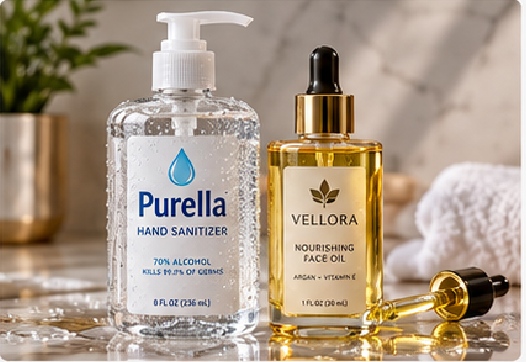
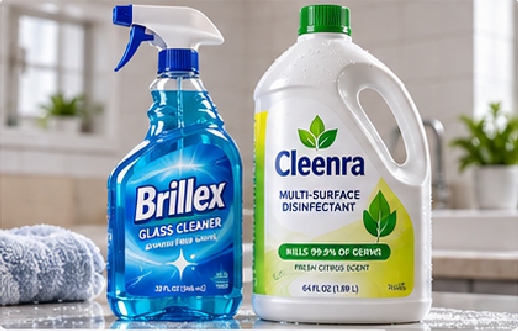
Detergent, dish soap, sanitizer, disinfectant, cleaning spray and other household bottles can combine HDPE or PP surfaces with moisture, chemical contact and rougher handling. Philiton reviews LSE adhesion, bottle texture, label curvature, protective film or laminate, and any required warning information. Chemical-resistance claims are tied to defined liquids and test conditions. Large programs can be delivered in production rolls configured for automated application and separated by formula, language, bottle size or market.

Lubricants and Industrial Bottles

Lubricants, oils, maintenance chemicals and industrial fluids may require durable PET or BOPP, high-tack adhesives, oil resistance, abrasion protection, warnings, barcodes or serial information. Philiton can evaluate the construction on HDPE, metal or other containers where specified. Oil and plasticizer exposure, rough surfaces, warehouse temperature and contamination should be defined before sampling. Roll packing and batch identification can be configured for plant receiving, line use and repeat procurement.

Compliance Support Starts With the Exact Bottle Application

Philiton supports manufacturing documentation, material selection and controlled reproduction of approved label content. Regulatory responsibility depends on product category, market, contact condition and the exact label construction.

External Packaging and Direct Contact Are Different Projects

A label placed on the outside of a sealed plastic bottle does not automatically have the same compliance requirements as a label or adhesive that can directly contact food, medicine or another regulated product. Philiton therefore asks how the label is used before discussing documentation. Food and beverage projects should identify whether the label has direct food contact, indirect contact, or only external package contact. Material declarations or test reports need to correspond to the actual film, adhesive, ink and intended contact condition rather than a similar material used on another job. Cosmetic, supplement, household and chemical programs also differ. Philiton can reproduce customer-approved INCI lists, warnings, directions, hazard information, barcodes and regulatory text with controlled artwork and print legibility. The brand, legal manufacturer, importer or its regulatory adviser remains responsible for confirming what content is legally required in the destination market. Chemical labels may also need durable constructions and defined warning content, while medical-device or pharmaceutical labeling can introduce project-specific validation, UDI or quality-system requirements that must be confirmed before production. Philiton does not make a blanket statement that every bottle label is compliant with every country. The manufacturing role is to follow the approved specification and support agreed material, test and document requirements for the defined market and application.

Material Claims, Recycling Goals and Evidence Must Match the Construction

Sustainability and recycling requests should be translated into a defined material route rather than broad environmental language. Philiton can source recycled paper, recycled PET, wash-off, removable or other sustainability-oriented labelstocks where the required construction is available, but the final claim depends on supplier documentation, adhesive behavior, bottle resin, local recycling system and the way the labeled package is designed to be recovered. A film described as “recyclable” in isolation does not automatically prove the complete bottle-and-label package is accepted by every recycling stream. For large brand programs, the useful starting point is a written requirement: bottle resin, destination market, preferred recycling path, material restriction, certificate or declaration needed, and any retailer or brand standard. Philiton can then review available material documentation and confirm what can be supplied for the selected construction. The same discipline applies to waterproof, freezer, oil-resistant, chemical-resistant and outdoor claims. Performance language should be tied to a defined exposure condition, sample or test rather than presented as unlimited lifetime performance. Documentation should stay connected to production. If a material, adhesive or finish changes after approval, relevant declarations and validation may need to be checked again. Philiton keeps manufacturing and evidence decisions tied to the approved specification rather than treating certificates as generic marketing badges.

Representative Plastic Bottle Label Programs

The three anonymized examples below use representative quantities and Philiton’s documented manufacturing routes for planning. Brand identities are withheld; exact commercial details vary by project and approval.
U.S. Skincare Launch

U.S. Skincare Launch

Region: United States. Background: a premium skincare brand preparing eight lotion and cleanser SKUs for retail and e-commerce. Representative order: 200,000 labels total, with 25,000 labels per SKU. The program combined clear PET bottles and white HDPE bottles, so Philiton did not force one label structure across every container. Clear film with controlled white ink was sampled on PET, while flexible white film and higher-tack adhesive direction were evaluated on HDPE. Artwork, Pantone targets, bottle photos and roll specifications were locked before production, followed by adhesion, water-handling, print-rub and final roll checks.
  • 8 SKUs
  • 200,000 labels total
  • Clear and white film constructions
  • Roll delivery for automatic application
Australian Beverage Program

Australian Beverage Program

Region: Australia. Background: a functional beverage company moving from launch batches into regional retail distribution. Representative order: 180,000 labels across six PET-bottle SKUs. Refrigeration and condensation were the main technical risks, while the brand wanted a clean glossy appearance and strong color over a clear bottle. Philiton developed a film construction with defined white areas, reviewed the bottle at cold-storage conditions, and confirmed finished size, unwind direction, core, gap and maximum roll diameter for the labeling line. Production used controlled artwork and color references, followed by roll, barcode and packing verification before shipment.
  • 6 beverage SKUs
  • 180,000 labels total
  • Refrigerated PET bottle application
  • Automatic-line roll specification
German Cleaning Range

German Cleaning Range

Region: Germany. Background: a household cleaning manufacturer using molded HDPE and PP bottles for detergents, sprays and concentrated cleaners. Representative order: 360,000 labels across twelve SKUs. The main risks were low-surface-energy plastic, chemical splashes, dense warning text and abrasion during transport. Philiton compared BOPP/PET-oriented constructions, selected higher-tack adhesive directions for the defined bottle surfaces, and used protective finishing according to exposure. Samples were applied to actual containers before approval. Bulk production controlled SKU separation, warning-text legibility, die cut, adhesion, print rub, roll direction and carton identification for warehouse receiving.
  • 12 SKUs
  • 360,000 labels total
  • HDPE and PP bottle surfaces
  • Chemical and abrasion review

Plastic Bottle Labels Frequently Asked Questions

Many standard custom label projects can start around 500 pieces. The workable MOQ depends on label size, material, adhesive, printing method, finishing, SKU count, tooling and whether stock or special materials are required. Digital printing is normally more flexible for launch quantities and multi-SKU programs, while dedicated materials, plates, foils, special structures or security features can raise the minimum.
Yes. Those plastics can have lower surface energy than PET and may require higher-tack or LSE-oriented adhesive constructions. Bottle texture, molding treatment, contamination, curvature and application temperature also influence performance. Philiton prefers the real bottle for sampling when adhesion risk is significant, especially for HDPE, PP, PE, small-diameter or squeezable containers.
PE or another conformable film is often a strong direction because the face material can move with the bottle more easily than a rigid construction. Adhesive still needs to match the resin and exposure. Philiton also checks label width, curvature and repeated deformation. The final selection should be validated on the actual filled or representative bottle rather than chosen from material appearance alone.
Standard printed or finished label samples commonly take 3-5 business days after artwork, material and specifications are ready. Complex finishing commonly requires around 5-7 business days. Specialized security, RFID or unusual materials may need longer project-specific scheduling. Time waiting for revised artwork, bottle delivery, special material procurement or approval feedback is separate from active sampling time.
Standard bulk label production is commonly around 5-10 business days after the commercial order is confirmed, artwork and technical specifications are approved, and required materials are ready. Quantity, special materials, tooling, complex finishing, variable data, failed application trials, holiday loading and approval changes can extend the schedule. Repeat orders may be faster when the specification and materials remain unchanged and available.
Yes. Philiton can create white ink under selected text and graphics on clear film while leaving other areas transparent. White coverage, trapping, registration, bottle color and product color affect the final result. A physical sample on the intended bottle is recommended for premium no-label-look packaging because clear film can reveal dust, trapped air, bottle haze and adhesive appearance.
Suitable film, ink, protective finishing and adhesive can be selected for water-, oil- or alcohol-exposure projects. The exposure needs to be defined because splash, immersion, wiping and long-term contact are not the same test. Philiton asks for the liquid type, concentration where relevant, contact time and expected handling so the sample and quality plan reflect the real use condition.
Yes. Philiton confirms finished label size, unwind direction, inside or outside winding, core, maximum roll diameter, gap or pitch, liner width, number across, labels per roll, perforation, black marks and sensor requirements where applicable. Machine information should be provided before mass production because a correct print job can still be unusable if the roll is configured incorrectly.
Yes when the SKUs use compatible materials, adhesives, finishing and technical specifications. Each artwork still receives its own approval, quantity and QC identification. Digital printing is especially useful for multi-SKU launch programs, while mature high-volume SKUs can be reviewed for flexographic production. Packing can keep SKUs separated by roll, inner pack, carton and batch according to warehouse requirements.
Send artwork or a label sketch, finished label size, bottle photos, bottle resin if known, bottle diameter or label panel dimensions, quantity per SKU, number of SKUs, material or finish preference, use environment, product contents, manual or automatic application, destination country and any required roll specifications. A physical bottle is strongly recommended when adhesion, curvature, squeezing or premium clear appearance is important.

Send the Bottle, Artwork and Production Requirements

Philiton can quote more accurately when the label is treated as part of the bottle and filling operation rather than as a flat printed sticker. Send enough information to identify the plastic surface, decoration target, exposure, quantity and roll format. For HDPE, PP, PE, squeezable bottles, small diameters, refrigerated products or premium clear labels, a physical container helps reduce material and adhesion assumptions before production. Many standard projects can start around 500 pieces; standard printed or finished samples commonly take 3-5 business days, and standard bulk production is commonly around 5-10 business days after approval and material readiness. Special materials, complex finishing or project-specific testing can change the schedule.

Please include:

  • Artwork file or label sketch
  • Finished label width × height
  • Bottle photos and resin type, if known
  • Bottle diameter or label panel dimensions
  • Product contents and exposure conditions
  • Quantity per SKU and number of SKUs
  • Manual or automatic application
  • Core, unwind, gap and roll limits if a machine is used
  • Destination country and required delivery timing
  • Compliance, documentation or testing requirements

For all inquiries, please feel free to reach out at:

Get In Touch

  • Our team will answer your inquiries within 12 hours.

  • Your information will be kept strictly confidential.

Get a Fast Quote for Custom Labels & Stickers

We will contact you within 24 Hours, please pay attention to the email with the suffix“@philiton.com”. 
For all inquiries, please feel free to reach out at:

Ask For A Quick Quote

We will contact you within 24 Hours, please pay attention to the email with the suffix“@philiton.com”. 

For all inquiries, please feel free to reach out at:

Get a Quote Today!

We will contact you within 24 Hours, please pay attention to the email with the suffix“@philiton.com”.