Your Trusted Labels & Stickers Manufacturer from China!

Faster Label Lead Time

Move urgent label projects from approved specification to controlled production without turning speed into unnecessary material, print, or quality risk.
Philiton builds faster schedules around project readiness, suitable production routes and a clearly defined required date.
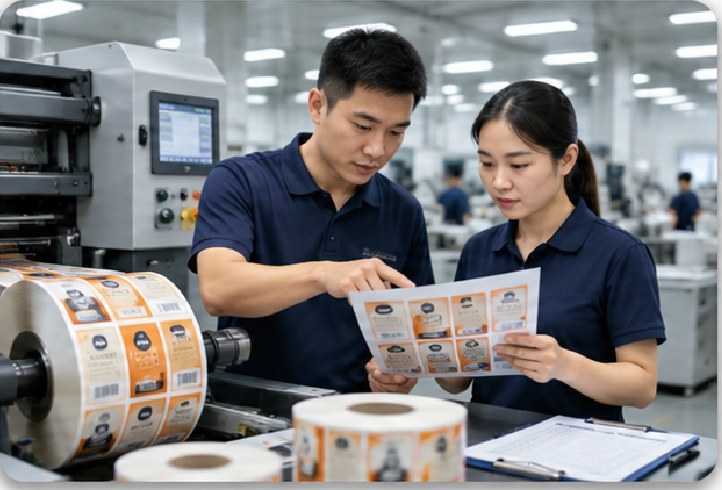
  • 12,000+ m² manufacturing footprint in Shenzhen and Dongguan
  • 200+ employees, including 91 technical, skilled production and quality personnel
  • Many standard projects start from around 500 pcs
  • Standard digital samples commonly take 1–3 business days
Faster Label Lead Time

Fast Label Programs for Different Operating Needs

Urgency means something different for a new launch, an established production line, a packaging partner or a multi-SKU brand. Philiton plans the route around the commercial reason behind the deadline.

Growing Product Brands

New launches often combine unfinished artwork, several SKUs and a hard market date. Philiton can review artwork, material direction, quantity per SKU and finishing together before production begins. Digital printing is especially useful where shorter runs, artwork variation and manageable launch inventory matter. Once the structure is approved, the same project can move into repeat and higher-volume production without rebuilding every decision from zero.

Established Consumer Brands

Established brands usually care about more than raw production speed. Color consistency, approved finishes, SKU control, packaging-line compatibility and repeat-order continuity all affect the real schedule. Philiton can retain approved artwork, material, tooling, roll specifications and quality references so unchanged repeat programs require fewer development decisions while still passing normal order review and quality control before release.

Manufacturers and OEMs

Factory production lines may need roll labels, barcode labels, serial numbers, warning labels, industrial identification or product labels delivered against a fixed manufacturing plan. Philiton reviews roll direction, core, pitch, liner, application surface, variable data and packing requirements early, helping prevent a fast printing schedule from becoming a late delivery because the finished labels do not match the applicator or production process.

Packaging and Print Partners

Packaging companies, contract manufacturers, distributors and print partners often manage several end-client projects at once. Philiton supports confidential artwork, multiple SKUs, repeat specifications and neutral project coordination. Faster scheduling works best when each SKU has a defined revision, quantity, material structure and delivery requirement, allowing compatible work to share selected production resources without losing artwork-level control.

Label Products That Can Enter Fast-Track Review

Fast-track suitability depends on material, artwork, quantity, finishing and available production capacity. Philiton manufactures a broad range of labels and stickers, but every product follows the route its specification actually requires.
Roll Product Labels

Roll Product Labels

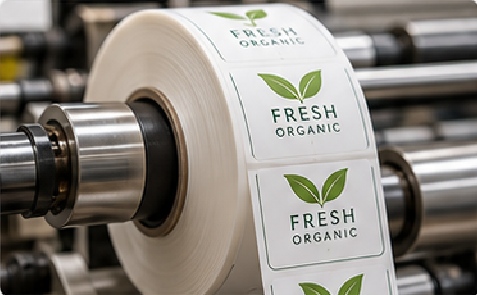
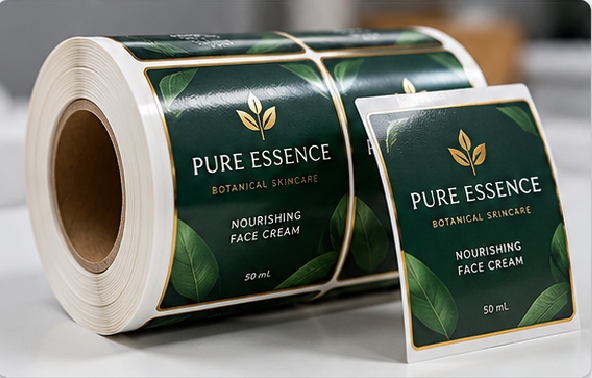
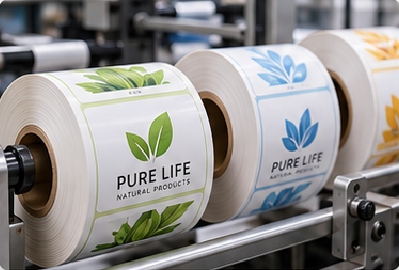
Roll labels suit bottles, jars, pouches, cartons and automated packaging lines. Faster production is easier when artwork, material, label size, roll direction, core and quantity per roll are already defined. New automatic-labeling programs require extra attention to liner width, pitch, winding direction and sensor requirements before the final roll specification is released.
Bottle and Jar Labels

Bottle and Jar Labels

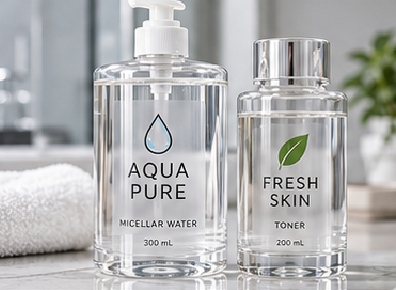
Bottle and jar programs can use paper, BOPP, PET, clear film, metallic structures or specialty materials. Deadline planning starts with container material, curvature, exposure to water or oil and the labeling method. A visually simple label can still require adhesive validation when applied to PP, PE, HDPE, refrigerated containers or small-diameter packaging.
Die-Cut Stickers

Die-Cut Stickers

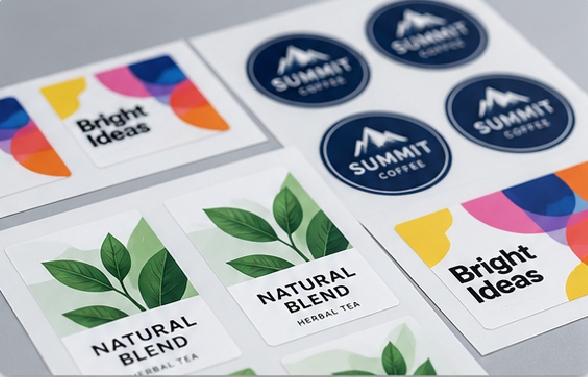
Custom die-cut stickers can follow digital production for shorter runs and varied artwork. Standard materials and straightforward cutting are easier to accelerate than projects requiring unusual substrates, new tooling or complex multilayer effects. Artwork with a clean cut path, adequate bleed and approved dimensions removes avoidable prepress delays before cutting and finishing begin.

Clear Film Labels

Clear BOPP and PET labels create a no-label appearance on suitable bottles and containers. Fast production still requires a confirmed white-ink plan, transparent areas, adhesive clarity and final container condition. Dust, condensation, bubbles and low-surface-energy plastics can affect appearance, so new transparent constructions should not skip application checks simply to save calendar time.
Waterproof Film Labels

Waterproof Film Labels

BOPP, PET and other film structures are common where moisture, handling or oil exposure is expected. Faster scheduling is possible with familiar material structures, but “waterproof” cannot be treated as one universal construction. Film, adhesive, ink, laminate or varnish and the actual use environment work together and should be reviewed before approval.
Thermal Shipping Labels

Thermal Shipping Labels

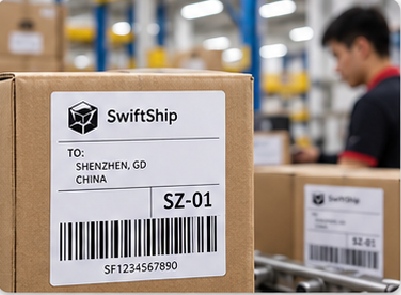
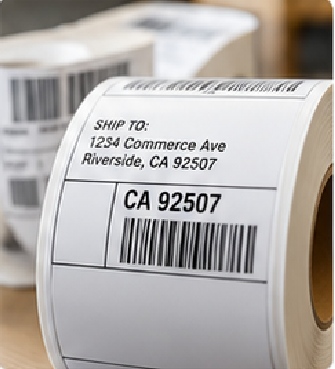
Direct thermal and thermal-transfer labels support logistics, warehouse, fulfillment and variable-information programs. Repeat sizes and stable roll specifications can be efficient to reproduce. Selection still depends on required image life, abrasion exposure, heat, transport environment and printer compatibility. Core, roll diameter, liner and sensor requirements should be defined before mass production.
Barcode and QR Labels

Barcode and QR Labels

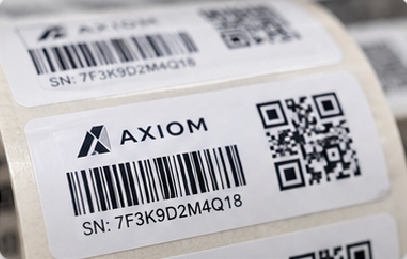
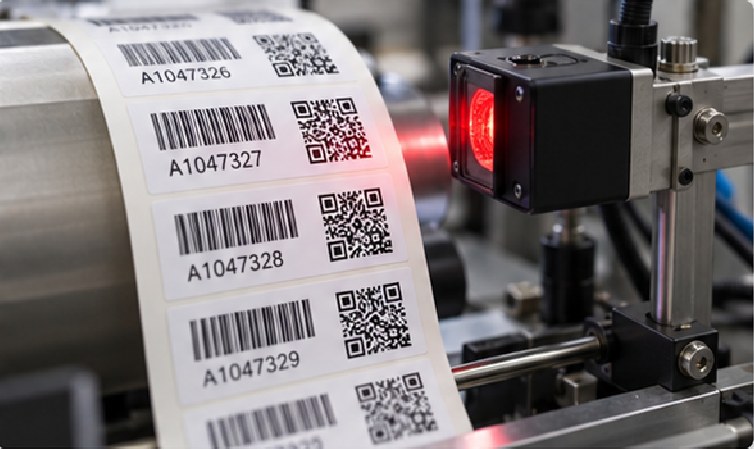
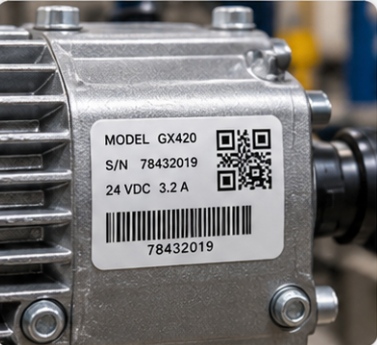
Barcode, QR and serialized labels often combine fixed graphics with variable information. Speed depends on receiving correct source data and verification rules early. Philiton controls print batches, uniqueness, reprints and final checks according to the agreed workflow. Code size, contrast, quiet zone and surface curvature must also support reliable scanning.
Industrial PET Labels

Industrial PET Labels

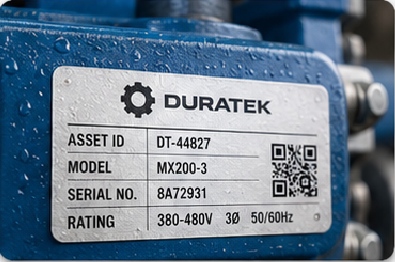
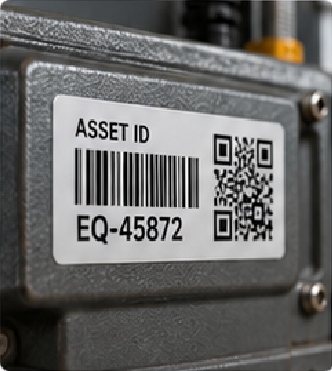
Industrial, electronics, equipment and asset labels may use PET or other durable synthetic stocks with selected adhesives and protective finishes. These projects often require more engineering review than ordinary packaging labels because heat, chemicals, abrasion or long service periods may matter. A rushed order should only proceed after the required application conditions are known.
VOID Security Labels

VOID Security Labels

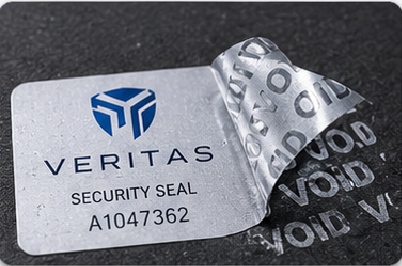
Tamper-evident and VOID structures are designed around evidence of opening or removal. Standard constructions can be evaluated quickly when size, substrate and visual requirements are clear. Custom security behavior, unique codes or proprietary patterns may add development work, so approval should cover the actual removal behavior rather than artwork appearance alone.
Holographic Labels

Holographic Labels

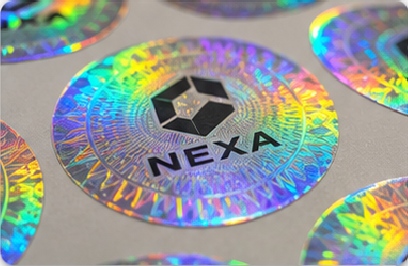
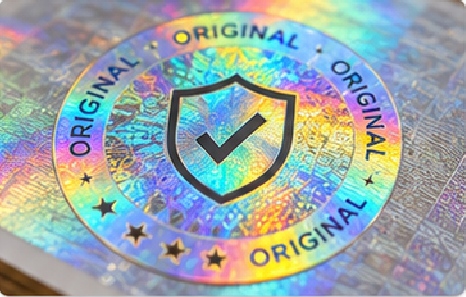
Holographic films and effects can support premium decoration or brand protection. Existing suitable materials are generally easier to schedule than a new proprietary holographic pattern. Custom origination, specialty supply and tooling can add preparation time. Philiton therefore separates standard holographic material use from fully customized security constructions during lead-time review.
RFID and NFC Labels

RFID and NFC Labels

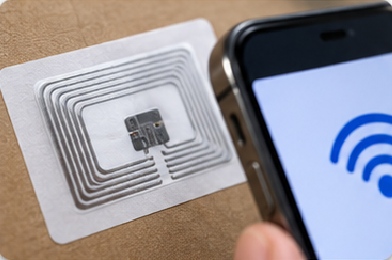
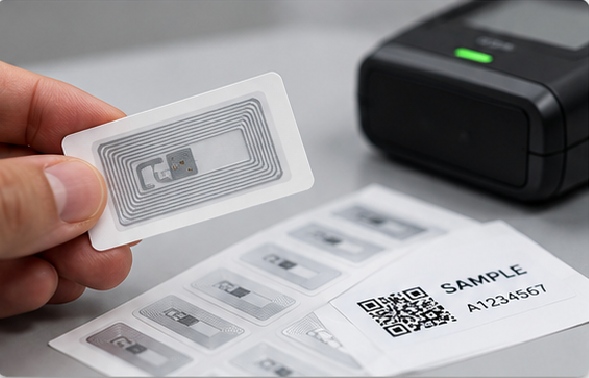
RFID/NFC projects require more than printed artwork. Frequency, chip or inlay, construction, encoding, installation surface, reading conditions and verification method can influence development time. Fast-track review is possible, but functional projects normally require sample configuration and read/write checks before volume production rather than treating the electronic layer as an ordinary printed label.
Hang Tags and Brand Tags

Hang Tags and Brand Tags

Printed hang tags and related brand accessories can combine conventional printing, variable information, foil, embossing, special papers and die cutting. Straightforward printed tags can move quickly after artwork approval, while textured stocks, premium finishing and specialized shapes may require extra material or tooling preparation. Packing and SKU separation should be specified early for multi-style programs.

Six Situations Where Label Speed Really Matters

Fast production has the most value when a late label creates a larger operational problem. Philiton focuses on the deadline behind the order, not simply the request for “rush printing.”
New Product Launch

New Product Launch

Packaging artwork is often the final component standing between finished goods and launch. Philiton can review size, material, quantity, SKUs, printing and finishing together to identify the shortest workable route. Digital production can reduce setup on suitable short runs, while complex adhesives or premium finishes remain subject to the development work required for reliable production.
Unexpected Stockout

Unexpected Stockout

A label stockout can stop packing even when the finished product is ready. Repeat specifications are the strongest candidates for fast-track scheduling because approved artwork, material, tooling and roll configuration may already exist. Philiton still checks revision status, quantity, material availability and current production conditions before releasing a replenishment order.
Late Artwork Change

Late Artwork Change

Ingredient text, language, barcode information, legal text or promotional content may change close to production. Speed comes from disciplined version control. Philiton checks the final revision, separates fixed and variable information where needed and avoids releasing obsolete artwork. A clear approval owner on the brand side can save more time than rushing the press after repeated revisions.
Multi-SKU Launch

Multi-SKU Launch

Five, ten or twenty SKUs can create delays even when every label uses the same material. Each artwork needs its own quantity, revision and quality identification. Philiton can review compatible SKUs together, standardize shared dimensions or materials where appropriate and use digital or variable-data routes where they provide a genuine scheduling advantage.
Supplier Recovery

Supplier Recovery

A missed delivery from an existing supplier may create an emergency replacement requirement. Philiton first checks whether the existing specification is complete enough to reproduce: artwork, dimensions, material, adhesive, finishing, roll direction and packing. Missing specifications may require reverse clarification or sample comparison before an emergency schedule can be confirmed.
Retail Replenishment

Retail Replenishment

Retail, marketplace and fulfillment programs often operate against booked receiving windows. Production completion alone is not enough. Philiton works backward from the requested arrival date, taking account of packing, dispatch and selected transport method. Carton identification, SKU separation and warehouse receiving rules should be included before shipment is prepared.

Where Your Label Lead Time Is Actually Spent

A credible schedule separates approval, material preparation, production and logistics. Compressing one step cannot recover time lost because a different step remains unresolved.

StageWhat HappensWhat Commonly Controls TimeBest Way to Protect the Schedule
Requirement ReviewSize, quantity, SKU, application, deadline collectedMissing application detailsSend complete project inputs together
Artwork & PrepressDieline, bleed, colors, layers, codes checkedFile revisions and missing layersSubmit production-ready artwork
Material ReviewFacestock, adhesive and liner selectedSpecial stock or adhesive sourcingApprove standard suitable structures early
ToolingDie, plate, foil or emboss tooling prepared where neededNew custom toolingFreeze dimensions and artwork
SamplingMaterial, print, finish or function verifiedComplex finish or application testingSelect only the sample level the project needs
ApprovalFinal artwork/specification lockedSlow internal sign-offName one approval owner
PrintingDigital, flexo, screen, UV or related routeQuantity, colors, capacitySelect route by real order conditions
Finishing & ConvertingLamination, foil, emboss, die cut, rewindMultiple offline processesAvoid unnecessary process combinations
QC & PackingInspection, count, roll and pack verificationSKU complexity and functional testingDefine QC and packing before production
DispatchCourier, air or sea handoffExport documents and receiving rulesConfirm destination and delivery term early

Is Your Order Ready for Fast-Track Production?

The strongest rush candidate has approved inputs, accessible material and limited unresolved engineering. Projects with application risk can still move quickly, but validation comes before a final promise.

Project ConditionFast-Track PotentialPhiliton Review
Final artwork + standard material + digital printStrongConfirm quantity, finish and capacity
Repeat order with no specification changeStrongVerify revision, material and tooling availability
Multiple SKUs sharing size and materialStrong to ConditionalCheck each artwork and quantity separately
Standard roll labels for an existing applicatorStrong to ConditionalConfirm roll direction, core, pitch and OD
New foil or emboss designConditionalTooling and registration need review
New label for HDPE / PP / PEValidation FirstAdhesive and surface conditions need checking
Frozen or refrigerated applicationValidation FirstApplication temperature, condensation and storage matter
Custom hologramLonger Preparation PossibleOrigination and specialty supply may be required
RFID/NFC with custom encodingProject ReviewInlay, data, reading and verification must be defined
Imported or uncommon specialty stockMaterial DependentSupplier availability can control the schedule

Typical Philiton Lead-Time Routes by Project Type

Time ranges begin only after the required artwork, specification, materials and relevant approvals reach the stated starting condition. Courier or freight transit is separate from production. Ranges are planning references rather than unconditional guarantees. Quantity, material supply, machine loading, finishing, testing and requested delivery date remain part of final schedule confirmation. CTA: Request Schedule Review
Project RouteTypical Philiton RangeMain Starting Condition
Blank material / swatchAround 1–2 business daysMaterial direction confirmed
Digital sampleAround 1–3 business daysArtwork and common material confirmed
Printed / finished sampleAround 3–5 business daysPrint and finishing specification confirmed
Complex finishing sampleAround 5–7 business daysFoil, emboss, special die, screen or material confirmed
RFID / security / special structure sampleAround 5–10 business daysFunctional structure and test needs confirmed
Rush small productionAround 2–4 business days where suitableStandard materials + suitable digital/simple finishing
Complex rush productionAround 4–7 business days or moreTooling and materials can be obtained quickly
Repeat fast-track orderAround 2–5 business days commonlySpecification unchanged and material available
Regular large productionAround 7–15 business days commonlySpecification locked and production plan confirmed

Ranges are planning references rather than unconditional guarantees. Quantity, material supply, machine loading, finishing, testing and requested delivery date remain part of final schedule confirmation.

Eight Issues That Commonly Extend Label Lead Time

Most delays happen before or between manufacturing steps. Removing unresolved inputs early is usually safer than trying to recover every lost day at the end.

Incomplete Artwork

Missing dielines, low-resolution graphics, fonts, white-ink layers or finishing separations create unnecessary prepress loops. A production-ready file should state final size, bleed, colors and special process layers clearly. Small artwork questions resolved before order release can prevent much larger delays once tooling or production has already started.

Repeated Approval Changes

A fast press cannot compensate for an artwork revision arriving after material, tooling or production preparation has started. Philiton controls revisions by SKU and approval status. Ingredients, languages, barcodes and regulatory text should be frozen by the responsible approval team before final production artwork is released.

Special Material Sourcing

Standard papers and common films are generally easier to schedule than imported, rare or specially constructed stocks. Special materials may require additional supplier lead time and minimum purchase quantities. Philiton can review suitable alternatives, but a material substitution is not made only for speed when performance, appearance or documentation would change.

New Adhesive Validation

Adhesive choice depends on substrate, surface energy, temperature, moisture, oil, chemicals, curvature and required lifetime. PP, PE and HDPE may need a different adhesive strategy from glass or coated board. A rush schedule should include application testing when an unverified surface could create edge lift or full-label failure.

New Tooling

Custom die cutting, foil, embossing and certain printing routes may require new tooling. Final dimensions and artwork must be frozen before tooling begins. Changing shape, foil area or embossed artwork afterward can trigger remake time, making early engineering approval more valuable than trying to rush the tooling stage.

Complex Finish Stacking

Foil, embossing, spot effects, lamination and special die cutting can create a premium result, but every added process introduces setup, registration and inspection work. Philiton reviews which effects are essential for the finished pack so an urgent program does not carry avoidable process steps merely because they appeared in an early concept.

Multi-SKU Complexity

A shared total quantity does not make ten artworks behave like one artwork. Each SKU still needs revision control, approved quantity and correct packing identification. Standardizing material, size, finish and roll setup across compatible SKUs can improve production efficiency while keeping each design independently controlled.

Functional Verification

RFID reading, unique codes, barcode quality, tamper evidence and demanding environmental performance require more than visual approval. Functional checks may add time, but skipping them can create much larger problems after delivery. Philiton sets the verification scope according to the final application rather than treating every rush program as decoration-only printing.

Faster Artwork Development Starts Before the Press Runs

A short manufacturing schedule begins with files that can move directly into engineering and prepress instead of spending days in avoidable clarification.

Build a Production File That Answers Manufacturing Questions

A good design file does more than look correct on screen. Philiton needs a manufacturing version with the final finished size, defined cut line, sufficient bleed, safe text position, fonts converted or supplied correctly, usable image resolution and clear color instructions. Pantone or spot colors should be identified intentionally rather than approximated through an unnamed CMYK value.
Special processes need independent artwork logic. White ink for clear films, foil, emboss/deboss, varnish, spot UV and cutting paths should be placed in distinct named layers or separations. Barcode and QR artwork requires enough size, contrast and quiet area for the intended print process and surface. Variable data should be separated from fixed artwork and accompanied by the correct data source and quantity.
For multi-SKU programs, Philiton recommends a controlled naming structure: SKU name, revision, quantity and approval status. One incorrect file among ten designs can interrupt sorting, packing or final release. Sending the entire approved file set together allows prepress to identify common dimensions, materials and shared production settings before the production route is locked.

Freeze Changes Before They Become Production Changes

Artwork revisions have very different consequences depending on timing. A wording change during initial review may only require a new proof. The same change after a die, plate, foil tool, variable-data file or production sample has been prepared can affect cost and schedule. Philiton therefore treats artwork approval as a manufacturing control point, not a casual email confirmation.
Final approval should cover more than appearance. Confirm size, shape, material direction, adhesive requirement, colors, white ink, special finishing, variable data, roll orientation and packing references where applicable. Automatic-labeling projects also require the finished roll specification to match the applicator.
For regulated packaging, Philiton checks manufacturability and reproduces approved content but does not rewrite legal claims or assume responsibility for deciding required wording. Final legal text, translations, warnings and claims should arrive approved by the responsible brand or adviser. A disciplined approval handoff protects both the deadline and the final printed version.


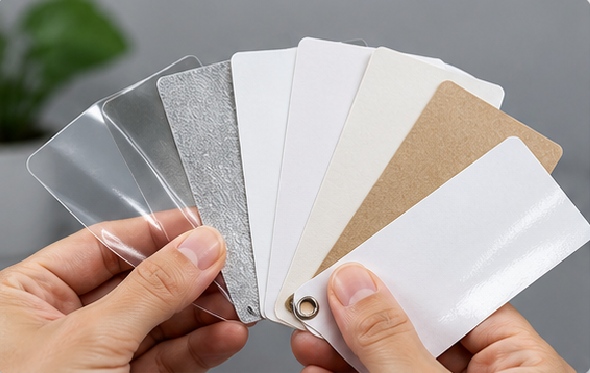
Materials That Balance Speed, Appearance and Application

Material availability matters for lead time, but suitability comes first. Philiton matches facestock and adhesive to the actual package, environment and finishing requirement before production release.
Semi-Gloss Paper

Semi-Gloss Paper

Semi-gloss paper is widely used for standard dry consumer packaging where cost, print quality and familiar converting matter. A common paper structure can be easier to schedule than a highly specialized stock. Water, oil or demanding outdoor exposure may require a film construction instead, so application conditions should be stated before selecting paper only for speed.
Matte and Gloss Paper

Matte and Gloss Paper

Matte and gloss papers provide different brand appearance while remaining suitable for many conventional packaging uses. Coating, varnish or lamination can further change finish and handling resistance. For urgent jobs, Philiton checks whether the requested appearance can be achieved with an available standard structure before introducing a specialty paper with longer procurement.
White BOPP Film

White BOPP Film

White BOPP is a common option for moisture-resistant consumer packaging and many bottle applications. It offers a clean printed surface and works with multiple finishing routes. Adhesive still needs to match the container and environment, especially on lower-surface-energy plastics or cold applications. Film selection should be tied to the real package rather than the word “waterproof” alone.
Clear Film Labels

Clear BOPP or PET

Clear films support transparent and no-label-look packaging. Material clarity is only one part of the result: white ink, adhesive appearance, container cleanliness and application technique also matter. A clear-label project can move quickly when the bottle and artwork structure are known, but first-time transparent applications deserve a physical check before volume production.
Durable PET

Durable PET

PET and other durable synthetic stocks suit electronics, industrial identification, assets and applications needing stronger abrasion or environmental performance. Selected adhesive, ink and protective coating must match the actual service condition. Where chemical exposure or elevated temperature is claimed, Philiton relies on specific material information and project testing rather than a generic durability statement.
PE Flexible Film

PE Flexible Film

PE or other flexible film structures can better follow squeezable containers and flexible packaging than a stiff label. The goal is to reduce wrinkling, edge stress or lifting as the package moves. Faster development comes from knowing the container material and deformation behavior early, allowing the facestock and adhesive to be selected together.
Textured and Metallic Stocks

Textured and Metallic Stocks

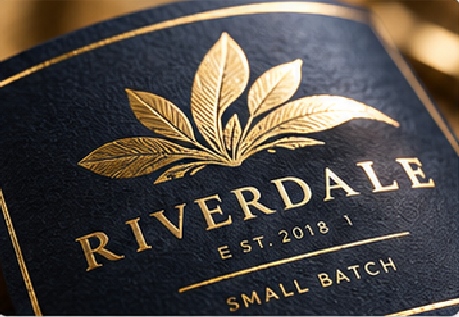
Textured papers and metallic films support wine, fragrance, gifting and premium packaging where surface feel matters. Foil, emboss or other decorative processes may be added, but every custom material and finishing combination can affect preparation time. For deadline-sensitive work, Philiton can compare a preferred premium construction with a more readily available alternative before sampling.
Thermal Labelstock

Thermal Labelstock

Direct-thermal and thermal-transfer-compatible stocks serve shipping, warehouse, retail, barcode and short-cycle information programs. Choice depends on required image life, exposure and printer method. Existing roll specifications are particularly suitable for repeat fast-track planning because size, core, roll direction, liner and print method can already be controlled from the previous approved order.

Choose the Printing Route Around the Real Deadline

Printing technology affects setup, quantity economics, SKU flexibility and finishing. Philiton selects the route around the specification rather than calling one method universally faster.
Digital Printing

Digital Printing

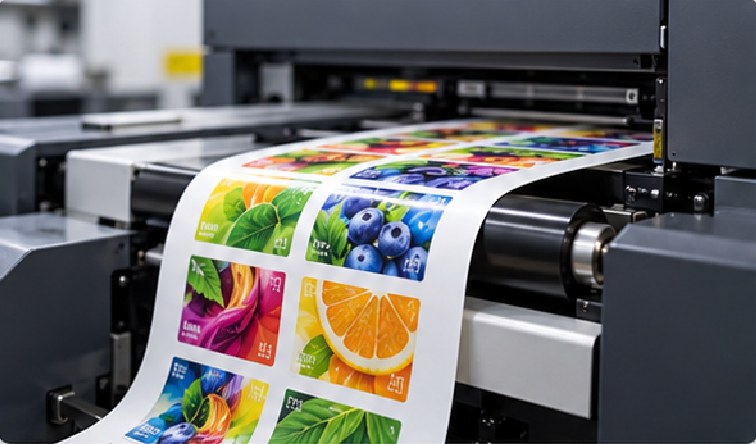
Digital printing is usually the strongest route for samples, shorter production, multiple artworks and launch quantities because traditional plate preparation can often be avoided. It is also useful where SKUs change frequently or variable information is needed. Philiton commonly uses digital routes for roughly 500–2,000 piece launch-level programs when size, material and finishing are suitable, then reassesses the route as volumes grow.
Flexographic Printing

Flexographic Printing

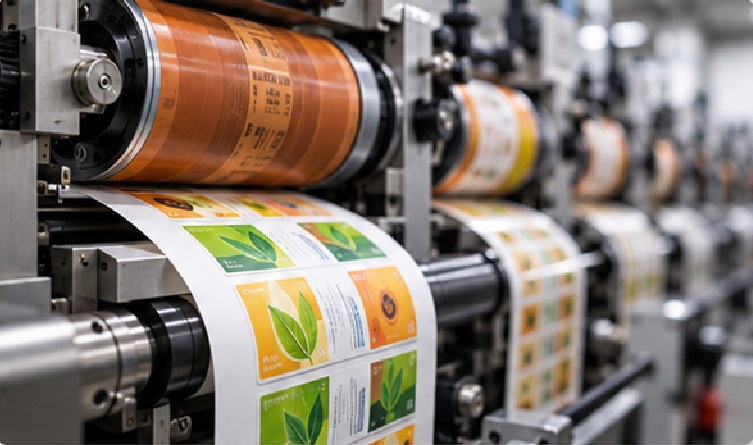
Flexographic printing becomes increasingly relevant for stable, recurring roll-label volumes where production efficiency matters more than eliminating initial setup. Programs in the 5,000–100,000+ range may benefit from flexographic production depending on dimensions, colors, material and finishing. A longer preparation step can still produce the better total manufacturing route when the order is large and specifications are stable.
Screen and UV Processes

Screen and UV Processes

Screen and UV processes support opaque white, heavier ink effects and selected specialty constructions. They are useful where appearance or functional ink coverage cannot be achieved appropriately through the simplest print route. Rush review therefore asks whether the effect is essential. Removing a required white or protective layer simply to save time can damage the finished result.
Variable Data Production

Variable Data Production

Serial numbers, barcodes, QR codes, Data Matrix and authentication codes can be integrated into appropriate production routes. Lead time depends heavily on data readiness and control rules. Philiton checks source data, quantity, uniqueness, batch handling, reprint logic and verification before release, allowing production speed without losing control of individual-code integrity.

Finishing Choices That Change the Production Schedule

Premium effects can remain part of an urgent project when their preparation and registration requirements are understood early. Philiton separates essential brand effects from avoidable schedule complexity.
Lamination and Varnish

Lamination and Varnish

Lamination or varnish can protect printing and alter gloss, matte or tactile appearance. Selection should reflect handling, moisture, abrasion and finished brand effect. Standard protective finishes can fit efficient production routes, while unusual films or specialty coatings may require extra sourcing. Final protection should be approved before the production schedule is locked.
Foil Stamping

Foil Stamping

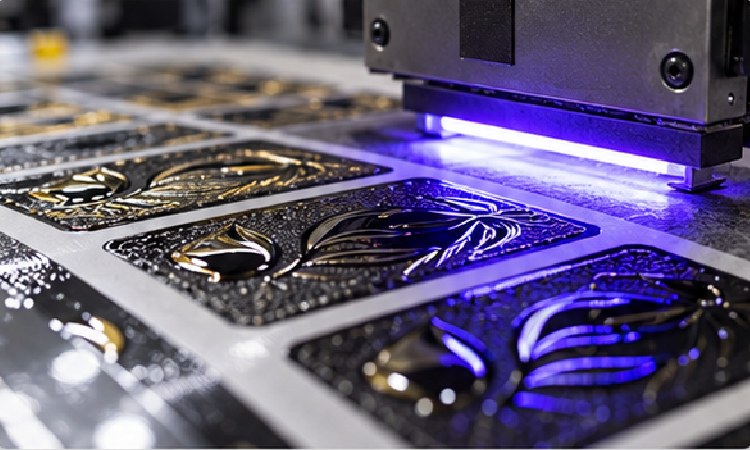
Foil creates metallic or decorative detail but normally requires dedicated tooling and accurate registration. Artwork should define the foil area separately and early. Existing approved tools can support faster repeats, whereas a new foil design requires preparation time. Foil color, material interaction and coverage should be confirmed before tooling begins.
Emboss and Deboss

Emboss and Deboss

Embossing and debossing create raised or recessed tactile structure. Tooling, pressure and registration must work with the chosen stock and printed artwork. Fine detail or large embossed areas can require extra development. Combining emboss with foil adds another registration relationship, making early design freeze especially important on deadline-sensitive premium labels.
Spot UV and Screen Effects

Spot UV and Screen Effects

Spot gloss, raised UV and screen-applied effects can create local contrast or heavier ink coverage. The process adds setup and registration work beyond basic printing. Philiton reviews whether the effect is essential to the approved package and whether it can be integrated efficiently with the selected production route.
Holographic Security Effects

Holographic Security Effects

Holographic material can provide visual impact or form part of a security construction. Standard available films may be scheduled differently from proprietary hologram origination. Custom patterns, security features and specialized sourcing can increase preparation time, so Philiton identifies the exact level of customization before confirming a fast-track schedule.
Die Cutting and Rewinding

Die Cutting and Rewinding

Die cutting creates the final label shape; rewinding defines the roll supplied to the packing line. Standard dimensions or existing tooling can simplify preparation. Automatic labeling also requires correct gap, pitch, web width, winding direction, core and roll diameter, making converting specifications a core part of the production schedule rather than an afterthought.

Sample Only What the Project Needs to Prove

Sampling protects the schedule when it closes a real risk. Philiton uses different sample levels so straightforward projects are not forced through unnecessary development steps.
Material Swatch

Material Swatch

A blank material or adhesive sample can verify feel, transparency, flexibility, initial adhesion and package fit before artwork is finished. Standard swatches commonly require around 1–2 business days once the material direction is defined. This route is useful when the main uncertainty is the substrate or adhesive rather than printing.
Digital Printed Sample

Digital Printed Sample

Digital samples are suitable for checking artwork, color direction, dimensions and the overall visual result on many paper, BOPP and PET structures. A common Philiton planning range is around 1–3 business days after artwork and suitable material are confirmed. Digital sampling is particularly useful for launches and multi-SKU programs.
Finished Production Sample

Finished Production Sample

A production or finished sample is more appropriate where foil, emboss, special cutting, automatic application, strict color or final construction must closely represent mass production. Standard printed or finished samples commonly take around 3–5 business days, while more complex finishing combinations can require approximately 5–7 business days.
Functional and Approval Sample

Functional and Approval Sample

RFID, security structures and other functional constructions may require around 5–10 business days depending on configuration. Larger brands can also use pre-production or Golden Samples to freeze the approved material, artwork and finishing reference. Keeping a physical approved reference helps later repeat orders move faster without sacrificing batch comparison.

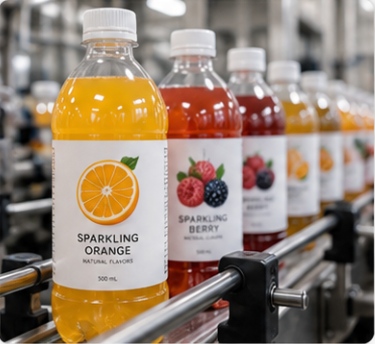
How Philiton Builds an Urgent Production Plan

Fast production depends on coordination across material, equipment, finishing and inspection. A confirmed schedule is built from the job route rather than a single standard promise.

Convert the Deadline Into a Controlled Production Sequence

Philiton begins with the required arrival or dispatch date, then works backward through packing, QC, finishing, printing, material preparation and approval. Urgent scheduling is reviewed against available material, machine loading, quantity, number of SKUs and every required offline process. Straightforward digital work can follow a much shorter route than a project requiring imported stock, new foil tools, embossing and functional verification. Once the route is agreed, production is controlled through the approved artwork and specification. Process choice may include digital, flexographic, screen, UV, variable-data printing, foil, lamination, embossing, die cutting, slitting and rewinding. Rush status does not mean every job moves to the same equipment. A 1,000-piece multi-SKU launch and a 50,000-piece stable roll-label program can have completely different fastest routes. Material readiness is checked before the schedule is treated as firm. If a requested stock introduces avoidable sourcing time, Philiton can present an alternative construction for comparison, but any change in appearance, performance or documentation requires approval before production.

Lock Automatic-Application and Packing Details Before Release

Roll labels need manufacturing parameters beyond artwork dimensions. Philiton confirms winding direction, inside or outside wound orientation, core, maximum roll diameter, gap, pitch, liner width, labels per roll and any perforation, black mark or sensor requirement applicable to the labeler. Missing one of these inputs can create a finished roll that prints perfectly but cannot run correctly on the intended packaging line. Multi-SKU programs also need an agreed packing logic. Quantity per design, roll count, carton identification and warehouse requirements should be decided before finishing and rewinding. Production and logistics teams can then prepare the exact assortment needed at the receiving facility instead of reopening cartons or relabeling shipment units after completion. A fast schedule becomes safer when the project specification eliminates decisions from the production floor. Operators should execute approved information, not guess roll direction, select an unapproved material or interpret a last-minute artwork version. Philiton therefore treats clear specifications as a lead-time tool as much as a quality tool.

Fast Production Still Passes Four Quality Gates

Urgent status changes scheduling priority, not the need to control materials, printing, converting, SKU identification and shipment release.

Incoming Quality Control

IQC checks purchased labelstock, films, adhesive structures, inks, foils, RFID/NFC materials and packing supplies against the required project information. Material problems found before printing are less disruptive than discovering them after conversion. Special or newly sourced material receives attention before it is allowed into the planned manufacturing route.

In-Process Quality Control

IPQC supports first-piece and process checks during printing, screen work, foil, lamination, die cutting, RFID processing, slitting and rewinding. Color, registration, dimensions, finishing appearance, codes and converting details can be checked while production is running. Early correction protects the deadline better than completing an entire urgent batch before finding a repeat defect.

Final Quality Control

FQC reviews finished labels before packing against the approved order requirements, including appearance, dimensions, quantities, printing, finishing and functional items relevant to the project. Barcode, QR, RFID, label construction or other verification can be added according to the agreed inspection plan rather than treating all products as visually identical commodities.

Outgoing Quality Control

OQC checks the shipment after packing and before release. SKU, quantity, roll direction, core, carton marks, packing references and shipment status are verified against the order. For multi-SKU and urgent deliveries, correct identification at this stage prevents a fast production job from becoming a warehouse receiving problem.

Packaging Designed for Fast, Controlled Receiving

Production is not complete until labels arrive in a usable format. Philiton prepares roll, sheet and piece packing around application method, SKU control and destination requirements.

Protected Roll Packing

Finished rolls are packed to reduce crushing, moisture exposure, telescoping and accidental unwinding. Roll quantity and identification can follow the agreed specification. Automatic-labeling projects should define core, roll diameter and labels per roll before production so packing supports direct use on arrival.

Sheet Label Packing

Sheet formats can be stacked, counted and protected according to dimensions and finishing. Stable bundling helps prevent bent corners, abrasion or mixed versions. For several designs using the same sheet format, Philiton keeps SKU quantities and carton identification separate according to the approved packing plan.

Individual Piece Packing

Die-cut stickers, specialty labels and tags can be supplied as individual pieces when roll or sheet delivery is not suitable. Quantity control and protective inner packing are selected around the finished shape and surface. Premium foil, textured or easily scratched products may need additional protection compared with ordinary printed stickers.

Multi-SKU Sorting

Several SKUs can ship together when each version is independently identified and quantities remain controlled. Philiton can set roll labels, bundle labels, carton marks or mixed-carton rules around warehouse requirements. Providing the receiving format before production prevents emergency resorting close to dispatch.

Warehouse Delivery Preparation

Direct delivery to a warehouse or fulfillment location can be arranged when receiving address, carton or pallet labels, appointment rules and customs information are supplied. Programs with booked warehouse windows should confirm these requirements before packing, not after goods have already been sealed and marked.

Courier, Air and Sea

Courier suits samples, urgent replenishment and lower-volume shipments; air freight supports larger time-sensitive loads; sea freight serves volume where cost is more important than transit speed. Philiton confirms the selected commercial term and transport route separately because a short production time does not equal the final in-hand date.

Compliance Support Without Unverified Blanket Claims

Deadline pressure does not remove regulatory responsibilities. Philiton controls the manufacturing evidence within its scope while final market and legal requirements remain tied to the specific product and destination.

Approved Regulatory Artwork

Philiton can print customer-approved ingredient text, warnings, instructions, identifiers and other required content while checking production feasibility and legibility. The responsible brand, importer or regulatory adviser confirms which legal wording, translations and claims are required. Urgent work should arrive with final approved legal copy to avoid late artwork resets.

Material Documentation

Material documents can be collected or matched to specified constructions where available. FSC-source options, RoHS/REACH support, food-contact-related documentation or other declarations depend on the exact material, supply chain, intended application and required evidence. Philiton does not present one material document as automatic proof for every label or destination.

Project-Specific Testing

Philiton can prepare samples and support internal or third-party testing where the project requires confirmation of adhesion, abrasion, environmental performance, barcode quality, RFID function or specified material requirements. Test conditions should match the intended application. A test result for one construction or surface is not generalized across unrelated materials or environments.

Certification Boundaries

Philiton does not publish unverified claims such as universal ISO, FSC, UL, BSCI, Sedex or global regulatory certification where current certificate scope has not been confirmed. The manufacturing role is to execute approved specifications, control materials and processes, maintain quality records and support required documentation or testing for the defined project.

Repeat Orders Create the Strongest Fast-Track Opportunity

A first order builds the manufacturing specification. An unchanged repeat can reuse approved decisions, reducing development work while preserving order review and quality controls.

First Production Locks the Reference

The first controlled production establishes more than a printed image. Philiton can retain approved artwork, material direction, adhesive, cutting information, color reference, finishing, roll orientation, core, packing requirements and relevant sample records. Complex or recurring programs may use an approved Golden Sample or pre-production reference. These records reduce the chance that later replenishment restarts from an incomplete email description.

Repeat Production Reuses Approved Decisions

When artwork, material, adhesive, tooling and production parameters remain unchanged and required materials are available, repeat orders can often follow a faster route. Philiton still reviews revision status, quantity, application changes and compliance requirements before release. Repeat fast-track production is commonly planned around approximately 2–5 business days for suitable unchanged jobs rather than automatically releasing every historical specification.

Three Faster Lead-Time Project Scenarios

These representative project scenarios show how Philiton structures urgent programs. Quantities and locations illustrate realistic planning situations rather than published client identities or performance claims.
US Skincare Launch

US Skincare Launch

A United States skincare brand needs 12,000 clear and white BOPP labels across six SKUs for a scheduled product launch. The fastest route begins by standardizing label size, film family and protective finish across the compatible SKUs, then separating white-ink artwork and quantity by design. Philiton reviews the bottles, artwork revisions and application surface before a digital sample. Once approved, the six SKUs move through controlled digital production, die cutting, rewinding and SKU-separated packing. The main schedule protection comes from one consolidated approval round rather than rushing six unrelated files through production independently.
UK Beverage Replenishment

UK Beverage Replenishment

A United Kingdom beverage company requires 25,000 roll labels across four flavor SKUs after stock falls below the planned packing requirement. Existing dimensions, roll direction and packaging-line settings are available, but one flavor has an artwork revision. Philiton separates the changed artwork from the three unchanged references, confirms material availability and checks whether the shared roll construction can remain consistent. Unchanged SKUs can follow the repeat-order path while the revised SKU receives a fresh proof. Carton labels and SKU quantities are defined before rewinding so completed rolls can move directly into export packing without resorting after production.
German Industrial Identification

German Industrial Identification

A German equipment manufacturer needs 8,000 durable PET identification labels in two versions with serialized QR information for an upcoming assembly run. The deadline cannot be protected by printing alone because data integrity, label durability and code verification all matter. Philiton first confirms the application surface, PET construction, adhesive direction and serial-number source. Variable data is separated from fixed graphics and controlled by batch. After print and converting, codes are checked under the agreed verification process, then packed by version and quantity. The schedule is built around data readiness and verification rather than promising an unrealistic decoration-only rush time.

Faster Label Lead Time Frequently Asked Questions

Suitable rush small-production projects may be planned around approximately 2–4 business days, while complex rush production may require around 4–7 business days or more. The final schedule depends on artwork readiness, material availability, quantity, SKUs, tooling, finishing, QC and production loading. International transportation is calculated separately.
Production timing normally begins after the commercial order is confirmed, production artwork and specifications are approved, and required materials or tooling are available. Waiting for artwork changes, internal approvals or missing application information is not the same as active factory production time.
Straightforward rush digital samples using available materials may sometimes be completed within a 24–48 hour fast route after artwork and specifications are confirmed. Full production requires a separate review. Material, quantity, finishing, equipment loading and QC requirements determine whether an extremely short production window is workable.
No. Production, packing and international transportation are separate schedule components. Courier, air and sea options can be evaluated according to urgency, shipment size and destination. For a firm launch date, provide the required in-hand date and receiving location rather than only the requested factory completion date.
They can be reviewed for urgent production, but new foil or emboss tooling adds preparation. Existing approved tooling may support a faster repeat route. New designs require frozen artwork, tool preparation, registration and quality confirmation. More complex combinations should be scheduled from the full production route rather than a standard digital-print timeline.
They can. Standard paper and film structures are generally easier to schedule when available. Imported, rare, custom-textured, security or specialty-performance materials may require extra supplier lead time or minimum purchase quantities. Philiton can compare alternatives, but material changes require approval when appearance, function or documentation changes.
Digital often reduces setup for samples, shorter runs, multiple SKUs and frequently changing artwork. Flexographic printing can be more efficient for stable recurring roll-label volumes. The fastest overall route depends on quantity, material, colors, finishing, size and repeat frequency rather than selecting one technology for every order.
Yes, when materials, adhesive, finishing and technical specifications are compatible. Each SKU still requires its own approved artwork, quantity and QC identification. Standardizing size, material and finishing across related SKUs can reduce changeover complexity, but separate designs are not automatically treated as one SKU.
Often, yes. Unchanged artwork, material, adhesive, tooling, roll configuration and packing specifications remove development decisions. Philiton still reviews the new quantity, revision status, material availability and any changed application or compliance requirement. Suitable repeat fast-track jobs are commonly planned around 2–5 business days.
Send the required in-hand date, destination, label size, quantity per SKU, number of SKUs, artwork, application surface, material preference if known, printing and finishing requirements, and delivery format. For roll labels, include labeler requirements such as roll direction, core and maximum roll diameter whenever available.

Send Your Deadline for a Fast-Track Review

Philiton can review an urgent label program before you commit to a production date. Send the real arrival requirement rather than only asking for the “fastest” manufacturing time. Our team will check artwork readiness, material route, quantity, SKU structure, required finishing, sampling level, production path, QC and shipping method, then identify where the schedule can be compressed and where verification still needs to remain.

For a faster first review, include:

  • Required in-hand dateand destination
  • Label size, shape and application
  • Quantity per SKUand total SKU count
  • Artwork or current label specification
  • Container or application surface
  • Material preference, or “Please recommend”
  • Foil, emboss, lamination, UV or other finishing
  • Roll, sheet or individual-piece delivery format
  • Existing approved sample or repeat-order reference, if available

A clear project brief allows Philiton to evaluate the real production route instead of giving a generic rush promise.

For all inquiries, please feel free to reach out at:

Get In Touch

  • Our team will answer your inquiries within 12 hours.

  • Your information will be kept strictly confidential.

Get a Fast Quote for Custom Labels & Stickers

We will contact you within 24 Hours, please pay attention to the email with the suffix“@philiton.com”. 

For all inquiries, please feel free to reach out at:

Ask For A Quick Quote

We will contact you within 24 Hours, please pay attention to the email with the suffix“@philiton.com”. 

For all inquiries, please feel free to reach out at:

Get a Quote Today!

We will contact you within 24 Hours, please pay attention to the email with the suffix“@philiton.com”.