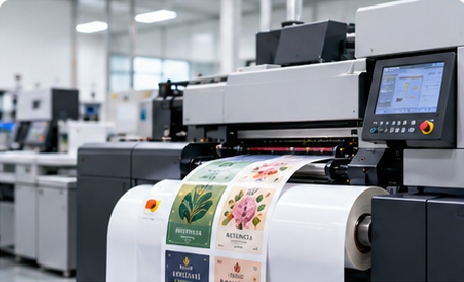
Your Trusted Labels & Stickers Manufacturer from China!

Label Programs for Established Brands

Controlled multi-SKU label manufacturing for brands that need consistent specifications, repeat production and reliable coordination across growing product portfolios.
Philiton connects artwork control, material selection, sampling, printing, finishing, inspection and reorder management within one manufacturing workflow.
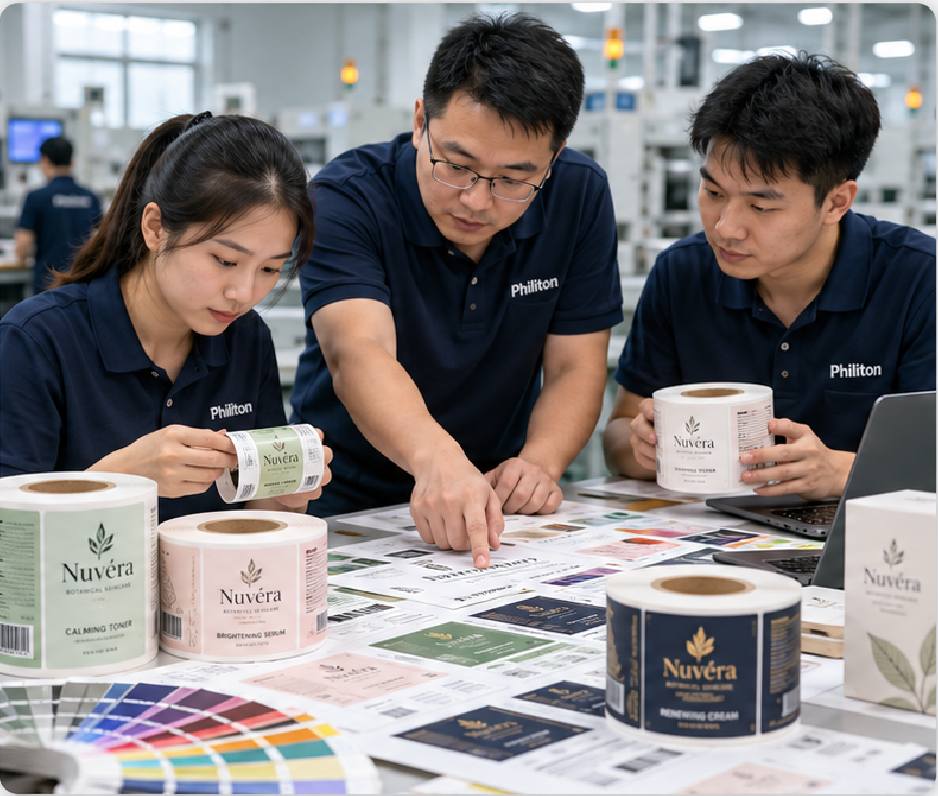
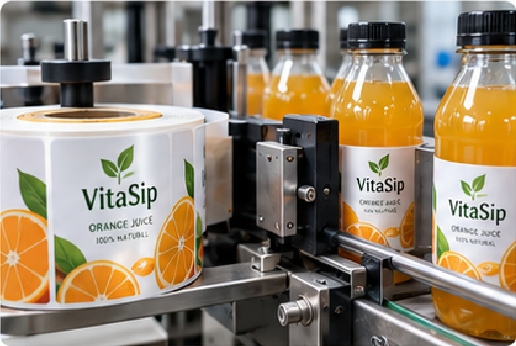
  • Shenzhen + Dongguan manufacturing
  • 12,000+ m² operating footprint
  • 200+ employees
  • 91 technical, skilled production and quality personnel
Label Programs for Established Brands

Established Brand Teams Philiton Is Built to Support

Philiton supports mature label programs where several departments influence artwork, specifications, production, quality approval, replenishment and packaging decisions across more than one SKU.

Brand and Packaging Teams

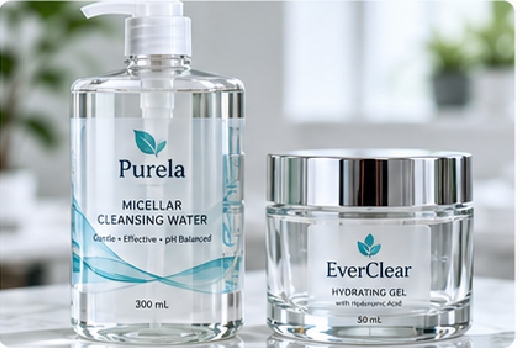
Established product portfolios rarely remain visually static. New sizes, flavors, formulas, languages, retailers and seasonal editions create artwork changes while the core brand identity must remain recognizable. Philiton supports Pantone and spot-color targets, white ink, specialty finishing, approved samples and controlled artwork releases so packaging changes can move forward without treating every SKU as an unrelated new project.

Procurement and Sourcing Teams

Procurement teams need more than a unit price. Quantities per SKU, tooling, materials, order frequency, roll configuration, freight, quality requirements and obsolete-label risk all affect the real supply cost. Philiton reviews these variables together and can support projects from controlled pilot runs through recurring production, allowing commercial decisions to reflect the whole program rather than one isolated quotation.

Packaging and Engineering Teams

Packaging engineers often need answers about bottle material, surface energy, curvature, application temperature, service environment, roll direction, core size, gap, pitch and maximum roll diameter. Philiton brings material, adhesive, converting and production review into the development process so labels are designed around the actual package and labeling method instead of artwork appearance alone.

Quality and Operations Teams

Quality and operations teams need repeatable specifications, identifiable SKUs and production records that can be reviewed when an issue occurs. Philiton applies incoming, in-process, final and outgoing quality control according to project requirements and can connect approved artwork, material information, production parameters, inspection results and packing identification to the manufacturing batch.

Where Mature Label Programs Usually Become Hard

Complexity grows when more products, more artwork versions and more production requirements enter the same label portfolio. Philiton focuses on the control points where errors become expensive.

SKU Growth

Ten thousand labels may mean one design at 10,000 pieces or ten designs at 1,000 pieces each. Production economics, artwork review, color control, setup and packing are different in each situation. Philiton evaluates quantity per SKU together with shared materials, dimensions, adhesives and finishing to identify where production can be standardized without losing SKU-level control.

Version Changes

Ingredient updates, regulatory text, promotional claims, language changes and retailer-specific packaging can create several active artwork versions at the same time. A technically perfect print made from an obsolete file is still a serious production error. Philiton uses artwork revision, proof approval and production-version freezing before formal manufacturing begins.

Repeat Consistency

A first order may look correct, yet mature programs are judged across repeated production. Material substitutions, press settings, finishing changes or unreviewed artwork revisions can create visible differences later. Philiton uses approved artwork, color targets, controlled production specifications and QC comparison as references for repeat manufacturing, with changed conditions reviewed before release.

Supply Coordination

A finished label must arrive in the correct SKU, quantity, roll configuration and packing format. Warehouse receiving rules, carton identification, mixed-SKU shipments and urgent replenishment can be as important as printing quality. Philiton coordinates packing and shipment requirements alongside production specifications so downstream teams receive labels in a usable format.

Label Formats Philiton Can Manage Across One Program

A mature portfolio may require different label constructions under one sourcing relationship. Philiton combines multiple printing, converting and specialty-processing routes according to application and SKU requirements.
Pressure-Sensitive Roll Labels

Pressure-Sensitive Roll Labels

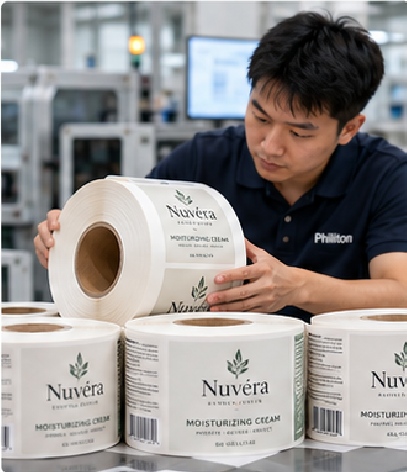
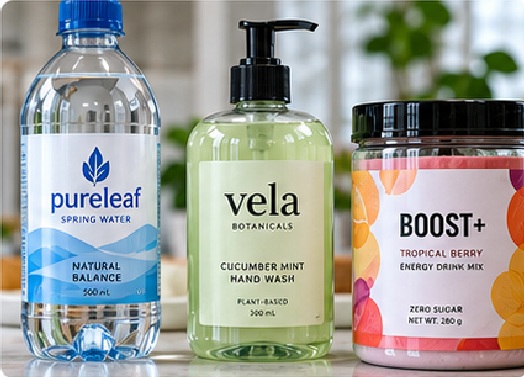
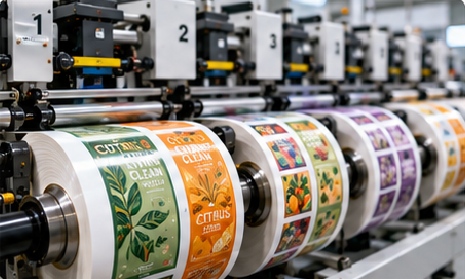
Roll labels support beverage, food, cosmetic, household, supplement and industrial packaging using paper or film facestocks with project-specific adhesives. Philiton can configure size, gap, pitch, liner, core, winding direction, labels per roll and maximum roll diameter when automatic or semi-automatic application is involved, keeping converting details aligned with the production line.
Premium Brand Labels

Premium Brand Labels

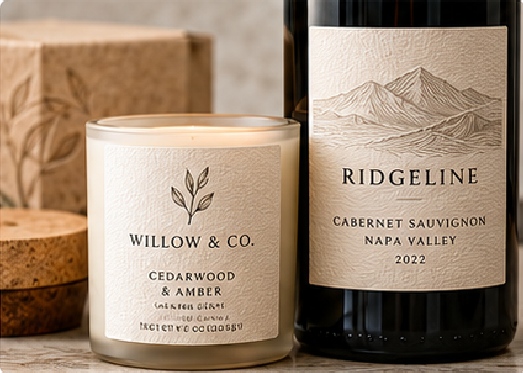
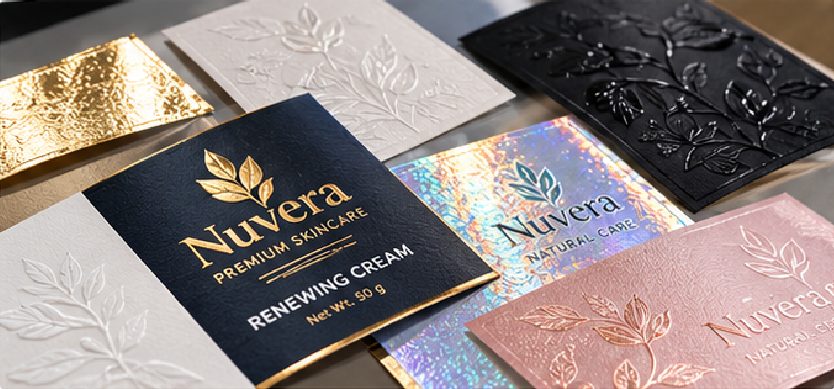
Textured papers, metallic stocks, specialty films, foil stamping, embossing, debossing, spot or raised UV and other decorative processes can be integrated into premium label projects. Brand colors and finishing appearance are evaluated on the intended construction because material shade, white ink, lamination and surface texture can noticeably influence the final visual result.
Clear and Film Labels

Clear and Film Labels

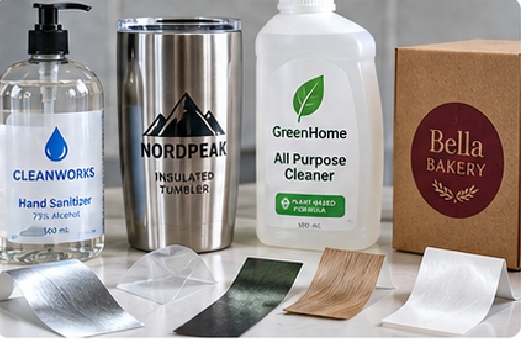
Clear BOPP, white BOPP, PET, PE and other film constructions are suitable for projects requiring moisture resistance, oil resistance, transparency or greater durability than standard paper. Philiton evaluates film selection together with the package surface, label stiffness, bottle curvature, white-ink requirements and adhesive behavior before locking a repeat-production specification.
Barcode Variable Labels

Barcode Variable Labels

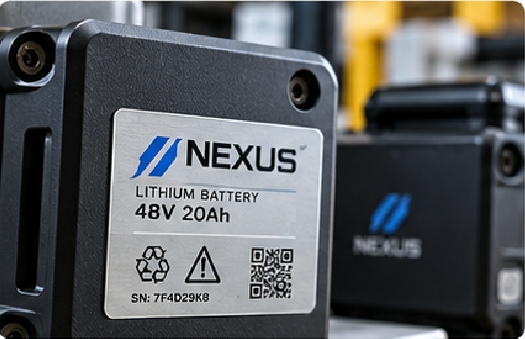
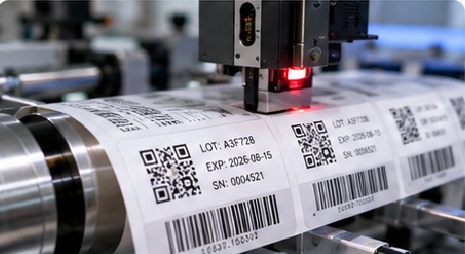
Barcode, QR code, serial-number and variable-data projects require more than changing printed graphics. Data source, code size, quiet zone, contrast, sequencing, print quality and verification requirements must be defined. Philiton can combine variable-data production with SKU control, scanning or inspection steps according to the project risk and required identification method.
Security Label Constructions

Security Label Constructions

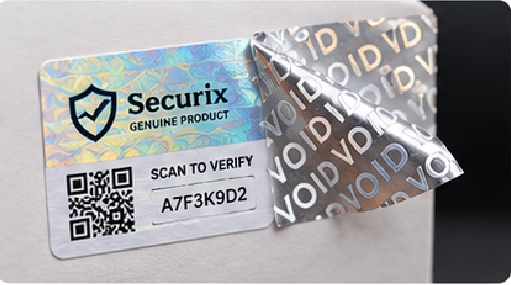
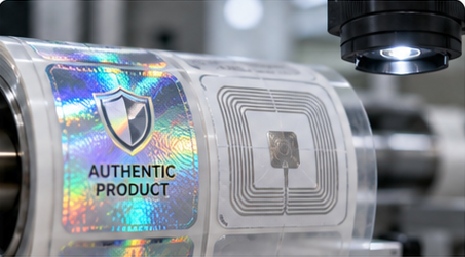
Tamper-evident, VOID, destructible, holographic and other security-oriented structures can support warranty control, package opening evidence and brand-protection programs. Security construction, substrate, adhesive, variable information and disposal requirements are confirmed per project because different structures solve different risks and should not be treated as interchangeable decorative effects.
RFID and NFC Labels

RFID and NFC Labels

RFID and NFC projects can combine printed graphics with inlays, encoding, serialization and read verification. Frequency, chip or inlay, application surface, label dimensions, data requirements and expected read conditions must be defined before production. Philiton supports project-specific development while keeping performance claims tied to the actual construction and test conditions.

Common Program Scenarios Across Growing Product Portfolios

Philiton structures manufacturing around portfolio changes that established brands encounter repeatedly, from new-market releases to recurring high-volume production and specification updates.
Portfolio Expansion

Portfolio Expansion

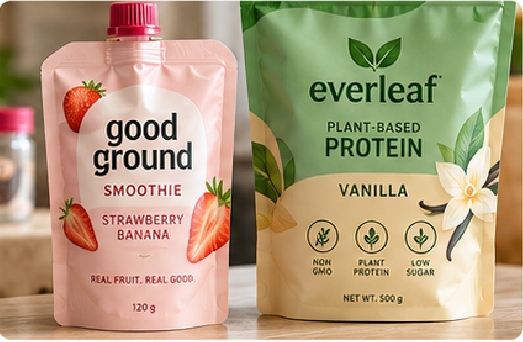
A successful product family may add new flavors, scents, sizes or packaging formats without changing its core visual identity. Philiton can review which elements should stay standardized—such as material, adhesive, size platform, roll configuration or finish—and which elements must remain SKU-specific, helping the expanded range retain recognizable brand presentation while controlling unnecessary setup differences.
Regional Market Versions

Regional Market Versions

Regional launches may introduce new languages, legal text, distributor information, barcode content or promotional claims while the label construction remains largely unchanged. Philiton can manage artwork as separate approved versions and evaluate whether shared materials, tooling and production settings can be retained, reducing avoidable redevelopment while preventing one market version from being mixed with another.
Seasonal and Promotional Runs

Seasonal and Promotional Runs

Established brands often need limited releases without committing to the same quantity used for a core SKU. Digital production can support short versions and fast artwork changes where the specification is suitable. Philiton can review lower-volume promotional quantities alongside the normal production program, reducing unnecessary obsolete-label exposure before a temporary campaign ends or artwork changes again.

Recurring Core Production

Stable core SKUs require a different manufacturing approach from temporary versions. Repeat production places more weight on approved specifications, color targets, material continuity, tooling, roll configuration, inspection and replenishment planning. Philiton reviews prior project records and confirms whether quantity, artwork, material, application or compliance requirements have changed before releasing another production batch.

Materials and Adhesives Selected for Repeatable Performance

Philiton selects label construction around the package surface, environment, appearance, production method and required lifetime rather than using one stock or adhesive across every SKU.
Coated Paper

Coated Paper

Coated papers are widely used for dry product packaging, retail labels and cost-conscious applications where strong print definition is important. Gloss, semi-gloss and related surfaces can support digital or conventional printing and common protective finishes. Moisture, oil, abrasion or refrigeration requirements should be identified before paper is selected for a repeat-production program.
Uncoated Textured Paper

Uncoated Textured Paper

Uncoated, kraft and textured papers create a tactile appearance often used for premium food, beverage, candle, wine and lifestyle packaging. Texture influences ink laydown, fine detail and foil or embossing results. Philiton reviews the actual stock together with print and finishing requirements so a visual reference is established on the final material rather than on a screen proof alone.
BOPP and PP Film

BOPP and PP Film

White or clear BOPP/PP provides low water absorption and good everyday packaging durability. It is commonly considered for beverage, cosmetic, household and food containers where moisture or handling can challenge paper. Adhesive selection still depends on the actual bottle or package, especially with PP, PE or HDPE surfaces that may have lower surface energy.
PET Film

PET Film

PET provides dimensional stability and is useful where additional durability, heat resistance, abrasion resistance or industrial performance is required. Applications can include electronics, machinery, durable product identification and selected premium packaging. Final construction depends on adhesive, printing method, protective layer and service environment, so performance is confirmed against project conditions rather than assumed from PET alone.
PE Flexible Film

PE Flexible Film

PE and other conformable films can suit flexible containers, squeezable packaging or curved surfaces where a stiffer label may lift, wrinkle or bridge. Film flexibility must still be balanced with printing, die-cutting, liner and application requirements. Philiton evaluates container movement, curvature and application method before recommending a construction for ongoing production.
Adhesive Selection

Adhesive Selection

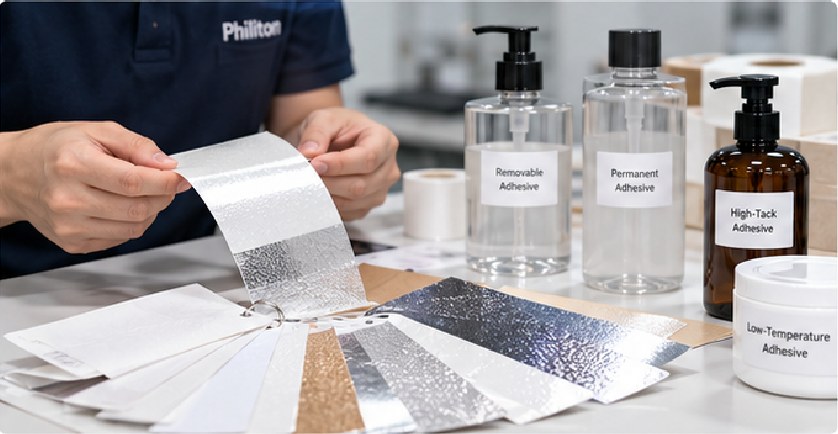
Permanent, removable, repositionable, freezer, high-tack and other adhesive routes are selected according to substrate, surface energy, application temperature, service temperature, moisture, oil, chemicals, curvature and required lifetime. Actual containers or representative substrates are preferred for validation, especially for low-surface-energy plastics, refrigerated products, small-diameter bottles and demanding industrial environments.

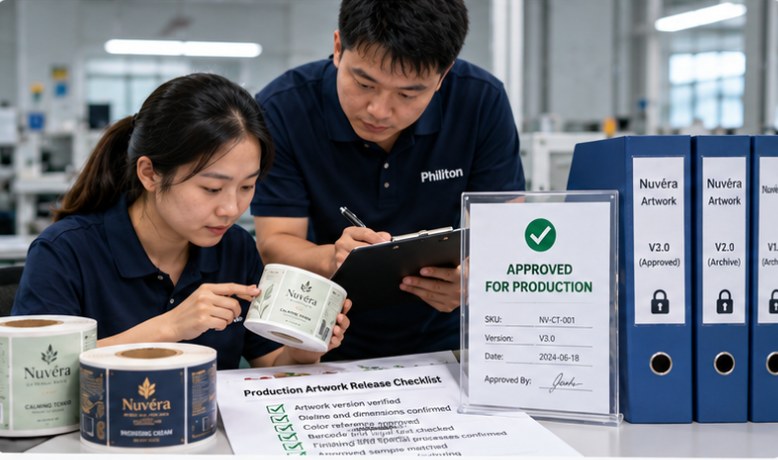
Artwork and Revision Control Before Production Release

Artwork control reduces one of the most expensive risks in a multi-SKU program: producing the right label construction with the wrong version of the design.
From Working File to Production Release

From Working File to Production Release

Philiton begins by checking the incoming file rather than moving it directly to press. Preferred production files include vector PDF, AI or EPS formats, while high-resolution raster artwork can be evaluated when necessary. The prepress review checks finished dimensions, dielines, bleed, safe areas, fonts, linked graphics, image resolution, CMYK or Pantone information, barcode or QR placement and dedicated layers for white ink, foil, embossing or other special processes. Missing production information is returned as a defined question instead of being silently interpreted. If artwork contains an old dieline, RGB graphics, unoutlined fonts or no white-ink separation for a clear label, the file is corrected or clarified before a production proof is released. Each revision becomes a new controlled version. The proof gives the brand team a specific file to check for wording, numbers, colors, legal text, code graphics, dimensions, orientation and finishing positions. A physical sample can be added when screen review is not enough to approve material appearance, color, tactile finish or adhesive behavior. The objective is simple: everyone should know exactly which artwork version is moving forward and which files are no longer authorized for manufacturing.
Locking the Approved Production Version

Locking the Approved Production Version

Final approval acts as a manufacturing gate. Once the brand team approves the required artwork, dimensions, color references, dieline, finishing layers and code content, Philiton freezes the approved Production Artwork for tooling, sampling and mass production. Production and quality inspection then refer back to the same approved version. A later change is not treated as an informal note. New ingredients, revised legal wording, a different barcode, modified foil position, changed bottle size or another market language can affect prepress, tooling, material use, inspection or packing. The revised file must pass through the applicable review and approval steps again before production release. Version control becomes especially important when several related SKUs look nearly identical. Philiton can separate artwork identity, quantity and QC identification by SKU even when products share the same material or manufacturing setup. For repeat orders, prior files can support faster redevelopment only when the approved version remains valid. Quantity, substrate, application, compliance or finishing changes are reviewed before the earlier specification is reused. A repeat PO alone does not automatically authorize an obsolete production file.

Multi-SKU Planning Without Losing Individual SKU Control

Shared specifications can improve production efficiency, but each design still needs its own approved identity, quantity and QC status. Philiton looks for common platforms without merging critical controls.

Program VariableCan Be Shared Across SKUs?What Stays ControlledProgram Impact
FacestockOften, when applications matchMaterial grade and approved constructionShared material can simplify procurement and setup
AdhesiveOften, when surfaces and environments matchAdhesive construction and application limitsWrong standardization can cause lifting or removal problems
Finished SizeOften for product familiesExact SKU dimensions and dielineCommon sizes may allow tooling reuse
ArtworkNoRevision, approval status and SKU identityEvery design remains separately approved
Brand ColorTarget may be sharedMaterial-specific appearance and agreed toleranceSubstrate and finish can alter the same color target
FinishingOften for related SKUsPosition, tooling and approved resultShared finishing improves planning when layouts align
Roll DirectionOften by filling lineSKU roll specificationMust match applicator orientation
Core and Roll ODOften by production lineApproved machine limitsControls compatibility and labels per roll
QuantityNoQty per SKUTotal order quantity alone is not enough for planning
PackingRules may be sharedSKU, batch and quantity identificationPrevents warehouse and line-side mix-ups

Sampling and Approval Gates Before Mass Production

Sampling is used to remove uncertainty before scale. Philiton selects the sample route according to material, appearance, adhesive behavior, finishing, application risk and final production method.
Material and Adhesive Samples

Material and Adhesive Samples

Material swatches or application samples help narrow down facestock and adhesive choices before a complete printed label is produced. They are especially useful for freezer environments, condensation, oily products, low-surface-energy plastics, tight bottle curvature and removable applications. Testing on the actual package gives a more meaningful reference than choosing an adhesive only from its generic category name.
Printed Color Samples

Printed Color Samples

Printed samples allow color, white ink, transparency, image detail and general surface appearance to be evaluated on the intended material. Pantone or spot-color targets are affected by substrate shade, clear film, metallic surfaces, white ink and lamination. Straightforward digital samples using available materials can sometimes be prepared on rush schedules as fast as 24–48 hours after artwork and specifications are confirmed.
Finishing Samples

Finishing Samples

Foil, embossing, debossing, raised UV, holographic effects and other finishing processes are better judged physically than on a PDF. Tooling or the exact production process may make some samples different from final mass-production preparation, so known differences are identified during review. Approval should define what visual and tactile result becomes the production reference.
Application and Line Trials

Application and Line Trials

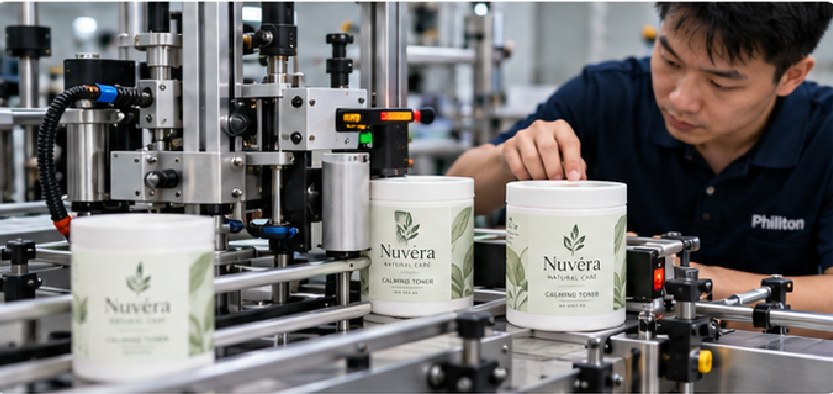
Automatic-labeling projects may require confirmation of roll direction, core, maximum roll diameter, gap, pitch, sensor marks and label stiffness in addition to printed appearance. Actual containers and representative machine conditions are valuable for line trials. A successful trial helps reduce later stoppages caused by incorrect winding, sensor detection, release behavior or incompatible label construction.

Printing and Finishing Routes Matched to Program Needs

Philiton combines digital, flexographic and specialty processes according to quantity per SKU, design frequency, material, color, finishing and the expected repeat-production pattern.
Digital Printing

Digital Printing

Digital production is well suited to shorter quantities, frequent artwork changes, multi-SKU programs and variable information because traditional plate setup can be reduced or avoided. Philiton evaluates digital economics by quantity per SKU rather than total order quantity alone. Shared materials and finishing can make several related SKUs easier to schedule while each artwork remains separately controlled.
Flexographic Production

Flexographic Production

Flexographic printing becomes increasingly useful when specifications stabilize and recurring quantities grow. Plates and setup create higher preparation costs, but those costs can be distributed across larger production volumes. Philiton reviews color, material, ink, registration, tension, drying or curing and converting requirements so repeat production is built around a controlled process rather than simply a larger order quantity.
Screen and White Ink

Screen and White Ink

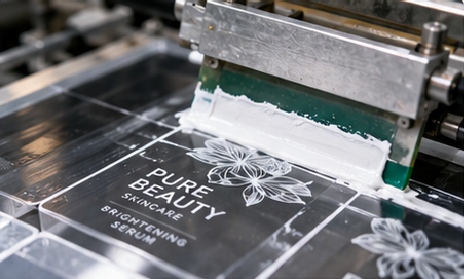
Screen printing can support high-opacity white, heavier ink deposits, selected functional inks and tactile effects. It can also complement other printing methods when a design requires stronger coverage or a special visual layer. Clear labels and dark containers frequently require careful white-ink planning because coverage directly changes both opacity and how overprinted colors appear.
Foil and Embossing

Foil and Embossing

Hot foil, cold foil, embossing and debossing can create premium visual and tactile details, but tooling, artwork preparation, registration and substrate behavior must be considered before production. Philiton reviews foil areas or relief artwork as separate production layers and recommends physical approval when the effect plays an important role in the brand presentation.
Variable Data Printing

Variable Data Printing

Serialization, QR codes, barcodes and changing text can be integrated into suitable digital or variable-data workflows. A reliable program requires the data source, field structure, total record count, print layout and verification method to be defined. Variable data remains separate from fixed artwork so errors in numbering or code generation are not confused with normal graphic revisions.
Security and Smart Processing

Security and Smart Processing

Holographic, tamper-evident, RFID and NFC projects add construction or data requirements beyond conventional label printing. Philiton can integrate these capabilities into program planning while specific security structures, chips, inlays, encoding logic, read conditions and test responsibilities are confirmed project by project. High-risk functions are validated instead of being treated as generic printing features.

Production Route Changes as SKU Volumes Grow

Volume planning should reflect quantity per SKU, not only the combined purchase order. Philiton can reassess printing and setup economics as stable items move from controlled runs into recurring production.

Program StageTypical Quantity PatternLikely Production DirectionMain Decision
Pilot / ValidationAround 500 pcs per SKU for many standard projectsDigital / sample routeConfirm construction, artwork and application
Early Reorder1,000–5,000 pcs per SKUDigital or project-specific conventional routeCompare setup cost with repeat frequency
Growth Program5,000–50,000 pcs per SKUDigital, flexo or combined planningStandardize materials and reduce repeated setup
Stable Volume50,000+ pcs on suitable recurring specificationsFlexographic or higher-efficiency routeControl color, tooling, roll configuration and batch consistency
Unchanged RepeatSpecification already approvedPrior tooling/settings may be reused after reviewConfirm material availability and no specification changes
Complex Multi-SKUMany designs with mixed quantitiesRoute selected by SKU groupSeparate low-volume versions from stable core items

From Approved Specification to Repeat Production Control

A stable label program depends on clear manufacturing gates. Philiton moves from approved specification into production, inspection and replenishment with defined checks before each major transition.

Production Starts From a Locked Specification

Formal production begins after the commercial order, approved artwork or specification and required material or tooling conditions are ready. The released specification can include finished size, facestock, adhesive, liner, print method, color references, white ink, finishing, dieline, gap, pitch, winding direction, core, maximum roll diameter, labels per roll, inspection requirements and packing rules.
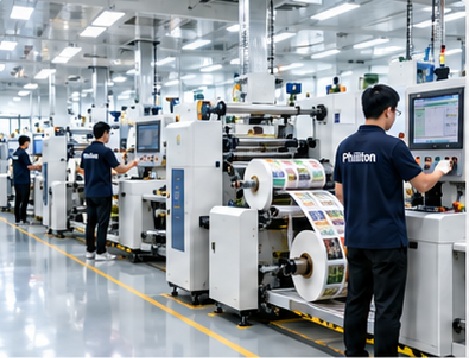
Material procurement and incoming inspection occur before the relevant stock enters production. Printing, finishing, die cutting, stripping, slitting or rewinding are then carried out according to the released project route. In-process quality checks focus on the risks created by the specification: registration, color, white ink, finishing alignment, variable information, die cutting, roll construction or other critical attributes.
Regular bulk schedules depend on artwork readiness, material availability, tooling, quantity, finishing, inspection and packing. Standard large production commonly falls around 7–15 working days after required approvals and inputs are in place, while larger or complex multi-SKU programs may require around 10–20 working days or staged completion. Special materials, RFID, complex security features and delayed approvals can extend the schedule.

Repeat Orders Still Pass a Release Review

A repeat order can often move faster because approved artwork, tooling and production information already exist. Unchanged repeat orders commonly fall around 3–7 working days when required materials and manufacturing capacity are available, but Philiton does not release an order automatically simply because the SKU has been produced before.
The repeat review checks whether artwork, quantity, package surface, adhesive requirement, finishing, roll specification, destination, compliance requirement or packing instructions have changed. Even a small change can affect manufacturing. A different bottle material may require adhesive revalidation; an updated ingredient panel creates a new artwork version; a different filling line may change core or winding requirements.
Approved samples, prior specifications, tooling information and project records provide a reference for continuity. Critical brand colors can be compared against the established target, and agreed measurement tolerances may be used when defined for the project.
The purpose of repeat-order control is not bureaucracy. It prevents silent changes from becoming production errors and keeps replenishment tied to the same information that originally defined an acceptable label.
Quality Control Built Around Program Risk Points

Philiton applies inspection according to the construction and failure risks of the project, covering incoming material, production, finished labels, outgoing checks and selected laboratory verification.

Incoming Material Control

Incoming material inspection checks the stock and components intended for production before they enter the manufacturing flow. Relevant items can include facestock, adhesive construction, liner, specialty films, foils, RFID components or other project materials. Material identity matters because an unreviewed substitution can change print appearance, adhesion, die-cut behavior, durability or repeat-order consistency.

In-Process Inspection

In-process QC focuses on defects that are more efficiently corrected before an entire run is completed. Registration, print appearance, color, finishing alignment, die cutting, slitting, winding and variable information can be checked according to the job. Early detection helps prevent a local process issue from becoming a finished-goods problem across many rolls or SKUs.

Color Control

Brand colors are managed against the approved artwork or color target using controlled materials, production setup, press calibration and QC comparison. The same ink target can look different on clear film, kraft paper, metallic stock or white material, so final color approval is tied to the intended construction. Defined measurement tolerances can be established for critical colors when agreed.

Converting Inspection

Label quality includes more than printed graphics. Finished size, die-cut position, matrix removal, gap, pitch, winding direction, core, roll diameter and labels per roll can directly affect automatic application. Philiton checks relevant converting parameters against the approved specification so a visually acceptable label does not reach a filling line in an unusable roll format.

Code and Data Checks

Barcode, QR, serial-number and RFID projects require checks appropriate to the information being produced. Readability depends on size, contrast, quiet zones, print quality, data logic and physical placement. Variable or smart-label projects may add scan verification, unique-code controls or RFID read checks according to the agreed project scope and production risk.

Final and Outgoing QC

Final and outgoing inspection confirms that finished goods match the released specification and are packed with the correct SKU, quantity and batch identification. Philiton has dedicated IQC, IPQC, FQC and OQC functions supported by internal testing resources. Inspection records, samples and project information also support investigation when an issue is reported after delivery.

Manufacturing Resources Behind Philiton Label Programs

Program control requires enough engineering, production, inspection and development resources to move from a file review into repeat manufacturing without changing the operating model as quantities grow.
Shenzhen and Dongguan Manufacturing

Shenzhen and Dongguan Manufacturing

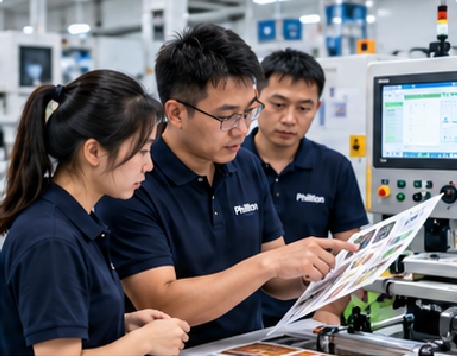
Philiton operates manufacturing activities in Shenzhen and Dongguan within a combined 12,000+ ㎡ manufacturing and operating footprint. Approximately 7,200 ㎡ is dedicated to printing, converting, finishing and core production activity. The two-location structure supports a broader manufacturing system than a single online print desk while materials continue to be sourced from qualified external suppliers.
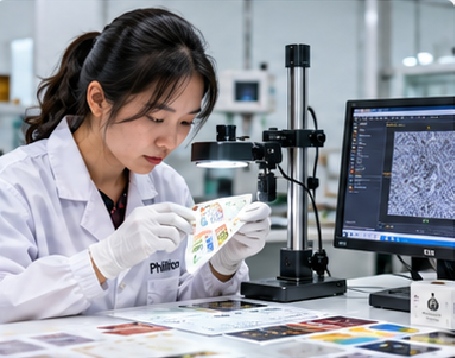
Experienced Production Organization

Experienced Production Organization

Philiton employs more than 200 people. The confirmed core group includes 91 technical professionals, skilled machine operators and quality personnel. The structure covers artwork, prepress, color, product and process engineering, digital and flexographic printing, screen printing, RFID, equipment support, die cutting, slitting, foiling, embossing and multiple stages of quality control.
QC and Testing Areas

QC and Testing Areas

Approximately 450 ㎡ is allocated to QC and laboratory functions, including incoming, in-process, final and outgoing inspection together with internal verification activities. Testing can include adhesion, peel, abrasion, scratch, color, thickness, environmental reliability, barcode or QR and RFID-related checks according to the project. External testing remains project-specific when third-party evidence is required.
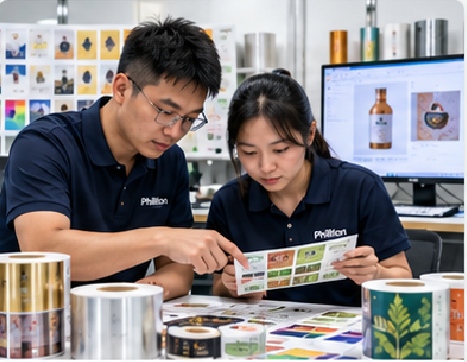
Sampling and Development Area

Sampling and Development Area

Approximately 350 ㎡ is dedicated to sampling and prototype development. Material samples, digital proofs, process samples, color references, structural checks and pre-production approvals can be prepared according to project needs. Sampling and bulk production are treated as separate approval stages so changes discovered during development are resolved before the production specification is released.
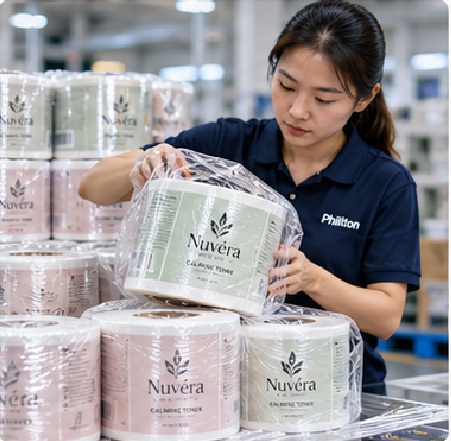
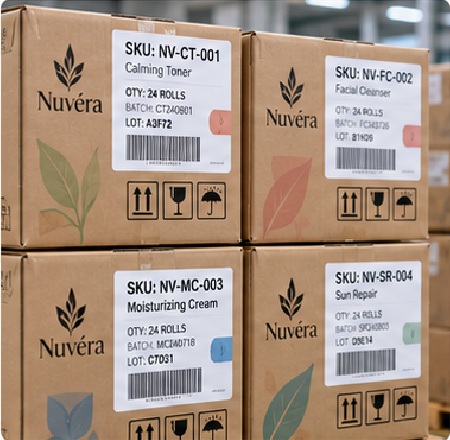
Packing and Delivery Configured Around SKU Control

Finished labels must remain protected, identifiable and ready for the receiving warehouse or production line. Philiton confirms packing rules alongside the manufacturing specification when program complexity requires it.
Protected Roll Packing

Protected Roll Packing

Roll labels are packed to reduce crushing, moisture exposure, telescoping and unwanted unwinding during transport. Roll diameter, core, winding and labels per roll should already match the approved production specification before packing begins. Protective packing becomes especially important for precision automatic-labeling rolls, large export shipments and constructions that can deform under excessive stacking pressure.
SKU Carton Identification

SKU Carton Identification

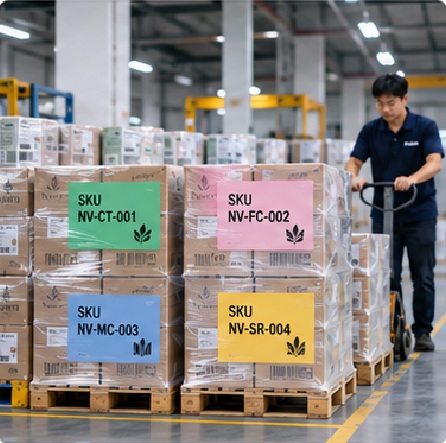
Multi-SKU shipments require clear separation after production. Cartons can be identified by SKU, quantity and batch according to agreed packing rules so receiving teams do not have to distinguish nearly identical labels by visual inspection alone. Packing lists and carton marking are particularly useful where several flavors, languages, sizes or revisions arrive within the same shipment.
Mixed-SKU Shipments

Mixed-SKU Shipments

Several SKUs can be combined in one shipment when each design remains separately identified and packing quantities are controlled. Mixed-carton or pallet rules can be established where the receiving operation has specific requirements. Philiton confirms these instructions before shipment rather than allowing warehouse consolidation to erase the SKU-level controls maintained during production.
Warehouse Delivery Coordination

Warehouse Delivery Coordination

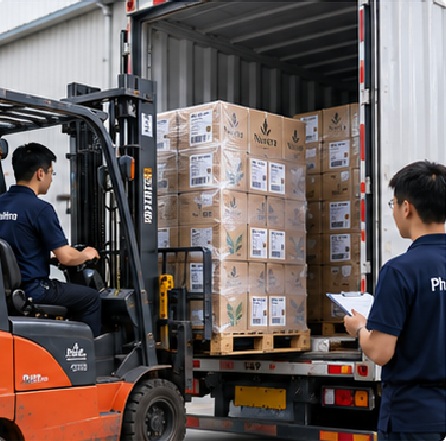
Courier, air and sea freight can be arranged according to shipment size, urgency and destination. Direct delivery to a warehouse or fulfillment facility can also be coordinated when receiving rules, carton or pallet labels, appointment requirements and customs information are provided. Commercial terms such as EXW, FOB, DAP or DDP are confirmed in the project quotation.

Documentation Support for Supplier Qualification and Compliance

Philiton separates manufacturing evidence, material documentation, project testing and legal responsibility so procurement and quality teams can review the evidence relevant to the actual label construction.

Review AreaPhiliton SupportImportant Boundary
Company & Site InformationManufacturing identity, locations, organization and capability informationSite-specific disclosure can follow the project or audit stage
Artwork ApprovalProof, revision control and released Production ArtworkBrand team approves final legal and commercial content
Material DocumentationAvailable supplier TDS, SDS, declarations or project material informationEvidence must correspond to the actual material used
Inspection & TestingIQC/IPQC/FQC/OQC and internal project verificationTest scope depends on specification and risk
TraceabilityApproved artwork, material, tooling, batch and QC records where retainedRetention and detail level follow project requirements
Market ComplianceProject-specific material, test or documentation supportPhiliton does not make blanket compliance guarantees for every market
Audit SupportDocument review and project-specific supplier qualification cooperationAudit conclusions remain with the reviewing organization

Confidential Brand Work Stays Under Controlled Handling

New launches, proprietary artwork and security projects often contain information that should not become marketing material or uncontrolled factory waste. Philiton can establish confidentiality requirements during project setup.

NDA and Project Access

Philiton can work under a brand-provided NDA or a mutually agreed confidentiality arrangement for unreleased designs, new launches, anti-counterfeit developments, RFID or data projects and other sensitive work. Access and handling requirements can be discussed before detailed files are transferred so the confidentiality process matches the commercial sensitivity of the development.

Branded Sample Use

Branded samples, production photographs and project details are not automatically cleared for publication. Public use requires authorization or sufficient anonymization. The same principle applies to case-study information, unreleased packaging and sensitive production data. Brand assets are manufacturing inputs first; they should not become website or promotional content simply because they were produced at Philiton.

Obsolete Label Handling

Rejected or obsolete branded labels are separated from acceptable goods and handled according to project risk. Security labels, unique-code products and anti-counterfeit constructions may require stronger disposal and quantity-record controls than ordinary packaging labels. Disposal requirements can be confirmed during program setup where artwork misuse or uncontrolled codes create a meaningful brand-protection risk.

Representative Label Program Cases for Established Brands

The following cases use illustrative volumes to show how Philiton can structure established-brand programs. Brand identities and historical order figures are not presented as audited public claims.
United States Skincare Portfolio

United States Skincare Portfolio

A representative U.S. skincare program contains 18 bottle and jar SKUs using white and clear BOPP across three container sizes. An illustrative order could total 108,000 labels, averaging 6,000 pieces per SKU. Philiton would first group SKUs by material, adhesive, size and finish, then separate approved artwork and quantities for every design. Clear labels would receive dedicated white-ink review, while critical brand colors would be checked on the intended construction. After physical approval, roll direction, core and carton identification would be locked for production. Later formula or INCI revisions would enter a new artwork version instead of replacing the previous production file informally.
Germany Beverage Rollout

Germany Beverage Rollout

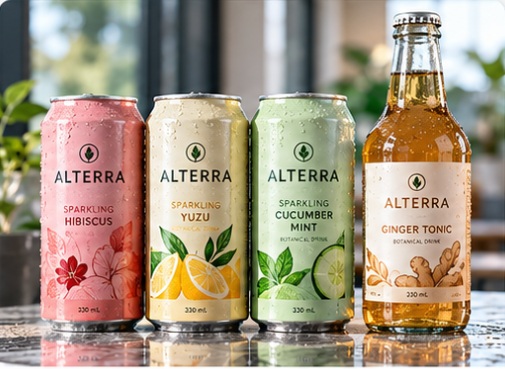
A representative German beverage portfolio could include 12 refrigerated drink SKUs at 15,000 labels per design, for an illustrative total of 180,000 labels. Development would begin with bottle surface, application temperature, condensation exposure and labeling-machine specifications. A film construction and adhesive route would be tested on representative bottles before final artwork release. Shared dimensions, material and roll specifications could create production efficiency while flavor artwork remains separately controlled. Pantone targets, barcode placement, winding direction, core and labels per roll would be approved before production. Cartons would then be marked by SKU and quantity so the receiving warehouse could separate closely related flavors without reopening every roll.
Australia Supplement Program

Australia Supplement Program

A representative Australian supplement range could contain 24 SKUs with an illustrative 3,000 labels per SKU, totaling 72,000 labels across different formulas. Several designs might share the same container, material, adhesive and finished size while nutrition panels, ingredient statements, barcodes and color coding vary. Philiton would build an artwork and quantity matrix, review legibility and code placement, and group compatible designs for digital production. Each SKU would still receive independent proof approval and packing identification. When several high-selling formulas later move to larger repeat quantities, their production route could be reassessed separately without forcing lower-volume formulas into the same print economics.

Frequently Asked Questions About Established Brand Label Programs

Yes, when materials, adhesive, finishing and technical specifications are compatible. Shared production setup can improve planning efficiency, but every SKU still requires its own approved artwork, quantity and QC identification. Total order quantity should therefore be provided together with quantity per SKU.
MOQ depends on material, process, finishing, tooling and the number of designs. Many standard label projects can start around 500 pieces per SKU or design, while special materials, dedicated holograms, RFID, specialty adhesives or tooling may require higher quantities.
Artwork revisions receive separate versions. Final approval freezes the Production Artwork used for tooling, production and QC. A later wording, barcode, color, dieline or finishing change creates a new review and approval requirement rather than silently replacing the released production file.
Pantone or spot-color targets can be managed as controlled print targets. Final appearance depends on substrate, transparency, white ink, ink system, lamination and surface finish. Physical approval on the intended construction is the strongest production reference, with measurement tolerances available when agreed for critical colors.
Yes. Sampling can cover materials, adhesives, printed appearance, finishing, structure, roll configuration and application performance. Actual containers or representative substrates are recommended for difficult adhesion, refrigeration, oil exposure, curvature or automatic-labeling projects.
Unchanged repeat orders commonly fall around 3–7 working days when artwork, materials, tooling and production parameters remain valid and capacity is available. Every repeat order still receives a release review, and material shortages, specification changes or special finishing can extend the schedule.
Yes. Philiton can work with winding direction, inside or outside wound format, core size, maximum roll diameter, gap, pitch, perforation, sensor marks and labels per roll. Line specifications should be provided before production so roll configuration matches the applicator.
SKUs can be separately rolled, packed and marked with quantity and batch information according to agreed rules. Several SKUs may share one shipment while retaining separate identification. Warehouse-specific carton, pallet and receiving requirements should be supplied before packing begins.
Philiton can support project-specific document review and supplier qualification discussions covering company information, artwork control, material records, manufacturing, inspection, testing, traceability, packing and shipment. Certificates or compliance claims are presented only when the relevant evidence and scope are confirmed.
Yes. Philiton can work under a brand-provided NDA or a mutually agreed confidentiality arrangement for designs, new launches, anti-counterfeit developments, RFID or data projects and other sensitive work. Publication of branded samples or project details requires authorization or adequate anonymization.

Build a Controlled Label Program With Philiton

Philiton can review an existing label portfolio, an upcoming product-line expansion or a supplier-transition project and organize the information needed for technical and commercial evaluation. A useful starting package does not require every material code or production parameter to be known in advance. Send the current artwork set, label sizes, quantities by SKU, package or surface information, major finishing requirements and expected replenishment pattern. Philiton can then identify which specifications may be standardized, which SKUs require separate constructions, where samples or application tests are advisable, and which information must be locked before formal production. For established programs, sharing current roll specifications, approved references or representative finished labels can shorten redevelopment and improve the accuracy of the manufacturing review.

Please include:

  • SKU list and quantity per SKU
  • Current or proposed artwork files
  • Finished label sizes and shapes
  • Package material or application surface
  • Printing and finishing requirements
  • Roll direction, core and line specifications
  • Target market and documentation requirements
  • Delivery destination and required schedule

For all inquiries, please feel free to reach out at:

Get In Touch

  • Our team will answer your inquiries within 12 hours.

  • Your information will be kept strictly confidential.

Get a Fast Quote for Custom Labels & Stickers

We will contact you within 24 Hours, please pay attention to the email with the suffix“@philiton.com”. 

For all inquiries, please feel free to reach out at:

Ask For A Quick Quote

We will contact you within 24 Hours, please pay attention to the email with the suffix“@philiton.com”. 

For all inquiries, please feel free to reach out at:

Get a Quote Today!

We will contact you within 24 Hours, please pay attention to the email with the suffix“@philiton.com”.