Backend label manufacturing for packaging companies that need broader product capability without adding another production line.
Philiton supports recurring packaging programs from artwork review and material selection through printing, finishing, inspection, packing, and shipment.




Packaging companies often submit more than a print-ready PDF. A serious program may include AI, CDR, EPS or PSD source files, structural dielines, brand standards, unreleased packaging, variable-code rules, foil or emboss layers, approved samples, target prices, rollout schedules, and destination information. Philiton uses project files for quotation, prepress, sampling, manufacturing, repeat orders, and agreed support activities. Files are not intended to become templates for unrelated projects or public promotion.
NDA arrangements can be signed on a mutual form or reviewed against a partner-provided version. Confidentiality scope can include artwork, trademarks, samples, pricing, order quantities, supply-chain information, security structures, variable data, RFID information, and project communication. Access should follow project responsibility, while obsolete versions must be separated from the released production version. Public case use, factory photography involving protected work, and display of branded samples require authorization or suitable anonymization.
For variable codes, serial numbers, QR data, RFID data, and anti-counterfeit work, the control requirement moves beyond artwork privacy. Data source, batch assignment, print quantity, scrap, reprint logic, verification, and retention rules need to be defined for the program. Philiton can manage manufacturing-side controls, while legal ownership, source-data accuracy, market obligations, and agreed retention requirements remain part of the project definition.
Neutral manufacturing is strongest when responsibilities are written into the order rather than assumed after goods are finished. Before production, Philiton can review whether the job requires unbranded finished goods, neutral cartons, specific carton marks, partner-branded documents, direct-to-end-client delivery, blind shipping, restricted sample use, or special communication rules. Shipping documents still need to follow customs, carrier, Incoterm, and destination requirements, so a “no manufacturer information anywhere” request cannot override legal or logistics obligations.
A packaging partner should provide the required disclosure level early: which company name may appear on product, carton, commercial invoice, packing list, airway bill, customs documents, and warehouse labels; whether end-client contact details are visible to the factory; whether samples may be retained; and whether production photos are prohibited. These fields can be attached to the project record together with NDA status and delivery instructions.
Repeat orders should reference the same agreed confidentiality and shipping settings unless the packaging company changes them. A repeat label with the same artwork can still require a different destination, carton marking, release quantity, or end-client disclosure level. Philiton therefore treats neutral manufacturing as a controlled project attribute, not a generic promise applied identically to every shipment. The same review also helps sales, logistics, and warehouse teams follow one agreed instruction set.
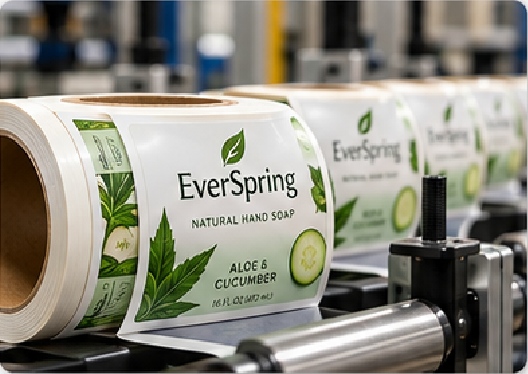


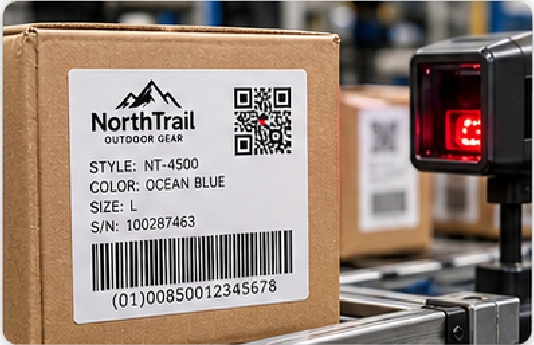
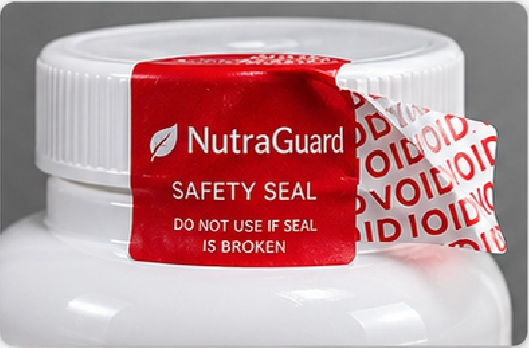
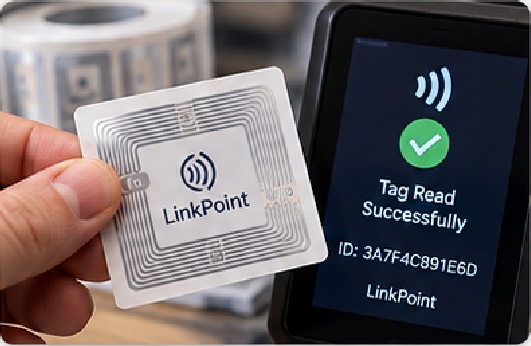
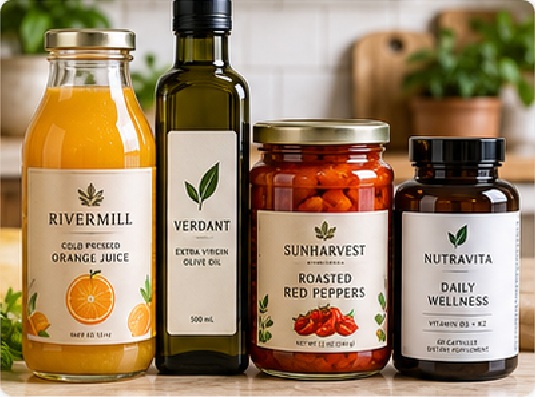
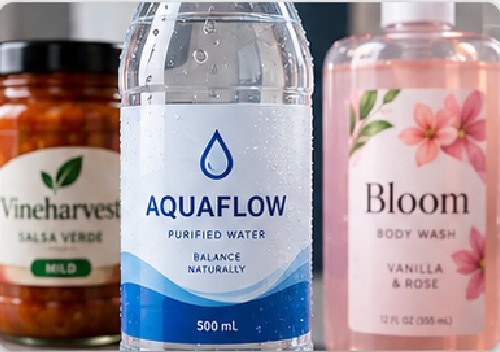
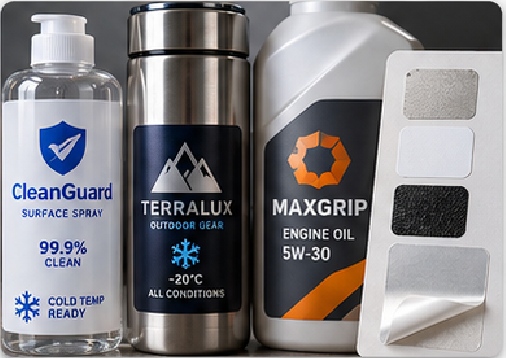
A packaging format alone does not determine the label. Philiton reviews the container, environment, filling process, application method, decoration target, and replenishment pattern together before the label specification is released.
| Packaging Program | Typical Label Need | Construction Focus | Production Input to Confirm |
|---|---|---|---|
| Bottles | Roll labels, clear labels, premium labels | Curvature, moisture, oil, transparency, adhesive | Bottle material, diameter, label panel, filling condition, applicator |
| Jars | Paper or film product labels, seals | Small diameter, condensation, oil, cold storage | Jar material, lid or body position, application temperature, service temperature |
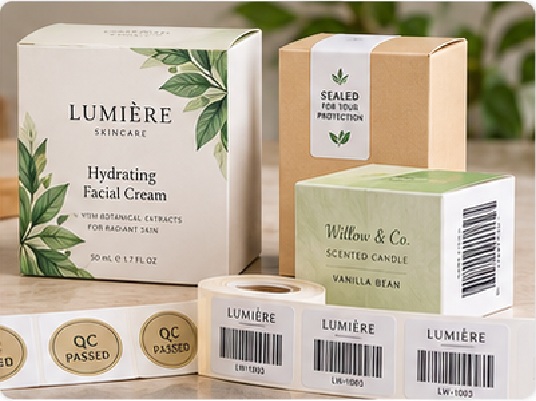
| Folding Cartons | Product labels, seals, barcode labels | Board coating, surface texture, visual matching | Carton coating, label position, finish, manual or automated application |
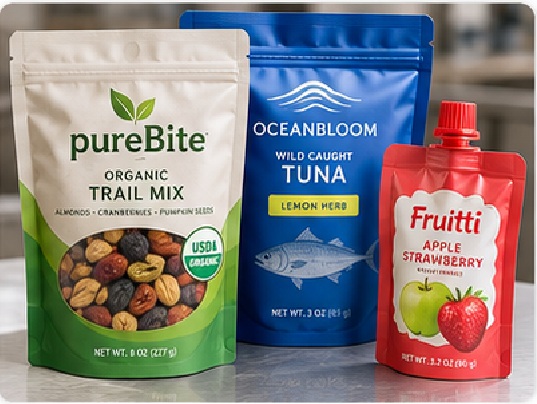
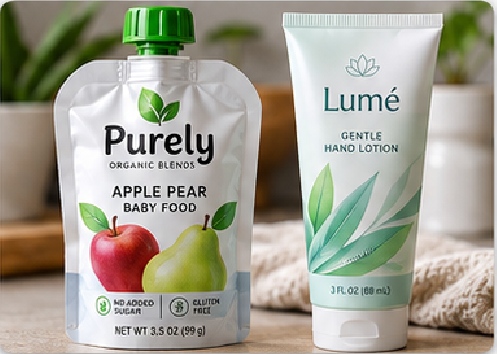
| Pouches | Product labels, variable labels, launch labels | Flexible surface, movement, pouch treatment | Pouch film, filling process, label area, storage and transport conditions |
| Rigid / Gift Boxes | Premium paper, foil, embossed labels | Texture, decoration, edge quality, clean application | Box surface, coating, color standard, hand-application method |
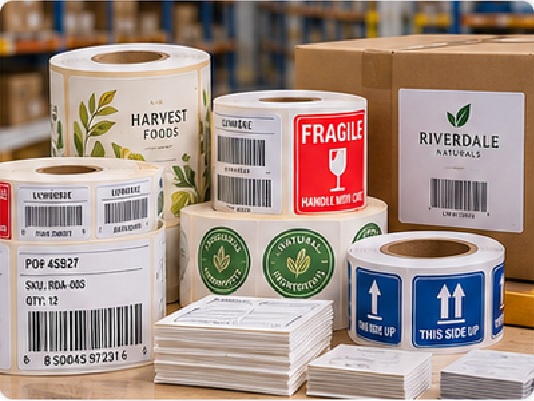
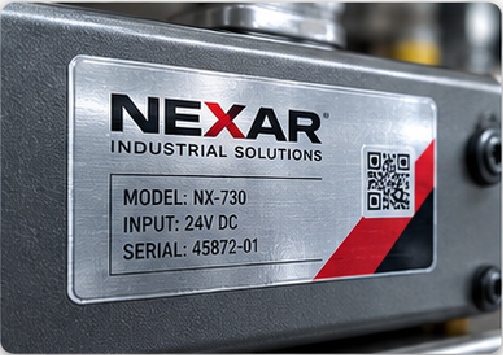
| Industrial Packaging | Durable, warning, barcode, security labels | Adhesion, chemicals, abrasion, traceability | Container material, oil/chemical exposure, barcode standard, service life |
| Multi-SKU Packaging | Versioned roll or sheet labels | File control, SKU separation, batch packing | SKU list, quantities, languages, codes, pack-out and replenishment plan |

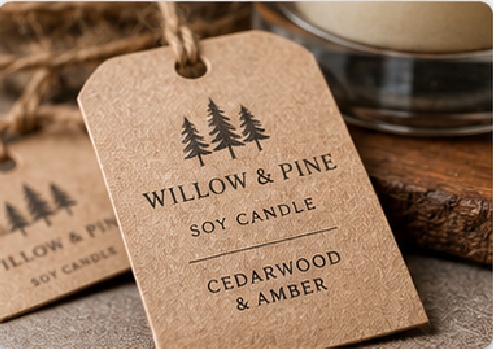
Philiton uses digital, flexographic, screen, UV, variable-data, and specialty finishing routes according to quantity, SKU structure, material, visual requirements, repeat demand, and technical risk instead of forcing every job onto one press.
| Production Route | Strong Fit | Key Advantages | Project Checks |
|---|---|---|---|
| Digital Printing | Short runs, many SKUs, frequent artwork changes, launch programs | Lower setup burden, fast artwork changes, variable capability | Material compatibility, color expectation, white ink, finishing route |
| Flexographic Printing | Repeat roll labels, growing and higher-volume programs | Production efficiency, repeat runs, roll-to-roll workflow | Plate/tooling setup, material plan, color control, finishing sequence |
| Screen / UV Processes | Functional ink layers, selected specialty effects, durable markings | High ink deposit and specialty visual or functional effects | Cure, adhesion, line detail, substrate compatibility, abrasion |
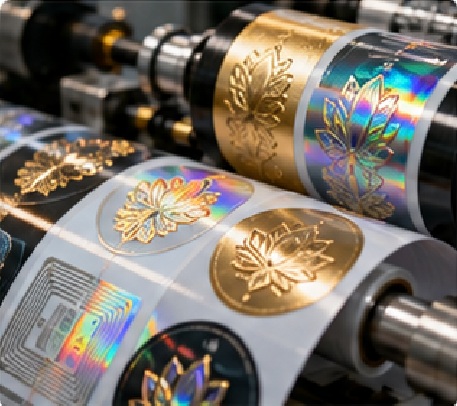
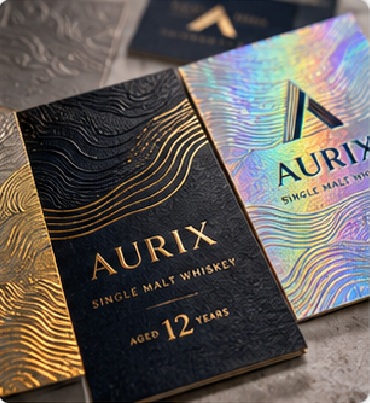
| Foil / Emboss / Deboss | Premium beverages, cosmetics, gift packaging, luxury products | Metallic and tactile decoration | Minimum detail, registration, tooling, paper/film behavior, curvature |
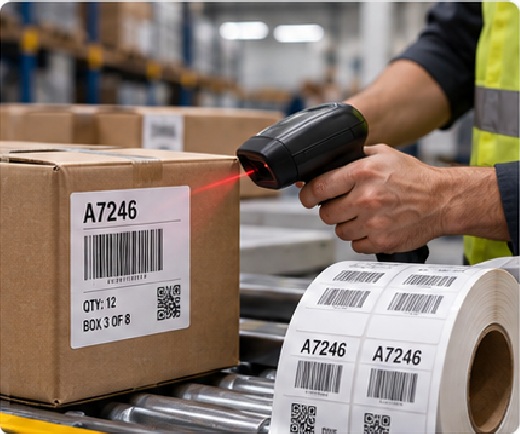
| Variable Data | Barcode, QR, serial number, versioned information | SKU and data flexibility | Data source, uniqueness, verification, scrap and reprint logic |
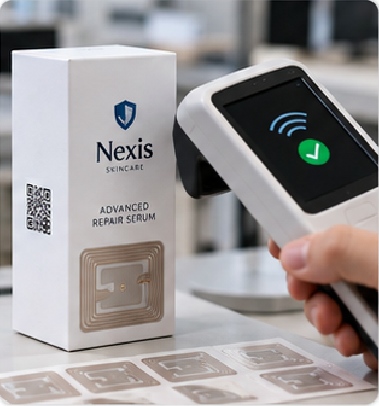
| Security / RFID Route | Tamper, authentication, track-and-trace, smart labels | Functional security or digital identification | Inlay/chip, encoding, read range, tamper behavior, test plan |


Philiton supports development, launch, growth, and repeat production through one manufacturing system, with quantity and process selected according to the stage of the program and controlled repeat-order references.
| Program Stage | Typical Order Structure | Philiton Manufacturing Route | Timing Reference |
|---|---|---|---|
| Concept / Sample | Material, artwork, finish, application validation | Material sample, digital sample, production sample, engineering review | Digital sample 1-3 business days; standard finished sample 3-5 days |
| Launch | Around 500-5,000 pcs per SKU for many standard projects | Digital or other suitable short-run route, multi-SKU control | Schedule confirmed after artwork, material, and finishing approval |
| Growth | 5,000-50,000+ pcs per SKU | Digital or flexo evaluation, cost and setup optimization, repeat QC | Depends on SKU count, materials, finishing, and production loading |
| Scale | 50,000-500,000+ pcs or recurring batches | Flexographic or other scalable roll production with batch control | Regular large orders commonly about 7-15 business days; complex multi-SKU programs can require 10-20 days |
| Repeat Supply | Approved recurring specification | Reuse approved files, tooling, and parameters after order review | Unchanged repeat orders may be about 3-7 business days when materials and capacity are available |
Repeat orders become easier when the first production run creates a reliable reference. Philiton can use the approved artwork, material, adhesive, tooling, color reference, finishing route, roll configuration, labels per roll, carton identification, and QC criteria as the baseline for later orders. A repeat order still receives order review; it is not released automatically simply because a previous file exists. Change control matters whenever a face stock, adhesive, liner, foil, process, supplier component, container, applicator, or service condition changes. A seemingly minor substitution can affect color, adhesion, dispensing, barcode verification, or surface durability. Critical changes should therefore be assessed before mass production, with renewed sampling or testing where needed. For packaging companies managing ongoing programs, replenishment information can include forecast horizon, call-off frequency, requested delivery dates, destination, minimum release quantity, and any required batch documentation. Philiton can coordinate repeated production around confirmed orders and material availability without presenting theoretical peak capacity as a guaranteed schedule for every specification. For higher-volume programs, forecast visibility helps material planning, tooling readiness, production sequencing, inspection capacity, and shipment booking. Split releases can be discussed when one annual or quarterly program needs staged deliveries to different warehouses or production sites. Each release should still reference the approved SKU, quantity, batch, packing rule, and destination so replenishment remains traceable.
Philiton operates manufacturing facilities in Shenzhen and Dongguan with more than 12,000 ㎡ of combined manufacturing and operating space. Around 7,200 ㎡ is dedicated to core production and converting. The footprint supports artwork, sampling, printing, specialty finishing, die cutting, slitting, rewinding, smart-label processing, inspection, packing, and parallel handling of different order sizes.
Approximately 350 ㎡ is dedicated to sampling and prototype development. Digital samples, material samples, finish samples, color approval, structure checks, functional samples, and production-oriented samples can be prepared before mass production. The sampling stage is separated from bulk release so the approved material, process, artwork, and application assumptions can be reviewed before production planning begins.
Approximately 450 ㎡ is allocated to quality-control and laboratory functions, covering incoming, in-process, final, outgoing inspection, and internal testing. Available checks can include color measurement, barcode and QR verification, peel and tack testing, abrasion testing, strength evaluation, environmental testing, and RFID read/write verification according to the project. Test scope is tied to the actual specification.
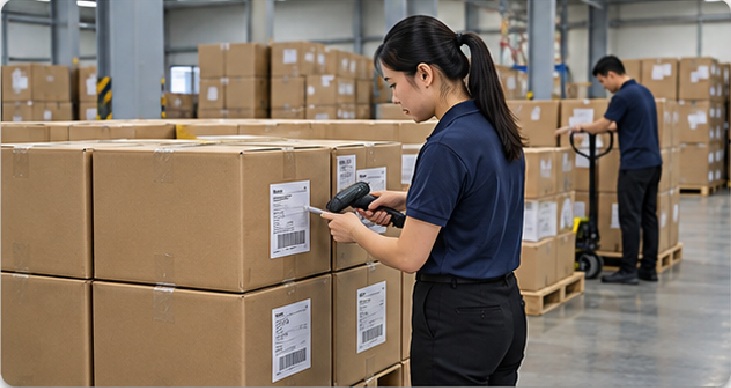
Around 2,100 ㎡ supports raw materials, work in progress, finished goods, and packaging materials. Warehouse control matters for label programs because material batches, special stocks, completed rolls, SKU separation, and shipment staging need clear identification. Packaging companies with scheduled releases or mixed-SKU shipments can define carton, batch, and destination information as part of the order requirements.
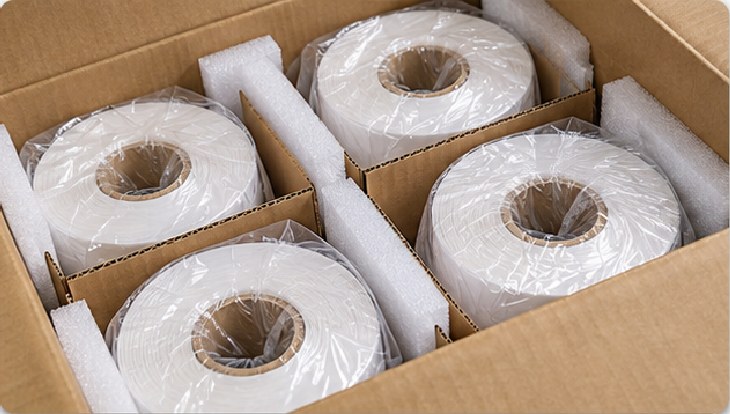
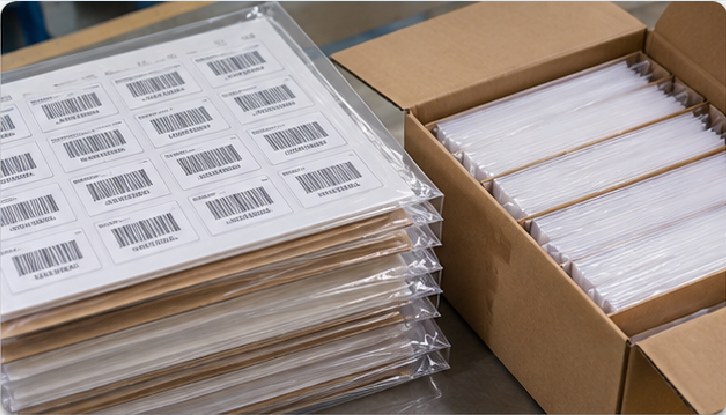



Philiton can review a single label project, a multi-SKU launch, an overflow requirement, or a recurring supply program. Send enough information to understand the packaging, label construction, application method, volume, finishing, and delivery route; missing technical details can be clarified during review. For confidential or white-label programs, include the required NDA status, disclosure level, neutral packing instructions, and direct-shipment requirements before production. Quotations are based on the approved specification rather than a generic label category, so a complete RFQ helps reduce later changes in material, tooling, roll format, packing, and freight. Existing labels, container photos, packaging drawings, applicator specifications, Pantone references, barcode standards, sample requirements, or forecast files can be attached when available. Philiton will separate commercial assumptions from technical items that still need approval, then identify the sampling, tooling, material, testing, production, packing, and shipment steps required for quotation. Programs involving special materials, RFID, security structures, complex finishing, or market-specific documentation are reviewed against the actual specification before commitments are confirmed.
For all inquiries, please feel free to reach out at:
Our team will answer your inquiries within 12 hours.
Your information will be kept strictly confidential.
We will contact you within 24 Hours, please pay attention to the email with the suffix“@philiton.com”.
For all inquiries, please feel free to reach out at:
We will contact you within 24 Hours, please pay attention to the email with the suffix“@philiton.com”.
For all inquiries, please feel free to reach out at:
We will contact you within 24 Hours, please pay attention to the email with the suffix“@philiton.com”.