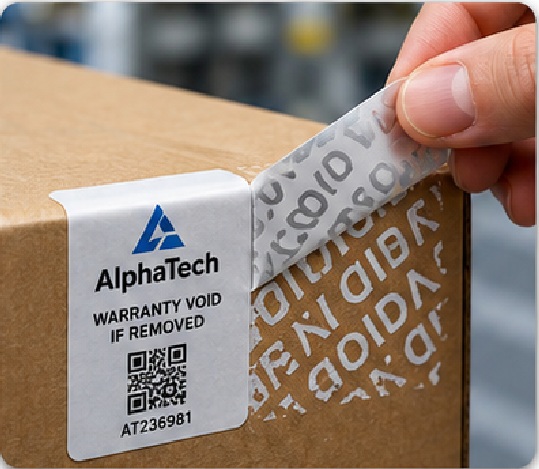
VOID, destructible, transfer, holographic and serialized security labels engineered for packaging, warranty, asset and brand-protection programs. Philiton combines material selection, security printing, die cutting, variable data, inspection and application testing in Shenzhen and Dongguan. Security structures are matched to the evidence required after opening or removal, not sold as one universal film.
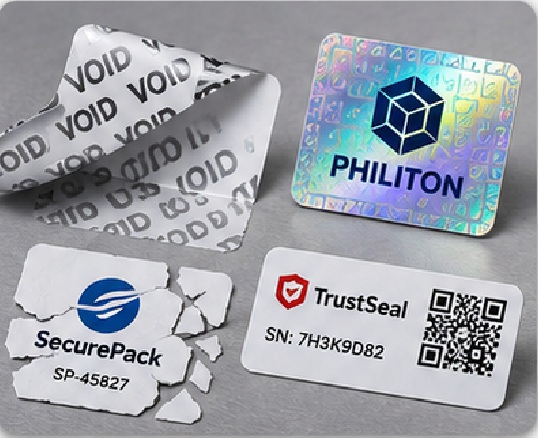
A security label should create clear evidence after unauthorized opening, removal or transfer. Philiton defines the required evidence first, then selects the label construction.
Tamper evident does not mean impossible to remove. A sound specification starts by defining what an operator, retailer, service center or end user must see after interference.
Philiton therefore separates three decisions. First, define the tamper event: opening a carton, lifting a warranty seal, transferring an asset label, replacing a bottle seal or copying a security code. Second, define the evidence: transfer message, material destruction, optical damage, broken seal or digital identity mismatch. Third, confirm the actual substrate and use conditions. Surface energy, coating, curvature, contamination, temperature and dwell time can change adhesion and transfer behavior.
The term “tamper proof” is avoided as an absolute promise. Tamper-evident and tamper-resistant structures reduce risk and make interference visible; they do not make every attack impossible. The correct target is measurable evidence on the label, the substrate, or both.
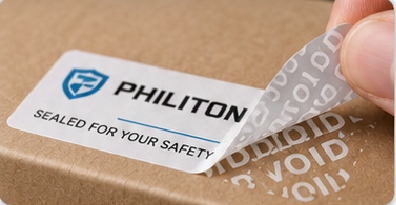
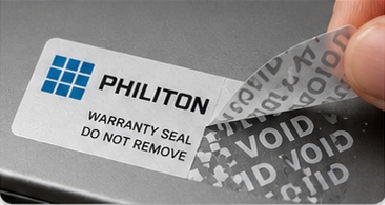
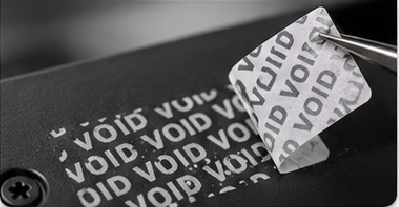
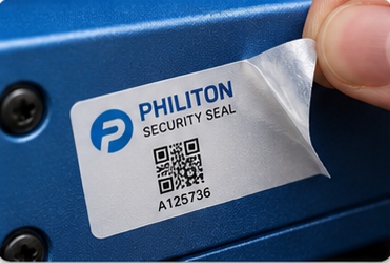
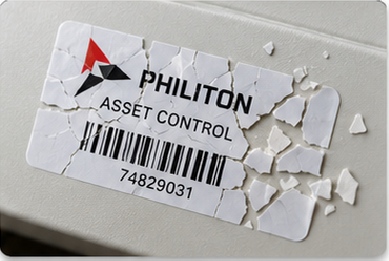
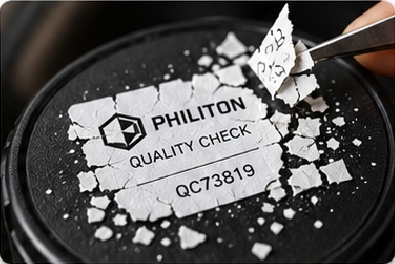
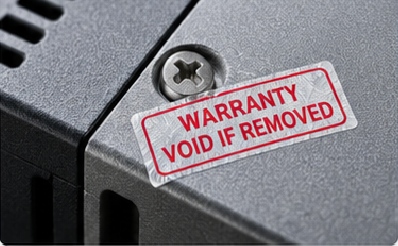
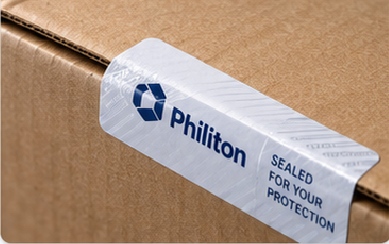
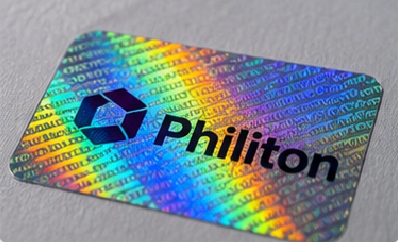
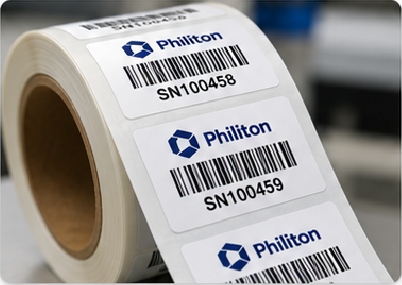
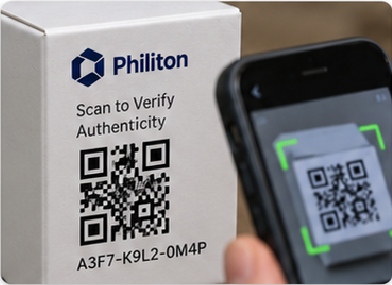
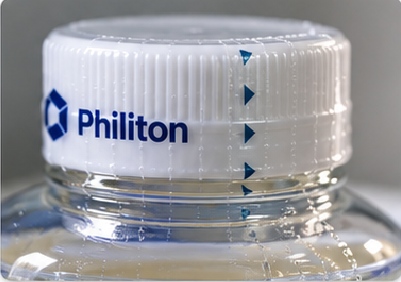
Start with the evidence required after interference. The matrix narrows the security route before artwork, material and price are discussed.
| Risk To Control | Evidence Needed | Candidate Route | Validation Focus |
|---|---|---|---|
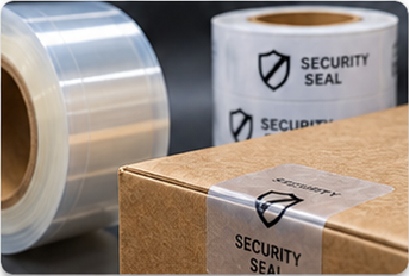
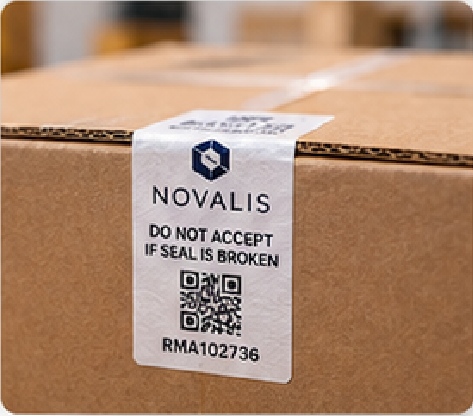
| Opened before sale | Broken seal or visible opening evidence | Packaging seal, destructible seal, shrink band | Check closure geometry, curvature and application method |
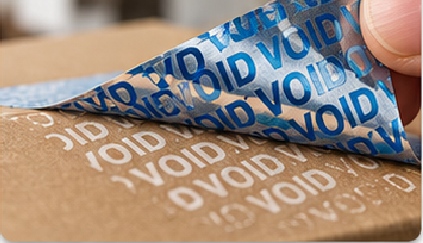
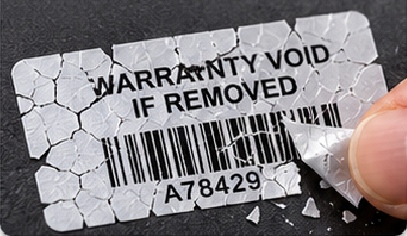
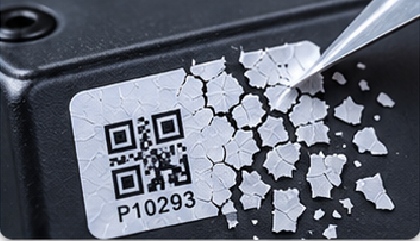
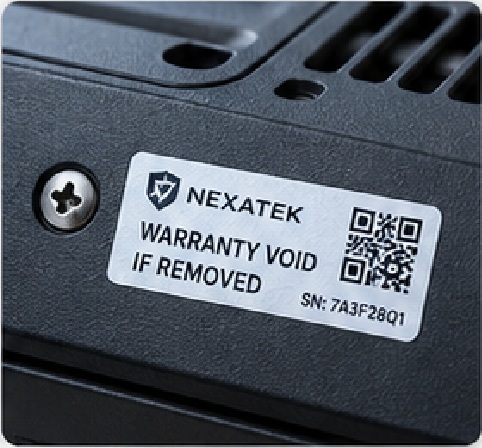
| Warranty access | Visible removal or fracture | VOID, destructible, eggshell | Confirm enclosure coating, screw/cover position and residue acceptance |
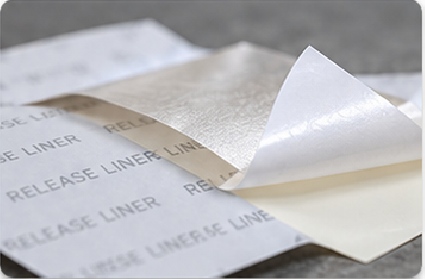
| Label transfer | Evidence on substrate or damaged label | Partial/full transfer VOID, non-transfer security | Test release behavior on the actual surface |
| Premium surface protection | Security change with limited residue | Non-transfer, destructible or optical layer | Validate dwell time and coating sensitivity |
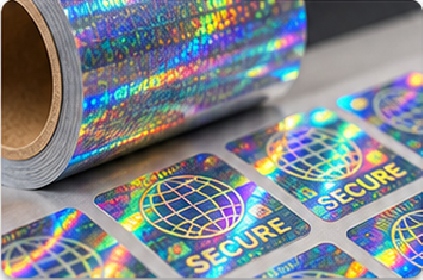
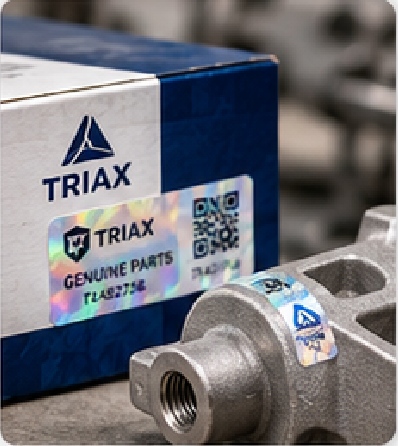
| Counterfeit copying | Harder-to-copy optical or hidden features | Hologram, microtext, UV features | Combine with physical tamper evidence where transfer is a risk |
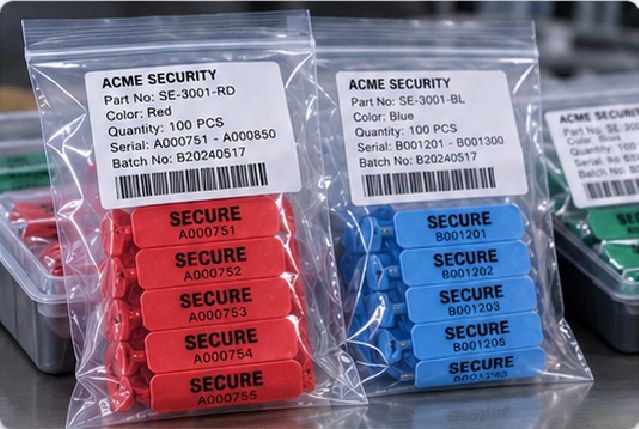
| Duplicate identity | Unique visible data and controlled reprints | Serial number, unique QR | Define source data, duplicate checks, scrap and reprint rules |
| Digital authentication | Physical plus electronic identity | VOID/destructible + QR or RFID/NFC | Define backend ownership, encoding rules and verification method |


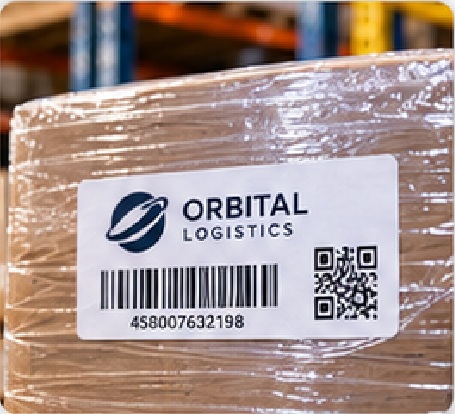

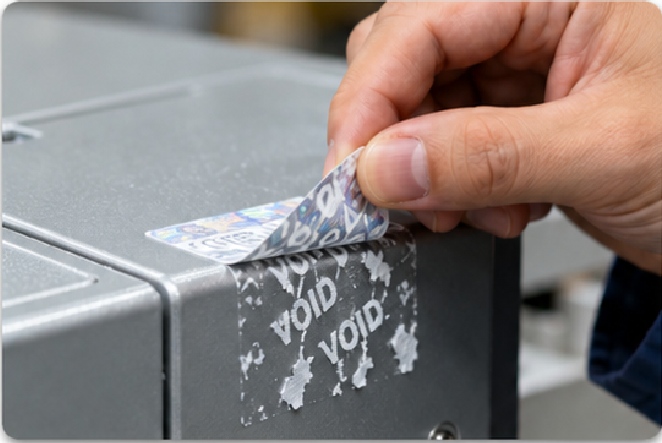
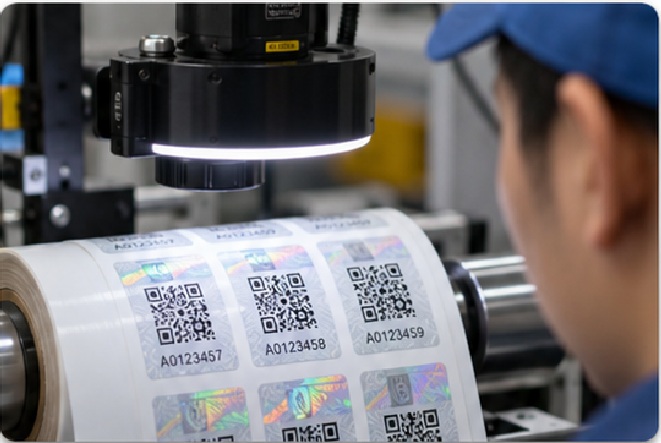
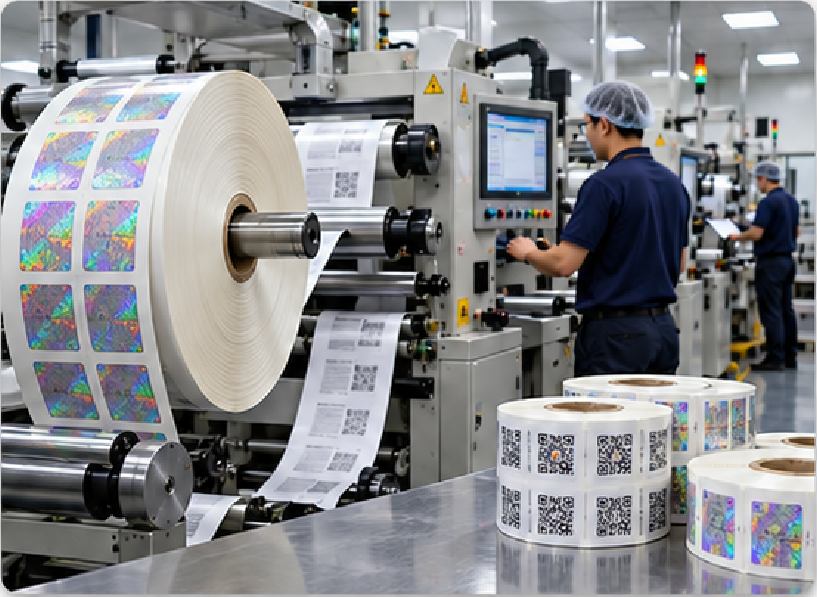
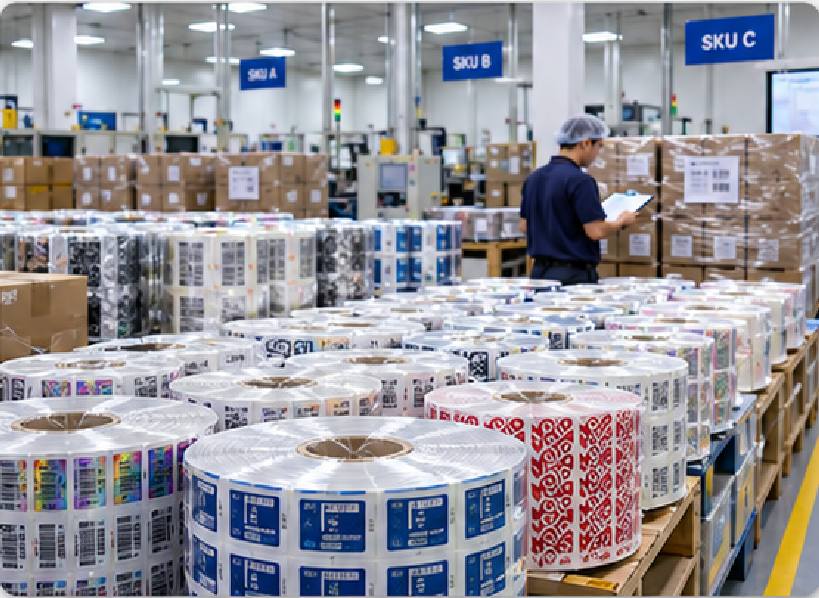
Philiton supports security work from development quantities to recurring volume production, but the manufacturing route can change as volume and SKU structure change. Digital printing can be efficient for trials, multiple artworks and serialized work; flexographic production may become more economical for stable recurring roll programs. A route change is reviewed rather than assumed because material, color, finishing and tamper performance still need to match the approved result.
Repeat orders benefit from retained artwork, tooling and production parameters when nothing has changed. They are still reviewed for quantity, SKU, material availability, surface or application changes, compliance requirements, data ranges and packing instructions. An old label should not be released automatically if the protected product or legal artwork has changed.
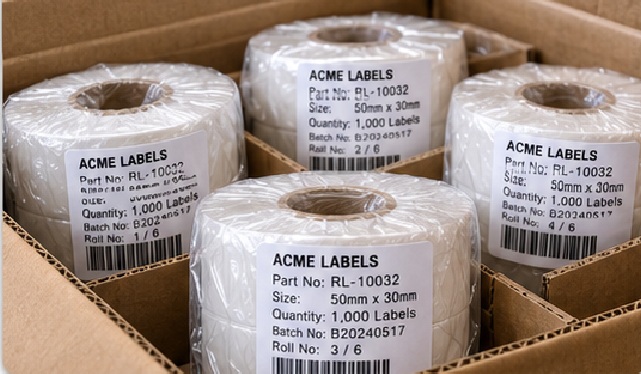
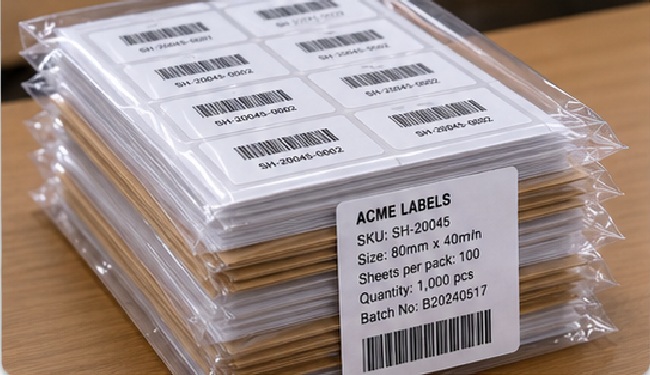
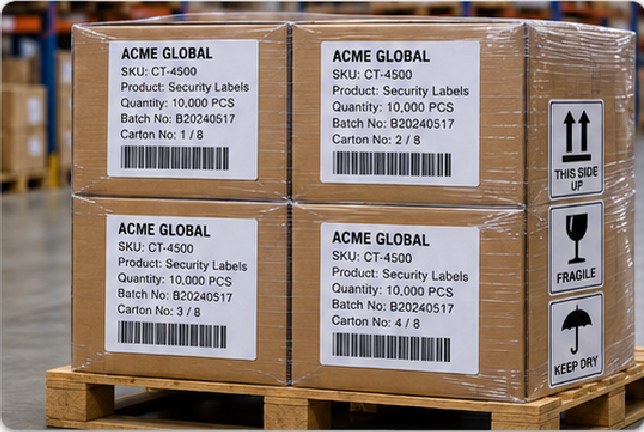
Large multi-SKU orders can be planned around shared material and converting setups while each SKU remains separately identified. Batch, serial range, roll count and carton identification can be organized so receiving, warehouse and quality teams can trace the delivered product back to the approved specification.
For forecast-driven programs, production can also be organized around call-off quantities or phased deliveries when commercial terms and material planning support that model. The important point is that scaling should not introduce silent changes to security stock, adhesive, code format or optical feature. Any proposed substitution is reviewed against the approved requirement and, when necessary, returned to sampling. This protects continuity across launches, replenishment orders and later volume increases.
| Project Item | Working Guide | Main Variables |
|---|---|---|
| Simple VOID / destructible projects | Around 1,000 pcs+ is commonly economical; lower trial quantities may be evaluated | Stock security material, size, print, die cut, SKU count |
| Stock holographic security labels | Around 500 pcs-level projects can be evaluated | Available pattern, print contrast, die tooling, finishing |
| Custom security hologram | Often around 3,000-10,000 pcs or project-specific | Origination/master, proprietary pattern, supplier minimum, tooling |
| Standard printed/finished sample | Commonly about 3-5 business days after artwork and material readiness | Material availability, die tooling, security structure, approval scope |
| Regular mass production | Commonly about 7-15 business days after approved specification and material readiness | Quantity, SKUs, finishing, QC, packing, machine loading |
| Large or complex multi-SKU production | About 10-20 business days or phased production can be used | Total area, setup changes, variable data, inspection and packing volume |
| Custom hologram preparation | About 10-30 business days depending on origination complexity | Artwork freeze, master/origination, tooling, supplier schedule, sample approval |
| Shipping preparation | Typically about 1-2 business days after final release; large multi-SKU packing may need 2-4 | Roll count, carton labels, serial ranges, export documents, freight mode |
Security-label pricing and timing depend on the construction, data and validation plan. The ranges below are working guides, not unconditional guarantees.
Philiton can reproduce approved legal text, warnings, identifiers and certification marks with controlled artwork and print legibility. The brand, manufacturer, importer or other legally responsible party remains responsible for deciding which statements, symbols, translations, registrations and market obligations apply to the finished product. Certification marks are printed only from authorized artwork and supporting documentation.
For serialized, QR, RFID or UDI-related work, Philiton is responsible for manufacturing execution such as print quality, encoding when agreed, data matching and inspection. The project owner supplies lawful and accurate data rules, registration information and backend-system logic. Data retention, deletion and reprint rules can be agreed for the manufacturing workflow, but no unsupported claim of universal cybersecurity certification is made.
A mature security-label specification therefore includes both functional security requirements and a separate documentation checklist. Keeping the two tracks distinct prevents a strong tamper construction from being mistaken for automatic regulatory approval.
The same separation applies to brand-protection claims. Philiton can manufacture a label with VOID, holographic, microtext, serial, QR or RFID/NFC features, but the brand owner decides how those features are described to regulators, retailers or consumers. A security feature can support evidence, authentication or traceability without automatically creating legal compliance. Clear responsibility prevents manufacturing evidence from being stretched into claims the underlying document, market rule or authentication system does not support.
Philiton was founded in 2016 and operates manufacturing facilities in Shenzhen and Dongguan, with a 12,000+ ㎡ integrated manufacturing and operating footprint. The production system covers artwork and prepress, multiple printing technologies, specialty finishing, converting, inspection, testing and packing. Security-label work can move through several of these processes under one project specification instead of being treated as isolated print and finishing purchases. Because printing, converting and inspection are coordinated inside the same manufacturing organization, process changes can be reviewed against the approved security function before they reach packing.
Philiton supports VOID, partial-transfer, full-transfer, non-transfer, destructible, eggshell, holographic, microtext, UV, scratch-off, sequential number, unique QR and RFID/NFC-related security routes. Materials, chips and inlays are sourced from qualified upstream suppliers where applicable, while printing, converting, encoding or downstream processing, inspection and project management are handled through Philiton’s manufacturing system according to the approved route. Security routes can also be combined with roll, sheet or individual delivery formats and with project-specific packing, confidentiality and data-handling requirements for recurring programs.
Philiton employs 200+ people, including 91 technical, skilled production and quality professionals combined. Security-label projects can involve artwork engineering, material and adhesive selection, printing, variable data, holographic effects, die cutting, roll specification, QC and testing. The team structure matters because a tamper label often fails at the interface between processes, not in a single isolated step.
Packaging engineers, project coordinators, press operators and quality personnel can work from one controlled specification, which is important when a security seal combines material behavior, printed data and mechanical application requirements.
Many standard custom label projects can begin around 500 pieces, while security-label economics depend more strongly on special materials, tooling, custom holographic origination, data requirements and the number of SKUs. Simple VOID or destructible work can be evaluated flexibly, while custom security structures may require higher starting quantities. Philiton can support development, launch and recurring mass-production programs without treating every stage as a separate supplier relationship.
As annual volume grows, Philiton can review whether digital, flexographic or combined production offers a better cost structure while preserving the approved material, security behavior, artwork and QC requirements.
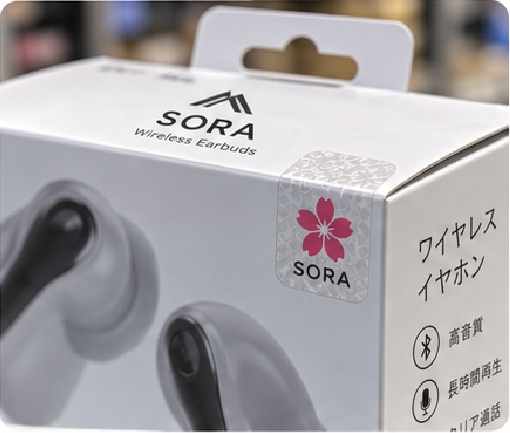
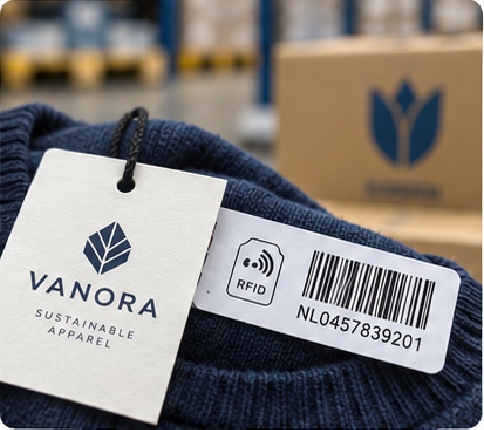
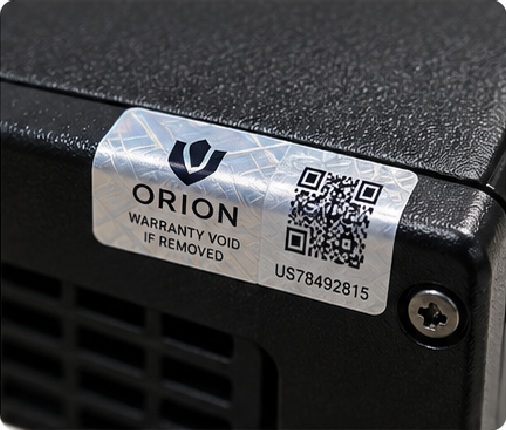
For a useful quotation, send the product surface and the security result you need before focusing on material names. Philiton can recommend a construction when the material is unknown. A photo of the package, enclosure or closure often reveals more than a generic request for “strong tamper labels.” If the project includes serialization, QR, holographic elements or RFID/NFC, include the data and verification expectations so printing, inspection and packing can be planned together. For functional work, the best approval route is a sample on the actual substrate before mass production. Standard material, special security film, tooling, SKU count and required testing all affect MOQ, cost and schedule. Include any existing failed sample or competitor reference if a specific removal pattern, residue level or opening behavior must be matched. For automatic application, provide the applicator model or roll requirements so core, winding, gap, pitch and maximum roll diameter are quoted correctly. If no material has been chosen, select “recommend a construction” and describe the protected surface and tamper risk instead.
For all inquiries, please feel free to reach out at:
Our team will answer your inquiries within 12 hours.
Your information will be kept strictly confidential.
We will contact you within 24 Hours, please pay attention to the email with the suffix“@philiton.com”.
For all inquiries, please feel free to reach out at:
We will contact you within 24 Hours, please pay attention to the email with the suffix“@philiton.com”.
For all inquiries, please feel free to reach out at:
We will contact you within 24 Hours, please pay attention to the email with the suffix“@philiton.com”.