Your Trusted Labels & Stickers Manufacturer from China!

Label Resources and Tools

Turn label questions into production-ready specifications with calculators, selectors, checklists, engineering guidance, sampling support, and manufacturing input from Philiton.


  • Founded in 2016 with manufacturing in Shenzhen and Dongguan.
  • 12,000+ m² manufacturing scale, 200+ employees, and 91 technical, skilled production, and quality personnel.
  • Many standard custom label and sticker projects can start from around 500 pcs.
Label Resources and Tools

Find the Right Resource for Your Label Project

Start with the task causing delay or uncertainty. Philiton organizes technical resources around decisions that affect artwork, materials, production, application, inspection, and repeat ordering.
Size and Fit

Size and Fit

Use size resources when the container, product, panel, or printable area is known but the finished label dimensions are not yet locked. A label that is visually attractive can still fail if it crosses a bottle shoulder, sits on a strong radius, leaves too little seam clearance, or creates excessive stiffness on a small-diameter container.
  • Start with container dimensions and the actual labelable area.
  • Check curvature, straight-wall height, seam gap, and required information space.
  • Move complex tapered or irregular packaging to engineering review before production.
Roll and Applicator

Roll and Applicator

Use roll-planning resources before approving a roll-label specification for semi-automatic or automatic application. Core size, winding direction, pitch, labels per roll, and maximum roll diameter are not packing details; they determine whether a finished roll can run on the intended equipment without rework.
  • Confirm feed direction instead of relying only on artwork orientation.
  • Match core, maximum OD, liner width, gap, and winding to the applicator.
  • Use an existing approved roll or machine manual when available.
Material Selection

Material Selection

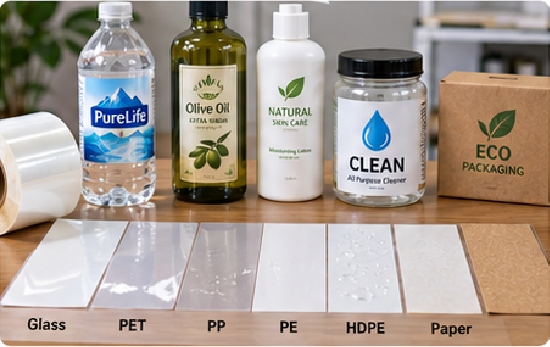
Start material selection from the application rather than from a material name. Glass, PET, PP, PE, HDPE, coated cartons, metal, flexible packaging, and textured surfaces create different requirements. Water, condensation, oil, chemicals, abrasion, UV exposure, squeezing, and temperature cycles also change the preferred construction.
  • Compare paper, BOPP, PET, PE, vinyl, thermal stocks, and specialty materials by use condition.
  • Keep appearance, durability, finishing, and cost in the same decision.
  • Request a material sample when surface behavior is uncertain.
Adhesive Selection

Adhesive Selection

Choose adhesive after the surface and environment are defined. “Permanent” alone is not a complete specification. Low-surface-energy plastics, refrigerated application, wet or contaminated surfaces, tight curvature, removable use, and long dwell time can change tack, peel behavior, and clean removability.
  • Separate application temperature from service temperature.
  • Confirm permanent, removable, repositionable, freezer, high-tack, or special routes by project.
  • Test on the actual container or representative substrate for higher-risk applications.
Artwork Preparation

Artwork Preparation

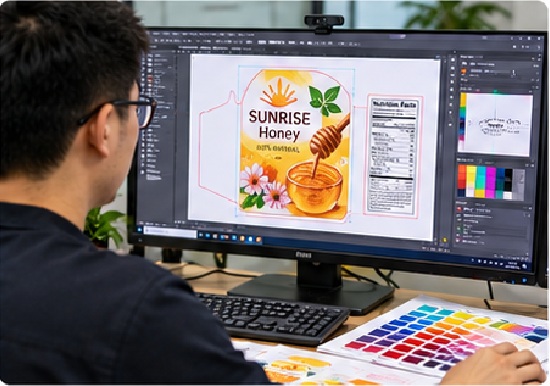
Use artwork resources before plates, dies, foils, samples, or variable-data workflows are released. Production files must control finished size, bleed, safe zone, dieline, color mode, linked images, fonts, white ink, foil, emboss/deboss, varnish, barcode, QR, and variable-data layers where relevant.
  • Submit AI, PDF, EPS, PSD, CDR, or other agreed print-ready formats.
  • Keep production layers clearly named and separated.
  • Freeze one approved revision before mass production.
RFQ and Specification

RFQ and Specification

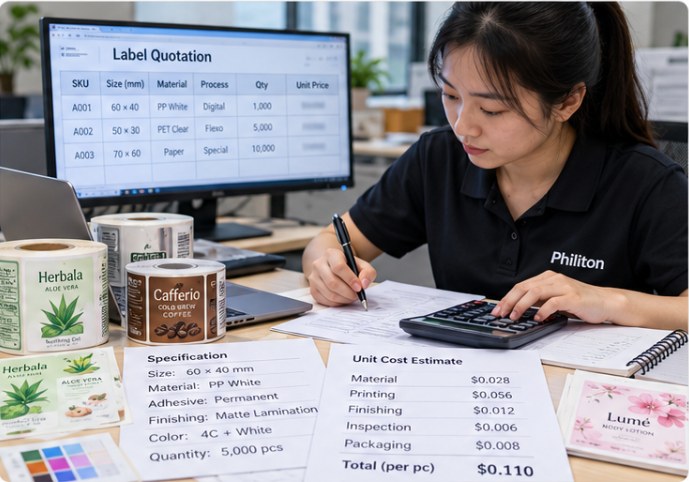
Use RFQ and specification resources when the project is ready to move from ideas into commercial review. A useful quotation needs more than quantity. Size, number of SKUs, application surface, material or performance target, printing, finishing, roll format, testing, packing, destination, and required timing all affect price and production planning.
  • Unknown fields can be marked “Please recommend.”
  • Separate total order quantity from quantity per SKU.
  • Carry approved information into a controlled Label Specification Sheet.

Label Calculators for Size, Rolls and Line Planning

Use planning calculators to convert dimensions and quantities into usable engineering inputs before artwork approval, roll configuration, sampling, or equipment trials.

Label Size Calculator

Estimate a suitable label range from container geometry rather than guessing from a product photo. For straight-sided bottles, jars, and flat panels, the main inputs include diameter or panel width, straight-wall height, label type, desired margins, and seam allowance. The result should show a recommended range, geometric limit, assumptions, and the next measurement required. Strongly tapered, heavily curved, squeezable, or irregular containers should move to a dieline or engineering review instead of relying on a simple formula.
  • Useful for front, back, wrap-around, jar, tube, and panel labels.
  • Supports mm/inch planning.
  • Final production dimensions remain subject to actual container confirmation.

Roll Length Calculator

Convert label quantity into estimated linear roll length by using the feed-direction label length, gap, leader, and trailer. The calculation clarifies why “1,000 labels per roll” does not create the same roll length for a 30 mm label and a 150 mm label. For automatic application, the important repeating value is pitch: feed length plus gap. The result can then move into roll-diameter planning, changeover estimates, warehousing, and shipping calculations.
  • Inputs: quantity, feed length, gap, leader, trailer, units.
  • Outputs: pitch and estimated meters/feet per roll.
  • Actual finished length can vary with splices, tension, count method, and production allowances.

Roll Diameter Calculator

Estimate whether a planned roll can fit the unwind station before mass production. Core diameter, roll length, liner thickness, label construction, coverage ratio, lamination, raised effects, RFID layers, and winding tension can all affect outside diameter. A basic mode can use total effective caliper; a more detailed mode can separate liner and label build. The result should be treated as a planning value and compared against the machine’s maximum allowable OD.
  • Useful for roll labels, barcode labels, RFID, bottling lines, and contract packers.
  • Helps identify oversized roll plans before converting.
  • Final OD is confirmed from the approved material structure and finished roll.

Labels Per Roll Calculator

Plan a workable quantity per roll by combining core, maximum roll diameter, pitch, effective material thickness, handling preference, and line requirements. More labels per roll can reduce changeovers, but oversized or heavy rolls may exceed machine capacity or create handling problems. A lower count can improve line ergonomics but increase carton count and changeover frequency. Philiton treats labels per roll as an engineering and packing specification, not a number chosen only for convenience.
  • Start with machine limits and roll construction.
  • Confirm the same count logic for repeat orders.
  • Record core, winding, OD, pitch, and labels per roll together.

Label Selectors for Materials, Adhesives and Print Routes

Selectors narrow a project to workable routes. Results are recommendations for review, sampling, and quotation rather than universal performance guarantees.
Material Selector

Material Selector

  • Select materials from the real operating conditions: application surface, moisture, oil, chemicals, abrasion, temperature, outdoor exposure, squeeze behavior, desired appearance, printing method, finishing, and order structure. Coated or uncoated papers can suit dry packaging and tactile branding; BOPP supports many moisture-resistant packaging applications; PET is useful where dimensional stability and durability matter; PE can better follow flexible containers; thermal stocks serve variable information and logistics workflows. Philiton can source materials from qualified suppliers and convert them through its own printing, finishing, die-cutting, inspection, and packing system.
  • Output: primary material route, alternative route, key trade-offs, testing need.
  • Avoid choosing only from “paper vs plastic.”
  • Specific grade, thickness, supplier, and compliance documents are confirmed per project.
Adhesive Selector

Adhesive Selector

  • Build the adhesive route from surface energy, texture, contamination, curvature, application temperature, service temperature, moisture, oil, chemical exposure, removability, and expected service period. PP, PE, and HDPE often need closer adhesive review because lower surface energy can reduce bond development. Freezer applications must distinguish cold service from cold application. Removable constructions also require a defined dwell period and acceptable residue level. Philiton can recommend permanent, removable, repositionable, freezer, high-tack, and other suitable directions, followed by sample validation where risk is higher.
  • Output: adhesive function route and validation questions.
  • Best evidence: actual container, substrate sample, or representative panel.
  • Application pressure and surface cleanliness remain important after material selection.
Printing Method Selector

Printing Method Selector

  • Choose a production route from quantity, SKU count, artwork changes, material, color requirements, white ink, variable data, finishing, and repeat-order expectations. Digital printing is valuable for short runs, multiple SKUs, fast artwork changes, and sampling. Flexographic printing becomes attractive for stable repeat volume and roll production. Screen and UV processes can add opacity or specialty effects. Variable-data workflows support serial numbers, barcodes, QR codes, and selected smart-label projects. Philiton evaluates the complete job rather than forcing every order into one press technology.
  • Many standard projects can begin around 500 pcs.
  • Stable higher volumes may move toward flexographic or hybrid routes.
  • Final method depends on total specification, not quantity alone.
Label Cost Estimator

Label Cost Estimator

  • Use cost guidance to understand what changes a quotation before asking for a unit price. Main cost drivers include label size, shape, material, adhesive, total quantity, quantity per SKU, colors, print method, lamination or varnish, foil, emboss/deboss, die or plate requirements, variable data, RFID components, inspection, special testing, packaging, delivery timing, and freight. A useful estimator should show cost direction and missing inputs rather than pretending to calculate an unconditional final price.
  • Standardize size, material, core, and finishing across SKUs where possible.
  • Separate recurring unit cost from one-time tooling or setup charges.
  • Production-ready pricing follows specification review.

Downloadable Checklists for Artwork, RFQ and Supplier Control

Use structured files to reduce missing information, revision loops, quotation changes, production errors, and approval delays across design, purchasing, engineering, and quality teams.

Artwork Checklist

Use the Artwork Checklist before sending production files. It should cover finished size, bleed, safe zone, dieline, CMYK/Pantone requirements, image resolution, linked graphics, fonts, white ink, foil, emboss/deboss, varnish, barcode and QR requirements, variable-data layers, and revision naming. The goal is not to force every project into the same artwork setup; it is to make missing production information visible before plate making, tooling, samples, or mass production begin.
  • Suitable for designers, agencies, packaging teams, and print brokers.
  • Helps separate design appearance from production instructions.
  • Philiton can review uncertain items before sample release.

RFQ Template

Use the RFQ Template when several departments need to collect the same commercial and technical information. Minimum useful inputs include label size or container dimensions, application/product type, quantity, number of SKUs, artwork or reference image, and destination. A production-ready RFQ can add material, adhesive surface, colors, finishing, roll direction, core, labels per roll, testing, packing, target date, and trade term. Unknown technical fields can remain open for Philiton recommendation instead of being guessed.
  • Record total quantity and quantity per SKU separately.
  • Attach artwork, dielines, existing labels, or machine specifications when available.
  • Use one controlled RFQ version for internal approval.

Supplier Audit Checklist

Use the Supplier Audit Checklist to examine manufacturing capability beyond a sales presentation. Suggested checks include company identity, manufacturing locations, artwork control, material traceability, printing and finishing routes, inspection stages, laboratory capability, nonconforming-product control, change management, confidentiality, data control, packing, shipment records, complaint handling, and project documentation. For specialized work, add application-specific sections such as barcode verification, RFID encoding, security-label waste control, or material compliance documents.

  • Separate factory capability from certificates that require independent evidence.
  • Ask for records connected to the exact project risk.
  • Use the checklist for remote qualification or on-site review preparation.

Label Specification Sheet

Use the Label Specification Sheet as the controlled endpoint for technical decisions. Recommended fields include Project/SKU, Revision, finished size and shape, application surface, environment, facestock, adhesive, liner, print method, colors, white ink, variable data, finishing, die cut, gap/pitch, roll direction, inside/outside wound, core, maximum OD, labels per roll, inspection items, packing, compliance documents, and approval history. Keep “Requirement,” “Philiton Recommendation,” and “Approved Specification” logically separated so early uncertainty does not become a false production fact.

  • Every meaningful change should trigger version review.
  • Approved specifications support repeat-order consistency.
  • The final sheet can accompany artwork approval and quotation.

From an Open Question to a Production Specification

Philiton connects online resources with a controlled engineering path so useful calculations and selections can become approved manufacturing inputs rather than isolated notes.

Start With What Is Known Before Choosing Label Specifications

A strong label project does not require every technical field to be known on day one. It requires the known facts to be stated clearly and the unknowns to be identified without guessing. Philiton can begin from a container drawing, product photo with dimensions, existing label, artwork, packaging sample, applicator manual, target quantity, application environment, or a simple description of the desired result. From there, the project is broken into geometry, surface, environment, visual requirements, information requirements, production method, and commercial constraints.
The first engineering task is to separate decisions that can be estimated safely from decisions that need a material sample, physical container, machine information, or functional test. A straight-sided cylindrical bottle may allow a useful geometric size estimate. A tapered bottle may require a custom dieline. A dry carton may accept a broad range of label constructions, while HDPE exposed to condensation may need adhesive and surface validation. An artwork file can be checked electronically, but foil registration or transparent white-ink appearance benefits from a physical sample.
Useful resource output should therefore contain more than an answer. Philiton records the input, assumption, recommendation, open risk, and next action. That structure makes it easier for design, procurement, engineering, operations, and quality teams to review the same project without rebuilding the specification from separate emails.

Convert Early Choices Into Controlled Manufacturing Inputs and Records

Once the major direction is clear, each choice is translated into a field that production can control. Size becomes a finished width and height with dieline reference. Material becomes an approved facestock construction rather than “waterproof paper.” Adhesive becomes an application-specific route connected to substrate and temperature. Print becomes a defined method with CMYK, Pantone, white ink, variable data, or other layers. Finishing becomes a specified laminate, varnish, foil, emboss/deboss, holographic effect, or related process. Roll supply becomes a combination of core, winding direction, gap/pitch, liner width, maximum OD, and labels per roll.
The same discipline applies to quality and packaging. A barcode project can define code type, quiet zone, data source, verification requirement, and roll identification. A transparent beauty label can define white-ink coverage, registration checks, scratch protection, and clean packing. A durable equipment label can define substrate, adhesive, protective finish, variable-data match, and chemical or abrasion testing where required.
Philiton’s engineering workflow uses requirement intake, technical review, material and adhesive routing, print and finishing selection, engineering specification, sample or trial, verification, approval, mass production, in-process and final quality control, then repeat-order control. The process prevents a useful online tool result from being mistaken for an automatically approved production specification.

Verify Critical Risks Before Scaling Into Mass Production

The final step before volume production is verification at the level justified by project risk. Low-risk graphics may only need electronic artwork approval and a standard printed sample. A new bottle label can require a physical bottle test. Cold-chain labels can require low-temperature application or storage evaluation. Barcode and QR jobs can require print and scan verification. VOID constructions must be checked on the intended substrate. RFID projects need the selected chip/inlay, encoding rules, data match, and read/write checks. Premium foil or emboss projects need physical review of detail, registration, and surface quality.
Sampling can move quickly when materials and artwork are ready: blank swatches typically take 1-2 working days, digital samples 1-3 working days, standard printed or finished samples 3-5 working days, and more complex finishing samples about 5-7 working days. RFID, security, custom holographic, or special-structure samples commonly need about 5-10 working days. International courier time is additional.
After approval, the specification is locked for production. Standard custom label production is commonly around 5-10 working days once artwork or sample approval, materials, tooling, and commercial conditions are ready. Compatible urgent jobs may be evaluated for a 2-5 working-day production path without removing normal inspection steps.

Resources Built for Different Project Roles and Responsibilities

Different functions care about different failure points. Philiton organizes technical information so each role can reach the inputs needed for approval, manufacturing, and repeat supply.

Procurement Teams

Procurement needs a quotation that can be compared, approved, and repeated without hidden assumptions. Useful resources include RFQ templates, quantity-per-SKU planning, cost factors, sample routes, tooling clarification, delivery conditions, supplier audit points, and controlled specification fields. Philiton can support standard projects from around 500 pcs while larger programs move into repeat volume production. Procurement can also use the resource set to identify which missing inputs are commercial and which require engineering review.

Packaging Engineers

Packaging engineers typically focus on fit, material behavior, machine compatibility, durability, and change control. Relevant tools include size planning, roll length, roll diameter, labels-per-roll, material and adhesive selectors, roll direction, core, gap/pitch, maximum OD, and application tests. For curved, refrigerated, squeezable, chemical-exposure, or automatic-labeling conditions, Philiton can review the actual container, existing approved roll, equipment manual, or representative substrate before finalizing the construction.

Creative Teams

Creative teams need freedom to protect brand intent while preparing files that can be printed, finished, cut, inspected, and repeated. Artwork resources cover dielines, bleed, safe zones, CMYK and Pantone, white ink, foil, emboss/deboss, varnish, variable layers, barcode placement, QR requirements, and revision control. Philiton’s artwork and prepress support can flag production conflicts before tooling or samples, reducing late-stage changes after packaging has already been approved internally.

Production Teams

Production and operations teams care about whether labels arrive ready for the line. Roll direction, core, maximum OD, pitch, liner width, labels per roll, carton identification, and SKU separation can matter as much as print appearance. Thermal and barcode jobs also need stable roll construction for onsite printing. Philiton can lock these parameters into the project specification and reproduce them on repeat orders when the approved materials, equipment conditions, and packaging requirements remain unchanged.

Quality Teams

Quality teams need objective acceptance points rather than general claims. Philiton’s quality resources can define incoming material checks, first-article approval, in-process inspection, final inspection, outgoing verification, color control, die-cut checks, barcode/QR verification, adhesive testing, abrasion testing, environmental checks, RFID read/write verification, and packing identification according to project risk. External reports or certification evidence are tied to the specific material, sample, standard, and scope instead of being treated as universal.

Print Partners

Distributors, packaging companies, agencies, contract manufacturers, and print brokers often manage several end accounts and need a manufacturing partner that can accept structured specifications, protect confidential files, handle multiple SKUs, and ship according to agreed branding or neutral-packing requirements. Philiton supports project-based confidentiality, artwork control, white-label or blind-shipping arrangements where agreed, and manufacturing from short digital runs through repeat volume production, with commercial terms confirmed for each program.

Label Resources Across Packaging, Industrial and Smart Applications

Application changes the label specification. Use the most relevant resource path instead of forcing packaging, logistics, industrial, security, and smart-label projects through one checklist.
Packaging Labels

Packaging Labels

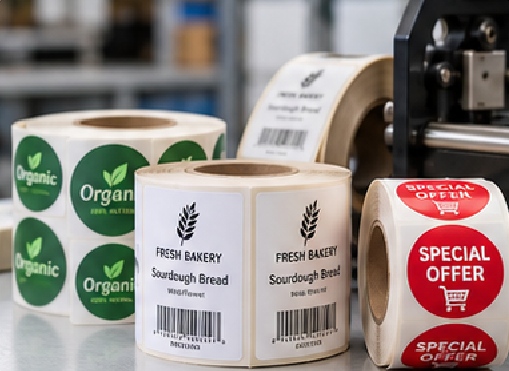
Bottle, jar, pouch, box, candle, food, beverage, cosmetic, supplement, and home-fragrance labels need coordinated decisions around container material, curvature, moisture, oil, visual finish, regulatory copy, hand or automatic application, and SKU structure. Useful resources include size, material, adhesive, artwork, finishing, sample, and roll-planning tools.
Roll Labels

Roll Labels

Roll labels require more than a finished shape. Core, winding direction, gap/pitch, liner width, maximum outside diameter, labels per roll, splice rules, and machine sensor needs can determine whether a roll performs correctly on a semi-automatic or automatic line. Philiton can review existing approved rolls or equipment information before locking the supply format.
Industrial Labels

Industrial Labels

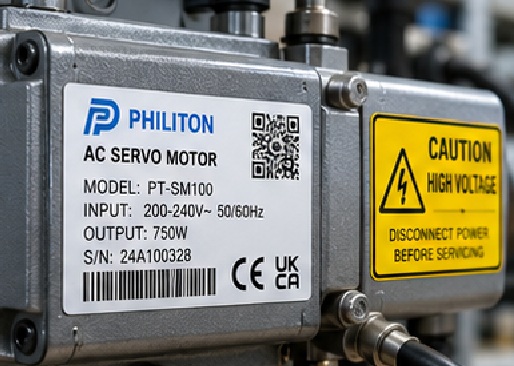
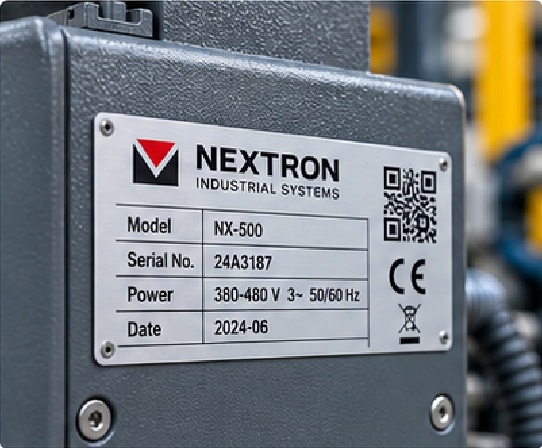
Electronics, machinery, asset, cable, automotive, chemical, and equipment labels commonly require stronger focus on PET or other durable films, high-tack adhesive options, abrasion protection, variable identification, QR or barcode readability, temperature exposure, oils, cleaners, or chemicals. Resource results should lead to material data, real-surface samples, and project-specific testing rather than generic industrial grade claims.
Barcode Logistics

Barcode Logistics

Thermal, thermal-transfer, shipping, warehouse, inventory, retail, and pricing labels depend on print method, ribbon compatibility where used, barcode quality, quiet zones, variable data, roll geometry, core, pitch, winding direction, and onsite printer or applicator limits. Philiton can supply blank, preprinted, or variable-data routes according to the operating workflow and required verification.
Security Labels

Security Labels

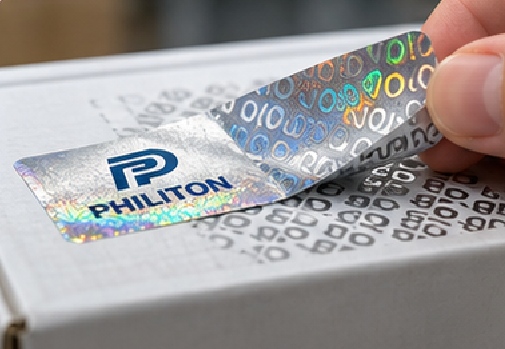
VOID, destructible, tamper-evident, holographic, scratch-off, hidden-code, serial, and QR-based security labels require a defined evidence goal. The structure must be tested on the intended surface, and unique-code projects need stronger file, quantity, waste, and data controls. Philiton does not treat tamper evidence as an absolute guarantee against counterfeiting.
RFID NFC Labels

RFID NFC Labels

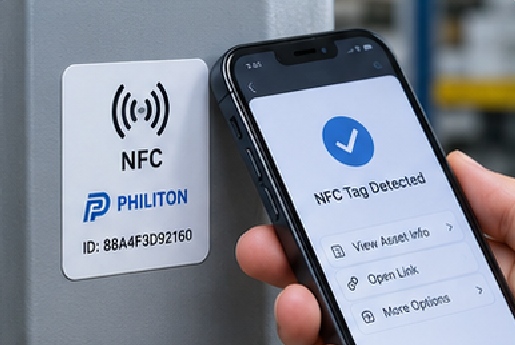
UHF RFID, HF RFID, and NFC projects combine physical label construction with chip/inlay selection, printing, encoding, serialization, and verification. Frequency, chip family, inlay size, surface, read range, data structure, roll format, and application environment are confirmed per project. Philiton sources chip/inlay components and performs downstream label converting and smart-label processing.

Artwork Resources That Prevent Expensive Prepress and Production Errors

Good artwork control keeps visual intent, technical layers, revisions, and manufacturing instructions aligned before dies, plates, samples, variable data, or finishing are released.

Build a Production File, Not Only a Design File

A design can look perfect on screen and still be incomplete for manufacturing. Philiton’s artwork review begins with finished dimensions and the dieline, then checks bleed, safe zone, image resolution, fonts, color mode, Pantone requirements, white ink, special effects, barcode or QR placement, and any variable information. AI, PDF, EPS, PSD, CDR, and other agreed production formats can be reviewed, but the important issue is whether the file contains enough controlled information for the intended process. Special effects should be separated from printed artwork. White ink on transparent films needs a defined mask. Foil needs its own production layer. Emboss or deboss requires a controlled area and physical relationship to printed elements. Spot varnish or raised effects must be distinguishable from standard graphics. Variable-data projects need a static artwork layer plus a clear data field, font, position, code format, and validation rule. Security designs may also require restricted-access handling. Philiton recommends using clear layer names and avoiding last-minute manual interpretation by the press operator. If a field is uncertain, it should be marked for engineering review rather than silently assumed. A few minutes of structured artwork review can prevent re-plating, re-tooling, color mismatches, missing white ink, unreadable codes, or incorrect dielines later.

Control Artwork Revisions Before Sampling, Tooling and Production Release

Revision control is one of the simplest ways to prevent expensive mistakes in multi-SKU and repeat programs. Each artwork should have a project or SKU reference, revision number, date, and approval status. When content changes, the team should know whether the change affects only text or also size, dieline, colors, foil, variable-data logic, regulatory copy, roll direction, or another manufacturing field. Philiton can support 1-2 rounds of routine electronic layout adjustments quickly in many standard projects. Once physical sampling, plates, dies, foil tools, emboss tools, screen setups, special materials, or RFID configurations are involved, a revision can create new physical cost and lead time. Sales or engineering confirms the effect before remaking a sample or tool. Approval can be recorded through an approved PDF, written email or WhatsApp confirmation, signed physical sample, color record, or the purchasing process agreed for the account. For stable repeat programs, a Golden Sample can be retained as a physical reference for appearance, material, and finishing. The mass-production basis remains the final approved artwork, specification, and sample/approval record rather than the most recent file found in an email thread.

Prepare Barcodes, QR Codes and Variable Data Before Sampling

Barcode, QR, serial, and RFID projects require more control than placing a graphic into artwork. The code type, data source, quiet zone, size, orientation, contrast, human-readable text, numbering sequence, uniqueness rule, and relationship to other identifiers should be defined before production. Curved surfaces, reflective foil, metallic effects, low contrast, small dimensions, print gain, or damage can reduce code performance even when a phone appears able to scan one sample.
For variable-data jobs, Philiton separates static artwork from variable fields and establishes how records are imported, generated, checked, rejected, reprinted, and matched to visible or RFID data where required. Security and unique-code jobs can also use stronger controls for restricted files, waste, quantity reconciliation, and retention or deletion rules agreed for the project.
A useful artwork package therefore contains more than a print PDF. It connects approved graphics to the data source, code rule, inspection method, and SKU version. This is especially important for industrial identification, logistics, retail, security, and smart-label programs where one wrong character can be more serious than a minor visual defect.

Material and Adhesive Selection by Surface and Environment

Material and adhesive work as one construction. Select from application conditions first, then confirm appearance, printing, finishing, supply, cost, and testing requirements.

Application conditionMaterial route to evaluateAdhesive / construction focusWhat Philiton recommends checking
Dry cartons, boxes, standard retail packsSemi-gloss, matte, gloss or uncoated paperStandard permanent or removable options by surfacePrint appearance, scuffing, removability, finishing compatibility
Bottles exposed to water or condensationWhite or clear BOPP; selected PET where neededSurface-specific permanent adhesiveBottle material, application temperature, condensation, edge lifting
Clear no-label-look packagingClear BOPP or clear PETHigh-clarity adhesive routeWhite ink, trapped air, surface cleanliness, transparency, scratches
Squeezable containersPE or flexible film routesAdhesive compatible with flexing and surface energySqueeze cycles, curvature, material stiffness, edge stress
Industrial or electronics identificationPET, durable synthetic films, selected vinylHigh-tack or special permanent route as requiredOil, cleaners, abrasion, heat, substrate, variable data
Refrigerated or frozen packagingMoisture-resistant film or suitable wet-strength paperFreezer / low-temperature adhesive routeApplication temperature, service temperature, frost, condensation
Thermal and logistics labelsDirect thermal or thermal-transfer compatible stockPermanent route matched to carton, plastic or other surfacePrinter compatibility, ribbon if used, barcode performance, storage life
Security and tamper evidenceVOID PET, destructible, holographic or special security structuresAdhesive integrated with required tamper behaviorActual substrate, opening evidence, residue pattern, code/data needs

Roll Engineering for Reliable Printing and Automatic Application

Roll specifications should be agreed before mass production whenever labels feed through printers, dispensers, semi-automatic equipment, or high-speed applicators.

Lock Roll Direction Before Rewinding and Automatic Application

Roll direction is an engineering specification, not a cosmetic preference. The same artwork can be wound in multiple orientations, inside or outside wound, and each arrangement changes how the label leaves the liner and reaches the product. A roll can be perfectly printed yet unusable on the line if the feed direction conflicts with the peel plate, product movement, or required top orientation. Philiton can confirm winding by reviewing a machine manual, applicator drawing, video, photo of an existing approved roll, or a physical reference. Verbal descriptions such as “top first” can be ambiguous because the viewing direction is not always the same for both parties. A visual winding diagram tied to the SKU is safer. Once approved, winding direction should appear on the specification, sample or proof record, slitting/rewinding instruction, final inspection, and repeat-order record. The same approach applies to inside/outside wound, liner orientation, and any black mark or sensor requirement. For hand-applied sheet or individual stickers, this level of detail may be unnecessary; for automated lines, it can prevent a full batch from requiring rewinding or line changes.

Coordinate Core, Pitch and Maximum Roll Diameter Together

Core size, pitch, and roll diameter define how the roll physically interacts with equipment. Core selection must match the unwind shaft or holder. Pitch is the repeat distance in the feed direction and commonly equals label feed length plus the gap for standard die-cut labels. Maximum OD controls how much finished material can physically fit into the machine. Labels per roll then becomes a result of these limits, rather than a standalone packing preference. Philiton recommends recording core ID, winding direction, label feed dimension, gap/pitch, liner width, maximum OD, and labels per roll together. For very tight tolerances, unusual sensors, perforations, black marks, or multi-lane arrangements, machine drawings or an approved roll sample should be reviewed. Label construction also matters: liner thickness, facestock, adhesive, lamination, raised UV, embossing, foam, and RFID layers can change roll build. Planning tools can estimate roll length and diameter, but finished OD can vary with material caliper tolerance, compressibility, winding tension, label coverage, splices, and converting conditions. Production acceptance should therefore use the approved roll specification and finished inspection rather than a calculator value alone.

Make Repeat Orders Run Like the Approved Production Batch

Repeat production becomes easier when line-critical parameters are treated as controlled specifications. An approved roll can establish the baseline for core, winding, gap, liner width, roll diameter, labels per roll, carton quantity, and SKU identification. Philiton can retain approved project records so the next order can be reviewed against the previous release rather than rebuilt from memory. A repeat order is still checked for changes. A new container, updated applicator, different label size, new laminate, revised adhesive, new quantity-per-roll target, or change in production location may affect the approved configuration. Even when artwork is unchanged, manufacturing or application conditions can change. For multi-SKU programs, standardization can reduce line disruption and cost. Using common core, winding, liner width, material, and carton identification across compatible SKUs can simplify receiving, storage, setup, and replenishment. Each artwork remains separately approved and identified, but shared engineering parameters create a more stable supply program. This is especially useful for food, beverage, cosmetics, logistics, private-label manufacturing, and contract packing operations with frequent SKU changes.

Printing and Finishing Routes Matched to Order Structure

Philiton selects print and finishing methods from quantity, SKU structure, material, color, durability, decoration, variable data, and repeat-order needs rather than one default process.

Process / finishBest use within Philiton projectsMain strengthsPoints to confirm before production
Digital printingSamples, launch runs, multiple SKUs, frequent artwork changesLow setup burden, fast version changes, variable-data compatibilityMaterial, white ink availability, color target, finishing route
Flexographic printingStable roll-label programs and repeat medium-to-high volumeEfficient continuous roll production, spot colors, scalable outputPlates, material, ink system, color standard, inline/offline finishing
Screen printingOpaque whites, selected specialty inks and heavier ink depositsStrong coverage and special visual/functional effectsMaterial compatibility, cure, detail limits, registration
UV printing / UV workflowsFilm labels, immediate curing, white or varnish effects in suitable jobsStrong print appearance and specialty optionsSubstrate treatment, adhesion, finish stack, intended environment
Variable dataSerial numbers, barcodes, QR codes, unique identifiersSKU flexibility, traceability, data-driven printingData source, uniqueness, verification, reprint control
Lamination / varnishMoisture, abrasion, handling protection or visual finishSurface protection, matte/gloss appearanceChemical exposure, flexibility, recyclability needs, edge behavior
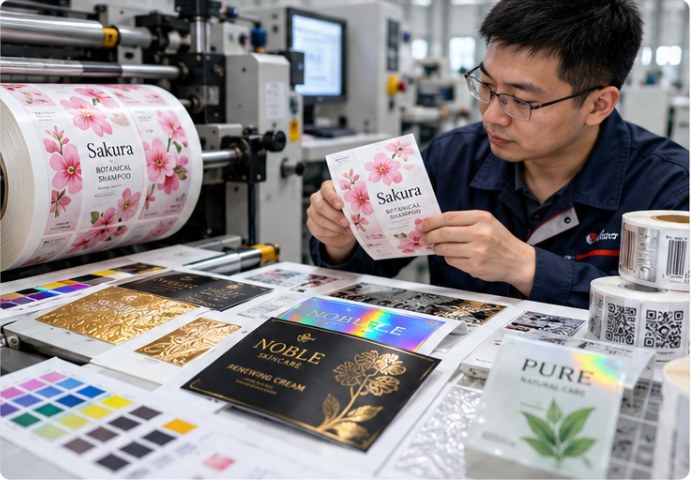
Foil stampingPremium beverage, cosmetics, gifting, high-value packagingMetallic decoration and shelf impactFoil type, artwork detail, tooling, registration, curved application
Emboss / debossPremium paper and selected film structuresTactile relief and visual depthMaterial thickness, tool design, fine details, registration
Holographic / security effectsBrand protection, authentication, promotional effectsDistinct visual/security layerStandard vs custom pattern, tooling, data/security combination
Die cutting / slitting / rewindingAll converted labels and roll programsFinished shape, liner format, machine-ready rollsDieline, gap, liner width, roll direction, core, OD

Sampling Turns Design Decisions Into Approved Production Standards

Sampling should close specific risks before volume production. Philiton offers material, digital, printed, finished, production, and functional samples according to what must be verified.
Choose the Sample Type From the Risk Being Tested

Choose the Sample Type From the Risk Being Tested

A sample is most useful when its purpose is defined before it is made. Material swatches can answer questions about paper feel, film transparency, adhesive direction, or surface finish without building a complete printed prototype. Digital samples are effective for artwork, dimensions, general color direction, multi-SKU review, and short-run launch validation. Printed or finished samples add the actual decorative or protective steps needed to evaluate lamination, varnish, foil, embossing, white ink, or other process interactions. A pre-production sample can use final or near-final materials and roll settings when the approval must closely represent the production configuration. Functional projects need functional samples. Freezer labels should be checked under the intended temperature sequence. Strongly curved or low-surface-energy containers should be tested on the actual substrate. VOID constructions need opening/transfer testing. Barcode and QR jobs need print and verification checks. RFID projects need the selected inlay, encoding, data match, read/write verification, and application assessment. A visual sample alone cannot close these risks. Typical internal planning times are 1-2 working days for blank material/swatches, 1-3 working days for digital samples, 3-5 working days for standard printed or finished samples, about 5-7 working days for more complex finishing, and roughly 5-10 working days for RFID, security, custom holographic, or special-structure samples. Timing starts after artwork, material, and process direction are sufficiently confirmed.
Approve the Right Fields Before Releasing Mass Production

Approve the Right Fields Before Releasing Mass Production

Sample approval should identify what is actually being approved. Depending on the project, the record can cover material, finished size, artwork, color direction, Pantone reference, white ink, foil, emboss/deboss, lamination or varnish, adhesive behavior, die cut, roll direction, core, labels per roll, code quality, variable-data logic, RFID function, packaging, or other requirements. Approval can be captured through a signed physical sample, written email or WhatsApp confirmation, approved PDF, color record, internal procurement workflow, or another agreed method. For repeat programs with strict appearance or complex finishing, Philiton can retain a Golden Sample as a physical reference for later batches. The customer and Philiton can compare future output against the approved appearance while also using the current written specification and inspection criteria. Routine electronic artwork adjustments often allow 1-2 quick revision rounds in standard projects. Changes that require new dies, flexo plates, foil tools, emboss tools, screen setups, special materials, RFID components, or a new physical sample can add cost and lead time. Philiton confirms the impact before remaking the sample so development changes remain visible instead of appearing later as unexplained production charges. 

Production Details That Keep Approved Specifications Under Control

Once artwork, materials, process routes, samples, and commercial conditions are approved, Philiton converts the project into controlled production instructions and inspection points.

Release Production Only After Critical Inputs Are Approved

Formal production starts from approved inputs, not from the first inquiry date. Philiton checks the commercial order, approved artwork and specification, sample status when required, material availability, tooling, print route, finishing, roll construction, packing, and delivery requirements before the order is released. Missing approval on a critical item remains an open condition rather than being silently assumed.
  • A standard custom label order typically moves through prepress, material preparation, printing, curing or drying as applicable, lamination or varnish, foil/UV/emboss or other finishing when specified, die cutting, waste stripping, slitting and rewinding, in-process checks, final quality control, and packing. Multi-SKU orders add version control, setup/changeover, SKU identification, separate counting, and packing controls. Variable-data and RFID projects add data preparation, matching, verification, reject control, and additional traceability.
  • For many standard custom label projects, bulk production commonly takes about 5-10 working days after production conditions are ready. Compatible rush projects may be evaluated for about 2-5 working days when materials are available, tooling is ready, artwork is frozen, machine loading permits insertion, and no special upstream dependency blocks the schedule. Rush production does not remove incoming checks, first-article confirmation, in-process inspection, final inspection, or outgoing checks.

Match the Production Route to Quantity and SKU Structure

Philiton uses different production economics for launch runs and stable volume programs. Digital printing reduces traditional plate setup and is well suited to samples, around-500-piece launch orders, multiple artworks, regional versions, limited editions, and frequently changing SKUs. As a project grows into thousands or tens of thousands of labels per SKU, flexographic or hybrid routes can be evaluated where materials, artwork stability, color structure, and finishing support better production efficiency.
  • Quantity alone does not determine the press. Ten thousand labels in one artwork are not commercially identical to ten artworks of one thousand each. Every SKU can require separate file approval, version control, setup, color management, inspection identification, roll count, and packing. The best savings often come from standardizing the platform: common material, size, adhesive, core, winding, packing format, and finishing across compatible variants.
  • The same philosophy applies to larger recurring programs. Philiton supports short custom runs and repeat mass production within one manufacturing system, but high volume does not create a universal fixed daily capacity. Label area, material, print colors, finishing, variable data, RFID, inspection depth, roll format, and packing all affect real machine time. Production planning is therefore connected to the approved specification instead of an unsupported “pieces per day” promise.

Protect Repeat Orders Through Controlled Specification and Change Management

Repeat production should reproduce approved parameters, not merely reuse old artwork. Philiton can retain artwork revisions, specifications, tooling references, approved material information, Golden Samples where used, roll configuration, quality points, and packing instructions. A reorder is reviewed against the previous release to determine whether anything material has changed.

  • Changes to artwork, size, substrate, adhesive, ink or color target, laminate, foil, emboss, barcode data, RFID inlay, roll direction, core, labels per roll, carton quantity, intended surface, application temperature, or regulatory requirement can trigger new technical review or sampling. Even a new filling line or applicator can change the roll requirement while the printed design remains identical.
  • For established programs, keeping these fields controlled reduces repetitive communication and supports batch-to-batch consistency. It also creates clearer responsibility: Philiton manufactures to the latest approved specification, while brand, engineering, regulatory, and purchasing teams confirm the changes that belong to their product or market. The result is a supply process that can scale without losing the decisions established during initial development.

Prepare a Quote With the Information That Changes Cost

A clear quotation connects price to the actual specification. More complete inputs reduce assumptions, re-quoting, unexpected tooling, and commercial changes after sampling.

Quote factorWhat to provideWhy it changes cost or route
Size and shapeWidth × height, shape, dieline if availableChanges material area, layout, die cutting, waste and roll planning
QuantityTotal quantity and quantity per SKUDetermines run length, setup allocation and digital/flexo economics
Number of SKUsArtwork count and qty/SKUAdds file control, changeovers, inspection, counting and packing
MaterialKnown grade or application conditionsPaper, film, thermal, durable and specialty stocks have different costs and supply conditions
Adhesive / surfaceGlass, PET, PP, PE, HDPE, metal, carton, otherMay require standard, high-tack, removable, freezer or special constructions
PrintingCMYK, Pantone, white, variable dataChanges press route, setup, color control and verification
FinishingLamination, varnish, foil, emboss, holographic, securityAdds process steps, tooling, materials and inspection
Roll specificationWinding, core, gap/pitch, OD, labels/rollAffects converting, rewind setup, packing and line compatibility
Testing / documentsBarcode, adhesion, abrasion, environment, compliance documentsAdds sample preparation, inspection, third-party or supplier-document work
Packing and destinationRoll/sheet/piece, carton rules, delivery city/countryChanges packing labor, freight mode, documentation and landed-cost structure

Quality Control Designed Around the Actual Label Risk

Philiton applies incoming, in-process, final, and outgoing controls, then adds project-specific testing when color, adhesion, codes, durability, security, RFID, or roll performance require deeper verification.

Incoming Material Control

IQC starts before printing. Incoming facestock, adhesive constructions, liner, foil, film, RFID inlay, or other critical materials are checked against purchasing and project requirements according to the item and risk. Material identity, surface condition, visible defects, supplier documentation, and batch information can be recorded where relevant. A material declaration or upstream report is tied to the specified construction and batch context rather than assumed to cover every label made in the factory.
  • Critical substitutions require review before use.
  • Special compliance documents are checked against the requested material and scope.
  • Unknown or changed material can trigger new sample or performance verification.

In-Process Inspection

IPQC keeps a defect from expanding through the run. Press and converting checks can cover artwork version, color direction, registration, white ink, text, variable data, foil, emboss/deboss, coating, die cutting, waste stripping, roll direction, liner condition, and first-article approval. Philiton uses trained production and quality personnel across printing, die cutting, slitting/rewinding, foiling, embossing, and related operations.
  • First article establishes the running reference.
  • Multi-SKU work requires clear version and quantity identification.
  • Process deviations are contained before final packing.

Final Product Verification

FQC and OQC verify finished labels against the approved artwork, specification, sample, and packing requirements. Depending on the project, checks can include finished dimensions, die cut, appearance, quantity, winding direction, core, roll diameter, labels per roll, SKU identification, barcode or QR quality, variable-data match, RFID read/write, and carton marking. Automatic vision inspection can be used for suitable projects to detect print, registration, text, dirt, or missing-label issues.
  • Finished rolls are checked as delivered, not only as press sheets.
  • Packing and carton identity are part of outgoing control.
  • Repeat orders remain subject to review and QC.

Functional Testing

Laboratory and project testing are selected from the actual failure risk. Philiton’s available quality-control system includes color measurement, barcode/QR verification, peel adhesion and tack testing, abrasion testing, tensile/material-strength evaluation, environmental temperature/humidity testing, and related checks; RFID projects can add encoding and read/write verification. Test results apply to the tested material, method, conditions, and sample rather than every possible use environment.
  • Use actual containers or representative surfaces where application matters.
  • Define chemicals, temperatures, rub cycles, or other conditions before testing.
  • Third-party testing can be arranged when independent evidence is required.

Packaging and Logistics Built Around Rolls, SKUs and Receiving

Packing protects finished labels and preserves identification from the rewinder to the receiving warehouse, production line, fulfillment center, distributor, or downstream converter.

Roll Protection

Finished rolls are packed according to size, construction, winding, and shipment risk. The objective is to prevent crushing, moisture exposure, telescoping, edge damage, uncontrolled unwinding, and contamination during handling and transport. Clean or appearance-sensitive labels can use suitable inner bags, shrink protection, or separators. Heavy or large rolls require carton strength and placement appropriate to their weight and dimensions.
  • Core and roll edges should remain protected.
  • Transparent, foil, or premium surfaces need abrasion control.
  • Moisture-sensitive paper or cold-chain materials may need stronger inner protection.

SKU Identification

Multi-SKU packing must make the contents easy to receive and hard to mix. Philiton can separate rolls, bags, cartons, or pallet groups by SKU and label cartons with project, SKU, quantity, batch, or other agreed receiving information. Barcode carton labels can be added when warehouse rules require them. Mixed-SKU cartons or pallets can be planned when the receiving system allows it, but each SKU remains separately controlled.
  • Quantity-per-roll and quantity-per-carton should match the approved packing plan.
  • Variable-data or RFID ranges can require stronger batch identification.
  • Repeat packing formats can be retained in the project specification.

Shipping Routes

Courier, air freight, sea freight, rail, and truck/land transport can be arranged according to shipment size, urgency, destination, and trade term. Samples and urgent small shipments commonly use DHL, UPS, FedEx, TNT, or another available courier route. Larger programs can move under EXW, FOB, CIF, DAP, DDP, or another agreed commercial structure where suitable.
  • Commercial Invoice and Packing List can be prepared for export shipments.
  • COO, HS Code, insurance, and other customs-supporting documents can be coordinated when required.
  • Freight price and transit time are confirmed for the specific shipment rather than published as fixed global values.

Direct Delivery

Direct delivery to a warehouse, fulfillment center, contract packer, or other designated receiving point can be arranged when receiving requirements are provided in advance. Important details can include delivery appointment rules, carton and pallet labels, pallet size, mixed-SKU restrictions, ASN or reference requirements, customs responsibility, and local delivery conditions. A label order can be technically correct yet create receiving problems if warehouse instructions are ignored.
  • Provide the complete destination before final freight quotation.
  • Share retailer or warehouse labeling rules early.
  • Confirm duties and taxes through the agreed Incoterm.

Representative Label Projects Showing How Resources Become Specifications

The following anonymous representative records show how Philiton structures application risks, samples, production inputs, QC, and delivery. No brand names or unverified testimonials are used.
US Cosmetics Bottle Labels

US Cosmetics Bottle Labels

A United States cosmetics and personal-care brand required waterproof pressure-sensitive bottle labels across 3-8 SKUs, with a representative order scale of 10,000-50,000 pcs. White BOPP and clear BOPP routes were evaluated for PET, HDPE, and glass containers. Clear-film designs added a controlled white-ink layer, while matte or gloss lamination protected the printed surface. Samples were applied to the actual bottles to check edge lifting, clarity, water exposure, rubbing, and appearance. Production QC covered color, dimensions, die cut, adhesion, surface quality, winding direction, labels per roll, and white-ink registration. Finished rolls were protected with inner wrapping and cartons matched to the applicator requirements.
  • Region: United States
  • Project: Cosmetics / personal-care bottle labels
  • Order scale: 10,000-50,000 pcs
UK Premium Bottle Labels

UK Premium Bottle Labels

A United Kingdom premium-beverage packaging project used a representative order scale of 5,000-30,000 pcs across 2-5 SKUs. The visual target required metallic decoration while maintaining small type, fine reverse lines, registration, and reliable application on a curved bottle. Philiton compared high-white paper, textured paper, and film routes according to moisture and appearance needs, then developed a physical foil sample before volume production. The sample focused on foil adhesion, detail reproduction, print-to-foil registration, bottle curvature, and optional emboss interaction. Production checks covered color, foil, registration, surface condition, die cut, finished size, and winding. Rolls or sheets were packed according to the chosen application method.
  • Region: United Kingdom
  • Project: Premium beverage labels
  • Order scale: 5,000-30,000 pcs
German Equipment Labels

German Equipment Labels

A German industrial and machinery project required durable PET equipment identification at a representative scale of 5,000-50,000 pcs across multiple models. White or silver PET, a high-tack permanent adhesive route, and abrasion-protective lamination or varnish were evaluated against metal, powder-coated, or plastic surfaces. Serial numbers and QR codes could be added through variable-data printing. Engineering samples were used to review adhesion and construction before production, with actual chemical media considered when resistance testing was necessary. QC covered printing, variable-data accuracy, barcode/QR performance, adhesion, surface appearance, dimensions, and die cutting. Delivery format could be rolls, sheets, or individual pieces to fit the production workstation and traceability process.
  • Region: Germany
  • Project: Industrial equipment identification
  • Order scale: 5,000-50,000 pcs

Compliance Support Based on Materials, Markets and Evidence

Philiton treats compliance as project documentation and manufacturing control, not a blanket logo wall. Requirements are matched to the exact material, end use, destination, standard, and responsible party.
Material Declarations

Material Declarations

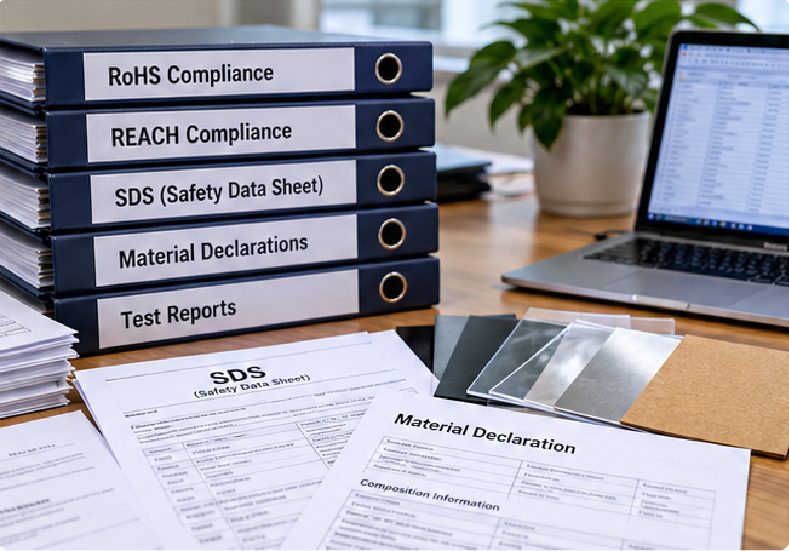
  • RoHS and REACH are regulatory frameworks and substance requirements, not universal factory certificates. For specified projects, Philiton can collect applicable supplier declarations, SDS or composition information, and third-party test reports for the selected material structure, then control the approved material in production. The scope must match the actual facestock, adhesive, ink, coating, foil, or other components included in the requirement.
  • RoHS/REACH evidence is tied to the specified material and project.
  • Old or unrelated reports are not treated as permanent proof for every label.
  • Final product-market responsibility remains with the relevant product manufacturer or importer.
Food and Consumer Use

Food and Consumer Use

  • Food-contact requirements depend on whether a label is outside the package, indirectly exposed, or in direct contact with food, along with food type, contact time, temperature, and destination market. Philiton can select materials, obtain supplier documentation, make test samples, and coordinate migration or composition testing when needed. Similar project-level logic applies to children’s-product material testing, heavy metals, California Proposition 65 support, and other specified chemical or consumer-product requirements.
  • External package labels and direct-food-contact labels have different risk profiles.
  • Philiton reproduces approved regulatory artwork but does not decide all legal wording for the finished product.
  • Testing should reference the exact construction and intended use.
Independent Testing

Independent Testing

  • When independent evidence is required, samples and supporting material information can be prepared for third-party laboratories or certification bodies such as SGS, Intertek, Bureau Veritas, TüV, Eurofins, UL Solutions, or another qualified organization selected for the relevant scope. The independent body issues the report or certificate within its accredited or authorized scope; Philiton can support sample preparation, BOM or material information, corrective work, and project record retention.
  • Reports apply to the tested sample, standard, method, and limits.
  • UL-related label projects require the correct material system and authorization route.
  • Certification claims are not made without verified entity, scope, certificate number, and validity.
Audit and Documentation

Audit and Documentation

  • Large organizations may require quality-system audits, social-responsibility audits, environmental reviews, information/brand-security audits, or industry-specific supplier assessments. Philiton can support review of order control, incoming inspection, first article, process inspection, final inspection, nonconforming product, traceability, calibration, training, artwork access, brand security, waste control, and change records. Current certification or audit status is only stated publicly when the corresponding evidence has been verified.
  • Supplier audit requirements should be shared before approval.
  • Confidential artwork and branded waste can use project-level control rules.
  • Customer audit results remain specific to the auditor, scope, and date.

Manufacturing Resources Backed by Philiton Production Capability

The resource system is connected to real artwork, engineering, converting, inspection, and delivery work inside Philiton rather than operating as a standalone publishing library.

Manufacturing Since 2016

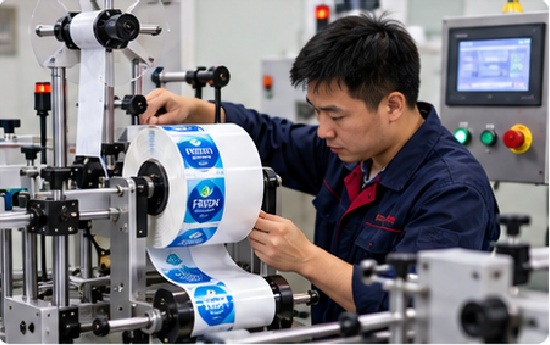
Philiton was founded in 2016 and operates manufacturing facilities in Shenzhen and Dongguan. The combined manufacturing scale is about 12,000+ ㎡ with more than 200 employees. Technical personnel, experienced machine operators, and quality-related staff total 91 people. The organization supports artwork, prepress, printing, finishing, die cutting, slitting and rewinding, inspection, testing, RFID-related processing, packing, and project coordination across short-run and repeat production programs.

  • Manufacturing identity: custom labels, stickers, tags, industrial, security, and smart-label solutions.
  • Core resources are connected to factory processes and inspection.
  • Specific machine brands, models, speeds, or capacity claims are only used after verification.

Flexible Starting Quantities

Many standard custom label and sticker projects can begin from around 500 pcs, allowing new packaging, regional versions, multiple SKUs, short promotions, or controlled launch runs to enter a professional manufacturing workflow without waiting for very large volumes. The same factory system can support growth into thousands, tens of thousands, and repeat mass production. Special materials, RFID, custom holograms, security structures, dedicated tooling, or unusual constructions may require different minimums.
  • Around 500 pcs is a common starting point, not a universal promise.
  • Digital production supports flexible short runs and SKU changes.
  • Stable volume programs can be evaluated for higher-efficiency production routes.

Integrated Technical Support

Philiton’s manufacturing value is not upstream papermaking, film extrusion, adhesive chemistry, or chip fabrication. Labelstocks, films, adhesives, foils, RFID inlays, and other raw materials are sourced from qualified external supply chains. Philiton’s role is to select and control suitable materials, prepare artwork and prepress, print, convert, finish, die cut, slit, rewind, inspect, test, pack, and manage the approved project specification.

  • Material selection is not restricted to one internally manufactured substrate family.
  • Application engineering connects surface, environment, print, finishing, and labeling method.
  • Project-specific performance is validated through material data, samples, and applicable testing.

From Short Run to Repeat Supply

The same specification discipline supports both small launch orders and established supply programs. A project can begin with a material swatch, 10-50-piece digital sample, or physical application trial; move into an around-500-piece launch run; grow through 1,000-5,000-piece reorders; and later move into larger repeat quantities when demand becomes stable. Artwork, material, adhesive, tooling, roll parameters, QC requirements, and packing can be retained as controlled references for future orders.

  • Standard production is commonly about 5-10 working days after production conditions are ready.
  • Regular quotations with complete specifications can often be prepared within 2-8 working hours.
  • Repeat programs still receive order review and quality control before release.

Label Resources & Tools Frequently Asked Questions

No. Provide the product or container, application surface, environment, desired appearance, quantity, and application method. Philiton can recommend material routes and identify when a material sample or application test is needed. Specific grade, thickness, adhesive, and supplier information are confirmed after the project conditions are understood.
It can provide a useful planning range for standard geometry, but final production size should reflect the actual labelable area, curvature, seams, container tolerances, required information, material stiffness, and application method. Tapered, irregular, flexible, or strongly curved packages may require a custom dieline or physical fit review.
Provide size or container dimensions, total quantity, quantity per SKU, number of artworks, application, material or performance needs, printing colors, finishing, roll or sheet format, testing, packing, destination, and required timing where known. Unknown technical fields can be marked for recommendation instead of being guessed.
Typical planning times are 1-2 working days for blank material swatches, 1-3 working days for digital samples, 3-5 working days for standard printed or finished samples, around 5-7 working days for complex finishing, and about 5-10 working days for RFID, security, custom holographic, or special-structure samples. Courier transit is additional.
Many standard label and sticker projects can start from around 500 pcs per design or SKU. Actual MOQ changes with material, printing route, finishing, tooling, number of SKUs, RFID components, security construction, and supply requirements. Similar SKUs can sometimes share materials and production setup but remain separately approved and controlled.
Yes, when material, adhesive, size, finishing, and technical requirements are compatible. Standardizing these fields can improve production efficiency. Each SKU still needs approved artwork, its own quantity, version control, QC identification, and suitable packing so different designs are not mixed during production or receiving.
Philiton can review the applicator manual, machine drawing, existing approved roll, photos, or video. Important fields include label size, feed direction, inside/outside wound, roll direction, core, maximum OD, gap/pitch, liner width, labels per roll, perforation or black mark, and sensor requirements before mass production.
Philiton can support project-specific material declarations, supplier documents, sample preparation, and third-party testing according to the requested material, use, destination, and standard. Compliance is not presented as one universal certificate covering every label. Final regulatory obligations for the finished product remain with the responsible brand, manufacturer, importer, or regulatory party.
The approved artwork, specification, material route, process, roll format, packing, and sample or approval record become the production basis. Standard production commonly takes about 5-10 working days once materials, tooling, approvals, and commercial conditions are ready. Any later change can require new review or sampling.
Yes, when prior project records are retained and the requirements remain unchanged. Philiton can review repeat orders against approved artwork, material, adhesive, tooling, roll specifications, Golden Sample where used, QC requirements, and packing. A changed surface, container, applicator, regulation, design, or material requirement should be treated as a controlled change.

Turn Your Resource Results Into a Manufacturable Label Project

Send Philiton the information already available, even if several technical fields are still unknown. Our team can organize the inputs into a workable engineering review, identify missing decisions, recommend the next sample or test, and prepare a quotation once the specification is sufficiently clear. Many standard custom label and sticker programs can start around 500 pcs, while larger multi-SKU and repeat programs can scale through digital, flexographic, specialty finishing, variable-data, security, or RFID-related production routes according to the project.

For a faster review, include:

  • Artwork, dieline, reference image, or existing label sample.
  • Finished size or container/product dimensions.
  • Total quantity and quantity per SKU.
  • Application surface and expected environment.
  • Material, adhesive, finish, or visual target if already known.
  • Roll direction, core, gap/pitch, maximum OD, or machine information for automated application.
  • Required testing, documentation, packing, destination, and target delivery date.

For all inquiries, please feel free to reach out at:

Get In Touch

  • Our team will answer your inquiries within 12 hours.

  • Your information will be kept strictly confidential.

Get a Fast Quote for Custom Labels & Stickers

We will contact you within 24 Hours, please pay attention to the email with the suffix“@philiton.com”. 

For all inquiries, please feel free to reach out at:

Ask For A Quick Quote

We will contact you within 24 Hours, please pay attention to the email with the suffix“@philiton.com”. 

For all inquiries, please feel free to reach out at:

Get a Quote Today!

We will contact you within 24 Hours, please pay attention to the email with the suffix“@philiton.com”.