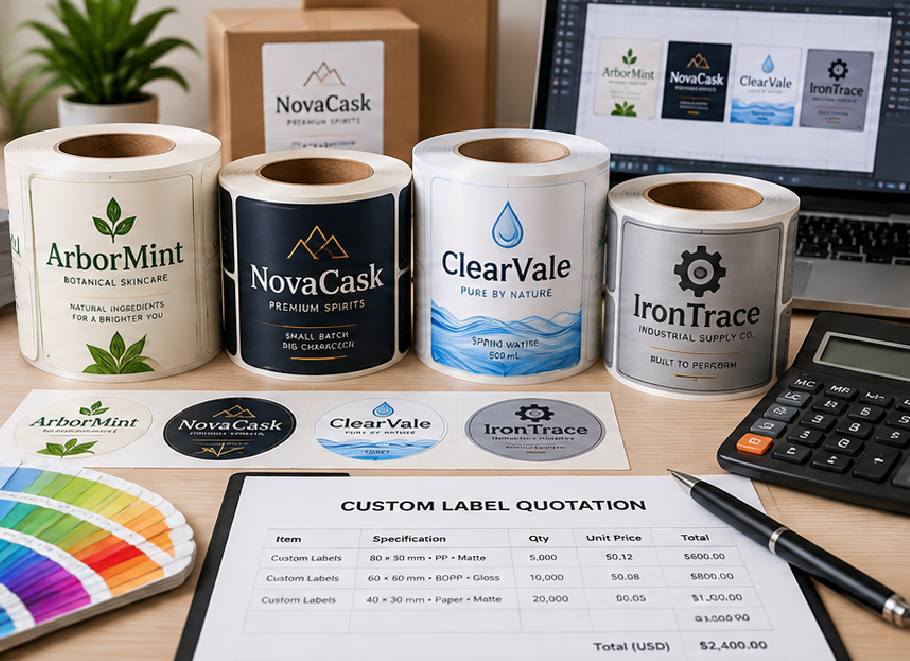



Clear labels often need more than a transparent film. White ink, reverse printing, opacity control, varnish or lamination and precise registration can all affect price. Philiton reviews whether the design needs a no-label look, selective white, full white backing or metallic effects. Bottle color, product fill and surface transparency should be considered before the artwork is finalized because they change both visual outcome and production route.

White and clear BOPP are widely used for food, beverage, cosmetic and personal-care packaging. Pricing changes with film grade, adhesive, moisture exposure, bottle material, white ink, lamination and roll specification. Philiton treats waterproof appearance and adhesive performance separately: a film may resist water while the wrong adhesive still fails on condensation, curved HDPE or low-surface-energy plastic.
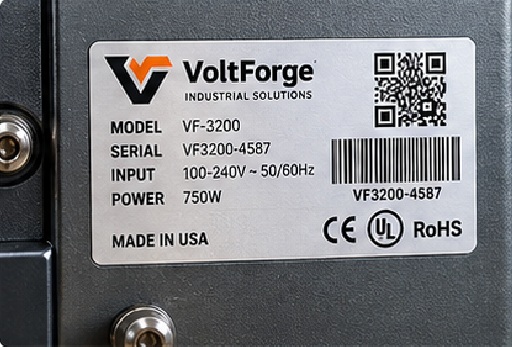
PET labels are used when dimensional stability, abrasion resistance, heat resistance or long service life matter more than a low material price. Philiton can combine PET with high-tack adhesive, protective lamination, variable data or durable printing for equipment, electronics and industrial identification. Cost depends on the actual structure, testing requirement, application surface and whether serial data, barcode or chemical exposure must be validated.
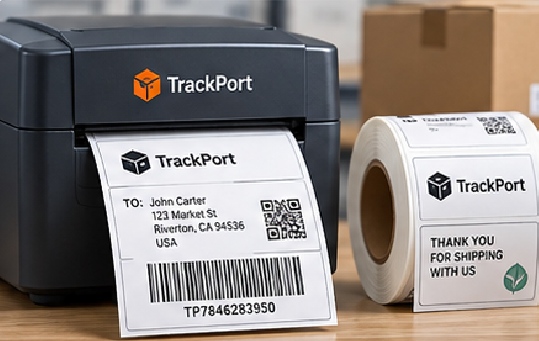
Direct thermal and thermal-transfer labels are recurring consumables for logistics, warehousing, retail and inventory systems. Price is influenced by thermal material grade, adhesive, size, roll length, core, perforation, black mark, liner and annual volume. Philiton also considers printer and scanner compatibility. A slightly different label pitch or roll diameter can affect both material efficiency and downstream equipment use.
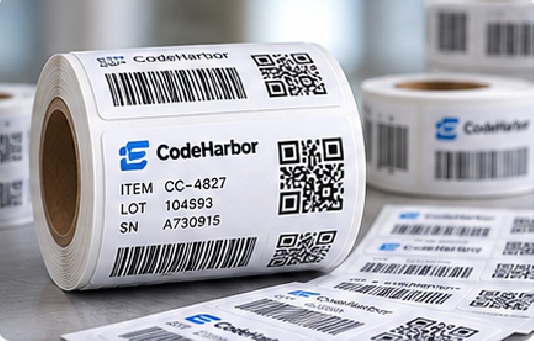
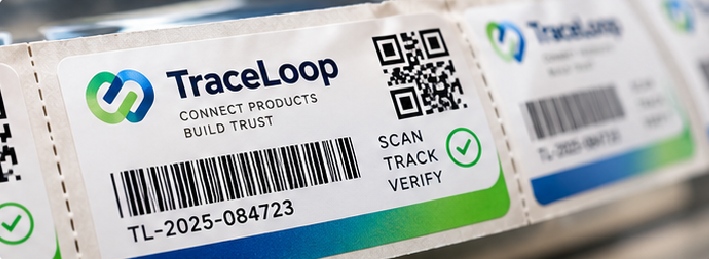
Barcode, QR, serial-number and variable-data labels add a data-control layer to normal printing. Pricing can include database preparation, sequence checking, print verification, reprint control and inspection. Philiton separates ordinary static graphics from variable fields so quantity, number of data records, verification level and packaging sequence are visible in the quotation. High-volume projects may need dedicated data and inspection planning.
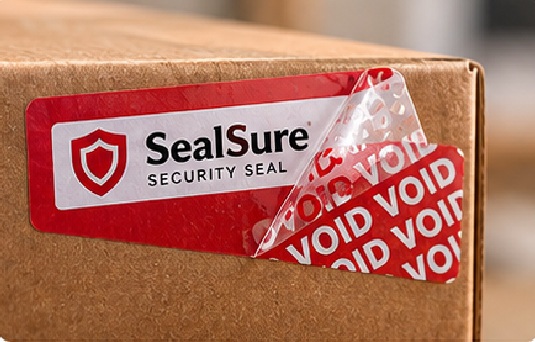
VOID, destructible and tamper-evident constructions are priced from the security material, surface, evidence requirement and converting process. Standard tamper materials may be simpler, while custom transfer messages, special destructible stocks or combined security effects can introduce material minimums or tooling. Philiton recommends testing the final construction on the actual surface because security behavior can change with paint, plastic, glass or metal.
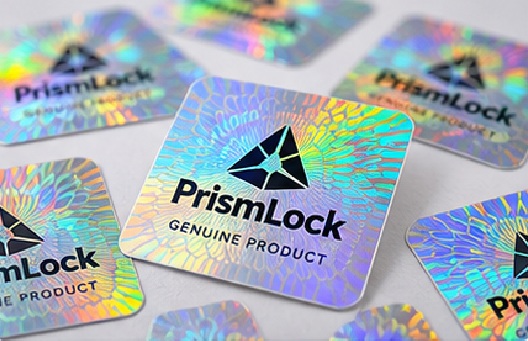
Holographic labels can use stock holographic materials or more specialized security structures. Price rises when a project requires custom origination, dedicated holographic patterns, foil, microtext or multi-step security conversion. Philiton separates stock visual effects from custom security development so the quote shows whether cost comes from material, tooling, setup, conversion or inspection rather than treating all holograms as one category.
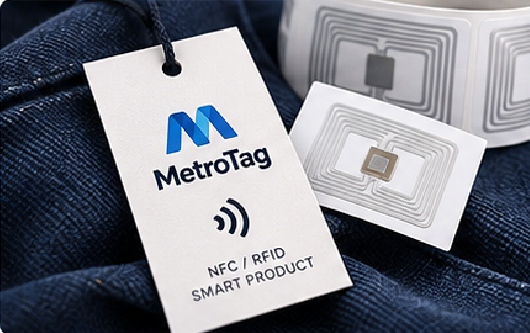
RFID and NFC programs include inlay or chip cost in addition to normal facestock, adhesive, printing and converting. Frequency, inlay size, encoding, read/write verification, visible variable data and application surface can change both material and processing cost. Philiton confirms the chip or inlay route per project and can combine printing, encoding, serialization, inspection, slitting and final roll specifications within one manufacturing plan.

Sheet stickers can simplify manual application, promotional packs and mixed-design presentations. Price depends on sheet size, number of designs per sheet, kiss-cut layout, liner area, material utilization and packing. Philiton can optimize the imposition so more stickers fit a sheet without creating difficult waste stripping or weak margins. Multi-design sheets should still have approved artwork and clear quantity definitions.

Hang tags, garment labels and transfer-related products bring different substrates, holes, strings, thermal transfer layers or specialty finishing into the quotation. Philiton can coordinate printing and related converting with the broader label program where specifications are compatible. Pricing is driven by material, thickness, print process, cutting, finishing, assembly and packing rather than by surface area alone.
| Pricing Factor | Why It Changes Cost | Typical Cost Behavior | What Philiton Confirms |
|---|---|---|---|
| Size | Changes material area, print length and die-cut area | High variable impact | Finished width x height and total area |
| Shape | Affects tooling, waste stripping and production speed | Medium-high fixed and variable impact | Simple, custom, kiss-cut or full-cut shape |
| Material | Changes facestock and liner cost | High variable impact | Paper, BOPP, PET, PE, vinyl or specialty stock |
| Adhesive | Changes construction and application performance | Medium-high variable impact | Surface, temperature, moisture, oil, removability |
| Quantity | Spreads setup and changes production efficiency | Very high structural impact | Total quantity and quantity per SKU |
| Colors | Affects ink, setup, registration and plate count | Medium-high | CMYK, Pantone, white ink, spot colors |
| Printing Method | Changes setup, speed and production economics | High | Digital, flexo, screen/UV or combined route |
| Finishing | Adds lamination, varnish, foil, embossing or special effects | Medium-high | Finish type, area and sequence |
| Die Cost | New sizes or shapes may need dedicated tooling | One-time medium impact | Dieline and reusable tool availability |
| Plate Cost | Traditional processes may require print plates | One-time medium impact | Colors, coverage and printing route |
| Foil Mold | Hot foil may require a dedicated foil die | One-time medium impact | Foil artwork, area and detail |
| Emboss Mold | Emboss/deboss may require matched tooling | One-time medium-high | Relief artwork, size and registration |
| RFID Chip | Adds chip, antenna, inlay and encoding cost | Very high variable impact | Frequency, chip/inlay, data and verification |
| Variable Data | Adds data preparation, matching and inspection | Medium-high | Serial, QR, barcode or database workflow |
| Packaging | Changes labor and protective materials | Medium | Roll, sheet, piece, inner pack, carton or pallet |
| Shipping | Depends on weight, volume, route and destination | High | Courier, air, sea and agreed Incoterm |
| Number of SKUs | Adds changeovers, approvals, sorting and separate packing | High structural impact | Artwork count and quantity per SKU |
| Delivery Time | Rush scheduling or faster freight can add cost | Medium-high | Required delivery date and production readiness |
| Inspection | Adds sampling, full inspection or third-party handling | Medium | Inspection level and acceptance requirement |
| Certification | May require documents, approved materials or external work | Medium-high | Market, product use and document requirement |
| Special Testing | Adds application, durability, chemical, temperature or RF validation | Medium-high | Test method, sample condition and acceptance criteria |
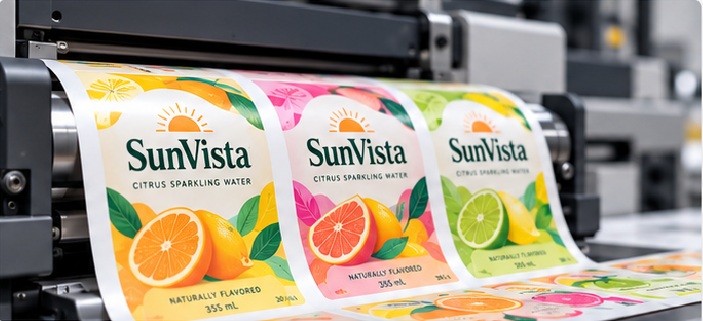
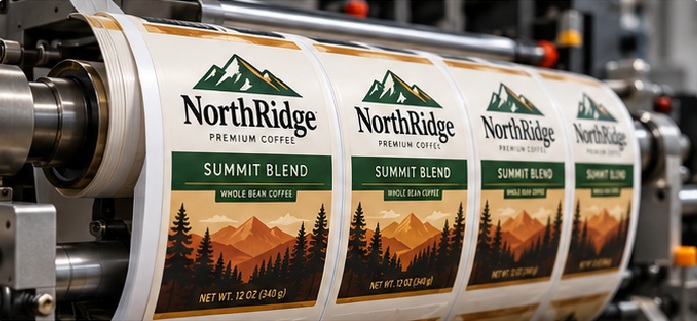




Embossing and debossing create physical relief rather than printed color. Tooling, pressure, substrate stiffness, artwork detail and registration all influence cost. Philiton checks whether the chosen paper or film can hold the effect without cracking, distortion or weak detail. Large embossed areas or complex paired molds can add setup and slower production, so tactile value should be weighed against the packaging role and order volume.
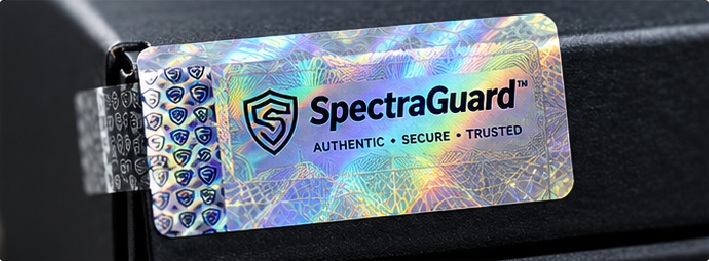
Holographic effects can come from stock holographic materials, foil or more customized security structures. Stock effects are generally simpler than custom origination or dedicated holographic masters. Philiton separates decorative shine from brand-protection requirements because custom security work can add material minimums, tooling, approval and inspection. The price is therefore tied to the security level and production structure, not merely the word holographic.
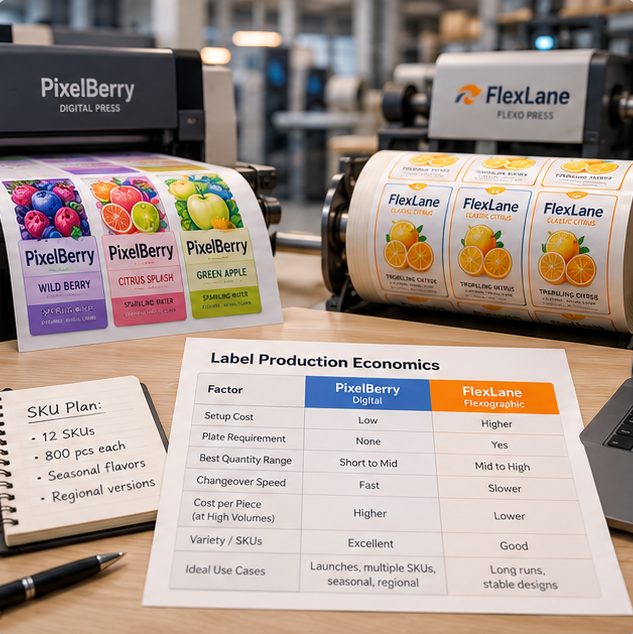
Philiton does not use one fixed crossover quantity. SKU volume, repeat frequency, material, colors and finishing determine when lower setup or higher running efficiency creates better value.
Philiton therefore reviews quantity per SKU rather than total order volume alone. A 100,000-piece order split across twenty artworks behaves differently from one 100,000-piece SKU. Repeat frequency also matters: a stable design reordered every month can justify a different route from a one-time promotion. The quotation can show the production route selected for the current run and, where useful, an alternative route for future growth volumes.
| Quantity Level | Typical Cost Structure | Main Pricing Effect | Philiton Review Focus |
|---|---|---|---|
| Around 500 pcs | Launch or short-run structure | Setup is spread across few pieces | Digital route, existing tools, simple finishes, SKU count |
| 1,000 pcs | Early setup dilution | Unit cost begins improving | Material utilization and artwork stability |
| 5,000 pcs | Transition toward stable production | Fixed cost is more effectively absorbed | Digital/flexo economics, finishing efficiency |
| 10,000 pcs | Stable mid-volume structure | Unit cost can continue declining | Press route, material width, SKU changeovers |
| 50,000 pcs | Material and throughput dominate | Setup becomes a smaller share | Flexo efficiency, waste control, roll planning |
| 100,000 pcs+ | Scale and repeat planning dominate | Marginal price reduction becomes smaller | Forecasting, scheduled releases, batch consistency |
Multi-SKU programs can often improve economics without reducing brand quality. Philiton reviews whether several SKUs can share label dimensions, facestock, adhesive, liner, core, finish and packing rules while keeping artwork unique. Shared structures can reduce material fragmentation, tool changes and production setup. Standardization should never erase a required technical difference; a freezer SKU, chemical-resistant SKU or security SKU may need its own construction. A SKU matrix makes those differences visible before quotation and helps procurement compare real costs rather than average prices.
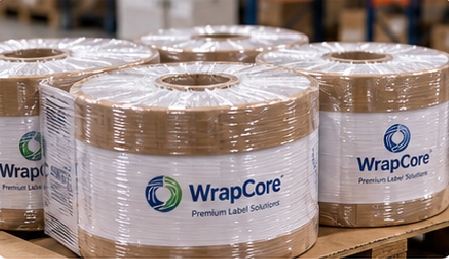
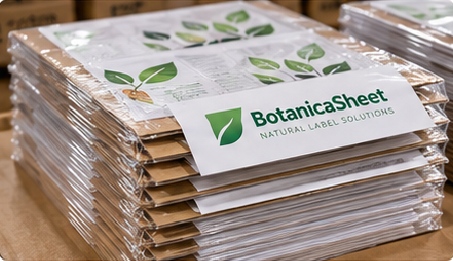
Sheet labels need flat protection against curling, bending and edge damage. Philiton can group sheets by SKU and quantity for manual application, retail packs or internal distribution. Sheet size affects both material imposition and shipping cube, so large sheet formats are evaluated against carton efficiency and handling. Interleaving or additional protection is used only where the product structure requires it.

Die-cut individual stickers can be bulk packed, counted into inner packs or organized by SKU. Extra counting, bagging, backing cards or retail-ready presentation adds labor and material. Philiton separates industrial bulk packing from promotional or retail packing so the quoted cost matches the actual distribution method rather than assuming every sticker needs consumer-facing packaging.

Multi-SKU shipments can combine several designs when each SKU remains separately identified and quantity-controlled. Philiton can follow carton, pallet or warehouse rules supplied by the receiving operation. Mixed cartons may reduce freight or warehouse handling in some programs, while strict separation may be safer for automated receiving. SKU marking and packing logic should be set before production to avoid repacking later.
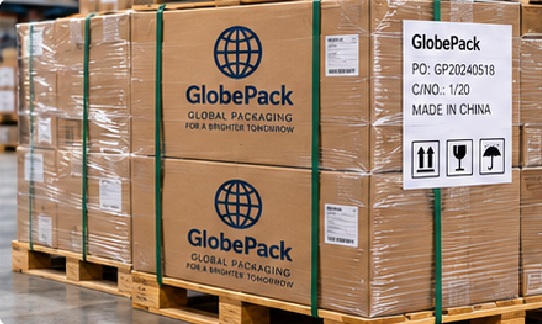
Cartons, palletization, corner protection, stretch wrapping and shipment marks are selected according to shipment size and destination. Philiton prepares standard packing and export documents after final inspection release. Large or heavy roll-label programs may benefit from palletized handling, while small high-value samples can ship by courier. Packaging cost is evaluated together with freight rather than treated as a fixed percentage.

Courier, air freight and sea freight can be arranged according to urgency, shipment size and destination. Philiton can quote commercial terms such as EXW, FOB, DAP or DDP according to the project. Duties, taxes and customs responsibilities follow the agreed Incoterm. Faster transport can reduce inventory lead time but raise landed cost, so production and logistics dates should be planned together.

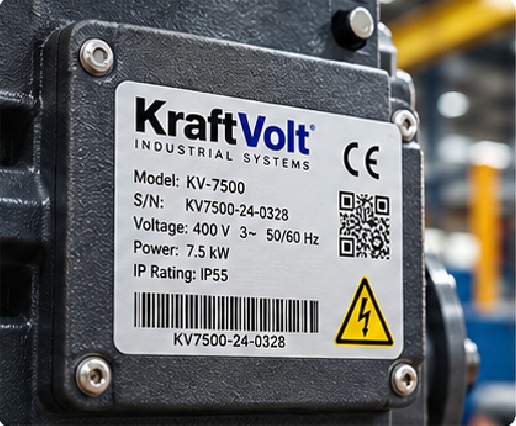

Philiton reviews price from the actual label construction, order structure and delivery requirement. Send the information already available; unknown technical fields do not need to be guessed. A complete specification can normally support a standard quotation within about 4-24 hours, while complex smart or security programs may need 24-48 hours for technical review. Philiton can first recommend a material or production route when the submitted specification is incomplete or unnecessarily expensive. For established programs, include current annual volume, reorder frequency, approved material or sample, and any line-speed or warehouse constraints. Those details help Philiton compare short-run, scale-up and repeat-order economics without forcing every SKU into the same production route.
Please include:
Our team will answer your inquiries within 12 hours.
Your information will be kept strictly confidential.
We will contact you within 24 Hours, please pay attention to the email with the suffix“@philiton.com”.
For all inquiries, please feel free to reach out at:
We will contact you within 24 Hours, please pay attention to the email with the suffix“@philiton.com”.
For all inquiries, please feel free to reach out at:
We will contact you within 24 Hours, please pay attention to the email with the suffix“@philiton.com”.