Low-temperature label failures are easier to solve when surface, moisture, application temperature and finished construction are reviewed together.
Philiton isolates the cause before changing materials or starting another bulk run.
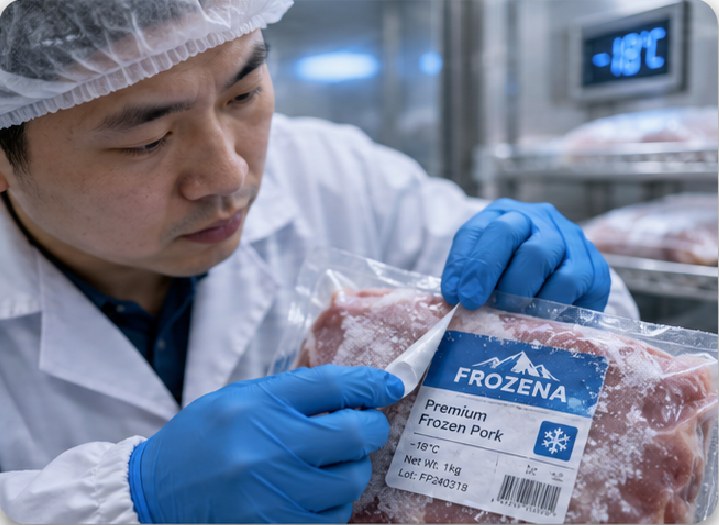
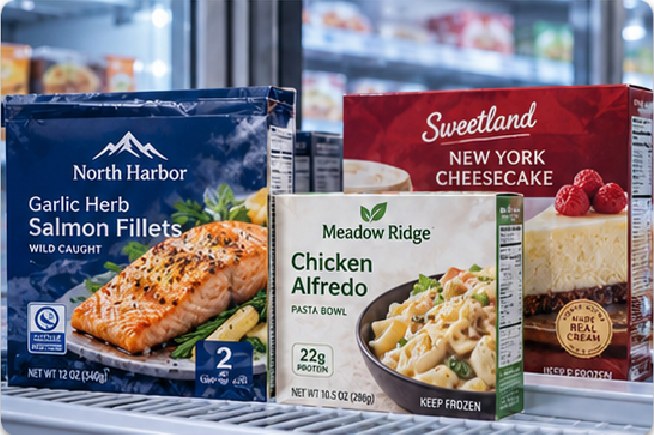
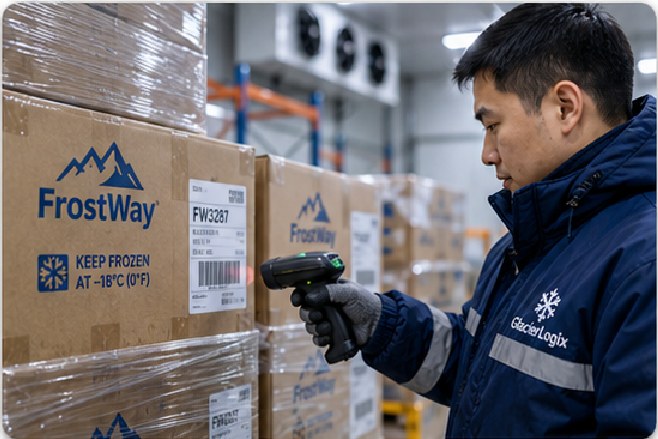
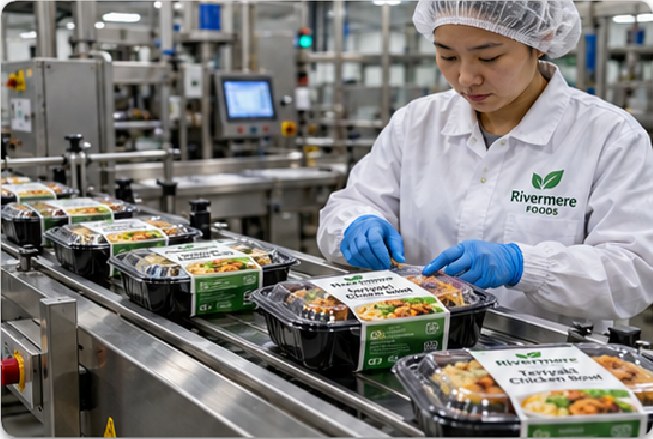
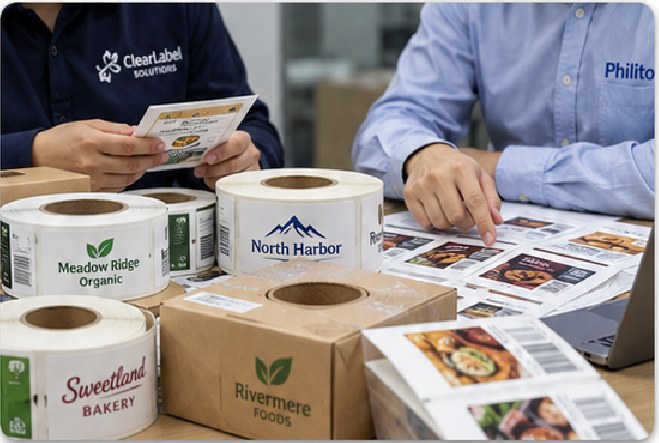
The visible symptom narrows the investigation. Philiton first records when the problem appears, then checks surface, temperature, moisture, adhesive and facestock variables.
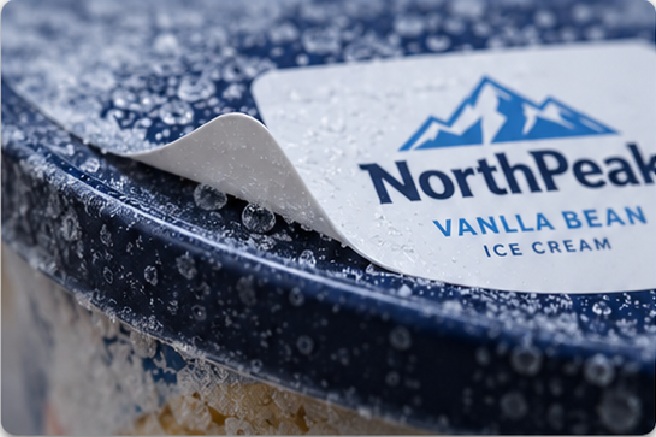
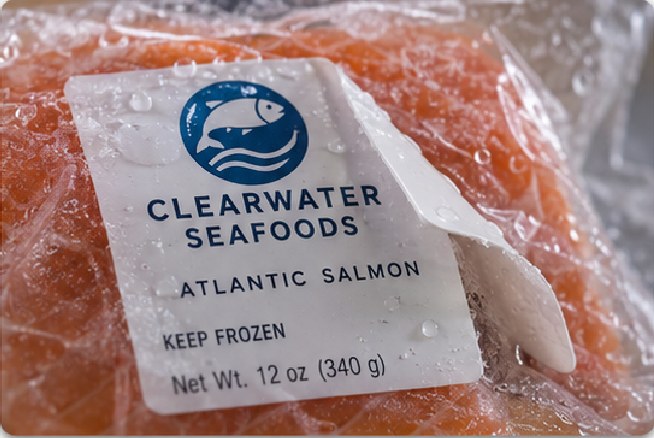
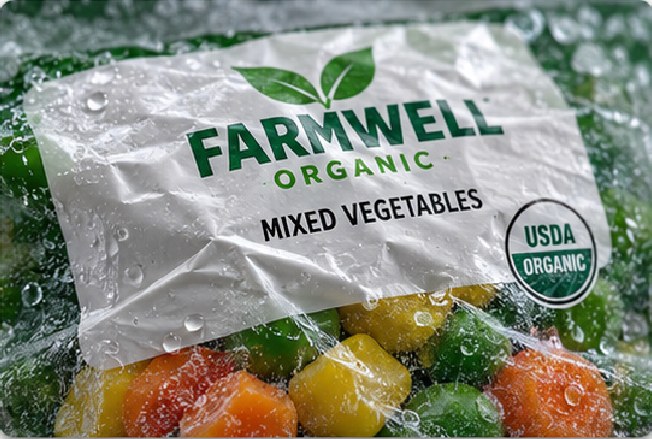
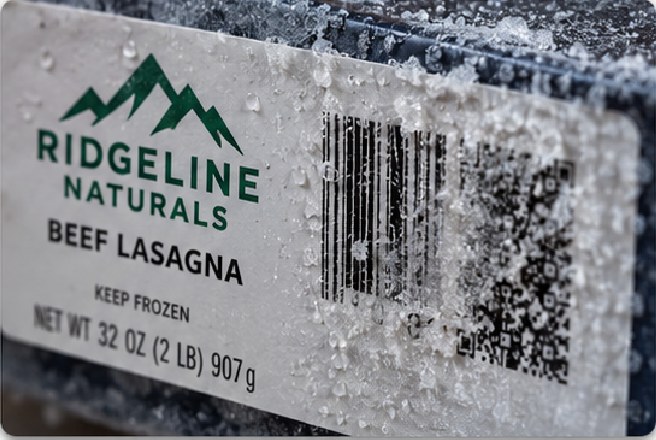
Use the symptom to decide which variable should be checked first. Final material selection still depends on the actual package, temperature sequence and application method.
| Observed Failure | Likely Variables | Check First | Philiton Review Direction |
|---|---|---|---|
| Label will not stick during application | Surface too cold, frost, condensation, low initial tack | Surface temperature and moisture | Compare cold-apply adhesive candidates and application process |
| Label sticks, then releases after freezing | Service range, adhesive/substrate mismatch, insufficient dwell | Storage temperature and time before freezing | Rebuild facestock and adhesive construction for cold exposure |
| Corners or edges curl | Small radius, stiff facestock, weak edge wet-out | Container curvature and label geometry | Adjust facestock flexibility, corner radius and adhesive selection |
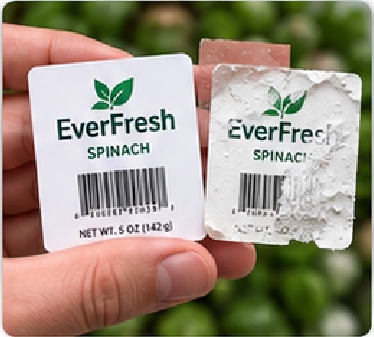
| Paper wrinkles after thawing | Moisture uptake, condensation, freeze-thaw movement | Facestock and moisture path | Evaluate film or protected paper construction |
| Label slides or shifts | Contamination, low surface energy, insufficient application pressure | Surface material and cleanliness | Review high-tack or low-surface-energy adhesive options |
| Barcode prints poorly | Thermal stock, ribbon, coating or printer setting | Print method and consumables | Match thermal or thermal-transfer structure to use conditions |
| Barcode scans before freezing but not later | Moisture, abrasion, coating or laminate issue | Scan after cold exposure | Add print protection or change print system |
| Roll dispenses poorly | Liner, curl, roll tension, core or die-cut issue | Roll specification and applicator | Reconfirm liner, gap, direction, core and finishing controls |
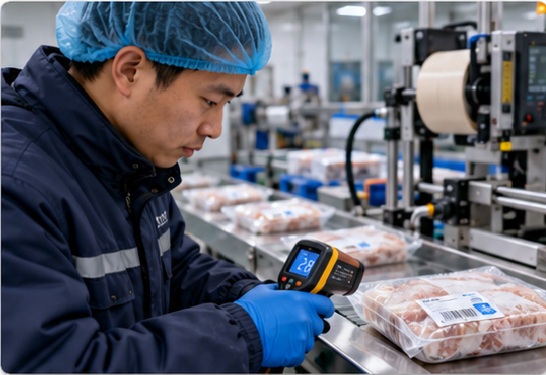
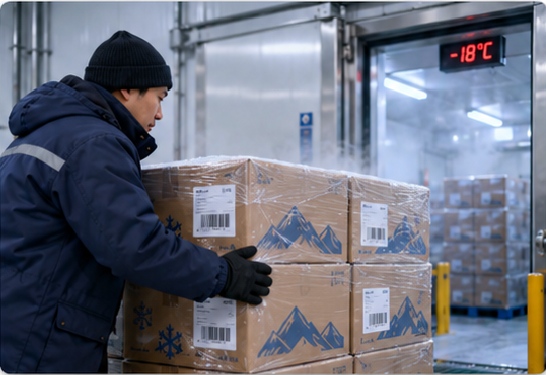
Condensation commonly appears when a frozen pack enters warmer, humid air or when cold packaging meets a warmer production environment. A label may have good initial adhesion and still develop edge lift, bubbles, paper wrinkling or print damage after repeated moisture exposure. Philiton separates the moisture problem into several decisions:
A useful sample test reproduces the condensation event instead of evaluating a dry label on a room-temperature pack only. For repeat programs, the team should also record whether condensation appears on every cycle or only after long staging periods, because intermittent moisture often explains why one shipment performs normally while another develops sporadic lifting or print damage. Philiton can use that observation to narrow the variables before changing the whole construction.
Surface material, texture, contamination and curvature affect adhesive contact. Philiton reviews the actual pack before selecting a freezer or high-tack construction.
| Packaging Surface | Common Risk in Cold Conditions | Philiton Checks | First Engineering Direction |
|---|---|---|---|
| Coated or uncoated corrugated carton | Roughness, fibers, moisture, cold room handling | Board coating, dust, dampness, application pressure | High-tack or cold-temperature paper/film label candidate |
| PP, PE or HDPE | Low surface energy, curved tubs, condensation | Resin type, mold texture, radius, surface temperature | Low-surface-energy compatible adhesive and flexible facestock |
| PET containers | Smooth surface but condensation can reduce wet-out | Surface cleanliness, curvature, chill point | Permanent or cold-apply construction tested on actual pack |
| Glass | Condensation, cold surface, wash or wipe exposure | Dry/wet application, curve, coating need | Film or protected paper with tested adhesive |
| Metal | Very cold surface, condensation, abrasion | Surface finish, frost, storage handling | Moisture-resistant face and project-matched adhesive |
| Flexible pouches | Pack flexing, wrinkles, low surface energy | Film type, fill shape, seal area, label size | Thin flexible facestock and geometry review |
| Recycled or textured packs | Variable surface energy and roughness | Coating, fiber exposure, dust, supplier variation | Sample multiple lots before locking adhesive |
Philiton selects facestock with adhesive and printing as one construction. Moisture resistance, flexibility, barcode method, finish and packaging geometry all affect the choice.
| Facestock | Moisture Behavior | Mechanical Character | Typical Freezer Use | Key Check Before Approval |
| Coated paper | Can absorb moisture unless protected | Good stiffness, economical, easy printing | Dry cartons and packs with controlled condensation | Wrinkling, edge lift, coating and thaw exposure |
| Synthetic paper | Better moisture resistance than ordinary paper | Paper-like feel with improved durability | Branded packs needing printability plus moisture tolerance | Adhesive compatibility and converting behavior |
| BOPP / PP film | Strong moisture resistance and good flexibility | Thin, conformable, available clear or white | Tubs, pouches, bottles and frozen food packaging | Surface energy, opacity/white ink, curve and finish |
| PET film | High dimensional stability and durability | More rigid than many PP films | Durable identification and demanding cold-chain labels | Curvature, stiffness and adhesive match |
| Thermal labelstock | Designed for direct thermal or thermal transfer systems | Depends on face/coating | Cold-chain barcode, inventory and traceability | Printer, ribbon if used, moisture, abrasion and scan life |
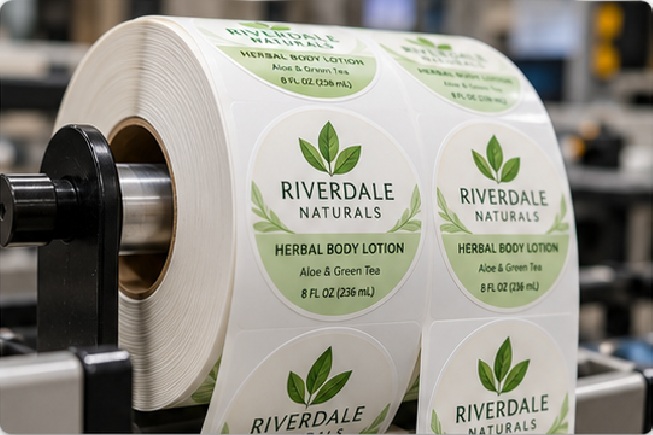
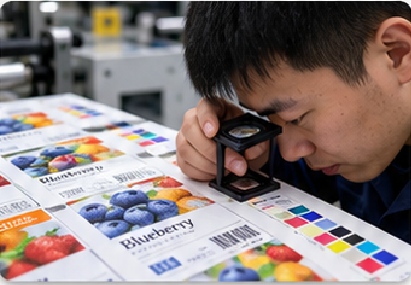
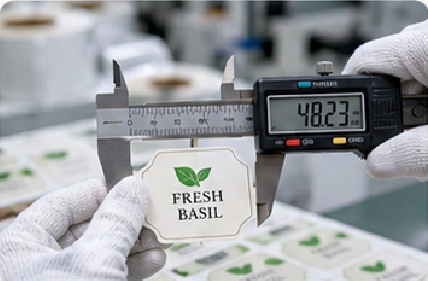
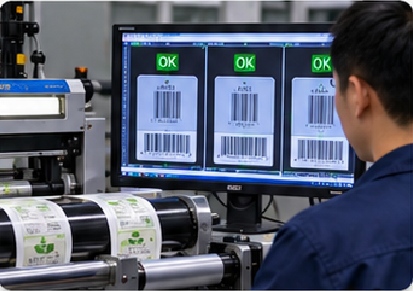
After the selected construction passes the agreed pack trial, Philiton converts the result into a production specification. The released file should define the facestock, adhesive structure, liner, artwork version, dimensions, shape, color requirements, printing route, protective finish, die-cut detail, roll direction, core, labels per roll and packaging method. Variable data or barcode programs also require data and verification rules.
Bulk release should follow the approved sample or golden reference rather than a verbal description such as “same freezer glue as before.” Material names and adhesive categories can contain several grades, and substituting one component without review can recreate the original failure.
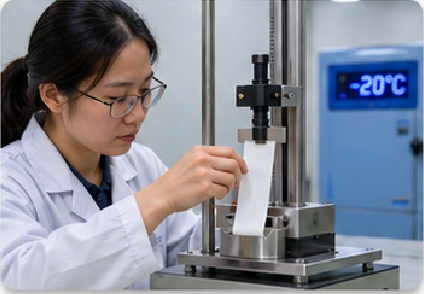
Philiton’s manufacturing model is built around externally sourced labelstocks, films and adhesives combined with in-house prepress, printing, converting, finishing, inspection, testing and production management. A documented released specification allows the same internal controls to be used for repeat orders and future volume increases.
Bulk lead time is stated in the quotation after material availability, quantity, SKU count, finishing, testing and delivery format are confirmed. Rush requirements should be raised before sample approval so the production route can be planned instead of shortened by removing necessary validation steps. When a program has recurring orders, the approved construction, artwork-control method and roll specification can be retained as the starting reference for the next purchase order, while any material or process change is reviewed before production rather than discovered after delivery.


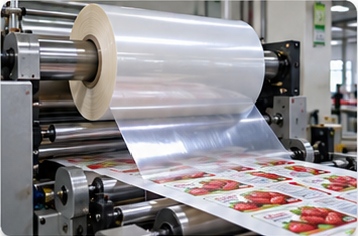
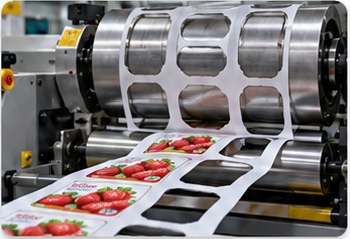
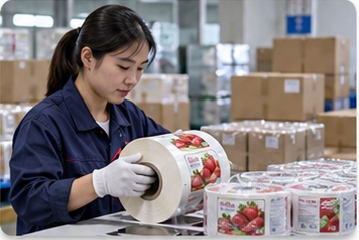
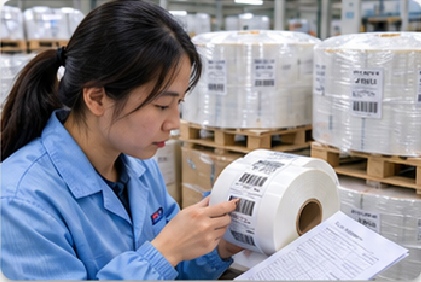
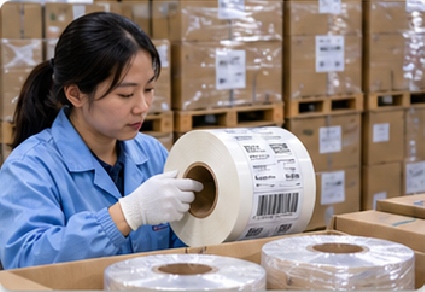
Finished rolls need protection from crushing, telescoping, contamination and uncontrolled handling before they reach the labeling line. Philiton arranges standard export packing and can confirm project-specific inner protection, carton identification, pallet requirements, neutral packing or delivery to a designated location when required by the program. Packing instructions should identify SKU, roll quantity and any orientation or handling requirement needed at receipt. For programs with several flavors, regions or variable-data sets, carton and roll identification should be designed to prevent mix-ups during warehouse issue. Delivery planning begins after the material, quantity, SKU count, finishing, roll format, inspection and destination are known. Philiton can arrange sample and bulk international logistics or work with a nominated forwarder. Exact transit and production timing are quoted for the route and project instead of being repeated as one standard number across all freezer-label constructions. For urgent launches, the target in-hand date should be provided before sampling so material availability and production route can be planned around it. Labels should also be stored before use in the condition specified for the selected material, protected from contamination, crushing and uncontrolled moisture. When a program ships to several warehouses, the same roll identification and storage instructions should follow each destination so handling differences do not create a new failure after the manufacturing specification has already been corrected.
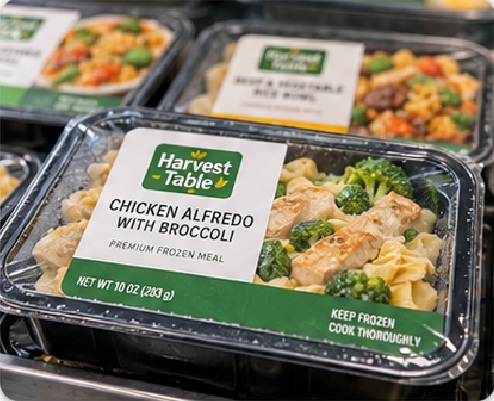
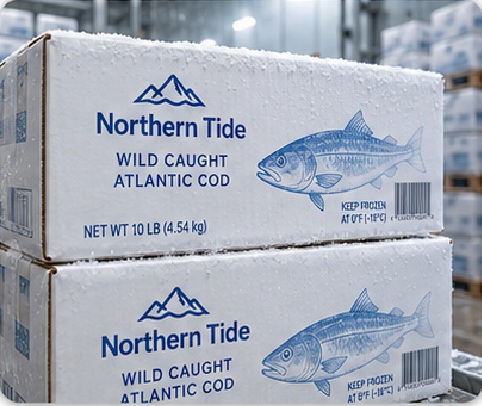
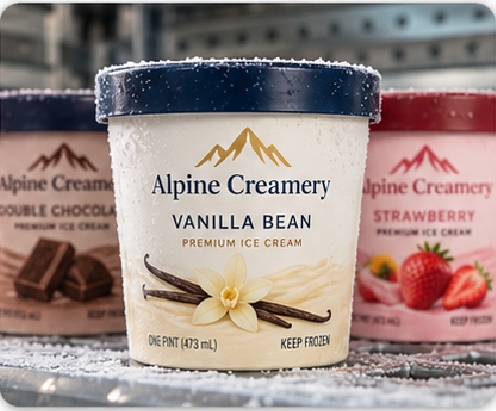
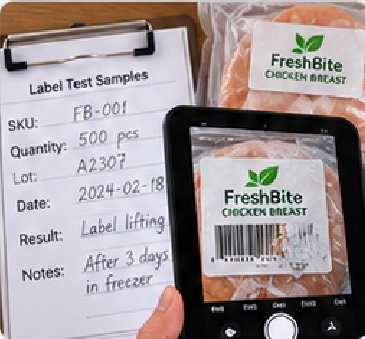
A useful quotation for freezer-label troubleshooting needs more than size and quantity. Send Philiton the failed label or clear photos, the package material, application temperature, lowest storage temperature, whether the surface is dry, damp, condensed or frosted, and the point in the cold cycle where peeling, lifting, wrinkling or print failure begins. Include final label dimensions, artwork, SKU count, barcode or variable-data needs, application method and roll specifications when available.
Philiton can then review the likely failure mechanism, shortlist a facestock and adhesive construction, plan a production-representative sample and quote bulk manufacturing after the specification is defined. Many standard custom label projects can start from approximately 500 pcs, while special materials and structures are confirmed by project.
Please include:
For all inquiries, please feel free to reach out at:
Our team will answer your inquiries within 12 hours.
Your information will be kept strictly confidential.
We will contact you within 24 Hours, please pay attention to the email with the suffix“@philiton.com”.
For all inquiries, please feel free to reach out at:
We will contact you within 24 Hours, please pay attention to the email with the suffix“@philiton.com”.
For all inquiries, please feel free to reach out at:
We will contact you within 24 Hours, please pay attention to the email with the suffix“@philiton.com”.