Your Trusted Labels & Stickers Manufacturer from China!

How to Choose Label Adhesive

Choose by the surface, temperature, environment and required label behavior – not by adhesive name alone.

Philiton matches facestock and adhesive to the real application, then validates the finished label before production.
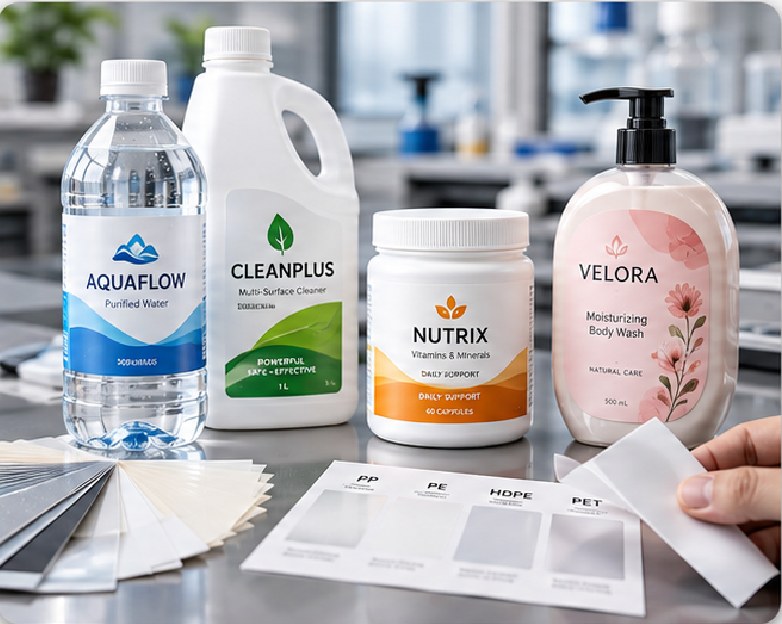

  • PP, PE, HDPE, curved bottles and cold application conditions require extra evaluation.
  • Standard printed samples commonly take 3-5 business days after artwork, material and process confirmation.
  • Shenzhen and Dongguan manufacturing: 12,000+ ㎡, 200+ staff, including 91 technical, skilled production and quality personnel.
How to Choose Label Adhesive

Who Needs Adhesive Selection Support From Philiton

Different teams look at adhesion from different angles. Philiton translates packaging, production and quality requirements into one controlled label construction before sampling and scale-up.

Brand Packaging Teams

Brand and packaging teams usually care about shelf appearance first, yet adhesion problems can damage the same visual work they spent months approving. Curved bottles, wet bathrooms, oily formulas, chilled drinks and transparent labels all change construction choices. Philiton connects appearance targets with substrate, adhesive, facestock and finishing so visual approval is not separated from real use conditions.

Procurement And Sourcing

Procurement needs specifications that can be quoted, repeated and audited rather than a vague promise that a label will stick. Philiton records the target substrate, surface condition, temperature, exposure, quantity, SKU structure and delivery format before confirming a route. A clearer specification reduces late material substitutions, repeated quotations, emergency relabeling and avoidable disputes after mass production.

Packaging Engineers

Packaging engineers need the adhesive decision to match the container and filling or labeling process. PET, glass, PP, PE and HDPE can behave differently, while mold release, recycled resin, coatings, curvature and condensation can change the result further. Philiton uses actual containers or representative surfaces for higher-risk applications instead of assuming every material name produces the same bonding behavior.

Manufacturers And OEMs

OEM and contract manufacturing programs often involve many SKUs, several container suppliers and automatic labeling equipment. Philiton can align adhesive selection with roll direction, core, liner, label stiffness, dispensing and repeated production. When a container, resin, finish or filling condition changes, the label construction can be reviewed before the next production run rather than waiting for failures on the line.

Quality And Compliance

Quality teams need measurable acceptance conditions and a record of what was approved. Philiton can define adhesion, appearance, print, die cut, roll and packaging checks around the agreed construction. Material declarations or third-party reports are handled by project scope. Regulatory or performance claims are not generalized from one material to every label made by the factory.

Operations And Labeling

Operations teams often discover problems first: edge lift, bubbles, poor dispensing, wrinkles, labels sliding on cold containers or residue after removal. Philiton reviews not only adhesive strength but also application pressure, liner release, roll configuration, container movement, surface cleanliness and dwell time. Production feedback can therefore be translated into a specific material or process adjustment instead of simply requesting stronger glue.

Choose Adhesive With Eight Application Inputs First

A reliable adhesive route starts with the application brief. Eight inputs narrow the options before any specific supplier grade or technical data sheet is approved.

Target Substrate

Identify what the label actually touches: glass, PET, PP, PE, HDPE, coated metal, cardboard, painted surfaces or another material. Surface energy and chemistry affect wet-out. Philiton treats the container material as an engineering input, not a generic packaging description, because a label that bonds well to glass may need a different route on HDPE.

Surface Condition

Record whether the surface is smooth, textured, porous, dusty, oily, coated, cold, wet or affected by mold-release residue. A clean polymer sample and a production container can behave differently. Philiton asks for realistic conditions so the adhesive is evaluated against the interface present on the production line, not an ideal laboratory surface.

Application Temperature

Application temperature is the temperature when pressure first brings the adhesive into contact with the package. Cold surfaces can reduce adhesive flow and wet-out before a bond is established. Philiton records application temperature separately from later storage temperature, especially for refrigerated, freezer, cold-chain and outdoor programs where the same label can experience several temperature stages.

Service Temperature

Service temperature describes the conditions after the label has bonded. A label applied to a dry room-temperature bottle and later frozen faces a different challenge from a label applied directly to a chilled package. Philiton reviews both the later temperature range and the time between application and exposure so the selected construction can build adequate bond before handling or storage.

Exposure Conditions

Water, condensation, oil, alcohol, cleaning chemicals, abrasion, UV, dust and freeze-thaw cycles can affect more than the adhesive. Facestock, ink, white ink, varnish, laminate and edge design also matter. Philiton records the expected exposure and identifies which part of the finished label must be protected, tested or changed before the project moves into repeat production.

Required Behavior

Define the job clearly: permanent, removable, repositionable, wash-off, temporary or not yet decided. “Permanent” does not mean one universal adhesive, while “removable” requires a defined surface, dwell time and residue expectation. Philiton uses the required end behavior to narrow candidate constructions, then checks whether the result remains appropriate after aging, temperature changes and handling.

Geometry And Stress

Flat panels are generally more forgiving than small-diameter bottles, tapered containers, squeezable packs or textured surfaces. Curvature creates restoring force that can lift label edges, while flexible packs move after application. Philiton considers label dimensions, facestock stiffness and container geometry together with adhesive choice so a stronger adhesive is not used as the only answer to a structural problem.

Application Method

Hand application and automatic application create different requirements. Automatic lines add liner release, roll direction, core, web tension, dispensing speed, wipe pressure and container control. Philiton reviews the label as part of the labeling process, because excellent final adhesion is not enough if the label cannot dispense cleanly, position accurately or survive immediate downstream handling.

Twelve Label Applications Need Different Adhesive Decisions

The same adhesive family can behave differently across packaging and industrial uses. Product format, surface, environment and application method determine which construction deserves testing.
Cosmetic Bottle Labels

Cosmetic Bottle Labels

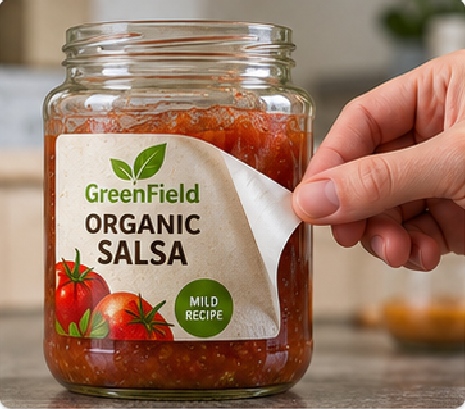
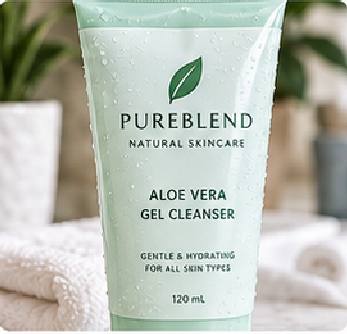
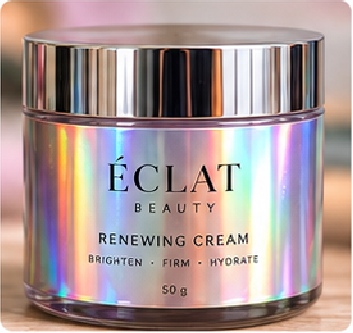
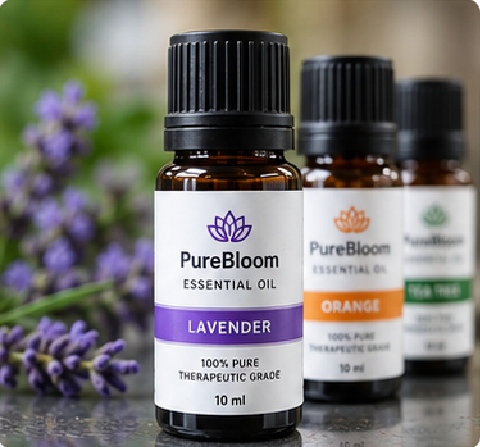
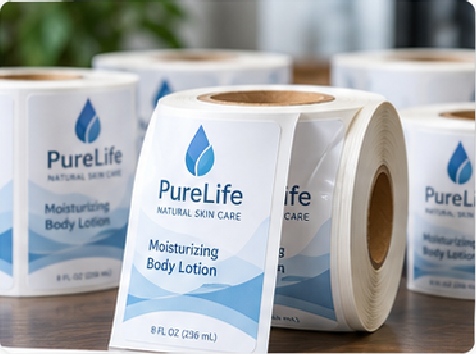
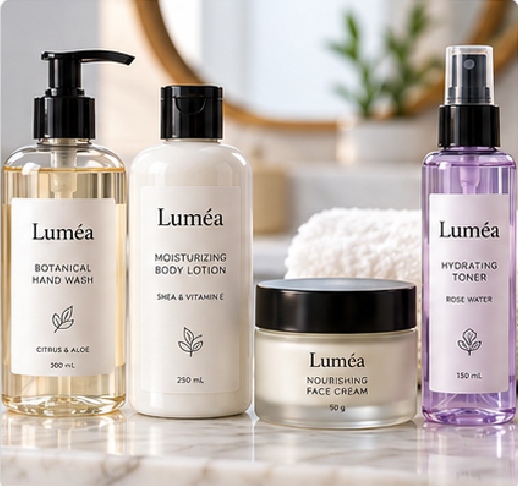
Skincare, personal-care and cosmetic bottles often combine PET, glass, PP or HDPE with water, oil, hand contact and bathroom humidity. Clear labels may also expose bubbles or adhesive haze. Philiton evaluates container resin, curvature, formula exposure, required finish and label construction before recommending a permanent or specialty route, then checks the actual bottle when appearance and adhesion risk are high.
Beverage Bottle Labels

Beverage Bottle Labels

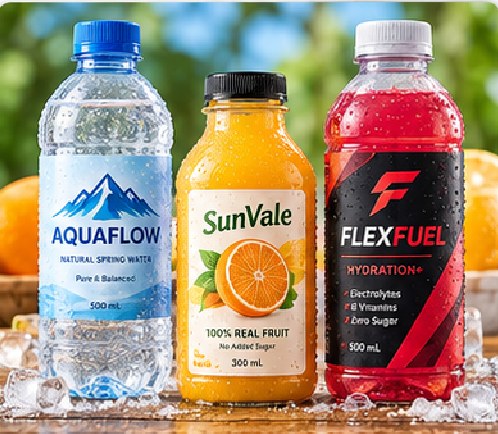
Water, juice, functional drinks and similar beverages can introduce condensation, refrigeration, ice-bucket moisture and high-speed labeling. Glass, PET and plastic containers need different adhesive considerations. Philiton combines moisture-resistant facestock, appropriate adhesive, print protection, roll specification and container testing so the label remains readable, aligned and attached through filling, packing, transport and chilled display conditions.
Frozen Food Labels

Frozen Food Labels

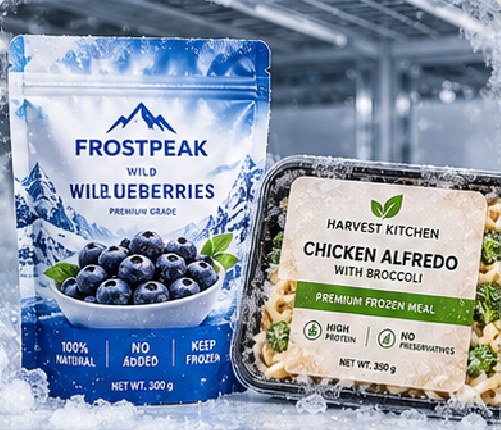
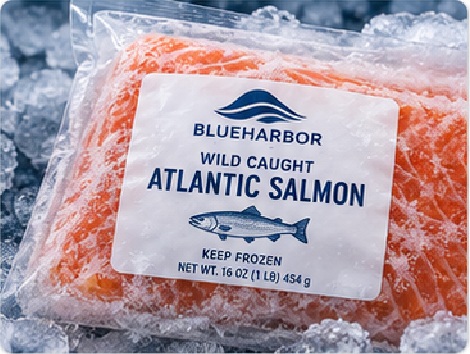
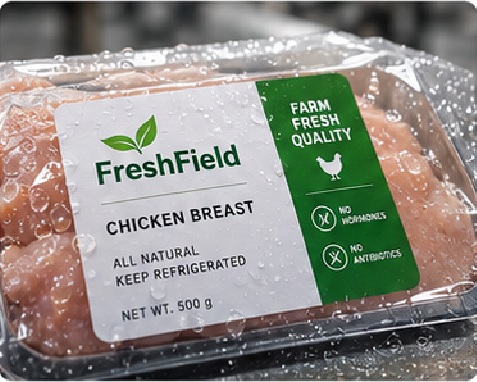
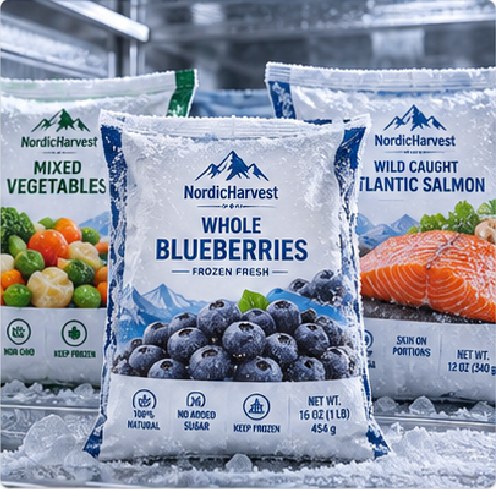
Freezer programs must distinguish the temperature when the label is applied from the temperature reached later in storage. Frost, condensation and flexible frozen packs can make bonding harder. Philiton reviews whether labels are applied before or after chilling, confirms the package material and surface state, then uses low-temperature samples and representative freeze-thaw conditions before a freezer construction is approved.
Supplement Product Labels

Supplement Product Labels

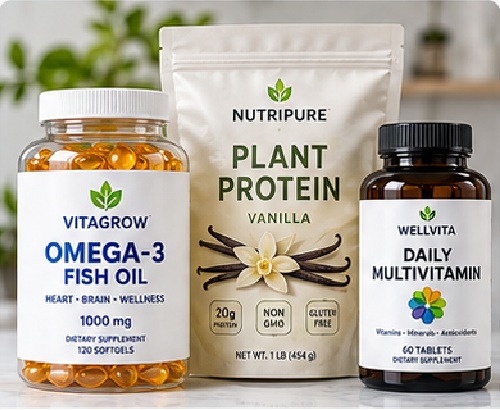
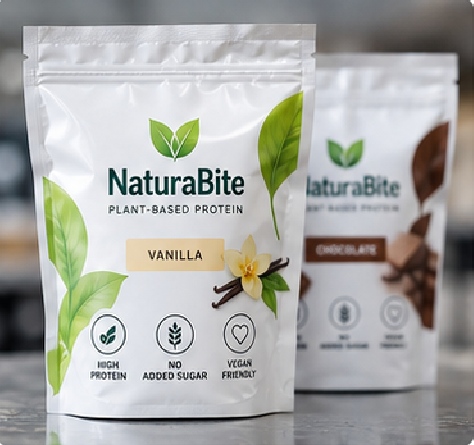
Supplement bottles, jars and pouches often use HDPE, PET or flexible packaging and may include many SKUs with repeated small text, variable information or tamper features. Philiton checks substrate, curvature, finish, application method and storage conditions together. Adhesive selection is coordinated with BOPP, PET, paper or synthetic facestock rather than treated as a separate purchasing decision.
Oil And Lubricant Labels

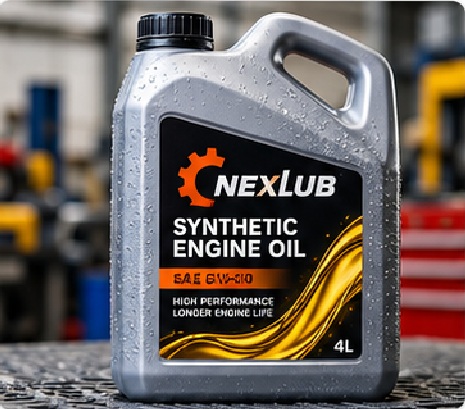
Oil And Lubricant Labels

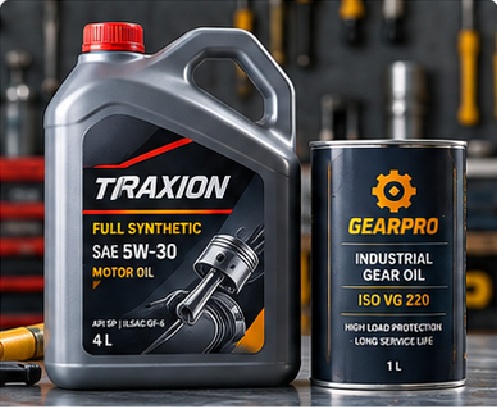
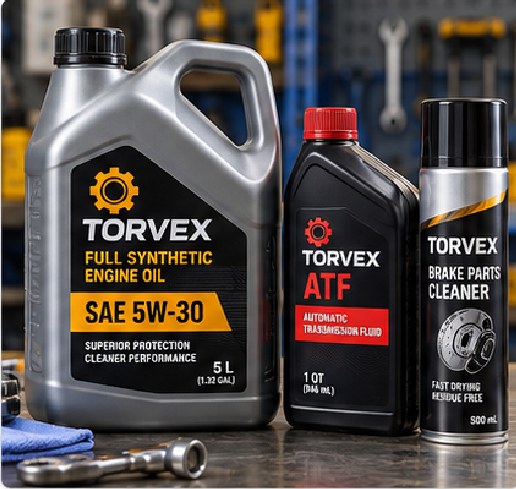
Motor oil, lubricants and industrial fluids can expose labels to oil films, plasticizers, rough HDPE and warehouse temperature changes. A generic permanent label may lift or lose printed information. Philiton reviews the container and expected oil contact, then combines BOPP or PET, matched high-tack or durable adhesive, protective finishing and actual-medium testing before locking the production structure.
Chemical Container Labels

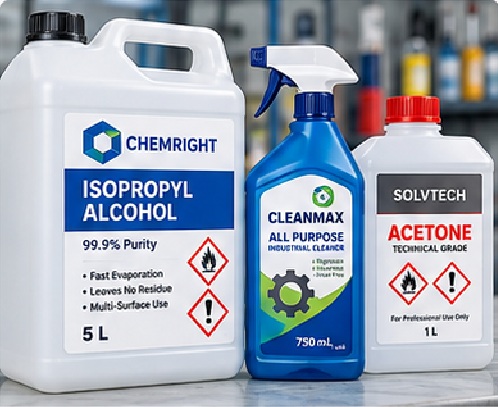
Chemical Container Labels

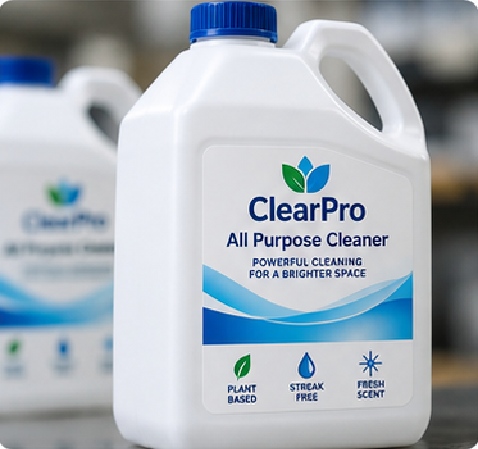
Chemical identification requires a defined exposure list rather than one broad “chemical resistant” claim. Concentration, contact method, duration, wipe-down procedures and container material all matter. Philiton can combine PET or other durable film with permanent adhesive, protective laminate or varnish, variable data and legibility controls, then validate the structure against representative chemicals identified for the project.
Industrial Equipment Labels

Industrial Equipment Labels

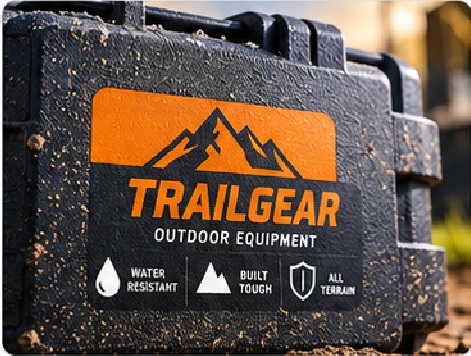
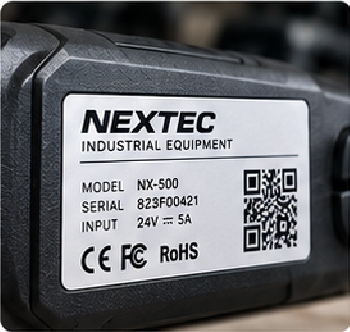
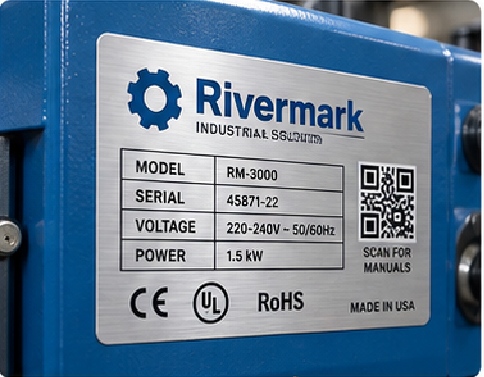
Equipment, machinery and electrical identification can involve painted metal, powder coating, plastics, heat, abrasion and long service life. Philiton evaluates the surface and environment before selecting durable PET, synthetic film or another construction. Adhesion is reviewed together with printed durability, barcode or QR requirements, die-cut accuracy and surface protection so the identification remains usable rather than merely attached.
Removable Promotion Labels

Removable Promotion Labels

Retail promotions, temporary instructions and reusable containers may require clean removal rather than maximum bond. Residue risk changes with substrate, dwell time, temperature and aging. Philiton defines the removal window and target surface first, then samples a removable or repositionable route. Long-term exposure can change removal behavior, so approval should reflect the expected use period instead of only a fresh peel test.
Barcode Logistics Labels

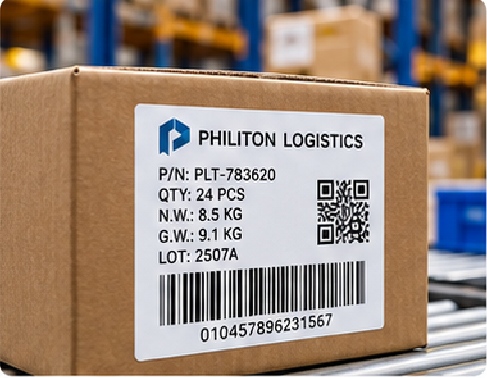
Barcode Logistics Labels

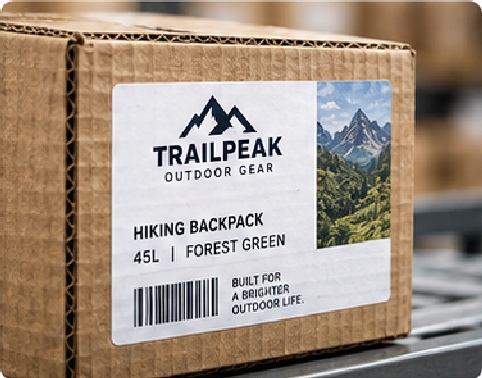
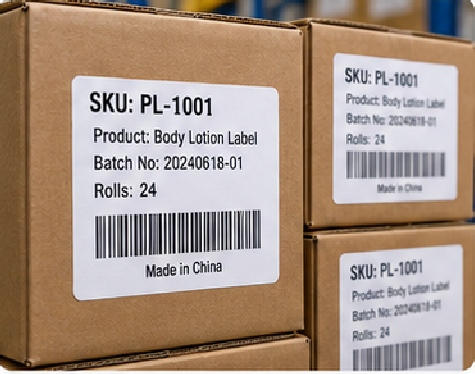
Shipping, warehouse and inventory labels must stay attached while codes remain readable through handling and transport. Corrugated board, plastic totes, cold rooms and dusty storage can create different challenges. Philiton aligns adhesive, thermal or printed facestock, barcode quality, roll format and packing. For automatic application, core, winding, gap, liner and dispensing behavior are included in the specification.
Clear No-Label-Look Labels

Clear No-Label-Look Labels

Clear labels make bubbles, silvering, adhesive haze, contamination and registration errors easier to see. Glass and PET are often suitable surfaces, while curved or outgassing plastics need additional review. Philiton coordinates clear BOPP or PET, adhesive clarity, white ink, print registration, lamination and surface cleanliness, then checks the finished construction on the actual container before scaling.
Premium Wine Labels

Premium Wine Labels

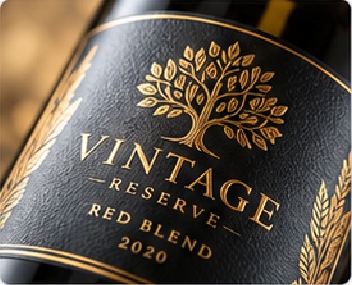
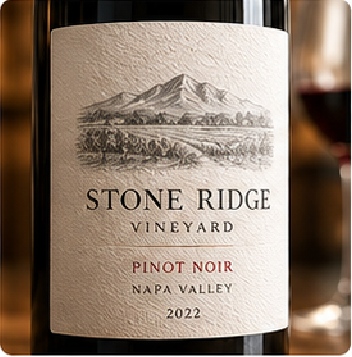
Wine, spirits and premium beverage labels may use textured paper, coated paper, BOPP, foil, embossing and specialty finishes. Moisture from refrigeration or ice buckets can change both paper and adhesive behavior. Philiton considers bottle surface, paper absorbency, finish stack and storage conditions together, then uses material or finishing samples to confirm texture, foil detail, edge stability and bottle adhesion.
Security And Smart Labels

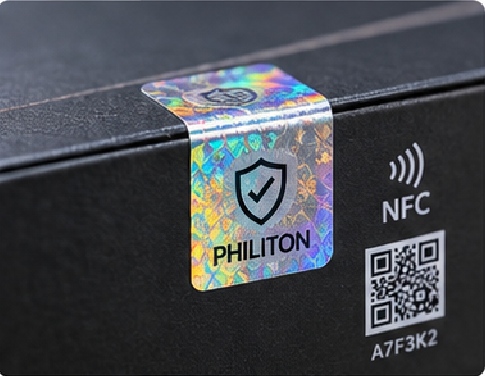
Security And Smart Labels

VOID, destructible, holographic, RFID and NFC labels depend on structure as well as adhesive. A tamper label must leave the intended evidence on the specified surface, while smart labels also need inlay and read performance. Philiton reviews substrate, tamper behavior, electronic component position, converting, encoding and verification as one project. Security claims remain tied to the approved construction and test conditions.

Start With The Surface, Not The Adhesive Name

Adhesion begins at the interface between adhesive and substrate. Surface energy, texture, contamination, coatings and curvature can matter more than a broad adhesive category.

Surface Energy Changes How Adhesive Can Wet Out

  • Pressure-sensitive adhesive needs intimate contact with the substrate to develop bond. Higher-surface-energy materials such as many clean glass, PET and bare-metal surfaces are generally easier for common pressure-sensitive constructions to wet out. PP, PE and HDPE sit lower on the surface-energy scale and often need adhesive systems designed for more difficult plastics. Philiton does not convert a polymer name directly into a guarantee. Resin formulation, recycled content, pigments, slip agents, antistatic additives, surface treatment and aging can all change real behavior.
  • For higher-risk applications, the preferred starting point is the production container or a representative part from the same supply chain. Philiton can compare candidate constructions on the actual surface and review how quickly the bond develops after application. Small-diameter containers add another variable because facestock stiffness and label width create a restoring force that can lift the edges. In those cases, a more conformable film, smaller label, rounder corner, adjusted label geometry or a different adhesive route may solve the problem more reliably than simply increasing tack.
  • A strong specification therefore records substrate type, supplier or container reference where available, surface treatment, color or recycled-content variation, curvature and any known coating. The goal is to define the surface the production label must bond to, not an idealized material category.

Surface Condition Can Override The Material Description

  • A good adhesive cannot form a reliable bond through dust, oil, silicone, mold-release residue, frost or condensation. A bottle described as “HDPE” may arrive on the labeling line with surface contamination from molding, filling, cleaning or handling. A coated metal can behave differently from bare metal. Corrugated board can vary in recycled fiber content, dust level, texture and moisture. Philiton asks for surface condition because the interface at application is the real starting point for adhesion.
  • Wet exposure after bonding is also different from bonding to a surface that is already wet. A label applied to a clean, dry bottle and later exposed to water needs a construction that resists moisture after the bond develops. A label applied directly onto condensation has to establish initial contact through an unstable water layer, which is much harder. Oil creates a similar distinction: later oil contact tests durability, while an oily surface during application can prevent the adhesive from reaching the substrate at all.
  • Philiton therefore separates “condition at application” from “condition during service.” Cleaning method, drying time, package temperature and time between labeling and chilling or packing can be added to the project specification when they influence performance. That information also helps distinguish a material problem from a line-control problem before changing the label construction.

Match Adhesive Behavior To The Real Label Job

Functional categories narrow the field, but the final construction still depends on the substrate and operating window. Philiton uses each category as a starting route, not a guarantee.
Permanent Adhesive

Permanent Adhesive

Permanent adhesive is a function, not one universal formula. The correct route depends on the surface, temperature, service life and exposure. Philiton uses permanent constructions for packaging, industrial identification and repeat-use programs where the label should remain attached. Approval focuses on stable bond development without creating unnecessary stiffness, ooze or incompatibility with the selected facestock and container.
Removable Adhesive

Removable Adhesive

Removable labels need a defined removal window and a defined surface. A label that removes cleanly after one day may leave residue after months of heat, aging or chemical exposure. Philiton evaluates substrate, dwell time, temperature and surface sensitivity before selecting a removable construction, then uses representative aging or use conditions when clean removal is part of the acceptance requirement.
Repositionable Adhesive

Repositionable Adhesive

Repositionable adhesive can support applications where placement may need correction during installation, but the required final bond still needs definition. Philiton checks how many repositioning cycles are expected, how soon final adhesion should build, and whether the substrate can tolerate repeated lifting. Geometry, surface contamination and long dwell periods can change behavior, so the approved use window belongs in the specification.
Freezer Adhesive

Freezer Adhesive

Freezer adhesive should never be selected from storage temperature alone. Philiton records the lowest application temperature, later service temperature, condensation or frost, package material and freeze-thaw conditions. A package labeled warm and then frozen creates a different bond path from a package labeled cold. Low-temperature samples are used when the application window or surface condition introduces meaningful risk.
High Tack Adhesive

High Tack Adhesive

High tack improves immediate grab on some low-energy, rough, porous or curved surfaces, yet it does not automatically provide higher shear, better heat resistance or better chemical resistance. Philiton uses high-tack routes when the application calls for them, then checks long-term behavior, residue, edge stability and finished-label compatibility. “Stronger” is not treated as a universal upgrade.
Wash-Off And Specialty

Wash-Off And Specialty

Wash-off, low-tack, high-temperature and other specialty constructions are selected around a defined process. Wash-off performance depends on container, washing conditions and recycling system. High-temperature performance depends on exact adhesive grade and exposure. Philiton sources project-specific constructions from qualified material suppliers and verifies required documentation or test conditions before any narrow performance claim is used.

Choose Facestock With Adhesive Performance In Mind

Facestock changes flexibility, moisture resistance, stiffness, print behavior and edge stress. Philiton selects material and adhesive as a combined label construction rather than two independent items.
Coated Paper

Coated Paper

Coated paper offers strong print quality and cost efficiency for dry, controlled packaging environments. Adhesive options can cover permanent, removable and some specialty applications. Moisture, oil or refrigeration requirements need additional review because paper edges and coatings can become part of the failure mechanism. Philiton matches paper grade, adhesive and varnish or laminate to the actual package and use conditions.
Textured Paper

Textured Paper

Textured and uncoated papers create a tactile premium appearance but can absorb ink differently and react to humidity. The facestock texture does not directly define the adhesive, yet paper stiffness, moisture behavior and bottle curvature influence edge stability. Philiton uses real-material samples for projects combining textured stocks with foil, embossing, refrigeration or curved bottles so appearance and adhesion are approved together.
Kraft Paper

Kraft Paper

Kraft labels support natural and craft positioning, but “kraft” is not automatically waterproof, oil resistant or suitable for every cold environment. Philiton reviews whether the project is dry, refrigerated, oily or moisture exposed before selecting adhesive and surface protection. Digital or flexographic printing, varnish, foil and embossing can be added according to the artwork and performance requirements.
BOPP And PP

BOPP And PP

BOPP is a common moisture-resistant film for bottles, jars and general consumer packaging. White and clear versions support permanent, removable, freezer and high-tack constructions depending on the project. Philiton uses BOPP when water resistance, flexibility and good print performance are needed, then matches the adhesive to PET, glass, PP, PE or HDPE containers rather than assuming one standard glue fits all.
PET Polyester

PET Polyester

PET offers higher dimensional stability and durability for equipment, electronics, automotive, chemical and premium applications. Its stiffness can be helpful on flat surfaces but may require attention on small-radius containers. Philiton can combine white, clear, silver or specialty PET with permanent and performance-oriented adhesive systems, printed protection, variable data and testing suited to the final environment.
PE Film

PE Film

PE facestock is softer and more conformable than many rigid films, making it useful on squeeze bottles and flexible containers. The same flexibility that helps movement also requires control of printing, converting and liner behavior. Philiton evaluates PE facestock with the container surface and adhesive as a complete structure, especially when PE or HDPE packaging introduces low-surface-energy bonding challenges.
PVC And Vinyl

PVC And Vinyl

PVC and vinyl support decals, promotional graphics, outdoor labels and some removable applications. Soft PVC can introduce plasticizer migration and dimensional behavior that must be considered alongside adhesive choice. Philiton selects the film construction according to surface, lifetime, environment and removal requirement, while avoiding blanket outdoor-life or temperature claims without the exact material grade and evidence.
Specialty Films

Specialty Films

Metallic, holographic, synthetic and security films add visual or functional value but can change stiffness, print method, finishing sequence and converting. Specialty structures may also need dedicated adhesives, primers or liners. Philiton reviews the complete stack before sampling so the decorative effect, bond, die cutting, roll delivery and any tamper or smart-label function are compatible with the intended application.

Liners, Coatings And Roll Components Also Matter

Adhesion is part of a converting system. Liners, coatings, cores and packing can affect dispensing, stability, protection and repeatability even when the adhesive itself is correct.

Release Liner

Glassine, paper and PET liners affect converting, die cutting, release force and automatic dispensing. A finished adhesive can perform well on the package while the roll still runs poorly if liner release is unstable. Philiton selects liner according to label size, material, die cut, application equipment and roll format, then records the approved construction for repeat production.

Lamination Film

Gloss, matte and performance laminates protect print from water, oil, abrasion and handling, but added film changes thickness and stiffness. On small-radius bottles, extra stiffness can increase edge stress. Philiton evaluates protective value against geometry and dispensing needs so a durability upgrade does not create a new adhesion or application problem.

Varnish And Topcoat

Varnish or topcoat can protect printed information without adding the same structure as a film laminate. Selection depends on ink, facestock, abrasion, water, oil, chemicals and desired finish. Philiton coordinates coating with printing and adhesive requirements, especially where QR codes, barcodes, fine text or transparent areas must stay readable after handling.

White Ink Layers

White ink is important on clear films when opacity, color accuracy or selective “no-label” effects are required. It does not replace adhesive engineering, but it changes the print stack and can affect visual inspection requirements. Philiton controls white ink coverage, registration and print order while the adhesive and container remain visible enough to reveal bubbles, contamination or silvering.

Roll Cores

Core size, maximum roll diameter, winding direction and labels per roll influence storage, line loading and automatic dispensing. They also affect web curvature and handling. Philiton can supply roll specifications around the applicator requirements and keep them with the production record, reducing the chance that a correct adhesive construction arrives in an unusable roll format.

Protective Packing

Inner bags, shrink film, moisture protection, clean packaging and strong cartons help keep converted labels in the condition approved during production. Dust, moisture, heat and compression during storage can influence paper, liners and roll shape. Philiton selects packing by label construction, shipment length, roll weight and contamination risk rather than using one packing format for every project.

Separate Application Temperature From Service Temperature

Cold-label failures are often diagnosed too late because storage temperature is recorded while the temperature at the moment of labeling is ignored.

Application Temperature Determines Whether The Bond Starts Correctly

Application temperature is the temperature of the label, adhesive, container surface and surrounding process when the label is pressed onto the package. Pressure-sensitive adhesive needs enough mobility to wet the microscopic surface profile. If the package is below the effective application range for the exact adhesive grade, the adhesive can become too stiff to make intimate contact. Later warming does not always repair a poor interface that was created at the beginning. Philiton therefore asks where labeling happens and what the package feels like at that moment. A frozen-food pouch labeled in a warm packing room is not the same project as a carton labeled inside a cold store. A chilled beverage bottle with condensation is harder again because moisture may sit between adhesive and container. For cold programs, Philiton can record container temperature, surface moisture or frost, time between labeling and refrigeration, and whether labels are hand applied or automatically dispensed. The same discipline helps outside freezer work. Hot filled containers, warm industrial parts or outdoor application may also fall outside the ideal application window. Exact numeric limits come from the selected material technical data and project verification. Philiton does not publish one fixed temperature range and apply it to every adhesive construction.

Service Temperature Defines What The Bond Must Survive Later

Service temperature begins after the label has been applied and the bond has had time to develop. The label may later see refrigeration, freezing, heated storage, outdoor cycles or transport temperature changes. A construction can be suitable for cold service even when it is not suitable for direct application at the same cold temperature, which is why the two fields stay separate in Philiton project records. Dwell time also matters. Some pressure-sensitive constructions build bond over hours as the adhesive flows further into the surface. If a labeled package is immediately filled, wiped, chilled, frozen or packed tightly, the developing bond can face stress before it reaches the expected level. Philiton can include dwell assumptions in the sample plan when the schedule is important to performance. For freezer and cold-chain work, representative verification can include actual packaging, the intended application temperature, a controlled waiting period, later low-temperature storage, condensation exposure and freeze-thaw cycling where relevant. The acceptance condition should describe what the label must do: remain attached, avoid abnormal edge lift, keep codes readable and maintain the approved appearance. A named “freezer adhesive” by itself is not a complete production specification. The operating window and package condition remain part of approval.

Adhesive Selection Matrix For Common Application Conditions

Use the matrix to screen a direction, not to approve a material grade. Philiton confirms exact adhesive, facestock, liner and test conditions after project inputs are known.

Application ConditionCandidate DirectionMain Risk To ReviewValidation Focus
Clean glass or PET, room-temperature applicationGeneral permanent or removable routeLater moisture, formula exposure, removal requirementActual container, dwell, wet or removal test as needed
PP or PE packagingLSE-capable permanent or specialty routeInsufficient wet-out, additives, flexible movementProduction surface, edge lift, dwell and handling
HDPE bottleLSE/high-tack candidate constructionLow surface energy, texture, curvature, mold-release residueActual bottle, 24/72-hour observation, edge stability
Warm application, later freezer storageFreezer-service capable routeMoisture, freeze-thaw, package movementApplied warm, then chilled/frozen under intended cycle
Direct cold applicationLow-application-temperature/freezer routePoor initial tack, condensation or frostActual low application temperature and surface state
Temporary label on finished surfaceRemovable or repositionable routeResidue, coating damage, bond growth over timeRemoval after defined dwell and aging period
Oily or chemical environmentDurable film + matched adhesive + protectionMedia attack on adhesive, ink or facestockRepresentative wipe, immersion or exposure conditions
Small-diameter curved containerConformable facestock + matched adhesiveEdge lifting from stiffness and restoring forceActual radius, label size, dwell and edge observation
Automatic labeling lineConstruction matched to liner and applicatorPoor release, skew, wrinkles, immediate handlingRoll trial, core/winding, dispensing and wipe pressure


Difficult Surfaces Need Full Construction Review Before Approval

Low surface energy, roughness, curvature, moisture and coatings create different failure mechanisms. Philiton combines adhesive choice with facestock, geometry, process and representative testing.
HDPE Bottles

HDPE Bottles

HDPE is a common packaging material and a frequent source of adhesion questions because of low surface energy, molding texture, additives and container curvature. Philiton may screen LSE or high-tack constructions, but the bottle itself remains the best test surface. Personal-care, supplements, chemicals and lubricants often add water, oil or formula exposure, making full construction testing more useful than a simple peel check.
PP And PE Packs

PP And PE Packs

PP and PE can be low-energy surfaces, while flexible PE packaging adds movement and deformation after labeling. Philiton reviews resin type, surface treatment, pack flexibility, label size and expected handling before sampling. A softer facestock can sometimes reduce stress better than a rigid label with a stronger adhesive. For automatic application, liner release and label stiffness are checked at the same time.
Small Diameter Bottles

Small Diameter Bottles

A small radius bends the label and creates constant restoring force at the edges. Heavy laminates, stiff PET, long labels or square corners can increase the problem. Philiton reviews label width, bottle diameter, material flexibility, adhesive route and corner design together. Testing focuses on edge lift after dwell, later temperature exposure and the actual bottle rather than only a flat test panel.
Rough Corrugated Surfaces

Rough Corrugated Surfaces

Corrugated and recycled paperboard can be porous, dusty and uneven. Immediate grab and adhesive flow into surface texture often matter more than on smooth film. Philiton reviews board finish, fiber condition, moisture, label size and storage environment. High-tack or rubber/hot-melt type routes may be considered by material grade, while heat, aging and residue risk still need to match the project.
Wet Or Oily Conditions

Wet Or Oily Conditions

A surface that is already wet or oily at application is a different problem from a clean surface that later sees water or oil. Philiton separates the two conditions before selecting materials. Later exposure may call for durable film, protective finishing and resistant adhesive. Direct application onto contamination may require process changes, cleaning or a specialized construction and should not be solved by adhesive strength alone.
Coated Metal Surfaces

Coated Metal Surfaces

Bare metal can bond well, but painted, lacquered, powder-coated or oily metal introduces its own interface. Industrial parts may also see heat, chemicals and abrasion. Philiton asks what coating is present, how the part is cleaned, when labeling occurs and what the service environment contains. PET or other durable films can then be matched with a suitable adhesive and printed protection for verification.

Printing And Brand Finishes Must Survive The Application

Color, white ink, foil, embossing, UV and variable data are part of the finished structure. Philiton approves decoration on the same construction used for adhesion testing.
Digital Printing

Digital Printing

Digital printing supports short runs, fast artwork changes and multi-SKU development without conventional printing plates. It is useful for adhesive trials because graphics and materials can be evaluated before a larger production route is chosen. Philiton commonly uses digital production for flexible quantities and samples, then re-evaluates the most efficient route when a successful SKU grows into repeat volume.
Flexographic Printing

Flexographic Printing

Flexographic printing is suited to repeat roll-label production and higher quantities when specifications are stable. Adhesive, liner and web behavior must remain compatible with printing, die cutting and rewinding. Philiton can move qualified constructions into flexographic production after artwork, material and finishing requirements are locked, helping established programs scale without separating print efficiency from application performance.
Pantone And Spot Colors

Pantone And Spot Colors

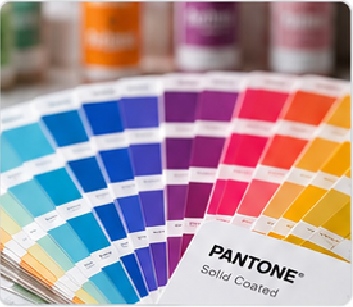
Brand colors can shift with facestock, white ink, laminate and lighting. Philiton treats color approval on the actual label construction as more useful than a screen-only target. Spot colors or controlled color references can be included where needed, with the approved sample serving as a production reference alongside adhesive, material and finish information for repeat orders.
White Ink

White Ink

Clear and metallic materials often need white ink to create opacity or controlled color. Philiton prepares dedicated white layers and checks registration because misalignment is visible on transparent packaging. White ink is coordinated with adhesive clarity, container color and final finish so the visual structure is approved as one system rather than optimizing color while ignoring bubbles or adhesion.
Hot And Cold Foil

Hot And Cold Foil

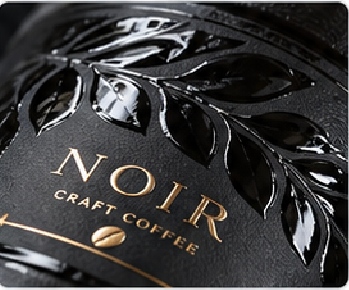
Foil can add premium metallic detail to wine, cosmetics, food and branded packaging. Hot foil may require dedicated tooling, while cold foil follows a different production route. Philiton checks minimum detail, registration, facestock, coating, curvature and later handling before approval. Foil does not change the basic adhesive decision, but added layers and finishing can influence stiffness and production preparation.
Emboss And Deboss

Emboss And Deboss

Embossing and debossing add physical depth but also introduce tooling, pressure and structural changes to the label. Philiton reviews artwork detail, material thickness, nearby die-cut lines and the final container before production. On curved packages, heavy textured stocks or raised areas need to be evaluated with label flexibility and edge stress so the decorative effect does not create application problems.
Spot Or Raised UV

Spot Or Raised UV

Spot UV and raised UV create localized gloss or texture for premium graphics. Philiton checks cure, registration, label flexibility and scuff performance together with the chosen facestock. Heavy coating on flexible or tightly curved labels can alter bending behavior, so the final decorative layer is included in the sample construction rather than added after adhesive approval as an unrelated feature.
Variable Data Printing

Variable Data Printing

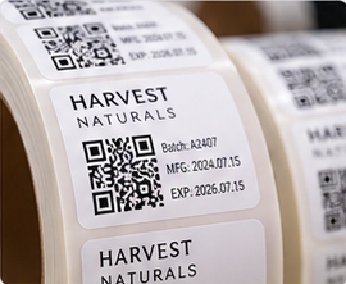
Serial numbers, barcodes and QR codes add traceability, logistics or engagement functions. Philiton can combine variable data with digital or conventional production routes and verify readability as part of QC. Curved surfaces, reflective finishes and small code sizes require extra attention. The adhesive and label position must keep the code stable and readable throughout the intended service period.

From Artwork To Tested Sample And Production Tooling

Adhesive selection becomes reliable only when the intended artwork, size, die cut, facestock, finishing and container conditions are represented in the development path.

Lock Artwork, Dieline And Tooling Before Production Commitment

Philiton starts with the information needed to manufacture the exact label: final size, shape, artwork revision, color requirements, white ink, foil or emboss layers, barcode or QR data, roll or sheet delivery and the application surface. Artwork review checks bleed, dieline, CMYK or Pantone requirements, small text, code readability and separate technical layers before production files are released. A change in label size or corner radius can affect adhesion on curved packaging, so geometry is not treated as a purely graphic decision. Digital samples normally do not require traditional printing plates and can speed early visual or material evaluation. Flexographic, foil, embossing, screen or specialty security work may require plates, dies, screens or dedicated tooling. Philiton confirms tooling only after the specification is stable enough to justify it. Dedicated die cutting also needs the facestock, liner and finished shape to be known, because kiss-cut depth and waste stripping must protect the liner while releasing labels consistently. For multi-SKU programs, Philiton separates artwork revisions while looking for shared material and production setups where specifications allow. Version control matters because an approved adhesive construction can still fail commercially if an outdated artwork, wrong die or different container is used. The approved specification therefore links design, material, adhesive and tooling rather than managing each item in isolation.

Use Samples To Close Adhesive, Finish And Application Risk

Sampling is a validation stage, not simply a miniature order. Philiton can provide blank material samples, digital samples, printed samples, finishing samples or production-like samples depending on what must be approved. Typical internal lead-time guidance is about 1-3 business days for a regular digital sample, 3-5 business days for a standard printed or finished sample, 5-7 business days for more complex foil, embossing, screen, special die-cut or special-material work, and around 5-10 business days for RFID, security or custom structures. Timing starts after artwork, material and process direction are confirmed; international courier time is separate. For adhesive-sensitive projects, a visually correct sample is not enough. Philiton prefers the real container or a representative substrate when surface energy, curvature, cold application, residue, oil, chemicals or automatic dispensing matter. The review can include initial placement, dwell observation, edge stability, removal behavior, low-temperature handling, rub or media exposure, and roll-line checks according to risk. A sample only becomes a useful production reference when the approved construction is recorded. If facestock, adhesive, liner, finish, container resin, application temperature or labeling equipment changes later, Philiton can re-evaluate whether the original approval still applies instead of treating an old sample as universal evidence. The same rule applies when a supplier changes resin, coating or surface treatment.

How Philiton Converts Adhesive Decisions Into Production

Production begins after the specification is ready to manufacture. Material availability, process route, tooling, quantity, SKU count, finishing, QC and packing determine the schedule.

Build A Controlled Route From Material Intake To Rewinding

Philiton sources paper, film, adhesive constructions, liners and specialty components from qualified external suppliers, then controls the converting and manufacturing route in its Shenzhen and Dongguan production system. Work can include artwork and prepress, digital or flexographic printing, white ink, screen or UV processes, foil, embossing or debossing, lamination or varnish, die cutting, waste stripping, slitting, rewinding, inspection and final packing. Materials are not described as factory-made adhesives; Philiton’s role is to match, convert, verify and control the finished label. The production route depends on volume and complexity. Digital printing supports flexible quantities, multiple artworks and fast changeovers. Flexographic and other conventional routes become attractive when a stable specification moves into larger or repeated volumes. For many standard custom label and sticker projects, the practical starting point is around 500 pieces, while the same manufacturing system supports larger repeat programs. MOQ still varies with material, process, size, tooling and special components. Before mass production, the job record identifies artwork revision, facestock, adhesive, liner, printing, finishing, die, roll specification and inspection requirements. That controlled record helps the factory compare production output with the approved sample instead of relying on a general product name such as “permanent BOPP label.” The controlled record also supports faster root-cause review if a later batch behaves differently.

Plan Lead Time Around The Real Production Conditions

Standard custom-label production commonly takes about 5-10 business days once artwork or sample approval, material readiness and production conditions are in place. Larger regular orders often require about 7-15 business days, while very large or multi-SKU programs can need roughly 10-20 business days or a planned split shipment. Compatible rush work can sometimes be scheduled in about 2-5 business days when common materials are in stock, tooling is ready and equipment loading allows it.
Special adhesive constructions and uncommon materials can add procurement time. Philiton’s internal guidance allows roughly 5-15 additional business days for many special materials, while imported or rare items may take longer. A schedule therefore starts from a confirmed production condition, not from the first inquiry. Artwork revisions, container changes, failed application tests, tooling changes or late approval can reset preparation steps.
Repeat orders can move faster when artwork, material, adhesive, tooling and production parameters are unchanged and materials are available. Philiton still reviews each order and applies normal QC. For large brands, the useful planning asset is a locked specification and change-control history, because predictable repeats depend more on controlled inputs than on a promise of one fixed lead time for every label. Delivery planning is confirmed with the production route and shipment method.

Quality Control Must Follow The Approved Label Construction

Philiton controls incoming material, setup, printing, converting, adhesive-related tests, roll specifications and final packing. Acceptance criteria come from the approved construction and project conditions.

Incoming Material Control

IQC checks incoming labelstock, liners, specialty films and project-specific components against the purchase and job requirements before they enter production. For adhesive-sensitive work, material identity, batch information, appearance and relevant supplier documentation matter. Philiton does not assume two materials with similar marketing names are interchangeable. A material change can trigger review when it affects bonding, print, finishing or compliance.

First Article Approval

The first production output confirms artwork version, color direction, size, die cut, surface finish and basic converting before the full run continues. Adhesive projects also need the correct facestock and liner construction in the job record. Philiton uses first-piece control to catch setup errors before they become a large batch, especially on multi-SKU work where one wrong artwork or roll setup can spread quickly.

In-Process Inspection

IPQC follows the job while printing, finishing, die cutting, waste stripping and rewinding are running. Operators and quality personnel watch registration, color, surface defects, die-cut condition, web handling and roll output. Process checks are important because good adhesive selection cannot compensate for damaged liners, excessive die strike, contamination, poor cure or uncontrolled rewinding tension introduced during manufacturing.

Adhesion And Release Tests

Philiton has internal paths for peel adhesion, loop tack, shear or holding power and release-force checks when a project calls for them. Numerical acceptance limits must come from the selected material data, agreed method or project requirement; they are not universal factory numbers. Actual-container observation remains important for LSE plastics, curvature, condensation, removability and other conditions that laboratory values alone cannot represent.

Roll And Code Control

Roll labels can be checked for winding direction, core, roll diameter, labels per roll, splice rules, label gap and finished web condition. Barcode, QR, serial and variable-data work adds readability or data verification. Philiton connects roll QC to the actual labeling or scanning process so a visually clean label does not fail because it is wound incorrectly or delivered in a format the line cannot use.

Final QC And Release

FQC and OQC verify finished labels and packed goods against the approved order requirements before release. Typical attributes include color, print, size, die cut, surface, adhesion-related checks, quantity, roll specification and packing. The quality path follows IQC → IPQC → FQC → OQC. For repeat programs, approved artwork, sample and specification records provide the reference for comparing later batches and managing changes.

Why Labels Fail Even With Strong Adhesive

SymptomCommon Causes To CheckBetter Next Action
Edges lift after hours or daysLSE plastic, small radius, stiff facestock, low application temperature, weak wet-out, contaminationConfirm substrate and temperature; test real container; adjust adhesive, facestock or geometry
Label falls off in cold storageApplied too cold, condensation, wrong freezer route, insufficient dwellSeparate application/service temperature; repeat trial under real cold process
Bubbles or silveringTrapped air, wet surface, outgassing plastic, poor pressure, clear-film sensitivityCheck when bubbles appear; improve surface condition/application; trial suitable construction
Wrinkles on flexible packPackage movement, facestock stiffness, label size, application pressureUse more conformable structure; review label geometry and pack movement
Residue after removalWrong removable grade, long dwell, heat aging, sensitive coatingDefine removal window and surface; test removal after realistic aging
Adhesive ooze or edge bleedSoft adhesive, heat, storage pressure, excessive roll tension, unsuitable gradeReview exact adhesive grade, roll storage and converting tension
Barcode or print fails after exposureAbrasion, chemicals, oil, moisture, insufficient top protectionAdd suitable film/coating and media test; verify code after exposure

Packing And Delivery Formats Protect Finished Label Performance

Rolls, sheets and individual labels need different handling. Philiton controls winding, cores, inner protection, carton identification and shipment format so approved labels arrive ready for use.
Roll Labels

Roll Labels

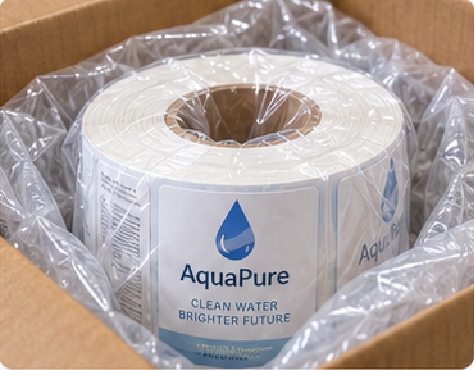
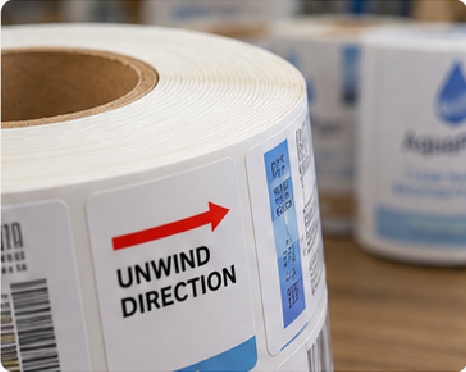
Roll delivery is the normal route for automatic or high-volume application. Philiton can define winding direction, core, maximum roll diameter, labels per roll, web width and other line-related details. The roll is packed to protect edges and shape during transit. A good adhesive project still needs a usable roll specification, especially when the labels feed a high-speed dispenser.
Sheet Labels

Sheet Labels

Sheets are useful for manual application, sample evaluation, smaller runs or programs where roll equipment is not used. Philiton controls sheet size, label orientation, die cut and surface protection according to the material. Paper and film sheets are packed to reduce curling, dust and moisture exposure, with the final format agreed before production rather than cut after completion as an afterthought.
Individual Pieces

Individual Pieces

Individually cut labels or stickers suit hand application, kits, promotional use or products that need one-piece handling. Full cut, kiss cut or backing shape affects how the item is removed and applied. Philiton selects the delivery form together with facestock and adhesive because very flexible films, removable systems or complex shapes may need extra backing area for stable handling.
Protective Inner Packing

Protective Inner Packing

Inner bags, protective film or moisture control can keep rolls and sheets clean through export transport and warehouse storage. Adhesive edges, liners and paper stocks should be protected from dust, moisture and deformation before use. Philiton chooses inner packing according to construction and shipment risk, with higher sensitivity for clear labels, paper stocks, special finishes and industrial labels that must arrive contamination-free.
Core And Winding

Core And Winding

Core diameter and winding direction are operating specifications, not shipping details. An applicator may require inside or outside winding, a defined leading edge and a core that fits the unwind shaft. Philiton records those fields before rewinding. Keeping them in the reorder specification helps prevent line stoppages even when artwork, adhesive and print remain unchanged from the previous batch.
Carton Batch Control

Carton Batch Control

Cartons can be marked by SKU, quantity, batch or roll identification so receiving and production teams can separate multi-SKU shipments. Larger projects may use pallet plans or staged deliveries. Philiton aligns packing records with final QC and order identification, which supports traceability and reduces mix-ups when similar labels differ only by formula, language, variable data or a small artwork revision.

Compliance Depends On The Exact Label Construction

Philiton supports project-specific material, test and production documentation while keeping responsibility boundaries clear. Claims follow the exact material, market, application and available evidence.

Material Documentation

Material declarations, technical data sheets and supplier evidence must match the exact material construction used for the project. Philiton can collect and review project-specific documentation from qualified external suppliers and keep it with the specification. A document for one adhesive, film or paper grade is not automatically treated as evidence for another grade simply because the commercial description sounds similar.

Food Packaging Scope

External package labels and direct-food-contact labels have different risk profiles. Philiton can support material and test documentation for defined food-packaging requirements, but the intended market, contact condition and exact construction must be known. Freezer or refrigerated food labels also require application testing on the real package; food-related compliance is not used as a substitute for adhesive performance validation.

Chemical And GHS

Chemical labels may require durable films, strong adhesion, resistance and legally required hazard content. Philiton can manufacture the approved artwork and label structure, while the brand or responsible regulatory party confirms the exact legal text and applicable standard. Chemical-resistance claims are tied to identified media, concentration, contact method and test duration rather than a blanket statement covering every solvent.

Sustainability Claims

Recycled paper, recycled films, wash-off adhesives and other lower-impact options can be evaluated by project. Philiton records what a sustainability claim applies to: raw material, finished label, label-plus-container system or a certified chain of custody. Ink, lamination and adhesive can change recyclability assumptions, so environmental wording should be supported by the actual construction and current supplier documentation.

Security And Data

Security, QR, RFID and NFC programs may involve serial data, encoding, controlled files and tamper evidence. Philiton can manage manufacturing-side version control, data production, inspection, encoding and waste handling according to project rules. The brand remains responsible for lawful data sources, backend logic and consumer-facing regulatory obligations. Security is described by the verified mechanism rather than absolute terms such as “unclonable.”

Change Control

Compliance and performance evidence can become invalid when material, adhesive, liner, supplier, artwork, coating or application condition changes. Philiton can link project records to approved specifications, material codes, reports and production batches. Repeat production is therefore checked for relevant changes before release. Where a change affects the basis of a claim or test, the project can be reviewed and revalidated instead of relying on an outdated document.

Three Representative Adhesive Project Profiles From Philiton

These anonymized project profiles use Philiton’s recorded manufacturing scenarios and technical fields. Client brand names, testimonials and unsupported performance claims are intentionally excluded.
US Personal Care Program

US Personal Care Program

An anonymized United States cosmetics and personal-care program used white or clear BOPP pressure-sensitive bottle labels at a 10,000-50,000-piece scale across 3-8 SKUs. The main risk was not print quality alone: bottles faced water, hand contact and bathroom humidity, while clear versions required controlled white ink and registration. Philiton matched the adhesive to PET, HDPE or glass bottle material, applied samples to actual bottles, checked edge lift, transparency, water exposure and rub resistance, and added matte or gloss lamination where required. Production QC covered color, size, die cut, surface, winding direction, roll quantity and white-ink registration.
Canada Frozen Food Program

Canada Frozen Food Program

An anonymized Canadian frozen-food program involved 20,000-100,000 labels across 2-6 SKUs using BOPP or moisture-resistant paper. The selection process separated the lowest application temperature from the later frozen service condition, because ordinary adhesive may fail when applied onto a cold or condensation-covered package even if low-temperature storage occurs later. Philiton reviewed package surface, moisture or frost at labeling, frozen storage conditions and freeze-thaw exposure before approving a low-temperature route. Samples focused on low-temperature bonding and representative packaging. QC included adhesion, edge lift, print, die cut, winding, roll quantity and moisture-protective packing.
US Lubricant Program

US Lubricant Program

An anonymized United States automotive and lubricant program used 20,000-200,000 BOPP or PET labels across 5-20 SKUs. Oil, plasticizers, rough HDPE surfaces and warehouse temperature changes created combined print and adhesion risk. Philiton selected an oil-resistant film construction and matched high-tack adhesive to HDPE, metal or other plastic containers, then used real containers and representative oil exposure for bonding, wipe, edge-lift and printed-surface checks. Protective lamination or varnish was added according to the required resistance. Final QC included oil resistance, adhesion, print rub, surface condition, die cut and dimensions, with roll packing protected against contamination.

Frequently Asked Questions About Choosing Label Adhesive

Sometimes, but it should not be assumed. Clean glass is generally easier to wet out than HDPE, which is a lower-surface-energy plastic. Philiton reviews the exact surfaces, label size, curvature, temperature and exposure. A candidate construction can then be tested on both substrates if one shared label specification is required.
Application temperature is the temperature of the label, adhesive, package surface and surrounding process when the label is first pressed into place. It affects initial wet-out and bond formation. Philiton records it separately from later storage or service temperature, especially for refrigerated, frozen and outdoor applications.
Service temperature is the later environment after the label has been applied and the bond has developed. A label can be applied at room temperature and later enter a freezer, or it can be applied directly onto a cold package. Those two workflows may require different adhesive routes and validation.
Not every product stored cold has the same requirement. A label applied warm and later frozen may have more options than one applied directly to a chilled or frozen surface. Philiton checks the application temperature, package condition, condensation, material and freeze-thaw cycle before selecting a low-temperature construction.
High tack means strong immediate grab, which can help on some rough, porous, curved or low-energy surfaces. It does not automatically mean better shear, heat resistance, chemical resistance or clean appearance. Philiton uses high tack only when the application needs it and evaluates later performance as well.
Yes. Clean removability depends on the substrate, adhesive grade, dwell time, temperature, aging and surface coating. Philiton defines the expected use period and surface before sampling. For critical clean-removal programs, removal should be checked after representative aging rather than judged only minutes after application.
Curvature creates restoring force, especially when the label is wide, the facestock is stiff, the laminate is heavy or the bottle diameter is small. Low surface energy or low application temperature can add more risk. Philiton reviews geometry, material flexibility and adhesive together, then tests the actual container.
Yes for higher-risk surfaces and geometries whenever possible. Actual containers are especially useful for HDPE, PP, PE, coated surfaces, small diameters, outgassing plastics, cold application, removability, oil or chemical exposure. A flat test panel can screen candidates but may not represent the production package.
Typical internal guidance is about 1-3 business days for a regular digital sample, 3-5 business days for a standard printed or finished sample, 5-7 business days for more complex finishing or special materials, and around 5-10 business days for RFID, security or custom structures after specifications are confirmed.
Send the product or container type, substrate, surface condition, label size or container dimensions, quantity per SKU, number of SKUs, application temperature, service temperature, water/oil/chemical exposure, permanent or removable requirement, hand or automatic application, artwork or reference file, container photos and destination. Unknown fields can be marked for recommendation.

Send Your Application For An Adhesive Review

A useful adhesive recommendation starts with the package and the process, not a request for “strong glue.” Send Philiton enough information to reproduce the real application conditions. A drawing or finished artwork is helpful, but a container photo, substrate description and operating conditions can already narrow the material route. If the adhesive grade is unknown, choose “Not sure – please recommend” rather than guessing. For higher-risk work, Philiton may request an actual container or representative surface before approving a production construction. Standard printed samples commonly take about 3-5 business days after artwork, material and process direction are confirmed, while special materials or complex structures need additional time. The review can then move from application conditions to material and adhesive options, sample validation, production specification, quotation and manufacturing planning. If several SKUs use the same container and environment, include the full SKU list so Philiton can identify which specifications may share materials or production setup and which need separate control.

  • Product or label type, size or container dimensions, quantity per SKU and number of SKUs
  • Substrate and surface condition: glass, PET, PP, PE, HDPE, metal, paperboard or another material
  • Application temperature, service temperature and exposure to water, condensation, oil, chemicals, heat or freezing
  • Permanent, removable, repositionable or “Not sure” behavior requirement
  • Hand or automatic application, roll specifications if known, artwork, photos, target delivery date and destination

Get In Touch

  • Our team will answer your inquiries within 12 hours.

  • Your information will be kept strictly confidential.

Get a Fast Quote for Custom Labels & Stickers

We will contact you within 24 Hours, please pay attention to the email with the suffix“@philiton.com”. 
For all inquiries, please feel free to reach out at:

Ask For A Quick Quote

We will contact you within 24 Hours, please pay attention to the email with the suffix“@philiton.com”. 

For all inquiries, please feel free to reach out at:

Get a Quote Today!

We will contact you within 24 Hours, please pay attention to the email with the suffix“@philiton.com”.