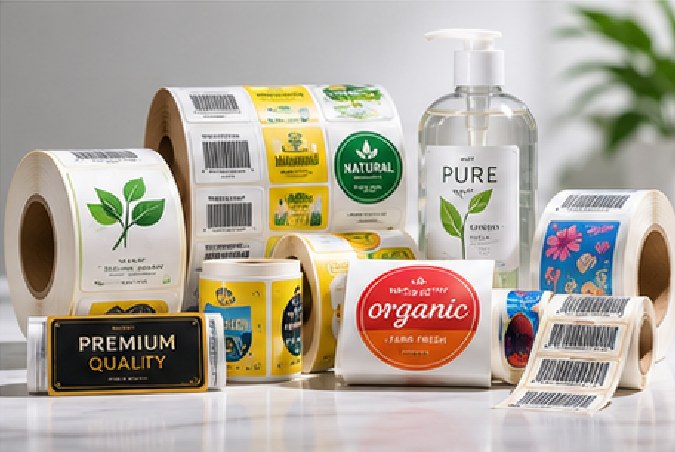
From packaging labels to industrial identification, security and smart labels, Philiton builds label programs around the product, surface, environment, production method and scale.
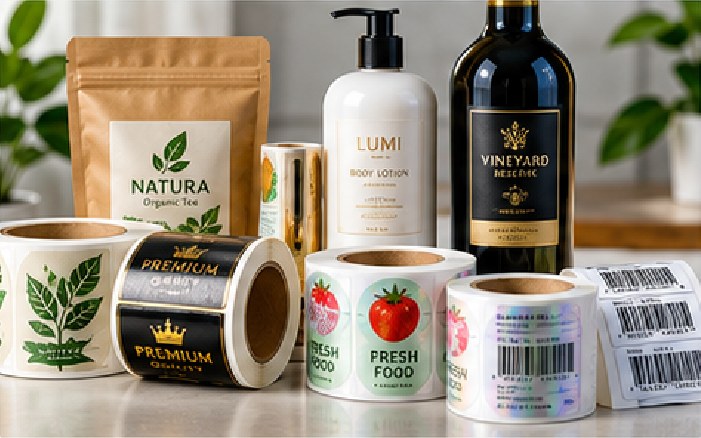
| Requirement | Key Conditions to Confirm | Typical Solution Direction | Main Validation Before Bulk |
|---|---|---|---|
| Premium shelf appearance | Container color, moisture, artwork detail, desired tactile or metallic effect | Textured paper or film + controlled color + foil, emboss, Spot/Raised UV or protective finish | Printed/finished sample on representative packaging |
| Clear no-label look | Bottle color, transparency, white elements, surface cleanliness, curvature | Clear BOPP/PET + white ink where needed + clear adhesive construction | White opacity, color appearance, bubbles, edge lift and fit |
| Refrigerated or frozen pack | Application temperature, storage temperature, condensation, substrate | Moisture-resistant face stock + freezer/low-temperature adhesive direction | Application test on actual package under cold conditions |
| High-SKU product line | Quantity per SKU, shared size/material, artwork change frequency | Digital route for shorter multi-SKU runs; review flexo as stable volumes increase | Version control, shared production setup and approved artwork per SKU |
| Industrial identification | Heat, oil, chemicals, abrasion, expected lifetime, surface | PET or other durable stock + suitable adhesive + protective finish | Adhesion, rub/chemical exposure and barcode/print legibility as required |
| Barcode and traceability | Barcode type, scanner, quiet zone, serialization rules, roll format | Thermal/thermal transfer or preprinted variable-data labels | Barcode verification, code uniqueness and sequence control |
| Tamper evidence | Surface, required opening evidence, removability, security level | VOID, destructible, security seal or combined variable-code structure | Tamper behavior on the actual surface |
| RFID/NFC | Frequency, inlay/chip, encoding, read range, placement, surrounding metal/liquid | Printed smart label with project-specific inlay and data workflow | Read/write verification and application-position testing |
| Automatic application | Label size, liner width, core, max OD, roll direction, gap/pitch, sensor | Roll label engineered to applicator specification | Machine-compatible roll sample or confirmed engineering specification |
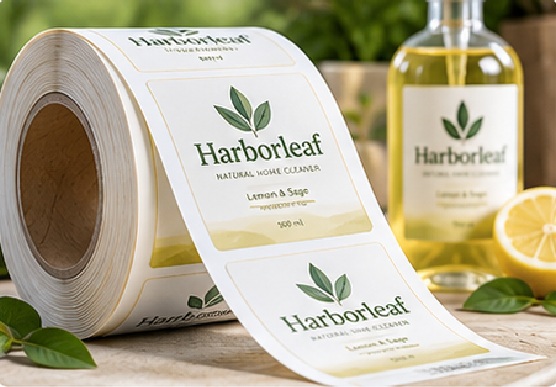
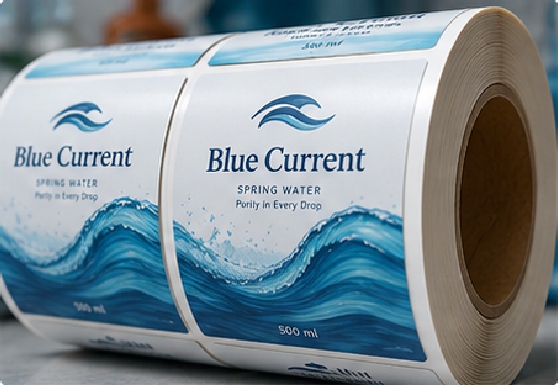
Roll labels are designed for efficient dispensing, manual application or automatic labeling equipment. Philiton confirms label width and height, shape, liner width, inside or outside winding, roll direction, core, maximum roll diameter, gap, pitch, labels per roll and any required sensor mark. A roll specification should be treated as part of the product design because an attractive label can still fail operationally when winding or machine parameters do not match the applicator.

Custom die-cut stickers can follow logos, characters, product shapes or promotional graphics rather than standard rectangles and circles. Philiton can support digital cutting for development or suitable short runs and dedicated tooling when the project moves into repeat production or requires a stable converting route. Face stock, edge detail, liner, kiss-cut or full die-cut format and packing style should be selected together so the sticker is easy to remove, handle and apply.
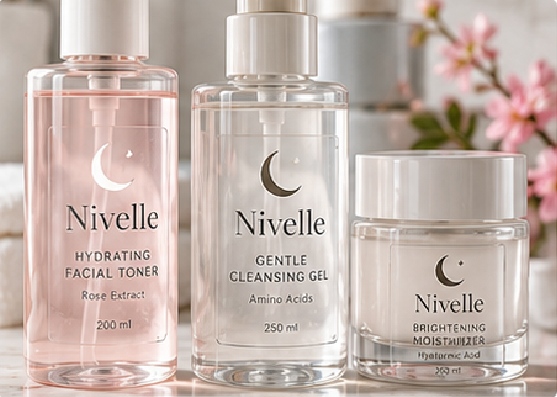
Clear film labels are used when packaging graphics should appear integrated with the bottle, jar or container. The result depends heavily on the container background, white-ink strategy, adhesive clarity, print density, surface cleanliness and curvature. Philiton can review clear BOPP, PET and other transparent constructions, then use printed samples to check opacity, color shift, bubbles and edge behavior before bulk production. A clear label should always be judged on the intended package, not only on a white proof sheet.

Foil can create a controlled metallic focal point without turning the entire label into a reflective surface. Philiton supports hot and cold foil directions according to artwork, material and production route. Fine lines, large solid areas, textured papers, curved containers and later embossing or coating can all change the result. A finished sample is recommended when foil is a key brand element because the approved physical effect becomes a more reliable production reference than a screen rendering.

Embossing and debossing add physical depth to logos, crests, borders or selected graphic elements. Philiton reviews artwork line weight, relief area, substrate stiffness, foil interaction, label thickness and final container curvature before production. Strong visual depth on a flat sample can behave differently once applied to a small bottle or flexible package. Tooling and registration should therefore be evaluated as part of the label construction, not as an isolated decorative option added at the end.
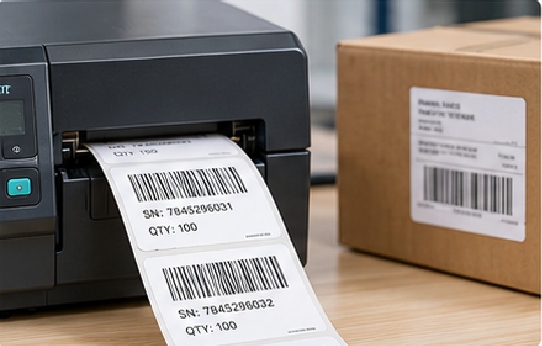
Thermal labels support shipping, warehouse, retail, inventory and other variable-information workflows. Direct thermal can suit shorter-life applications where ribbon-free printing is preferred, while thermal transfer can provide stronger durability when the correct ribbon and face stock are matched. Philiton can supply blank or preprinted constructions, barcode areas, variable information and roll specifications according to the printer, scanner and operating environment. Storage life, abrasion, heat and chemical exposure should be defined before material selection.
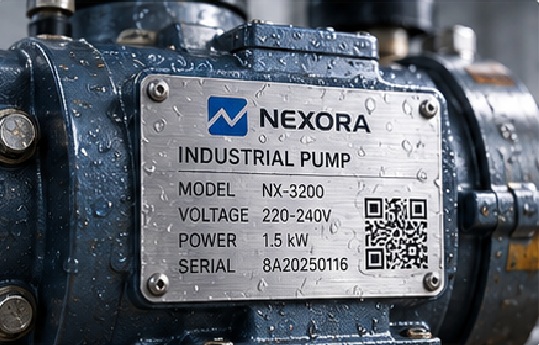
Industrial labels may face heat, oil, chemicals, abrasion, outdoor exposure or long service periods. Philiton can evaluate PET, synthetic stocks, protective laminates or varnishes and higher-performance adhesive directions based on the actual substrate and environment. Serial numbers, barcodes, QR codes and warning information can be integrated into the construction. Performance claims are confirmed through material data, samples and relevant testing rather than applied as a universal promise across every industrial surface.
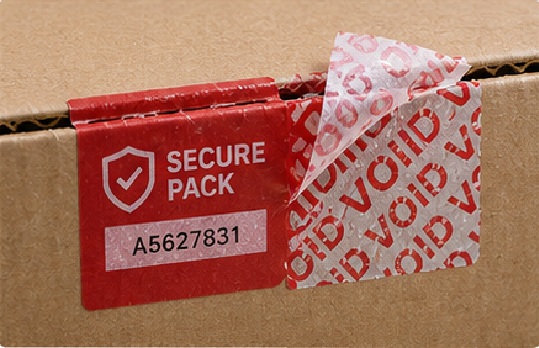
Tamper-evident labels are built to show opening, removal or interference rather than simply use a stronger adhesive. Philiton can evaluate VOID, partial-transfer, total-transfer, destructible, security-seal and other structures according to the target surface and evidence requirement. The desired failure mode should be defined before sampling: visible message, material break-up, seal destruction or another effect. Testing on the actual product surface is important because tamper behavior can change with plastic type, coating, texture and dwell time.
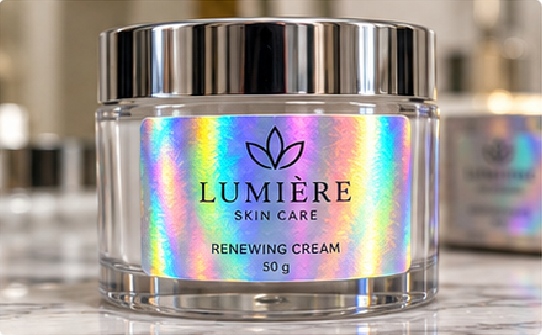
Holographic materials can provide visual differentiation, security cues or both. Philiton supports stock holographic materials and can evaluate more specialized holographic structures when project quantities, origination or tooling requirements justify them. Holographic areas can also be combined with printed graphics, variable codes, tamper evidence or protective layers. Reflectivity can affect barcode and QR performance, so code placement and contrast should be checked rather than assuming every holographic surface will scan reliably.
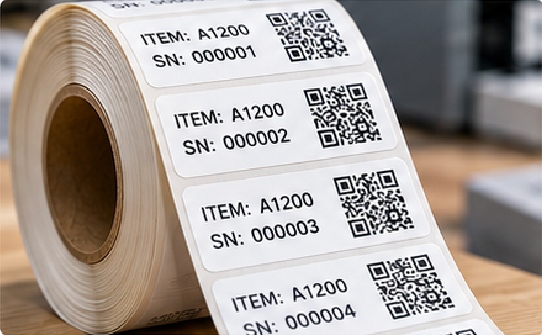
Variable data allows each label to carry changing information such as serial numbers, batch or lot data, unique QR codes, barcodes, Data Matrix codes or other identifiers. Philiton manages data import or generation, print batches, stoppage and restart control, scrap, reprints and final verification according to the agreed workflow. Unique-code projects should define data ownership, code rules, sequence requirements and retention before production so reprints do not accidentally reintroduce identifiers already accepted as good product.
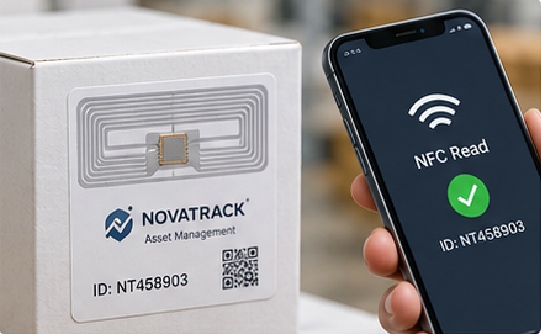
RFID and NFC projects combine printed labeling with an electronic inlay or chip, so the project brief must cover frequency, chip/inlay choice, encoding, read/write rules, memory, placement, read range and surrounding material. Philiton can integrate visible printing, variable codes and smart-label functions, then perform agreed verification. Metal, liquid, product geometry and reader environment can alter performance, making application testing and project-specific qualification more important than selecting an RFID label by size alone.

Coated paper is widely used for dry product packaging, promotional labels and cost-sensitive applications where premium film durability is not required. It accepts detailed printing and many standard finishes while offering a familiar paper appearance. Philiton reviews moisture exposure, container surface and handling before confirming the stock because paper can lose dimensional stability or appearance in sustained wet conditions. Lamination or varnish can add protection, but protection does not turn every paper construction into a universal wet-environment solution.
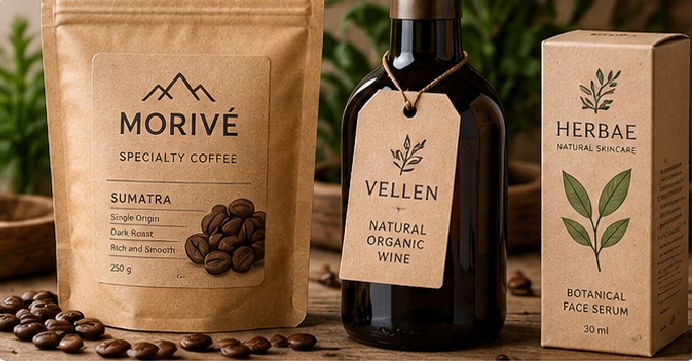
Textured, uncoated and kraft papers create a tactile, natural or premium visual direction for wine, spirits, candles, specialty food and boutique packaging. Paper texture influences ink holdout, foil coverage, fine detail and color appearance, so the material should be tested with the intended finishing. When the package may face condensation, ice buckets or persistent moisture, Philiton evaluates protective options or an alternative film construction rather than assuming the visual target alone should determine the substrate.
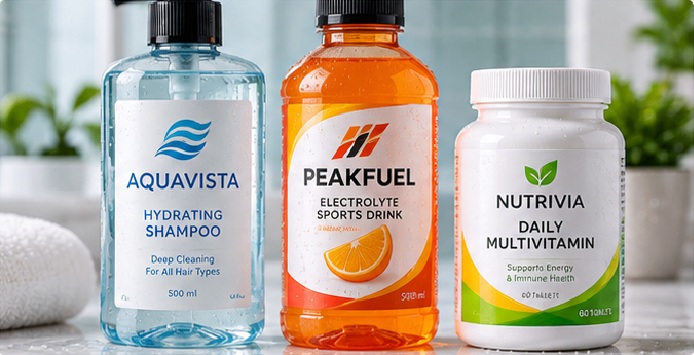
BOPP and PP are common choices for moisture-resistant packaging labels, clear-label looks and durable consumer applications. Film can provide better resistance to water and handling than ordinary paper while supporting gloss, matte, clear and white constructions. Adhesive selection remains critical, especially on PP, PE or HDPE containers with lower surface energy. Philiton therefore treats the facestock and adhesive as one construction and recommends application testing when surface energy, curvature or formula exposure creates additional risk.
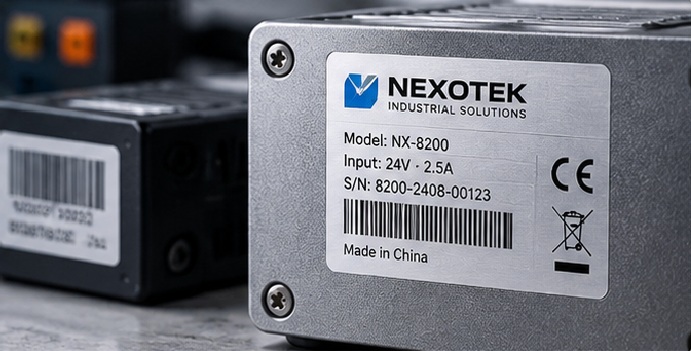
PET offers dimensional stability and durability for industrial, electronics, asset, barcode and demanding product-identification applications. It can support clear, white, metallic and durable printed constructions, often with protective finishing where abrasion or chemicals are relevant. PET stiffness can be a disadvantage on highly squeezable or small-diameter packaging, so Philiton checks geometry before defaulting to a durable stock. Performance also depends on adhesive, ink, protective layer and service environment, not PET alone.
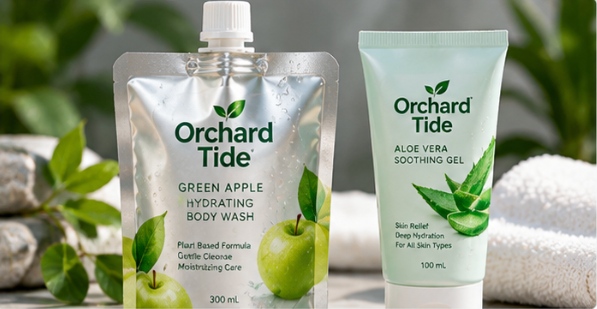
PE is more conformable than stiffer films and can suit squeezable containers or applications where the label must move with the package. The label construction still needs to account for printing, finishing, adhesive and liner behavior because flexibility can affect registration, die cutting and application. Philiton considers container movement, curvature, contents and expected handling before recommending PE. A material that fits a flexible bottle well may not be the best choice for a rigid industrial identification plate.
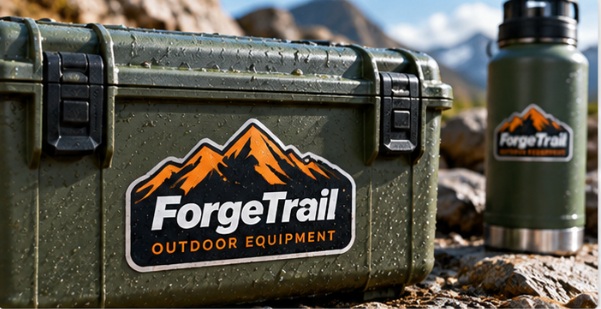
PVC and vinyl materials can support durable stickers, promotional graphics and selected industrial or outdoor applications. Material grade, plasticizer behavior, adhesive compatibility, printing and protective finishing must be considered for the intended surface and lifetime. Philiton does not treat the words vinyl or PVC as an automatic durability guarantee. Outdoor exposure, temperature, chemicals, removability and substrate interaction should be defined so the selected construction can be tested against the real use conditions.

Clear, metallic and holographic films create strong visual effects but also introduce production variables. Clear stocks may require white ink to preserve brand color; metallic backgrounds can shift printed tones; holographic surfaces can interfere with barcode or QR contrast. Philiton develops the print sequence and finishing around the material rather than treating the film as a decorative overlay. Physical samples are especially useful when reflective or transparent effects must be approved on the final package color.
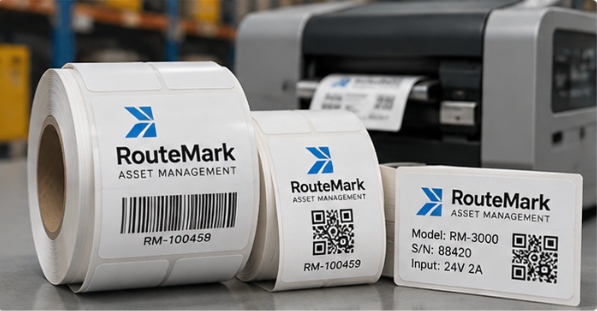
Direct thermal, thermal-transfer and synthetic materials serve shipping, warehousing, retail, asset and industrial identification. The right choice depends on print method, ribbon where applicable, storage duration, abrasion, heat, moisture, chemicals and scanner requirements. Philiton can supply blank or preprinted areas and convert the material into roll formats compatible with printers and applicators. The operating environment should be provided before selection because thermal sensitivity and durability vary widely across material grades.
| Project Structure | Recommended Route | Why It Fits | Important Trade-Offs |
|---|---|---|---|
| New launch, roughly 500-2,000 pcs | Digital printing + digital cutting/converting where suitable | No conventional printing plate, fast artwork changes, good for launch testing | Unit cost may become less efficient as stable volume grows |
| Many SKUs with lower quantity per SKU | Digital + variable-data workflow | Fast version changes and flexible serialization | Every SKU still needs separate artwork and QC identification |
| Stable recurring roll labels, roughly 5,000-100,000+ | Flexographic printing | Efficient roll-to-roll production and better economics at scale | Plates, setup and changeovers matter more than digital |
| Opaque white or special ink on film | UV digital, screen or UV flexo direction | Supports white and specialty ink effects according to structure | Ink adhesion, opacity and production speed vary by material and design |
| Premium metallic or tactile program | Base printing + foil, emboss/deboss, Spot/Raised UV or screen effects | Separates base graphics from value-added finishing | Registration, tooling, material thickness and application performance require review |
| Shipping, warehouse or on-demand variable printing | Direct thermal or thermal transfer | Works with operational printer workflows | Storage life, ribbon, heat and abrasion requirements determine the material |
| Unique serials, QR or one-code-per-label | Variable data / inkjet integrated with base printing | Controlled unique information and traceability | Data rules, restart, scrap and reprint control must be defined |
| Brand protection | Security printing + VOID/hologram/variable code/RFID combinations | Layered evidence and authentication options | Security level, data workflow and tooling are project-specific |
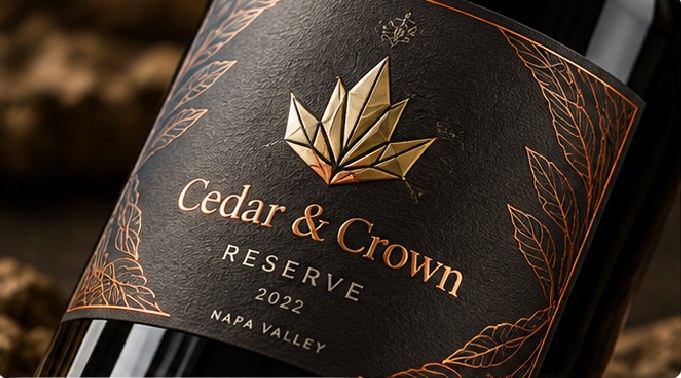
Foil adds metallic emphasis to logos, borders, seals or selected details. Philiton evaluates artwork detail, foil area, substrate texture, print order and later embossing or coating before recommending hot or cold foil. Large solids and fine lines behave differently, while textured papers can affect foil coverage. A physical finished sample is valuable for premium programs because metallic appearance changes with material, viewing angle and surrounding print. Tooling and repeat registration are controlled as part of the production specification.

Embossing raises selected elements while debossing presses them inward, creating a tactile brand feature without relying only on ink. The process works best when artwork, substrate stiffness, label dimensions and container curvature support the intended relief. Philiton reviews the embossed area, tooling, registration and any interaction with foil. Heavy relief can change label thickness and may influence automatic application or curved-surface fit, so visual impact and converting performance should be considered together before production.
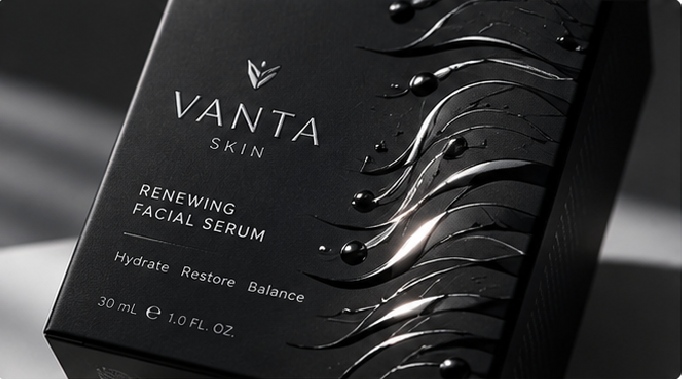
Spot UV creates gloss contrast over selected graphics; Raised UV adds more tactile height. Both can highlight logos, patterns or product names when used with restraint. Philiton reviews line width, registration, substrate, base coating and later handling because very fine features or heavy build can create production complexity. Raised effects also change thickness, which matters for winding and labeling. A sample is recommended when UV height, gloss contrast or tactile feel is central to the approved brand appearance.
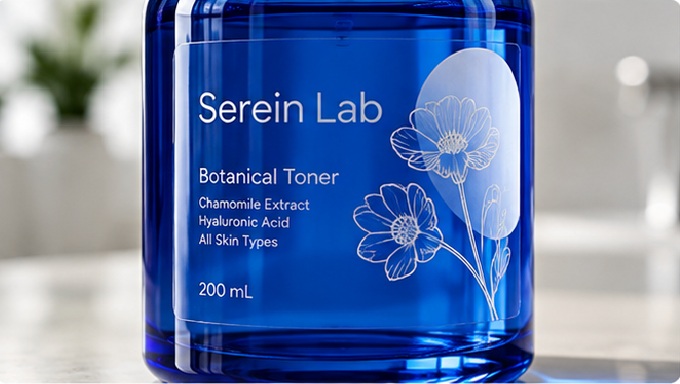
White ink is essential for many clear, metallic and colored-substrate labels because process colors alone may become transparent or shift with the background. Philiton can build white underprint, selective white or layered white strategies according to artwork. The goal can be full opacity, controlled translucency or selective reveal. White coverage should be evaluated on the intended container or face stock, especially when brand colors must remain consistent across clear, white and metallic versions of related packaging.

Holographic material or security effects can add shelf impact and visible authentication cues. Philiton can work with stock holographic materials and evaluate custom security directions where quantity and origination requirements justify them. Graphic placement must consider reflections, overprinting and code readability. Holographic areas should not be allowed to compromise barcode or QR contrast without testing. Protective layers may also be needed depending on handling, abrasion and the final use environment.
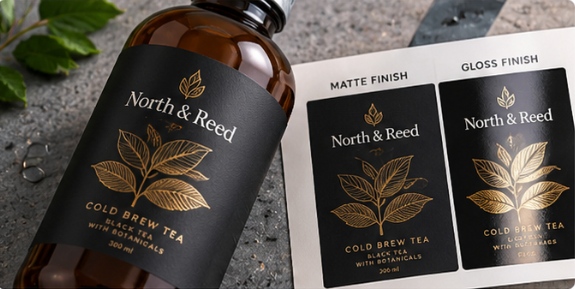
Lamination and varnish protect print and control gloss or matte appearance, but the correct choice depends on the environment, flexibility and finishing sequence. Lamination adds a film layer and can increase thickness; varnish can provide a lighter protective or visual effect. Philiton reviews oil, water, abrasion, chemical exposure, foil compatibility, embossing and container flexibility before selecting protection. Neither process should be described as universal waterproofing without reference to the full material and adhesive construction.
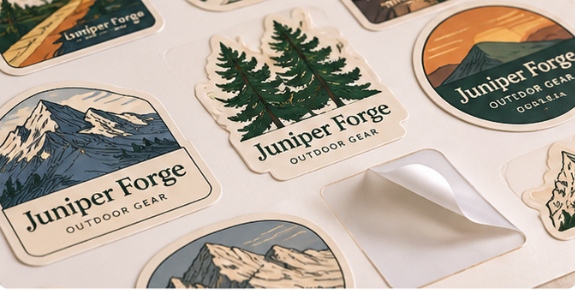
Die cutting creates the final label shape; kiss cutting cuts the face material while leaving the liner intact for easier dispensing. Digital or laser cutting can support development, complex shapes or selected short-run work, while dedicated tooling can suit stable repeat production. Philiton checks corner radii, narrow bridges, internal cutouts, bleed, safe area and liner format before converting. Shape should support handling and application, not only visual originality, especially on curved packaging or automatic applicators.

Premium labels often combine more than one finish, such as textured paper + foil + emboss, clear film + white ink + Spot UV, or metallic film + controlled color + varnish. Philiton first defines the visual objective, then checks process order, registration, material thickness, tooling and application. Adding every available finish can increase cost and risk without improving recognition. A controlled combination usually provides a cleaner brand hierarchy and a more stable route from approved sample to repeat production.
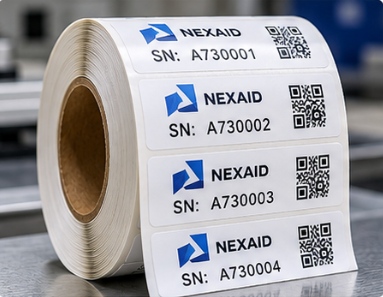
Serial numbers, batch information, unique IDs and one-code-per-label programs require a controlled data process rather than ordinary static artwork. Philiton can import or generate agreed data, manage print batches, control stop/restart points, segregate scrap and verify accepted output. Reprint rules are defined so rejected labels can be replaced without accidentally duplicating an identifier already released. The final workflow depends on code format, quantity, inspection level and the traceability required between labels, rolls and cartons.
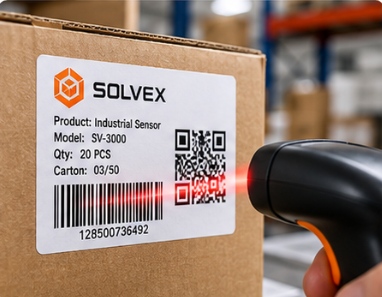
Barcodes and QR codes are designed around scanner performance, quiet zones, contrast, print gain, size and final label geometry. A code that scans on one phone is not automatically suitable for retail or industrial verification. Philiton can integrate fixed or variable codes and perform agreed verification. Curved containers, metallic or holographic backgrounds, lamination and damage risk are reviewed because each can affect readability. Roll and packing rules can also preserve sequence when labels are split across multiple rolls or cartons.
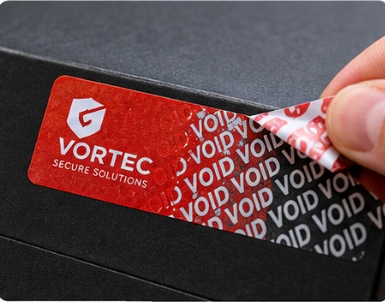
VOID labels create visible evidence when removal occurs. Full-transfer, partial-transfer and non-transfer effects can behave differently on glass, metal, coated paperboard or plastic surfaces. Philiton selects the structure according to the desired evidence and intended substrate, then recommends a surface test before volume production. Security value comes from the correct failure behavior, not simply from using a material called VOID. Artwork, seal geometry, dwell time and final application conditions should be included in the approval process.
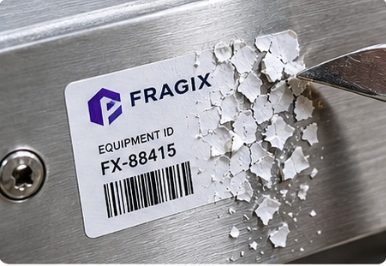
Destructible constructions are designed to break apart during removal, making clean transfer difficult. They can suit warranty seals, asset protection and selected anti-tamper applications. Material brittleness, die-cut shape, adhesive and surface condition all affect the break pattern. Philiton evaluates the actual substrate and handling process before confirming the solution. Small labels, sharp corners, deep texture or very low-surface-energy plastics can change performance, making a sample on the real product more meaningful than a generic material demonstration.
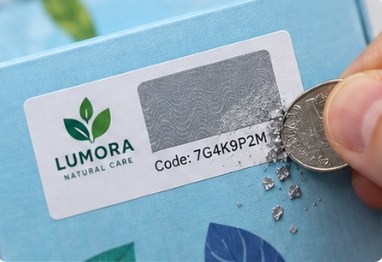
Scratch-off and hidden-code labels can conceal PINs, authentication codes, promotions or other information until the covering layer is removed. Philiton reviews code format, opacity, print sequence, scratch performance and anti-duplication requirements. Projects involving unique codes require stricter control over data, waste, reprints and rejected output. The concealed area, overprint, substrate and later verification process should be approved together so security function remains intact through printing, converting, packing and distribution.
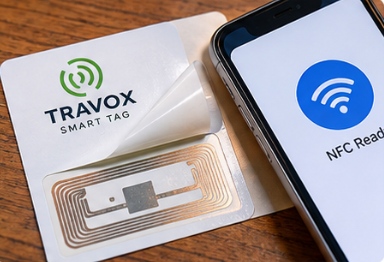
RFID and NFC add electronic identification or interaction to a printed label. Philiton evaluates frequency, chip/inlay, memory, encoding, lock rules, read range, label construction and application position. Printed variable data can be linked to chip information when the relationship is defined and verified. Metal, liquid and surrounding materials can affect read performance. Production therefore includes agreed read/write QC, while final field performance is qualified against the product, placement and reader environment rather than guaranteed from the inlay specification alone.
| Stage | Typical Order Structure | Manufacturing Focus | Philiton Support |
|---|---|---|---|
| Concept / Sample | Material swatches, digital samples, finished samples or functional samples | Confirm construction before commercial production | Artwork review, material/adhesive shortlist, finishing proof, application test |
| Launch | About 500-5,000 pcs per SKU for many standard programs | Flexible quantities, multi-SKU control, quick artwork changes | Digital printing, sample approval, launch packing and specification lock |
| Growth | About 5,000-50,000+ pcs per SKU | Improve efficiency while maintaining approved appearance | Digital/flexo route review, shared materials, tooling optimization, repeat QC |
| Scale | About 50,000-500,000+ pcs or recurring batches | Stable throughput, batch consistency and scheduled production | Flexographic or appropriate volume route, production planning, inspection and packing control |
| Strategic Supply | Annual repeat orders or framework purchasing | Change control, continuity, project coordination and replenishment | Approved specifications, reorder records, multi-SKU planning, delivery coordination and continuous improvement |
Standard custom-label production is commonly planned around 5-10 business days after the commercial order is confirmed, artwork/specification is approved and required materials or tooling are available. The schedule includes printing, curing, finishing, die cutting, slitting/rewinding, final inspection and packing preparation. More colors, larger label area, multiple finishing passes, additional SKUs, special materials or third-party requirements can extend machine and approval time. Production lead time and transit time are therefore separated in project planning.
Compatible rush work can sometimes be scheduled in about 2-5 business days when common materials are in stock, artwork is frozen, tooling can be prepared and machine loading permits. Repeat orders with unchanged artwork, material, adhesive, tooling and production parameters are often faster, commonly around 3-7 business days when materials are available. No repeat order bypasses incoming checks, first-piece confirmation, process inspection or final release simply because the specification has been produced before.
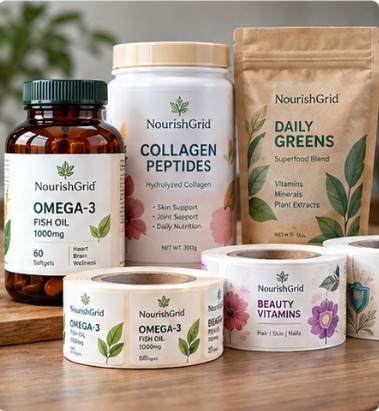
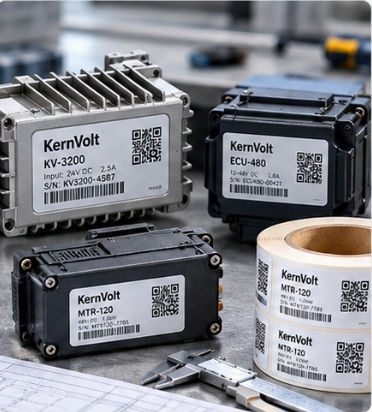

Philiton can review a complete technical specification or help develop one from a product photo, container, existing label, artwork or application brief. A useful first review normally starts with the application, label size or container dimensions, quantity, number of SKUs, target surface, artwork or reference, expected environment and required delivery destination. Materials, adhesives, roll format and finishing can be recommended when those details are not yet decided.
Please include:
Philiton will organize the information into a manufacturable route covering material, adhesive, printing, finishing, sampling, inspection, packing and production timing.
Our team will answer your inquiries within 12 hours.
Your information will be kept strictly confidential.
We will contact you within 24 Hours, please pay attention to the email with the suffix“@philiton.com”.
For all inquiries, please feel free to reach out at:
We will contact you within 24 Hours, please pay attention to the email with the suffix“@philiton.com”.
For all inquiries, please feel free to reach out at:
We will contact you within 24 Hours, please pay attention to the email with the suffix“@philiton.com”.