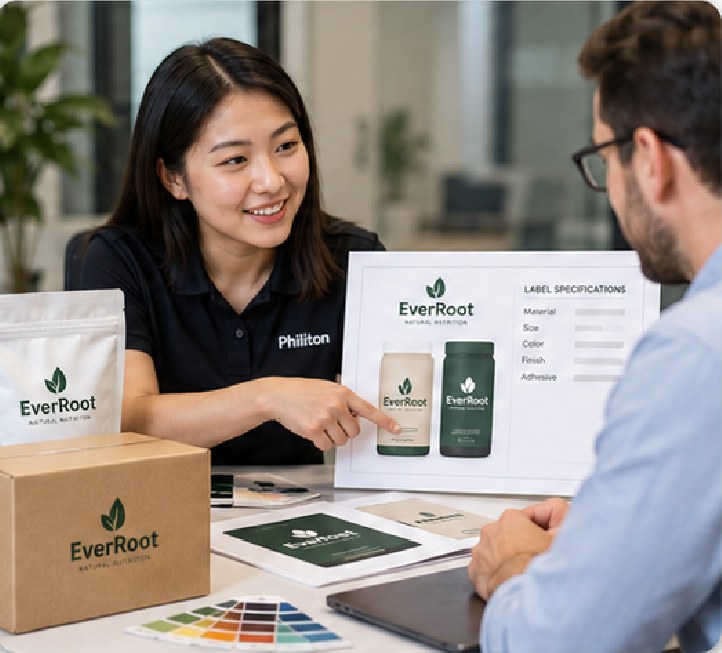
Your Trusted Labels & Stickers Manufacturer from China!

Custom Packaging Rebrand Labels Manufacturer

Rebrand existing packaging without losing control of color, coverage, SKU versions, application, or production readiness.

  • Founded in 2016 with Shenzhen and Dongguan manufacturing operations.
  • 12,000+  m² manufacturing and operating footprint with 200+ employees.
  • 91 technical, skilled production, and quality professionals support development through QC.
  • Many standard label projects can start from around 500 pcs per design or SKU.
Custom Packaging Rebrand Labels Manufacturer

Three Rebrand Routes for Existing and New Packaging

Packaging changes rarely require the same production route. Philiton first separates coverage, replacement, and information-update projects so material, adhesive, artwork, and approval work match the real change.

Cover Existing Packaging

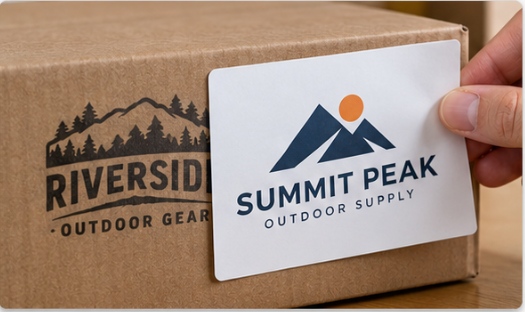
Use an opaque cover-up or overlabel when finished packaging is still usable but the visible brand, product name, address, barcode area, or graphic must change. Philiton reviews what sits underneath the new label, how dark or reflective the old print is, the available label area, and whether the packaging surface is coated, curved, flexible, or low surface energy. Coverage must be checked on the real pack rather than assumed from a white material swatch.

Launch New Branding

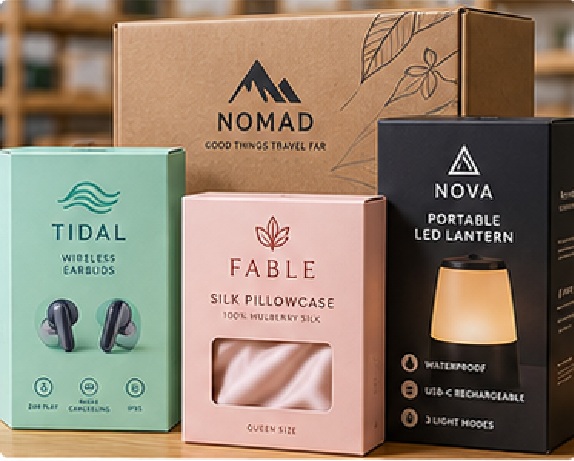
Use a newly developed product label when the rebrand changes more than one visual element or when the next packaging run will carry the new identity from the start. Philiton can review new dielines, Pantone or spot colors, white ink, foil, embossing, lamination, variable data, and roll specifications before production. The objective is not simply reproducing new artwork; the released construction must also fit the container, labeling process, expected handling, and future repeat orders.

Update Specific Information

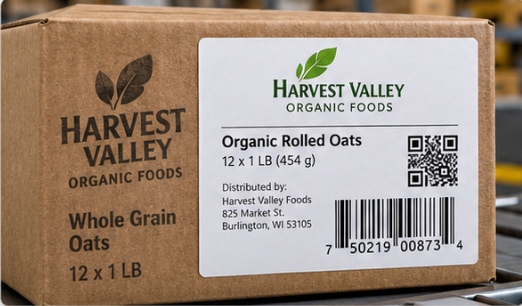
Some rebrands are controlled corrections rather than full visual resets. A new legal entity name, distributor address, barcode, QR code, product claim, language version, or market-specific field may need a separate overlabel while the main pack remains unchanged. Philiton treats the replacement area as a production specification: old information must not interfere with the new print, the new code must remain readable, and the label must stay secure for the intended service period.

Rebrand Programs Built Around Real Packaging Teams

Philiton structures rebrand work around the people controlling brand identity, packaging fit, purchasing risk, line compatibility, and version release. Each role needs a different approval checkpoint.

Brand and Creative Teams

Brand owners, creative directors, and marketing teams usually focus on whether the physical label preserves the new identity: logo proportion, brand color, typography, metallic effects, texture, transparency, and premium finishing. Philiton converts those visual requirements into production files and sample checkpoints instead of treating the screen artwork as the final appearance. Material tone, white ink, lamination, foil, and lighting can all shift what a brand color looks like on the finished pack.

Packaging and Engineering

Packaging managers and engineers focus on whether the new label works on the actual container. Surface energy, coating, curvature, squeeze movement, condensation, oil exposure, application temperature, and labeling equipment can matter more than artwork style. Philiton reviews material and adhesive routes together with size, gap, liner, roll direction, core, and roll diameter. A label that looks correct on a flat proof still needs application verification when the package or line creates mechanical risk.

Procurement and Supply Chain

Procurement and supply-chain teams need controlled changeovers without creating unnecessary obsolete packaging or stopping replenishment. Philiton can separate sample, launch, growth, and repeat-order quantities, then review whether digital or flexographic production fits each stage. Multi-SKU projects are organized by artwork version, quantity, material, finishing, and packing identity so a later release does not accidentally mix old and new versions. Shipping format and destination requirements can be fixed before final packing.

Quality and Operations

Quality and operations teams need evidence that the released version is the version being produced. Philiton can connect approved artwork, reference samples, material specifications, inspection points, barcode or QR checks, roll specifications, SKU sorting, and final packing records. For rebrand projects, version control is especially important because old and new packs may coexist during the transition. A clear release point reduces wrong-artwork production, mixed cartons, incorrect roll winding, and packaging-line disruptions.

Choose the Right Rebrand Production Route

The most economical route depends on usable packaging inventory, required coverage, visual change, application risk, SKU count, and how quickly the new identity must enter production.

Rebrand SituationRecommended RouteWhy It FitsValidation Before Release
Finished packs carry an old logo or designOpaque cover-up labelPreserves usable packaging while replacing the visible identityCoverage on real pack, adhesion, edge lift, visual balance
Packaging stays the same but brand artwork changes fullyNew pressure-sensitive labelAllows full control of material, color, finishing, and future repeat productionDieline, color, material, adhesive, sample approval
Only barcode, address, language, or claim changesTargeted overlabelChanges a defined information zone without rebuilding the full labelOld-data concealment, code readability, size, position
Several SKUs change on different datesPhased multi-SKU transitionSupports controlled rollout instead of one forced cutoverVersion matrix, SKU quantity, release date, packing identity
Premium relaunch changes texture or finishingNew premium label constructionRebuilds visual and tactile identity with controlled finishingMaterial sample, foil/emboss proof, color reference, application test

Packaging Rebrand Label Constructions Philiton Can Develop

Rebranding can require a coverage structure, a fresh product label, a controlled transition label, or a multi-SKU roll program. Philiton develops each format around packaging conditions and release plans.
Opaque Cover-Up Labels

Opaque Cover-Up Labels

Opaque cover-up labels are developed to hide an existing logo, printed panel, barcode area, or outdated graphic without depending on the original print being removed. Philiton reviews the darkness and contrast of the old design, the new artwork colors, label size, surface coating, and application area before selecting a construction. A white face material alone does not automatically guarantee complete concealment, so coverage should be verified on the actual packaging and under normal viewing conditions.
New Brand Product Labels

New Brand Product Labels

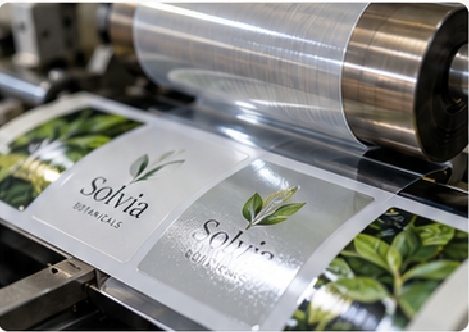
A full new-brand label is appropriate when the rebrand changes the complete front panel, visual language, material feel, or finishing standard. Philiton can combine artwork review, spot colors, white ink, digital or flexographic printing, foil, embossing or debossing, varnish, lamination, die cutting, and roll converting according to the design. The approved sample becomes the reference for production, helping new branding move from creative files into a repeatable manufacturing specification for future releases.
Transitional Overlabels

Transitional Overlabels

Transitional overlabels are useful when an information field must change before the next packaging version is ready. Common areas include addresses, market language, barcodes, QR codes, model names, claims, and distributor information. Philiton can develop a defined-size label that covers the old field, carries the new information clearly, and fits the available space without disturbing surrounding graphics. Barcode or QR updates should be checked for print contrast, quiet zone, placement, and scan performance.
Multi-SKU Rebrand Rolls

Multi-SKU Rebrand Rolls

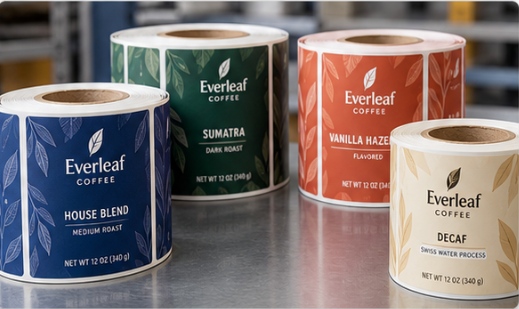
A brand-wide relaunch may involve different flavors, fragrances, sizes, regions, or product variants sharing one design system. Philiton can manage separate artworks and quantities while coordinating common materials, printing routes, finishing, core sizes, roll directions, and packing rules. Each SKU remains separately identified through production and packing. Shared specifications can improve production planning, but artwork approval, quantity, barcode data, and final SKU identity still need controlled records for every released version.

Build Coverage Into the Label, Not the Claim

Old graphics can remain visible through a new label when opacity, ink structure, material, or label size is insufficient. Philiton treats concealment as a construction and sample decision.

Start With What Must Disappear

A packaging rebrand begins with the old surface, not the new PDF. Philiton reviews the existing logo, color blocks, text, barcode, metallic areas, varnish or lamination, and the amount of space available for the replacement label. Dark ink beneath a light new design is different from a light logo beneath a dark panel. Reflective foil or high-contrast barcodes can also remain visually noticeable if the new construction is too translucent. For overlabel projects, the old pack should be photographed and, where possible, supplied as a physical sample.
Coverage can be created through an opaque face material, an appropriate print structure, white ink where relevant, a larger cover area, or a combination of those elements. The choice also affects flexibility, label thickness, die cutting, edge behavior, and appearance. Philiton does not treat “white label” and “blockout performance” as the same specification. A sample should be placed on the actual package and reviewed in normal lighting, from the angles and distances that matter at retail or during handling.
A useful review also records whether the old package will remain visible beside newly printed packaging during the transition. Small differences in white point, gloss, label edge, or coverage can look minor in a single sample but become obvious when old and new units share the same shelf or shipping case. Philiton can therefore compare the rebrand label against both the existing pack and the planned future pack. That comparison helps decide whether the temporary overlabel should imitate the future label closely or simply provide a clean, controlled bridge until new packaging arrives.

Protect the New Graphic From the Old One

A new identity often uses cleaner typography, lighter backgrounds, thinner lines, or more open space than the previous packaging. Those designs can expose underlying print more easily. Philiton therefore checks coverage together with color reproduction. White ink, film opacity, surface finish, lamination, and the package color can change the visible result. A screen mockup cannot show every interaction between the new print and the old substrate.
Barcode and QR replacement needs additional care. The old code should not remain readable in a way that causes scanning ambiguity, while the new code needs sufficient contrast and quiet zone after printing and application. When the old information cannot be safely covered within the available space, Philiton can recommend changing the label size or moving to a complete replacement label instead of forcing a small patch. The released construction should solve both concealment and final brand appearance.
Positioning is part of concealment as well. A replacement label that is only a few millimeters larger than the old printed field may show a narrow border if application shifts during hand labeling. A larger cover area can create more tolerance, but it may cross folds, seams, embossing, carton scores, or container curves. Philiton reviews those tradeoffs before the dieline is locked. For automated application, the final size also has to fit the labeler and sensing method. Coverage, graphic balance, application tolerance, and machine compatibility need to be solved together rather than in separate decisions.

Match Adhesive to the Existing Packaging Surface

Rebrand labels may be applied to glass, paperboard, coated cartons, PET, HDPE, PP, flexible pouches, or previously labeled areas. Adhesive selection starts with the real surface.

Surface and Application Conditions

Philiton reviews the packaging substrate, surface coating, texture, curvature, cleanliness, application temperature, storage environment, and expected service life before confirming an adhesive route. Low-surface-energy plastics such as some PE or PP applications can require more aggressive adhesive systems than paperboard or glass. A varnished or UV-coated carton may behave differently from an uncoated board. Flexible pouches create movement and bending that a rigid bottle does not, while small-diameter containers can create continuous edge stress after application. Application conditions matter as much as the adhesive name. Labels applied to a cold, wet, dusty, oily, or recently molded surface may fail even when the adhesive performs well under different conditions. Manual application also creates different pressure and positioning behavior from an automatic labeler. Philiton can use blank material or printed samples for fit and adhesion checks before mass production. Specific peel, temperature, or chemical performance values are confirmed from the selected material data and project testing rather than treated as universal figures. For a production launch, Philiton can ask for application details that are often missed during design: whether packs are labeled before or after filling, whether surfaces are warm from molding, whether bottles pass through refrigeration, whether cartons carry dust from corrugated handling, and how long the label rests before packing. Dwell time can influence the final bond. If a new rebrand label will be applied at several factories or co-packers, the same construction should be reviewed against the different application conditions. A stable material choice is one that fits the real operating window, not only a laboratory surface.

Rebranding Over Existing Labels

Applying a new label over an old one creates a second interface. The new adhesive may contact paper, film, laminate, varnish, ink, or a combination of exposed surfaces rather than the original package. Edges, embossing, heavy ink build, textured paper, and uneven old labels can create small height changes that affect contact. Philiton therefore treats overlabeling as a separate application condition instead of assuming the same adhesive used on the bare container will behave identically over an existing label. The old label should be clean, firmly attached, and stable enough to support the new layer. If the previous label is already lifting, wrinkling, oily, or contaminated, covering it may transfer the failure into the new label. When possible, Philiton reviews the old labeled pack before recommending the final construction. The aim is a rebrand that remains visually clean through storage, transport, shelf handling, and normal product use, not simply a label that sticks during the first hour. The liner and label stiffness also matter during application. A thicker opaque structure may be easier to handle manually but can behave differently on a high-speed dispenser or a small-radius bottle. If the new label is larger than the old one, part of the adhesive may contact the old label and part may contact the original package, creating two bonding surfaces in one application. Philiton can test the full overlap geometry instead of evaluating a small material strip. When the existing label uses a textured varnish, foil, embossing, or heavy laminate, a full-size applied sample provides much more useful evidence than an adhesive datasheet alone.
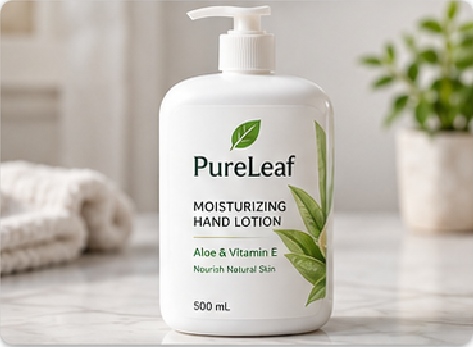

Material Routes for Packaging Rebrand Labels

Philiton sources labelstocks and adhesives from qualified external suppliers, then selects and converts the construction according to coverage, appearance, surface, environment, printing, and finishing requirements.
White BOPP Film

White BOPP Film

White BOPP is a common route for moisture-resistant consumer packaging labels and can provide a clean background for new branding. It works well on many bottles, jars, tubs, and pouches when the selected adhesive fits the surface. For rebrand coverage, film opacity still needs verification against the old graphic. White ink, printed color, laminate, and the darkness of the original design can change the final appearance.
Clear BOPP Film

Clear BOPP Film

Clear BOPP supports no-label-look branding, transparent windows, and designs where the container becomes part of the visual system. It is normally unsuitable for hiding an old dark graphic unless the artwork and white ink structure are specifically designed around the underlying print. Philiton can review white-ink areas, print order, transparency, and edge appearance before sampling. Clear constructions also need clean application surfaces because trapped dust or bubbles remain visible.
PET Film

PET Film

PET offers dimensional stability and durability for applications that need a firmer film, strong print presentation, or more demanding handling. It can support high-definition graphics, variable data, protective laminates, and industrial-style performance requirements. For packaging rebrands, PET may be useful when the label must bridge a visually demanding surface or carry durable information. Adhesive selection, package curvature, stiffness, and required conformability should be checked before release.
Coated Paper

Coated Paper

Coated paper supports crisp graphics and a familiar retail label feel for cartons, dry goods, jars, candles, and other applications where heavy moisture exposure is not the main concern. It can accept digital or flexographic printing plus varnish, foil, or embossing according to the project. For cover-up work, the opacity of the paper and the old print underneath must be checked. Paper edge exposure also needs consideration in wet or oily environments.
Textured Paper

Textured Paper

Textured, uncoated, kraft-style, and specialty papers can give a rebrand a tactile shift without changing the primary package. They are useful for wine, spirits, candles, gourmet food, gift products, and heritage-style branding. Texture can influence fine text, solid ink density, foil detail, and color perception, so Philiton recommends sampling on the actual selected stock. Adhesive and coating compatibility should also match the container and storage conditions.
Metallic or Holographic Film

Metallic or Holographic Film

Metallic and holographic films can create a strong visual break from the previous identity, especially for limited editions, premium launches, security-inspired graphics, or attention-led retail packaging. The reflective base changes how printed colors appear and may require white ink to control selected areas. Philiton can combine printing, white ink, lamination, die cutting, and other finishing according to the design. Coverage of old graphics still requires physical verification.

Printing and Finishing for a Stronger Brand Reset

Philiton combines printing and converting routes according to quantity, material, visual target, and repeat-order plan. Special effects are selected for a brand result, not added as decoration by default.
Digital Printing

Digital Printing

Digital printing is well suited to rebrand sampling, short launch runs, multi-SKU programs, regional versions, and artwork that may still change during rollout. It removes the traditional plate requirement and supports fast switching between versions. Philiton can use digital production for many standard launch quantities, then reassess the route as volume grows. Color and finishing still need approval on the final material rather than relying only on a screen proof.
Flexographic Printing

Flexographic Printing

Flexographic printing becomes relevant when artwork is stable and quantities justify a higher-efficiency repeat-production route. It can support roll labels, spot colors, white ink, varnish, lamination, and other converting steps depending on the project. For a brand-wide relaunch, Philiton can evaluate whether mature SKUs should move from digital launch runs into flexographic production while newer or regional SKUs remain on a shorter-run route.
White Ink Control

White Ink Control

White ink can create opacity, control color appearance on clear or metallic films, and separate selected artwork from the substrate underneath. In rebrand work, white ink may support both coverage and visual consistency, but its role depends on the complete label construction. Philiton identifies white-ink areas as controlled production data, then checks how the white layer interacts with CMYK or spot colors, transparency, metallic effects, and the old packaging background.
Foil Stamping

Foil Stamping

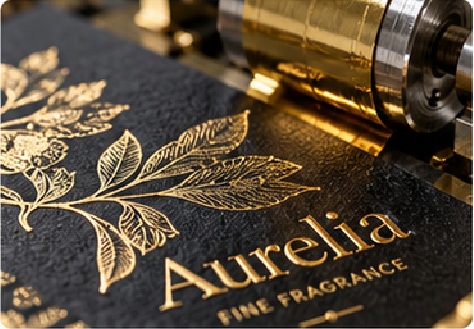
Foil can make a new identity visibly distinct from the previous package and is often used on premium food, wine, spirits, cosmetics, fragrance, and gift products. Philiton reviews foil area, fine-line detail, registration, material surface, and nearby print before tooling and sampling. Foil should be checked under real lighting because reflection changes with angle. Very small text or complex edges may need adjustment to hold a clean production result.
Emboss or Deboss

Emboss or Deboss

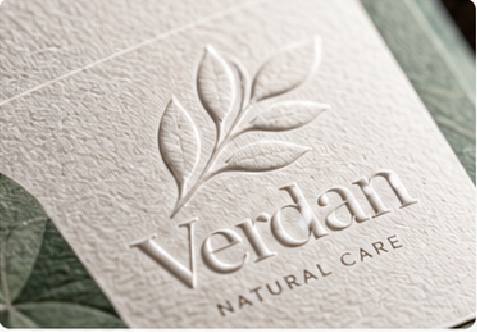
Embossing and debossing add a tactile element that can support a brand refresh without adding more printed color. The effect depends on material thickness, tooling, artwork detail, registration, and the package area where the label will sit. Philiton reviews the raised or recessed artwork separately from normal CMYK graphics. Physical samples are recommended when texture is a key approval point because screen renderings cannot show depth or handling feel accurately.
Lamination or Varnish

Lamination or Varnish

Lamination and protective varnish can change gloss, matte appearance, abrasion resistance, moisture resistance, and how a label feels in the hand. They can also shift brand color and affect the visual contrast between printed and unprinted areas. Philiton selects the protective route according to use conditions and design requirements. For rebrand overlabels, added stiffness should be considered on curved or flexible packaging because excessive rigidity can increase edge stress.

Rebrand Labels Across Major Packaging Applications

Philiton develops rebrand labels for consumer packaging where visual change, surface behavior, SKU control, and handling conditions differ by product category and container type.
Food and Beverage

Food and Beverage

Food and beverage rebrands can involve bottles, jars, tubs, cans, cartons, and flexible packs, often with moisture, refrigeration, condensation, oil, or repeated handling. Philiton reviews face material, adhesive, coating, ink protection, barcode areas, and application temperature around the actual package. Labels outside the food-contact zone and direct-contact constructions have different documentation needs, so the finished structure and intended contact condition should be defined before any compliance claim is made.
Cosmetics and Skincare

Cosmetics and Skincare

Cosmetic packaging often combines small containers, curved surfaces, clear bottles, oils, alcohol-containing formulas, bathroom moisture, and premium visual requirements. A rebrand may also introduce foil, embossing, transparent areas, or stronger color standards. Philiton can review film selection, white ink, protective finishing, adhesive, size, and curvature together. Compatibility should be checked against the actual formula or representative exposure conditions when oil, water, alcohol, or repeated handling can affect performance.
Supplements and Wellness

Supplements and Wellness

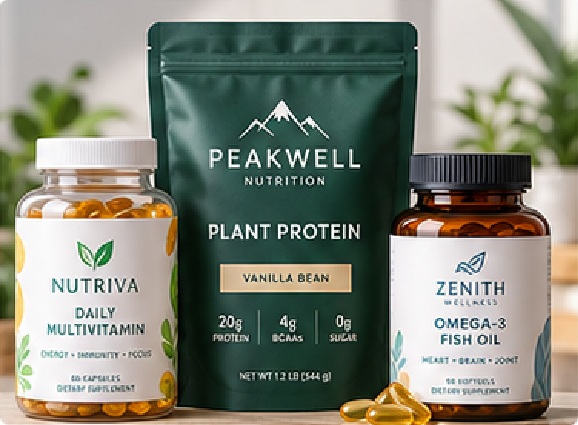
Supplement packaging frequently includes bottles, jars, pouches, cartons, multiple strengths, flavor variants, and changing regulatory copy. Rebranding can therefore become a version-control project as well as a visual project. Philiton can manage separate artworks, barcodes, lot-related fields, QR codes, and SKU packing identities while keeping common materials and finishing coordinated. The brand or regulatory adviser remains responsible for confirming legally required statements for each target market before artwork release.
Wine and Spirits

Wine and Spirits

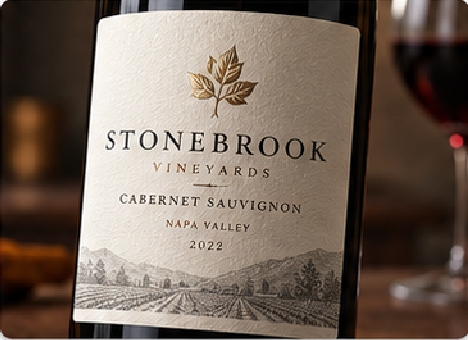
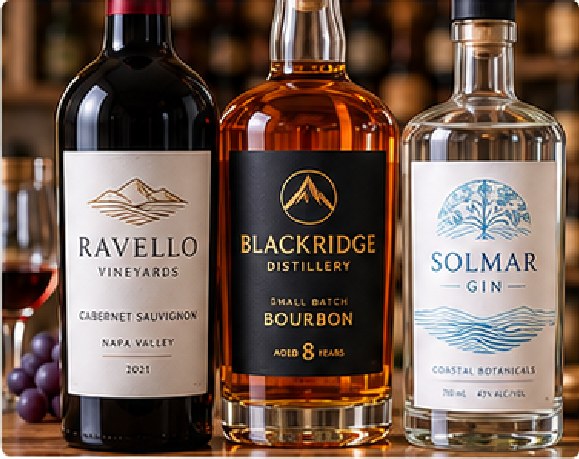
Wine and spirits rebrands often depend on material feel, foil, embossing, textured paper, clear film, bottle curvature, moisture, and color presentation. Philiton can sample the chosen stock and finish combination before production so the physical label is judged on the bottle, not only on a flat board. If old bottles are already labeled, an overlabel route must consider the existing label edge, surface texture, moisture, and whether the new construction can hide the previous identity cleanly.
Candle and Fragrance

Candle and Fragrance

Candle, diffuser, perfume, and home-fragrance rebrands often use glass, coated vessels, textured papers, metallic effects, clear films, and smaller label areas. Philiton can review heat exposure around the intended placement, oil or fragrance contact risk, bottle curvature, and the visual effect of the container behind the label. A clean premium result may require physical material and finishing samples because glass color, clear film, white ink, foil, and texture behave differently under retail lighting.
E-commerce and Retail

E-commerce and Retail

E-commerce and retail brands often rebrand while inventory is already spread across warehouses, fulfillment centers, and regional channels. A phased label program can support limited replacement runs, regional versions, promotional windows, or gradual SKU transitions. Philiton can separate labels by SKU, roll, carton, and batch, with packing lists aligned to the release plan. Shipping can be arranged by courier, air, or sea according to shipment size, urgency, and destination requirements confirmed at quotation.

Sample the Rebrand Before Existing Inventory Is Committed

A rebrand sample should answer coverage, material, color, adhesive, finishing, and application questions before a large quantity of usable packaging is converted to the new identity.

Begin With Real Packaging Evidence

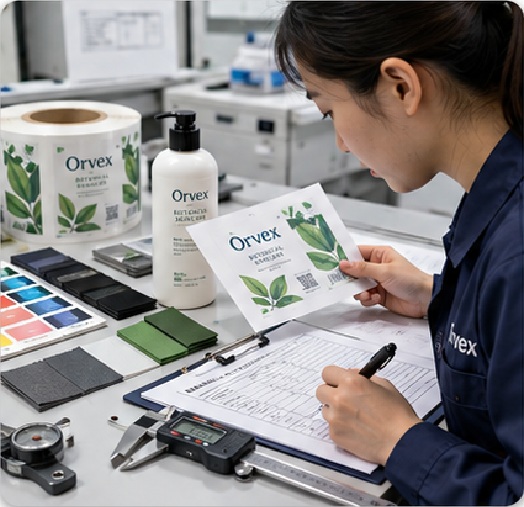
Philiton starts with the available project evidence: existing packaging photos, an old label or printed pack, the new artwork, packaging material, label size or available cover area, SKU list, intended quantity, application method, and service environment. For overlabel work, the old surface is part of the specification. A smooth glass bottle, UV-coated carton, BOPP pouch, HDPE container, and paper label create different adhesion and appearance conditions.
The technical review identifies what must be tested rather than forcing every project through the same sample. A blank material sample can check feel and adhesion. A digital sample can check layout and early color direction. A printed production sample can check the final face material and print. A finishing sample can verify foil, embossing, varnish, lamination, or specialty effects. For a rebrand, the sample should be applied to the existing pack whenever coverage, edge behavior, curvature, or old-label interaction can affect the result.
A short project brief can save several sample rounds. Philiton recommends recording the old package revision, old label material if known, package supplier, surface coating, current application method, expected remaining inventory, planned cutover date, and whether old and new packaging will ship at the same time. Those fields help separate a temporary relabeling solution from the permanent label specification. If the rebrand involves several warehouses or contract packers, sample sets can be distributed to the relevant approval points so design, packaging, operations, and quality are reviewing the same construction before release.

Use the Right Sample Time

For straightforward digital samples, Philiton’s standard fact base records about 1-3 business days after artwork, material, and process are confirmed. Standard printed or finished samples are commonly about 3-5 business days. More complex samples involving foil, embossing, special die cutting, screen printing, or special materials are commonly about 5-7 business days. International courier transit is additional and depends on destination and carrier service.
Sample speed only matters if the sample answers the correct risk. A fast flat print is not enough when the real question is whether a dark old logo shows through, a pouch wrinkles, a curved bottle lifts at the edge, or a QR code scans after application. Philiton therefore separates content proof, material proof, application proof, and finishing proof. A project can use more than one sample type when several decisions must be locked before production.
Sampling time should also be separated from approval time. Philiton can complete a sample within the manufacturing window, but a rebrand may remain open while internal teams review color, regulatory copy, barcode data, or packaging fit. Building those approval steps into the schedule is important when old packaging inventory is being consumed against a fixed launch date. If one SKU is urgent, it can be sampled and released first while other versions continue through approval. A phased sampling plan can therefore protect the launch date without forcing every SKU to move at the pace of the slowest artwork decision.

Freeze an Approved Reference

Approval should finish with a production-ready record rather than a verbal “looks good.” Philiton can retain the final artwork, label dimensions, material construction, adhesive route, print settings, special finishing instructions, dieline, roll direction, core, labels per roll, packaging requirements, and an approved physical reference where needed. The released sample or golden reference becomes the comparison point for production and future repeat orders.
If branding changes again during the rollout, the revised artwork returns to version control and receives a new approval status. Old files remain archived outside the active production set. This step is especially important when several departments approve different details or when old and new packaging remain in the supply chain at the same time. A controlled reference reduces rework and protects future replenishment from accidental regression to an obsolete version.
For repeat production, Philiton can use the approved reference to distinguish a true repeat order from a revised order. A quantity increase with unchanged artwork and construction can reuse more of the established setup, while a new barcode, claim, language, color, adhesive, liner, or roll direction should trigger a controlled review. Rebrand programs benefit from that discipline because minor changes continue after the main launch. Keeping the approval history attached to each SKU makes it easier to explain what changed, when it changed, and which batch first carried the new specification if a later quality or inventory question arises.

Control Multi-SKU Rebranding Without Mixing Old and New

A brand refresh can affect 5, 20, or more SKUs at once. Philiton organizes version, quantity, release, and packing data so each label enters production under a controlled identity.

Build a Rebrand Version Matrix

Philiton can structure a multi-SKU project around a master list containing SKU name, product variant, label size, packaging surface, artwork revision, barcode or QR data, language or market version, material, adhesive, finishing, quantity, roll specification, approval status, and planned release date. Common elements such as logo placement, brand color, material family, foil color, or core size can be coordinated across the range while SKU-specific data remains separated. A matrix makes differences visible before production. One SKU may retain the existing size while another needs a new die. One region may require different copy. One high-volume product may justify flexographic production while a smaller regional SKU remains digital. One old packaging batch may need an opaque overlabel while the next packaging batch receives a full new label. Treating every SKU as an isolated email thread makes those dependencies harder to control. The matrix can also record the old version still in circulation and the rule for exhausting it. Some SKUs may allow existing packs to sell through naturally, while others may require a firm stop date because the old logo, legal entity, barcode, or market information can no longer be used. Philiton does not decide the legal transition rule, but the production plan can reflect the brand’s approved rule. Separating “old stock may sell through,” “must overlabel,” and “new packaging only” as three statuses gives operations a clearer release instruction than a generic note saying “rebrand in progress.”

Phase the Changeover by Inventory

Philiton can support a phased rollout when old packaging inventory cannot be replaced at the same time. Launch quantities can be planned by SKU so high-priority products move first while slower-moving packaging is converted later. Finished labels can be sorted and packed by SKU, release wave, warehouse, or other agreed identity fields. Packing lists can follow the same structure, reducing the chance that old and new artwork arrive mixed at a production or fulfillment location. The production route can also change as quantities grow. Many standard projects can begin around 500 pieces per design or SKU, allowing a controlled launch or packaging validation. Early repeat orders can remain on a flexible short-run route, while stable higher-volume SKUs can be reviewed for flexographic or hybrid production. The purpose is not to keep quantities small; it is to match manufacturing commitment to the speed of the rebrand transition and the stability of the released artwork. Forecast information improves the decision. If one SKU is expected to reorder every month and another only once per quarter, producing identical launch quantities can create unnecessary inventory. Philiton can review the planned launch quantity together with expected six-month or annual demand and the likelihood of further artwork changes. High-volume stable SKUs may justify a larger batch or earlier process optimization, while lower-volume versions may stay on a flexible digital route. The rebrand program then becomes a controlled sequence of manufacturing decisions rather than one oversized purchase intended to simplify administration at the cost of obsolete-label risk.

Turn Approved Rebrand Files Into Repeatable Production

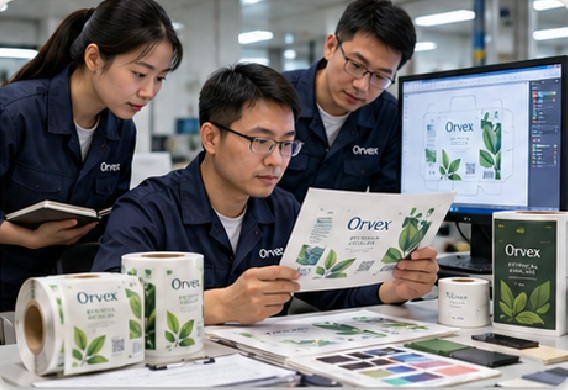
Philiton connects artwork release, material control, printing, finishing, die cutting, rewinding, inspection, SKU separation, and packing so the approved version can be reproduced consistently.

Release the Production Specification

Mass production begins after the commercial order, production artwork, specification, material route, and required tooling are confirmed. Philiton converts the approved rebrand into a controlled manufacturing package covering size, shape, face material, adhesive, liner, print colors, white ink, special finishing, dieline, variable data, barcode or QR requirements, roll direction, core, labels per roll, and packing instructions. For overlabels, the application surface and required concealment are also retained as project conditions.

The release stage separates manufacturing data from temporary design conversation. Only the approved revision enters formal production. If a late artwork change affects text, color, barcode, or finishing, the changed file should return to review rather than being substituted informally at the press. For multi-SKU work, each production job remains tied to the correct SKU and revision so a similar-looking label cannot be substituted for another version simply because dimensions match.

The specification should also state what evidence is required before release. A simple text correction may need an artwork proof and dimension check. A new opaque overlabel may need applied-pack coverage and adhesion approval. A premium relaunch with foil and embossing may need a physical finishing sample. A machine-applied label may need a trial roll using the correct core and winding. Philiton can link those approval items to the production release so manufacturing does not start merely because artwork exists. A file can be print-ready but still not be application-ready, and a rebrand project needs both conditions resolved.

Print, Finish, Convert

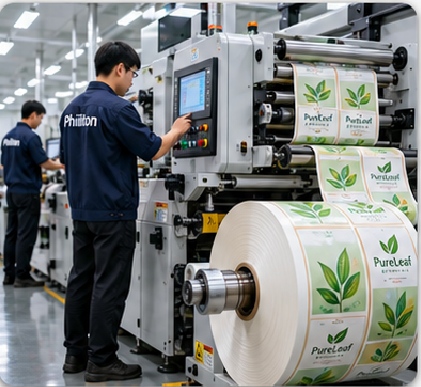
Philiton selects digital, flexographic, screen, UV, or other applicable production routes according to material, quantity, artwork, finishing, and repeat-order requirements. Printing may include CMYK, spot color, white ink, variable data, barcode, or QR content. Finishing can include varnish, lamination, foil, embossing, debossing, holographic effects, coating, or other reviewed processes. Labels then move through die cutting, waste stripping, slitting, and rewinding or other required converting steps.

Rebrand labels need particular attention where a special finish affects color, opacity, flexibility, or application. A heavy laminate can change stiffness on a curved container. Metallic stock can shift printed color. White ink can influence both hiding power and brand color. Philiton controls those interactions through the approved construction rather than treating print and finishing as separate decorative operations. In-process checks allow adjustments before the entire quantity has moved through every downstream step.

Production sequencing can matter when several finishing steps are involved. White ink, color printing, varnish or lamination, foil, embossing, die cutting, and rewinding each have their own registration and handling requirements. Philiton plans the route so an upstream choice does not create avoidable problems downstream. For example, a coating selected for appearance may influence foil adhesion, or a laminate selected for abrasion resistance may change the stiffness of a small bottle label. In-process inspection focuses on the characteristics that could become expensive to correct after the full quantity has moved into final converting.

Separate SKUs Before Shipment

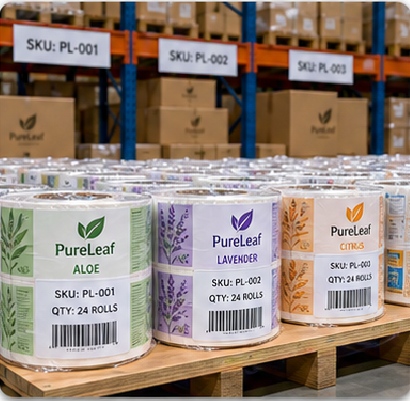
After production, Philiton checks final identity, quantity, roll format, and packing against the order. Rolls can be identified by SKU, artwork version, quantity, batch, core, or other agreed fields. Multi-SKU cartons can follow a packing list structure defined for the receiving warehouse or production site. Labels are protected against crushing, moisture, telescoping, and unintended unwinding according to format and shipment method.

Repeat orders can reuse approved artwork, specifications, tooling, roll settings, and reference samples when no change has occurred. That reduces redevelopment and helps replenishment stay aligned with the released rebrand. If material availability, artwork, barcode data, or packaging conditions change later, Philiton can reopen the relevant technical review rather than assuming the previous construction remains suitable. Reorder control is therefore part of the rebrand system, not an afterthought.

Packing can be aligned with the rollout plan instead of only the purchase order total. If a brand has two warehouses, three co-packers, or a staged regional launch, Philiton can pack according to the agreed SKU and destination logic, subject to final shipping instructions. Partial or priority shipment can be evaluated when a launch-critical SKU is ready earlier than the rest of the range. The packing structure should remain simple enough for receiving teams to recognize the correct rebrand version without opening every roll. Clear carton identification, packing lists, and roll labels can reduce handling errors after manufacturing is complete.

Quality Controls That Protect a Packaging Rebrand

Philiton organizes quality checks around failure modes that can damage a brand transition: visible old graphics, wrong versions, unstable adhesion, unreadable codes, poor die cutting, or incorrect roll setup.

Coverage and Opacity

Cover-up labels are checked for whether the old artwork, text, barcode, or high-contrast area remains visible through the new construction. Philiton can compare the approved sample against production using the actual face material, white ink structure, print, and finish. Coverage should be judged on the intended package because substrate color and old graphics influence the result. A material name alone is not accepted as proof of concealment.

Color and Artwork

Production is checked against released artwork and approved visual references. Philiton reviews print content, brand colors, white ink, spot colors, variable data, and special finishing according to the project specification. Material tone, laminate, varnish, foil, and lighting can affect appearance, so color approval should remain connected to the final construction. Obsolete files are kept away from the active production set to reduce version errors during a staged rebrand.

Adhesion and Application

Philiton can check label fit and adhesion using the selected material and representative packaging conditions. Attention is given to edge lift, bubbles, wrinkles, small-radius curvature, low-surface-energy plastics, coating, condensation, oil, and other known application risks. Specific performance claims are tied to the selected material data and agreed tests. When application risk is high, the real package and actual application conditions should be included in the validation plan before full production.

Barcode and QR

Updated barcode or QR content is treated as functional print data, not only artwork. Philiton reviews size, contrast, quiet zone, print clarity, placement, variable-data integrity where applicable, and scan performance according to the project. A phone scan is not always the same as formal barcode verification, so required verification standards should be defined when retail or industrial systems have specific acceptance criteria. Metallic or reflective effects around codes also need careful layout control.

Die Cut and Dimensions

A rebrand can introduce a new shape, a larger coverage area, or a tighter fit around an existing packaging panel. Philiton checks die-cut position, finished dimensions, edge quality, liner condition, and alignment with printed graphics. Overlabels should cover the old area without creating unnecessary edge conflict with seams, corners, existing labels, or structural features. Automatic application projects also need gap, pitch, and web dimensions that match the labeling equipment.

Roll and Packing Control

Final rolls are checked for the agreed winding direction, core, roll diameter, quantity per roll, web width, and identification requirements. SKU separation is maintained through packing, with carton and packing-list information aligned to the order. Philiton’s quality organization covers IQC, IPQC, FQC, OQC, automated visual inspection, and laboratory testing paths that can be applied according to project risk. Rebrand projects benefit from combining visual, functional, and version-control checks. 

MOQ, Sample Time and Production Planning

Rebrand economics change by SKU count, material, process, tooling, and how stable the new artwork is. Philiton can support a controlled launch before the range moves into repeat volume.

Project StageTypical Quantity GuidanceManufacturing RouteTiming Guidance
Material / printed sampleUsually 10-50 pcs per design for common sample needsBlank, digital, printed, or finishing sampleDigital sample about 1-3 business days; standard printed/finished sample about 3-5 business days after confirmation
Launch / rebrand validationMany standard projects start around 500-5,000 pcs per SKUDigital or short-run routeStandard production commonly about 7-15 business days after artwork, material, and specification approval
Early repeatAbout 1,000-5,000 pcs per SKUDigital or flexo reviewSchedule depends on material status, finishing, and retained approved specifications
Growth programAbout 5,000-50,000+ pcs per SKUFlexo, hybrid, or optimized digital routePlanned by total area, SKU count, tooling, finishing, inspection, and packing load
Scale / recurring supplyAbout 50,000-500,000+ pcs or scheduled repeat batchesMass-production routeLarge or complex multi-SKU projects may require extended or phased scheduling

MOQ is not a single number for every construction. Special materials, special adhesives, dedicated holograms, RFID/NFC, high fixed tooling, or unusual testing requirements can create higher minimums or longer material lead times.

Delivery Formats Ready for Hand or Machine Application

Rebrand labels should arrive in a format that fits the packaging operation. Philiton can convert and pack labels as rolls, sheets, individual pieces, or fanfold where appropriate.

Delivery FormatTypical UseSpecifications to ConfirmPacking Control
RollAutomatic or semi-automatic labeling, higher-volume manual useCore size, roll direction, maximum roll diameter, labels per roll, web width, gap/pitchProtect against crushing, telescoping, moisture, and unwinding; identify SKU and quantity
SheetHand application, approval sets, short packaging runsSheet size, labels per sheet, kiss-cut or other cutting requirementFlat protection, SKU separation, count control
Individual PiecesManual application, kits, promotional or correction workFinished size, backing style, stacking or bagging methodCounted and grouped by SKU or release batch
FanfoldContinuous-feed or selected print-and-apply workflowsFold pitch, web width, sensing and equipment requirementsStack stability, carton orientation, SKU identity

International shipment can be arranged by courier, air, or sea according to volume, urgency, destination, and commercial terms. Transit time is quoted with the selected logistics route rather than treated as a fixed production promise.

Compliance and Documentation Stay Tied to the Finished Construction

Philiton can manufacture approved label content and support project-specific material, test, and production documentation. Legal wording and market obligations remain the responsibility of the brand or appointed regulatory adviser.

Approved Regulatory Content

A rebrand can trigger changes to company names, addresses, ingredients, warnings, product claims, languages, barcodes, country information, or other regulated fields. Philiton can reproduce approved content with controlled artwork, print legibility, version management, and production release. The final legal requirement for a food, cosmetic, supplement, chemical, medical-device, or other regulated product depends on the product category and target market. Philiton does not make a blanket guarantee that one artwork automatically satisfies every country’s labeling law. When regulatory text changes, the new version should be treated as a formal artwork revision. SKU, language, market, barcode, and release date can be recorded separately so the correct file enters production. If a target market requires a defined symbol, warning, UDI element, ingredient format, or other legal statement, the brand or its regulatory adviser should supply and approve the content before production. Philiton’s manufacturing role is to execute the approved specification accurately and consistently. Packaging transitions can create a period when several approved versions exist simultaneously. Philiton can manufacture the version assigned to each SKU and release wave, but the brand should define which version is valid for which market and date. If old packaging may continue selling through in one country but requires an overlabel in another, those instructions should be separated in the artwork and order data. A rebrand label is not a substitute for regulatory review. It is a manufacturing tool that can apply the approved change quickly once the responsible party has confirmed what the package must say.

Material and Test Evidence

Material declarations and test reports need to match the actual label construction and intended use. A report for one face material, adhesive, or contact condition should not be presented as proof for a different construction. For food packaging, an external package label and a direct-food-contact label carry different risk profiles. For cosmetics, oil, water, alcohol, or handling resistance should be evaluated against the actual formula or representative exposure condition when those risks matter. Philiton can support material selection, application testing, adhesion-related evaluation, visual inspection, laboratory tests, barcode or QR checks, and other project-defined verification paths. Specific temperature limits, peel values, chemical resistance, certifications, or compliance claims should be taken from the selected material documentation and applicable project evidence. Where third-party testing or market-specific files are required, the scope should be agreed before production so sample construction and test conditions match the final order. Documentation should follow the final bill of materials, not a generic material family name. If the face material, adhesive, coating, foil, laminate, or ink system changes after sampling, any previously collected evidence should be reviewed for continued relevance. Philiton can keep project records that connect the released construction to the sample and inspection plan. Where a third-party laboratory report is required, the submitted sample should match the intended production structure as closely as possible. The same discipline applies to internal tests: a passing result on one surface or exposure condition should not be generalized to a different package, formula, or environment without a new review. 
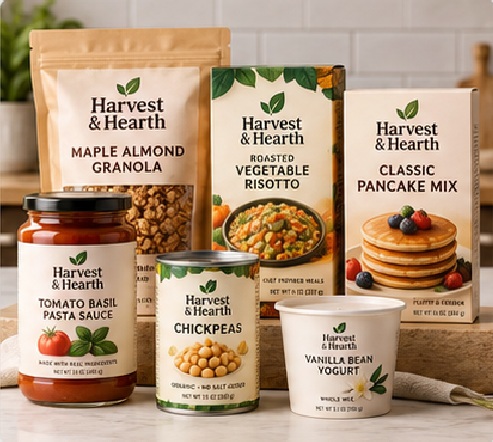
Representative Rebrand Project Profiles

Philiton protects brand and artwork confidentiality. The profiles below are anonymized planning examples built around Philiton’s established rebrand workflow; quantities illustrate realistic project structures rather than published client-order claims.
United States Food Range

United States Food Range

A U.S. packaged-food brand is modeled with six SKUs and 12,000 labels for a staged visual refresh. Existing cartons remain usable, but the front logo, product descriptor, and QR panel change. Philiton’s project route starts with old-pack photos and physical carton samples, then compares an opaque overlabel against a complete replacement front label. Coverage, coated-board adhesion, QR scan performance, color, and die-cut position are sampled first. Each SKU receives a controlled artwork revision and separate packing identity before phased production and shipment to the brand’s U.S. warehouse.
France Skincare Relaunch

France Skincare Relaunch

A French skincare range is modeled with seven SKUs and 8,400 labels across glass and PET containers. The new identity uses a cleaner white field, fine black typography, and a foil accent, so the main risk is keeping old graphics from showing through while preserving premium detail. Philiton’s route combines material comparison, white-ink review, foil sample, bottle application test, and artwork version control. Different label sizes are packed by SKU, while common foil and color references are coordinated across the range. Final release follows approved physical samples rather than screen artwork alone.
Australia Multi-SKU Transition

Australia Multi-SKU Transition

An Australian home-fragrance program is modeled with ten SKUs and 15,000 labels covering candles and diffuser bottles. Old packaging inventory will be consumed at different speeds, so the rollout uses two routes: opaque overlabels for selected existing packs and complete new labels for the next packaging batch. Philiton organizes a SKU matrix covering quantity, vessel type, artwork revision, label size, material, finish, release wave, and carton identity. Sampling checks glass adhesion, textured-paper appearance, foil detail, and color. Production is then sorted by release wave to reduce old/new version mixing during warehouse changeover.

Packaging Rebrand Labels Frequently Asked Questions

They can be developed for strong coverage, but concealment depends on the old print, contrast, face material, white ink or opaque structure, label size, and lighting. Philiton recommends testing the final construction on the actual package before mass production instead of assuming any white material will hide every old graphic.
Yes, especially for overlabel work. A physical pack helps Philiton evaluate coating, curvature, existing label edges, surface texture, old artwork contrast, available cover area, and adhesion. Photos are useful for quotation, but a real pack provides better evidence when coverage or application risk is important.
The answer depends on pouch film, coating, flexibility, storage, moisture, oil exposure, and how much the pack bends after filling. Philiton can compare film constructions and adhesives, then sample on the real pouch. Excessively stiff labels may wrinkle or lift when the package flexes.
Philiton supports CMYK, Pantone or spot-color workflows and physical sample approval. Final appearance depends on face material, white ink, metallic base, lamination, varnish, texture, and lighting. For a critical rebrand color, the approved label construction should be used as the reference rather than relying only on a screen value.
Yes. Philiton can organize multiple SKUs with separate artwork, quantities, barcodes, languages, sizes, or release dates while coordinating common materials and finishing. Each SKU still requires controlled identification and approval. Mixed production is planned so old and new versions do not become confused during packing or delivery.
Many standard custom label projects can start from around 500 pieces per design or SKU. Actual MOQ depends on material, adhesive, printing process, special finishing, tooling, SKU structure, and upstream material requirements. Special constructions may require higher quantities than a standard digitally printed label.
Straightforward digital samples are commonly about 1-3 business days after specifications are confirmed. Standard printed or finished samples are commonly about 3-5 business days, while more complex foil, embossing, special die cutting, screen printing, or special-material samples can take about 5-7 business days. Courier transit is additional.
Yes. Automatic and semi-automatic projects can be specified by core size, roll direction, maximum roll diameter, labels per roll, web width, gap or pitch, and other equipment requirements. Those fields should be confirmed before production because a visually correct roll can still fail on the line if winding or dimensions are wrong.
Yes. Philiton can print barcodes, QR codes, variable data, and related identification content. The new code should be reviewed for size, contrast, quiet zone, placement, print quality, and scan requirements. When covering an old code, the previous code should not remain readable in a way that creates ambiguity.
The brand or its appointed regulatory adviser should confirm the legally required content for the target product and market. Philiton can manufacture the approved artwork and support defined material, test, and document requirements, but does not issue a blanket guarantee that one label text satisfies every jurisdiction.

Send Your Rebrand Files for Manufacturing Review

A useful quotation starts with the existing pack and the new release plan. Send Philiton enough information to judge coverage, surface compatibility, print route, SKU structure, sampling, and delivery format before price is fixed. A photo can start the review, while a physical old package is recommended when opacity, coating, curvature, or adhesion is uncertain. For multi-SKU launches, one master list is more reliable than separate message threads because it shows which specifications are shared and which are unique.

Please include:

  • Existing packaging photos or physical samples
  • Old label or printed area that must be covered
  • New artwork in AI, PDF, CDR, EPS, PSD, or available source format
  • Label size, shape, or available coverage area
  • Packaging substrate and surface coating
  • Quantity for each SKU and expected repeat volume
  • Required material, finish, barcode, QR, or variable data
  • Hand application or machine application details
  • Target market, warehouse destination, and required delivery date

For all inquiries, please feel free to reach out at:

Get In Touch

  • Our team will answer your inquiries within 12 hours.

  • Your information will be kept strictly confidential.

Get a Fast Quote for Custom Labels & Stickers

We will contact you within 24 Hours, please pay attention to the email with the suffix“@philiton.com”. 
For all inquiries, please feel free to reach out at:

Ask For A Quick Quote

We will contact you within 24 Hours, please pay attention to the email with the suffix“@philiton.com”. 
For all inquiries, please feel free to reach out at:

Get a Quote Today!

We will contact you within 24 Hours, please pay attention to the email with the suffix“@philiton.com”.