Your Trusted Labels & Stickers Manufacturer from China!

Custom Equipment Asset Labels Manufacturer

Durable identification for machinery, tools, electronics, field equipment and tracked assets, built around surface, environment, service life and data requirements.

Philiton manufactures custom equipment asset labels from Shenzhen and Dongguan, China.
  • Founded in 2016 with a 12,000+ m² manufacturing system
  • 200+ employees, including 91 technical, skilled production and quality personnel
  • Many standard label projects can start from around 500 pcs
  • Standard printed or finished samples commonly take about 3–5 business days after specifications are confirmed
Custom Equipment Asset Labels Manufacturer

Built for Teams Responsible for Equipment Traceability

Equipment labels serve different operational goals. Philiton develops specifications around how an asset is identified, handled, serviced, audited and scanned over its working life.

Equipment OEM Programs

Manufacturers often need model identification, serial numbers, service information and traceability labels to remain readable after assembly, handling and maintenance. Philiton can combine durable PET, permanent adhesive, variable data, protective lamination and controlled die cutting in one program. Artwork versions, serial ranges and roll specifications are reviewed before production so labels arrive ready for the intended assembly or identification process. Multi-model programs can also be separated by SKU, production line or code range, giving assembly teams a clearer handoff from label production to equipment build.

Plant & Maintenance Teams

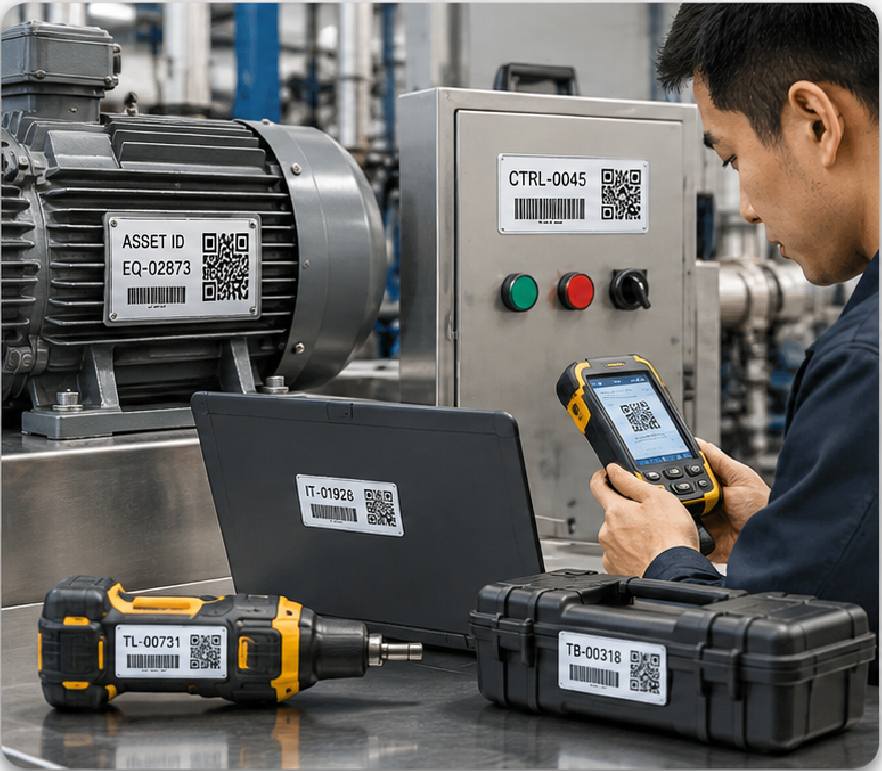
Factories, laboratories and maintenance departments use asset labels to connect equipment with service history, inspection records, location data and internal asset numbers. Philiton can produce compact labels with human-readable IDs, barcodes or QR codes while matching the construction to painted metal, plastics, panels or equipment housings. Long-term readability is treated as a functional requirement rather than a decorative print target. Where several facilities share one program, code ranges and packing can be divided by plant, department or maintenance group for controlled rollout.

Service & Rental Networks

Rental fleets, repair networks and field-service operations handle assets that move between sites and experience repeated cleaning, transport and handling. Philiton can organize labels by branch, region, asset group or sequential range, then pack them in rolls, sheets or individual sets. Variable data control helps each physical label stay connected to the correct asset record without relying on manual numbering after delivery. Durable face stock and protective finishing can also be matched to cleaning frequency, handling intensity and the expected time between service cycles.

Electronics & Asset Managers

IT equipment, electrical devices, tools and smaller technical assets often need dense information in limited space. Philiton supports compact PET labels, thermal-transfer compatible constructions, QR codes, barcodes and serial numbering for programs that need long-term identity without oversized graphics. Material, adhesive and print route are selected against enclosure material, expected handling, scanning method and operating environment. Programs can combine fixed branding with unique IDs while keeping text hierarchy and code contrast clear enough for day-to-day asset audits and service work.

Equipment Applications Need Different Label Constructions

One label construction cannot serve every asset. Philiton matches material, adhesive, print protection and data format to the equipment category and operating conditions.
Machinery & Production Lines

Machinery & Production Lines

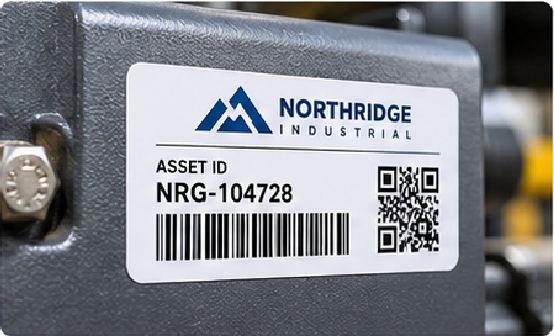
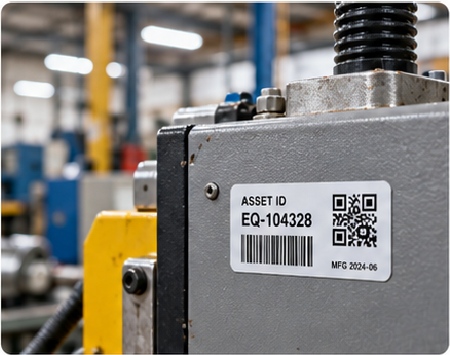
Machine housings, control cabinets and production equipment may face vibration, dust, oil, cleaning and repeated operator contact. Durable PET labels can carry serial numbers, warning references, service IDs and QR codes. Where abrasion is expected, protective lamination or a more resistant print system can be added. Adhesion is checked against the actual painted, coated or metal surface before release.
Tools & Service Equipment

Tools & Service Equipment

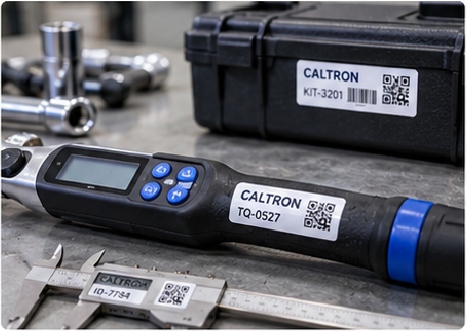
Hand tools, calibration devices and service equipment need compact identification that survives transport, storage and repeated use. Asset numbers, barcodes or QR codes can be printed as unique data rather than added manually. Small-format die cutting, durable film and strong adhesive help keep the label readable while preserving enough quiet zone and contrast for reliable scanning.
IT & Electronics Assets

IT & Electronics Assets

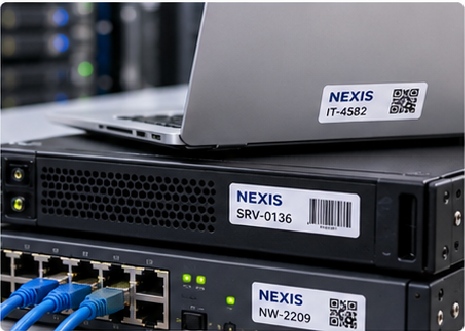
Laptops, servers, network devices, test instruments and electronic housings often combine smooth plastics or coated metal with limited label space. Philiton can use white or clear PET, compact typography and variable codes for asset tracking. Where a thermal-transfer process is used internally, compatible face materials can be supplied so additional data can be printed after delivery.

Outdoor & Field Equipment

Outdoor & Field Equipment
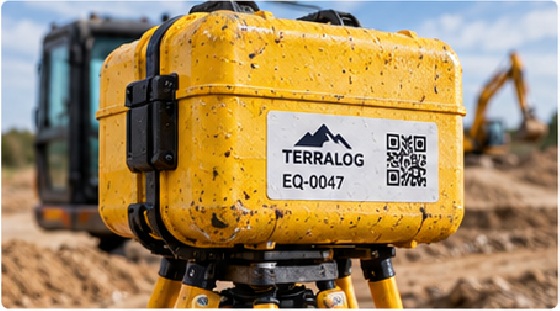
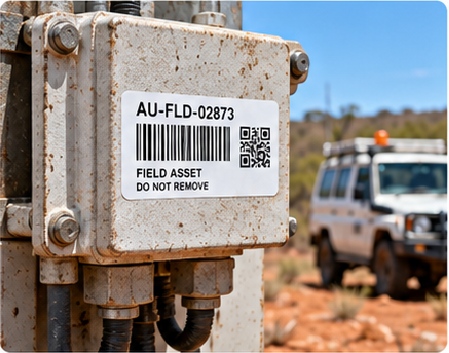
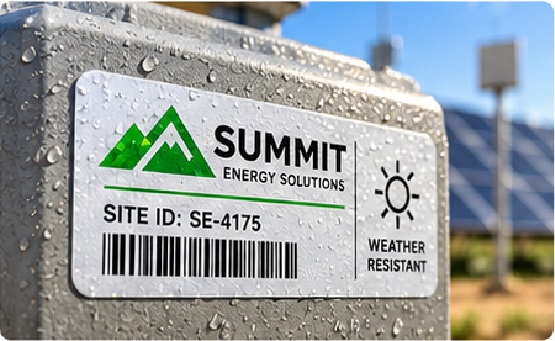
Construction, utility, agricultural and field equipment can expose labels to UV, rain, dirt, temperature changes and abrasion. Philiton can evaluate outdoor PET or PVC constructions, permanent weather-resistant adhesive and protective laminate. The final choice is based on exposure level, expected service life and application surface rather than a generic “weatherproof” description.
Returnable Assets

Returnable Assets

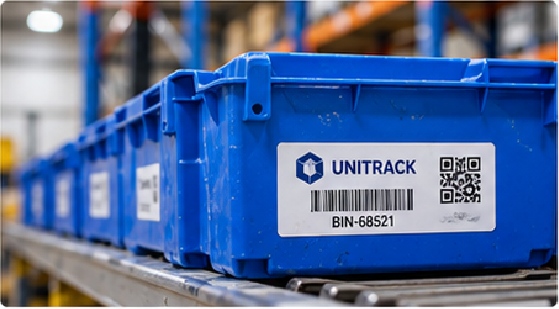
Bins, cases, containers, carts and reusable industrial assets may circulate between warehouses, plants or service locations. Equipment labels can combine human-readable IDs with barcode, QR or RFID data for receiving and inventory workflows. Roll sequence, batch identification and packing by code range can simplify deployment when thousands of unique assets are introduced in stages.
Vehicle & Component Tracking

Vehicle & Component Tracking

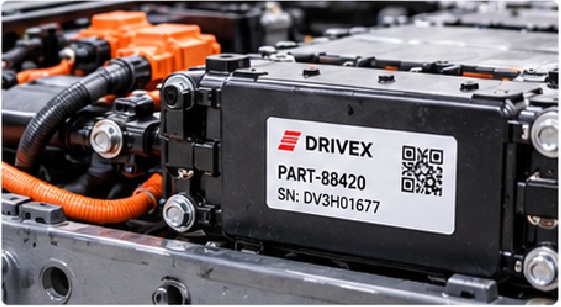
Vehicle equipment, service parts, batteries and automotive components may require durable identification through storage, assembly and maintenance. PET constructions, oil-resistant printing, strong adhesives and protected variable data can be considered according to the actual location. Where compliance or automotive qualification is required, the exact material and test scope must be defined before production.

Choose the Asset Label Format Around the Job

Philiton supports printed, serialized, tamper-evident and smart-label structures. The right format depends on scan method, durability, security and deployment workflow.
White PET Asset Labels

White PET Asset Labels

White PET is a core option for durable equipment identification. Typical Philiton configurations use approximately 50–100 μm polyester with permanent, strong-bond, high-temperature or low-surface-energy adhesive options. The bright face supports compact text, barcodes, QR codes and serial numbers, while lamination can add abrasion protection. It suits machinery, tools, electronics, industrial parts and long-term asset programs.
Clear PET Identification Labels

Clear PET Identification Labels

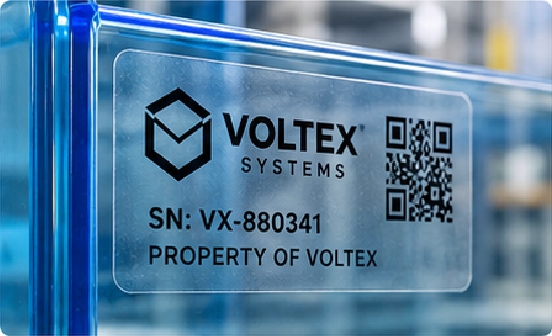
Clear PET provides a durable transparent construction for equipment where the surface color or housing design should remain visible. Typical material thickness is around 50–100 μm. White ink can be added behind selected graphics for contrast, while variable data remains readable on the finished label. Clear PET is commonly considered for electronics, transparent windows, durable QR labels and technical identification.
Outdoor Durable Decals

Outdoor Durable Decals

Outdoor equipment may require weather-resistant PET, PVC or specialty film with UV-resistant printing and protective laminate. Typical film thickness is around 80–150 μm depending on the construction. Philiton reviews sunlight, rain, temperature, abrasion and the application surface before recommending a route. Service-life claims remain linked to the approved material and real operating conditions.
Thermal Transfer Asset Labels

Thermal Transfer Asset Labels

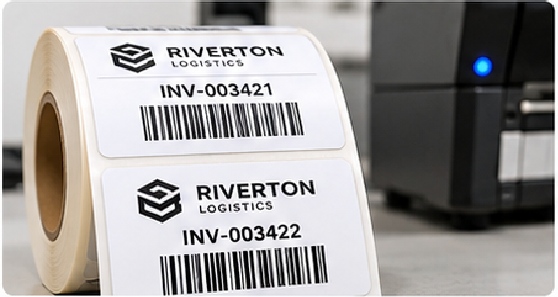
Thermal-transfer compatible paper, PP or PET can support programs that need on-site serial, barcode or variable printing after delivery. PET-based thermal-transfer structures provide stronger water, oil and chemical resistance than paper-based options. Philiton can preprint color, logos and fixed information while leaving a defined area for ribbon printing. Roll core, winding and printer compatibility are confirmed before mass production.
Tamper-Evident Asset Labels

Tamper-Evident Asset Labels

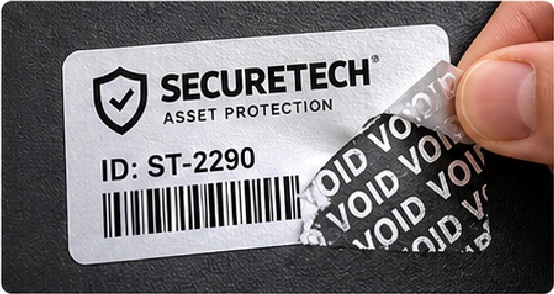
Equipment ownership, warranty or controlled-service programs may need evidence when a label is removed. Philiton can evaluate VOID, destructible and other tamper-evident structures according to the substrate and required removal behavior. The exact evidence pattern must be tested on the actual equipment surface because coating, texture, material and dwell time can change how the security layer performs.
RFID / NFC Asset Labels

RFID / NFC Asset Labels

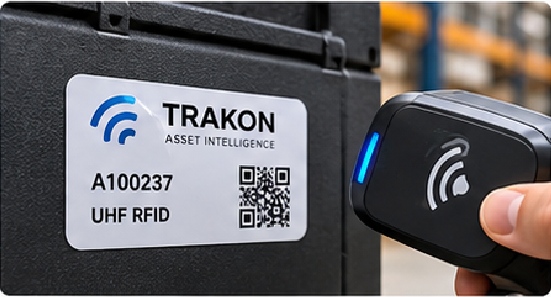
RFID can add non-contact identification to equipment, tools, IT assets and returnable items. Philiton supports UHF, HF and NFC projects through inlay selection, printing, converting, encoding, serialization and verification. Standard surfaces and metal assets require different constructions; on-metal structures are evaluated for metal equipment. Chips and inlays are sourced from qualified upstream suppliers and confirmed per project.

Material Selection for Durable Equipment Asset Labels

Material choice should follow the asset surface, operating environment, print method and required service life. The ranges below are standard planning references from Philiton’s product system.

Material / ConstructionTypical ThicknessStrongest FitKey Engineering Notes
White PET50–100 μmMachinery, tools, electronics, industrial assetsStrong dimensional stability; permanent, high-tack, high-temperature and low-surface-energy adhesive options can be evaluated
Clear PET50–100 μmElectronics, transparent housings, clear technical identificationWhite ink can create contrast; usually paired with permanent industrial adhesive
Vinyl / PVC80–150 μmEquipment decals, curved surfaces, outdoor identificationFlexible, available in white or clear constructions; durability depends on film grade, ink and laminate
Outdoor Durable PET / PVC80–150 μmField equipment, vehicles, toolboxes, outdoor machineryUV-resistant ink and protective laminate can improve weather and abrasion resistance
Thermal Transfer PET / PP70–120 μmAsset tracking, warehouse equipment, manufacturing traceabilityFixed graphics can be preprinted; variable data can be added with compatible ribbon and printer settings

Adhesive Selection Starts With the Equipment Surface

A strong face material cannot compensate for the wrong adhesive. Philiton reviews surface energy, coating, texture, contamination, temperature and removal expectations before finalizing the label construction.

Painted & Powder-Coated Metal

Painted and powder-coated equipment may look smooth while presenting very different bonding conditions. Texture can reduce contact area, and coatings may contain additives that affect adhesion. Philiton can evaluate high-performance acrylic or stronger-tack constructions, then confirm the result on a representative panel. Surface cleaning, application pressure and dwell time are included in the validation discussion rather than treated as installer details. For rough coatings or recessed areas, label size, corner radius and conformability are also reviewed because edge contact can influence long-term bonding.

Engineering Plastics

ABS, PC, PP, PE and blended plastics do not all accept pressure-sensitive adhesive in the same way. Low-surface-energy plastics can require a dedicated adhesive route, while textured housings may need higher conformability and tack. Philiton asks for the exact substrate whenever possible and can arrange material samples or test labels before production. Generic “plastic-safe” claims are avoided because enclosure materials vary widely. Mold-release residue, surface texture and coating treatments should be disclosed when known, since each can change adhesive wet-out and edge stability.

Smooth Metal & Glass

Stainless steel, anodized surfaces, smooth coated metal and glass can provide consistent bonding when the surface is clean and the adhesive matches the environment. Oil, release agents, dust and moisture can still cause early failure. Philiton reviews cleaning conditions, application temperature and service exposure, then combines the chosen adhesive with PET, clear PET or other durable face materials according to the visual and durability requirement. Large labels may also require attention to application method and trapped air so full adhesive contact is achieved across the equipment surface.

Security & Removal Evidence

Asset programs that need evidence of removal require more than a stronger permanent adhesive. VOID, destructible and security-seal structures are selected around the expected removal behavior and equipment surface. A label that fragments on one substrate may lift cleanly from another. Philiton therefore treats tamper evidence as a tested function and confirms the structure on the actual or representative surface before approval. The required outcome – residue, visible message, fragmentation or controlled removal damage – should be agreed before sampling so the evaluation has a clear pass condition.

Durability Must Match the Real Operating Environment

Philiton links resistance requirements to actual failure risks, then selects material, ink, adhesive and protection around the conditions that matter for the equipment.

Operating ConditionMain Label RiskPhiliton Engineering Direction
Abrasion and repeated handlingLost text, damaged barcode, scratched surfaceDurable PET, resistant print route and protective lamination where needed; verify after representative rubbing or handling
Water, humidity and washdownEdge lift, ink damage, liner or adhesive failureFilm-based face material, permanent adhesive and water-resistant print protection; application surface must be clean and dry unless a special process is defined
Oil, alcohol and cleanersInk attack, softening, adhesive contaminationPET or other resistant film with compatible ink/laminate; test against the actual fluid or a defined representative exposure
Outdoor UV and weatherFading, brittleness, edge failureOutdoor PET/PVC, UV-resistant printing and protective laminate; expected life depends on climate, orientation and substrate
Temperature cyclingAdhesive loss, shrinkage, liftingTypical white PET systems can cover about -40°C to 120°C; outdoor durable constructions commonly cover about -30°C to 90°C; final limits depend on the selected material
Removal or tamperingUnauthorized transfer, label replacementVOID, destructible or other security structures tested on the actual equipment surface and required evidence pattern

Variable Data Turns Labels Into Traceable Asset IDs

Philiton can convert a controlled data file into unique physical labels while keeping visible IDs, barcodes, QR codes and packing ranges tied to the approved production batch.

Turn One Data File Into Controlled Unique Labels

Asset programs commonly begin with an Excel or CSV file containing asset ID, serial number, department, location, model, URL or other fields. Philiton maps each field to the approved artwork, confirms code type and human-readable content, then creates a variable-data proof before production. Sequential numbering can be generated from an agreed rule or imported directly from supplied data. Barcode and QR dimensions are checked against available label space so quiet zones, contrast and readable text are not sacrificed simply to fit more information. Multi-field layouts can combine a large asset number for visual identification with a barcode for scanners and a QR code linking to service records or digital documentation. Once the data structure is approved, source files, artwork version and code rules are frozen for the production batch. Changes are handled as controlled revisions rather than edited on press, reducing the chance of mixed versions or duplicated ranges. Before the complete run is released, Philiton can test several records with different field lengths so long serials, leading zeros and URL strings do not overflow the approved design. Data columns can be linked to fixed prefixes, suffixes or equipment-family identifiers where needed. If a sequence is generated rather than supplied, the start, end, increment and skipped values are documented. The goal is not only to print unique graphics but to preserve a reproducible rule connecting the source file, printed record and packed label. For programs serving several sites, one master file can be separated into controlled production groups while maintaining one agreed artwork structure. This approach reduces manual relabeling and makes later repeat orders easier because data logic is already defined.

Keep Reprints, Scans and Data Ranges Under Control

Unique labels need a defined response when a code is rejected, damaged or reprinted. Philiton controls source data, print batches, stoppage and restart points, scrap, replacement logic and final verification so a rejected code does not silently re-enter the accepted range. Barcode and QR verification can be included according to the project requirement, and visual inspection can check missing numbers, print defects, registration or variable-data mismatch. Packing can also be organized by sequential range, SKU, site or deployment batch, helping installation teams know which labels belong to each group before opening every package. For RFID projects, visible serials or QR codes can be matched with encoded electronic data when the relationship is defined. Final acceptance remains tied to the agreed code format, inspection plan and project specification rather than a generic scan promise. Reprints are treated as controlled replacements, not as a second uncontrolled copy of the same range. The production record can identify which numbers were rejected, replaced and finally accepted, while scrap handling prevents defective codes from being mixed with good output. Where labels are packed by site, machine family or maintenance team, range information can be carried onto roll, bag and carton identification to preserve traceability after printing is complete. Scanner requirements should be shared during development because code size, reflective laminate, curved mounting areas and low contrast can all affect readability. For very small labels, Philiton may recommend simplifying the visible layout or separating human-readable and machine-readable information so scanning reliability is not sacrificed for visual density. A controlled verification plan is agreed before mass production when the code itself is operationally critical.

Add RFID or NFC When Printed IDs Are Not Enough

Smart labels can extend equipment identification beyond line-of-sight scanning. Philiton integrates sourced inlays with printed identification, converting, encoding and verification according to the asset workflow.

UHF RFID Asset Tracking

UHF RFID is suited to inventory, warehouse, tool and asset programs that need batch or non-contact reading. Philiton can match an inlay to the finished label size, face material and application surface, then print visible asset numbers, barcodes or QR codes alongside encoded data. Metal equipment may require an on-metal structure because surrounding metal changes RF performance. Frequency, chip family, read range and memory are confirmed per project and validated with the intended reader environment.

HF / NFC Identification

HF and NFC operate at 13.56 MHz and suit controlled short-range identification, service access, product information or smartphone interaction. Philiton can produce NFC stickers and labels with printed graphics, visible IDs and URL or NDEF data when required. Chip security level, memory, encryption functions and backend verification are project-specific. A simple writable NFC URL label is not presented as a high-security authentication system unless the selected chip and digital architecture support the required security level.

Prepare Artwork and Data Before Sampling Starts

A clear specification shortens proofing time and reduces avoidable rework. Philiton reviews fixed artwork, variable data, equipment conditions and delivery format as one production package.

Artwork File

Send vector artwork when available, with fonts outlined or included and critical dimensions clearly marked. Fixed logos, safety text, asset fields and code positions should be defined before variable-data testing. Philiton can support prepress adjustments, but legal warnings, regulatory text and internal asset naming should already be approved by the responsible brand, engineering or compliance team. Include a size drawing when the label must fit a recessed panel, curved housing or restricted mounting area so die cutting and readable code space can be reviewed before proofing.

Variable Data File

Excel or CSV is suitable for most serial, barcode and QR programs. Each column should have a clear field name, and duplicate or blank records should be resolved before release. If numbering is generated by Philiton, define the starting value, ending value, increment rule, prefix, suffix and any skipped ranges. Code type and linked URL format should also be confirmed. A small representative data set is useful during proofing because it exposes field-length changes, leading zeros and long URLs before the complete production file is locked.

Surface & Environment

Provide the equipment substrate, coating or plastic type, plus photos if the surface is textured, curved or difficult to identify. Include indoor or outdoor use, temperature, oil or cleaner exposure, abrasion, expected service life and removal requirements. A sample panel or actual component is especially useful when low-surface-energy plastic, powder coating or unusual contamination creates bonding risk. Mention application temperature and cleaning method as well, because a label applied in a cold, oily or dusty environment may behave differently from the same construction applied under controlled conditions.

Roll & Application Details

Manual application and automatic dispensing require different delivery details. For roll labels, specify core size, inside or outside wound, unwind direction, maximum roll diameter, labels per roll and any gap, pitch, liner or sensor requirements. Sheet or individual-piece projects should define pack quantity and sequence grouping. These details are approved before production, not left until final packing. If labels will run through a desktop thermal-transfer printer or automatic applicator, provide the printer or dispenser model so the construction and roll format can be checked against the intended equipment.

Sampling and Production Timing for Asset Label Programs

Timing starts after artwork, material and process requirements are clear. Special adhesives, security structures, RFID and unusual testing can extend the standard planning range.

StageTypical Philiton Planning RangeMain Conditions
Digital artwork / print sampleAbout 1–3 business daysFixed artwork, standard material and digital route confirmed
Standard printed / finished sampleAbout 3–5 business daysCommon material, printing, die cutting and normal finishing confirmed
Complex finishing sampleAbout 5–7 business daysFoil, screen work, special die cutting or specialty material may add preparation
RFID / security / custom-structure sampleAbout 5–10 business daysInlay, encoding, tamper structure or specialty material confirmed per project
Standard productionAbout 7–15 business days after approvalApproved sample/artwork, material availability, quantity and converting plan confirmed
Typical starting quantityAround 500–1,000 pcs for many durable PET programsExact MOQ varies by material, adhesive, tooling and process; RFID/security projects are quoted separately

Printing and Converting Built for Industrial Identification

Philiton combines print and converting routes according to quantity, durability, variable data and delivery format instead of forcing every equipment label through one process.
Digital Printing

Digital Printing

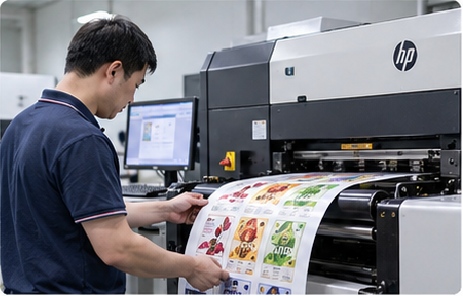
Digital printing supports short runs, multi-version work, quick samples and variable graphics without conventional plate setup. It is useful for new equipment programs, pilot quantities and multi-SKU label sets. Philiton can use digital production to confirm color, size and layout before larger runs, while final material, adhesive and finishing still follow the approved equipment specification.
Flexographic Printing

Flexographic Printing

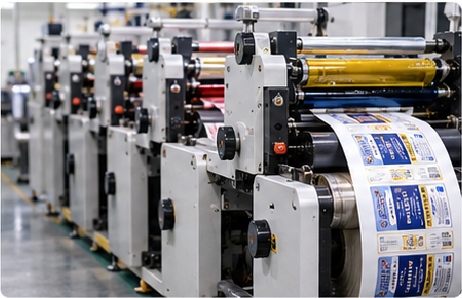
Flexographic printing is suited to repeat roll production and larger quantities where stable process control and efficient converting are important. Equipment asset programs can combine fixed graphics with later variable-data steps, depending on the workflow. Material tension, registration, die cutting and roll configuration are managed together so the finished roll supports downstream dispensing or manual application.
Screen & UV Printing

Screen & UV Printing

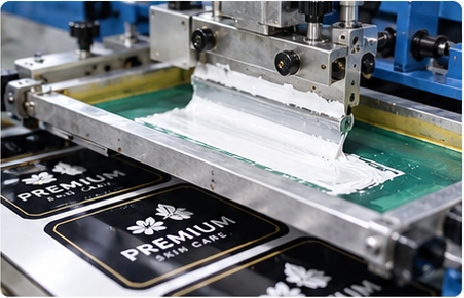
Screen and UV processes can add dense white, durable spot graphics or specialty functional print where the construction requires them. Equipment labels may use these methods for strong contrast, selected resistant areas or special visual effects. Process selection depends on the face material, image detail, ink system and durability target rather than using specialty printing only for appearance.
Protective Lamination

Protective Lamination

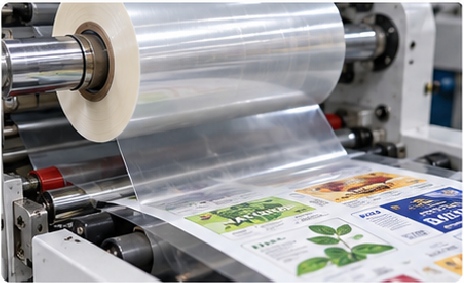
Lamination can protect barcodes, QR codes, serial text and graphics from handling, abrasion, moisture and selected chemical exposure. Gloss or matte protection is chosen around readability, scan performance and surface appearance. Areas intended for thermal-transfer printing may need to remain unlaminated or use a compatible construction. Protection is therefore planned before artwork release, not added automatically at the end.
Precision Die Cutting

Precision Die Cutting

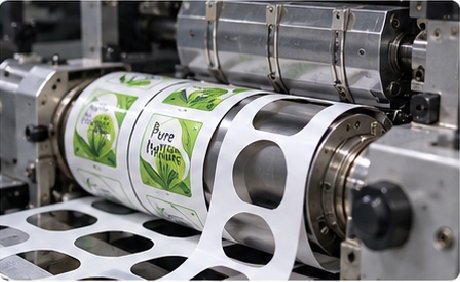
Die cutting defines the finished label shape, edge quality and liner performance. Philiton can produce rectangles, rounded rectangles, circles, ovals and custom shapes, while reviewing minimum features, corner radius, liner width and waste stripping. Small serialized equipment labels require stable cutting because edge damage or inconsistent release can slow manual application and cause problems in automatic dispensing.
Slitting & Rewinding

Slitting & Rewinding

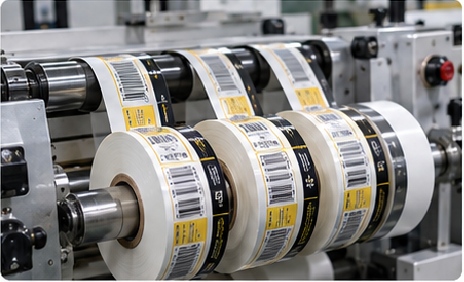
Roll finishing controls core size, roll diameter, winding direction, labels per roll and sequence distribution. Philiton can separate code ranges, SKUs or deployment groups into defined rolls so receiving and installation teams can work from labeled batches. Rewinding also provides another control point for appearance, missing labels and final roll condition before packing and outgoing inspection.

Production Control Keeps Unique Labels in the Right Order

Equipment asset programs combine print quality with version, quantity and data control. Philiton treats artwork, serial ranges, converting and packing as linked production records.

Released Specification

Mass production begins from an approved specification covering artwork version, dimensions, material, adhesive, finish, code rule and packing format. Only the released file should enter production. A material or artwork change triggers review rather than an informal substitution. Where an approved sample exists, it becomes a physical comparison reference together with the written production requirements. Project records can also include roll direction, code-range rules and carton identification so production and packing teams work from the same released specification rather than separate notes.

First Article Control

The first acceptable production output establishes the running reference for print, registration, die cut, visible data and finish. Operators and quality staff can compare subsequent output against the approved standard during production. Variable-data programs also confirm the starting range and field mapping before the full run proceeds, reducing the risk of discovering a systematic data error after thousands of labels are completed. Where scan performance is critical, a representative first-article code can be checked with the agreed verification method before the main batch continues.

Batch & Range Management

Serialized work is divided into controlled production batches so stoppages, rejects, reprints and accepted ranges remain traceable. Scrap and replacement logic is managed around the unique code structure. Roll or inner-pack labels can show sequence ranges, SKU or site information when required, helping warehouse teams reconcile physical labels with the approved deployment plan before shipment. The objective is to preserve one clear relationship between source data, accepted labels, replacements and the final packed range, especially when several sites or equipment families share one order.

Repeat Order Control

Repeat production reuses approved artwork and specifications only after confirming that material, adhesive, tooling, roll format and data rules are still valid. An unchanged design does not automatically mean every production condition is unchanged. Philiton reviews current material availability and project requirements before release, helping long-term equipment programs maintain a controlled specification as quantities and asset groups expand. If a supplier material or process condition changes, the impact on adhesion, appearance, scanning or converting is reviewed before the repeat order is treated as equivalent to the previous batch.

Quality Control Protects Readability, Adhesion and Data Accuracy

Philiton combines incoming, in-process, final and functional checks. The inspection plan is matched to the risks that can make an equipment label fail in service.

Incoming Material Control

Incoming face materials, adhesive constructions, liners, films and RFID inlays are checked against purchasing and project requirements according to risk. Material identity, visible condition, supplier documentation and batch information can be recorded where relevant. Critical material substitutions require review before use, especially when adhesive behavior, durability, RFID performance or a requested compliance document depends on the exact construction. For project-specific compliance, incoming documentation is matched to the purchased construction instead of assuming one supplier report covers all label materials in production.

In-Process Inspection

Production checks can cover artwork version, color direction, registration, white ink, text, variable data, lamination, die cutting, waste stripping and roll setup. First-article approval creates a running reference. Automatic vision inspection is available for suitable work and can help identify print, registration, text, dirt or missing-label issues before defects travel into final packing. Operators also monitor converting details such as edge quality, liner condition and winding because an acceptable print can still create deployment problems when the finished roll is not built to the agreed specification.

Code & Data Verification

Barcode, QR and serial programs require control beyond visual appearance. Philiton can verify variable-data matching, uniqueness rules, scan performance and replacement logic according to the agreed inspection plan. RFID projects can add encoding and read/write verification. Accepted results remain linked to the specified code type, data rule, material and inspection conditions rather than being treated as a universal guarantee. Code verification is especially important after variable printing, lamination or size reduction because contrast, quiet zone and surface reflection can influence scanner performance.

Functional & Final QC

Finished labels can be checked for dimensions, appearance, die cut, quantity, winding direction, core, roll diameter, labels per roll and carton identification. Available project testing includes color measurement, peel adhesion and tack, abrasion, temperature/humidity evaluation, barcode/QR verification and related material checks. Third-party testing can be arranged when independent evidence is required for a defined material or market. Final acceptance is compared with the approved specification and packing plan so functional checks, quantity control and shipment identity remain connected through outgoing inspection.

Packaging Keeps Codes, Rolls and Deployment Groups Organized

Packing protects finished labels while preserving the information needed by receiving, warehouse, installation and service teams after international delivery.

Roll Packing

Roll labels can be packed by defined core, winding direction, maximum roll diameter and labels per roll. Protective wrapping and carton placement are selected to reduce crushing, edge damage, telescoping, contamination and uncontrolled unwinding. Roll identity can include SKU, quantity, batch or sequential range when the deployment plan needs clear separation between groups. For automatic dispensing, the packing record can also retain the agreed unwind orientation so receiving teams do not need to rework rolls before installation.

Sheets & Individual Pieces

Sheet labels, individual labels or small grouped sets can be separated into inner bags or packs where manual installation is planned. Pack labels can identify asset group, site, quantity or sequence range. This format is useful when maintenance teams distribute labels to several departments or field locations and need clear physical separation without opening every package to check the printed code. Protective interleaving or grouped packing can be evaluated for larger labels or sensitive surfaces where face-to-face rubbing during transport would create visible damage.

Sequence & SKU Control

Unique-code projects can be packed in ascending ranges, deployment batches or site groups when requested. The packing plan is linked to the production record so accepted labels, replacement labels and range boundaries are clear. Similar-looking designs are not identified only by appearance; roll, bag or carton markings can carry SKU, batch, quantity or code-range information for receiving control. A packing list can mirror the same range structure, making it easier to reconcile cartons with the original deployment file before labels are distributed across sites.

Cartons & International Shipment

Outer cartons can carry PO, SKU, quantity, carton number, batch or other agreed fields. Samples and urgent small shipments can move by international courier, while larger orders can be arranged by air or sea according to destination and schedule. Production lead time and transport time are kept separate so project planning does not rely on one unrealistic combined delivery promise. When several asset groups ship together, carton identification can be aligned with the final packing list so the receiving warehouse knows which code ranges or SKUs are inside each carton.

Compliance Documents Follow the Exact Material and Project

Philiton separates company credentials, material-level documents and project-specific testing so an equipment label is not given a blanket compliance claim without supporting evidence.

Material-Level Documents

Upstream material declarations or reports can be reviewed when a program requests RoHS, REACH, UL-related, FSC or other documentation. Availability depends on the exact face material, adhesive, liner and supplier. A document for one construction is not automatically applied to every equipment label. Philiton confirms the requested scope before quotation and links available evidence to the selected material whenever possible.

Project-Specific Testing

Some equipment programs need adhesion, abrasion, chemical, temperature, barcode, RFID or third-party verification. Philiton can define internal checks and arrange independent testing when required. Results apply to the tested sample, method and conditions. Regulated industries such as automotive, medical, aerospace or specialized electronics may require additional qualification beyond normal label manufacturing and must be reviewed against the relevant market requirement.

Regulatory & Identification Content

Philiton reproduces approved warning text, identifiers, barcodes, QR codes and compliance marks according to the released artwork. The brand, equipment manufacturer or responsible compliance team remains responsible for defining legally required content, asset-data rules and market-specific statements. Artwork control focuses on legibility, version accuracy and faithful production rather than independently deciding the regulatory wording for each destination.

Manufacturing Capacity for Repeat Equipment Label Programs

Philiton combines flexible starting quantities with a broader manufacturing and quality system designed to support pilots, multi-SKU launches and repeat industrial production.

Shenzhen + Dongguan Manufacturing

Philiton was founded in 2016 and operates manufacturing in Shenzhen and Dongguan, China. The combined manufacturing system exceeds 12,000 ㎡ and covers artwork/prepress, digital and conventional printing, flexographic printing, screen and UV processes, variable data, specialty finishing, die cutting, slitting/rewinding, inspection, testing and packing. Base labelstocks and specialty materials are sourced from qualified external suppliers according to project requirements. The manufacturing value comes from material selection, prepress, printing, converting, verification and production control rather than claiming in-house production of every raw material.
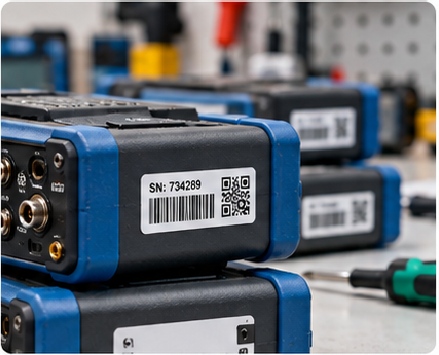
200+ People, 91 Core Specialists

More than 200 people support Philiton’s operation. Among them, 91 are technical personnel, experienced machine operators and quality-related staff responsible for process execution, printing consistency, converting, testing and inspection. Equipment asset programs benefit from cross-functional review because material, adhesive, unique data, converting and quality requirements must stay connected rather than being handled as separate purchasing items. Engineering and quality input becomes especially important when one order combines difficult surfaces, multiple code ranges, special packing rules or functional testing requirements.

Flexible Start, Scalable Supply

Many standard custom label and sticker projects can begin from around 500 pieces, while durable PET programs commonly fall around 500–1,000 pieces depending on material and converting requirements. The same manufacturing system can continue into repeat medium- and high-volume production. RFID, security materials, specialty adhesives and custom structures are quoted by their actual component and process minimums rather than forced into a standard MOQ. Multi-SKU programs can also share compatible materials and processes while preserving separate artwork, quantities and code ranges for each equipment family.

Project Management Through Delivery

Philiton coordinates specification review, sample approval, material preparation, printing, converting, inspection, packing and shipment preparation through one production chain. Export projects can be arranged by courier, air or sea according to urgency and destination. For repeat programs, artwork, material, roll format, variable-data rules and packing requirements are reviewed before each release so earlier approvals remain useful without becoming an excuse to skip current production control. Project timing is communicated as production and transit stages separately, helping procurement and operations teams plan installation without confusing factory lead time with international transport.

Representative Equipment Asset Label Project Cases

The following scenarios use Philiton-supported materials and production routes. Quantities and commercial details are representative planning examples rather than public claims about named brand orders.
U.S. Industrial Equipment OEM

U.S. Industrial Equipment OEM

Region: United States. Background: a manufacturer of workshop and maintenance equipment needed serialized identification across several machine families. Representative order: 18,000 labels across six artwork versions. The program used white PET, permanent industrial adhesive, protective lamination, human-readable asset IDs and QR codes linked to service records. Philiton’s workflow would begin with surface photos and a coated-metal sample, followed by variable-data proofing, printed samples and adhesion checks. Production would be divided by model and serial range, with rolls packed by SKU and range to simplify assembly-line deployment.
German Electronics Service Network

German Electronics Service Network

Region: Germany. Background: a technical service organization needed compact asset labels for test instruments, electronic housings and mobile service equipment. Representative order: 12,500 labels in multiple sizes, all carrying unique IDs and barcodes. A PET construction with strong permanent adhesive would be reviewed against ABS, PC and coated-metal surfaces. Philiton would confirm barcode dimensions, fixed artwork and the variable-data file before sampling. Accepted labels would be produced in controlled code ranges, inspected for print and data consistency, then packed by equipment group so each service center could receive a defined allocation.
Australian Field Equipment Program

Australian Field Equipment Program

Region: Australia. Background: a distributor of outdoor field equipment needed durable identification for assets exposed to sun, dust, transport and frequent handling. Representative order: 30,000 labels across three deployment batches. An outdoor PET or weather-resistant film construction, permanent adhesive and protective laminate would be evaluated against the actual housing surface. QR codes and large visual asset numbers would support both scanning and manual checks. Philiton would sample the structure, confirm outdoor exposure requirements, split production by site allocation and pack rolls with batch and sequence information for staged installation.

Equipment Asset Labels Frequently Asked Questions

White PET is a common starting point because it offers strong dimensional stability, print quality and durability. Clear PET, outdoor PVC/PET, thermal-transfer materials and security structures may fit better in other conditions. Final selection depends on equipment surface, temperature, abrasion, chemicals, UV exposure, service life and print method. Philiton prefers to confirm the actual substrate and environment before locking the construction.
Yes. Philiton supports variable text, sequential numbers, barcodes, QR codes and other unique identifiers. Data can be imported from Excel/CSV or generated from an agreed numbering rule. The workflow includes proofing, range control, reprint logic and verification according to the project specification. Packing can also be organized by serial range, SKU, site or deployment batch.
Many standard label projects can start from around 500 pieces. Durable PET programs commonly begin around 500–1,000 pieces depending on material, adhesive, size and converting. Special materials, custom security structures, dedicated tooling or RFID inlays can have higher component minimums. Philiton confirms the actual MOQ after reviewing the construction instead of applying one quantity to every project.
Yes, suitable constructions can be evaluated, but powder coating varies in texture, chemistry and surface energy. A strong adhesive alone does not guarantee performance on every coating. Philiton can review the surface and provide test labels or samples for representative panels. Cleaning method, application pressure, temperature and dwell time should also be considered before final approval.
Yes. Philiton can produce outdoor durable labels using weather-resistant PET, PVC or specialty film, permanent adhesive, UV-resistant printing and protective laminate where required. Typical outdoor constructions are selected around sunlight, rain, abrasion, temperature and expected service life. Actual durability depends on climate, installation surface and exposure, so project-specific validation is recommended for demanding field conditions.
Suitable PET and protective constructions can provide strong resistance to water, oil, alcohol and selected cleaners. Chemical resistance must be defined against the actual fluid, concentration, contact method and exposure time because one claim cannot cover every solvent or cleaning process. Philiton can incorporate material selection, laminate and representative exposure testing into the sample stage.
Yes. VOID, destructible and other security-label structures can be evaluated for equipment ownership, warranty and controlled-service programs. The required removal evidence should be defined first. Final behavior is tested on the real or representative surface because metal coatings, plastics, texture and dwell time can change transfer, residue or fragmentation behavior.
Yes. Philiton supports UHF, HF and NFC label projects with printing, converting, encoding, serialization and verification. Standard surfaces and metal equipment may need different structures, including on-metal RFID for suitable metal assets. Chip family, inlay, frequency, memory, read range and encoding format are confirmed per project. RFID chips and inlays are sourced from qualified upstream suppliers.
Digital samples commonly take about 1–3 business days. Standard printed or finished samples are typically about 3–5 business days, while complex finishing may take about 5–7 business days and RFID/security structures about 5–10 business days. Standard production is commonly planned at about 7–15 business days after approval and material confirmation. International transit time is separate.
Send artwork or a sketch, finished size, quantity, equipment surface, indoor/outdoor use, temperature and chemical exposure, expected service life, barcode/QR/serial requirements and preferred delivery format. For variable data, include a sample Excel/CSV structure. For roll application, add core, winding direction, labels per roll and any printer or dispenser requirements. Photos of the actual equipment surface are highly useful.

Send Your Equipment Asset Label Specifications

Philiton can quote more accurately when the project starts with the equipment conditions rather than only a label size. Share the information already available, even if the material or adhesive has not been selected. Our team can review the surface, environment, data structure, printing route and packing format before recommending the next sampling step. For many standard custom label programs, quantities can begin around 500 pieces; special PET, security and RFID structures are confirmed according to actual material and process minimums. Standard printed or finished samples commonly take about 3–5 business days after artwork, material and process details are confirmed, while complex structures can require additional preparation. Photos of the equipment, a sample panel or a current failed label can help identify adhesion and durability risks earlier. For variable-data work, sending a short Excel or CSV sample also lets Philiton review code length, numbering logic and layout before the complete data set is released. Roll requirements should be included when labels will run through a printer, dispenser or automatic applicator.

Please include:

  • Finished label size and estimated quantity
  • Equipment type and application surface
  • Indoor or outdoor environment
  • Temperature, oil, cleaner, chemical or abrasion exposure
  • Expected service life
  • Barcode, QR, serial number or variable-data requirements
  • Artwork plus Excel/CSV data sample where applicable
  • Roll, sheet or individual-piece packing preference

For all inquiries, please feel free to reach out at:

Get In Touch

  • Our team will answer your inquiries within 12 hours.

  • Your information will be kept strictly confidential.

Get a Fast Quote for Custom Labels & Stickers

We will contact you within 24 Hours, please pay attention to the email with the suffix“@philiton.com”. 

For all inquiries, please feel free to reach out at:

Ask For A Quick Quote

We will contact you within 24 Hours, please pay attention to the email with the suffix“@philiton.com”. 

For all inquiries, please feel free to reach out at:

Get a Quote Today!

We will contact you within 24 Hours, please pay attention to the email with the suffix“@philiton.com”.