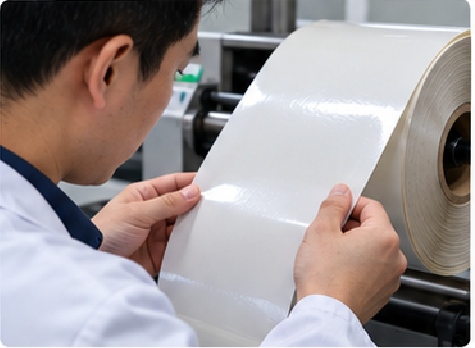
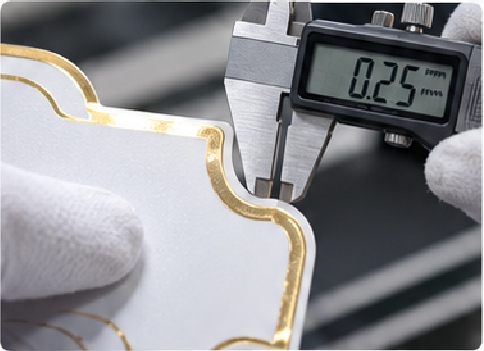
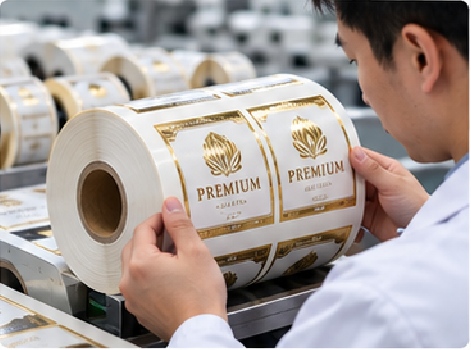
Your Trusted Labels & Stickers Manufacturer from China!

Custom Embossed Labels Manufacturer

Custom tactile labels engineered from artwork and material selection through embossing, finishing, converting, inspection and repeat production.
Philiton manufactures embossed labels for premium packaging, brand seals and specialty product labeling, with project support from Shenzhen and Dongguan.
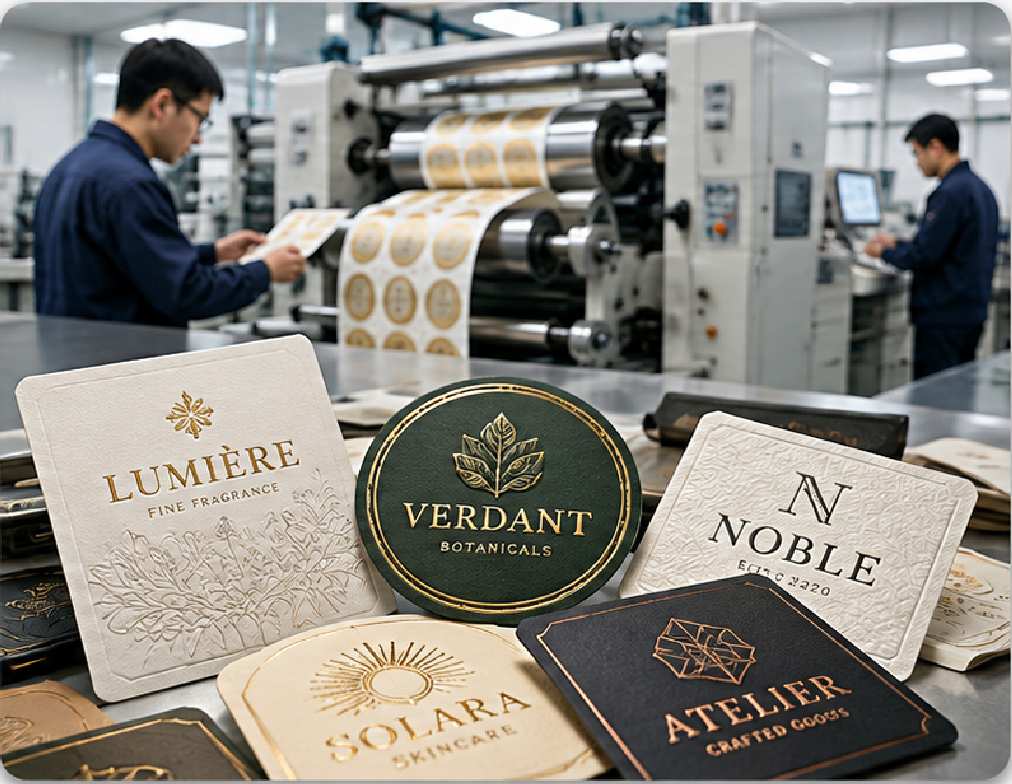

  • Founded in 2016; 12,000+ m² manufacturing footprint.
  • 200+ employees, including 91 technical, skilled production and quality professionals.
  • Embossing/debossing, foil stamping, die cutting, slitting, rewinding and inspection within one manufacturing system.
Custom Embossed Labels Manufacturer

What Makes an Embossed Label Work

Embossing creates real surface relief, but the final result depends on the label structure, artwork geometry, tooling, pressure and application method working together through printing, converting and final use.

Real Physical Relief

Embossing forms selected areas of a label above the surrounding surface by pressing the face material with dedicated tooling. The effect is visible under side light and can be felt by hand. A good result needs clear edges, stable depth and a material that can form without cracking, excessive rebound or unacceptable distortion.

Controlled Registration

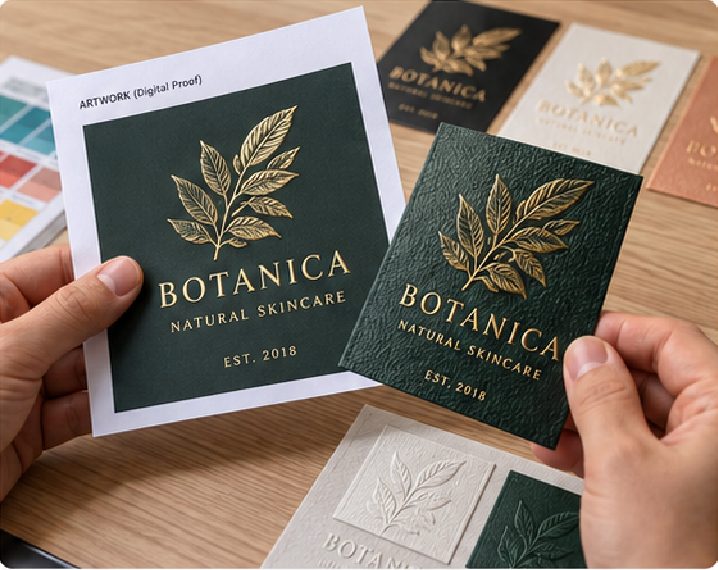
When embossing aligns with printed graphics or foil, registration becomes part of the design rather than a finishing detail. Philiton separates print, foil and emboss layers during prepress, reviews the relationship between them, and uses physical sampling when close alignment or strict brand appearance cannot be judged reliably from an electronic proof alone.

Application Still Matters

An attractive raised logo can become a production problem if the label is too stiff for a small bottle, the liner is damaged by excessive pressure, or the finished roll cannot feed correctly through an applicator. Philiton reviews delivery format, curvature, roll configuration and handling requirements before releasing complex embossed labels to mass production.

Built for Teams Managing Premium Packaging Programs

Philiton supports projects where appearance must survive procurement, engineering, production and repeat-order requirements rather than remain only a design concept approved on a screen.

Brand Packaging Teams

Brand teams usually start with a visual target: a raised crest, tactile logo, blind emboss, metallic emblem or a premium paper look. Philiton helps translate the reference into material, emboss coverage, tooling, print and finishing choices. Physical samples are especially useful when a brand standard depends on touch, light reflection or exact foil-to-emboss alignment across multiple SKUs.

Procurement Teams

Procurement needs more than an attractive sample. Tooling ownership or reuse, quantity per SKU, material availability, finishing complexity, packaging format and repeat-order control all affect total cost. Philiton structures quotations around the actual label specification and identifies one-time tooling separately where relevant, making it easier to compare suppliers on the same manufacturing basis instead of unit price alone.

Packaging Engineers

Packaging engineers often need to know whether the raised structure will work on the final container and application line. Philiton can review bottle diameter, surface, liner, roll direction, core, maximum roll diameter, gap or pitch, and whether labels are hand-applied or machine-applied. Deep relief is treated as an engineering variable because it can change stiffness, roll flatness and dispensing behavior.

Agencies and Print Partners

Design agencies, packaging companies, print brokers and distributors can use Philiton as a manufacturing partner when a project requires embossing, foil, specialty papers or converting beyond a standard print job. Artwork remains controlled by version, sensitive files can be handled under project confidentiality arrangements, and production can be organized by SKU for recurring programs, regional launches or multiple end brands.

Four Embossed Label Styles for Different Brand Effects

The right style depends on whether relief should stand alone, follow printed graphics, align with foil, or build a broader tactile pattern across a premium label surface.
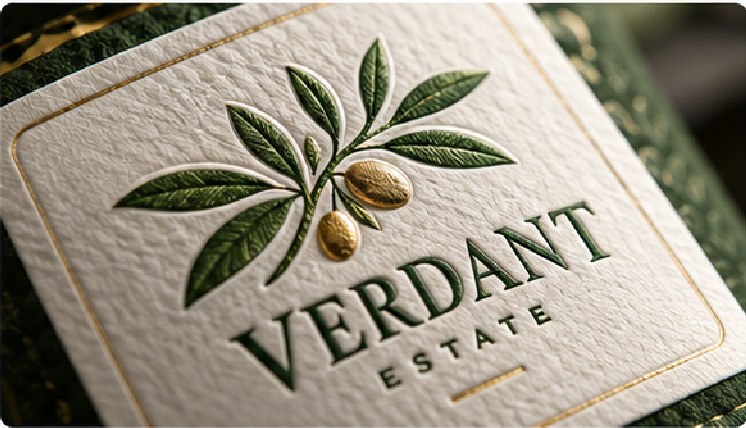
Blind Emboss

Blind Emboss

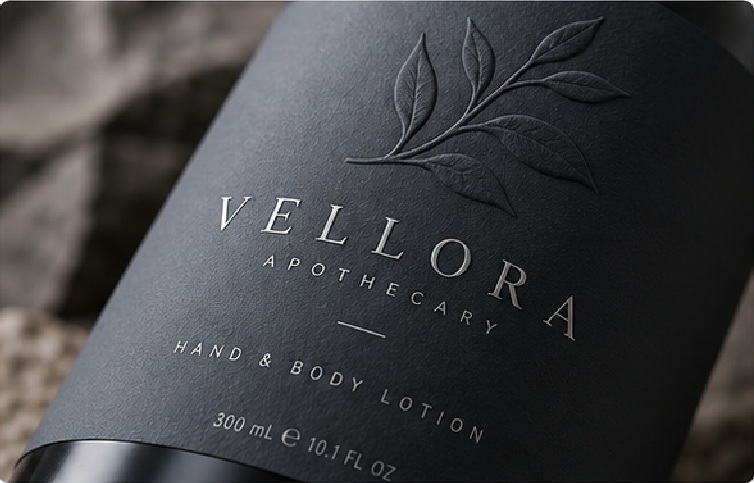
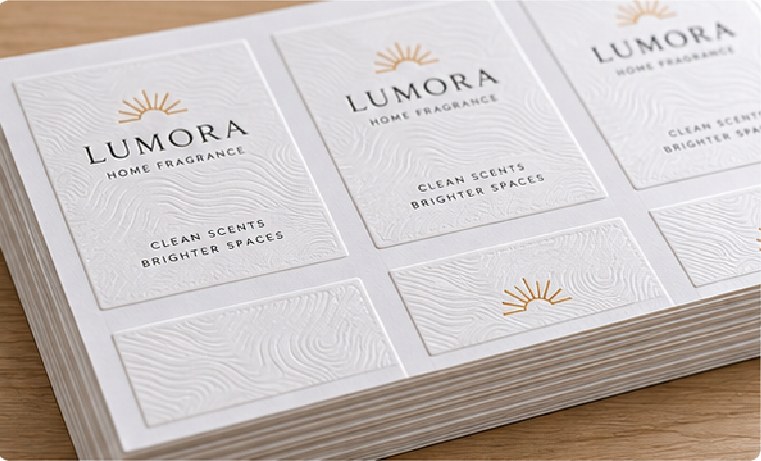
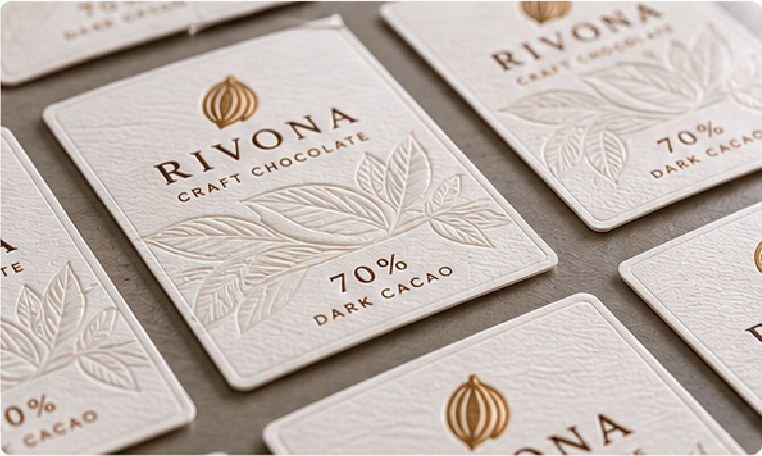
Blind emboss uses no printed color or metallic foil in the raised area. Light and shadow create the visual definition, which works especially well on textured, uncoated or premium paper stocks. The approach suits understated logos, crests, monograms and natural-luxury branding. Material thickness, fiber behavior and emboss depth need physical review because the effect relies entirely on surface structure rather than color contrast.
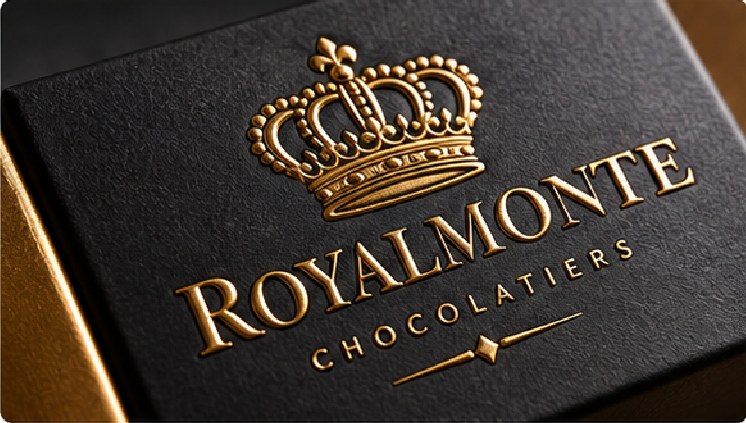
Printed Emboss

Printed Emboss

Printed emboss aligns raised relief with printed logos, typography or graphic elements. The artwork is separated into print and emboss layers so both can be controlled independently. Registration is more demanding than blind emboss, particularly on small text, thin borders or materials that can stretch under pressure. A physical production sample is recommended when the edge relationship between color and relief is visually critical.
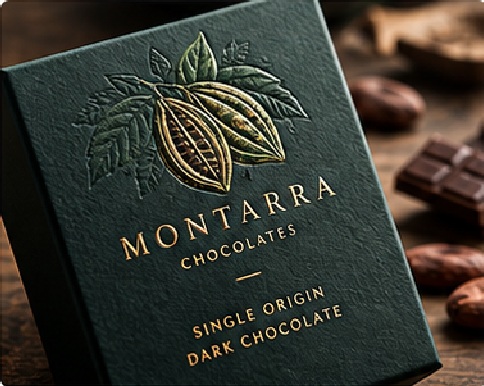
Foil + Emboss

Foil + Emboss

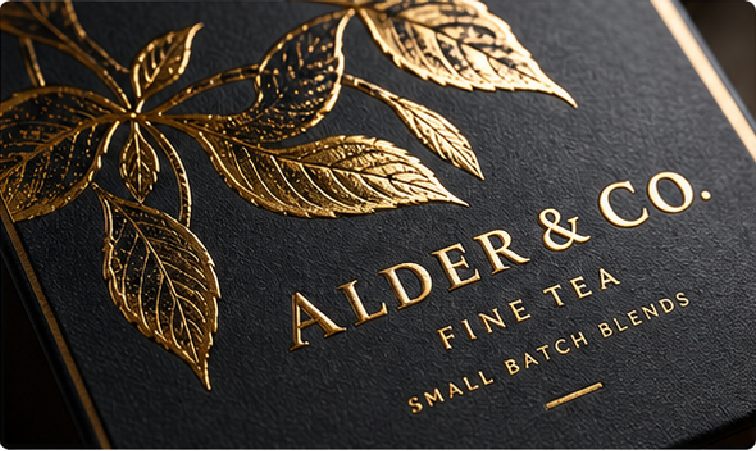
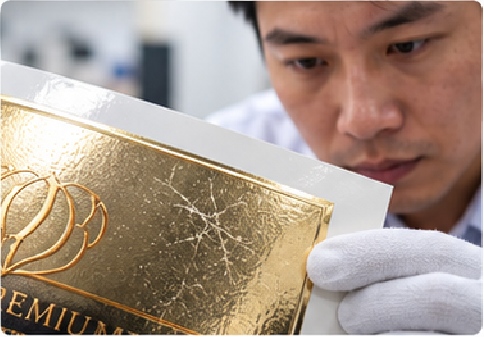
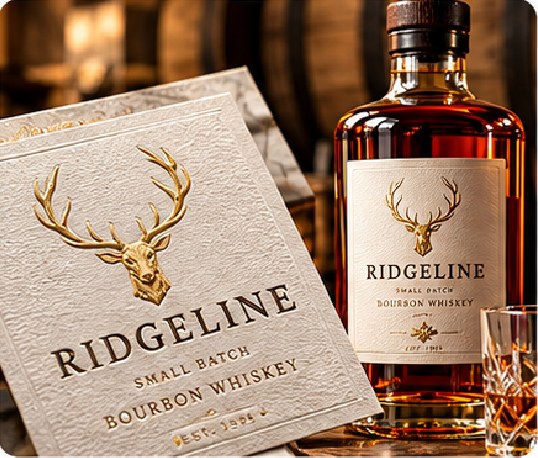
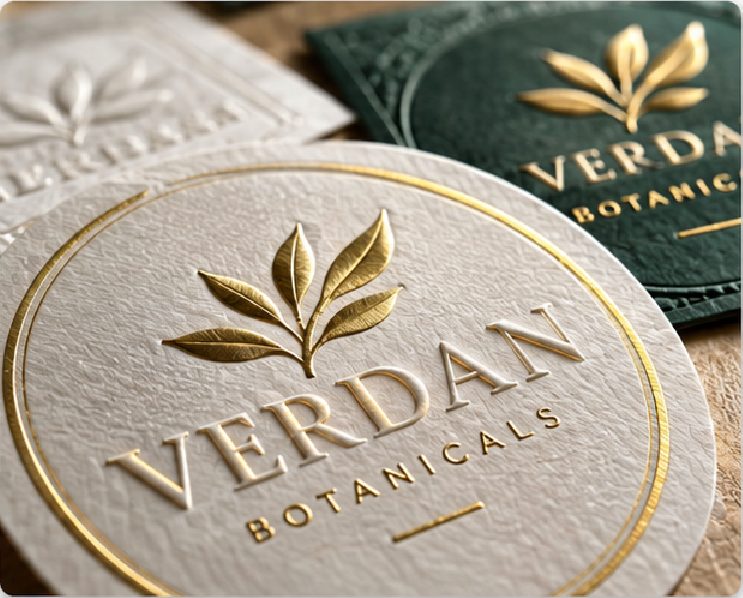
Foil + emboss combines metallic reflection with physical depth. Common uses include spirits labels, perfume packaging, luxury food, candles and gift seals. Foil and emboss usually require separate process layers and dedicated tooling. Sharp alignment, material stability and pressure control matter because a small offset becomes obvious around reflective edges. Approved physical samples help lock the metallic appearance and tactile result before repeat production.
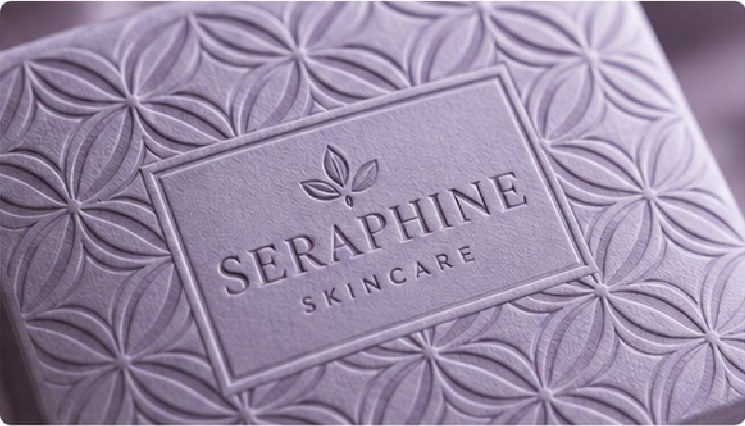
Pattern Emboss

Pattern Emboss

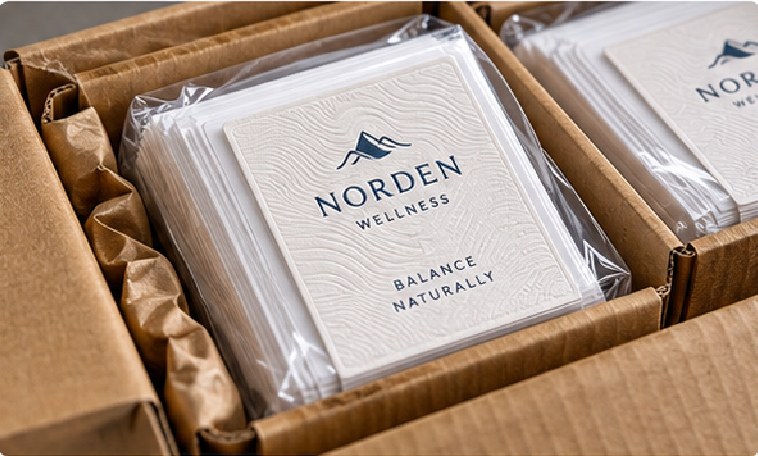
Pattern emboss creates repeated tactile texture across a selected area rather than lifting only one logo. It can imitate fabric, grain, geometric patterns or custom brand motifs. Larger coverage increases the need to evaluate material distortion, roll flatness and interaction with die cutting. Philiton reviews pattern density and relief before tooling so texture supports the packaging design without making the label difficult to convert or apply.

Embossing for Packaging Where Touch Supports Brand Value

Embossing is most useful where a label is handled, viewed at close range or expected to communicate premium positioning before the package is opened, poured, displayed or gifted.
Wine and Spirits

Wine and Spirits

Raised crests, brand names and foil-aligned emblems create strong shelf presence on wine and spirits bottles. Paper texture and bottle curvature need to be considered together. For roll-applied labels, relief should not compromise liner condition, roll flatness or dispensing. Premium papers, hot foil and emboss are commonly evaluated as one coordinated label structure.
Cosmetics and Perfume

Cosmetics and Perfume

Cosmetic and fragrance packaging often uses small typography, metallic details and dark or soft-touch surfaces. Embossing can emphasize a logo without adding another printed color. Oil, moisture and handling exposure may still require a suitable face stock and protective finishing. Compatibility is reviewed against the actual container, label size and final surface effect.
Premium Food

Premium Food

Embossed labels can give confectionery, gourmet food, specialty oils, sauces, coffee and limited-edition packaging a more crafted presentation. The label still needs to match storage conditions, container material and any grease or moisture exposure. Philiton separates appearance decisions from performance requirements so a premium finish does not replace adhesive or durability engineering.
Candles and Home

Candles and Home

Candle, diffuser and home-fragrance brands often use tactile paper, minimal graphics and embossed marks to create a refined retail feel. Jar curvature, textured surfaces and possible oil contact influence the final construction. Blind emboss or foil + emboss can be developed around a simple emblem while keeping the rest of the label visually restrained.
Brand Seals

Brand Seals

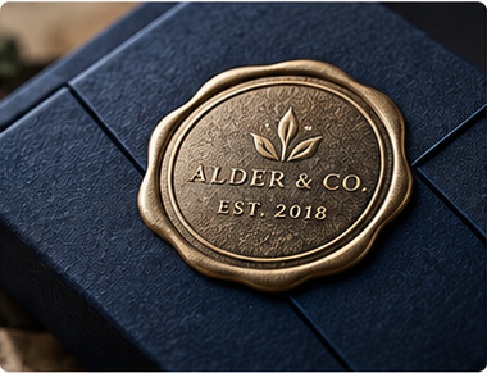
Embossed seals work well on rigid boxes, tissue closures, premium mailers, certificates and presentation packaging. Because many seals are hand-applied, deeper relief may be possible than on a high-speed roll application. Die-cut shape, adhesive strength and release liner are still reviewed so the seal is easy to handle and remains flat during packing and transport.
Limited Editions

Limited Editions

Seasonal launches and regional editions often need a premium effect without changing an entire packaging structure. Philiton can combine short-run printing with embossing and other finishing when the artwork, material and tooling are suitable. Multi-SKU projects are planned by design because each emboss pattern, color or foil change can affect setup and project economics.

Material Choice Controls Depth, Edge Definition and Durability

Philiton selects paper or film structures according to the required relief, surface appearance, adhesive performance, application method and finishing sequence rather than treating embossing as an isolated decorative step.

Premium Papers Give the Widest Tactile Design Range

Paper is often the first choice when a brand wants visible relief, natural texture and clear light-shadow definition. Textured papers, uncoated papers and coated premium papers can all be evaluated, but they do not emboss identically. Fiber structure, caliper, coating hardness, surface smoothness and moisture content influence how the material forms under pressure. A softer or more formable sheet may accept a noticeable relief, while a brittle coating can show cracking around sharp edges. For wine, spirits, fragrance, candles and gift packaging, Philiton normally starts by matching the visual target to a paper family before finalizing tooling. A deeply sculpted crest and a fine serif wordmark should not be treated as the same job. Broad shapes can often tolerate more relief, while narrow lines and small negative spaces may close up if pressure is excessive. Adhesive and liner remain part of the structure. Embossing a pressure-sensitive label means force is transferred through the face material toward the adhesive and release liner. Excessive depth may leave a visible back impression or interfere with roll flatness. Physical sampling on the final construction is therefore more reliable than approving only a paper swatch. When a project uses hot foil, varnish or another surface treatment, Philiton also considers whether that layer is applied before or after embossing and whether the sequence changes edge definition. A sample made with the intended stack provides a more useful reference for brand approval and later QC.

Films Require More Conservative Relief Engineering

PP/BOPP, PET, PE and other synthetic stocks can support specialty finishing, but film behavior differs from paper. Thin films may stretch, rebound, whiten or show stress marks when pushed too deeply. Surface coatings and lamination can also change how the material responds to pressure. Philiton reviews film embossing project by project rather than describing every film as equally suitable for strong three-dimensional relief. Film can still be useful when moisture, oil, abrasion or clear-label appearance matters more than a traditional paper feel. In such projects, the design may use shallower structural relief, larger graphic elements or a combination such as foil, spot effects and selective embossing. The final structure should be judged on the actual label construction, not on a generic material name. Container geometry matters as well. A stiff raised area on a small-diameter bottle can increase edge stress. A large embossed zone on a flexible pack may behave differently after the package bends. Philiton therefore asks where the label will be applied, whether application is manual or automatic, and what environmental exposure follows application before locking the material route. If a project needs a transparent or high-gloss film, the design team may obtain better results by using embossing selectively rather than forcing deep relief across a large area. The final decision is based on appearance, structural behavior and application reliability together.

Specialty Stocks Need Sampling Before a Production Commitment

Metallic papers, specialty textured stocks, foiled papers and other decorative materials can produce distinctive results, but the finish sequence must be planned before production. Embossing on a pre-textured stock may soften or distort the original texture. Foil, lamination, varnish or soft-touch layers can change surface friction, thickness and material response. The order of operations can therefore be as important as the individual effects selected. Philiton sources labelstocks, papers, films, adhesives and specialty substrates from qualified external suppliers, then handles prepress, printing, specialty finishing, converting, inspection and testing through its manufacturing system. Material availability and exact grade are confirmed during quotation and sampling. For high-value packaging, the most reliable route is to approve the complete structure: face material, adhesive, liner, printing, embossing, foil or coating, die cut and final roll or sheet format. A material that looks excellent as a flat sheet may behave differently after embossing and rewinding. Physical samples close that gap before tooling and production volume increase. They also help procurement compare two material options on the same artwork, rather than comparing swatches that were never processed. When specialty stock supply is limited, Philiton can review a backup route early so a repeat program is less exposed to an unexpected material substitution later.

Emboss, Deboss and Raised UV Solve Different Design Goals

Relief direction, tooling, surface feel and roll behavior differ by process. The comparison below helps narrow the most suitable route before artwork release, tooling and physical sampling.

OptionSurface ResultToolingBest FitImportant Consideration
EmbossRaised physical reliefEmboss mold; some projects use male/female toolingCrests, logos, premium paper, tactile brand marksDepth can affect liner, stiffness, roll flatness and registration
DebossRecessed physical reliefDeboss toolingUnderstated logos, engraved look, textured papersDeep pressure can mark liner or alter dispensing
Raised UVRaised coating above the printed surfaceNo emboss mold in the traditional senseGloss contrast, selective texture, modern graphicsHeight, curing, abrasion and rewind pressure require control
Foil + EmbossMetallic reflection plus raised reliefFoil tooling plus emboss tooling as requiredLuxury spirits, perfume, gift seals and premium retailFoil-to-emboss alignment and material stability should be sampled

Combine Embossing with Finishes That Serve the Design

Philiton can combine embossing with selected finishing processes, but every added layer changes registration, material behavior, cost and production control, so the finish stack should be planned before tooling.
Hot Foil + Emboss

Hot Foil + Emboss

Hot foil adds metallic reflection while embossing adds physical depth. The combination suits logos, crests and premium typography where edge alignment is visible at close range. Foil and emboss areas should be supplied as separate production layers. Material heat response, foil coverage, pressure and registration are reviewed together, then locked through an approved physical sample for strict appearance programs.
Print + Emboss

Print + Emboss

Printed emboss keeps the raised structure aligned with CMYK or spot-color graphics. It works well when the relief should reinforce a brand mark without metallic foil. Fine outlines and small negative spaces need careful artwork review because print-to-emboss offset becomes visible around narrow elements. Material movement under pressure is considered during proofing and physical sampling.
Matte + Emboss

Matte + Emboss

A matte paper, matte varnish or compatible soft-touch surface can make embossing more noticeable through contrast in light and touch. The finishing layer must remain compatible with pressure and later converting. Some coatings may crack, scuff or change relief definition when compressed, so the final structure is sampled rather than approving the coating and embossing as separate effects.
Emboss + Die Cut

Emboss + Die Cut

Custom shapes can reinforce an embossed emblem, but relief should not sit too close to a die-cut edge. High pressure near the edge can distort the label, weaken narrow sections or reduce visual consistency after waste stripping. Philiton reviews the relationship between emboss area, dieline, bleed, safe zone and final label shape before tooling is released.

Embossing Is a Structural Process, Not Only Decoration

Philiton reviews relief as part of the complete pressure-sensitive label structure so appearance, converting and application remain compatible after finishing, rewinding, packing and final label application.

Depth Must Be Balanced Against Material and Roll Behavior

More height does not automatically create a better embossed label. Excessive pressure can crack a coated paper, whiten a film, create an unacceptable back impression, damage the release liner or make a finished roll less flat. A strong result comes from matching relief to the face stock, graphic size and end use. Philiton begins with the desired tactile effect, then reviews material thickness, stretch, coating, emboss coverage and label dimensions. Large crests and bold lettering usually tolerate structural relief better than tiny serif text or dense micro-patterns. Sharp internal corners and very narrow negative spaces may need to be simplified before tooling. For roll-applied labels, geometry becomes more important. A large raised zone can make the label locally stiffer. On a small bottle or strong curve, added stiffness can increase edge stress after application. On the liner, very deep impressions can affect winding and dispensing. Hand-applied seals allow different tradeoffs than high-speed automatic labels. Philiton therefore asks how the label will be packed and applied before finalizing the emboss structure. The same artwork can require a different relief strategy when moving from a hand-applied sheet label to a small-core automatic roll. The physical sample should reflect that final format whenever application risk is meaningful, so the tactile target is approved together with the converting reality rather than separately.

Registration Has to Be Designed Before the Mold Is Made

Embossing that overlaps a printed or foiled mark needs a clear registration strategy. A digital mockup can show the intended appearance, but it does not prove how the material will move under pressure. Philiton separates printing, foil and emboss areas during prepress and reviews which edges must align exactly and which can tolerate intentional offset. Three approaches are common. Blind emboss uses relief alone and therefore avoids print-to-emboss alignment. Printed emboss raises an area already defined by ink, so edge relationship matters. Foil + emboss places reflective foil on or around the raised area, making small misalignment easier to see. The more layers that need to register, the more valuable a physical approval sample becomes. During production, the approved artwork version, material, tooling and finishing route form one controlled specification. Repeat orders should preserve those inputs when the goal is to reproduce the same tactile appearance. If artwork position, label size, material or finishing sequence changes, Philiton reviews whether the existing mold and production setup remain suitable before release. Registration control also benefits from realistic design tolerances. A graphic that depends on a hairline metallic border around a raised feature leaves almost no visual room for normal material movement, while a slightly broader border or intentional offset can be more stable. Philiton can flag these risks during prepress so design decisions are made before tooling cost is committed. 
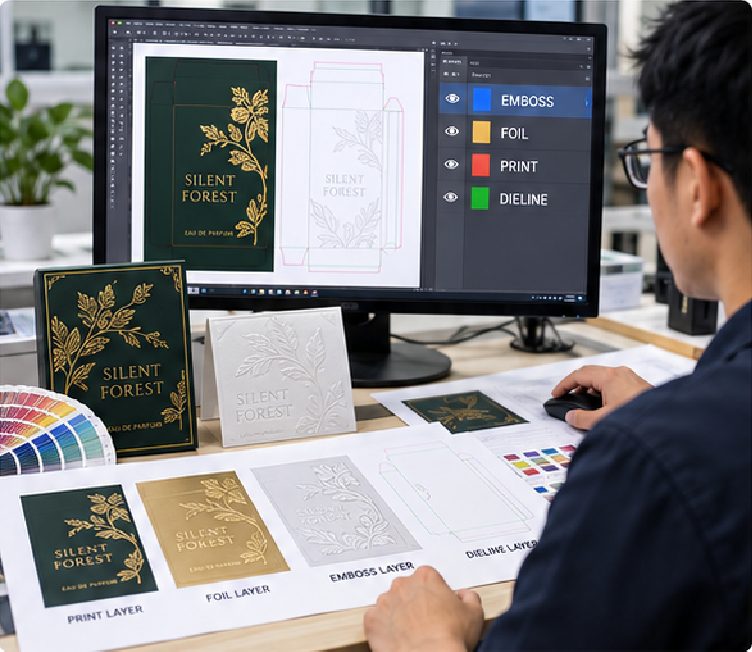
Prepare Emboss Artwork as a Separate Production Layer

Clear production layers reduce interpretation, tooling errors and registration disputes before a physical sample is made, especially when print, foil, emboss and dieline positions interact.
Separate the Emboss Area from Print and Foil Graphics

Separate the Emboss Area from Print and Foil Graphics

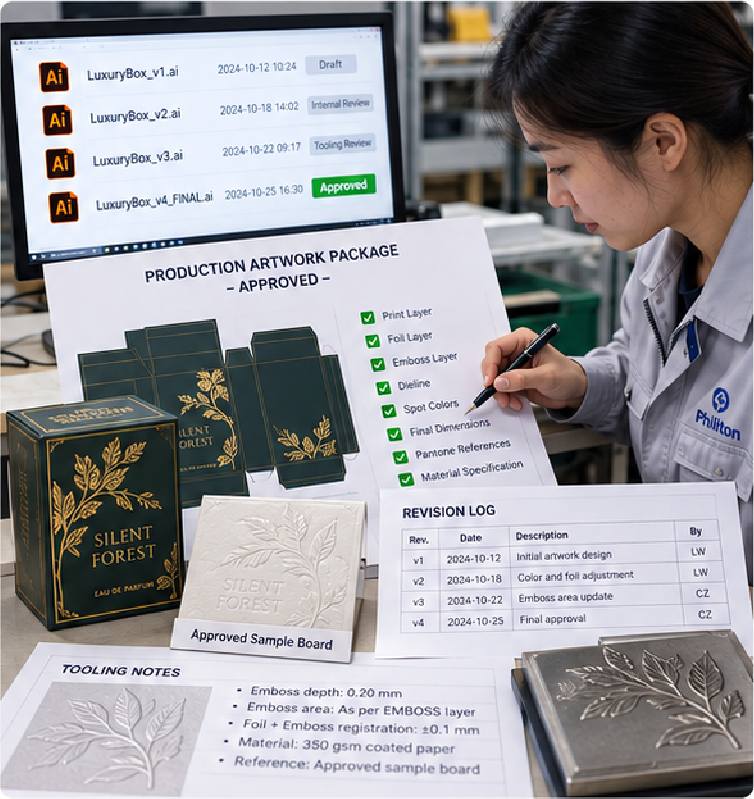
Preferred artwork uses a production-ready vector file such as AI, EPS or vector PDF. The emboss area should be placed on its own clearly named layer or spot-color separation, commonly identified as EMBOSS or DEBOSS. Use 100% solid vector shapes for the areas that require relief. Fonts should be outlined, linked images embedded, and the final label size and dieline confirmed. A Photoshop shadow, bevel effect or 3D rendering is useful as a visual reference but cannot replace a manufacturing layer. Philiton needs to know exactly which paths become tooling geometry. If foil and emboss overlap, provide separate foil and emboss layers plus a composite view showing the intended final relationship. Very thin strokes, tiny text, dense line work and sharp points may not form cleanly at the intended size. Rather than promising that any artwork can be reproduced at any depth, Philiton flags areas that are likely to lose definition and recommends adjustments before tooling. The goal is not to redesign the brand mark unnecessarily; it is to make the physical result closer to the approved visual target. Where a reference sample exists, Philiton can compare the target relief, paper feel and finish relationship against the submitted artwork. Where no sample exists, the brand team can identify which feature matters most – height, edge sharpness, soft paper deformation, metallic alignment or subtle tactile contrast – so engineering choices follow the intended effect.
Freeze the Approved Version Before Tooling and Production

Freeze the Approved Version Before Tooling and Production

Emboss tooling is tied to artwork position, scale and geometry. A seemingly small revision after the mold is made can trigger additional tooling or force a new alignment review. Philiton therefore controls artwork through proof versions and final approval before tooling is released. The production artwork becomes the reference for printing, foil, embossing, die cutting and QC. A useful approval package can include the composite artwork, emboss-only view, foil-only view where applicable, final dimensions, dieline, Pantone or print references, material selection and application format. For strict appearance work, the electronic proof is followed by a physical sample because screens cannot accurately show relief height, paper deformation or metallic reflection. Repeat orders are reviewed against the approved file and specification rather than restarted from memory. If a brand updates a logo, moves an emboss area, changes material or changes from hand application to roll application, the project is treated as a controlled revision so tooling and manufacturing conditions remain traceable. A revision log is especially useful for multi-SKU ranges where one shared emboss tool may be used with different print files. Each SKU still needs its own approved artwork and quantity, but shared dimensions and finishing can reduce unnecessary setup variation when the production structure is genuinely compatible.

Tooling Costs Should Be Explained Before Order Release

Embossed labels can require project-specific tooling. Philiton separates the reason for each setup so quotations are easier to review, revisions are easier to control and repeat orders are easier to plan.

Tooling ItemWhen It May Be NeededCan It Be Reused?What Can Trigger a New Tool
Emboss / Deboss MoldRaised or recessed reliefPotentially, when artwork, size, process and tool condition remain suitableLogo change, scale change, position change, new depth or structural route
Die-Cut ToolNew size, custom shape or specific converting layoutOften reusable for unchanged specifications when tool condition allowsShape or size change, different converting setup
Foil ToolHot foil graphics that need dedicated toolingPotentially reusable for repeat productionFoil artwork change, size or position change
Print PlateConventional printing routes that use physical platesProject dependentArtwork, color separation or process change

Approve the Tactile Result Before Scaling the Order

Embossing is difficult to approve from a screen alone. Philiton uses physical sampling when material behavior, relief, foil alignment, die-cut relationship or roll performance needs confirmation before production.
Move from Electronic Proof to a Physical Emboss Sample

Move from Electronic Proof to a Physical Emboss Sample

  • The electronic proof confirms text, size, dieline, layers and graphic position. It cannot confirm how a paper fiber compresses, whether a coating cracks, how a film rebounds or how foil reflects around a raised edge. For appearance-sensitive programs, the physical sample becomes the meaningful approval stage.
  • Philiton can build the sample path around project risk. A simple material or print check may begin with a digital sample. Standard finished printed samples are commonly developed in about 3-5 working days after artwork, material and process are confirmed. Projects involving foil, embossing, special die cutting, screen printing or special materials commonly need about 5-7 working days for sample development. Courier transit is separate from sample production.
  • The sample should use the intended face material and, where possible, the planned finishing sequence. Review edge clarity, relief feel, cracking, foil alignment, backing-liner condition, die-cut relationship and application behavior. If the label will run on an applicator, a production-like roll sample provides more useful evidence than a hand-cut decorative mockup. For a brand with several reviewers, Philiton can prepare enough approved samples for design, procurement and production teams so all parties judge the same physical reference. The sample quantity and exact route are confirmed according to the approval need rather than treated as one fixed pack for every project.
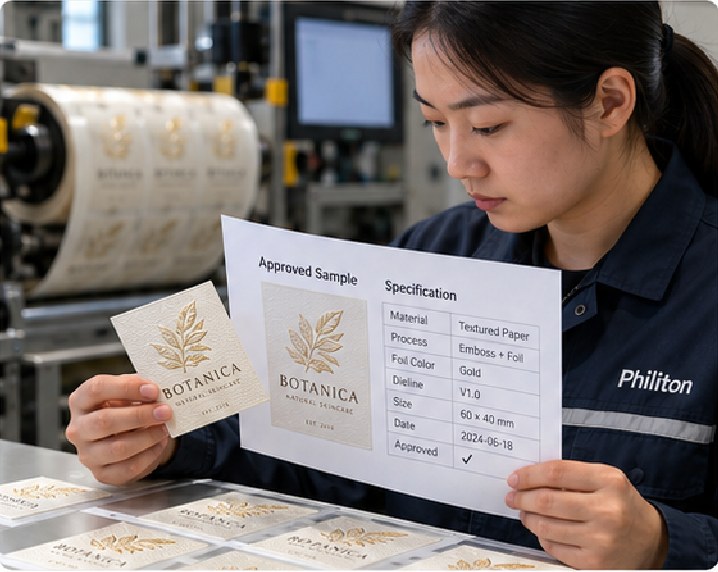
Use an Approved Sample as the Production Reference

Use an Approved Sample as the Production Reference

  • Once the tactile appearance is accepted, Philiton can use the approved physical sample together with the frozen artwork and specification as the reference for production. The approved sample helps align expectations between design, procurement, production and QC teams because it captures variables that are difficult to communicate as numbers alone.
  • Revision should be controlled. If the sample reveals weak relief, cracking, poor alignment or excessive stiffness, the next step may be an artwork adjustment, material change, tooling change or pressure adjustment. Each change should be reviewed before the project is released.
  • Mass-production lead time is quoted by project rather than presented as one universal number. Artwork readiness, sample approval, material availability, tooling, quantity, finishing route, QC and packing all influence the schedule. Complex embossing should therefore be planned backward from the required delivery date, especially when new molds, specialty materials or multiple SKUs are involved. A realistic launch plan should allow time for artwork confirmation, tooling preparation, sample review and any revision before the bulk slot is treated as fixed. Urgent scheduling can be evaluated when materials and capacity allow, but complex finishing should not rely on skipping approval or QC steps simply to recover time lost earlier in the project.

From Approved Artwork to Finished Embossed Label Rolls

Philiton keeps artwork, material, tooling, finishing and converting connected in one production route so every stage works toward the approved physical result and the required delivery format.
Artwork Freeze

Artwork Freeze

The final production file confirms dimensions, dieline, print colors, emboss layer, foil layer where required and version status. Tooling should not be released against an unapproved file. Prepress also checks whether relief sits too close to the cut edge, whether fine elements are manufacturable and whether multiple finishing layers have a clear registration relationship.
Material Preparation

Material Preparation

Face stock, adhesive and liner are matched to the package, emboss requirement and final delivery format. Incoming materials are checked according to project requirements before production. Specialty papers and decorative stocks are confirmed for actual availability rather than treated as permanent inventory. Material changes on repeat orders require review because relief and finishing appearance can change.
Print and Finish

Print and Finish

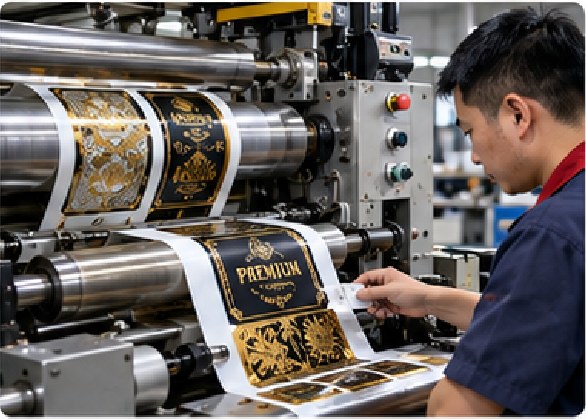
Printing is completed using the selected production route, followed by foil, embossing, debossing, coating or other approved finishing in the planned sequence. Emboss pressure is controlled to produce the accepted relief without unacceptable cracking, back impression or liner damage. Combination finishes are checked for alignment before the full run continues.
Die Cut and Strip

Die Cut and Strip

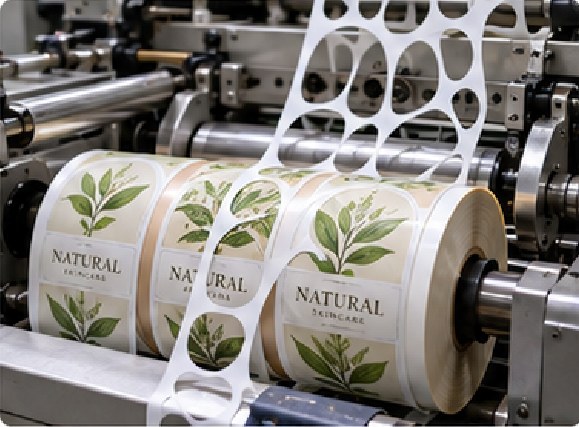
Finished labels move through die cutting, kiss cutting or other converting required by the format. Waste stripping must remove matrix cleanly without deforming raised features or lifting delicate edges. The relationship between emboss location and dieline remains important here, especially for narrow borders, small seals and shapes with thin sections.
Rewind and Pack

Rewind and Pack

Roll orders are slit and rewound to the confirmed core, winding direction, roll diameter and quantity per roll. Sheet or individual labels are converted and packed accordingly. Finished rolls should remain flat enough for handling and application. Packaging protects raised or foiled surfaces from compression, scratching and contamination during storage and shipment.
Final Release

Final Release

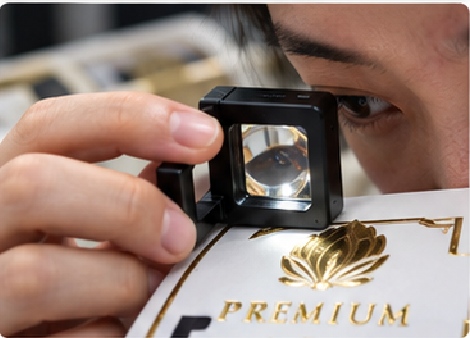
Final inspection compares finished labels with the approved artwork, specification and sample. Appearance, relief definition, registration, die cut, roll configuration and visible damage are checked according to the agreed plan. Accepted goods are identified and packed by SKU so procurement, warehouse and production teams can receive the correct version without relying on visual guesswork.

Delivery Format Must Match the Way Labels Are Applied

Embossing changes local stiffness and thickness, so roll, sheet and protective packing specifications should be confirmed before mass production rather than after finishing or final inspection.
Roll Application

Roll Application

For automatic or semi-automatic application, Philiton confirms label size, roll direction, inside or outside winding, core, maximum roll diameter, gap or pitch, liner width and any sensor requirement. Emboss depth is reviewed against roll flatness and dispensing behavior. A physical trial roll is useful when the label has heavy relief, foil alignment or a small container diameter.
Sheet Delivery

Sheet Delivery

Sheeted labels can reduce some rewind concerns and work well for hand application, gift packaging and short production runs. The sheet layout still needs to protect raised areas from rubbing or pressure during stacking. Philiton plans die cutting, matrix removal and packing so embossed features remain clean and the labels are convenient for the packing team to remove.
Individual Labels

Individual Labels

Individually cut labels are suitable for presentation packs, manual assembly or projects that need each piece separated. Packing method matters because direct face-to-face pressure can mark foil or compress relief. Protective stacking, separators or appropriate bagging can be selected according to size, finish and quantity instead of using one generic packing method for every embossed label.
Shipping Protection

Shipping Protection

Embossed and foiled surfaces should arrive without scuffing, crushing or unwanted transfer marks. Philiton packs by the final delivery format and SKU, then uses cartons suited to the shipment method. Freight quotes are based on destination, carton count, weight, volume, trade term and timing requirement. Exact transit time is confirmed with the selected logistics route.

Quality Control Focused on the Risks of Embossing

Philiton checks embossed labels against approved artwork, sample and project specifications instead of relying on a generic “premium quality” standard that ignores material and application differences.
Relief Definition

Relief Definition

Raised or recessed areas are checked for consistent formation and recognizable edges. Soft or incomplete relief may indicate unsuitable pressure, material response or tooling condition. Excessive relief may create cracking or an unacceptable back impression. The accepted appearance is compared with the approved sample when the tactile result is part of the signed specification.
Surface Damage

Surface Damage

Coated papers, films and metallic surfaces are reviewed for cracking, whitening, scuffing, foil damage or visible pressure marks. Surface defects are especially noticeable around reflective or dark graphics. Inspection focuses on the actual approved finish rather than assuming that one defect criterion applies equally to uncoated paper, laminated film and hot-foil labels.
Registration Control

Registration Control

Printed emboss and foil + emboss require attention to the relationship between layers. Philiton checks whether relief follows the approved graphic position and whether metallic borders remain visually aligned. Exact acceptance tolerances are defined by the project where needed; fixed universal registration numbers are not applied to every material, label size and finishing combination.
Liner Condition

Liner Condition

Pressure-sensitive labels are inspected from the back as well as the front. Unacceptable liner damage can affect rewinding, release and machine application even when the front looks attractive. Projects using deeper relief or small roll diameters receive additional attention because compression can telegraph through the construction and influence how the roll behaves.
Die-Cut Accuracy

Die-Cut Accuracy

The cut line, embossed area and printed graphics must remain in the intended relationship. Raised features near a narrow edge can exaggerate any alignment problem. Die cutting is therefore reviewed together with the finishing result, including clean matrix stripping and stable edge shape. Custom seals and intricate outlines may require extra feasibility review before mass production.
Final Roll Check

Final Roll Check

Finished rolls are checked for the confirmed winding direction, core, roll diameter, quantity identification and visible winding defects. Raised or foiled areas should not show avoidable compression or scratching from the roll structure. For machine-applied projects, trial application or a production-like sample can be added when line compatibility is a material project risk.

Compliance Starts with the Final Label Construction

Philiton separates company credentials, material documentation and project-specific testing so regulatory statements remain tied to the actual label construction, application, product category and intended market.

Material Documentation

Paper, film, adhesive, ink, foil and coating requirements depend on the final application and target market. Philiton can source materials and collect relevant supplier documentation where available, but a certificate for one component is not automatically treated as a blanket claim for every embossed label construction. Exact material grade and document scope are confirmed per project.

Application Requirements

Food packaging, cosmetics, household products, electronics and other sectors can have different documentation or performance requirements. External-package labels and direct-contact applications should not be treated as equivalent. Brands should define the product, market, use condition and required standard so Philiton can align material selection, manufacturing records and any requested test route with the real application.

Controlled Claims

Philiton does not present FSC, RoHS, REACH, food-contact, UL or other names as universal certifications for all labels without verifying the exact certificate, material, scope and validity. Where a project requires supporting documents or third-party testing, the requirement is reviewed before production. Final legal labeling content remains the responsibility of the brand or its regulatory adviser.

Price and MOQ Depend on the Complete Emboss Specification

Many standard custom label projects can start around 500 pieces, while embossed structures may require different economic quantities depending on material, tooling, finishing layers, SKU count and sample requirements.

Quote FactorWhy It Matters for Embossed Labels
Quantity per SKUSetup and tooling are distributed across each design; 10,000 labels in one SKU differ from 10 SKUs of 1,000.
Label Size and ShapeAffects material use, dieline, tooling area, converting layout and packing.
Face MaterialPaper, film and specialty stocks respond differently to pressure and may carry different procurement minimums.
Emboss Coverage and DetailLarge areas, fine graphics or more complex relief can change tooling and production difficulty.
Foil or Extra FinishingAdditional layers add material, tooling, registration, setup and QC steps.
ToolingEmboss/deboss molds, foil tools, print plates or die-cut tools may apply depending on the route.
Delivery FormatRoll, sheet or individual packing changes converting, rewinding, application requirements and logistics.
Sample RequirementPhysical approval samples may be needed before mass production for tactile or registration-sensitive work.
Lead TimeQuoted after artwork readiness, material availability, tooling, sample approval, quantity and finishing route are known.

Manufacturing Resources Behind Philiton Embossed Label Programs

Philiton combines prepress, printing, specialty finishing, converting, inspection and project coordination so embossed labels do not need to move between disconnected suppliers for every major manufacturing stage.

Established Manufacturing Base

Philiton was founded in 2016 and operates manufacturing activities across Shenzhen and Dongguan, with a combined manufacturing footprint of more than 12,000 ㎡. The organization supports both short custom runs and repeat mass production, allowing an embossed label program to start with controlled development and continue into larger scheduled orders without changing the entire manufacturing relationship.

91 Core Professionals

Among more than 200 employees, 91 are technical personnel, skilled production operators and quality-related professionals. The confirmed structure includes artwork and prepress roles, process and printing engineers, foiling operators, embossing operators, die-cutting and slitting staff, plus IQC, IPQC, FQC, OQC and laboratory personnel. Complex finishing therefore has dedicated technical and production support rather than sales handling alone.

Connected Process Chain

Philiton’s confirmed capabilities cover artwork/prepress, digital and flexographic printing, screen and UV processes, foil stamping, embossing and debossing, lamination/coating, die cutting, waste stripping, slitting, rewinding, automatic inspection, laboratory testing and packing preparation. Base papers, films, adhesives and foils are sourced externally; manufacturing value is created through selection, printing, finishing, converting and control.

Flexible Scaling

Many standard label and sticker projects can begin around 500 pieces, while special materials, dedicated tooling and complex finishing are quoted according to actual project economics. The same broader manufacturing infrastructure also supports orders in the thousands and much larger repeat programs. Multi-SKU work can be organized by artwork, quantity, material, QC identification and packing instead of being treated as one undifferentiated run.

Representative Embossed Label Program Scenarios

The examples below show how Philiton structures typical embossed-label development from artwork review through approval and production. They are representative project scenarios rather than disclosures of named client orders.
U.S. Premium Spirits

U.S. Premium Spirits

Region: United States. Brand profile: premium craft spirits range preparing a 5,000-label launch for one flagship bottle. Requirement: approximately 65 × 95 mm textured paper label, dark print, hot gold foil and an embossed crest aligned over the foil. Philiton would review bottle diameter, final label size, foil and emboss layers, material formability and roll application. A physical foil + emboss sample would be approved before production. The final specification would freeze the paper, adhesive, foil reference, tooling, winding direction, core and QC points for repeat orders.
French Fragrance Line

French Fragrance Line

Region: France. Brand profile: niche fragrance company planning 8,000 labels across four 2,000-piece SKUs with a shared label size. Requirement: approximately 45 × 70 mm matte premium stock with a blind-embossed monogram and different printed scent names. Philiton would evaluate whether one emboss tool can be shared while print artwork changes by SKU. Sampling would focus on monogram definition, paper cracking, color appearance and packing protection. Production would separate SKU identification and quantities while preserving the same approved material and emboss structure across the series.
Australian Candle Brand

Australian Candle Brand

Region: Australia. Brand profile: established home-fragrance brand ordering 12,000 labels across three scents. Requirement: approximately 60 × 80 mm natural paper label, printed black typography, blind emboss on the brand mark and sheet delivery for manual jar labeling. Philiton would confirm jar curvature, adhesive route, label size and embossed area, then make a physical sample using the intended paper. Because application is manual rather than high-speed roll dispensing, the relief can be evaluated primarily for appearance, liner condition and easy peel. Packing would protect raised surfaces during international shipment.

Embossed Labels Frequently Asked Questions

Embossing raises selected areas above the label surface. Debossing presses selected areas inward. Both require material and tooling review because pressure changes the physical label structure. The better choice depends on the desired visual character, material, graphic size, delivery format and whether the label is hand-applied or machine-applied.
Yes. Philiton supports foil stamping together with embossing when the material, artwork and production route are suitable. Foil and emboss should be supplied as separate layers. Close alignment usually benefits from a physical sample because metallic reflection makes registration differences more visible than ordinary printing.
Premium papers, textured papers, uncoated papers and selected coated papers often provide strong tactile definition. Films and specialty materials can also be evaluated, but thin or brittle constructions may show whitening, cracking or rebound. Final suitability is confirmed with the actual material and target relief rather than by material name alone.
No universal depth is suitable for every label. Relief depends on material thickness and formability, artwork size, tooling, liner condition, roll requirements and application method. Deeper is not automatically better. Excessive pressure can damage coatings, create back impressions or make a roll harder to handle.
Yes. The emboss area should be defined as a separate vector production layer or spot-color separation. Fonts should be outlined and the final dieline confirmed. A visual 3D mockup can be supplied as a reference, but it does not replace the emboss layer used for tooling and production.
Many standard custom label projects can start around 500 pieces, but embossing can change the economic starting quantity because materials, molds, foil tools or other setup may be required. Quantity is reviewed per SKU together with label size, material, emboss coverage and finishing route before Philiton confirms the workable MOQ.
Standard printed samples are commonly developed in about 3-5 working days after artwork, material and process confirmation. Samples involving embossing, foil, special die cutting, screen printing or specialty materials commonly need about 5-7 working days. Tooling complexity and material availability can change the schedule, and courier transit is separate.
Yes, when the structure is designed for the application line. Philiton reviews roll direction, core, roll diameter, gap or pitch, liner width and container geometry. Heavy relief can increase stiffness or affect roll flatness, so demanding automatic applications may need a production-like trial roll before full release.
Potentially. Reuse depends on artwork, size, position, process, tool condition and storage arrangement remaining suitable. A logo, scale, position or material change may require a new review or new tooling. Philiton checks tooling status during repeat-order review instead of assuming it remains reusable indefinitely.
Send label width and height, shape, quantity per SKU, preferred material if known, artwork, emboss area, foil or other finishing requirements, roll or sheet format, application method, container or surface, destination and required delivery timing. A reference photo or physical sample is useful when the target relief is difficult to describe.

Send the Details Needed for an Embossed Label Quote

A useful embossed-label quotation starts with enough information to evaluate material, tooling, finishing and delivery format together. Send Philiton your artwork or marked PDF, final label size, quantity per SKU and the area that should be raised or recessed. If foil, spot effects, lamination or a specialty paper is required, include the preferred effect or a reference photo. For roll-applied labels, provide the applicator requirements when available, including roll direction, core and maximum roll diameter. For hand-applied labels, note whether you prefer roll, sheet or individual delivery. Please also share the product or container surface, destination country and required in-hand date. Philiton will review manufacturability, material route, expected tooling, sample path and production variables before confirming price and schedule. If the design is still being developed, a clear reference image and approximate size are enough to begin an engineering discussion. For a foil-aligned emboss, mark both areas separately. For an existing label that needs to be reproduced or improved, photos of the front, back and roll plus one physical sample can shorten the review. Philiton will not assume a fixed emboss depth, material grade or mold route until the actual design and application are understood.

  • Artwork: AI, EPS or vector PDF preferred
  • Size and shape: width × height plus dieline if available
  • Order: quantity per SKU and expected repeat volume
  • Finish: blind emboss, printed emboss, foil + emboss or deboss
  • Application: hand-applied or machine-applied; roll, sheet or individual
  • Destination and required delivery date

For all inquiries, please feel free to reach out at:

Get In Touch

  • Our team will answer your inquiries within 12 hours.

  • Your information will be kept strictly confidential.

Get a Fast Quote for Custom Labels & Stickers

We will contact you within 24 Hours, please pay attention to the email with the suffix“@philiton.com”. 

For all inquiries, please feel free to reach out at:
Get a Quote Today!

We will contact you within 24 Hours, please pay attention to the email with the suffix“@philiton.com”.

Ask For A Quick Quote

We will contact you within 24 Hours, please pay attention to the email with the suffix“@philiton.com”. 

For all inquiries, please feel free to reach out at: