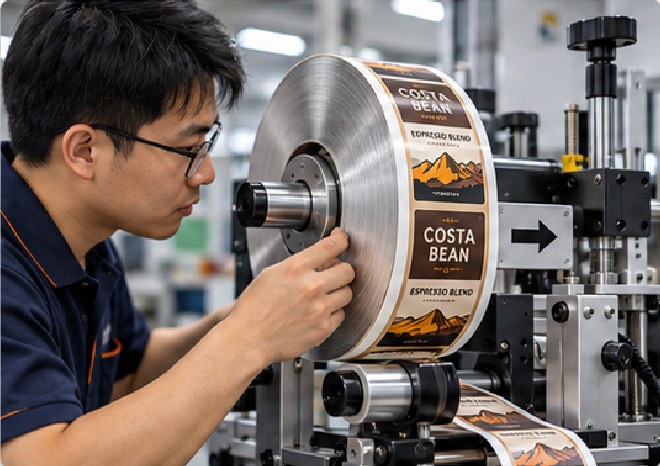
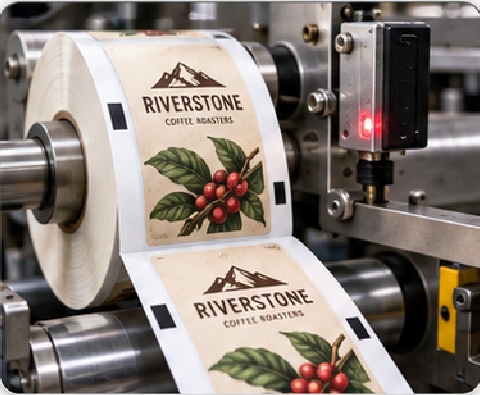
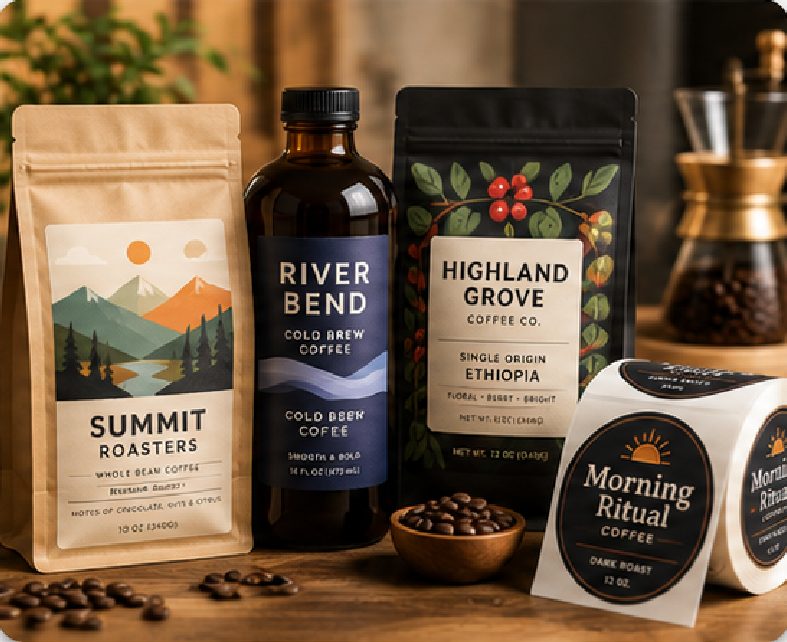
Philiton combines coffee-packaging material selection, artwork review, digital and flexographic printing, specialty finishing, converting and inspection in one manufacturing workflow.
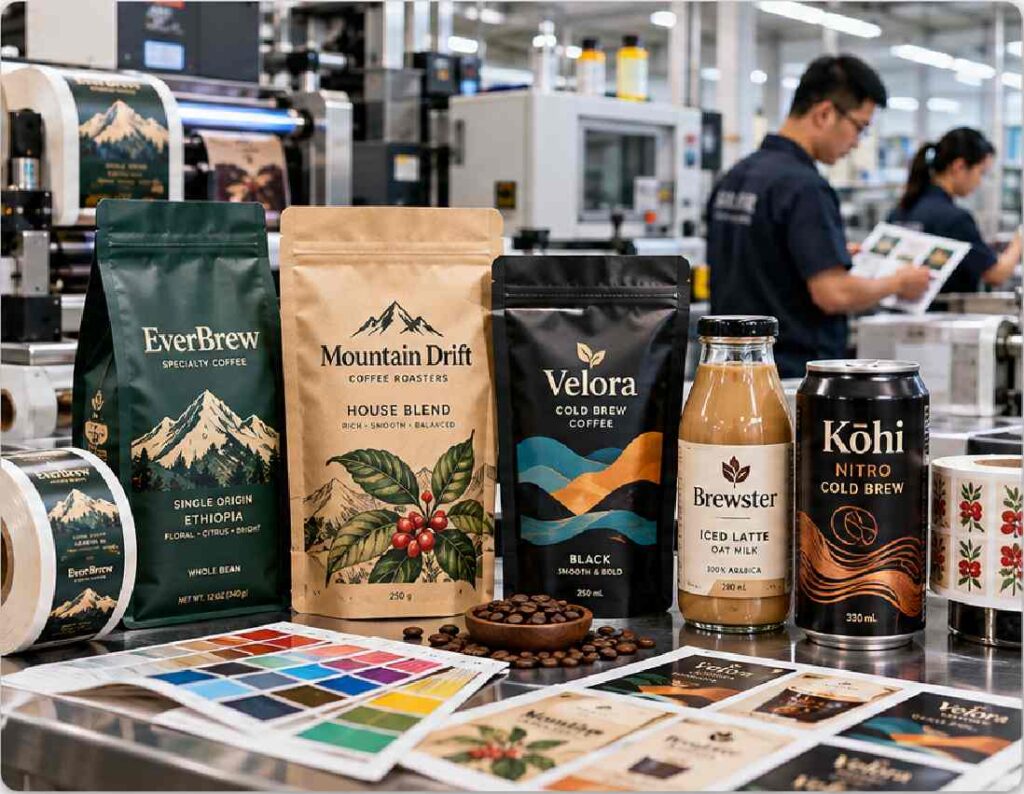
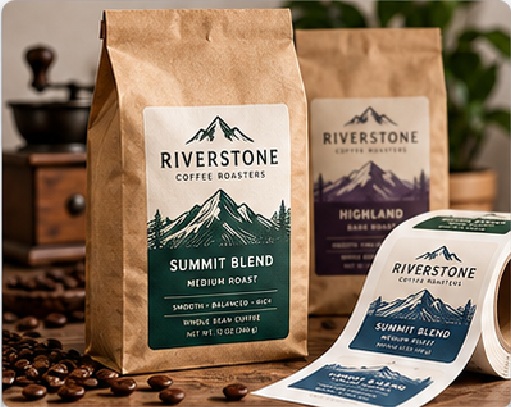
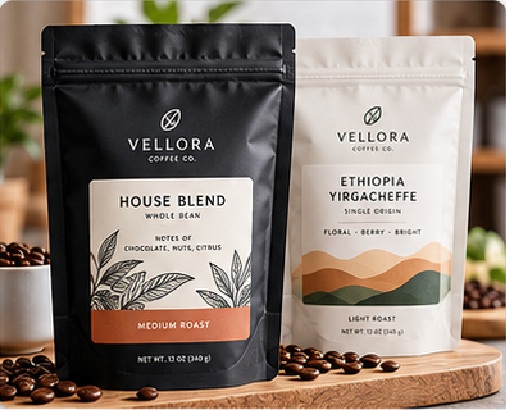
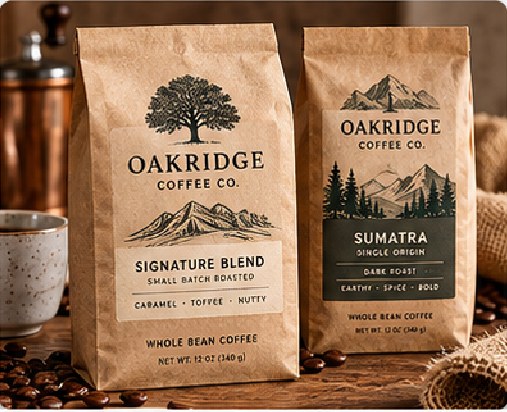
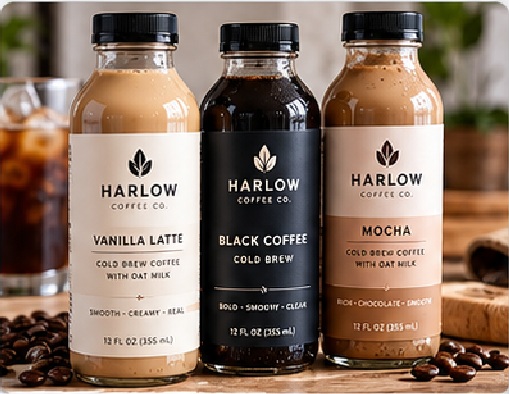
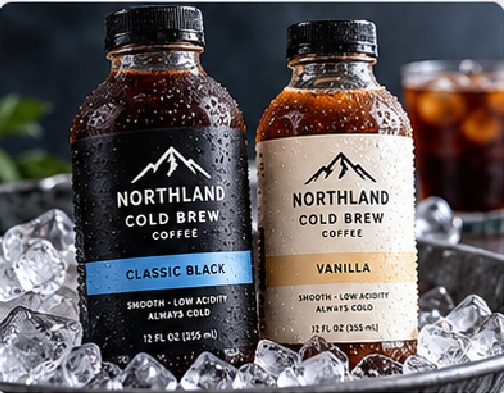
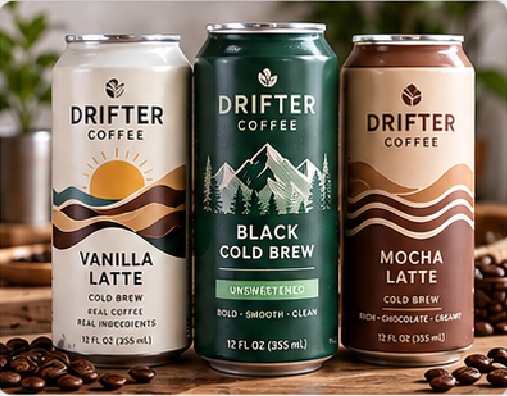
Use the package and operating conditions first; material name comes after the application requirement is clear.
| Coffee Packaging | Main Conditions | Recommended Starting Direction | Adhesive / Engineering Focus | Typical Finish Options | Delivery Format |
|---|---|---|---|---|---|
| Dry coffee bag | Ambient, dry retail handling | Coated paper, kraft, textured paper, BOPP | Bag coating, surface texture, label size | Matte, gloss, foil, emboss | Cut, sheet or roll |
| Stand-up pouch | Flexible package, repeated bending | BOPP, synthetic stock, suitable paper | Flexibility, edge lift, pouch coating | Matte laminate, spot UV, metallic | Roll or cut |
| Premium kraft pouch | Dry, tactile brand presentation | Kraft, uncoated, textured paper | Ink appearance on natural stock | Foil, emboss, deboss | Cut or roll |
| Cold brew bottle | Refrigeration, condensation | BOPP, PET, clear or white film | Application temperature, moisture, curvature | Clear, matte, gloss, metallic | Roll preferred for scale |
| Coffee can | Dry or chilled, frequent handling | BOPP, PET, paper or metallic film | Metal surface, scuffing, applicator setup | Matte, gloss, metallic, foil | Roll |
| Multi-SKU launch | Frequent artwork changes | Shared material platform where possible | Revision control, SKU identity | Shared finish across versions | Digital roll or sheet |
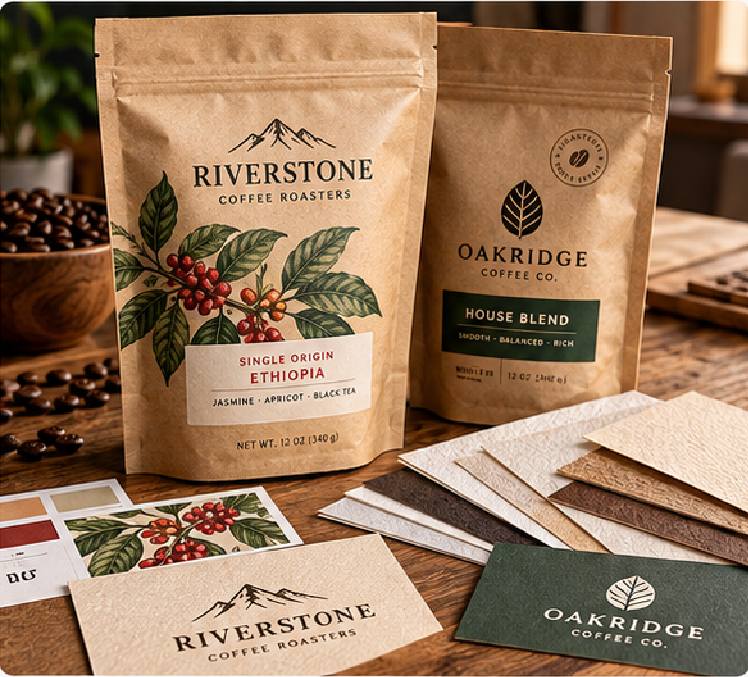
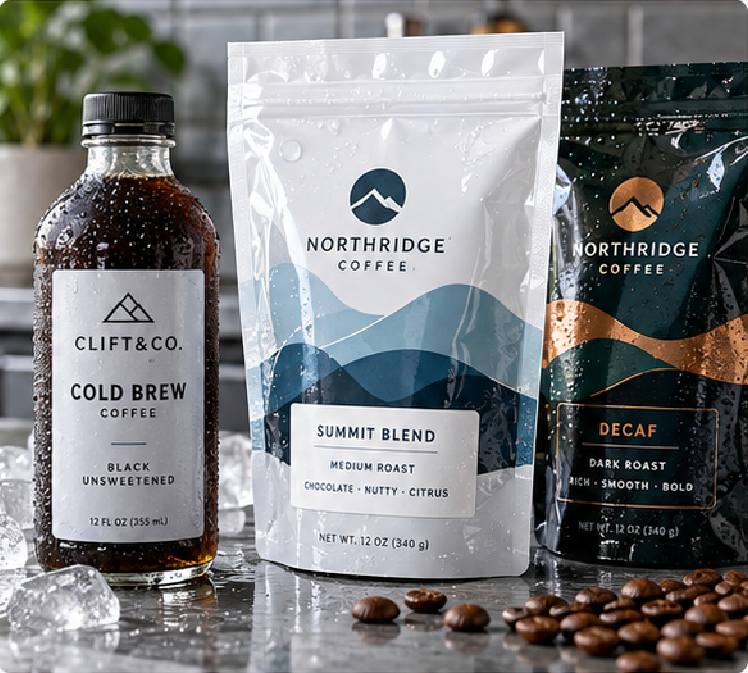
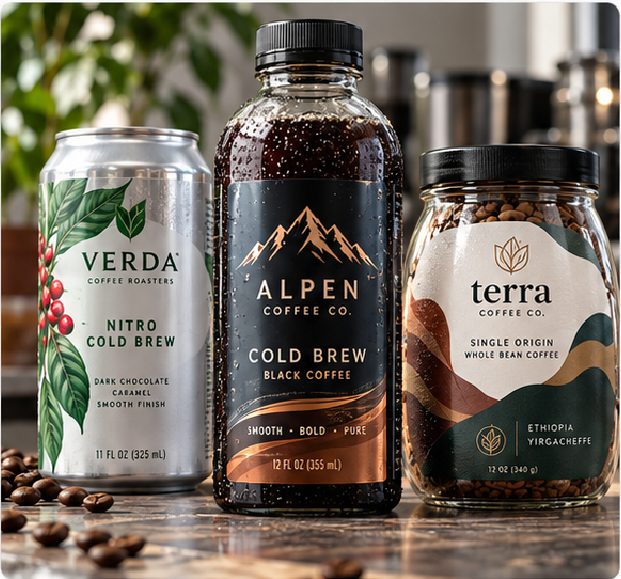
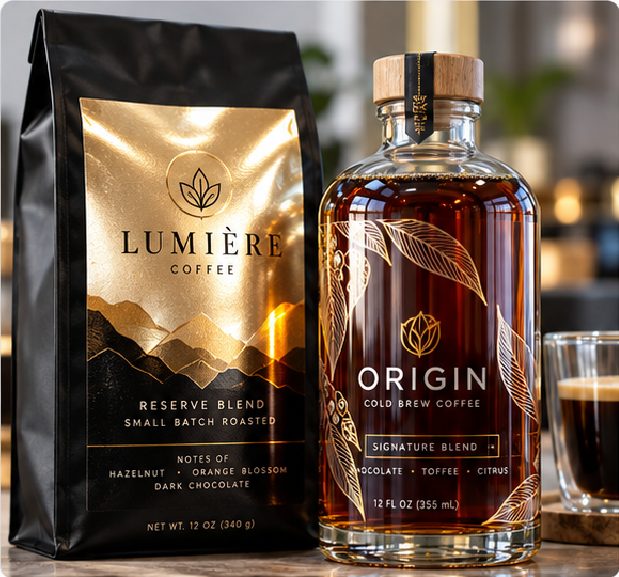
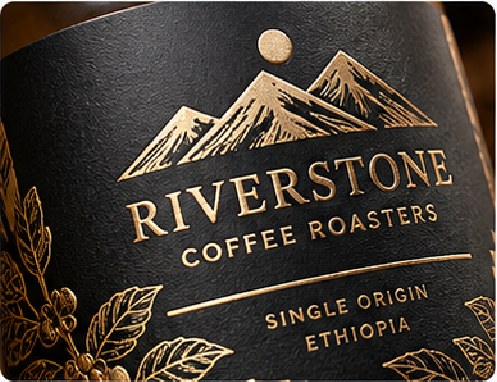
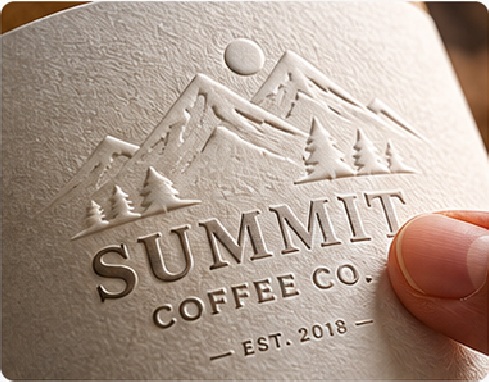
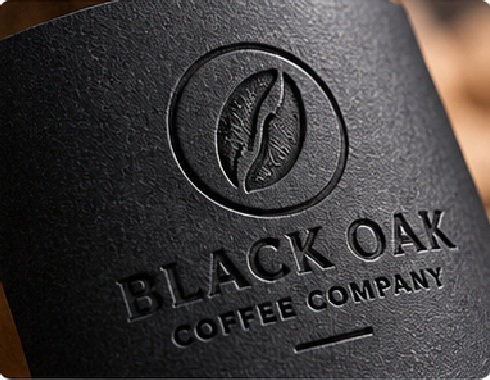
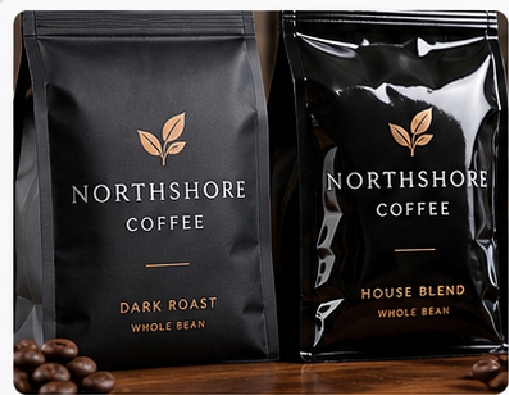
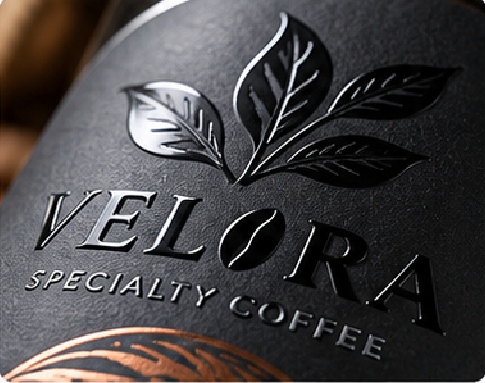
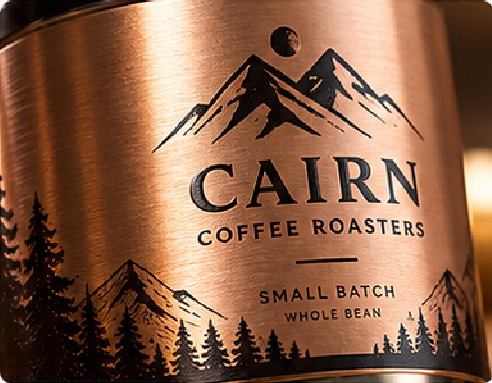
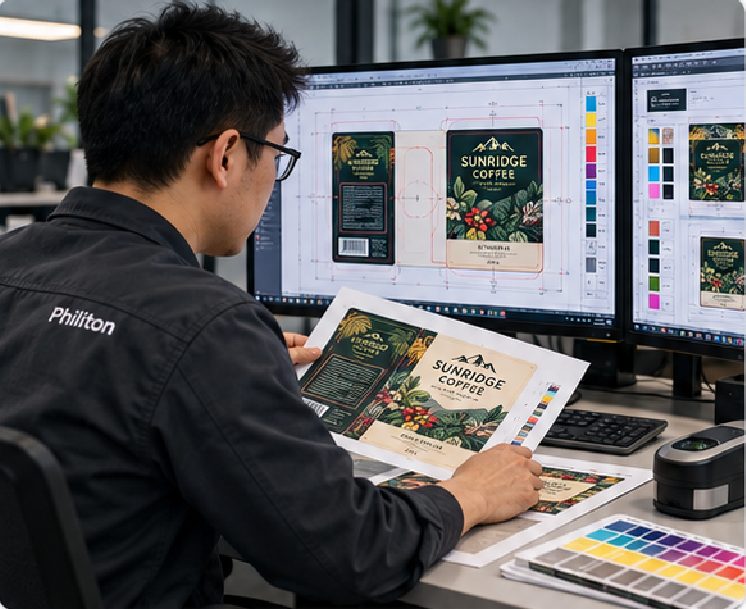
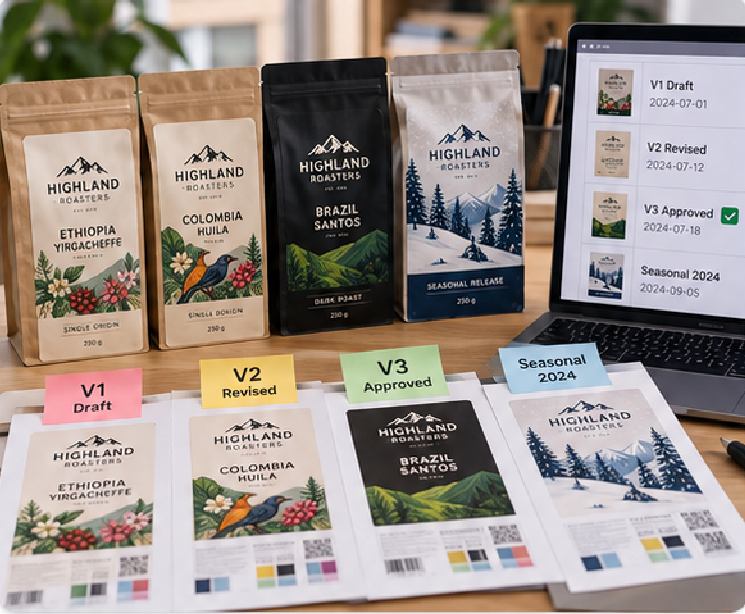
Coffee portfolios change frequently. A core bag design may be reused across Ethiopia, Colombia, Brazil and blend SKUs, while roast level, tasting notes, barcode and origin information change on every version. Without revision control, the largest risk may be an old barcode or outdated text rather than a printing defect. Philiton treats each artwork as a controlled SKU and records the approved version used for production. Compatible SKUs can share one material platform, adhesive, finish and roll format, but each artwork still needs its own quantity, file identity and approval status. A design change is reviewed for manufacturing impact before release. Moving a logo usually affects artwork only; changing label size, material, foil coverage, barcode geometry, adhesive or roll configuration may require a new proof, sample or application check. For repeat orders, the approved specification and artwork revision provide a reference for reordering. Production does not rely on a screenshot, an old email attachment or a file with an unclear name. File naming, revision dates and approval status are kept consistent so an older origin label or retailer version is not accidentally released. This structure supports brand consistency across seasonal releases and helps procurement teams keep many coffee SKUs under one manufacturing program.
Printing route should follow quantity, SKU count, artwork stability, material, finish and repeat-order structure rather than one universal method.
| Project Condition | Digital Printing Direction | Flexographic Printing Direction |
|---|---|---|
| New coffee launch | Strong fit for controlled short runs and proof-to-production workflow | Usually evaluated after demand becomes more stable |
| Many SKUs in one program | Strong fit when materials and finishing are compatible | Can work for stable, repeating versions with sufficient volume |
| Frequent artwork changes | Efficient because no conventional print plates are required | Plate changes and setup should be included in the commercial review |
| Photographic graphics and gradients | Strong CMYK reproduction route | Suitable where the artwork and press setup are optimized |
| Stable spot-color program | Can be controlled to approved targets | Strong option for repeat, higher-volume brand programs |
| Variable data or frequent code changes | Well suited to digital variable workflows | May require a separate variable-data process |
| Medium to high repeat volume | Suitable, especially for multi-version work | Often worth reviewing for stronger production economics |
| Specialty finishing | Can combine with foil, embossing, lamination and other post-processes | Can combine with suitable inline or offline finishing |
Philiton treats the finished roll as part of the label specification so printed labels can move from receiving to the applicator without rewinding or reorientation.
Roll labels are not interchangeable simply because the face size is correct. Automatic and semi-automatic applicators depend on how the label leaves the liner, which edge leads into the machine and whether the label faces inward or outward on the roll. Philiton can work from an applicator specification, sample roll, machine drawing or clear photos to define the required unwind direction. Artwork orientation is then tied to the approved roll direction instead of being decided after printing.
Core diameter and maximum roll diameter are also functional requirements. The core must fit the machine shaft or chuck, while the outer diameter controls how many labels can be wound without exceeding the applicator envelope. A roll that is too large may not fit; a roll that is too small may increase changeovers. Labels per roll can be set after label pitch, liner thickness, core and diameter limits are known.
For repeat programs, approved roll direction, core, maximum OD and labels-per-roll can be retained as controlled specifications. Philiton can also record a sample roll or machine drawing as a secondary reference when the application line is critical. Any equipment change, rewinder change or new co-packer should trigger a compatibility review before the next production run so an old roll format is not assumed to fit a different line.
The space between labels is not only a die-cutting detail. Gap and pitch influence machine indexing, sensor detection and the position of every label as it is dispensed. Liner width must provide enough support for reliable converting and dispensing without creating unnecessary waste. If the applicator uses black marks or other registration features, size, position and contrast should match the machine requirement rather than an assumed standard.
Philiton can also review corner radius, label stiffness and release behavior for applications where a label must peel cleanly from the liner at speed. A very rigid label, excessive adhesive flow or unsuitable release force can cause dispensing problems even if print quality is perfect. Roll inspection and final packaging should protect the approved geometry so rolls do not arrive with crushed cores, damaged edges or distorted faces.
For a new bottling or canning line, sending the machine specification before production is more efficient than correcting roll direction or core size after labels are finished. Philiton also checks whether the applicator uses transparent-label sensing, black marks, a specific liner width or a minimum gap. These details belong in the released specification because they affect converting, rewinding and final line performance, not only the printed artwork.
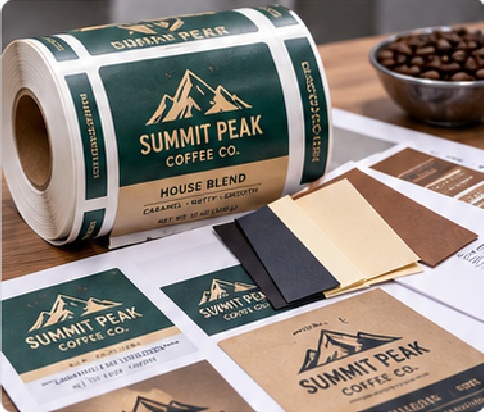
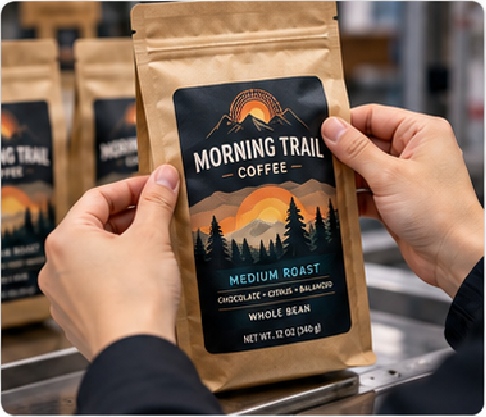
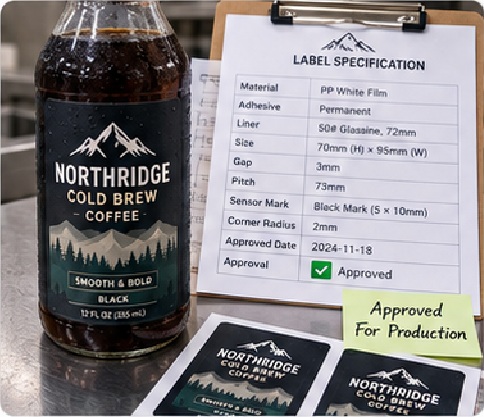
Once appearance and functional requirements are accepted, Philiton can lock the production specification around size, material, adhesive, print method, color target, finish, die line, roll parameters, packing and approved artwork revision. A physical approved sample can serve as a golden reference when the project requires a tangible benchmark for future production.
The purpose of a golden sample is not to replace written specifications. It works best together with the approved artwork and controlled production parameters. Later changes to material, finish, size, barcode, adhesive or application conditions should be reviewed before the next run rather than silently carried into production.
Repeat orders can often move more efficiently when the approved construction remains unchanged and material is available. Philiton can retain several approved physical references when a golden sample is part of the program, while the written specification remains the main controlled record. For projects needing several internal approvers, a small set of signed or identified reference samples can be distributed while Philiton keeps retained references for production comparison. If the brand later changes the pouch supplier, bottle resin, applicator, adhesive requirement or surface finish, the previous sample should not be treated as universal proof. Production still goes through order review and quality control; repeat status does not mean automatic release without confirmation.
Many standard label projects can start around 500 pieces per design or SKU, while actual MOQ and price depend on the full construction.
| Quote Factor | How It Changes the Coffee Label Project |
|---|---|
| Quantity per SKU | Affects printing route, setup cost distribution and economic production range |
| Number of SKUs | Each artwork needs approval, quantity control and identification even when materials are shared |
| Label size and shape | Changes material usage, die-cutting layout, tooling and labels per roll |
| Face material | Coated paper, kraft, textured paper, BOPP, PET, clear and metallic stocks carry different costs and availability |
| Adhesive | Standard permanent, high-tack, removable or low-temperature directions depend on the package and environment |
| Printing method | Digital favors short runs and many versions; flexography becomes more relevant for stable repeat volume |
| Finishing | Foil, embossing, debossing, spot UV, lamination and specialty coatings add processing steps and tooling where required |
| Delivery format | Individual pieces, sheets or rolls require different converting, counting and packaging work |
| Roll specification | Core, roll direction, maximum diameter and labels per roll can affect converting and packing |
| Testing and documentation | Application trials, code verification or project-specific compliance files can add time and cost |
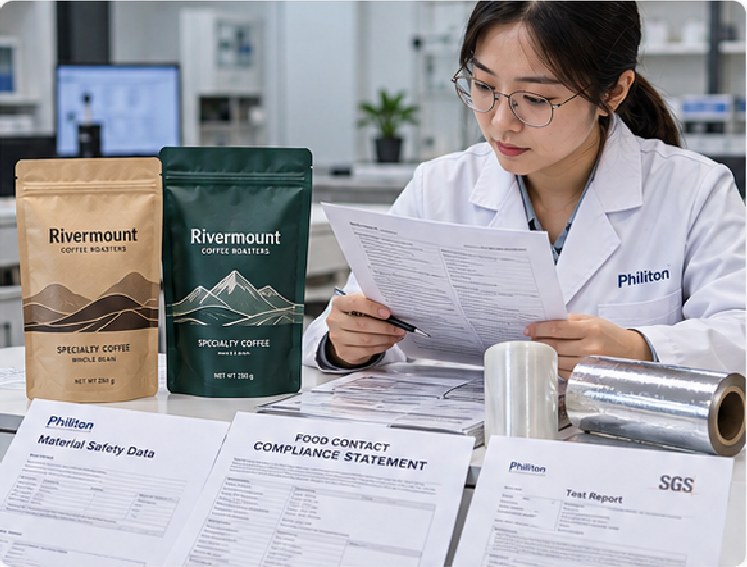
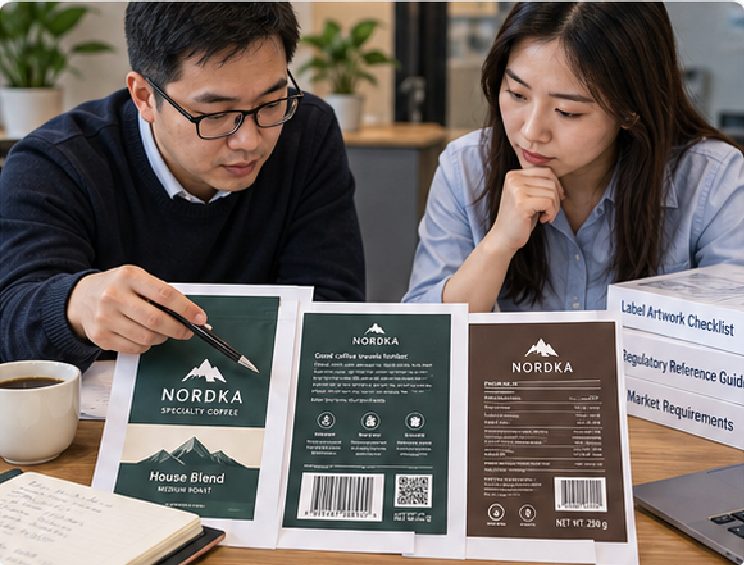
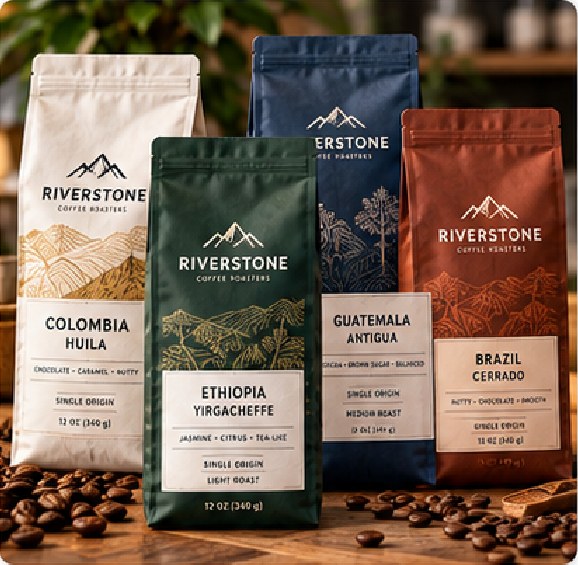
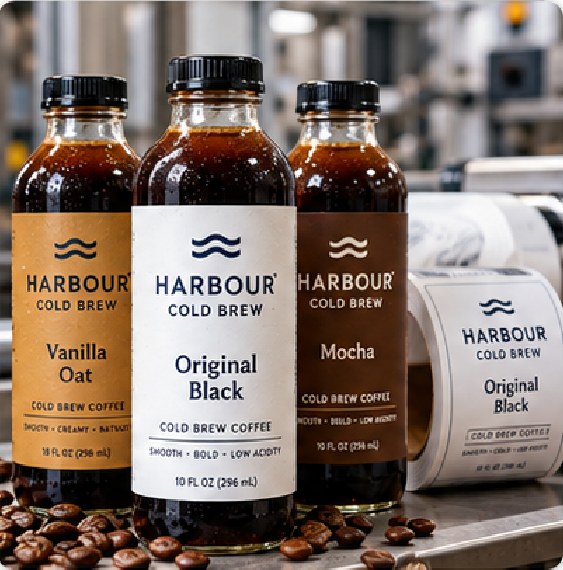
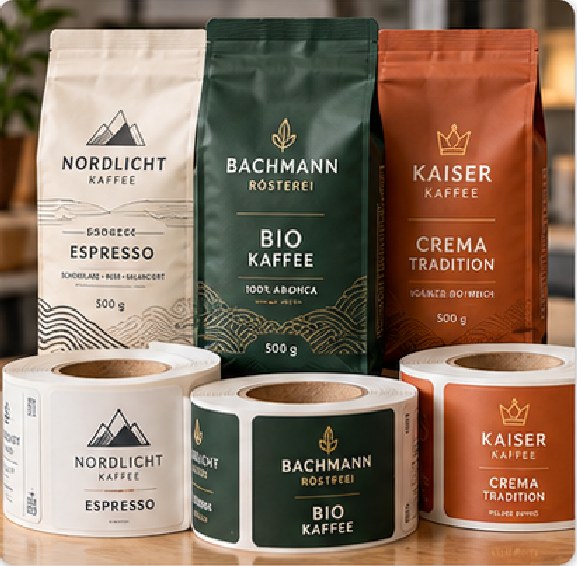
Philiton can quote accurately once the coffee packaging, label construction and order structure are clear. Send finished artwork if available, or send the package information first and let the team recommend a material and production route. For multi-SKU programs, one shared brief is enough to start as long as quantities and artwork versions are identified separately.
Please include:
For all inquiries, please feel free to reach out at:
Our team will answer your inquiries within 12 hours.
Your information will be kept strictly confidential.
We will contact you within 24 Hours, please pay attention to the email with the suffix“@philiton.com”.
For all inquiries, please feel free to reach out at:
We will contact you within 24 Hours, please pay attention to the email with the suffix“@philiton.com”.
For all inquiries, please feel free to reach out at:
We will contact you within 24 Hours, please pay attention to the email with the suffix“@philiton.com”.