Your Trusted Labels & Stickers Manufacturer from China!

Custom Candle Labels Manufacturer

Engineered for candle jars, tins and fragrance collections that need reliable adhesion, refined finishes and repeatable multi-SKU production.

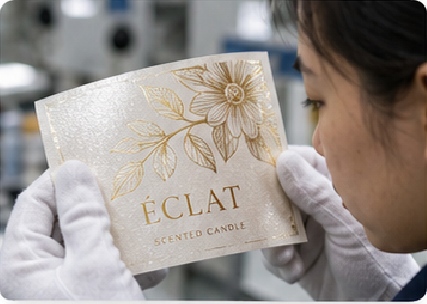
Philiton manufactures custom candle labels from artwork review through finished rolls, sheets or individual pieces. Projects can combine brand labels, bottom warning labels, lid labels and outer-packaging labels under one controlled specification.

  • Founded in 2016 with manufacturing in Shenzhen and Dongguan.
  • 12,000+ m² manufacturing footprint and 200+ employees.
  • 91 technical, skilled production and quality personnel combined.
  • Many standard label projects start from around 500 pcs per design or SKU.
Custom Candle Labels Manufacturer

Candle Labels Must Work Beyond the Shelf

A candle label has to look refined at retail, stay clean during filling and handling, and remain compatible with the vessel, finish and labeling method.
Heat And Handling

Heat And Handling

Candle vessels warm during use and move through filling, packing, retail handling and home use. Philiton reviews label position, material construction, surface finish and adhesive conditions before production. A label placed lower on a jar may face a different temperature profile than artwork wrapped close to the rim. Surface durability, print protection and edge stability are considered together rather than treated as separate decoration choices.
Wax And Fragrance Oil

Wax And Fragrance Oil

Wax drips, fragrance oil, fingerprints and cleaning can change how a label looks and bonds. Philiton can compare coated papers, films, laminates and varnishes according to the brand appearance required and the expected exposure. Sensitive paper looks should be validated on the actual candle vessel when oil transfer, wiping or moisture is possible. Material choice is made around use conditions, not only texture or price.
Curves And Tapers

Curves And Tapers

Straight-sided glass is easier to label than strongly tapered jars, rounded tins or vessels with changing diameter. Philiton checks available flat labeling area, panel shape, edge clearance and die-cut geometry before releasing artwork. When a decorative shape is required, the outline should support smooth application instead of forcing corners or narrow points onto a surface that naturally pulls the label away.
Multi-SKU Consistency

Multi-SKU Consistency

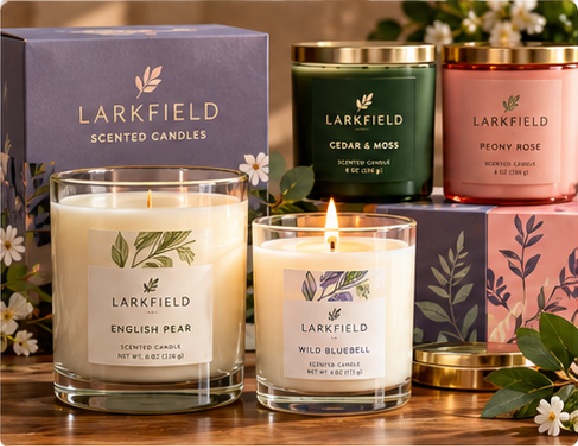
Fragrance collections often share one vessel and label construction across many artworks. Philiton can keep common dimensions, material, adhesive and finishing rules while controlling scent names, colors, barcodes, warning artwork and language versions. Shared specifications reduce unnecessary changes between SKUs and make repeat orders easier to reproduce. File naming, approved samples and packing identification become especially important as the collection grows.

Built for Growing Candle and Fragrance Programs

Philiton supports projects with different launch pressures, from first retail runs to multi-SKU programs that require repeat color, controlled files and scalable supply.

Emerging Candle Brands

New candle lines need enough flexibility to validate a vessel, finish and fragrance range without overbuilding inventory. Philiton supports sample development and many standard custom label projects from around 500 pcs per design or SKU. A launch can begin with digital production, several scent artworks and one common construction, then move toward higher-volume routes as demand becomes more predictable.

Established Retail Brands

Retail programs place more weight on repeatability, approved brand colors, version control, packaging schedules and replenishment. Philiton combines artwork and prepress review with digital, flexographic, finishing, converting and inspection capabilities. The goal is not simply matching one approved label once; the program should reproduce the approved construction across reorders, seasonal refreshes and multiple fragrance families.

Private Label Manufacturers

Contract candle manufacturers often manage several brand owners, vessel styles and artwork sets at the same time. Philiton can separate projects by brand, SKU, size, roll format and carton identification while keeping shared manufacturing rules where appropriate. White-label and neutral-shipping arrangements can be discussed for qualified projects, helping the manufacturing partner keep its own commercial relationship and packaging workflow organized.

Distributors And Print Partners

Print brokers, packaging distributors and local service companies need a manufacturing partner that can handle short-run digital work, special finishes and repeat volume without competing for the end account. Philiton supports project-based confidentiality, neutral production, multi-project RFQs and blind-shipping arrangements subject to order terms. Technical questions can move directly into material, finishing, roll and quality review before quotation.

Build a Complete Candle Label Set

A retail candle can require several coordinated labels. Philiton can manufacture the set around one approved artwork system, container family and packing plan.
Front Brand Labels

Front Brand Labels

The front label carries the strongest brand signal: logo, scent name, collection story and primary visual language. Philiton can produce paper, film, clear, metallic and specialty-finish constructions in custom shapes. Size and placement are reviewed against the actual straight-wall area so the label looks centered and applies without forcing edges onto curves.
Wraparound Labels

Wraparound Labels

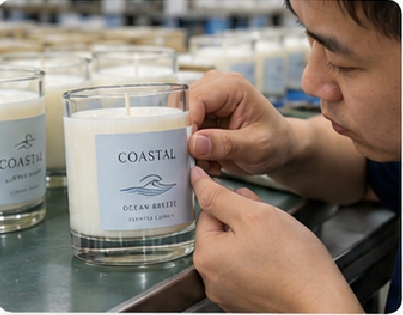
Wrap labels provide more printable space for product details, fragrance notes or multilingual information. Vessel taper and diameter tolerance matter because long panels can reveal misalignment quickly. Philiton checks finished size, overlap or gap strategy, label stiffness and application method before artwork is locked, especially when production moves from hand application to semi-automatic or automatic labeling.
Bottom Warning Labels

Bottom Warning Labels

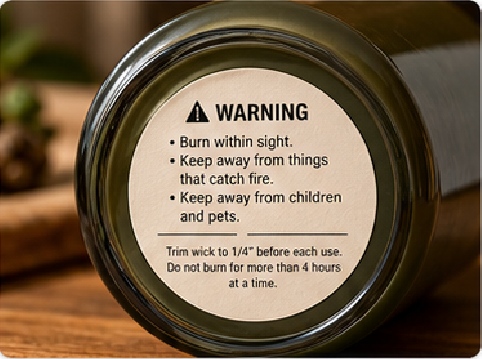
Bottom labels are commonly used for warnings, burn instructions, batch information, barcodes or contact details. Philiton can print round, square, rectangular or custom formats and keep warning artwork separate from front branding. Adhesive and size should match the available base area, recessed glass geometry and any embossing or molded markings on the container bottom.
Lid And Top Labels

Lid And Top Labels

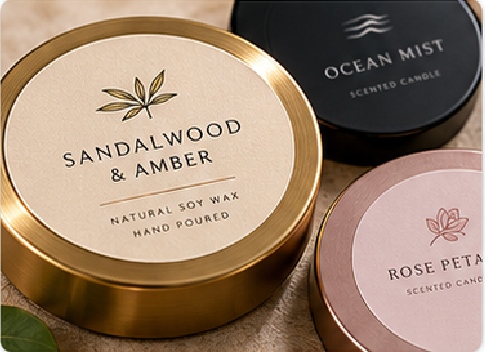
Metal lids, dust covers and rigid top surfaces offer an extra branding position for logos, scent identification or limited-edition marks. Philiton can die cut circles, squares and decorative shapes, including metallic or textured looks. When lids are handled frequently, surface cleanliness, coating and abrasion exposure are considered before a material and print-protection route is approved.
Barcode And QR Labels

Barcode And QR Labels

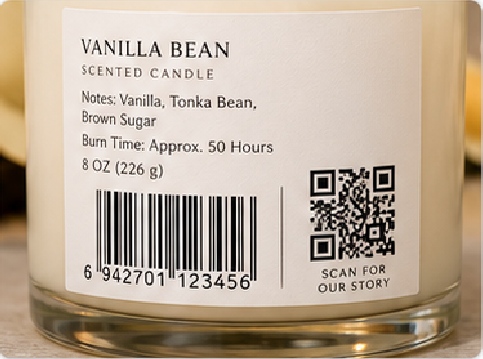
Retail, inventory and direct-to-consumer programs may need UPC, EAN, QR, batch or internal SKU data. Philiton can integrate static or variable information into the label set and verify print clarity during production. Barcode or QR artwork should be supplied at suitable size and contrast, with quiet zones protected from decorative effects that may interfere with scanning.
Box And Seal Labels

Box And Seal Labels

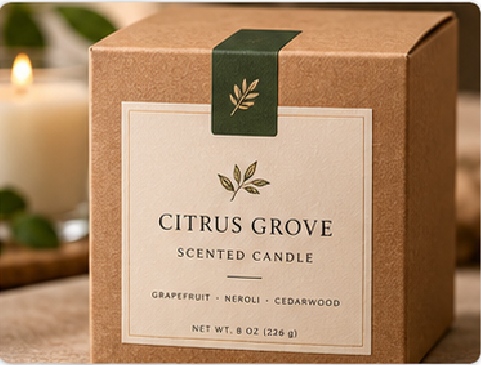
Candle cartons, gift boxes, tissue wraps and shipping presentation can use matching product labels, seals or tamper-evident elements. Philiton can coordinate common colors, finishes and artwork families across vessel and outer packaging labels. Using one production brief for the full label set helps reduce mismatched versions and simplifies SKU separation during packing and replenishment.

Match the Label to the Candle Vessel

Vessel material, coating, curvature and labeling area change the label construction. Philiton reviews the real container instead of treating every candle jar as identical.
Clear Glass Jars

Clear Glass Jars

Clear glass can support paper branding, opaque film or a no-label-look clear construction. Philiton reviews transparency, white-ink requirements, edge visibility and adhesive clarity against the artwork. Fingerprints, glass treatments and filling residues should be controlled before application. A clear label may also reveal bubbles or contamination more visibly than an opaque paper label.
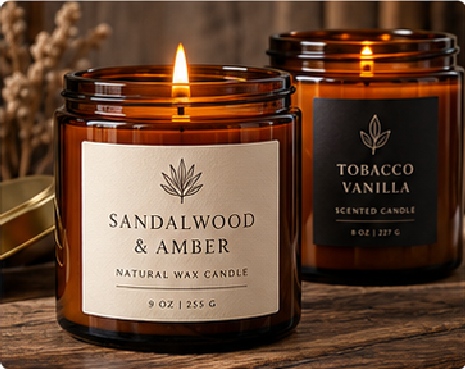
Amber Glass Jars

Amber Glass Jars

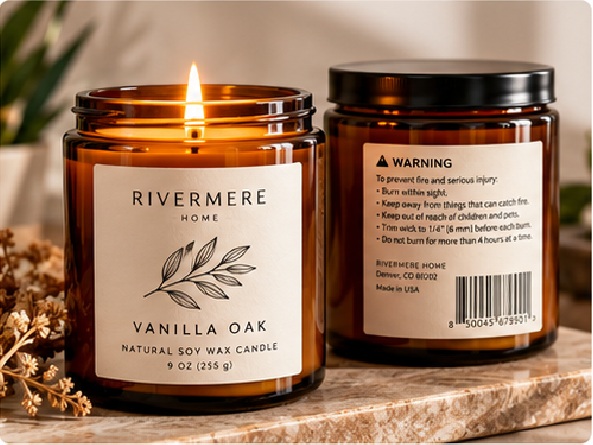
Amber glass gives natural contrast for white, cream, metallic and textured label systems. Philiton can compare coated paper, uncoated-look paper, white film and clear constructions depending on the desired finish. Artwork colors should be assessed on the actual amber tone because transparent areas and low-opacity inks can shift visually against darker glass.
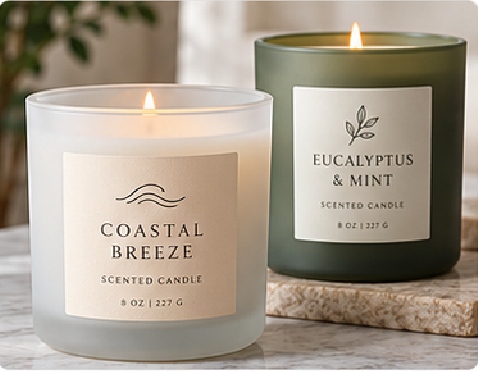
Frosted Or Coated Glass

Frosted Or Coated Glass

Frosted, painted or coated surfaces can behave differently from smooth untreated glass. Philiton treats the coating as part of the adhesive review because surface chemistry, roughness and dust can influence bond strength. Material swatches or finished samples on the actual vessel are preferred before a large order, particularly when a premium paper or heavier finish stack is planned.
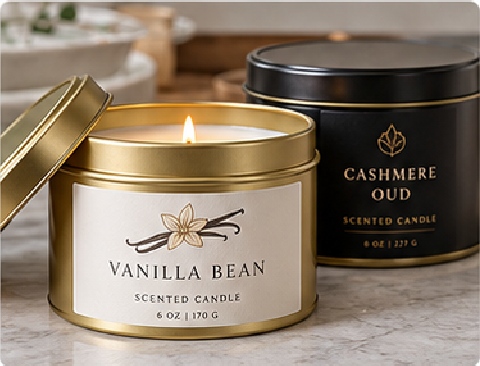
Metal Candle Tins

Metal Candle Tins

Tin containers are common for travel candles, gift sets and compact collections. Philiton can produce side labels, lid labels and bottom labels in paper or film. Curvature, rolled edges, lacquered surfaces and frequent handling affect the choice. Round top labels often allow more decorative freedom, while side labels require careful width and height control to avoid seams and strong curvature.
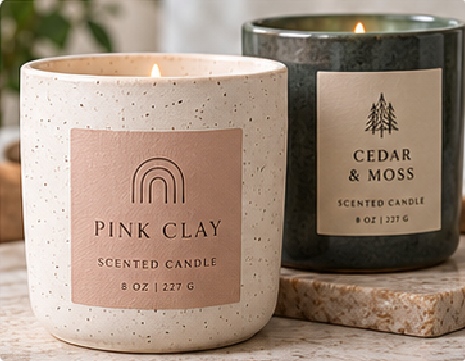
Ceramic Containers

Ceramic Containers

Ceramic and specialty vessels may have glaze variation, texture, small-radius curves or irregular geometry. Philiton recommends checking the actual surface rather than assuming glass-label behavior will transfer. Flexible films may conform differently from rigid textured papers. Custom die shapes can help preserve a handcrafted look while keeping the label footprint within a stable, flatter bonding zone.
Wax Melts And Boxes

Wax Melts And Boxes

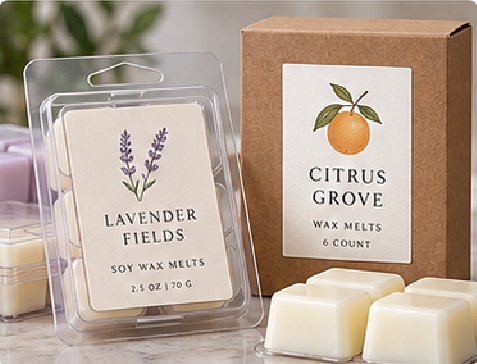
Home-fragrance programs often extend beyond candles into wax melts, clamshells, cartons or paper sleeves. Philiton can maintain common artwork architecture across these formats while adjusting material, adhesive and finished size. Shared color references and file controls help keep the collection consistent even when one SKU uses a jar label and another uses a box or clamshell label.

Prevent Common Candle Label Failures

Most label problems appear after filling, handling or application. Philiton reviews the failure mechanism before changing materials or adding expensive finishing.

Stop Edge Lift Before It Reaches Retail

Edge lift is usually a system problem rather than a single bad adhesive problem. Philiton begins with the actual vessel: smooth glass, frosted glass, lacquered tin, ceramic, painted surface or outer carton. The next checks are container diameter, taper, available flat area, label stiffness, corner radius, application temperature and surface cleanliness. A thick textured paper on a narrow curved jar may look premium in a swatch book yet create more edge stress than a thinner construction. A label applied over fragrance oil residue, wax dust or fingerprints can also lose contact before the adhesive has had enough dwell time. For new projects, Philiton can review a vessel photo, dimensional drawing or physical sample before final die-line approval. The artwork should leave reasonable clearance from strong shoulders, bases, seams and changing curvature. Rounded corners can reduce stress where square corners would become lift points. When risk is higher, a material swatch or finished sample on the actual jar provides better evidence than a flat-panel test. The manufacturing response follows the cause. Geometry problems are corrected with size or shape; surface problems require cleaning or a different adhesive; stiffness problems may need another facestock or laminate. Treating every failure with stronger glue can increase cost without solving the real reason the label lifts.

Control Wax, Oil and Surface Contamination

Candle filling and handling create contamination risks that ordinary packaging mockups may not show. Fragrance oils can transfer to glass or tins, wax can smear across the vessel, and wiping agents can change the surface before labeling. Philiton therefore separates visual material selection from application-condition review. Textured papers can deliver a warm artisan appearance, while films and protected paper structures can offer more resistance to wiping, oil contact and moisture. Neither category is automatically correct for every candle line. Application timing matters as much as material. Containers should be clean, dry and at a stable temperature before labels are applied. If jars are labeled immediately after filling, residual warmth or contamination should be included in the sample plan. For hand-applied lines, operators also need a repeatable placement reference; for machine-applied lines, roll direction, gap, core and release-liner behavior become part of the specification. Philiton can build sample stages around the actual risk. A low-risk artwork change may only need a printed sample. A new frosted jar with fragrance-oil exposure may justify a material comparison and finished label application test. The aim is to verify the combination that will be packed and sold, not only the print appearance on a loose label.

Keep Premium Effects Stable Across Every Scent

Premium candle collections often combine matte surfaces, foil, embossing, spot effects, fine typography and multiple fragrance colors. Small differences become obvious when the same collection is displayed side by side at retail. The visual challenge grows when ten or twenty scent artworks share one structural specification. Philiton manages these programs by fixing common elements first: finished size, die line, material, adhesive, print method, finishing zones and packing format. Variable elements such as scent name, accent color, barcode and language version are then controlled within the approved framework. Registration and artwork separation become critical when foil, emboss or spot UV sits close to fine type or a die-cut edge. The prepress file should clearly identify metallic, white-ink, varnish and emboss layers rather than relying on visual interpretation from a flattened PDF. When a finish is technically possible but too close to a tolerance boundary for stable repeat production, Philiton can recommend a spacing or artwork adjustment before tooling is released. Approved samples provide a physical reference for reorders. For larger multi-SKU programs, carton labels and roll identification should also match the file naming system so production, warehouse and receiving teams can distinguish scents without opening every roll. Consistency is built through specification control, not by relying on the memory of one operator. 

Choose Candle Label Materials by Use

Philiton selects facestock around appearance, handling and vessel conditions. Final approval should use the actual container when coating, oil exposure, curvature or premium finishing adds risk.

Material RouteBest FitMain StrengthsWatch PointsCommon Finishes
Coated paperStraight glass, boxes, stable indoor useClean print, broad finish range, efficient for many brand programsNeeds protection when frequent wiping, oil or moisture is expectedMatte/gloss varnish, lamination, foil, spot UV
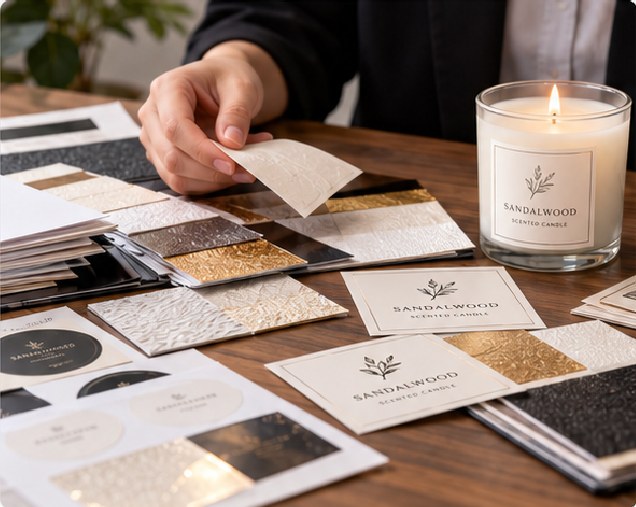
Textured paperLuxury, artisan and fragrance collectionsTactile surface, premium uncoated appearance, strong shelf characterTexture can affect fine foil, small type and adhesive contact on difficult curvesFoil, emboss/deboss, selective varnish
Kraft-style paperNatural, handmade and earthy brandingWarm fiber look, good contrast for simple graphicsArtwork color is influenced by the brown base; oil and moisture exposure should be testedBlack/spot color, simple foil, varnish
White BOPP filmGlass, tins, higher handling and wipe resistanceGood dimensional stability, moisture resistance and crisp printFilm appearance is less paper-like; adhesive still must match the real surfaceMatte/gloss laminate, white ink, foil, UV
Clear filmNo-label look on clear or colored glassLets the vessel remain visible and supports layered transparent designWhite ink, adhesive clarity, bubbles and surface cleanliness become more visibleWhite ink, spot color, metallic accents, laminate
Metallic / holographic structurePremium accents, seasonal launches, gift rangesBuilt-in reflective surface can create strong visual impactArtwork contrast and barcode areas need control; not every effect suits large coverageOpaque white, selective print, foil, matte/gloss contrast

Adhesive Selection Starts With the Actual Surface

Philiton treats adhesive as an engineering choice linked to the vessel, coating, curvature, application temperature and storage conditions rather than a hidden commodity.
Surface Chemistry Matters More Than Material Names

Surface Chemistry Matters More Than Material Names

  • Two candle jars described as “glass” can behave differently when one is untreated clear glass and the other has frosting, paint, lacquer, release residue or a decorative coating. Philiton asks what the label is bonding to, not only what the container is called. Smooth high-energy surfaces are generally easier to label; coated or textured surfaces can require a different adhesive or longer dwell time. Metal tins can also carry lacquer systems that change bond behavior.
  • The review includes surface condition at the moment of application. Dust, oil, wax, silicone residue, condensation and cleaning chemicals can reduce initial contact. A stronger adhesive cannot compensate for every contaminated surface. For launch programs, the most useful input is an actual vessel or at least a close surface description and photo. The label size and stiffness are reviewed at the same time because a rigid facestock on a tight radius creates constant peel stress at the edges.
  • Philiton can compare candidate materials using swatches or finished samples before mass production. Sample approval should reflect the real application method and reasonable dwell time. If labels will be applied by machine, liner release, roll tension and dispensing behavior also become part of the adhesive decision. One material may work well by hand but create unnecessary friction on an applicator.
Application Conditions Belong in the Specification

Application Conditions Belong in the Specification

  • A candle label specification should record more than width, height and color. Philiton recommends capturing the container type, surface treatment, label position, application temperature, expected storage range, exposure to wax or fragrance oil, hand or machine application and any wiping requirement. These inputs help separate decorative preferences from functional constraints before a quote is finalized.
  • For difficult projects, samples should be applied exactly where production labels will sit. A front panel low on a straight wall can perform differently from a wrap label crossing taper or from a small warning label placed on a recessed base. The sample can be checked after dwell, handling and routine packing rather than judged immediately after application. When a project changes vessel suppliers, coatings or filling process, Philiton recommends rechecking the construction instead of assuming the old adhesive remains correct.
  • Commercially, early adhesive review can prevent the most expensive type of correction: a finished printed roll that looks perfect but will not stay on the real container. Sharing the vessel before tooling also allows Philiton to review die-line geometry, finish stack and application method together, reducing unnecessary revisions after premium finishing has already been added. The same review can identify when a smaller label or softer construction would solve the problem more efficiently than changing adhesive alone.

Size and Placement Start With the Vessel

Philiton uses the measurable flat or stable labeling area, not the nominal jar volume, to set a die line. The dimensions below are starting references only.

Application PositionTypical Starting ReferenceBest ForWhat Philiton Checks
Front panelAbout 2 x 2 in to 3 x 4 inStraight-sided glass and tinsFlat wall height, diameter, shoulder/base clearance, visual centering
Wide front / backAbout 2.5 x 3 in to 4 x 4 inLarger jars and information-rich artworkCurve stress, corner radius, copy density, hand placement tolerance
Wrap labelMeasured from actual circumferenceExtended branding and multilingual copyTaper, overlap/gap, seam position, label stiffness, application method
Round lid labelAbout 2 to 3 in diameterTravel tins, gift sets, top brandingUsable lid diameter, rolled edge, coating, abrasion from handling
Bottom warning labelAbout 1.5 to 2.5 in round or equivalent rectangleWarnings, batch data, barcode, contact informationRecessed base, molded marks, readable area, warning artwork fit
Custom shapeBuilt from vessel and artworkPremium identity, seals, seasonal editionsNarrow points, inside corners, curvature, die stability, waste efficiency

Choose the Printing Route for the Program

Philiton matches the printing method to artwork, quantity, SKU count, substrate and finish so launch flexibility and repeat production can use the same approved specification.
Digital Printing

Digital Printing

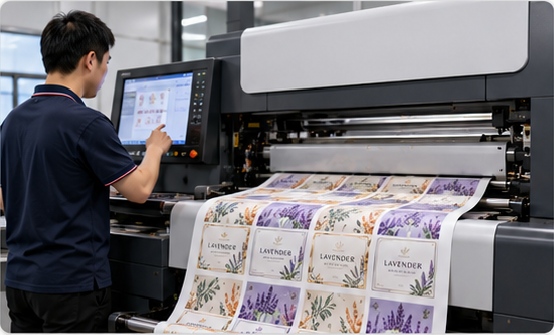
Digital printing is well suited to launch quantities, frequent artwork changes and fragrance collections with many SKUs. It is also useful when several scent versions share one construction but require separate color or text files. Philiton can produce multiple artworks without conventional plate preparation, making it easier to test scent ranges or regional versions. Digital output still follows the approved material, die line and finishing plan; color-critical work should use a defined reference rather than assuming every screen value will print identically.
Flexographic Printing

Flexographic Printing

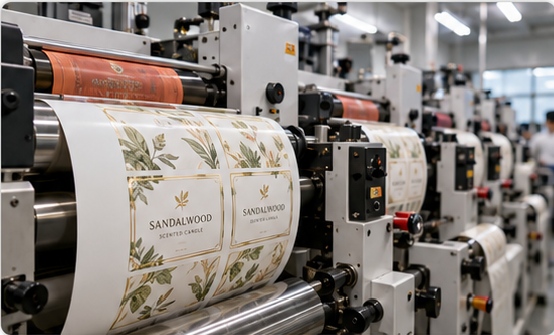
Flexographic production becomes attractive when volume, repeat orders and roll efficiency justify dedicated setup. It can support stable recurring programs where material and dimensions remain consistent across replenishment cycles. Philiton can use flexographic routes for pressure-sensitive labels that need consistent roll production, higher throughput and repeatable finishing integration. The best crossover point depends on total quantity, SKU structure, colors, material, tooling and special effects, so the quote should compare the whole program rather than one unit price alone.
Screen And White Ink

Screen And White Ink

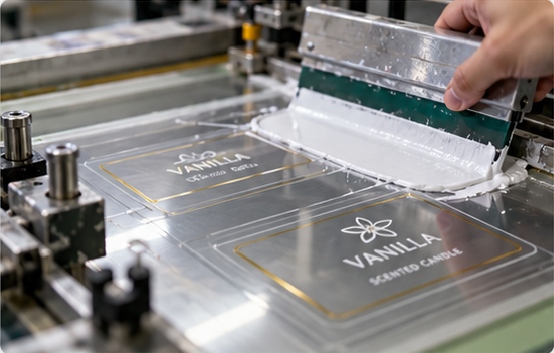
Screen processes are useful where stronger opacity, tactile ink film or selected specialty effects are needed. They can also strengthen selected white or spot areas that need more visual separation from clear or metallic substrates. On clear or metallic candle labels, controlled white ink can create a base for color, define opaque zones or build contrast against the vessel. Philiton reviews coverage, fine detail and registration with other print or finishing layers so the effect remains manufacturable instead of becoming a fragile artwork feature.
UV And Variable Data

UV And Variable Data

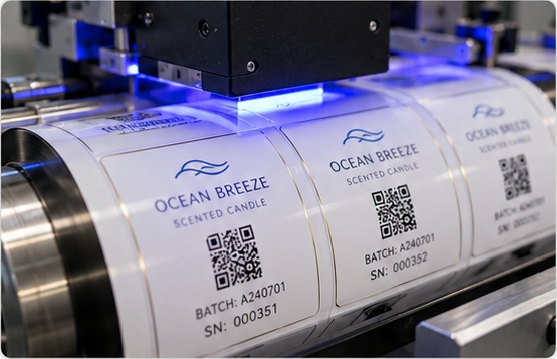
UV printing and variable-data capabilities support selected decorative, coding and identification requirements. These routes are especially useful when a fragrance program needs controlled codes, limited editions or trackable production information. Philiton can combine static artwork with changing QR, serial or SKU information when the application calls for it. Variable elements should be mapped clearly in the data file and kept away from foil, emboss or low-contrast areas. Verification requirements are defined before production so the data layer is controlled with the printed label.

Add Premium Finishes With Production Control

Philiton combines decorative finishing with material, artwork and die-cut limits. Each effect should earn its place in the design and remain stable across the full fragrance range.
Hot Foil Accents

Hot Foil Accents

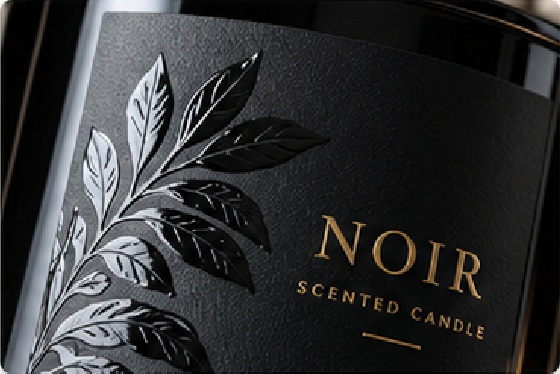
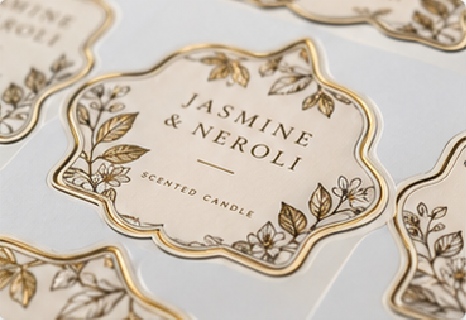
Hot foil creates a strong metallic focal point for logos, borders or fragrance details. Philiton reviews foil area, line weight, spacing, substrate texture and registration before tooling. Large solid areas and extremely fine details behave differently, so a finishing sample is recommended when foil is central to the brand identity or sits close to a die-cut edge.
Emboss And Deboss

Emboss And Deboss

Embossing or debossing adds tactile depth without relying only on color. Philiton checks paper compressibility, label thickness, relief area and artwork detail before making tooling. The effect is strongest when used selectively. On small candle labels, too many raised elements can reduce legibility or make the label harder to apply smoothly on curved vessels.
Spot And Raised UV

Spot And Raised UV

Selective UV can create gloss contrast or tactile highlights over a matte surface. Philiton separates the UV layer in prepress and reviews registration against fine text, foil and die lines. Raised effects add thickness, so placement on tight curves should be considered carefully. Samples help confirm whether the intended contrast remains visible under retail lighting and normal handling.
Matte And Soft Touch

Matte And Soft Touch

Matte laminates, varnishes and soft-touch finishes can give candle packaging a calm premium feel while protecting print. Philiton chooses the protective route around the substrate, finishing stack and expected handling. Soft-touch surfaces can change scuff behavior and foil adhesion, so process order matters. A finish should be evaluated as part of the full construction rather than selected from appearance alone.
Metallic And Holographic

Metallic And Holographic

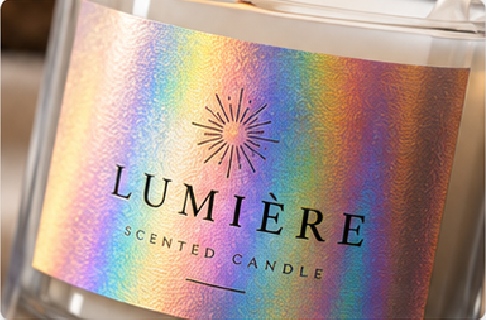
Metallic or holographic materials can provide reflective effects without covering the entire design in foil. Philiton can build opaque white and color layers to control where the base surface remains visible. Artwork needs enough contrast for scent names, barcodes and mandatory information. Seasonal collections can use the effect selectively while retaining a common die line and production format.
Precision Die Cutting

Precision Die Cutting

Custom shapes can reinforce brand identity, but die geometry also affects application and waste. Philiton reviews narrow tips, inside corners, minimum gaps, corner radii and position relative to foil or embossing. Straightforward geometry is often more reliable on curved jars. Digital or conventional cutting routes are selected according to quantity, complexity and repeat-production requirements.

Artwork Control Keeps Multi-SKU Lines Reproducible

Philiton turns brand artwork into controlled production files so scent changes, warning versions and reorders do not become separate one-off jobs.

Lock the Common Structure Before Multiplying SKUs

  • A fragrance range is easier to scale when every SKU does not reinvent the technical specification. Philiton first separates common and variable elements. Common elements can include finished size, die line, material, adhesive, print route, finishing zones, roll direction, core and packing format. Variable elements can include scent name, color accent, barcode, batch field, language or seasonal copy. Once the common construction is approved, additional artworks can move through prepress with fewer technical changes.
  • Artwork should arrive with outlined or supplied fonts, embedded images, correct color definitions and clearly named specialty layers. White ink, foil, emboss, spot UV, varnish and cut paths should not be hidden inside a flattened visual file. Philiton can review dielines and separation logic before sampling so expensive tooling is not built from an ambiguous file. Barcodes and QR codes need enough clear space and contrast; decorative finishes should not cross scanning zones unless verified.
  • For established programs, version control is equally important. File names should identify brand, collection, scent, size, market and revision. A new regulatory text change or barcode update should create a controlled revision rather than overwrite an approved file silently. Clear file governance saves time during reorder and makes approval history easier to trace.

Use Approved Samples as a Physical Production Reference

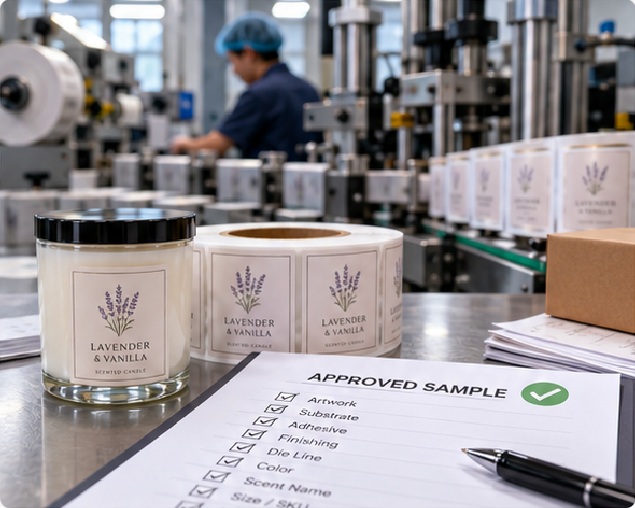
  • Screens cannot fully represent paper texture, foil reflection, emboss depth or the way a clear label disappears against glass. Philiton therefore uses physical samples where the visual or functional risk justifies them. An approved sample can define overall appearance, size, color direction, finishing location and construction before mass production. Stable repeat programs may keep a golden-sample reference together with the final production file and specification.
  • Multi-SKU approval does not always require building every scent from the beginning if the technical structure is shared. A lead SKU can be used to verify material, die line and finishing process, while the remaining artworks are checked for variable text, color and code accuracy. High-risk versions can receive additional proofs. A shared approval map helps brand and production teams see which features were physically tested and which were artwork-only changes. The approval plan should reflect what actually changes between SKUs.
  • Philiton also links file control to packing. Roll labels, carton markings and production paperwork should use the same SKU naming logic so warehouse teams can separate scents reliably. When a brand moves from 6 fragrances to 24, the system must still distinguish the correct artwork without depending on visual guesswork. Production consistency starts in the artwork folder long before the press runs.

Sample the Risks Before Releasing Mass Production

Philiton uses different sample routes for artwork, material, finishing and application risk instead of forcing every candle label project through one expensive prototype path.
Select the Sample Type Around the Decision

Select the Sample Type Around the Decision

A material swatch answers a different question from a finished production sample. Philiton can use swatches to compare paper texture, film clarity, metallic surfaces or adhesive feel before artwork is finalized. Digital or printed samples help confirm layout, size, overall color direction and basic application. Finishing samples are more suitable when foil, emboss, specialty UV, custom die cutting or layered effects are central to the design. For standard printed or finished label samples, a common internal reference is about 3-5 business days after artwork, material and process details are confirmed. Projects involving foil, embossing, specialty die cutting, screen processes or special materials commonly require about 5-7 business days. Complex security or smart-label work follows separate schedules. International courier time is additional. These ranges are planning references, not guaranteed dates for every construction. A candle label sample should be tested on the real jar, tin or box whenever surface or curvature matters. The review should include placement, edge behavior, readability, handling, basic wipe exposure where relevant and visual appearance under normal retail lighting. If the vessel changes after approval, the construction should be reassessed before assuming the old sample remains valid. A change in coating, curvature or supplier can justify a quick confirmation even when the artwork has not changed.
Move From Approved Sample to Controlled Launch

Move From Approved Sample to Controlled Launch

Once the sample is accepted, Philiton converts the approval into production controls: final artwork revision, substrate, adhesive, print route, finishing instructions, die line, roll or sheet format, quantity by SKU and packing identification. A launch order can then focus on reproducing the approved combination rather than reopening design decisions during production.
Many standard custom label and sticker projects can begin from around 500 pcs per design or SKU. Candle programs with several scents may be structured around a common material and size so fixed setup is shared where the process allows. Special materials, dedicated tooling, complex finishing and supplier minimums can raise the commercial starting point, so MOQ is confirmed from the actual specification rather than treated as one universal number. Material availability and finishing-tool lead time are reviewed before the launch date is committed.
For repeat programs, an approved sample or golden sample becomes more valuable over time. New fragrance artworks can use the same technical reference while brand teams approve only the variables that changed. When volume grows, Philiton can also review whether the original digital route should remain or whether a flexographic production path offers better efficiency without changing the agreed appearance and finished format. Reorder planning can then use the same approved construction while updating only quantity, artwork variables or packing instructions.

Understand MOQ and the Main Cost Drivers

Philiton quotes candle labels from the complete specification. Quantity matters, but material, number of SKUs, tooling, finishing and delivery format can change the cost structure just as much.

Commercial FactorHow Philiton Evaluates ItTypical Impact
Starting quantityMany standard label and sticker projects start around 500 pcs per design or SKUSupports launches and multi-SKU testing; special materials or tooling may require more
SKU countShared size/material/process can reduce repeated setup across scent artworksMore artwork checking and packing control, but common construction improves efficiency
Material and adhesivePaper, film, texture, metallic surface and specialty adhesive are quoted by actual constructionSupplier minimums and non-stock materials can raise the starting order
Tooling and finishingDie, foil plate, emboss tool, screen or specialty process is reviewed separatelyAdds fixed setup; becomes more efficient as repeat volume increases
Production routeDigital favors shorter and variable runs; flexographic routes favor repeat roll volumeUnit economics change with quantity, colors, material and finishing complexity
Packing and roll specsCore, unwind, labels per roll, SKU separation, cartons and special packing are includedMachine-ready roll requirements may add handling but reduce downstream setup risk

Production Moves From Approved Files to Packed Labels

Philiton controls artwork, materials, print, finishing, converting and inspection as one manufacturing route so approved details remain connected through final packing.
Prepress and Material Release Come First

Prepress and Material Release Come First

Production starts only after the commercial and technical specification agree. Philiton checks the released artwork revision, finished size, die line, substrate, adhesive, liner, print colors, specialty layers, quantity by SKU and delivery format. Materials are sourced through qualified external supply channels, while selection, prepress, printing, converting, finishing, inspection and project management are handled through the Philiton manufacturing system. Prepress prepares separations for CMYK, spot colors, white ink, foil, emboss, varnish, variable data and cut paths where required. The team checks whether fine elements remain compatible with the chosen process and whether decoration sits too close to a die edge or barcode. For multi-SKU programs, the production file list is reconciled with the purchase order so every scent and quantity has a controlled version before the first job is released. Material release also considers whether the approved sample used the same construction planned for mass production. If a substitute material, adhesive or coating is proposed because of availability, Philiton should not treat the change as invisible. The revised construction needs technical review and, where risk justifies it, a new approval before the order moves forward. Documenting the reason for any substitution also helps later reorders avoid accidental specification drift over time.
Printing and Finishing Follow Controlled Process Steps

Printing and Finishing Follow Controlled Process Steps

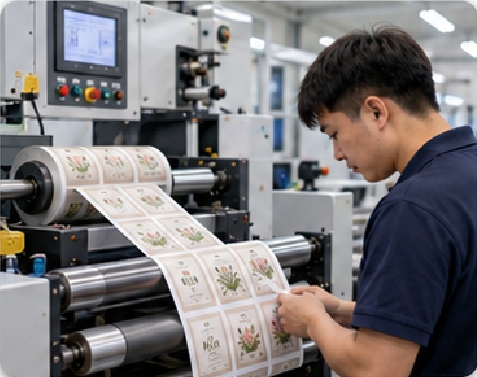
Philiton has digital, flexographic, screen and UV-related capabilities together with foil stamping, emboss/deboss, lamination or coating, die cutting, slitting and rewinding. The manufacturing sequence depends on the design. A clear film may require white ink before color; a premium paper label may receive printing before foil and emboss; a protected film label may add lamination before die cutting. Process order is chosen so one finish does not damage or interfere with the next. First-piece checks are used to verify setup before the full run continues. Operators monitor print appearance, registration, finishing position and die-cut behavior during production. Multi-SKU programs need clear segregation at changeovers so artwork from one fragrance is not mixed into another roll or carton. When variable data is present, data-file controls and readability checks are added to the route. For many standard label projects using confirmed materials and conventional processes, mass production planning commonly falls around 7-15 working days after artwork, sample and material approval. Special substrates, complex foil/emboss combinations, unusual tooling, very large volumes or smart-label components are scheduled by project. Lead time is confirmed with the final specification rather than promised as one fixed number. When a retail launch has a fixed in-store date, the production plan should include sample approval, tooling, manufacturing, inspection and freight as separate milestones rather than compressing them into one target date.
Prepress and Material Release Come First

Converting and Packing Prepare Labels for Real Use

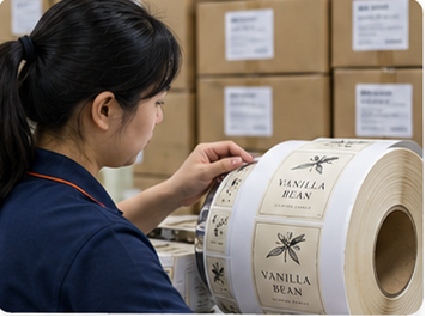
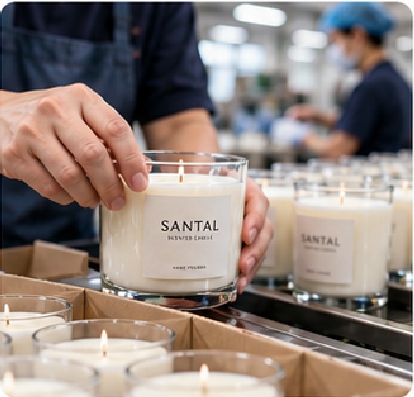
After printing and finishing, labels move through die cutting, waste removal, slitting, rewinding or sheet conversion according to the ordered format. Philiton can prepare rolls, sheets, individual pieces or stacked formats. Machine-applied roll labels require core, unwind direction, gap, roll diameter and labels-per-roll information; hand-applied projects can prioritize convenient counts and SKU separation instead. Packing is part of production control, not an afterthought. Each roll or bundle should identify the correct SKU and quantity. Fragrance collections can be separated by artwork code, scent name, size or market version to make receiving easier. Carton labels and packing lists should follow the same naming logic as the approved files. When several purchase orders ship together, packing rules should prevent similar artworks from being mixed. Clear inner-pack labels can also help the filling team verify the correct scent before the roll reaches the applicator or hand-labeling station. Before shipment, finished goods pass final checks and outgoing inspection according to the project requirements. International delivery options are then arranged around destination, carton volume, urgency and trade terms. Philiton supports global shipment preparation, while exact freight method, transit time and DDP availability are quoted for the confirmed destination and order. For replenishment programs, keeping the same roll, carton and SKU-identification rules also reduces receiving changes at the filling site. Build Your Quote

Quality Control Is Built Into Every Production Stage

Philiton organizes quality work across incoming materials, production, final inspection and outgoing checks, with 91 technical, skilled production and quality personnel combined.
Artwork And Version Control

Artwork And Version Control

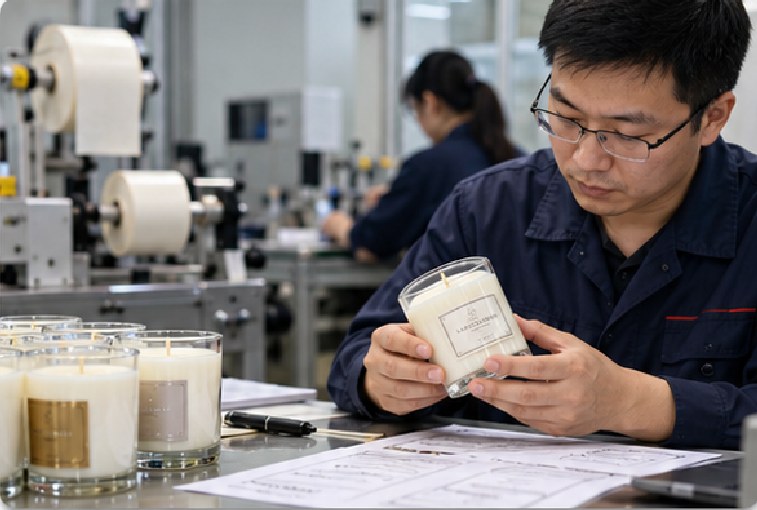
QC starts before printing. Philiton treats the approved file list as part of the production specification, not only as a design folder. Philiton checks the released artwork, die line, SKU list and special layers against the approved order. File names and revisions must match the purchase order so an outdated scent, barcode or warning version does not enter production. Multi-SKU jobs receive added attention at changeovers because a visually similar artwork can create a costly packing error even when print quality is perfect.
Color And Print Appearance

Color And Print Appearance

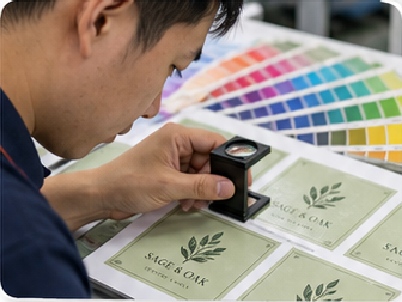
Print quality is monitored against the approved reference and process conditions. Lighting, substrate color and white-ink coverage are considered when the visual reference is established. Philiton checks overall color direction, text clarity, opacity, solids and visible defects appropriate to the selected process. Projects using spot colors, clear material or metallic bases need defined references because the substrate affects appearance. High-value brand programs can use approved physical samples to support repeat orders instead of relying on screen appearance alone.
Registration And Finishing

Registration And Finishing

Foil, emboss, spot UV, white ink and printed layers must align within the agreed construction. Philiton also checks whether the final effect remains clean after subsequent lamination, cutting or rewinding steps. Philiton checks registration, missing areas, foil transfer, relief consistency and visible finishing defects during production. Decorative effects close to small text or a die edge are reviewed more carefully because tolerance stacking can make an artwork look unstable even when each individual process is operating normally.
Die Cut And Dimensions

Die Cut And Dimensions

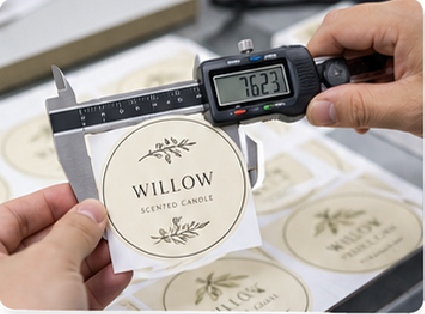
Finished label size, shape and die-cut position affect both appearance and application. Dimensional checks are tied back to the approved vessel and placement plan whenever the project depends on a narrow flat area. Philiton checks dimensions, edge quality, corner shape, matrix stripping and label separation according to the approved specification. Roll labels also need stable gap and liner behavior. On tight candle-vessel curves, even a correctly printed label can fail if die geometry creates unnecessary stress, so dimensional control is connected to application performance.
Adhesion And Application Checks

Adhesion And Application Checks

Adhesion review is tied to the actual vessel and project requirement. Sample conditions are recorded so later evaluations can distinguish a material issue from a change in surface preparation or application method. Philiton can evaluate sample labels on glass, tins or other supplied surfaces and check edge behavior after suitable dwell. Surface contamination, taper and application temperature are recorded when relevant. A pass on one untreated jar is not automatically treated as proof for every frosted, coated or painted vessel in the same brand family.
Roll And Packing Verification

Roll And Packing Verification

Final rolls are checked for the ordered SKU, quantity, winding direction, core and packing identification. Similar fragrance artworks receive clear identification so receiving teams are not forced to open and inspect every roll manually. Barcode or QR readability can be verified when the project includes scannable data. Cartons are separated by the agreed coding system so receiving teams can identify scent and size without opening every package. Outgoing inspection closes the manufacturing record before the labels are released for shipment.

Representative Candle Label Project Profiles

Philiton does not publish client-identifying candle records without approval. The profiles below illustrate realistic production structures based on Philiton capabilities, not named-client claims.

United States Premium Soy Line

Representative profile: a U.S. premium soy-candle brand preparing 12 fragrances in one 9 oz amber-glass jar. Order structure: 3,000 front labels and 3,000 bottom warning labels per fragrance, 72,000 labels total. Philiton would standardize one front-label die line, one warning-label size, one paper or film construction and shared foil position, then control scent color, barcode and fragrance name as variables. Sampling would compare the selected material on the amber vessel, confirm foil registration, and check the bottom label against the recessed base before release.

United Kingdom Retail Collection

Representative profile: a U.K. home-fragrance company launching eight scents in two jar sizes for independent retail and online fulfillment. Order structure: 2,500 labels per SKU across 16 front-label artworks, plus matching warning labels, for more than 60,000 pieces. Philiton would split the program by two approved die sizes while keeping common textured paper, adhesive and brand foil. Prepress would control the scent versions, EAN codes and batch-area artwork. Finished rolls would be packed by jar size and fragrance so the filling partner could receive machine-ready labels without resorting the entire shipment.

Australia Private Label Program

Representative profile: an Australian contract candle manufacturer producing private-label ranges for six brand owners. Initial order structure: 18 artworks at 1,500 front labels per artwork, plus 27,000 bottom labels, creating a 54,000-label program. Philiton would separate files and cartons by brand while reusing compatible material, size and digital-print settings where possible. Some brands could add matte laminate while others use foil or clear film. The approval plan would use one lead SKU for each construction, then verify variable artwork before production, reducing unnecessary sample duplication while keeping each brand program controlled.

Warning Labels Need Controlled Artwork and Market Review

Philiton can manufacture candle warning labels as part of the label set, while final safety wording, symbols and market obligations remain subject to the brand’s approved compliance requirements.

Separate Manufacturing Accuracy From Legal Content Ownership

  • Candle warning labels are not simply small decorative stickers. They may carry fire-safety warnings, pictograms, burn instructions, manufacturer or distributor information, batch details and other market-specific content. For U.S. programs, ASTM F2058 is an industry consensus standard referenced by the U.S. Consumer Product Safety Commission for candle fire-safety labeling. CPSC guidance also notes that candles containing a hazardous substance under the Federal Hazardous Substances Act may require cautionary labeling. Applicability depends on the product and market.
  • Philiton’s role is to manufacture the approved content accurately and keep it connected to the correct SKU and market version. The brand, importer or responsible compliance team should supply or approve the final wording, symbols and legal content. Philiton can review whether the artwork is printable at the chosen size, whether pictograms remain legible, whether a barcode or batch field conflicts with the warning area, and whether the label construction fits the available base or back panel.
  • Separating responsibilities protects the project. A label factory should not silently rewrite legal warnings from memory, and a brand should not assume every template is automatically valid for every market. Controlled files, approval records and market-specific versions reduce the risk of the wrong warning artwork being packed with the right fragrance.

Keep Warning Versions Traceable Across Markets and Sizes

  • A candle collection may use different warning layouts for the United States, United Kingdom, European markets, Australia or private-label accounts. Philiton can manage these as controlled artwork versions under one manufacturing program. Each file should identify the market, jar size, scent or collection, revision and barcode where applicable. When only the compliance panel changes, the technical label construction can often remain common, but the artwork still needs independent approval.
  • Size is part of compliance execution because warning text and symbols must remain readable in the space available. Small recessed jar bases may need a round or compact rectangular label, while larger containers can carry additional instructions. Philiton can prepare die lines around the usable area and flag when supplied copy becomes too dense for stable printing. The manufacturing team can also keep warning labels paired with the corresponding front-label SKU during packing.
  • Documentation requirements vary by account. Larger retailers may request approved artwork files, material information, inspection records or samples before release. Philiton can support project documentation from artwork and production control through QC records and packing identification. Any certificate, test report or regulatory claim is provided only when the applicable scope and supporting document are confirmed for the specific project.

Pack Candle Labels for the Filling Workflow

Philiton prepares the finished format around how labels will be applied, stored and received. Packing specifications should be settled before production rather than after rolls are complete.

Machine-Ready Rolls

Automatic or semi-automatic labeling needs defined roll direction, core, maximum roll diameter, gap and labels per roll. Philiton can wind and identify rolls according to the confirmed applicator requirements. These parameters should be supplied before production because rewinding finished labels later adds handling and can create avoidable risk. A drawing or existing roll sample is useful when the filling partner has a fixed machine setup.

Hand-Apply Rolls

Hand-applied candle programs can use smaller roll counts that are easier for operators to handle at filling tables. Philiton can separate rolls by fragrance, size or market and print or attach clear SKU identification. Common cores and roll sizes simplify storage, while controlled counts help the candle maker reconcile labels with production batches without manually counting loose pieces at every changeover.

Sheets And Singles

Sheets or individual pieces can suit gift sets, boutique production, special seals and applications where roll handling adds no value. Philiton can die cut and pack labels in counts agreed for the production team. The finished format should protect foil, embossing and delicate surfaces during transit. Separator sheets or protective packing can be discussed when premium finishes are more susceptible to rubbing.

SKU And Carton Control

Multi-fragrance programs need more than strong cartons. Philiton can identify inner packs and outer cartons using the same SKU structure as the approved artwork list. Brand, scent, size, market version and quantity can be separated according to the packing plan. For distributors or private-label programs, neutral or project-specific shipping arrangements can be discussed so the finished labels enter the intended supply chain cleanly.

Candle Labels Frequently Asked Questions

No single material fits every candle. Philiton commonly evaluates coated paper, textured paper, kraft-style paper, white film, clear film and metallic structures against the vessel, brand appearance, handling, oil or moisture exposure and finishing requirements. A premium paper may suit an artisan amber jar, while a film may better support frequent wiping or clear-glass effects. Final approval should use the real container when surface or curvature adds risk.
Yes. Frosted, painted and coated glass should be treated as a specific surface rather than assumed to behave like smooth clear glass. Philiton reviews the coating, curvature, label size and adhesive construction, then recommends a swatch or finished sample when risk is higher. Supplying a real jar or detailed vessel information gives the best basis for adhesive and die-line review.
Philiton can select materials and protective finishes for projects where oil, wax, wiping or moisture are expected, but performance depends on the full construction and exposure. Film and protected paper structures usually offer different resistance levels. The safest route is to define the expected contact and test the candidate label on the real vessel before mass production.
Yes. Philiton can produce bottom, back or other warning-label formats and keep them paired with the correct front-label SKU. The brand or responsible compliance team should supply or approve the final warning wording, symbols and market-specific legal content. Philiton reviews printability, size, legibility, material, adhesive and packing control, then manufactures the approved artwork.
For many standard custom label and sticker projects, Philiton can start around 500 pcs per design or SKU. Actual MOQ depends on material availability, special adhesive, tooling, foil or emboss setup, number of SKUs and supplier minimums. A multi-scent program can often improve efficiency by sharing the same size, material and process across artworks.
A common planning reference is about 3-5 business days for standard printed or finished samples after artwork, material and process confirmation. Foil, embossing, specialty die cutting, screen processes or special materials commonly need about 5-7 business days. Courier transit is additional. Philiton confirms the actual schedule after the sample construction is defined.
Yes. Multi-SKU programs are a strong fit when the scents share a common size, material, adhesive and production route. Philiton separates common technical specifications from variable artwork such as fragrance name, accent color, barcode or market text. File naming, approval records, roll labels and carton identification help prevent scent mix-ups during production and receiving.
Yes. Philiton can supply roll labels with agreed core, unwind direction, labels per roll, gap and maximum roll diameter. Machine information should be supplied before production because winding format affects downstream application. A drawing, current roll specification or sample roll helps the team reproduce the format expected by the filling line.
Yes. Philiton has foil stamping and emboss/deboss capabilities together with digital, flexographic, screen, UV, lamination, die cutting and rewinding. Suitability depends on the substrate, artwork detail, registration, curve and order structure. When foil or emboss is central to the brand appearance, a finishing sample is recommended before mass production.
Send the vessel type, label size or usable labeling area, quantity per SKU, number of artworks, material preference, finishes, front or warning-label requirements, hand or machine application, roll specification if applicable, destination and artwork files. If the material is not decided, photos or a physical container allow Philiton to review suitable constructions before the final quote.

Send Your Candle Label Project for Review

A useful quotation starts with the real vessel and production plan. Send Philiton the candle jar, tin, box or other container details together with artwork and the expected order structure. The team can review material, adhesive, size, die shape, print route, premium finishing, warning-label format and roll or sheet delivery before pricing. For new constructions, include a vessel photo or arrange to send a physical sample so curvature, coating and available labeling area can be checked. Multi-SKU fragrance programs should list quantity per artwork and identify any shared size or finish. Standard printed samples commonly require about 3-5 business days after details are confirmed, while foil, embossing, specialty die cutting or special materials commonly need about 5-7 business days. Mass-production timing is then scheduled around the approved artwork, material and process. For many standard label projects, production planning commonly falls around 7-15 working days after approvals, while special substrates, complex finishing or large-volume programs are scheduled separately. Freight transit is quoted by destination and shipping method.

  • Container type, surface and usable labeling area
  • Label size, position, shape and quantity per SKU
  • Artwork files, fragrance count and market versions
  • Material preference, foil/emboss/UV or protective finish
  • Hand or machine application, roll direction and core if applicable
  • Destination, target production date and sample requirement

For all inquiries, please feel free to reach out at:

Get In Touch

  • Our team will answer your inquiries within 12 hours.

  • Your information will be kept strictly confidential.

Get a Fast Quote for Custom Labels & Stickers

We will contact you within 24 Hours, please pay attention to the email with the suffix“@philiton.com”. 

For all inquiries, please feel free to reach out at:

Ask For A Quick Quote

We will contact you within 24 Hours, please pay attention to the email with the suffix“@philiton.com”. 

For all inquiries, please feel free to reach out at:

Get a Quote Today!

We will contact you within 24 Hours, please pay attention to the email with the suffix“@philiton.com”.