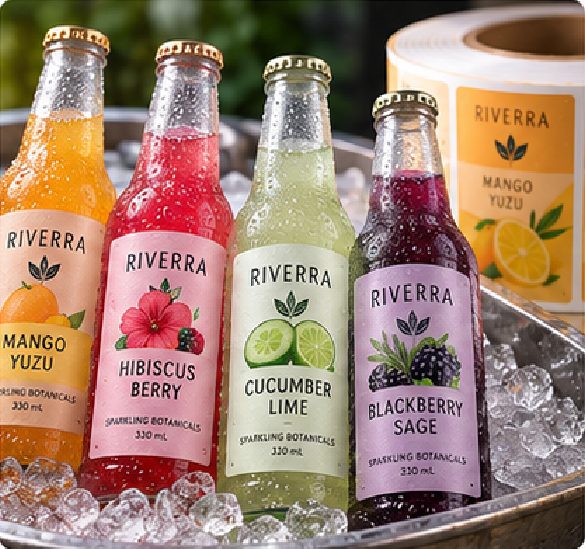
Your Trusted Labels & Stickers Manufacturer from China!

why brands choose Philiton for flexible custom label manufacturing

Flexible custom label manufacturing for brands that need controlled materials, accurate printing, specialty finishing, dependable quality and room to scale.
Philiton has manufactured custom labels, stickers, tags and specialty printed products since 2016, with production in Shenzhen and Dongguan.
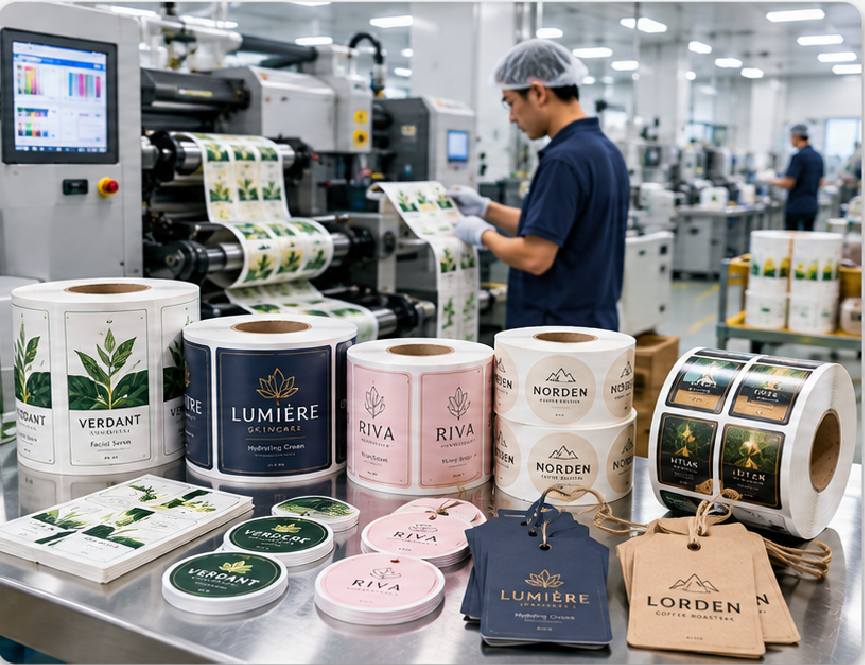
  • Around 500 pcs MOQ for many standard custom projects
  • 12,000+ ㎡ integrated manufacturing and operating space
  • 200+ employees, including 91 technical, skilled production and quality personnel
  • Digital, flexographic, screen, UV, variable-data, security and smart-label capability
why brands choose Philiton for flexible custom label manufacturing

Why Brands Build Label Programs With Philiton

A label supplier should make launches easier, technical decisions clearer and repeat production more controlled. Philiton combines flexible entry quantities with engineering support and a manufacturing system built for growth.

Start at a Manageable Quantity

Many standard custom labels and stickers can begin at approximately 500 pieces, giving brands room to validate a new SKU, regional launch, limited edition or packaging change without committing immediately to a very large inventory position. Digital printing and flexible converting routes support shorter runs and multi-SKU programs, while material, color, finishing and inspection requirements still follow a controlled manufacturing workflow. As volumes rise, production can shift to more efficient routes without changing the manufacturing partner or rebuilding the project from the beginning.

Solve the Label Before Printing

A visually attractive label can still fail when the adhesive does not match the container, the film is too rigid for a curved surface, condensation reaches the bond line, a barcode loses contrast or a finish interferes with application. Philiton reviews the application before locking production. Facestock, adhesive, liner, print method, white ink, finishing, die cutting, roll direction and packing format are selected around the actual product and filling or labeling process. Complex requirements can be supported by engineering, sampling and internal testing before mass production.

Scale Through One Manufacturing System

Philiton supports development samples, short runs, multi-SKU launches, repeat orders and medium- to high-volume production through an integrated manufacturing system. More than 200 employees and 91 technical, skilled production and quality personnel support artwork preparation, printing, converting, finishing, inspection and project coordination. Brands can preserve approved artwork, production specifications, color references, roll configuration and quality requirements as programs grow, reducing the disruption that comes from moving a successful label to a new supplier after launch.

A Strong Fit for Different Procurement Models

Philiton serves growing brands, established companies, manufacturers and channel partners with different purchasing structures, provided the project requires custom production rather than off-the-shelf labels.

Growing Consumer Brands

New product lines often begin with uncertain demand, several SKUs and frequent artwork updates. Philiton’s flexible MOQ, digital printing, sample development and specialty finishing give growing brands a route to test packaging without giving up professional manufacturing controls. Projects can begin around 500 pieces for many standard constructions and expand into regular replenishment once sales stabilize. Material and adhesive choices are reviewed around the actual bottle, jar, pouch, box or other packaging surface instead of forcing every launch into one standard stock.

Established Brand Programs

Mature brands usually care less about the lowest opening price and more about repeatability, version control, brand color, reliable replenishment and clear quality responsibility. Philiton can maintain approved artwork, material structures, finishing details, die-cut specifications, roll direction and packing instructions across repeat orders. Projects involving multiple markets or SKUs can be organized by version, quantity and packing requirement. Production planning, in-process checks and final inspection help keep recurring orders aligned with previously approved standards.

Product Manufacturers

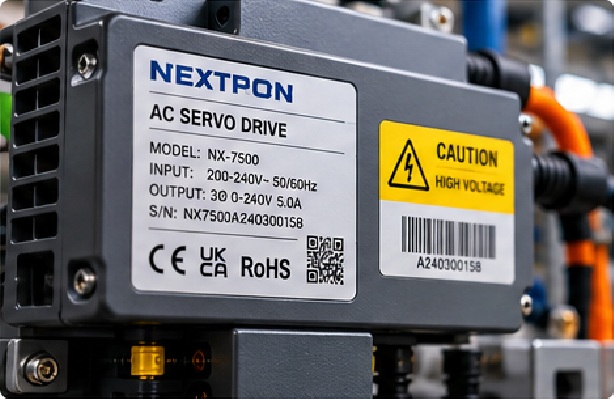
Electronics, automotive, industrial, appliance and equipment manufacturers often require labels to perform as identification components rather than decoration alone. Philiton can support PET, PI and other durable materials, strong adhesive systems, barcode or QR printing, serial data, warning information, tamper-evident constructions and application-specific testing. Artwork and engineering reviews can cover dimensions, surface condition, temperature or chemical exposure, scanning requirements and roll configuration before production begins.

Packaging Companies

Packaging converters and service providers often need a label partner that can extend their offer without exposing end-client relationships. Philiton supports OEM production, multi-SKU coordination, specialty finishing, roll labels, security products and technical label programs. Neutral packing and direct delivery to an agreed warehouse or end destination can be arranged when required. Specifications remain tied to approved artwork, material, adhesive, finishing and packing instructions so channel partners can manage the commercial relationship while Philiton controls manufacturing execution.

Distributors and Print Brokers

Distributors and print brokers need broad capability, reliable quoting and enough manufacturing flexibility to handle different end uses. Philiton can produce standard paper labels, films, die-cut stickers, durable labels, variable-data work, security labels and RFID/NFC-related products through one manufacturing base. Orders can be separated by SKU, packed neutrally and shipped according to agreed instructions. Technical questions can be escalated to engineering rather than forcing channel partners to resolve material, adhesive or converting issues alone.

Multi-SKU Product Portfolios

Large assortments create complexity even when each individual label looks simple. Philiton can organize shared material structures, different artworks, variable quantities, version control and SKU-separated packing. Digital production is useful for short-to-medium runs and fast artwork variation, while flexographic production becomes more efficient for repeating larger volumes. Combining several SKU requirements into one controlled specification system helps reduce incorrect versions, packing confusion and unnecessary material changes across a product family.

Product Formats Supported Across One Manufacturing Base

Philiton covers brand decoration, identification, security and smart-label formats, allowing one product family to use different constructions without splitting every label type across separate suppliers.
Pressure-Sensitive Roll Labels

Pressure-Sensitive Roll Labels

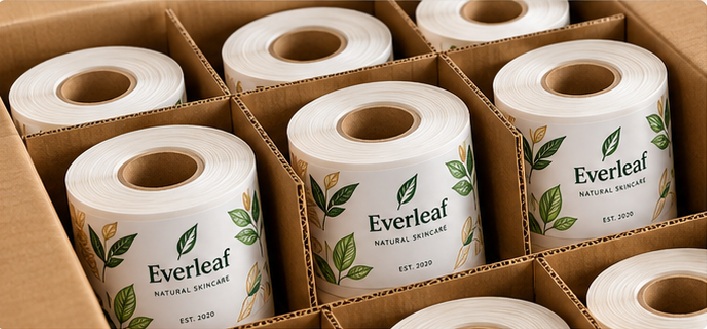
Roll labels can be produced in paper, film, thermal and specialty materials for automated or manual application. Specifications may include roll direction, core requirement, labels per roll, liner, gap, die-cut shape and packing method. Digital and flexographic routes are selected according to volume, SKU mix and finishing complexity. Finished rolls can also be separated by SKU and identified for filling-line or warehouse handling.
Die-Cut Stickers

Die-Cut Stickers

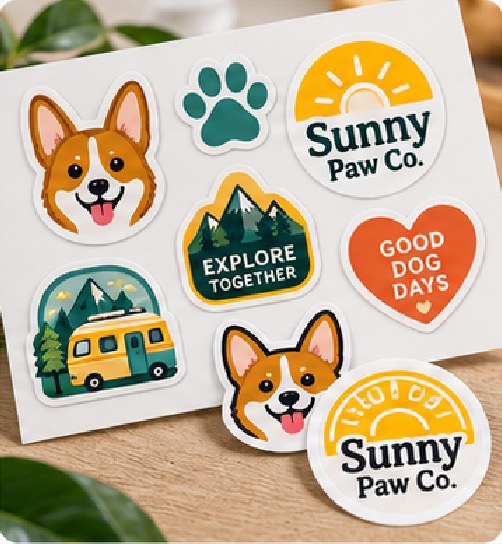
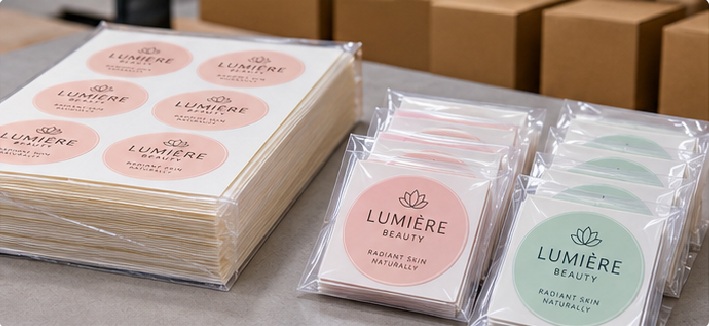
Custom die-cut stickers support branding, promotions, packaging seals, inserts and product decoration. Paper, BOPP, PET, vinyl and specialty films can be combined with lamination, foil, holographic effects, screen or UV details. Kiss-cut, sheeted or individually finished formats can be planned around handling and application needs. Shape, corner radius, liner format and packing method are confirmed before tooling or final cutting.
Clear and No-Label-Look Labels

Clear and No-Label-Look Labels

Clear BOPP and PET constructions are used when the package surface should remain visually visible. White ink can create controlled opacity behind text, graphics or metallic effects. Container material, condensation, oil exposure and label clarity are reviewed because transparency alone does not guarantee a clean final appearance. Samples help confirm bubbles, edge visibility, adhesive haze and white-ink coverage on the intended container.
Premium Decorative Labels

Premium Decorative Labels

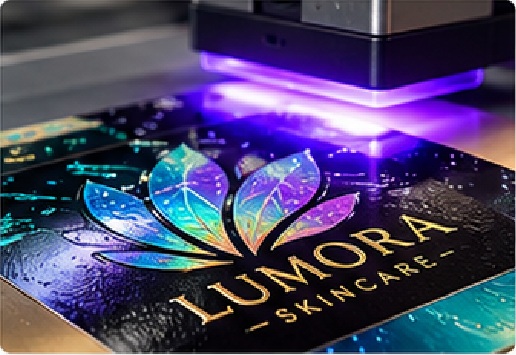
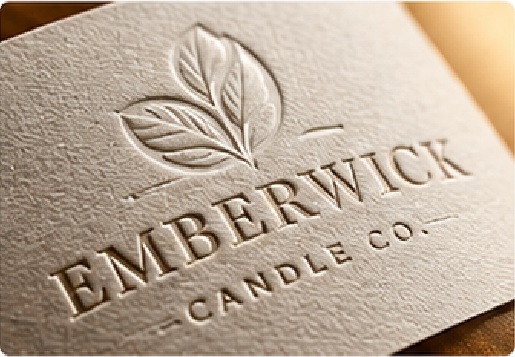
Textured papers, metallic films, foil stamping, embossing, debossing, tactile screen effects, UV details and holographic finishes support wine, spirits, cosmetics, fragrance, supplements and premium packaged goods. Multiple finishing steps can be combined after sample validation so visual impact does not compromise die cutting or application. Fine lines, foil registration, emboss depth and surface texture are reviewed together before mass production.
Barcode and Thermal Labels

Barcode and Thermal Labels

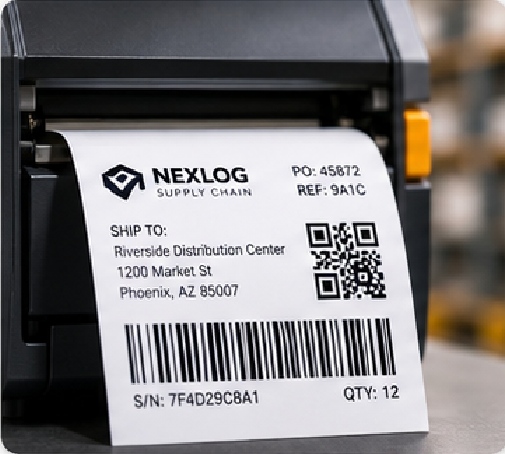
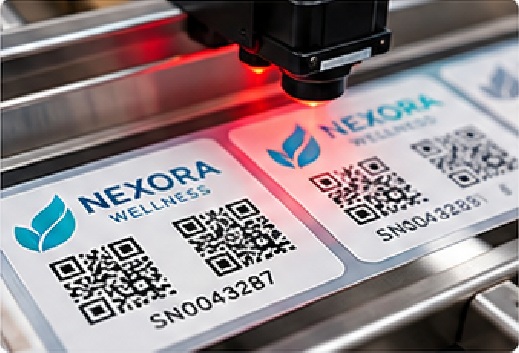
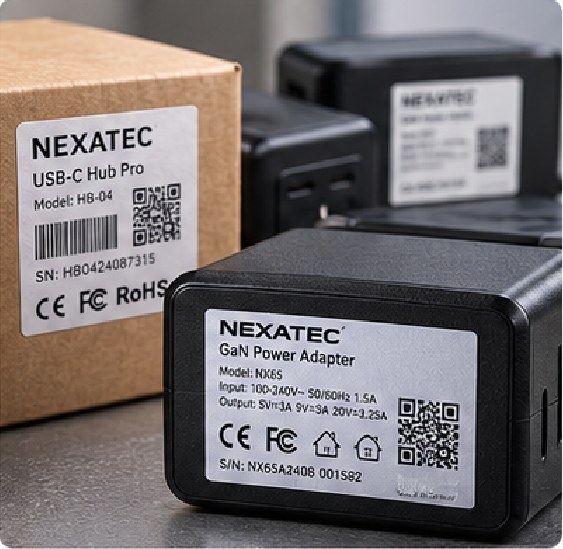
Direct thermal, thermal-transfer and variable-data labels can carry barcodes, QR codes, lot information, dates, serial numbers and logistics data. Material and ribbon compatibility, scanning contrast, abrasion exposure and roll configuration are considered before production. Inspection can include barcode or QR verification where required. Warehouse, transport and end-use conditions help determine whether paper, film or a more durable construction is appropriate.
Industrial and Durable Labels

Industrial and Durable Labels

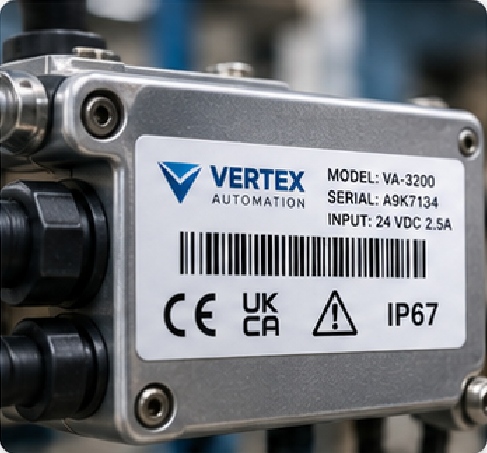
PET, PI, synthetic materials, vinyl and high-performance adhesive structures can be used for electronics, automotive, machinery, batteries, cables, chemicals and equipment identification. Requirements may include heat, oil, chemical, abrasion or long-term adhesion resistance, with material selection and internal tests defined by the actual application. Surface texture, cleaning method, service temperature and required life should be provided before a durability claim is finalized.
Security and Tamper Labels

Security and Tamper Labels

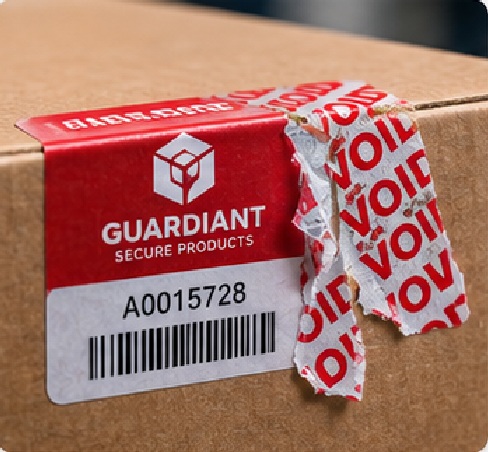
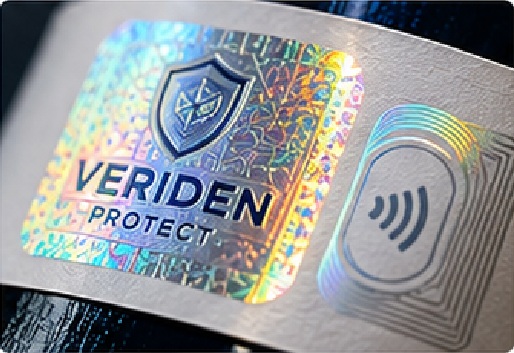
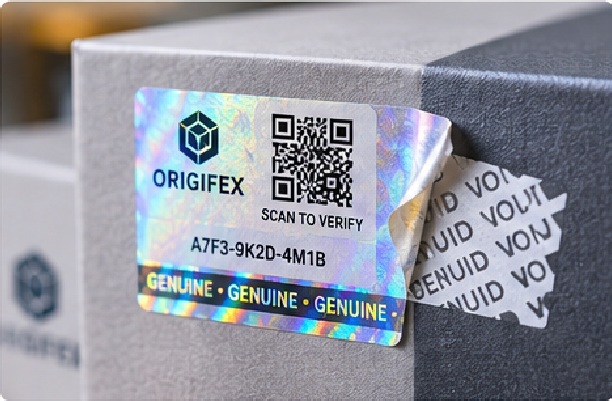
VOID, destructible, holographic, serialized and other anti-tamper constructions can support warranty, authenticity, sealing and asset-control programs. Security work is treated as a structure-and-process project rather than a decorative sticker, with removal behavior, variable data, visual effect and application surface reviewed before approval. Samples are recommended when residue, fracture pattern or evidence visibility must behave in a defined way.
RFID and NFC Labels

RFID and NFC Labels

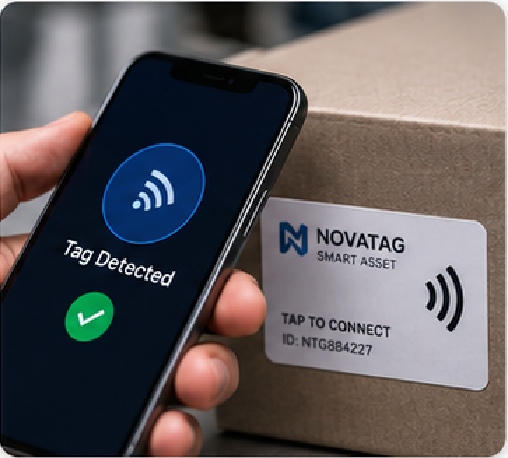
RFID/NFC projects can combine printed graphics, inlay or chip components, converting, encoding and verification depending on the application. Chip type, frequency, memory, read/write requirement, data structure and placement are confirmed by project. Smart-label specifications are not standardized across every use case. Final construction also considers face material, adhesive, inlay position, conversion tolerance and the environment in which the tag will be read.

Material Selection Starts With the Application

Material FamilyTypical ApplicationsSelection Points Philiton Reviews
Coated / Uncoated PaperFood, retail, boxes, dry goods, information labelsSurface finish, print appearance, moisture exposure, writability, coating and cost
Kraft / Textured PaperWine, candles, artisan foods, premium packagingTexture, foil and emboss response, moisture sensitivity, adhesive choice and brand appearance
White BOPP / PPBeverage, cosmetics, supplements, household productsWater and oil exposure, bottle material, flex around curved containers and lamination
Clear BOPP / PETCosmetics, beverage, glass and transparent packagingClarity, white-ink coverage, adhesive transparency, bubbles, condensation and edge visibility
PET / PolyesterElectronics, industrial, automotive, durable identificationHeat, abrasion, chemical exposure, dimensional stability and long-term adhesion
PE / Flexible FilmsSqueezable bottles and flexible containersConformability, container movement, print/lamination structure and adhesive flexibility
PVC / VinylDurable stickers, outdoor and promotional applicationsConformability, weather exposure, removability/permanence and surface condition
Thermal / Specialty StocksLogistics, barcode, variable data and technical programsPrint technology, ribbon compatibility, scan quality, environment and service life

Adhesive Engineering Protects the Label After Application

Adhesive performance depends on the surface and environment, not only the adhesive name. Philiton reviews how the label will be applied, stored, filled, handled and used.

Match the Actual Surface

Glass, PET, HDPE, PP, painted metal, powder-coated parts, cardboard and textured plastics present different bonding conditions. Low-surface-energy plastics can be especially demanding. Philiton reviews container material, surface texture, curvature, cleanliness and available label area before recommending a construction. For unfamiliar substrates, brands can send an empty container or representative part for application testing rather than approving adhesion from a material datasheet alone.

Account for Temperature and Moisture

Cold filling, refrigeration, freezing, condensation, hot environments and outdoor exposure can change adhesive behavior. A label applied to a dry room-temperature bottle may perform differently after condensation or low-temperature storage. Philiton can pair facestock and adhesive options with the intended environment, then use samples or internal tests to verify the direction before mass production. Final performance is tied to the selected material, application conditions and approved test method.

Control Oil and Chemical Exposure

Cooking oils, essential oils, cosmetics, cleaning products, automotive fluids and industrial chemicals can attack the face material, print, coating, laminate or adhesive. Philiton can review exposure type and contact pattern, then select protective films, durable facestocks, stronger adhesive systems or over-laminates where appropriate. For demanding industrial projects, resistance claims should be based on the actual chemical and required exposure condition rather than a generic “chemical resistant” statement.

Design for Manual or Automatic Labeling

A label that works by hand may not feed correctly on an automatic applicator. Roll direction, core requirement, liner stiffness, matrix stripping, label gap, die-cut accuracy and roll tension can affect application speed. Philiton confirms roll configuration before production and can pack by defined labels per roll or SKU. Machine information or an existing roll sample helps engineering align the finished roll with the intended labeling equipment.

Sampling Turns Specifications Into Something You Can Test

Philiton uses sampling to verify appearance, material behavior, finishing and application before larger quantities are released. A dedicated sample-development area supports digital proofs, material samples, color checks and production-style prototypes.
Artwork and Specification Review Before a Sample Is Made

Artwork and Specification Review Before a Sample Is Made

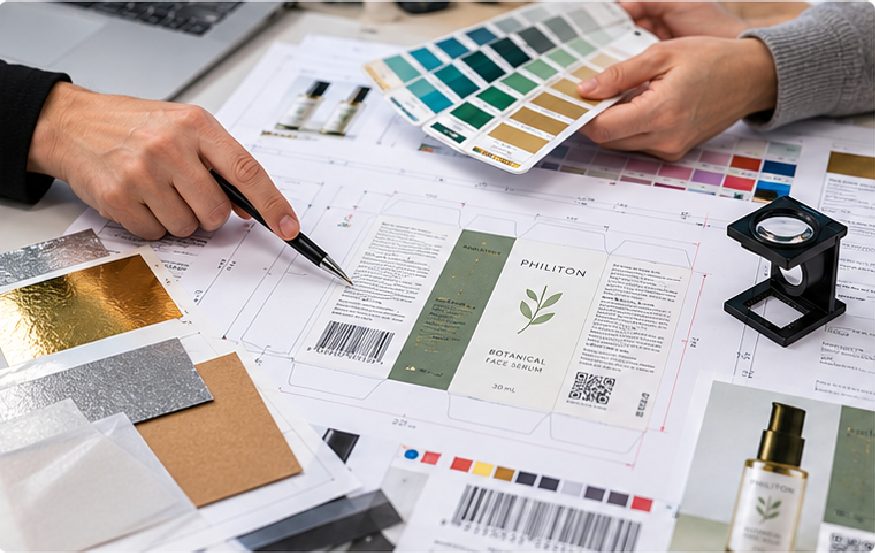
Sampling starts before the press runs. Philiton checks artwork format, dimensions, fonts, image quality, color requirements, white-ink layers, foil or emboss layers, barcode and QR content, variable-data fields, die-cut shape and roll requirements. Material choice is then linked to the container or application surface, expected environment and desired visual effect. Missing information is resolved before a sample is produced so the sample represents a manufacturable specification rather than a visual mockup with no production path.
For straightforward printed samples using stocked materials, a 3-5 business-day target can often be arranged. Custom dies, unusual materials, special foils, complex security structures or RFID/NFC components are scheduled after the required materials and tooling are confirmed. The sample schedule is therefore confirmed project by project instead of promised as one fixed number for every construction.
Philiton operates an approximately 350 m2 sampling and prototype-development area for digital samples, material trials, color samples, structural checks and pre-production references. Sampling route depends on the decision being made. A color proof may only need to confirm artwork and tone; an application sample needs the intended facestock and adhesive; a foil or emboss sample needs production-relevant tooling and substrate behavior. Defining the purpose first avoids approving a beautiful mockup that cannot represent the final production structure.
Approval Covers More Than Color

Approval Covers More Than Color

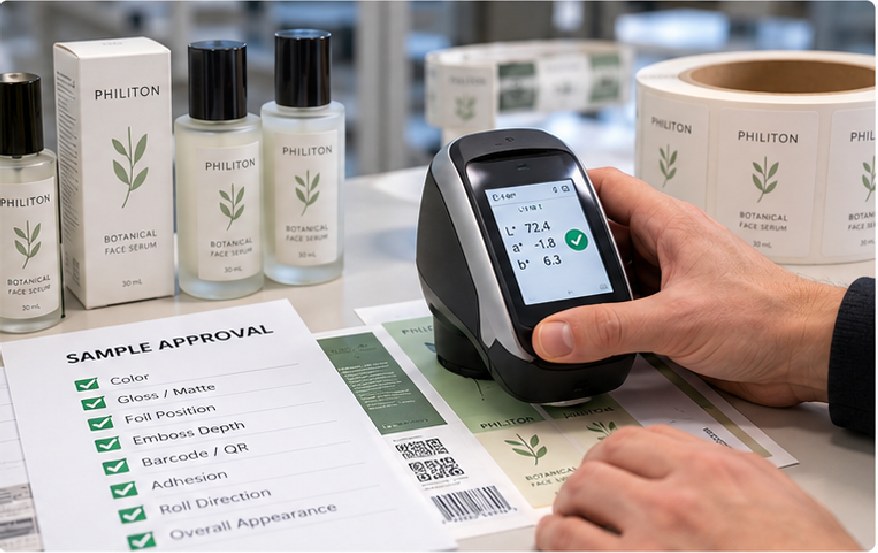
A strong sample approval should confirm the attributes that can create problems later: size, die cut, print registration, Pantone or brand color, opacity, transparency, foil position, emboss depth, laminate appearance, adhesive behavior, peel or handling characteristics, roll direction and scanning performance. Where the end use is demanding, Philiton can support internal tests for adhesion, peel, rub, scratch, color, thickness, environmental reliability, barcode/QR performance and RFID-related verification depending on the specification.
Once a sample is approved, the production file, material structure and agreed quality points can be carried into mass production. Complex programs may also use a golden sample or approved reference to align future lots. Bulk scheduling begins after the production specification is locked; timing depends on material availability, tooling, finishing complexity, quantity and required inspection.
Approval should also state what is being accepted. Visual approval may cover color, gloss, foil or texture; engineering approval may cover adhesion, fit, roll configuration, scan quality or tamper behavior. For automatic labeling, a small roll can be tested through the actual applicator before a larger run. For industrial use, the label can be applied to the real part and exposed to agreed conditions. A written approval tied to artwork version and material structure creates a stronger production reference than an informal photo approval alone.
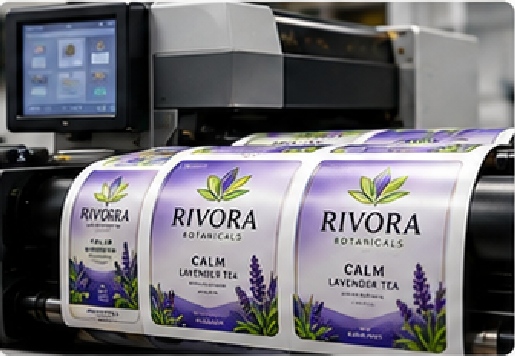
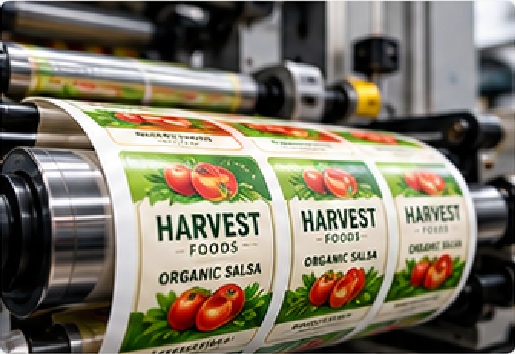
Production Moves Through Defined Manufacturing Checkpoints

Philiton keeps artwork, materials, printing, converting, inspection and packing connected under one production system so specifications do not get lost between unrelated subcontracting steps.

Artwork and Prepress

Production files are reviewed for size, fonts, images, color mode, spot colors, white ink, finishing layers, barcodes, QR codes and variable-data fields. Prepress separates production instructions from visual artwork, reducing errors when a label combines print, foil, embossing, varnish or security features. Final dielines and production layers are checked before plates, digital files or tooling are released.

Incoming Material Control

Externally sourced facestock, adhesive materials, liners, films, inks, foils, RFID/NFC components and packing materials are identified and checked on receipt. Material traceability, batch handling and IQC help keep an approved construction tied to the material actually entering production. Storage areas manage raw materials, work in process and finished goods separately to reduce mix-ups.

Printing Route Selection

Digital, flexographic, screen, UV and other printing routes are selected according to quantity, SKU mix, material, color, white-ink requirement, variable data and finishing. Short runs may favor digital production; repeating larger runs may become more efficient through flexographic production. The selected route is documented before scheduling so press and finishing requirements stay aligned.

Converting and Finishing

Lamination, coating, foil, emboss/deboss, holographic effects, die cutting, waste stripping, slitting and rewinding are integrated after printing according to the approved construction. Process order matters because one finishing step can affect registration, stiffness, adhesion or downstream converting. Tooling, web tension and finished-roll requirements are checked before final conversion and release.

In-Process Inspection

IPQC checks print registration, color, text, dimensions, die cutting, appearance, finishing position and other project-specific points during production. Problems are corrected while material is still in process rather than discovered only after the whole order is completed. Inspection frequency and checkpoints can be increased for security, variable-data or tight-tolerance programs.

Final Packing and Release

Finished labels are counted, rewound or sheeted, separated by SKU and checked before release. Roll direction, core requirement, labels per roll, carton identification and export packing follow the approved order specification. OQC provides the final checkpoint before shipment preparation. Shipment documents and outer markings can be coordinated with the destination or nominated forwarder.

Printing and Finishing Are Selected Around the Result

Philiton combines multiple printing and converting processes so visual design, volume, durability and application requirements determine the manufacturing route instead of forcing every job into one press technology.
Digital Printing

Digital Printing

Digital production is well suited to shorter runs, several SKUs, frequent artwork changes and variable content. It reduces the setup barrier for many launch-stage orders and supports faster proofing. Color, white ink and finishing compatibility are reviewed by material and design. Digital jobs can later be reassessed when repeat volume makes another route more economical.
Flexographic Printing

Flexographic Printing

Flexographic production supports repeat roll-label programs and larger volumes where continuous production efficiency matters. Material, ink, plate, registration, drying or curing and finishing are controlled as one production route. It becomes especially valuable when an approved program grows beyond launch quantities. Roll configuration and downstream finishing are planned with the press route rather than after printing.
Screen Printing

Screen Printing

Screen printing can add opaque white, specialty inks, dense spot color and tactile effects. The process is useful when normal process printing cannot deliver enough opacity or surface build. Screen work can be combined with other print and finishing methods when the construction requires it. Ink deposit, cure and adhesion are checked against the chosen substrate and overprint structure.
UV and Specialty Effects

UV and Specialty Effects

UV printing and coating can add gloss contrast, protective effects or localized visual emphasis. UV DTF-related capability also supports selected transfer-style applications. Material compatibility, cure performance and final surface feel are reviewed before production rather than treated as purely decorative options. Spot areas are positioned to avoid interfering with folds, die cuts or required scan zones.
Foil Stamping

Foil Stamping

Gold, silver, colored and holographic foils are used for premium packaging, wine, cosmetics, fragrance and promotional labels. Foil area, fine detail, substrate texture and registration influence the result. Sampling is recommended when foil must align closely with printed graphics or embossing. Foil choice is also reviewed for rub resistance, handling and the desired metallic appearance.
Emboss and Deboss

Emboss and Deboss

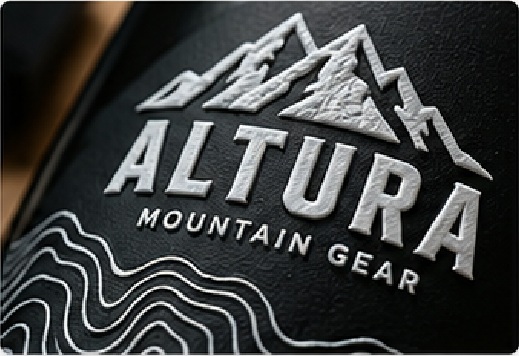
Embossing and debossing create raised or recessed tactile detail on suitable papers and constructions. Tooling, paper thickness, label size and nearby print or foil elements affect achievable depth. Philiton reviews the design so the tactile effect survives die cutting, handling and application. Sample approval is especially useful when fine typography or foil must align with the embossed area.
Variable Data and Serialization

Variable Data and Serialization

Serial numbers, QR codes, barcodes, changing text and other variable elements can be produced for traceability, promotion, logistics or authentication. Data format, uniqueness, print readability and verification method are defined before production. Variable content should remain controlled separately from static artwork. Data files, sequence rules and duplicate-prevention requirements are confirmed before the production batch is released.
Security and Smart Converting

Security and Smart Converting

Tamper-evident structures, holographic elements, RFID/NFC components and related converting can be integrated with printed graphics. Smart and security labels require component-specific engineering, so inlay, chip, encoding, read/write requirements and tamper behavior are confirmed for each program. Verification is planned around the final function, not only around visual appearance.

Quality Control Follows the Label From Material to Shipment

Philiton uses incoming, in-process, final and outgoing controls rather than relying on a single inspection at the end. Dedicated QC and laboratory areas support visual, dimensional and performance checks.

Quality Starts Before the Press

Philiton has approximately 300 m2 of dedicated quality-control space covering IQC, IPQC, FQC and OQC activities. Incoming controls focus on externally sourced facestock, adhesive materials, liners, films, inks, foils, RFID/NFC-related components and packing materials. Prepress review then checks dimensions, text, images, color information, finishing layers, variable-data structure and production instructions. During printing and converting, inspectors can review color, registration, text, die-cut accuracy, finishing position, barcode or QR appearance, roll direction and other approved points. Visual inspection can be applied across production where the project specification and inspection setup require it. The goal is to detect drift while corrective action is still possible, not to sort quality into a finished carton at the end. The control plan changes with the risk of the program. A straightforward logo sticker may focus on color, shape and quantity; a serialized industrial label can add data sequence and scan checks; a premium foil label can add registration and surface-defect checks; a roll program for automatic application can add winding and roll-configuration checks. If an abnormal condition appears, production and quality teams can isolate affected material, review the process point and confirm corrective action before release. Quality therefore follows the specification instead of relying on one generic checklist.

Internal Testing Supports Application Decisions

An approximately 150 m2 internal testing laboratory supports checks related to adhesion, peel, rubbing, scratching, color, thickness, environmental reliability, barcode/QR performance and RFID-related verification according to project needs. The laboratory is an internal quality and application-support resource; Philiton does not describe it as an accredited third-party laboratory unless a specific accreditation document applies. A new or technically demanding program can use material samples, application testing, printed prototypes or pre-production references before release. Repeat orders can refer back to approved specifications, artwork and quality points. Final inspection then covers quantity, appearance, dimensions, finishing, roll configuration, SKU separation and packing status before shipment. Internal testing is used to support manufacturing decisions, not to replace regulatory or accredited third-party testing where such evidence is required. Test method, sample condition and acceptance criteria should be agreed when performance is critical. For adhesion, the real substrate and application condition are more useful than an isolated adhesive name. For scan performance, the final printed contrast and code size matter. For smart labels, component and read/write requirements matter. The combination of internal checks and clearly defined external requirements helps prevent unsupported performance claims while still giving engineering teams usable evidence before production and future repeat-order review.

Compliance Claims Stay Tied to the Actual Project

Philiton separates company-level credentials, material documents and project tests so a logo on a website never replaces the compliance evidence required for a specific label construction.

Material Documentation

Selected papers, films, adhesives, inks and specialty components can be sourced with supporting supplier documentation when the project requires it. References such as FSC, RoHS, REACH, food-contact documentation or other material declarations are used only when the chosen material and available records support the claim. One document is not automatically applied to every Philiton product or every material option.

Project-Specific Requirements

Industrial, electronics, automotive, medical, pharmaceutical, chemical and food-related labels may carry stricter technical or regulatory requirements. Philiton manufactures to the approved specification and can coordinate material records, samples, testing and production controls requested for the program. Legal text, market-specific declarations and final regulatory suitability remain tied to the brand’s approved requirements and applicable professional guidance.

Audit and Quality Records

Enterprise programs can include project review, approved samples, golden samples, lot controls, inspection records, traceability expectations, split deliveries and long-term supply procedures as agreed. Factory or document reviews can be supported at the relevant commercial stage. Certification numbers, third-party laboratory claims and regulated-product conclusions are not published as universal statements unless the applicable documents are available and verified.

Packing Is Configured for Storage, Shipping and Labeling

Philiton uses a dedicated packing area of approximately 700 m2 for counting, rewinding, SKU separation and export preparation. Packing instructions are treated as part of the production specification.
Roll Packing

Roll Packing

Roll labels can be packed by specified rewind direction, core requirement, labels per roll, roll diameter limits or SKU. Clear outer identification helps receiving teams separate versions quickly. Roll configuration is especially important when the labels will run through an automatic applicator or thermal printer. Carton labels can identify SKU, quantity and roll details according to the approved packing instruction.
Sheet and Individual Formats

Sheet and Individual Formats

Sheeted, single-piece and die-cut products can be counted and separated by SKU according to the order. Inner bags, cartons or other protective packing are selected around finished format and transport risk. Premium finishes are protected from scuffing, bending or surface damage during handling. Packing quantities can be organized to match warehouse receiving, retail kits or production-line consumption.
Export Preparation

Export Preparation

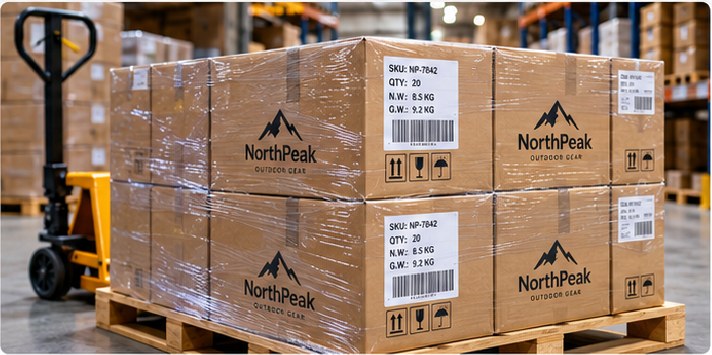
Bulk goods can be prepared in cartons or on pallets according to shipment size and handling requirements. Commercial shipping documents and destination labeling can be coordinated for international orders. Neutral packing can also be arranged for distributors, packaging companies or print brokers where the commercial model requires it. Export packing is selected to protect roll shape, label edges and premium surface finishes in transit.
Global Shipment Options

Global Shipment Options

Philiton can coordinate international express, air freight, sea freight or shipment through a nominated forwarder. Sample shipments usually favor express services; larger commercial orders can be planned around cost, urgency and destination. Manufacturing lead time and transit time are quoted separately so production and logistics remain clear. Delivery planning also considers carton volume, palletization, customs paperwork and the requested in-hand date.

Label Programs Across Consumer, Industrial and Smart Applications

Philiton’s manufacturing range covers appearance-led packaging and technically demanding identification. Each application starts from the surface, environment, information content, finishing requirement and production volume.
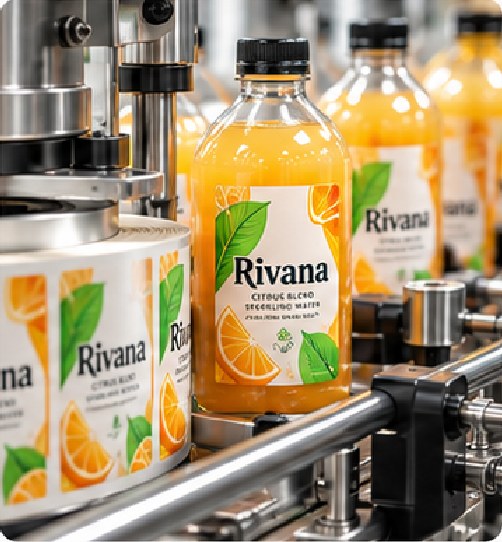
Food and Beverage labels

Food and Beverage

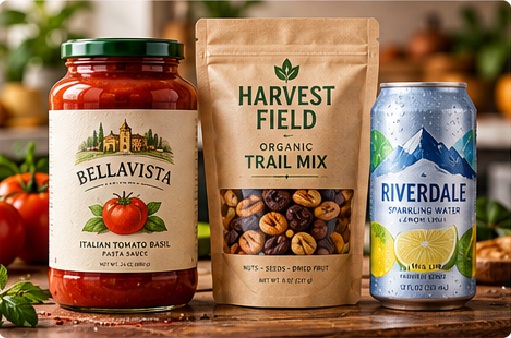
Paper, BOPP, PET, moisture-resistant stocks and suitable adhesive systems can support bottles, jars, cans, pouches and dry-food packaging. Refrigeration, condensation, oil and cold storage may change the material choice. Roll direction and core requirements can be configured for automatic labeling lines. Ingredient, barcode and variable-lot information can be integrated into the artwork structure where required.
Cosmetics and Skincare stickers

Cosmetics and Skincare

Clear BOPP/PET, white films, textured papers, metallic materials, foil and embossing support premium cosmetic packaging. Labels may need resistance to water, oils and bathroom humidity while preserving fine text and brand color. White ink and transparent constructions are sampled to confirm opacity and edge appearance. Bottle material, coating and curvature are reviewed before the adhesive structure is finalized.
Supplements and Wellness

Supplements and Wellness

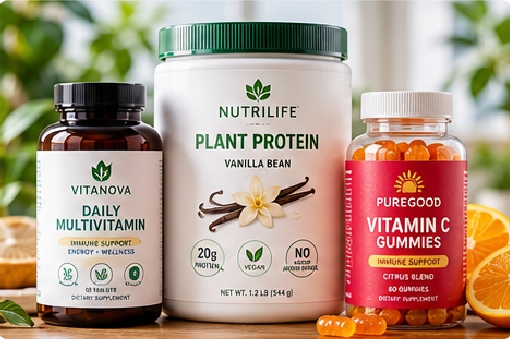
Supplement labels often combine brand decoration with dense information, barcode or QR content and several SKU versions. BOPP, PET, synthetic papers and specialty finishes can be selected for bottles, jars and pouches. Version control becomes important when formulas, markets or sizes create frequent artwork changes. SKU-separated packing helps co-packers and warehouses keep similar-looking versions from being mixed.
Wine and Spirits labels

Wine and Spirits

Textured papers, metallic films, clear materials, foil, embossing and tactile effects support premium bottle decoration. Surface texture, condensation, bottle curvature and finishing registration affect the construction. Sampling helps align print, foil, emboss and die-cut detail before the production quantity is released. Paper grain, adhesive wet-out and scuff resistance are also reviewed for handling and storage.
Electronics and Industrial stickers

Electronics and Industrial

PET, PI, synthetic materials and durable adhesive systems can support serial plates, warning labels, component identification, cable labels, battery labels and equipment marking. Heat, chemical, abrasion, scan and adhesion requirements are defined around the actual use rather than a generic durability claim. Serialized data, barcode readability and long-term traceability can be added where production or service records require them.
Security and Smart Labels

Security and Smart Labels

VOID, destructible, holographic, serialized, QR, RFID and NFC constructions support authenticity, warranty, tracking, access, interaction and product information. Security behavior, data structure and component selection are set by project because removal evidence and read/write performance depend on the final construction. Samples can be tested on the real surface before a large security or smart-label run is released.

Three Representative Philiton Project Profiles

The following anonymized profiles reflect typical order structures Philiton can support. Brand identities are withheld, while quantities and specifications illustrate how multi-step label programs are organized.
United States Skincare Brand - 18,000 Labels

United States Skincare Brand - 18,000 Labels

A growing U.S. skincare brand prepared six serum and cream SKUs for a retail expansion, with 3,000 labels per SKU. The program used clear BOPP for a clean bottle appearance, white ink under key graphics and metallic foil on the brand mark. Philiton reviewed the PET and glass containers, artwork layers, opacity, foil position and roll direction before sampling. After the visual and application sample was approved, production was separated by SKU and packed in labeled rolls for the filling partner. The structure allowed the brand to keep one material family while controlling six artworks and different quantities.
Germany Electronics Brand - 32,000 Durable Labels

Germany Electronics Brand - 32,000 Durable Labels

A German electronics-accessory program required durable product-identification labels, QR codes and serialized information across four product families. The representative order totaled 32,000 labels using PET-based constructions selected for handling, abrasion and long-term identification. Philiton separated static artwork from variable-data fields, reviewed scan size and print contrast, and confirmed die-cut dimensions and roll configuration before production. In-process checks covered print registration, serial output and visual quality; final packing separated each product family for warehouse receiving. The program shows how decorative printing, identification data and converting controls can be managed under one specification.
Australia Beverage Brand - 24,000 Roll Labels

Australia Beverage Brand - 24,000 Roll Labels

An Australian beverage launch used four flavors with 6,000 labels per SKU. The labels needed moisture resistance, strong shelf color and reliable application on chilled bottles. Philiton reviewed the container, condensation risk, film choice, adhesive direction, artwork and applicator requirements before sample approval. White BOPP, protective finishing and controlled roll configuration were used in the representative structure. Production was split by flavor, with labels rewound and packed by SKU for the co-packer. The project illustrates how material selection, artwork variation, roll direction and production packing can be coordinated before labels reach a high-speed filling environment.

Manufacturing Facts Behind the Philiton Name

Manufacturing FactPhiliton Operating DataWhat It Supports
Founded2016Long-term focus on custom labels, stickers, tags and specialty printing
Integrated Space12,000+ m2Manufacturing, warehousing, QC, lab, sampling, offices and support areas
Core Production AreaApprox. 7,200 m2Printing, converting, finishing, smart-label work, inspection and packing
Employees200+Parallel handling of samples, short runs, repeat programs and larger orders
Technical / Skilled Production / Quality Team91 peopleEngineering, machine operation, process control and quality execution
Sampling AreaApprox. 350 m2Digital samples, material trials, color checks and pre-production approval
QC + Lab AreasApprox. 450 m2 combinedIncoming, in-process, final inspection and internal performance testing
Packing AreaApprox. 700 m2Roll, sheet, SKU-separated and export-ready packing
Raw Material StorageApprox. 1,200 m2Controlled storage of externally sourced papers, films, adhesives and components
Typical Starting QuantityAround 500 pcs for many standard projectsNew launches, multi-SKU testing, short runs and later scale-up

Why Philiton Frequently Asked Questions

Many standard custom label and sticker projects can start from approximately 500 pieces. MOQ changes when a project requires special materials, custom tooling, complex security structures, RFID/NFC components or supplier minimums for a specific substrate. Philiton therefore confirms MOQ after reviewing material, size, quantity, finishing and application rather than applying one quantity to every label.
No. Base papers, films, adhesives, foils, RFID/NFC-related materials and other specialty substrates are sourced from qualified external suppliers. Philiton’s manufacturing value is in material selection, artwork and prepress, printing, converting, finishing, inspection, testing, packing and production management. Material origin and available supplier documents can be reviewed when a project has specific compliance or performance requirements.
Yes. Multi-SKU programs can combine shared materials with different artwork, quantities, colors or content. Digital printing is useful for shorter and frequently changing versions, while larger repeating volumes can be reviewed for a more efficient production route. SKU-separated production and packing instructions help keep variants organized from printing through warehouse receipt.
Straightforward printed samples using stocked materials can often target 3-5 business days. Timing changes when custom dies, special foils, unusual materials, security constructions or RFID/NFC components are required. Philiton confirms the sample schedule after artwork, material and process review so the date reflects the actual construction rather than a generic promise.
Philiton supports CMYK, Pantone and spot-color control through prepress, color management, standard-light viewing and color-measurement capability. Final appearance can vary by material, coating, laminate, white ink and finishing, so important brand colors should be approved on the intended substrate. Repeat orders can use approved samples or recorded production references.
Yes. Roll direction, core requirement, labels per roll, liner, die-cut gap and other roll parameters can be set around the intended applicator or printer. Machine information, an existing roll or a packing specification helps prevent avoidable feeding problems. The finished roll is treated as part of the label design, not an afterthought.
Yes, with project-specific engineering. Tamper-evident, VOID, destructible, holographic, serialized, QR, RFID and NFC programs can be developed according to the required structure and function. RFID/NFC component type, frequency, memory, encoding, read/write requirement and verification method are confirmed for the intended use rather than standardized across all programs.
Quality control can include IQC, IPQC, final inspection and OQC, with checks for appearance, color, registration, dimensions, die cutting, finishing, barcode/QR output, roll direction, quantity and packing. Internal laboratory capability also supports selected adhesion, peel, rub, scratch, color, thickness, environmental and smart-label tests depending on the specification.
Documentation depends on the selected material, supplier records and project requirement. Philiton does not apply FSC, RoHS, REACH, food-contact, UL or similar claims universally to every product. When such documentation is required, the material and available records should be confirmed before quotation and sampling so the approved construction is linked to the correct evidence.
Bulk production timing is confirmed after material, tooling, finishing, quantity, inspection and sample-approval requirements are known. Digital short runs can follow a different production route from complex flexographic, security or smart-label work. International express, air freight, sea freight and nominated forwarders can be coordinated, with manufacturing time and transport time quoted separately.

Send the Details That Matter for an Accurate Quote

A useful quotation starts with the application, not only the artwork. Send the information available now, even if the material or adhesive has not been selected. Philiton can review the project and identify the missing decisions before sampling or production.

For the fastest technical review, include:

  • Artwork or reference image in AI, PDF, EPS, PSD, CDR or another available format
  • Finished label size and shape
  • Quantity per SKU and total number of SKUs
  • Product container or application surface: glass, PET, HDPE, PP, metal, cardboard or another substrate
  • Use conditions such as refrigeration, freezing, oil, moisture, heat, chemicals or outdoor exposure
  • Preferred paper, BOPP, PET, PE, vinyl, thermal or specialty material if already specified
  • Finishing requirements such as foil, embossing, lamination, holographic effects, variable data or security features
  • Roll direction, core, labels per roll or labeling-machine information where applicable
  • Required compliance documents or internal test expectations
  • Delivery country, postal code and target in-hand date

Philiton will use the information to define the manufacturing route, sample plan, MOQ, packing method, production schedule and shipping options.

Get In Touch

  • Our team will answer your inquiries within 12 hours.

  • Your information will be kept strictly confidential.

Get a Fast Quote for Custom Labels & Stickers

We will contact you within 24 Hours, please pay attention to the email with the suffix“@philiton.com”. 

For all inquiries, please feel free to reach out at:

Ask For A Quick Quote

We will contact you within 24 Hours, please pay attention to the email with the suffix“@philiton.com”. 

For all inquiries, please feel free to reach out at:

Get a Quote Today!

We will contact you within 24 Hours, please pay attention to the email with the suffix“@philiton.com”.