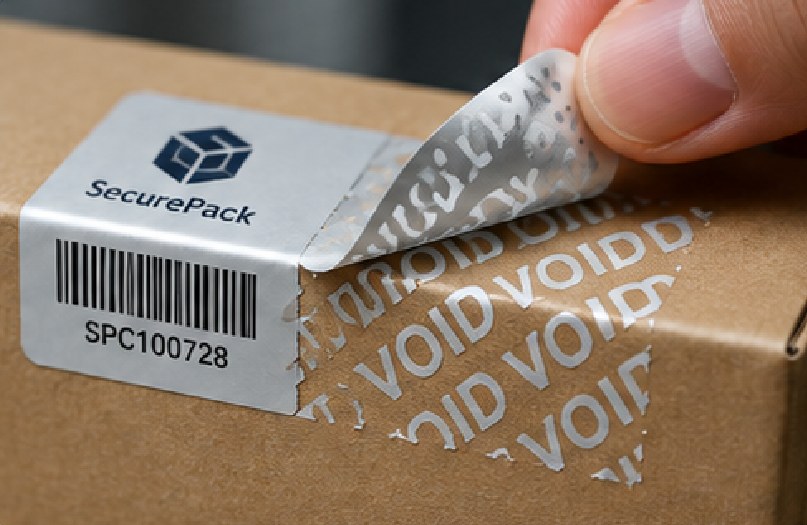
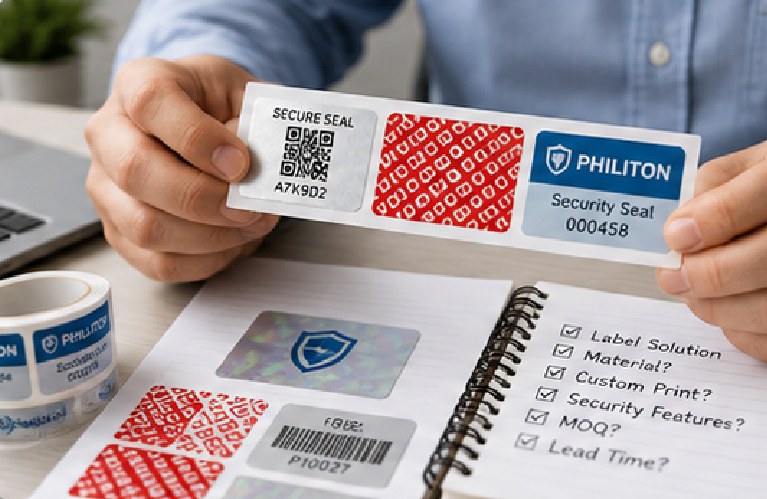
Custom tamper-evident labels engineered around the evidence you need after opening, removal, transfer, or unauthorized access.
Philiton combines security materials, adhesive selection, printing, die cutting, variable data, inspection, and application testing for packaging, electronics, equipment, and brand-protection programs.
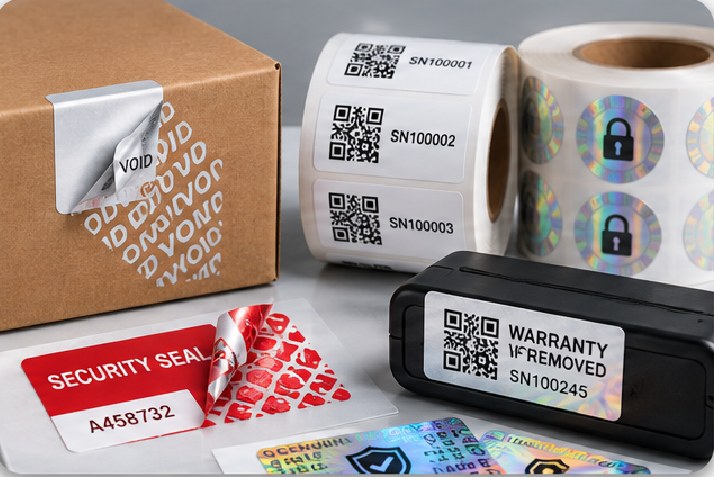
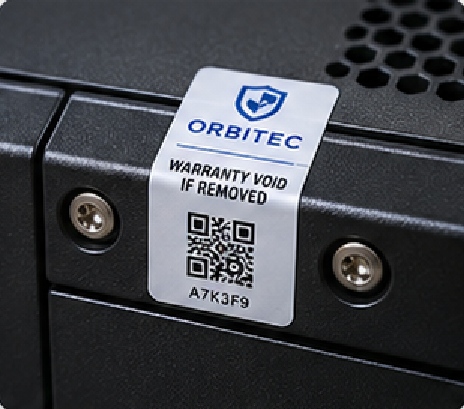
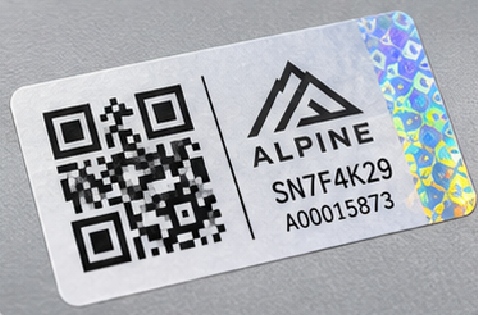
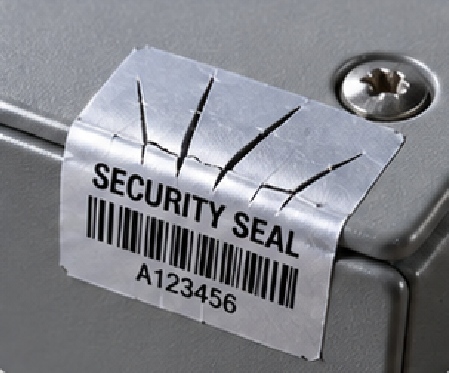
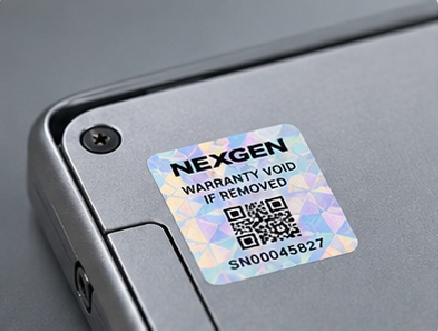
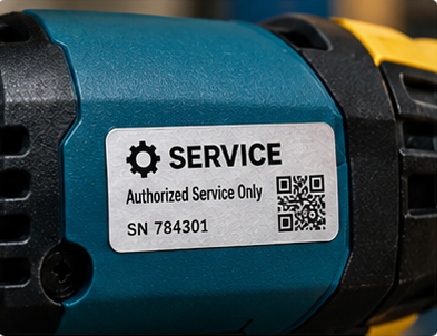
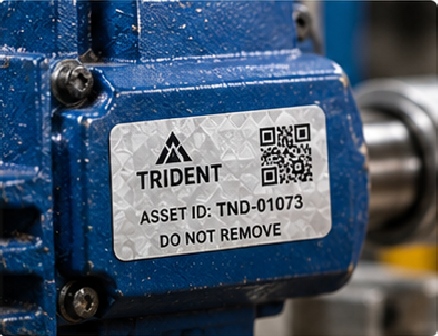
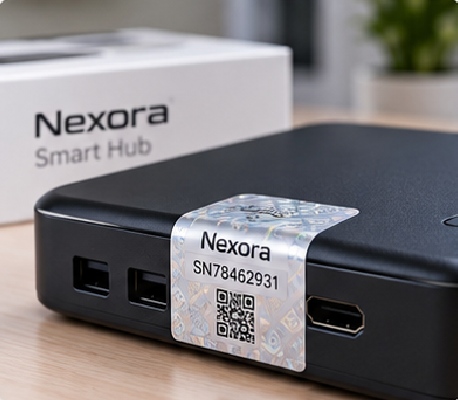
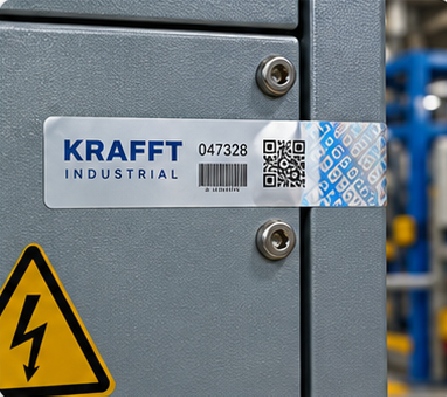
Electronics, tools, instruments, and equipment programs often focus on access control, warranty evidence, service history, or asset identity. Philiton reviews housing material, screw or seam location, available bonding area, heat exposure, oils, surface texture, and label geometry. Serialized information or QR codes can be added when service teams need traceable unit-level identification.
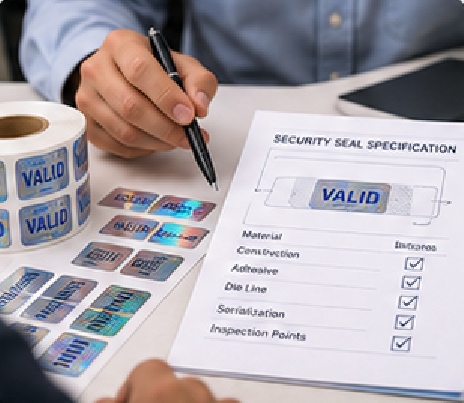
Procurement and quality teams need more than a visual sample. They need a controlled specification that can be repeated. Philiton can lock material construction, adhesive route, approved artwork, die line, roll specification, variable-data rules, inspection points, packing method, and approval records. Repeat orders are reviewed against the released specification rather than treated as an unverified reprint.
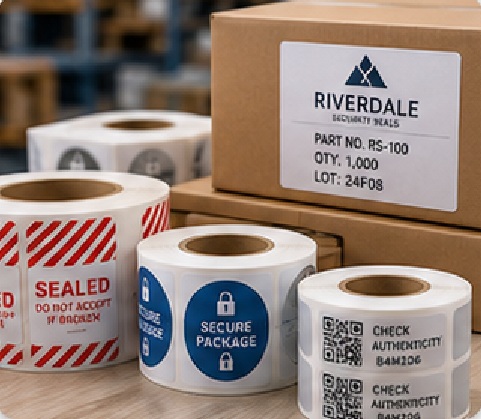
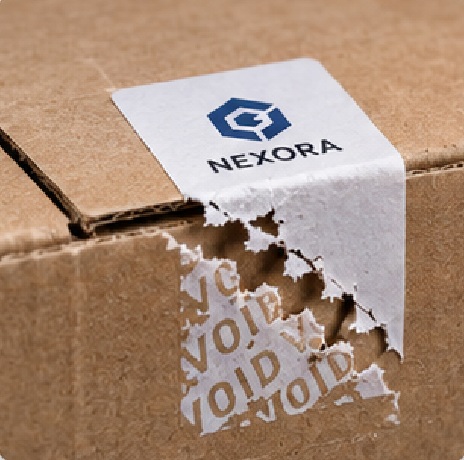

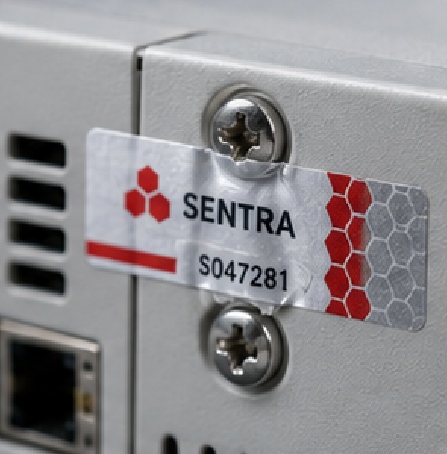
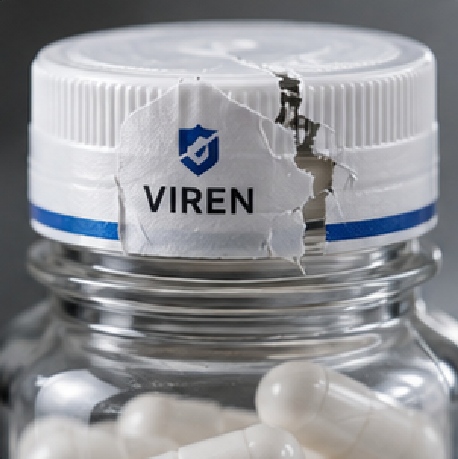
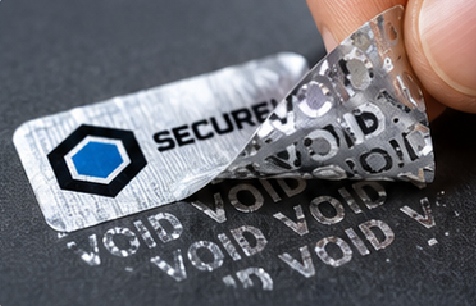
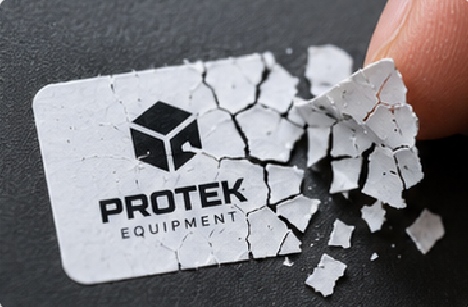

| Security structure | Evidence after tampering | Residue / surface effect | Strong fit | Key validation point | Variable data |
|---|---|---|---|---|---|
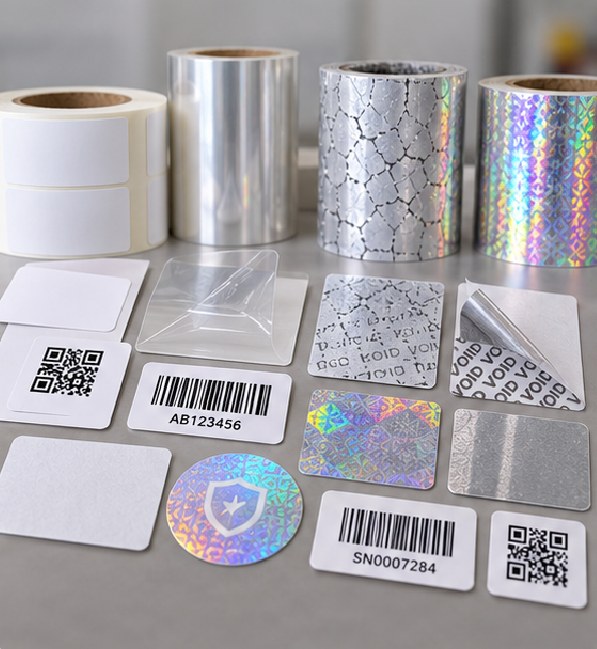
| Total-transfer VOID | Message or pattern remains on the applied surface | Visible residue is expected | Electronics housings, coated metal, glass, warranty seals | Transfer clarity on the actual substrate | Serial, barcode, QR |
| Partial-transfer VOID | Part of the message transfers while part remains in the label | Controlled visible change | Brand seals, equipment, boxes, device access | Consistent split between layers | Serial, barcode, QR |
| Non-transfer VOID | The label reveals VOID or OPENED without a full transfer layer | Lower residue can be possible | Surfaces where cleanup or residue control matters | Message visibility after lifting | Serial, barcode, QR |
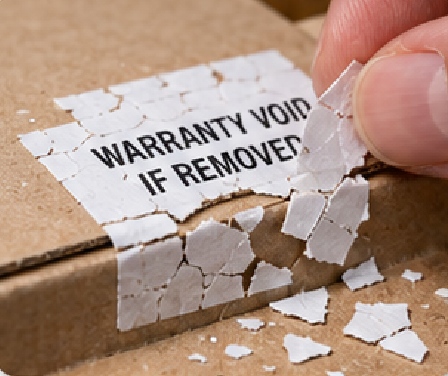
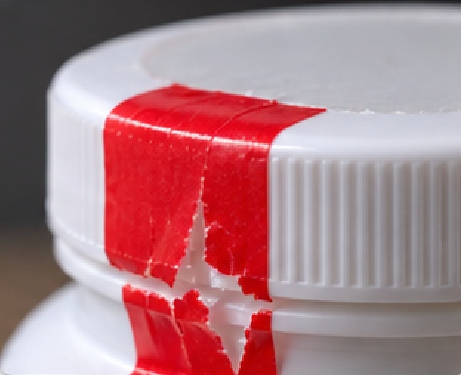
| Destructible film | Label fractures into pieces | Adhesive may remain while facestock breaks | Warranty, assets, tools, electronics | Fragmentation versus dispensing strength | Serial, barcode, QR |
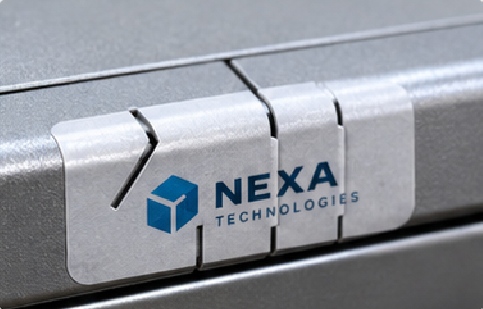
| Security-cut seal | Label tears along designed weak points | Depends on facestock and adhesive | Closures, equipment, access points | Cut geometry and tear initiation | Serial, barcode, QR |
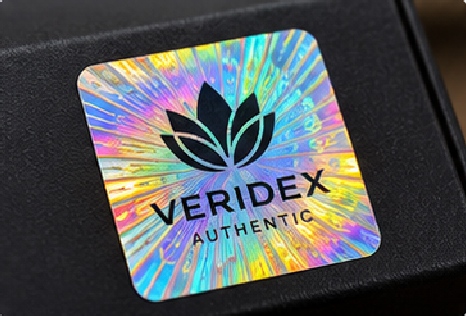
| Holographic tamper seal | Optical feature plus transfer, breakage, or cut evidence | Construction dependent | Premium goods, cosmetics, spirits, electronics | Optical appearance and tamper mechanism | Serial, QR, optional smart layer |
VOID performance is a layer-separation behavior, not a decorative material name. Philiton verifies where the message appears, how clearly it transfers, and what remains after removal.
What Happens Before, During, and After Removal
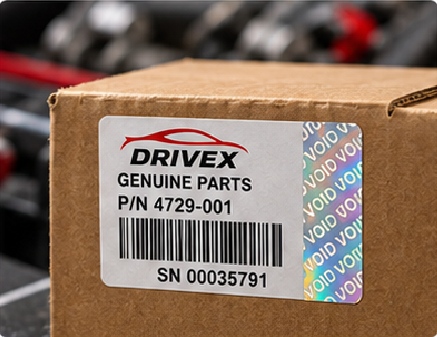
Philiton does not treat one VOID film as universal. The release pattern, adhesive, surface energy, texture, curvature, contamination, temperature, and seal dimensions are reviewed together. A security sample on the actual product surface is the preferred route before mass production.

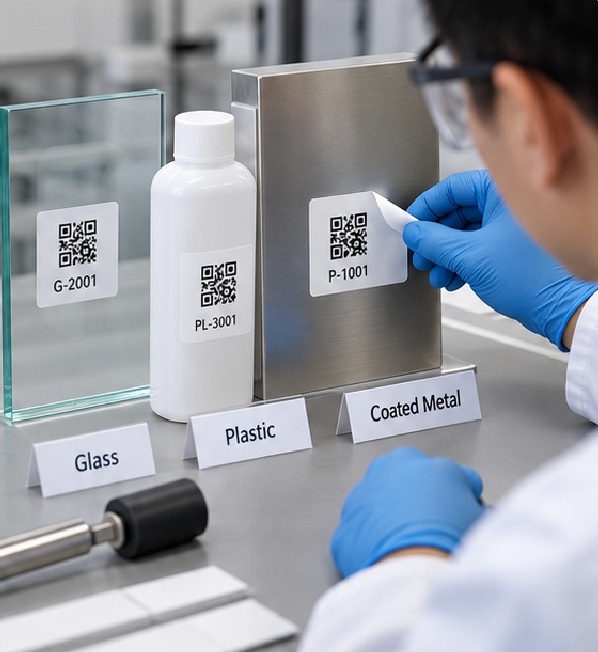
A security facestock cannot compensate for the wrong adhesive. Philiton defines the bonding requirement from the target surface, surface energy, texture, cleanliness, curvature, application temperature, service temperature, moisture, oil, chemicals, expected service life, and residue requirements. Smooth glass and coated metal often provide a different bonding interface from PP, PE, HDPE, textured ABS, powder-coated metal, corrugated board, or varnished cartons. Low-surface-energy plastics may require higher-tack or specially formulated adhesive constructions. Rough surfaces can reduce contact area. Curved housings can create continuous edge-lifting stress. Oils, release agents, dust, condensation, or low application temperatures can prevent proper wet-out even when the adhesive is suitable on paper. Philiton therefore asks for an actual product, substrate coupon, container, housing sample, or a clearly identified representative surface whenever security performance is important. Testing can include initial application, dwell-time observation, removal behavior, edge lift, peel or tack checks, print rub, water or environmental exposure, and tamper-effect inspection according to the project. The correct goal is not “the strongest glue.” Excessive bond strength can leave unwanted residue, damage a premium surface, or make automated dispensing difficult. Philiton selects a construction around the required evidence and operating conditions, then confirms the result through sampling before the specification is released for mass production.
| Target surface | Common security challenge | Engineering direction | Sample focus |
| Glass | Smooth surface can show transfer clearly, but cleaners or condensation may affect bonding | Match adhesive and residue target; review bottle or jar curvature | Transfer clarity, edge lift, clean application |
| Stainless steel / coated metal | Oils, coatings, powder finish, or roughness can reduce contact | Confirm surface preparation and adhesive wet-out | Bond strength, tamper message, residue |
| ABS / PC housings | Texture, molding agents, small screw areas, and curved features | Use a construction suited to the plastic and available label area | Dwell time, fragmentation or VOID result |
| PP / PE / HDPE | Low surface energy can reduce adhesion and transfer consistency | Evaluate high-tack or specially formulated adhesive constructions | Initial tack, 24/48-hour bond, removal evidence |
| Paperboard / cartons | Fibers or coatings may tear before a transfer layer behaves as expected | Decide whether fiber tear, security cut, or closure break is preferable | Carton damage, opening path, print legibility |
| Varnished / laminated packaging | Coating chemistry may alter adhesion | Test the exact coating, not only the base paper | Edge lift, residue, visual damage |
| Curved bottles / small diameters | Facestock stiffness can create spring-back and flagging | Reduce stiffness, adjust dimensions, adhesive, and seal geometry | Mandrel hold, edge lift, closure break |


A sample can look correct while the security function remains unverified. Philiton therefore records approval around the attributes that affect production and field use: material construction, adhesive, label size, die line, printed content, color, security cuts, VOID behavior, destructible behavior, serial or QR rules, roll direction, core, gap, pitch, labels per roll, and packing. Removal testing should reflect a defined dwell period when bond development affects the result. Depending on the project, inspection can include initial adhesion, 24/48-hour observation, visible transfer, fragmentation, residue, edge lift, print rub, water or environmental exposure, barcode or QR scanning, and RFID read/write verification. A failed functional result sends the project back to material, adhesive, geometry, or artwork review instead of being accepted only because the print looks good. Approval can be recorded through a signed physical sample, approved artwork or PDF, written email or messaging confirmation, or a project-specific approval form. For stable repeat programs, Philiton can retain a Golden Sample so later batches have a physical reference for material, appearance, and workmanship. Mass production scheduling begins after the commercial order is confirmed, the released artwork and specification are approved, and required materials or tooling are available. Security materials, dedicated holographic structures, unusual adhesives, variable-data preparation, or smart-label components can extend the preparation period, so the production schedule is confirmed against the final specification rather than presented as one fixed number for every security seal.
Security seals often become repeat-use consumables, so repeatability matters more than a one-time attractive sample. Philiton links material selection, approved artwork, process parameters, roll specification, packing instructions, and inspection requirements to the production job. Incoming materials are controlled through supplier and batch records; in-process checks confirm print, converting, and variable information; final inspection verifies the released attributes before shipment. For many standard custom label and sticker programs, quantities can begin around 500 pieces, but security constructions are not governed by one universal MOQ. Simple VOID or destructible programs may be evaluated at flexible quantities. Security printing generally becomes more economical around 1,000 pieces and above. Dedicated holographic masters, specialty upstream material preparation, RFID/NFC structures, or unusual adhesives can require higher project minimums. Philiton’s manufacturing model supports launch, growth, and repeat programs within the same production organization. A project can begin with a security sample or pilot quantity, move to thousands or tens of thousands of seals, and later shift production routing as volume increases. Stable repeat orders can benefit from approved tooling, released artwork, known material constructions, Golden Samples, and forecast-based material planning where commercially agreed. Production timing is confirmed for each order because material availability, tooling, security features, variable data, quantity, finishing, QC, and packing can change the schedule. Urgent production can be evaluated when material and machine capacity permit, but security verification is not removed simply to shorten lead time.
| Control stage | What Philiton checks | Security-specific focus | Typical record / action |
|---|---|---|---|
| IQC | Material identity, supplier batch, appearance, liner, adhesive construction, specialty components | Correct VOID, destructible, holographic, or smart-label material | Accept, quarantine, or investigate incoming material |
| First article | Artwork, size, die line, print, color, code position, roll setup | Security cuts, transfer orientation, variable-data layout | Release first article before continued production |
| IPQC | Print consistency, registration, die cutting, waste stripping, roll tension, code sequence | Fragile material handling, security slit consistency, missing or duplicated data | Correct process before more output is produced |
| Functional verification | Adhesion, tamper effect, removal behavior, scan or read function where required | VOID visibility, fragmentation, residue, QR/barcode readability, RFID read/write | Compare with approved sample and agreed test method |
| FQC | Finished size, print, die cut, surface, quantity, roll or sheet condition | Approved security construction and variable-data completeness | Segregate nonconforming product |
| OQC / packing | SKU, serial range, labels per roll, roll direction, carton marks, packing integrity | Prevent mixed ranges, mixed SKUs, or uncontrolled security inventory | Release shipment against packing and order records |

Send Philiton the protected product, package, housing, or closure information before requesting a security-seal quotation. A clear application brief lets the engineering team compare the right tamper construction instead of pricing a generic material that may fail on the actual surface. For complex programs, photos, drawings, existing labels, packaging samples, or substrate coupons are useful. Philiton can then review the security objective, material and adhesive route, print and variable-data requirements, sample plan, roll or sheet format, quality checkpoints, packing, and production path. Complex security projects can normally be technically reviewed for quotation within 24-48 hours once the specification inputs are complete.
Our team will answer your inquiries within 12 hours.
Your information will be kept strictly confidential.
We will contact you within 24 Hours, please pay attention to the email with the suffix“@philiton.com”.
For all inquiries, please feel free to reach out at:
We will contact you within 24 Hours, please pay attention to the email with the suffix“@philiton.com”.
For all inquiries, please feel free to reach out at:
We will contact you within 24 Hours, please pay attention to the email with the suffix“@philiton.com”.