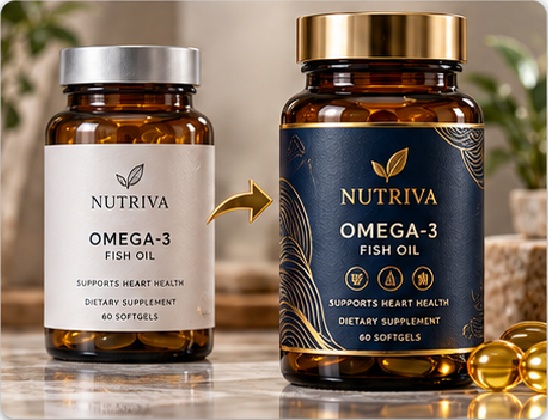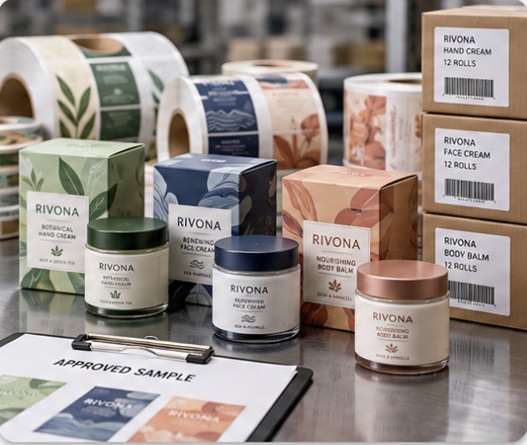
Philiton starts with the existing bottle, jar, pouch, carton or shipping format and identifies which printed component can deliver the strongest premium improvement without forcing an unnecessary structural redesign.
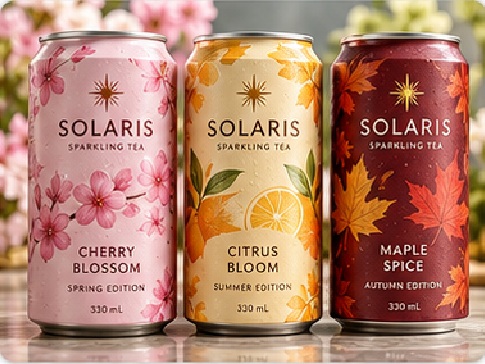
A packaging upgrade does not need five special effects. A cleaner material, stronger contrast, controlled metallic detail or a tactile focal area can change perceived quality faster than adding decoration everywhere. Philiton reviews the existing artwork, pack color, container surface, viewing distance and primary brand element before recommending a route. A plain white label on a clear cosmetic bottle may benefit more from clear film and controlled white ink than from heavy foil. A wine or candle label with strong typography may gain more from textured stock and a restrained embossed mark. For pouches or cartons already carrying strong print, a separate seal or premium product label can add hierarchy without replacing the pack. The goal is to identify one or two upgrades that remain noticeable after filling, packing, shipping and retail handling. Philiton then converts the visual direction into a manufacturable specification: face material, adhesive, print method, ink structure, finishing sequence, die line and delivery format. Projects are reviewed against the actual application rather than treated as decoration-only work. Premium appearance is useful only when the label stays flat, colors remain controlled, fine details register correctly and the approved effect can be repeated on future runs. The upgrade therefore remains a controlled manufacturing change, not a decorative experiment.
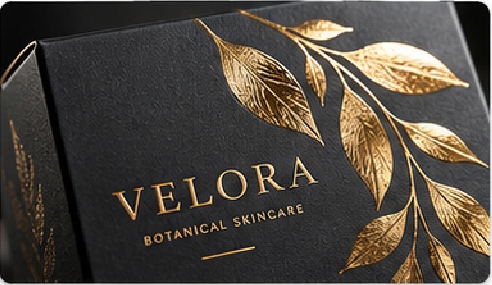
Foil is most effective when it highlights a controlled part of the design such as a logo, border, crest, product name or limited decorative line. Philiton can review foil area, line width, registration tolerance and substrate compatibility before tooling or production. Metallic detail should be designed around the real label size and die line; oversized foil fields can add cost and increase visual noise. For repeat programs, the approved foil position and appearance become part of the production reference.
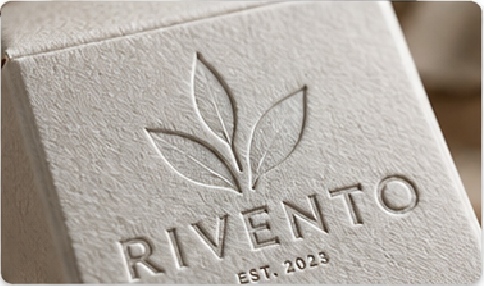
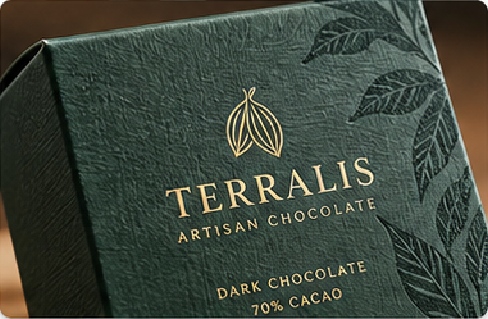
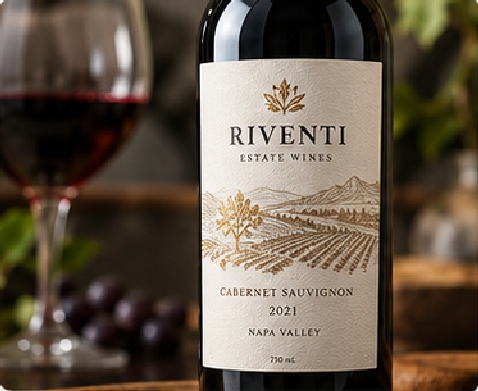
Embossing raises selected artwork while debossing presses detail into the surface. Both work best when type, logo size, material thickness and surrounding graphics leave enough room for a clean impression. Philiton reviews the relationship between print, foil, emboss tooling and die cutting before sampling. A small emblem can create stronger premium value than embossing a full background. Approval should consider both front appearance and the physical effect on the finished label or packaging surface.
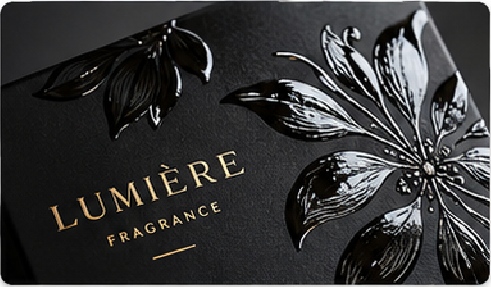
Selective UV can create gloss contrast, texture or a raised focal point over printed artwork. Philiton can use the effect to emphasize a logo, pattern, product name or small graphic without changing the entire material. Artwork must account for minimum line detail, registration and the behavior of the coating on the chosen face stock. For pouches, bottles and high-touch products, the finish should also be reviewed for rubbing and handling before a large repeat order is released.
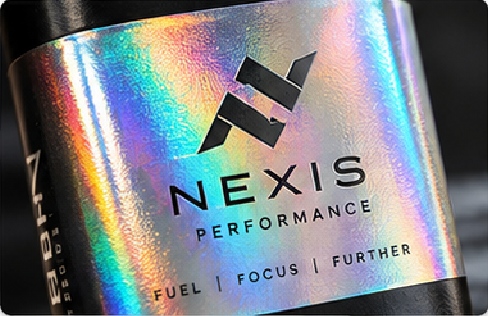
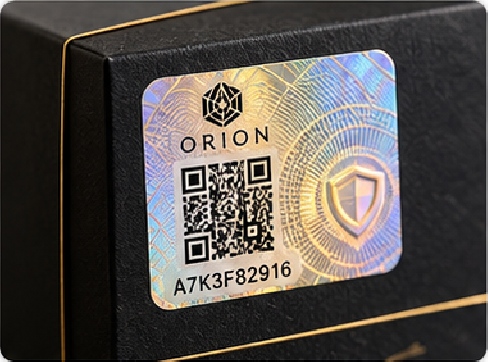
Holographic materials or effects are useful when a brand needs movement, light response, premium energy or a stronger visual security cue. Philiton can combine holographic appearance with printed color, white ink, variable data or security-related structures depending on the project. The design should control where the effect remains visible instead of allowing the substrate to overpower the artwork. Sampling under normal store and indoor lighting is important because holographic appearance changes with angle and background.

Clear film can expose the product or container and create a cleaner no-label appearance, but the result depends heavily on white ink planning. Philiton reviews which areas need opacity, which graphics can remain transparent and how color will change over clear glass, PET or colored containers. White underprint, reverse printing and laminate structure may be selected according to the application. A clear label should be tested on the real pack because appearance on a release liner is not the final appearance. Review the sample beside the current pack so the improvement is easy to judge.
| Current Packaging Problem | Upgrade Route to Review | Expected Result | Main Validation Before Production |
|---|---|---|---|
| Pack looks generic | Custom shape + stronger material contrast | More distinctive brand silhouette | Die line, corner radius, artwork clearance, application area |
| Logo lacks premium emphasis | Foil or controlled raised effect | Stronger focal point without redesigning all artwork | Foil/UV area, registration, rub resistance, approved sample |
| Label feels flat or inexpensive | Textured stock, emboss/deboss, tactile finish | More physical depth and hand feel | Stock behavior, tooling depth, small text, die-cut stability |
| Transparent product is hidden | Clear film + planned white ink | Cleaner no-label presentation | Container color, opacity zones, bubbles, adhesive clarity |
| Packaging is visually busy | Matte base + selective gloss/metallic detail | Clearer hierarchy and controlled contrast | Color, coating interaction, finish position |
| High-end look fails in use | Durable film + suitable adhesive + protective finish | Appearance survives moisture, oil or handling | Real surface, temperature, product contact, rub and adhesion test |


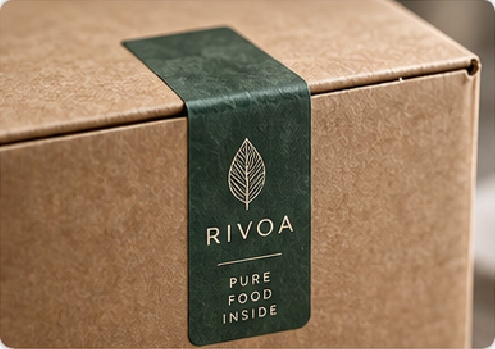
A finishing method never works in isolation. Philiton chooses the face material with the desired appearance, application surface, environment and converting route already in mind.
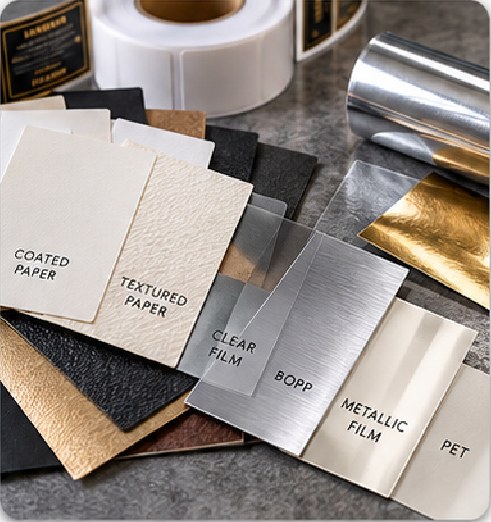
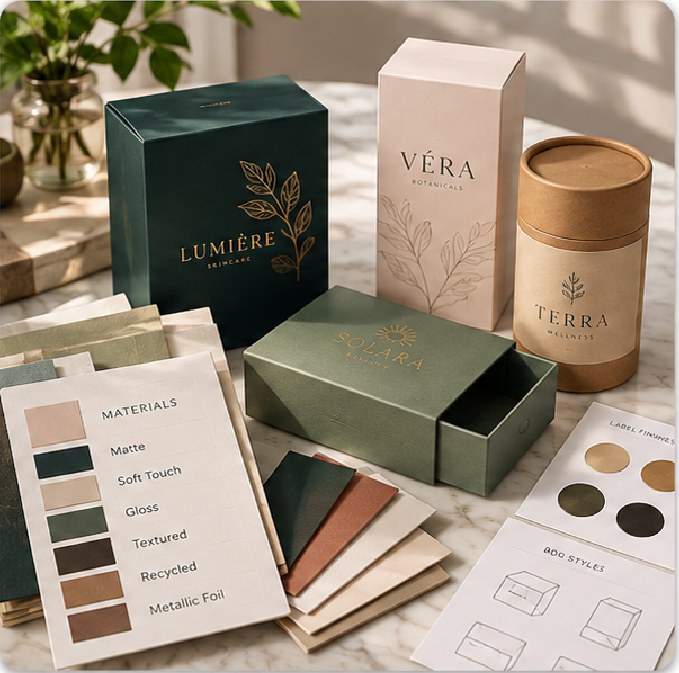
Paper, film, clear stock, metallic stock and specialty textured materials create different premium signals before foil, embossing or UV is added. Philiton evaluates the base material first because it controls print density, opacity, texture, stiffness, moisture response and the way light moves across the finished label.
Philiton sources base materials from qualified external suppliers and creates manufacturing value through selection, prepress, printing, converting, finishing, inspection and project control. Material selection therefore starts with the actual product: container material, curvature, application temperature, service environment, shelf life expectation, decoration, labeling method and order quantity. A premium stock that looks impressive as a loose swatch can still be the wrong choice if it lifts on a low-surface-energy plastic or loses appearance in an ice bucket. Final approval should come from a finished sample applied to the real packaging whenever the environment is demanding.
A perfect print still fails when the label lifts, bubbles or slides. Philiton treats the container surface and service environment as part of the premium design specification.
Glass, PET, HDPE, paperboard, coated cartons, flexible pouches and other packaging surfaces do not behave the same. Surface energy, curvature, texture, contamination, condensation, filling conditions and storage temperature all affect adhesion. Philiton therefore asks where the label will be applied, whether the surface is flat or curved, whether it is labeled before or after filling, and whether the pack sees water, oil, alcohol, refrigeration, freezing or repeated hand contact.
Philiton can prepare material, printed, die-cut or finished samples according to the project and use the approved construction as the reference for production. High-demand conditions should be tested on the actual substrate rather than approved from a digital rendering alone. The packaging should look premium after application and handling, not only while the label is still on the release liner.
| Finish | Best Used For | Main Strength | Production Consideration |
| Foil | Logos, borders, names, controlled accents | Crisp metallic contrast | Foil area, line detail, registration, tooling and substrate compatibility |
| Emboss / Deboss | Logos, crests, premium typography | Physical depth without relying on color | Artwork spacing, tooling depth, material thickness and die-cut relationship |
| Spot / Raised UV | Patterns, logos, selective gloss or texture | Gloss and tactile contrast | Coating adhesion, small detail, registration and rub exposure |
| Holographic | Limited editions, security cues, high-energy branding | Angle-dependent movement and visual impact | Lighting, artwork balance, print opacity and security purpose |
| Clear + White Ink | Glass, PET, transparent packs | No-label look with controlled opacity | White ink map, container color, adhesive clarity and application |
| Textured Stock | Wine, candle, gourmet and presentation labels | Material-driven premium feel | Moisture exposure, fine print, foil/emboss behavior and supply availability |
| Matte / Soft-Touch Route | Cosmetics, wellness and restrained premium branding | Low-glare controlled hand feel | Rub, scratch, coating compatibility and downstream finishing |

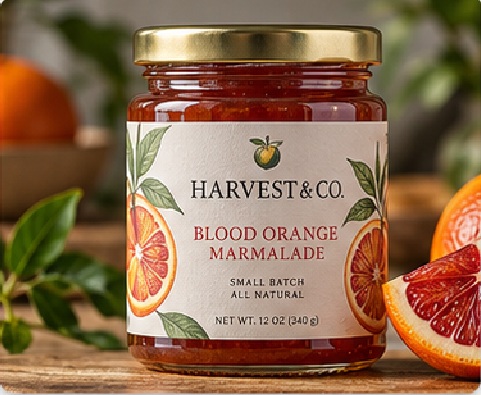
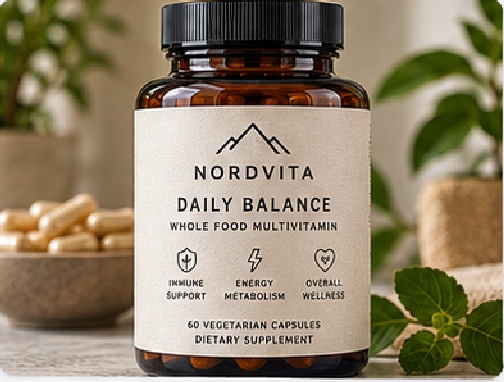

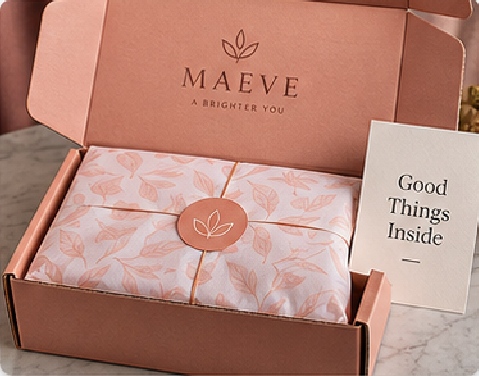
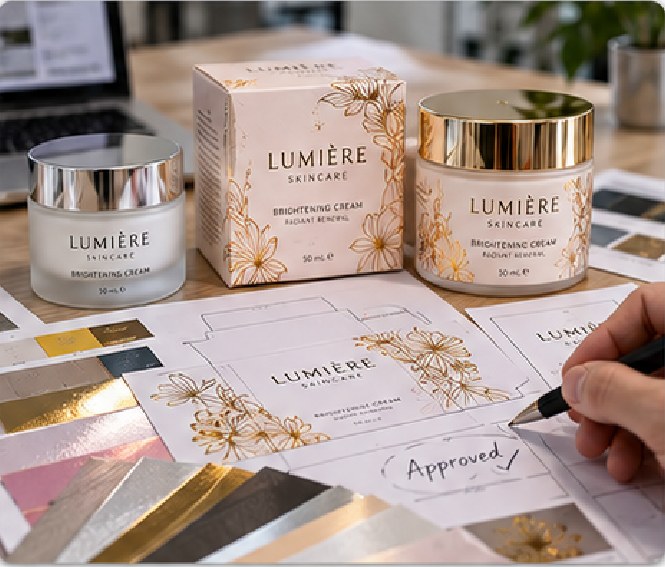
Philiton converts a visual ambition into a manufacturable specification through a controlled review, sample and approval path rather than sending premium artwork directly into mass production.
Development starts with evidence from the existing pack. Philiton asks for clear photos, the current label or packaging sample when available, finished label width x height in millimeters, container material, application area, expected quantity, SKU count, target market and a visual reference for the desired upgrade. The first review separates appearance goals from functional constraints: what should look more premium, what must remain unchanged, where the label is applied, and which environment it must survive. Philiton then narrows the material and finishing route and checks the artwork for white ink, foil masks, emboss areas, UV layers, die lines, safe distance, small text and variable elements. A physical sample route is chosen according to the structure. Common printed or converted samples are often around 3-7 working days once material and artwork are ready; specialty adhesive, complex finishing, security or RFID-related projects are confirmed separately. The sample is reviewed on the real packaging for color, opacity, reflection, tactile detail, edge behavior and application. Feedback is converted into a controlled revision instead of changing several variables at once. After approval, the released artwork, material structure, finish sequence, die line and delivery requirements become the production reference. For standard label structures, mass production is commonly around 7-15 working days after artwork, sample and material approval, while complex finishing, special materials and high-volume programs follow project-specific scheduling.
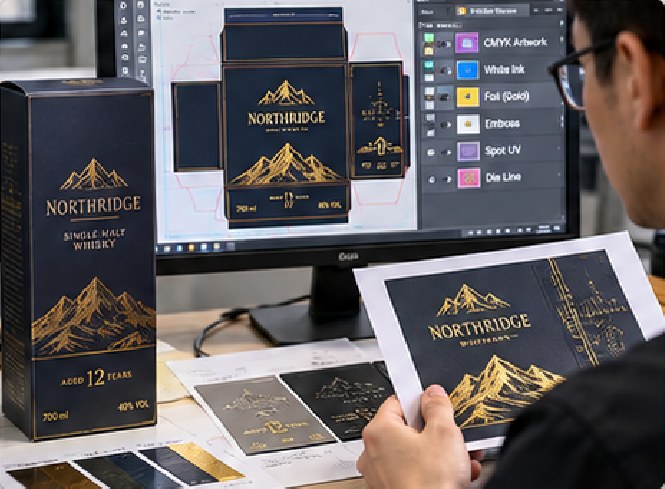
Foil, embossing, white ink, raised coatings and precision die cutting require artwork built for production. Philiton checks the technical layers before tooling and sampling begin.
Premium artwork should show more than the visible CMYK design. Philiton reviews production layers for white ink, foil, emboss or deboss, spot UV, varnish, variable data and die cutting so every process has a clear mask and registration relationship. Fine lines and small reversed text may need adjustment when a metallic or raised effect is involved. Foil areas must leave enough tolerance around nearby print and cut edges. Embossing requires space for tooling pressure and should not trap critical text inside a crowded structure. Clear labels need an intentional white ink map because printed color changes when it sits directly over glass, PET, liquid or a colored container. Metallic substrates may need controlled white blocking to stop the reflective base from changing brand colors. Die lines should be checked against label dimensions, corner radius, bleed and safe zones, especially on small labels or complex shapes. Multi-SKU programs also need version discipline: common layers should remain standardized while variable text or color changes are isolated. Philiton can prepare artwork and prepress review before the physical sample, reducing avoidable tooling changes and helping the approved visual effect survive the move from screen design to printing, finishing, die cutting and packing. Production-ready layer naming and revision dates also make internal approval easier to trace.
| Cost Driver | Why It Changes Cost | How to Control It |
|---|---|---|
| Quantity per SKU | Setup and tooling are distributed across the run | Keep common dimensions and construction across related SKUs where possible |
| Face material | Specialty paper, clear film, metallic stock and durable films carry different material economics | Choose material for application and visual role, not prestige alone |
| Foil / emboss / raised finish | Extra process, tooling and registration control may be required | Use premium effects on focal areas rather than full coverage |
| Custom shape / die | Complex outlines can require dedicated tooling and tighter stripping control | Standardize die line across versions when the brand system allows |
| Number of SKUs | Frequent artwork changes can create setup and version-control cost | Separate common master artwork from variable content |
| Roll / sheet / individual format | Packing, slitting, rewinding and handling routes differ | Specify labeling method, core, unwind and roll requirements before quotation |
| Special testing or documentation | Application, security or market requirements can add validation steps | Define target market and performance conditions at the start |
Philiton supports flexible launch quantities and repeat production by keeping approved materials, artwork, finishing sequence, converting details and inspection criteria under controlled project records.

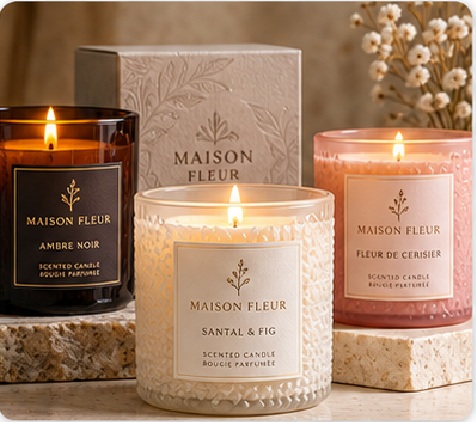
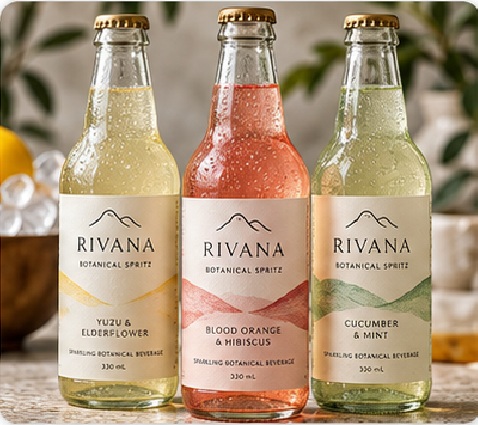
No. Many upgrades focus on the label, closure seal, brand sticker, material, shape or selected finishing. Philiton first reviews which visible component creates the largest improvement. A bottle, jar, pouch or carton can often stay unchanged while the printed component around it is upgraded.
No single finish is best for every brand. Foil creates metallic focus, embossing adds physical depth, UV creates selective gloss or texture, and specialty materials can create premium character before any decoration is added. Philiton recommends the route after reviewing the artwork, pack surface, quantity and intended visual effect.
Yes. Photos, an existing label, the real container and current artwork are useful starting inputs. Include finished size, material if known, quantity, SKU count, application environment and a reference showing the desired upgrade. Physical samples are especially useful when curvature, transparency, texture or adhesion matters.
Many standard custom label and sticker projects can start around 500 pieces. Specialty papers, complex tooling, security structures, RFID/NFC and other special constructions are confirmed separately because material supply and process setup can change the economic quantity.
Common digital, material or converted samples are often around 3-7 working days once artwork and material are ready. Complex finishing, special adhesive, security structures, RFID/NFC or custom tooling can require a different schedule. Philiton confirms the sample route before development begins.
For common label structures, production is often around 7-15 working days after artwork, sample and material approval. Special materials, complex finishing, large scheduled quantities or smart-label structures follow the confirmed production plan rather than one fixed lead time.
Yes. Multi-SKU programs are easier to control when dimensions, material, die line and finishing layout remain common while product names, colors or variable content change. Philiton reviews which layers can be standardized so version control, setup and repeat production remain manageable.
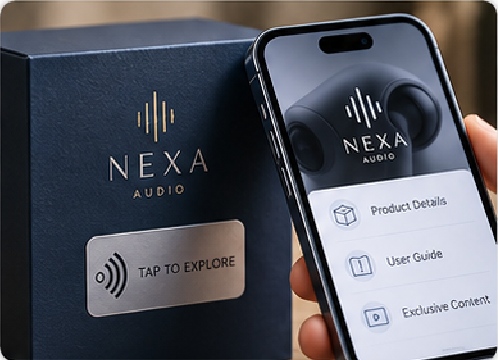
Yes, depending on the structure. Provide roll direction, required core, label count or roll diameter limits, gap and equipment information when available. Philiton can prepare roll labels to agreed converting and packing requirements so premium finishing does not create avoidable problems on the packaging line.
Philiton can coordinate available material declarations, relevant supplier documents, testing or project-specific documentation according to the selected structure and target market. The exact requirement should be confirmed before material approval because one document does not automatically cover every label construction or use condition.
Send current packaging photos, container or pack material, finished label size, artwork, quantity, SKU count, desired visual reference, application environment, target market and launch date. If possible, include a physical sample or describe where the existing packaging underperforms so Philiton can focus development on the part that needs improvement.
Philiton can review an existing label, sticker, seal or printed packaging component and turn the upgrade goal into a quote-ready manufacturing specification. Send the current pack first rather than guessing which premium finish should be added. Our team will look at the visible weakness, container or package surface, artwork structure, application environment, quantity and SKU plan before proposing a material and finishing route. For many standard label projects, the starting quantity can be around 500 pieces, while specialty materials, tooling, security structures and RFID/NFC are confirmed according to the project. Common samples are often around 3-7 working days after artwork and material are ready, and standard production is often around 7-15 working days after approval. Complex finishing and special materials follow a project-specific schedule. The fastest review happens when dimensions, artwork and application information arrive together. If the existing packaging already has a problem such as edge lift, low opacity, weak metallic appearance, poor texture or inconsistent color, include close-up photos so the development route addresses the actual issue rather than only changing appearance.
Our team will answer your inquiries within 12 hours.
Your information will be kept strictly confidential.
We will contact you within 24 Hours, please pay attention to the email with the suffix“@philiton.com”.
For all inquiries, please feel free to reach out at:
We will contact you within 24 Hours, please pay attention to the email with the suffix“@philiton.com”.
For all inquiries, please feel free to reach out at:
We will contact you within 24 Hours, please pay attention to the email with the suffix“@philiton.com”.