Your Trusted Labels & Stickers Manufacturer from China!

Custom Tamper Evident Labels Manufacturer

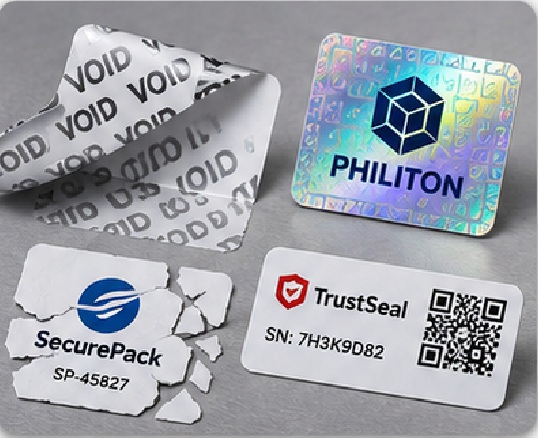
VOID, destructible, transfer, holographic and serialized security labels engineered for packaging, warranty, asset and brand-protection programs. Philiton combines material selection, security printing, die cutting, variable data, inspection and application testing in Shenzhen and Dongguan. Security structures are matched to the evidence required after opening or removal, not sold as one universal film.
  • 12,000+ ㎡ integrated manufacturing footprint
  • 200+ employees; 91 technical, production and quality professionals
  • VOID, destructible, holographic, serial, QR and RFID/NFC routes
  • Actual-surface tamper validation available before mass production
Custom Tamper Evident Labels Manufacturer

Tamper Evidence Starts With The Required Result

A security label should create clear evidence after unauthorized opening, removal or transfer. Philiton defines the required evidence first, then selects the label construction.

Define The Evidence Before Material

Tamper evident does not mean impossible to remove. A sound specification starts by defining what an operator, retailer, service center or end user must see after interference.

  • One project may require a visible VOID message on the package.
  • Another may need the label to fracture into small pieces so it cannot be moved intact.
  • A premium enclosure may require a non-transfer construction because adhesive residue on the surface is unacceptable.
  • A brand-protection program may need physical tamper evidence plus a unique serial number, QR code, holographic feature or RFID/NFC element.

Philiton therefore separates three decisions. First, define the tamper event: opening a carton, lifting a warranty seal, transferring an asset label, replacing a bottle seal or copying a security code. Second, define the evidence: transfer message, material destruction, optical damage, broken seal or digital identity mismatch. Third, confirm the actual substrate and use conditions. Surface energy, coating, curvature, contamination, temperature and dwell time can change adhesion and transfer behavior.

The term “tamper proof” is avoided as an absolute promise. Tamper-evident and tamper-resistant structures reduce risk and make interference visible; they do not make every attack impossible. The correct target is measurable evidence on the label, the substrate, or both.
Security Label Support For Cross-Functional Project Teams

Security-label projects involve several functions inside the same organization. Philiton structures specifications so procurement, engineering, quality and brand teams can approve the same production standard.

Brand Protection Teams

Brand protection teams usually begin with the threat, not the material. Typical concerns include unauthorized opening, label transfer, counterfeit replacement, channel diversion or duplicate codes. Philiton helps translate those risks into physical and digital layers such as VOID, destructible film, holographic effects, serial numbers, unique QR codes or RFID/NFC. Key inputs are the protected product, attack path, evidence required after tampering, market, distribution route and whether authentication data must remain unique through production and reprints.

Packaging Engineers

Packaging engineers focus on whether the security label will work on the real pack. Glass, coated paperboard, PET, PP, PE, HDPE, painted metal and textured surfaces can behave differently even when a supplier calls them “plastic” or “metal.” Philiton reviews surface energy, curvature, application temperature, service environment, adhesive route, seal position and roll configuration. For critical projects, a sample is applied to the actual container or representative substrate before the construction is frozen for production.

Procurement Teams

Procurement teams need more than a unit price. Security-label cost changes with stock versus custom security material, transfer pattern, die tooling, holographic origination, number of SKUs, variable data, inspection level, roll format and annual volume. Philiton can separate setup cost from repeat-order economics and identify where several SKUs may share material or converting steps. Commercial terms stay tied to an approved specification so later changes in security structure, material or data requirements do not silently alter the product being priced.

Quality And Compliance

Quality and compliance teams need a traceable approval basis. Philiton can define inspection points for tamper effect, adhesion, print, die cut, code legibility, data uniqueness, roll configuration and packing. Regulated or documented applications are handled with project-specific material files, test requirements and approved artwork. Legal labeling content, market-specific claims and final regulatory obligations remain controlled by the responsible brand, manufacturer or importer. Philiton supports manufacturing evidence without turning a material option into an unsupported universal compliance claim.

Manufacturers And OEMs

Manufacturers and OEMs often need tamper evidence to protect warranty, service integrity, internal assemblies or serialized products. Production lines may also require fixed roll direction, core diameter, maximum roll diameter, gap, pitch or sensor marks. Philiton can combine security materials with automatic-labeling requirements so the seal is not only difficult to transfer but also usable on the line. Repeat orders can retain approved artwork, tooling and production parameters while still receiving order review, QC and change-control checks before release.

Distributors And Print Brokers

Distributors and print brokers need a manufacturing partner that can handle confidential artwork, multiple end accounts and neutral delivery requirements. Philiton supports NDA-based projects, white-label manufacturing, neutral packing and project-specific blind-shipping arrangements when agreed. Security work may include custom VOID patterns, serial ranges, QR data or brand-sensitive holographic elements, so file access, waste control, reprint rules and public photo use must be managed carefully. Channel partners can keep commercial ownership while Philiton handles converting, printing, inspection and shipment preparation.

Tamper Evident Label Types For Different Security Risks

Different tamper mechanisms leave different evidence. Philiton can combine transfer, destruction, optical security and digital identity according to the protected product and surface.
VOID If Removed Labels

VOID If Removed Labels

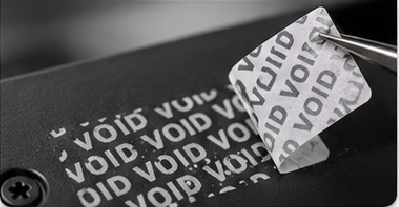
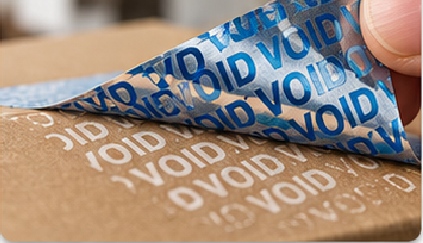
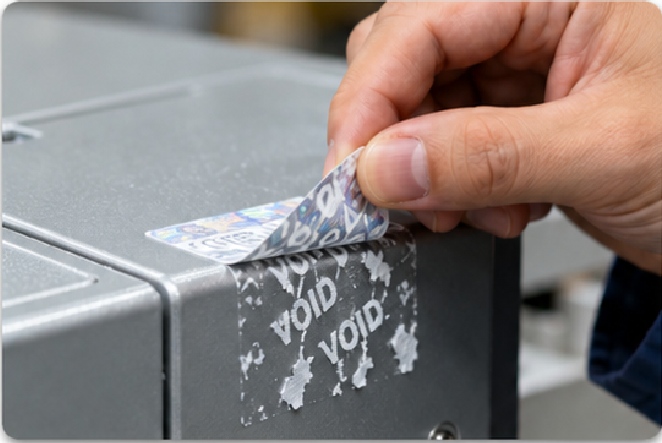
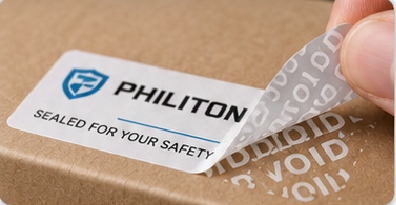
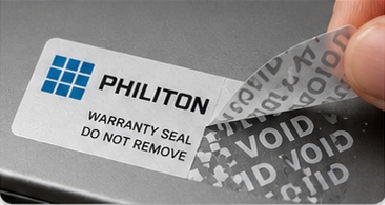
A security film reveals VOID, OPENED or another release pattern when lifted. The effect may appear on the label, substrate or both depending on the construction. VOID labels suit warranty seals, electronics, equipment, cartons and other applications where visible removal evidence matters. Philiton reviews the target surface before final approval because coating, plastic type, texture and dwell time can change the release pattern and adhesive transfer.
Partial Transfer VOID

Partial Transfer VOID

Partial-transfer structures leave part of the security message or adhesive pattern on the substrate while retaining complementary evidence on the removed label. The split evidence makes reapplication easier to detect without covering the entire surface in residue. Typical uses include retail security, warranty sealing and product packaging. The transfer balance should be confirmed on the intended surface, especially for coated cartons, plastics, painted metal and high-value housings.
Full Transfer VOID

Full Transfer VOID

Full-transfer constructions move a large portion of the security layer or message onto the substrate when removal occurs. The resulting mark creates strong visual evidence and is useful when persistent indication on the protected surface is desired. Philiton can print brand graphics, warnings, serial numbers or variable data over the security structure. Full transfer is not suitable for every premium surface, so residue acceptance and substrate damage risk should be agreed before sampling.
Non-Transfer Security

Non-Transfer Security

Non-transfer structures are used when the substrate should remain relatively clean while the label itself shows irreversible damage or a visible security change. They can be useful on electronics, finished metal, glass or other surfaces where heavy residue is undesirable. Clean removal can never be assumed from the label name alone; adhesive, dwell time, temperature and surface coating still matter. Philiton recommends actual-surface trials before a non-transfer construction is released to production.
Destructible Vinyl Labels

Destructible Vinyl Labels

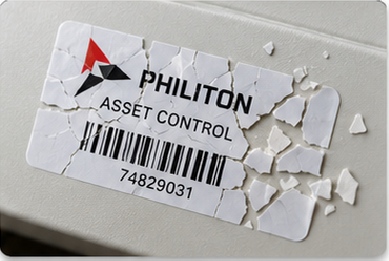
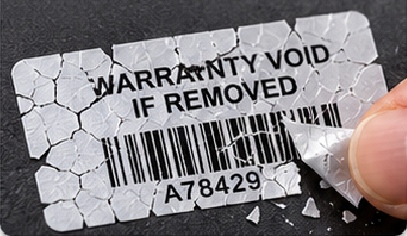
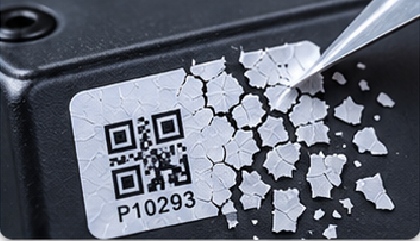
Destructible materials fracture or tear when removal is attempted, preventing the label from being lifted and transferred as one intact piece. They are widely used for warranty sealing, electronics, tools, assets and restricted-access covers. Material brittleness, label size, cut geometry and adhesive strength influence the break-up pattern. Philiton can add printing, serial numbers, QR codes or security graphics while keeping the construction focused on irreversible physical damage during removal.
Eggshell Security Labels

Eggshell Security Labels

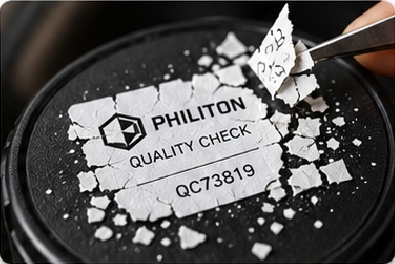
Eggshell films are ultra-fragile constructions designed to break into small fragments when picked or peeled. They work well for compact seals, brand-protection stickers, equipment and asset identification where complete removal should be difficult. Very small graphics, sharp corners or complex shapes need careful die-cut control because the material is intentionally fragile. Sampling confirms whether the fragmentation level and adhesion are suitable for the surface and intended handling.
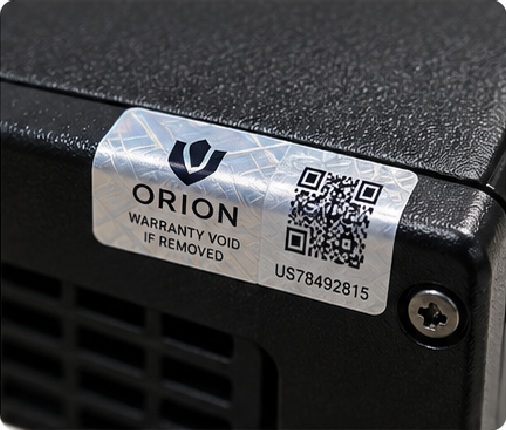
Warranty Void Seals

Warranty Void Seals

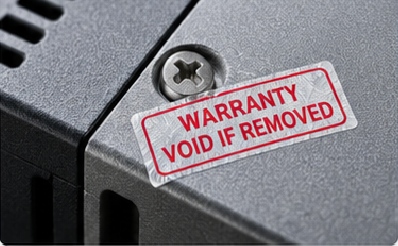
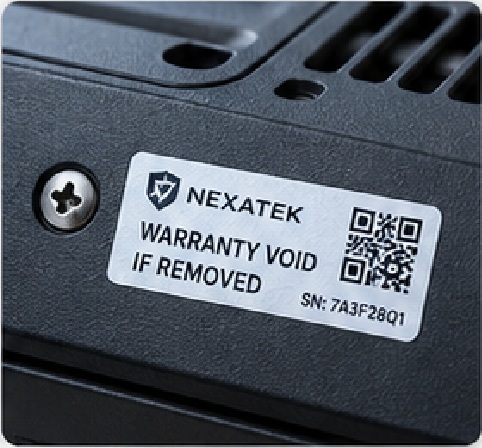
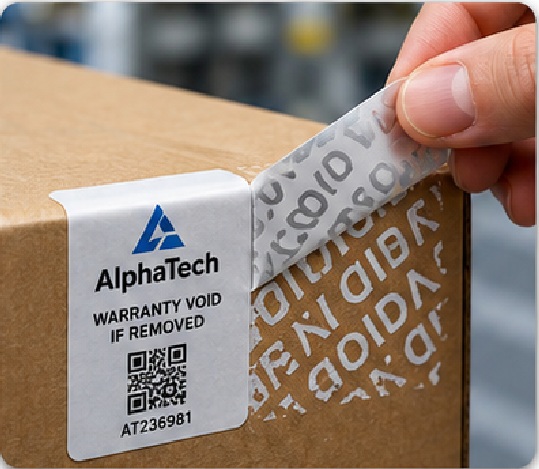
Warranty seals combine a security mechanism with clear service or warranty messaging. The construction may use VOID transfer, destructible film, serial numbers or a layered combination. Philiton can align size, shape and seal position with screw covers, access panels, battery compartments or enclosure joints. Artwork should avoid overstating legal consequences; the label can provide evidence of opening, while warranty terms and legal enforceability are controlled by the brand or equipment manufacturer.
Packaging Security Seals

Packaging Security Seals

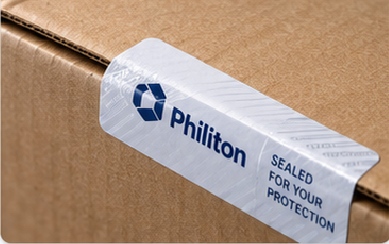
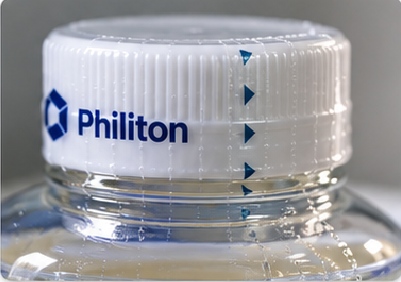
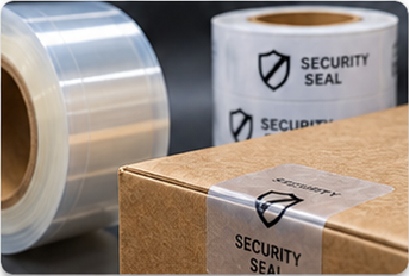
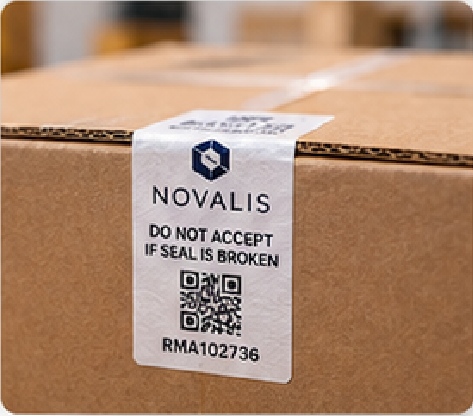
Security seals for cartons, pouches, jars, bottles and caps show whether a package has been opened or a closure has been disturbed. Material flexibility, adhesive, bridge length, corner radius and seal position all affect performance. Philiton can produce printed seals, neck seals, box seals and other die-cut formats with optional serial or QR identification. For curved containers and flexible packs, a physical fit sample is recommended before mass production.
Holographic Tamper Labels

Holographic Tamper Labels

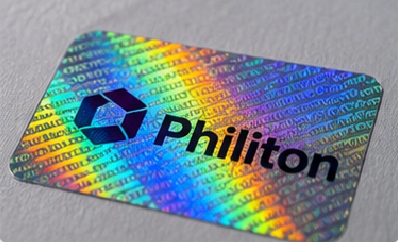
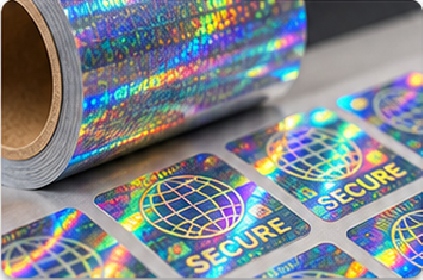
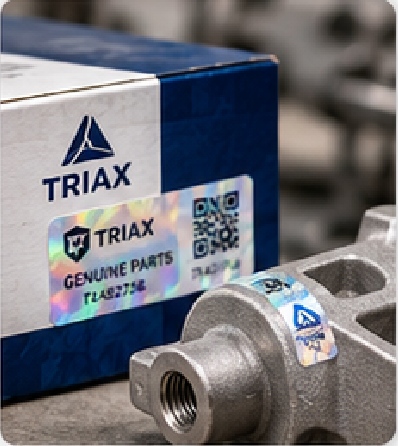
Holographic films or foils add angle-dependent optical features that are harder to reproduce with ordinary printing. They can be combined with VOID, destructible structures, microtext, serial numbers or QR codes. Stock holographic patterns support lower-volume programs, while custom optical designs require separate origination, tooling or supplier minimums. Philiton treats holography as one security layer rather than a complete authentication system, and samples confirm appearance on the selected material and print route.
Serialized Security Labels

Serialized Security Labels

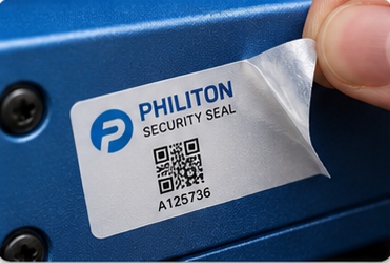
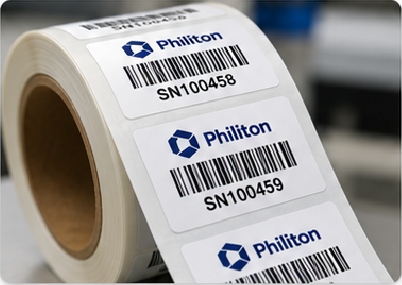
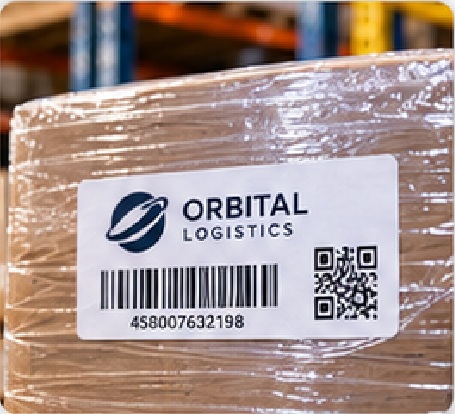
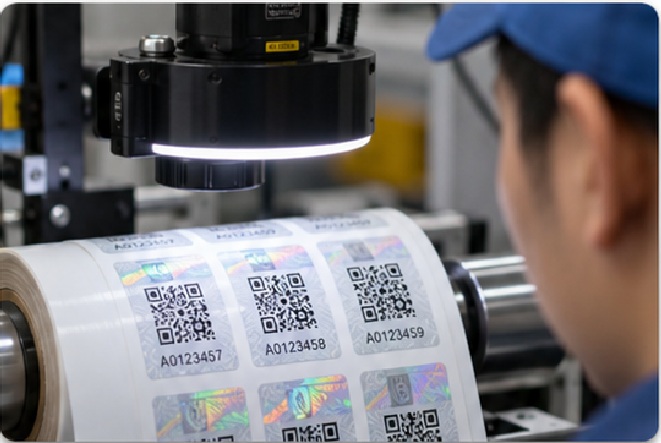
Sequential numbering gives each label a controlled visible identity. Numbers can support warranty tracking, asset control, production lots, channel management or reconciliation at packing. Philiton manages data import or generation, print batches, stoppage and restart points, scrap, reprints and final verification so accepted numbers are not casually reintroduced. A serialization specification should define format, start and end ranges, check digits if required, data ownership, packing sequence and retention rules.
QR Authentication Labels

QR Authentication Labels

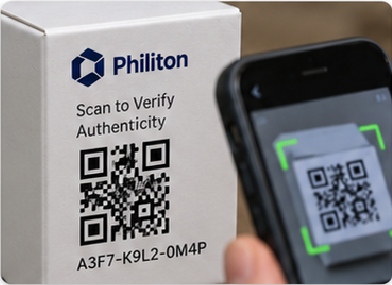
Unique QR codes can connect a physical label with product information, authentication workflows, service records or campaign systems. A QR code alone is not strong tamper evidence if the label can be transferred intact, so Philiton can combine unique QR with VOID, destructible or holographic layers. Code size, quiet zone, contrast, surface curvature and reflective finishes are reviewed before production. Data-source ownership and backend validation logic remain defined by the brand or system owner.
Tamper Evident Shrink Bands

Tamper Evident Shrink Bands

Shrink bands provide opening evidence around caps, necks or closures by creating a physical sleeve or band that must be broken before access. They differ from pressure-sensitive VOID labels and may be better for jars, bottles or containers where a closure bridge is preferred. Film shrink behavior, perforation, container geometry and heat application need project review. Philiton can support tamper-evident shrink-band formats subject to the exact container, material and application process.

Choose The Evidence Before Choosing The Label

Start with the evidence required after interference. The matrix narrows the security route before artwork, material and price are discussed.

Risk To ControlEvidence NeededCandidate RouteValidation Focus
Opened before saleBroken seal or visible opening evidencePackaging seal, destructible seal, shrink bandCheck closure geometry, curvature and application method
Warranty accessVisible removal or fractureVOID, destructible, eggshellConfirm enclosure coating, screw/cover position and residue acceptance
Label transferEvidence on substrate or damaged labelPartial/full transfer VOID, non-transfer securityTest release behavior on the actual surface
Premium surface protectionSecurity change with limited residueNon-transfer, destructible or optical layerValidate dwell time and coating sensitivity
Counterfeit copyingHarder-to-copy optical or hidden featuresHologram, microtext, UV featuresCombine with physical tamper evidence where transfer is a risk
Duplicate identityUnique visible data and controlled reprintsSerial number, unique QRDefine source data, duplicate checks, scrap and reprint rules
Digital authenticationPhysical plus electronic identityVOID/destructible + QR or RFID/NFCDefine backend ownership, encoding rules and verification method

Materials And Adhesives Behind Reliable Tamper Evidence

Security performance comes from the full construction: facestock, security layer, adhesive, liner, printing and finishing. Philiton sources materials externally and validates the finished structure in-house. Protective varnish or lamination can be added when abrasion, oil or handling exposure would otherwise weaken printed identification during service. Request Material Samples
VOID PET Security Film

VOID PET Security Film

VOID PET provides dimensional stability for transfer-based security labels and supports crisp printing, serial numbers and durable die cutting. Release behavior depends on the engineered security layer and the surface being protected. PET is often suitable for electronics, equipment, warranty and retail-security work where a clear transfer message is required. Philiton reviews coating, surface energy, residue expectations and environmental exposure before selecting the final film and adhesive combination.
  • Best for: transfer evidence and durable graphics
  • Check first: substrate coating, residue, curvature
Destructible Vinyl

Destructible Vinyl

Destructible vinyl is engineered to break rather than peel away intact. It is useful where transfer prevention is more important than leaving a VOID message on the substrate. Brittleness, thickness, adhesive strength and label geometry influence how the material fractures. Very narrow bridges or sharp die-cut corners can create handling issues before application, so Philiton balances fragility with converting stability.
  • Best for: warranty seals, assets, electronics
  • Check first: label size, handling, application surface
Eggshell Security Film

Eggshell Security Film

Eggshell film is an ultra-destructible option that fragments aggressively when removal is attempted. The material works well on compact security seals and high-tamper-risk surfaces but requires disciplined die cutting, stripping and handling. Excessive complexity can make the label difficult to convert or apply. Philiton can pair eggshell material with brand graphics, numbering or QR data after confirming minimum line details and the required break-up behavior.
  • Best for: small high-security seals
  • Check first: die-cut detail, manual handling, substrate
Holographic Film Or Foil

Holographic Film Or Foil

Holographic materials create diffraction and angle-dependent optical effects that ordinary CMYK printing cannot reproduce accurately. They can be used as a facestock, security overlay or finishing layer and may be combined with VOID, serial numbers, microtext or QR codes. Stock patterns support flexible programs; custom security holograms require separate origination and higher commercial thresholds.
  • Best for: visible brand protection and premium security
  • Check first: stock versus custom pattern, print contrast, tooling
Durable PET And BOPP

Durable PET And BOPP

Not every security label needs a dedicated VOID facestock. PET or BOPP can form the printable base for security seals, serialized labels, holographic combinations or environmental-protection layers when the tamper mechanism comes from die cuts, closure geometry or another security component. Film selection also considers moisture, oil, abrasion and surface movement.
  • Best for: printed security seals and layered constructions
  • Check first: stiffness, moisture exposure, adhesive, finishing compatibility
Adhesive And Liner Systems

Adhesive And Liner Systems

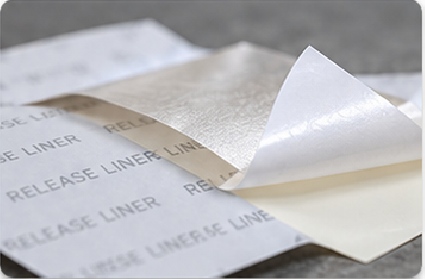
Adhesive choice controls whether the security material wets the surface, survives service conditions and produces the intended tamper evidence. Permanent, high-tack, removable, freezer and low-surface-energy routes can be evaluated depending on substrate and use conditions. Liner release must also suit die cutting and automatic application. Philiton does not select adhesive by label name alone.
  • Best for: surface-specific security performance
  • Check first: application temperature, service temperature, surface energy, contamination, dwell time

Tamper Evident Labels Across Real Application Risks

Security labels solve different problems across packaging, equipment and supply chains. The label structure changes with the protected item, opening path, environment and required evidence.
Food And Supplements

Food And Supplements

Bottle, jar, pouch and carton seals can show whether a closure or outer package has been opened before sale. Philiton can combine printed tamper seals, shrink bands, serial numbers or QR codes with the packaging artwork. External-package labels and direct-food-contact labels carry different compliance requirements, so material documentation must match the exact contact condition. Refrigerated or frozen packs also need adhesive and condensation review.
Cosmetics And Skincare

Cosmetics And Skincare

Cosmetic packaging may need a small seal across a cap, carton flap or jar closure without damaging premium graphics. Transparent, printed, holographic or destructible security routes can be evaluated together with oil, water and handling exposure. If the formulation may contact the label, representative exposure testing is recommended. Fine graphics, metallic effects and unique codes can be integrated after the security mechanism is confirmed.
Electronics Warranty

Electronics Warranty

Electronics brands use tamper labels over screw holes, access panels, battery covers and enclosure joints to reveal unauthorized opening or transfer. VOID PET, destructible vinyl and eggshell structures are common routes. Coated metal, ABS, PC and other housings can have very different adhesion behavior, so actual-surface testing matters. Serialization can connect the physical seal with service records, repair authorization or asset identity.
Automotive Parts

Automotive Parts

Automotive and aftermarket parts may need warranty seals, component identification and traceable serial data in environments exposed to oil, cleaners, temperature changes and abrasion. Philiton can combine durable film, high-performance adhesive and tamper structures after the operating conditions are defined. Security performance is only one requirement; print durability, barcode readability and adhesive stability must remain acceptable for the approved environment.
Industrial Equipment

Industrial Equipment

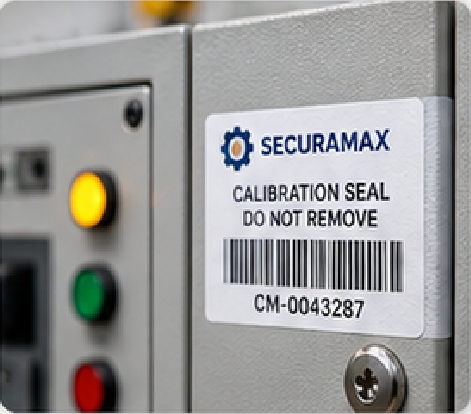
Security seals can protect calibration covers, service panels, cabinets, tools, instruments and controlled access points. Industrial applications often prioritize clear evidence, strong adhesion and easy inspection rather than decorative appearance. Roll direction, core size and labels per roll may be important when seals are applied at assembly stations. Philiton can add serial numbers, barcode or QR identification for maintenance and traceability workflows.
Retail And Returns

Retail And Returns

Retail products face package opening, label swapping, return fraud and channel diversion. A visible tamper layer can be combined with serialization or QR identification so physical interference and product identity are checked separately. Packaging surfaces vary widely from coated cartons to plastic clamshells and glass, so one stock security label is rarely ideal for every SKU. Philiton can group compatible SKUs around shared material and converting routes.
Logistics And Warehousing

Logistics And Warehousing

Security labels can support tote, container, pallet, door or restricted-package control where a broken seal should be obvious during receiving. Variable serial numbers, barcode or QR codes can connect the physical seal with warehouse records. The specification should define whether labels are hand-applied or machine-applied, the expected dwell time and environmental conditions, and whether residue is acceptable on reusable assets.
Luxury Brand Protection stickers

Luxury Brand Protection

Wine, spirits, fragrance, premium cosmetics, gifts and luxury goods may combine tamper evidence with holographic optics, microtext, foil or unique digital identity. The aim is not to stack decorative effects blindly; each layer should answer a defined risk. Philiton can develop a visible security hierarchy while controlling fine-line print, die cutting, serial data and packaging presentation. Custom holographic origination and other proprietary elements require project-specific setup.

Printing And Converting Processes For Security Labels

The security mechanism must survive printing and converting. Philiton selects the print and finishing route around quantity, material, graphics, data and inspection requirements.

Digital Security Printing

Digital printing is useful for development runs, multiple SKUs and security labels carrying frequent artwork changes or variable elements. It reduces plate setup and supports fast iteration during sampling. Color, white ink and material compatibility still require review, especially on clear, metallic or holographic stocks.
  • Suitable for: short runs, multi-SKU, prototypes, variable graphics
  • Control points: approved artwork, color target, white ink, code readability, finishing compatibility
For repeat programs, the approved digital file, color reference and security-field positions are retained under revision control so later runs do not drift from the accepted layout.

Flexographic Volume Printing

Flexographic printing becomes attractive when repeat volume, stable artwork and roll production justify plates and press setup. It supports continuous label manufacturing and can integrate with varnish, lamination or downstream converting. The economic crossover depends on quantity per SKU, not only the total order.
  • Suitable for: recurring roll-label programs and larger volumes
  • Control points: plate version, color setup, material batch, repeat length, inline finishing
When several SKUs share the same stock, adhesive and finishing, Philiton can plan common material runs while keeping each artwork, quantity and QC identity separate.

Screen And UV Layers

Screen and UV processes can add high-opacity white, specialty inks, tactile or selective effects and security-visible features when the material and artwork require them. They are useful for layered constructions but should not be added unless they serve a visual, functional or security purpose.
  • Suitable for: opaque marks, specialty ink, selected UV effects
  • Control points: curing, adhesion, layer order, rub resistance, fine-detail registration
A sample verifies opacity, adhesion and curing before production, especially when thick white, varnish or specialty layers sit over security films or holographic surfaces.

Variable Data Printing

Sequential numbers, QR codes, barcodes and other variable fields need more control than static graphics. Philiton manages source data, uniqueness checks, print batches, restart points, rejected codes, reprints and final reconciliation according to the agreed project logic.
  • Suitable for: traceability, authentication, warranty and asset identity
  • Control points: duplicate prevention, data-to-SKU match, scan quality, pack sequence, reprint authorization
Packing can also be tied to number ranges so receiving teams know which serial blocks are contained in each roll, bag or carton.

Holographic And Foil

Holographic film, holographic foil and metallic finishing can add visible security and premium brand cues. Stock optical patterns are commercially different from proprietary holographic origination, which adds tooling, supplier minimums and setup time. Philiton can combine optical effects with printing, VOID, serial or QR elements.
  • Suitable for: premium brand protection and visible authentication
  • Control points: pattern source, contrast, register, surface protection, custom origination requirements
Physical approval is important because lighting, viewing angle, substrate tone and overprint density influence the final optical result more than a screen preview can show.

Die Cutting And Security Cuts

Die cutting converts the printed security web into the final seal shape and can add slits, bridges or other geometry that encourages tearing during removal. Fragile films require careful stripping and handling so intended destruction occurs during tampering rather than during production.
  • Suitable for: warranty seals, destructible labels, closure seals
  • Control points: corner radius, slit position, minimum bridges, liner release, waste stripping and dimensional tolerance
The finished liner is also checked for release behavior because excessive release force can damage fragile labels during dispensing before they ever reach the protected product.

Build Layered Security Around The Actual Threat

Higher-risk programs rarely depend on one feature. Philiton can combine physical tamper evidence with optical, serialized and smart-label layers when the risk model justifies them.

Physical Tamper Layer

The first layer answers a simple question: has the seal been opened, lifted or moved? VOID transfer, partial or full transfer, destructible films, eggshell materials and closure seals create visible evidence. Philiton selects the route according to surface, residue acceptance and opening method. Physical tamper evidence is the foundation when transfer or resealing is a realistic risk; digital identity alone cannot compensate for a label that can be moved intact.

Optical Security Layer

Holographic effects, microtext, UV-visible features and selected specialty printing make casual copying more difficult and give inspectors another way to check the label. Optical elements should complement, not replace, tamper evidence. A hologram can be hard to reproduce yet still needs a physical security construction if label transfer is possible. Philiton reviews artwork scale, material, print resolution, optical contrast and finishing order before combining optical features with VOID or destructible structures.

Serialized Identity Layer

A serial number, barcode or unique QR gives each label a controlled visible identity. The value comes from data discipline: source ownership, unique assignment, rejected-code handling, reprints, packing sequence and final verification. Philiton can print and inspect variable data while the brand or system owner defines the business meaning of each identifier. Serialization strengthens traceability and authentication, but a unique code is more secure when the physical label also shows tampering or transfer.

RFID And NFC Layer

RFID and NFC can add electronic identity, read/write verification or smartphone interaction to a security program. Philiton supports downstream converting, printing, encoding, serialization and verification using externally sourced chips and inlays. Frequency, chip family, antenna design, read range, memory and performance must be confirmed per project. For metal, liquid or compact packaging, real application conditions matter. Smart labels work best when electronic identity is paired with a physical construction suited to the tamper risk.

Artwork And Data Control For Security Programs

Security artwork controls more than appearance. Version, release pattern, variable data, fine security details and reprint rules must be fixed before production starts.

Build A Controlled Security Artwork

A security artwork file should separate normal brand graphics from security-critical elements. Philiton reviews label size, dieline, bleed, safe area, colors, white ink, VOID or release-message orientation, holographic zones, microtext, serial fields, barcode or QR zones and any security slit geometry. If several SKUs share one material and size, the common structure can be standardized while each artwork remains independently approved. Release patterns and fine security text require special care because a design that looks clear on screen may not reproduce at the intended scale or may lose contrast against metallic, transparent or holographic stock. Philiton can propose production adjustments without changing legal or brand meaning. Pantone or spot-color targets, physical color references and white-ink requirements can be checked during sample development. The approved physical result becomes the production reference when substrate and finishing affect appearance. Every project should carry an artwork revision and approval status. A change to wording, size, color, security pattern, serial field, QR layout, die line or material can trigger renewed review. Mass production should not rely on an old file simply because the product name is unchanged. A production-ready file also specifies what is fixed and what may vary. Static brand graphics, the security message and dieline normally remain controlled, while serial, QR or other variable fields follow a separate data specification. When multiple languages or regional SKUs are involved, Philiton keeps artwork identities separate so the wrong regulatory text or data range is not paired with the correct security material. File release therefore becomes part of security control, not just a prepress task.

Control Serialization And Reprints

Variable data turns a label project into a data-control project. Philiton can import or generate sequential numbers, barcodes, QR codes and other visible fields when the data rules are agreed. The specification should define data source, record count, format, start and end ranges, check digits or prefixes, SKU mapping, packing sequence, verification method, reprint authority and retention or deletion requirements. Production control covers duplicate checks, batch assignment, stoppage and restart points, rejected labels, replacement codes and final reconciliation. Reprints require discipline: a code already accepted as good product should not be reintroduced casually. When a code links to a brand-owned authentication or traceability platform, Philiton handles the physical print and agreed data workflow while the platform owner remains responsible for database logic, consumer-data obligations and business rules. For RFID/NFC combinations, printed identity may need one-to-one matching with encoded data. The relationship between visible serial, QR, EPC or other electronic content should be defined before production, then checked during encoding and final verification. Packing rules should be connected to the data plan before production. Rolls or packs may need defined number ranges, SKU separation or carton labels so receiving teams can reconcile physical quantities with data records. If waste occurs after printing, the disposition of affected numbers is documented according to the agreed logic. Security artwork, source data and rejected labels are treated as restricted project materials, and public photography or case-study use requires authorization.

Develop And Validate Tamper Labels Before Production

Sampling should prove tamper behavior on the intended substrate, not only show print quality. Philiton uses staged approval to reduce material and production risk.

Requirement Review

Start with the protected product, surface, opening method and evidence required after interference. Philiton also records label size, quantity, number of SKUs, artwork status, application temperature, service environment, residue tolerance, hand or automatic application and any serial, QR, hologram or RFID requirement.
  • Output: written project inputs and risk list
  • Avoids: selecting a security film before the actual tamper requirement is understood
The review also identifies whether compliance files, NDA handling, special packing, serial-range control or direct-to-warehouse delivery must be built into the same project plan from the beginning.

Material Screening

The first material route may include VOID PET, destructible film, eggshell, holographic film, durable PET/BOPP or another security construction. Adhesive is screened against surface energy, coating, temperature, curvature and dwell time. A second option can be prepared when residue, cost or availability creates uncertainty.
  • Output: primary and backup construction
  • Avoids: assuming one adhesive behaves the same on glass, PP, painted metal and coated board
If the protected surface is especially valuable or inconsistent, Philiton may recommend two sample routes so residue, fragmentation and adhesion can be compared before committing to one construction.

Artwork And Dieline

Philiton checks size, shape, seal position, graphics, security message, serial or QR zones, white ink, holographic areas and die-cut details before the physical sample is made. Fragile materials may need larger corner radii or adjusted slits to survive converting and handling.
  • Output: sample-ready artwork and dieline
  • Avoids: discovering after printing that the security film cannot support the proposed geometry or detail
Artwork revision, production status and approval date are recorded so the sample file cannot be confused with an older concept or an unapproved security-message version.

Printed Security Sample

Standard printed or finished label samples are commonly developed in about 3-5 business days when materials and artwork are ready; complex security films, custom holograms, special tooling or external material preparation are confirmed separately. The sample should represent the intended material, print and tamper mechanism rather than a generic look-alike.
  • Output: physical sample for application testing
  • Avoids: approving only a screen proof for a functional security label
Where a custom release message or proprietary holographic element is involved, the sample schedule begins only after the security material, origination route and applicable tooling have been confirmed.

Actual Surface Test

Apply the sample to the real product or a representative substrate, allow the agreed dwell period, then perform the defined tamper action. Record what happens to the label and substrate: VOID transfer, residue, fragmentation, coating lift, reapplication attempt and code condition.
  • Output: observed tamper evidence under defined conditions
  • Avoids: assuming catalog descriptions predict performance on every surface
Photos or short test records can capture the intact condition, removal action, substrate evidence and attempted reapplication, giving internal quality teams a clearer approval reference than verbal comments alone.

Approval And Lock

After the tamper behavior, appearance, size, data and roll configuration are approved, Philiton freezes the production specification. Mass production begins from the approved material, artwork and functional reference. Changes after approval are reviewed because a new substrate, adhesive, security pattern, code rule or roll setup can change performance.
  • Output: approved specification or golden reference
  • Avoids: uncontrolled substitutions between sample and production
The locked specification can include material, adhesive, print route, finish, dieline, data rule, roll setup, packing and any approved functional sample used as the batch reference.

Quality Control Focused On Security Function And Traceability

Quality control covers the security effect itself, the printed information and the final delivery format. Philiton uses project-specific inspection rather than one generic pass/fail rule.
Validate The Tamper Effect

Validate The Tamper Effect

Tamper validation asks whether the label creates the agreed evidence under the agreed conditions. Philiton can review the original applied state, removal force behavior, VOID or transfer pattern, residue, fragmentation, damage to the label, damage to the substrate, attempted reapplication and visible recovery after tampering. For security codes, code readability and status are checked separately from the physical tamper mechanism. The actual substrate matters. The same VOID construction may release differently on smooth glass, low-surface-energy plastic, coated paperboard or painted metal. Dwell time also matters because adhesive wet-out changes after application. Temperature, moisture, oil, dust and cleaning agents can alter adhesion or printed durability. The validation record should therefore state the material combination and test condition rather than claim universal performance. When a project uses a high-value surface, Philiton also checks whether the selected mechanism leaves acceptable residue or risks lifting paint, coating or decoration. A non-transfer or label-destruction route may be more suitable when persistent surface marking is not acceptable. For higher-risk work, the approval criteria can be written before the test begins: what amount of transfer is acceptable, whether the substrate must remain clean, whether the label must fragment, and whether any attempted reapplication should remain obvious. This prevents subjective approval based only on appearance. If a sample fails, Philiton can adjust adhesive, material, seal geometry or security mechanism and repeat the same test method so the revision is compared against the original requirement.
Inspect Print, Data And Converting

Inspect Print, Data And Converting

Security function does not excuse ordinary label defects. Philiton can inspect print registration, color, text legibility, holographic or foil placement, die-cut position, liner condition, label count and packing. For serial, barcode and QR projects, data checks cover missing, duplicate, unreadable or mismatched records according to the agreed verification plan. RFID/NFC projects add read/write and encoding checks when applicable. Roll-format orders are verified against size, roll direction, inside or outside wound configuration, core, maximum roll diameter, gap, pitch, liner width, labels per roll and required sensor marks. These parameters influence automatic dispensing and are locked before mass production. IQC, in-process control, final inspection and outgoing checks are applied according to project risk, with vision inspection available for appropriate work. Nonconforming material, rejected codes and reprints are separated from accepted product. The goal is a controlled batch that matches the approved security function, artwork and delivery specification, not merely a visually attractive label. Where codes are used, inspection rules can distinguish visual print quality from logical data validity. A code may look clean but still be duplicated, mapped to the wrong SKU or packed in the wrong range. Conversely, a physically intact security seal can still fail if the die cut crosses a variable code or if roll orientation prevents correct application. Treating function, data and converting as separate inspection layers reduces the chance of one accepted feature hiding a failure in another.

Controlled Production From Security Material To Finished Labels

Security-label production is a controlled chain from material intake to final packing. Each gate prevents a functional or data error from moving downstream.
From Material Intake To Finished Seal

From Material Intake To Finished Seal

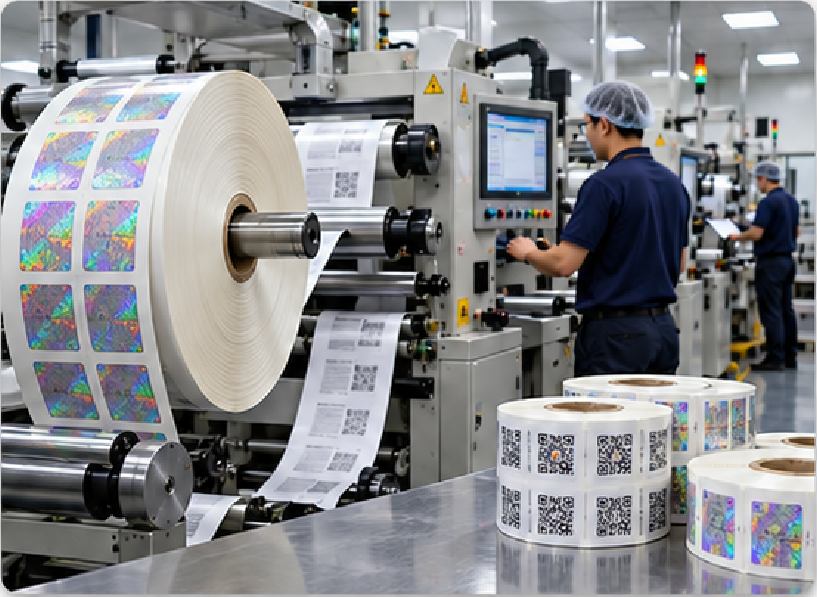
Production begins only after the commercial order, approved artwork or specification and required material or tooling are ready. Incoming security material is checked for identity, appearance, batch and the project-specific properties available for verification. Artwork and prepress files are released under revision control, followed by the selected digital, flexographic, screen, UV or combined print route. After printing, security work may pass through holographic or foil processing, lamination or varnish, variable-data printing, die cutting, security slitting, waste stripping and roll conversion. Fragile destructible and eggshell materials require careful web tension and stripping because the material is supposed to fail during tampering, not on the production floor. VOID constructions must also preserve the engineered release behavior while graphics and finishing are added. Variable data introduces a parallel control stream. Numbers and QR records are assigned to print batches; rejected labels and restarts are tracked so duplicate or missing records can be detected. Where RFID/NFC is included, inlay converting, encoding and electronic verification are added before final slitting and packing. In-process controls are placed where errors are cheapest to stop. Material identity is checked before printing, artwork revision before press release, variable data before and during printing, die-cut registration before full conversion, and roll or pack configuration before final release. Security waste and rejected serialized pieces are kept separate from accepted product according to the project rule. Final inspection therefore verifies not only appearance but the combination of security function, data identity, quantity and delivery format.
Scale Without Losing The Approved Standard

Scale Without Losing The Approved Standard

Philiton supports security work from development quantities to recurring volume production, but the manufacturing route can change as volume and SKU structure change. Digital printing can be efficient for trials, multiple artworks and serialized work; flexographic production may become more economical for stable recurring roll programs. A route change is reviewed rather than assumed because material, color, finishing and tamper performance still need to match the approved result.
Repeat orders benefit from retained artwork, tooling and production parameters when nothing has changed. They are still reviewed for quantity, SKU, material availability, surface or application changes, compliance requirements, data ranges and packing instructions. An old label should not be released automatically if the protected product or legal artwork has changed.
Large multi-SKU orders can be planned around shared material and converting setups while each SKU remains separately identified. Batch, serial range, roll count and carton identification can be organized so receiving, warehouse and quality teams can trace the delivered product back to the approved specification.
For forecast-driven programs, production can also be organized around call-off quantities or phased deliveries when commercial terms and material planning support that model. The important point is that scaling should not introduce silent changes to security stock, adhesive, code format or optical feature. Any proposed substitution is reviewed against the approved requirement and, when necessary, returned to sampling. This protects continuity across launches, replenishment orders and later volume increases.
Packaging Options For Secure And Organized Delivery

Security labels must arrive organized, protected and traceable. Packing is selected around roll, sheet or individual format, SKU control, data ranges and receiving requirements.
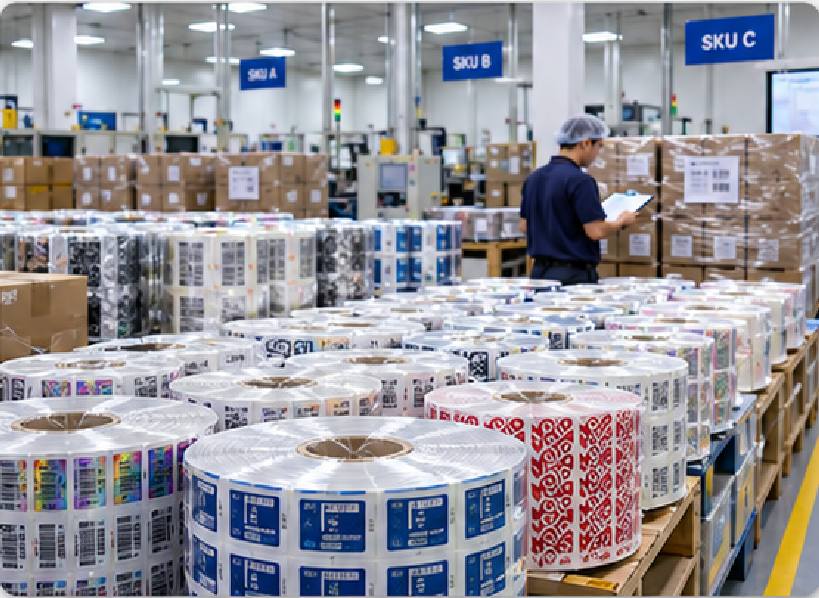
Protected Roll Packing

Protected Roll Packing

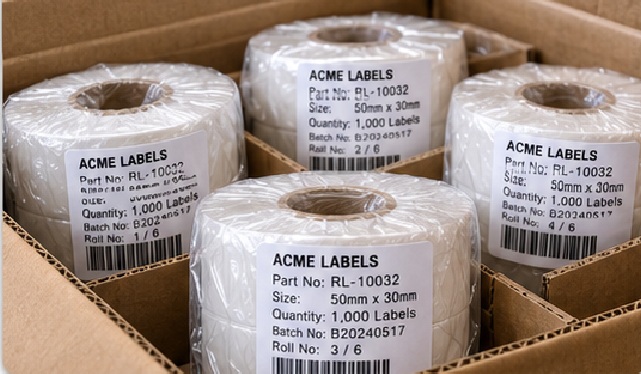
Roll labels are protected against crushing, telescoping, moisture and unintended unwinding. Each roll can be identified by SKU, quantity, batch, serial range or other agreed information. Core size, roll direction and maximum roll diameter are controlled before packing so the delivered roll matches the application station.
  • Suitable for: automatic or semi-automatic application
  • Specify: core, winding, labels per roll, max OD, carton quantity
Protective inner wrapping can be added when holographic or high-gloss surfaces could scuff during long-distance transport or repeated carton handling.
Sheet And Flat Packs

Sheet And Flat Packs

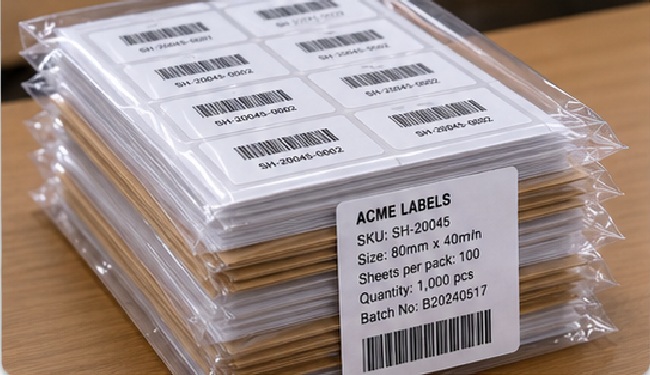
Sheet labels are stacked and protected to reduce bending, corner damage, surface scratching and mix-ups between SKUs. Holographic, metallic or high-gloss security finishes may require extra surface protection. Quantity per stack and outer identification can be defined for internal distribution or service centers.
  • Suitable for: hand application and controlled issue
  • Specify: sheet size, pieces per sheet, stack quantity, SKU separation
For serialized sheets, range information can be added to the inner pack label so controlled distribution does not depend on manually opening every stack.
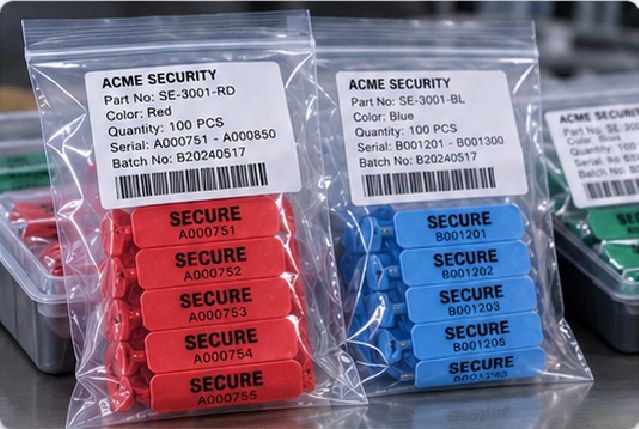
Individual Security Seals

Individual Security Seals

Individual pieces can be packed in counted sets when technicians, inspectors or service teams need controlled issue. The format works for warranty seals, asset seals and field-service kits. Variable serial ranges can be grouped by pack to simplify reconciliation.
  • Suitable for: field service, maintenance, controlled access
  • Specify: pieces per bag, serial sequence, inner labeling, tamper-sensitive surface protection
Where each piece carries a unique identity, inner packs can follow defined number ranges so service teams can issue, reconcile and return unused seals more easily.
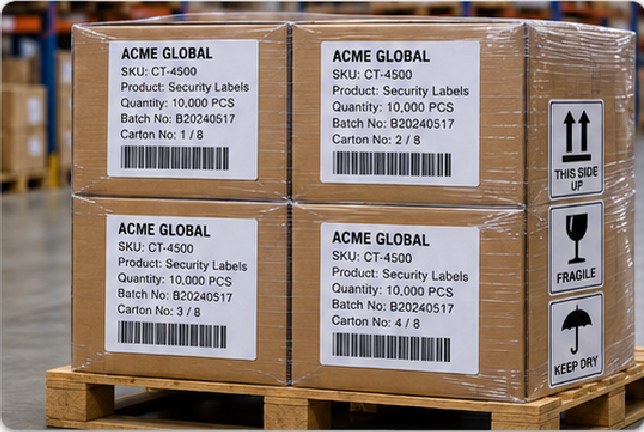
Carton And Shipment Control

Carton And Shipment Control

Outer cartons can identify SKU, quantity, batch and serial range as required. Mixed-SKU cartons are possible when receiving rules are defined, but high-security programs often benefit from clear separation. Courier, air and sea freight can be arranged according to shipment size, urgency and destination; Incoterm, duties and customs responsibility are confirmed in the quotation.
  • Suitable for: export and multi-location programs
  • Specify: destination, warehouse rules, pallet/carton labels, delivery term
Shipment preparation normally follows final QC release, and larger multi-SKU programs may use separate packing lists or pallet identification to keep receiving and reconciliation clear.

MOQ Lead Time And Cost Drivers

Project ItemWorking GuideMain Variables
Simple VOID / destructible projectsAround 1,000 pcs+ is commonly economical; lower trial quantities may be evaluatedStock security material, size, print, die cut, SKU count
Stock holographic security labelsAround 500 pcs-level projects can be evaluatedAvailable pattern, print contrast, die tooling, finishing
Custom security hologramOften around 3,000-10,000 pcs or project-specificOrigination/master, proprietary pattern, supplier minimum, tooling
Standard printed/finished sampleCommonly about 3-5 business days after artwork and material readinessMaterial availability, die tooling, security structure, approval scope
Regular mass productionCommonly about 7-15 business days after approved specification and material readinessQuantity, SKUs, finishing, QC, packing, machine loading
Large or complex multi-SKU productionAbout 10-20 business days or phased production can be usedTotal area, setup changes, variable data, inspection and packing volume
Custom hologram preparationAbout 10-30 business days depending on origination complexityArtwork freeze, master/origination, tooling, supplier schedule, sample approval
Shipping preparationTypically about 1-2 business days after final release; large multi-SKU packing may need 2-4Roll count, carton labels, serial ranges, export documents, freight mode

Security-label pricing and timing depend on the construction, data and validation plan. The ranges below are working guides, not unconditional guarantees.

Compliance And Documentation Without Blanket Claims

Security function and regulatory compliance are separate responsibilities. Philiton manufactures to approved specifications and supports material documents or testing when the exact requirement is defined.

Match Documents To The Exact Construction

Compliance should be tied to the finished material structure and intended use, not to a broad product name such as “tamper evident label.” Philiton can support material declarations, supplier documentation and third-party testing for specified materials when a project requires them. Food packaging, supplements, cosmetics, chemicals, electronics and medical-device identification can each trigger different documentation questions. For food and supplement packaging, external-package labels and direct-food-contact labels are not the same risk. Any food-contact claim must correspond to the exact material and contact condition. RoHS, REACH, heavy metals, FSC, UL-related work or other claims likewise need the applicable material, report, certificate, scope, production location or chain-of-custody evidence before they are stated as compliance facts. Philiton does not assume that every security film automatically complies with every market. The project team should define the destination country, product category, application, contact condition and required standard. Where formal testing is needed, samples can be prepared and submitted to an agreed third-party laboratory. When a certificate or report is requested, Philiton checks whether the named material, supplier, report number, test method, date and intended use actually correspond to the ordered construction. A report for a different adhesive, facestock or production route should not be presented as proof for the current label. For programs with recurring compliance reviews, the relevant documents can be linked to the approved specification and updated when materials change. This keeps documentation aligned with the product being manufactured rather than with a broad marketing category.

Separate Manufacturing Control From Legal Responsibility

Philiton can reproduce approved legal text, warnings, identifiers and certification marks with controlled artwork and print legibility. The brand, manufacturer, importer or other legally responsible party remains responsible for deciding which statements, symbols, translations, registrations and market obligations apply to the finished product. Certification marks are printed only from authorized artwork and supporting documentation.
For serialized, QR, RFID or UDI-related work, Philiton is responsible for manufacturing execution such as print quality, encoding when agreed, data matching and inspection. The project owner supplies lawful and accurate data rules, registration information and backend-system logic. Data retention, deletion and reprint rules can be agreed for the manufacturing workflow, but no unsupported claim of universal cybersecurity certification is made.
A mature security-label specification therefore includes both functional security requirements and a separate documentation checklist. Keeping the two tracks distinct prevents a strong tamper construction from being mistaken for automatic regulatory approval.
The same separation applies to brand-protection claims. Philiton can manufacture a label with VOID, holographic, microtext, serial, QR or RFID/NFC features, but the brand owner decides how those features are described to regulators, retailers or consumers. A security feature can support evidence, authentication or traceability without automatically creating legal compliance. Clear responsibility prevents manufacturing evidence from being stretched into claims the underlying document, market rule or authentication system does not support.

Why Philiton For Security Label Manufacturing

Philiton combines flexible security-label development with manufacturing depth, engineering review and controlled scale-up for recurring programs across packaging, industrial and smart-label applications.

Manufacturing Footprint

Philiton was founded in 2016 and operates manufacturing facilities in Shenzhen and Dongguan, with a 12,000+ ㎡ integrated manufacturing and operating footprint. The production system covers artwork and prepress, multiple printing technologies, specialty finishing, converting, inspection, testing and packing. Security-label work can move through several of these processes under one project specification instead of being treated as isolated print and finishing purchases. Because printing, converting and inspection are coordinated inside the same manufacturing organization, process changes can be reviewed against the approved security function before they reach packing.

Security Capability

Philiton supports VOID, partial-transfer, full-transfer, non-transfer, destructible, eggshell, holographic, microtext, UV, scratch-off, sequential number, unique QR and RFID/NFC-related security routes. Materials, chips and inlays are sourced from qualified upstream suppliers where applicable, while printing, converting, encoding or downstream processing, inspection and project management are handled through Philiton’s manufacturing system according to the approved route. Security routes can also be combined with roll, sheet or individual delivery formats and with project-specific packing, confidentiality and data-handling requirements for recurring programs.

Technical Team

Philiton employs 200+ people, including 91 technical, skilled production and quality professionals combined. Security-label projects can involve artwork engineering, material and adhesive selection, printing, variable data, holographic effects, die cutting, roll specification, QC and testing. The team structure matters because a tamper label often fails at the interface between processes, not in a single isolated step.
Packaging engineers, project coordinators, press operators and quality personnel can work from one controlled specification, which is important when a security seal combines material behavior, printed data and mechanical application requirements.

Flexible Scale Up

Many standard custom label projects can begin around 500 pieces, while security-label economics depend more strongly on special materials, tooling, custom holographic origination, data requirements and the number of SKUs. Simple VOID or destructible work can be evaluated flexibly, while custom security structures may require higher starting quantities. Philiton can support development, launch and recurring mass-production programs without treating every stage as a separate supplier relationship.
As annual volume grows, Philiton can review whether digital, flexographic or combined production offers a better cost structure while preserving the approved material, security behavior, artwork and QC requirements.
Representative Security Label Project Profiles

Brand names and endorsements are not published without authorization. The profiles below show representative security-label configurations used for project planning, not named-client claims.
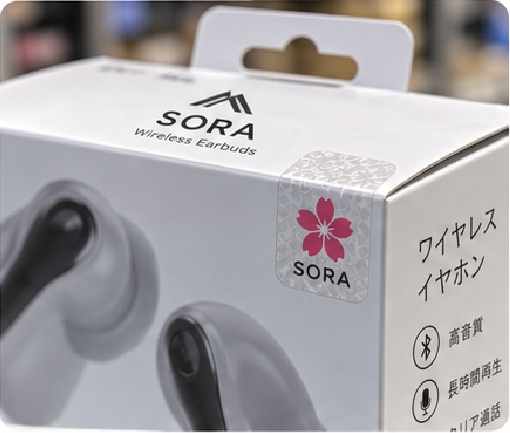
Japan Retail Security labels

Japan Retail Security

Region: Japan. Background: a retail-security program needed visible opening evidence plus traceable identification across several SKUs. Working volume: approximately 50,000 VOID labels, within a 10,000-100,000-piece project class. Philiton’s route used VOID PET / tamper-evident film, permanent adhesive, printed graphics and optional serial or QR data. Development focused on the target substrate, release pattern and residue behavior. The sample was peeled on the actual surface before approval. Production QC covered tamper effect, adhesion, print, die cut, code verification, quantity and packing. Finished labels were organized by SKU and serial range for controlled receiving.
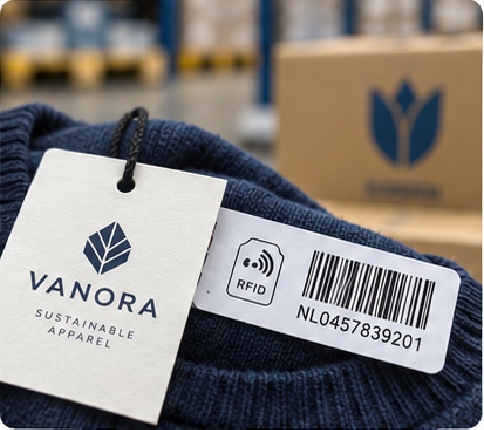
Netherlands Smart Security

Netherlands Smart Security

Region: Netherlands. Background: an apparel and retail supply-chain program required printed labels with electronic identity and serialized data rather than a purely visual seal. Working volume: approximately 120,000 RFID labels across multiple SKUs and EPC records, within a 10,000-500,000+ project class. Philiton’s route combined sourced RFID inlays with label printing, converting, encoding, variable data matching, RF verification and roll packing. Development confirmed frequency, inlay size, visible data, encoding rules, application material and roll specification. The project demonstrates how a tamper-evident program can be extended when electronic authentication or item-level traceability is required.
US Warranty Seal Configuration

US Warranty Seal Configuration

Region: United States. Background: an electronics warranty program needed a small seal that would not survive removal intact and also required a visible serial number for service reconciliation. Working quantity: 20,000 seals across four models. A representative Philiton route uses destructible vinyl or eggshell material, permanent adhesive, compact die cuts and sequential printing. Engineering review starts with enclosure coating, screw-cover geometry, label size and residue tolerance. Samples are applied to the production housing, then removed after the agreed dwell period to confirm fragmentation and reapplication failure. Mass-production control covers serial ranges, rejected pieces, die-cut quality, packing by model and service-kit quantities.

Tamper Evident Labels Frequently Asked Questions

No. Tamper-evident labels are designed to show evidence after opening, lifting, removal or transfer. Tamper-resistant structures can also make interference more difficult. “Tamper proof” suggests an absolute guarantee that a label cannot be defeated, which is not a realistic universal claim. Philiton focuses on defining the evidence required after tampering and validating the selected construction on the intended surface.
Choose based on the evidence required and the protected surface. VOID constructions can leave a message or transfer pattern on the label, substrate or both. Destructible and eggshell materials break into pieces and are difficult to transfer intact. If residue or surface damage is a concern, a non-transfer or destruction-based option may be better. Physical samples on the real substrate are recommended before mass production.
Philiton can evaluate non-transfer or clean-removal-oriented security constructions for surfaces where heavy residue is undesirable. Clean removal is never guaranteed by the material name alone. Substrate coating, surface energy, dwell time, temperature and adhesive influence the result. Send the actual surface or a representative sample so removal behavior, residue and coating damage can be checked before the structure is approved.
It may, but PP, PE and HDPE are lower-surface-energy plastics and often need a suitable adhesive. Surface treatment, texture, contamination and curvature also affect adhesion and VOID transfer. A security film that performs well on glass may behave differently on HDPE. Philiton screens the adhesive route and recommends an actual-surface tamper test before production approval.
Custom release messages or patterns can be evaluated when the selected security material and supplier route support them. Custom security constructions may require dedicated material preparation, origination, tooling or higher minimum quantities than stock VOID patterns. Provide the required message, size, language, label dimensions, surface and expected order volume so feasibility, sample route and commercial setup can be confirmed.
Yes. Philiton can print sequential numbers, barcodes and unique QR codes with project-defined data rules. The workflow can include uniqueness checks, batch control, rejected-code handling, reprint rules and final verification. The brand or system owner supplies or approves the data logic and any backend authentication rules. Unique codes can also be combined with VOID, destructible or holographic layers.
Yes, when the project requires electronic identity or interaction. Philiton can combine sourced RFID/NFC inlays with printing, converting, encoding, serialization and verification. Frequency, chip or inlay, memory, read range, surface and data rules are confirmed per project. RFID/NFC is not a substitute for physical tamper evidence if the label can be transferred, so layered constructions may be needed.
Send label size, artwork or reference image, protected product, substrate, opening method, required tamper evidence, residue tolerance, quantity, number of SKUs and any environmental conditions. For serial, QR or RFID work, include data format and verification requirements. Sending the actual container, enclosure or substrate is the best route when adhesion and transfer behavior are critical.
MOQ depends on material, tooling, security structure, SKU count and data requirements. Security-printing projects are commonly more economical from around 1,000 pieces, while simple stock-material VOID or destructible trials may be evaluated at lower quantities. Stock holographic material can also support smaller programs. Custom holographic origination, proprietary material or special tooling can raise the commercial starting quantity.
Standard printed or finished samples are commonly about 3-5 business days after artwork and material readiness. Regular production is commonly about 7-15 business days after the approved specification and materials are ready. Large multi-SKU orders, custom holograms, special materials, complex security structures, additional testing and approval delays can extend the schedule. Final timing is confirmed in the quotation and production plan.

Send Your Security Label Requirements

For a useful quotation, send the product surface and the security result you need before focusing on material names. Philiton can recommend a construction when the material is unknown. A photo of the package, enclosure or closure often reveals more than a generic request for “strong tamper labels.” If the project includes serialization, QR, holographic elements or RFID/NFC, include the data and verification expectations so printing, inspection and packing can be planned together. For functional work, the best approval route is a sample on the actual substrate before mass production. Standard material, special security film, tooling, SKU count and required testing all affect MOQ, cost and schedule. Include any existing failed sample or competitor reference if a specific removal pattern, residue level or opening behavior must be matched. For automatic application, provide the applicator model or roll requirements so core, winding, gap, pitch and maximum roll diameter are quoted correctly. If no material has been chosen, select “recommend a construction” and describe the protected surface and tamper risk instead.

  • Product or package photo, substrate and surface finish
  • Label size, shape, quantity and number of SKUs
  • Required tamper evidence: VOID, transfer, fracture, clean surface or broken seal
  • Artwork, custom message, serial, barcode, QR or RFID/NFC requirements
  • Application method, temperature, moisture, oil, chemicals or other exposure
  • Roll, sheet or individual format; roll direction/core details if machine-applied
  • Target market, documentation needs, deadline and destination

For all inquiries, please feel free to reach out at:

Get In Touch

  • Our team will answer your inquiries within 12 hours.

  • Your information will be kept strictly confidential.

Get a Fast Quote for Custom Labels & Stickers

We will contact you within 24 Hours, please pay attention to the email with the suffix“@philiton.com”. 
For all inquiries, please feel free to reach out at:

Ask For A Quick Quote

We will contact you within 24 Hours, please pay attention to the email with the suffix“@philiton.com”. 

For all inquiries, please feel free to reach out at:

Get a Quote Today!

We will contact you within 24 Hours, please pay attention to the email with the suffix“@philiton.com”.