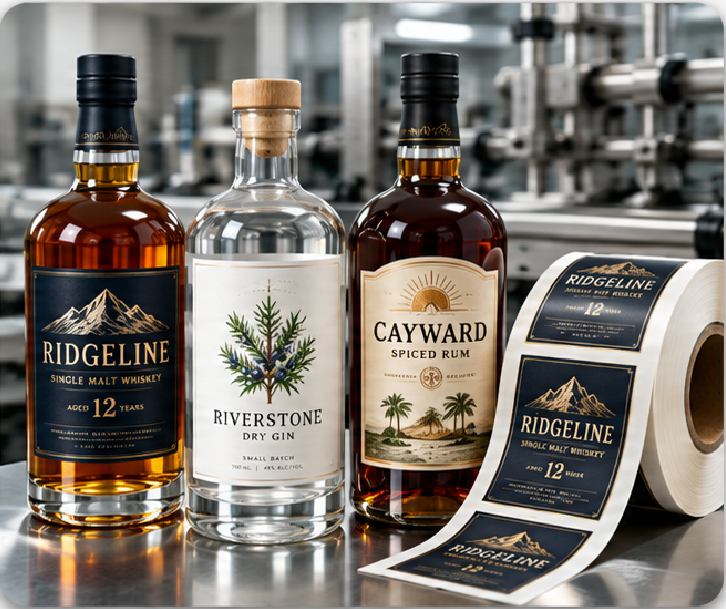
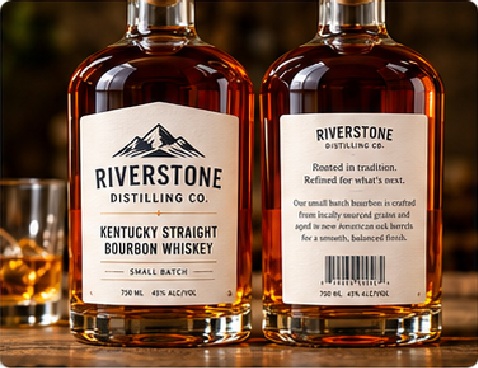
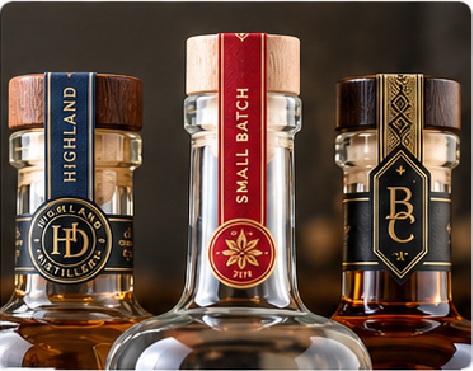
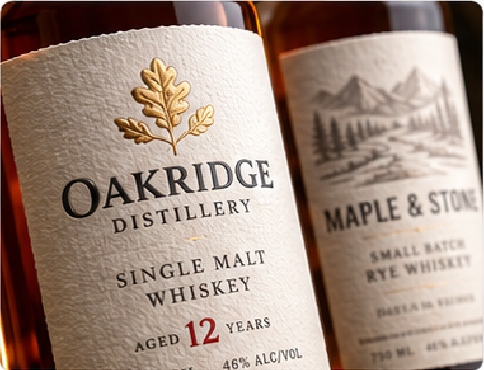

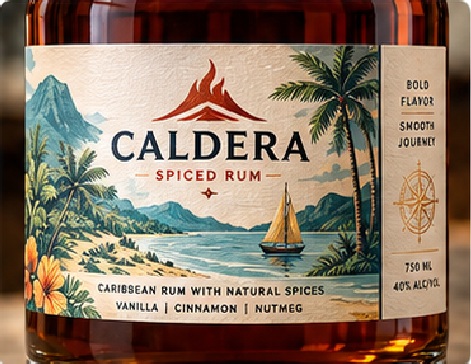
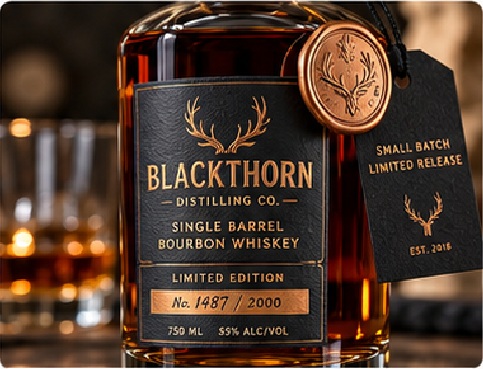
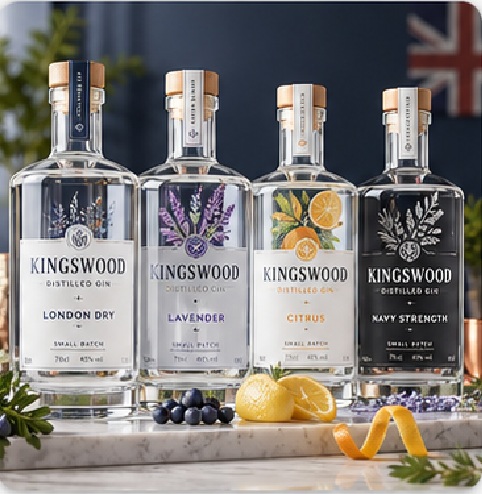
A spirits range may place six bottles together on the same shelf. Small differences in color, foil tone, paper, varnish, label position, or die-cut shape can become obvious across the family. Philiton organizes common specifications, SKU-specific artwork, approved references, and packing identification so a portfolio is managed as a family rather than as disconnected files.
Common specifications are recorded once, while version-specific quantities and artwork remain separately identified through production and packing.
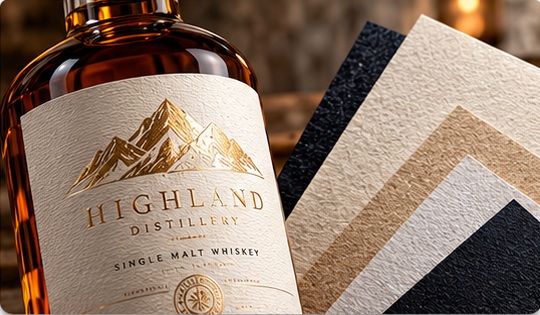
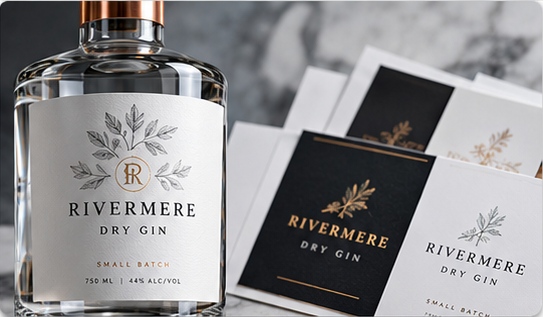
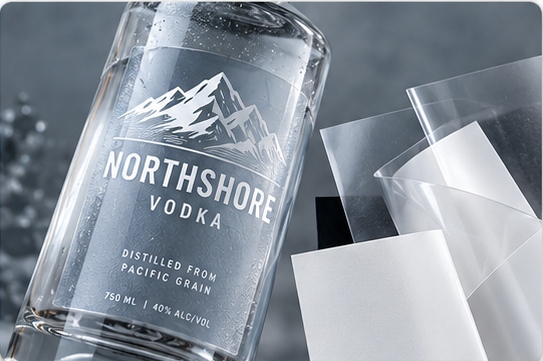
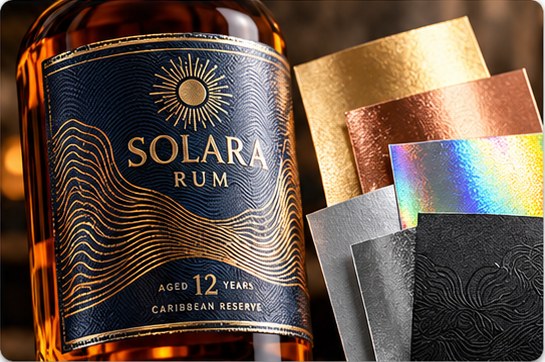
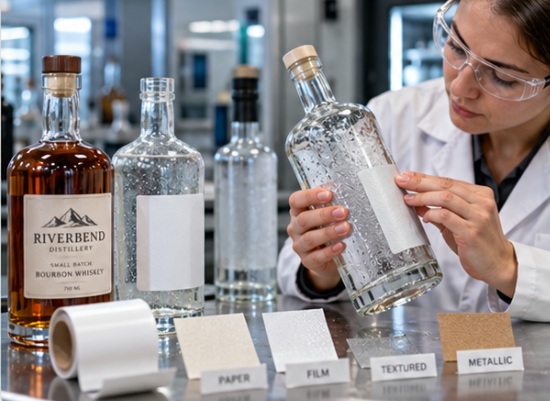
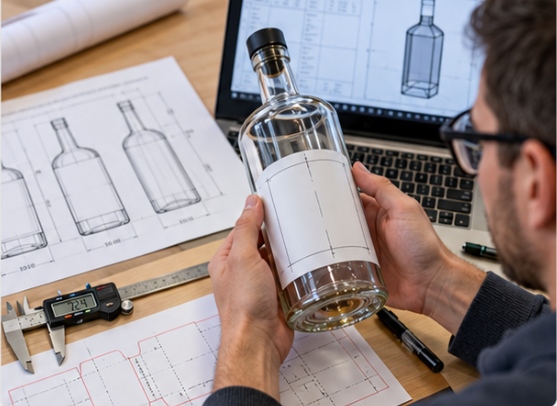
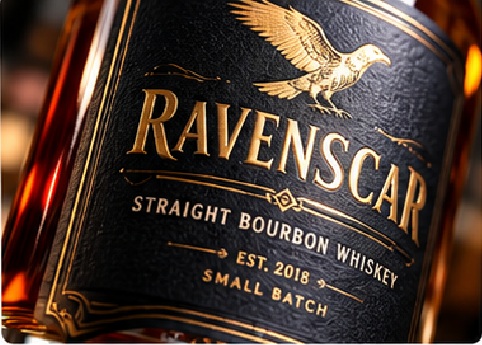
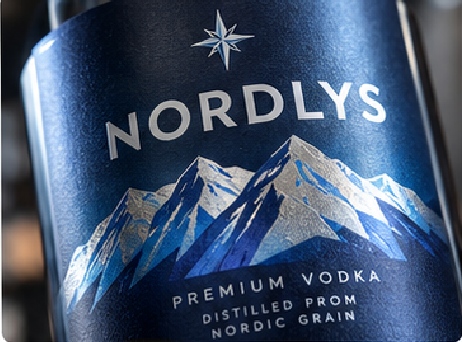
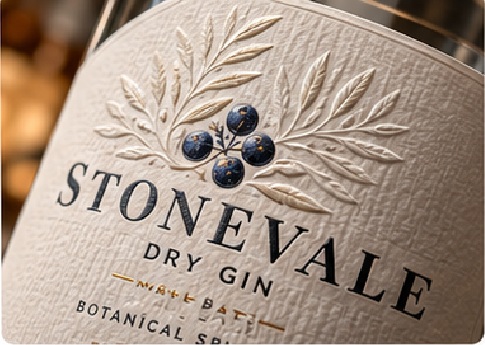
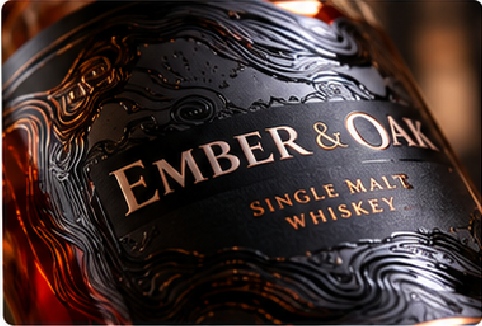
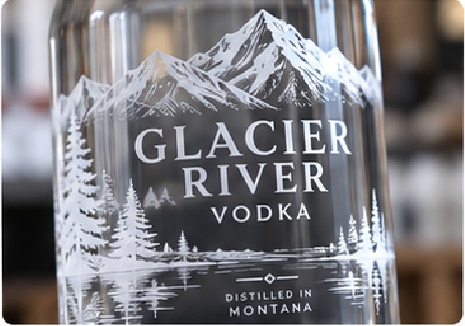

One production method does not fit every spirits program. Philiton selects the route after reviewing material, artwork, SKU count, run quantity, color, finishing, and repeat-order expectations.
| Production Route | Best Fit | Main Strength | Confirm Before Release |
| Digital label printing | Samples, shorter runs, multiple versions, launch quantities | Fast file changes, economical versioning, variable data support | Material, color target, finish compatibility, version count |
| Flexographic printing | Repeat runs, higher quantities, stable recurring constructions | Efficient roll production and strong integration with converting | Plate/tooling needs, ink system, material lot, repeat standards |
| Screen / UV specialty printing | Opaque white, tactile layers, selected specialty effects | Higher opacity and localized functional or decorative layers | Ink thickness, curing, surface compatibility, sequence |
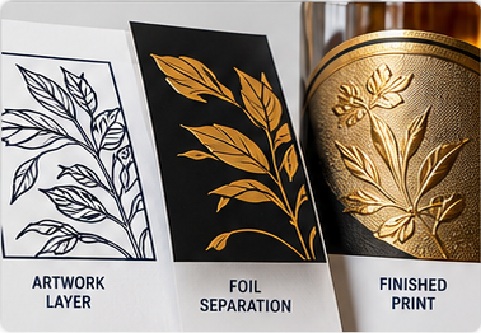
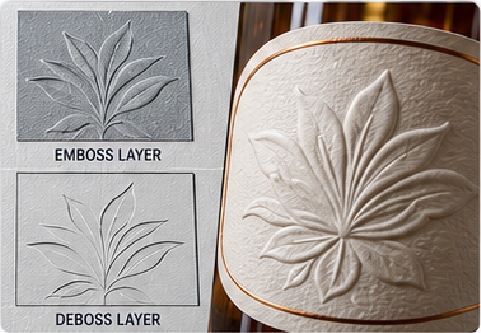
| Combined production sequence | Premium labels using print + foil + emboss + varnish + die cutting | Integrates several visual effects under one controlled job | Registration tolerance, tooling, order of operations, approved sample |
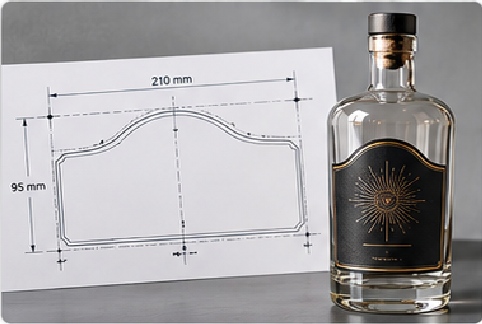
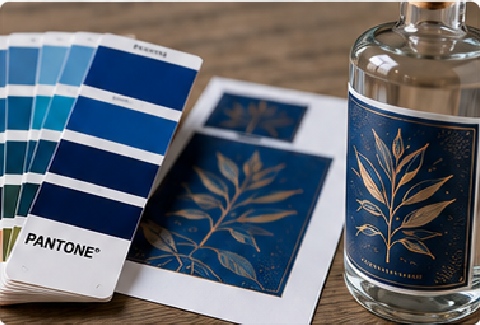
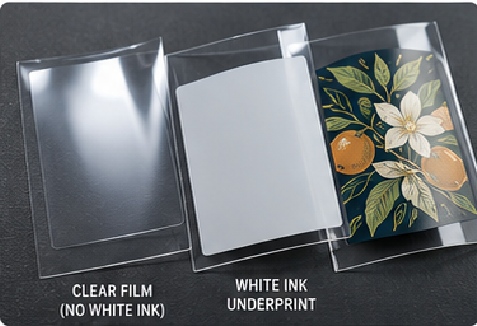
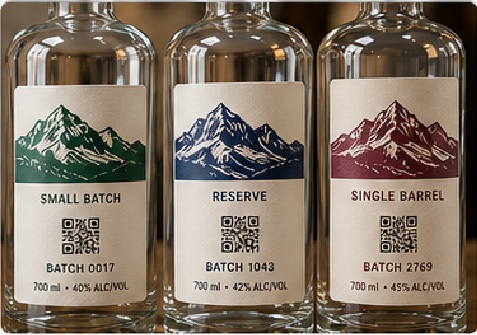
Multiple proofs, markets, ages, barrel numbers, batch codes, QR codes, or serialized fields can create costly mix-ups. Philiton organizes each version under controlled filenames and production quantities, then links printing, inspection, roll labels, cartons, and SKU identification to the released file set.
For mixed quantities, Philiton can pair the version list with roll and carton identification so later warehouse handling follows the same file logic.
Philiton operates a dedicated approximately 350 ㎡ sampling and prototype-development area. Sample timing is confirmed after material, tooling, finishing, and bottle-test requirements are reviewed.
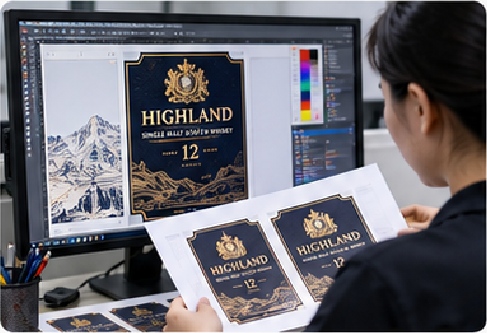
Approval should create a usable production standard, not just an email saying “looks good.” Philiton can record the released artwork version, material, adhesive, color references, foil or emboss specification, die-cut shape, roll requirements, and key inspection points before mass production. For repeat programs, an approved physical sample can be kept as a Golden Sample reference when the project requires it.
Review should focus on what the production team can reproduce: print color on the actual stock, metallic effect under normal viewing, emboss alignment, label dimensions, edge quality, adhesion to the intended bottle, and roll format. Any approved deviation should be written into the release record instead of remaining in a chat thread.
When a revision changes material, adhesive, bottle size, foil area, emboss tooling, or other functional details, Philiton treats it as a new production input rather than a cosmetic note. The updated sample or proof is linked to the released version so operators, QC, and packing teams work from the same standard. This is especially important for multi-SKU spirits ranges where small artwork differences can otherwise create incorrect combinations.
A launch SKU that begins with digital production may later justify a different route when repeat volume becomes stable. Philiton can reassess printing, material purchasing, tooling, roll configuration, and scheduling while keeping the approved visual and technical requirements as the reference. Scaling is therefore treated as a controlled manufacturing change, not a reset of the brand.
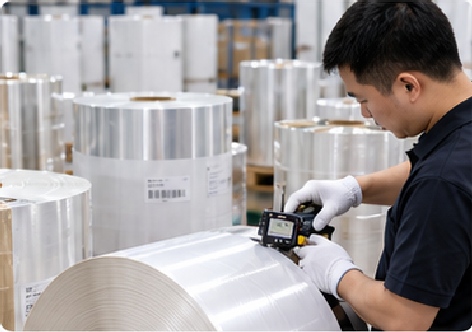
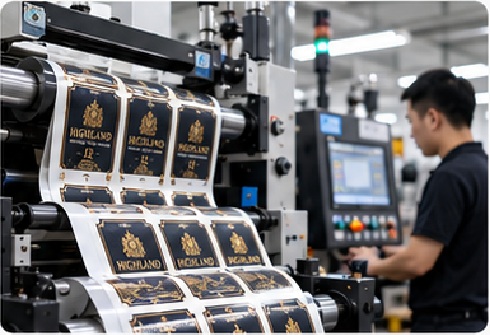
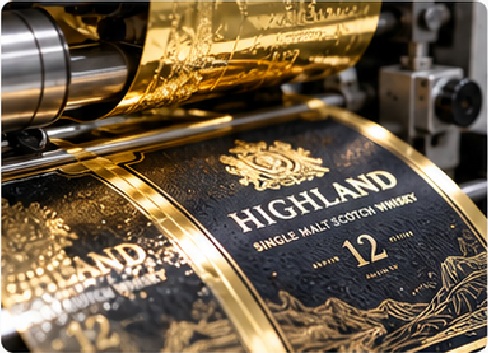
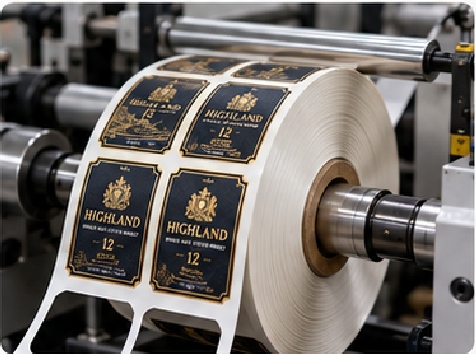
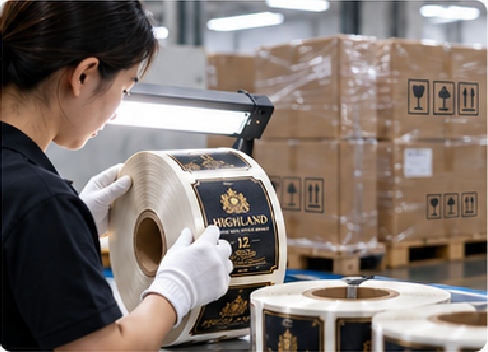
Philiton operates an in-house testing laboratory of approximately 150 ㎡ for label performance and print-quality verification. Depending on the project, internal checks can cover adhesion, peel, rub or scratch resistance, color, thickness, environmental reliability, barcode/QR verification, and other relevant properties.
Test conditions, sample identity, and acceptance criteria are recorded around the actual construction so results remain connected to the project being produced.
The final release checks the items that matter at receipt: correct SKU, quantity, label appearance, finishing, dimensions, roll direction, core, labels per roll, carton identification, and packing condition. Philiton’s dedicated QC area is approximately 300 ㎡ and covers IQC, IPQC, FQC, OQC, sampling, visual checks, and outgoing verification.
Cartons can also be separated by SKU, roll count, destination, or other agreed handling instructions when the receiving warehouse needs controlled staging.
Philiton’s approximately 700 m² packing area supports roll, sheet, individual-piece, SKU-separated, carton, and pallet packing. Converting details are confirmed before finished labels reach shipment.
| Application / Delivery Need | Specifications Philiton Confirms | Packing Approach |
|---|---|---|
| Automatic bottling line | Finished size, gap/pitch, unwind direction, core, maximum roll diameter, labels per roll | Consistent rolls, identified by SKU and production instruction |
| Semi-automatic dispenser | Roll direction, manageable roll diameter, core, quantity per roll | Smaller working rolls where specified, protected in cartons |
| Hand application | Finished shape, easy handling, sequence, SKU identification | Rolls, sheets, or individual pieces according to handling plan |
| Multi-SKU export order | SKU code, artwork version, quantity per SKU, carton identification, destination | SKU-separated inner packs/cartons, palletization when required |
| Premium finished labels | Foil/emboss/tactile surface protection, inter-roll pressure, carton contact | Protective wrapping and carton arrangement selected around finish sensitivity |
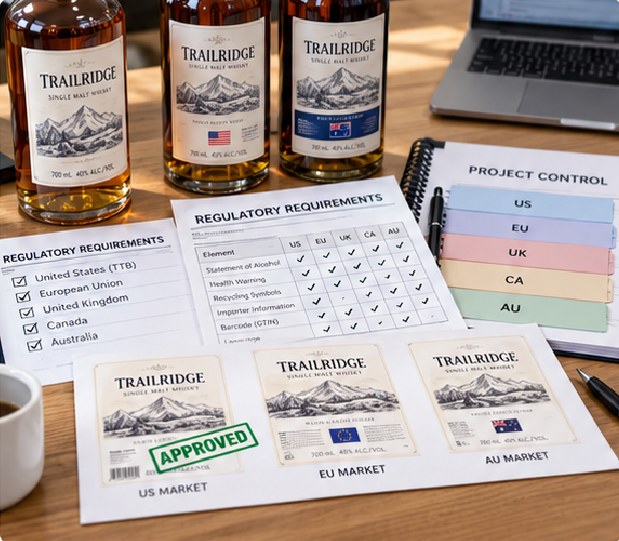
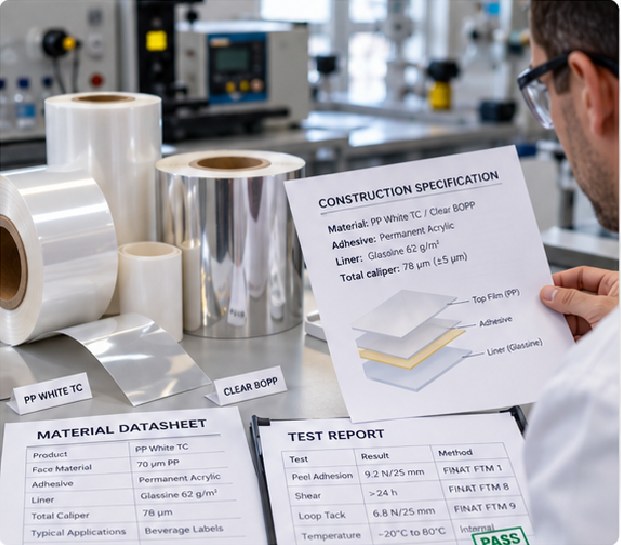
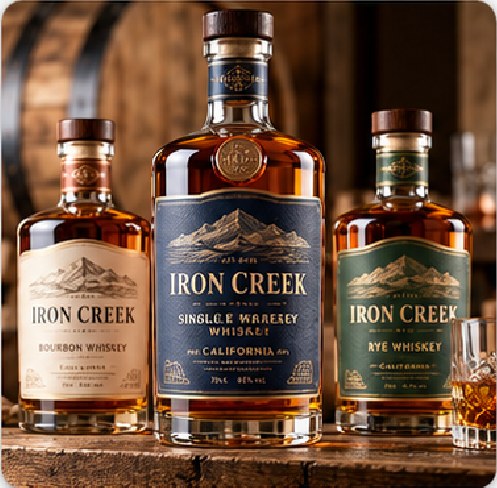
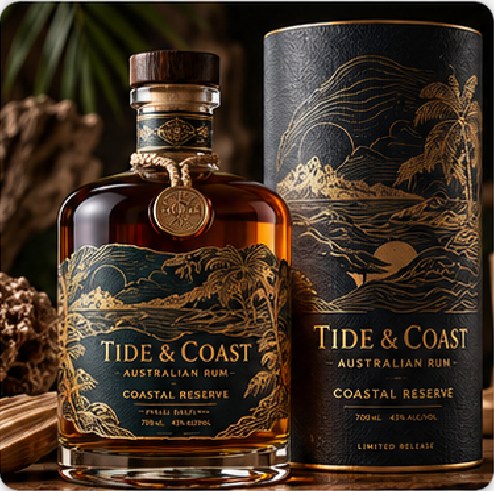
Philiton operates manufacturing bases in Shenzhen and Dongguan with more than 12,000 ㎡ of integrated manufacturing and operating space. Approximately 7,200 ㎡ is dedicated to core production, converting, sampling, and packing activities. The footprint supports digital and flexographic printing, screen and UV work, finishing, die cutting, rewinding, smart-label processing, inspection, and shipment preparation under coordinated production management.
Spirits projects benefit from dedicated spaces beyond the printing line. Philiton maintains approximately 350 ㎡ for sampling and prototype development, about 300 ㎡ for QC, and approximately 150 ㎡ for in-house testing. These areas support color and material samples, production approvals, incoming/in-process/final/outgoing inspection, adhesion and durability checks, code verification, and release decisions tied to the approved project specification.
Philiton can prepare a quotation and development route once the construction is clear enough to price materials, printing, finishing, tooling, inspection, packing, and shipment. A complete RFQ prevents repeated questions and makes material alternatives easier to compare. For difficult bottles or premium decoration, include a bottle drawing, physical bottle, approved reference label, or finish sample when available. Sample timing and mass-production scheduling are confirmed after material availability and process complexity are reviewed rather than quoted as one fixed number for every spirits label.
Please send:
For all inquiries, please feel free to reach out at:
Our team will answer your inquiries within 12 hours.
Your information will be kept strictly confidential.
We will contact you within 24 Hours, please pay attention to the email with the suffix“@philiton.com”.
For all inquiries, please feel free to reach out at:
We will contact you within 24 Hours, please pay attention to the email with the suffix“@philiton.com”.
For all inquiries, please feel free to reach out at:
We will contact you within 24 Hours, please pay attention to the email with the suffix“@philiton.com”.