Your Trusted Labels & Stickers Manufacturer from China!

Custom Plastic Surface Labels Manufacturer

Labels built around the actual plastic, surface condition, environment and application method – not a one-adhesive-fits-all construction.
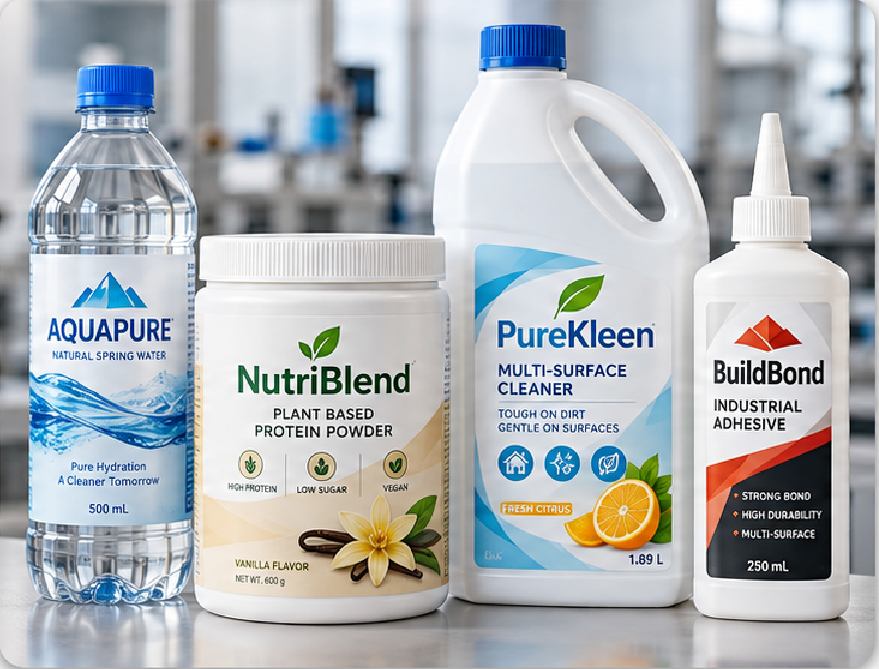
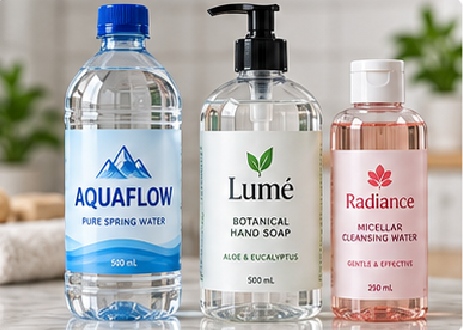
  • PET, PP, PE, HDPE, LDPE and other plastic substrates reviewed by application.
  • Around 500 pcs starting quantity for many standard custom label projects.
  • Shenzhen and Dongguan manufacturing footprint of 12,000+ m² with 200+ employees.
  • Material matching, printing, converting, inspection and in-house testing within Philiton’s production system.
Custom Plastic Surface Labels Manufacturer

Plastic Labels Start With the Surface

A plastic name alone does not define label performance. Philiton reviews the substrate, its surface condition and the working environment before narrowing the construction.

Plastic Type

PET, PP, PE, HDPE and LDPE do not behave the same under pressure-sensitive adhesives. PET is generally easier to wet than PP or HDPE, while softer PE and LDPE can add movement and deformation. Philiton starts by identifying the actual resin or container type, then checks whether coatings, recycled content, additives or surface treatment could change adhesion behavior.

Surface Condition

Smooth, textured, curved, dusty, oily or mold-released plastic surfaces create different bonding conditions even when the resin name is identical. A label that holds on a clean flat panel may lift on a blow-molded bottle or textured drum. Philiton therefore reviews finish, curvature, cleanliness, treatment and any known release agents before selecting adhesive and facestock directions.

Service Environment

Adhesion must survive the conditions after labeling, not only the first few minutes after application. Refrigeration, water, oil, alcohol, cleaners, abrasion, outdoor exposure, squeezing and temperature cycling can change the preferred construction. Philiton links the surface review with expected service life, storage, filling conditions and handling before recommending sampling or production.

Built for Teams Managing Label Performance

Philiton supports projects where brand appearance, production compatibility, supply continuity and adhesion reliability must be decided together rather than treated as separate purchasing tasks.

Brand and Packaging Teams

Brand and packaging teams usually need a label that looks right on the container and remains stable through filling, transport, retail display and use. Philiton helps translate visual goals – clear effects, white ink, metallic detail, matte or gloss protection – into a construction that also considers the plastic surface, curvature, moisture, oils and repeated handling.

Packaging Engineers

Packaging engineers need more than a print sample. Resin type, surface energy, container diameter, label size, facestock stiffness, adhesive behavior, liner, roll direction and application method all influence performance. Philiton can review those variables before sampling, then convert the approved construction into roll, sheet or individual formats according to the filling or labeling process.

Procurement and Supply Teams

Procurement teams need cost control without creating hidden application risk. Philiton supports many standard projects from around 500 pcs, while the same manufacturing system can continue into repeat medium- and high-volume production. Material substitutions, SKU changes, roll specifications and quality expectations should be agreed before release so replenishment orders remain controlled rather than rebuilt from memory.

Manufacturing Operations

Production teams focus on whether labels feed, dispense, apply and remain attached without stopping the line. Philiton reviews manual, semi-automatic and automatic application requirements, including roll winding, core, gap, liner width and label geometry. For difficult plastics, trial material on the actual container is preferred before locking a large repeat program.

Match the Label to the Plastic

Different plastics present different bonding conditions. Philiton uses resin type as a starting point, then checks treatment, texture, curvature, contamination and environment before production approval.
PET Containers

PET Containers

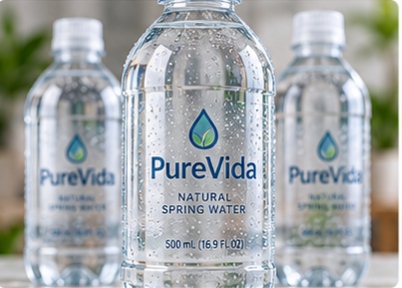
PET commonly offers a higher surface-energy starting point than PP or HDPE, so many pressure-sensitive constructions can establish adhesion more easily. Bottle coatings, recycled content, condensation, curvature and cold filling still matter. Philiton commonly evaluates BOPP, PET or other film constructions for beverage, cosmetic and household applications, with adhesive selection confirmed against the real container and service conditions.
PP Containers and Parts

PP Containers and Parts

PP is a typical low-surface-energy plastic, so standard permanent adhesive should not automatically be treated as sufficient. Poor wet-out, molded texture, release agents and curved surfaces can cause delayed lifting even when initial grab looks acceptable. Philiton reviews PP applications for suitable LSE-oriented or higher-tack adhesive directions, facestock flexibility and actual-part testing before a long production run.
HDPE Bottles and Drums

HDPE Bottles and Drums

HDPE is common in detergent, chemical, food and personal-care packaging and is usually more difficult to bond than PET. Blow-molded texture, curvature and low surface energy can combine in one container. Philiton evaluates the face material, adhesive direction, label dimensions and environmental exposure together, then uses sampling and adhesion checks to reduce edge-lift risk before repeat production.
PE and LDPE Surfaces

PE and LDPE Surfaces

PE and LDPE introduce two concerns at once: low surface energy and flexibility. Squeeze bottles, tubes and flexible packaging may deform during use, placing repeated stress on the label edge. Philiton considers softer or more conformable films, suitable adhesive systems and label geometry so the construction can move with the package instead of continuously fighting container recovery.
PVC, PC and ABS

PVC, PC and ABS

PVC, polycarbonate and ABS can support durable labels, decorative labels and industrial identification, but surface formulation still matters. Soft PVC may introduce plasticizer migration, while coated or textured molded parts may change adhesion. Philiton asks for the exact application, surface finish and required lifetime before finalizing material, protection and adhesive, especially when heat, abrasion or chemicals are involved.
Recycled or Textured Plastic

Recycled or Textured Plastic

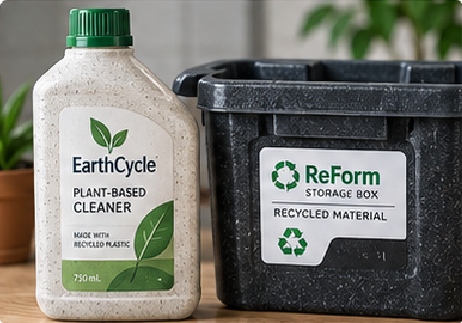
Recycled content, fillers, slip additives, mold-release residue and texture can make nominally identical plastics behave differently from one production batch to another. A resin name alone is not enough for approval. Philiton prefers a real container, representative molded plaque or production sample when surface variation is expected, then records the approved construction for future runs and change review.

Why Labels Lift or Peel From Plastic

Most plastic-label failures come from several interacting conditions. Philiton traces the failure back to the bonding surface, construction and environment before recommending a material change.

Low Surface Energy

PP, PE, HDPE and LDPE are common low-surface-energy plastics. Pressure-sensitive adhesive must wet and spread over the surface before a strong interface can develop; limited wet-out can leave the label looking secure at first and lifting later.
  • Typical risks: weak edge hold, delayed peeling and poor cold start.
  • Review inputs: resin, surface treatment, texture and contamination.
  • Response: shortlist an adhesive direction designed for the surface, then validate on representative parts.

Curvature and Recovery Stress

A curved bottle or small-diameter component keeps pulling the label back toward a flat shape. Thick or stiff facestock increases recovery force, while a wide label creates a longer lever at the edges. Adhesive strength alone may not solve the problem.
  • Typical risks: flagging, edge lift and wrinkling.
  • Review inputs: container diameter, label width, facestock stiffness and squeeze behavior.
  • Response: balance label geometry, conformability and adhesive holding power.

Contamination and Mold Release

Oil, silicone, dust, moisture and mold-release residues can sit between the adhesive and the actual plastic surface. Stronger adhesive cannot compensate reliably when bonding occurs to a contaminant layer rather than the substrate itself.
  • Typical risks: random peeling, inconsistent areas of adhesion and batch-to-batch variation.
  • Review inputs: molding process, cleaning method, storage and handling.
  • Response: clean representative parts, compare treated and untreated surfaces, then approve the controlled condition.

Temperature and Chemical Exposure

Application temperature and service temperature are different decisions. A label applied below the adhesive’s effective wet-out range may never develop the intended bond, even if the product later warms. Water, oil, alcohol, cleaners and solvents add further stress.

  • Typical risks: lifting after refrigeration, adhesive softening, edge contamination or print damage.
  • Review inputs: application temperature, service range and chemical contact.
  • Response: test the complete construction under conditions related to the intended use.

Choose Adhesive by Application, Not Name

Philiton treats adhesive selection as a system decision involving the plastic, facestock, temperature, curvature, removability target and service environment rather than a single product label.

Permanent Adhesive

Permanent describes the intended long-term behavior, not a guarantee that every permanent adhesive will bond to every plastic. PET may accept many standard permanent systems, while PP, PE or HDPE often need more targeted selection.
  • Best considered for: long-life packaging, industrial identification and repeat programs.
  • Confirm first: substrate, cleanliness, temperature, expected life and removal expectations.
  • Philiton route: match the construction to the surface, sample it, then lock the approved material combination for production.

High-Tack and LSE Direction

Higher initial tack can help on low-surface-energy plastics, rough molded surfaces and applications where rapid grab is important. High tack is not automatically the strongest choice for every project; too much adhesion can create removal, residue or converting issues.
  • Best considered for: PP, PE, HDPE, textured plastics and some curved applications.
  • Confirm first: surface finish, application pressure, dwell time and liner release behavior.
  • Philiton route: compare suitable supplier constructions and verify the finished label on representative plastic.

Removable or Repositionable

Removable and repositionable labels need controlled adhesion rather than maximum adhesion. The goal may be clean removal after a defined period, temporary identification or short-term repositioning before the bond increases.
  • Best considered for: temporary logistics, protective identification, promotional applications or reusable containers.
  • Confirm first: dwell time, residue tolerance, surface value and removal conditions.
  • Philiton route: test both bonding and final removal on the actual plastic, especially coated or high-value surfaces.

Low-Temperature and Special Exposure

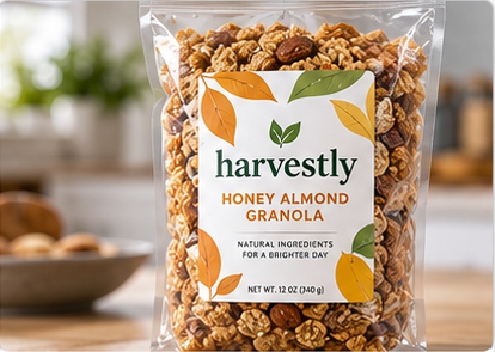
Cold application, freezer storage, chemical contact, outdoor use or repeated washing can require a specialized adhesive and facestock combination. One performance label such as “freezer” or “chemical resistant” is not enough to define the finished construction.
  • Best considered for: chilled containers, cold rooms, cleaners, chemicals and demanding industrial uses.
  • Confirm first: application temperature, service temperature, moisture, oil, alcohol, cleaners and duration.
  • Philiton route: select a candidate construction and define project-specific validation before volume release.

Facestock Options for Plastic Applications

Facestock controls appearance, stiffness, flexibility, durability and print behavior. Philiton selects the face material together with the adhesive instead of treating either layer as a standalone answer.
BOPP Film

BOPP Film

BOPP is a common choice for consumer packaging because it combines moisture resistance, good print performance and a relatively thin, flexible construction. White, clear and specialty versions can support bottle and container branding. Philiton considers BOPP for PET, PP and HDPE applications when the selected adhesive, label size and curvature are compatible.
  • Strong direction: food, beverage, cosmetics and household packaging.
  • Watch for: small diameters, heavy texture and aggressive chemical exposure.
PET Film

PET Film

PET offers high dimensional stability, good durability and strong resistance direction for demanding identification and premium packaging. White, clear, silver and other constructions can be printed and protected with lamination or coatings. Greater stiffness can become a concern on very small radii or squeezable packs, so Philiton reviews geometry before using PET as the default film.
  • Strong direction: electronics, industrial, chemical and durable labels.
  • Watch for: tight curves and flexible containers.
PE Film

PE Film

PE film is more conformable than PET and can move better with squeezable or flexible containers. Shampoo bottles, personal-care packs and household-cleaning containers are common applications. Adhesive selection remains critical because many PE and HDPE surfaces have low surface energy.
  • Strong direction: squeeze bottles, tubes and flexible plastic packs.
  • Watch for: dimensional stability, print-process compatibility and demanding heat exposure.
Clear Film

Clear Film

Clear film can create a no-label-look appearance on transparent or colored plastic, but the finished result depends on more than transparency. Adhesive clarity, container color, white-ink strategy, surface cleanliness and trapped air can affect appearance. Philiton reviews clear constructions with the final container so graphics, opacity and adhesion are evaluated together.
  • Strong direction: cosmetics, beverages and premium household packaging.
  • Watch for: haze, bubbles, insufficient white ink and visible adhesive defects.
Synthetic Paper

Synthetic Paper

Synthetic paper combines a paper-like printing surface with better moisture resistance than ordinary paper and can suit labels requiring a less glossy film appearance. It can be useful for containers, logistics and general identification where film durability is preferred but a paper feel is desirable.
  • Strong direction: general packaging and information labels.
  • Watch for: exact chemical resistance, stiffness and recycling requirements, which remain construction-specific.
Paper Labels

Paper Labels

Paper can still be used on plastic when the environment is dry, the surface is suitable and the required lifetime is moderate. Coated, uncoated, kraft and textured papers offer visual and tactile choices that films cannot fully copy. Moisture, condensation, oil and squeezing can reduce suitability, so Philiton does not treat paper as the default for bathroom, refrigerated or flexible plastic packaging.
  • Strong direction: dry indoor packaging and short-life promotional use.
  • Watch for: water, oil and repeated flexing.

Plastic Surface Label Selection Matrix

Use the matrix to narrow the first construction. Actual resin formulation, treatment, contamination, curvature and environment can change the result, so critical projects still require representative testing.
Plastic Surface Typical Surface Behavior Common Risk Facestock Direction Adhesive Direction Validation Focus
PET About 42-46 mN/m; generally easier than PP/PE Condensation, coating, bottle curve BOPP, PET, clear film Standard permanent or application-specific Moisture, curve, service environment
PP About 29-31 mN/m; low surface energy Poor wet-out, release agents, edge lift BOPP, PE, suitable flexible films LSE-oriented or higher-tack direction Actual PP part, dwell and edge hold
HDPE About 31-33 mN/m; low surface energy Blow-mold texture, curvature, lifting BOPP, PE, durable film as required Surface-matched permanent/high-tack direction Bottle texture, curve, chemical exposure
LDPE / Flexible PE About 31-35 mN/m for LDPE; flexible Deformation, migration, low surface energy PE or other conformable film Flexible-surface adhesive direction Squeezing, recovery and long-term hold
PVC About 38-41 mN/m before plasticizer effects Plasticizer migration on soft PVC PET, PVC/vinyl or project-specific film Permanent/removable according to formulation Migration, removability and service life
Recycled / Textured Plastic Highly formulation-dependent Batch variation, additives, roughness Selected after surface review Project-specific Real part from intended production source

Plastic Labels for Real Operating Environments

Philiton changes the construction according to what the labeled product will experience during filling, transport, storage, display and use – not only how it looks on press.
Cosmetics and Personal Care

Cosmetics and Personal Care

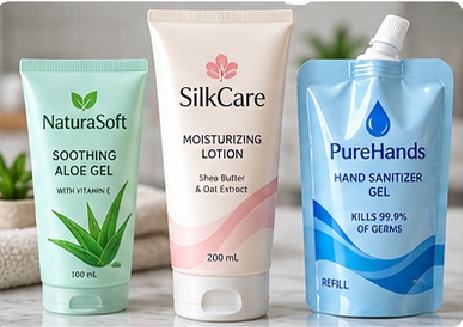
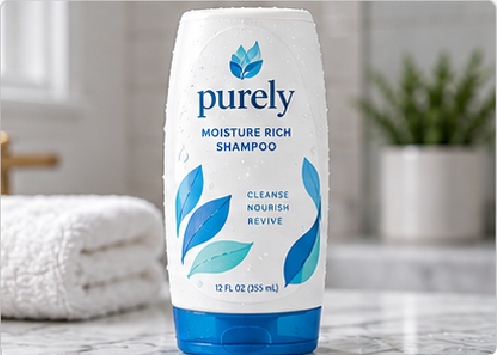
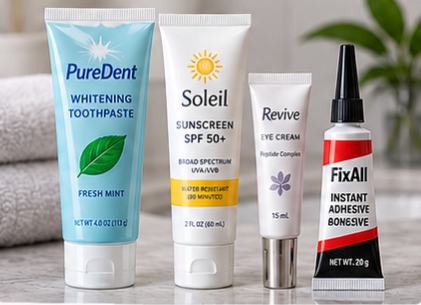
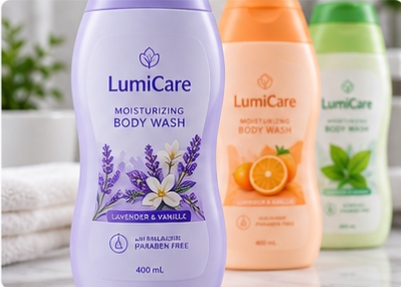
PET, PP, PE and HDPE bottles are common in skincare, shampoo, body-care and cosmetic packaging. Curves, bathroom moisture, oils, alcohol, squeeze behavior and premium graphics often appear in one project. Philiton can combine clear or white films, white ink, lamination, foil, spot effects and substrate-matched adhesives, then verify the selected construction on the intended bottle before repeat production.
  • Common format: roll labels for filling lines.
  • Key inputs: container resin, diameter, product exposure and visual standard.
Food and Beverage

Food and Beverage

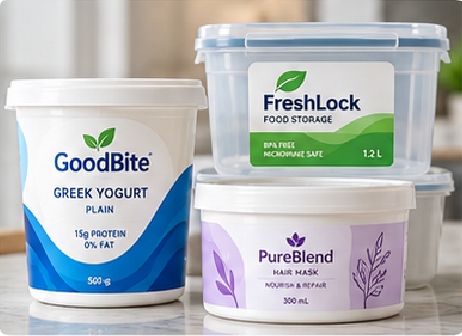
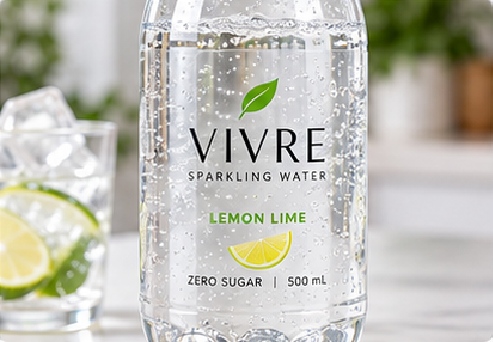
Food tubs, PET beverage bottles, PP containers and flexible packs can face condensation, refrigeration, handling and high-speed application. Material choice must consider moisture as well as the plastic surface. Philiton reviews film versus paper, adhesive direction, roll configuration, barcode or date fields and finishing requirements, while food-contact or regulatory evidence is handled according to the actual contact scenario and destination market.
  • Common format: roll labels, clear labels and variable-data labels.
  • Key inputs: temperature, contact type, application line and storage.
Household and Cleaning Products

Household and Cleaning Products

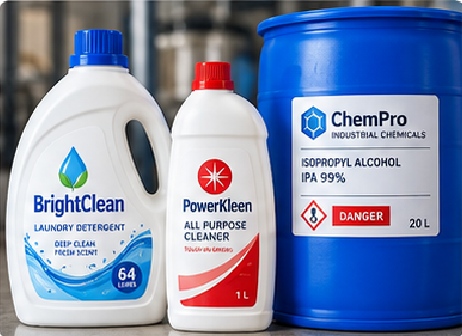
HDPE and PP bottles used for cleaners, detergents and home-care products create a demanding mix of low surface energy, curved walls, moisture and chemical exposure. Philiton evaluates adhesion together with print protection so edge hold, graphics and variable information remain suitable for the intended use.
  • Common format: durable roll labels and clear/white films.
  • Key inputs: bottle texture, cleaner contact, squeeze behavior and required lifetime.
Chemical and Industrial Containers

Chemical and Industrial Containers

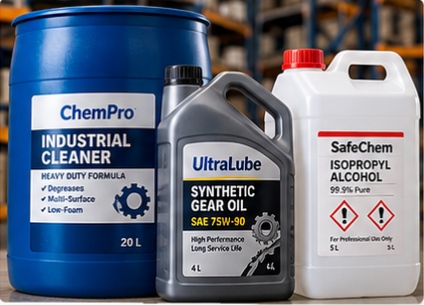
Industrial plastic drums, lubricant bottles, chemical packs and molded parts may need permanent identification, GHS information, serial numbers or barcodes. Surface texture, oil, solvents, abrasion and warehouse handling can be more important than decorative finish. Philiton can combine durable PET/BOPP structures, protective lamination, variable data and application-specific adhesives, with testing or documentation defined by the project specification.
  • Common format: durable roll or individual labels.
  • Key inputs: chemical exposure, substrate, required life and compliance artwork.
Electronics and Molded Parts

Electronics and Molded Parts

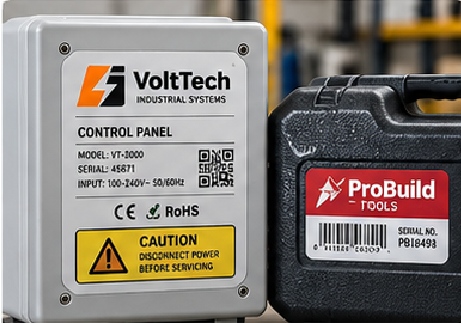
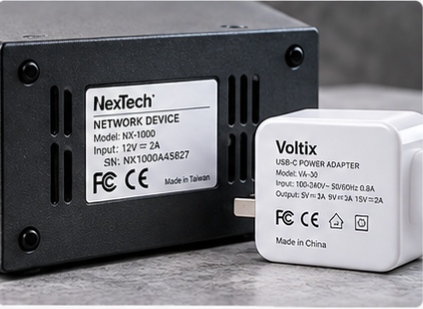
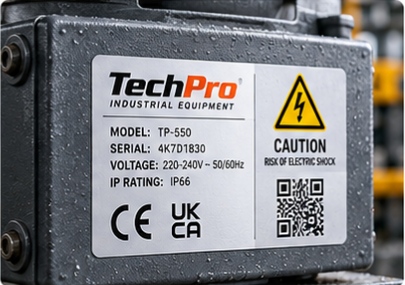
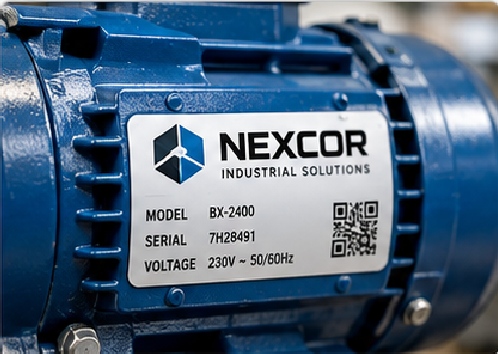
ABS, PC, PET and other molded plastics are used on devices, housings, batteries and industrial components. Labels may carry ratings, serial data, QR codes or warning information and may need to survive abrasion or cleaning. Philiton reviews surface finish, bonding area, label thickness, print protection and data quality before release.
  • Common format: durable PET labels, rating labels and serialized labels.
  • Key inputs: material, surface finish, life, heat and cleaning exposure.
Squeezable and Small-Diameter Packs

Squeezable and Small-Diameter Packs

Tubes, LDPE bottles and small-diameter packs continuously stress the label because the package bends or tries to return to its original shape. A stiff face material or overly wide label can increase edge force even with good adhesive.
  • Common format: thin, conformable roll labels.
  • Key inputs: diameter, squeeze cycle, label width and overlap.
  • Philiton focus: balance facestock flexibility, adhesive hold and geometry before approving the run.

Formats and Finishes Built Around Application

Philiton converts the approved material and adhesive into the format needed for manual use, packaging lines, durable identification, branding or variable-data programs.
Roll Pressure-Sensitive Labels

Roll Pressure-Sensitive Labels

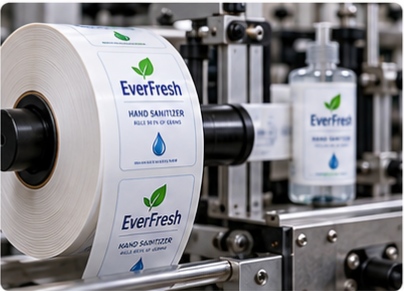
Roll labels are the main route for repeat packaging and automatic or semi-automatic application. Philiton can control label size, shape, gap, pitch, liner width, winding direction, core and quantity per roll according to equipment requirements. Roll configuration is reviewed before production so a visually correct label does not arrive in a format that cannot run on the applicator.
Clear No-Label-Look Labels

Clear No-Label-Look Labels

Clear film can create a printed-on-container appearance for PET and other transparent plastic packs. Philiton combines clear face materials, white ink where opacity is needed, color printing and protective finishes. Adhesive clarity, bottle color and application quality remain important, so samples should be viewed on the intended container rather than judged only on a release liner.
Durable PET Labels

Durable PET Labels

Durable PET labels are used for electronics, equipment, industrial products, chemicals and other long-life identification. Philiton can combine PET face materials with permanent adhesive directions, lamination, screen or UV printing, variable data and die cutting. Final material selection depends on surface, temperature, abrasion, chemical exposure and required lifetime rather than the word durable alone.
Conformable Bottle Labels

Conformable Bottle Labels

Squeeze bottles and curved packs often benefit from thin or flexible film constructions that reduce recovery stress. Philiton reviews label width, container diameter and facestock flexibility together with adhesive choice. A construction that passes a flat-panel peel check can still fail on a tight radius, so final approval should reflect the actual bottle or a representative curved surface.
Barcode and Variable Data

Barcode and Variable Data

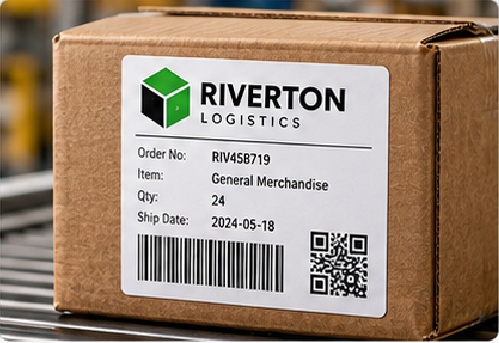
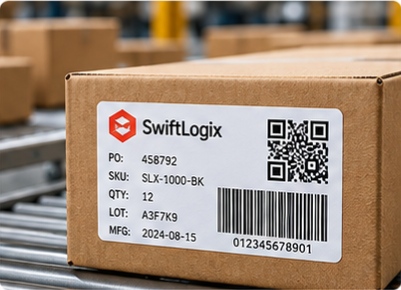
Plastic surface labels can carry barcodes, QR codes, serial numbers, batch data and other variable fields for logistics, traceability and product identification. Philiton supports variable-data production and inspection, with attention to quiet zones, contrast, deformation, laminate glare and scanning conditions. Roll sequence, duplicate control and SKU separation can be defined before production for larger programs.
Decorative Brand Finishes

Decorative Brand Finishes

Foil, emboss/deboss, spot or raised UV, holographic effects, white ink, lamination and specialty print routes can be added when compatible with the selected facestock and application. Philiton reviews finishing after the surface and adhesive decision because decoration should not compromise flexibility, die-cutting, dispensing or adhesion. Premium appearance works best when the complete construction remains stable on the product.

From Plastic Sample to Approved Label

Sampling is used to remove uncertainty before volume production. Philiton separates surface definition, construction selection, print approval and application checks instead of treating one printed proof as final validation.

From Surface Review to Sample

A strong plastic-label project begins before artwork enters the press. Philiton first records the plastic type, surface finish, container shape, intended application method, expected service environment and order structure. If the resin is uncertain, a container photo, resin mark, supplier specification or physical sample helps narrow the surface. For PP, PE, HDPE or textured plastic, the review also looks for likely low-surface-energy behavior, curvature and contamination risk. Material and adhesive candidates are then selected from qualified external supply sources. Philiton does not manufacture base film or adhesive chemistry; value is created by choosing the construction, printing and converting it, and validating whether it fits the application. Depending on the project, development can include a blank material sample, digital print sample, color sample, finish sample or a fully converted label. Label dimensions are checked against the available flat area, container diameter and edge location. On squeezable or tight-radius packaging, a narrower or more flexible construction may outperform a thicker premium stock. Once the candidate is defined, Philiton prepares the sample using the relevant printing and finishing route whenever feasible so approval covers more than artwork appearance. Sample timing is confirmed after material availability, tooling, printing route and finishing are reviewed. Standard materials can move through the internal sampling path faster than custom structures, special tooling, security components or uncommon substrates.

Sample Approval Before Production

Approval should answer four separate questions: does the label look correct, does it fit the plastic, can it be applied reliably, and can the specification be repeated in production? Philiton therefore encourages review on the intended container whenever adhesion, curvature or appearance is important. A flat release-liner sample can confirm print quality but cannot fully represent edge hold, clear-label appearance or long-term bonding on a molded plastic part. Packaging teams can evaluate color, white ink, transparency, foil, texture, readability and label position. Engineering and production teams can evaluate initial grab, edge lift, wrinkling, dispensing and roll configuration. Quality teams can define project-specific acceptance checks for adhesion, print, dimensions, barcodes, variable information or environmental exposure. After approval, the agreed material structure, artwork version, die line and roll requirements become the production reference. Any later change to plastic formulation, container supplier, surface treatment, adhesive, facestock, ink, laminate or label geometry can justify a new review because the previous result may no longer represent the revised system. Philiton supports projects from sampling and around-500-piece standard starting quantities through larger repeat programs. The transition from sample to production is handled as a controlled transfer rather than a new interpretation of the design. 

Test Adhesion Before Volume Production

Plastic labels can look perfect immediately after application and still fail later. Philiton uses project-specific checks to evaluate adhesion, durability and application behavior before a critical run is released.

Adhesion Checks on Representative Plastic

Pressure-sensitive adhesion develops through surface wet-out, pressure and dwell. For difficult plastic, a quick finger press followed by immediate peeling is not enough to judge long-term performance. Philiton reviews initial tack, peel behavior and holding direction using representative material and the intended substrate whenever possible. The internal laboratory can support adhesion, peel, initial-tack and holding-power checks as part of development or quality verification. The test plan starts with the intended surface. PET, PP and HDPE can behave differently even when the same label construction is used. A coated PET bottle, a textured HDPE cleaner bottle and a molded PP component should not be treated as interchangeable test panels. Surface cleanliness is recorded because dust, silicone, oil, mold release and moisture can dominate the result. Dwell time matters as well. Many pressure-sensitive systems build peel strength over hours or days after application. Curved surfaces are observed for edge recovery, flagging or gradual lift rather than only immediate bond. Squeezable containers can be flexed to reveal whether facestock stiffness and adhesive hold remain balanced. Where a project has a defined performance standard, Philiton can prepare samples, record the agreed method and support external laboratory work when required. Specific peel values, temperature limits or pass/fail criteria are linked to the selected material and test method; they are not presented as universal numbers for every plastic label.

Environment, Print and Durability Verification

Adhesion is only one part of the finished label. Plastic packaging can face water, condensation, oil, alcohol, detergents, chemicals, friction, temperature cycling or UV exposure. Philiton’s internal testing capability covers project-relevant checks including rubbing and scratching, water, oil/alcohol/chemical exposure, temperature/humidity conditions, high/low temperature, UV aging direction, color, thickness, barcode/QR verification and RFID checks where applicable. Testing is chosen around the end use rather than performed as a decorative checklist. A bathroom cosmetic bottle may need moisture, oil and abrasion review; a cleaner bottle may need chemical exposure and edge-hold observation; an industrial part may need durable printing, barcode readability and long-term adhesion. Clear labels may also require visual review for haze, bubbles and white-ink opacity on the real container. Philiton keeps the responsibility boundary clear. Internal checks support material selection, process control and project validation, but they do not automatically create a regulatory certification. Where a brand, importer, retailer or standard requires a recognized external report, the required method, laboratory and acceptance limit should be defined before testing. Samples and material documents can then be prepared against the specified requirement. 
Production Control From Artwork to Rewinding

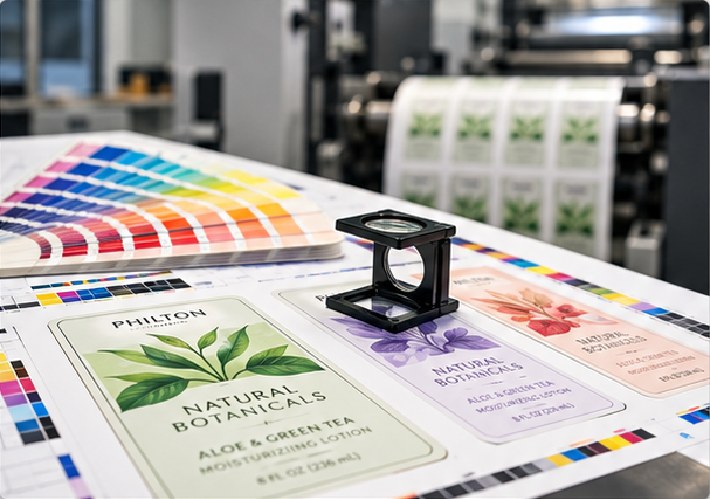
Plastic surface labels move through a controlled manufacturing route linking artwork, material, printing, finishing, die cutting, inspection and packing to the approved application specification.
Prepress, Printing and Finishing Control

Prepress, Printing and Finishing Control

  • Production starts with the released artwork and specification, not with a generic stock label. Philiton checks file version, size, dieline, colors, white-ink layers, variable-data fields and finishing instructions before output. Materials are purchased from qualified external sources and received into the production system according to the approved construction. Incoming checks focus on whether the supplied face material, adhesive/liner structure and relevant documents match the production requirement.
  • Printing route is selected according to quantity, material, color and finishing needs. Philiton’s manufacturing system covers digital printing, flexographic printing, screen and UV printing, variable data and other label-printing routes. Short runs and multi-SKU work can use flexible digital paths, while stable larger-volume programs can use production routes suited to scale. Color control can include CMYK, Pantone/spot colors, white ink and approval references without assuming one universal color tolerance for every project.
  • Finishing follows the approved design and material compatibility. Lamination, foil, emboss/deboss, spot or raised UV, holographic effects and related processes can be combined where the construction supports them. On flexible plastic packaging, heavy decorative layers are reviewed against bending and edge stress. On clear labels, white ink and transparent areas are checked against the actual bottle color and intended viewing conditions.
  • Mass-production timing is confirmed after material, tooling, artwork approval, quantity and finishing route are locked. Philiton does not use one fixed lead-time claim for every label construction.
Die Cutting, Rewinding and Production Release

Die Cutting, Rewinding and Production Release

  • After printing and finishing, the label enters converting. Die cutting must create the intended shape without cutting too deeply into the liner or leaving unstable edges. Waste stripping, slitting and rewinding must also preserve clean dispensing for roll-applied labels. On difficult plastic applications, dimension and edge quality matter because a poorly placed edge can increase lift even when the material is otherwise suitable.
  • Roll projects are built around the application method. Philiton records winding direction, inside or outside wound preference, core diameter, roll diameter where specified, gap, pitch, liner width, labels per roll and SKU separation. These parameters are especially important for automatic labeling lines, where a correct print can still fail commercially if the roll cannot feed through the equipment.
  • Inspection is integrated before packing. Philiton has automatic vision-inspection capability for roll labels and can use inspection/rewinding to identify print defects, registration problems, die-cutting or waste-stripping abnormalities, barcode/QR issues and selected variable-data errors. Manual quality checks and laboratory verification complement the camera system according to the project.
  • Finished rolls are packed according to SKU, quantity, traceability and shipment requirements. Repeat orders refer back to the approved artwork, construction and roll specification, while any changed substrate, label size, material or regulatory requirement triggers a review before release.

Quality Control for Adhesion-Critical Labels

Philiton combines incoming material checks, in-process controls, application verification and final roll inspection so the approved label construction remains identifiable from material receipt through shipment.

Incoming Material Control

Adhesive performance depends on the actual face material, adhesive and liner received for production. Philiton checks incoming materials against the approved specification and purchasing records before release. Supplier documentation, material identity and visible condition are matched to the project where applicable.
  • Focus: material identity, appearance, dimensions and relevant documents.
  • Risk controlled: unapproved substitution or damaged stock entering production.
  • Boundary: adhesive chemistry and exact performance values remain tied to supplier TDS and project validation.

Print and Conversion Control

Color, print registration, white ink, finishing, die cutting, waste stripping and roll construction are checked during production. Philiton’s QC structure covers incoming, in-process, final and outgoing stages rather than relying on a single end-of-line inspection.
  • Focus: artwork version, color reference, dimensions, die-cut edge, finishing and roll format.
  • Available inspection: 100% automatic vision inspection can be used for suitable roll-label projects.
  • Risk controlled: print defects, missed information, die-cutting errors and inconsistent roll output.

Adhesion and Application Verification

A label can pass visual inspection yet fail on the product. Adhesion-critical work therefore links quality review back to the actual plastic, surface and environment. Philiton’s internal testing capability includes adhesion/peel, initial tack, holding direction and other project-relevant performance checks.
  • Focus: initial bond, dwell, edge lift, curvature and selected environmental exposure.
  • Preferred substrate: actual container or representative molded surface.
  • Risk controlled: approving a construction from flat-panel appearance alone.

Final Roll and Shipment Control

Final inspection verifies the released quantity, SKU separation, roll direction, core and packaging requirements before shipment. Barcode, QR or variable-data programs can include additional verification according to the approved plan. Packaging is organized to protect roll edges and maintain identification through logistics.

  • Focus: quantity, winding, core, labels per roll, carton marking and traceability.
  • Repeat orders: previous approved specification is reviewed against any new changes.
  • Risk controlled: correct labels shipped in the wrong configuration or mixed between SKUs.

Roll Specifications and Packing Details

Good adhesion is wasted if the finished rolls cannot run on the labeling equipment. Philiton records conversion and packing requirements before the production file is released.

SpecificationWhat Philiton ConfirmsWhy It Matters
Label SizeWidth × height or dieline dimensionsControls fit, curvature stress and applicator setup
Shape / DielineRectangle, circle, oval or custom profileAffects die cutting, edge position and dispensing
Roll DirectionLeading edge and artwork orientationPrevents labels feeding upside-down or sideways
WindingInside or outside woundMust match applicator path and unwind setup
Core DiameterEquipment-specified coreEnsures the roll fits the unwind shaft
Maximum Roll DiameterLine or storage limitPrevents oversized rolls from blocking equipment
Gap and PitchSpacing between labelsSupports sensor detection and repeat positioning
Liner WidthOverall web widthAffects tracking, peeling and line compatibility
Labels per RollTarget count or roll lengthSupports line planning, changeovers and inventory
SKU SeparationSeparate rolls, labels and cartonsReduces mix-up risk in multi-SKU programs
PackingRoll protection, carton ID and shipment marksProtects edges and preserves traceability in transit

Manufacturing Capacity Behind Plastic Label Programs

Philiton combines flexible project entry with an integrated printing, converting, inspection and testing system designed to support launches, multi-SKU growth and recurring label supply.

Established Manufacturing Base

Philiton was founded in 2016 and operates manufacturing facilities in Shenzhen and Dongguan. The combined manufacturing and operating footprint exceeds 12,000 ㎡. The business is focused on custom labels, stickers, tags and specialty printed products rather than retail stock stickers, giving packaging and manufacturing programs access to artwork support, production, converting, quality control and shipment preparation under one project structure.

Integrated Production Space

Approximately 7,200 ㎡ is dedicated to core production, converting, sampling and packing operations, supported by about 2,100 ㎡ of warehouse and material-flow space. Production capability includes digital and flexographic printing, screen and UV processes, lamination, foil, emboss/deboss, variable data, die cutting, waste stripping, slitting/rewinding and other processes used across packaging, industrial and specialty labels.

People for Technical Execution

Philiton employs more than 200 people. Among them, 91 technical professionals, skilled machine operators and quality personnel form the core team responsible for process execution, printing, converting, equipment operation, inspection and testing. The published figure is a combined total rather than an artificial breakdown by job title, keeping project communication aligned with verified staffing facts.

Sampling and Test Areas

A dedicated sampling and development area of about 350 ㎡ supports digital proofs, material samples, process samples, color checks and pre-production development. QC and laboratory areas total about 450 ㎡, including separate inspection and test functions. Internal capabilities cover adhesion direction, peel, initial tack, holding, rub/scratch, environmental exposure, color, thickness, barcode/QR and selected RFID checks according to project needs.

Flexible Entry, Scalable Volume

Many standard custom label and sticker projects can start from around 500 pcs, while special materials, tooling, security structures and RFID/NFC may require different minimums. Philiton’s internal commercial model supports product launches around 500-5,000 pcs per SKU, growth programs in the 5,000-50,000+ range and mature recurring programs that can extend to 50,000-500,000+ pcs or continuing batch production, depending on specification.

Inspection and Repeat Control

Philiton supports multi-SKU programs, automatic vision inspection for roll-label applications, internal QC and repeat-order management. Approved artwork, material construction, roll configuration and quality requirements are used as references for replenishment. When the plastic surface, material, supplier, adhesive, artwork or application changes, the project is reviewed again instead of assuming the previous approval automatically covers the new condition. 
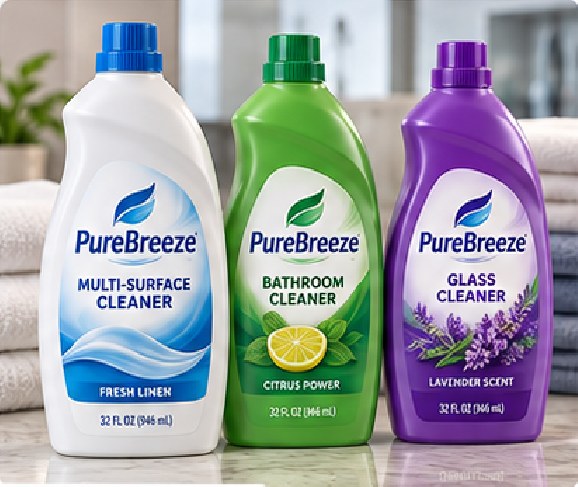
Representative Plastic Label Project Examples

The examples below illustrate Philiton’s documented engineering and manufacturing route using realistic commercial quantities. Brand names are withheld, and the scenarios are presented as representative project structures rather than verified public case claims.

U.S. HDPE Cleaner Program

U.S. HDPE Cleaner Program
Representative project example – United States household-cleaning brand, 18,000 labels across three SKUs for curved HDPE bottles. The project began with bottle material confirmation, diameter measurement and review of cleaner contact around the label edge. Philiton shortlisted a moisture-resistant film construction with an adhesive direction suitable for low-surface-energy plastic, produced printed samples and checked edge hold on representative bottles. After artwork and roll direction approval, the three SKUs were produced separately, inspected, rewound and packed with SKU identification for the filling operation. The project structure shows why HDPE labeling needs surface, chemistry and roll-format decisions in one workflow.
German PP Food Container Program

German PP Food Container Program

Representative project example – Germany food-packaging program, 12,000 labels for two PP container sizes. The main risks were low surface energy, chilled storage, condensation and automatic application. Philiton reviewed the container resin, label panel, storage conditions and line requirements before selecting film and adhesive candidates. Samples were applied to representative PP containers and observed for initial bond, edge behavior and appearance after cold exposure. The production specification then locked label dimensions, gap, liner width, winding direction and SKU separation. Compliance content remained based on the approved European artwork and material documentation required for the defined packaging contact scenario.
Australian Flexible Bottle Program

Australian Flexible Bottle Program

Representative project example – Australia personal-care brand, 30,000 labels across four SKUs for squeezable PE/LDPE bottles. The original visual direction called for a rigid premium film, but the container deformation created a risk of edge recovery and wrinkling. Philiton shifted the development focus toward a more conformable film construction, compatible adhesive direction and narrower label geometry. Samples were reviewed for squeeze behavior, moisture exposure, color, white ink and dispensing. After approval, production used controlled artwork versions, separate SKU rolls and outgoing inspection. The example demonstrates how facestock flexibility can be as important as adhesive strength on moving plastic packaging.

Compliance Starts With the Finished Application

Philiton controls the physical label against approved requirements, while regulatory ownership, certification scope and market-specific legal content remain tied to the finished product and responsible company.

Controlled Artwork and Versions

Regulated packaging fails when the right content is printed from the wrong version. Philiton can manage released artwork, version/date references, SKU separation and variable-data fields so approved files are carried into production without silent text changes.
  • Philiton controls: print file, version, dimensions, barcode/variable data execution and production records.
  • Brand or legal product owner controls: required statements, warnings, claims, translations and market authorization.
  • Multi-market projects: U.S., EU, UK, Canada, Australia, Japan and other versions should remain clearly separated by approved artwork.

Material Documentation and Testing

Material evidence only applies to the construction actually represented by the document or test. Changing facestock, adhesive, ink, laminate, supplier or end use can invalidate a previous comparison. Philiton can support material documentation, sample preparation, testing coordination and third-party work when the required standard is defined.
  • Possible support: TDS/SDS, RoHS/REACH-related documents, food-contact declarations, retailer requirements or third-party tests when relevant and available.
  • Important boundary: no blanket claim is made that every plastic label automatically meets every market rule.
  • Best approach: define target market, product category, contact type, environment and required evidence before material release.

Manufacturing Responsibility Boundary

Philiton is the controlled label manufacturer and converter, not the legal market-access owner for the finished product. Packaging teams provide the intended market, legal copy, authorized certification marks and any product-specific compliance criteria. Philiton converts those approved requirements into a physical label and controls printing, material identity, variable data, roll specification, quality checks and traceability.

  • Philiton owns: manufacturing execution and approved-label consistency.
  • Product responsible party owns: final legality, registrations, claims and authorized symbols.
  • External laboratories or advisors: used when recognized testing or legal interpretation is required.

Plastic Surface Labels Frequently Asked Questions

Yes, but PP and HDPE are low-surface-energy plastics and often need an adhesive selected specifically for the surface. Treatment, texture, contamination, curvature and temperature can change the result. Philiton prefers representative material testing before a critical production run.
Generally yes. PET commonly has higher surface energy than PP, so many pressure-sensitive adhesives wet PET more easily. Coatings, recycled content, bottle curvature, moisture and cold conditions can still change performance, so the finished container remains the best approval surface.
There is no universal best facestock. BOPP is common for moisture-resistant packaging, PET for durable applications, and PE for more conformable squeeze containers. Clear, synthetic-paper and paper constructions can also work when appearance and environment support them. Adhesive and geometry must be selected at the same time.
Delayed lifting often comes from low surface energy, insufficient wet-out, curved-container recovery force, stiff facestock, contamination, low application temperature or an adhesive that does not provide enough long-term hold. Reviewing the actual bottle and label geometry is more useful than simply requesting a “stronger glue.”
Yes. Sending the intended container or a representative molded part gives the strongest basis for development. Philiton can prepare material or printed samples and perform project-relevant adhesion and durability checks internally. External testing can also be coordinated when a defined standard or recognized report is required.
Send the plastic type if known, container photo, surface texture, dimensions or diameter, label size, expected quantity, application method, application temperature, service environment, water/oil/chemical exposure, required lifetime and artwork. If the resin is unknown, send a physical sample or supplier information.
Many standard custom label and sticker projects can start from around 500 pcs. Minimums vary with special materials, tooling, complex finishing, security structures and RFID/NFC components. Philiton confirms the project MOQ after the construction and quantity per SKU are reviewed.
Yes. Roll specifications can include winding direction, inside/outside wound setup, core diameter, gap, pitch, liner width, maximum roll diameter and labels per roll. Equipment requirements should be supplied before production so the converted roll matches the applicator.
Timing is confirmed project by project. Material availability, tooling, artwork status, printing route, finishing, quantity and testing requirements all affect the schedule. Philiton has a dedicated sampling path and internal printing, converting and inspection capabilities, but does not apply one fixed lead-time claim to every construction.
No. Compliance depends on product category, destination market, contact type, material structure and approved legal content. Philiton manufactures to approved regulatory artwork and can support material documents or testing where required; the responsible brand, manufacturer or importer confirms final market-access obligations.

Send Your Plastic Label Requirements

A useful quotation starts with the surface and application, not only label size and quantity. Send Philiton the plastic type or container sample, label dimensions, artwork, quantity per SKU and final use. Add the conditions that can affect adhesion: surface texture, curvature, application temperature, refrigeration, water, oil, alcohol, cleaners, outdoor exposure or squeezing. For machine-applied labels, include roll direction, core, gap, liner width and any applicator limits already available.

Philiton will use the information to review material and adhesive directions, printing and finishing, sampling needs, roll configuration, quality checks and production route. Many standard projects can start from around 500 pcs, while special materials or structures are confirmed separately. Sample and mass-production timing is quoted after material, tooling and process requirements are known.

Please provide:

  • Plastic resin or container material, if known
  • Surface photo or physical sample for difficult applications
  • Label size, shape and artwork file
  • Quantity and number of SKUs
  • Manual or automatic application method
  • Service environment and expected lifetime
  • Destination country and any required compliance documents

For all inquiries, please feel free to reach out at:

Get In Touch

  • Our team will answer your inquiries within 12 hours.

  • Your information will be kept strictly confidential.

Get a Fast Quote for Custom Labels & Stickers

We will contact you within 24 Hours, please pay attention to the email with the suffix“@philiton.com”. 
For all inquiries, please feel free to reach out at:

Ask For A Quick Quote

We will contact you within 24 Hours, please pay attention to the email with the suffix“@philiton.com”. 

For all inquiries, please feel free to reach out at:

Get a Quote Today!

We will contact you within 24 Hours, please pay attention to the email with the suffix“@philiton.com”.