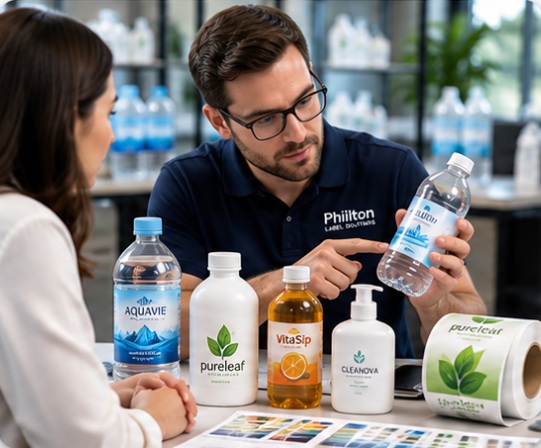
Labels engineered around bottle resin, curvature, product exposure, decoration, and labeling equipment – from launch quantities to repeat production.
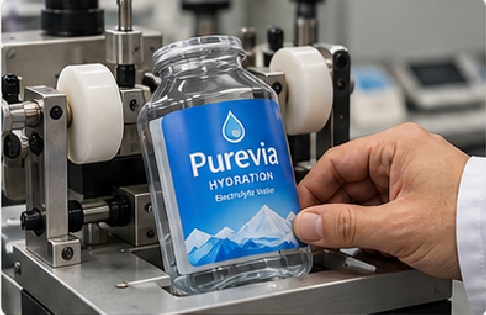
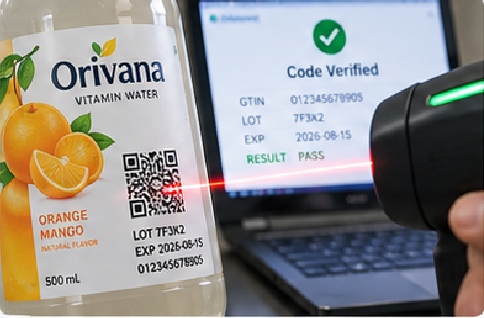
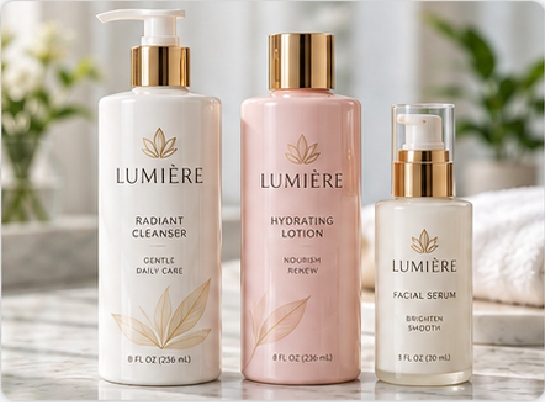
Philiton manufactures pressure-sensitive labels for PET, HDPE, PP and PE bottles, with material, adhesive and roll-format engineering handled before mass production.
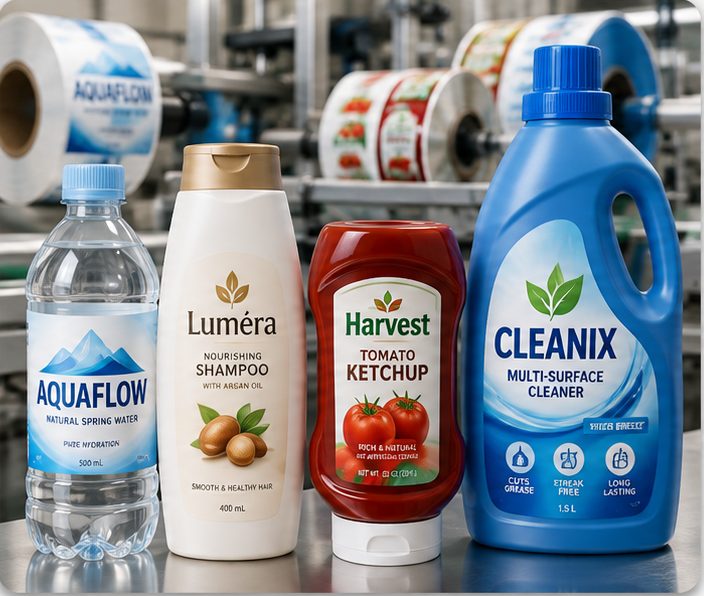
PET, HDPE, PP and PE do not behave the same under pressure-sensitive adhesives. Resin, surface texture, curvature and treatment level should be identified before the final label stock is released.
| Bottle / Surface | Typical Label Direction | Adhesive Direction | Main Risk to Review | Useful Input for Philiton |
|---|---|---|---|---|
| PET bottle | Clear or white BOPP, PET, specialty film | Permanent acrylic commonly suitable | Condensation, clear-label appearance, curvature | Bottle photo, diameter, use environment |
| PP bottle | Flexible BOPP or suitable synthetic film | High-tack or LSE-oriented permanent adhesive | Low surface energy, variable molding texture | Actual bottle strongly recommended |
| HDPE bottle | BOPP or PE; flexible constructions for curved areas | High-tack permanent acrylic; rough surfaces may need heavier coat direction | Low surface energy, roughness, edge lift | Bottle resin, texture, label panel, product contents |
| LDPE / PE bottle | PE or other conformable film | LSE-oriented permanent adhesive | Flexing, squeezing, shrink-back, label stiffness | Empty and filled bottle where possible |
| Curved / small-diameter bottle | Thin BOPP, PE or flexible synthetic film | High-tack, high-cohesion permanent adhesive | Mandrel hold, flagging, edge lift | Bottle diameter and intended label width |
| Squeezable bottle | Conformable PE or flexible film | LSE high-tack, high-cohesion direction | Repeated deformation and recovery | Squeeze behavior, contents, use conditions |
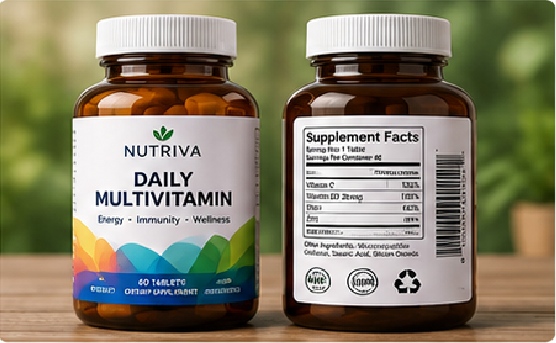
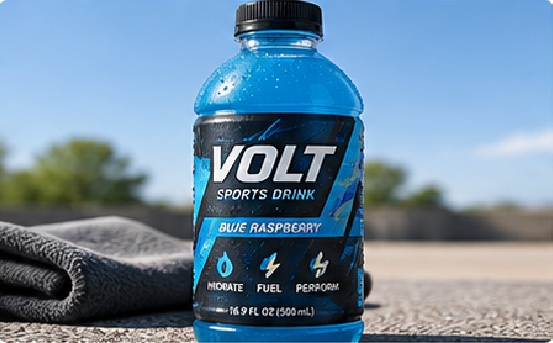
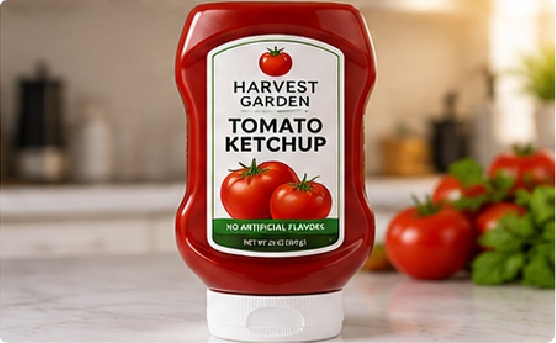
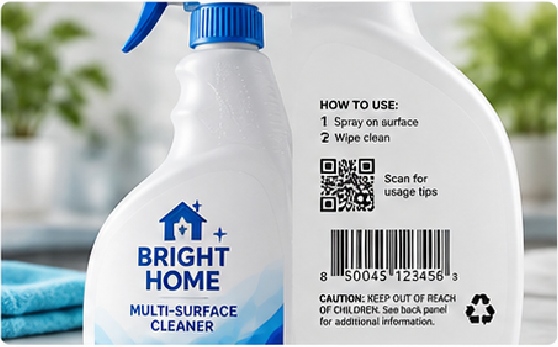
Philiton sources and converts paper and film labelstocks according to bottle surface, exposure, decoration, required durability, converting method, and project-specific compliance needs.
| Material Direction | Visual Character | Flexibility | Moisture / Oil Use | Typical Plastic Bottle Fit | Key Review Point |
|---|---|---|---|---|---|
| Clear BOPP | Transparent, glossy, no-label look | Good | Good with suitable ink/protection | PET, smooth PP/HDPE after adhesive validation | White ink, adhesive clarity, bubbles, edge visibility |
| White BOPP | Clean opaque white | Good | Good for moisture and routine handling | Broad consumer packaging use | Adhesive match to resin and texture |
| PE Film | Soft, conformable | Very good | Suitable for wet/flexible applications with correct construction | Squeezable PE/HDPE, curved bottles | Print/finish compatibility and dimensional movement |
| PET Film | Crisp, dimensionally stable, premium | Lower conformability than PE | Strong durability direction | PET and rigid containers; industrial use | Small-radius curvature and stiffness |
| Specialty / Metallic Film | Decorative or technical effect | Varies | Construction dependent | Premium, promotional or functional bottle labels | Foil/metallic readability, scuffing, recyclability goals |
| Paper Labelstock | Natural or textured look | Lower wet durability unless protected | Best for dry, controlled conditions | Selected dry packaging applications | Moisture, oil, bottle flexing, abrasion |
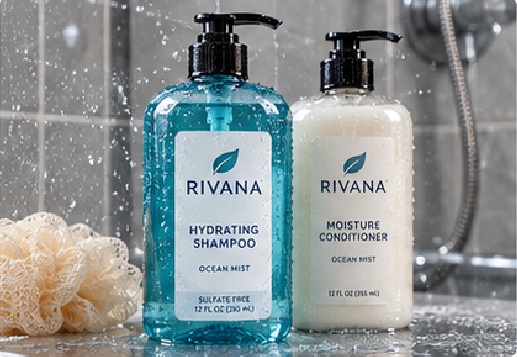
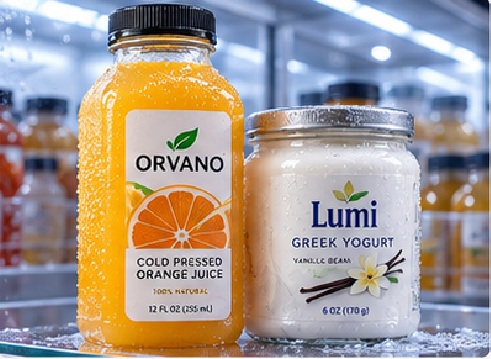
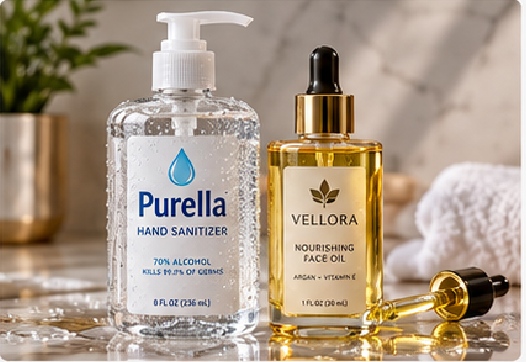
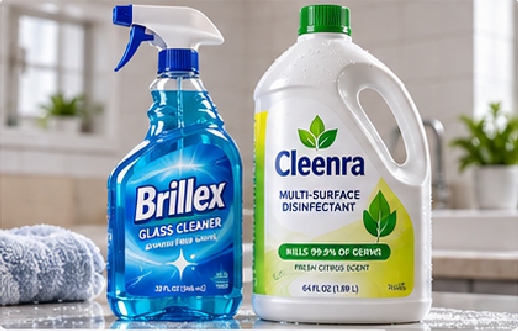
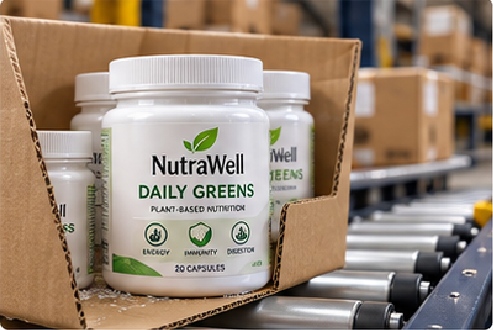

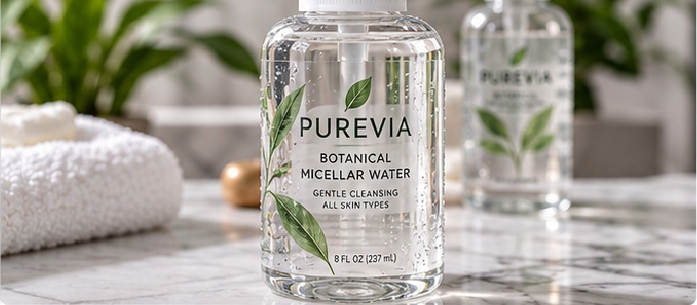
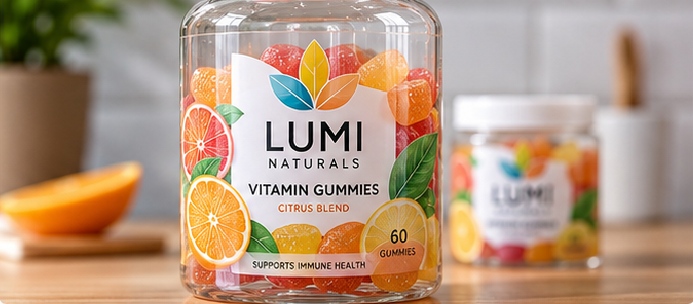

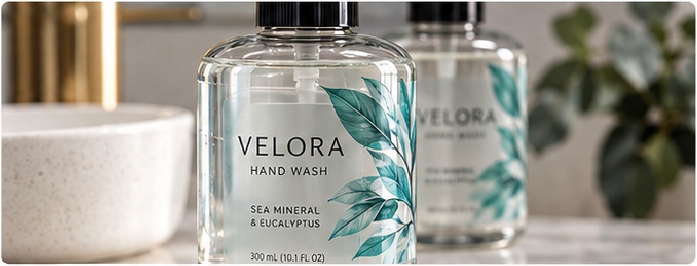
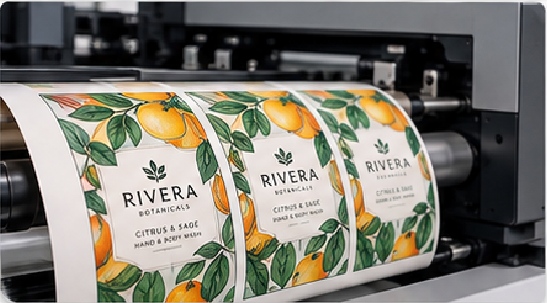
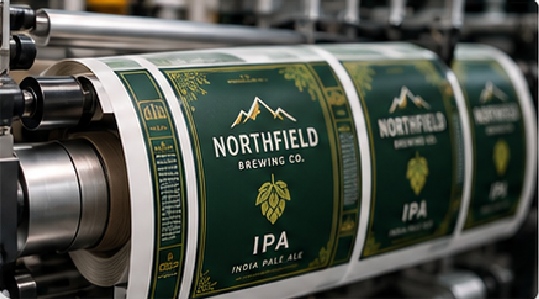


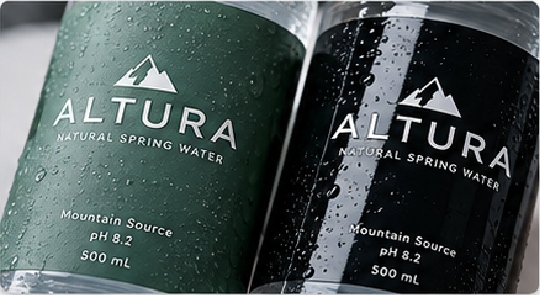
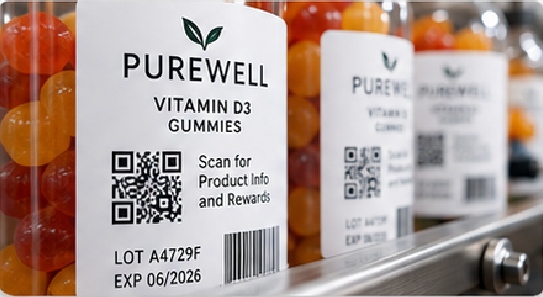

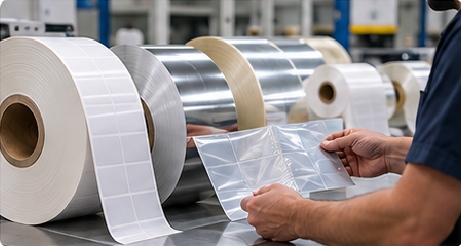
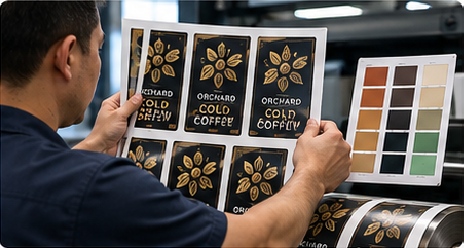
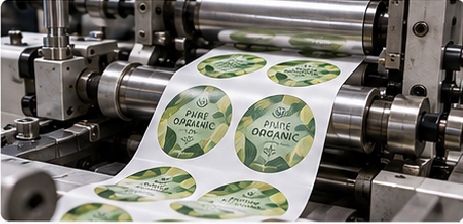
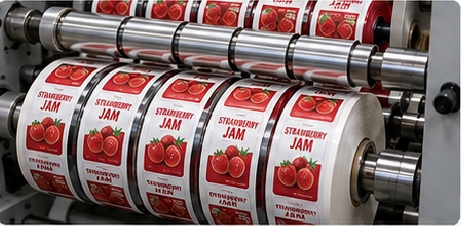
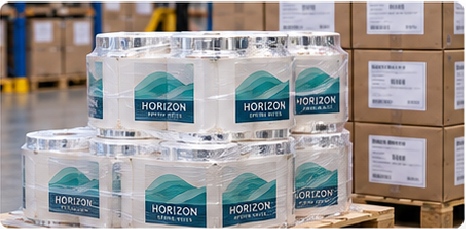
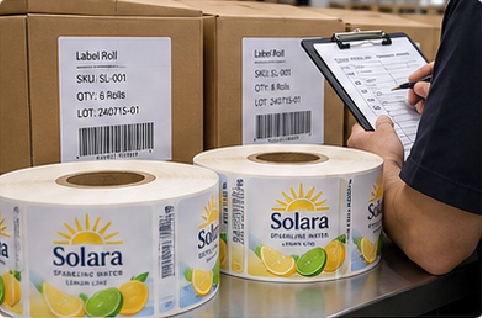
Automatic and semi-automatic labeling requires more than the correct artwork. Philiton confirms the converting and roll parameters that determine whether the finished labels can feed, sense and dispense correctly.
| Roll Parameter | What Philiton Confirms | Why It Matters on a Bottle Line |
|---|---|---|
| Finished label size | Width × height and approved dieline | Must fit the bottle panel and applicator setup |
| Roll direction | Leading edge and artwork orientation | Controls how the label presents to the applicator |
| Winding | Inside wound or outside wound | Must match machine threading and peel-plate direction |
| Core | Diameter, width and material as specified | Must fit the unwind shaft; core is not chosen by label size alone |
| Maximum roll diameter | Target or equipment limit | Controls labels per roll and machine clearance |
| Total backing width and edge margins | Affects tracking through guides and sensors | |
| Gap / pitch | Space between labels and repeat distance | Influences indexing and sensor detection |
| Labels per roll | Standard count and tail-roll rule | Controls changeover frequency and quantity reconciliation |
| Sensor features | Black marks, perforation or registration marks if required | Must match sensor type, position and contrast requirements |
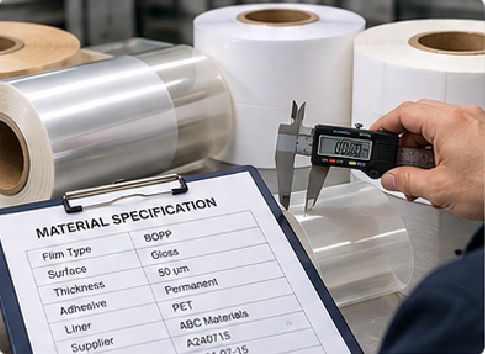
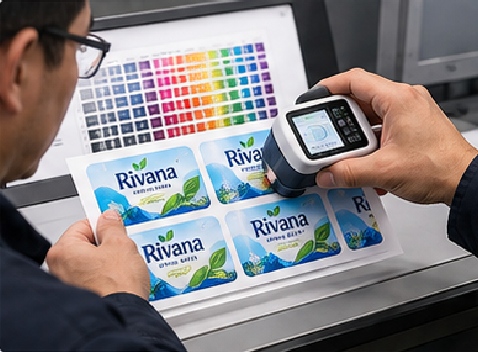
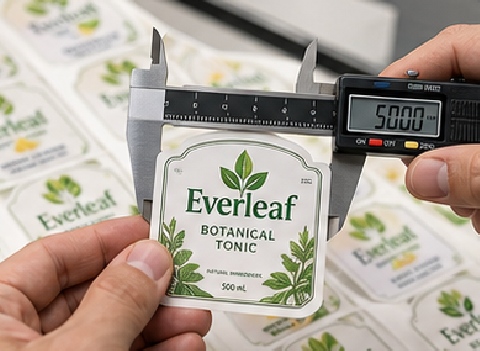
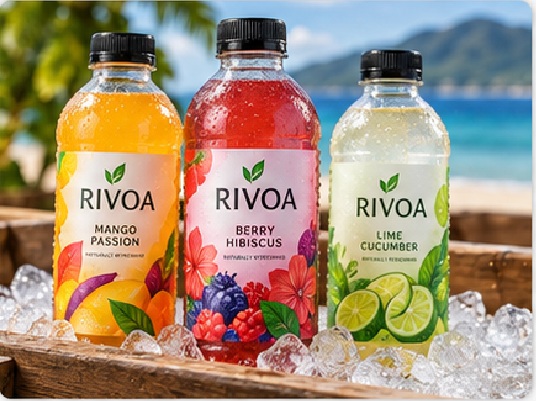
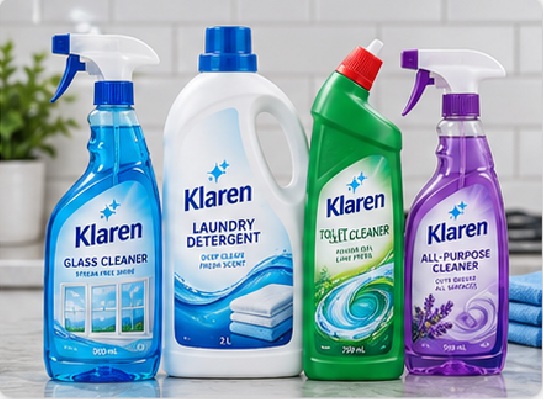
Philiton can quote more accurately when the label is treated as part of the bottle and filling operation rather than as a flat printed sticker. Send enough information to identify the plastic surface, decoration target, exposure, quantity and roll format. For HDPE, PP, PE, squeezable bottles, small diameters, refrigerated products or premium clear labels, a physical container helps reduce material and adhesion assumptions before production. Many standard projects can start around 500 pieces; standard printed or finished samples commonly take 3-5 business days, and standard bulk production is commonly around 5-10 business days after approval and material readiness. Special materials, complex finishing or project-specific testing can change the schedule.
Please include:
For all inquiries, please feel free to reach out at:
Our team will answer your inquiries within 12 hours.
Your information will be kept strictly confidential.
We will contact you within 24 Hours, please pay attention to the email with the suffix“@philiton.com”.
For all inquiries, please feel free to reach out at:
We will contact you within 24 Hours, please pay attention to the email with the suffix“@philiton.com”.
For all inquiries, please feel free to reach out at:
We will contact you within 24 Hours, please pay attention to the email with the suffix“@philiton.com”.