Turn label questions into production-ready specifications with calculators, selectors, checklists, engineering guidance, sampling support, and manufacturing input from Philiton.


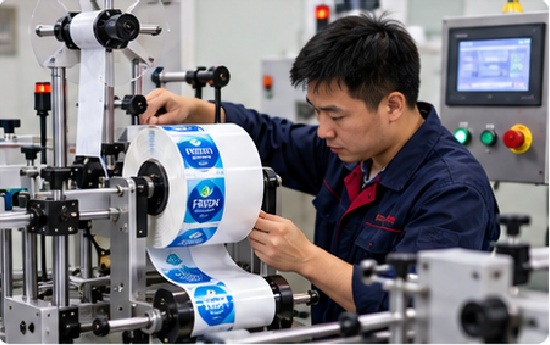



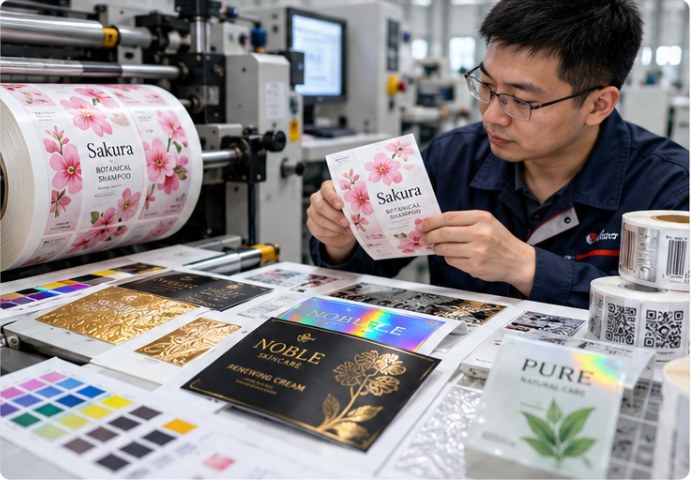
Use the Supplier Audit Checklist to examine manufacturing capability beyond a sales presentation. Suggested checks include company identity, manufacturing locations, artwork control, material traceability, printing and finishing routes, inspection stages, laboratory capability, nonconforming-product control, change management, confidentiality, data control, packing, shipment records, complaint handling, and project documentation. For specialized work, add application-specific sections such as barcode verification, RFID encoding, security-label waste control, or material compliance documents.
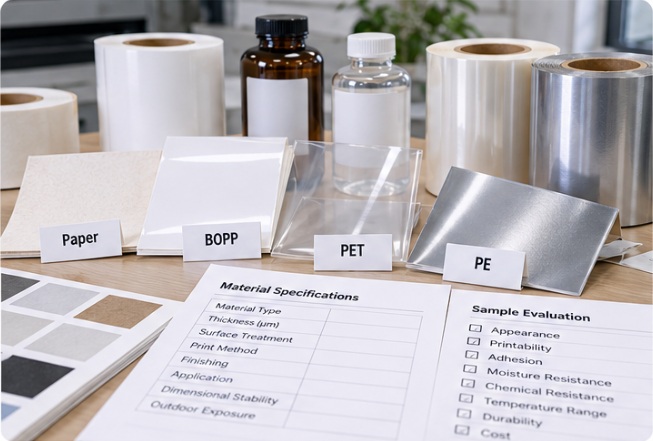
Use the Label Specification Sheet as the controlled endpoint for technical decisions. Recommended fields include Project/SKU, Revision, finished size and shape, application surface, environment, facestock, adhesive, liner, print method, colors, white ink, variable data, finishing, die cut, gap/pitch, roll direction, inside/outside wound, core, maximum OD, labels per roll, inspection items, packing, compliance documents, and approval history. Keep “Requirement,” “Philiton Recommendation,” and “Approved Specification” logically separated so early uncertainty does not become a false production fact.

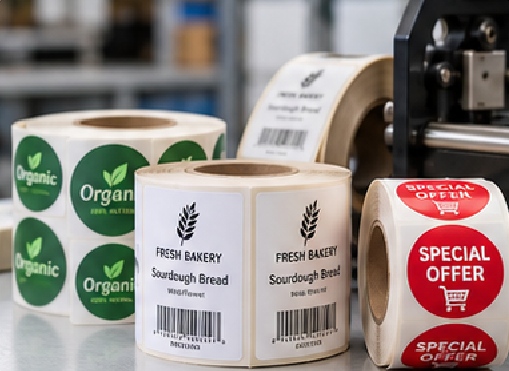
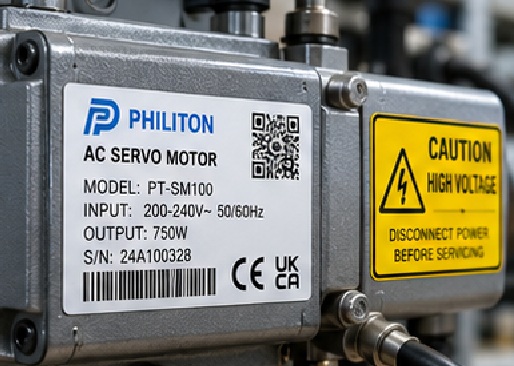

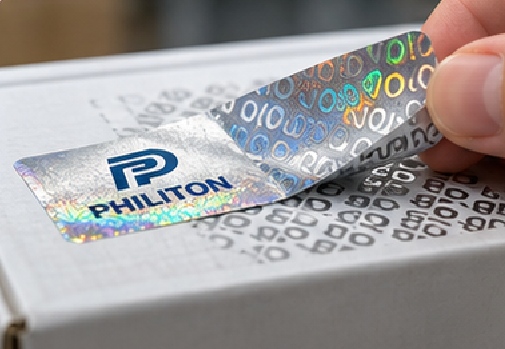
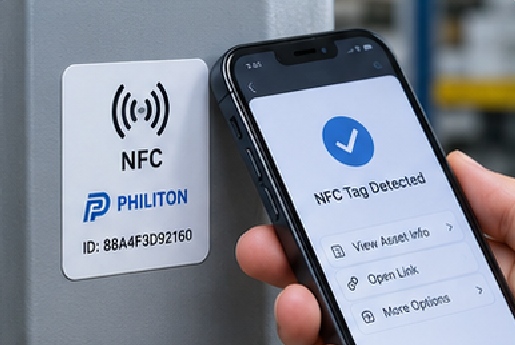
Barcode, QR, serial, and RFID projects require more control than placing a graphic into artwork. The code type, data source, quiet zone, size, orientation, contrast, human-readable text, numbering sequence, uniqueness rule, and relationship to other identifiers should be defined before production. Curved surfaces, reflective foil, metallic effects, low contrast, small dimensions, print gain, or damage can reduce code performance even when a phone appears able to scan one sample.
For variable-data jobs, Philiton separates static artwork from variable fields and establishes how records are imported, generated, checked, rejected, reprinted, and matched to visible or RFID data where required. Security and unique-code jobs can also use stronger controls for restricted files, waste, quantity reconciliation, and retention or deletion rules agreed for the project.
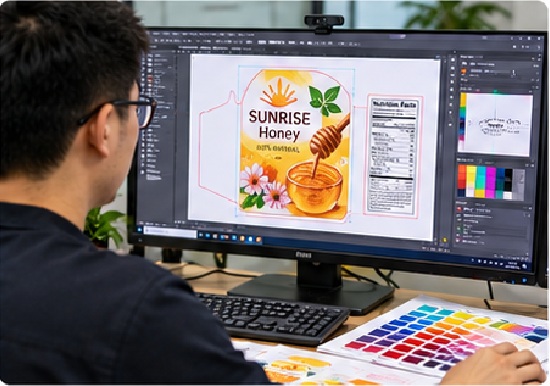
A useful artwork package therefore contains more than a print PDF. It connects approved graphics to the data source, code rule, inspection method, and SKU version. This is especially important for industrial identification, logistics, retail, security, and smart-label programs where one wrong character can be more serious than a minor visual defect.
Material and adhesive work as one construction. Select from application conditions first, then confirm appearance, printing, finishing, supply, cost, and testing requirements.
| Application condition | Material route to evaluate | Adhesive / construction focus | What Philiton recommends checking |
|---|---|---|---|
| Dry cartons, boxes, standard retail packs | Semi-gloss, matte, gloss or uncoated paper | Standard permanent or removable options by surface | Print appearance, scuffing, removability, finishing compatibility |
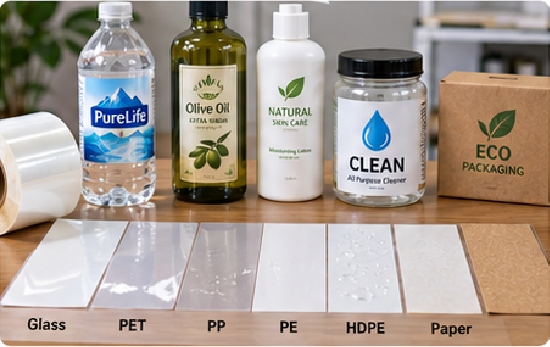
| Bottles exposed to water or condensation | White or clear BOPP; selected PET where needed | Surface-specific permanent adhesive | Bottle material, application temperature, condensation, edge lifting |
| Clear no-label-look packaging | Clear BOPP or clear PET | High-clarity adhesive route | White ink, trapped air, surface cleanliness, transparency, scratches |
| Squeezable containers | PE or flexible film routes | Adhesive compatible with flexing and surface energy | Squeeze cycles, curvature, material stiffness, edge stress |
| Industrial or electronics identification | PET, durable synthetic films, selected vinyl | High-tack or special permanent route as required | Oil, cleaners, abrasion, heat, substrate, variable data |
| Refrigerated or frozen packaging | Moisture-resistant film or suitable wet-strength paper | Freezer / low-temperature adhesive route | Application temperature, service temperature, frost, condensation |
| Thermal and logistics labels | Direct thermal or thermal-transfer compatible stock | Permanent route matched to carton, plastic or other surface | Printer compatibility, ribbon if used, barcode performance, storage life |
| Security and tamper evidence | VOID PET, destructible, holographic or special security structures | Adhesive integrated with required tamper behavior | Actual substrate, opening evidence, residue pattern, code/data needs |
Repeat production becomes easier when line-critical parameters are treated as controlled specifications. An approved roll can establish the baseline for core, winding, gap, liner width, roll diameter, labels per roll, carton quantity, and SKU identification. Philiton can retain approved project records so the next order can be reviewed against the previous release rather than rebuilt from memory. A repeat order is still checked for changes. A new container, updated applicator, different label size, new laminate, revised adhesive, new quantity-per-roll target, or change in production location may affect the approved configuration. Even when artwork is unchanged, manufacturing or application conditions can change. For multi-SKU programs, standardization can reduce line disruption and cost. Using common core, winding, liner width, material, and carton identification across compatible SKUs can simplify receiving, storage, setup, and replenishment. Each artwork remains separately approved and identified, but shared engineering parameters create a more stable supply program. This is especially useful for food, beverage, cosmetics, logistics, private-label manufacturing, and contract packing operations with frequent SKU changes.
Philiton selects print and finishing methods from quantity, SKU structure, material, color, durability, decoration, variable data, and repeat-order needs rather than one default process.
| Process / finish | Best use within Philiton projects | Main strengths | Points to confirm before production |
|---|---|---|---|
| Digital printing | Samples, launch runs, multiple SKUs, frequent artwork changes | Low setup burden, fast version changes, variable-data compatibility | Material, white ink availability, color target, finishing route |
| Flexographic printing | Stable roll-label programs and repeat medium-to-high volume | Efficient continuous roll production, spot colors, scalable output | Plates, material, ink system, color standard, inline/offline finishing |
| Screen printing | Opaque whites, selected specialty inks and heavier ink deposits | Strong coverage and special visual/functional effects | Material compatibility, cure, detail limits, registration |
| UV printing / UV workflows | Film labels, immediate curing, white or varnish effects in suitable jobs | Strong print appearance and specialty options | Substrate treatment, adhesion, finish stack, intended environment |
| Variable data | Serial numbers, barcodes, QR codes, unique identifiers | SKU flexibility, traceability, data-driven printing | Data source, uniqueness, verification, reprint control |
| Lamination / varnish | Moisture, abrasion, handling protection or visual finish | Surface protection, matte/gloss appearance | Chemical exposure, flexibility, recyclability needs, edge behavior |
| Foil stamping | Premium beverage, cosmetics, gifting, high-value packaging | Metallic decoration and shelf impact | Foil type, artwork detail, tooling, registration, curved application |
| Emboss / deboss | Premium paper and selected film structures | Tactile relief and visual depth | Material thickness, tool design, fine details, registration |
| Holographic / security effects | Brand protection, authentication, promotional effects | Distinct visual/security layer | Standard vs custom pattern, tooling, data/security combination |
| Die cutting / slitting / rewinding | All converted labels and roll programs | Finished shape, liner format, machine-ready rolls | Dieline, gap, liner width, roll direction, core, OD |
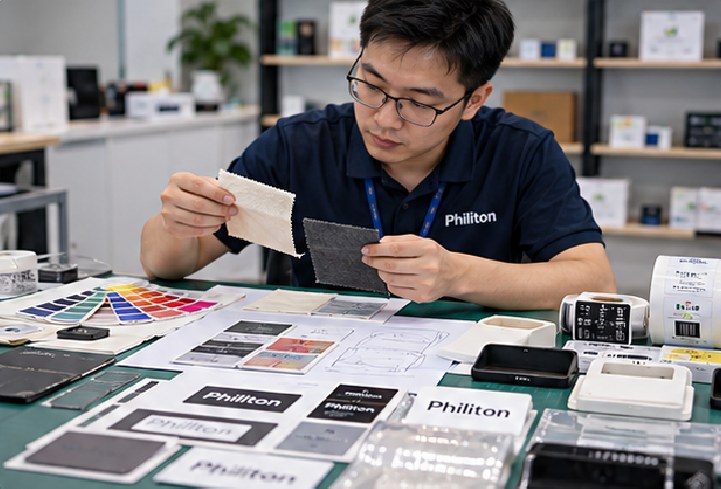

Sample approval should identify what is actually being approved. Depending on the project, the record can cover material, finished size, artwork, color direction, Pantone reference, white ink, foil, emboss/deboss, lamination or varnish, adhesive behavior, die cut, roll direction, core, labels per roll, code quality, variable-data logic, RFID function, packaging, or other requirements. Approval can be captured through a signed physical sample, written email or WhatsApp confirmation, approved PDF, color record, internal procurement workflow, or another agreed method. For repeat programs with strict appearance or complex finishing, Philiton can retain a Golden Sample as a physical reference for later batches. The customer and Philiton can compare future output against the approved appearance while also using the current written specification and inspection criteria. Routine electronic artwork adjustments often allow 1-2 quick revision rounds in standard projects. Changes that require new dies, flexo plates, foil tools, emboss tools, screen setups, special materials, RFID components, or a new physical sample can add cost and lead time. Philiton confirms the impact before remaking the sample so development changes remain visible instead of appearing later as unexplained production charges.
Repeat production should reproduce approved parameters, not merely reuse old artwork. Philiton can retain artwork revisions, specifications, tooling references, approved material information, Golden Samples where used, roll configuration, quality points, and packing instructions. A reorder is reviewed against the previous release to determine whether anything material has changed.
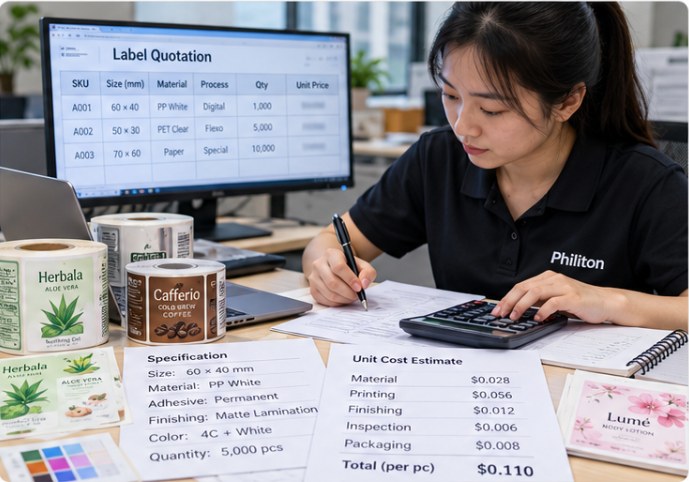
A clear quotation connects price to the actual specification. More complete inputs reduce assumptions, re-quoting, unexpected tooling, and commercial changes after sampling.
| Quote factor | What to provide | Why it changes cost or route |
|---|---|---|
| Size and shape | Width × height, shape, dieline if available | Changes material area, layout, die cutting, waste and roll planning |
| Quantity | Total quantity and quantity per SKU | Determines run length, setup allocation and digital/flexo economics |
| Number of SKUs | Artwork count and qty/SKU | Adds file control, changeovers, inspection, counting and packing |
| Material | Known grade or application conditions | Paper, film, thermal, durable and specialty stocks have different costs and supply conditions |
| Adhesive / surface | Glass, PET, PP, PE, HDPE, metal, carton, other | May require standard, high-tack, removable, freezer or special constructions |
| Printing | CMYK, Pantone, white, variable data | Changes press route, setup, color control and verification |
| Finishing | Lamination, varnish, foil, emboss, holographic, security | Adds process steps, tooling, materials and inspection |
| Roll specification | Winding, core, gap/pitch, OD, labels/roll | Affects converting, rewind setup, packing and line compatibility |
| Testing / documents | Barcode, adhesion, abrasion, environment, compliance documents | Adds sample preparation, inspection, third-party or supplier-document work |
| Packing and destination | Roll/sheet/piece, carton rules, delivery city/country | Changes packing labor, freight mode, documentation and landed-cost structure |


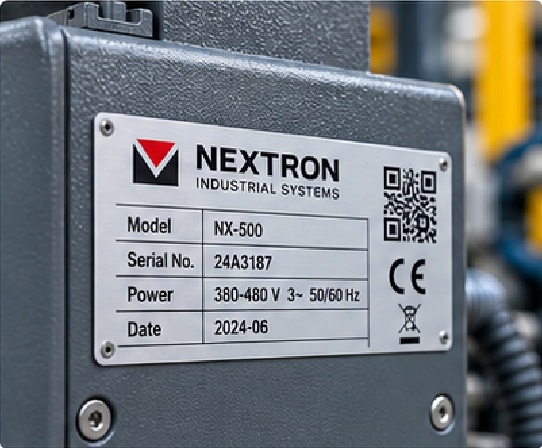
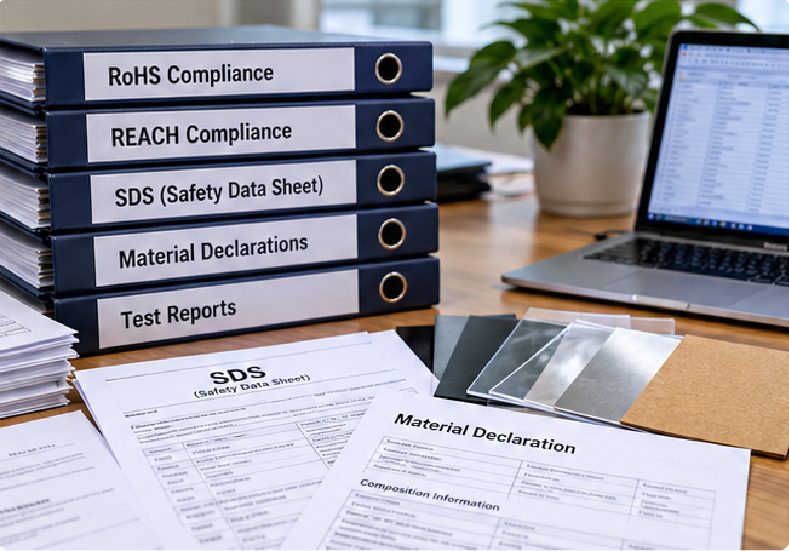



Philiton was founded in 2016 and operates manufacturing facilities in Shenzhen and Dongguan. The combined manufacturing scale is about 12,000+ ㎡ with more than 200 employees. Technical personnel, experienced machine operators, and quality-related staff total 91 people. The organization supports artwork, prepress, printing, finishing, die cutting, slitting and rewinding, inspection, testing, RFID-related processing, packing, and project coordination across short-run and repeat production programs.
Philiton’s manufacturing value is not upstream papermaking, film extrusion, adhesive chemistry, or chip fabrication. Labelstocks, films, adhesives, foils, RFID inlays, and other raw materials are sourced from qualified external supply chains. Philiton’s role is to select and control suitable materials, prepare artwork and prepress, print, convert, finish, die cut, slit, rewind, inspect, test, pack, and manage the approved project specification.
The same specification discipline supports both small launch orders and established supply programs. A project can begin with a material swatch, 10-50-piece digital sample, or physical application trial; move into an around-500-piece launch run; grow through 1,000-5,000-piece reorders; and later move into larger repeat quantities when demand becomes stable. Artwork, material, adhesive, tooling, roll parameters, QC requirements, and packing can be retained as controlled references for future orders.
Send Philiton the information already available, even if several technical fields are still unknown. Our team can organize the inputs into a workable engineering review, identify missing decisions, recommend the next sample or test, and prepare a quotation once the specification is sufficiently clear. Many standard custom label and sticker programs can start around 500 pcs, while larger multi-SKU and repeat programs can scale through digital, flexographic, specialty finishing, variable-data, security, or RFID-related production routes according to the project.
For a faster review, include:
For all inquiries, please feel free to reach out at:
Our team will answer your inquiries within 12 hours.
Your information will be kept strictly confidential.
We will contact you within 24 Hours, please pay attention to the email with the suffix“@philiton.com”.
For all inquiries, please feel free to reach out at:
We will contact you within 24 Hours, please pay attention to the email with the suffix“@philiton.com”.
For all inquiries, please feel free to reach out at:
We will contact you within 24 Hours, please pay attention to the email with the suffix“@philiton.com”.