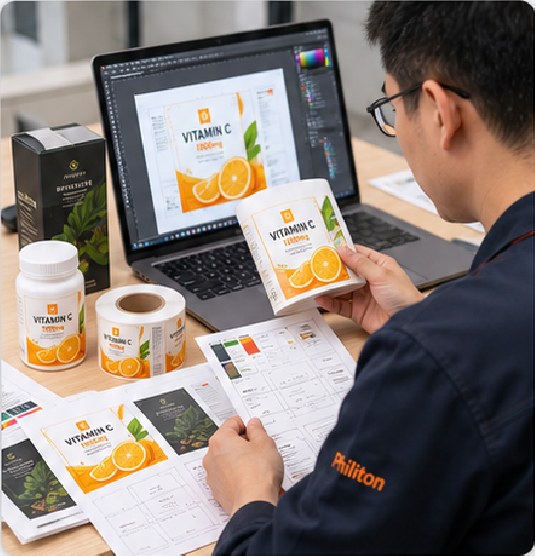
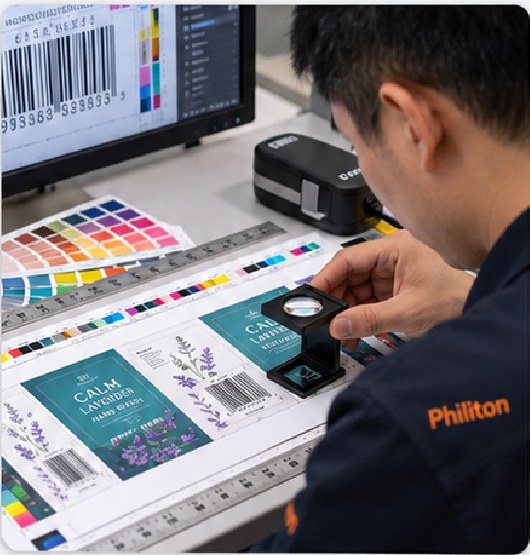
Update existing label artwork without losing control of print, version, material or production requirements. Philiton reviews existing files, rebuilds incomplete artwork and carries approved revisions into sampling and manufacturing.
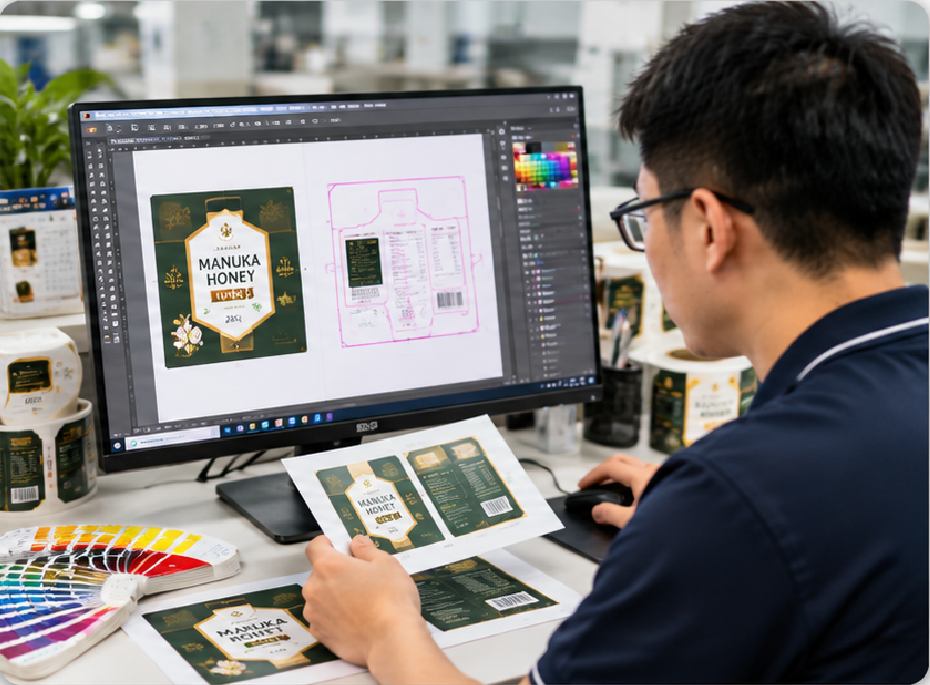

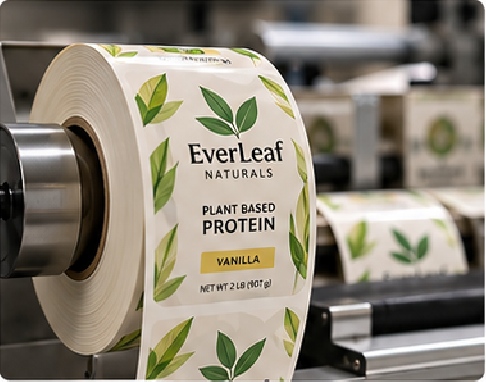
The same artwork change can require a simple proof, a printed sample or a full production review. Use the change scope to select the lowest-risk approval route.
| Change Requested | Artwork Revision | New Proof | Printed Sample | Tooling Review | Material Review |
|---|---|---|---|---|---|
| Text or address update | Required | Required | Depends on risk | Usually no | Usually no |
| Logo replacement | Required | Required | Depends on color/finish | Usually no | Usually no |
| Barcode or QR update | Required | Required | Validation recommended | Usually no | Usually no |
| Pantone or major color change | Required | Required | Often recommended | Usually no | Possible |
| Foil, emboss or spot-UV area change | Required | Required | Recommended | Often required | Possible |
| Label size or shape change | Required | Required | Recommended | Often required | Possible |
| Material or adhesive change | Required | Required | Required for application review | Possible | Required |
| Full redesign with multiple changes | Required | Required | Usually recommended | Depends on structure | Depends on structure |
A redesign project moves faster when the existing production history arrives with the artwork. Philiton can begin from complete source files or reconstruct a controlled starting point from limited references.
Philiton prefers editable vector artwork such as AI, EPS or production-ready vector PDF because text, paths, spot colors and technical layers can be reviewed directly. High-resolution raster files can still be evaluated when original source files are unavailable. A previous dieline, label specification, roll drawing, approved proof, printed label sample or clear photo can help identify the existing size, layout and production intent.
For a clean review, send the current artwork together with a short change list. Mark exactly what remains unchanged and what needs replacement. Include final label size, number of SKUs, quantity per SKU, intended packaging surface, current material if known, finishing, roll or sheet format, destination and required delivery date. If material, adhesive or roll details are unknown, describe the product, container, application method and use environment instead of guessing technical codes.
Philiton compares the submitted references before starting the revision. Conflicting files, missing fonts, different dielines or multiple “final” versions are flagged before production work continues. The goal is to establish one controlled current version, one clear change request and one approval path. A physical sample is especially useful when artwork files do not show actual color, finish, transparency, texture or roll configuration.
Artwork can look finished on screen and still fail in print. Philiton checks the technical file structure before a revised version becomes a production reference.
Turn the New Design Into a Production File
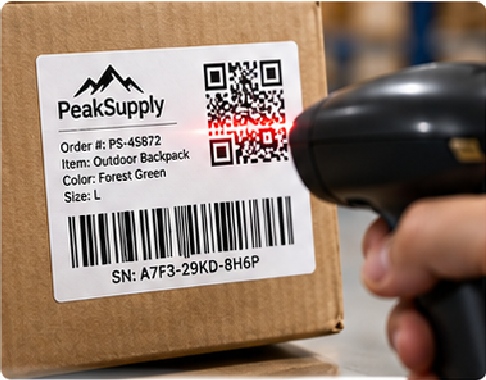
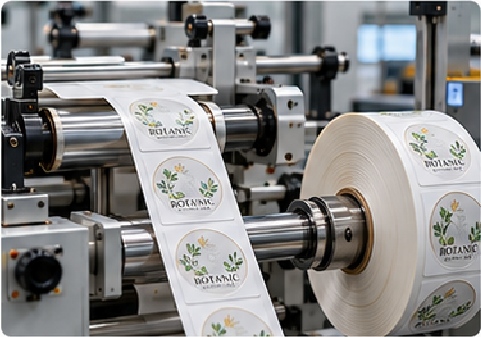
Barcode and QR areas receive additional attention because moving a code can affect quiet zones, edge clearance, finishing overlap or scanning orientation. Small text is checked for realistic reproduction based on material and print method. If a redesign changes the label size or shape, the dieline is treated as a manufacturing input and not merely a decorative border. Roll projects may also require confirmation of orientation, pitch, liner width, core and winding direction before release.
Philiton returns a proof or production file for approval after technical corrections are completed. The proof should be reviewed for content, spelling, SKU, version, dimensions, color references, code data, finishing positions and cut shape. Approval freezes the released revision for the next production step. Later changes are opened as a new revision so previous and current files remain distinguishable during production, packing and reorder management.
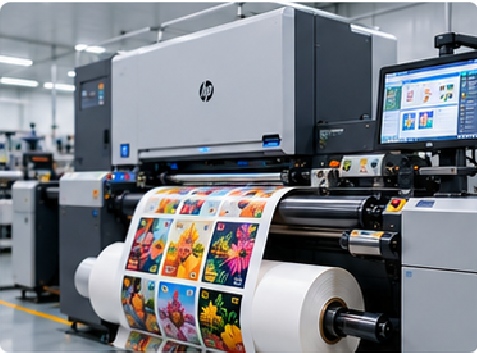
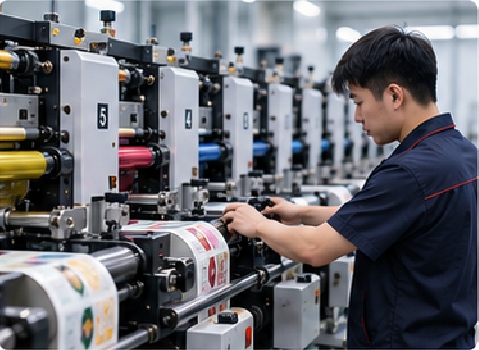
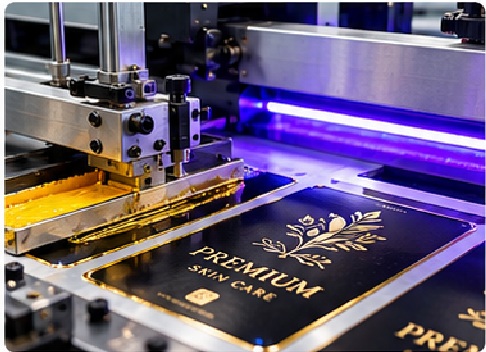
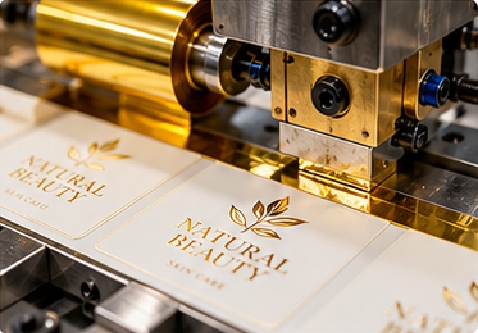
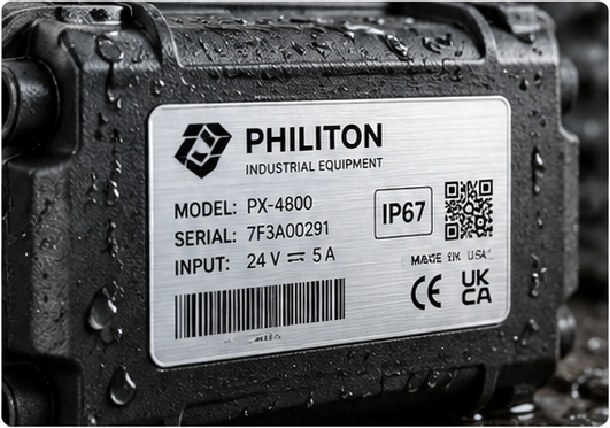

Large artwork-change programs need a version matrix rather than a folder full of files named “final.” Philiton records the key release points for each SKU before production.
| Control Point | What Philiton Records | Why It Matters |
| SKU identity | Product name, code and quantity per SKU | Prevents one total quantity from hiding different artwork versions |
| Artwork revision | Revision number, date and file reference | Separates approved files from superseded artwork |
| Shared elements | Common logo, color, size, material and finish | Keeps family consistency and identifies reusable setup |
| SKU-specific fields | Flavor, size, language, barcode, QR or approved copy | Highlights the areas most likely to be mixed |
| Dieline and geometry | Size, shape and cut reference | Prevents an old die or wrong dimensions from following new artwork |
| Approval status | Proof date, approver and released version | Defines which file can enter production |
| Production release | Approved specification and job reference | Connects artwork to material, print and converting instructions |
| Packing identification | Roll, pack, carton and SKU markings | Keeps finished versions separated through shipment and inventory |
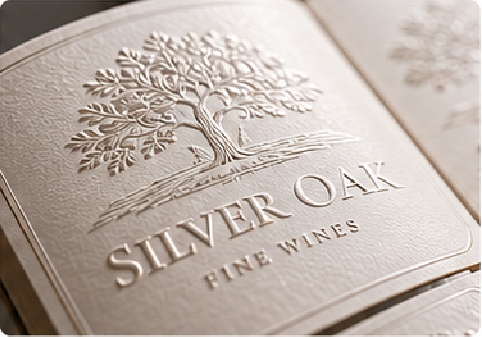
A production sample is more appropriate when the revision affects material, adhesive, Pantone control, white ink, foil, embossing, spot UV, unusual die cutting, automatic-application geometry, barcode performance or other manufacturing variables. Standard printed or finished samples are commonly planned around 3-5 working days, while more complex finishing often requires around 5-7 working days. RFID, security structures or special constructions can require roughly 5-10 working days, subject to material and tooling availability. Philiton uses production-oriented samples to confirm the aspects that cannot be judged reliably from a screen: opacity, gloss, texture, metallic reflection, emboss depth, die-cut result, material feel, roll construction and application behavior. Approval can be separated by dimension so a team can sign off layout, color, finish, code, material and roll details without treating the entire sample as one vague “OK.” Changes made after a production sample is approved are opened as a new revision. If the change touches material, size, tooling or critical finish, revalidation may be required before mass production. The goal is to release a stable specification rather than rush an uncertain file into a larger order.
Many standard Philiton label projects start around 500 pcs, but revised artwork can change setup, tooling, sampling and material requirements. Exact commercial terms are calculated from the released specification.
| Artwork or Specification Change | Main Commercial Impact | Typical Review Path |
|---|---|---|
| Text or logo update only | Prepress and proofing; limited manufacturing impact when structure stays unchanged | Artwork check → proof → release |
| Barcode or QR update | File revision plus code verification; sample depends on risk | Prepress → proof → validation |
| Pantone or major color change | New color target and possible physical proof | Color review → sample → approval |
| Foil, emboss or spot-UV change | New plate/tooling or registration setup may be needed | Layer review → tooling → sample |
| Size or dieline change | Material usage, die/tooling, web layout and packing can change | Engineering → dieline → sample |
| Material or adhesive change | New sourcing, application review and performance validation | Material review → sample/test → approval |
| Multi-SKU revision program | Separate artwork approvals, sorting and version control add setup work | SKU matrix → proof set → staged release |
| RFID or security structure change | Inlay, encoding, security construction and verification may add sourcing and testing time | Engineering → sample → verification |
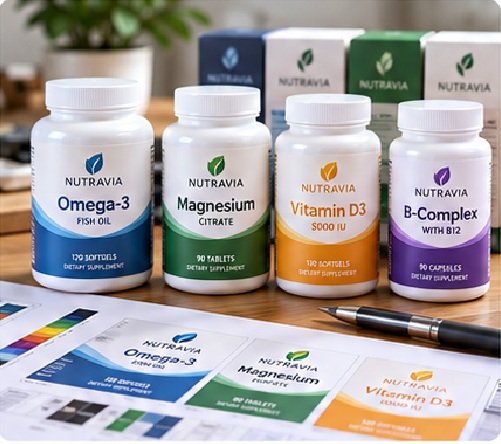

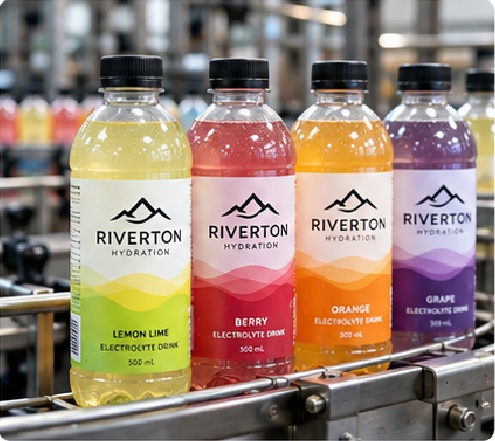
Philiton can review a small artwork edit, a multi-SKU refresh, a supplier migration or a full production-file rebuild. The fastest starting point is the material already available: current artwork, previous proof, dieline, printed label, roll sample or clear photos. Add the requested changes in plain language and identify which elements must remain unchanged.
For quotation and technical review, include:
Unknown material or adhesive codes do not need to be guessed. Describe the container, surface, storage conditions and application method, and Philiton can review suitable production options. After file review, the project can move into proofing, sampling, quotation and production planning with one controlled revision path.
For all inquiries, please feel free to reach out at:
Our team will answer your inquiries within 12 hours.
Your information will be kept strictly confidential.
We will contact you within 24 Hours, please pay attention to the email with the suffix“@philiton.com”.
For all inquiries, please feel free to reach out at:
We will contact you within 24 Hours, please pay attention to the email with the suffix“@philiton.com”.
For all inquiries, please feel free to reach out at:
We will contact you within 24 Hours, please pay attention to the email with the suffix“@philiton.com”.