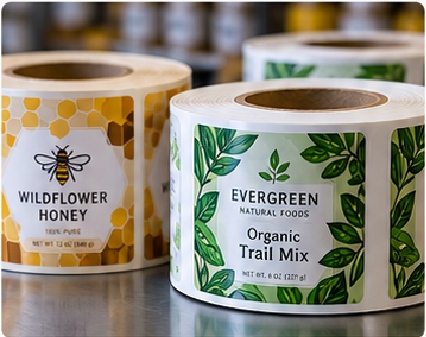
Your Trusted Labels & Stickers Manufacturer from China!

Label Material Selector

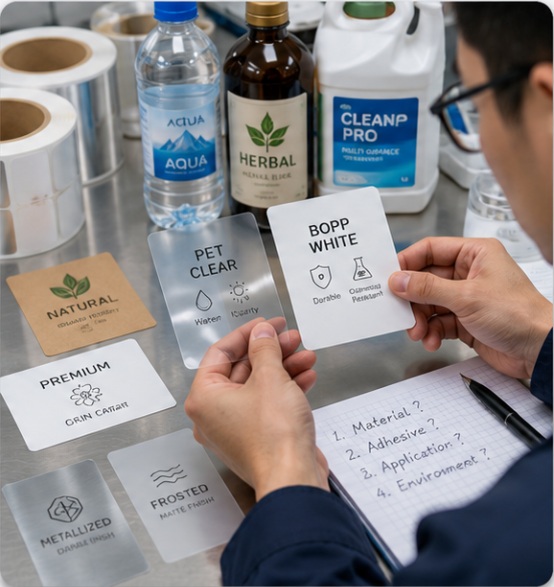
Choose a label material direction based on surface, environment, durability, appearance, printing route, and application method before production begins.
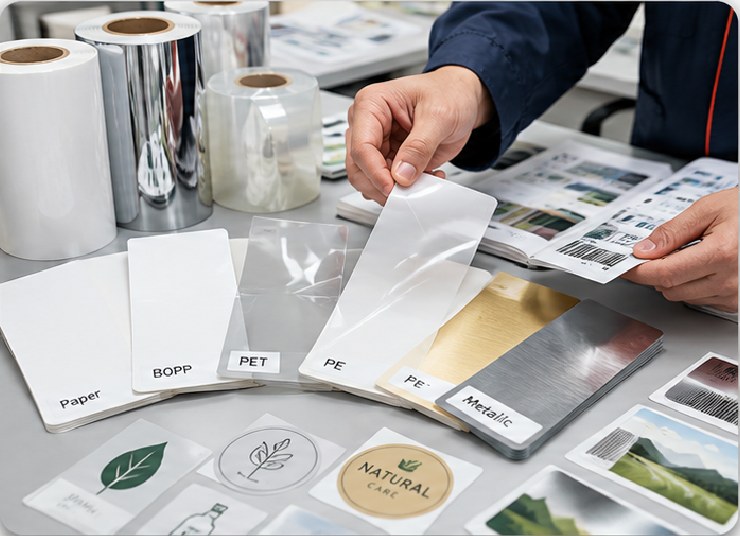
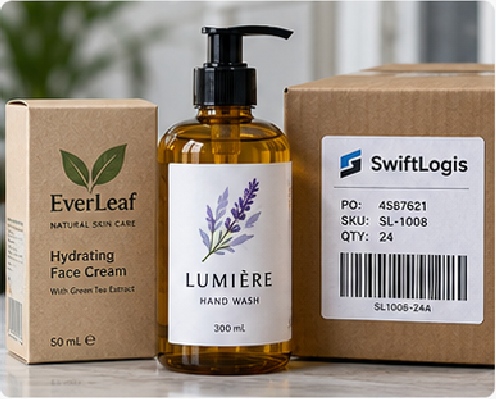
  • Paper, BOPP, PET, PE, thermal, synthetic, metallic and specialty material options
  • Shenzhen + Dongguan manufacturing footprint exceeding 12,000 m²
  • 200+ employees, including 91 technical, skilled production and quality personnel
  • Many standard custom label and sticker projects start from around 500 pcs per design or SKU
Label Material Selector

Who Uses Philiton’s Label Material Selection Support

Philiton supports teams that need a material decision tied to real packaging, production, durability, appearance, and repeat-order requirements rather than a generic material list.

Brand Packaging Teams

Packaging and brand teams often know the required appearance before they know the correct construction. Philiton helps translate goals such as a clear no-label look, natural paper texture, premium metallic effect, squeeze-bottle flexibility, or wet-environment durability into suitable material families. The discussion also covers white ink, varnish or lamination, foil compatibility, color behavior, container shape, and expected handling, so appearance decisions do not create avoidable production or application problems later.

Procurement And Sourcing

Procurement teams usually need more than a material name. They need a repeatable specification, predictable supply route, sensible MOQ, and a clear way to compare cost against risk. Philiton can review existing labels, target quantities, SKU structure, delivery format, application environment, and current pain points, then build a primary material route with alternatives. The goal is to reduce re-quoting caused by incomplete specifications and keep repeat orders tied to an approved construction rather than an informal description.

Manufacturing And Industrial

Manufacturing teams may need labels for equipment, chemicals, electronics, batteries, assets, cables, cartons, or process identification. Material selection becomes closely linked to abrasion, oils, alcohol, chemicals, temperature, scan performance, surface energy, and service life. Philiton evaluates the required facestock, adhesive direction, printing route, protective finish, die-cut construction, and delivery format together. Complex projects can move into material samples, production samples, or application testing before a bulk specification is released.

Printers And Packaging Partners

Print brokers, packaging companies, distributors, and contract manufacturers often manage multiple end applications under one sourcing program. Philiton can help separate standard constructions from higher-risk applications, consolidate compatible SKUs, and identify where a different facestock, adhesive, liner, or finish is needed. Shared dimensions or materials can sometimes simplify production planning, while special surfaces or environments remain controlled as separate specifications. Project files, approved samples, roll details, packing instructions, and repeat-order references can be managed around the final specification.

Start With Six Inputs, Not A Material Name

Philiton starts from conditions that affect performance. Select what you know; unknown fields can remain open for engineering review instead of forcing an inaccurate choice.
Application Type

Application Type

Select the main use: product packaging, logistics, industrial identification, outdoor use, thermal or barcode printing, premium branding, or another application. The application category does not decide the material by itself, but it sets the right priority. A cosmetic bottle may emphasize appearance and moisture resistance, while an industrial asset label may place durability, data legibility, abrasion, and long-term adhesion ahead of decorative effects.
Target Surface

Target Surface

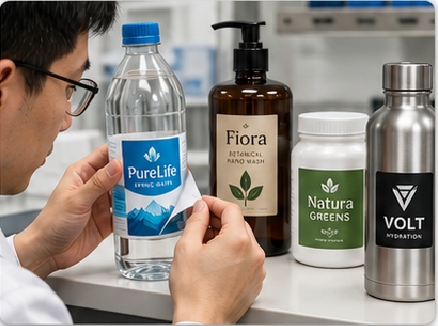
Identify the surface receiving the label: glass, PET, PP, PE, HDPE, metal, cardboard, coated paper, fabric, rubber, or another substrate. Surface energy, texture, contamination, curvature, coatings, and release agents can change adhesive behavior even when two containers look similar. If the exact substrate is unknown, Philiton can review a container photo, sample part, packaging specification, or physical item before locking the adhesive construction.
Service Environment

Service Environment

Define what the finished label will meet after application: dry indoor storage, humidity, condensation, refrigeration, freezing, rain, outdoor UV, oil, alcohol, household chemicals, industrial chemicals, heat, or repeated handling. Exposure conditions influence facestock, print protection, adhesive selection, and testing. “Waterproof” or “chemical resistant” should not be treated as unlimited claims; the exposure type, duration, concentration, and cleaning method matter.
Required Durability

Required Durability

State whether the label is needed for a short promotion, normal product lifecycle, repeated handling, or long-term identification. A short campaign label and a multi-year equipment label should not automatically use the same material. Philiton considers tear resistance, dimensional stability, scuffing, moisture, expected removal behavior, and information retention together with cost, so durability is purchased where it creates value instead of being added without a reason.
Visual And Functional Goal

Visual And Functional Goal

Choose the result you want: natural paper feel, matte branding, glossy color, clear no-label appearance, white opaque coverage, metallic effect, holographic appearance, squeezable flexibility, thermal printability, or durable industrial identification. Visual goals influence not only the face material but also white ink, varnish, lamination, foil, embossing, print method, and adhesive appearance on transparent containers. Philiton uses the target effect as one decision input, not as the only selection rule.
Application Method

Application Method

Confirm whether labels are hand applied, semi-automatically dispensed, automatically applied, or printed through a thermal printer. Automatic application brings additional requirements such as liner behavior, label stiffness, gap, pitch, core diameter, unwind direction, web width, and roll diameter. Thermal applications also require matching the labelstock to direct thermal or thermal transfer printing. If equipment details are unavailable, an existing roll or labeler specification can be reviewed.

Receive A Direction, An Alternative, And A Risk Flag

A useful selection result should narrow choices without pretending one material works everywhere. Philiton separates the preferred route, a workable alternative, and options needing caution.

Best Fit Candidate

The primary result identifies the material family most aligned with the stated surface, environment, appearance, durability, and application method. A beverage bottle may point toward white or clear BOPP; an industrial application may favor PET; a squeezable container may require a more flexible film. The result should also explain why the material is being considered, what adhesive questions remain open, which printing and finishing routes are compatible, and what must be validated before a production specification is released.

Alternative Candidate

A second route gives procurement and packaging teams room to compare appearance, durability, supply, cost, and production efficiency. An alternative is not a downgraded option; it may be the better route when priorities change. For example, PET can provide greater dimensional stability, while BOPP may be more economical for many consumer packaging applications. Paper can deliver a premium tactile feel, while a film can be safer around moisture. Philiton compares trade-offs instead of ranking every material on a single quality scale.

Higher-Risk Direction

The risk flag identifies a material route that may conflict with one or more stated conditions. Standard paper in repeated condensation, a rigid film on a highly squeezable container, or an ordinary adhesive on some low-surface-energy plastics may require reconsideration. The purpose is not to reject a material category permanently. Philiton explains the risk source, what design or construction changes could reduce it, and whether a sample on the actual surface could make the route acceptable for the intended use.

A Label Construction Is More Than Facestock

Material selection becomes reliable when facestock, adhesive, liner, printing, protection, converting, and application are treated as one construction instead of separate purchasing decisions.

Build The Construction Around The Real Use

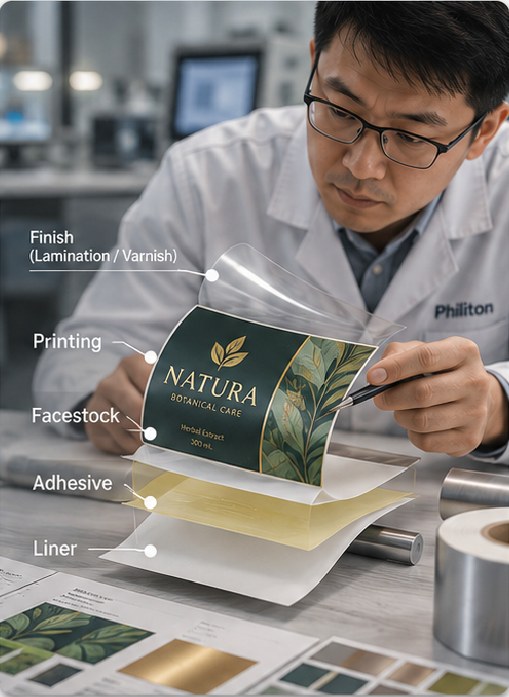
Facestock controls much of the visible and mechanical behavior of a label: paper feel, transparency, opacity, flexibility, stiffness, tear behavior, surface printability, and part of the environmental durability. Adhesive controls the interface with glass, plastic, metal, cardboard, coated surfaces, or other substrates. Release liner supports printing, die cutting, matrix stripping, dispensing, and automatic application before the label ever reaches the final product.

Printing and finishing add another layer. White ink can support color on clear or metallic films. Lamination or varnish can protect print from abrasion, moisture, oils, or handling. Foil, embossing, raised UV, holographic effects, and specialty die cutting can change both appearance and manufacturing conditions. On roll-applied labels, liner stiffness, gap, pitch, roll direction, core size, web width, and finished roll diameter may determine whether the approved design runs smoothly on the labeling line.

Philiton therefore does not treat “PET,” “BOPP,” or “paper” as a finished specification. Material recommendations are converted into a controlled construction after the actual surface, exposure, artwork, printing route, finish, adhesive behavior, labeling process, order quantity, and validation requirements are reviewed. The final material code, thickness, adhesive grade, liner, performance data, and documentation are tied to the selected supplier construction and project approval rather than assumed from a generic family name.
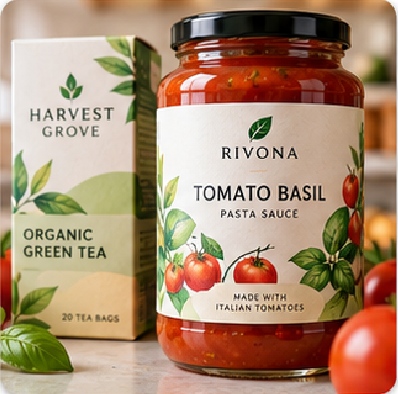

Compare Eight Label Material Families Philiton Can Process

Philiton sources standard paper and film constructions from qualified supply partners, then prints, converts, finishes, tests, and controls the approved material through production.
Coated Paper

Coated Paper

Coated paper is a common route for dry retail packaging, promotional labels, cartons, jars, and applications where strong print color and cost control matter. Matte, gloss, and semi-gloss surfaces can support different brand looks. Moisture, oil, condensation, and abrasion must be evaluated before treating paper as suitable for a demanding environment. Varnish or lamination can improve protection, but the facestock and adhesive still need to match the actual use.
Kraft And Textured Paper

Kraft And Textured Paper

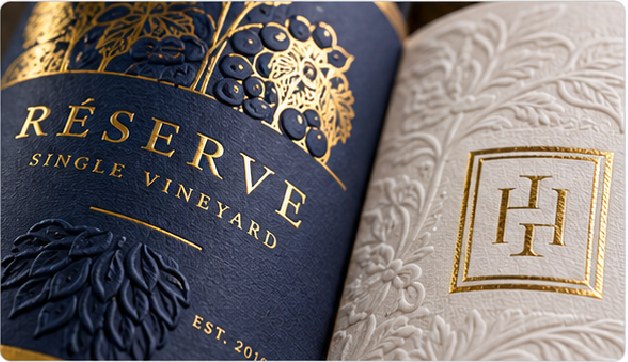
Kraft, uncoated, textured, hemp-style, and specialty papers are useful when tactile feel, natural appearance, premium branding, or a paper-led design is more important than maximum moisture resistance. Wine, spirits, candles, specialty food, and gift packaging are common directions. Paper texture can influence fine detail, ink density, foil edges, embossing, and color appearance. Material samples are valuable when the packaging design relies heavily on touch, shade, or surface character.
White BOPP

White BOPP

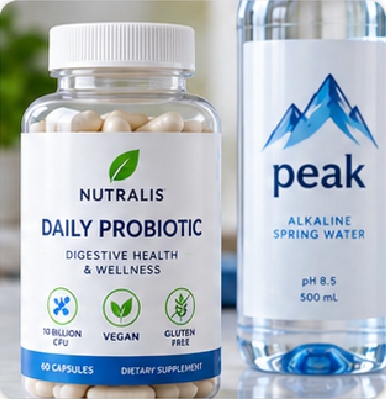
White BOPP is one of the most versatile film routes for food, beverage, supplements, cosmetics, personal care, and general bottle labels. It offers an opaque white print surface and is commonly selected where moisture resistance and clean color reproduction are important. The final result still depends on adhesive, ink, protective finish, container shape, and service conditions. BOPP should not be described as universally suitable for every chemical, temperature, or long-term industrial requirement.
Clear BOPP

Clear BOPP

Clear BOPP supports transparent packaging and no-label-look designs on glass or plastic containers. White ink is often used beneath selected artwork areas to control opacity and color, while unprinted zones remain transparent. Adhesive clarity, container surface, air entrapment, print coverage, moisture, and label application quality affect the finished appearance. For premium clear packaging, Philiton recommends reviewing the actual container and producing a material or printed sample before bulk production.
PET Film

PET Film

PET is a strong candidate for industrial, electronics, asset, chemical, battery, equipment, and other durable applications requiring greater dimensional stability or mechanical durability than many standard packaging films. Clear, white, and metallic PET constructions can support different visual and functional goals. PET is not automatically the best route for every project; stiffness, curvature, squeeze behavior, adhesive choice, finishing, and cost should be considered before selecting it over BOPP, PE, or another film.
PE Flexible Film

PE Flexible Film

PE and other flexible film constructions are useful where the label needs to follow container movement or deformation, including selected squeeze bottles and flexible packaging surfaces. Greater conformability can reduce stress compared with a stiffer facestock, but final behavior depends on thickness, adhesive, label size, curvature, print protection, and how the container is handled. Philiton evaluates flexibility together with print quality and application conditions instead of choosing a soft film from appearance alone.
PVC And Vinyl

PVC And Vinyl

PVC or vinyl-based materials can be considered for outdoor decals, durable stickers, equipment graphics, curved surfaces, promotional graphics, and applications where flexibility and weather-oriented performance are needed. Exact outdoor life, temperature range, chemical resistance, and removability depend on the specific material and adhesive construction. Lamination, UV exposure, substrate compatibility, and expected service period should be defined before the material is positioned as a durable solution.
Thermal And Synthetic

Thermal And Synthetic

Direct thermal, thermal-transfer-compatible stocks, and synthetic papers serve logistics, retail, inventory, barcode, warehouse, shipping, and selected industrial identification needs. Direct thermal media creates the image through heat and does not require a ribbon; thermal transfer uses a ribbon and can support longer-lasting identification with the appropriate stock. Printer model, ribbon, scan requirements, abrasion, heat, moisture, storage time, and adhesive surface all influence the final construction.

Select Material By The Surface Receiving The Label

The same facestock can perform very differently on glass, PET, HDPE, metal, cardboard, or a textured surface. Philiton uses the actual substrate as a selection input.

Target SurfaceMain Selection ConcernCommon Material DirectionAdhesive ConsiderationRecommended Check
GlassSmooth surface, condensation, removabilityPaper, BOPP, PET, clear filmPermanent or removable depending lifecycleTest on final bottle or jar
PET ContainersSmooth plastic, bottle shape, moistureBOPP, PET, clear filmGeneral permanent or project-specificConfirm treatment, curvature and exposure
PP / PE / HDPELower surface energy, molded texture, curvatureBOPP, PE, PET, synthetic filmHigher-tack or LSE-oriented candidate may be neededTest on actual molded part
MetalSmooth, coated, powder-coated or oily surfacesPET, vinyl, synthetic, paper for dry indoor useAdhesive depends on coating and contaminationClean-surface adhesion test
CardboardFibers, roughness, recycled content, dustPaper, synthetic paper, film when requiredHigher initial tack may help rough surfacesTest across real board lots
Curved Small DiameterEdge stress and facestock stiffnessFlexible BOPP, PE, thin filmsAdhesive and label width both matterWrap test after dwell time
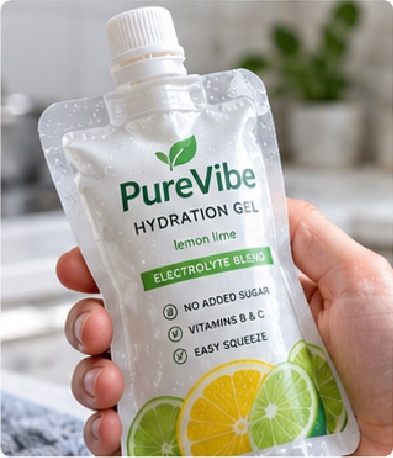
Squeezable ContainersRepeated deformationPE or flexible film candidatesFlexible construction with suitable permanent adhesiveSqueeze-cycle sample check
Textured / Coated SurfacesReduced contact area or surface treatmentProject-specific film or paperAdhesive family requires validationPhysical surface sample strongly preferred


Match Materials To Real Storage And Use Conditions

Philiton separates application temperature, service environment, liquid exposure, handling, and lifetime because each condition can change the material, adhesive, and protective finish.

EnvironmentMain RiskMaterial DirectionAdditional ConstructionValidation Focus
Dry IndoorNormal handling and shelf lifePaper, BOPP, PET depending appearanceVarnish or lamination as neededPrint, adhesion, scuffing
CondensationWater at label edges and surfaceBOPP, PET, protected specialty paperMoisture-suitable adhesive and print protectionCold bottle / condensation test
RefrigeratedCold surface, moisture, repeated handlingBOPP, PET, suitable paper constructionsAdhesive matched to application temperatureApply and store under real cold conditions
FreezerLow application or service temperatureFilm or freezer-compatible constructionsLow-temperature adhesive routeDistinguish application and service temperature
Oil / AlcoholInk, coating and adhesive exposureBOPP, PET, selected synthetic stocksLamination, varnish or resistant ink systemDefine liquid, concentration and contact time
ChemicalsMaterial, print and adhesive attackPET or engineered film candidateProtective layer and project-specific adhesiveTest against named chemical and exposure method
OutdoorUV, rain, temperature cycling, abrasionPET, vinyl/PVC or suitable outdoor filmLamination or outdoor-oriented protectionUV/rain exposure target and substrate check
HeatAdhesive flow, facestock stability, print durabilityPET or validated heat-oriented constructionHeat-suitable adhesive and ink/finishConfirm real temperature and duration


Material Choice Also Depends On The Finished Label Format

Philiton converts selected materials into delivery formats matched to manual application, automated lines, thermal printing, retail presentation, industrial identification, and promotional use.
Roll Labels

Roll Labels

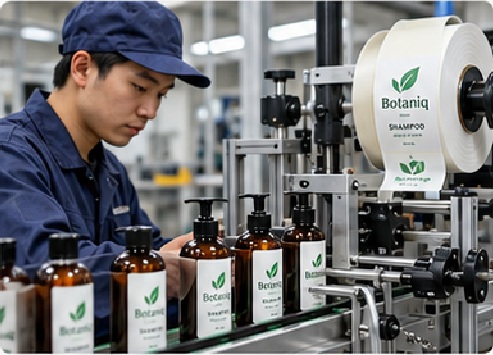
Roll labels are the main format for automatic and semi-automatic application, high-volume packaging, many thermal workflows, and efficient repeat production. Material choice must work with liner stiffness, web width, gap, pitch, core diameter, unwind direction, inside or outside winding, maximum roll diameter, and labels per roll. Philiton can review labeler specifications or an existing approved roll so material selection and roll construction are planned together.
Sheet Labels

Sheet Labels

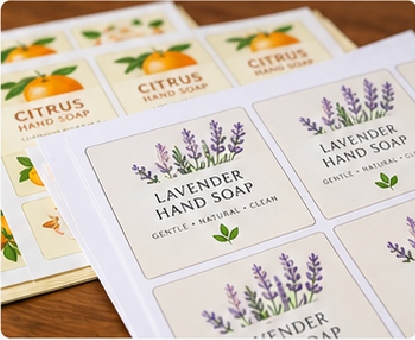
Sheet labels suit hand application, kitting, office use, short promotional runs, sample sets, and situations where several labels need to be presented on a convenient sheet. Paper, films, clear stocks, and specialty materials can be converted into sheet formats depending on printer and handling requirements. Kiss cutting, sheet size, backing stability, spacing, and packing need to be set before production, especially when sheets must pass through desktop or digital printing equipment later.
Die-Cut Stickers

Die-Cut Stickers

Individual die-cut stickers may use coated paper, BOPP, PET, vinyl, holographic film, or other printable stocks depending on indoor or outdoor use. Full-cut and kiss-cut constructions create different handling and packing requirements. Fine points, narrow bridges, sharp corners, and complex contours can affect cutting and edge durability. Philiton reviews artwork geometry, material thickness, adhesive, intended surface, and protective finish before selecting the final construction and cutting route.
Thermal Labels

Thermal Labels

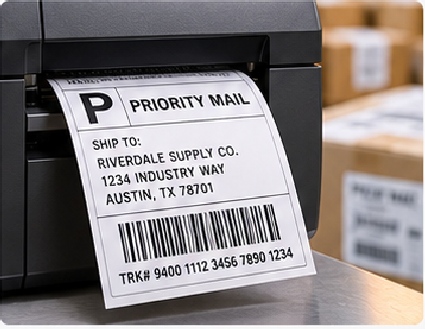
Thermal labels are selected around the printer and required image life as much as the application surface. Direct thermal media suits fast barcode and logistics printing without a ribbon, while thermal transfer constructions use a ribbon and can support more durable identification. Philiton considers printer compatibility, ribbon when applicable, facestock, adhesive, liner, roll direction, core, scan performance, abrasion, storage environment, and downstream handling before approving the material route.
Clear Bottle Labels

Clear Bottle Labels

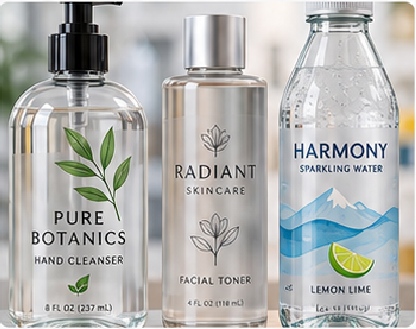
Clear bottle labels combine transparent facestock, adhesive clarity, white ink strategy, artwork coverage, container color, surface cleanliness, and accurate application. A clear film alone does not guarantee a premium no-label look. Bubbles, silvering, visible adhesive, edge lift, condensation, or color shifts can appear when the construction is not matched to the bottle. Philiton recommends reviewing the actual container and printed sample, especially for cosmetics, beverages, personal care, and premium packaging.
Durable Identification Labels

Durable Identification Labels

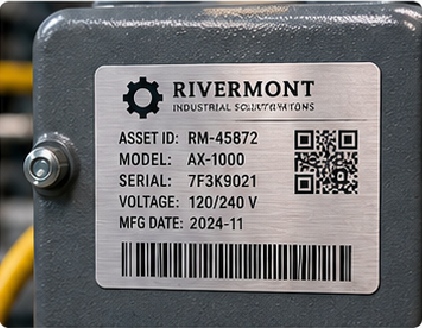
Durable labels for equipment, electronics, chemicals, assets, batteries, machinery, or outdoor use often require PET, vinyl, synthetic stock, protective lamination, variable data, barcodes, serial numbers, or tamper-evident structures. The material must be selected around the service environment rather than the product category alone. Philiton can combine material review with data printing, die cutting, adhesion testing, visual inspection, and controlled packing for repeat identification programs.

Printing And Finishing Must Fit The Selected Material

Material selection and decoration cannot be separated. Philiton chooses the printing and finishing route after reviewing quantity, SKU count, substrate, colors, white ink, durability, and visual target.
Digital Printing

Digital Printing

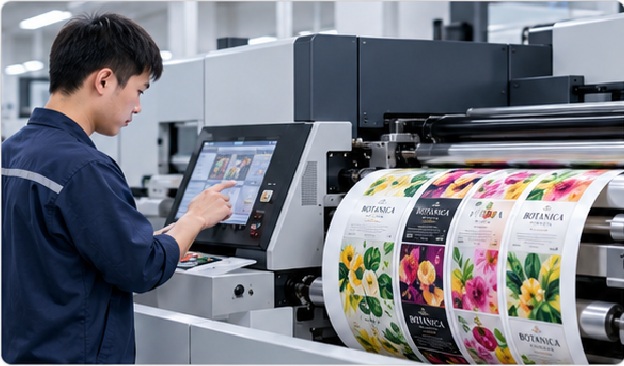
Digital printing is well suited to lower-volume launches, multi-SKU programs, fast artwork changes, and variable designs because it avoids traditional plate preparation. Paper, BOPP, PET, and selected synthetic stocks can be evaluated for digital production. The route is useful when quantities per SKU remain moderate or several artworks share a common construction. Strict brand colors, white ink, metallic substrates, protective finishes, and the later switch to higher-volume production should be reviewed during sampling.
Flexographic Printing

Flexographic Printing

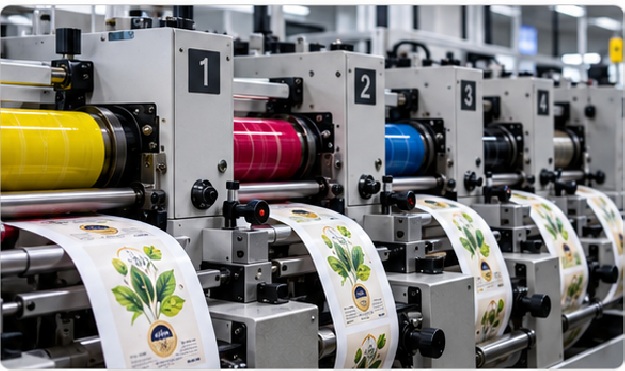
Flexographic printing is an important route for repeat roll labels and medium- to high-volume programs where stable material, color, and converting specifications have been established. Paper, BOPP, PET, PE, and other roll stocks can be used depending on the press route and finish. Plate preparation, spot colors, white ink, inline operations, SKU quantity, and long-run economics influence suitability. Approved color references and production specifications become especially important when a launch run later moves into repeat mass production.
UV And Screen Effects

UV And Screen Effects

UV and screen processes can add opaque white, strong spot color, tactile or raised effects, selected varnishes, and specialty visual details on suitable papers and films. Material surface treatment, ink adhesion, curing, registration, and later finishing all affect the result. Transparent, metallic, and dark substrates often need extra planning because the base material changes color appearance. Philiton uses samples for higher-risk combinations instead of assuming every ink or effect behaves the same on every material.
Foil And Embossing

Foil And Embossing

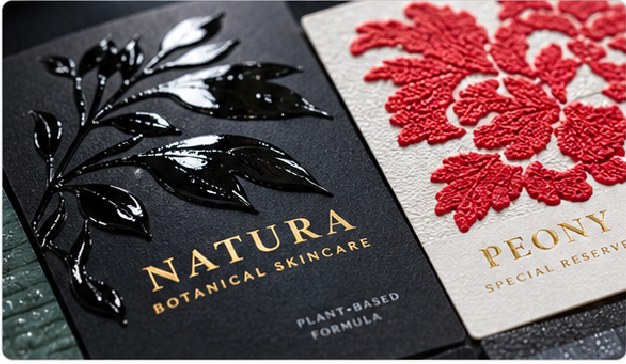
Foil stamping, embossing, debossing, spot or raised UV, holographic effects, lamination, and specialty die cutting can elevate premium labels, but each process adds material and tooling considerations. Fine foil lines may behave differently on textured paper than on smooth film. Embossing changes the physical surface. Lamination can alter gloss and tactile feel. Philiton reviews artwork detail, substrate, tooling, print sequence, quantity, budget, and sample requirements before finalizing complex finishing combinations.

Adhesive Selection Starts With Surface And Temperature

Philiton treats adhesive as a separate engineering decision after the facestock direction is narrowed, because the correct face material can still fail with the wrong adhesive construction.

Match Adhesion To The Actual Interface

  • Adhesive selection begins with the substrate: glass, PET, PP, PE, HDPE, coated metal, powder-coated metal, cardboard, painted surfaces, fabric, rubber, or another material. Surface energy, roughness, coatings, mold-release agents, oil, dust, water, and cleaning methods influence how much real contact the adhesive can achieve. PP, PE, and HDPE often require more attention because they can present lower-surface-energy conditions than glass or many coated papers.
  • Temperature must be split into two questions. Application temperature describes the surface condition when the label is first applied. Service temperature describes the environment after the adhesive has had time to build bond. A construction that survives freezer storage does not automatically bond well when applied to a very cold or wet surface. Permanent, removable, repositionable, freezer, high-tack, and other adhesive families are therefore treated as functional directions rather than universal grades.
  • Geometry matters as well. Small-diameter containers, curved parts, and squeezable packaging create peel stress at label edges. A wider or stiffer label can lift even when the adhesive is strong. For difficult applications, Philiton can review a physical container or substrate and arrange blank-material or printed-sample checks. Final adhesive grade, temperature data, peel or tack values, removability, and chemical compatibility are confirmed against the selected supplier construction and agreed test conditions.

Develop And Sample The Material Before Scaling Production

Philiton uses sampling to remove material, appearance, adhesion, converting, and application risks before a larger production run is released.

Use The Lowest-Risk Sample For The Decision

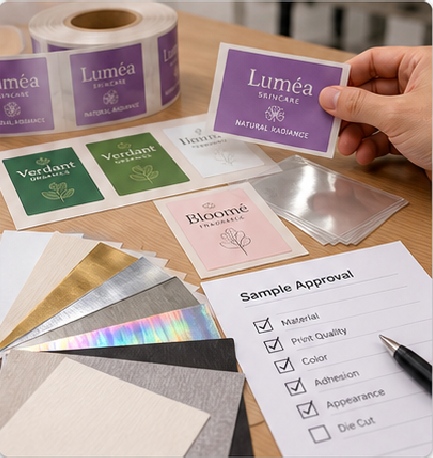
Material selection can start before final artwork is complete. Blank material samples and swatches allow teams to compare transparency, paper feel, stiffness, flexibility, thickness, surface appearance, and initial adhesion on the real package. Philiton can provide paper, BOPP, PET, PE, PVC/vinyl, clear film, white film, metallic film, holographic film, thermal stock, and synthetic material samples according to the project route.

When artwork is ready, a digital sample can confirm general layout and appearance quickly. Typical digital samples are around 10-50 pieces per design and commonly take about 1-3 working days after artwork, material, and process direction are confirmed. Standard printed or finished samples commonly take about 3-5 working days. More complex foil, embossing, special die cutting, screen printing, or special-material samples commonly require about 5-7 working days. Shipping time is separate.

A production sample is recommended when the program depends on strict color, adhesive behavior, roll configuration, automatic labeling, complex finishing, or consistency with later mass production. The approval output should lock the material construction, artwork version, color reference, die line, finishing route, roll specification, and any test requirements. Many standard custom label and sticker programs can then move from approved sampling into production from around 500 pieces per design or SKU, subject to material and process conditions.

Move From Approved Material To Controlled Mass Production

Once the material route and approved specification are locked, Philiton connects sourcing, prepress, printing, finishing, converting, inspection, packing, and reorder control under one project record.

Keep The Approved Construction Stable Through Production

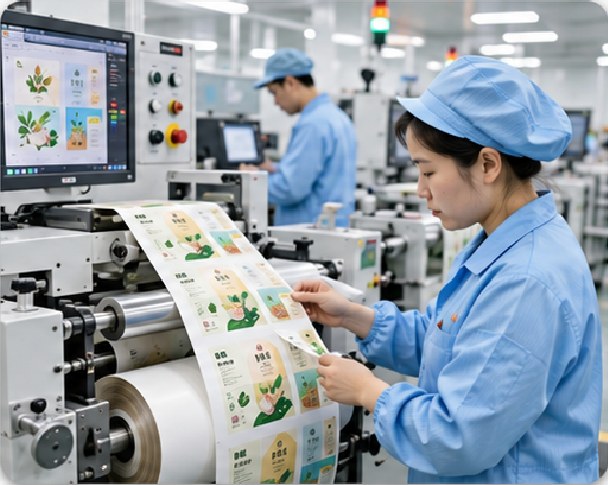
Production starts after commercial confirmation, approved artwork and specification, and the required material or tooling are available. Incoming materials are checked against the purchase and project requirements before release. Prepress confirms artwork revision, dieline, white or spot layers, variable data rules, and color references. Printing then follows the chosen route, such as digital for short or multi-SKU runs, flexographic production for established roll programs, or another suitable process for the selected material and finish.

Converting controls die cutting, matrix removal, slitting, rewinding, gap, pitch, core, unwind direction, roll diameter, sheet layout, or individual cutting as required. Specialty operations such as lamination, varnish, foil, embossing, holographic effects, screen or UV effects are scheduled according to the approved construction. In-process checks are linked to the risks of the job rather than treated as a generic inspection step.

For many regular label projects, common bulk-production lead time is around 7-15 working days after the specification is locked and required materials are ready. Very large, multi-SKU, special-material, RFID, security, or highly finished programs may need longer planning or staged delivery. Special materials can add procurement time. Repeat orders can often move faster when artwork, material, adhesive, tooling, and production parameters remain unchanged, but every reorder is still reviewed before release.
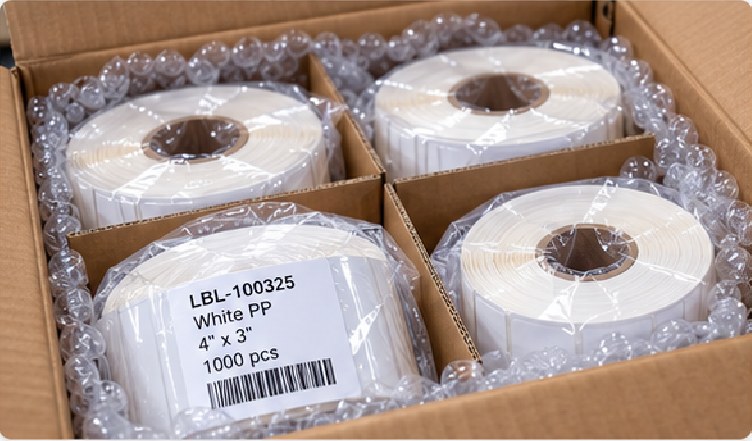
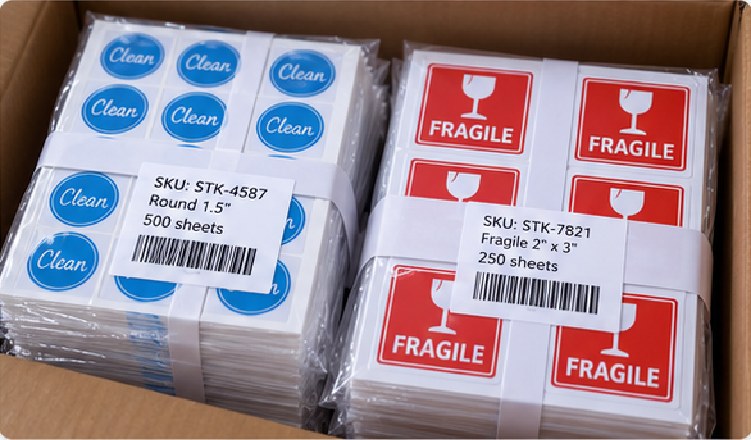
Quality Control Follows The Risks Of Each Construction

Philiton combines incoming, in-process, final, and outgoing inspection with application-oriented testing so the approved specification remains connected to material, print, converting, and use conditions.

Incoming Material Control

IQC checks incoming facestock, self-adhesive constructions, liners, foils, inlays, and other purchased components against the project requirement and supplier documentation. The aim is to prevent an incorrect material or unapproved substitution from entering production. For controlled programs, material identity and supplier records should correspond to the approved specification. A change in facestock, adhesive, liner, coating, or other critical layer can trigger a review because performance and documentation may no longer be comparable.

Print And Color Control

Color and print quality are controlled against the approved artwork, sample, Pantone reference, or other agreed standard. Material color, transparency, white ink, metallic substrate, varnish, lamination, and printing route can change the final appearance, so color cannot be judged independently of the construction. First-article and in-process checks can cover registration, text, barcode areas, opacity, white ink alignment, image quality, print defects, and selected color references according to the job requirements.

Die-Cut And Converting Control

Converting quality includes more than checking whether the outline is cut. Philiton reviews size, shape, cut position, edge quality, liner damage, matrix stripping, perforation when used, gap, pitch, web width, slitting, rewind, core, roll direction, and labels per roll according to the specification. Automatic application programs require particular attention because a visually acceptable label can still create line problems if roll geometry, liner behavior, or die-cut release is incorrect.

Adhesion And Durability Checks

Higher-risk applications can require checks related to adhesion, water, oil, alcohol, abrasion, temperature, or other environmental conditions. Test design must match the actual requirement: named liquid, exposure time, surface, application temperature, dwell time, cleaning method, or service condition. Philiton can support material or application verification, but results apply to the tested construction and conditions rather than becoming an unlimited claim for every material in the same family.

Data And Vision Inspection

Variable data, barcodes, QR codes, serial numbers, RFID/NFC, and security projects may require additional data and visual controls. Philiton has vision inspection and laboratory testing capability within its manufacturing system, and project-specific checks can be selected according to risk. For encoded or serialized labels, the control plan may include readability, duplicates, missing codes, print quality, data matching, or RFID read/write verification where required by the approved specification.

Final And Outgoing Control

FQC and OQC confirm finished quantity, appearance, size, packing, roll or sheet configuration, labels per roll, carton identification, and project-specific quality requirements before shipment. Approved samples, retained samples, production records, inspection data, and packing details can support later issue investigation and repeat-order comparison. If a complaint occurs, Philiton can review batch records, retained samples, material lots, production parameters, and inspection results to identify the source before corrective action is decided.

Pack Labels To Protect Material And Production Readiness

Packing is planned around roll geometry, sheet protection, SKU separation, traceability, transport conditions, and how the labels will be handled when they reach the filling or production line.
Roll Label Packing

Roll Label Packing

Roll labels are packed to protect edges, liners, cores, and rewind quality during handling and transport. The packing plan can identify SKU, artwork revision, material, roll direction, core size, labels per roll, roll count, and carton quantity according to project needs. Heavy or large-diameter rolls may require stronger carton support. For automated lines, keeping roll specifications consistent can be as important as protecting the printed surface because damaged edges or deformed rolls can disrupt dispensing.
Sheet And Sticker Packing

Sheet And Sticker Packing

Sheet labels, kiss-cut sheets, and individual stickers need protection from bending, moisture, surface abrasion, mixed SKUs, and edge damage. Philiton can use grouped inner packing, bags, separators, bundles, or cartons according to the format and quantity. Premium foil, embossed, raised-UV, clear, metallic, or textured labels may need added surface protection. Packing quantity should also fit warehouse and line-side use so operators do not have to open oversized mixed cartons for a small production batch.
Carton And Pallet Planning

Carton And Pallet Planning

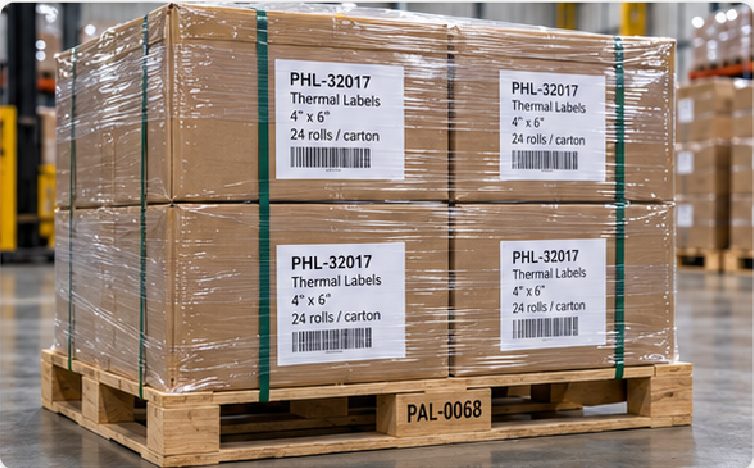
Carton size, gross weight, stacking, palletization, stretch wrapping, and shipment method are planned around the finished format and destination. Bulk roll programs may be palletized for stability, while smaller express or air shipments may use reinforced cartons. Philiton can separate SKUs and lots by carton and provide packing lists according to order requirements. Shipping cost and delivery time depend on carton volume, weight, destination, trade term, and chosen transport route rather than label quantity alone.
Identification And Traceability

Identification And Traceability

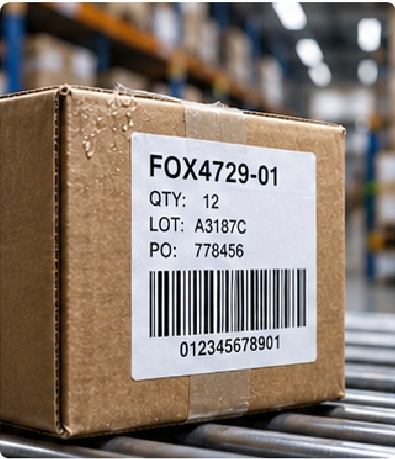
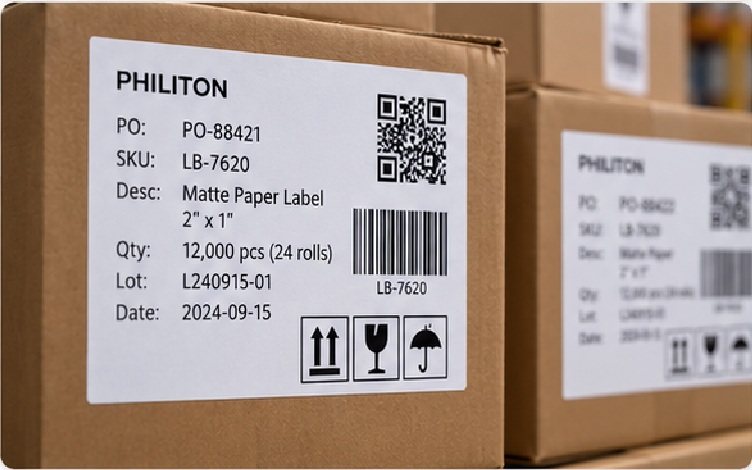
Outer carton and roll identification help prevent SKU mixing and support receiving, warehouse, production, and reorder control. Project labels can reference PO, SKU, artwork version, quantity, roll count, lot, or other agreed information. Multi-market and multi-language programs benefit from clear segregation because visually similar labels may carry different regulatory text. Traceability also helps Philiton compare retained samples and production records if an application or quality issue is reported after delivery.

Compliance Support Starts With The Actual Material Construction

Philiton manufactures against approved regulatory artwork and can support project-specific material documentation and testing, while legal market access remains tied to the finished product and responsible entity.

Artwork Version Control

Regulated labels can fail even when the wording itself is correct if an obsolete artwork, wrong language, or unapproved revision reaches production. Philiton can control artwork version, date, SKU, order reference, and approval status so the released file is linked to the manufacturing record. Regulatory wording, translations, warnings, claims, symbols, and market-specific content are provided and approved by the responsible brand, importer, manufacturer, or regulatory team before production.

Material Documentation

Material documentation must correspond to the actual facestock, adhesive, ink, coating, liner, metallic layer, RFID inlay, or other construction used. Philiton can support supplier TDS, SDS, RoHS/REACH-related documentation, food-contact documentation, FSC or GRS-related sourcing records, and other project files when available and applicable. A document for one material code should not automatically be treated as evidence for a substituted construction, so critical material changes are reviewed before production continues.

Testing And Third Parties

When a program requires third-party testing or a specified performance test, Philiton can prepare samples, coordinate material information, support corrective action, and arrange retesting according to the agreed scope. The required test method, market rule, acceptance limit, and laboratory should be defined at project level. Chemical, food-contact, children’s product, industrial, electronics, and durable-label programs can require very different evidence, so no single factory statement should be used as a substitute for the applicable report.

Responsibility Boundaries

Philiton’s manufacturing responsibility is to convert the approved content and selected material construction into controlled labels and maintain the agreed specification through production and QC. The responsible product company or authorized market entity confirms product classification, legal text, translations, claims, registration, certification-mark authorization, and whether available reports are sufficient for market access. Philiton does not describe every label as automatically compliant with every country, because requirements depend on product category, market, packaging level, and final use.
Three Representative Material Selection Projects

The following anonymized examples show how Philiton can move from application conditions to material direction, sample validation, controlled production, and repeatable packing for brand-scale orders.
United States Skincare

United States Skincare

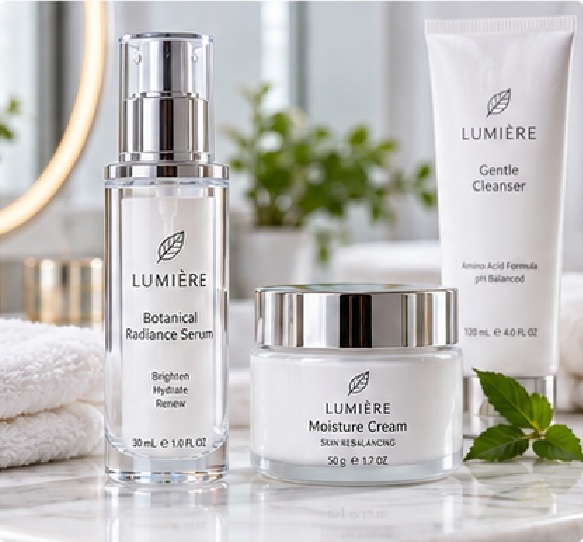
A U.S. skincare brand prepared approximately 8,000 bottle labels, mainly around 42 x 65 mm, for a new serum and cleanser launch. The visual goal was a clean no-label appearance, while the bottles would be handled in humid bathrooms and packed in small retail cartons. Philiton compared clear BOPP and clear PET directions, reviewed white ink coverage and adhesive clarity, then prepared printed samples on the supplied containers. The approved route used a clear film construction with controlled white ink, protective finish, roll direction, and carton separation by SKU before mass production.
Germany Frozen Food

Germany Frozen Food

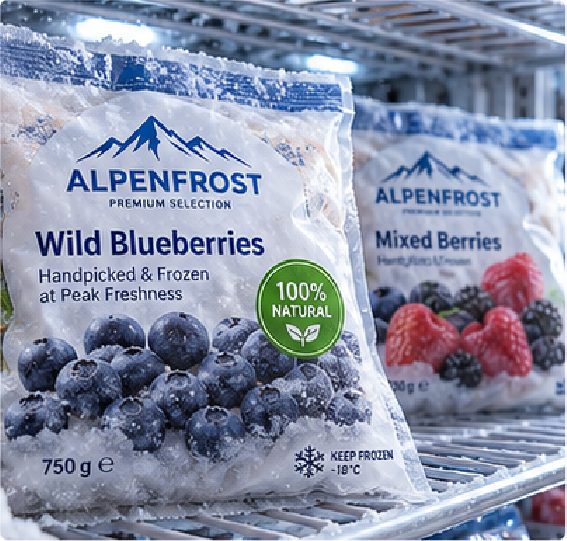
A German frozen-food program required approximately 12,000 labels across three SKUs, with the main format around 75 x 110 mm. The packaging moved through chilled handling and freezer storage, so the material decision could not be made from “waterproof film” alone. Philiton separated application temperature from service temperature, reviewed the flexible packaging surface, and compared film constructions with low-temperature adhesive directions. Material and printed samples were checked before release. Production then followed the approved artwork, adhesive construction, roll specification, SKU identification, and cold-environment requirements, with cartons separated to simplify receiving and line-side use.
Australia Industrial Chemicals

Australia Industrial Chemicals

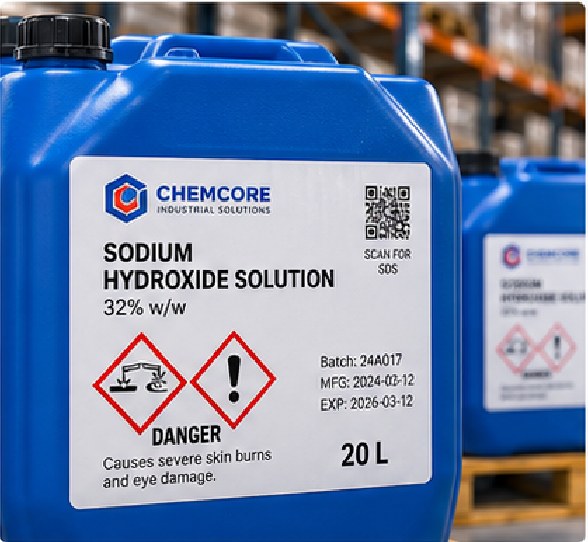
An Australian industrial chemical supplier planned approximately 5,000 container labels, mainly around 90 x 140 mm, carrying hazard information, batch data, and QR codes. The main risks were chemical exposure, handling abrasion, legibility, and adhesion to molded plastic containers. Philiton evaluated a durable PET-oriented route, protective lamination, adhesive suitability for the actual substrate, variable-data layout, and barcode/QR verification. A production-style sample was used to confirm print readability and application before bulk release. Finished rolls were packed by SKU and identified with order and roll information to support controlled warehouse distribution.

Compare Common Material Directions Before Final Specification

Use the matrix to narrow the starting point. Final selection still depends on the exact surface, adhesive, environment, printing, finish, labeling method, and required documentation.

Decision FactorPaperBOPPPETPE / Flexible Film
Natural / tactile appearanceStrongLimitedLimitedLimited
Clear no-label lookNot typicalStrong with clear BOPPStrong with clear PETAvailable on selected films
Moisture-oriented packagingLimited unless protectedStrong common routeStrongStrong on suitable construction
Dimensional stabilityModerateGoodHighLower, designed for flexibility
Squeezable containersSelected thin papers onlyPossible depending stiffnessOften too stiff for some designsStrong candidate
Industrial durabilityLimitedModerate to goodStrong candidateApplication dependent
Premium textureStrong with specialty papersSurface finish drivenFilm / metallic effectsSurface finish driven
Relative cost directionLow to mediumMediumMedium to highMedium
Typical print routesDigital, flexo, offset, UVDigital, flexo, UV, screenDigital, flexo, UV, screen, thermal transferFlexo, digital or UV depending stock
Best next checkMoisture and scuffingSurface, adhesive and environmentStiffness, adhesive and exposureFlexibility, adhesion and print behavior


Label Material Selector Frequently Asked Questions

There is no single plastic-bottle material. PET, PP, PE, and HDPE have different surface and geometry conditions. BOPP is common for consumer packaging, PET can suit more durable applications, and PE-based films can help on squeezable containers. Adhesive choice and the actual molded surface remain critical, especially on lower-surface-energy plastics. Philiton recommends testing on the real bottle when adhesion, curvature, condensation, or squeeze behavior is important.

Paper is often suitable for dry packaging, tactile branding, cartons, wine, candles, and cost-sensitive applications. Films such as BOPP, PET, PE, or vinyl are commonly selected when moisture, transparency, durability, flexibility, outdoor exposure, or industrial handling matters. The decision should include appearance, environment, adhesive, printing, finishing, and lifecycle rather than comparing material names alone.

BOPP is widely used for food, beverage, cosmetics, supplements, and personal-care packaging because it balances appearance, moisture resistance, converting, and cost. PET usually offers greater dimensional stability and can be a stronger route for durable industrial uses. PET is not automatically better; stiffness, container curvature, squeeze behavior, exposure, and budget can make BOPP or another film more appropriate.

Some paper constructions can tolerate limited moisture, especially with suitable coatings, varnish, lamination, adhesive, and controlled exposure. Repeated condensation, ice buckets, soaking, outdoor rain, or wet handling can require a different paper grade or a film construction. Philiton asks how the label becomes wet, how long exposure lasts, and whether appearance must remain unchanged before recommending the material route.

HDPE can present lower-surface-energy conditions and may also have texture, curvature, mold-release residue, or contamination. BOPP, PE, PET, or other films may be possible, but adhesive selection is essential. A higher-tack or LSE-oriented adhesive candidate may be required depending on the actual container. Philiton prefers a real bottle or substrate sample for higher-risk HDPE programs rather than approving adhesion from material names alone.

Freezer projects require separate review of the temperature during application and the temperature during later storage. A film or selected paper construction may work, but the adhesive must be designed for the required low-temperature conditions. Condensation, frost, surface cleanliness, packaging flexibility, and dwell time also matter. Philiton can provide material samples and printed samples for low-temperature evaluation before the final construction is released.

Flexible films such as PE or selected thin BOPP constructions can be better candidates than very stiff materials when the package repeatedly deforms. Label width, shape, adhesive, container curvature, squeeze pattern, print protection, and application pressure all affect edge stress. A real-container squeeze check is recommended because a material that looks excellent when flat may lift, wrinkle, or buckle after the package is used.

No. Facestock and adhesive perform different jobs and must be selected together. Facestock controls appearance, printability, stiffness, flexibility, and much of the physical durability. Adhesive controls attachment to the real surface. The same PET or BOPP face can be combined with different adhesive systems for permanent, removable, low-temperature, high-tack, or other requirements. Liner and application method also influence the final construction.

Yes. Blank material samples and swatches can be used before final artwork to compare paper feel, transparency, stiffness, flexibility, surface appearance, and adhesion. This can eliminate unsuitable routes before design work is finalized. Once artwork is ready, Philiton can move into digital, printed, finishing, production, RFID/security, or pre-production samples according to the project risk and approval needs.

Send the product or packaging type, target surface, label size if known, quantity per SKU, environment, application and service temperature where relevant, water/oil/chemical exposure, desired appearance, application method, and artwork or container photo. If technical details are unknown, Philiton can start from the physical product, current label, failed sample, or packaging specification and identify the missing engineering questions.

Send Your Application For Material And Quote Review

A useful quotation starts with the application rather than a guessed material. Send Philiton the information you already have, and leave uncertain technical fields open for review. The engineering and sales teams can use the surface, environment, appearance, quantity, artwork, and labeling method to narrow the facestock and adhesive route, identify sample needs, and prepare a specification suitable for pricing and production. For existing programs, a current label, container, approved roll, supplier specification, or photos of a failure can shorten the review. For new launches, a packaging drawing and design file are enough to begin the material discussion.

Please include:

  • Product or package type and target surface
  • Label size, shape, quantity per SKU, and number of SKUs
  • Indoor, refrigerated, freezer, outdoor, oil, alcohol, chemical, heat, or other exposure
  • Required appearance, printing, finishing, barcode, QR, serial, RFID, or security functions
  • Hand application, automatic labeler, or thermal printer details
  • Artwork, container photos, current labels, or technical specifications when available
  • Destination and required in-hand date for logistics planning

For all inquiries, please feel free to reach out at:

Get In Touch

  • Our team will answer your inquiries within 12 hours.

  • Your information will be kept strictly confidential.

Get a Fast Quote for Custom Labels & Stickers

We will contact you within 24 Hours, please pay attention to the email with the suffix“@philiton.com”. 
For all inquiries, please feel free to reach out at:

Ask For A Quick Quote

We will contact you within 24 Hours, please pay attention to the email with the suffix“@philiton.com”. 
For all inquiries, please feel free to reach out at:

Get a Quote Today!

We will contact you within 24 Hours, please pay attention to the email with the suffix“@philiton.com”.