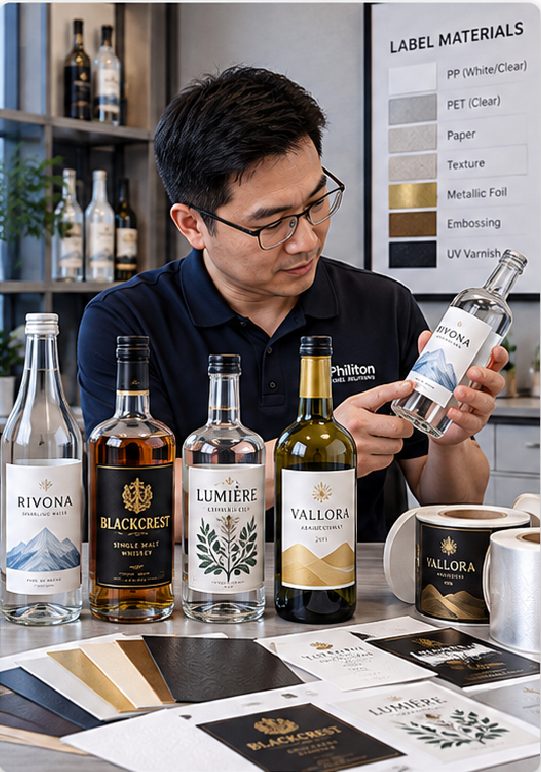
Philiton develops pressure-sensitive glass bottle labels around the actual bottle, environment, decoration target and application method.
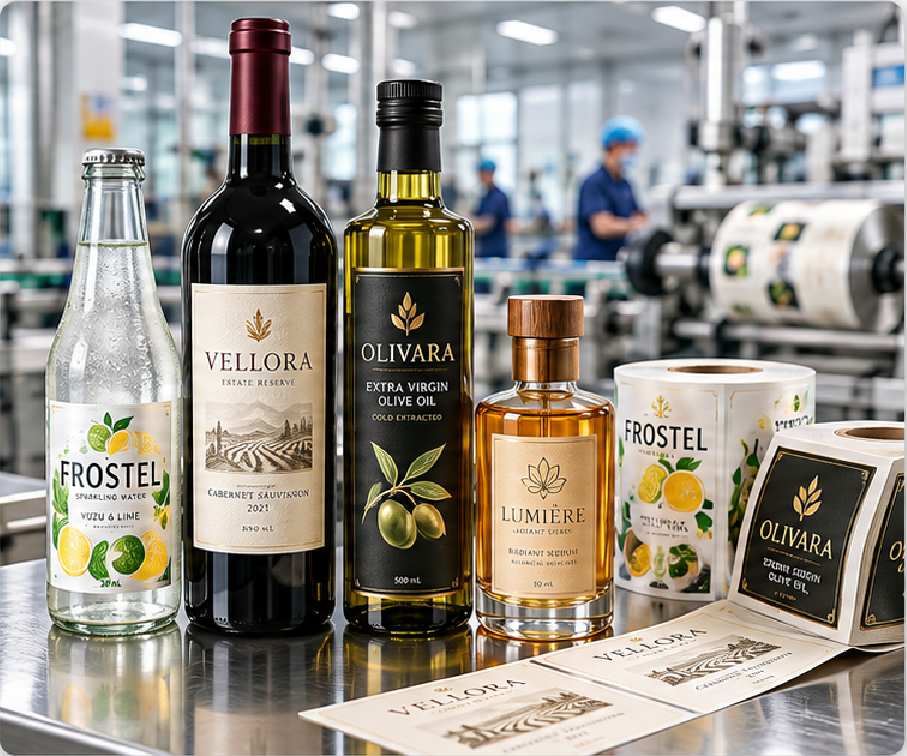
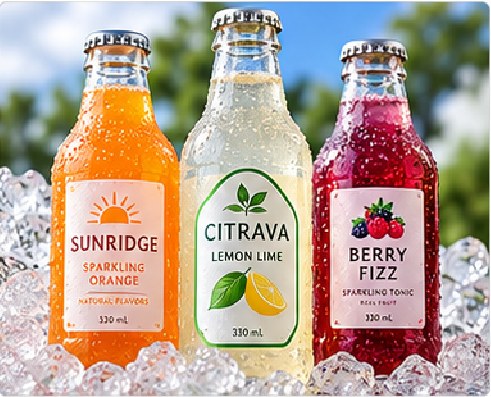
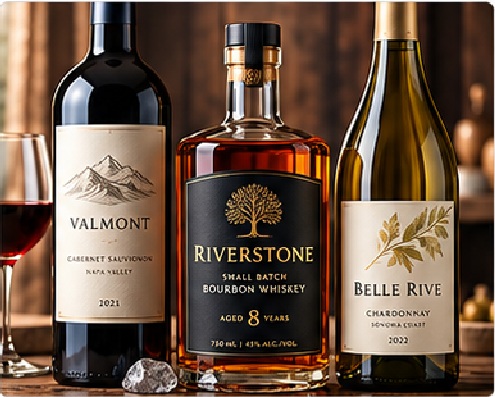
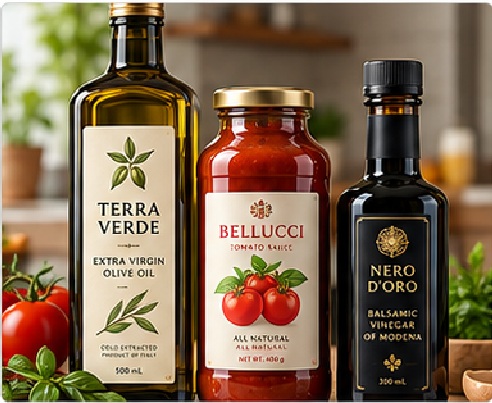

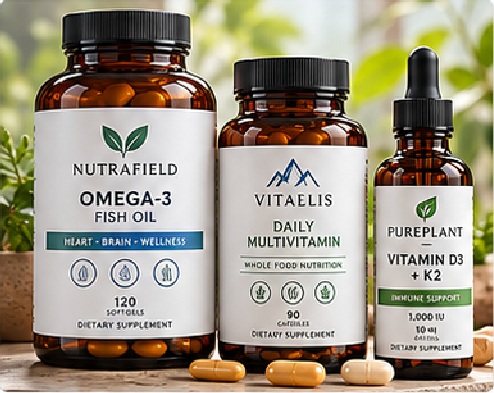

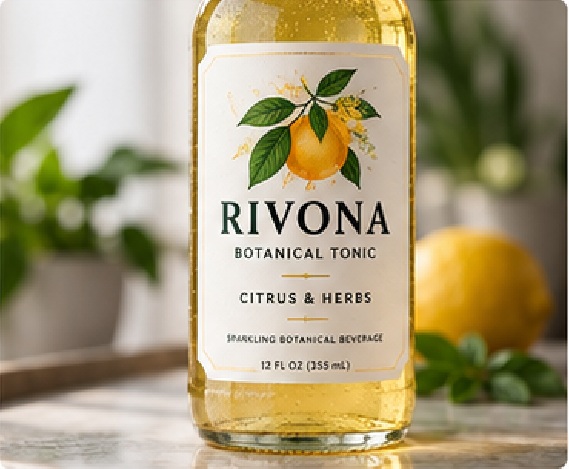
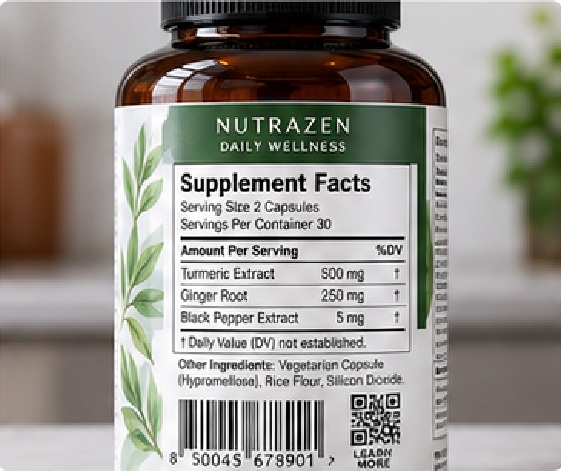
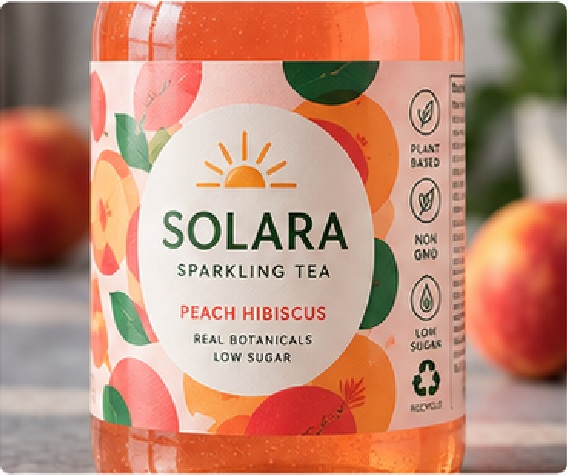
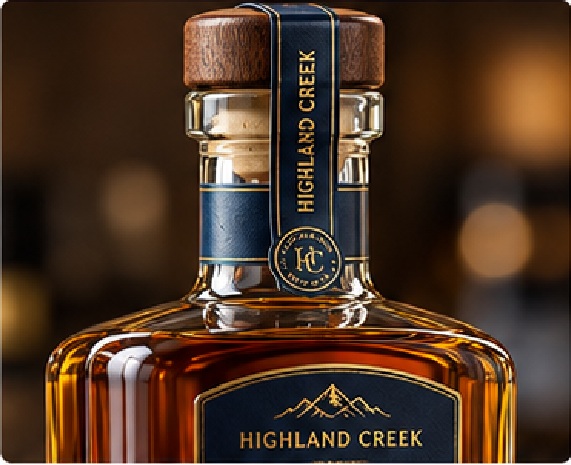
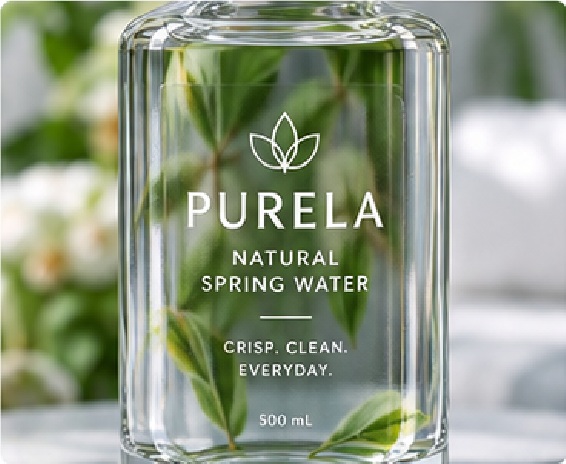
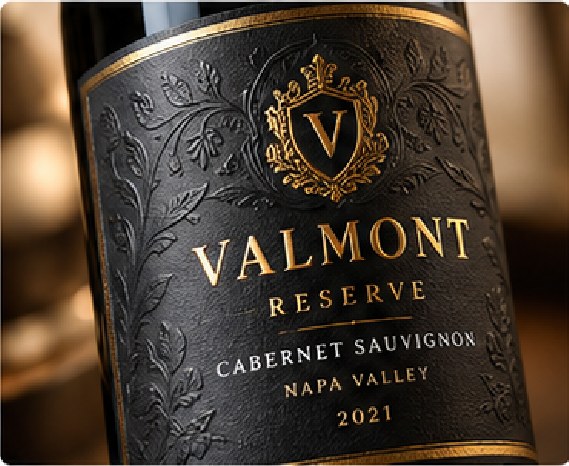
A glass bottle is only one variable. Temperature, moisture, curvature, contents and application method determine whether an attractive label also performs reliably.
| Application Condition | Main Risk | Philiton Material Direction | Adhesive / Finish Focus | Verify Before Production |
|---|---|---|---|---|
| Dry, room-temperature glass | General handling, scuffing | Coated paper, textured paper, BOPP or PET according to brand target | Standard permanent adhesive; varnish or lamination when needed | Bottle fit, color, die cut, handling |
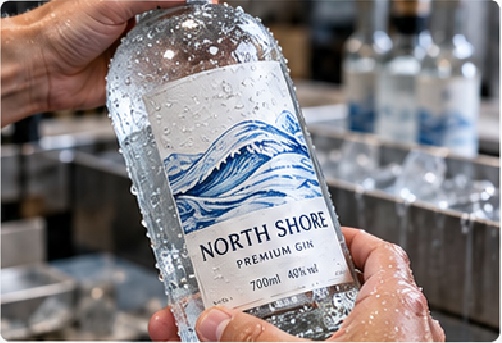
| Refrigerated bottle | Condensation and low-temperature bonding | BOPP, PET or other moisture-tolerant constructions | Adhesive selected for application and service temperatures | Apply to actual bottle under expected temperature sequence |
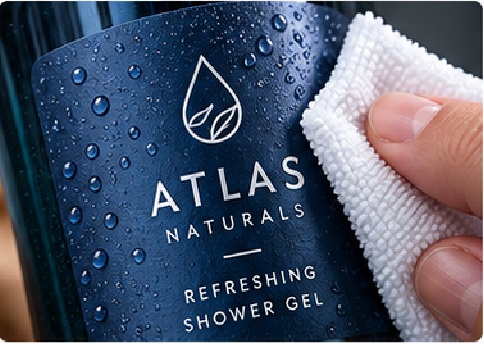
| Ice-bucket or wet use | Water exposure, edge lift, rub | Film facestock preferred for stronger moisture tolerance | Water-resistant print protection and suitable permanent adhesive | Immersion/splash condition, edge behavior, print rub |
| Oil or sauce exposure | Grease migration, ink/foil wear | BOPP or PET commonly evaluated | Protective lamination/varnish plus adhesive suited to the container | Representative oil/sauce contact and wiping |
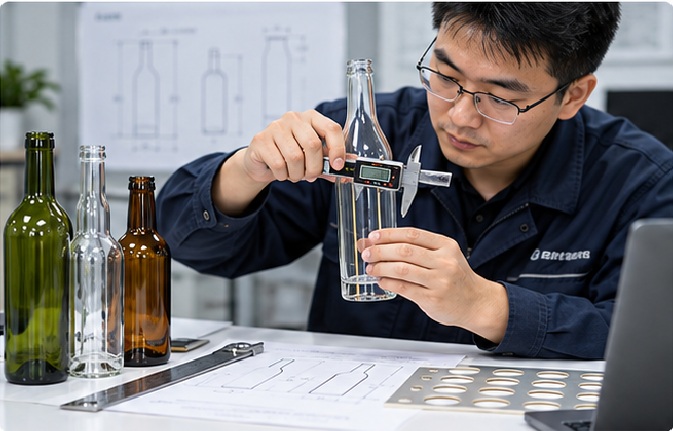
| Small bottle diameter | Edge lift from curvature and label stiffness | Thinner or more conformable construction where suitable | Tack and stiffness balanced with label width | Full-size wrap or front label on real bottle |
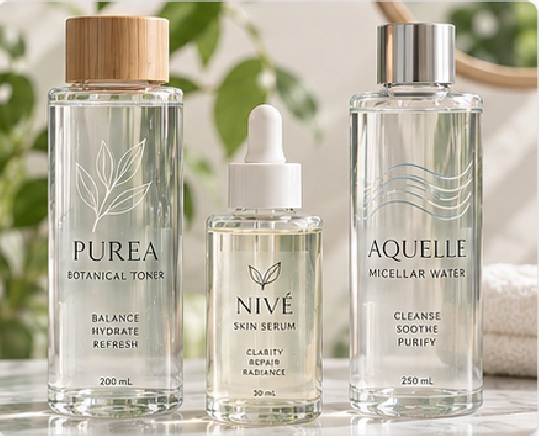
| Clear no-label-look | Bubbles, haze, dust, weak white opacity | Clear BOPP or clear PET | High-clarity adhesive, white ink control, clean handling | Bottle color, transparency, white ink, application appearance |
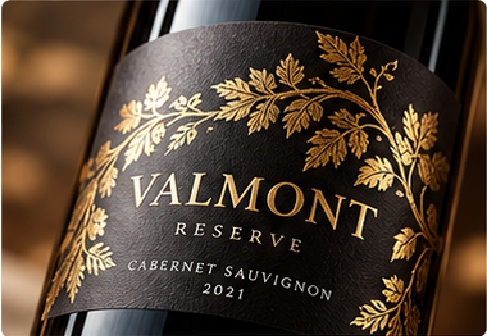
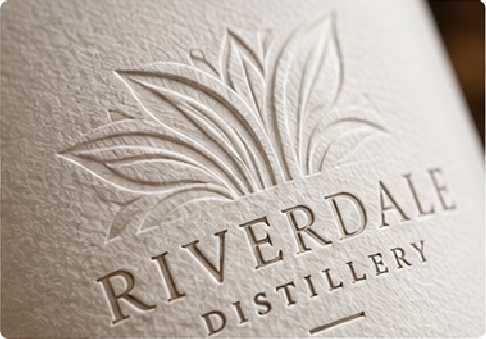
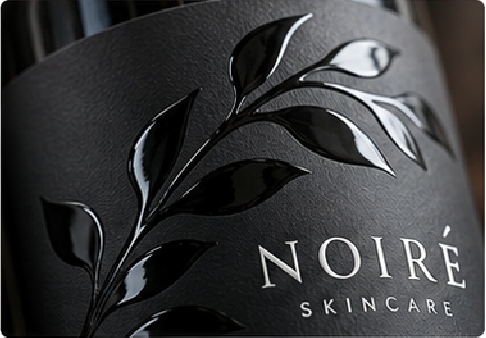
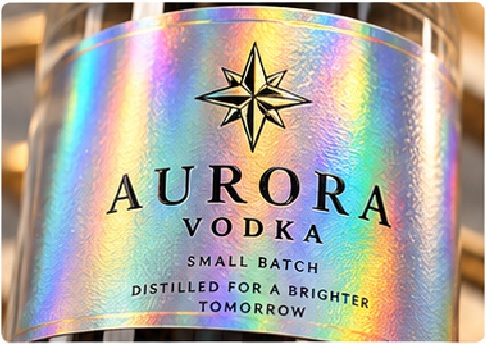
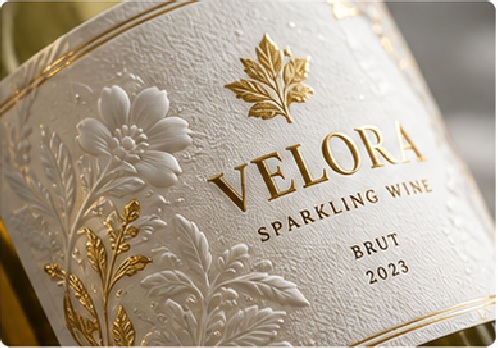
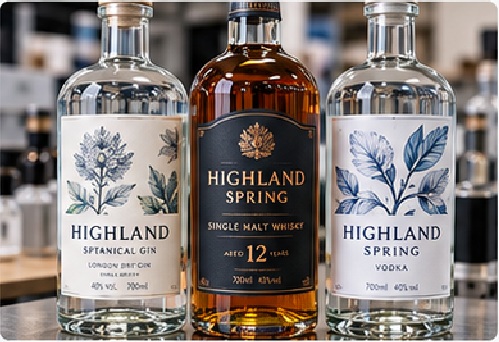
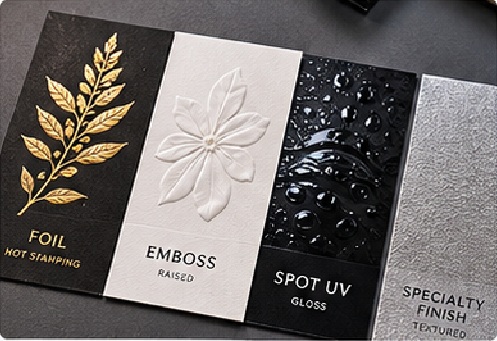
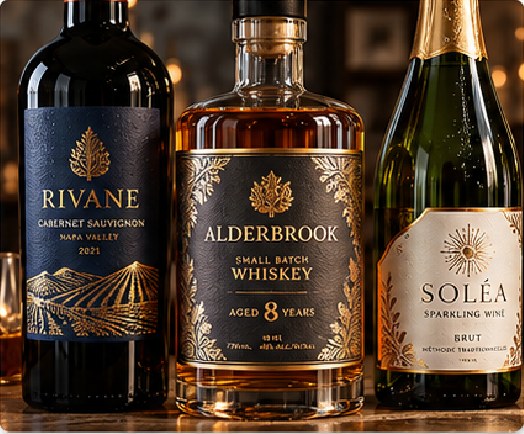
| Premium wine or spirits | Moisture plus decorative consistency | Textured paper, premium paper, film or metallic stock | Foil/emboss/UV compatibility and moisture strategy | Physical finishing sample on final bottle |
| Automatic labeling | Feeding, sensor and orientation errors | Material matched to applicator and end use | Liner, gap, pitch, core, winding and maximum roll diameter | Line test or confirmed machine specifications |
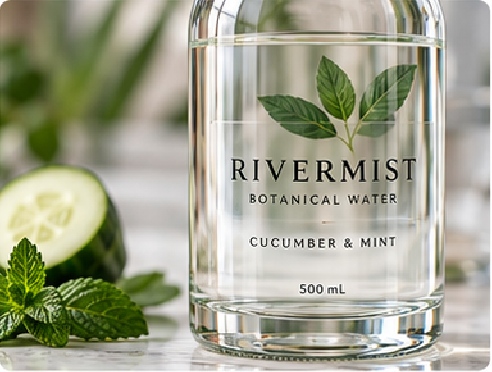
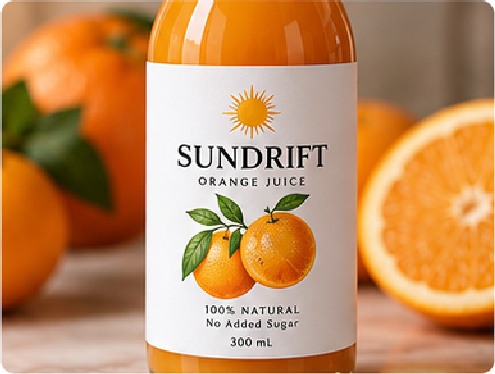

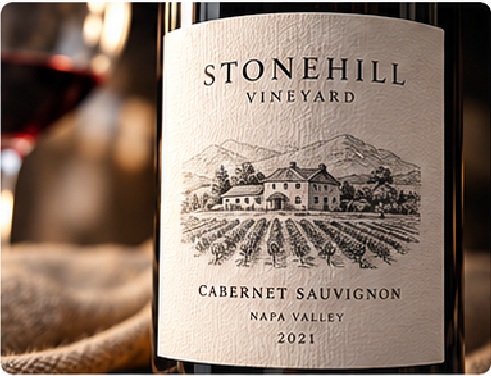
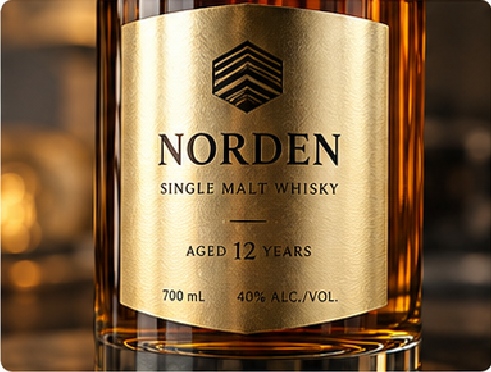
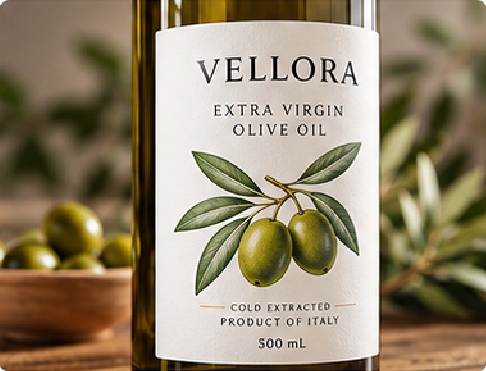
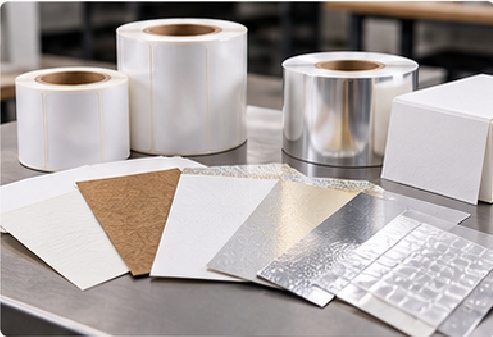
Material data sheets are useful for screening, but a glass bottle program should be released only after the selected structure is checked under representative conditions. Philiton can provide blank material samples before artwork is complete, allowing a team to evaluate clarity, tactile feel, initial tack, edge behavior and removability without paying for a full decorated sample. Printed or finished samples can follow after the material direction is narrowed.
Application testing should reproduce the actual sequence as closely as possible. For chilled beverage work, the team should confirm whether labels are applied before cooling, after cooling or on a line where bottles may carry moisture. For oil or cosmetic products, representative product contact and wiping can reveal problems not visible during a dry office test. Small-diameter bottles should be observed after dwell time for edge lift, not only immediately after application.
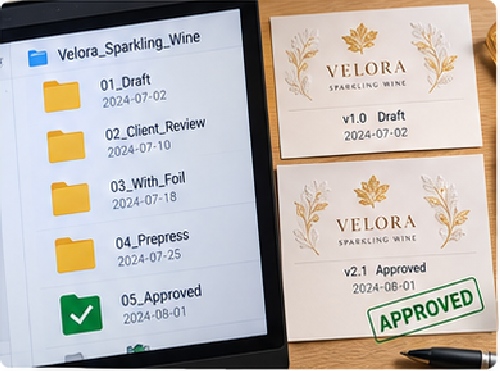
Philiton records the approved material, adhesive direction, artwork, finishing and roll configuration as project inputs for production. Changes to bottle coating, label size, contents, application temperature or storage conditions should trigger a review because a previously successful construction may no longer behave the same way. A controlled sample is the fastest way to prevent a visually acceptable label from becoming a production-line or field-performance problem.

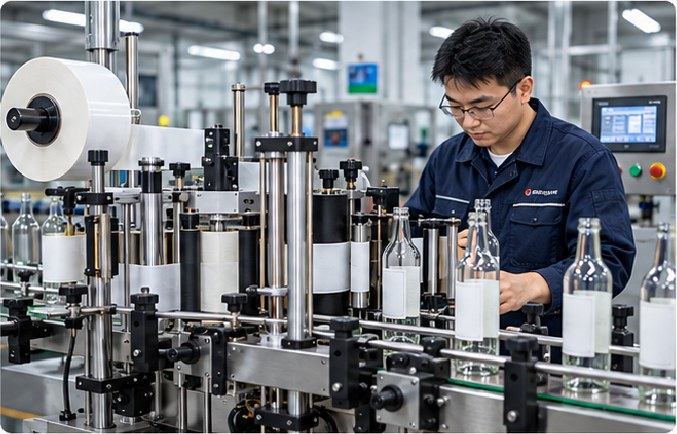
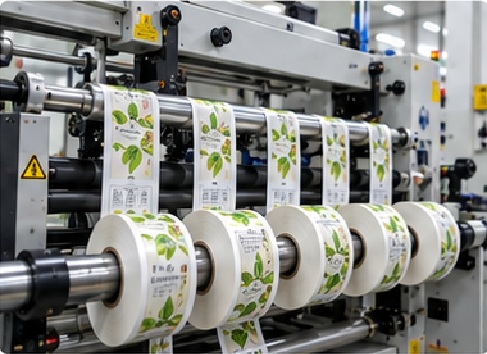
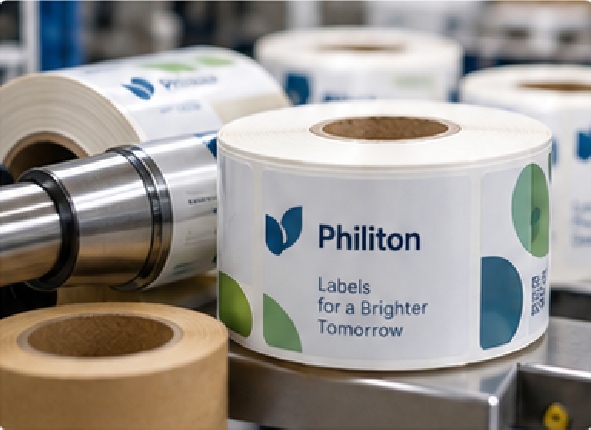
Hand application tolerates more variation in roll format, but automatic and semi-automatic lines require controlled mechanical specifications. Philiton confirms label size, orientation, roll direction, inside or outside wound format, core size, maximum roll diameter, liner width, gap, pitch and any black mark or sensor requirement before releasing production. Those details determine whether labels feed correctly and arrive at the bottle in the expected orientation. A line-compatible label can still fail if the construction is too stiff for the bottle or if application occurs on a wet or cold surface. Packaging engineers should therefore provide both applicator data and bottle/environment information. When line trials are available, a short roll can be produced for fit and feed checks before a larger quantity is scheduled. For repeated production, approved roll parameters should remain controlled alongside artwork and material specifications. Front-and-back label systems may require coordinated orientation or separate rolls depending on the applicator. Multi-SKU programs should also define labels per roll, roll identification and carton marking so the correct artwork reaches the correct filling line. Philiton treats roll engineering as part of the product specification, not a packing detail added after printing. Machine speed, peel-plate geometry and sensor type can also be reviewed when the filling line provides those details.
Material, size, quantity, SKU count, white ink, finishing and roll specifications influence both the print route and final quotation.
| Route or Format | Best Fit | Main Strength | Main Watchout | Information Philiton Needs |
| Digital printing | Short runs, multi-SKU launches, frequent artwork changes | No traditional plate setup; efficient version changes and sampling | Unit economics change as quantity grows; special finishes still need separate setup | Size, SKU quantity, material, colors, white ink, finish |
| Flexographic printing | Repeat and higher-volume roll-label programs | Continuous roll production and strong scale efficiency | Plates, setup and changeovers matter; SKU structure should be planned | Annual/lot quantity, number of SKUs, material and finishing |
| Screen / UV processes | Dense white, specialty coatings or selected high-impact effects | Strong ink deposit and specialty surface capability | Compatibility and registration depend on construction | Artwork layers, substrate, target effect and tolerances |
| Roll labels | Automatic or semi-automatic application, repeat programs | Controlled winding, core, gap and labels-per-roll | Incorrect roll direction or core can stop a line | Applicator model/spec, core, winding, max roll diameter, gap |
| Sheet labels | Hand application, sample sets or selected packing workflows | Easy visual handling and low equipment dependency | Less suitable for high-speed automatic application | Sheet size preference, label layout, packing quantity |
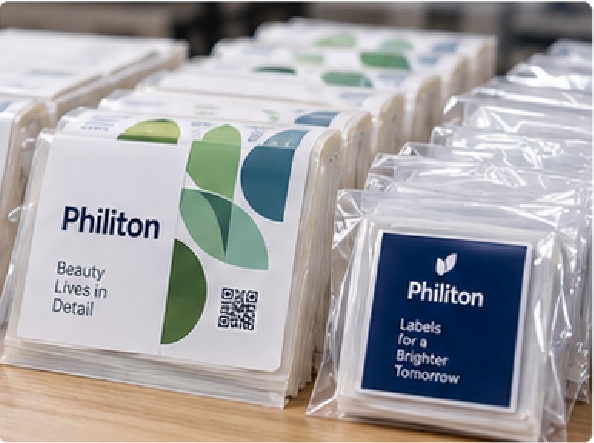
| Individual labels | Manual use, kits, promotions or special distribution | Flexible piece-level packing | Higher handling and counting requirements | Piece count, bundle/bag format, SKU separation and carton rules |
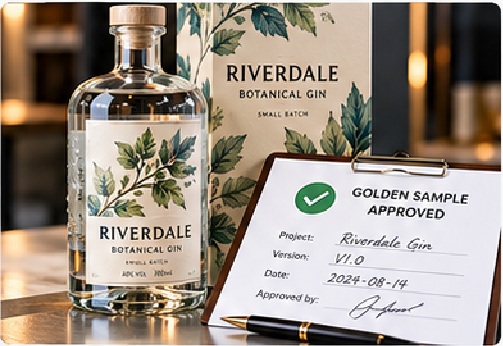
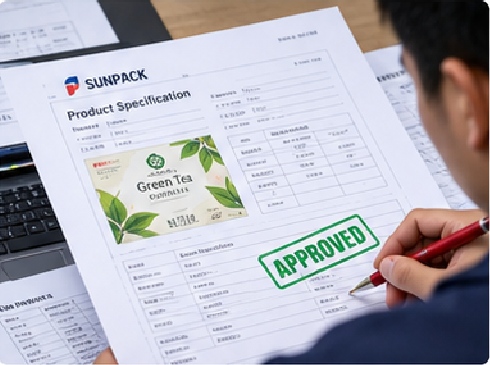
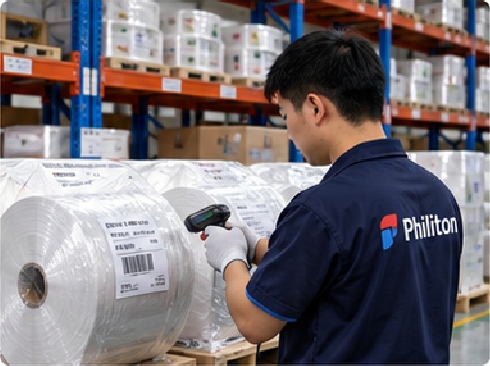
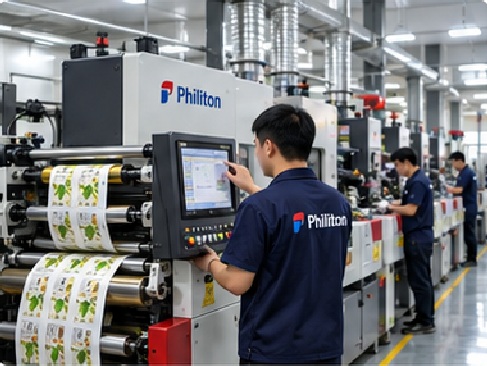
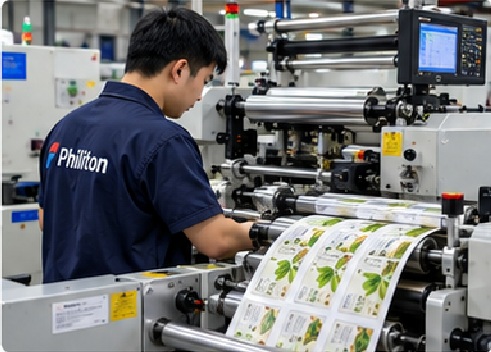
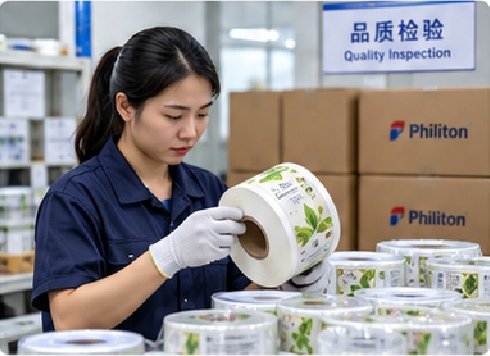
Inspection follows the released specification and approved sample, with added checks where glass, transparency, finishing, roll format or environmental exposure creates higher application risk.
| QC Checkpoint | What Philiton Checks | Reference or Method | Why It Matters | Extra Attention When |
|---|---|---|---|---|
| Incoming material | Facestock, adhesive direction, foil or specialty stock, batch identification | Purchase specification and project material record | Wrong substrate or adhesive can invalidate later testing | Clear film, specialty paper, freezer or high-tack structures |
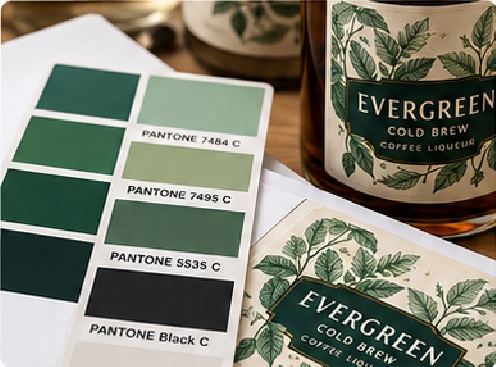
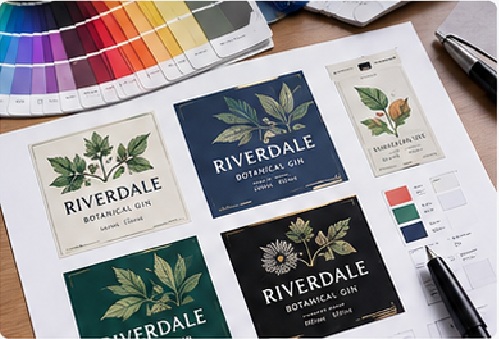
| Print and color | Artwork version, text, graphics, color target, visible defects | Approved artwork, color target or approved sample | Brand consistency and readability depend on controlled print | Critical Pantone, dark glass, high coverage, multiple SKUs |
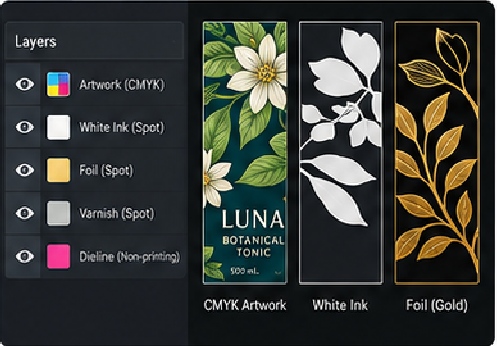
| White ink and registration | White opacity, alignment with CMYK, transparent windows | Approved clear-label sample and artwork layers | Misregistration is highly visible on clear glass | No-label-look, amber/cobalt bottles, fine reverse text |
| Foil and decorative finish | Foil edges, emboss/UV registration, surface defects | Approved finishing sample | Decoration must remain aligned and visually consistent | Fine foil detail, emboss + foil, reflective or tactile work |
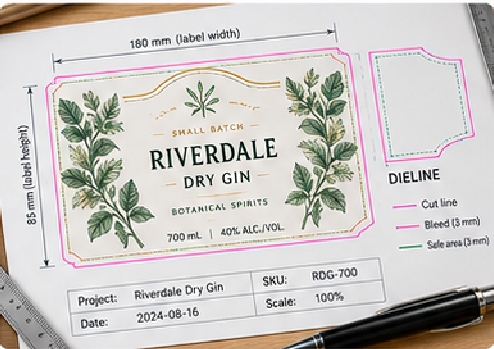
| Die cut and size | Finished dimensions, shape, edge quality, liner condition | Released dieline and project specification | Size variation affects bottle fit and automatic application | Small diameter, wraparound, front/back paired systems |
| Adhesion/application | Tack, edge behavior, bottle fit, representative exposure when agreed | Actual bottle or agreed test condition | Visual quality is irrelevant if the label lifts or bubbles | Condensation, oil, low temperature, coated or curved glass |
| Roll configuration | Core, winding direction, roll diameter, gap/pitch, labels per roll | Applicator specification and approved roll standard | Incorrect roll geometry can stop an application line | Automatic and semi-automatic labeling |
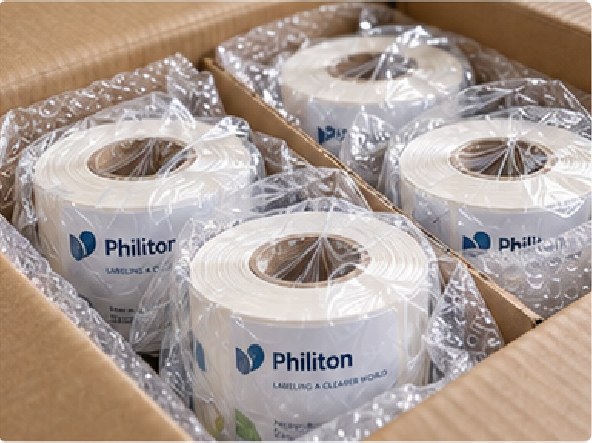
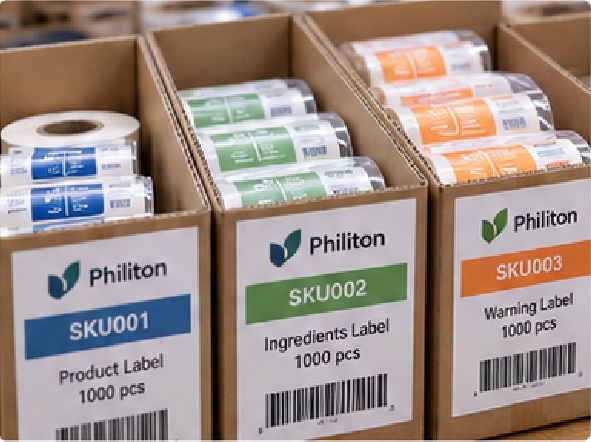
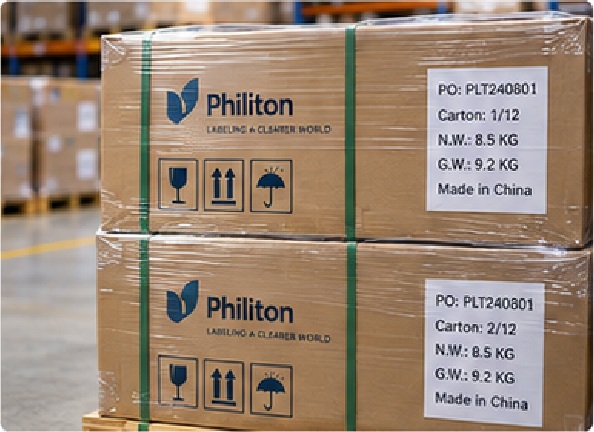
| Final packing | SKU, quantity, roll protection, carton identification, batch information | Packing instruction and shipment record | Correct labels must arrive protected and identifiable | Multi-SKU, 3PL, contract packing and direct warehouse delivery |

Philiton was founded in 2016 and operates manufacturing facilities in Shenzhen and Dongguan, China, with a combined manufacturing and operating footprint of more than 12,000 ㎡. The company has more than 200 employees, including 91 technical professionals, skilled machine operators and quality personnel. Many standard custom label and sticker projects can start from around 500 pieces, allowing a launch or regional run to use the same manufacturing organization able to support larger repeat volumes. The value of the footprint is not a claim of unlimited capacity. It provides space and personnel for artwork and prepress, multiple print routes, finishing, die cutting, slitting and rewinding, inspection, laboratory testing, packing and shipment preparation. Raw labelstocks, films, adhesives, foils and specialty substrates are sourced from qualified external suppliers rather than manufactured as base raw materials inside Philiton. Manufacturing value is created through material selection, print and converting control, process coordination and quality verification. For glass bottle programs, the same structure supports clear-film work, textured paper, foil and embossing, multi-SKU roll labels, variable information and application-specific material review. Production route and schedule are confirmed against the actual quantity, material availability, finishing and approval status rather than inferred from factory size alone. Peak-season scheduling is handled through project planning rather than a blanket capacity promise.
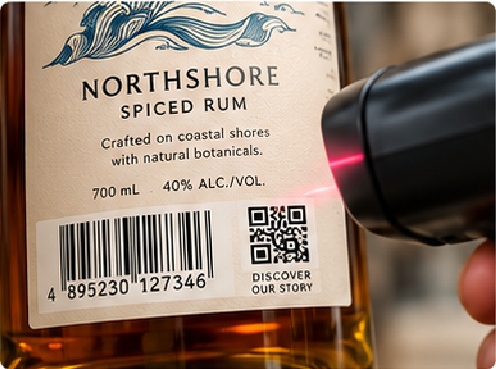
Glass bottle labels cross several disciplines: graphics, substrate behavior, adhesive selection, bottle geometry, application method, finishing and packing. Philiton’s 91-person combined technical, skilled production and quality group supports those links across project review and manufacturing. Artwork teams can check dielines, white ink, foil layers and codes; production teams run selected print and finishing routes; quality personnel inspect material, print, die cut, application-relevant features and final packing according to the released specification. Vision inspection and laboratory testing capabilities are available within the manufacturing system for projects needing additional verification. The exact inspection plan depends on product risk and agreed requirements. A standard decorative bottle label does not need the same evidence plan as a low-temperature label, security seal or variable-data program, so quality control is matched to the construction rather than expressed as a single universal test list. Repeat orders can use retained artwork, material, tooling and approved production parameters when no relevant change has occurred. A changed bottle, adhesive requirement, artwork version, material, finish or applicator setting is reviewed before release. The goal is not merely to reprint the graphic; the goal is to reproduce the approved label specification under controlled manufacturing conditions. Quality records and approved samples remain linked to the production version used for release.
Philiton can quote and develop a glass bottle label more accurately when the project starts with the actual bottle, artwork, quantity and use conditions rather than a product name alone. Send the information already available even when material or adhesive has not been selected. Philiton can review the bottle surface, label panel, curvature, temperature, moisture or product exposure, visual target, application method and production volume, then narrow suitable material, adhesive, print and finishing directions before sampling. For automatic labeling, applicator specifications help define core, winding direction, gap, pitch and maximum roll diameter. For clear or premium decoration, bottle color and a physical container sample can improve artwork and finish decisions. A complete first submission reduces quotation revisions, prevents avoidable sampling cycles and gives production teams a clearer basis for scheduling. Shipping destination is also useful at the quotation stage because freight method, Incoterm, carton or pallet rules and warehouse receiving requirements can affect the final commercial plan.
For all inquiries, please feel free to reach out at:
Our team will answer your inquiries within 12 hours.
Your information will be kept strictly confidential.
We will contact you within 24 Hours, please pay attention to the email with the suffix“@philiton.com”.
For all inquiries, please feel free to reach out at:
We will contact you within 24 Hours, please pay attention to the email with the suffix“@philiton.com”.
For all inquiries, please feel free to reach out at:
We will contact you within 24 Hours, please pay attention to the email with the suffix“@philiton.com”.