Your Trusted Labels & Stickers Manufacturer from China!

Freezer Label Failure Solution

Low-temperature label failures are easier to solve when surface, moisture, application temperature and finished construction are reviewed together.
Philiton isolates the cause before changing materials or starting another bulk run.
  • Founded in 2016 with manufacturing in Shenzhen and Dongguan.
  • 12,000+ m² manufacturing system, 200+ employees and 91 technical, skilled production and quality personnel.
  • Many standard custom label projects can start from approximately 500 pcs.
Freezer Label Failure Solution

Who Needs a Freezer Label Failure Review

Philiton supports programs where cold exposure, moisture, packaging surfaces or label construction create repeat failures that cannot be solved by changing artwork alone.
Frozen Food Brands

Frozen Food Brands

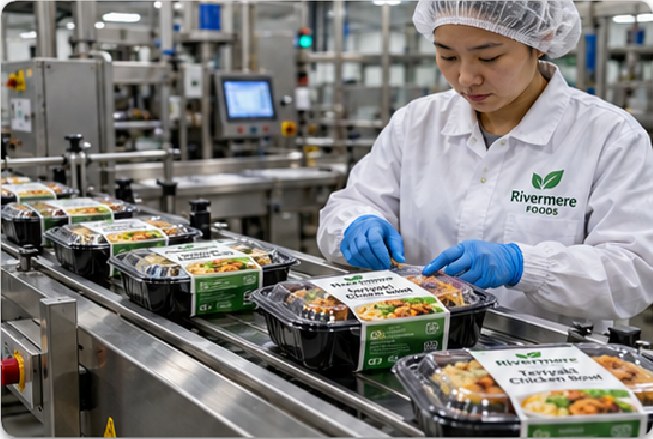
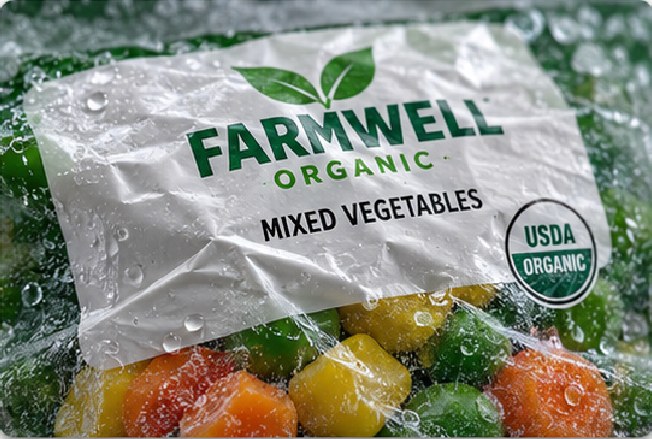
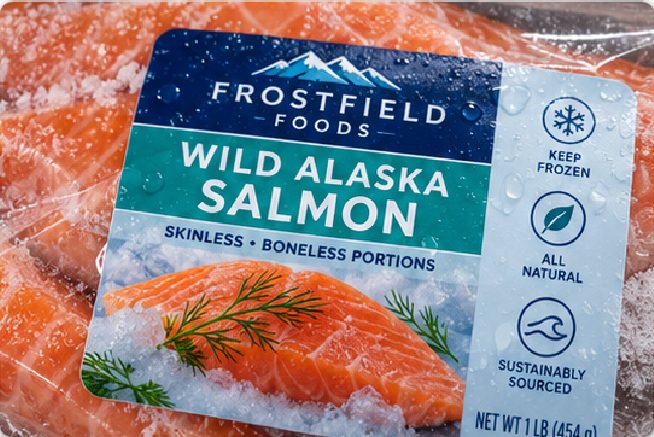
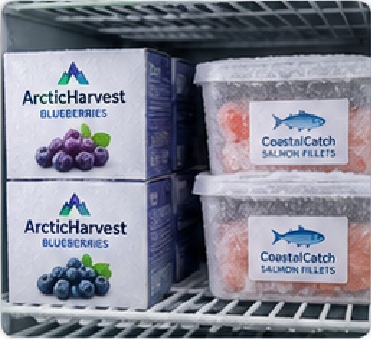
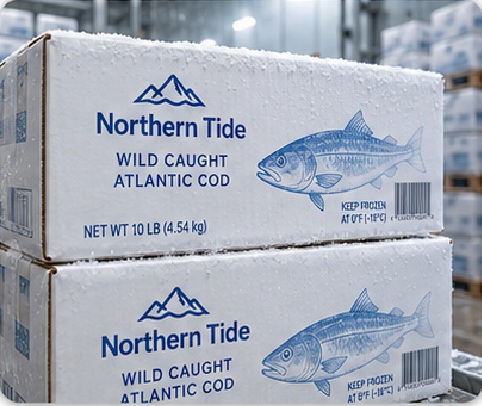
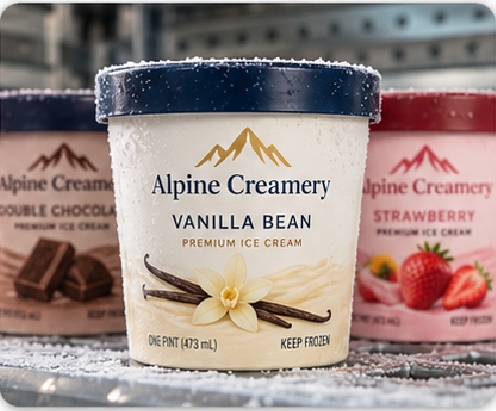
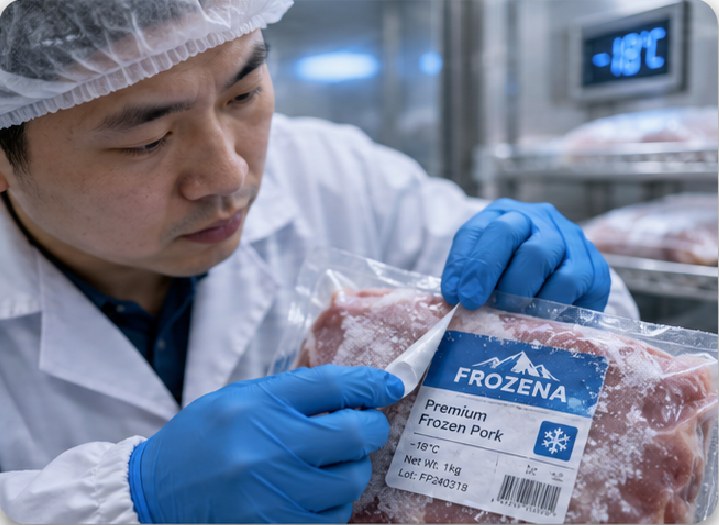
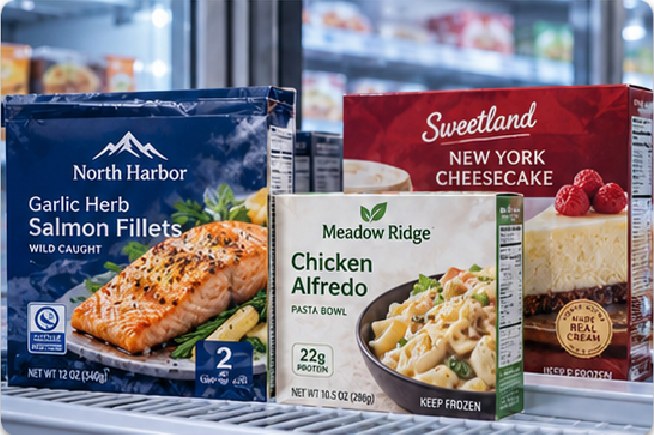
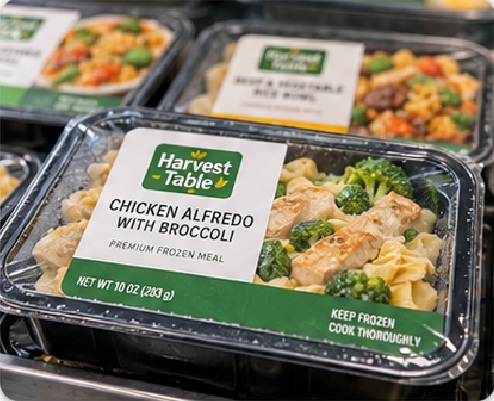
Frozen meals, seafood, meat, desserts and prepared foods often move through filling, sealing, chilling, freezing, warehousing and retail display under different temperature and moisture conditions. Philiton reviews where the label is applied, when the pack enters cold storage, the packaging material, current facestock and adhesive, and the failure timing. The goal is to replace trial-and-error material changes with a construction that can be sampled and checked on the actual pack before volume production.
Cold Chain Operations

Cold Chain Operations

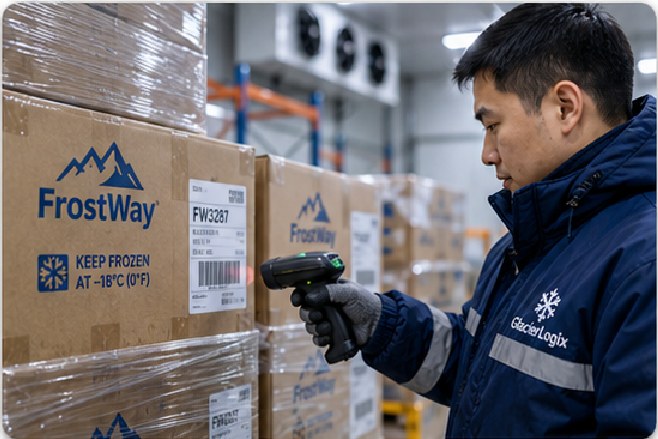
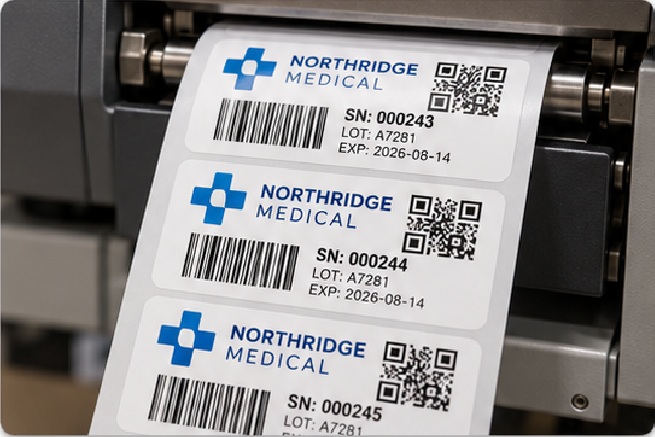
Warehouses, distributors and logistics programs need labels that remain readable while cartons, totes, plastic bins or secondary packs move through cold rooms and freezers. Philiton can combine low-temperature adhesive selection with barcode, QR code, variable data and roll-format requirements. Evaluation also covers printer method, ribbon compatibility when relevant, scanning conditions, liner and roll configuration, because a label that sticks but cannot be printed, dispensed or scanned reliably still creates an operational failure.
Contract Packers and OEMs

Contract Packers and OEMs

Packing lines often inherit specifications from several brands, so one material may be expected to run across different containers, temperatures and SKU formats. Philiton helps separate the common requirements from pack-specific risks. Application temperature, line speed, label size, corner radius, roll direction, core, gap, liner and surface condition can be reviewed before sampling. Multi-SKU programs can then use a controlled material family while artwork, variable information and finishing change by SKU instead of rebuilding the full specification for every order.
Packaging and Label Partners

Packaging and Label Partners

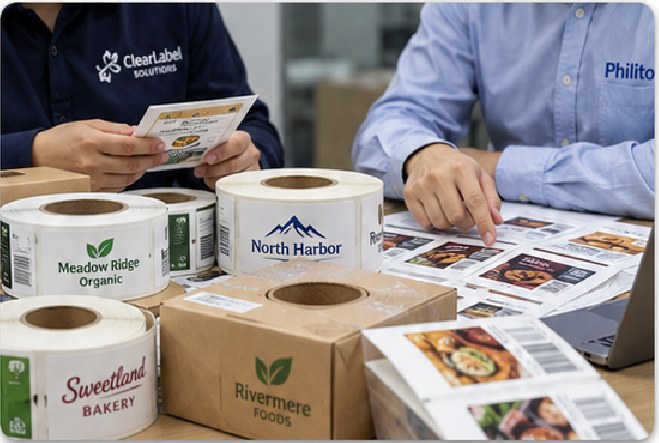
Packaging companies, print brokers and label distributors may receive a complaint without access to the original adhesive data or converting history. Philiton can work from a failed sample, photos, packaging material and use conditions, then rebuild a manufacturing specification for testing. Neutral production and shipping arrangements can be discussed for channel programs. The useful starting point is not a general request for a “stronger glue,” but a clear record of where, when and how the current construction loses adhesion or readability.

Start With the Failure You Can Actually See

The visible symptom narrows the investigation. Philiton first records when the problem appears, then checks surface, temperature, moisture, adhesive and facestock variables.
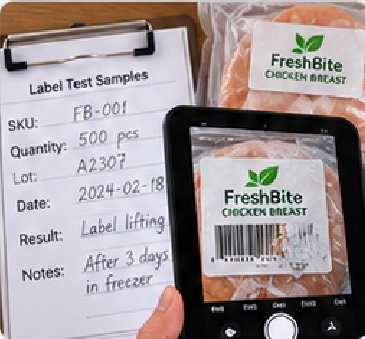
Edges Lift First

Edges Lift First

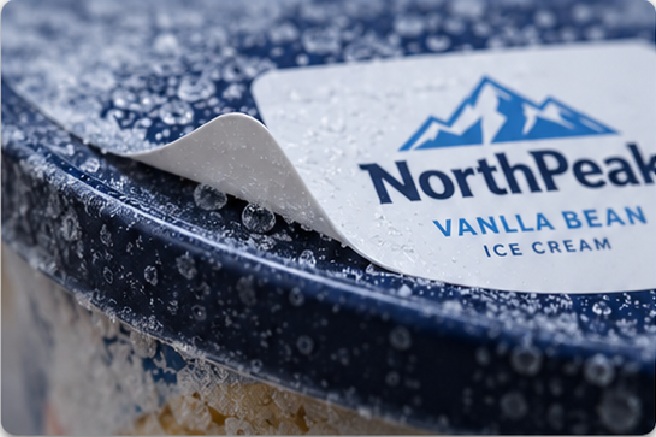
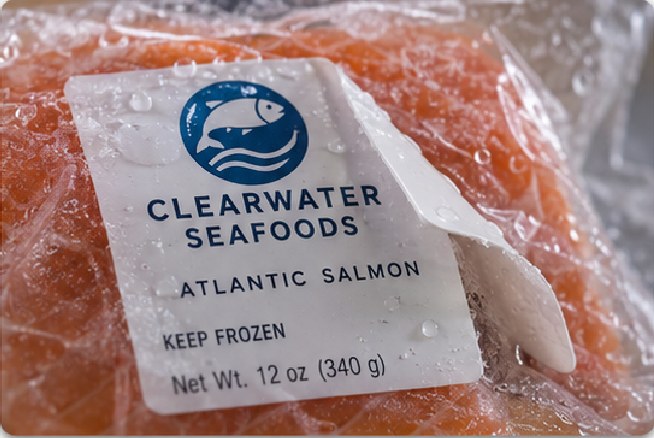
Corner or edge lift often appears before a label fully releases. Philiton checks label geometry, corner radius, container curvature, facestock stiffness, adhesive wet-out and the time between application and freezing. A stiff face film on a tight curve can create continuous lifting force, while low initial contact can leave the edge vulnerable to condensation. Photos taken immediately after application and again after cold exposure help separate mechanical tension from an adhesive-selection problem.
Label Falls Off

Label Falls Off

A label that looks secure at first but later detaches may be outside the selected construction’s service conditions, may have been applied below its effective application range, or may have bonded to moisture rather than the package. Philiton asks for the actual surface material, surface temperature, storage temperature and failure timing. Existing label samples are useful because facestock, adhesive coat and liner behavior can be compared with candidate materials before a replacement run is approved.
Wrinkles or Bubbles

Wrinkles or Bubbles

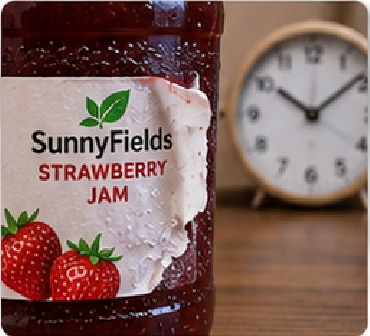
Wrinkling, bubbling and distorted edges can come from moisture exposure, dimensional changes in paper, trapped condensation, package movement or a mismatch between label stiffness and the container. Philiton does not treat every visible defect as an adhesive failure. The review includes paper versus film facestock, lamination or coating, package flexibility, freeze-thaw movement and application pressure. A film construction may be evaluated when moisture or repeated handling makes a paper structure unstable.
Codes Become Unreadable

Codes Become Unreadable

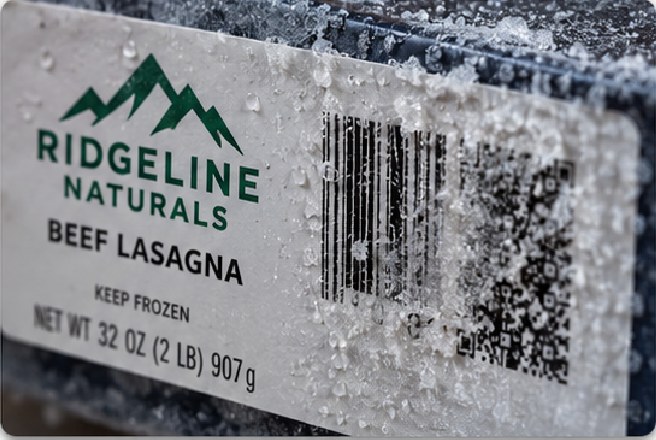
Barcode or variable-data failure can occur even when adhesion remains acceptable. Condensation, abrasion, thermal-print chemistry, ribbon choice, surface coating and laminate can affect contrast and scan quality. Philiton can produce variable data, barcodes and QR codes and supports visual inspection and testing. For cold-chain programs, the label specification therefore includes both adhesion and information durability, with scanning checked after the relevant cold, moisture and handling exposure instead of only at room temperature.

Freezer Label Failure Diagnostic Matrix

Use the symptom to decide which variable should be checked first. Final material selection still depends on the actual package, temperature sequence and application method.

Observed FailureLikely VariablesCheck FirstPhiliton Review Direction
Label will not stick during applicationSurface too cold, frost, condensation, low initial tackSurface temperature and moistureCompare cold-apply adhesive candidates and application process
Label sticks, then releases after freezingService range, adhesive/substrate mismatch, insufficient dwellStorage temperature and time before freezingRebuild facestock and adhesive construction for cold exposure
Corners or edges curlSmall radius, stiff facestock, weak edge wet-outContainer curvature and label geometryAdjust facestock flexibility, corner radius and adhesive selection
Paper wrinkles after thawingMoisture uptake, condensation, freeze-thaw movementFacestock and moisture pathEvaluate film or protected paper construction
Label slides or shiftsContamination, low surface energy, insufficient application pressureSurface material and cleanlinessReview high-tack or low-surface-energy adhesive options
Barcode prints poorlyThermal stock, ribbon, coating or printer settingPrint method and consumablesMatch thermal or thermal-transfer structure to use conditions
Barcode scans before freezing but not laterMoisture, abrasion, coating or laminate issueScan after cold exposureAdd print protection or change print system
Roll dispenses poorlyLiner, curl, roll tension, core or die-cut issueRoll specification and applicatorReconfirm liner, gap, direction, core and finishing controls

Application Temperature Is Not Service Temperature

A freezer label must survive cold storage, but it must also form a bond under the conditions present when the label first touches the package.
Check the Temperature When the Label Is Applied

Check the Temperature When the Label Is Applied

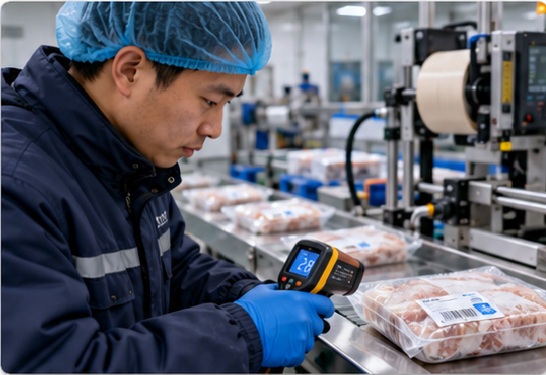
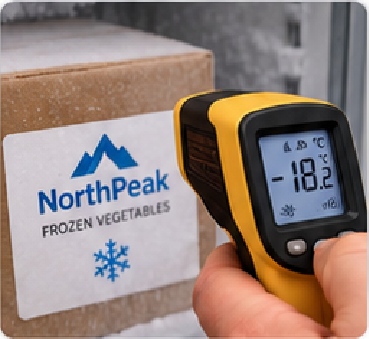
Application temperature is the temperature of the package surface and surrounding process when the label is applied. A construction can be suitable for long-term cold storage yet still perform poorly if it is applied to a surface that is too cold, wet or frosted for the adhesive to wet out. Philiton asks for the real application point instead of relying only on freezer set temperature:
  • Where labeling happens: room-temperature packing area, chilled line, cold room or inside a freezer.
  • Package condition: dry, damp, visibly condensed, frosted or already frozen.
  • Surface material: paperboard, coated carton, PP, PE, HDPE, PET, glass, metal or flexible film.
  • Pressure and dwell: hand application and automatic dispensing create different contact conditions; time before freezing also matters.
  • Existing specification: current facestock and adhesive data, when available, can show whether the failure is a material limitation or an application mismatch.
Philiton can source project-specific facestocks and adhesive systems, then print, convert and test candidate constructions. Exact low-temperature limits are confirmed against the selected material data rather than applied as one universal number to every freezer label. When the measured surface temperature differs from the line-room temperature, the colder value should guide the trial because the adhesive contacts the package surface, not the thermostat display. Recording that value also makes repeat testing more comparable across shifts and seasons.
Check What Happens After the Bond Has Formed

Check What Happens After the Bond Has Formed

Service temperature describes the conditions a bonded label must tolerate during storage, transport, retail handling or repeated temperature changes. A package may be labeled warm, allowed to build adhesion, then frozen. Another pack may be labeled in a chilled environment and enter deep-freeze storage within minutes. The two programs do not have the same risk profile even if the final freezer temperature is identical. Philiton maps the complete temperature sequence before the specification is released:
  • Time before freezing: immediate transfer to cold storage versus several hours of bond development.
  • Lowest storage condition: confirmed from the actual distribution chain, not assumed from a product category.
  • Freeze-thaw exposure: repeated movement between freezer, staging area, transport and retail creates condensation and dimensional stress.
  • Handling: cartons, tubs and flexible packs may be rubbed, stacked or flexed while cold.
  • Information durability: barcodes, QR codes and variable data must remain readable after the same exposure as the adhesive.
A material is approved only after its application conditions and service conditions are considered together. Philiton documents the chosen construction so repeat orders can follow the same manufacturing specification. If distribution includes several cold stages, the specification should record the expected sequence rather than one single freezer number. That record helps production, quality and procurement teams understand why a certain adhesive and facestock were selected and prevents a later cost-driven substitution from removing the feature that the cold-use trial actually validated.

Four Freezer Label Application Conditions

The same adhesive cannot be selected from storage temperature alone. Philiton separates projects by the condition of the package at the moment of labeling.

Warm Apply Then Freeze

Labels are applied to a clean, dry pack at room or normal packing temperature, then the product is chilled or frozen later. The main questions are how much time is available for bond development, what substrate is used, and what happens during storage and thawing. Philiton can compare paper and film constructions, permanent or freezer-grade adhesive options, and the required print protection before sample rolls are produced for actual pack testing.

Chilled Line Application

Packaging may already be cold when it reaches the labeling station, even though visible frost has not formed. Philiton records the real surface temperature rather than only the room setting, because a cold plastic surface can reduce adhesive wet-out. Moisture from washdown, product filling or nearby refrigeration also matters. Candidate constructions are selected together with application pressure, line configuration, label size and dwell before deeper freezing so the test mirrors production conditions.

Apply to Frozen Packs

A label applied after the package is already frozen presents a harder adhesion problem, especially when frost or condensation is present. Philiton first determines whether the surface can be dried or conditioned before choosing a more aggressive adhesive. No adhesive should be presented as a cure for a thick frost layer without testing. Samples should be applied to the actual frozen substrate, using the same handling method, then inspected after storage and any planned thaw cycle.

Freeze-Thaw Cycling

Products that move repeatedly between freezer, loading area, transport, display and handling zones can see condensation and repeated dimensional movement. Philiton evaluates facestock moisture resistance, adhesive stability, container flexibility and print protection together. A construction that survives constant low temperature may behave differently when warmed and cooled several times. Validation should therefore reproduce the expected cycle and include edge lift, surface wrinkling, print rub and barcode scanning instead of checking adhesion alone.

Frost and Condensation Change the Bonding Surface

Moisture can turn a suitable adhesive into a failed label if the adhesive never reaches the package itself or the facestock cannot tolerate repeated wetting.

Frost Can Block Contact Before Adhesion Starts

Visible frost is not simply “a colder surface.” It is a physical layer between adhesive and packaging. If the label is pressed onto frost, the adhesive may contact ice crystals and moisture instead of the PP tub, carton, pouch or bottle underneath. When the frost melts or shifts, the apparent bond can disappear. Philiton treats frost as an application-process variable first:
  • Record the surface condition: dry-cold, lightly frosted, heavily frosted or wet from melting frost.
  • Check whether the process can change: wiping, staging, labeling before freezing or moving the label station may be more reliable than specifying a more aggressive adhesive.
  • Review the substrate after drying: low-surface-energy plastics can remain difficult even when moisture is removed.
  • Test actual packs: laboratory material data helps narrow options, but the final check should use real packaging and the real temperature sequence.
Where cold application cannot be avoided, Philiton can source candidate low-temperature or high-tack adhesive structures and convert them into the required finished format. Performance limits are tied to the selected material specification and actual pack trial, not a blanket “freezer-safe” claim. Trial photos should show the surface before labeling as well as the label after storage. A clean-looking finished pack can hide the original frost level, and without a before-and-after record it is easy to misdiagnose a process problem as weak adhesive performance.

Condensation Can Break an Apparently Good System

Condensation commonly appears when a frozen pack enters warmer, humid air or when cold packaging meets a warmer production environment. A label may have good initial adhesion and still develop edge lift, bubbles, paper wrinkling or print damage after repeated moisture exposure. Philiton separates the moisture problem into several decisions:

  • Facestock: paper may need protection or replacement with a film when dimensional stability and moisture resistance are more important than paper texture.
  • Adhesive: the adhesive must remain compatible with the substrate and service condition after the bond has formed.
  • Printing and protection: thermal print, variable data and graphics may require a compatible coating, ribbon or laminate depending on abrasion and condensation.
  • Label geometry: tight curves and small corners can magnify stress when the face material expands, contracts or absorbs moisture.
  • Packaging movement: flexible pouches and squeezable containers can stress a rigid label during thawing and handling.

A useful sample test reproduces the condensation event instead of evaluating a dry label on a room-temperature pack only. For repeat programs, the team should also record whether condensation appears on every cycle or only after long staging periods, because intermittent moisture often explains why one shipment performs normally while another develops sporadic lifting or print damage. Philiton can use that observation to narrow the variables before changing the whole construction. 

Packaging Surfaces Change Freezer Adhesion

Surface material, texture, contamination and curvature affect adhesive contact. Philiton reviews the actual pack before selecting a freezer or high-tack construction.

Packaging SurfaceCommon Risk in Cold ConditionsPhiliton ChecksFirst Engineering Direction
Coated or uncoated corrugated cartonRoughness, fibers, moisture, cold room handlingBoard coating, dust, dampness, application pressureHigh-tack or cold-temperature paper/film label candidate
PP, PE or HDPELow surface energy, curved tubs, condensationResin type, mold texture, radius, surface temperatureLow-surface-energy compatible adhesive and flexible facestock
PET containersSmooth surface but condensation can reduce wet-outSurface cleanliness, curvature, chill pointPermanent or cold-apply construction tested on actual pack
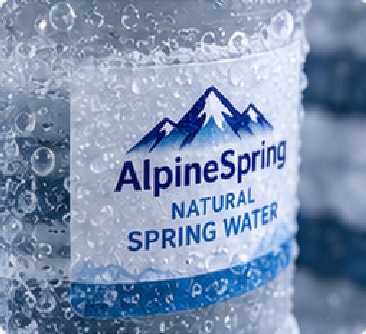
GlassCondensation, cold surface, wash or wipe exposureDry/wet application, curve, coating needFilm or protected paper with tested adhesive
MetalVery cold surface, condensation, abrasionSurface finish, frost, storage handlingMoisture-resistant face and project-matched adhesive
Flexible pouchesPack flexing, wrinkles, low surface energyFilm type, fill shape, seal area, label sizeThin flexible facestock and geometry review
Recycled or textured packsVariable surface energy and roughnessCoating, fiber exposure, dust, supplier variationSample multiple lots before locking adhesive

Select Adhesive by Failure Mechanism

Philiton sources adhesive constructions to match substrate, temperature and application method. The strongest adhesive is not automatically the most stable choice for every pack.

Standard Permanent Adhesive

A standard permanent construction may be suitable when labels are applied to clean, dry packaging under normal temperature and only enter cold storage after the bond has developed. Philiton checks whether the current failure actually requires a freezer adhesive before increasing tack. If adhesion is already stable, other variables such as paper moisture, curved geometry, barcode protection or roll setup may deserve attention first. Avoiding unnecessary adhesive changes can keep converting, dispensing and removal behavior more predictable.

All-Temperature Adhesive

All-temperature constructions can cover a broader operating window than ordinary general-purpose labels, but the term alone does not define performance on every frozen pack. Philiton still checks minimum application conditions, service environment, substrate and moisture. A label applied in a chilled room to dry carton is different from one pressed onto frosted PP. Material data and pack trials are used together so “all-temperature” is treated as a candidate category rather than a universal pass condition.

Freezer or Cold-Apply Adhesive

Cold-apply or freezer-grade adhesive structures are considered when the package is chilled at application or the final cold-storage environment exceeds the capability of a standard permanent construction. Philiton can source project-matched adhesive systems and combine them with paper, BOPP/PP, PET or other facestocks as required. Exact application and service limits come from the selected material data. Sampling should reproduce real surface temperature, moisture and dwell before bulk production is released.

High-Tack LSE Adhesive

PP, PE and HDPE can require adhesive systems designed for low-surface-energy substrates, especially when the pack is curved, textured or handled cold. High tack alone does not solve frost, oil, release agents or poor application pressure, so Philiton checks surface condition before moving to a more aggressive system. Label size, corner radius and facestock flexibility are also reviewed because mechanical lifting force can overpower an otherwise suitable adhesive on small-radius containers.

Compare Facestocks for Freezer Applications

Philiton selects facestock with adhesive and printing as one construction. Moisture resistance, flexibility, barcode method, finish and packaging geometry all affect the choice.

FacestockMoisture BehaviorMechanical CharacterTypical Freezer UseKey Check Before Approval
Coated paperCan absorb moisture unless protectedGood stiffness, economical, easy printingDry cartons and packs with controlled condensationWrinkling, edge lift, coating and thaw exposure
Synthetic paperBetter moisture resistance than ordinary paperPaper-like feel with improved durabilityBranded packs needing printability plus moisture toleranceAdhesive compatibility and converting behavior
BOPP / PP filmStrong moisture resistance and good flexibilityThin, conformable, available clear or whiteTubs, pouches, bottles and frozen food packagingSurface energy, opacity/white ink, curve and finish
PET filmHigh dimensional stability and durabilityMore rigid than many PP filmsDurable identification and demanding cold-chain labelsCurvature, stiffness and adhesive match
Thermal labelstockDesigned for direct thermal or thermal transfer systemsDepends on face/coatingCold-chain barcode, inventory and traceabilityPrinter, ribbon if used, moisture, abrasion and scan life

Label Formats Built Around the Packing Process

Philiton converts the selected freezer construction into a format that fits hand application, automatic labeling, variable data printing and final pack geometry.
Roll Labels

Roll Labels

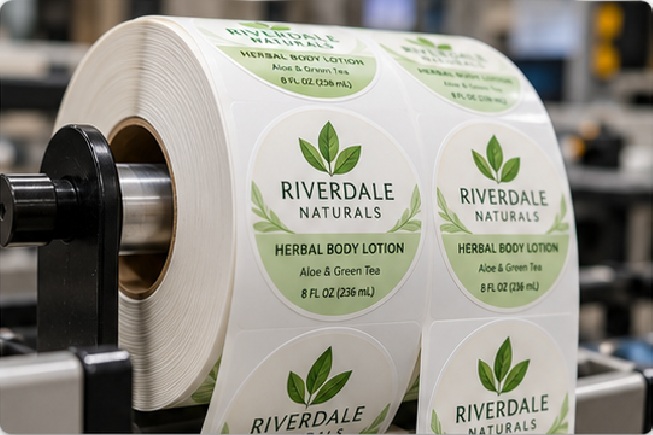
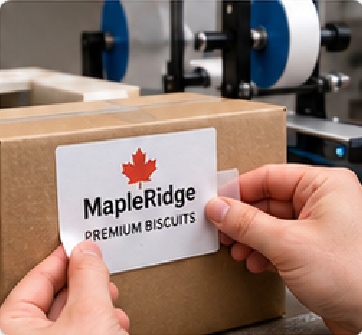
Roll labels suit automatic and semi-automatic application, repeated production and programs requiring controlled orientation. Philiton can confirm label width and height, gap, corner radius, liner width, roll direction, core, outside diameter and labels per roll against the applicator. Digital, flexographic and other printing routes can be selected by quantity, SKU count and finish. Roll construction is treated as part of the technical specification because dispensing problems can look like adhesive problems on a fast packing line.
Sheet or Cut Labels

Sheet or Cut Labels

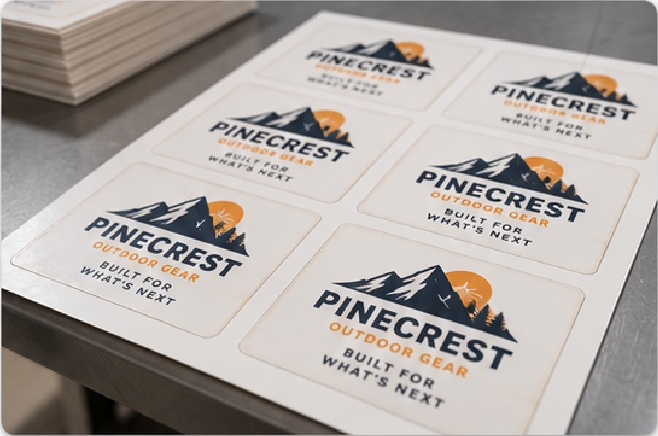
Sheeted or individually cut formats can suit manual application, test runs, sample evaluation, seasonal programs and operations without roll-label equipment. The freezer construction still needs the same surface and temperature review. Philiton can produce custom shapes and sizes from supplied artwork or dimensions, with the die line checked before sampling. For troubleshooting, providing the current label width x height, corner radius and a photo on the package helps identify whether geometry contributes to edge lift.
Variable Data Labels

Variable Data Labels

Cold-chain operations may require barcodes, QR codes, serial numbers, lot information or other changing data. Philiton supports variable-data production and can integrate printed graphics with variable information in the required label format. The test plan should include code contrast and scanning after cold storage, condensation and handling. Direct thermal and thermal-transfer structures are considered according to printer method, expected life and abrasion rather than assuming one barcode material is suitable for every freezer environment.
Protected Graphic Labels

Protected Graphic Labels

Branded freezer packaging may need clear film, white film, paper texture, white ink, lamination, coating or specialty finishing while still meeting adhesion requirements. Philiton reviews decoration after the base construction is selected so appearance does not compromise flexibility, moisture behavior or dispensing. Protective finishes may be useful where graphics, variable data or surfaces face repeated condensation and rubbing. The approved sample should represent the final print and finish stack, not only an unprinted adhesive test label.

Validate the Construction on the Real Pack

Philiton builds the sample plan around the packaging and temperature sequence that caused the failure, not around a room-temperature peel check alone.

Build the Test Around the Real Package and Process

A useful freezer-label test begins with the actual package, not only a material datasheet. Philiton asks for failed labels, photos, packaging samples when available, the current specification, application temperature, lowest storage temperature, moisture condition and application method. Quantity, SKU count, label size and roll requirements are collected at the same time so the sample can be made in a form close to production.
A typical validation sequence is:
  • Apply to the actual surface: use the same PP, PE, PET, glass, metal, carton or flexible film whenever possible.
  • Match the application condition: room temperature, chilled, damp or already frozen.
  • Use production-like pressure: hand-applied trials should not be treated as identical to an automatic applicator without checking contact conditions.
  • Allow the intended dwell: record how long the product remains before freezing.
  • Expose to the real cold cycle: constant freezer storage or planned freeze-thaw movement.
  • Inspect more than adhesion: check edge lift, wrinkling, bubbles, print rub, code contrast and scan performance.
Sample timing is confirmed after the construction and finishing route are reviewed. A simple printed material sample and a multi-process label with special finishing do not share one fixed lead time. Where several candidate materials are being compared, Philiton can keep artwork and geometry constant so the test isolates the facestock or adhesive difference. If geometry is also suspected, a second controlled sample can change radius or footprint without mixing too many variables into one trial.

Freeze the Specification Before Releasing Bulk Production

After the selected construction passes the agreed pack trial, Philiton converts the result into a production specification. The released file should define the facestock, adhesive structure, liner, artwork version, dimensions, shape, color requirements, printing route, protective finish, die-cut detail, roll direction, core, labels per roll and packaging method. Variable data or barcode programs also require data and verification rules.
Bulk release should follow the approved sample or golden reference rather than a verbal description such as “same freezer glue as before.” Material names and adhesive categories can contain several grades, and substituting one component without review can recreate the original failure.
Philiton’s manufacturing model is built around externally sourced labelstocks, films and adhesives combined with in-house prepress, printing, converting, finishing, inspection, testing and production management. A documented released specification allows the same internal controls to be used for repeat orders and future volume increases.
Bulk lead time is stated in the quotation after material availability, quantity, SKU count, finishing, testing and delivery format are confirmed. Rush requirements should be raised before sample approval so the production route can be planned instead of shortened by removing necessary validation steps. When a program has recurring orders, the approved construction, artwork-control method and roll specification can be retained as the starting reference for the next purchase order, while any material or process change is reviewed before production rather than discovered after delivery.
Send These Eight Failure Details First

A complete failure brief shortens the engineering loop. Philiton can narrow material options faster when the operating conditions are measured rather than described as simply “freezer use.”
Current Label

Current Label

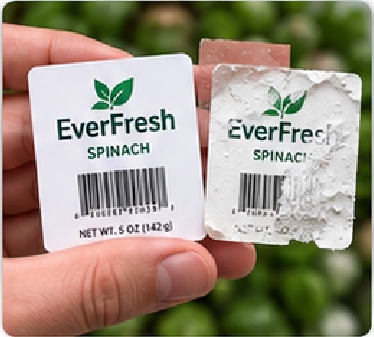
Send an unused current label, a failed label or the material specification when available. Include facestock, adhesive reference, liner and supplier data if known. If no specification exists, clear front and back photos still help. Philiton can use the current construction as a comparison point, but a replacement is selected from actual surface, temperature and moisture requirements rather than copying an unidentified material that has already failed.
Package Surface

Package Surface

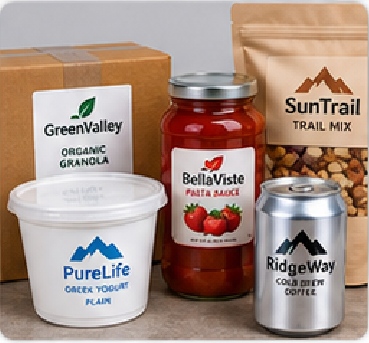
Identify the package material as accurately as possible: corrugated carton, coated paperboard, PP, PE, HDPE, PET, glass, metal or flexible film. A photo of the exact labeling area is useful, especially for textured, curved, squeezable or small-radius packs. Surface treatments, release agents, oil, dust or recycled-content variation should also be noted when relevant because adhesive performance depends on the surface actually presented to the label.
Application Temperature

Application Temperature

Record the temperature of the package surface when the label is applied, not only the freezer thermostat. State whether labeling happens before chilling, on a refrigerated line, in a cold room or after freezing. If the surface temperature cannot be measured yet, provide the process sequence and room setting. Philiton uses the information to shortlist adhesive constructions with a suitable application window for sampling instead of selecting from service temperature alone.
Storage Temperature

Storage Temperature

Provide the normal storage range and the lowest expected condition during warehousing, transport or retail. Mention how quickly the product enters cold storage after labeling and whether temperature changes occur during distribution. Philiton confirms candidate material limits against the selected labelstock data. No single low-temperature number is published for every Philiton freezer label because performance belongs to the chosen construction, substrate and application sequence.
Moisture and Frost

Moisture and Frost

State whether the pack is dry, damp, wet from washdown, condensed or visibly frosted at application. Also describe condensation after the frozen product returns to warmer air. Photos taken at the labeling station can be more useful than a general statement such as “humid environment.” Philiton uses the moisture path to decide whether the priority is process correction, stronger wet-out, a moisture-resistant facestock, print protection or a combination of changes.
Failure Timing

Failure Timing

Note when the defect first appears: immediately after application, during transfer to the freezer, after several hours of storage, after days in distribution or during thawing. Record whether failure starts at corners, one edge, the full label, or only on certain pack lots. Timing helps separate initial-bond problems from service-condition problems and can show whether container flex, condensation or material change occurs before the label begins to release.
Application Method

Application Method

Specify hand application, desktop dispenser, semi-automatic equipment or high-speed automatic labeling. For roll-fed equipment, provide unwind direction, core, maximum outside diameter, gap and liner requirements when known. Line speed and pressure can affect contact, while an incorrect roll specification can create dispensing or placement defects. Philiton reviews the finished roll as part of the solution instead of treating adhesive and converting as separate projects.
Quantity and Photos

Quantity and Photos

Provide the required quantity, SKU count, target market, current pack photos and close-ups of the failure. Many standard Philiton label projects can start from approximately 500 pcs, while special materials, tooling or structures are confirmed by project. For repeat programs above 1,000 pcs, expected annual usage is useful because digital and flexographic routes, material utilization, roll configuration and packing can be planned for both the first corrective order and later scale-up.

From Failed Label to Approved Production Sample

Philiton uses a six-step development path so material changes are connected to the observed failure, final packaging and volume-production requirements.

Review the Failure

Philiton starts with photos, failed samples, current specifications and the operating sequence. The review records where the label is applied, the package surface, moisture condition, cold exposure, failure timing and printing requirements. The goal is to create a short list of plausible causes rather than changing several variables without a baseline. Missing information is marked for testing or confirmation before a material is presented as the final answer.

Select Candidates

Candidate facestock and adhesive structures are selected from qualified external material supply according to the project. Options may include coated paper, synthetic paper, BOPP/PP film, PET, thermal stock and adhesive systems for permanent, cold-temperature, high-tack or low-surface-energy applications. Philiton confirms exact material limits against current supplier data. Where process correction is more important than a stronger adhesive, the sampling plan reflects the improved application condition.

Prepare Artwork

Prepress checks cover final size, bleed, safe area, color, white ink where required, variable data zones, barcode size, die line and finishing layers. Roll projects also require direction, gap, liner and core information. A label developed to solve adhesion failure still has to print, die cut, dispense and scan correctly. Philiton integrates artwork and engineering review so the test sample is close to the finished production specification.

Produce Samples

Samples are produced after the candidate construction and artwork route are agreed. Timing is quoted by project because a simple digitally printed label and a multi-layer construction with special finishing, custom tooling or variable data require different preparation. Where several adhesive or facestock options need comparison, sample sets can be identified clearly so results are not mixed. The goal is to test one controlled difference at a time whenever possible.

Validate on Pack

Samples should be applied to the real package under the intended process, then moved through the agreed cold and moisture exposure. Philiton recommends recording application temperature, dwell before freezing, storage condition, edge lift, wrinkling, print durability and scanning where relevant. Results can be shared by photos, video, written observations or returned samples. A material should not be approved only because it feels aggressive by hand at room temperature.

Release the Specification

Once the chosen sample is approved, Philiton records the material, adhesive, artwork, size, print, finish, die cut, roll configuration and packing requirement for bulk release. Quality checkpoints are linked to the approved version. Repeat orders use the same released information unless a controlled change is requested. The process is especially important for multi-SKU programs because visual versions may change while the validated freezer construction remains constant.

Freezer Labels Produced Through an Integrated Manufacturing Chain

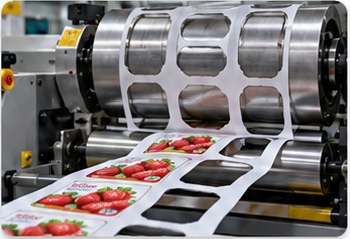
Philiton converts the approved low-temperature construction through prepress, printing, finishing, die cutting, inspection, rewinding and packing under one controlled production workflow.
Material Preparation

Material Preparation

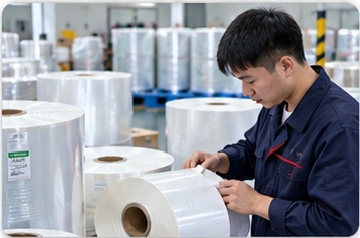
Labelstocks, films, adhesives, liners and specialty substrates are sourced from qualified external suppliers according to the approved specification. Incoming material identity and project requirements are checked before production. Philiton does not claim to manufacture base paper, film or adhesive chemistry. Its manufacturing value lies in selecting the appropriate construction, converting it correctly, maintaining the approved version and controlling the production steps that turn the material into finished freezer labels.
Prepress and Color

Prepress and Color

Artwork is reviewed for size, die line, print layers, white ink, spot color, barcode and finishing requirements before the job reaches press. Philiton supports design and prepress work and uses color-management and inspection resources within the manufacturing system. For multi-SKU frozen-food programs, consistent shared brand colors can be controlled while product names, flavors, variable information and regulatory text change by version. Final color expectations should be linked to an approved proof or sample.
Printing Route

Printing Route

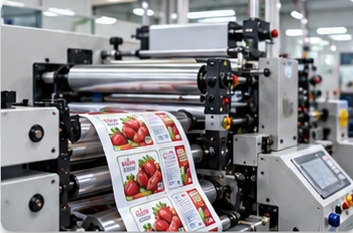
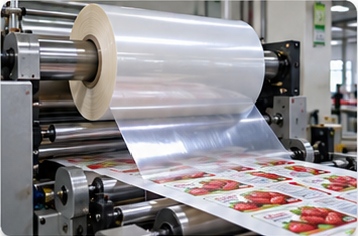
Philiton can use digital, flexographic, screen, UV and other label-printing processes depending on quantity, material, artwork and finishing. Digital production is useful for short runs, sampling, multi-SKU work and rapid version changes, while flexographic production supports repeat and larger-volume roll programs. The selected route is confirmed after the approved construction and order quantity are known. Printing method should support the material rather than force the freezer label into a process chosen only by price.
Finishing and Protection

Finishing and Protection

Lamination, coating, foil, emboss/deboss, holographic effects and other finishing processes are available when they fit the application. Freezer programs prioritize moisture behavior, flexibility and print durability before decorative effects are added. A laminate that protects graphics may also change stiffness, so tight-radius tubs and flexible pouches need review. Philiton samples the final stack when finishing can influence adhesion, dispensing or appearance instead of approving the adhesive layer separately from the decorated label.
Die Cutting

Die Cutting

Die cutting controls final dimensions, shape, corner radius, gap and release from the liner. Poor die depth, matrix stripping or sharp geometry can create dispensing problems or concentrate lifting force at corners. Philiton supports conventional and digital cutting methods according to the job. Freezer troubleshooting therefore includes the finished shape and not only the adhesive. A revised radius or slightly different label footprint can sometimes reduce edge stress without changing the approved visual area significantly.
Rewinding and Packing

Rewinding and Packing

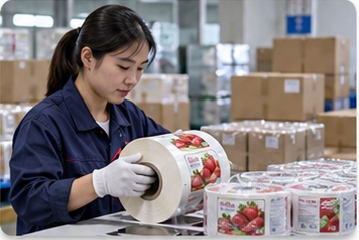
After printing and die cutting, roll labels can move through slitting, rewinding, inspection and packing according to the approved delivery format. Roll direction, core, outside diameter, labels per roll and liner width can be matched to the labeling process. Philiton can arrange standard export packing and project-specific shipment preparation. Neutral packing or designated delivery arrangements can also be discussed for channel partners where the commercial program requires them.

Quality Control Focused on Cold-Use Risk

Philiton applies quality control from incoming material through printing, converting, inspection and packing, with checkpoints aligned to the approved freezer-label specification.
Material Verification

Material Verification

The approved facestock, adhesive structure, liner and other key materials are identified before production so a repeat order is not released with an uncontrolled substitution. Material supplier information and project records provide the reference where available. Freezer-label performance is highly construction-dependent, so a visually similar film or paper is not automatically considered equivalent. Any proposed material change should return to engineering review before bulk production continues.
Print and Color

Print and Color

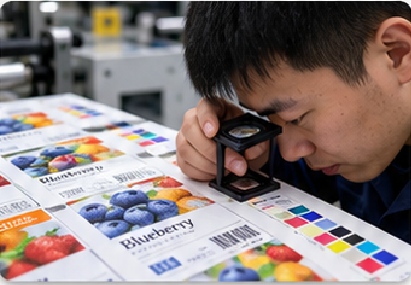
Print quality is checked against approved artwork and production references. Key concerns include missing text, registration, white ink where specified, color consistency, barcode contrast and surface defects. Philiton has printing, color-management and inspection resources within its manufacturing system. Multi-SKU programs benefit from one shared artwork-control process so changes in product name or variable information do not accidentally alter common brand elements or the approved low-temperature label construction.
Die-Cut Control

Die-Cut Control

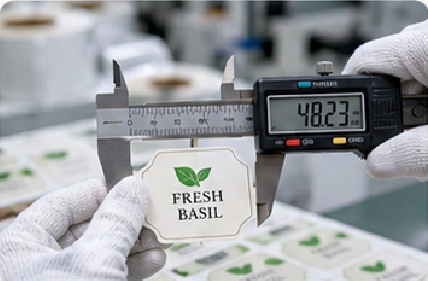
Dimensions, die-cut position, corner shape, gap and liner condition affect both visual quality and application. Over-cut liners, incomplete cuts or inconsistent matrix stripping can interrupt automatic labeling and expose edges to lifting. Philiton checks converting output during production and before final rewinding. Where the failure investigation identified geometry as a risk, the released sample becomes the reference for size and radius rather than relying only on the digital artwork dimensions.
Adhesion and Testing

Adhesion and Testing

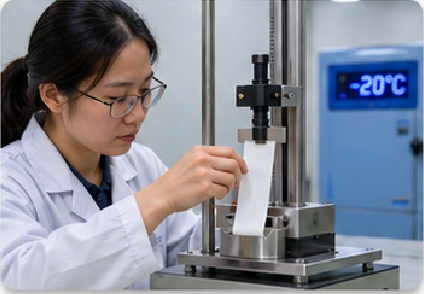
Philiton has laboratory testing capability and can evaluate project-specific properties such as adhesive behavior, color, durability and other agreed requirements. Exact test method, temperature range and acceptance criteria are confirmed for the selected material and project; they are not published as one universal freezer standard. The most important validation remains a combination of material data, controlled checks and application on the actual package under the relevant temperature and moisture sequence.
Vision Inspection

Vision Inspection

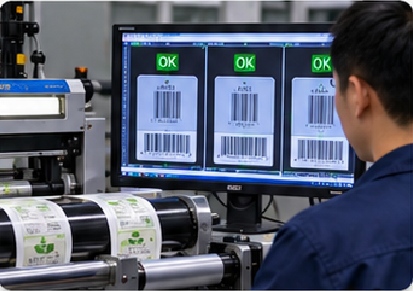
Philiton has 100% automatic visual inspection capability for suitable roll-label projects. Inspection can identify print defects, registration issues and selected variable-data abnormalities according to the job setup. “100% inspection” refers to applicable visual or roll-web inspection and does not mean every possible performance property is tested on every label. Cold-performance validation, adhesion checks and packaging trials remain separate controls that need their own agreed sampling or test method.
Roll and Pack Release

Roll and Pack Release

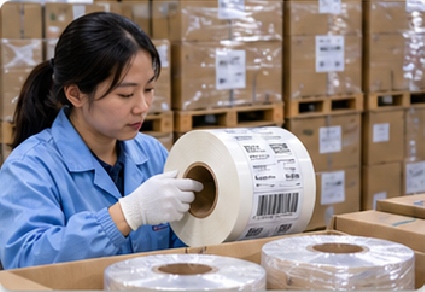
Final release verifies count or roll requirement, winding direction, core, outside diameter where specified, labels per roll, identification and packing condition. The objective is to deliver a roll that matches both the approved label construction and the equipment setup. Production and shipping timing are confirmed in the quotation after quantity, SKU mix, material, finishing, inspection and packing requirements are locked, avoiding a fixed lead-time promise that ignores project complexity.

Roll and Packaging Details Matter Before Shipment

Freezer-label performance can be undermined by the wrong roll direction, core, liner or storage method. Philiton confirms delivery format before bulk production is released.

Define the Roll Before Production Starts

Automatic labeling lines require more than a label width and height. Philiton can build roll requirements into the released specification so the finished labels arrive in a format that the applicator can actually use. Key details include:
  • Label size and shape: width x height, corner radius and orientation.
  • Gap and pitch: confirmed for the applicator and sensor.
  • Roll direction: artwork orientation and leading edge matched to dispensing direction.
  • Core: diameter and width agreed with equipment or desktop printer requirements.
  • Outside diameter: limited by applicator, printer or handling requirements where specified.
  • Liner: width, release behavior and compatibility with die cutting and dispensing.
  • Labels per roll: balanced against changeover frequency, roll weight and storage.
For variable-data or barcode programs, print orientation and printable area are checked at the same time. Philiton can support slitting and rewinding after printing and die cutting, so these variables are controlled within the production workflow rather than added as a warehouse correction after labels are finished. If the applicator model is available, a drawing, old roll or machine specification can be used to confirm limits before the first production roll is made. That step is especially useful when a replacement freezer construction changes liner thickness, facestock stiffness or total roll build.

Pack for the Way the Labels Will Be Used

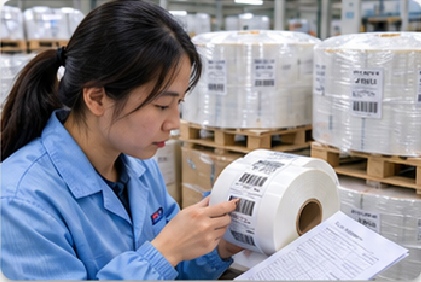
Finished rolls need protection from crushing, telescoping, contamination and uncontrolled handling before they reach the labeling line. Philiton arranges standard export packing and can confirm project-specific inner protection, carton identification, pallet requirements, neutral packing or delivery to a designated location when required by the program. Packing instructions should identify SKU, roll quantity and any orientation or handling requirement needed at receipt. For programs with several flavors, regions or variable-data sets, carton and roll identification should be designed to prevent mix-ups during warehouse issue. Delivery planning begins after the material, quantity, SKU count, finishing, roll format, inspection and destination are known. Philiton can arrange sample and bulk international logistics or work with a nominated forwarder. Exact transit and production timing are quoted for the route and project instead of being repeated as one standard number across all freezer-label constructions. For urgent launches, the target in-hand date should be provided before sampling so material availability and production route can be planned around it. Labels should also be stored before use in the condition specified for the selected material, protected from contamination, crushing and uncontrolled moisture. When a program ships to several warehouses, the same roll identification and storage instructions should follow each destination so handling differences do not create a new failure after the manufacturing specification has already been corrected. 
Compliance Is Defined by Market and Label Position

Cold performance and regulatory suitability are separate decisions. Philiton confirms documentation against the selected material, market, product type and label-contact condition.

Food Packaging Position

A freezer label placed on the outside of a sealed carton or plastic tub has a different compliance question from a label or material intended for direct food contact. Philiton asks where the label sits, whether a functional barrier exists and which market the product enters before making material recommendations. A freezer-grade adhesive should never be treated as automatic proof of food-contact suitability. Required declarations and material evidence are confirmed for the chosen construction and application.

Material-Level Evidence

Public Philiton material and project discussions may involve FDA, FSC, RoHS, REACH or other compliance requirements, but these are not treated as one blanket company certificate covering every label. When a program requires specific evidence, Philiton checks the applicable material or project documentation and the requested market scope. Special statements, testing or third-party evidence should be identified before sample approval so the selected facestock, adhesive, ink and finish can be reviewed together.

Controlled Project Records

Enterprise and repeat programs can require approved artwork, golden samples, batch controls, inspection records, test information and change management. Philiton can incorporate those controls into the project workflow according to the agreed requirement. For freezer-label troubleshooting, the record should also preserve application conditions and the validated construction so a future repeat order does not lose the engineering decision that solved the original failure. Regulatory responsibility and final product claims remain tied to the actual product and market.

Representative 1,000+ Piece Freezer Label Project Paths

Philiton protects confidential project information and does not publish unverified brand identities or performance claims. The examples below show representative 1,000+ piece program structures, not named-client records.
United States Frozen Meals

United States Frozen Meals

Representative scope: a US frozen-meal brand planning 18,000 roll labels for PP trays across three SKUs. The reported issue is edge lift after packs move from a chilled packing area into frozen storage. Philiton would collect the current label, tray resin information, application temperature, dwell before freezing, label size and photos of the lifted edge. Candidate flexible film and low-temperature adhesive constructions would be sampled on production-like rolls, followed by pack trials under the brand’s actual cold cycle. Approved material, die line, roll direction and shared brand colors would then be frozen for bulk production.
Canada Seafood Cartons

Canada Seafood Cartons

Representative scope: a Canadian seafood processor requiring 12,500 cold-room barcode labels for damp corrugated shipping cartons. The program combines adhesion, thermal-transfer printing and scan durability. Philiton would review carton coating, moisture, surface temperature, current ribbon, barcode dimensions, printer model, roll core and unwind direction. A cold-temperature paper or film construction would be shortlisted and printed with controlled barcode samples. Trials would include application to actual cartons, cold storage, condensation exposure and scanning. Bulk release would use the approved labelstock, print system, roll configuration and carton identification rules.
Germany Frozen Desserts

Germany Frozen Desserts

Representative scope: a German frozen-dessert program ordering 24,000 labels across six flavors for curved PP tubs. The pack experiences condensation during handling, while brand color and multi-SKU consistency are important. Philiton would check tub surface energy, radius, label footprint, application condition, current facestock stiffness and moisture exposure before sampling. A conformable film construction with a project-matched low-temperature adhesive could be compared against the existing label. Each SKU would follow one shared material specification, with approved artwork versions, color references, roll setup, visual inspection and packing identification controlled through production.

Freezer Label Failure Frequently Asked Questions

Possible causes include application below the adhesive’s effective range, frost or condensation blocking wet-out, low-surface-energy packaging, insufficient dwell before freezing, facestock stiffness, contamination or a service condition outside the chosen construction. Philiton starts with the failure timing, package surface and temperature sequence before recommending a material change.
No single adhesive should be assumed to work on every carton, PP tub, PE pouch, PET bottle, glass container or metal surface. Surface energy, texture, moisture, curvature and application temperature change the requirement. Philiton sources project-matched adhesive constructions and confirms exact limits from the selected material data before sampling.
Application temperature concerns conditions when the label first contacts the package. Service temperature concerns conditions after the bond has formed. A material may tolerate very cold storage but still need a warmer, dry surface during application. Philiton records both values and the time between labeling and freezing.
Heavy frost creates a physical layer between adhesive and the package, so changing to a stronger adhesive may not solve the problem. Philiton first checks whether labeling can occur before freezing or after surface conditioning. If cold application is unavoidable, candidate constructions should be tested on the actual frosted or cold pack.
Paper can be economical and print well on dry, controlled applications. Film generally offers stronger moisture resistance and can conform better to curved or flexible packs. The correct choice depends on condensation, graphics, stiffness, barcode method, cost and packaging geometry. Philiton compares facestock and adhesive as one construction.
Yes. Philiton can work from artwork, die-line dimensions, an existing roll or detailed specifications. Provide width x height, shape, corner radius, gap, liner width, roll direction, core, outside diameter and labels per roll when known. Applicator or printer information is also useful for automatic applications.
Philiton supports barcode, QR code and variable-data labels, including projects using direct thermal or thermal-transfer structures. Material, print method, ribbon when applicable, coating and protection should be selected for the required storage and handling cycle. Scan testing after cold and moisture exposure is recommended for critical traceability programs.
Many standard Philiton custom label and sticker projects can start from approximately 500 pcs. Special materials, tooling, structures or supply requirements may have a different minimum. Quantity, SKU count, size and roll format should be provided for an accurate quotation and production recommendation.
Philiton confirms timing after material, print, finishing, quantity and roll requirements are reviewed. A simple printed sample can follow a different route from a multi-process construction requiring special material, tooling or variable data. Bulk lead time is quoted after the approved specification and order details are known rather than published as one fixed promise.
Documentation is reviewed by material, label position, market and project requirement. FDA, FSC, RoHS, REACH or other evidence should not be treated as blanket coverage for every construction. Tell Philiton the destination market, product type and whether the label has direct or indirect food contact so the relevant material documentation can be checked.

Send the Failed Label Before Ordering Another Run

A useful quotation for freezer-label troubleshooting needs more than size and quantity. Send Philiton the failed label or clear photos, the package material, application temperature, lowest storage temperature, whether the surface is dry, damp, condensed or frosted, and the point in the cold cycle where peeling, lifting, wrinkling or print failure begins. Include final label dimensions, artwork, SKU count, barcode or variable-data needs, application method and roll specifications when available.

Philiton can then review the likely failure mechanism, shortlist a facestock and adhesive construction, plan a production-representative sample and quote bulk manufacturing after the specification is defined. Many standard custom label projects can start from approximately 500 pcs, while special materials and structures are confirmed by project.

Please include:

  • Failure photos and current label sample or material reference
  • Package surface and labeling-area photo
  • Application temperature and storage condition
  • Frost, condensation, oil, dust or other surface contamination
  • Width x height, shape and corner radius
  • Hand or automatic application, plus roll requirements
  • Quantity, SKU count, target market and required in-hand date

For all inquiries, please feel free to reach out at:

Get In Touch

  • Our team will answer your inquiries within 12 hours.

  • Your information will be kept strictly confidential.

Get a Fast Quote for Custom Labels & Stickers

We will contact you within 24 Hours, please pay attention to the email with the suffix“@philiton.com”. 

For all inquiries, please feel free to reach out at:

Ask For A Quick Quote

We will contact you within 24 Hours, please pay attention to the email with the suffix“@philiton.com”. 

For all inquiries, please feel free to reach out at:

Get a Quote Today!

We will contact you within 24 Hours, please pay attention to the email with the suffix“@philiton.com”.