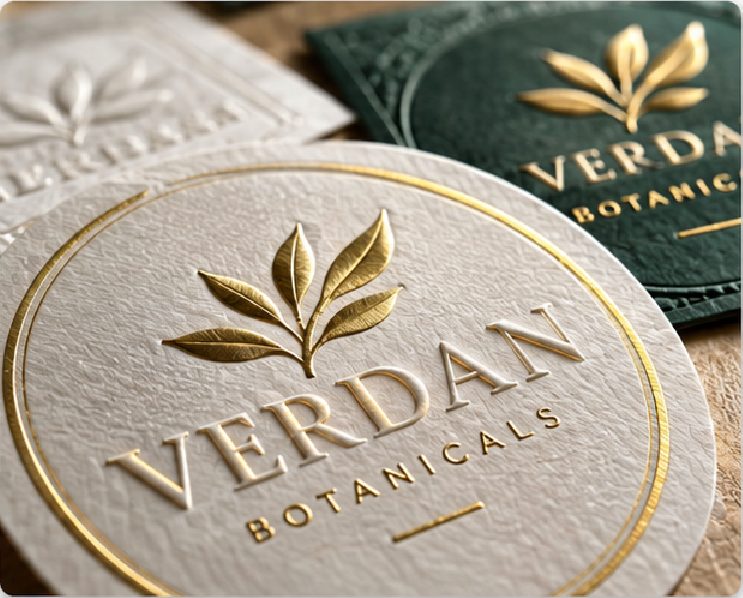
Custom tactile labels engineered from artwork and material selection through embossing, finishing, converting, inspection and repeat production.
Philiton manufactures embossed labels for premium packaging, brand seals and specialty product labeling, with project support from Shenzhen and Dongguan.
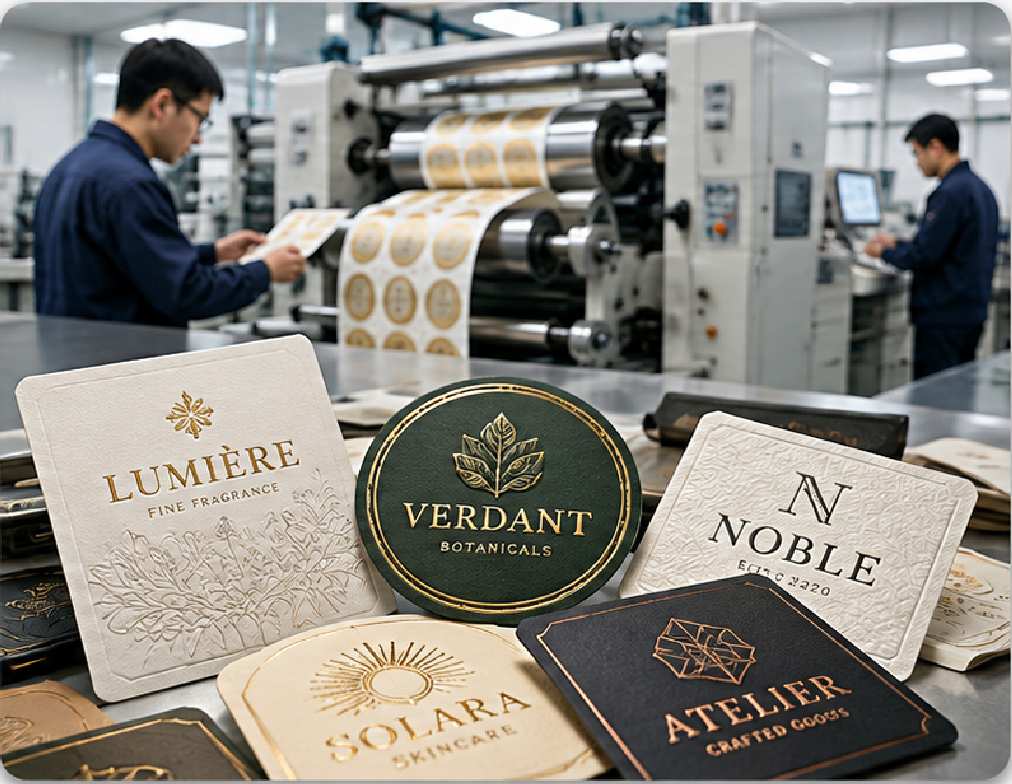

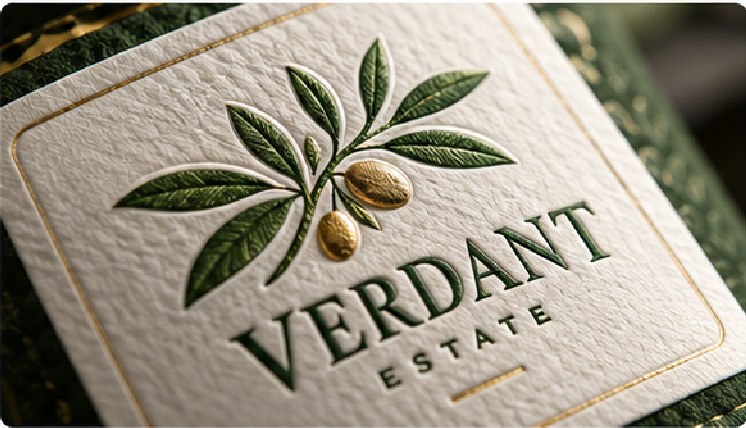
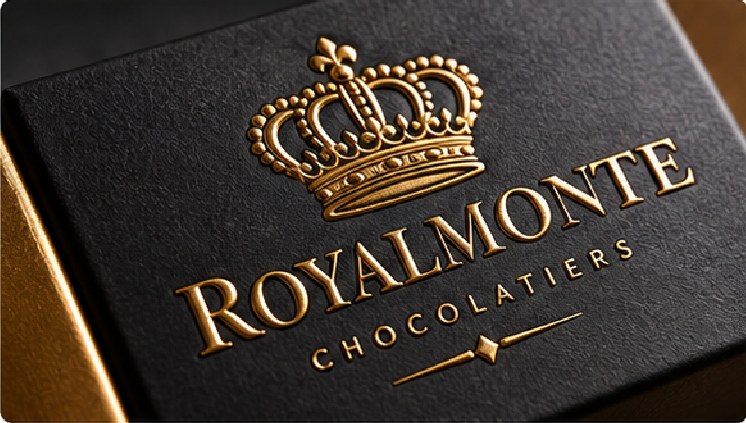
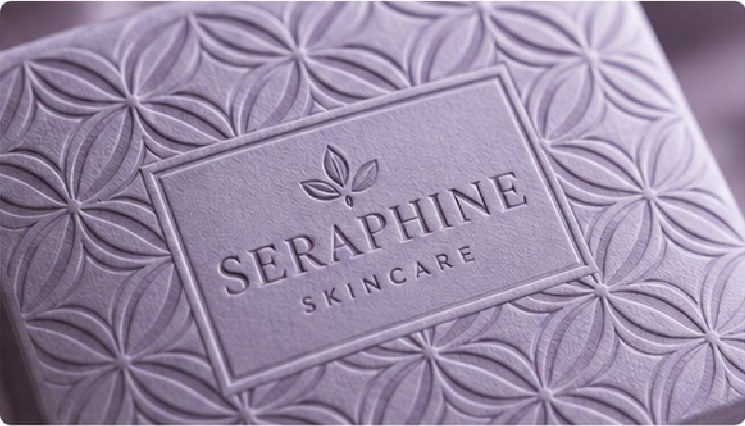


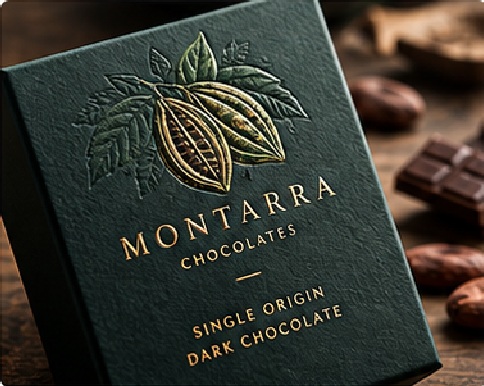

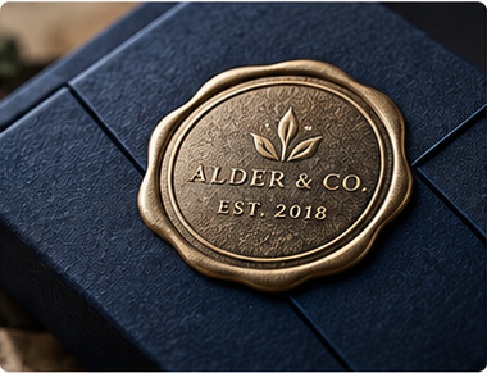

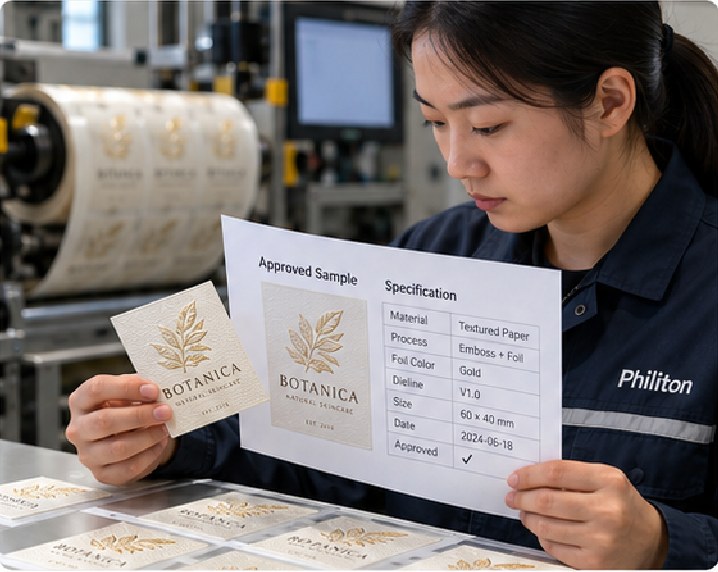
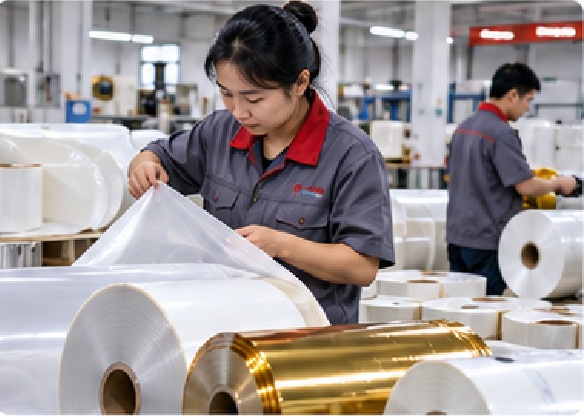
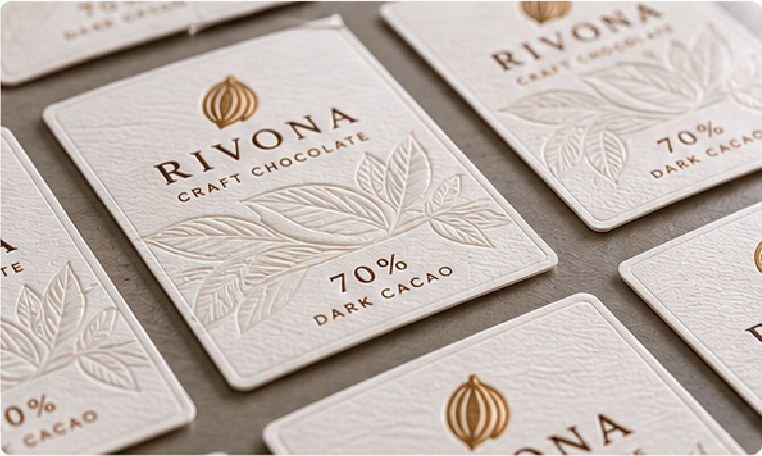
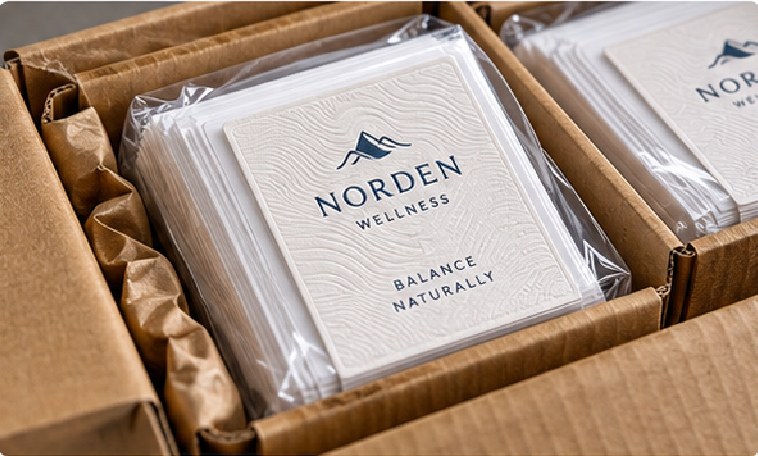
Metallic papers, specialty textured stocks, foiled papers and other decorative materials can produce distinctive results, but the finish sequence must be planned before production. Embossing on a pre-textured stock may soften or distort the original texture. Foil, lamination, varnish or soft-touch layers can change surface friction, thickness and material response. The order of operations can therefore be as important as the individual effects selected. Philiton sources labelstocks, papers, films, adhesives and specialty substrates from qualified external suppliers, then handles prepress, printing, specialty finishing, converting, inspection and testing through its manufacturing system. Material availability and exact grade are confirmed during quotation and sampling. For high-value packaging, the most reliable route is to approve the complete structure: face material, adhesive, liner, printing, embossing, foil or coating, die cut and final roll or sheet format. A material that looks excellent as a flat sheet may behave differently after embossing and rewinding. Physical samples close that gap before tooling and production volume increase. They also help procurement compare two material options on the same artwork, rather than comparing swatches that were never processed. When specialty stock supply is limited, Philiton can review a backup route early so a repeat program is less exposed to an unexpected material substitution later.
Relief direction, tooling, surface feel and roll behavior differ by process. The comparison below helps narrow the most suitable route before artwork release, tooling and physical sampling.
| Option | Surface Result | Tooling | Best Fit | Important Consideration |
|---|---|---|---|---|
| Emboss | Raised physical relief | Emboss mold; some projects use male/female tooling | Crests, logos, premium paper, tactile brand marks | Depth can affect liner, stiffness, roll flatness and registration |
| Deboss | Recessed physical relief | Deboss tooling | Understated logos, engraved look, textured papers | Deep pressure can mark liner or alter dispensing |
| Raised UV | Raised coating above the printed surface | No emboss mold in the traditional sense | Gloss contrast, selective texture, modern graphics | Height, curing, abrasion and rewind pressure require control |
| Foil + Emboss | Metallic reflection plus raised relief | Foil tooling plus emboss tooling as required | Luxury spirits, perfume, gift seals and premium retail | Foil-to-emboss alignment and material stability should be sampled |
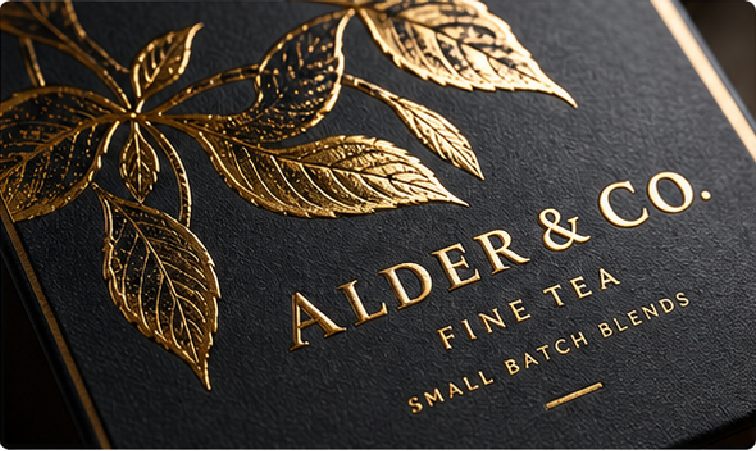

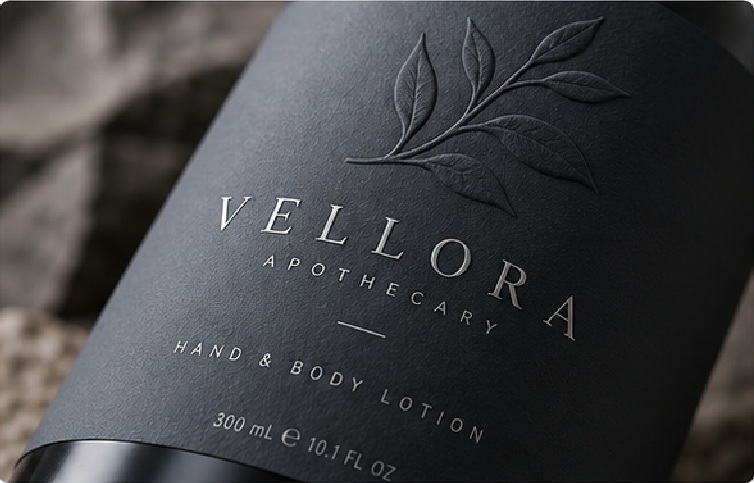

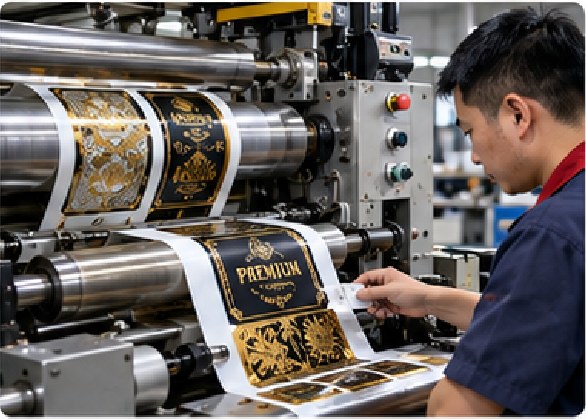
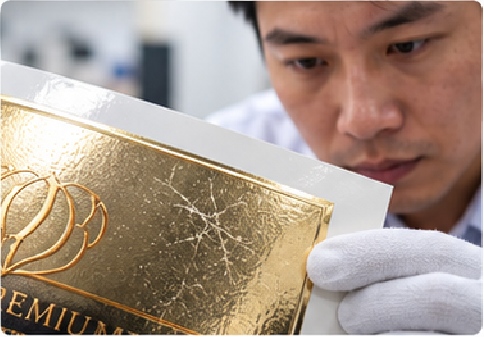
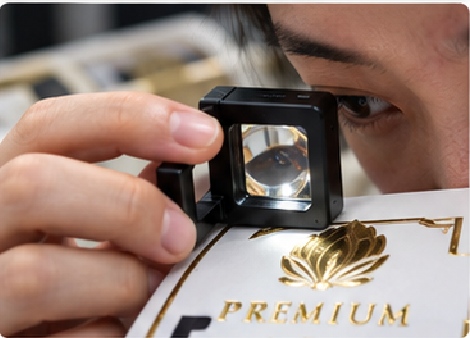
Embossing that overlaps a printed or foiled mark needs a clear registration strategy. A digital mockup can show the intended appearance, but it does not prove how the material will move under pressure. Philiton separates printing, foil and emboss areas during prepress and reviews which edges must align exactly and which can tolerate intentional offset. Three approaches are common. Blind emboss uses relief alone and therefore avoids print-to-emboss alignment. Printed emboss raises an area already defined by ink, so edge relationship matters. Foil + emboss places reflective foil on or around the raised area, making small misalignment easier to see. The more layers that need to register, the more valuable a physical approval sample becomes. During production, the approved artwork version, material, tooling and finishing route form one controlled specification. Repeat orders should preserve those inputs when the goal is to reproduce the same tactile appearance. If artwork position, label size, material or finishing sequence changes, Philiton reviews whether the existing mold and production setup remain suitable before release. Registration control also benefits from realistic design tolerances. A graphic that depends on a hairline metallic border around a raised feature leaves almost no visual room for normal material movement, while a slightly broader border or intentional offset can be more stable. Philiton can flag these risks during prepress so design decisions are made before tooling cost is committed.
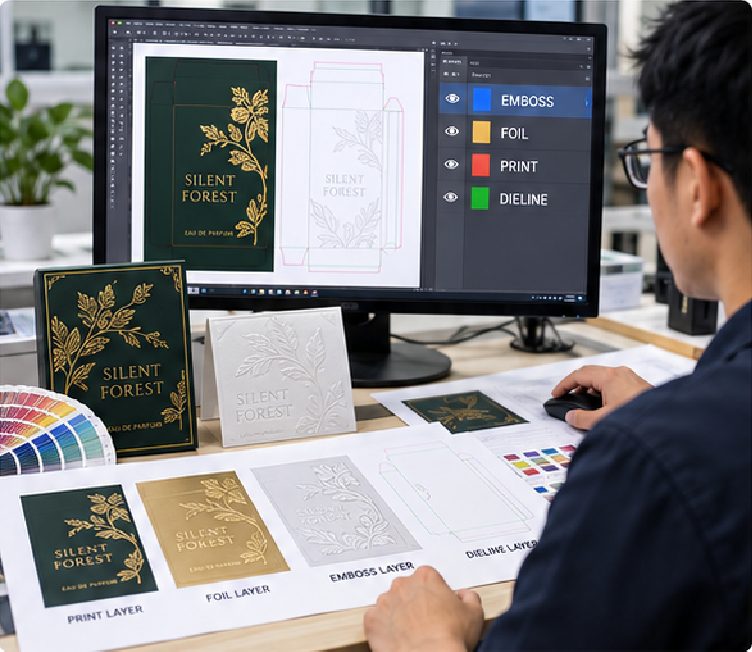
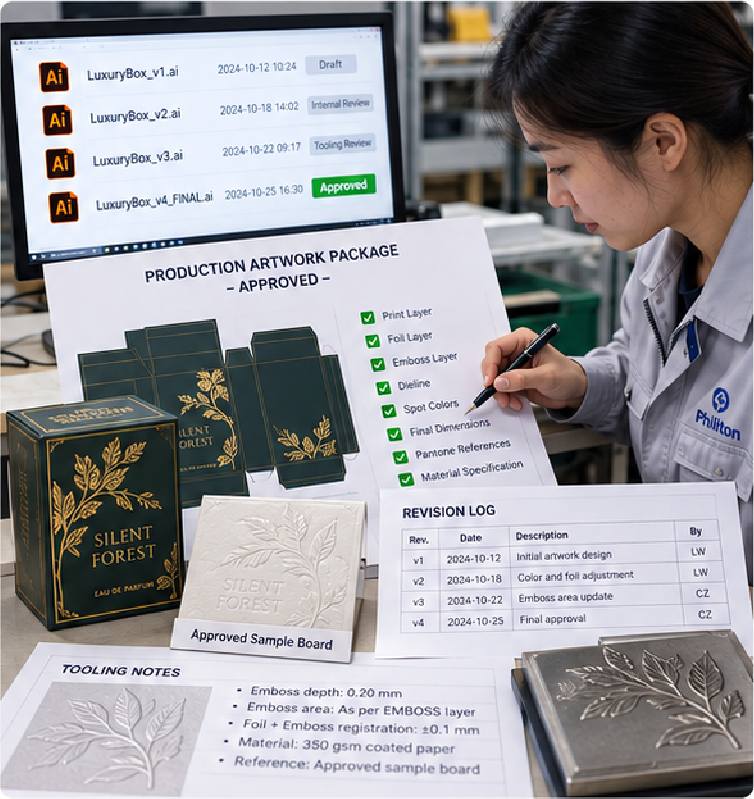
Embossed labels can require project-specific tooling. Philiton separates the reason for each setup so quotations are easier to review, revisions are easier to control and repeat orders are easier to plan.
| Tooling Item | When It May Be Needed | Can It Be Reused? | What Can Trigger a New Tool |
|---|---|---|---|
| Emboss / Deboss Mold | Raised or recessed relief | Potentially, when artwork, size, process and tool condition remain suitable | Logo change, scale change, position change, new depth or structural route |
| Die-Cut Tool | New size, custom shape or specific converting layout | Often reusable for unchanged specifications when tool condition allows | Shape or size change, different converting setup |
| Foil Tool | Hot foil graphics that need dedicated tooling | Potentially reusable for repeat production | Foil artwork change, size or position change |
| Print Plate | Conventional printing routes that use physical plates | Project dependent | Artwork, color separation or process change |
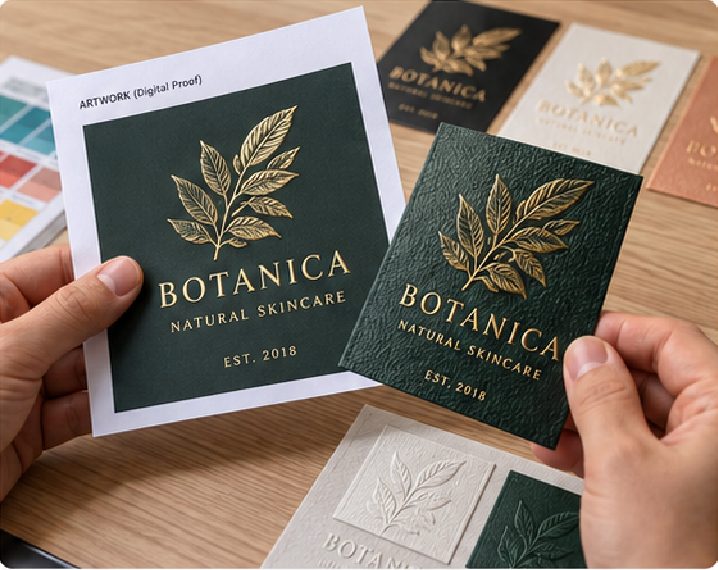

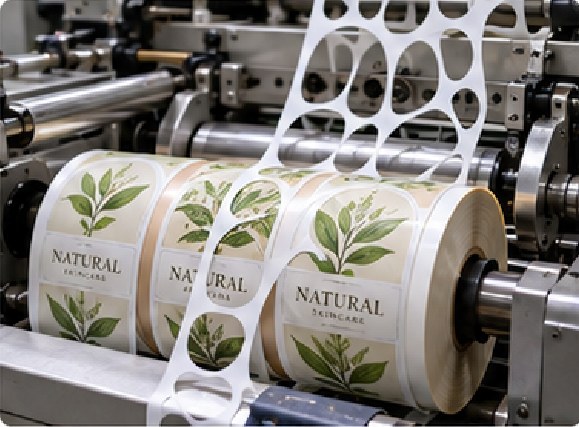
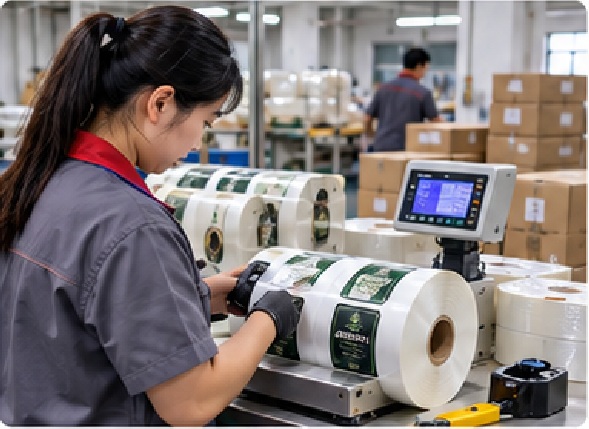
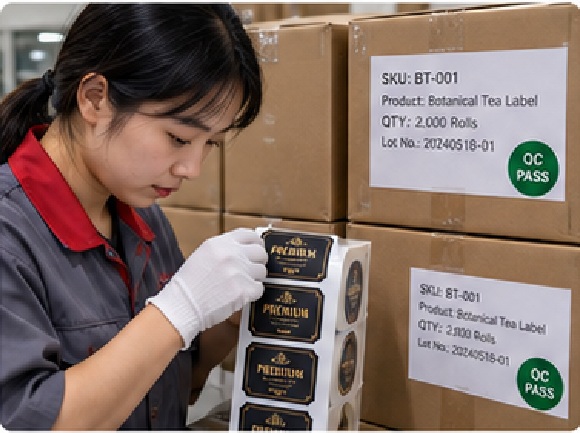
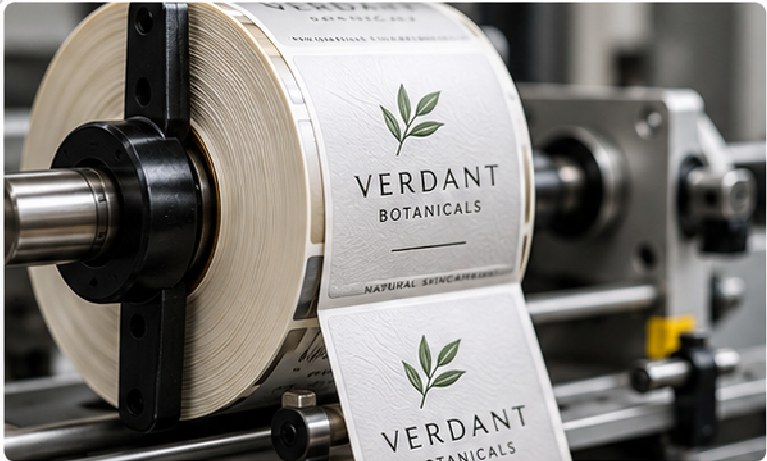
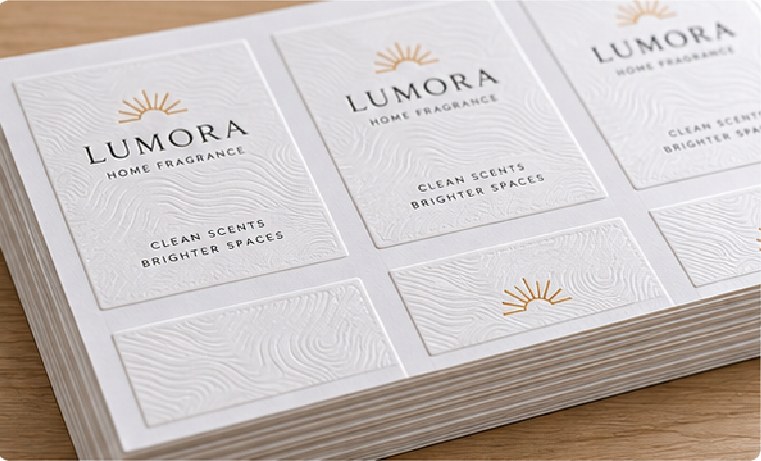

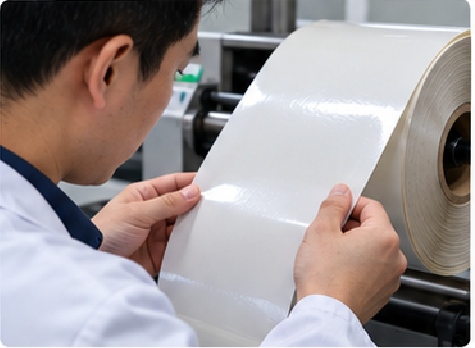
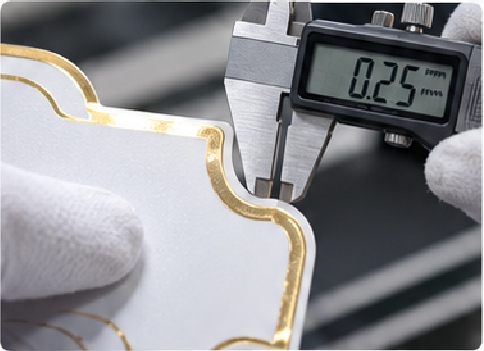
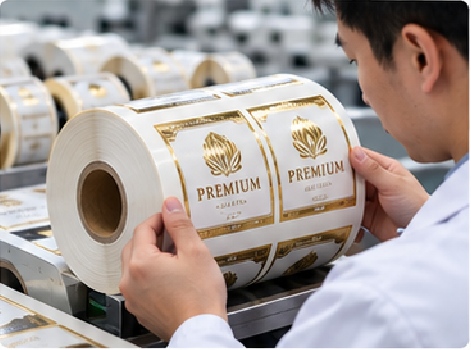
Many standard custom label projects can start around 500 pieces, while embossed structures may require different economic quantities depending on material, tooling, finishing layers, SKU count and sample requirements.
| Quote Factor | Why It Matters for Embossed Labels |
| Quantity per SKU | Setup and tooling are distributed across each design; 10,000 labels in one SKU differ from 10 SKUs of 1,000. |
| Label Size and Shape | Affects material use, dieline, tooling area, converting layout and packing. |
| Face Material | Paper, film and specialty stocks respond differently to pressure and may carry different procurement minimums. |
| Emboss Coverage and Detail | Large areas, fine graphics or more complex relief can change tooling and production difficulty. |
| Foil or Extra Finishing | Additional layers add material, tooling, registration, setup and QC steps. |
| Tooling | Emboss/deboss molds, foil tools, print plates or die-cut tools may apply depending on the route. |
| Delivery Format | Roll, sheet or individual packing changes converting, rewinding, application requirements and logistics. |
| Sample Requirement | Physical approval samples may be needed before mass production for tactile or registration-sensitive work. |
| Lead Time | Quoted after artwork readiness, material availability, tooling, sample approval, quantity and finishing route are known. |
Philiton was founded in 2016 and operates manufacturing activities across Shenzhen and Dongguan, with a combined manufacturing footprint of more than 12,000 ㎡. The organization supports both short custom runs and repeat mass production, allowing an embossed label program to start with controlled development and continue into larger scheduled orders without changing the entire manufacturing relationship.
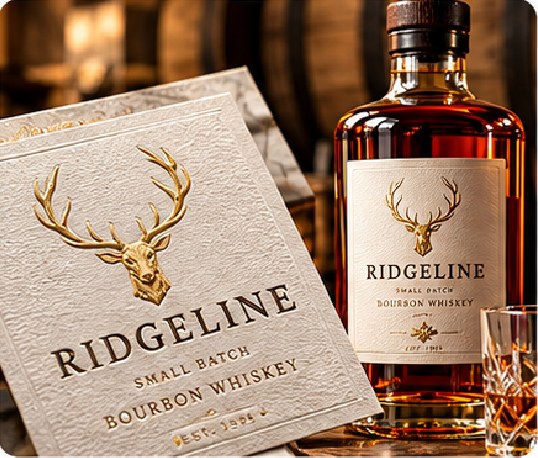


A useful embossed-label quotation starts with enough information to evaluate material, tooling, finishing and delivery format together. Send Philiton your artwork or marked PDF, final label size, quantity per SKU and the area that should be raised or recessed. If foil, spot effects, lamination or a specialty paper is required, include the preferred effect or a reference photo. For roll-applied labels, provide the applicator requirements when available, including roll direction, core and maximum roll diameter. For hand-applied labels, note whether you prefer roll, sheet or individual delivery. Please also share the product or container surface, destination country and required in-hand date. Philiton will review manufacturability, material route, expected tooling, sample path and production variables before confirming price and schedule. If the design is still being developed, a clear reference image and approximate size are enough to begin an engineering discussion. For a foil-aligned emboss, mark both areas separately. For an existing label that needs to be reproduced or improved, photos of the front, back and roll plus one physical sample can shorten the review. Philiton will not assume a fixed emboss depth, material grade or mold route until the actual design and application are understood.
For all inquiries, please feel free to reach out at:
Our team will answer your inquiries within 12 hours.
Your information will be kept strictly confidential.
We will contact you within 24 Hours, please pay attention to the email with the suffix“@philiton.com”.
For all inquiries, please feel free to reach out at:
We will contact you within 24 Hours, please pay attention to the email with the suffix“@philiton.com”.
We will contact you within 24 Hours, please pay attention to the email with the suffix“@philiton.com”.
For all inquiries, please feel free to reach out at: