Your Trusted Labels & Stickers Manufacturer from China!

Custom Sheet Labels Manufacturer

Custom printed sheet labels engineered for clean hand application, flexible SKU programs, repeat production, and controlled brand consistency. Philiton manufactures custom sheet labels for packaging, product identification, retail, logistics and promotional programs. Founded in 2016, Philiton operates manufacturing in Shenzhen and Dongguan with 12,000+ m², 200+ employees, and 91 technical, skilled production and quality personnel combined. Many standard label projects can start from around 500 pieces and scale into repeat production.
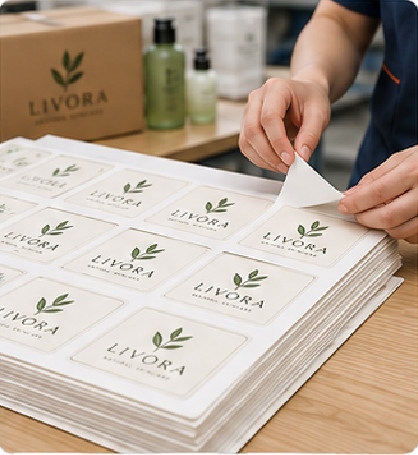
  • Custom size, shape, sheet layout and artwork
  • Paper, BOPP, PET, specialty stocks and matched adhesives
  • Digital, flexographic, screen/UV, foil, embossing, lamination and variable data
Custom Sheet Labels Manufacturer

Sheet Labels Built Around Real Packaging Workflows

Flat-sheet delivery works best when label handling, storage, SKU control and application method are defined before artwork enters production.
Flat Sheet Format

Flat Sheet Format

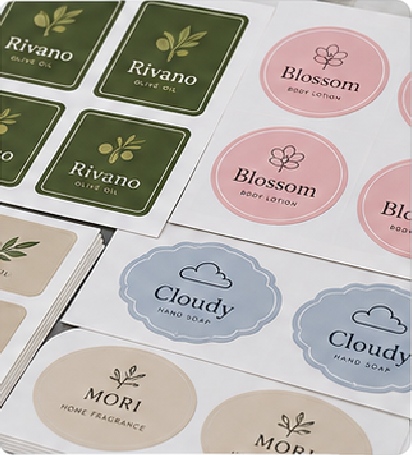
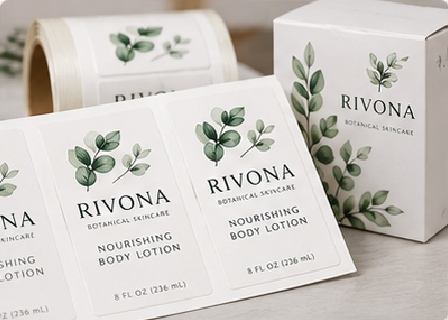
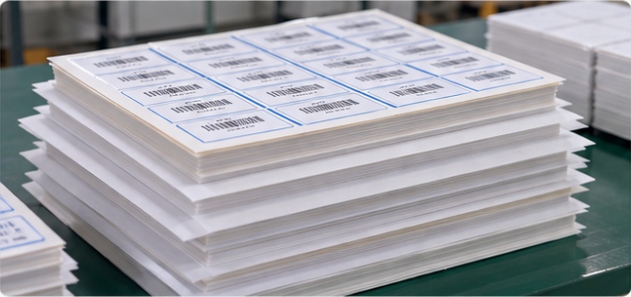
Sheet labels are kiss-cut or otherwise converted on a flat liner, allowing teams to store, count and hand-apply labels without managing rolls. Philiton plans the sheet layout around finished label size, die-cut shape, spacing, liner handling and packing requirements so the delivered format is usable at the packing bench, warehouse or assembly station.
Custom Size and Shape

Custom Size and Shape

Philiton supports standard geometric shapes and custom die-cut outlines. A project can begin from a finished size such as 30 mm round, 50 × 30 mm rectangle, 75 × 50 mm rectangle or another artwork-defined dimension. Final size is confirmed against the container, usable print area, barcode or text requirements, and the available sheet layout rather than a fixed catalog limit.
Multi-SKU Control

Multi-SKU Control

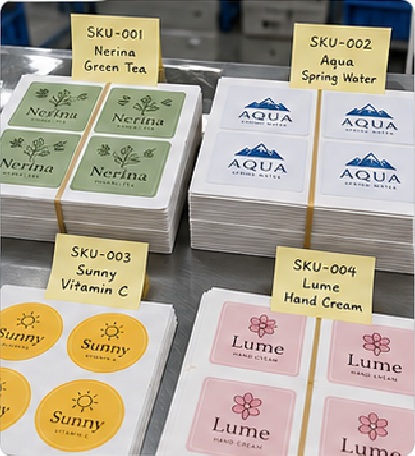
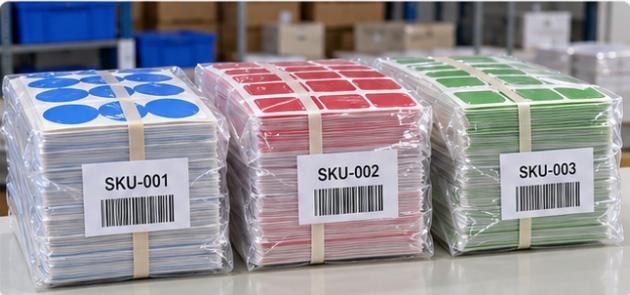
Different artworks, colors, languages or product variants can be managed as separate SKUs within one label program. Philiton reviews quantity by design, common materials, shared finishing, dieline compatibility and packing rules before production. The goal is to reduce avoidable setup changes while keeping each SKU traceable and easy to identify during receipt, storage and final use.
Scale Beyond Launch

Scale Beyond Launch

Many standard custom label and sticker programs can begin from around 500 pieces per design, giving brands room to test packaging without oversized inventory. When demand grows, Philiton can retain approved artwork, material, adhesive, color and converting specifications for repeat orders, then review whether a larger-volume print route offers better unit economics or production efficiency.

Built for Teams Managing Real Label Programs

Philiton structures sheet-label production around how brands, factories, packaging teams and channel partners actually launch, replenish and control printed labels.

Growth Brands

Growing brands often need several packaging SKUs without committing to oversized inventory. Philiton can group related designs around common materials, print routes and finishing, then separate quantities by SKU for production and packing. Sheet format suits hand-applied packaging, launch kits, seasonal products and smaller production cells where flat storage and easy distribution matter. Approved specifications can stay on file for repeat orders and packaging updates.

Manufacturers and Packers

Manufacturers and contract packers usually care about more than visual appearance. Label size, peel behavior, adhesive, application surface, packing count and replenishment timing can affect line efficiency. Philiton reviews substrate, environmental exposure, application method and final packing before locking the construction. For manual stations, flat sheets can simplify issue-to-line control and reduce the need to handle partially used rolls across different production batches.

Multi-SKU Commerce

E-commerce and retail programs frequently combine many artworks, short launch quantities and frequent design changes. Philiton can manage separate SKUs under one production program while keeping artwork revisions, quantities and carton identification controlled. Sheet labels work well for hand-packed orders, subscription boxes, fulfillment kitting, promotional inserts and low-to-medium usage points where teams want labels to remain flat, easy to count and easy to distribute.

Print and Packaging Partners

Print brokers, packaging companies and distributors can use Philiton as a back-end manufacturing partner for recurring label requirements. Projects can be handled under agreed confidentiality, neutral packing or channel arrangements. Philiton receives the technical brief, reviews material and converting risks, develops samples when needed, and returns a production-ready specification. Reorders can follow approved references while final commercial and delivery terms remain controlled by the agreed channel workflow.

Sheet Label Styles for Different Brand Requirements

Shape, transparency, surface finish and artwork structure can change the production route even when the final labels are all supplied on sheets.
Rectangle and Square

Rectangle and Square

Straight-edged labels suit cartons, bottles, jars, pouches, boxes, folders and product identification. They use sheet area efficiently and make artwork alignment easier when designs contain structured text, ingredients, barcodes or regulatory panels. Corner radius, final dimensions and edge clearance should be set before dieline approval.
Round and Oval

Round and Oval

Round and oval labels are common for lids, candles, jars, promotional seals and compact brand marks. Philiton checks diameter or major/minor axes together with artwork safe areas and cut accuracy. Curved containers may still require material and adhesive review because a round shape alone does not prevent edge lift.
Custom Die Cut

Custom Die Cut

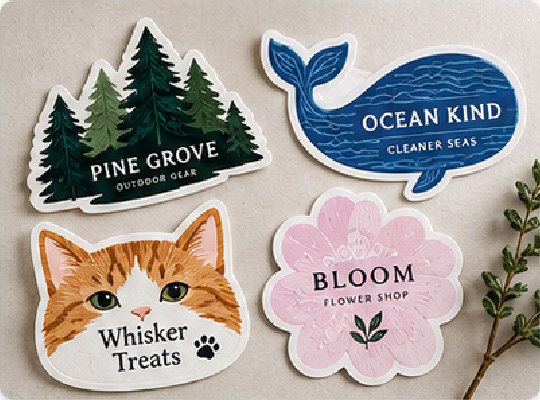
Custom outlines allow logos, icons, product silhouettes and distinctive packaging shapes to become part of the label design. Philiton reviews narrow necks, sharp internal corners, small cut features and stripping risk before finalizing the dieline. Complex outlines may need design adjustment to keep production stable and peeling convenient.
Clear Film Labels

Clear Film Labels

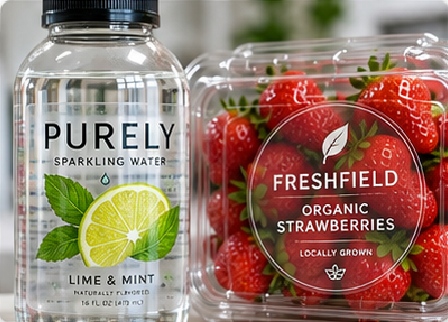
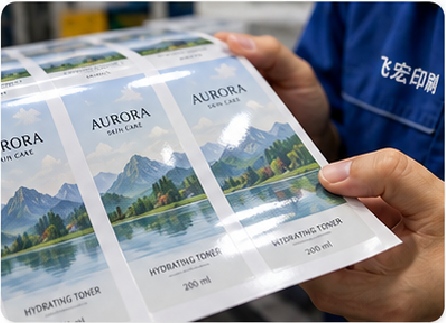
Clear labels can create a no-label look on transparent or colored packaging. White ink may be added under selected artwork so colors remain readable instead of becoming transparent against the product. Surface cleanliness, container color, adhesive clarity, print sequence and protective finish should be considered together during development.
Premium Decorative Labels

Premium Decorative Labels

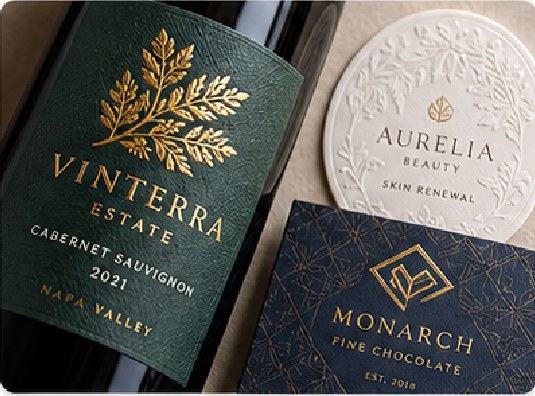
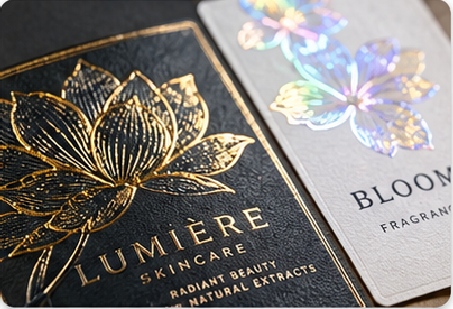
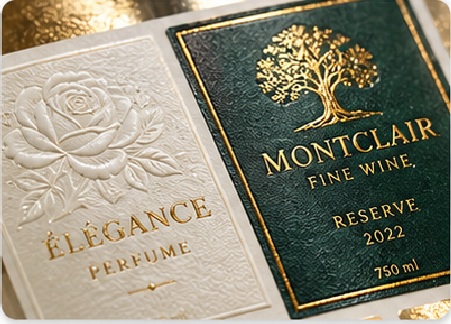
Foil, embossing, debossing, spot effects, textured paper and metallic or holographic materials can add visual hierarchy to premium packaging. Philiton separates decorative layers from the main artwork so tooling and registration can be reviewed before production. Sampling is recommended when the final effect depends strongly on material texture or reflected light.
Multi-Design Sheets

Multi-Design Sheets

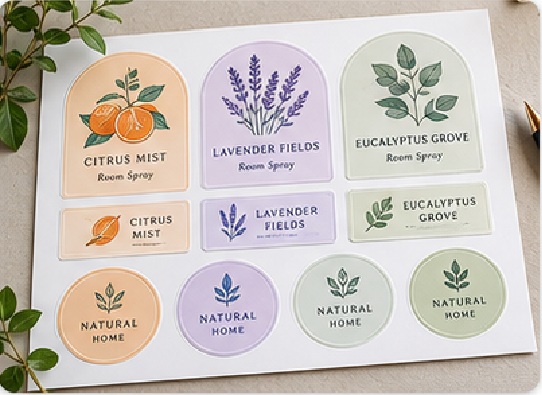
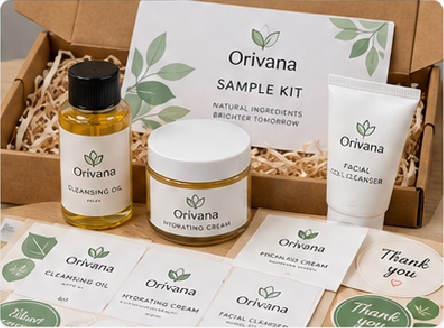
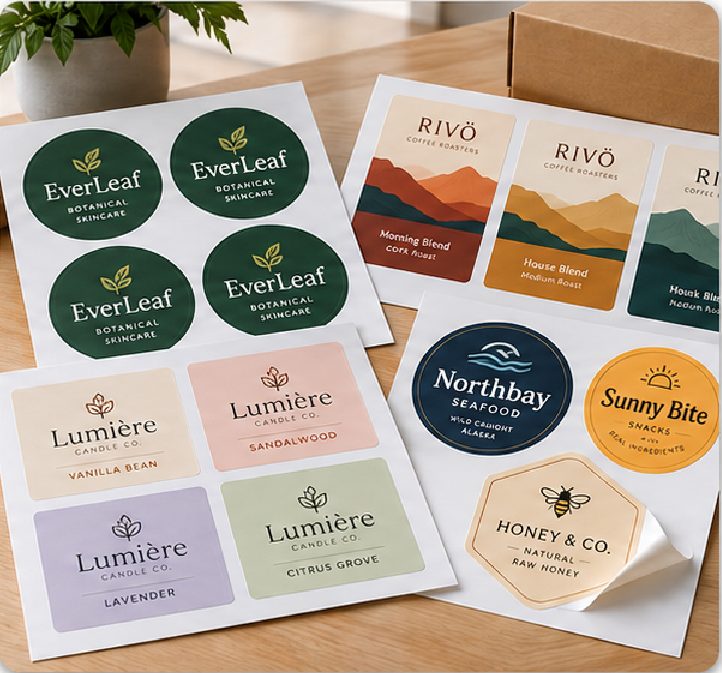
A sheet can be planned around repeated copies of one artwork or, where layout and production logic allow, several related designs. Multi-design planning is useful for sample kits, promotional packs, product families and internal identification sets. Philiton confirms quantities, dimensions, shared materials and cut paths before combining designs into a production layout.

Where Custom Sheet Labels Work Best

Sheet format is strongest where labels are handled manually, distributed in controlled quantities, stored flat or issued across several products and workstations.
Product Packaging

Product Packaging

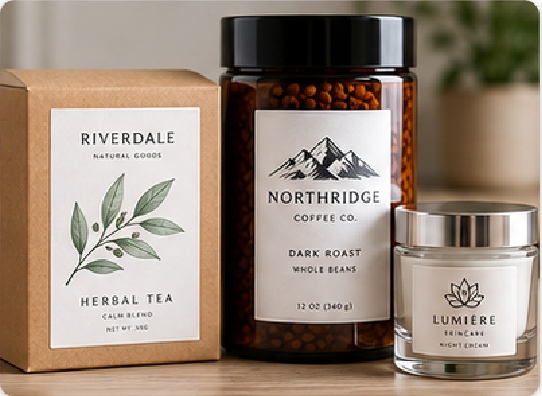
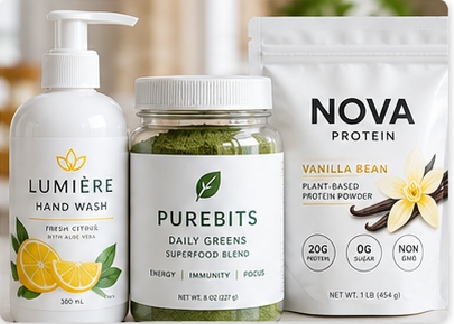
For cosmetics, supplements, candles, gifts and specialty goods, sheet labels support manual packing and short production runs without requiring roll handling. Teams can issue only the quantity needed for a batch, keep unused labels flat, and separate seasonal or language variants more easily.
Bottles and Jars

Bottles and Jars

Sheet labels can be applied by hand to glass, PET, PP, PE, HDPE and other containers when volumes and workflow make manual labeling appropriate. Material and adhesive still need to match curvature, surface energy, moisture, oils, refrigeration or handling conditions before production is released.
Retail and Promotion

Retail and Promotion

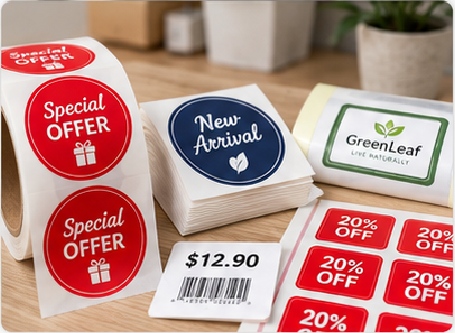
Price labels, promotional stickers, event labels, limited-edition graphics and temporary campaign labels often benefit from flat sheets because staff can transport and apply small quantities where needed. Philiton can separate campaign versions or store-specific artwork while keeping the core material and finish consistent across the program.
Barcode and Identification

Barcode and Identification

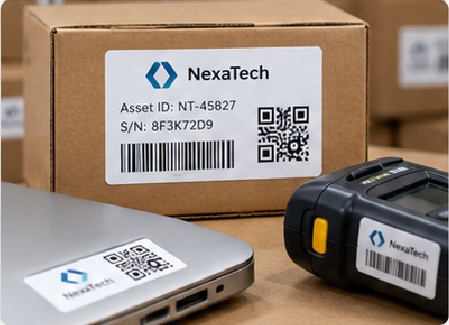
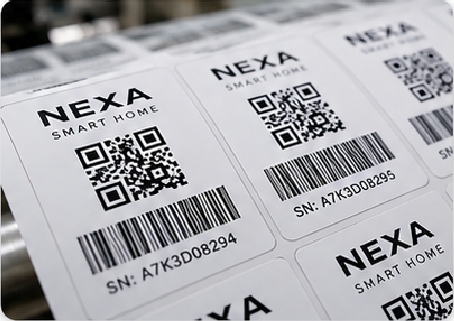
Sheet format also suits manually applied barcode, QR, inventory and asset-identification labels when automatic applicators are not required. Philiton reviews quiet zones, contrast, variable data, text legibility and final label size so printed codes remain compatible with the agreed scan and verification requirements.
Sample and Launch Kits

Sample and Launch Kits

New-product launches often need different labels for prototypes, photography, sales samples, early production and market testing. Sheet format makes low-volume distribution simple across design, marketing and production teams. Once the final construction is approved, the same specification can move into repeat orders without rebuilding the project from zero.
Warehouse and Fulfillment

Warehouse and Fulfillment

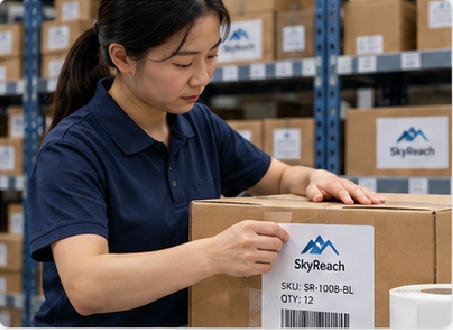
Flat sheets are useful when labels are issued at packing benches, kitting areas, return stations or fulfillment cells rather than through automatic applicators. Philiton can pack by SKU, batch or required count so receiving teams can identify the correct artwork and quantity without opening mixed, unmarked bundles.

Choose Sheet, Roll or Individual Label Format

Format should follow application method, storage, quantity, handling and equipment. Philiton can produce different delivery formats, but each route serves a different operating need.
Decision FactorSheet LabelsRoll LabelsIndividual Labels
Primary applicationManual application, kitting, bench workAutomatic or semi-automatic application, continuous useHandouts, inserts, promotional distribution
StorageFlat, easy to file or stackCompact in roll form; needs roll protectionFlexible but requires counting and bundle control
Automatic applicatorUsually not the preferred formatGenerally the strongest formatUsually unsuitable
Multi-SKU handlingStrong for separated, low-to-medium usageStrong when roll specifications are controlledUseful for very small distributed sets
Equipment data neededUsually none for hand applicationCore, unwind, gap/pitch, maximum OD, sensor detailsUsually none
Best fitLaunches, manual packaging, short/medium runsHigh-volume replenishment and labeling linesPromotions, kits, single-piece distribution
RFQ inputsSize, shape, sheet layout, material, quantity, artworkSize, material, quantity, core, unwind, gap, roll ODSize, shape, material, quantity, individual packing


Define Size, Shape and Sheet Layout Before Printing

A sheet-label quote becomes more accurate when finished dimensions, dieline, sheet handling and artwork count are defined before material and finishing are priced.

Finished Label Size

Philiton starts with the final applied label dimensions, not only the available sheet size. Common planning examples may include 30 mm circles, 50 × 30 mm rectangles, 75 × 50 mm rectangles or larger packaging labels, but final dimensions follow the container, print content and handling needs. Barcodes, regulatory text, foil details and small typography can require more usable area than a logo-only design.

Sheet Footprint

The backing sheet can be planned around packing, storage and handling requirements rather than a single universal format. A4- or Letter-like footprints may be familiar for office handling, while production sheets can be optimized differently. Philiton calculates a workable layout after allowing for press margins, registration, cut spacing, waste stripping and final packing so the sheet remains stable and easy to use.

Dieline Geometry

Die-cut paths must be manufacturable as well as visually correct. Philiton reviews narrow bridges, sharp internal corners, tiny projections and cut lines placed too close to printed details. When a shape creates stripping or peeling risk, the artwork team can recommend radius changes, simplified contours or added clearance before tooling or production is committed.

Label Spacing

Spacing affects die cutting, stripping, peeling and sheet strength. Very tight layouts can reduce waste on paper but may create unstable liner areas or difficult matrix removal. Philiton balances label yield with converting reliability instead of forcing the highest theoretical count per sheet. The final gap and edge margin are confirmed with the selected material, liner and cutting route.

Artwork per Sheet

One sheet may repeat a single design or combine several related artworks when dimensions, quantities and production setup allow. Philiton checks whether combined designs share material, finishing, print settings and cut logic. If one SKU requires a different foil layer, adhesive or protective finish, separate production may be more reliable even when the label dimensions are similar.

Quantity per SKU

Quote preparation should separate total quantity from quantity per design. A 10,000-label program with ten SKUs is operationally different from one 10,000-label artwork. Philiton reviews artwork count, run length, common materials, finishing setup and packing separation before selecting the print route. Clear SKU quantities also reduce overproduction, shortages and mixed-carton errors during final packing.

Match Sheet Label Material to the Product Environment

Philiton selects paper or film according to appearance, surface, moisture, abrasion, flexibility, print method, finishing and required service conditions.
Coated Paper

Coated Paper

Coated paper is a cost-efficient route for dry product packaging, promotional labels, cartons and many indoor applications. The smoother print surface supports clean graphics and text. Philiton reviews whether varnish or lamination is needed for rub resistance, moisture exposure or frequent handling rather than treating paper as suitable for every environment.
Uncoated and Textured Paper

Uncoated and Textured Paper

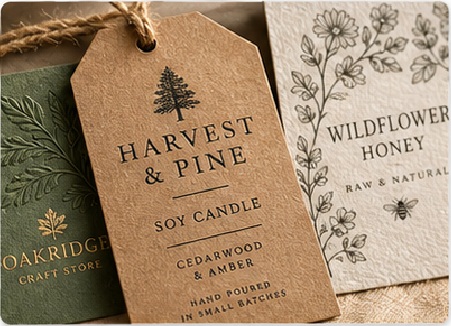
Uncoated, kraft-style or textured stocks can give wine, candle, gift, food and craft packaging a more tactile appearance. Surface texture influences fine text, foil coverage and small graphic detail, so premium effects should be sampled on the chosen stock. Exposure to water, oil or heavy abrasion also needs review before the material is approved.
White BOPP / PP

White BOPP / PP

White BOPP is widely used when packaging needs a film construction with good print appearance and stronger moisture resistance than standard paper. It can suit bottles, jars, pouches and personal-care packaging. Adhesive selection remains separate from the face material, especially on PP, PE or HDPE containers with lower surface energy.
Clear BOPP / PP

Clear BOPP / PP

Clear film supports transparent packaging and a clean, minimal label appearance. White ink can be printed under selected graphics where opacity is needed. Philiton also reviews adhesive clarity, trapped air, container color, surface contamination and protective finishing because visual defects become more noticeable when the face material is transparent.
PET Film

PET Film

PET is useful where dimensional stability, abrasion resistance or a more durable film construction is required. It can support industrial identification, electronics, asset labels and higher-wear packaging applications depending on adhesive and finishing. Heat, chemicals and long-term exposure should be defined before a durability claim is accepted for production.
Specialty Stocks

Specialty Stocks

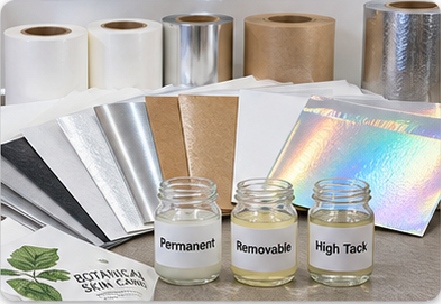
Metallic, holographic, security, synthetic and other specialty stocks can create visual or functional effects beyond standard paper and film. Availability, minimum purchase, print compatibility and finishing route vary by construction. Philiton sources suitable materials from qualified suppliers, develops the converting route, and confirms project-specific performance through samples or applicable testing before scale-up.

Adhesive Selection Starts With the Actual Surface

Permanent, removable and specialty adhesive choices only become meaningful after the substrate, application temperature, service environment and expected lifetime are known.

Match Adhesive to the Actual Surface

Philiton evaluates the application surface before recommending an adhesive route. Glass and coated cartons can behave very differently from PP, PE or HDPE plastics, where lower surface energy can reduce adhesive wet-out. Texture, curvature, powder, oil, silicone, condensation and cleaning residues can also affect bonding. A label that works on a flat PET jar may lift when the same construction is placed on a small-diameter HDPE bottle.
  • Surface: Identify the actual container or substrate, including any coating, texture or treatment.
  • Application condition: State whether labels are applied at room temperature, in refrigeration, on a cold container or in a humid packing area.
  • Service condition: Separate the temperature at application from the temperature during storage or use. An adhesive rated for cold service may still fail when applied below its minimum application temperature.
  • Removal requirement: If clean removal or repositioning is needed, Philiton reviews dwell time, substrate sensitivity and expected removal window before production.

Validate Environment Before Production

Application testing is valuable whenever labels face water, oil, alcohol, chemicals, refrigeration, freezing, outdoor exposure or repeated abrasion. Performance comes from the full construction: face material, adhesive, ink, protective finish, substrate and application method. A generic “waterproof” or “chemical resistant” claim is not enough for a production specification. For moisture exposure, Philiton can compare film constructions and protective finishing, then test on the actual or representative package. For oil or alcohol exposure, the liquid type, concentration, contact time and cleaning method should be defined. For curved containers, label stiffness and dimensions are reviewed together with tack because strong adhesive alone cannot correct every edge-lift problem. Philiton records the approved material and adhesive route after testing. Repeat production can then follow the same specification unless the container, formula, storage condition or material supply changes enough to require revalidation.
Printing and Finishing Chosen for the Order Structure

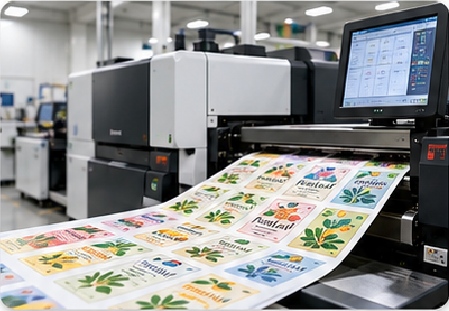
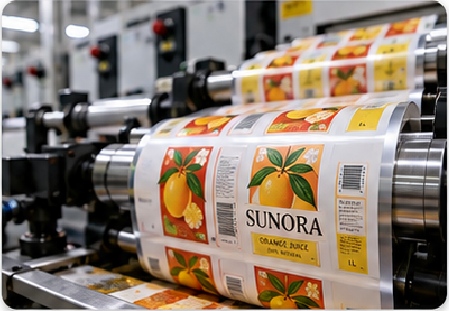
Philiton selects printing and finishing according to artwork, quantity, material, color control, special effects, variable data and future repeat volume.
Digital Printing

Digital Printing

Digital printing is well suited to shorter runs, multiple SKUs, frequent artwork changes and launch programs. It reduces the need for conventional plate setup and supports efficient versioning. Philiton can use the digital route for early production, then review a different process when quantities grow enough to justify another cost structure.
Flexographic Printing

Flexographic Printing

Flexographic production is valuable for repeat programs and larger quantities where stable colors, roll-fed materials and production efficiency matter. Even when final delivery is in sheets, labels can be printed and converted through a production route selected for the volume. Plates, spot colors, material width and finishing sequence are reviewed before release.
Screen and UV Effects

Screen and UV Effects

Screen and UV processes can support opaque white, stronger ink deposit, specialty effects or selected durability requirements. Transparent and metallic materials often need careful white-ink planning to control opacity and color appearance. Philiton separates white, varnish or effect layers in the artwork so registration and print order can be checked during proofing.
Foil and Embossing

Foil and Embossing

Foil stamping, embossing and debossing can create premium visual hierarchy on cosmetics, candles, wine, gifts and luxury packaging. Fine lines, small text, textured stocks and tight registration need production review before tooling is made. Philiton recommends a production-intent sample when the final result depends strongly on pressure, foil type or material texture.
Lamination and Varnish

Lamination and Varnish

Protective finishing can improve rub, moisture and handling resistance while also changing gloss and tactile appearance. Matte, gloss or selected protective routes should match the face material and final exposure. Philiton does not treat lamination as a universal requirement; dry indoor packaging may use a different protection strategy from oily or high-contact environments.
Variable Data and Codes

Variable Data and Codes

Serial numbers, barcodes, QR codes and other variable fields can be integrated where traceability or item-level identification is required. Philiton reviews source data, code size, contrast, quiet zones, print quality and reprint logic before production. Functional code projects should define the required scan or verification method rather than relying only on visual appearance.

Artwork Development Connects Design With Manufacturing

Philiton converts brand files into controlled production artwork by checking dielines, dimensions, colors, special layers, readability and revision status before printing.

Build a Production-Ready Artwork File

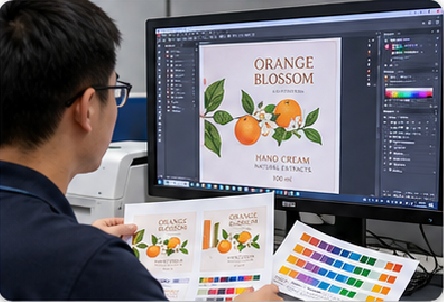
Vector PDF, AI and EPS files are preferred because dielines, type and special-effect layers can be controlled more reliably. High-resolution raster artwork can be reviewed when vector files are unavailable. Philiton checks final dimensions, bleed, safe areas, linked images, fonts, cut paths, barcode or QR placement, white-ink layers, foil layers and embossing layers before releasing a proof. A visually attractive file can still create production problems when text sits too close to the cut line, a transparent graphic lacks a white base, a barcode is undersized, or several special finishes overlap without a defined print order. Philiton flags these issues during prepress rather than waiting for final inspection. When shape changes are needed, the dieline revision is returned for approval so design intent and manufacturing reality remain aligned.

Lock Revisions Before Sampling and Production

Every SKU should have a controlled artwork version. Philiton separates early requirements from the approved production file so outdated designs do not re-enter manufacturing after a packaging update. Revision control becomes especially important for multi-language packaging, regulatory text changes, seasonal graphics and product families sharing similar artwork. After a proof is approved, the production specification links the artwork revision to the label size, material, adhesive, print route, finishing, dieline, packing and any testing requirement. If a later change affects color, dimensions, finish, material or application conditions, Philiton reviews whether a new sample or revalidation is needed. Repeat orders can move faster when the approved specification remains unchanged and the required materials are available.

Sample the Risk Before Scaling the Order

Sampling should verify the decisions that carry real production risk: material, adhesive, color, finish, dieline, code function and application fit.

Material Swatch

A material swatch is the fastest way to narrow paper, film, texture, transparency or adhesive options before full printed sampling. Philiton can compare candidate constructions against the actual product surface or a representative substrate. Swatches are useful when appearance and adhesion must be separated, because a visually preferred stock may not be the best construction for moisture, curvature or low-surface-energy plastic.

Digital Printed Sample

Digital samples are useful for checking size, general color appearance, artwork position, text readability and overall packaging fit. When artwork and available materials are ready, simple digital sample work can often be planned in roughly 1-3 business days. Final timing is confirmed after prepress and material review, especially when white ink, special films or additional converting are involved.

Finished Production Sample

A standard printed and finished sample is used when the final look depends on material, lamination, varnish, die cutting or other production details. A common planning reference is about 3-5 business days once artwork, material and the sample route are confirmed. Foil, embossing, specialty tooling or uncommon materials may require a longer schedule before approval can be issued.

Complex Validation Sample

Projects involving specialty materials, security structures, advanced finishing, strict variable data or application testing need more engineering time. Planning may extend to roughly 5-10 business days or longer when tooling, material procurement or functional validation is required. Philiton confirms the sample plan before production so a rushed prototype does not create false confidence about mass-production performance.

Plan MOQ and SKU Quantity Around Commercial Reality

Philiton uses flexible starting quantities for many standard label programs while keeping material, tooling and process economics visible before production is committed.

Project RoutePlanning Starting PointBest FitMain Quantity Drivers
Standard digital sheet labelsAround 500 pcs / SKULaunches, short runs, multi-SKU workArtwork count, material, finish, sheet layout
Custom die-cut labelsAround 500 pcsCustom shapes and branded packagingDieline complexity, tooling, stripping
Foil / emboss labelsAround 500 pcsPremium packagingFoil/emboss tooling, registration, stock
Special material / adhesiveAbout 500-3,000+ pcsTechnical or uncommon constructionsUpstream material MOQ, adhesive availability
Stock holographic materialAround 500 pcsDecorative or promotional effectsMaterial stock and print compatibility
Custom security hologramAbout 3,000-10,000+ pcsBrand protection programsOrigination, master/tooling, security structure
Multi-SKU digital labelsAround 500 pcs / SKU as a common baselineProduct families and versioned packagingSKU count, shared materials, finishing, packing separation

From RFQ to Finished Sheets With Controlled Handoffs

Philiton links commercial inputs to engineering, artwork, printing, converting and inspection so approved specifications survive every production handoff.
Requirement Review

Requirement Review

Philiton starts with label size, shape, quantity, SKU count, application surface, environment, artwork, finish and delivery destination. Missing technical fields can remain open while the project team recommends a route. Early review focuses on risks that affect price or performance, such as low-surface-energy plastic, special adhesives, metallic material, foil tooling, barcode function or multiple artwork versions.
Material and Adhesive Route

Material and Adhesive Route

Suitable face materials, adhesive constructions and liner options are shortlisted according to packaging, handling and service conditions. Philiton sources qualified labelstocks rather than manufacturing base paper, film or adhesive in-house. Candidate materials can move into swatch or application testing before the full printed sample when adhesion or environmental exposure carries more risk than visual appearance.
Prepress and Proof

Prepress and Proof

Artwork is checked for size, dieline, fonts, bleed, resolution, white ink, foil, embossing, variable data and functional codes. A production proof records the approved layout and special layers. Any change after approval is treated as a revision rather than an informal production note, reducing the risk of old artwork or unapproved changes reaching the press.
Printing and Finishing

Printing and Finishing

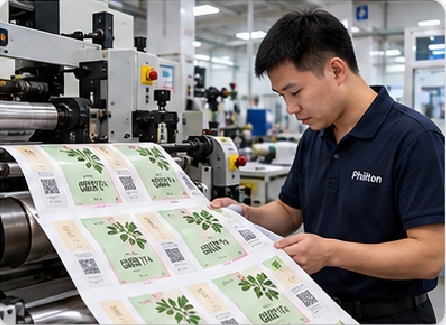
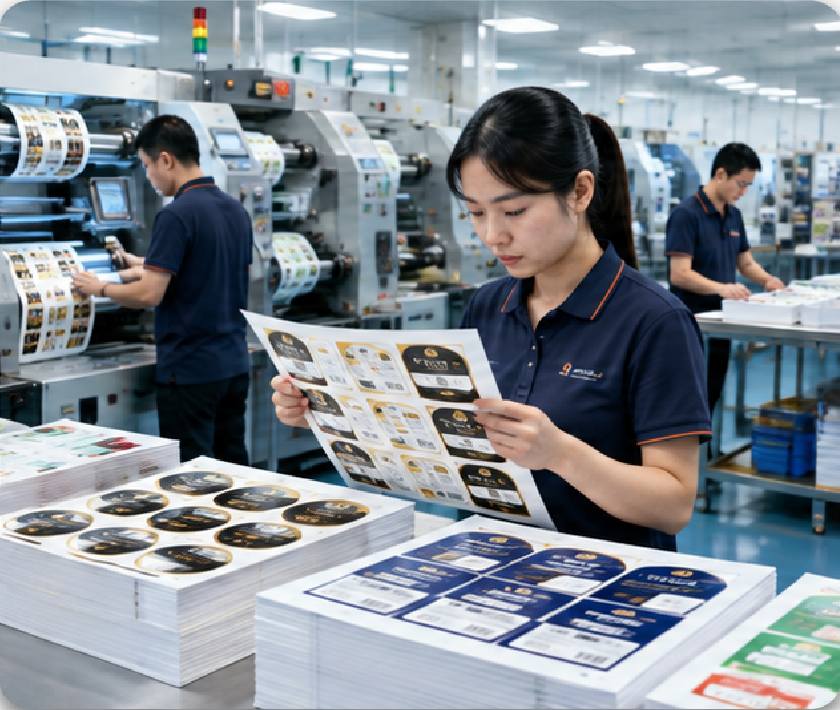
Digital, flexographic, screen/UV or another supported print route is selected according to quantity, material, color, artwork versions and finishing. Lamination, varnish, foil, embossing, holographic effects or variable data are integrated in the defined sequence. First-article checks verify setup before the full run continues, especially when color or registration is critical.
Die Cutting and Sheeting

Die Cutting and Sheeting

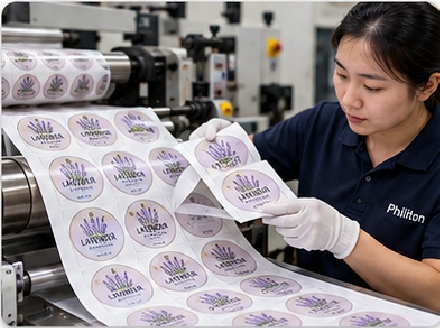
Printed material is converted to the approved label shape and final sheet format. Die-cut accuracy, matrix removal, sheet stability, label spacing and peeling behavior are checked during converting. Counts and SKU separation are controlled before packing so the finished sheets arrive ready for manual application, kitting or warehouse issue instead of requiring additional sorting after receipt.
Scheduling and Release

Scheduling and Release

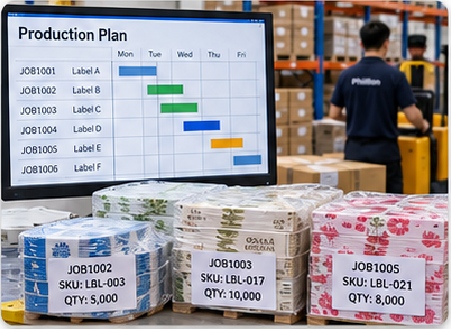
For standard large orders with locked specifications and available materials, a common production planning range is about 7-15 business days. Large multi-SKU or more complex work may require about 10-20 business days or staged delivery. Unchanged repeat orders can often be planned faster, commonly around 3-7 business days, subject to material availability and machine loading. Every release still follows normal QC.

Quality Control Focused on Repeatable Label Performance

Philiton checks materials, print, dimensions, finishing, functional data and final packing against the approved artwork, specification and application requirements.

Incoming Material Control

Incoming labelstock, film, adhesive constructions and other key materials are checked against the required purchase and project specifications before production use. Material identity and batch control matter because a repeat order can look identical while performing differently if the construction changes. High-risk programs may require supplier documentation or additional internal verification before release.

First Article Approval

Production setup is checked before the full run proceeds. Philiton reviews artwork version, color target, dimensions, print position, white ink or special layers, finish registration and die-cut alignment. First-article control is especially important for multi-SKU work because a setup error repeated across several artworks can create a much larger quantity of nonconforming labels.

Color and Print Inspection

Print inspection focuses on legibility, image quality, color consistency, density, registration and visible defects appropriate to the agreed specification. Pantone or brand-color requirements should be defined before production rather than judged only after shipment. Philiton can use visual inspection and production controls to identify missing print, contamination, major color shift or registration defects during the run.

Die-Cut and Size Control

Finished label dimensions, cut position, shape, matrix stripping and liner condition affect both appearance and usability. Philiton checks whether the cut follows the approved dieline without damaging the liner or printed area. Custom shapes receive extra attention around fine points, narrow bridges and tight clearances where cutting variation can cause poor peeling or visible misalignment.

Barcode and Data Checks

Barcode, QR and variable-data work is controlled differently from ordinary decorative printing. Source data, uniqueness, print contrast, quiet zones and reprint handling need defined rules. Where required, Philiton can apply code checking or verification according to the agreed inspection plan rather than assuming a code is acceptable simply because one mobile phone can scan it.

Final and Packing Inspection

FQC and outgoing inspection review finished appearance, quantity, SKU identity, packing, carton marks and any agreed functional checks. Automated vision inspection can be used for suitable projects where 100% visual checking is part of the inspection plan. Final release compares production against the approved artwork, sample and specification before cartons are prepared for shipment.

Compliance Support Without Blanket Certification Claims

Philiton separates factory processes, material documentation, project testing and legal labeling responsibility so procurement teams receive evidence relevant to the actual construction.

RoHS and REACH

For electronics, industrial and other regulated supply chains, Philiton can support collection of RoHS or REACH-related supplier declarations and third-party test documents for specified materials when required. RoHS and REACH are not treated as universal factory certificates. Material, adhesive, ink, coating and batch information must correspond to the construction being supplied.

Food and Cosmetic Projects

External package labels and direct-food-contact constructions have different risk profiles. Philiton can manufacture labels to approved artwork and support material documentation or testing for the defined market and contact condition. For cosmetics, Philiton can reproduce approved INCI, warnings and other text with controlled legibility, while final legal content remains the responsibility of the brand or its regulatory adviser.

Children and Chemical Requirements

CPSIA, heavy-metal testing, California Prop 65 considerations or chemical-label requirements are evaluated only when relevant to the product and destination market. Philiton can support specified material testing and document collection through appropriate third parties. No universal claim is applied to every sheet label because requirements depend on end use, materials and the legal role of the product manufacturer or importer.

Certificate and Audit Boundaries

ISO, FSC, UL, IATF, BSCI, Sedex, GRS and similar claims are only used when the exact certificate, scope, entity, validity and project relevance are verified. Supplier material certificates do not automatically make every finished label certified. Philiton can provide or coordinate available project documentation, sample records, inspection evidence and requested audit support within the confirmed scope.

Pack Sheet Labels for Clean Receiving and Use

Finished labels should arrive flat, identifiable and counted so receiving teams can move directly into packing, kitting or storage without resorting the shipment.
Flat Stack Protection

Flat Stack Protection

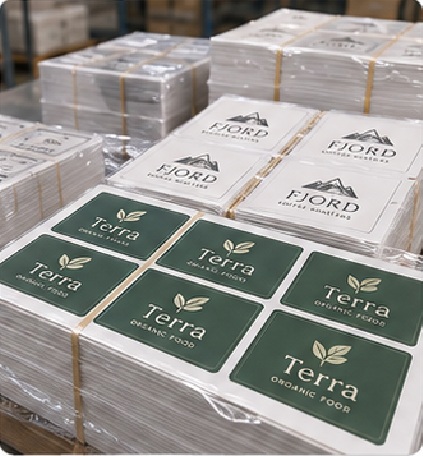
Sheet labels are packed flat rather than wound. Philiton can use counted stacks, protective interleaving or rigid support where needed to reduce bending, corner damage or surface abrasion during transport. Packing method is selected according to sheet dimensions, material stiffness, surface finish and shipment mode so premium foil or clear film work is not treated like ordinary paper labels.
SKU Separation

SKU Separation

Multi-SKU programs are packed with clear separation between designs and quantities. Philiton can identify bundles, inner packs or cartons with SKU, artwork reference, quantity and batch information according to the agreed packing plan. Good separation matters when several designs share nearly identical layouts, because receiving errors can otherwise move the wrong label into production.
Warehouse Delivery

Warehouse Delivery

Shipments can be prepared for a brand warehouse, contract packer, fulfillment center or other designated receiving point. Carton marks, packing lists, pallet rules, appointment requirements and destination instructions should be provided before dispatch. Mixed-SKU cartons or pallets can be planned when warehouse procedures are clear and each SKU remains traceable during receiving.
Global Freight Options

Global Freight Options

Courier, air freight and sea freight can be arranged according to shipment size, urgency and destination. Commercial terms such as EXW, FOB, DAP or DDP are confirmed in the quotation because duties, taxes, customs responsibilities and final-mile delivery vary by market. Philiton controls production completion, packing and shipping preparation while carrier and customs transit remain external variables.

Manufacturing Depth Behind Every Sheet Label Program

Philiton combines flexible entry quantities with the manufacturing, engineering and quality structure needed for repeat programs and more demanding label specifications.

Flexible Manufacturing Without Retail-Shop Limits

Philiton was founded in 2016 and operates manufacturing in Shenzhen and Dongguan. The combined manufacturing and operating footprint exceeds 12,000 ㎡, with more than 200 employees and 91 technical professionals, skilled machine operators and quality personnel combined. The operating model is designed to bridge the gap between very small online sticker printing and traditional high-MOQ label converting. Many standard custom label and sticker projects can begin at around 500 pieces, while the same manufacturing system can support multi-SKU growth, specialty finishing, repeat orders and larger production programs. Base papers, films, adhesives, foils and other label materials are sourced from qualified suppliers; Philiton’s in-house value is created through material selection, artwork/prepress, printing, converting, finishing, inspection, testing and production management.

One Controlled Route From Artwork to Reorder

Sheet-label work passes through connected functions rather than a single print step. Philiton can review material and adhesive fit, prepare artwork and dielines, select digital, flexographic, screen/UV or specialty production, manage foil or embossing, convert labels to the agreed sheet format, inspect quality and pack by SKU. The same structure also supports repeat-order control. Approved artwork, material, adhesive, finishing, dieline and packing specifications can remain linked to the project so replenishment starts from a known baseline. When a brand changes the container, artwork, formula, environmental exposure or quantity enough to affect manufacturing, Philiton reviews the change instead of silently repeating the old setup. That discipline is especially valuable for established brands, manufacturers and channel partners running several label versions across one supply program. 

Representative Custom Sheet Label Project Profiles

The profiles below show how Philiton structures common sheet-label programs. Brand identities are omitted; quantities are representative planning examples rather than named-client disclosures.
United States Skincare Launch

United States Skincare Launch

A growing skincare brand needed six hand-applied packaging SKUs for PET and glass containers. The representative order contained 12,000 labels total, with 50 × 30 mm and 60 × 35 mm formats across the range. Philiton would review clear BOPP, white ink, matte protection and adhesive fit against the actual containers, then produce a printed sample for packaging approval. Production control would separate each SKU, verify artwork revision and die-cut position, and pack quantities by design for direct receiving by the brand’s fulfillment partner.
Germany Specialty Food Range

Germany Specialty Food Range

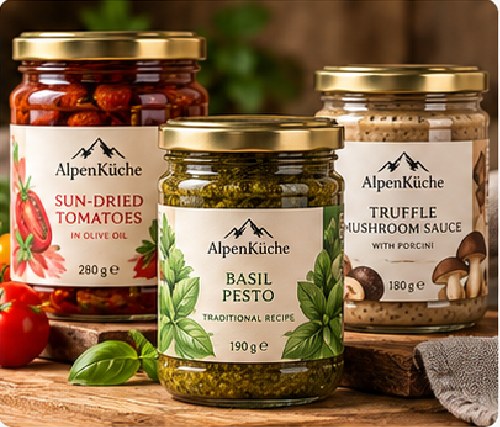
A specialty food producer required four label designs for refrigerated glass jars, with a representative first order of 8,400 labels. A 70 × 45 mm white BOPP construction would be evaluated for condensation, cold storage, oil contact and hand application. Philiton would begin with material and adhesive review, move into a finished sample, and lock the approved artwork, laminate and dieline before production. Final inspection would focus on print legibility, cut alignment, moisture-related surface defects and SKU separation before air or sea shipment to Germany.
Australia Home Fragrance Program

Australia Home Fragrance Program

A home-fragrance brand needed premium sheet labels for three candle and diffuser designs, using a representative order quantity of 4,500 labels. A 60 mm round textured-paper label with metallic foil would require close review of stock texture, foil coverage, small text and die-cut registration. Philiton would develop a production-intent sample, confirm the foil layer and edge clearance, then control first-article appearance before the run continued. Finished sheets would be packed flat by design to protect the decorative surface and simplify hand application during local packing.

Custom Sheet Labels Frequently Asked Questions

Custom sheet labels are printed adhesive labels supplied on flat backing sheets rather than rolls or individual pieces. Philiton can customize finished size, shape, material, adhesive, artwork, finishing, sheet layout and packing. Sheet format is especially useful for manual application, kitting, short-to-medium usage points, multi-SKU programs and teams that prefer labels to remain flat during storage and distribution.
Choose sheets when labels are mainly applied by hand, issued in smaller controlled quantities or stored flat. Rolls are usually stronger for automatic or semi-automatic applicators and high-volume continuous labeling. Philiton can review application method, quantity, SKU count and equipment before recommending the format. A roll project also requires core, unwind, gap/pitch and maximum roll-diameter information.
Yes. Philiton supports standard geometric shapes and custom die-cut outlines. The artwork team reviews narrow points, internal corners, fine cut details and edge clearance before the dieline is approved. Complex shapes may need small geometry changes to improve matrix stripping, peeling and production stability. Final tooling or cutting method is confirmed after the design and material are reviewed.
It can when the artworks share compatible dimensions, materials, printing and finishing requirements. Philiton checks quantity by design, dieline logic and packing before combining artworks. If one SKU needs a different adhesive, foil layer, laminate or production route, separate production may be more reliable. Multi-design planning is especially useful for product sets, sample kits, promotions and low-volume variants.
Material depends on the product surface and environment. Coated paper works well for many dry indoor packages; textured paper supports premium tactile branding; BOPP/PP is common for moisture-resistant packaging; clear BOPP supports transparent designs; PET can suit more durable identification. Philiton reviews water, oil, abrasion, temperature, container material and finishing before recommending a construction.
Water-resistant or waterproof-oriented constructions can be developed using suitable film, ink and protective finishing. Performance should be tied to a defined exposure condition rather than an unlimited claim. Philiton needs to know whether labels face splashes, condensation, immersion, refrigeration, cleaning or outdoor use, then can recommend a construction and sample it on the actual or representative surface.
Adhesive selection depends on substrate, surface energy, curvature, application temperature, service temperature, moisture, oil, chemicals, removability and expected lifetime. PP, PE and HDPE often need stronger or specially selected adhesive because of lower surface energy. Philiton prefers testing on the actual container or representative material whenever adhesion risk is significant.
Many standard custom label and sticker projects can start from around 500 pieces per design. Special materials, adhesives, foil or emboss tooling, security structures and other high-setup processes may require higher quantities. Multi-SKU projects are reviewed as a program so common materials and production steps can be planned together without hiding the quantity required for each individual design.
Simple digital samples can often be planned in about 1-3 business days, while standard printed and finished samples commonly use about 3-5 business days after artwork and materials are ready. Complex samples can take longer. Standard large production with locked specifications commonly plans around 7-15 business days. Final schedules depend on material availability, tooling, finishing, quantity, approvals and QC.
Send the finished label size, shape, quantity per SKU, application surface, preferred material or “please recommend,” artwork, required finish and delivery destination. Vector PDF, AI or EPS files are preferred, although high-resolution raster artwork can be reviewed. If details are still open, photos of the product, container dimensions and the current label can help Philiton define the first manufacturing route.

Send Your Sheet Label Specification for Review

Philiton can prepare a more useful quotation when the application and manufacturing inputs arrive together. Send the known details and leave uncertain technical fields open for recommendation. The project team will review the product surface, artwork, material route, adhesive, finishing, quantity structure, sample needs and packing before confirming the manufacturing approach. For repeat programs, include any existing specification, previous sample, dieline or packaging reference so the new quote can be compared against the current setup instead of starting from assumptions.

  • Finished label size and shape
  • Quantity per SKU or artwork
  • Product surface and application environment
  • Preferred material, adhesive or finish – or request a recommendation
  • Artwork, dieline, barcode/QR files or reference photos
  • Target delivery country and required in-hand date

For all inquiries, please feel free to reach out at:

Get In Touch

  • Our team will answer your inquiries within 12 hours.

  • Your information will be kept strictly confidential.

Get a Fast Quote for Custom Labels & Stickers

We will contact you within 24 Hours, please pay attention to the email with the suffix“@philiton.com”. 
For all inquiries, please feel free to reach out at:

Ask For A Quick Quote

We will contact you within 24 Hours, please pay attention to the email with the suffix“@philiton.com”. 

For all inquiries, please feel free to reach out at:

Get a Quote Today!

We will contact you within 24 Hours, please pay attention to the email with the suffix“@philiton.com”.