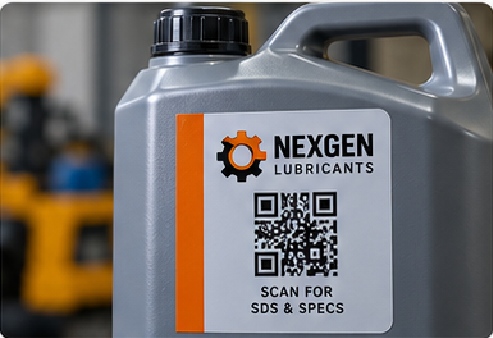
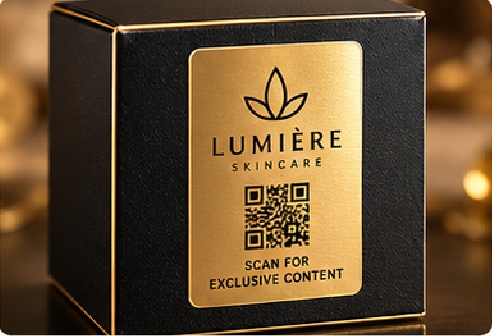
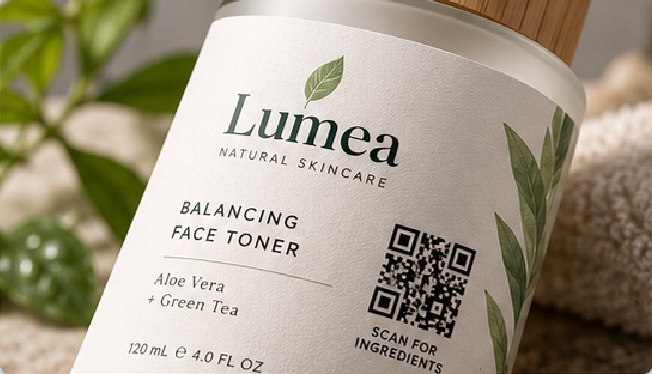
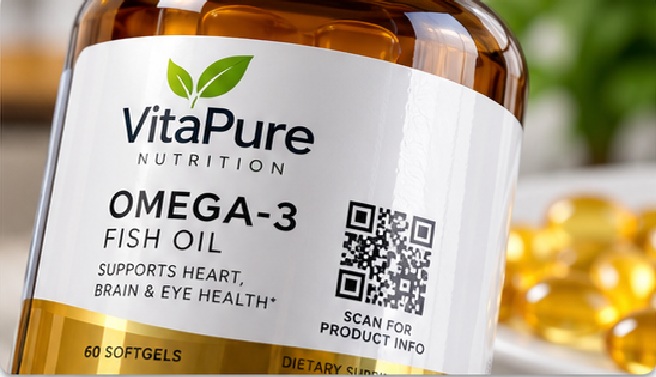
Your Trusted Labels & Stickers Manufacturer from China!

Add QR Codes to Product Labels

Print-ready QR labels built around scanability, material choice, artwork control, and production accuracy.

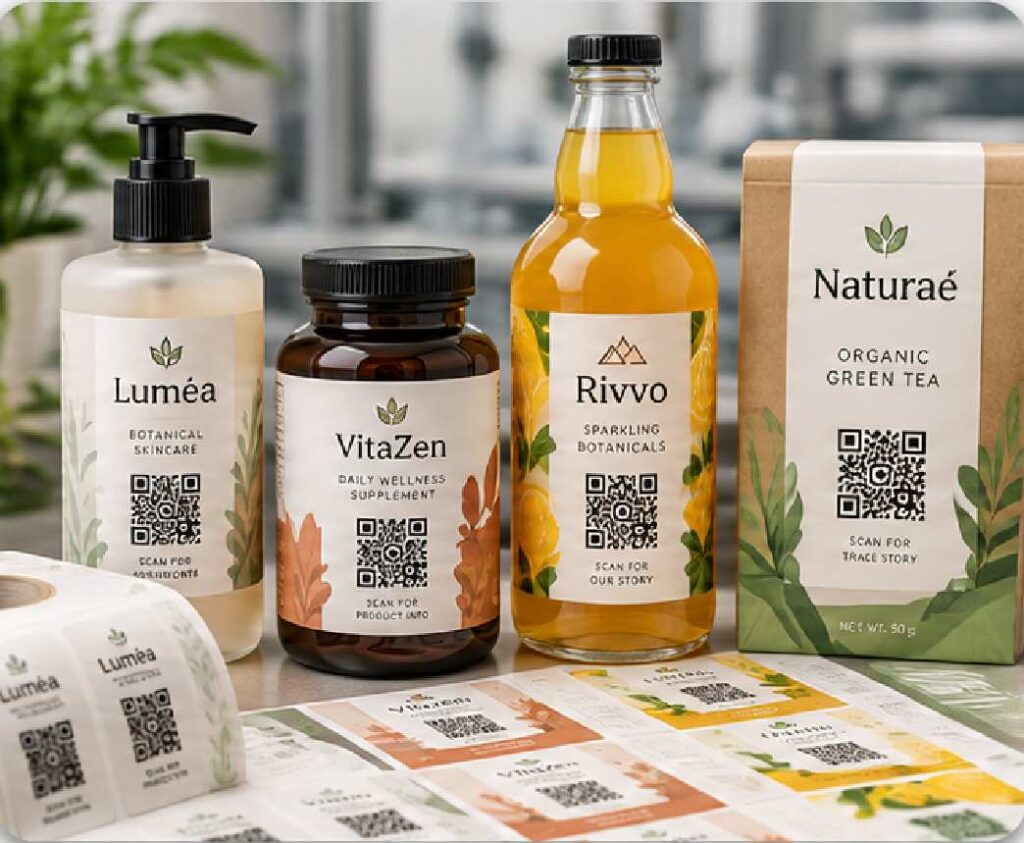
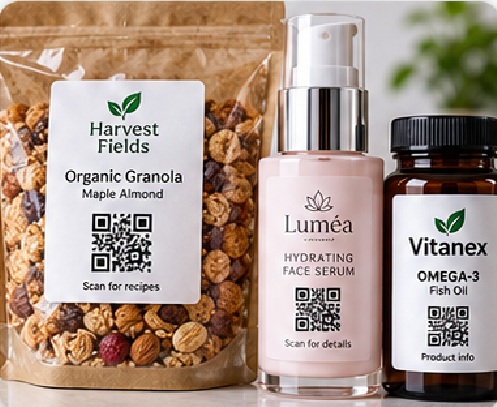
Philiton turns QR artwork and data into production-ready product labels for brand, packaging, traceability, warranty, and serialized applications.
  • Founded in 2016 with Shenzhen and Dongguan manufacturing.
  • 12,000+ m² operating footprint and 200+ employees.
  • 91 technical, skilled production, and quality professionals.
  • Many standard label projects can start from around 500 pcs.
Add QR Codes to Product Labels

QR Label Programs for Different Brand Operations

QR requirements change with launch stage, production scale, packaging format, and data responsibility. Philiton adjusts the manufacturing route around the job to be done.

Growing Product Brands

New product launches often need manageable quantities, several SKUs, quick artwork changes, and confidence before a larger commitment. Philiton can combine digital printing, material trials, QR artwork review, and standard finished samples so a brand can validate appearance and scanability before scaling. Many standard custom label programs can start from around 500 pieces, while exact MOQ depends on material, finishing, tooling, and SKU structure.

Established Consumer Brands

Mature brands usually care less about making one QR code and more about keeping every SKU controlled across repeat orders. Philiton supports approved artwork, version tracking, consistent materials, specialty finishing, variable data, inspection, and repeat production. Multi-SKU programs can share compatible materials and production setups while each artwork, quantity, QR destination, and quality identity remains separately controlled for production and reordering.

Manufacturers and Operations

Production teams need labels that run correctly on real containers and real applicators. QR projects may require roll direction, inside or outside winding, core size, gap, pitch, liner width, maximum roll diameter, black marks, or perforations. Philiton can build these parameters into the engineering specification before bulk production, reducing the risk of a readable code arriving in a roll format that does not work on the labeling line.

Packaging and Print Partners

Packaging companies, distributors, and print partners often need a manufacturing back end that can handle confidential artwork, multiple projects, variable data, specialty materials, and repeat supply. Philiton can work under an agreed NDA, control versions, produce labels under customer-approved specifications, and support blind or project-specific delivery arrangements when confirmed. Sensitive branded samples and case details are not published without authorization.

QR Code Product Label Styles Philiton Can Produce

The QR code is only one layer of the finished label. Material, opacity, finish, durability, and delivery format still need to match the product and labeling process.
White Film Labels

White Film Labels

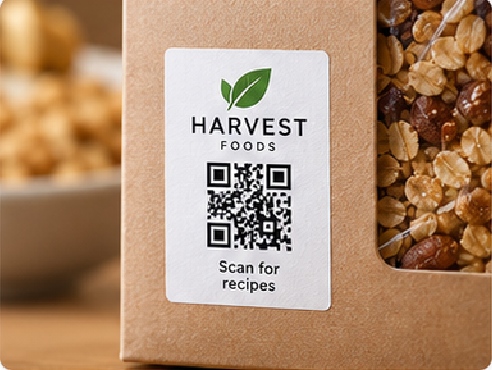
White BOPP, PET, PE, and related film stocks give QR graphics a controlled opaque base with strong contrast. They are widely used for food, beverage, cosmetics, supplements, household products, and general packaging. Digital, flexographic, UV, screen, lamination, varnish, foil, and die-cutting routes can be selected according to quantity, finish, environment, and final label construction.
Clear QR Labels

Clear QR Labels

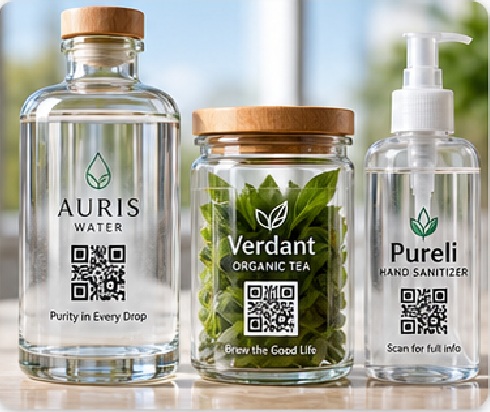
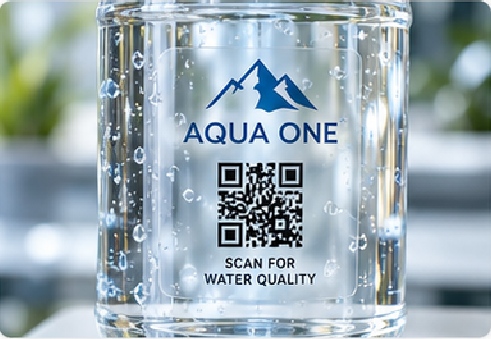
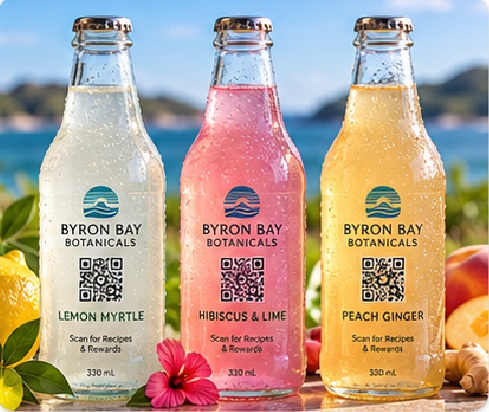
Clear film can create a no-label look on glass and transparent plastic, but the QR area often needs more engineering than a white label. Product color, bottle contents, reflections, and background variation can reduce contrast. Philiton can evaluate white ink underbase, clear BOPP or PET, print sequence, finish, and actual-container scanning before the artwork is released for production.
Durable PET Labels

Durable PET Labels

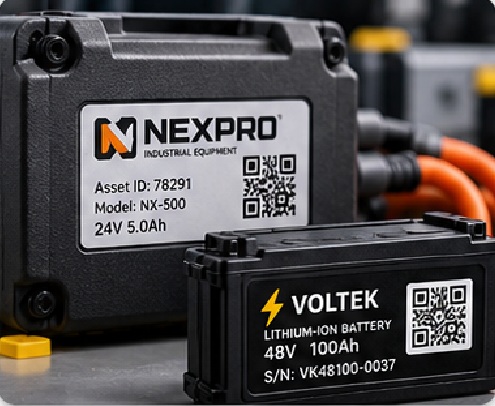
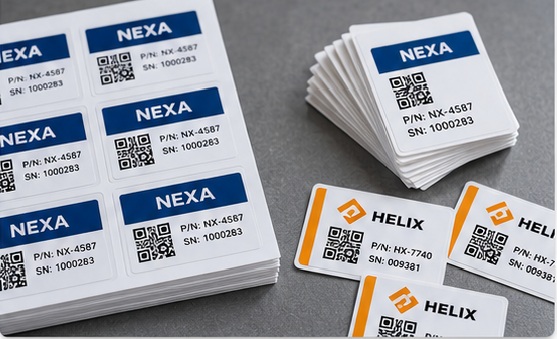
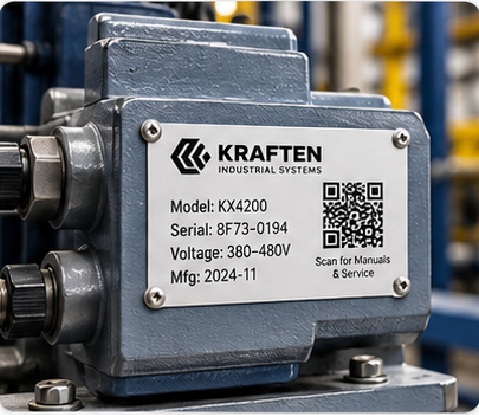
PET is a strong option for electronics, equipment, automotive parts, batteries, industrial identification, and other applications where dimensional stability and abrasion resistance matter. QR graphics may be combined with serial numbers, asset IDs, Data Matrix, barcodes, or variable text. Final durability still depends on the complete construction, including adhesive, coating or laminate, ink system, surface, and service environment.
Premium QR Labels

Premium QR Labels

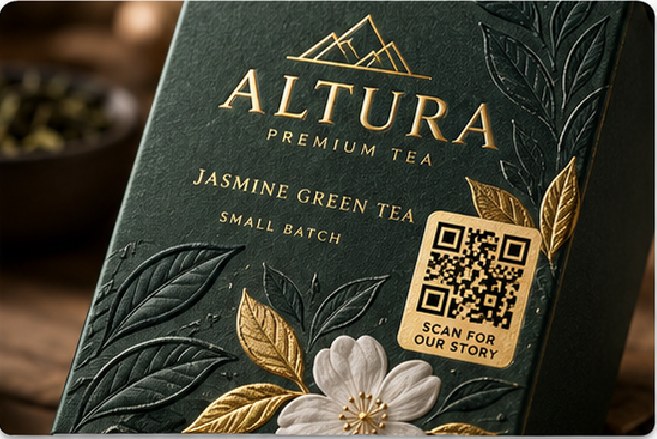
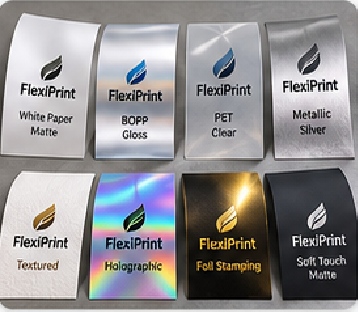
Metallic films, textured papers, foil, embossing, debossing, spot UV, and other premium effects can be combined with QR-led packaging when visual areas are planned carefully. Reflective or highly textured regions should not interfere with the code. Philiton can separate decorative zones from scan-critical zones, use white or light underlayers where needed, and approve the physical sample before scale production.
Tamper and Security Labels

Tamper and Security Labels

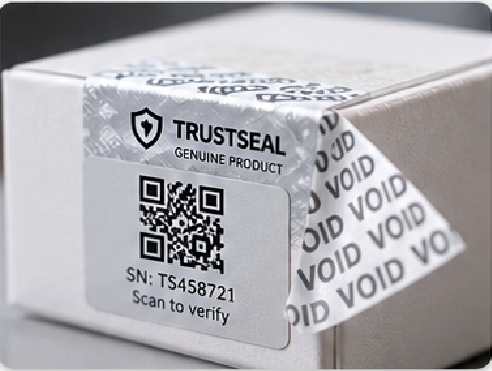
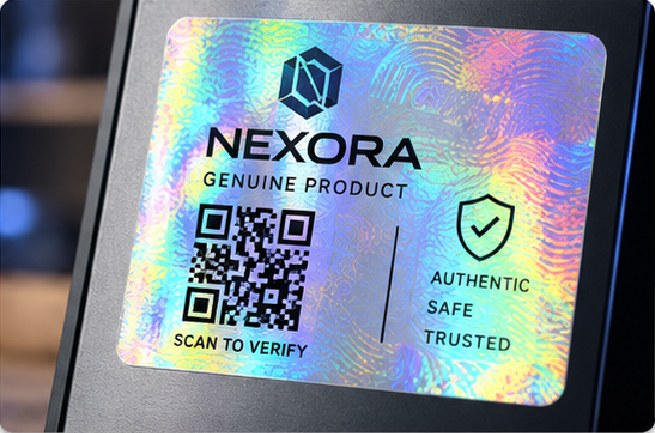
QR codes can sit inside tamper-evident, destructible, VOID, holographic, scratch-off, or hidden-code constructions. A unique QR code provides identity, but identity alone does not automatically create strong authentication. Philiton can evaluate multi-layer security structures, variable information, waste control, controlled reprints, and project-specific data handling when brand protection or product verification requires more than a visible code.
Variable QR Labels

Variable QR Labels

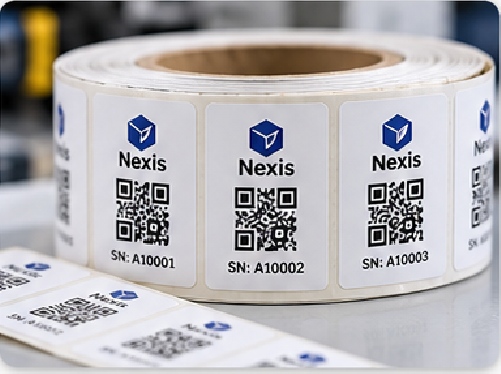
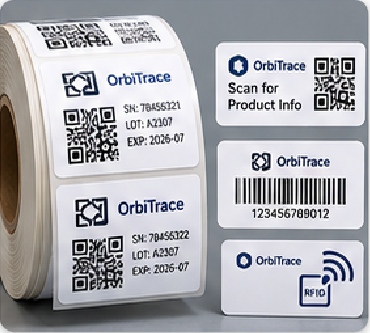
For warranty registration, traceability, campaigns, inventory, serialized products, or one-to-one identification, every label can carry different data when the variable-data workflow is defined. Philiton can combine QR codes with human-readable serial numbers, batch or lot information, barcodes, and other fields. Source data, uniqueness checks, artwork mapping, reprint logic, and final verification become core production controls.

What Your Product Label QR Code Can Do

A clear purpose makes artwork and data planning easier. Philiton starts with the destination and operating requirement before choosing the print and verification route.

Product Information

Link packaging to instructions, ingredients, technical details, care information, manuals, or extended product content. Static codes may be sufficient when every label points to the same stable destination. Before printing, the final URL and ownership should be confirmed so the label does not depend on a temporary link that may change after goods reach the market.

Warranty Registration

Warranty programs often need a product page, registration form, serial reference, or a unique code linked to an internal system. If each unit needs individual identity, variable QR production is more suitable than one shared code. Philiton can print the unique visible data while the brand defines the registration logic, database behavior, retention policy, and final digital experience.

Reorder and Support

A QR code can shorten the path from a physical product to reorder information, spare parts, service, installation help, or support. The label should be positioned where it remains visible and readable during the intended product life. For industrial use, the material, adhesive, protective layer, and QR size should be selected around the operating environment rather than around appearance alone.

Promotion and Loyalty

Campaign labels may use one shared destination, SKU-specific links, or thousands of unique promotional codes. Unique programs need stronger controls for duplicate records, missing codes, reprints, and unused scrap. Philiton can manufacture the printed variable layer, while campaign rules, redemption logic, consumer terms, and platform operation remain under the brand or designated digital service provider.

Traceability

QR codes may carry or resolve to batch, lot, production, inventory, or distribution information. Traceability projects normally need reliable mapping between printed data and the brand system. Philiton can manage source files, variable printing, batch records, controlled reprints, and packaging-range mapping when specified, helping prevent a mismatch between a physical label and the data assigned to it.

Authentication Support

A unique QR can contribute to an authentication system, but a copied visible code can also be copied. Stronger programs may combine backend validation, status rules, hidden codes, scratch layers, tamper evidence, holographic features, or RFID/NFC. Philiton can manufacture the physical label construction; the authentication logic, legal claims, and backend validation rules must be defined for the specific program.

Static, Dynamic, and Unique QR Code Label Choices

Choose the data route before artwork approval. The wrong choice can create avoidable rework when links, SKUs, or per-unit records change later.

QR RouteCode PatternBest FitKey Production ControlMain Limitation
Static QRSame encoded destination on all labelsProduct information, manuals, support, standard landing pagesFinal URL, artwork size, contrast, physical scan testEncoded destination cannot be changed after printing
Dynamic QRSame printed code with managed redirectCampaigns or content destinations that may need controlled updatesStable code provider, redirect ownership, sample scan, link continuityDepends on external redirect service and account control
SKU-Specific QRDifferent code by artwork or SKUMulti-SKU packaging, language versions, product-specific contentArtwork version control, SKU mapping, correct roll/carton identificationMore artwork control is required as SKU count rises
Unique QRDifferent code on every labelWarranty, traceability, serialized promotions, one-to-one identificationData uniqueness, merge accuracy, reprint control, reconciliationRequires a defined data source and stronger QC workflow

Materials That Keep Printed QR Codes Readable

Material choice affects contrast, reflection, ink holdout, durability, bottle conformity, and adhesive performance. Philiton evaluates the complete label construction rather than the QR image alone.
Coated Paper

Coated Paper

Coated paper is widely used for dry packaging, retail products, boxes, jars, and cost-sensitive applications. A controlled light background supports strong QR contrast, while varnish or lamination can improve handling resistance when needed. Paper is less suitable where sustained water, oil, abrasion, or flexible-container movement is expected. Philiton matches paper grade, adhesive, print route, finish, and application surface before release. For QR work, a coated white face also gives prepress a predictable background for module edge definition and final scan checks.
Textured Paper

Textured Paper

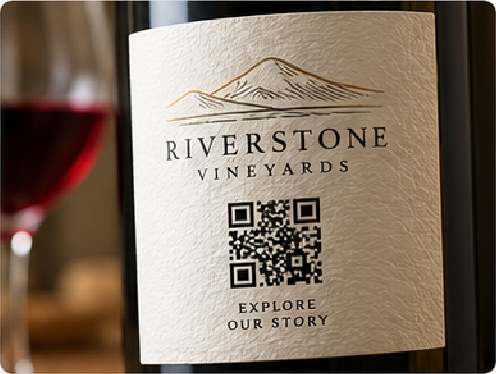
Textured stocks can add a premium tactile finish for wine, spirits, candles, specialty foods, and gift products. Strong texture may disturb small QR modules or lower edge definition, especially when a code is reduced too far. Philiton can reserve a smoother printed zone, adjust artwork size, choose an appropriate printing process, and confirm readability on the real stock before the full decorative specification is approved. A QR area should never be reduced simply to preserve more texture around it when readability is the functional priority.
White BOPP

White BOPP

White BOPP is a common film platform for consumer packaging because it combines moisture resistance, clean print appearance, and broad finishing compatibility. The opaque white surface gives QR codes predictable contrast. Adhesive selection still depends on the bottle or package material, surface energy, curvature, application temperature, moisture, oil, and required life. Actual-container trials are recommended where adhesion or curvature creates risk. White BOPP is also useful when a brand wants one stable QR background across several bottle colors without adding a separate white ink patch for every SKU.
Clear BOPP

Clear BOPP

Clear BOPP supports a transparent no-label appearance, but QR readability depends on what sits behind the film after application. A dark product, colored bottle, moving liquid, or printed graphics under the code can change contrast. Philiton can add a localized white ink underbase or redesign the code area so scanning does not rely on the final product color remaining constant. The white layer can be limited to the QR field and selected text, allowing the surrounding label to retain a transparent appearance.
PET Film

PET Film

PET provides higher dimensional stability and is often selected for industrial, electronic, chemical, automotive, asset, and durable identification labels. It works well where QR codes must remain legible alongside serial numbers, warning text, or machine-readable data. Final temperature, chemical, abrasion, and outdoor performance cannot be assumed from PET alone; adhesive, ink, coating, laminate, surface, and exposure conditions must be verified together. QR programs for equipment can also pair PET with a protective laminate when frequent handling or abrasion is expected.
Metallic Film

Metallic Film

Metallic PET or BOPP creates silver, gold, mirror, or brushed effects for premium packaging and technical labels. The reflective face can reduce scanner contrast when the QR code is printed directly over the metallic area. Philiton can use opaque white underprinting, isolate the QR from reflective decoration, or keep metallic effects outside the scan zone. Physical samples should be checked under normal lighting before bulk production. Where the metallic effect is central to the design, a dedicated opaque QR panel can preserve the premium look while separating decoration from the functional scan zone.

Finishes That Protect Appearance Without Blocking Scans

Finishing can improve durability and shelf impact, but reflective, textured, or heavily decorated surfaces need clear separation from the scan-critical QR area.
Matte Protection

Matte Protection

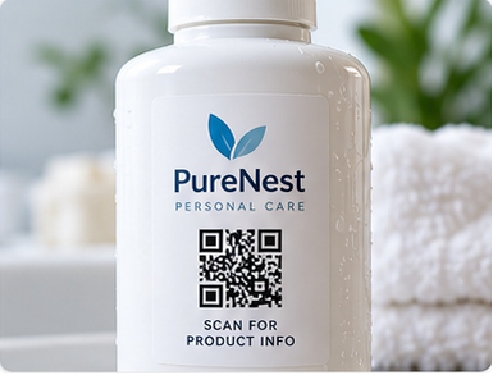
Matte lamination or matte varnish can reduce surface glare and provide a controlled visual finish, making it useful for premium cosmetics, supplements, household products, and many retail labels. The full construction should still be checked because matte layers vary in haze, texture, rub resistance, and print interaction. Philiton evaluates the protective layer together with QR contrast, material, bottle shape, and expected handling. The approved sample should represent the same matte construction planned for bulk production so glare and edge definition are not judged from an unfinished proof.
Gloss Protection

Gloss Protection

Gloss lamination or varnish can increase color depth and protect printed graphics, but strong specular reflection may reduce readability at certain angles. The risk increases on curved containers and under direct retail lighting. Philiton can position the QR away from highly reflective decorative zones, test the finished sample on the actual container, and confirm scanning from realistic angles before the approved specification is locked. Retail lighting, curved bottles, and dark backgrounds should be included in the check when they are part of normal use.
Foil and Embossing

Foil and Embossing

Foil stamping, embossing, and debossing can be used around a QR code without sacrificing scanability when the functional area remains flat and high contrast. Metallic foil should not cover finder patterns, quiet zones, or small modules. Philiton separates decorative layers in the artwork, prepares the required tooling, and checks registration so the premium finish and machine-readable element remain independent production features. A small shift in foil or emboss registration should not be allowed to invade the code or quiet zone on an approved design.
Holographic Effects

Holographic Effects

Holographic film and security effects change appearance with viewing angle and light, which makes them valuable for visual security but challenging behind a QR code. Philiton can keep the QR on an opaque printed field, apply a white underlayer, or locate the code in a non-holographic area. When security and digital identification are combined, sample verification should cover both the visual effect and scanning behavior. If hidden codes, VOID structures, or scratch layers are added, the sequence of printing and converting is reviewed so security features do not contaminate or damage the readable QR surface.

Artwork Rules Before QR Labels Go to Press

A QR code can be technically valid on screen and still fail after scaling, printing, finishing, or wrapping around a product. Prepress control prevents avoidable failures.

Lock the Data Before Final Artwork

Start with the destination or data rule, not the graphic decoration. For a shared QR code, Philiton needs the final encoded URL or approved QR artwork. For variable or unique codes, the project needs a defined data source such as a CSV, database export, serialized rule, or customer-approved generation logic. The file owner should also confirm who controls the destination domain or redirect service. Version control matters because a visually unchanged label can still become a new production version when the QR destination, serial range, or data file changes. Philiton treats artwork revision and variable-data revision as separate control points. A final production file should identify SKU, revision, date, approval status, and the QR or data source used for the run. For static codes, changing the encoded destination after printing requires new labels. For dynamic redirects, the printed symbol may stay the same, but the redirect service becomes an external dependency. Brands should avoid temporary URLs, expiring links, or accounts controlled by an individual employee. The safest production handoff is a stable destination, controlled access, and an approved file that can be traced to the physical label. For repeat orders, the same record also helps confirm whether the digital destination remains valid before an old artwork version is released again.

Protect the QR Geometry

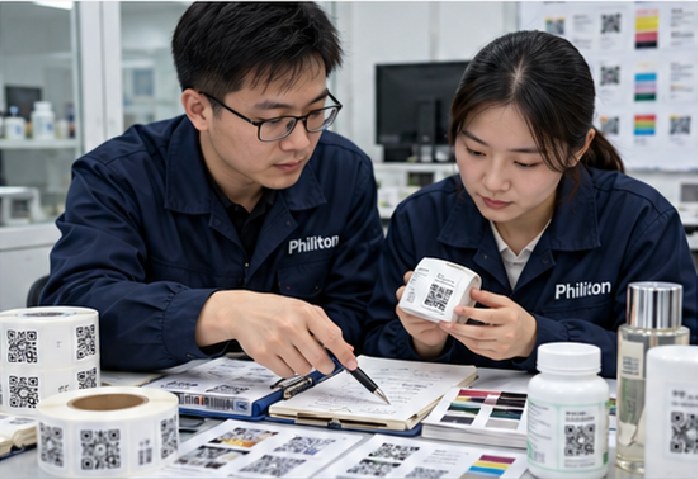
QR artwork needs clean geometry after the complete print process, not only in the design file. Keep the code square, avoid non-proportional stretching, protect the finder patterns, and reserve a clear quiet zone around the symbol. Standard QR geometry commonly uses a quiet zone equal to four modules around the code; decorative elements, text, die lines, foil, and nearby graphics should stay outside that reserved area unless a validated design specifically allows otherwise. High contrast is the safest starting condition. Dark modules over a light opaque base are easier to control than codes placed directly over transparent, metallic, holographic, strongly textured, or changing-color backgrounds. Logo insertion, rounded modules, reversed colors, gradient effects, and decorative corner treatments may still work, but each change removes scanning margin. Philiton prefers to evaluate the final physical size, actual substrate, ink coverage, and finish rather than approve a stylized QR from a monitor screenshot. Artwork should also preserve print resolution. Very small modules can close up, break apart, or change shape through print gain, coating, lamination, or substrate texture. A clean vector or high-quality source file gives prepress more control than a compressed image copied from a website or presentation. During proofing, the code should be viewed at 100 percent output size, not judged only while enlarged on screen, because module defects become most obvious at the real printed scale.

Plan the Code on the Real Product

Placement should be reviewed on the package, not only on the flat dieline. A QR code wrapped around a small-diameter bottle can become distorted enough to reduce reliable scanning. Codes placed near a shoulder, taper, seam, fold, crimp, cap, or pouch gusset may also leave the scanner with only part of the symbol in one viewing plane. Philiton therefore asks for the final label size, container dimensions or photos, application area, and labeling method when curvature or placement is critical. For clear labels, the product itself becomes part of the optical background. A code that scans on a white proof sheet may behave differently over a dark bottle, amber glass, colorful liquid, or reflective metal. A local white ink underbase can create a stable scan field without making the entire label opaque. For roll labels used on automatic equipment, placement also has a production dimension. Roll direction, gap, pitch, core, maximum roll diameter, liner width, and sensor marks must match the applicator. Correct QR artwork on an incompatible roll can still cause operational failure, so the product and the production line should be reviewed together. When line drawings or applicator specifications are available, they should be included in the engineering review before the roll layout and winding direction are frozen.
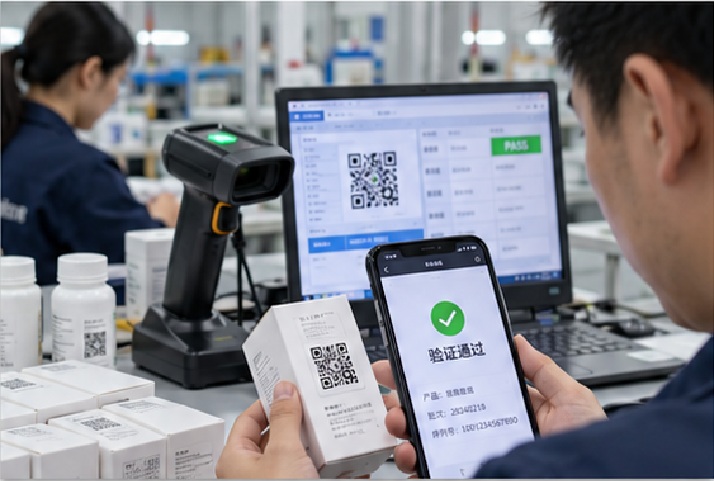
Size, Quiet Zone, and Curved-Surface Planning

There is no single minimum QR size for every label. Data density, print process, scan distance, material, finish, and product curvature all change the usable limit.

Data Density

A short URL generally creates a less dense symbol than a long encoded string. More data means more modules, and the same physical label size then gives each module less room to print cleanly. Philiton therefore checks the actual encoded content before approving a small QR area. Shortening the destination or using a controlled redirect can create more printing margin when the digital architecture allows it. The chosen method should remain stable for the expected product life so future link management does not create a service problem after labels are distributed.

Quiet Zone

A QR code needs clear space around the outer modules so a scanner can separate the symbol from nearby graphics. Standard QR layouts commonly reserve four modules of quiet zone on every side. Die lines, foil, text, borders, patterns, background photography, or adjacent codes should not intrude into that area unless the exact printed design has been validated under realistic scanning conditions. Final die-cut tolerance should also leave enough margin so normal converting variation does not reduce the reserved clear space.

Print Resolution

The meaningful dimension is not only the outer QR size but also the width of the smallest printed module. Digital, flexographic, UV, screen, and other processes handle fine detail differently, while ink spread and substrate texture can change edges. Philiton reviews artwork at final output size and can produce a physical sample when small modules, fine lines, or premium finishes reduce the margin for error. The same review can identify whether a larger QR field would be safer than forcing a dense code into a decorative area that is already crowded.

Scan Distance

A code read from a handheld product at close range has different sizing needs from a code mounted on equipment or packaging scanned from farther away. The intended device, distance, lighting, angle, and use environment should be defined before shrinking the code to fit a decorative layout. Philiton treats size as an application decision, not a universal number copied from a generic design guide. A sample should be tested with the device and approximate viewing distance expected in normal use, especially for equipment labels or retail displays scanned from farther away.

Container Curvature

Small bottle diameters and sharply curved surfaces can bend a QR code across multiple viewing planes. Keeping the code narrower than the most curved region, moving it to a flatter panel, or adjusting label placement can improve reliability. For difficult containers, Philiton recommends testing the actual printed label on the actual bottle or a representative sample before bulk production is released. Placement can sometimes solve a scan issue more effectively than increasing the overall label size or changing the QR data.

Finish and Reflection

Gloss films, metallic stocks, holographic areas, glossy laminates, and clear windows may reflect light into the scanner. Increasing contrast, using a matte or opaque scan field, adding white ink, or changing placement can create more margin. Final approval should include the complete material and finish because an uncoated proof does not reproduce the optical behavior of the finished label. Lighting angle and container curvature should be included in the evaluation when reflection is visible during normal handling.

Sample the QR Label Before Full Production

Sampling closes the gap between a digital file and a real package. Philiton can validate artwork, material, finish, adhesion, roll format, and QR readability before scale production.
Choose the Right Sample Stage

Choose the Right Sample Stage

Philiton uses different sample routes because not every question needs a full production-style sample. A digital sample is useful for artwork, general color appearance, QR geometry, and early layout review on common label stocks. Typical digital sample preparation is around 1-3 working days after artwork, material, and process details are confirmed. Standard printed or finished samples are commonly around 3-5 working days. Complex foil, embossing, special die cutting, screen printing, or special materials can require around 5-7 working days, while RFID, custom security, or special structures may need around 5-10 working days. International courier transit is separate. A blank material sample can be sent before final artwork when the key risk is adhesive, transparency, texture, thickness, or bottle conformity. A production sample is more appropriate when color, tooling, roll direction, automatic application, premium finishing, or mass-production consistency needs a closer representation of the eventual run. Sample cost and timing are quoted according to the exact structure rather than presented as one fixed rule for every QR project. When several SKUs share the same material and finish, a sampling plan can focus on the most demanding artwork or container first, then extend approval to related SKUs only after the risk is understood. That approach avoids paying for unnecessary full builds while still protecting the production decision.
Approve More Than a Phone Scan

Approve More Than a Phone Scan

QR approval should cover the entire label specification. The code must scan, but the final review should also check label size, die cut, print registration, text, color, material, adhesive behavior, surface finish, white ink, roll direction, core, gap, pitch, and packaging where relevant. For variable data, sample review should confirm both the visible code and the relationship between the QR and any human-readable serial number or other variable field. Philiton can scan samples with common devices and review obvious QR structure problems. Where a project requires formal barcode or 2D-code grading to a specified standard, the verification method and equipment must be agreed separately; a successful phone scan is not automatically equivalent to a formal verifier grade. After approval, the artwork and engineering specification are locked for mass production. A later change to URL, material, finish, quantity, SKU, roll format, or variable dataset may require a new review or sample because it changes the controlled production input. For automatic labeling, the sample stage can also be used to check dispensing, sensor detection, liner behavior, and roll orientation before a larger run reaches the production line. Approval therefore covers the complete use condition rather than a single successful scan on a desk. 
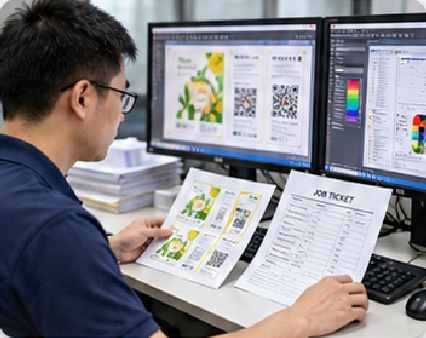
From Approved QR Data to Mass Production

Philiton converts approved files into a controlled manufacturing job with defined data, print, finishing, converting, inspection, and packing checkpoints.
Prepress and Job Release

Prepress and Job Release

Production begins after the commercial order is confirmed, artwork or approved sample is locked, required materials are available, and tooling or data inputs are ready. Philiton checks the final size, shape, material, adhesive, print layers, QR zone, variable fields, finishing, die line, roll direction, core, gap, pitch, labels per roll, and packing requirements. For a static QR project, prepress confirms the code destination and final artwork. For variable projects, source data, total records, field mapping, SKU relationship, and reprint rules become part of the job definition. Artwork revision and data revision are controlled separately. An unchanged visual template with a new code list is still a new production input. Keeping an approved revision, project ID, SKU, date, and data file reference helps prevent an older file from returning to production during a repeat run. This control is especially important for launches with several language versions or similar SKUs where a wrong code can look visually correct until scanned. A formal job ticket can also record the source file name, total records, artwork revision, material, finishing, roll format, and approval owner so production staff work from one released specification instead of separate email fragments and chat messages. The released record becomes the reference for both production and final inspection.
Printing, Finishing, and Converting

Printing, Finishing, and Converting

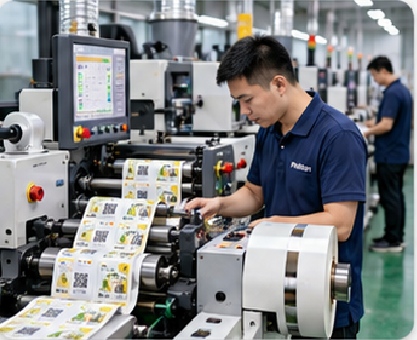
Philiton can select digital, flexographic, screen, UV, variable-data, and related printing routes according to quantity, SKU structure, substrate, color requirement, variable content, and finishing. Digital production is useful for short runs, multiple SKUs, and variable data, while larger repeat volumes may be reviewed for a more scalable route when the construction allows it. Decorative and protective operations can include lamination, varnish, foil, embossing, debossing, holographic effects, and other post-print processes. After printing and finishing, labels move through die cutting, waste stripping, slitting, rewinding, or sheet/single-piece converting as specified. QR modules must remain clean after all downstream operations. Registration, reflective finishes, coatings, scratches, pressure from converting, or contamination can reduce scan margin even when the initial print was good. Production therefore treats the QR as part of the finished label, not as a prepress-only feature. On variable jobs, print output also needs stable field placement from record to record, and any restart after a machine stop must preserve the intended sequence or record logic. Converting and slitting should not mix SKU rolls or serial ranges that have already been assigned to defined packing units. These controls keep print quality and data identity connected through the whole manufacturing route. Finished rolls are identified before they leave the converting area.
Bulk Release and Repeat Control

Bulk Release and Repeat Control

In-process and final quality checks are selected according to the project. Philiton has IQC, IPQC, FQC, OQC, vision inspection, and in-house testing capabilities for label and print verification. Variable-data programs add controls around duplicates, missing records, wrong SKU mapping, sequence breaks, scrap, stoppage, and authorized reprints. Good-product quantity, rejected output, and replacement records should reconcile to the defined dataset when one-to-one identity is required. For repeat production, approved artwork, material, adhesive, tooling, roll parameters, and prior specifications can shorten preparation when nothing has changed and materials are available. Repeat orders still go through review and QC. A change in container, formula, application temperature, finish, QR destination, dataset, or labeling equipment should trigger a fresh assessment rather than automatic release from an old record. Large or complex orders are scheduled around material availability, printing route, finishing capacity, inspection, and packing. Standard bulk production is commonly around 7-15 working days after the production conditions are ready; complex multi-SKU programs can require around 10-20 working days or staged release. The schedule is confirmed against the actual job rather than promised from quantity alone. Packing complexity and required verification can add time after printing is complete. For serialized shipments, range mapping and carton identification may also extend the final release stage. 
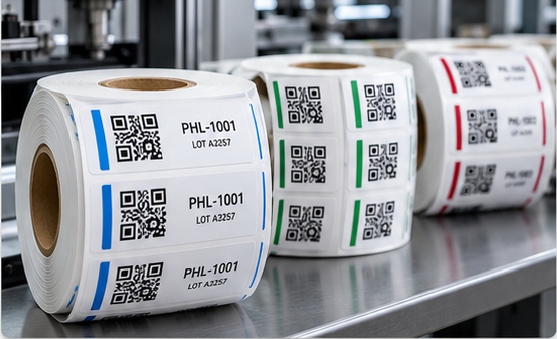
Control Unique QR Data Without Duplicates or Gaps

Unique QR production is a data-control project as much as a printing project. Philiton structures each stage so physical labels match the approved record set.

Source Data

The project starts with a defined source: customer CSV, database export, serial range, or agreed code-generation rule. Philiton needs the total record count, fields, SKU mapping, and any human-readable companion data. The brand remains responsible for data legality, business rules, personal-information decisions, redemption logic, and backend behavior. Manufacturing controls begin only after the input source has been agreed. A named owner for the source file and a frozen record count make later reconciliation much clearer when scrap or replacement labels need to be accounted for.

Data Preparation

Before artwork merge, variable records can be checked for format, length, expected sequence, duplicate entries, missing entries, invalid URLs, or other project-defined conditions. A clean data stage reduces the chance of printing errors being discovered after converting or packing. When several fields must match, such as QR plus serial number, the mapping rule should be explicit rather than inferred from filename order. Invalid rows should be resolved before printing instead of being silently skipped, because a missing record can break a one-to-one traceability sequence.

Artwork Merge

The fixed label design and changing records are combined into a controlled print file or variable-data workflow. QR position, quiet zone, readable text, serial placement, and code size must remain consistent across records. Philiton treats a new dataset as a controlled revision even when the visual master artwork stays unchanged. The approved proof should represent both the static design and the variable field relationship. Where multiple SKUs use different templates, the mapping between dataset, artwork, and SKU should be visible in the released production instructions.

Pilot Verification

A first-article or pilot check confirms that the code resolves correctly, visible serials match the intended QR record, the final printed size is readable, and the correct SKU is being produced. Complex programs may define checks at the beginning, middle, end, or by roll and batch. The exact inspection level is agreed according to risk rather than assumed to be identical for every variable-data job. Higher-risk programs can define more frequent checks across different rolls, batches, restart points, or packing units.

Reprint Control

Scrap and reprints are high-risk points because a previously accepted unique code should not be reintroduced accidentally. Philiton can control stoppage and restart points, rejected records, authorized replacement output, and final reconciliation according to the agreed workflow. Security or hidden-code projects may need stricter waste segregation and destruction records because obsolete or defective labels can still contain usable identity data. Replacement codes should be authorized and traceable to prevent an accepted code from appearing twice in finished goods.

Packing Mapping

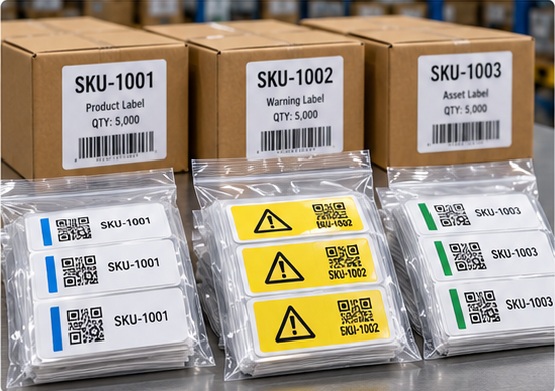
When required, serial or QR ranges can be associated with rolls, bags, cartons, or other packing units so receiving teams know where a range sits in the shipment. The mapping level should match the operational need; unnecessary complexity adds work without improving control. Philiton can combine range information with SKU labels, carton marks, packing lists, and repeat-order records when specified in the project plan. A receiving team can then isolate a roll or carton without opening the whole shipment when a specific range needs review.

Quality Checks for QR Code Product Labels

Philiton separates data correctness, print quality, physical scanability, converting accuracy, and batch control so a code is checked in the form that will actually be delivered.

Incoming Materials

IQC checks the incoming material against the approved construction before printing. Face stock, liner, adhesive, thickness, appearance, and supplier identification can affect print and converting behavior. For QR labels, an unexpected substrate change may alter contrast, reflection, ink holdout, stiffness, or adhesion. Special-performance claims are tied to the exact material and project condition rather than assumed from a generic material name. Incoming controls also reduce the chance that an unapproved substitute enters a repeat order where QR contrast or adhesive behavior was already qualified on a previous construction.

Prepress Structure

Before output, the QR is reviewed for obvious structural risks such as wrong size, distorted proportion, insufficient quiet zone, weak contrast, incorrect artwork scaling, or intrusion by nearby design elements. For variable jobs, source data, mapping, SKU identity, and code relationships are also checked. A design that looks good at 400 percent zoom still has to survive the final printed size and finishing process. Prepress release therefore uses the real output dimensions and approved layers rather than relying on an enlarged screen view.

In-Process Print

IPQC focuses on print registration, edge clarity, missing or filled modules, contamination, color density, white ink coverage, varnish or laminate interaction, and the stability of changing data. Operators and quality staff can isolate abnormalities before the whole run is completed. Reflective materials and clear-film constructions receive extra attention because lighting and background can make a visually sharp code behave differently after application. White ink coverage and finish registration are checked against the scan zone where those layers create the stable optical background.

Scan Verification

A readable phone scan is a useful functional check, but it is not automatically a formal barcode grade. Philiton can verify actual readability with appropriate devices during sample and production checks. When a specified ISO or ANSI grade, regulated UDI verification, or other formal criterion is required, the exact verifier, standard, sampling plan, and report expectation should be defined before production rather than assumed from a general scan test. The agreed method is then written into the inspection requirement before release.

Variable-Data Control

Unique-code jobs add failure modes such as duplicates, missing records, sequence breaks, mismatched human-readable text, wrong SKU assignment, or uncontrolled reprints. Philiton can manage data files, print batches, stoppage points, scrap, replacements, and final checks according to the agreed project logic. Reconciliation is particularly important where every accepted physical label must correspond to one approved record in the source dataset. The final good quantity, rejected output, and authorized reprints should make sense against the controlled input count.

Final Release

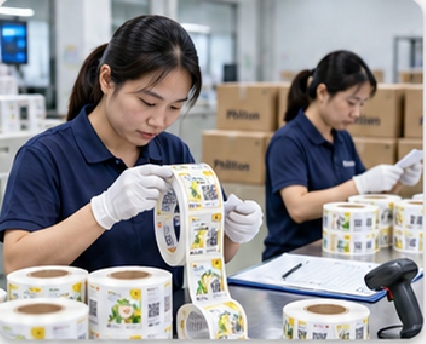
FQC and OQC review the finished label and shipment configuration after printing, finishing, die cutting, slitting, rewinding, or sheet converting. Checks can include appearance, dimensions, quantity, roll direction, core, labels per roll, carton identification, QR readability, and other agreed project points. Approved samples and specifications provide the reference. Packaging and shipping are released only after the defined quality checks are complete. Any hold, segregation, or rework should remain linked to the batch or SKU identity so approved goods are not mixed with unresolved output.

Packing and Roll Specifications for QR Label Delivery

Delivery format should match the labeling process. Philiton can prepare rolls, sheets, or individual pieces with project-specific identification and export packing.
Rolls for Applicators

Rolls for Applicators

Automatic and semi-automatic labeling requires more than a label diameter and quantity. Philiton confirms roll direction, inside or outside winding, core diameter, maximum roll diameter, gap, pitch, liner width, labels per roll, number across, perforation, black mark, and sensor requirements where applicable. The final roll specification should come from the applicator or approved production setup rather than from a generic default. When possible, an applicator drawing or sample roll should be reviewed before bulk production so winding and sensor requirements are not interpreted from memory.
Sheets and Pieces

Sheets and Pieces

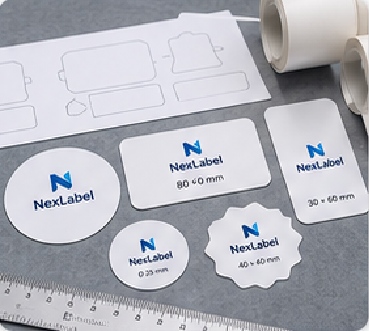
Sheeted or individually cut labels can suit manual application, kitting, samples, service parts, promotional packs, or lower-volume operations. Sheet layout, kiss cut or full cut, backing size, count per sheet, stack protection, and carton packing can be planned around handling. QR zones should not sit on a cut edge or area likely to crease during packing, transport, or manual removal. Stack pressure and carton handling should also protect finished surfaces from scratching when the code is exposed without a laminate.
SKU Identification

SKU Identification

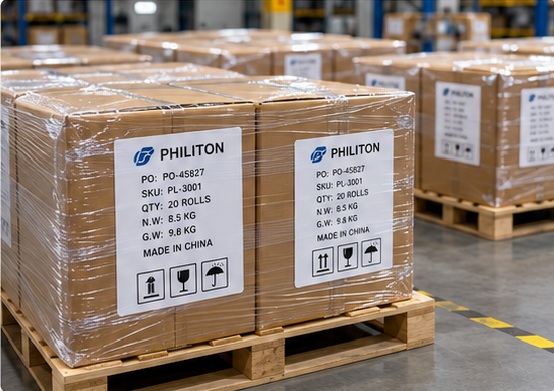
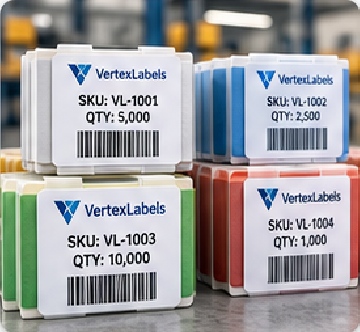
Multi-SKU orders need clear separation at roll, bag, carton, and packing-list level. Philiton can use project IDs, SKU names, quantities, artwork revisions, serial ranges, or other approved identifiers so receiving teams can distinguish visually similar labels. Unique-code projects may also map defined record ranges to packing units when required. Sensitive code data is not placed openly on outer packaging unless the packing specification calls for it. Internal range references can use controlled identifiers that support receiving and traceability without exposing unnecessary end-user data.
Export Shipment

Export Shipment

After OQC, standard shipping preparation is commonly around 1-2 working days, while larger or more complex multi-SKU packing can take longer. Philiton supports international courier, air, sea, and project-defined trade terms, with commercial invoice and packing list preparation as required. Freight timing depends on carrier, customs, destination, and Incoterm, so transit should be planned separately from manufacturing lead time. Multi-SKU or serialized shipments may also need extra packing verification before release when carton contents must match a defined range map.

Compliance, QR Data, and Responsibility Boundaries

Philiton manufactures the approved label construction and can support specified documentation. Final legal content, code ownership, and product compliance remain tied to the market and product category.

Approved Regulatory Content

Philiton can reproduce approved ingredients, warnings, instructions, safety text, batch information, identifiers, and QR-linked content with controlled artwork and legibility. The brand, legal manufacturer, importer, responsible person, or regulatory adviser remains responsible for deciding what information is legally required in the target market. A QR code does not automatically replace mandatory on-pack information unless the applicable regulation expressly allows it. Philiton therefore prints from approved content and keeps legal-content decisions outside the manufacturing claim unless the requirement has been specifically documented for the project.

Medical and UDI Projects

Medical-device packaging or product-identification labels can be manufactured when the required specification is defined. If UDI, regulated data, barcode grading, validated materials, or quality-system evidence is required, the exact device class, market, data assignment, test method, and documentation scope must be confirmed for the project. Philiton does not treat a generic QR capability as automatic medical-device compliance. Required UDI content, identifier assignment, record retention, testing, and release documents should be supplied or confirmed by the responsible organization before manufacturing begins.

Food, Cosmetic, Chemical

Food, cosmetics, chemical, and other regulated products can use QR codes alongside printed regulatory content, but the label construction and legal obligations vary by application. External package labels and direct-contact materials have different evidence needs. Chemical hazard content must match approved safety information; cosmetic or food text must come from the responsible party. Material declarations or test reports must correspond to the actual construction supplied. If the label structure changes after a report is selected, the relevance of the document should be reviewed again rather than carried forward automatically.

Data and Privacy

Philiton controls manufacturing-side file access, versioning, variable-data import or generation, printing, duplicate or missing-code risk, inspection, waste, and agreed retention or deletion steps. The brand or data controller is responsible for lawful data sources, personal-information decisions, code lifecycle, backend rules, consumer notices, and regulatory obligations. No absolute claim of complete data security or universal privacy compliance is made without project-specific evidence. NDA terms, access rules, retention periods, deletion requirements, and any special audit expectation can be defined in the commercial agreement for sensitive programs.

Representative QR Label Project Scenarios

The scenarios below model common project paths using Philiton’s documented capabilities. They are planning examples, not published client records or named-customer claims.
U.S. Skincare Launch

U.S. Skincare Launch

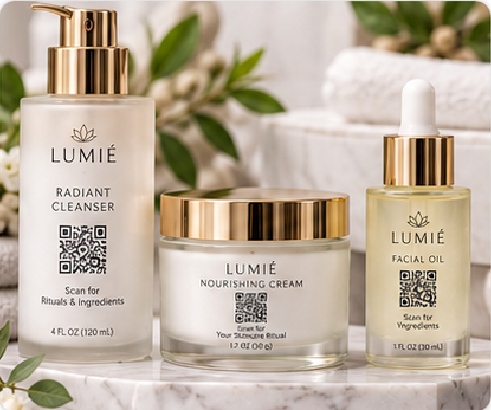
Illustrative brief: a U.S. skincare brand prepares six bottle and jar SKUs with 18,000 labels total. The design uses white BOPP, matte protection, and a shared QR for instructions and ingredient detail. Philiton reviews bottle curvature, QR placement, artwork revision, and the adhesive route, then produces finished samples for physical scanning before bulk release. Production is separated by SKU, with roll direction, core, quantity per roll, carton labels, and approved artwork revision recorded for repeat ordering. The scenario demonstrates how a shared QR program can still require SKU-level production control even when the encoded destination is the same across the range.
German Equipment Program

German Equipment Program

Illustrative brief: a German industrial equipment company needs 36,000 durable PET identification labels across four equipment families. Every label carries a unique QR and matching human-readable serial number. Philiton receives the approved data file, checks field mapping and duplicate risk, merges the variable records with the fixed artwork, and verifies pilot output before production. Labels are rewound to agreed roll parameters, range information is mapped to cartons, and rejected or replacement records follow controlled reprint logic before final reconciliation.
Australian Beverage Release

Australian Beverage Release

Illustrative brief: an Australian beverage brand plans 12,000 clear bottle labels for a regional launch. A QR code links to serving information and a loyalty destination. Because the bottle color and liquid can reduce contrast, Philiton reviews a local white ink underbase behind the QR while keeping the rest of the label transparent. Standard printed samples are checked on the actual bottle for readability, gloss reflection, edge lift, and placement. Bulk rolls are then packed by SKU with labeling-machine parameters confirmed before shipment.

Philiton Manufacturing Capability Behind QR Label Programs

Philiton combines label engineering, printing, converting, inspection, and project control in Shenzhen and Dongguan so QR work can move from artwork review to repeat production.

Manufacturing Footprint

Philiton was founded in 2016 and operates manufacturing facilities in Shenzhen and Dongguan, China. The integrated manufacturing and operating footprint exceeds 12,000 ㎡. Core activities include artwork and prepress, printing, specialty finishing, die cutting, slitting, rewinding, smart-label processing, inspection, testing, packing, and shipment preparation, while base raw materials are sourced from qualified external suppliers.

Specialist Team

More than 200 people support production, engineering, quality, sales, warehousing, and project coordination. The confirmed core group includes 91 technical professionals, skilled production operators, and quality personnel. The team structure covers prepress, color, process engineering, digital and flexographic printing, screen printing, RFID, equipment, die cutting, slitting, foiling, embossing, IQC, IPQC, FQC, OQC, and laboratory work.

Printing Routes

Philiton supports digital, flexographic, screen, UV, variable-data, and other label printing processes. The production route is selected around order quantity, number of SKUs, artwork change frequency, material, color control, variable content, finishing, and delivery format. QR programs can start with short-run digital production and move into repeat or larger-scale manufacturing when the approved construction and order structure support a different route.

Finishing and Converting

QR labels can be combined with lamination, varnish, foil stamping, embossing, debossing, holographic effects, specialty printing, die cutting, waste stripping, slitting, and rewinding. Decorative effects are planned around scan-critical areas rather than layered over them without validation. Final converting parameters can be set for automatic application, manual use, sheets, individual pieces, or project-specific roll configurations.

Inspection and Testing

Dedicated quality and laboratory areas support incoming, in-process, final, and outgoing inspection. Philiton can check label appearance, dimensions, color, adhesive-related performance, abrasion or handling conditions, barcode or QR readability, RFID functions, and other project-defined items according to the available method. High-risk performance claims are confirmed using the exact material, sample, test condition, or third-party evidence required for the application.

Flexible to Scalable

Many standard custom label and sticker projects can begin from approximately 500 pieces, subject to material, process, tooling, SKU, and supplier minimums. Philiton supports sampling, launch quantities, multi-SKU growth, repeat production, and larger manufacturing programs within the same broader production system. The commercial route is therefore built around starting at a workable quantity without separating the project from engineering, quality, and scale-up capability.

Typical Timing for QR Label Samples and Production

Lead time starts after the required inputs are ready. Artwork approval, material availability, tooling, variable data, finishing, QC, and packing can change the schedule.

StageTypical Working TimeMain Conditions
Digital sampleAbout 1-3 working daysArtwork, material, and print route confirmed
Standard printed/finished sampleAbout 3-5 working daysCommon materials and standard finishing
Complex finishing sampleAbout 5-7 working daysFoil, embossing, special die cut, screen, or special materials
RFID/security/special structure sampleAbout 5-10 working daysInlay, security structure, custom material, or added verification
Urgent production routeAbout 2-5 working days where feasibleStock material, approved artwork, compatible process, available capacity
Regular bulk productionAbout 7-15 working daysLocked specification, material plan, quantity, normal QC and packing
Large or complex multi-SKU bulkAbout 10-20 working days or staged releaseHigher total area, many SKUs, complex finishing, inspection or packing
Unchanged repeat orderOften about 3-7 working daysPrior artwork, tooling, material route, and parameters remain valid
Shipping preparation after QCAbout 1-2 working daysOQC released; carton marks and export documents confirmed

Information Philiton Needs for an Accurate QR Label Quote

A complete project brief shortens pricing and engineering review. Unknown technical fields can remain open if the product, surface, environment, and intended use are described clearly.
Label Size and Shape

Label Size and Shape

Provide finished width, height, diameter, or dieline along with the shape and any corner radius. If the size is not final, send the container or package dimensions and available label area. Small QR zones, tight curves, irregular shapes, and edge placement may affect code size, die cutting, material choice, and sample requirements, so early dimensional information prevents avoidable artwork changes later.
Quantity and SKUs

Quantity and SKUs

State total quantity and quantity per design or SKU. MOQ and price depend on material, print method, finishing, tooling, label size, number of artworks, and whether special materials or variable data are involved. Similar SKUs may share material and setup when specifications match, but each approved artwork still needs its own quantity, version identity, and production control.
Product and Surface

Product and Surface

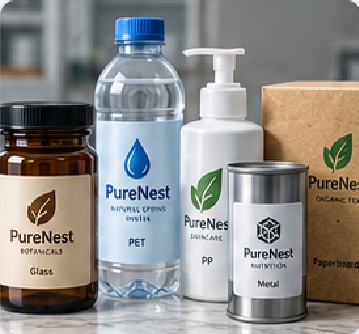
Describe what the label will stick to: glass, PET, PP, PE, HDPE, metal, paperboard, flexible packaging, painted equipment, or another surface. Include curvature, texture, contamination risk, moisture, oil, chemicals, application temperature, service temperature, and expected life where relevant. Adhesive selection is based on the actual substrate and environment, not only on the printed face material.
QR Type and Data

QR Type and Data

Indicate whether all labels use one QR, each SKU uses a different QR, or every label needs a unique record. For unique projects, provide the data source or explain the generation rule, approximate record count, matching fields, and backend purpose. Philiton also needs to know whether codes must correspond to serial numbers, lot data, scratch information, RFID, or a packing-range map.
Artwork Files

Artwork Files

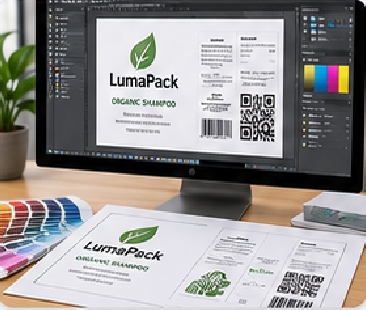
Send AI, PDF, EPS, or another workable production file when available, together with linked fonts or outlined text, dieline, spot colors, white ink layer, foil or emboss layers, and the QR source. A screenshot can help explain the design but should not be the only production asset. If artwork is incomplete, Philiton can review the concept and identify missing prepress information before sampling.
Material and Finish

Material and Finish

Share any preferred paper, BOPP, PET, clear, metallic, textured, or specialty material, plus lamination, varnish, foil, embossing, holographic, scratch-off, tamper, or other finishing. If the material is unknown, describe the product, desired appearance, exposure, and durability need instead. Philiton can recommend a candidate construction and use samples or actual-container testing where performance needs confirmation.
Roll or Sheet Format

Roll or Sheet Format

For automatic or semi-automatic labeling, provide roll direction, inside or outside winding, core size, maximum roll diameter, labels per roll, gap, pitch, liner width, sensor mark, perforation, and any applicator drawing. For manual application, confirm rolls, sheets, or individual pieces and the preferred packing count. Delivery format affects converting, packing, line compatibility, and sometimes price.
Market and Deadline

Market and Deadline

State the destination market, required compliance documents, target delivery date, shipping country, and any retail, distributor, medical, food, chemical, or internal standard that affects the label. The required market information helps separate manufacturing responsibilities from legal product obligations. Delivery planning should include sample approval, production, shipping preparation, international transit, customs, and any customer-side launch buffer. 

Frequently Asked Questions About QR Code Product Labels

Yes. Clear BOPP or PET can be used, but the product behind the label affects contrast. A local white ink underbase or an opaque scan field may be recommended. Final approval should include the actual container or a representative background because a QR that scans on a white proof may behave differently over dark bottles, colored liquids, or reflective packaging.
Yes, variable QR programs can be produced when the data source, mapping rule, record count, reprint logic, and verification method are defined. Unique-code work requires stronger controls than one shared QR because duplicates, missing records, wrong SKU mapping, scrap, and replacements must be managed through the production and QC workflow.
There is no universal minimum for every project. The usable size depends on encoded data, module density, print process, substrate, finish, scan distance, lighting, and product curvature. Philiton reviews the real code at final print size and recommends a physical sample when the design is close to the printing or scanning limit.
Yes. A clear area around the code helps scanners separate the QR from nearby graphics. Standard QR geometry commonly reserves a quiet zone equal to four modules around the symbol. Text, borders, foil, die lines, patterns, or other decoration should stay outside that area unless the exact printed design has been validated. Philiton also checks that die-cut tolerances and finishing registration do not move neighboring graphics into the reserved space during bulk production.
Yes, but strong curvature can distort the symbol across multiple viewing planes. Bottle diameter, label width, QR placement, application area, and scan distance should be reviewed together. For small-diameter or tapered containers, Philiton recommends testing the printed label on the actual bottle before bulk production.
It can. Gloss surfaces may reflect light at certain angles, especially on curved containers. A QR may still work well with gloss protection when contrast and placement are strong, but physical verification is safer than assuming performance from an unlaminated proof. Matte protection or an opaque scan field can be alternatives where reflection becomes a problem.
A logo or decorative treatment may be possible, but it reduces the available error margin and should not interfere with finder patterns or quiet zones. The final code needs to be tested at its printed size on the selected material and finish. Philiton prioritizes reliable scanning over decorative modification when the two goals conflict.
Yes. QR codes can be produced with human-readable serial numbers, batch or lot information, barcodes, Data Matrix, variable text, and other identifiers. The relationship between fields should be defined in the source data and checked during pilot and production verification so the visible number and encoded record do not become mismatched.
Philiton can review QR structure during prepress, scan physical samples, and include readability checks during production according to the project. A normal scan test is not the same as a formal ISO or ANSI verifier grade. If a regulated or contractually specified grade is required, the verifier, standard, sampling plan, and reporting method should be agreed in advance. The agreed method should then be part of the production specification rather than added after the labels are already finished.
Send label size or dieline, quantity by SKU, product surface, artwork, QR type, destination or variable-data source, material or appearance preference, finish, roll or sheet format, target market, and required date. If some technical fields are unknown, describe the product and application conditions. Philiton can recommend candidate materials and production routes after reviewing the brief.

Send Your QR Label Project to Philiton

Send the information already available and Philiton will review the label construction, QR route, artwork, material, finishing, variable-data needs, roll format, sampling path, and manufacturing schedule. A complete specification is helpful, but it is not necessary to guess technical parameters you do not know. Describe the product, application surface, use environment, and intended QR function so the engineering review can focus on the right risks.

Please include:

  • Label size, shape, quantity, and number of SKUs
  • Product or container material and application surface
  • Static, SKU-specific, dynamic, or unique QR requirement
  • Artwork, dieline, QR source, URL, or variable-data file
  • Preferred paper, BOPP, PET, clear, metallic, or specialty finish
  • Roll direction, core, gap, labels per roll, or sheet format if known
  • Target market, required documentation, shipping country, and required date

Philiton can support the project from prepress and material selection through sampling, production, inspection, packing, and repeat manufacturing. If a variable-data or regulated application needs additional verification, include the required standard, data rule, or report expectation in the initial brief so it can be reviewed before quotation and sampling.

For all inquiries, please feel free to reach out at:

Get In Touch

  • Our team will answer your inquiries within 12 hours.

  • Your information will be kept strictly confidential.

Get a Fast Quote for Custom Labels & Stickers

We will contact you within 24 Hours, please pay attention to the email with the suffix“@philiton.com”. 

For all inquiries, please feel free to reach out at:

Ask For A Quick Quote

We will contact you within 24 Hours, please pay attention to the email with the suffix“@philiton.com”. 

For all inquiries, please feel free to reach out at:

Get a Quote Today!

We will contact you within 24 Hours, please pay attention to the email with the suffix“@philiton.com”.