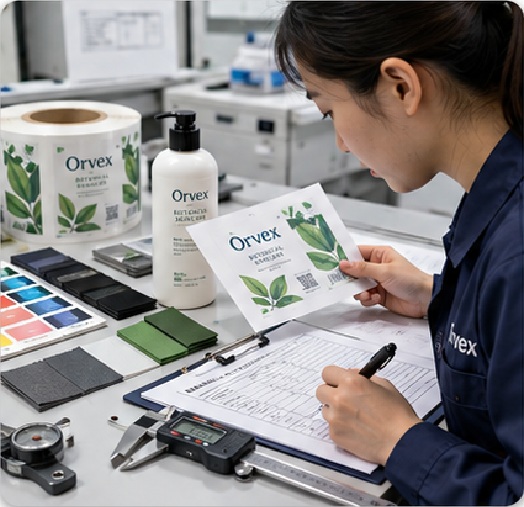
Rebrand existing packaging without losing control of color, coverage, SKU versions, application, or production readiness.

The most economical route depends on usable packaging inventory, required coverage, visual change, application risk, SKU count, and how quickly the new identity must enter production.
| Rebrand Situation | Recommended Route | Why It Fits | Validation Before Release |
|---|---|---|---|
| Finished packs carry an old logo or design | Opaque cover-up label | Preserves usable packaging while replacing the visible identity | Coverage on real pack, adhesion, edge lift, visual balance |
| Packaging stays the same but brand artwork changes fully | New pressure-sensitive label | Allows full control of material, color, finishing, and future repeat production | Dieline, color, material, adhesive, sample approval |
| Only barcode, address, language, or claim changes | Targeted overlabel | Changes a defined information zone without rebuilding the full label | Old-data concealment, code readability, size, position |
| Several SKUs change on different dates | Phased multi-SKU transition | Supports controlled rollout instead of one forced cutover | Version matrix, SKU quantity, release date, packing identity |
| Premium relaunch changes texture or finishing | New premium label construction | Rebuilds visual and tactile identity with controlled finishing | Material sample, foil/emboss proof, color reference, application test |


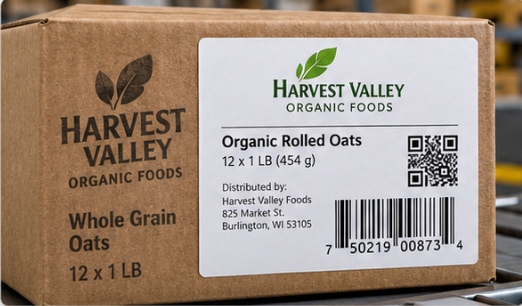
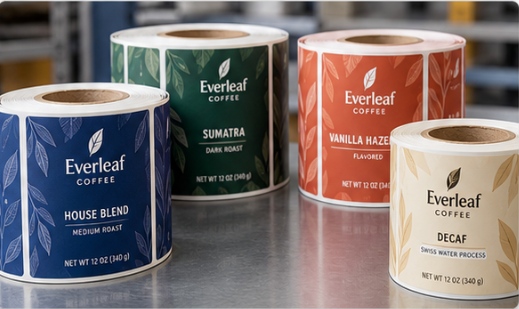
A new identity often uses cleaner typography, lighter backgrounds, thinner lines, or more open space than the previous packaging. Those designs can expose underlying print more easily. Philiton therefore checks coverage together with color reproduction. White ink, film opacity, surface finish, lamination, and the package color can change the visible result. A screen mockup cannot show every interaction between the new print and the old substrate.
Barcode and QR replacement needs additional care. The old code should not remain readable in a way that causes scanning ambiguity, while the new code needs sufficient contrast and quiet zone after printing and application. When the old information cannot be safely covered within the available space, Philiton can recommend changing the label size or moving to a complete replacement label instead of forcing a small patch. The released construction should solve both concealment and final brand appearance.
Positioning is part of concealment as well. A replacement label that is only a few millimeters larger than the old printed field may show a narrow border if application shifts during hand labeling. A larger cover area can create more tolerance, but it may cross folds, seams, embossing, carton scores, or container curves. Philiton reviews those tradeoffs before the dieline is locked. For automated application, the final size also has to fit the labeler and sensing method. Coverage, graphic balance, application tolerance, and machine compatibility need to be solved together rather than in separate decisions.
Applying a new label over an old one creates a second interface. The new adhesive may contact paper, film, laminate, varnish, ink, or a combination of exposed surfaces rather than the original package. Edges, embossing, heavy ink build, textured paper, and uneven old labels can create small height changes that affect contact. Philiton therefore treats overlabeling as a separate application condition instead of assuming the same adhesive used on the bare container will behave identically over an existing label. The old label should be clean, firmly attached, and stable enough to support the new layer. If the previous label is already lifting, wrinkling, oily, or contaminated, covering it may transfer the failure into the new label. When possible, Philiton reviews the old labeled pack before recommending the final construction. The aim is a rebrand that remains visually clean through storage, transport, shelf handling, and normal product use, not simply a label that sticks during the first hour. The liner and label stiffness also matter during application. A thicker opaque structure may be easier to handle manually but can behave differently on a high-speed dispenser or a small-radius bottle. If the new label is larger than the old one, part of the adhesive may contact the old label and part may contact the original package, creating two bonding surfaces in one application. Philiton can test the full overlap geometry instead of evaluating a small material strip. When the existing label uses a textured varnish, foil, embossing, or heavy laminate, a full-size applied sample provides much more useful evidence than an adhesive datasheet alone.




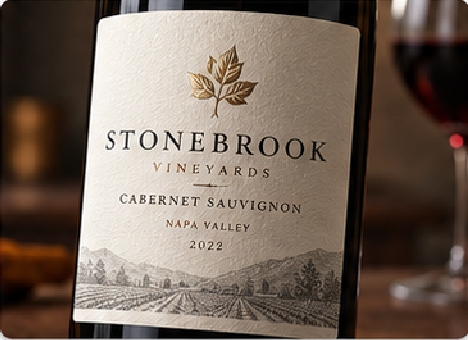

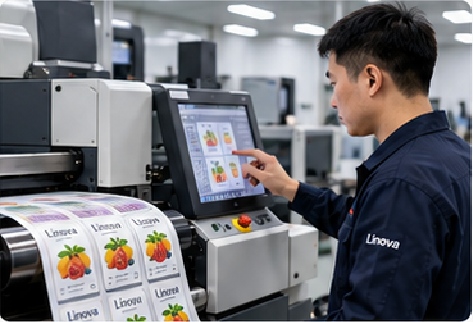



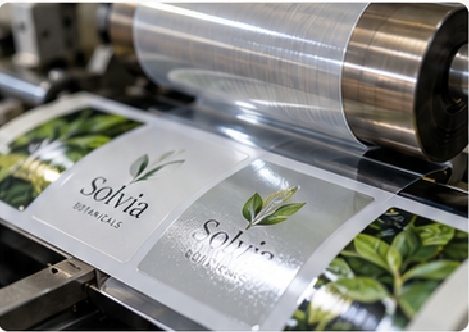






Approval should finish with a production-ready record rather than a verbal “looks good.” Philiton can retain the final artwork, label dimensions, material construction, adhesive route, print settings, special finishing instructions, dieline, roll direction, core, labels per roll, packaging requirements, and an approved physical reference where needed. The released sample or golden reference becomes the comparison point for production and future repeat orders.
If branding changes again during the rollout, the revised artwork returns to version control and receives a new approval status. Old files remain archived outside the active production set. This step is especially important when several departments approve different details or when old and new packaging remain in the supply chain at the same time. A controlled reference reduces rework and protects future replenishment from accidental regression to an obsolete version.
For repeat production, Philiton can use the approved reference to distinguish a true repeat order from a revised order. A quantity increase with unchanged artwork and construction can reuse more of the established setup, while a new barcode, claim, language, color, adhesive, liner, or roll direction should trigger a controlled review. Rebrand programs benefit from that discipline because minor changes continue after the main launch. Keeping the approval history attached to each SKU makes it easier to explain what changed, when it changed, and which batch first carried the new specification if a later quality or inventory question arises.
Philiton can support a phased rollout when old packaging inventory cannot be replaced at the same time. Launch quantities can be planned by SKU so high-priority products move first while slower-moving packaging is converted later. Finished labels can be sorted and packed by SKU, release wave, warehouse, or other agreed identity fields. Packing lists can follow the same structure, reducing the chance that old and new artwork arrive mixed at a production or fulfillment location. The production route can also change as quantities grow. Many standard projects can begin around 500 pieces per design or SKU, allowing a controlled launch or packaging validation. Early repeat orders can remain on a flexible short-run route, while stable higher-volume SKUs can be reviewed for flexographic or hybrid production. The purpose is not to keep quantities small; it is to match manufacturing commitment to the speed of the rebrand transition and the stability of the released artwork. Forecast information improves the decision. If one SKU is expected to reorder every month and another only once per quarter, producing identical launch quantities can create unnecessary inventory. Philiton can review the planned launch quantity together with expected six-month or annual demand and the likelihood of further artwork changes. High-volume stable SKUs may justify a larger batch or earlier process optimization, while lower-volume versions may stay on a flexible digital route. The rebrand program then becomes a controlled sequence of manufacturing decisions rather than one oversized purchase intended to simplify administration at the cost of obsolete-label risk.
Philiton connects artwork release, material control, printing, finishing, die cutting, rewinding, inspection, SKU separation, and packing so the approved version can be reproduced consistently.
Mass production begins after the commercial order, production artwork, specification, material route, and required tooling are confirmed. Philiton converts the approved rebrand into a controlled manufacturing package covering size, shape, face material, adhesive, liner, print colors, white ink, special finishing, dieline, variable data, barcode or QR requirements, roll direction, core, labels per roll, and packing instructions. For overlabels, the application surface and required concealment are also retained as project conditions.
The release stage separates manufacturing data from temporary design conversation. Only the approved revision enters formal production. If a late artwork change affects text, color, barcode, or finishing, the changed file should return to review rather than being substituted informally at the press. For multi-SKU work, each production job remains tied to the correct SKU and revision so a similar-looking label cannot be substituted for another version simply because dimensions match.
The specification should also state what evidence is required before release. A simple text correction may need an artwork proof and dimension check. A new opaque overlabel may need applied-pack coverage and adhesion approval. A premium relaunch with foil and embossing may need a physical finishing sample. A machine-applied label may need a trial roll using the correct core and winding. Philiton can link those approval items to the production release so manufacturing does not start merely because artwork exists. A file can be print-ready but still not be application-ready, and a rebrand project needs both conditions resolved.
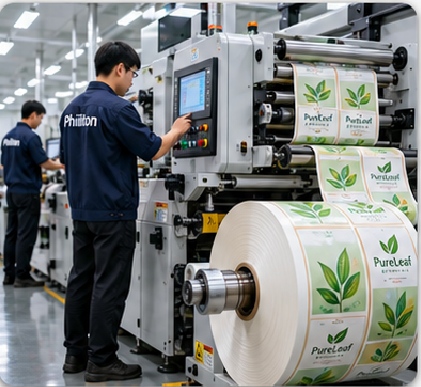
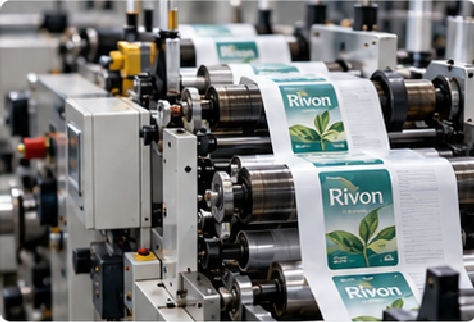
Philiton selects digital, flexographic, screen, UV, or other applicable production routes according to material, quantity, artwork, finishing, and repeat-order requirements. Printing may include CMYK, spot color, white ink, variable data, barcode, or QR content. Finishing can include varnish, lamination, foil, embossing, debossing, holographic effects, coating, or other reviewed processes. Labels then move through die cutting, waste stripping, slitting, and rewinding or other required converting steps.
Rebrand labels need particular attention where a special finish affects color, opacity, flexibility, or application. A heavy laminate can change stiffness on a curved container. Metallic stock can shift printed color. White ink can influence both hiding power and brand color. Philiton controls those interactions through the approved construction rather than treating print and finishing as separate decorative operations. In-process checks allow adjustments before the entire quantity has moved through every downstream step.
Production sequencing can matter when several finishing steps are involved. White ink, color printing, varnish or lamination, foil, embossing, die cutting, and rewinding each have their own registration and handling requirements. Philiton plans the route so an upstream choice does not create avoidable problems downstream. For example, a coating selected for appearance may influence foil adhesion, or a laminate selected for abrasion resistance may change the stiffness of a small bottle label. In-process inspection focuses on the characteristics that could become expensive to correct after the full quantity has moved into final converting.
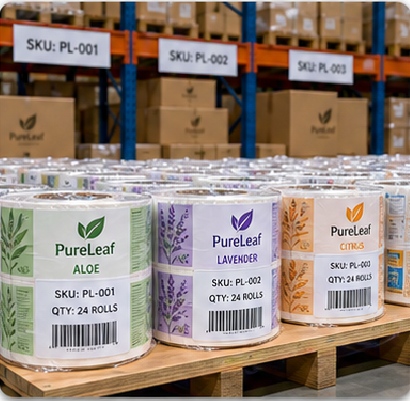
After production, Philiton checks final identity, quantity, roll format, and packing against the order. Rolls can be identified by SKU, artwork version, quantity, batch, core, or other agreed fields. Multi-SKU cartons can follow a packing list structure defined for the receiving warehouse or production site. Labels are protected against crushing, moisture, telescoping, and unintended unwinding according to format and shipment method.
Repeat orders can reuse approved artwork, specifications, tooling, roll settings, and reference samples when no change has occurred. That reduces redevelopment and helps replenishment stay aligned with the released rebrand. If material availability, artwork, barcode data, or packaging conditions change later, Philiton can reopen the relevant technical review rather than assuming the previous construction remains suitable. Reorder control is therefore part of the rebrand system, not an afterthought.
Packing can be aligned with the rollout plan instead of only the purchase order total. If a brand has two warehouses, three co-packers, or a staged regional launch, Philiton can pack according to the agreed SKU and destination logic, subject to final shipping instructions. Partial or priority shipment can be evaluated when a launch-critical SKU is ready earlier than the rest of the range. The packing structure should remain simple enough for receiving teams to recognize the correct rebrand version without opening every roll. Clear carton identification, packing lists, and roll labels can reduce handling errors after manufacturing is complete.
Final rolls are checked for the agreed winding direction, core, roll diameter, quantity per roll, web width, and identification requirements. SKU separation is maintained through packing, with carton and packing-list information aligned to the order. Philiton’s quality organization covers IQC, IPQC, FQC, OQC, automated visual inspection, and laboratory testing paths that can be applied according to project risk. Rebrand projects benefit from combining visual, functional, and version-control checks.
Rebrand economics change by SKU count, material, process, tooling, and how stable the new artwork is. Philiton can support a controlled launch before the range moves into repeat volume.
| Project Stage | Typical Quantity Guidance | Manufacturing Route | Timing Guidance |
|---|---|---|---|
| Material / printed sample | Usually 10-50 pcs per design for common sample needs | Blank, digital, printed, or finishing sample | Digital sample about 1-3 business days; standard printed/finished sample about 3-5 business days after confirmation |
| Launch / rebrand validation | Many standard projects start around 500-5,000 pcs per SKU | Digital or short-run route | Standard production commonly about 7-15 business days after artwork, material, and specification approval |
| Early repeat | About 1,000-5,000 pcs per SKU | Digital or flexo review | Schedule depends on material status, finishing, and retained approved specifications |
| Growth program | About 5,000-50,000+ pcs per SKU | Flexo, hybrid, or optimized digital route | Planned by total area, SKU count, tooling, finishing, inspection, and packing load |
| Scale / recurring supply | About 50,000-500,000+ pcs or scheduled repeat batches | Mass-production route | Large or complex multi-SKU projects may require extended or phased scheduling |
MOQ is not a single number for every construction. Special materials, special adhesives, dedicated holograms, RFID/NFC, high fixed tooling, or unusual testing requirements can create higher minimums or longer material lead times.
Rebrand labels should arrive in a format that fits the packaging operation. Philiton can convert and pack labels as rolls, sheets, individual pieces, or fanfold where appropriate.
| Delivery Format | Typical Use | Specifications to Confirm | Packing Control |
| Roll | Automatic or semi-automatic labeling, higher-volume manual use | Core size, roll direction, maximum roll diameter, labels per roll, web width, gap/pitch | Protect against crushing, telescoping, moisture, and unwinding; identify SKU and quantity |
| Sheet | Hand application, approval sets, short packaging runs | Sheet size, labels per sheet, kiss-cut or other cutting requirement | Flat protection, SKU separation, count control |
| Individual Pieces | Manual application, kits, promotional or correction work | Finished size, backing style, stacking or bagging method | Counted and grouped by SKU or release batch |
| Fanfold | Continuous-feed or selected print-and-apply workflows | Fold pitch, web width, sensing and equipment requirements | Stack stability, carton orientation, SKU identity |
International shipment can be arranged by courier, air, or sea according to volume, urgency, destination, and commercial terms. Transit time is quoted with the selected logistics route rather than treated as a fixed production promise.
Material declarations and test reports need to match the actual label construction and intended use. A report for one face material, adhesive, or contact condition should not be presented as proof for a different construction. For food packaging, an external package label and a direct-food-contact label carry different risk profiles. For cosmetics, oil, water, alcohol, or handling resistance should be evaluated against the actual formula or representative exposure condition when those risks matter. Philiton can support material selection, application testing, adhesion-related evaluation, visual inspection, laboratory tests, barcode or QR checks, and other project-defined verification paths. Specific temperature limits, peel values, chemical resistance, certifications, or compliance claims should be taken from the selected material documentation and applicable project evidence. Where third-party testing or market-specific files are required, the scope should be agreed before production so sample construction and test conditions match the final order. Documentation should follow the final bill of materials, not a generic material family name. If the face material, adhesive, coating, foil, laminate, or ink system changes after sampling, any previously collected evidence should be reviewed for continued relevance. Philiton can keep project records that connect the released construction to the sample and inspection plan. Where a third-party laboratory report is required, the submitted sample should match the intended production structure as closely as possible. The same discipline applies to internal tests: a passing result on one surface or exposure condition should not be generalized to a different package, formula, or environment without a new review.



A useful quotation starts with the existing pack and the new release plan. Send Philiton enough information to judge coverage, surface compatibility, print route, SKU structure, sampling, and delivery format before price is fixed. A photo can start the review, while a physical old package is recommended when opacity, coating, curvature, or adhesion is uncertain. For multi-SKU launches, one master list is more reliable than separate message threads because it shows which specifications are shared and which are unique.
Please include:
For all inquiries, please feel free to reach out at:
Our team will answer your inquiries within 12 hours.
Your information will be kept strictly confidential.
We will contact you within 24 Hours, please pay attention to the email with the suffix“@philiton.com”.
For all inquiries, please feel free to reach out at:
We will contact you within 24 Hours, please pay attention to the email with the suffix“@philiton.com”.
For all inquiries, please feel free to reach out at:
We will contact you within 24 Hours, please pay attention to the email with the suffix“@philiton.com”.