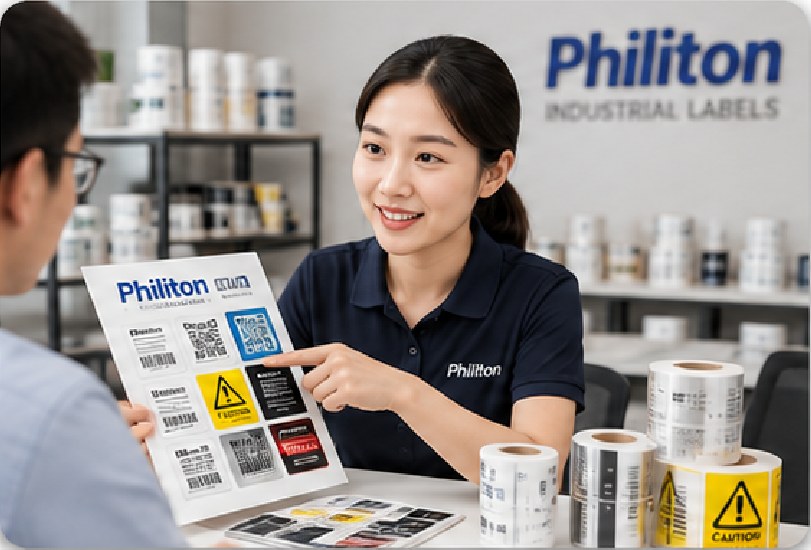
Engineered labels for machinery, electronics, chemicals, assets and traceability, produced from prototype through repeat industrial-scale orders.
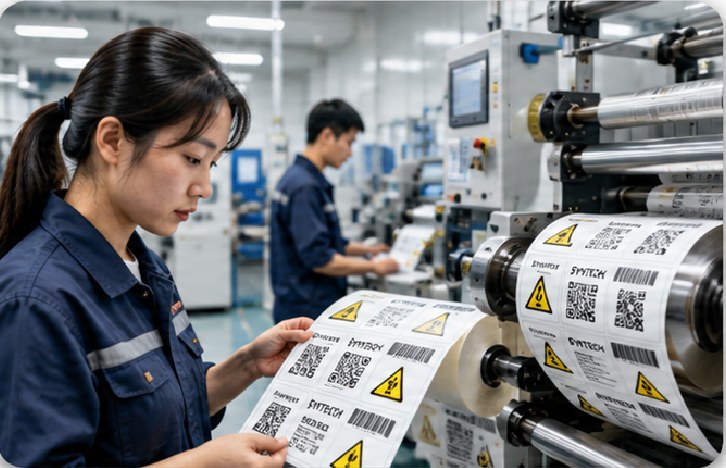
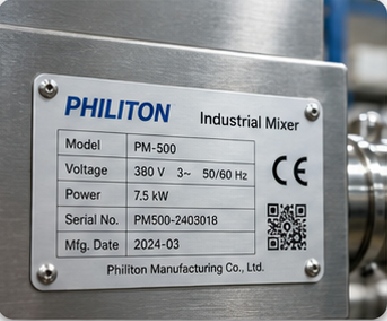

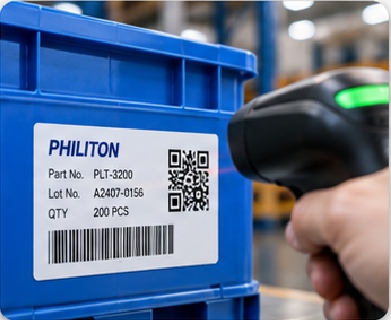
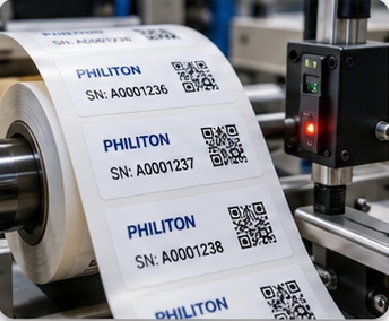
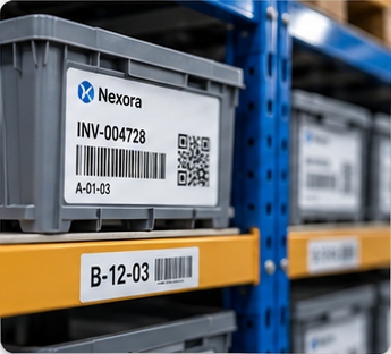
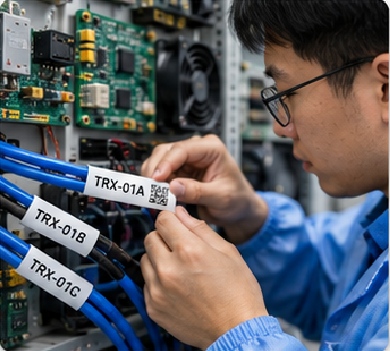
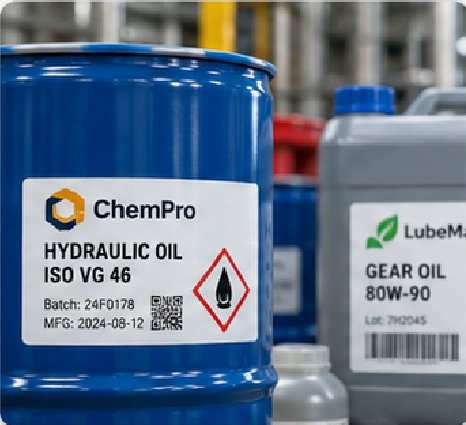
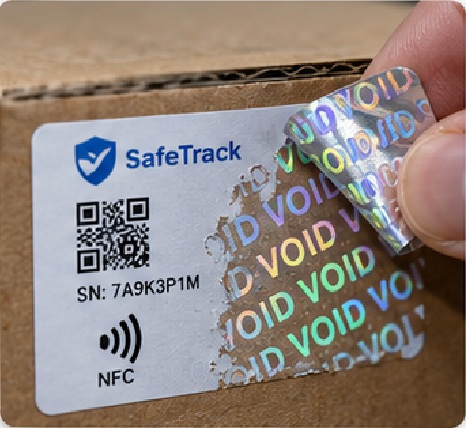
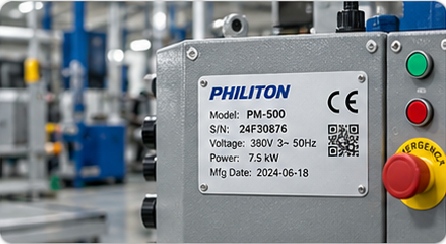
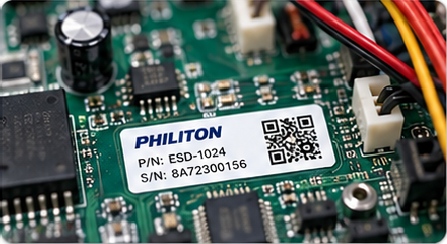
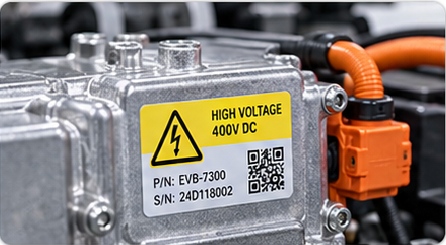
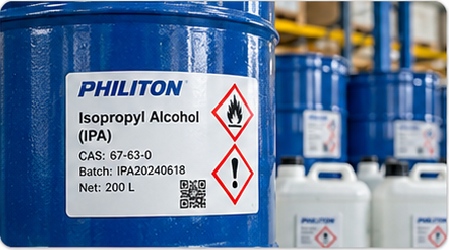
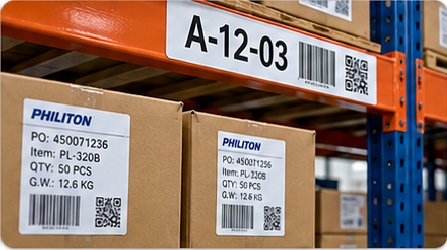
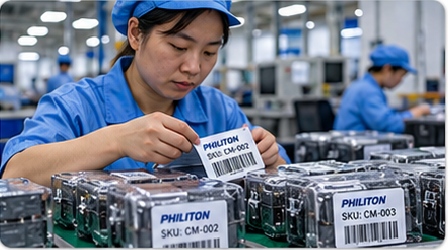
Philiton uses samples to close identified risks instead of treating every sample as a small version of mass production. Blank material or adhesive swatches can validate surface bonding before full print work. Digital samples are useful for artwork, dimensions and early color review. Printed and finished samples confirm die cut, surface appearance and basic finishing. Production or PP samples are more suitable when roll configuration, special materials, variable data or higher-risk service conditions must be checked before bulk release.
Verification follows the project requirement. Adhesion may be checked on the actual part or container; oil or chemical programs can use representative media; barcodes and QR codes can be scanned and compared with data rules; roll samples can be run through the intended printer or applicator. Aesthetic approval alone does not replace functional validation for labels carrying safety, traceability or durable identification duties.
Once approval is complete, Philiton locks the production artwork and agreed specification. The reference can include size, shape, face material, adhesive, printing method, color target, surface protection, variable-data rule, die-cut parameters, roll direction, core, gap, quantity per roll and packing instructions. Repeat orders are reviewed against the retained specification rather than released blindly. Any change in substrate, service condition, code logic, quantity or compliance requirement is treated as a new input that may require revalidation.
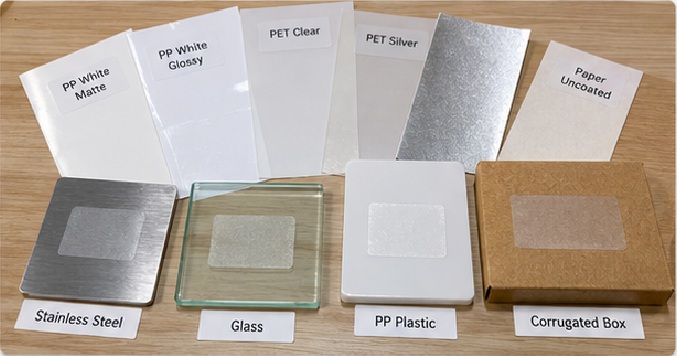
Surface chemistry, texture, contamination, temperature and service exposure often decide label performance. Philiton uses the actual substrate and operating profile to narrow materials, adhesives, protection and validation methods.
| Application Surface / Condition | Main Risk | Philiton Construction Direction | Recommended Validation |
|---|---|---|---|
| Stainless steel / smooth metal | Cleaner exposure, abrasion, oil film | PET or durable film with permanent or high-tack adhesive; protective surface when required | Cleaned and uncleaned surface comparison, rub test, named-fluid exposure |
| Powder-coated metal | Texture reduces real contact area | Flexible durable film with higher-tack adhesive selected for coating texture | Actual coated panel test, edge-lift check after dwell |
| PP / PE / HDPE | Low surface energy, curvature, contamination | Film with adhesive formulated for lower-surface-energy plastics | Actual molded part or bottle, dwell test, temperature cycle if relevant |
| ABS / PC housings | Surface treatment, curvature, cosmetic finish | PET or compatible film with controlled permanent adhesive | Surface compatibility, removal impact where cosmetic appearance matters |
| Oily container surface | Adhesion loss and print degradation | Oil-resistant film, high-tack adhesive, protective lamination or varnish | Real container, oil wipe or exposure, print-rub and edge-lift checks |
| Chemical handling area | Ink, film or adhesive attack | PET / chemical-resistant film with project-specific protection | Defined chemical, concentration, contact method and duration |
| Cold application / cold storage | Poor initial bond or edge lift | Low-temperature adhesive route chosen separately from service-temperature needs | Apply at real application temperature, then condition in service environment |
| Automatic labeling line | Dispensing or sensor failure | Construction locked with correct liner, gap, pitch, roll direction and core | Trial roll through the intended printer or applicator |
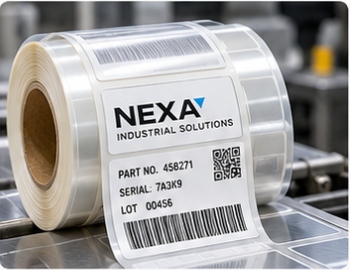
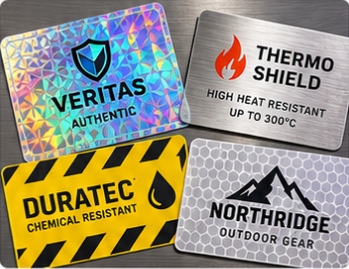
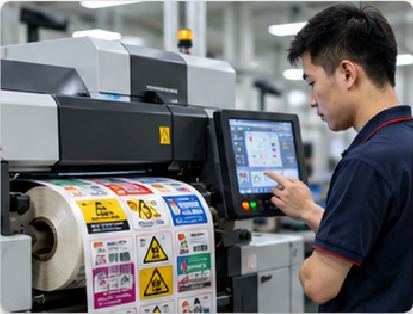
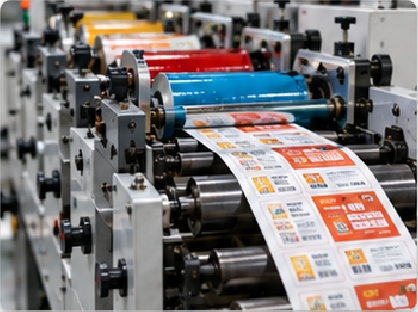
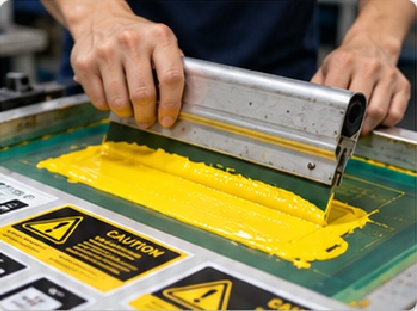
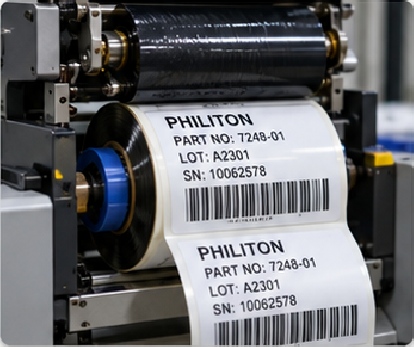
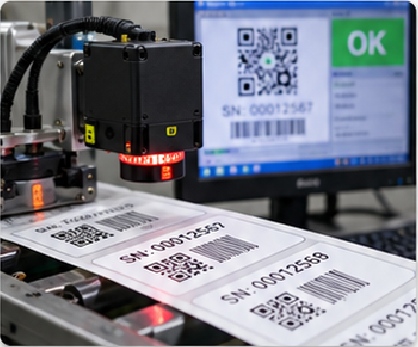


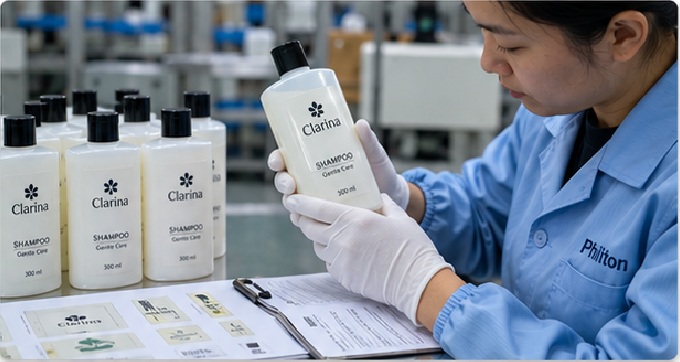
Industrial labels often become recurring consumables. A repeat order is safer when the approved artwork, material, adhesive, tooling, roll configuration, color target, variable-data rule and packing instructions are retained as a controlled specification. Philiton reviews previous project records before production and checks whether the new order changes quantity, substrate, operating environment, artwork revision, barcode data, compliance requirement or application equipment.
Unchanged repeat orders can move faster because prepress files, tooling and production parameters may be reused, but they are not released without review and QC. Changed requirements are flagged before manufacturing. A switch from hand application to an automatic line, for example, may require a new core, roll direction, gap or liner even when the printed design stays identical.
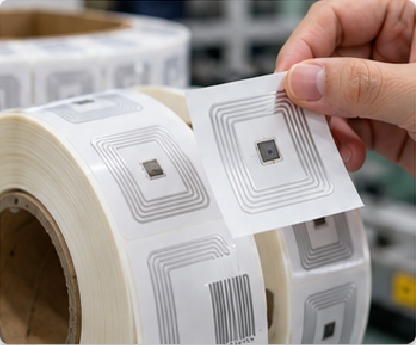
For longer-term supply, annual forecasts and expected reorder frequency help Philiton plan material, capacity and process selection. Project coordinators can support complex, multi-SKU, RFID, security and enterprise programs across engineering, production, QA and logistics. The result is a supply path built around controlled repetition, not a one-off print job followed by manual reconstruction on every reorder. When forecasts, material availability or application equipment change, the retained specification provides a clear baseline for deciding whether the next order can repeat unchanged or needs a new sample and approval cycle.
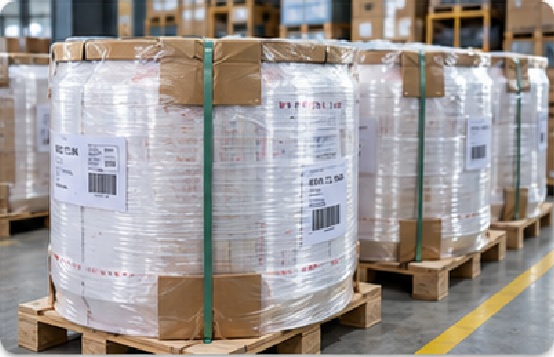
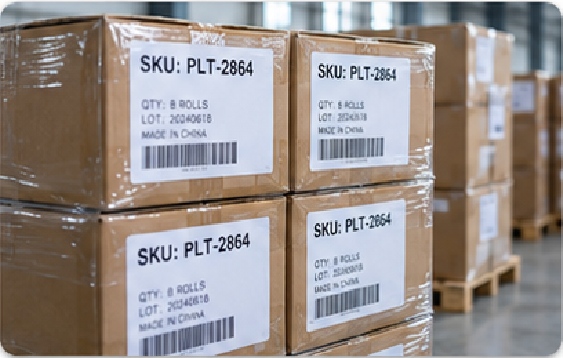
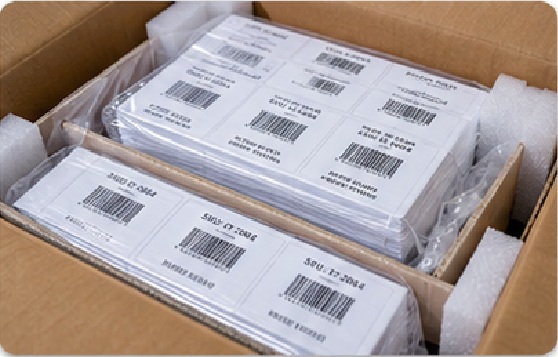

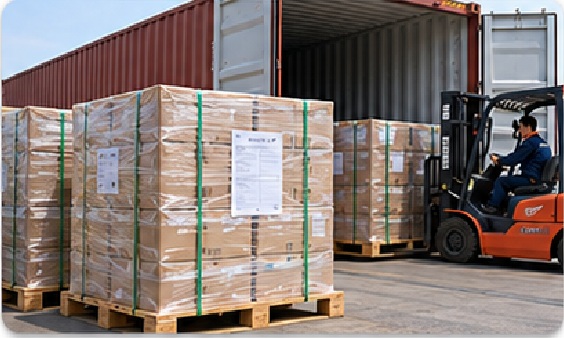
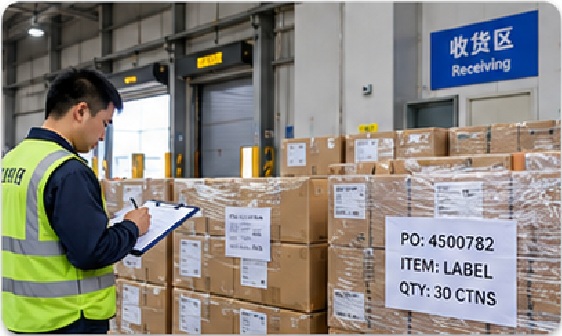
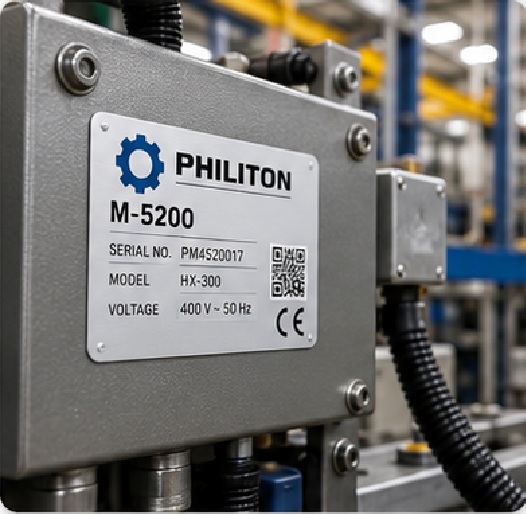
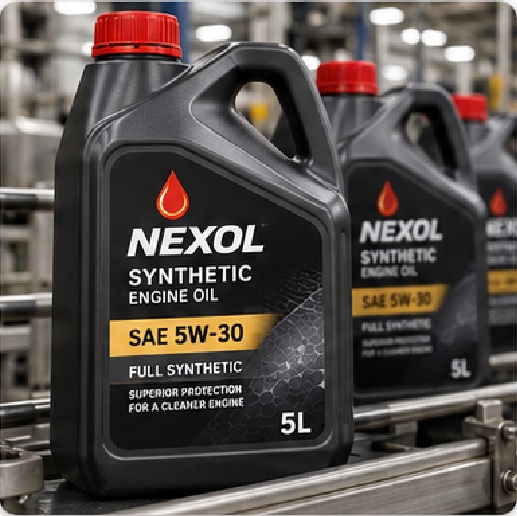
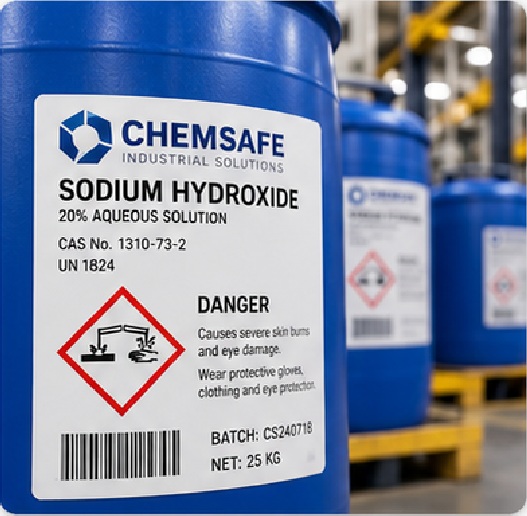
Philiton can quote more accurately when the request describes the operating condition, not only the artwork. Send the drawing or label size, expected order quantity and SKU count, application surface, indoor or outdoor use, application temperature, service temperature, exposure to water, oil, cleaners or chemicals, expected abrasion, required lifetime, and whether labels are applied by hand or through a printer or automatic labeling line. For barcode, QR, serial, RFID or NFC programs, include the data format and verification requirement. If a roll format is needed, add core size, unwind direction, maximum roll diameter, gap, quantity per roll and equipment information. Existing labels, failed samples, container parts or substrate panels are also useful for material and adhesive review. A target delivery date, destination country and expected repeat volume help Philiton separate development time, active production time and freight planning. With these inputs, Philiton can recommend a material and adhesive route, sample plan, printing method, finishing, validation points, roll configuration, QC controls, packing format and realistic lead-time range before the order is released.
For all inquiries, please feel free to reach out at:
Our team will answer your inquiries within 12 hours.
Your information will be kept strictly confidential.
We will contact you within 24 Hours, please pay attention to the email with the suffix“@philiton.com”.
For all inquiries, please feel free to reach out at:
We will contact you within 24 Hours, please pay attention to the email with the suffix“@philiton.com”.
For all inquiries, please feel free to reach out at:
We will contact you within 24 Hours, please pay attention to the email with the suffix“@philiton.com”.