Your Trusted Labels & Stickers Manufacturer from China!

Custom Clear Film Labels Manufacturer

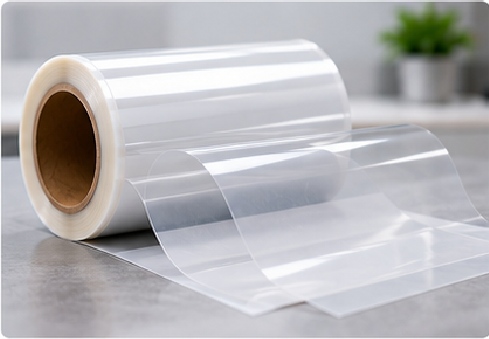
Transparent packaging labels engineered around film, white ink, adhesive clarity and the real container surface.

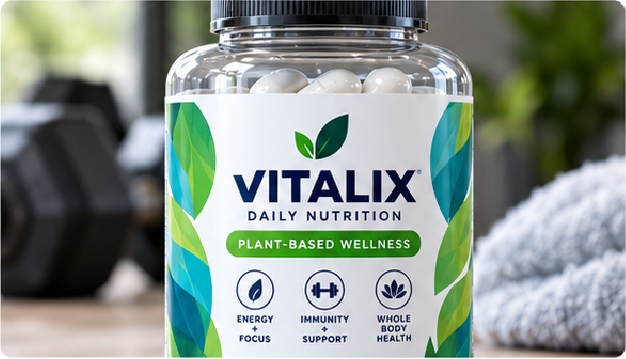
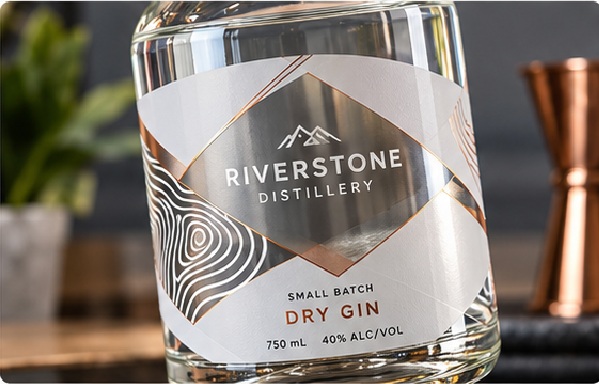
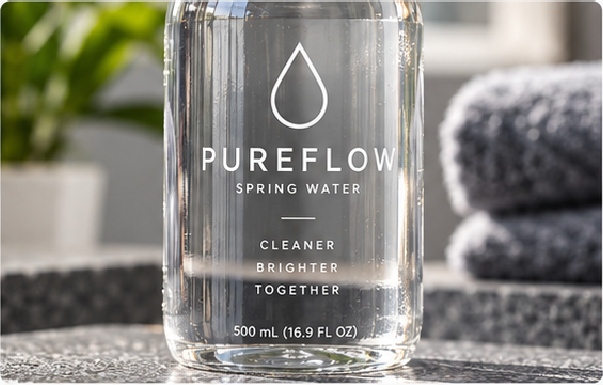
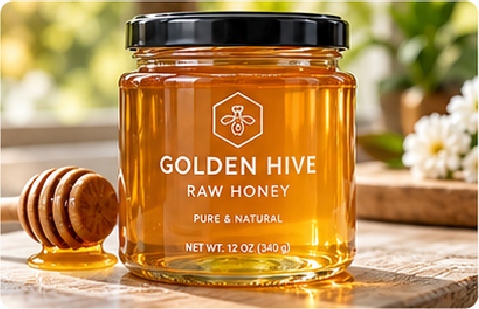
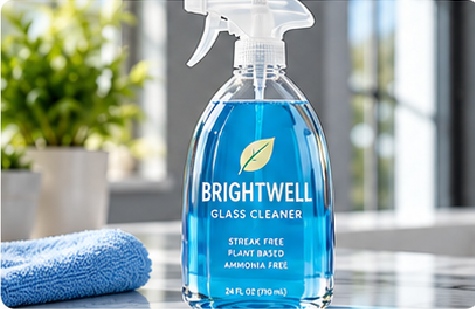
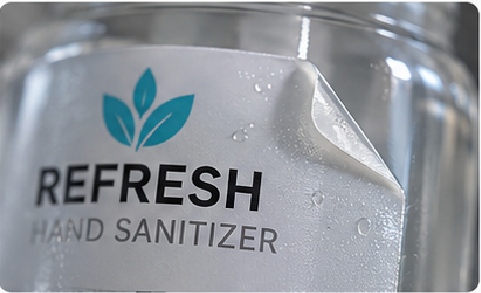
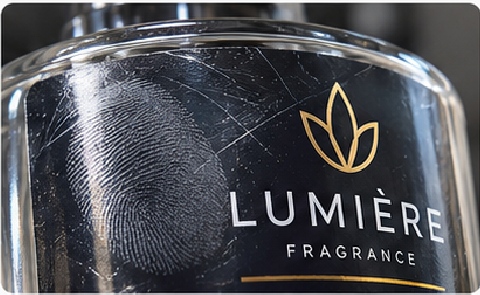
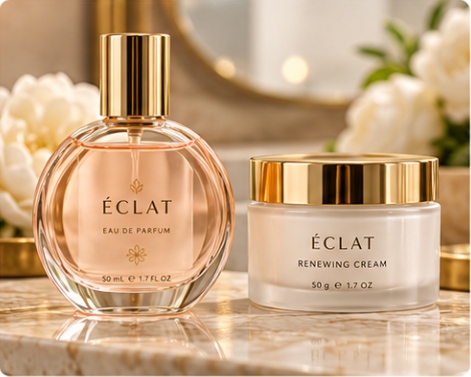
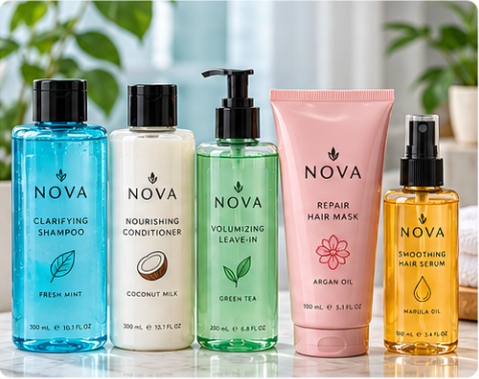
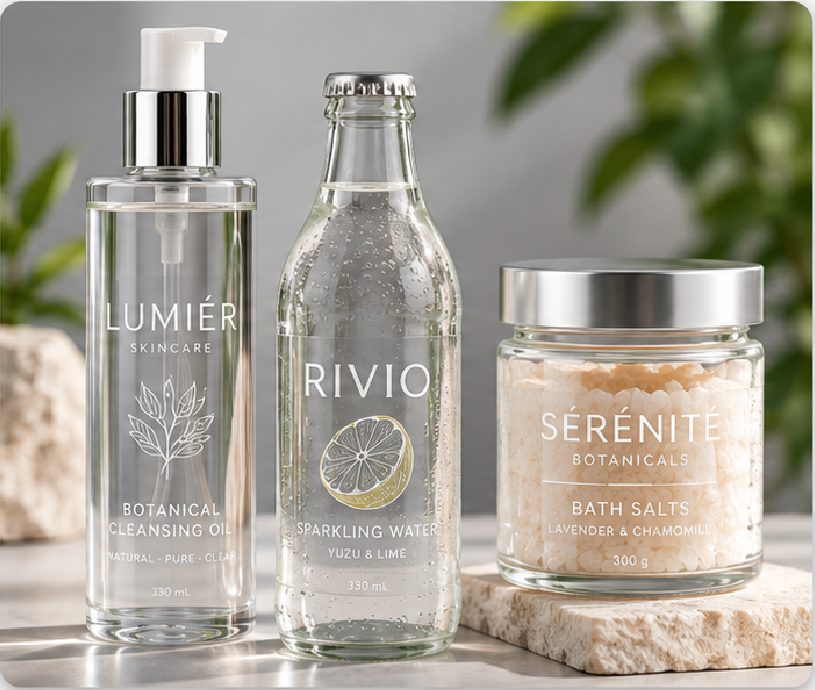
Philiton develops clear film labels for cosmetics, beverages, fragrance, jars and other packaging requiring a clean no-label look.
  • Clear BOPP and Clear PET options
  • CMYK, white ink, varnish, lamination and specialty finishing
  • Around 500 pcs for many standard projects
  • 12,000+ m² manufacturing footprint across Shenzhen and Dongguan
  • 200+ employees; 91 technical, skilled production and quality personnel
Custom Clear Film Labels Manufacturer

Where Clear Film Labels Work Best

Clear film performs best when transparency supports the package design and the container surface is smooth enough for clean adhesive contact.

Strong Fit for Clear Packaging

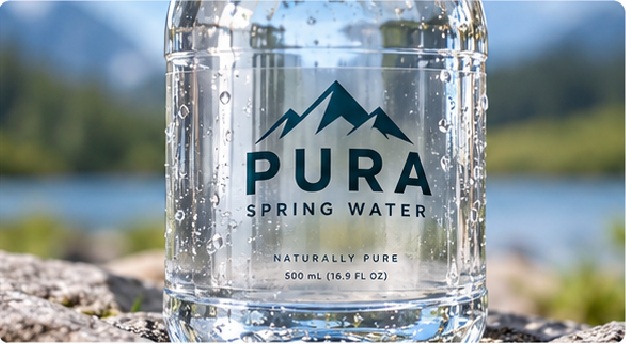
Clear glass, PET bottles, cosmetic jars, fragrance bottles and smooth display windows are strong starting points. The film allows the package color or product inside the container to remain visible, while printed areas can be reinforced with white ink where opacity is needed. Philiton reviews container material, curvature, exposure to water or oil, and the intended labeling method before fixing the construction.

Needs Engineering Review

Small-diameter bottles, squeezable containers, low-surface-energy plastics, chilled packages and products exposed to oils, alcohol or cleaners need closer evaluation. Film stiffness, adhesive tack, application temperature and container movement can change the result. Philiton uses actual or representative containers where possible, then checks edge lifting, bubbles, print protection and overall appearance before releasing the specification.

Consider Another Construction

Rough, heavily textured, dark or highly opaque surfaces can reduce the visual benefit of a transparent label. Designs that require complete color blocking without a white-ink strategy may also be better on white film or another opaque stock. Philiton compares the intended visual result with application conditions rather than forcing clear film into a project where another construction gives cleaner color, adhesion or cost control.
Built for Brand, Packaging and Production Teams

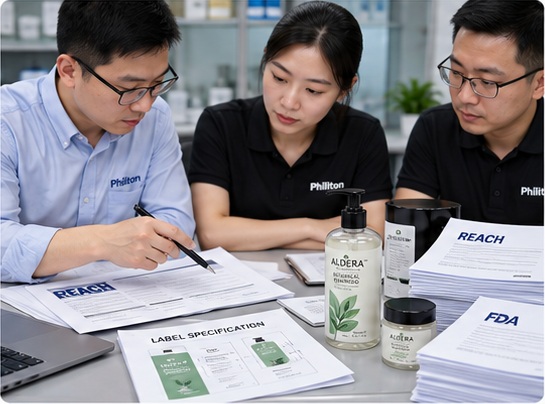
Philiton supports clear film projects from artwork and container review through samples, roll specifications, mass production, inspection and repeat orders.

Brand and Packaging Teams

Clear film exposes every design decision. Brand colors, white ink, transparent windows, gloss level, bottle color and product contents all influence the finished appearance. Philiton helps packaging and creative teams translate artwork into print layers, select a suitable film and adhesive route, validate the result on the intended container, and retain approved references for later SKUs and repeat runs.

Manufacturers and Co-Packers

Production teams need more than attractive labels. Roll direction, inside or outside winding, core, maximum roll diameter, gap, pitch, liner width, sensor requirements and labels per roll must match the applicator. Philiton confirms those operating details before mass production so the finished rolls arrive ready for the defined labeling process rather than requiring last-minute rewinding or manual relabeling.

Distributors and Print Partners

Distributors, packaging companies and print partners often manage several end accounts, artwork versions and delivery locations. Philiton can support multi-SKU orders, controlled artwork approval, blind or direct shipment arrangements when agreed, and separate SKU identification during packing. Clear film programs can move from samples and launch quantities into repeat higher-volume production without changing the manufacturing workflow each time volumes grow.

Choose the Clear Effect Before Choosing the Film

The cleanest result starts with the intended visual effect, because white ink coverage and print sequence change how color behaves on a transparent base.
Full Clear Areas

Full Clear Areas

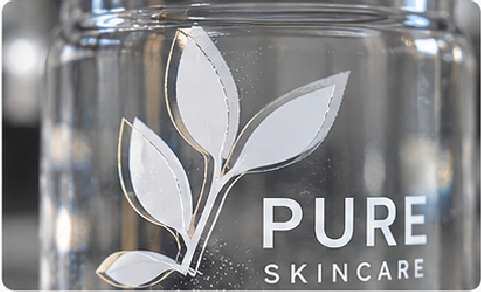
Full-clear zones keep the package visible through the label. Logos, borders or selected graphics can float over transparent areas while the container or product color becomes part of the visual composition.
  • Best for: transparent bottles, windows and minimalist packaging
  • Watch closely: dust, trapped air, scratches and visible die-cut edges
  • Artwork note: every area without white ink will interact with the background behind the label
Selective White Underbase

Selective White Underbase

Selective white places an opaque white layer only beneath chosen logos, text, images or color blocks. The remaining label stays transparent, creating a controlled contrast between printed graphics and open clear space.
  • Best for: cosmetics, fragrance and premium beverage packaging
  • Watch closely: white-to-color registration and small reversed details
  • Artwork note: white ink should be built as a separate production layer, not simulated only on screen
Full White Underbase

Full White Underbase

A full white underbase beneath printed color makes the graphic behave more like printing on a white stock while the label edge can remain transparent. The approach is useful when color consistency matters more than maximum see-through effect.
  • Best for: artwork with broad color areas or strong brand-color requirements
  • Watch closely: white coverage, opacity and edge design
  • Artwork note: transparent windows must be intentionally removed from the white layer
Reverse or Protected Printing

Reverse or Protected Printing

For suitable constructions, graphics can be printed in a sequence that places the image beneath a clear film or protective layer. The structure can reduce direct rubbing on the printed surface and create a different depth effect.
  • Best for: selected bottle labels, windows and abrasion-sensitive designs
  • Watch closely: print order, adhesive side, legibility and finishing compatibility
  • Artwork note: reverse-reading files and white-ink order must be confirmed before proof approval

Clear BOPP, PET and Film Selection

Philiton sources suitable transparent film constructions and matches the face material, adhesive, print route and finishing to the package, environment and production method.

Material RouteTypical StrengthCommon ApplicationsKey Design or Engineering Notes
Clear BOPPBalanced clarity, moisture resistance and flexibility for many consumer packagesCosmetics, personal care, beverages, food jars, household productsA common starting point for no-label-look work; final clarity still depends on adhesive, bottle surface, white ink and application quality
Clear PETHigher durability direction and stronger dimensional stability than many standard consumer filmsFragrance, durable packaging, industrial or higher-demand applicationsUseful where added durability or temperature resistance is needed; exact performance depends on the selected grade and adhesive
Clear PVC or Specialty Clear FilmSelected when a project needs a specific feel, conformability or specialty behaviorWindows, decals, selected curved or display applicationsMaterial choice must be confirmed against the application, regulatory requirements and the expected service environment
Clear Film + Permanent AdhesiveStable long-term attachment for suitable smooth surfacesGlass, PET and many standard bottle applicationsAdhesive clarity, surface energy, curvature, cleanliness and dwell time all influence appearance and adhesion
Clear Film + Removable AdhesiveRemovable or repositionable use where suitablePromotions, temporary displays, selected glass or window usesClean removability depends on the surface, dwell time, temperature and actual adhesive construction

Clarity Depends on More Than Transparent Film

A no-label look is created by the complete construction: film clarity, adhesive optics, container surface, application pressure and the cleanliness of every visible interface.

Adhesive Clarity and Container Contact Matter

A transparent face stock can still look cloudy if the adhesive layer is not optically suitable for the package or if air remains between the label and container. Philiton reviews more than the film name before approving a construction.
  • Adhesive route: high-clarity permanent adhesive is a common choice for smooth transparent packaging, while removable or specialty adhesives are selected only when the application calls for them.
  • Surface condition: dust, oil, mold-release residue, fingerprints, moisture and condensation can create visible marks or reduce bonding.
  • Surface energy: PP, PE and HDPE can require higher-tack or specially formulated adhesives; smooth glass and PET behave differently from low-energy plastics.
  • Curvature: a small bottle diameter increases edge stress, especially when the film is relatively stiff.
  • Application pressure: incomplete pressure can leave trapped air or inconsistent adhesive wet-out.
  • Dwell time: initial appearance and adhesion can change after the adhesive has had time to build bond strength.
Philiton prefers an actual container or representative substrate when optical clarity is important. A blank material test can be completed before artwork is final, allowing the project team to evaluate haze, bubbles, edge visibility, tack and removability without paying for a full printed sample.

Background Color Changes the Printed Result

Clear film has no built-in white background. Light travels through the ink and interacts with the bottle, liquid, product or surface behind the label. A color that looks strong on a monitor or on white paper can look lighter, darker or less saturated on a transparent container. Philiton handles the background as part of the design specification:

  • Transparent bottle: open areas can create the strongest no-label effect, while pale graphics may need selective white.
  • Dark bottle: colored graphics normally need a white underbase if the intended appearance must remain close to the approved brand color.
  • Colored contents: liquid color can visually mix with transparent print areas.
  • Metallic or reflective package: the package itself may become a visible design layer unless white ink blocks it.
  • Variable package color: one artwork may require different white-ink treatment across different packaging colors.

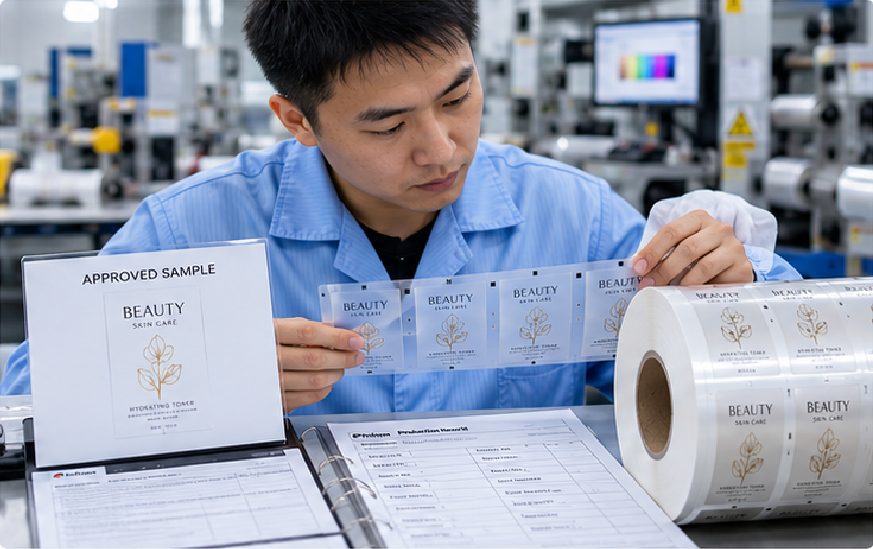
The approved physical sample becomes the most reliable production reference when appearance is critical, because transparency, ink, lamination and the container cannot be judged accurately from a screen alone.

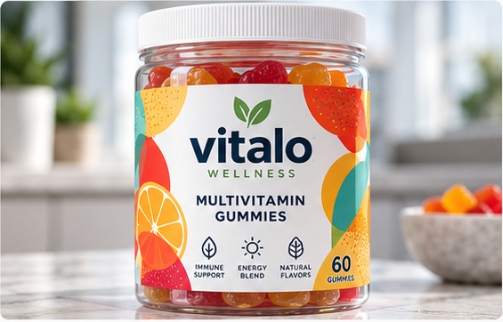
White Ink Controls Opacity and Brand Color

White ink should be planned as a functional print layer, not added at the end after the artwork has already been approved.
No White Ink

No White Ink

  • Color prints directly onto the clear film and remains influenced by whatever sits behind the label. The approach suits transparent windows, tinted effects and designs where the package intentionally participates in the artwork.
  • Strongest transparency
  • Lower opacity for light colors
  • Background color remains visible through printed areas
  • Sample approval is important for final appearance
Full White Underbase

Full White Underbase

  • White ink sits beneath broad printed regions, giving CMYK or spot colors a more stable opaque base. The label can still remain transparent around the printed design when the white layer follows the same graphic boundary.
  • Stronger color density
  • Better separation from dark or colored contents
  • Useful for broad illustrations and brand-color areas
  • White coverage and registration need inspection
Selective White

Selective White

  • Only chosen logos, typography, images or critical colors receive white backing. Other areas stay transparent. Selective white is often the strongest route when a design needs both vivid graphics and a clear-window effect.
  • Combines opacity and transparency
  • Supports layered premium artwork
  • Requires a dedicated white plate or digital white layer
  • Small details need accurate registration
White as a Visible Color

White as a Visible Color

  • White ink can also appear as the final visible graphic rather than only as an underbase. White logos and text can look clean on clear bottles, but opacity must be evaluated against the package color and viewing conditions.
  • Useful for minimalist branding
  • Can be combined with CMYK or spot colors
  • Multiple passes or a suitable process may be considered where higher opacity is required
  • Physical samples are the final approval reference

Prepare Artwork for Clear Film Printing

Clear film artwork should separate transparency, white ink and printed color before production, so visual expectations are fixed before material and press time are committed.

Files, White Layers and Dielines

Philiton prefers production-ready vector files such as PDF, AI or EPS. High-resolution raster artwork can be evaluated, while fonts should be outlined or supplied and linked images should be embedded or packaged. Clear film files need additional decisions beyond ordinary white labels.

  • Dieline: final size, shape, corner radius and cut path must be clearly separated from print artwork.
  • Bleed and safe area: values depend on the die-cut design and printing process; the production proof defines the final requirement.
  • White ink: build white as a separate named vector layer or spot-color plate so the intended coverage is unambiguous.
  • Transparent zones: leave open areas intentional. A transparent region should not be created by simply deleting color without checking the underlying white plate.
  • Brand colors: Pantone or spot-color targets can be controlled, but appearance still changes with film transparency, white ink, varnish or lamination.
  • Barcodes and QR codes: contrast and quiet zones need review when codes sit over clear backgrounds.
  • Reverse print: mirrored artwork and print sequence must be confirmed before proof release.
  • Version control: every SKU receives its own approved production file, even when several designs share the same material and die.

Philiton returns a production proof for approval where required. For high-value clear-film programs, the proof should be checked together with the physical sample rather than treated as a replacement for it.
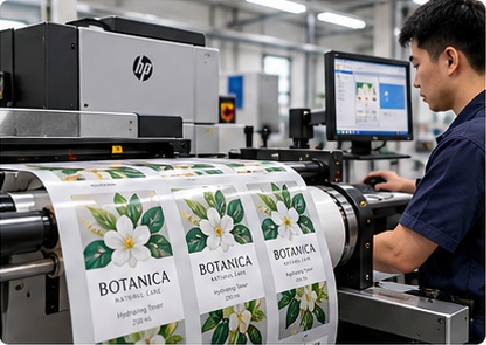
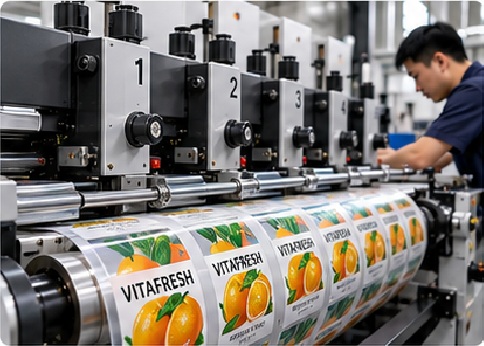
Printing and Finishing Routes for Clear Film

Philiton combines digital, flexographic, UV and screen processes with finishing selected around quantity, opacity, graphics, surface protection and the required appearance.
Digital Printing

Digital Printing

Digital printing is well suited to prototypes, launch runs, multi-SKU programs and frequent artwork changes. It reduces traditional plate preparation and allows several versions to share a coordinated production plan when materials and finishing are compatible. Clear-film jobs can combine digital color with planned white-ink workflows, depending on the selected equipment route and required opacity.
Flexographic Printing

Flexographic Printing

Flexographic printing becomes attractive for repeat and higher-volume roll programs where throughput, consistent web handling and unit economics matter. It can support multi-color packaging labels, varnish and in-line or coordinated converting. Clear film needs controlled ink laydown, white-ink strategy, curing, tension and registration so color and transparency remain stable across the run.
Screen Printing

Screen Printing

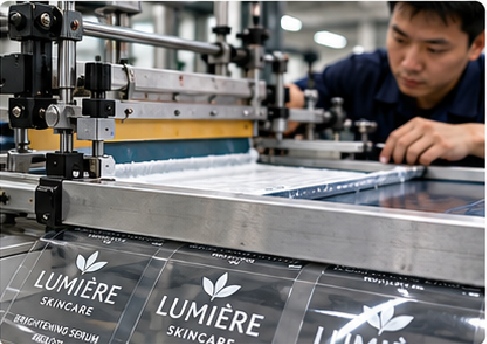
Screen printing is valuable when higher ink deposit, opaque white or selected specialty effects are required. Philiton uses screen processes for clear labels, industrial labels and other applications where opacity or functional ink thickness matters. Screen stages may be combined with another main printing route rather than used for the entire graphic.
Gloss and Matte Protection

Gloss and Matte Protection

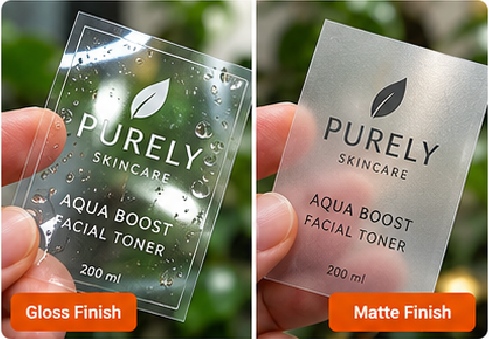
Gloss lamination or clear varnish can reinforce shine and surface protection, while matte film or matte varnish reduces reflection and changes the visual feel. The protective layer must be evaluated together with the base film because gloss level, haze, scuff behavior and edge visibility can change the apparent clarity of the finished label.
Foil and Specialty Effects

Foil and Specialty Effects

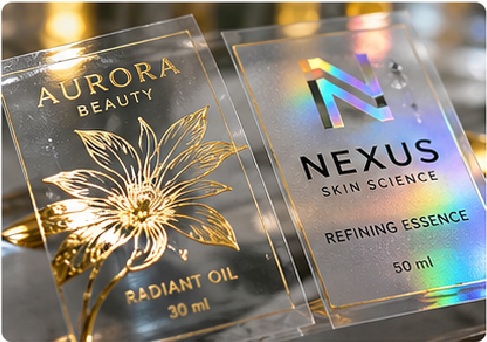
Foil, spot UV and selected decorative effects can be added when the film, artwork and quantity support the process. Transparent packaging creates strong contrast between open clear areas and metallic or raised details, but fine lines, registration and post-finishing adhesion should be checked on a physical sample before mass production.
Reverse Printing

Reverse Printing

Reverse printing can place graphics beneath a transparent layer in suitable constructions, protecting the image from direct surface rubbing and creating a different depth. Print order, white ink, adhesive position and reading direction must be resolved in prepress, especially when labels include both front-view graphics and transparent windows.
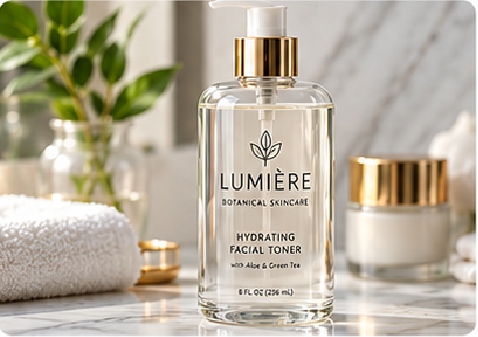
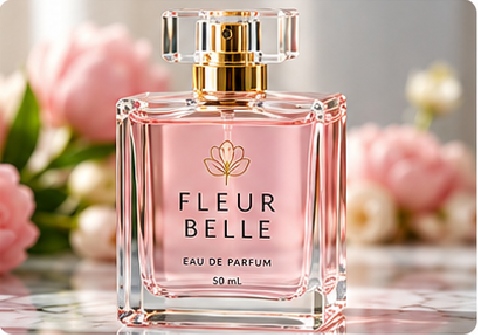
Clear Film Labels Across Packaging Applications

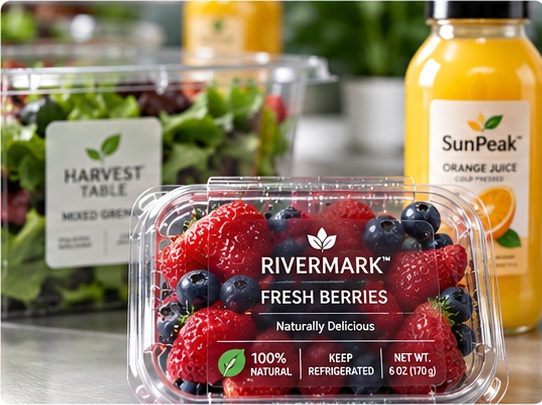
The same transparent film can perform very differently across industries, so Philiton adapts material, adhesive, white ink, finishing and roll format to the actual package.
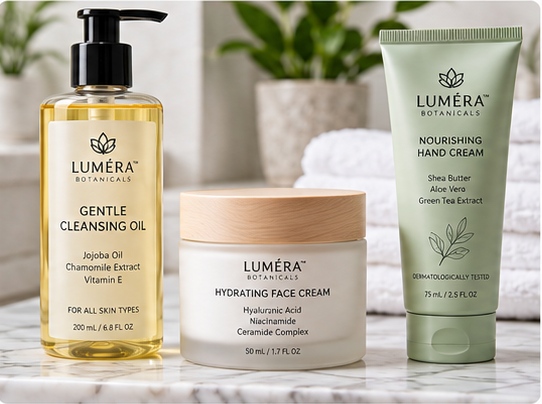
Cosmetics and Skincare

Cosmetics and Skincare

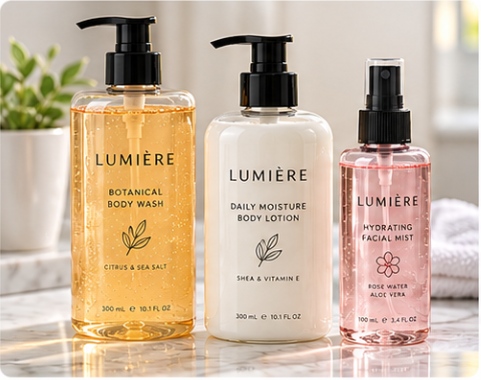
Clear BOPP or Clear PET can support bottles, jars and selected tubes where water, oils, hand contact and premium shelf appearance matter. White ink protects important branding from the product color behind the label. Philiton recommends testing the label on the actual bottle, especially for curved packs, oily formulas, frequent handling or bathroom exposure.
Fragrance and Perfume

Fragrance and Perfume

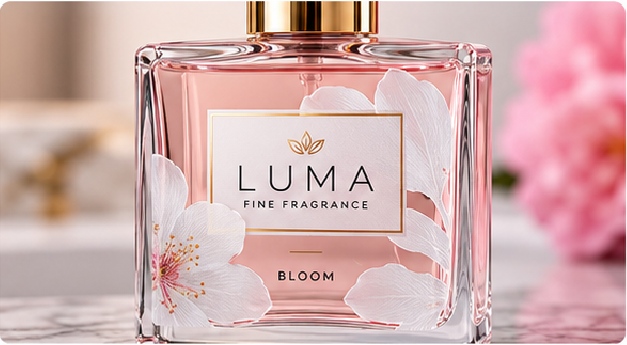
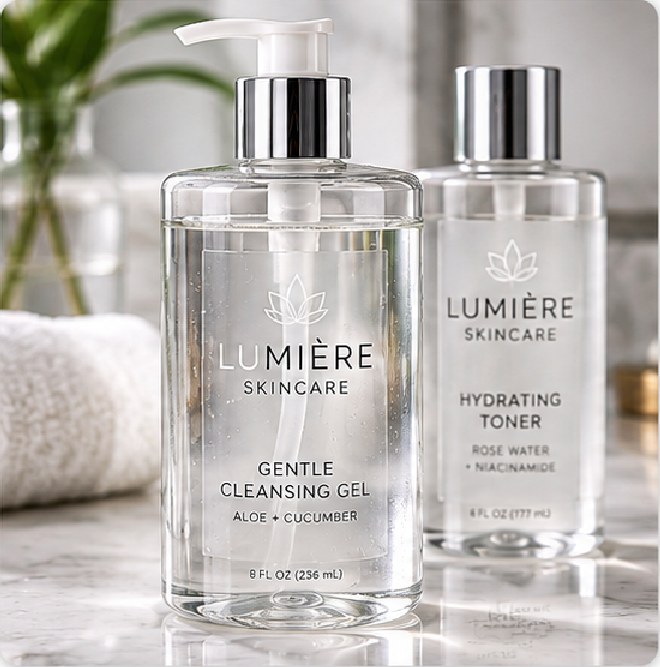
Fragrance packaging often relies on high-gloss glass, tight color control and very clean transparent zones. Small visual defects become obvious against polished bottles. Philiton focuses on adhesive clarity, white-ink registration, edge quality, scratch control and sample approval on the final bottle or a representative container before production release.
Beverage Bottles stickers

Beverage Bottles

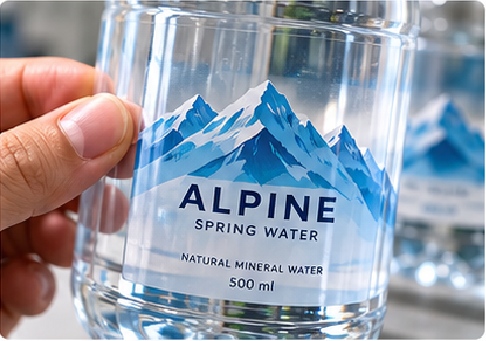
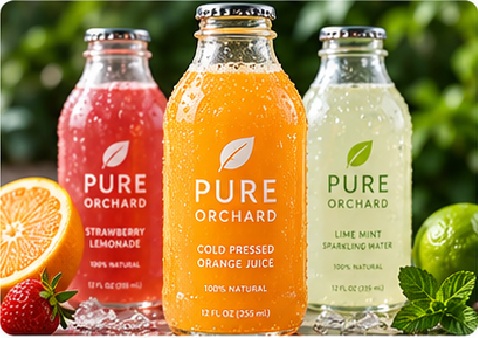
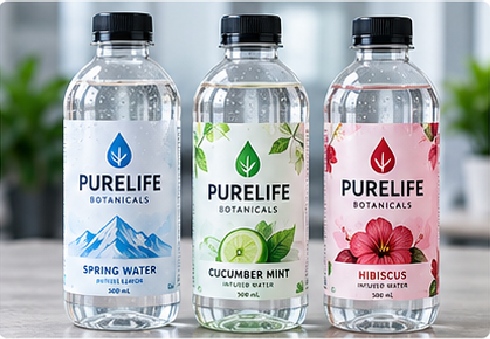
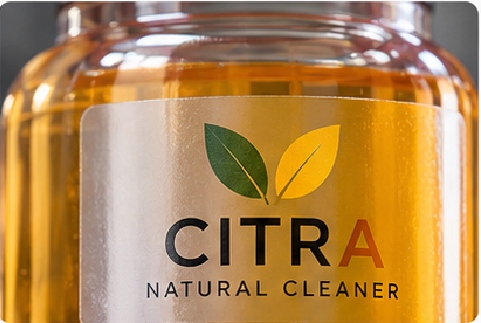
Clear labels can create a direct-print appearance on glass or PET bottles while leaving liquid color visible. Condensation, cold storage, wet handling and applicator speed can affect the construction. Philiton evaluates film and adhesive together with bottle material, storage conditions, label shape and roll specification rather than treating beverage labels as a purely graphic job.
Food Jars and Containers labels

Food Jars and Containers

Clear film works well when the contents are part of the visual presentation or when a clean modern package is required. Food projects need a clear distinction between an external package label and any direct-contact requirement. Material documents and testing requests are matched to the exact label construction and target market.
Household and Cleaning Products stickers

Household and Cleaning Products

Moisture, chemical splashes, oils and repeated handling can challenge inks, varnish and adhesive. Philiton can combine suitable film with protective finishing and a matched adhesive, then use representative exposure conditions for evaluation. The liquid, concentration, contact time and cleaning method should be defined when chemical resistance is important.
Windows and Transparent Graphics stickers

Windows and Transparent Graphics

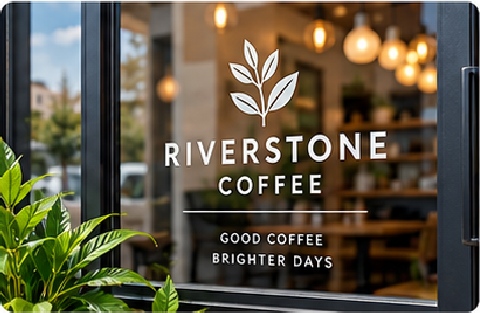
Clear stickers and window decals can be produced for glass, acrylic and selected display surfaces where visibility through the substrate is part of the design. Removable and permanent adhesive routes are available for suitable uses. Surface cleanliness, bubble control, viewing direction and any reverse-print requirement should be confirmed before artwork approval.

Configure Rolls for Your Labeling Equipment

Roll labels are specified around the applicator, not only the label artwork. Philiton confirms machine-facing parameters before mass production.

Roll SpecificationWhat Philiton ConfirmsWhy It Matters
Label Size and ShapeFinal dieline, corner radius and finished dimensionsControls die cutting, pitch, liner width and machine handling
Roll DirectionLeading edge and artwork orientationDetermines how the label presents to the applicator
Inside / Outside WoundWhether labels face inward or outwardMust match unwind path and applicator setup
CoreRequired core diameter from equipment or specificationCore choice affects roll fit and winding
Maximum Roll DiameterMaximum finished OD accepted by the line or packing methodControls labels per roll and changeover frequency
Gap and PitchSpace between labels and repeat distanceAffects sensor detection and indexing
Liner WidthWeb width around the die-cut labelInfluences tracking and machine handling
Sensor MarkBlack mark or registration feature when requiredSupports transparent-label detection on equipment that cannot reliably sense the clear gap
Labels per RollQuantity target by rollSupports line changeover planning, packing and inventory control

Sample Clear Film Before Mass Production

Sampling separates material, visual and application risks before a larger production run, with the sample route selected according to what still needs to be proven.
Blank Material Sample

Blank Material Sample

An unprinted clear-film sample lets the team inspect clarity, adhesive wet-out, haze, stiffness, edge visibility and basic adhesion before artwork is complete. It is especially useful when comparing Clear BOPP and Clear PET or testing on glass, PET, acrylic, PP, PE or HDPE surfaces.
Digital Printed Sample

Digital Printed Sample

Digital samples are suited to visual checks, startup launches and multi-SKU programs. Standard digital samples can be produced in about 1-3 business days after artwork, material and process details are confirmed. They help review artwork scale, color direction, white-ink layout and overall package appearance before higher-cost production preparation.
Standard Finished Sample

Standard Finished Sample

A standard printed or finished sample commonly takes about 3-5 business days after artwork, material and process confirmation. Clear-film programs should be applied to the intended bottle or representative packaging to review transparency, color, white coverage, bubbles, edge lift and visual interaction with the contents.
Complex Finish Sample

Complex Finish Sample

Projects with foil, embossing, special die cutting, screen printing or special materials commonly require about 5-7 business days. The extra time is used for tooling, process setup or material preparation. The physical sample should be approved against the actual design objective instead of judged only from photos.
Production Sample

Production Sample

Large-brand, automatic-labeling or tighter-tolerance programs can use a production sample made through a route closer to final manufacturing. It can confirm die cut, liner, roll direction, core, labels per roll, color, white ink and finishing before the bulk run is locked. Changes after approval may require a new production review.
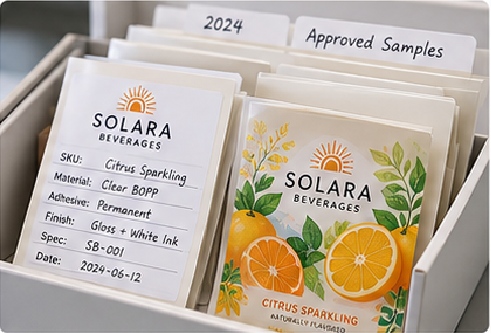
Approved Reference Sample

Approved Reference Sample

For repeat programs, an approved sample or Golden Sample can serve as the visual and construction reference for later batches. Philiton links the sample to artwork, material, adhesive, finishing and roll specifications. Standard large-order production is commonly about 7-15 business days after specifications, materials and approvals are ready; complex programs may require longer.

From Clear Film Specification to Finished Rolls

Philiton converts a defined package requirement into controlled artwork, material, print, finishing, die-cut, rewind, inspection and packing steps.

Requirement and Container Review

The project starts with package material, label size, quantity, SKUs, artwork, exposure environment and labeling method. Clear film adds several early questions: bottle color, contents, white-ink zones, expected no-label effect, adhesive clarity and whether the label will be applied by hand or by machine.

Material and Adhesive Setup

Philiton sources the selected clear film, adhesive and liner from qualified external suppliers according to the approved construction. Incoming material is checked against the project specification before production. Clear BOPP, Clear PET and specialty transparent films are selected according to application needs rather than treated as interchangeable materials.

Prepress and White Ink

Artwork is checked for dieline, bleed, image quality, fonts, color, white-ink layer and any reverse-print structure. The approved file becomes the controlled production version. White ink is separated from transparent zones so operators can reproduce the intended opacity instead of interpreting an ambiguous screen preview.

Printing and Finishing

Digital, flexographic, UV, screen or combined routes are chosen around quantity, artwork and finish. Lamination, varnish, foil or other finishing is added according to the approved sample. Process settings are controlled for registration, curing, web tension and film handling because transparent stock makes surface defects easy to see.

Die Cutting and Rewinding

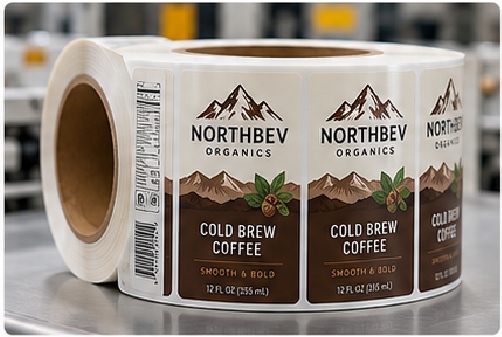
Labels are die cut to the approved shape, waste is removed, and finished webs are slit and rewound to the required roll format. Roll direction, core, maximum diameter, gap, liner width and labels per roll are controlled against the production specification before cartons are released.

Final Inspection and Packing

Finished rolls are checked for print, white ink, die cutting, surface defects, winding and packing identification. Clear-film programs receive extra attention to haze, contamination, scratches, bubbles and visible registration issues. Rolls are then protected against crushing, moisture, telescoping and unwinding before shipment preparation. 
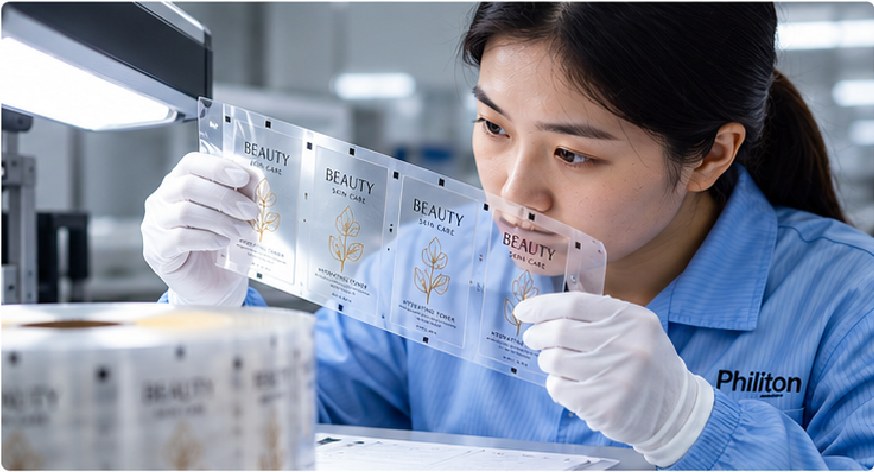
Quality Control Focus for Transparent Labels

Transparent labels make small defects easier to see, so quality control must cover optical appearance, print structure, converting accuracy and roll compatibility together.
Visual, Color and Surface Inspection

Visual, Color and Surface Inspection

Philiton organizes quality control across incoming, in-process, final and outgoing stages, supported by in-house inspection and laboratory capabilities. Clear-film work receives checks that go beyond ordinary text and color review.
  • Material identity and surface condition are checked before use.
  • White ink is reviewed for intended coverage, opacity and registration against color.
  • Transparent zones are checked for contamination, haze, scratches and unwanted marks.
  • Printed colors are compared with the approved reference, taking film transparency and finishing into account.
  • Die-cut edges are checked because uneven edges are more visible on clear packaging.
  • Lamination or varnish is reviewed for gloss consistency, bubbles, wrinkles and adhesion.
  • Roll specifications are checked against the approved winding and applicator requirements.
  • Critical projects can include color measurement, adhesion, tack, abrasion, environmental or other agreed tests when relevant.
The inspection plan depends on project risk. A cosmetic bottle label may emphasize white ink, clarity, scuff resistance and appearance. An automatic-labeling program adds roll geometry, liner, gap and sensor requirements.
Approved Samples Control Repeat Production

Approved Samples Control Repeat Production

A repeat order should not restart from memory. Philiton retains project records where applicable, including approved artwork, material route, adhesive, finishing, roll settings and approval references. Production still receives a new order review because quantity, container, packaging or regulatory requirements may have changed. For brand-color programs, the approved physical result matters more than a monitor image. Clear film changes reflected and transmitted light, and the same ink can look different on white, clear, kraft or metallic material. Philiton therefore treats the approved construction as the production reference and can define color measurement or tolerance requirements where agreed. For roll-fed programs, final inspection also verifies SKU identity, quantity, roll direction, core, diameter and packing. If an issue is reported after delivery, evaluation starts from the approved file, sample, batch information, application conditions and QC records so the source can be separated among printing, converting, material, adhesive, application or transport.
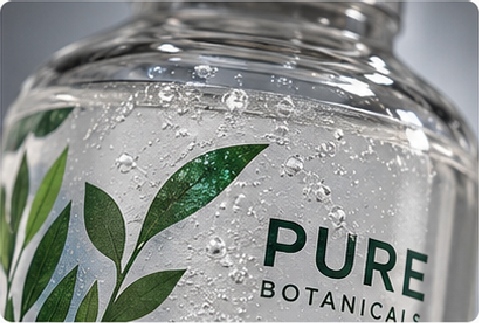
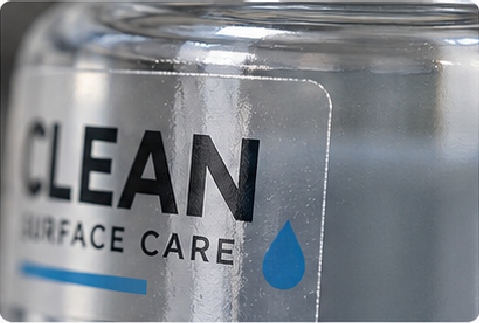
Prevent Common Clear Label Failures

Most clear-film problems come from a combination of material, adhesive, artwork, surface condition or application, so the cause should be isolated before changing the entire construction.
Bubbles and Silvering

Bubbles and Silvering

Trapped air, an unsuitable adhesive, curved packaging, weak application pressure or a wet and contaminated surface can create visible bubbles or silvering. Philiton checks surface cleanliness, adhesive wet-out, curvature, liner release and application method. A clear blank test often reveals the problem before full-color samples are produced.
Visible Label Edges

Visible Label Edges

Clear film does not make the physical label disappear. Thick film, strong contrast, poor die-cut edges, surface texture or certain lighting can expose the perimeter. Philiton selects film and finishing with edge visibility in mind and recommends testing the final size and shape directly on the intended container.
Weak or Shifted Colors

Weak or Shifted Colors

Without an opaque base, printed color interacts with the package behind the label. Pale tones can lose saturation and dark containers can shift the appearance. Philiton uses selective or full white underbase where needed and checks critical colors on the actual film and finishing rather than approving only from a digital screen.
White Ink Misregistration

White Ink Misregistration

Small logos, fine text and reversed details can show visible halos if white ink and color are not aligned. The risk increases where the white layer is designed exactly to the color edge. Philiton separates the white layer in prepress, controls registration during printing and checks the finished sample before mass production.
Edge Lifting or Peeling

Edge Lifting or Peeling

Low-surface-energy plastic, insufficient tack, small bottle diameter, contamination, condensation or applying below the adhesive’s minimum application temperature can cause lifting. Philiton reviews the substrate, curvature, application temperature, service environment and dwell conditions, then selects and tests an adhesive route on the actual or representative package.
Scratches and Fingerprints

Scratches and Fingerprints

Glossy clear film can show handling marks more readily than opaque stock. Unprotected ink or excessive friction can also scuff during converting, packing and transport. Philiton can add suitable varnish or lamination, control roll pressure and use protective inner packing where required to reduce abrasion and contamination before the labels reach the filling line.

Start Small, Then Scale the Same Specification

Philiton supports launch quantities and larger repeat programs without treating clear film as a one-volume product or forcing every SKU into the same print route.

Launch and Validation Runs

Many standard digital label and sticker projects can start from around 500 pcs per design or SKU, subject to material, process and finishing. Clear film launch runs can use material samples and printed samples first, then move into a commercial quantity after the bottle, white ink and adhesive are approved.
  • Typical path: sample → around 500 pcs launch
  • Good fit: new packaging, market testing, artwork validation
  • Main cost variables: material, white ink, tooling, finishing and number of SKUs

Multi-SKU Growth Programs

Brands often expand one package into several scents, flavors, languages or sizes. Philiton can group compatible SKUs around the same clear film, adhesive and finishing route while keeping each artwork separately approved and identified.
  • Typical growth: 1,000-5,000 pcs per SKU and upward
  • Digital printing remains useful for frequent version changes
  • Shared construction reduces unnecessary material and setup changes
  • Each SKU keeps controlled artwork, quantity and packing identification

Repeat and High-Volume Production

As volumes increase, Philiton can evaluate flexographic or combined production routes for higher throughput and improved unit economics. Mature programs may move from tens of thousands into continuing high-volume batches while retaining the approved material, white ink, roll and QC references.
  • Standard large orders commonly require about 7-15 business days after production conditions are complete
  • Very large or complex multi-SKU programs can require 10-20 business days or planned partial deliveries
  • Material availability, finishing and approval timing remain part of the schedule

Compliance Starts With the Exact Label Construction

Philiton supports project documentation and controlled printing, while regulatory suitability depends on the destination market, package use and the exact material, adhesive and printed construction.
Food and Beverage Packaging

Food and Beverage Packaging

External package labels and direct-food-contact labels have different risk profiles. Philiton can select and convert film labels for food and beverage packaging, but any declaration or test report must correspond to the exact material and intended contact condition. Refrigerated, frozen or condensation-prone applications also require the appropriate adhesive and real-package validation.
Cosmetics and Personal Care

Cosmetics and Personal Care

Philiton can print client-approved ingredient lists, warnings and other regulatory text with controlled artwork and legibility. Film, ink and protective finishing can be selected for exposure to water, oils and handling. The brand or appointed regulatory adviser remains responsible for confirming legally required content in every destination market.
Market and Document Review

Market and Document Review

Requirements can differ among the United States, European Union, United Kingdom, Canada, Australia, Japan and other markets. Philiton reviews the requested material documents, test scope, labeling specifications and manufacturing controls against the defined project. No blanket statement is used to claim that one clear-film construction automatically satisfies every market or end use.

Clear Film Project Profiles from Philiton

The following project profiles show how film, white ink, container testing, quantity and roll controls are handled across brand and packaging programs.
United States Cosmetics Bottle Label Program

United States Cosmetics Bottle Label Program

A U.S. cosmetics and personal-care brand required waterproof pressure-sensitive bottle labels across 3-8 SKUs, with order quantities in the 10,000-50,000 pcs range. The construction used White BOPP or Clear BOPP depending on the artwork, with permanent acrylic pressure-sensitive adhesive selected against PET, HDPE or glass bottles. Clear versions used CMYK plus white ink. Philiton sampled on the actual bottle, checking edge lift, transparency, water exposure and rub resistance. Final QC covered color, dimensions, die cutting, surface condition, winding direction and labels per roll before roll packing.
France No-Label-Look Beauty Program

France No-Label-Look Beauty Program

A French fragrance and beauty program involved 2-10 SKUs and quantities in the 10,000-80,000 pcs range. Clear BOPP or Clear PET was combined with high-clarity permanent adhesive, CMYK plus white ink, and gloss lamination or clear varnish. The main risk was visual: dust, bubbles, adhesive haze, white opacity, registration and scratches were all easy to see on polished transparent containers. Philiton used bottle-applied samples, controlled white-ink layers, monitored cleanliness and roll pressure, then inspected clarity, registration, adhesion, dimensions and winding before packing rolls in protected inner packaging.
United States Multi-SKU Launch Program

United States Multi-SKU Launch Program

A U.S. e-commerce and DTC program covered 10-30 SKUs, with 500-5,000 pcs per SKU across the launch range. The priority was not one large artwork but keeping many versions organized while avoiding unnecessary setup cost. Philiton used digital printing as the main route, grouped compatible materials and finishing where possible, checked variable text and barcodes during artwork review, and controlled color, SKU version, dimensions, die cutting and pack-out identification. The same workflow is relevant when several SKUs share one clear-film construction but use different fragrance, flavor or language artwork.

Packaging Options for Clean, Protected Label Rolls

Packing is designed around roll protection, SKU control and the receiving method, especially because clear surfaces can show dust, abrasion and handling marks.
Protected Roll Packing

Protected Roll Packing

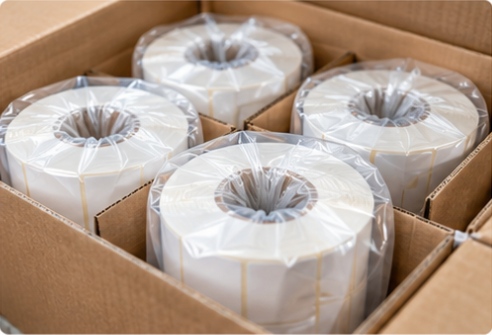
Finished clear-label rolls can be packed in protective inner bags or shrink wrapping where required, then placed in cartons designed to reduce crushing, moisture exposure, telescoping and unwanted unwinding. Roll pressure is controlled during converting and packing so film surfaces are not unnecessarily marked before application. Core, winding direction and labels per roll remain identified against the approved specification.
Multi-SKU Identification

Multi-SKU Identification

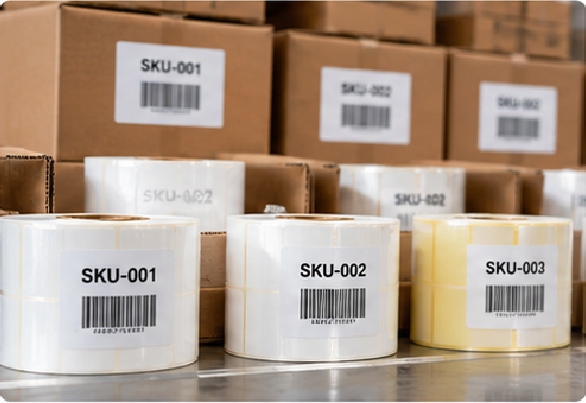
Programs with several artworks can be separated by roll, bag, carton or agreed packing unit. Philiton can mark SKU, quantity and batch information so receiving teams can identify each version without opening every roll. Mixed-SKU cartons or pallets can be planned when warehouse rules allow, while sensitive or similar-looking artwork should remain clearly segregated to reduce picking and line-loading errors.
Warehouse and Shipment Preparation

Warehouse and Shipment Preparation

Courier, air freight and sea freight can be arranged according to shipment size, urgency and destination. Direct delivery to a warehouse or fulfillment center can be coordinated when receiving rules, carton or pallet labels, appointment details and customs information are supplied. Standard shipping preparation is commonly 1-2 business days after final QC release; larger multi-SKU packing programs can require about 2-4 business days. 

Clear Film Labels Frequently Asked Questions

Suitable BOPP or PET film constructions can provide strong water resistance, especially when inks and finishing are also selected for the exposure. “Waterproof” should still be tied to real conditions such as immersion, condensation, bathroom use or repeated wet handling. Philiton reviews the package, adhesive and protection method before confirming a construction.
Clear BOPP is a common starting point for many consumer packages because it combines clarity, moisture resistance and flexibility. Clear PET is considered where added dimensional stability, durability or temperature resistance is useful. The final choice depends on container surface, environment, finishing, adhesive and target performance rather than material name alone.
No. White ink is used when selected graphics need opacity, stable color or visible white elements. Open transparent zones can remain without white. A design may use no white, full white underbase, selective white or visible white graphics. The bottle and contents should be considered before the white layer is approved.
Yes, but dark packaging strongly affects transparent inks. Important colors often need a white underbase to prevent the bottle color from showing through. Philiton recommends testing the intended artwork on the actual dark container, especially when brand colors, small text or light illustrations must remain consistent.
Bubbles can come from trapped air, curved surfaces, weak application pressure, liner behavior, a wet or contaminated surface, or the interaction between film and adhesive. Philiton checks the substrate, curvature, cleanliness, adhesive route and labeling process. A blank clear-material test can isolate the cause before printed production.
Yes. Philiton can supply roll formats for automatic and semi-automatic labeling when machine requirements are provided. Label size, roll direction, inside or outside winding, core, maximum roll diameter, gap, pitch, liner width, labels per roll and any sensor mark should be defined before mass production.
Many standard custom label and sticker projects can start from around 500 pcs per design or SKU. The workable quantity for a clear-film project depends on film availability, adhesive, printing route, white ink, tooling, finishing and the number of SKUs. Special materials or dedicated processes can require higher quantities.
After artwork, material and process details are confirmed, digital samples are commonly about 1-3 business days, standard printed or finished samples about 3-5 business days, and more complex foil, screen, special-die or special-material samples about 5-7 business days. Courier transit is separate from sample production time.
Pantone or spot-color targets can be controlled, but the final appearance is influenced by transparency, white ink, ink system, lamination, varnish and the package behind the label. A physical approved sample on the intended construction is the strongest production reference for critical brand colors.
Send the finished label size and shape, quantity, number of SKUs, container material, surface condition, use environment, preferred film if known, white-ink requirement, finishing, roll or sheet format, applicator specifications, target market and artwork. If material is uncertain, Philiton can start from the package and application requirements.

Send Your Clear Film Label Specification

A useful quotation starts with the package, not only the artwork. Send the information already available, and Philiton can review missing material, adhesive, white-ink or roll details before a production route is fixed. Clear film projects are easier to price and sample when the actual container surface, visual target and application method are known. For brand-color or no-label-look programs, photos of the bottle and a physical container sample can reduce unnecessary revisions. Standard digital or printed samples are planned after artwork, material and process confirmation, while bulk scheduling begins after the approved specification is locked.


Please include:


  • Finished label size and shape
  • Quantity and number of SKUs
  • Container material: glass, PET, HDPE, PP, PE, acrylic or other
  • Transparent, dark, colored or metallic package background
  • Water, oil, alcohol, chemical, cold or abrasion exposure
  • White-ink preference: none, full or selective
  • Gloss, matte, varnish, lamination, foil or other finishing
  • Hand application or automatic applicator details
  • Roll direction, core, maximum roll diameter and labels per roll if known
  • Artwork file and destination market

For all inquiries, please feel free to reach out at:

Get In Touch

  • Our team will answer your inquiries within 12 hours.

  • Your information will be kept strictly confidential.

Get a Fast Quote for Custom Labels & Stickers

We will contact you within 24 Hours, please pay attention to the email with the suffix“@philiton.com”. 
For all inquiries, please feel free to reach out at:

Ask For A Quick Quote

We will contact you within 24 Hours, please pay attention to the email with the suffix“@philiton.com”. 
For all inquiries, please feel free to reach out at:

Get a Quote Today!

We will contact you within 24 Hours, please pay attention to the email with the suffix“@philiton.com”.